IFH 024: How I Made Over $90,000 Selling my Short Film + Video Tutorials

Making a Short film can be tough but selling a short film can be impossible. Here’s my story on how I did both.

I directed a small action short film a few years back called BROKEN (Watch it on Indie Film Hustle TV) I shot the short film on MiniDV Tape (yes I’m old) on the Panasonic DVX 100a, the indie film workhorse of its day.

My team and I filmed it in West Palm Beach Florida (not exactly the Mecca of the film industry) and it starred only local, no named actors.

Now once the filming was over I marketed the living hell out of that short film. It went on to screen at over 250 international film festivals, won countless awards and was covered by over 300 news outlets.

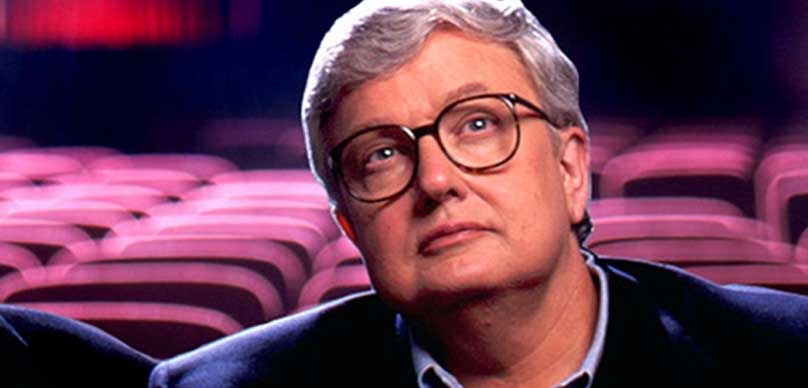
That little short film had a life of its own. I even got a review from legendary film critic Roger Ebert (to hear the full story on how that happen to take a listen to this podcast: Getting Attention from Influencers & Gatekeepers)


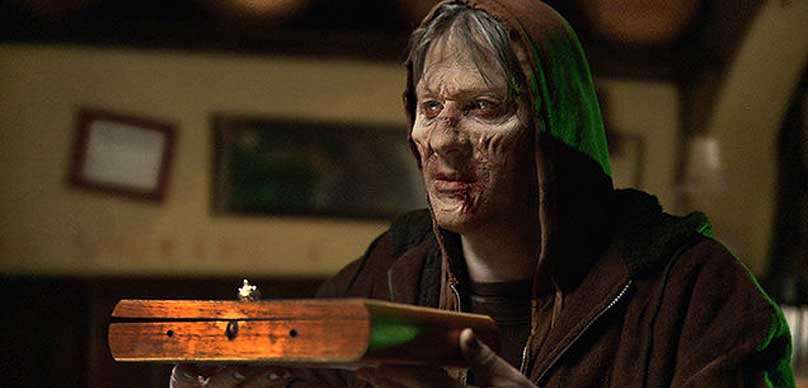
BROKEN is essentially a demonstration of the mastery of horror imagery and techniques. Effective and professional.” – Roger Ebert

Roger Ebert, short film, short films, indie film hustle, film school, independent film, robert rodriguez, indie film, moviemaker, red camera, arri alexa, cinematography, digital filmmaking, filmmaking, alex ferrari, guerrilla filmmaking, NYU, USC, Full Sail University, Sundance Film Festival, film festival, tarantino, kurosawa, cinematography, short films, short film, indie films, filmmaker, how to make a movie, short film ideas, filmmakers, filmmaking, film festivals, film production, guerrilla film, film distribution, indie movie, screenwriter, screenwriting, short film competition, film producers, short films online, how to make short films, film distribution process, great short films, good independent films, digital video production, list of film festivals, watch short films, marketing video production, indie filmmaking, filmmaking software, short film contests, short film festivals, how to make an independent film

Roger Ebert at the Toronto International Film Festival.

Now you must be asking,

But Alex how the hell did you make money with it?

Well, I knew that no one would pay “real money” for a 20-minute short film, shot on MiniDV, with no-name actors, and from a first time director to boot. So I thought like a Filmtrepreneur and planned to create a guerilla indie film school with over 3 hours of footage, tutorials, commentaries and more. 

By creating all the supplemental material and packaging with the short film on DVD I created a viable product for the marketplace.

VOD (Video on Demand) and digital download technology were just getting off the ground and still very expensive if it worked at all. Youtube was not “Youtube” yet, it had just launched. So DVD was the only way to go.


I went after every message board and film news outlet I could get my hands on. I’d had created so much hype around the release that on day one I sold over 250 DVDs for $20.00 a pop. That’s $5000! 

The orders kept coming and I went on to sell over 5000 copies worldwide (and counting), shipping them out of my bedroom in Fort Lauderdale, FL. 

short film, short films, indie film hustle, film school, independent film, robert rodriguez, indie film, moviemaker, red camera, arri alexa, cinematography, digital filmmaking, filmmaking, alex ferrari, guerrilla filmmaking, NYU, USC, Full Sail University, Sundance Film Festival, film festival, tarantino, kurosawa, cinematography, short films, short film, indie films, filmmaker, how to make a movie, short film ideas, filmmakers, filmmaking, film festivals, film production, guerrilla film, film distribution, indie movie, screenwriter, screenwriting, short film competition, film producers, short films online, how to make short films, film distribution process, great short films, good independent films, digital video production, list of film festivals, watch short films, marketing video production, indie filmmaking, filmmaking software, short film contests, short film festivals, how to make an independent film

Speaking on a panel at the Director’s Guild of America opening night at Hollyshorts! Film Festival

10 years later I’m still selling copies today, as crazy as might sound. I’ve probably have generated well over $90,000 selling that little short film over the years. All because I understood my marketplace and what it needed. 

At the time there was nothing on the market like the BROKEN DVD; no courses on how to make a low budget indie feature or short film with low budget technology. BROKEN has found a new life in Indie Film Hustle’s first online educational course “BROKEN (Watch it on Indie Film Hustle TV)” More on that later.

Right-click here to download the MP3

Alex Ferrari 0:00
So this episode today, I wanted to talk about a question that I get asked a ton. It's something that I did almost 10 years ago now was 11, over a little was 11 years ago at this point. And I talk a lot about this little short film, I think in the most, it's the most talked about short film in history. But my film that I did 10 years ago called Broken, I was able to do something very special with that film back then, and continue to do stuff with that film. And my other works today. And I wanted to share with you guys a little bit of how I was able to generate a substantial amount of money selling and self distributing, broken and now my other works as well. So when I created broken, it was a short, I'll give you a quick, quick story about it if I haven't mentioned that already on the show. But the quick story of broke it is that it was a shot as a small short film, shot for about $1,000 shot on mini DV back in 2004. There was no high end technology back then. So I was editing it on Final Cut shot on a mini DV. But what I did do was create a look for the film because of my post production experience. And I took the format of mini DV and did something really cool with it that a lot of people hadn't seen before. So what I did was did a lot of color grading and made it look in a very filmic. And the way it was and a lot of filmmakers started asking me how I was doing it and how I did it. So when when I released the trailer, like when I first started the movie, I had no plans on selling it. I don't think I didn't even understand what I was going to do with it. I just wanted to try to get it out there and see what would happen with it. But as I started posting in places and posting the trailer, in places people kept asking me how did you do those visual effects, which by the way, we did over 100 visual effects in this little short film. So people were asking me how did you do the visual effects? How did you do the had the magic, that camera looked like that I have that camera, which was the dv x 100 A the workhorse of its day. I still love that little camera, they were asking me how I'm able to do it, I can't do it. I have that camera, well, your techniques. So that started giving me the idea. When I first was about to start doing broken, I looked everywhere for some sort of resources to be able to make broken as far as like DVD tutorial something to show me how to make a mini DVD movie editing on Final Cut just something to teach you how to make independent film and believe it or not back in 2004. There wasn't a whole lot. There was actually nothing, I couldn't find a thing about how to make movies for that kind of budget with that kind of technology. YouTube was just it's an infancy was just getting started. And it definitely wasn't owned by Google at the time. So the quality was really horrible as well. It just there was nothing there. So I saw that there was a a hole in the marketplace. So I was like, Well, you know what I'm going to do this. I'm going to learn a whole bunch of stuff on how I did it along the way. And I documented everything I had to documentary crews following us through the entire five days shoot documentary crews being my friends.

And we shot just hours and hours and hours and hours and hours of behind the scenes footage of how we made this movie. So then I went on and spent about six weeks I would imagine to create over three hours or so of behind the scenes tutorials, kind of like a gorilla film school and put it on DVD. Now while this was going on, I was creating a buzz about the movie. For about six months, I was creating a lot of buzz about the movie. I was getting into film festivals. We were winning awards. We were getting written up. We went to Sundance, we've just done a whole bunch of different things with the film. And I was on spin offs to me now I know this now is like you I was doing a product launch. A lot of people talk about doing a product launch online. There's a sequence that you go by and I was doing it and I didn't even know what I was doing at the time. But I was actually Creating a product launch sequence, creating anticipation for the product. So when I started released it, it was very excited about the movie then, when I announced that I was creating this DVD, about how to make the movie, and how I made it, and all the tricks and tips of how I did it, and it was so full of information so full of rich content, the indie film community at the time, really, really just embraced it and went crazy for it and started sharing it and started talking about it. People were already getting excited for I didn't even do any pre orders, I should have done pre orders, I didn't do any pre orders. All I did was like, Hey, if you want to know when it comes out, just sign up for my email list. And I was even getting email lists at the time. And that wasn't something in vogue back in 2004. So I was doing all this kind of instinctually I can't say there was a master plan that I was doing this back then. But so anyway, the day opens that I launch it, all of a sudden, I just hear Ding, ding, ding, ding, ding, all my emails keep coming in from PayPal. And we sold over 250 DVDs in the first day, which was about five grand, because we were selling the DVD at 20 bucks a pop, my partner and I had to run to the post office handwrite all all of the addresses hand stamp all the addresses, we didn't have any infrastructure laid out and the printing of postage, nothing. So it was it was pretty crazy. And then it just kept building and kept selling and kept selling. Okay, building a building. But I was able to create a tremendous amount of press and a tremendous amount of energy around the product. But it was all about creating a piece of a product, if you will, that had content for people like I know, I wouldn't have been able to sell the short film by itself. It just didn't make any sense. It has no stars in it. Yeah, it's an action genre. And, you know, there's a lot of visual effects and things like that in it. But there was just no way someone was going to pay 510 20 bucks to buy this on a DVD, there was no digital downloads, no VOD at the time, that was at least accessible to indie filmmakers like myself. So when I was able to do this, I, I was able to create this, this product that had a tremendous amount of content, and people just went crazy for it, and then start talking about it and start sharing it. And what I was able to do is generate a sold, we've ended up selling over 5000 DVDs, over the course of the years have gone by. And it was all because I was able to identify a hole in the marketplace and understand what they wanted and fed my marketplace fed my audience what they wanted. And what they were asking for. It was pretty humbling, honestly, the whole process of what happened with broken so I tried to do something similar later on with our next film sin, where I was able to do some stuff on with some digital downloads through iTunes. But that was a kind of wonky way of doing it didn't create a bunch of content, like I did with broken was just wasn't as big of a movie. And then years later, I created my movie Red Princess Genesis, which is the animated prequel to references blues, which is the live action short for my feature film that I hope to make one day. And I created a whole bunch of content around that. So what I decided to do recently is to create a new brand new guerrilla indie film school encompassing all of my movies, and giving you almost seven hours of how to stuff like how to everything from pre production production post production, how to market your film, I do brand new content on how I marketed the film's how I went through it, how I how I built the websites, what techniques I used as far as theories and the concepts that I used, why I was doing certain things still hold very true today. So I put this all together under the name lipstick and bullets, lipstick and bullets was a Blu ray compilation of all of the stuff I did, and released that in England. I got all the rights back. And now I'm going to distribute them as an experiment through indie film hustle. So indie film hustle will present the guerrilla indie film school lipstick and bullets edition. So it's gonna have a ton of stuff. It's available. Now, if you head over to indie film hacks, calm, that's indie film hacks, calm. And since you're listening to this podcast, you're going to get a coupon for 20% off. Right now I'm selling it for $47 that will go up in the future. Right now. It's an introductory offer, I think it's a super deal for that much content, or you can rent it for 15 bucks. We're doing it all through VH x.tv going to have the the some representative from VH X on the show in the coming weeks as well. So look out for that explaining to you how how to do video on demand or self distribute through their platform, which is amazing. So far, I love it. The coupon code is I FH tribe. That's I F h tribe and you get 20% off the sale price of $47. So it ends up being like $37 and change. So you get almost 10 bucks off. So to wrap it up guys create how I was able to create this kind of amount of money with a short film is these key elements you have to remember. Now write these down, understand your audience, understand where your audience is, go to that area, where they are, where they're hanging out, whether that be on Facebook groups, whether that be in on forums, at film festivals, wherever they might be hanging out, depending on what that group is, if it's about, I always use the vegan chef example. But if they're vegan chefs don't go to the foodie blogs go to, there's so many different places you can go just find out who your audience is, okay? Once you find out who do you audiences, then start crowdsourcing them starting interacting with them start, you know, asking them what they want, when you find that information out, then build a product that you can sell to them through your movie. So whatever that movie is, and I'm using the word product, but it's really your movie. So write the movie around it around what they want, build a product base about what they want, whether that be hats, T shirts, extra extra materials, film, schools, whatever, whatever they want. If it's you're doing a movie about vegan chefs rom com about vegan chefs, my God, you'd be a fool not to create a whole series of videos on how to make vegan like, you know, a vegan chef of vegan recipes, and show them how to do it, because that's what they want. You know, that's something that they would want to do. If you're making a horror movie, it would be awesome to do tutorials about how you're making, you know, the heads explode, how are you doing it, you know, how you making the fake blood recipes, stuff like that, believe it or not, people really, really love, especially if you're focusing on other filmmakers or other people who are trying to do what you're doing. Once you do that, then you sell the product to them. And now how you how you sell that product to them in 2004 2005 DVDs with the answer, there were no other options. Today, I would not suggest you do a DVD, it's not a great place to it's a lot of upfront costs, and time. And all that stuff, I wouldn't do blu ray either. What I would do is strictly video on demand through through companies like VH X through Gumroad, through Vimeo Pro, any of those guys just do it directly to your consumer and cut out the middleman as much as you can with your project. And again, this is a case by case basis. Some projects have budgets that, you know, this is a much longer conversation about which project makes sense to do VOD and do this for short film and what I was doing to make perfect sense I spent $8,000, you know, I was able to recoup my money and then some with with what I was able to do. If you were doing $100,000 movie, you better have a heck of a marketing plan, and a heck of a business plan on how are you going to be able to recoup your money. And that goes into crowdsourcing crowd, crowd building crowdfunding, all those kinds of different topics. But that's how I was able to do you know, generate a tremendous amount of money, close over $90,000 Over the years selling broken as a broken on DVD. And now I'm continuing to sell not only some of the hand picked stuff from broken, that is still very relevant, I'm not going to give you a tutorial on mini DV. But a lot of the a lot of this cool stuff that was still very, very relevant today. I have picked that by creating and also created a bunch of stuff for red Princess references Genesis sin, and then marketing materials on how to market all of A plus tons of commentary tracks on composing and visual effects and all that kind of stuff for indie film. So I also include in this guerrilla indie film school, my book, The Art of broken, I've always been a big fan of all the art of books like The Art of matrix art, Sin City, and so on. And Ken Robinson and Dan create, and I put together this book with all of the artwork from not only broken, but for the defunct feature film version of broken, but there was so much artwork, and you can kind of see as an example of what can be done with some with a short film for God's sakes. But it's another product line. And we did sell it a hardcover hardcover copies of it. During the days of broken when it came out. We sold a handful of them. But I wanted to give this to you guys not only as an example of what can be done with a project, but also just for fun for people who just want to see all this cool, amazing artwork they all the artists did. I also include all the marketing materials of all the four movies that I did. So all the poster work all the kind of extras I did on the websites and things like that. So you can kind of see the progression of how I was able to market all of our films, and how we were able to get into over 500 film festivals and so on. And how about that you also get my ebook on how to get into film festivals for cheaper free. And that gives you a complete detail explanation of how I was able to get into over the into over 500 film festivals after the first 30 or so film festivals. I spent I spent over $1,000 in submission fees were broken, it was ridiculous. But after a certain time, I was like, You know what, I don't know, if I'm going to be able to like, at this point in the game, any film festivals I get into after this, how much more they're gonna like boost my career boost the film. So I was like, You know what, at this point in the game, I'll be more than willing to pay a submission fee if I'm able to play in the movie, but just to pay to submit and just maybe I'll get into it wasn't playing that anymore. So I decided to create these techniques that worked very, very well.

So you also get that in this package as well. It's a hell of a package, it really, really is a hell of a package, I would have killed to have it. And for the price, honestly, it's awesome. And you get to watch it as much as you want, whenever you want to watch it. Again, head over to indie film, hacks.com indie film hacks, calm and use that coupon code ifH tribe. So on a side note, guys, I wanted to thank you again for making this podcast the number one filmmaking podcast on iTunes. I am humbled beyond, by beyond all recognition. It's amazing that within a three month period, this little show has been able to rank all the way as to the number one spot or filmmaking in iTunes. So I humbly humbly thank all my listeners, all my all the all the tribe, all the indie film hustle tribe, for doing that. Thank you again, so so much for helping us get to that point. And please, if you love the show, or if you just want to give us an honest review, head over to iTunes, give us a review, give us a give us a good rating. And that will help us even get more and more people to listen to the show and help more and more filmmakers. So thanks again guys for listening. I really hope this helped you guys out a lot inspired you a little bit that it can be done. So keep that dream alive. Keep that hustle going. I'll talk to you guys soon.

YOUTUBE VIDEO

IFH 023: Crowdfunding Your Indie Film Like a Pro with Emily Best

Crowdfunding has always been a mystery to me. I never really understood how Filmtrepreneurs could raise $50,000, $100,000 or $1,000,000 to make their films. I tried once with the “if I built they will come” idea but they never came.

When I discovered this week’s guest, Emily Best CEO and founder of the indie film crowdfunding website Seed & Spark, I had to get her on the show. I attempted to squeeze out of her every bit of crowdfunding knowledge I could. We discuss:

  • How to create a successful crowdfunding campaign?
  • What are the biggest mistakes indie filmmakers make when crowdfunding their film?
  • How should indie filmmakers crowdsource (building an audience for you or your film)?
  • How do indie filmmakers determine how much to ask for when crowdfunding?
  • How do you build a killer crowdfunding page and video?
  • What incentives should you give when crowdfunding?
  • How do you determine if your film has an audience?

All of these questions on crowdfunding are answered and more. Seriously this podcast is a condensed master class on crowdfunding. I was selflessly asking the questions I wanted the answers to and now you guys benefit as well. Enjoy!

Right-click here to download the MP3

Alex Ferrari 1:10
So today, guys, we have a indie film Crusader. On the show, her name is Emily Best she is the CEO and founder of seed and spark the crowdfunding platform for independent film. She's going against the big boys going against Kickstarter and Indiegogo and she's kicking their butts in my opinion, her passion for filmmakers and her passion for getting films funded is amazing. And I when I heard her on another show, I it's like I have to get her on. I gotta get her on the show. So sit back and get ready to be inspired by Emily Best of seed and spark. Thank you so much Emily for taking the time out to talk to the indie film hustle tribe. I really appreciate it.

Emily Best 1:56
You bet I have to warn you that my dog might make himself known at some point during this podcast.

Alex Ferrari 2:02
His name is Alan Alan Allister. Yes, I've heard of him. And he's very famous throughout the indie film world.

Emily Best 2:10
#Officedog.

Alex Ferrari 2:10
Yes. We would be honored if he would be here we do a guest a guest spot on the show. Great. So let me ask you. So you're obviously the CEO of seed and spark. So I wanted to ask you first and foremost, how and why did you start Seton spark?

Emily Best 2:28
Well, when I realized that what I wanted to do was make independent films forever. Um, I spent a lot of time researching what that would take. And my so I went to Sundance, I went to American film market, I talked to a ton of filmmakers, I talked to distributors, I talked to finance ears, I talked to sales agents. And I determined that the current climate is far too unfriendly for independent filmmakers. Because granted, this was happening, essentially, at the so we had this sort of conflagration of events in independent filmmaking. Digital technology advanced to a place where you could get really good video footage on your cell phone, but DSLR cameras were starting to make production really cheap. The next thing that happened was DVDs tanked. And there was the rise of digital distribution, except all of the businesses had built up their infrastructure as if DVDs were going to be the way that people consumed things forever, which I might say is rather short sighted. So when you when you thought you would be able to get 1499 for something that now people only thought was worth maybe $1.99 if you're lucky. Yeah, that messed up a lot of stuff really fast, right? And, and so in 2011, after I produced my first feature film called like the water. I thought, well, I really like to do this, but it looks to me like the environment for women and for people of color. And for people who want to tell diverse different stories is particularly messy. But what was interesting is that if you looked at what was getting funded on crowdfunding platforms, consumers were saying I want the weird I want the different I want the diverse I want the boundary pushing, I want the life changing. They weren't saying I want another romantic comedy. That's what they were definitely not saying. Okay, so it was just a really interesting time to come into filmmaking and seed and spark rose out of my experiences making like the water but also my desire for there to be a sustainable filmmaking career in the future.

Alex Ferrari 4:56
Very interesting. So and then when you made like a water, I heard that you had an experience with Ed burns during that process and that it was kind of like, he lied to you in many ways.

Emily Best 5:08
That's okay.

Alex Ferrari 5:10
I don't wanna I'm not setting you up, but I do.

Emily Best 5:12
My best friend Caitlin lied to me. Yes. Edie only sort of partially supported it. So I was making I was in a play. I was co producing a play in in New York called Hedda gobbler. So Norwegian classic. And Caitlin Fitzgerald was playing Hedda. And also, at that time, co starring opposite Ed burns in a movie that he was making. One of the first that he made with the five D, called newlyweds. And he was shooting newlyweds nights and weekends with his friends in their houses on a DSLR camera. And so when the group of women collaborators who made had a gambler decided we wanted to make another piece of work together. We had been thinking about theater because that's what we had been doing. And Caitlin got us all a little tipsy one night and said, Guys, we should just make a movie. It's so easy. And to be fair, Eddie made it look easy.

Alex Ferrari 6:11
No, no, Edward Edward Burns at this point is Edward Burns. He's not like, you know, right off of brothers mcmullin or anything like that. I mean, he's,

Emily Best 6:17
This is 2011. It's three years ago. He's young.

Alex Ferrari 6:21
He's He's, he's Ed burns at this point.

Emily Best 6:23
He's a big deal. Yeah. And so. And of course, because I was the producer in the room, they turned to me, and they're like, you'll produce this feature film. And I was like, Oh, sure, no problem. If it's, there you go. There he is. Yes. If it's easy, sure. I'll do it. And so she invited me to set and I got there and I rang the doorbell of like a cool Tribeca apartment, and the door opens and then, you know, devastatingly handsome man says, Hey, I'm Eddie, come on in. And I get to watch them shoot a film The crew up for which is Ed burns behind the camera directing and like rewriting as he goes, his cameraman who he or his cinematographer, who he's worked with for years, and their sound guy, and that's it three people,

Alex Ferrari 7:16
Three very high, highly experienced and skilled people.

Emily Best 7:21
Correct! Yeah, um, but three people on the left, sure. Zero crew, zero equipment, zero. And I thought, Oh, my gosh, I can totally do this. I just need to find an experienced cinematographer and a sound person. And we'll be fine, right?

Alex Ferrari 7:36
Of course.

Emily Best 7:38
So I did that I went and found an experienced cinematographer, by the name of Eve Cohen. And we told he, what we do, I brought her to New York, I'd met her on a movie in Philadelphia, I brought her to New York, to meet with Caitlin to talk about the movie we wanted to make. And it was a a, an independent drama set in Maine in the summer. And Ede Cohen immediately said, there's no way you will be able to shoot this film on the five D. And we were like, What do you mean, but we don't understand what movie making would be if we don't shoot it on the five D. And all of a sudden, I was off on a very different adventure, right, which is to say, I wasn't shooting a running gun mockumentary in New York City that I might have been able to do on, you know, with a stripped down crew, the kind of movie we were making took a lot more resources and a lot of learning. So in the journey to, you know, learning how to produce a film while producing a film, which is a journey I actually recommend to everyone. It was a great film school. As long as you hire people in the key positions, who already know what they're doing. That was really where I started to see the role of community and audience as essential to the health of the independent film business model, right? There's so much stuff we didn't have to spend money on, because the community was like I'm in, let's do this. Here's a coffee, here, your picture cars from a local car dealership, here are all your locations that were way more spectacular than anything you had imagined. And the reason that we were able to engage a community that way is because we told them specifically what we needed. So we didn't ask for funding, we gave them a list of everything we needed. And we said, support us in whatever way you can. Based on these things, like a wish, like a wish list. It was exactly like a wish list, or a wedding registry. And we sent it to everyone we knew. And we needed to raise $20,000, we raised 23,000 in cash and hundreds of 1000s of dollars in loans and gifts of locations and goods and services. So that was when I started to see Oh, there's a there's a real community organizing aspect around these ideas. I wouldn't know until we went on to the festival circuit, how meaningful that would be what a beautiful audience building tool and audience sort of evangelist tool. The wish list would be and it was only then that people In the industry, who I was meeting and talking to about our journey started to say, well, that's really interesting. Have you thought about offering that to other filmmakers? Which is tantamount to them saying, you know, have you considered a tech startup? And I was like, easy everyone, I only just decided I was gonna be a filmmaker. But as I as I started to really explore it as a possibility. I really, I really understood that. We have a responsibility all of us as independent film creators to change our business in a way that makes it easier for us to build sustainable livings. But we can't expect someone else to do it for us, we have to do it together.

Alex Ferrari 10:45
That's

Emily Best 10:46
That's really I mean, that's really the foundational kind of principle of seed and spark is we're looking for something that is about sustainability for artists and diversity of content for audiences. Those two things are a very powerful economic engine.

Alex Ferrari 10:59
And I've I guess, in recent years is the term like sustainable career or making a living at your art, these concepts are fairly kind of new. I haven't heard them I've been I've been in the business for 20 years. And I, I never heard of that before. Everyone was always looking for the golden ticket. You know, everyone was looking for the lottery ticket, you go to Sundance, and you win. And, you know, you get Harvey Harvey gives you a million dollars. And

Emily Best 11:25
yeah, somebody let's talk about that golden ticket for a second. Yes. Here's the actual economics of that golden ticket, please. You are, there are 15,000 independent feature films made in the US alone, every year 12,000 films from around the world are submitted to Sundance 17 of them make it into competition. So just do that math really quickly, right? 17 divided by 12,000. That's point. Oh, 1%.

Alex Ferrari 11:56
I love that you have a calculator right there.

Emily Best 12:01
4.01%. Now of those films that go into competition, some of them sell for amounts greater than their budget. And those are the ones that get a ton of publicity. And often ones that were earmarked for those deals before they walked into the festival, right. Most of those films end up doing some service deal or DIY distribution, which is not what people think happens to most of the films at Sundance, but that is what happens to most of the films at Sundance. The few films that when the golden ticket, let's say sell to The Weinstein Company, or I mean, that might be one film a year, sell to Focus Features, they so they have independently financed and produced this film. And now they are going to utterly dependently distributed, and they will never get back any data about who watched their films or where or what their email addresses are, they will never get back. Or they certainly won't get back control of the IP. And most importantly, they almost never make any money. So I have a friend who was an executive producer on two of the most lottery ticket like films that went one went through Sundance got picked up by a major distributor hadn't had an Oscar campaign, the other one got picked up out of Sundance was made on a super low budget, bought for a couple million bucks and then did like $15 million at the box office. Beyond the the sale price out of the festival, those investors never saw $1 back from this $50 million box office. Right now. That's because the entire system is set up to preference the distributor, they have to recoup the costs of marketing and the cost of delivery and a lot of other costs. That they won't tell you what

Alex Ferrari 14:01
the hell they are creative accounting, right?

Emily Best 14:04
Yeah. So there's all sorts of creative accounting to make sure that the filmmaker never sees $1. Now, if you are very lucky, that deal might get you an agent and a studio deal, which is cool.

Alex Ferrari 14:21
But the percentages are so I mean,

Emily Best 14:24
we're now talking about point, point, point point, we're not talking about 1% of the point oh 1% in the first place.

Alex Ferrari 14:31
Exactly. It's like so miniscule, it's it's just like lottery tickets. It literally is lottery ticket odds.

Emily Best 14:35
It's almost worse. So so one of the things that I am fond of saying is like I'm perfectly happy saying I'm the 99% that I'm not so special, that my film is going to be the point oh 1% of the point oh 1% and I'm okay with that because actually, I don't like to sit around and wait to be picked. And frankly, I don't think any artists particularly like to sit around and wait To be picky, we're making stuff because it matters to us. And we want to communicate with the people to whom it also matters. That's the whole point. So that we would rely on a system that keeps us as far away from the people who are as aligned with our values because they want to watch our stuff as possible. has never made sense to me. I'm not making films for distributors and making films for audiences, right? And so there's, there's a real this notion that you can go off into a hole and make these marvelous things and then once you emerge, they will just see the merit and pick you a narrative that has kept us small and poor for long enough.

Alex Ferrari 15:46
That's I'm I'm about to like join the revolution with you wherever you go, let's let's go cuz, I mean, it's almost like chegar era. I mean, seriously, it's, it's, I love it. I love listening to you talk about it, because you're so passionate about what you're saying. And it's so true. And like I said, I've been doing this for 20 years, I've been in post and I've seen a lot of feature films come and go Sundance winners and other independent films. And it's so true, like the system is built to kind of keep the artist poor and broke because like you just said there's 15,000 movies made a year. So if nothing comes out this year with others, that's another 15,000 movies coming out next year. And they keep building into this this machine of and never, never allowing they just basically spitting up and chewing out the artists. And God knows what kind of artists or you know, writers or directors or any kind of artists have been just chewed up and never we we made him never, we might have already lost another Martin Scorsese of this generation or another Tarantino because they just couldn't get through, or they just gave up because of this, this machine. And now the technology i think is so like things like seed and spark and you know, the the cost to start making movies is gone down so much that it's now about not as much about making the movie. Do you agree? It is about making good art. But now it's about building your audience, which is my next question. Like how important is understanding your film's audience before you even begin to crowdfund

Emily Best 17:17
it's incredibly important. It's in fact essential. If you don't spend that time before you crowdfund, you won't crowdfund you will friend, fund. And friend, a family friend, right? Yeah, which is what most people end up doing. And then they're like, I don't understand why I couldn't raise more money. And it's like, well, do you know who the people are? Who want to see your movie? Did you spend time finding out where they were on social media? And how they like to be spoken to? Did you do any research into the organism in organizations that service these people? Or did you think that if you build it, they will come, which is the same Pick me Pick me mentality as before, it is really hard work to build a sustainable business, which is what an independent, sustainable film career is. It's a business, right? It's hard to build a business. But it's incredibly rewarding. And you get to go to work every day with the people you care about. And you get to control the creative decisions. And you get to interact with the people personally, who say, Oh, my God, this thing you're doing changed my life. Right? So I feel like part of the reckoning is also to say what is enough? Right? Like,

Alex Ferrari 18:25
yeah, like, do you have to have billions and millions of dollars to be happier? Can you make a sustainable income,

Emily Best 18:31
like if you could make $65,000 a year making the content that you care about, and living in? I don't know, Milwaukee, Wisconsin, where I recently learned it cost $500 for a really nice two bedroom apartment is beautiful. Oh, my goodness. Like, I actually think the real examples of sustainability are going to come first, as sustainability through these new technology platforms are going to come first and foremost, in places outside of Los Angeles in New York, where access has has been granted in a in a new way to audiences and distribution through technology. And people are not quite so caught up in the pygmy mentality that has driven this city to you know, Botox and lip injections for whatever, nearly a year. Exactly. No, it's I mean, it's, it's true, because I actually think it the so I hear filmmakers get sort of anxious about, well, if I have to get good at marketing, too. Won't that take away from my filmmaking? And I think what about the detriment to the filmmaking or the acting or the writing that comes from being desperate to be picked, doesn't seem desperate to be picked, make you revert to the mean doesn't being desperate to be picked make you want to look as much as possible, like the other people who are being picked doesn't desperate To be picked, make you want to write the thing that looks like other things that have been picked, desperation to be picked does not make you more creative, it makes you more

Alex Ferrari 20:09
desperate and desperate. It makes you

Emily Best 20:12
more similar to other things. And that's not. That's not creative to me, if you look at what gets funded through crowdfunding, like I said before, it's the super creative, daring, interesting stuff. So audiences are demonstrating to us that they're smart, they're hungry, and they're supportive of your creativity. Right? The important thing to remember is it's not audiences, like this big faceless mass, it's your audience. It's the group of individual humans with their own interesting lives, who respond to similar things in the world that you respond to, these are this is your tribe, right? Which is actually the name of the company that we use to make like the water. So it's really about finding your people. And, and I think that gives you much more creative freedom than working in a system where you're desperate to be picked.

Alex Ferrari 21:09
Absolutely. And if you ever heard of a film called Kung Fury, yes, it was brilliant, the way that guy would package that movie. And he crowdfunded. And he did very well, crowdfunding, but but my god, he found his audience he completely sold to his audience, whether you like the audience or not, like the movie or not, but the guy's super successful by you know, it was a short film on top of it wasn't even a feature. Yeah. But so let me ask you a question. What? When should a filmmaker begin creating their audience or following?

Emily Best 21:42
As soon as you have ideas, I mean, here's the thing. We're all on social media anyway, right? Audience obviously starts with the people who like you, as a human, those are your friends and family. It's not like you like or not considering them. So probably, you're on a couple of social media platforms, and you're already starting this. But you have also this world of inspiration that defines your creative art that you're probably, you know, looking at online, and I'm reading articles about and writing things about and making little short vignettes about and cutting things together. These are all ways to see the conversations with people who might be interested in the same things. Probably, if you're a huge fan of kung fu movies, you're aware of where kung fu fans hang out, right? And you can go interact with them, because that's the beauty of online, everybody's participating now. It's really a matter of, you know, being involved in the community of interest that's inspiring you, that's where it starts, it should actually ultimately be kind of natural. Right? Right.

Alex Ferrari 22:47
Not forced,

Emily Best 22:48
yeah, you're already you're already doing it anyway.

Alex Ferrari 22:51
So then, with with the whole building an audience, there's one like kind of, I want to say it's like a dirty secret, but things that people don't like to talk about, which is an email list. It can you talk about how important that email list is in building this, this audience.

Emily Best 23:05
So, you know, I think one place that we can get confused is we can get obsessed with the notion of building the audience. And we'll look at any metrics that indicate to us that people like what we're doing, it'll be things like Twitter followers, and Facebook fans. And the problem is, the ultimate goal is not Twitter followers, and Facebook fans, the ultimate goal is getting people to pay money to watch your movie. That's the goal. That's how are getting them to watch your stuff. I don't know if you want them to pay. Your ultimate goal could be starting a movement, it could be getting as many people to watch your film as possible. It could be getting as many people to pay to watch your film as possible. You have to set your own goals. But I'm pretty sure nobody, no filmmakers out there being like, I want to be big on Twitter, right? Like, my goal, like Twitter is a means to an end, which is I want to be big on Twitter, so I can get a lot of people to watch my movie. Here's the thing. On average, you can expect a conversion rate. That means people who see something on your social media to taking the action you want them to take, like funding your crowdfunding campaign are or signing up to see your movie have about 1%. Right? So if you have 10,000 followers, you can only expect 100 of them to show up and do anything, right. That's not like, that's sort of a jarring idea, right? It doesn't mean the 10,000 people might not be aware of it. But what you really want them to do is take action. With email lists that are appropriately managed, you can see a conversion rate of 20 to 30%. Right? The number of people on your email list is way more important. Well, why is that? Well, it's super easy to follow someone on Twitter, you quickly click one button. What's a little bit harder is to get them to sign up for your mailing list because you either have to interact with them personally and like exchange business cards or hand them a sign up. She did your screening, or you end up, you know, doing something online that's so compelling that they're like, hey, I want to sign up for more updates from this person, you have to create that call to action. And then people have to take that step with you, it means that they want to get more deeply engaged with you. And frankly, you should test your ability to get people to take that action before you ever launch a crowdfunding campaign or distribution campaign, because you need to know how good you are at messaging your audience and getting them to really understand why they should do anything with you.

Alex Ferrari 25:35
That's a great, great, that's great information. What, um, let me ask you another question. What do you think is the state? What are your thoughts on the current state of film distribution as a general statement, oh, this is a whole other podcast.

Emily Best 25:48
It's really messy right now. Um, it's very hard to make money on small films right now. Because most of us have still produced things. I'm kind of in the old model of raising as much money as we can, you know, making it making it for as much money as we can. And then thinking about distribution, or even folks who are crowdfunding are still not leveraging crowdfunding. With distribution in mind. They're only leveraging crowdfunding with fundraising in mind. And again, just like twit, the end game of Twitter is not to get Twitter followers. But to get people to watch your movies. The endgame of crowdfunding is not just to raise money, but to get people to watch your movies, right? crowdfunding is just another slightly more involved social media and storytelling tool. The your crowdfunding page is as much of a storytelling tool as your Twitter profile or your Facebook page. And so I think we're still behind in some senses really strategizing and thinking about our distribution before we make films. And, and part of the reason I think the economics are so tricky is we let the script utterly dictate how much a film should be made for, right, which in some cases is fine, because there's a lot of resources to put to it. But sometimes there are scripts that really have a, you know, a smaller audience, demonstrable audience reach, and if you've demonstrated, you can get, you know, 10,000 people to spend $5 a piece on your film, right? And that's as far as you think it can go? That's $50,000. Right? Right. If you if you want to crowdfund $100,000, and then make $50,000 back, that's not a bad deal. Right? Right. That's a pretty good universe. But if we're, I mean, we just have to also get really honest about like, the capacity and what it takes to really make money on stuff. And I'm not saying that you shouldn't make things that can't make a profit, I'm saying that there are models that are actually built so that you are doing it for reasons other than making profit, and crowdfunding is one of those is if it's really meaningful to people, and it's meaningful to enough people, they will fund you to make this thing that maybe doesn't have huge commercial reach, but is meaningful to a small subset of people and you can still make some money on that because the community has brought it into being um, I just think the longer that we sort of continue to do things the same way the Messier it's gonna be the other thing is like, we just haven't caught up to the fact that most of us carry a device in our pockets every day that can allow us anyone to shoot, edit, distribute and consume a movie. Right? That is a fundamentally like industry shifting technology. And we have not caught up and part of it is because the you know, there are a lot of distribution middlemen who stand to lose a lot of money if we get to what these devices can do for us.

Alex Ferrari 29:04
as as as basically as as, you know, things like VHS and gumroad, and YouTube and Vimeo pro and all these other, kind of like killing the middleman thing out and just going directly to your customer. The technology is changing so rapidly, like, you know, how long How long is he to spark been around?

Emily Best 29:25
Three years,

Alex Ferrari 29:26
three years. So, you know, three years in the indie film world, three years is massive. Things are changing so rapidly. It's nice to find like I just heard of, I've just heard the other day of tug, which I I never heard of before. I just had never come through. I'd never, never came through my ears.

Emily Best 29:47
Yet someone from Ted on this podcast. They're fantastic. And they're incredible. And we work with them.

Alex Ferrari 29:51
Yeah, I know. Can you tell them real quick, can you just just say a couple things about tug.

Emily Best 29:55
Sure, tug is a way to crowdsource your theatrical release. So they have relationships. With 90% of the theaters in the country, and it works on a promoter basis, so anyone in any if you put your film on tugg, anyone in any city can say, I would like a screening of that film in my city. And they can go about pre selling tickets. And if they hit the minimum threshold, and that threshold is determined by how much the filmmaker wants to make, how much the theater wants to make, and how much the promoter wants to make, they sell the minimum number of tickets, that screening is guaranteed, and you have a theatrical screening in the city you didn't even think of, because somebody who liked your movie decided they wanted to do it there.

Alex Ferrari 30:32
We'll be right back after a word from our sponsor. And now back to the show. That's absolutely brilliant. And that's a game changer. Absolutely, in many, many ways. Now, I'm sure you've seen a ton of pitch videos, can you give us an example of a bad one? and what not to do?

Emily Best 30:58
Sure. So um, it is very common. And I don't know why I think it's because we just get nervous about asking for support that filmmakers making pitch videos, forget to apply their filmmaking techniques to the pitch videos, and they end up making pitch videos that like their, their aunt would like but wouldn't care about. So it's not uncommon to see a filmmaker you've never heard of or seen before. Sit down in front of a camera in lousy light with bad sound and say, Hi, I'm Emily, I'm making a terrifying thriller, and I really want you to join me on this journey. And you're like, What? Who are you? Why should I expect that you're going to make a terrifying thriller, and prove it, and then I'll go, um, you know, making movies is really hard, which is why I put together a really killer team, and I can't wait for you to hear from them. And then another person you've never heard of whose opinion you don't know how to trust in His work, you don't recognize like the cinematographer will come on screen and another badly lit interview situation. And they'll be like, yeah, so like, I'm really excited to work on this movie, because like, I've been really inspired by like Eli rock films for a while. And I worked a lot on a lot of those kind of films, like in my thesis in college, and, um, I just like, really, I just think it's gonna be really fun and like, really dark. So I had no script, and they go on forever. Right? Now, I still don't know what the movie is about. I know two people who are involved with it, who've given me zero confidence in their capacity to execute. And then maybe they're going to send me to talk to an actress or an actor who's like, really excited and engaging and probably like nice looking, and they're going to tell you how excited they are to work on the project. But you're like, what is the project? What are we even talking about? Most people except for the parents of the aforementioned like filmmakers, and actors and cinematographer. I shut the video off by this point, because those people are trying to talk to audiences for horror films. And let me tell you what audiences for horror films want horror films, interview pieces, right? So you actually have to start to build up your credibility by demonstrating to people what you can do. So you know now that tangerine has thankfully proven you can make brilliant films on your iPhone. I don't like I don't have to bat down the excuses anymore from filmmakers will look but it costs money to make a good pitch video. No, it does not. No, it does absolutely does not. Because you're a filmmaker, and indie filmmakers are the most creative, ingenious people I've ever met. That's why I like decided to go headfirst for the rest of my life into this business. You can take your iPhone, and shoot something really creepy in a dark alley in the middle of the night with all the same people that we're talking to. And demonsaw make us feel something about your capacity to execute on the thing that you're proposing. And then once you've done that, once you've scared me a little bit, then you can pop your face up on the screen, so that I have a relationship to Ooh, you made me feel something now I see your face. No, I'm interested in you. Right right to give the audience for your film, a reason to trust that you're a person to deliver them what they want. That's super super important and the pitch video

Alex Ferrari 34:33
and it seems after you've explained it it seems quite elementary but most I would imagine most people don't

Emily Best 34:41
Yeah, I don't know what happens I so here's the thing. I wonder if it's not you know, sort of partially our fault and an out by our I mean sort of all the crowdfunding platforms who are like, you know, you have to make a personal appeal. And so they're like, okay, I'll start with the personal appeal and beg Yeah. film, it's a little bit different, right? Because the messaging is not necessarily just to pre sell the film, but to get involved in this experience with me that I'm going to take you on not just for this film, but for a lifetime if you like it enough, right? And so the messaging can't be, we want to make this thing but we're broke, please help,

Alex Ferrari 35:21
which is 95% of

Emily Best 35:25
the pitch video has to be, we are about to basically take a spaceship to the moon, do you want to be the fuel,

Alex Ferrari 35:33
that's a great way of looking at it,

Emily Best 35:35
I offer something that is so exciting that I want to get involved in the journey. Right, where the delivery of the finished product of the film is almost ancillary to what I'm excited about at this point, like, I just want to be so stoked to be involved with you. Now, there's also a whole set of subset of people who will fund things because they're excited about the finished product, you have to keep in mind that, you know, unlike a tech widget, I can just go watch another film next week. So if you're offering for me to get involved in a film that's not coming out for eight or 12 months, you better give me stuff along the way to remind me that I care about this thing. Hmm. So the other thing is like the pitch video is only really the beginning of the deeper relationship, right? So you go from the first date. No, no, no, the Twitter follow is the first date. Okay, gotcha, that the email address is like the fourth date of crowdfunding should be like the engagement. Really, you know, that's when like you, you're really deepening your relationship. And that means you're gonna have you're committing to having a relationship with those people forever.

Alex Ferrari 36:49
Artists, artists and consumer of art, correct? That's, that's a great analogy as well. And I as what would you consider is realist? Oh, can you talk a little bit about realistic crowdfunding goals? Because I know, sometimes I've seen, you know, $1 million dollars. I'm like, really, and they've they've never shot anything in their life. So can you talk a little bit about realistic crowdfunding goals?

Emily Best 37:12
Sure. The first and most important thing is, your crowdfunding goal has to be directly related to what you're promising in your pitch. So if you're promising, we're going to shoot, edit and distribute this entire this movie based on the money that we're gathering right now, you have to have budgeted for all of that, and know that the amount of money minus the fees you're gonna pay is enough to do everything that you're promising. If you if you if you get there, and you're like, holy shit, that's $150,000. That's a lot. Think about breaking it up into stages, and setting goals for yourself that are related to the size audience you've grown. First of all, you shouldn't launch a campaign unless you know for sure where the first 30% of your funds are coming from. Why? Because strangers, people who've never heard of you before your crowdfunding campaign whose first encounter with you is in the crowdfunding campaign, tend not to be interested in getting involved until you've hit about 30%. And that's because momentum shows inevitability of success, and people like to pick winners. So part of the reason you want to spend so much time cultivating the crowd in advance, so that it's easy for you to determine where that first 30% is coming from. And then those people act as your evangelists for the next 30%. And those people act as evangelists for the following 30%.

Alex Ferrari 38:31
Interesting, interesting, so and then when you say the first 30% you're saying like, where it? Can you explain that a little bit? Like, how would How would I know where the first 30% of my funds would come from?

Emily Best 38:42
Is you've been out there talking to people about your campaign products, writing to the people who are most enthusiastic saying, Can I count on you on day one? What kinds of incentives would make you the most excited? How much would you be willing to contribute? If I could promise you, you know, tickets to the premiere? Um,

Alex Ferrari 39:01
well, let me ask you what is some of the most ingenious incentives you've seen in your day?

Emily Best 39:06
Well, I really like incentives that inspire evangelism during the campaign. So my most favorite example is filmmaker named Sean Mannion did a time travel short, called time signature. And I contributed $25 to his campaign, and I'm not kidding, like 20 minutes later, I got a an email that said, Emily, thank you from his campaign page. Emily, thank you so much for your contribution. It means a lot to us. If you could travel anywhere in time, where would you go? And I was in. I don't know what I was doing that day that made me so boring, but I shot back to go to the signing of the Magna Carta. Okay, thinking that that was also like, I didn't know what he wanted it for, but I was like, this is a hard one. Like it was kind of a dick move on my part. Right? Like Half an hour later, I get a tweet that says, we found at Emily best at the signing of the Magna Carta, where will we find you. And it was a some sort of 13th century scroll image of these friars sitting around signing the Magna Carta. And he had found a picture of mine off of Facebook, and photoshopped it in so expertly, it took me a second to find myself because I just looked like I was there, Wow, really excited to be there. And it was, it was so brilliant, because it made me love him instantly, it filled the incentive that he owed me outside of the delivery of his film. And I shared it everywhere. And I know that I am personally responsible for no fewer than seven other contributions to that

Alex Ferrari 40:57
campaign. Right? That's brilliant.

Emily Best 41:01
$25 into $200.

Alex Ferrari 41:04
That's no way but that but also that takes a little bit of sweat equity, elbow grease, which a lot of filmmakers, you know, they have to ask themselves that that deep question, am I willing to do the work? Absolutely. You know, and that's why I think all this the whole crowd for crowdfunding and building up your audience and everything it has to do about the work and, you know, it's sometimes I've dealing with so many filmmakers in my in my life that a lot of them just want to make a movie one, you know, be famous. And you know what I mean? It's not as much about

Emily Best 41:35
movies, no work at all, I'm sorry. Because making no making a movie, that's no work at all.

Alex Ferrari 41:40
Exactly. Like you've killed yourself, you know, for two years, three years, sometimes I'm making a movie and you're not gonna take it to the finish line, you know, you're so close. You know, I always look at marketing and, and, you know, building this audience and stuff like that, as part of the creative process have always said that, it's like, you have you put your creative energy that you would into your art, but make the marketing on art like that guy. That's a perfect example with the scroll. That's brilliant. Yeah, a really brilliant idea. So what is one of the main reasons somebody would invest in a movie in a crowdfunding platform? Like what's what's, what's the main reason they would?

Emily Best 42:24
Ah, you mean into a crowdfunding campaign?

Alex Ferrari 42:26
Yeah. Like, like, I'm Joe Schmo. I just came on to seed and spark, why would someone like throw down 25 bucks to somebody I don't even know, like, what's the main reason?

Emily Best 42:37
Usually, because, um, there's like a really well articulated Why, why do we need to make this thing that speaks to the person's heart? It's emotional. Of course, why does this need to get made. And it could be, because the pitch video made me laugh my ass off. And it could be because the filmmakers are working on a social justice issue that really matters. Or it could be both in the case of a film called quality problems. It could be that I just really liked the filmmakers approach, it could be that I've been following the filmmaker for a very long time. And I'm really excited to finally get a chance to interact with them in this way. So I it's, I think it's above all, that there is a y. Right? That I that I understand and believe in

Alex Ferrari 43:35
now, can I want you to see if you can set a little light on something that a lot of people don't get in regards to, you know, getting the distribution deal, like, you know, if your film is on iTunes, or Netflix or VOD, those platforms, keep all the customer information and doesn't allow you to connect with that audience. Can you said shed a little light on why self distribution and audience building in many ways is even a better situation? In sometimes for filmmakers in the long term for building a sustainable living as an artist?

Emily Best 44:06
Um, say that one more time?

Alex Ferrari 44:10
Can you shed a little light on why self distribution and audience building is a little bit in many ways is better of a situation than getting that big, that big, you know, golden ticket thing, because you are building for the long term because you're building that audience up and have connection with that audience as opposed to, if someone gives you a million dollars at if you're lucky enough to get that deal? You know, that doesn't mean out of out of out of all those out of all those people that do get that golden ticket, like you're saying that point point one of point 1% how many of those actually have a career in the next 10 years? Is and that's the other thing as opposed if they're

Emily Best 44:46
women. Yeah. Right. If there are people of color, very few, um, and I think that's, I think first Well look, the important message here is How hard Do you want to try to be the point? Oh, 1% of the point Oh, 1%. Right? Why try to participate in a system that clearly doesn't want you? You know, what, what piece of validation is so important that you wouldn't just want to do things? You're way sooner? Right? I think I think for me, it's about what can I do that I control?

Alex Ferrari 45:28
Right, exactly. And building your audience and, and your following and things like that, and distributing it yourself. And keeping the majority of the bounty is something you can control. Look,

Emily Best 45:41
I wanted to make a film about with my friends about female friendships that I recognized. And I knew there was an audience for this movie, because I am a woman of a certain age, who was really tired of all of the women my age being portrayed as, like, you know, sort of batshit jealous, need a man to solve our problems. And not the version of the least, like really successful, creative, amazing, interesting women who I was friends with all the time, I needed that narrative. I didn't see it anywhere. And when we took like, the water to the festivals, this was the reaction we were getting were women in their 60s saying, I've been waiting my whole life for a movie like this. Oh, cool, you know, like incredible things. When I took this to American film market, I had more than one sales agent say, Well, you know, if you could sort of bump up like a lesbian erotica element that would really

Alex Ferrari 46:44
surprise me the least,

Emily Best 46:45
this is the point at which I thought I do not want to be picked by these people anyway, because we fundamentally disagree about what is needed in the marketplace.

Alex Ferrari 46:55
It's like, it's like Groucho Marx said I wouldn't want to be a member of a club that would have me as a member,

Emily Best 47:00
I wouldn't want to be a member of a club that they're members of. Yeah, exactly. Like, it's just, it is just that this is, again, it's it goes back to sure, you could try to knock on doors that are built not to open for you. That's great, you can see the creative control to people whose opinions you might not agree with. Or you could in the hopes that you will get the golden ticket and become the duplass brothers. Right? Right. Um, or you could build it yourself, one audience member at a time, and make what really matters to you in economically sustainable ways. I don't know.

Alex Ferrari 47:47
That's perfect. That's, that's actually a perfect, that's a perfect statement. It's a perfect statement. I think it's, I hope this conversation from our listeners understand that it's, it's about breaking the dogma that we've been sold this, this Wizard of Oz kind of, you know, don't look behind the curtain kind of dogma of go to, you know, spend 120 grand to go to film school, and in like, you know, you're not going to get a job and then go make your movie and then you're in debt for the rest of your life and, and then the movie you make is you got to go down this road and gotta go down to the festival route, and then maybe get, you know, put some a little lesbian erotica in just to be able to sell it in Germany, and you have to kind of kowtow constantly, but it's just as dogma that invoices like you. And I hopefully voices like mine, from what we're doing an indie film hustle is to try to break that, like, Guys wake up, like, get out of the matrix, you know, it's in, and that's what I'm hoping. That's why I want to do on the show so bad, I really wanted to shine a light on what you're doing, and the concept that you're trying to preach out there. So where do you see seed and spark in 10 years?

Emily Best 48:59
Um, wow. In spark in 10 years.

Alex Ferrari 49:05
Cuz everything's like dog years here. Because like, every year is like seven. Like, everything's changing so rapidly. So

Emily Best 49:11
yeah, I would hope in 10 years, there are 10,000 filmmakers on the platform reaching 10 to 20,000 audiences each, who are, you know, paying between 60 and $100 a year to spend on those filmmakers and the stuff that they love.

Alex Ferrari 49:36
Right, that would be a wonderful, wonderful world. Yeah,

Emily Best 49:40
it would be a really, it would be a really, really cool world. Yeah.

Alex Ferrari 49:46
Now on CD and spark, you actually can distribute your film as well. Correct? Correct. Can you explain a little bit about that? Because that's one part I found really interesting about what Seton spark is doing. Yeah.

Emily Best 49:57
So um, If you crowdfund with us, and reach 500 followers, those are not necessarily people who contribute monetarily. But essentially just high five your campaign. They've joined your email list is what it is. you qualify to take advantage of all of our platform partnerships. So streaming on seed and spark, Netflix, iTunes, Hulu, Amazon, Google Play all the cable, VOD providers, and we can even connect you to theatrical partners.

Alex Ferrari 50:36
So wait a minute, you actually have a partnership with all the those iTunes and Netflix and Hulu and all that stuff as well? Yeah. Oh, I didn't know that. Now. what's the what's the what's the split? If you want me asking?

Emily Best 50:48
Well, so the splits on all the platforms are different, I got it for 20 minutes for me to list them. Sure. Of course, we only take 10% on the pass through. Okay. So that's, that's about half of what most other platforms will take on the pastor. But what we can provide is placement, right, you get if you go there by yourself,

Alex Ferrari 51:07
you're basically you have a door opening, you open doors for filmmakers, I would have had to go through an aggregator or sign some sort of distribution deal.

Emily Best 51:15
And over the next couple of weeks, the crowdfunding tool will get better and better at gathering the data that will help you understand where your audience is watching stuff. So that you can see that I don't know 60% of your identified audience watches everything on iTunes, right? So you can preference the iTunes distribution and you don't have to spend the money trying to market it also on a bunch of other platforms, or, you know, or you find out that it's on, you know, most of your audience is concentrated in these areas. And these are the cable companies that service those areas, you just put it out on those cable VOD platforms, right? Because it's easy right now to just pay money and put stuff on all the platforms, getting anybody to know that it's there way harder. And that's still rides on the backs of filmmakers.

Alex Ferrari 52:06
Which is something that they don't teach you in film school.

Emily Best 52:09
Don't that's, that's our next undertaking. How do we get this information? There are some really really smart people working on the problem of how to how to sort of bring this into film school as well.

Alex Ferrari 52:23
Because it's it's so I mean, that stuff that they're that kids that I see coming out are just like, they're still in a in a haze. They're still you know, they all think they're gonna be Robert Rodriguez or Steven Soderbergh. Or, you know, Spike Lee and the you know, it's not the 90s anymore, unfortunately. A lot of ways. So, um, I have that this is the toughest question of the interview. So prepare yourself. Okay. What are your top three favorite films of all time?

Emily Best 52:52
West Side Story, okay. Some Like It Hot,

Alex Ferrari 52:56
awesome.

Emily Best 53:00
And the third one is a tie, which is a really weird, like shitty way to shirk the top three, that's fine. Um, there's an Iranian film that came out in 1997. That changed my life called gubbay. It was the first arthouse film I had ever seen, by which I mean, it was the first time I went to an art house, and a much cooler friend of mine was like, let's go see this film. Like, whatever. I'll do it because it sounds cool. And I couldn't leave my seat. I saw it. I just didn't know that film. Could be like that. Um, and then actually, there's a film by filmmaker named Mike odd called Pear Blossom highway that we released through seasons bark. That was a film that I saw at a festival that reminded me why we have to have lots of different kinds of festivals. Because it was it a difficult film, a narrative doc hybrid. That was seamless, that had utterly stunning performances and really disturbing, weird, interesting situations. And I thought about it for weeks afterwards.

Alex Ferrari 54:19
Which is what good art does,

Emily Best 54:21
which is what good art does? Yeah. And Mike art and Nathan silver have just made a new film together, which I cannot wait to.

Alex Ferrari 54:31
It's awesome. And finally, can you give some steps that you can suggestions, some tips, final tips to filmmakers who want to have a successful crowdfunding campaign?

Emily Best 54:44
Oh, sure. Start by going to seed and spark.com and downloading our crowdfunding to build independence handbook. This is very, very important. And you know what? is embarrassing on the brand new site if you go to four films, makers and how it works. It'll walk you through and it'll give you the handbook right there. Read this Handbook, because it will give you the step by step of how to start engaging your audience, how to think about building your incentives, how to make sure that your crowdfunding video is awesome. All of these things will be built in there. But you have to start by doing your research and forming a game plan. crowdfunding follows this sort of the same steps as production, you need pre production, which is planning and scheduling and team building, you need production, which has its own set of planning and scheduling, and team building, building and kind of daily maintenance. And then you have post production, which is all the communication that you're doing all the incentive, fulfillment, all of that, right. So really making sure that you think through all of that strategically, and how it will help your distribution in the end.

Alex Ferrari 55:57
That's awesome. And obviously, people can find you at seedandspark.com,

Emily Best 56:01
seedandspark.com. I'm Emily Best on Twitter or @seedandspark.

Alex Ferrari 56:06
Emily, thank you so much for doing this. I know you're very, very busy, lady. So I really, really appreciate you taking the time talking to thanks for the tribe.

Emily Best 56:14
Thanks for the great question.

Alex Ferrari 56:15
Okay, thank you. I appreciate that. Well, if you didn't know how to crowdfund before, you definitely know how to crowdfund out, I was I've honestly never really crowdfunded a film of mine. So I really wanted to do this interview, because I just want to learn as much as I can about crowdfunding, my next my next project, which will hopefully be coming out next year. And you guys will all hear about it as I do it, trust me. But um, Emily laid out some amazing advice, some real amazing gold nuggets of information there. I think you guys are armed now and ready to do a crowdfunding campaign for your next project. It does take a lot of work. And that's something that a lot of people don't really understand that this is as as intense as actually making your movie is getting it funded and marketed and so on, which is something I constantly preach about on the show, and on indie film, hustle. So I hope this was entertaining for you guys. I hope it was very informative for you. It was for me, so don't forget to head over to film festival tips.com that's Film Festival tips calm, where you can download my free ebook on my secrets on getting into film festivals for cheap or free. So keep that hustle going. Don't let go of that dream. Make it happen. I'll talk to you guys soon.

YOUTUBE VIDEO

LINKS

SPONSORS

  1. Bulletproof Script Coverage – Get Your Screenplay Read by Hollywood Professionals
  2. AudibleGet a Free Filmmaking or Screenwriting Audiobook
  3. Rev.com – $1.25 Closed Captions for Indie Filmmakers – Rev ($10 Off Your First Order)
IFH 022: Does Your Indie Film Have an Audience?

I’m never surprised anymore when I speak to filmmakers or Filmtrepreneurs and ask them one simple but powerful question,

Does your film have an audience?

I usually just get a blank stare. This is probably the most important question you can ask yourself as an indie filmmaker. Now if you are making film as art and have no intention or care at all about making money with your film then you should stop reading this email.

Now, there’s nothing wrong with that but that is not what I’m discussing here today. For the rest of us that want and need to make money with our films, these few little words should be your mantra in the development process.

Most filmmakers get so excited by the concept of a story, the emotion or just with the idea of making a feature film that they never ask the question. They are scared to because it might stop the fun they are having. Trust me I know the feeling.

Before you waste all that energy on writing a script, getting talent, crew, and money you better know if you’ll be able to sell this puppy when it’s done.

Ask who is going to watch this, then find out where your audience is hangout online. Join a Facebook group, forum, etc. Ask the community if they would be interested in watching a film like yours. Ask what they would like to see in it and which actors get the group excited.

I know this takes out the art and excitement of filmmaking a bit. Well, when you are starting out you need to take advantage of every opportunity you got.

You’re not David Fincher…yet

You’re not Quentin Tarantino with millions of fans who will just go out to watch anything he does. You have to approach your first film as a business, with a bit of art dashed on top.  It’s called show business for a reason.

This is one of many ways to approach making your first film. If your making your film for $2000 then make whatever you want. It a gamble but a small one. I’m talking about filmmakers with $50,000 to $1,000,000 budgets. With that kind of money on the line, you better know who is going to watch and pay for your film.

So before you go off half-cocked to make your first feature ask the question, you’ll thank me later. Listen to this episode and find out some tips and tricks to see if your film has an audience.

Right-click here to download the MP3

Alex Ferrari 0:00
So this week's episode guys is does your indie film Have an audience. And that is a question that every filmmaker should be asking themselves as they go forward in their filmmaking journey. I know so and I mean, I've seen so many people walk into my office, into my, into my post suite with films that are so passionate and so wonderful, and they love what they did, and they just want to get it going. But they have no idea not only where they're going to sell it, how they're going to sell it. But if there's even an audience for it, and that was one of my mistakes, when I made I produced a film called behind forgotten highs was a documentary that I produced gargling almost 10 years ago, what a lot of awards at festivals, and so on, but I didn't know where I was going to sell it, you know, and I just come off, you know, kind of the success I was having the, the minimal successor, I was having unbroken. And I said, Hey, I can market anything, I could just push this out. And that movie was about, it's a very, very rough subject, let's just put it that way, World War two kind of subject matter with between Korea and Japan. And it was a wonderful film very, very proud of that film. But the problem was, I didn't know where to sell it, how to sell it, it was extremely difficult to sell it because of the subject matter. So my, the director and myself, really had no idea where to sell it, you know, and had no idea where to go forward with it, at the end of the day, kind of just sat there. No one ever really did anything with it. I mean, he sold it a little bit here and there. The director did. And we got a couple, some distribution. We sold the to a couple countries for distribution, but nothing major. Not enough to get our money back. that's for damn sure. But it was a simple question that could have been asked prior to making it now, with that kind of film, specifically in that documentary, it was a passion project. It was something that he felt very strongly about. And he wanted to tell the story, and try to help. And that's one aspect. And that's one angle of going through filmmaking, especially with documentaries, a lot of documentaries are just about trying to get the word out about a specific cause, or a story that's not getting enough attention, regardless if it can sell or not for narrative films, and also for documentaries. But it just depends on what what your what you want out of your documentary, or what you want out of your film. If your point is just to get this movie made, and tell the story, great. If your if your point is about trying to make money and sustain a career doing this, then this is a question that you need to ask yourself, every time you start writing a script for a feature film, or for a short film, but more specifically for feature films, short films, you could be much more experimental with. But with a feature film, you have to ask, do I have an audience? And I've had so many filmmakers I've talked to that have a blank stare? I'm like, Who's your audience with this film? Oh, well, you know, as a demographic between 18? And I'm like, No, you do that's not that's not your audience. You can't afford to market to 18 to 35 year old males, you just can't, you can't afford to do that. The Studio's can afford to do that. Because they could just throw millions and millions of dollars at that demographic, and they'll get some awareness for their films. But you won't, you can't do that. You have to be very, very specific about who your audience is. And, and before you go down this long journey of making a movie, dammit, man, you better know that answer. Because if you don't know that answer, you can you can work a year or two on a movie sometimes. And at the end of it all you go some festivals, you get some plays, you might win a few awards, and then what you're stuck with holding the hand, you're stuck holding this film that you can sell. Nobody wants to see it because there's no real audience for it. So you have to kind of ask yourself, what, who wants to watch this? Now again, if this is just art, and you're just making art for art's sake, then my god do it, that's fine. But for the rest of us who want the not only want money to make money, you have to ask this question and answer it very, very clearly. So once you've identified your audience, go find out where they are, and then start marketing to them. It's called crowdsourcing, you should start crowdsourcing your movie. Prior to it even being written in some ways. If you feel really strongly about, you're going to make this movie, start figuring out where your audience is hanging out, and go hang out in the same places where your audience hangs out. Start talking to them start engaging them and you start crowdsourcing these people ask them questions, ask them hey, why would anybody here want to see this kind of movie? This is the kind of movie I want to make. Who's the stars? You want to make it put those in these movies? Do you need stars in this movie? Do you need this kind of topic what that is is a cool topic. And so on man, man. I'm telling you if you understand who your audience is, you're so far ahead of the game. It's not even funny. This is what I did with broken I actually identified who am I to carve my target audience was going to be which I knew was going to be independent filmmakers. Now I didn't know this when I was making the movie. I wasn't that far ahead at all. have time yet. But after the movie was done, I was like, Well, wait a minute, I think I can sell the short film. And I don't think anyone's gonna buy it in the real world. But they will buy it. I think independent independent filmmakers will buy it because they're going to want to know how I was able to do this and just share this information. Because there was a, there wasn't there wasn't anything like this in the marketplace at the time. So I went to the forums, to there was no Facebook at the time, there was my space was crazy. But I went to these places where all these independent filmmakers hung out. And I started talking to them, I started engaging them, I started showing them trailer showing them behind the scenes and people got so excited. But why the time that I launched the DVD for sale, we made almost five grand in the first day. You know, that's that's huge for us, you know, for a little short film that was made for eight grand, that's insane. So ask that question, guys. Who is your audience? A does my does my film, have an audience? answer that question. Go find that audience and start marketing to those, that audience and I've talked before in other episodes, like how to make your indie film into a money market made into a money making machine on how to treat your film, like a business. And how to, to think about it as a business because it's show business. And the business is double the letters of the word show for a specific reason. So I already covered that in other episodes, but in this episode, ask that question and answer it. And trust me, you will thank me for it. And you're not quitting Tarantino or Woody Allen or Martin Scorsese just yet, for people who will just show up to your movie, because you made it that will come. But you first have to figure out who your audience is. So as promised guys, I'm going to give you a coupon code for lipstick and bullets, the gorilla film school edition, it is going to be i f h tribe, that's i f h tribe. And that gives you 20% off the purchase price, not the rental price, but the purchase price. So that once again, that coupon is AI, f h tribe just go in there when you're when you're signing out, or when you're putting in your information, just say get coupon or, and just type in the coupon code. And you'll get your 20% off, man. So thank you guys for your support. I really appreciate it. Let me know what you think of. Please, please let me know what you think of lipstick and bullets. If there's anything I can add to it. If there's anything that's missing what you think about it, what if you like it, what you don't like, I'm here I'm open I want to I want to learn from you guys because I want to serve you guys as best I can and give you great content and great information so you can go off and make your movie so thank you again, guys, for all the support. Thank you for making this podcast. Like blow up. People are going crazy for this podcast, and I'm getting crazy amounts of downloads and crazy amount of subscriptions for this podcast, so thank you so so much. Please don't forget to head over to iTunes and leave me a honest review of the show. And it would really it really helps me out a lot. It helps the show out a lot to get seen by more people who want and need to hear the show. So thanks again guys. Keep that dream alive. Keep that hustle going. Talk to you soon, man.

YOUTUBE VIDEO

IFH 021: Wakaliwood: Uganda’s Quentin Tarantino

Imagine you were back in the early 1900s when the film industry was a newborn. People were learning and experimenting with the new technology of moving pictures.

Craftsmen were excited about discovering new ways of creating art with this powerful and amazing new technology. You would think that could never be recreated in today’s high tech world but you would be mistaken.

May I introduce you to Wakaliwood. A remarkable filmmaker by the name of Isaac Nabwana from Ramon Film Productions has created the Ugandan film industry, almost single handily without having any of the filmmaking knowledge or updated filmmaking technology.

As we get to study the giants that came before us like Orson WellesStanley KubrickMartin ScorseseDavid Fincher, and Akira Kurosawa, Isaac only had his imagination and his undeniable passion for telling stories.

Isaac is easily one of the most passionate filmmakers I’ve ever met. With all the opportunities and technology we in the United States take for granted, he created an entire film industry with basically string and tape.

Right-click here to download the MP3 
Download on iTunes Direct
Watch on IFH YouTube Channel


May I introduce you to Wakaliwood

I saw this amazing documentary on VICE about Isaac and Wakaliwood and was blown away. I had to have him on the Indie Film Hustle podcast. Take a look below.

Isaac and his team have created over 40 feature films in the past 8 years, with their most popular and successful film being “Who Killed Captain Alex.” Their passion oozes out of their films in a way you couldn’t manufacture even if you tried.

Speaking to Isaac I discovered that some of his favorite films he had never even seen. How’s that possible you ask? Well his brothers would go to the movie screening room in the village, they then would rush back home and weave the tale of what they just saw for their little brother.

His favorite film is the 80’s classic action film “Commando” starring the legendary Arnold Schwarzenegger. When you watch Isaac’s films you see a strong influence of 80’s action films, Chuck Norris and Chinese kung fu films.

The Ugandan Quentin Tarantino

Isaac Nabwana is an extremely brave filmmaker. He decided to become an artist in an environment that doesn’t exactly make it easy for an artist to make a living. He supports his family with his art and understood early on that this was a business. Something Indie Film Hustle preaches daily. His stories of marketing his films on the streets and bazaars of Uganda are hilarious and the definition of an indie film hustler.

He coined the term “Wakaliwood” in hopes of generating attention from the world filmmaking community, and it’s working.

He recently held a Kickstarter campaign asking for $160, the entire budget of one of his feature films, and ended up with over exceeded its target by more than 8,000%, bringing in more than $13,000.

Ramon Films Productions focuses on the action genre and bases the storylines of the films about life in Uganda, with an entertaining twist. This is what has made Isaac’s films so popular in Uganda and has made him a local celebrity.


An Ugandan Movie Theater

Ugandan cinemas, or video halls, typically have two television screens: one for a football game (with the sound turned off) and the other for the feature presentation. In lieu of subtitles, the VJ (Video Joker) provides the necessary exposition so the audience can better understand the movie. The joke was that VJ’s didn’t know the story either and just made it up – and a comedy act was born.

6605944d52378e54d76f4205bc2ae643_original

A “Video Joker” is a live narrator that can best be described as a cross between an enthusiastic cheerleader, stand-up comedian, and slum tour guide. Uniquely Ugandan, the first VJs appeared in Kampala in the early 80s.


How to make Ugandan film gear

Uganda is an emerging film industry. Professional film equipment is extremely hard to come by, but in the Ugandan villages, anything is possible.

fa186f926a22c59befbe80f7980eadd4_original

Wakaliwood’s replica of Rambo’s M60. Bullets are carved from wood!


Bisaso Dauda is Wakaliwood’s prop master (and one of their leading actors). A mechanic, Dauda uses scrap metal to build their heavy weapons and camera gear including dollies, cranes, and even our 16′ jib that works amazingly well for being built from spare car parts.

Watch these two videos on the behind the scenes on how they make their props and film gear.


Ugandan Post Production and Visual Effects

Isaac builds his computers from whatever used and scrap parts he can conjure up. His computer systems last two or three months at best, eventually falling victim to heat, dust, and power surges.

He taught himself Adobe Premiere 1.5 and Adobe After Effects by reading the help files. There was no internet in his village when he started on his filmmaking journey, so no youtube tutorials for him.

Isaac’s special effects have earned him the reputation in Uganda of being a powerful witch doctor – even by the local Police, who still do not understand how he can make a bullet come flying out of a wooden gun.

ca984a3aed58b2699f6161b221517113_original copy

Isaac’s editing system (left) and his family getting DVDs ready for market (right)

Making things even tougher, there’s no film distributors in Uganda. Wakaliwood must sell and market their films themselves, selling door-to-door in around the slums of Kampala, with the occasional road trip to larger towns when money is available.

When a film is ready for distribution Isaac and his family burn, label, and package the DVDs at home when electricity is available. Copies are sold for 2500 UGX (about 90 cents US). Half goes to the actors who do the selling (yes the actors are the sales force), the remaining goes back to Wakaliwood.

Expenses are as follows:

  • Blank DVD  500 UGX
  • Electricity    100 UGX
  • Label            100 UGX
  • Artwork         80 UGX
  • Packaging     40 UGX

This leaves approximately 400 UGX (14 cents US) for Isaac, his family, and Wakaliwood. The number is even lower when costs for transport and spoilage are factored in (DVDs that won’t play, or are damaged due to power fluctuations when burning).

Wakaliwood actors face many challenges when attempting to sell their films. First, most Ugandans don’t even know Uganda even makes movies. The first hurdle is to convince a potential buyer to take a chance on something they don’t think is possible.

The second hurdle is the cost. A pirated copy of US action movies – Furious 7 or Jurassic World, for example – can cost as little as 500 UGX. So why would someone pay 2500 UGX for a Ugandan action film?

Because of the rampant piracy in Uganda, Wakaliwood has roughly 6 days to make money on each new release, as by that time the film has been copied and selling in Kampala for much less than Wakaliwood can afford.

Isaac receives phone calls every week from fans of Who Killed Captain Alex from all over the world. He has no idea how they were able to watch the film.

Alan Ssali Hofmanis: The Supa Fan

Now if that was not enough of a story I’ve got a twist for you. Half a world away, in a bar in New York City, Alan Ssali Hofmanis is watching the trailer for “Who Killed Captain Alex” on a friend’s iPhone.

He’s in awe of what Isaac and his team are doing in Wakaliwood. Without having any contacts in Uganda or even knowing how to contact Isaac he purchases a one-way plane ticket to Kampala, Uganda’s capital, for $1,450.

Alan had saved $16,000 for a wedding and honeymoon, had almost twice that in available credit card limits, and had stockpiled a ton of frequent-flier miles and vacation time from his film festival programming job.

He did find Isaac and soon became a fixture at the studio. Since then he became a Ugandan action movie star. I can’t make this stuff up.

Adopted by the Nkima (monkey) clan and given the name Ssali, Alan sold everything he had and moved into Wakaliwood. He is now a partner in Ramon Film Productions and is helping to bring their films to the international market place.


The Inspiring Podcast

_82938790_624ximg_8249-copywebOn this podcast we get a true understanding of what the definition of “passion” is. Alan Hofmanis and Isaac Nabwana open up on how they make a Wakaliwood action film, how Isaac taught himself every aspect of the filmmaking process and what he would like to see Ramon Films Production and Wakaliwood become on the world stage.

I always hear excuses why indie filmmakers don’t pull the trigger on making their independent film. Like not enough money, I don’t know any screenwriters, don’t have the camera I want, can’t get name actors, don’t understand post production, can’t find people to help and the list goes on and on. I hope this podcast lights a fire under the asses of every indie filmmaker that listens to it.

Isaac Nabwana understands his audience and how to market to them. He figured out his niche and exploited it. He has built a sustainable business as an artist in a world that has no RED Cameras, accessible hard drives, computer gear, VOD, IMAX, Netflix, iTunes or RedBox.

He isn’t caught up on what the latest camera is, should I shoot 4K or what version of AVID am I editing this on. Isaac just wants to tell stories that mean something to him and his fans. Is there really anything purer an artist can do?

wakaliwood

He sells home-made DVDs of his films on the streets of Uganda. If Isaac can create an entire film industry with MiniDV cameras, editing on Adobe Premiere 1.5 and building all his grip equipment, dollies, tripods and jib arms from used car parts and lawnmowers imagine what you can do.

Be prepared to be inspired.

Right-click here to download the MP3

Alex Ferrari 0:00
So guys, I I wanted to bring this episode to you guys. I wanted to bring these guys onto the show because when I heard their story, I was so blown away by what they were doing. It was is just on. I am speechless. Literally, I'm speechless. If I'm going to introduce you guys to what kollywood what kollywood is, was created by a man named Isaac Nabwana in Uganda, Africa. And he basically has created a film industry single handedly almost down in Uganda. And imagine a time where there was no filmmaking technology, you really had no information, you were just kind of discovering the the art kind of like they did in the early 1900s. The Silent Movie days. Well, that's kind of what's happening right now over ntaganda. With, with Isaac and his, his production company Raman films productions, he created a movie called who Well, he's actually created over 40 movies in the last eight years. But his biggest hit is who killed Captain Alex, I have no affiliation. And he that's got over 2 million downloads on on YouTube. And he's sold a bunch of them and the passion that this man creates with his movies is amazing. He taught himself Adobe Premiere 1.5 by using the help files, because there was no internet in the village. He did the same thing with Adobe After Effects. So his films have a very unique look and feel to them based on the technology they have accessible to but the one thing that he has, is a passion that literally oozes out of every frame of the movie. And I was so inspired about what these guys were doing and how they were doing it I wanted to bring it bring this story to you guys. And then Allen story and how he actually left New York City as a film Film Festival programmer and move to Uganda to without knowing Isaac without knowing anybody there just showed up and said I want to be a part of this craziness. And Alan has partnered with Isaac and now they are making movies and more movies and trying to get the word out on what Hollywood and so many other things are happening with with Hollywood so I want you guys to sit back relax and truly be ready to be inspired. Oh and also this intro to the the interviews a little bit unorthodox because I wanted you guys to kind of understand what they were going through to just even do this Skype interview with us so we I'm basically bringing it in right as Alan is crossing the the sewage that overflowed that evening to go to Isaac's house to sit down and do the the interview so it's it's an amazing story guys so enjoy

Alan Hofmanis 3:41
I'll walk you through this so you know it's a slum so that's raw sewage in the front and there was a heavy rains so it floods that means sewage comes into where I live, and I cannot find my shoes because it's dark so I'm walking around and the kind of the sewage kind of thing in my bare feet. Man I'm coming up to Isaac. It's surreal. Oh man.

Alex Ferrari 4:01
It's real deal.

Alan Hofmanis 4:08
Okay, here we go. Okay with Isaac,

Alex Ferrari 4:12
Isaac, how are you my friend?

Isaac Nabwana 4:15
I'm okay. How are you?

Alex Ferrari 4:16
Oh, thank you so much for doing the interview. I really appreciate it

Isaac Nabwana 4:20
Okay Thanks!

Alex Ferrari 4:22
so um, Alright, so let's get started guys I saw your I saw your that little doc that they did over advice. And that kind of introduced me to your world. And then I've gone deep down the rabbit hole of Walk walk Hollywood. So I've I've been obsessing about you guys ever since I saw that. So I reached out to Alan, and I'm so grateful that you guys decided to jump on the interview. I think you you're an inspirational story. And I hope my crowd will never ever complain about making films in Los Angeles after they hear your story. So, um, so first off, Allen, how did you tell me the story of how you ended up in Uganda?

Alan Hofmanis 5:05
Yeah, it's, you know, to me, it's very simple and easy, but I don't think people think I'm crazy. So I was living in New York, my background is in film and film production. Then also as the festival program director for a number of years. And so a friend just showed me a trailer just 90 seconds. from YouTube. It was the trailer who killed Captain Alex and he showed it to me on his iPhone in a bar. And everyone's laughing this and, and I wasn't laughing. I mean, I was meaning crazy, and it's fun insurance. But but it looked, I didn't understand it, meaning it. It looked it looked like something. There's a story here. Not like a documentary sense. Although Yes, but in like, I wanted to know more. I wanted I wanted to know more. Okay, and, and that's it. So two weeks later, I just, I just came to Uganda. And I didn't call it an email.

Alex Ferrari 6:04
Or you just literally showed up.

Alan Hofmanis 6:07
Yeah, yeah, yeah. And that's it. And I knew I would find them because it seemed like the personality behind that was very strong was like very big. So I knew I knew people would know him. You know, right. If it was a quiet film, two people having a conversation you know, that's a little different. But this I knew it. I knew I find them so. And that was it. And it's actually my first full day there. I found him. So it's Yeah, this is definitely not

Alex Ferrari 6:31
dinner with Andre. So you definitely Yeah, I got I can. So that's extremely exciting and brave of you. Like it's something that I know a lot of people would not just like, hey, let's just get on the boat and go to go to a garden and see if I can find this filmmaker. So that alone is

Alan Hofmanis 6:50
You know what's funny about that, though? It's like, because I you know, I, I thought about all this Yeah, actually, what I did was I bought the ticket. And then I returned it the next day, because this is crazy. But then the next day, I bought it again. I have to pay the fees. Of course, it's because but I thought Actually, I thought it would be crazy or not to come really I thought if I did not come I would always wonder or always want to know, you know, so, you know, Yeah, I guess so. But it was it was I thought it out.

Alex Ferrari 7:19
So Isaac, let me ask you a question. What triggered your passion to become a director? and open up a studio in Uganda?

Isaac Nabwana 7:27
Yeah, I would say just add, because when I was young, we liked you know, we did martial arts. And then it was it was we wanted to do a movie movies by that, but we didn't know what to do. But what do we do is we do martial arts, like Chinese Kung Fu, it would be it would be very simple. And personally, I was an artist, like in as in drawing, and from childhood, I used to draw comics in a book, I would draw, you know, football match the whole pages of the book, 22 pages, and I draw a goalkeeper getting the ball, you know, doing it. So I knew how to use the drawings. Make it you know, like, it's moving something. There's a story in it. So from childhood, I knew that. And I think that is when it when I wanted that to make my pictures, you know, move. And when I started, you know, doing martial arts, I knew that I was one that will make a movie. But my brother was not believing me. And he was always saying that you need a lot of money to make a movie, right? Yeah, I think also, we notice passion. If you love something, and then you follow it. And so that's what I did. I had it follow my dream.

Alex Ferrari 8:41
Good. That That alone is an inspirational story, just that alone without the rest of the story. Because a lot of people don't follow their dreams, especially over here. They get caught up in the day of living, and not actually following their dreams and figuring out how to get that dream to be a business, which is what you guys have done. You've been doing this for eight years, right, Isaac? About eight years? And how many films and how many films have you made so far?

Isaac Nabwana 9:07
The truth is, I cannot say these movies because, in fact, I've worked on several projects, but around 40 movies around about 40 movies,

Alex Ferrari 9:17
so you've made more. So you've made more movies and Steven Spielberg very impressive.

Alan Hofmanis 9:26
Spielberg James Cameron, have you gone? Oh,

Alex Ferrari 9:30
Absolutely. Throw some David Fincher and Michael Bay in there while you're at it.

Alan Hofmanis 9:35
Right, Bruce Lee?

Alex Ferrari 9:37
Exactly. So um, So Isaac, what films inspired you growing up?

Isaac Nabwana 9:44
Yeah, there's so many movies as I as I was growing up, I never went to cinema halls. Because I was obedient. My parents. My brothers used to, to to to go out and you know, escape and go to cinema halls. They come back. They tell you stories. And really those stories are still in my head and I've never seen even some of the movies they used to tell me like the Barbie Spencer's movies because they are there is no way to get them here in Uganda but I you I you know by dispenser by by by this toy that my brother's use Tell me but now I've never watched him I don't know even how it looks like bye bye say there are so many movies like The presence man of Chuck Norris was good while the geese I think by James Bond one is movies and Bruce Lee's movies. Jackie I know the commander of Schwarzenegger, gentlemen but there are so many movies which were in fact we were told by my brothers my by I never watched I saw them by I mean when they released the way they were raised in Uganda. I never saw the movies, but I got the stories from my brothers.

Alex Ferrari 10:50
Wow. So you literally watched movies through secondhand stories. I tell you, those guys who have a good storyteller. That's, that's amazing.

Alan Hofmanis 11:01
So so when you saw movies, they were boring to you.

Alex Ferrari 11:09
Like this is horrible. What is this Chuck Norris guy doing us? This is horrible as my brother is much better stories. Isaac, where do you get the ideas for your films because they are very, they're very unique to your to your to Uganda into your into your culture.

Isaac Nabwana 11:28
Yeah, there are some things which I think making them unique. Maybe it's the way I write them. But I normally wanted the life we go through plus some fiction anyway. That's how I make the movies. But the most important thing is that we are family here. We sit together sometimes after writing a script, we sit together and discuss the script, which I've written, you know, the old people have good ideas to contribute. And another thing is that I try to say that in our script I write everyone is is in his in that is in, in the script has to act. So I read for everyone who is here, who is around me. So that really makes it you know, different from movies from waste. Being that you see like, hey, let me give an example of Commando. It was written for swastika. Sure. And you can see, yeah, but for me, I don't read one pass, when I read for everyone who is here, and I look at them, I see a character in him or her. And then I try to put her in that movie to fix in that movie. So I think that really makes it unique. And being that title is a combination of film styles. I think it has to be unique all over the world.

Alex Ferrari 12:40
Yeah, absolutely. Absolutely. So basically from what I'm from what I've gathered, what I've watched online, and I'm talking to you, it's basically what Kali was like, it's an infant it's it, it's in its infancy, almost, it's almost like a way was in the in the turn of the century. And LA and Hollywood and wherever, when they were making the silent movies. They were figuring things out, they didn't have any access to a lot of information, so that we're just trying to figure stuff out. And then you guys have been kind of doing that with what Hollywood is that correct?

Isaac Nabwana 13:11
Yeah, we always figure out something and then we do it. It's like, we are always improvising.

Alex Ferrari 13:18
You're doing it. And that's where great art is made is like when you don't know like, there's a lot of filmmakers. I'm not sure if you know who Robert Rodriguez is. No, Allen probably does. But he was a filmmaker who kind of just did stuff on his own. And he was very similar like, oh, what do I have access to? I'm going to just go Oh, I have access to a turtle, a dog and a town and a couple guns. Let's go make a movie. And that's kind of what I'm hearing from you, but at a much more communal sense. Much more, you know, based around the entire family. Now, you know, how did you teach yourself editing and visual effects eyes? Because this is a complicated process. I was fascinated to see some of the behind the scenes.

Isaac Nabwana 14:01
Yeah, I tell it that fast. I remember when I was trying to do the special effects and visuals. I there's a movie called solo.

Alex Ferrari 14:11
Oh, yeah. Yeah,

Isaac Nabwana 14:12
I think you know that.

Alex Ferrari 14:13
Yes. The one is that the one with Kurt Russell. Yeah, I Oh, no, no, I was another one. Yeah, I can't know what you're talking about. Yeah.

Isaac Nabwana 14:22
I used to cut fire from that movie. To see that I paste on something and then see if it burns something like that. Then later on, I thought of something and then I said, Yes, green screen. Because I was reading Adobe Premiere, which was 1.5 which I started teaching myself. I read the I use the help button of Adobe Premiere 1.5. It's like a book you read and understand. It was not very easy to understand. But because of the art and creativity reach i think is in me I don't I don't think I got it from anywhere. It is a God given. So I I started using that. They ideas and then I see the fire I figure I find how do they do it when I land in that Premiere Pro? I mean Premiere Pro one from five that there is chroma key. I started using green screen in fact, I have a wall here which I painted green. Okay.

Alan Hofmanis 15:15
His house painted the walls in his house. Painted chroma key.

Isaac Nabwana 15:21
Yeah, I noticed I started shooting blind.

Alex Ferrari 15:24
I noticed that in one of your interviews I actually saw the back was like is that chroma key green back? That's awesome.

Isaac Nabwana 15:31
Yeah. Yeah, that's, that's, yeah, that's Chroma when the screen so I started putting fire in front of it. And then I, I go into Chrome and I keep then I use it. So I literally studied difficult software, it was called the compassion because when I had compassion because in the past, when I was in school, I used to lie I used to I was a very good student of physics. So I knew I wanted to conversion from there. So I noticed it has to be fire in it. If it is commercial. Commercial, studying commercial was not an easy thing of all software's have meant. Commercial is very, very difficult. It's helped me with much in making smoke in hokitika analysis. In fact, that's what I used to make smoke and, and also some fire your muscles, something like that. So I I combined Adobe, by that by that time, I didn't know after I fix when I was doing after mini cookied. Captain Alex, I knew Adobe Premiere Pro 1.5. But I didn't know after effects. I learned after effects later.

Alex Ferrari 16:37
Right. Right. But you were using combustion to do the visual effects on that one. Yeah. And

Alan Hofmanis 16:43
he's learning without, at that time. This is before we had internet here. Yeah. So it's not like he has like YouTube tutorials or anything. Yeah, that was trying or if there's even someone who knows that that can teach him, right, there isn't any?

Alex Ferrari 16:58
No, of course, there's no one in probably within 1000 miles that could teach them premiere at that point in the game. That's combustion. And combustion. No, actually, I've actually opened up combustion back in the day, and it was complicated. That's why I don't use it. It was a really, it was a really complicated program for the day, especially if you have no background in visual effects or software or anything like that. So that's amazing. That really is remarkable, Isaac, that. The thing I love about your story so much is that there is so much passion behind what you guys are doing, doing the maganda and with Walker, what Hollywood is that there's so much passion and it's raw passion. It's not jaded passion. It's not, oh, how am I going to make this or it's just, you just love what you're doing. And that's what drew me to you guys. And I think I think as the word gets out about what you guys are doing, that's what I think your fans are gonna start drawing more and more because that passion is something you can't manufacture. You can't make that like you can't put go into a marketing strategic marketing campaign and go, how can we create passion, you know, fake passion, it doesn't work, people know the difference. And that passion of what you guys are doing is so real and so raw that it's it's infectious Actually, it's actually infectious. Kind of like your Ebola movie. But so, um, have you know, Alan, have you guys been submitting to film festivals?

Alan Hofmanis 18:27
We were rejected by everything for Alex, you know, domestically, but also like, Japan, I thought might have a chance No. Even like there was a festival it wasn't a first choices but there were festivals that are just dedicated to poverty, even sugar, you know, like ultra low budget any and all they wanted, and they rejected outright from everything. Some of them I think, thought that we were fake that this isn't real. Like they would ask me instead of saying no, they would ask me how much does Isaac charge for interviews? And I didn't understand what they meant but I think it's because they thought this is just a joke that this is a scam. Wow. So we were rejected outright. I understand my background is you know, as a program director for festivals, everything rejected

Alex Ferrari 19:14
and you went and you went after all the big big and small festivals here in the States as well as genre

Alan Hofmanis 19:20
Yeah, yeah. Because that's I want to present it is what it is, is genre it's action are comedy and are Yeah. And so but at the same time, you know, he's got all these millions and millions of views, you know, and I knew that there were all these fan clubs as a fan. There's a paintball team. This is before we went public with Alex, but they were like, there's like a paintball team in Berlin is a fan club in like Indonesia. And these are all spontaneous. Like these are just fans who see the clips and organize, right? So we just kind of made the decision that let's just release it straight to the fans. Make it free. Bring it to the fans, right. And then and then That's what happened. And once it got out, and then people started seeing it, you know, they just fell in love. And that's what's been happening these past six months. Is it just building and building? But I can tell you in the beginning people would tell me like, the film's violent. And I'm like, Well, I mean, I don't know how to answer that, you know, to me that like Road Warrior cartoons. Yeah, Roadrunner cartoons. You know, it's it's their comedy is his laughter but they would say like, this is a promoting violence in Africa, or, you know, all all of these kinds of things without seeing the movie. Right? You know, right. I don't know. So at the end, you know, we had all these millions of views. So just we just released it to the fans. And then I think the rest is rest of maybe history.

Alex Ferrari 20:40
Yeah, exactly. And that's, that's the smartest way I think you guys could have gone about it is actually just like, hey, let's show it up. And then, yeah, create that fan base, and then you can figure out how to monetize later, which is what you guys are doing.

Alan Hofmanis 20:55
Because also, and then we have because there's also the new movies. I mean, and again, this is a studio meaning we have about 12 I think we're on 12 films and an action horror cycle. You know, they have to be subtitled they have that you know, and things but we have them, you know, and so the next step is Yeah, with maybe potentially then for the next movies to release them with a conjunction with a film festival, with the Britain being this to get Isaac and maybe some of the actors to the west, right. which I think has never actually been theater.

Alex Ferrari 21:29
Oh, wow. I mean, he's never been to Isaac, you never meant to like a movie theater before.

Isaac Nabwana 21:37
No, no, no, I've never been there. Apart from this in cinema halls, which are here now the local one, and I go there for for VGA. Sure, it's right. I've never Yeah,

Alan Hofmanis 21:48
it's a TV set, like a you know, 19 inch TV set.

Alex Ferrari 21:51
Yeah, I was gonna ask you guys about can you walk me through that screening process at the local screening? Because I saw a little bit of about that in the behind the scenes documentary and I want people to understand what it's like, and how different it is the experience with the commentary with the vj? Yeah, the vj. Yeah. How can you explain to the audience What's that? What's that process?

Isaac Nabwana 22:11
Yeah, VGA, after making a movie. I take it to the VG he has a cinema hall. That is a small cinema hall laquan. And he has a mixer. He has a DVD I mean, at the TV, and he has a banner which can which bands the DVDs so what he does he has a microphone a mix is the is that's playing the movie that the what the film on our screen, and keep our own. He has audience of course, sometimes it has not an audience, if it's, if it's just recording for maybe selling for TV or something like that. But he is on a microphone. He he pulls back then in first off the sound of the movie, and then he talks and then it brings it back. And it's like that you hear him sing or movies. And then it comes in handy like that. And then seven and it talks something like this is always joking, you know, I always joke and add some you know, jokes. And he is also on point sometimes and he goes off and then he takes it's like is annihilating but also in a joking type in a joking way.

Alex Ferrari 23:19
Right? Right. And that makes it a much more enjoyable experience for the audience.

Isaac Nabwana 23:24
Of course, everyone goes mad when he when he starts he because he's always live, you know, he brings in your data, you know, that happiness in him after because he watches the movie. First time he watches the movie before you watch it. What does what if he gets it? He has to watch it understand the movie. So after understanding everything, he knows where to put a joke, he knows where to improve to to, you know, to Why do something that Yeah,

Alex Ferrari 23:51
so you guys should actually do a special release of your movies with him talking through the commentary.

Alan Hofmanis 24:00
I mean, like you mean, a vj version of the film?

Alex Ferrari 24:04
Yeah, you should you should do that. That would be Yeah, that would be that would be an awesome experience. For people to to kind of feel to be in that room would be awesome. Yeah.

Alan Hofmanis 24:15
Well, we have the first one that's the we trans we tried to translate it into English, which was tough, because we did not speak English or vj, right? So we did so Captain Alex is like the first as I guess the first film in the world with a Ugandan vj.

Alex Ferrari 24:31
Oh, Alex is also the full movie has the vj already on it? Yeah. Oh yeah.

Alan Hofmanis 24:37
It's free. It's on YouTube. It's what? hollywood.com it's free. You can download it there. But no, Alex has, I think the world's first English language. BJ. That's brilliant. That's brilliant.

Alex Ferrari 24:51
So Alan. Yeah, go ahead.

Alan Hofmanis 24:56
I was gonna say like, is a follow up with Isaac was saying is that I've seen You know the video Hall it could be like it's a dirt floor but some wooden benches and usually two television screens one is the movie and one is playing a soccer game with the volume down so if you don't like the movie you can just watch sports. But I have seen like I don't know like 130 people standing on the bench instead of not sitting there standing on the benches jumping up and down in the pouring rain on these steel Corrugated Roof with a diesel generator running all the power just screaming loud at Isaac's films with the loud vj just just complete madness and so now he fought very hard like how do we kind of translate this experience into the West at least partially right? And it's not you know, so I think we succeeded on on a basic level, it's tough because also i mean that the vj invents his own language you know, it's all kind of slang so it's not exactly easy to translate it but I think we got something

Alex Ferrari 25:57
if something came through something came through Oh yeah, so Alan How does it feel to be an action star in Uganda

Alan Hofmanis 26:07
well right now I'm more Jesus for real hair My hair is grown out and I have this beard before I was the commando in black and things which are coming out in the West but now my hair is grown out so I'm more Jesus that's my name here for real I ended up playing Jesus in a music video as a favor and it turned out to be like the number one song here in Uganda so so yeah, it's and then the you know I have to I have to start dressing better because you know we used to have some some some level

Alex Ferrari 26:41
well it's easy you know it's not hard it's not easy to find Jesus let alone in Uganda walking around so I guess you you should be able to get a lot of work yeah

Alan Hofmanis 26:48
well it's been yeah 2000 years coming you know and I'm very happy to be here

Alex Ferrari 26:54
it's why and you came to you came to walk while he would so that's awesome.

Alan Hofmanis 26:59
action you know and that's awesome. But nothing else and obviously this

Alex Ferrari 27:06
is where he's changed since the olden days

Alan Hofmanis 27:10
boring after a while man i mean you know there's only so much they're cool and all

Alex Ferrari 27:17
so um, now you guys did a Kickstarter campaign recently and you were asking for 160 bucks How much did you finally get at the end of that

Alan Hofmanis 27:26
we got we got just over 13,000 oh that's amazing. Yeah, and it was and now this is the very beginning this is before I guess it kind of went viral. I guess it went viral. I don't know we're here or here but yeah and and you know 160 is what's the budgets more or less are for the films and so ultimately that's what we kind of needed for the next one. But yeah, we raised over 13 grand

Alex Ferrari 27:54
wow wow. And then as each movie that goes along, you keep building up more of equipment and Arsenal's and things like that that you can keep using for other movies so it just kind of like compounds itself correct? Yeah,

Alan Hofmanis 28:07
of course and also like when we're working on an Alex before there were no backups like this that we now have our first backup hard drives

Alex Ferrari 28:16
Oh thank God it is you just back it up you've

Alan Hofmanis 28:19
seen yeah and I don't know if you've seen pictures but you know we're building a damn helicopter.

Alex Ferrari 28:25
Yeah, I saw Yeah, you sent me a picture that that is

Alan Hofmanis 28:28
that that's your Kickstarter dollars at work.

Alex Ferrari 28:31
Now what were the first things that you guys bought with that money?

Alan Hofmanis 28:36
Oh, it was it was it was technical as soon as as soon as the first person that I knew was in the area from the west It was hard drives oh and like video cards and sound cards because you just burn through those though really ups like the power regulators for electricity all stuff like that. Turn first trying to second thing was Yep. You're trying to build the right after that. Yeah, yeah. Well, was the upgrade to try to upgrade it from SD to HD you know, is this this is not just the computers, it's the drives, you know? Right and the cameras and things. So was that and then also spent a got a lot maybe I will say like 1300 at least on explosions.

Alex Ferrari 29:19
Guys,

Alan Hofmanis 29:20
it's not just that, like they like the HD high resolution you know, effects and things for the for the new stuff.

Alex Ferrari 29:28
That's That's awesome. And how you guys still working on Adobe Premiere? 1.5 Have you upgraded.

Isaac Nabwana 29:35
It's alright, now I'm using 5.5.

Alex Ferrari 29:38
Okay, okay, good. So you've come across, you've come up, come along a little bit more. So that's awesome. And you're using After Effects now for your visual effects? Yeah, of course. Yes. Fantastic. Now, this is a an indie film. Also, we talked a lot about marketing and how to get your movie out there. Can you talk to us about how you are actually selling and marketing your films locally. We'll be right back after a word from our sponsor and now back to the show

Isaac Nabwana 30:11
Yeah In fact it wasn't also an easy way of doing it because when we first released the movie be out it was not easy for us to sell it because of the you know people were used to western movies and nigerian movies here and also they knew as an actor here in Uganda was supposed to be a drama actor on stage in theaters and they knew of Abu civi and Miriam and again we are famous here as drama it as a mistake right? So when we lose the movie went to we had to go first to the distributors and they were always asking you oh do you have in your movies always famous route What do you think will sell this something without a famous person and then they are saying that let us try to promote you you give us that movie for free something like that I never said no. We at least we would and we knew they are going to be you know put them in their shops and they sit them down they just sit with them there. So we wanted to do promote ourselves here so what we did I came back with my marketing team because I met now the actors and actresses the marketing team after convincing them that if we were to to be you know to be known, we have to show our movies to the people you have to take it the people they are the one who are going to become our audience so we made that what the way we went we went made his few copies I went to the big markets in muckety muck in the markets in a year new compiler that is a winner market and she said come market we reached there with a few copies we had like 100 and we started selling but people were always asking me the same question as distributors were asking what do you have within them and we had no one to do to information anyway so people refuse to buy then we came back and then I thought that I got an idea that next day Let us make 300 copies and we'll give them for free meaning that you give you find someone on as maybe as tall selling something you made sure is the owner of that store you give her or him a copy for free and tell her or him that tomorrow I will come for my copy and we need that then the next the following day we did that and then they took their copies 300 copies away and we came back the following day with with with more than 300 copies because we knew we were going to sell as you approach that that's total of that person who bought who took their copy yesterday yeah he was already screaming at you you you were good man you're very good you know actors and actresses Why did you tell me this is a movie and it caught attention to the people around them they asked what what am I talking about and then we started you know this reading their movies and people were buying I they thought they created our own because they started becoming you know our own you know market yes they started doing you take this movement It's good you take this move you believe me? So that is how we set it with the marina market and Jessica market and people who started you know, in fact, they started calling after the movie they used to call and they in fact after now with a call Do you have a new movie? Do you have a new movie? It's like that that's how we started but we did not stop on with markets with these two markets. We started distributing all over the country, door to door man to man, a district to district region to region that's how we sell our movies now that we have taught at a conference

Alex Ferrari 33:38
so the funny thing is is that no matter where you are in the world distributors are still distributors who's in the movie. I mean, we do the exact same quit like who's in the movie, there's no movie I'll get look Give it to me for free. I'll promote you. This is the exact same story so I'm fascinated that this has happened in Uganda as well as it's happening in LA.

Alan Hofmanis 33:58
But that's also that's like my story here meaning it's it's all this it's it's it's just it's a different shade of things that that you say you and I know. Sure. You know, even like, like you were talking earlier about, like early Hollywood is like very much because we have to get the big, you know, build everything the building, right? Positive, like a like a little toy, if you want to destroy it, you can't just buy it, they don't exist. Everything has to it has to be built. But it's like, it's it's, it's like that it's like what's funny to me is how we're not different at all, you know, right audiences or audiences and you know, filmmakers or film artists or artists, you know,

Alex Ferrari 34:35
yeah, no matter what, no matter where you are in, you know, Americans want to see Americans doing stuff on screen, whatever that might be. You know, Ugandans want to see a guy who's doing stuff on screen, either talking to them about their own cultural experience, or things like that, and, and they just want good stories at the end of the day. And if they've never seen themselves on screen even more, so that's why a lot of independent movement has grown as much as it has Because a lot of people are starting to see themselves on screen and people want to see that I'm Latino so I'm Cuban. So you know so there's a lot of you know are a lot of Latinos in America that want to see Latinos on screen that's why movie like fast and furious and that whole that does so well yeah. Because there's Latinos and there's you know, African Americans and there's all sorts of different cultures mixed into them. That's why they're also so cool and they're also doing very cool stuff.

Alan Hofmanis 35:29
saying like, you have all that and then you add some explosions.

Alex Ferrari 35:34
Yes, yes, you have some explosion some blood? Will Vin, Vin Diesel just sign for three more. So if I don't know if you knew that or not, so there'll be three more of those coming. So um, so since you have all these movies already in in the Rome film studios library, when are you going to release them all?

Alan Hofmanis 35:53
Yeah, well, we're starting I mean, it'll be probably early next year. It's the question really is is a film festivals. You know, and what we'd like to do is what I want to do is bring Isaac to the west. And I think that you say what a dream I have. Is that Isaac's first movie he sees in the theater is one of his own Oh no, it wouldn't be amazing right? With with a full audience that already knows him and loves new Alex and loves what he's doing you know? That's a dream so that that's the question is is but then there's questions about visas the cost and things but that's that's that's what we're working on. We want to see I hear another

Alex Ferrari 36:31
Kickstarter campaign coming.

Alan Hofmanis 36:35
Maybe we can get them out of Uganda.

Alex Ferrari 36:41
Save Isaac No, I'm joking. Get him out? No. Um, so where? What future plans do you guys have to get the word out about Alcala Hollywood and making more getting more attention to what you guys are doing?

Alan Hofmanis 36:56
Well, the big the big next thing I think is the idea of of crowdsourcing, an action movie. Which means like so many people you know people that may be visiting Uganda or see someone like yourself like like, I can hear it like you want to you know, you you would if you were here you'd love to die. Yeah. Oh, yeah, sure. Absolutely. I mean, there's something about that and so the next film The plan is to kind of crowdsource Ugandan action moving What that means is the story will take place around the world and if you want to be in it, you can do it you just you know, with just your your camera phone, you just take out your iPhone, you shoot yourself dying, or running in the streets or you know, unexplored whatever being commandos and you send us the footage, we put it in the film. And what that means is that you can be you know, from from your home in Norway, or Santa Monica, or Arkansas Spain, you can shoot yourself send us the footage and you can become a Ugandan action movie star without ever leaving your home.

Alex Ferrari 38:00
If that's not an easy that's not an inset a Kickstarter incentive, I don't know what is exactly.

Alan Hofmanis 38:05
And we're testing it. We've already started a bit on some on YouTube, some Ebola clips, we're just fans from Indonesia, and Vietnam and Northern Ireland, I saw some are just sending us clips of themselves dying. And it works and we make a little story put them in, and it's the best.

Alex Ferrari 38:23
That's That's awesome. Um, now um, where do you guys see what Hollywood in five years

Isaac Nabwana 38:37
is I want to be the biggest action studio in Uganda and all over the world. What we hope is that everyone is if everyone is part of what Hollywood it has to be the best action studio in the world. Right?

Alex Ferrari 38:52
So So you're just gonna you're gonna just try to make as many movies as you can and just keep getting that word out and make it the best you can.

Isaac Nabwana 38:59
Yeah, we we are still fighting to see that we make so many movies you know, I know we want to make entertaining movies interesting movies, that people not only movies, just movies, but we want what people we want to target what people really want. Because this is entertainment.

Alex Ferrari 39:17
Right? Yeah. You're escapism you just want to try to watch something to escape and you know watching some of some of the clips and stuff from your films you definitely escape without

Alan Hofmanis 39:28
anyone yeah and also perfect for other filmmakers as well you know i mean like what we can offer is something completely unique just completely and you know this filmmakers out there man and you know, we can you know, we can make films together. Now usually support

Alex Ferrari 39:46
now, you guys, Isaac, are you are you trying to bring in other directors as well and bringing in the younger generation behind you so this can continue.

Isaac Nabwana 39:57
Yeah, very much. I have trained so many editors here okay the lectures because in fact everyone who is here can the next movie now because I always teach everything okay I teach them I give them a dead chance of doing everything writing directing makeup No, because I think they are filmmakers My idea is that the guys I started with are all filmmakers that's what I really take as a prelude for them they're it's they're filmmakers they're not film stars that filmmakers make being mean that even in the future they can make movies they can direct and do everything but apart from that I'm also bringing the children they were cast as I call them, they were casters and we are training them you know martial arts. We are training them you know music we are training them you know how to do things like you know, I obviously I hope to also make them you know, good editors because I know we need like 3d you know things because that is the generation of today they have gone 3d I think this student will be good if I teach them 3d which I have which I know I have idea of I'm not very good in 3d but I have it I can take I think I can teach them the way I taught myself if I teach them a little and some of them are my children I know they will know they will this they will very quickly understand and we will also continue with teaching themselves so I'm always encouraging young generation to come in even not only workload but all over the country if I get a chance to speak to Phil young filmmakers our is you know give them courage that they should not I think that they should not wait for government to give them money they should not wait for you know for an ad no no no they can start today because everything has got as good as a beginning we don't need to wait let the money Find us on our way and that money we can get it from you know our works, what we do what we pay our products we don't need to do not to pay too much. If you have products if I have a movie and people can buy it and enjoy it and contribute to that next level of project that's what I always encourage them instead of you know making a movie and then keep it under your bed you put it on the on the market try it yourself because we have already created a little market here in Uganda they can also do it they can also go to the market and talk to the market people that they can they're ready to buy so it's like that I'm encouraging other filmmakers I think Uganda has good creative you know directors and you know editors and cameraman, we can make it

Alex Ferrari 42:38
that that's awesome. That's very very awesome. Now one one side question and then I have a last couple How are we doing on battery power?

Alan Hofmanis 42:47
I think we have 10 minutes

Alex Ferrari 42:49
Okay, so great. Um, real quick Isaac, what is the camera you using right now?

Isaac Nabwana 42:55
It is Panasonic I don't know what the specifications but I just bought a Panasonic

Alan Hofmanis 43:00
It's a solid state.

Alex Ferrari 43:01
Oh, it's a solid state so it's like the HV x 200 or something.

Isaac Nabwana 43:05
Yeah, it's it's the next generation of I think it is next to VHS

Alex Ferrari 43:10
To the mini DV Got it? Got it. So this is a question I asked all of my guests. So this is for both of you. What are your top three favorite films of all time? And Isaac, Isaac you can either tell me those storied version that you've never seen the movie that you really liked or the actual movie you've seen right?

Alan Hofmanis 43:32
That's funny. Yeah, yeah, yeah. What's your favorite film you have never seen?

Alex Ferrari 43:37
Yes. What is your favorite film? You've never did the story version you can either do the storied version or real movies that you've actually seen in person up to you

Isaac Nabwana 43:46
What I've never seen I don't know

Alex Ferrari 43:49
Have you seen commando? You actually seen commando right?

Isaac Nabwana 43:51
Oh yeah that's that's one of my best if I was going to tell you that commando was is what is one of my best and the Presidents man is one of the three Okay, so and this how they call it this guy when they destroyed the White House. There are two versions but they're all good for me. White house down and Olympus Has Fallen movies

Alex Ferrari 44:20
The same movies

Isaac Nabwana 44:22
So there is the jungle and I like the jungle because the guy used to shoot at the you know the the dead body was also you can see the blood coming out of the dead border pocket. That's amazing.

Alex Ferrari 44:34
I love your sound effects these are wonderful. How about you Alan? What are your three favorites

Alan Hofmanis 44:42
Umm you know I tell you what's funny with me with this is that you know I'm you know I grew up on his suburbs Long Island so yeah, you know, I love action and all this but but I wasn't like crazy about it. No, I mean, I like it. I've seen everything a predator turned me off for sure. But I wasn't like crazy about it, but I Isaac makes you love that, you know, like Isaac really makes you love all that stuff like complete, like even much, much more and you start seeing things you know, but if you were to ask my favorite films like what, like the film that that I watch even here I had to download it. And I watch every so often is his local hero, which is the Scottish film. Very small phone. Yeah. It's really yeah, it's it's, it's really great. And it's just you know, it's about this guy who's from Texas and he works at the oil company, and he has to go to Northern Scotland to by the, by the village for an oil refinery. Of course, he doesn't want to do it, he falls in love with the village. But meanwhile, the village wants to sell because they want the money. But it's just this very charming story about this guy who comes from a completely different part of the world, and falls in love with everyone. And becomes part of their life. And, and then as that was always my favorite film, and then when I look at myself and what's happening here, you know, right, it's spooky frightening.

Alex Ferrari 45:59
You're living in your own local hero.

Alan Hofmanis 46:00
How, like, the same thing has happened. Yeah, I think so. Well, they're all there. You know, everyone here I think is is like, they say that, like they're, they're like real life action heroes.

Alex Ferrari 46:10
So, you know, in the virk around in the verb, just go ahead.

Alan Hofmanis 46:18
Yeah, no, I'm just saying like, like, when I see any talk about here, like like all the the actors and Isaac and everyone here. It's like they're all real life action heroes. They're seen that way by the children in the village. But like, like this whole story of what's happening here with what color with these guys who, you know, really basically nothing but are building these heavily helicopters and jibs and making these movies that are being enjoyed around the world when they were never meant to. They're just meant for the for here. They're like, it's the true story of what's happening behind this is an action movie, you know, and, and it's just beginning. You know, this is like, this is like the first act, you know, of, of what may be coming?

Alex Ferrari 47:00
Yeah. No, put no question about it. No question about what you guys are doing. That's awesome. That's a great answer. It's probably one of the best answers I've ever heard this. This is my favorite movie. The one we're doing right now.

Alan Hofmanis 47:13
Is don't die.

Alex Ferrari 47:18
So, Isaac, Isaac, last question. Is when this movie of Hollywood gets made, because there's gonna be a Hollywood adaptation one day of this movie of like the making of walk Hollywood. Who's gonna play you? And who's gonna play Alan?

Alan Hofmanis 47:35
You Isaac. You're gonna make a movie about Hollywood.

Alex Ferrari 47:39
Is it Denzel Washington? Is it who's What? Who's playing you? Yeah, I don't know. Will Smith. John Claude Van Damme who's doing it?

Isaac Nabwana 47:48
But Chuck Norris is the best for me.

Alex Ferrari 47:51
Obviously Chuck Norris is the best Everyone knows that even here everyone know everywhere everyone knows understands how bad as Chuck Norris is there's no question

Alan Hofmanis 48:01
And Alan should play you just drinks for no questions. Nobody was here. I just ended it. No questions asked. It's just chuck norris being Isaac.

Alex Ferrari 48:12
That would just be pretty. Yeah, exactly. Just have them roll right into the part. There's not even an explanation of why Chuck Norris is in Uganda or his family. Nothing. It's just play.

Alan Hofmanis 48:22
Like we have to make action movies. Everyone thinks he's crazy. But he's like, No, we can do it. Great. Would that be?

Alex Ferrari 48:31
That would be amazing. I'm gonna I'm gonna send out the word to chuck now and see if we can make this happen. He should come. Oh, man, could you imagine I mean, a jacket Chuck would literally be Jesus Christ if you walked

Alan Hofmanis 48:45
Bro. Honestly, there's a one of the movies that we're working on. It's called eaten alive in Uganda. Okay, and they think I'm Chuck Norris. Because I have longer hair and so they have to fight me and eat me because it's Chuck Norris and Chuck Norris. You know? I even fight Bruce you in it. Who's Uganda's? Bruce Lee? Of course. Yes. You can't. Can't make this up just like I like like in the final scene from Enter the Dragon. You know?

Alex Ferrari 49:12
Oh, yes. Do you have a hairy chest though? If you don't have a hairy chest you can't play out. You can't play Chuck Norris.

Alan Hofmanis 49:19
Well, actually, I have. I have like a five foot I'm six one. I have like a five foot two African kung fu stunt double. In white face. And if you don't know, me, or you just look at my pork by profile photo on Facebook. That is

Alex Ferrari 49:35
brilliant. You can't write this stuff. Seriously. You cannot write notes on that

Alan Hofmanis 49:41
though. You're saying like, like if there was a movie and like if my character is in it, it's got to be the guys from Shaun of the Dead Man. Oh, boy. I want Yes. Nick Frost. Early James Franco, you know. Exactly.

Alex Ferrari 49:55
Well, oddly enough, James Franco would probably do it. He does everything. He's in every movie now. So um last question guys where can people find you and support what you guys are doing

Alan Hofmanis 50:09
yeah it's just it's well kollywood calm and we're gonna we have we have a Patreon account for what kollywood and it just a very simple minute you just be like $2 a month kind of thing so you get you'll get behind the scenes action but that also goes to support helps keep us going. And then very soon as we for the holidays we'll start having the T shirts and posters available in the West and also the the first batch these will be the first DVDs we have Captain Alex available in the West signed and numbered first 500 and printed by Isaac and his family here in Islam will be available internationally oh that's for a fan so that's coming

Alex Ferrari 50:53
That's awesome That's awesome. Well guys thank you again so so so much for doing this interview. I'm going to be one of your biggest supporters and getting the word out about what Hollywood I love what you guys are doing so you're absolutely

Alan Hofmanis 51:06
killing you man. Yes, the killer.

Alex Ferrari 51:08
I don't know how to take that. I don't know how to take that it's gonna kill you in a bad way

Alan Hofmanis 51:14
to die with us. I with us? If you have to do it, it's better to do it with the professionals,

Alex Ferrari 51:21
Obviously, obviously, obviously. Oh, by the way if you're going to be a sequel, or has there been a sequel to Alex, Captain Alex.

Isaac Nabwana 51:28
Yeah, we'll help so but in the future No, no, not now.

Alex Ferrari 51:31
The fans, the fans demanded Isaac, you must do a sequel. It should be a trilogy should be a captain Alex trilogy. Yeah.

Alan Hofmanis 51:41
Yeah, I want to see I want to see that Tiger mafia and the commandos as children. That's what I want to see the flashbacks. And they're eight years old. With revenge flying helicopters and blowing up. I got it all started.

Alex Ferrari 51:54
Guys thanks again. Man. I really appreciate you being on the show.

Alan Hofmanis 51:58
Oh, thank you Alex.

Alex Ferrari 52:00
Well, guys, if if that didn't get you guys inspired to go make a movie. I don't know what the heck is man seriously, these guys are remarkable. And how they've overcome the obstacles that they have over there to make the movies that they're making and make a living doing it in their own market is is truly truly remarkable. So I hope it does inspire you guys to understand that there is no limits, or no obstacles that cannot be over. Overcome. And when making a feature film or making your film, whether it's short film, documentary, or whatever it is. You just have to have that passion and the the willingness to put in a tremendous amount of hard work, and imagination. Don't forget to head over to film festival tips.com that's Film Festival tips.com. So you can download my free ebook on how I got into over 500 international film festivals for free or cheap. So thanks again for listening guys, and keep those comments coming. Please leave a good comment or review on our iTunes page. It's really helpful the the podcast is getting very popular. And that's all due to you guys. So thank you again for listening. Please spread the word if you like it, tell your friends share it on your social media, Facebook, Twitter, Instagram, wherever you'd like to go. And there'll be a lot more cool stuff coming from indie film hustle. So thanks again. Be inspired. Keep that hustle going guys and make your dreams come true. Talk to you soon.

YOUTUBE VIDEO

LINKS

SPONSORS

  1. Bulletproof Script Coverage – Get Your Screenplay Read by Hollywood Professionals
  2. AudibleGet a Free Filmmaking or Screenwriting Audiobook
  3. Rev.com – $1.25 Closed Captions for Indie Filmmakers – Rev ($10 Off Your First Order)
IFH 020: Why Indie Filmmakers Should NOT Shoot with a 4K Camera!

(Unless you can handle the workflow)

Now I’m not talking about the compress 4k files you get from a DSLR or GoPro. I’m speaking about the big, chunky files you get when shooting 4k ProRes or RAW on a RED Camera, Blackmagic URSA Mini or Arri ALEXA.

An issue I see come up again, and again is indie filmmakers shooting a format that they can’t handle in production, post-production or in delivery (like 4k, 5k, 6k or 8k). Currently, the big buzzword is UHD (Ultra High Definition).

 Digital_video_resolutions_(VCD_to_4K).svg

Technically, “Ultra High Definition” is actually a derivation of the 4K digital cinema standard. However while your local multiplex shows images in native 4096 x 2160 4K resolution, the new Ultra HD consumer format has a slightly lower resolution of 3840 X 2160.

Now while having a larger image to play with is better it does bring a ton of baggage along with it. RED Cameras started popularizing 4K cameras with its first camera the RED ONE. It was so far beyond anything else on the market at the time that it ignited the imagination of indie filmmakers everywhere.

Now shooting 4K in today’s world is a bit different. It cost much more than you’d expect once you factor in all the things you’ll be dealing with down the pipeline.

More Hard Drives

Your budget will be stretched since you’ll need more hard drive space to house and back up the larger files. Also, transfer times will take longer because of the larger 4K file sizes. Your onset DIT (Digital Imagining Technician) will need to have large and fast hard drives to push the extra gigs of info.

On those films with really small budgets, every minute you have on set is precious. If you only have two solid-state capture cards and two back up hard drives to transfer them too, then you might be waiting to shoot. You might shoot through a card faster than a DIT can download, check it and transfer it to your back up drive.

I’ve seen this situation play out a ton of times on set and trust me it’s not fun to be that poor DIT when the entire set is waiting for him.

4K Post Production

I did a podcast a few weeks ago on Post Production Workflow (Post Production Workflow: Understand it or Die!). The episode breaks down the craziness of not understand the entire workflow from camera to deliverables.

Distribution is not there…yet

As of now, 4K is not a mandatory deliverable for distributors. Netflix, Hulu Plus, or Amazon Prime are not ready to stream 4K. The internet pipe is just not there…yet. Yes, Netflix has a 4K option but the need for 4k as the standard is not there yet.

I just sold my film, This is Meg,  to Hulu who only asked for 1080p. I handled all the deliverables for a $10 million+ Hulu series and they only wanted 1080p.

Mastering in 4K is really expensive and time-consuming. If you are doing visual effects than you VFX guys are going to hate you and it will cost you more money. Dealing with 4K plates is what $150 million films deal with and they have the budget to do so. A smaller budget indie film doesn’t have the resources to deal with any issues that might come up working at 4K instead of HD or 2K.

Also, when you color grade 4K footage it will cost you more money. Again processing, pushing and rendering that larger format kills your budget. Would you rather have more time to color your film at 2k or rush it to master in 4K?

But I need 4K for my theatrical DCP

Again another myth. Mostly ALL theatrical releases are in 2K DCP. Why you may ask because movie theater chains do not want to upgrade to pricey 4K projectors when the 2K looks fine.

I mastered my film on at 1080p, then did a small blow up on to 2K for my DCP. When I saw it projected I was blown away how good it looked. Check out the trailer for This is Meg below.

On the Corner of Ego and Desire

I shot my second film On the Corner of Ego and Desire on the BMPCC 1080p. I screened it at the Chinese Theater in Hollywood and it looked amazing. It world premiered at the Raindance Film Festival in the UK. Watch the film here: On the Corner of Ego and Desire on IFHTV

 I love 4K…really!

Listen I’m not a 4K hater by any means. Hell, I’d shot all my films in 20K if that was possible. I’ve always shoot 4K on my projects. You can recompose shots in post-production, more color space, etc. It’s great but I also have the budgets and hardware to deal with that workflow. This is sound advice for all aspects of the filmmaking process, do what you can within your means and do it well.

Don’t try to make Avatar right out of the gate. James Cameron started on Piranha 2: The Spawning and built his way up over time. He made the best movies he could with what he had access to at the time.

The new RED Weapon camera has been a problem to deal with for many indie filmmakers. The RED Weapon shoots 4K, 5K, and 6K and has extremely large files to deal with. If you don’t have a RED Rocket X card (cost: $6750 + Warranty $395) that helps you process the footage, you are out of luck in post-production.

It will take you weeks, depending on your system, to attempt to transcode all that footage. Editing in RED RAW will be out of the question.

I’m just saying shoot a format that is within your capabilities. Don’t make your filmmaking process more difficult than it has to be. In this episode, I go over a ton of info on why you shouldn’t shoot 4K if you’re an indie filmmaker.

Right-click here to download the MP3

Alex Ferrari 0:00
Now guys, this episode is something I've been wanting to bring to you guys for a while, the whole concept of the camera porn as they call it, people being so caught up with like, I'm shooting 4k, I'm shooting 6k I'm shooting, I'm shooting with the area Lexa this conveyed this range and this aspect ratio and this size of file and it's kind of like you know, I'm going to shoot with the red weapon and because I shoot with the red weapon or shoot 6k it's gonna make my movie better, you know? And No, it doesn't. It's about story. And it's always about story. So I wanted to kind of go over a few things. What are some reasons why you shouldn't if you're an indie filmmaker, you have to understand there's a lot of things like whenever I shoot anything, I always shoot at a high resolution as high as I can get that I can handle. So, but I also have a post house. So there's a big difference, it is within my capabilities to shoot 4k or shoot 6k I have the hard drives, I have the horsepower to push that kind of stuff. where people get caught up, or filmmakers get kind of in trouble is when they they get that they get that they get that red epic or red weapon or God knows whatever the camera has 15k or whatever that is at the moment. And then they have no understanding of how to work through it. And I did this episode a little bit ago on post production workflow, which is, is B actually the most popular episode of the entire series of indie film hustle. So that told me a lot that people are really, really interested in understanding this kind of stuff that I guess nobody's really talking about. So I wanted to bring to you guys the reasons why you should not shoot 4k. If you're an indie filmmaker. First and foremost, nobody can really tell the difference. Even if you shoot 4k, no one's going to be able to see the 4k, unless you're at a very specific distance that you can actually appreciate 4k. But most people are not, you're not going to see the difference. Honestly, and I deal with this kind of stuff all the time. And my post production company, and a lot of things are being eventually going to end up on an iPhone or an iPad or a computer screen. So really, it's almost a waste shooting at 4k. Now, with that said, there is advantages of shooting at a higher resolution or higher aspect ratio like a 4k or 6k, your ability to be able to zoom in recompose shots, things like that, again, all wonderful things as long as you have the capabilities of handling it. Now it will second thing it will stretch your budget and take a ton more time to deal with these bigger files, these raw files these 4k or 6k files. It's like shooting on the Blackmagic and your shooting progress. Are you going to shoot RAW? Well, raw is a beast to deal with, especially the Blackmagic raw codec is not that great read is actually the best codec I've ever seen. Meaning that the size of the frame, let's say the size of the image. And the size of file is like it's very manageable in that in that ratio, but still shooting at 4k shooting at 6k or higher, it's going to stretch your budget because you're going to need more hard drives, you're going to have to copy it and you know back it up more and more. So it's going to need it's going to also take a lot more time to transfer these larger files. And again, for what that's the question you have to ask yourself, what is this doing for my film? Is it just ego? Am I just wanting to to say hey, I shot this at 4k, you know, 2k is a phenomenal format for an independent filmmaker. It's wonderful like that is what was being you know all the movies from five years ago and back probably were all being mastered at 2k most movies are still being mastered a to k. But if you're going to transfer to film or do a DCP every instrument to K is perfectly fine. It is wonderful and affordable. And you can do something with it. You know, I've actually had a theatrical movie that I worked on that we shot that was measured in 1080 P and then we went and blew it up to 2k for 400 screen release by a major studio. And it looked great. And we shot and we and we did it on DCP and we upload and we put it onto film and believe it or not I was editing I was coloring this going back a little bit I was coloring in apples color. So it wasn't even like the highest end coloring system at the time. Believe it or not Something something collared a shot on a red and they shot it a 4k, we were able to handle the workflow. But we edited and mastered everything at 1080 p because they could not afford the mastering process to go to 4k, there was just no, there was so many zoom ins and things like that, that it just didn't make any sense to do it. So they mastered a 2k. And then we colored in color, and then I'll put it to film, and to DCP digital cinema package for people who don't understand that is the digital package that movie theaters want or need in order to project digitally, at any standard movie theater or throughout the country. So all of that was being all of that was done with a 2k master. Don't underestimate the power of 2k. Please and it's just it's something I see so many filmmakers like I just got a film guy shot a little while ago, we had a film coming through the doors that was shot on the the weapon, reds weapon that was shot 6k. And they could barely even do anything with it. Like they could barely move it they were able to like the editor who was editing it was like, What do we do? This is too much and and again, it goes back to workflow. And they were like we were thinking of mastering at six can like are you absolutely mad, you can't master at 6k. Now you can't even master at 4k. Now the other reason why you wouldn't want to master at 4k and mastering at 4k is in my opinion, at this point in 2015 is ludicrous. It's you don't need to, you can great, fantastic. But you don't need to. And I know a lot of people are going to talk about future proofing. Oh, you know, 4k monitors and 6k monitors coming out in the future. Great. That's wonderful. Do you know how much how much material movies media that is in the marketplace right now from the past 100 years, that is not at 2k or 4k levels. You know, seriously, there is tons and tons of stuff. So the whole excuse of future proofing again, if you can't afford it. And if you have the horsepower to do it, by all means knock yourself out. But most independent filmmakers are not made of money. And most independent filmmakers don't have the resources to be able to push 4k in a mastering format or even in an editing, editing up editing process. So the other reason that you shouldn't be mastering at 4k is that distributions not ready for 4k yet. You know right now streaming companies like Netflix, Hulu or Amazon can only deliver between 60 and 60 megabytes per second, while 4k delivery is 6000 megabytes per second, just so you understand. So would you rather Would you rather master at 2k or 1080 P and it'd be really tight and look good and not be super super compressed? To be able to make it work within Netflix or Hulu or your VOD format or would you rather master at 4k where they're going to jam so much compression on the movie is going to look like crap when you do get it finally out into a Netflix environment or Hulu or Amazon or so forth. So think about it think about 4k right now is not a requirement for for movie distribution deals. But the good news is believe it or not the 35 millimeter is becoming a discussion now. Now I come from a world where I used to work in 35 millimeter all the time. Now people like oh film is dead film is dead film is it might be dead is a shooting format I don't think it will be I hope it's always around I hope it's an option for filmmakers. It's a wonderful option. But right now film is still the only sure way to ensure that your film will survive. The new type of film will ensure that your movie will survive at least 150 years in a salt ball vault somewhere as opposed to hard drives which is five years old five years tops for hard drive so you're constantly have to change your hard drive. You're also going to as new Codex come out new compressions come out new everything comes out you're going to be constantly re compressing it real putting it read this read that all all of it. But if you master it on a film or you archive it on film, and you put it in a salt mine somewhere in in Utah, where all the studios have there, they're all they're all the backlog of studios like Warner Brothers Disney all that they all have their stuff on film, and they put it in the salt vaults and they sit there for hundreds you know for decades and it protects them you know that's how they were able to go back and you know they dug up Star Wars you know they dug up the original prints from Star Wars when they were doing the re releases of it and jaws and all these other movies. That's how they did it. They didn't put it on hard drives. So right now there is a discussion going on with a lot of distributors that they want 35 millimeter prints, Master prints so they can archive I have it now this is obviously much bigger studios much bigger distributors. But it is a discussion as things are, people are starting to, to talk about again, because it is what works. You know, digital is wonderful. But film is what works as far as a archiving format. So if you don't believe me that you won't see the difference between 2k and 4k, go do a test. Go to the lab, if you have a lab and master, you know, have them output, you know, for, you know, like, five, four minutes, three minutes of some scenes. And, and don't tell them tell them not to tell you what's what, have them do a 1080 have them do a 2k and haven't do a 4k, you know, and just and see how it works. And see what what it looks like see what progress looks like, see what uncompressed looks like so let's take a look at it on the screen, or wherever your final outputs going to be. And that's the other question guys, you got to figure out what you're going to out. Where's your endgame on this, you know if it's theatrical, which is great. And that's a wonderful thing. You focus on theatrical, but remember theatrical is a very small window of how people are going to consume your media or consume your movie, it's a very small window, it's mostly going to be consumed on on streaming formats, specifically now more and more than ever on the streaming formats. And on a lesser, lesser note, DVD and blu ray for as long as they'll they'll be around with us. But it's going to be a digital streaming format. So that means it's going to be either on TV, on your monitors on your iPhone, on your iPads, or on your computer monitor. And more and more people are watching movies on their iPhones, iPads and computer monitors, and then also on their TVs as well. But the mobile devices are coming up so you work all this hard. And I do this, I do this, I'm going to do a little quick side note, I have a buddy of mine who's a master he does a mastering of audio audio mastering and he actually has a full blown Atmos you know rig so you can do the utmost like the the most amazing surround sound, state of the art surround sound that you can get. And he has all that at for a feature for feature release the IEEE and for five one mix for your you know, for your home stereo system or for your home entertainment system. And then I was there listening to the mix. And then I saw these two little crappy speakers on the top of the on the top of the council and he's like, well, What's that for? He goes, Oh, that's for what I mix this for, for VOD, or for digital, or for an iPad or for YouTube or online. I'm like really, because Yeah, because I could do all this work on this five, one mix. But if you've crunched down that five, one mix or the Atmos mix, down to a stereo that's going to be playing outside of an iPod or iPad, or iPhone, it's gonna sound like shyt. So So what he says he's like, I have to remix it for the worst case scenario. So he had to go back and remix it for the worst case scenario. So even audios are already dealing with this, with the whole new technology, how fast is changing. So do that test guys, and let me know what you know, figure it out, if you can actually see a huge difference between the 4k and the 2k. You know, apples to apples, then my god go to 4k. But again, it's all about your money. It's how much money you have, how many resources you have, and what kind of horsepower you have to push it, you know, so my advice for indie filmmakers on a budget, you know, that have small budgets anywhere from and I'm not going to say what budget it is because I've worked on million dollar movies, I didn't have the horsepower after everything was said and done, because they didn't have enough money in their post budget. So it's all relative to what how much money you have, if I were you, like I've always said bring in a post production supervisor during pre production, or at least consult with a post production supervisor before you start production. It's so valuable, you have no idea if you really want to go to 4k and you really want to shoot 4k and master to 4k, or shoot 6k and mash it up whatever you want to master to 4k, 2k whatever, at least you really should have an understanding of what it's actually going to take financially between hard drives and backup hard drives and di T's on set and how fast it's gonna go and all this kind of stuff. And at the end of the day, guys, it's really not about about what the camera is or how what kind of case you have on your mini case, different case you have on your format that you're shooting on. It's always about story. You know, we don't have a lack of cameras with four 6k or high resolution cameras in the world. We have a lack of good storytellers. We have a lack of good filmmakers out there, because they're so concentrated on getting the latest gear and they're not learning their craft of storytelling. So my advice is always look at the story first, and then look at the gear that's going to help you tell that story. And the resources are going to help you tell that story and the best way. So I hope you guys got a lot out of this episode. It's something that's been dear to my heart for a while I really wanted people to kind of understand There's a lot of confusion between all the damn K's all over the place in the world and how far how big the files and all that stuff is concerned but I hope this is some practical advice to hopefully get you guys movie movies off the ground and actually get made in finished. So of course if anyone has any questions I do offer consulting post production supervision, and post production consulting on indie films. Just head over to indie film hustle comm forward slash consulting and let me know. Also don't forget to head over to film festival tips.com that's Film Festival tips calm, so you can download my free ebook on how to get into film festivals for cheap or free. As always, keep that hustle going. Keep following those dreams. Keep making it happen. Talk to you soon.

YOUTUBE VIDEO

LINKS

SPONSORS

  1. Bulletproof Script Coverage – Get Your Screenplay Read by Hollywood Professionals
  2. AudibleGet a Free Filmmaking or Screenwriting Audiobook
  3. Rev.com – $1.25 Closed Captions for Indie Filmmakers – Rev ($10 Off Your First Order)
IFH 019: How to Make Terrifying Horror Films with Edwin Pagan

Making scary independent horror films in the current marketplace is difficult to say the least. Today’s sophisticated audiences are getting harder and harder to scare every day

When many filmmakers start out they make a film in the horror genre. It worked for famed filmmakers like Guillermo del ToroSam RaimiGeorge RomeroJames WanJohn CarpenterWes CravenRoman PolanskiDavid Cronenberg and Alfred Hitchcock just to name a few.

In this week’s episode, I’m joined by the aficionado of horror films Edwin Pagan from LatinHorror.com. We discuss what it takes to make terrifying horror films, the difference between Latino horror films versus Korean or American horror films and what is truly terrifying.

We also packed this scary episode with indie filmmaking tips on the do’s and don’ts of indie horror filmmaking, adventures of a working cinematographer in New York City and what it really takes to scare the hell out of your audience.

Don’t listen to the episode alone. Happy Halloween and be safe everyone!

Right-click here to download the MP3

Alex Ferrari 2:40
Edwin, thank you so much for joining us on this Halloween edition of Indie Film Hustle podcast.

Edwin Pagan 2:46
Thanks for having me on, man, that's a pleasure after you know, knowing you for so long and seeing you do this, this new initiative, which was fantastic. I like what you're doing with it, brother.

Alex Ferrari 2:55
I appreciate that, man. Thank you so much. Yeah, we met God, this is 2004 2005 something like that. 1004 Yeah, something like that. We met Yeah, around the time. Broken was around and we met at a leap from the National National Association of Latin independent producers. So yeah, we worked on a bunch of projects then. But yeah, it's it's another thing that a lot of people don't realize relationships, you know, like you you meet people and you create these relationships over years. And they do they they're very valuable in the future without without question.

Edwin Pagan 3:30
Oh, absolutely. And in fact, you know, we talked about your, your, what you're doing, and one of the ones I listened to the other night was a precisely about that you were talking about how filmmakers need to really build relationships and not just think that because they're on social media, they have a direct link to people's, you know, attention, right and I think that's something that's happened with people like you and I, who you know, know each other for quite a while aren't in contact all the time. What can say let's let's roll on this and it gets done because we know what's there does it there's an undercurrent of history, etc. That isn't we know

Alex Ferrari 4:05
Exactly. It's like if you know, if I if I called you up, I'm like, Hey, man, I want to do something with Latin horror, you know, and because we have that relationship, you'd be like, yeah, and like, you know, when we when we when we decided to do this podcast, you just call them up. It's like, hey, let's Yeah, let's do it. As opposed to just being a cold call. Right? And just like not knowing you, but that relationship. I mean, we're talking what 10 years now?

Edwin Pagan 4:25
Yeah, I know I don't know if you'd call me I know what I'm getting. So it's like you know, I know I know what you know, the curatorial processes is become secondary, because I know what I'm getting already.

Alex Ferrari 4:34
Exactly, exactly. And that that's, that's something that a lot of filmmakers don't get I get constantly bombarded with. Now, since indie film hustle is growing at such a rapid pace, I'm starting to get you know, people just sending over scripts to like, hey, can can I you know, where can I get money? I'm like, Who are you? Like, what's your name? Hi, how are you? Like, you know, and I I had another guy the other day contact me on Facebook and he was so sweet and so nice about everything and then we started a conversation and then I started to build a relationship with them a little bit and but he took interest in what I was doing and he was just it's just basic like manners almost you know

Edwin Pagan 5:18
Well you know that's the problem with social media it's become that's all eliminated you know people people want to say what they want to say and make it gospel and then they want to cut to the chase when it's their turn to do something and there is no manners You know, there is no no protocol and you know and with as you know, we both know this business takes up so much of our time that you got to have protocol because you got a wedge in there at the right time and not become a nuisance or else you know, your emails get blocked

Alex Ferrari 5:47
Your emails get blocked in you never get seen which is what that podcast that that was podcast God I don't even remember the number of of it's the are you in any filmmaker spammer? Right? Yeah, because I thought it was something that we should someone should say. So, anyway, we went off topic or we haven't even started our interview yet. So I wanted to I want to ask you you tell everybody a little bit about why you started Latinhorror.com

Edwin Pagan 6:16
Sure. You know, I mean, as you and I both know and other filmmakers that are listen to this, you know, you work on these big projects on times and I work a lot as a producer and a cinematographer. And what happens is you know, you come off these projects and all of a sudden you're you're you're crushing through a sugar rush, because you feel like right now there's nothing else on your plate, you know, and you're feeling for something and I remember one time this was in the in the beginning of 2008 I was kind of looking for something to keep me occupied innately with my skills and interests that would do that between projects and I knew that writing would probably be part of it. And you know, I'm a big horror fan and I'm Latino. And when they when I was thinking about that it just struck me those three words kind of floated around my head for a minute and I was like oh Latin horror but you know if I didn't think it would be out there I would think that that there wouldn't be interest so much I knew I was interested but I said no, I can't be that easy This must already have been grabbed up the idea you know the website all of it and when I started looking around no there was no website with that name that with no magazines with that name they were nobody there was no one really talking about it in that regard. I mean, if they were talking about Mexican horror, or Spanish horror, etc Yes, because it was in a nationalistic keyframe but as a whole you know as us talking about says this thing genre nobody was talking about that and I only came across a couple of DVDs as an anthology with three like b grade movies out of Mexico they were being sold sold online. And they were packages Latin horror, because when you bring it over, you can't say Hispanic or Mexican horror that much. You have to say you know, Latinos, this is Latinos. So they said LAN horror, it was more as a as a title than then a brand or a genre. And I started working working on the website throughout that year and launched it on Halloween. Okay, 1008 my friend of mine wanted to put up his part of the website or place where people could register and I allowed him to do that and I hadn't checked back on it in a couple of months when I came back I had around 3000 people that had registered now Wow, I blew my mind because it was like oh, that there's a big interest for this but you know, they you know, it was an even split between Latinos and non Latinos because horror fans are avid Yeah, if you hear anything, Horry, you're going to it and they were like, you know, what's this thing? He's talking about Latin horror. And at the time, I was using a monitor that was first came rockin espanol now we have Latin horror because they went through the same when they were little kiddos were doing rockin espanol people were like what's that even though her name kind of told you what it was right now you don't have that issue. You know rockin espanol is is what it is. And I think the same over the last you know, set of years almost like seven eight years, people have come on board with the concept as well I have people about 20 or 30 DVDs that I get a year where people have self proclaimed the genre they're working and as Latin horror you know, it's not so far fetched for people to say that and click with it anymore you know and it's expanding so you know, I can't claim to have created the genre you know, people working in it, they just hadn't sort of consolidated into a brand or or genre it's kind of like saying with we're taking ownership of it under this umbrella that I can claim but you know, it's it's it's it's really is to make sure that it just moved forward and that, that we're all working together and can you know, take ownership of our own genre, the same is you know, Japanese, or, or Italian or Korean horror, you know, and so now, little by little, we're also fleshing out what that is, you know because when you first come up with a concept you still you know have to really historically carve it out and what does it mean in a trajectory over time and you know those have come before and created work that fits and sort of you know, create the brand in a way that makes sense for everyone not just because you had an idea

Alex Ferrari 10:20
Now I have a question for you now i i love i love good horror, you know, I'm not I'm not a huge like, I don't like blood and guts. You know, I enjoy the old slasher flick from the 80s you know, those are fun, but I'm not you know, it's not something I actually go after. So I'm not familiar with a lot of Latin horror to be honest with you, other than obviously good Mo. That Dora which is he's probably the, the leader of the of the movement, right and what he does, but and I think this is a this is a broader question in regards to Latin culture in general, but I know Mexican I know Mexican horror, I've heard of Mexican horror, is there Nicaraguan horror is the Colombian horror is there as a teen horror,

Edwin Pagan 11:00
There are spurts of it. I think one of the one of the biggest South American Central American countries that sort of on the cusp and the leading cusp of it is Valentina right now. You have great food a lot of great and you know, one of the things that's interesting is that in this past year, the country proper you know, the government actually started trying to revive their film industry. And that came as a direct result of the Argentinian filmmakers that are working in genre there but specifically horror who were getting a lot of tension outside the country and the country looked at itself and said you know, we really have to push this and you know, it's interesting that the genre report itself is the one that's kind of reactivated the industry there. You know, Mexican horror as you said, you know, they've been doing it forever they're really good at it. Spain is at the leading end of a lot of horror films. And I think you know, what, really what we're talking about is that the differences and I think the total some that are best quite a few years ago when he said and I'm paraphrasing here, he said that American Horror attempts to destroy the physical the body right, we talked about that slasher porn and all of that, which you know, it can be fun sometimes, right? You want to see how the best new gimmick to destroy a city can be fun, but it gets old after a few films and it's the same gimmick right and but Latin horror on the other spectrum is about destroying the mind and the soul. Right? So it really goes back to the suspense, the supernatural and what's lurking in the shadows. You know, there's all these characters from Latino folklore like l kuko. Law, Your Honor, yeah, weeping, sure, etc. And one of the things that makes that particularly terrifying, like in the case of Google, for instance, is that when your parents tell you, you have to go to bed, or you have to finish your homework, or also Google is going to get you the fact remains that they never explain exactly what Google is.

Alex Ferrari 13:04
Can you tell me I actually I've actually never heard of nkuku I've heard I've never heard of I'm Cuban Okay, so I have not heard I've not heard of a cuckoo I've heard of your own I've heard a ton but never

Edwin Pagan 13:17
El Kuko it but that's the interesting thing about el kuko It's a lot in Mexico and Puerto Rico. And it's it's it's it's not described in any fashion, it's just some ether of being that if you don't behave is going to come in the middle of the boogeyman, and the boogeyman to some degree, you know, the crack and whatever but but al Kuko there's no description of what it is. And because of that your mind fills in the blank if you're like an eight year old child in a room and your mother tells you better go to bed and cuckoo is gonna get you that you're ducking under your mind is filling in what l kuko is because it's never described, right? And I think that you know, that goes to our idiosyncratic literature traditions of sort of Latin America, Spain, Mexico, South and Central America where we have a long tradition of the of storytelling and a lot of it is Gothic, a lot of it has to do with our our religious faith, you know, beliefs and, and we fill in those blanks and so to us, going to see a horror movie and as you said, a good horror movie, you're making this distinction between the stuff that has all plot and then this happens, and then that happens in there's bodies falling heads are coming off, versus Latin horror, which is a lot grounded in story in character, mythology, right, and mythology and our idiosyncratic traditions of storytelling. And that's a big thing that's making a difference where a lot of people are gravitating to it because, you know, even an American, you know, culture coming on board because they're looking at it the way they looked at their horror in the 40s 50s and 60s, where it was more about that, you know, and I think people are sort of like thirsty For that again and so you're starting to little by little see the dial turn back the other way, where a lot of these movies that are coming out and you know, so called slasher porn are not doing so well at the box office because people you know, people at the end of the day are intelligent, they want their, they want their, their buttons pushed in a way that that, you know, that pulls that adrenaline out and sort of takes them to another level. And even though the slasher films do that, and I'm a fan of them to some degree, it isn't the same as when you you know, you're you're sort of manipulated, like a puppet on a string by a master like someone like el mo and others who really know how to do that in a way that it isn't just a cat jumping out of the cupboard, you know, right. It really holds you you know, you have white knuckles on the theater seat versus, you know, just whip lashing back because, you know, something jumped out all of a sudden, and that happens, you know, and there's blood in Latin horror, to some degree, but it isn't. It isn't about that. Well, yeah, like characters still. Always king and queen,

Alex Ferrari 16:01
Right! So like when you I was watching an interview with Guillermo the other day in regards to his to Pan's Labyrinth. And like, and you start to and it starts thinking back you think of when I thought of good mom like, Oh, yeah, he's, uh, he's that horror guy. I mean, obviously, he's done many other things. But you know, he's before it's like, oh, yeah, he's the horror guy, he did this. But then you start thinking back, like his films are not violent or bloody in that sense. They're not they're very psychological. And it was a great, great line that he said, which was awesome that somebody told him when he did Pan's Labyrinth that he goes, it's a really good movie, maybe you should bring down the violence a bit. So it can reach a broader audience. Again, because I don't care about but broader audience, I want its audience to enjoy it. You know, there's people who love it and know people who will hate it. But it's, that's why I wanted to make my movie, which is such a great statement to say as a filmmaker.

Edwin Pagan 16:54
And you see that even as in his lifestyle as a working artist, where he'll do a big blockbuster like Pacific Rim and sure we'll go back and do something like he's doing now with Crimson Crimson Peak.

Alex Ferrari 17:05
Yeah. Which is in there's not really anybody else that could do something like that in a studio level at this point. Like there's just there's nobody else that the studio would give. And it was such a low budget to write Crimson peaks not

Edwin Pagan 17:16
It's relatively You know, I think where you're seeing the bigger scale of the budget is almost in the promotion of it, but I think that as blockbusters go this is this is not a tentpole film now but it has that production value because he's such a genius when it comes to production design and sort of building out the world of his films that you know, they they're 10 times larger than the than the fiscal a lot and it's gonna, you know, show and then he pulls it out.

Alex Ferrari 17:46
And then he just said also that his budget for visual effects on the entire movies like three 4 million bucks, which is insane for a scope of a film like that, but then you start but he's knows how to do it. He like, he learned a lot in pants, like he did all of that for like 2,000,002 to three.

Edwin Pagan 18:01
Well there's, there's one thing that a lot of people don't know is that actually when Guillermo del Toro started he started out doing makeup effects, special effects, typical effects and effects so he knows that world inside out that's where he started before he started directing. So you know he's one of those people who's a natural born illustrator, an artist and visual artists and so you know, to him that goes hand in hand there is no dis you know, no separating Guillermo from the visual artists so you know, you know he gets kudos for being this amazing director. But he's he's a he's a born natural visual artist and you know, the Gothic and the mccobb is his his Wellspring and so when you put those two things together Ain't nobody pulling it out of the hat like he can

Alex Ferrari 18:48
No no no he is very unique voice in in the world today especially as a filmmaker no question. Now let me ask you a question. Why do you love horror films so much?

Edwin Pagan 18:58
You know, that's an interesting question. I still to this day, can't answer that. I mean, I love I love what how they make me feel I like the suspense that's, that's born out of it. You know, whenever I go to a dark theater, and I'm sharing this experience with three 400 other people. But the genesis of it began actually when I was a kid, my my sister at the time, my sister's a lot older than she is about 18 years older than me. So I was about, I don't know, 789 at the most, and my sister would you know, at the time she was gone. She was dating the gentleman that ultimately would be become a husband and father of her children. And my mother, on the other hand, wasn't having it. And she had me go along on these dates, you know, and I guess they liked horror, you know, or it Wow, her her fiance's knack of taking her that because he knew she would have to wrap her arms up, and they would always take me long, you know, and the first movie we ever saw together was Tales of the crypt, the original bridge. Production for Wow. And then the next movie that we solved together was the exorcist. Oh, you know, you know, top heavy stuff. I don't think I should have even been seen at that age. There was something about it the fear and the thought that remained with me Oh, you know, like weeks afterwards. And it wasn't a few like I was cringing on the covers, it was like, I want more, it was almost like I became addicted to it to some degree, you know. And then you know, as I was able to go to the theater on my own with my friends, etc, we would always gravitate and then again, I was I came of age as a as a teenager, etc, in the 80s. So this is Yeah, you know, Halloween and all these fantastic the thing which is one of my favorite movies. You know, I grew up in that time where all these movies were out. And they did have a little bit of the gore, they did have a lot of, you know, the Friday hitting the floor, but they were also character driven. And you know, we're talking a lot about the visual effects were practical effects, which always seems to sell and we'll be more than just 100% Digital. And, you know, I just, I don't know I think I was lucky in that sense that I was I was exposed to it at the right age became hooked to it. And you know, grew up in an age where horror was the the flavor of the month, people were really into their horror films at that time.

Alex Ferrari 21:23
I remember. I remember having Friday. I mean, they used to sell Friday, like action figures. I mean to kids, it was like it was the 80s where you can sell an R rated movie merchandise. There was like I think the Robocop Yeah, the Robocop toys.

Edwin Pagan 21:39
You know, your parents said, okay, you're gonna go to movies, that's all they you know, he's gonna be somewhere safe. Exactly. You know, they weren't like too too keen on vetting the content and imagine better or worse, I think, you know, it had a pronounced impact on me and I think that was the genesis but you know, got hooked and have been a horror lover and patron ever since.

Alex Ferrari 21:58
Now what? What makes a good horror movie?

Edwin Pagan 22:03
Well, I think we go back to the basics of nkuku I think a good horror movie is the movie that sort of keeps you in suspense until the payoff right and and and, you know, and again, if we go to the distinction between American Horror movies, and Latin horror movies, or non la or non Latino horror movies, not just keep picking on the American Horror movies. Part of what happens is that you know, from frame one, and the non Latino horror movie, people are dropping heads are coming off, people are vanishing. And we don't kind of take in you know, yeah, we're a little spooked. But there's no we got to get out of here. There's no something really terrible is going on here. And we're sort of negating it, you know, like 50% to 90% that anything really horrible is taking place that's why people keep dropping right there. There's like, they keep falling into the mousetrap even though there's already a mouse, you know, kind of cut in half there. And, and in a Latino horror movie, from frame one, we believe that there's something going on that there's a spirit that there's a demon that there's an entity that there's some sort of otherworldly phenomenon going on. And so we we that's it that's done that's a done deal. We take it for granted because of our religious beliefs, etc. And then we go forward, wanting to know why it's happening. How can I get rid of it? How can I, you know, get back to normal. And one of the things that you'll see in a lot of horror movies that a lot of it, it's it's unresolved sort of otherworldly tension, for instance, that somebody died in the house in a very horrific way. And now the spirit is in limbo until someone can find out who it was that killed them and sort of bring around closure on that right. And again, it's story based so there's this whole sequence playing out throughout the movie where we're interacting with this thing and not just trying to avoid it even though it's it's definitely interacting with us.

Alex Ferrari 23:57
Now, what would it you might have the answer to this is just where was the origins of horror? Like what's the oldest horror story? I mean, I'm thinking I'm going back to like, you know, the Christmas carol with the ghosts, but like, Where's the some of the first Genesis like that the Greeks talked about, you know, all the

Edwin Pagan 24:17
Greeks, the Greeks definitely talked about tragedy, you know, the foibles of man etc. there and in it in it, and there's a lot of darkness in those, but I think a lot of it came from Europe, you know, when the plagues of going on, right, even before that, we're talking about the Middle Ages where, you know, the Gothic era was in full play. We're not talking about Gothic in the sense of England, in the 1800s 1700s 1800s. They were now writing about it, but you know, it goes way back where

Alex Ferrari 24:47
100 1300

Edwin Pagan 24:49
1300 where you you'd certainly see these things playing out in a very real way where people were taking it as Gospel to some degree. That what is making these things happens we're not natural but you know maybe another another world from some someone was causing this to happen and then you come into the you know the 16 1700 1800s where you have even Nursery Rhymes based on these plagues we know this which is a feud and then you'd ring

Alex Ferrari 25:19
Around the Rosie

Edwin Pagan 25:21
Listen to the words you're talking about we're talking about the black plague. Why are we doing this to my four year old

Alex Ferrari 25:26
I know I was singing because I've twin daughters now they're almost four and and they were singing ring around the Rosie pocket full of posey and I'm like and then we all fall down I'm like that that's about the frickin plague.

Edwin Pagan 25:40
But I think that I think that what's colored a lot of modern you know movies horror movies has been definitely the Gothic period in England where they were masters of sort of that that storytelling technique you know when Frankenstein was written you know, these Dracula Sherif Dracula and, and also you know, the the grim that the Germany the grimms, fairy tales, etc, but then you have it sort of like then colored by the, by the palette of German Expressionism and sort of that, that look which if you if you sort of look at the, the directors of the 20s and 30s that came here and started even working in Hollywood, most of them were like from Germany, etc. And, and they brought over into those horror films that that palette of German Expressionism, which kind of is like a precursor to film noir, etc. But you know, that, that if you look at any horror film, where even if it's in color, we're still using that sort of that palette of darks and shadows, chiaroscuro, for lack of a better word, where we're doing that, you know, and I've had incidents on our films that as a cinematographer, where I kick over like, by mistake or or someone does, and it hits the floor, but doesn't if the bulb doesn't burst, I look at him like, Oh, that's perfect, leave it there. It looks fantastic, you know, creative, some new shadows. We hadn't even seen or you turn off a light by mistake and you say, Oh, that's better. It was over lit before this is much better, you know, right. And so you have this whole this whole psyche coming out of out of those periods, that's still what's kind of coloring cinema today, the best cinema that's actually a Crimson Peak. That's where you can see the emulador flourishing the best because he's going back to these romantic Gothic novels as an inspiration for the work he's doing now. And that's he lives there.

Alex Ferrari 27:27
Right! Yeah. And I've seen that I've seen that video of his Bleak House exam which is just insane his house of I mean, it's like it's a playground, it's it's so beautiful. Like the the man is built is the ultimate man cave.

Edwin Pagan 27:44
I know I would kill to have something like that. And you know, I wouldn't you know, I think I was just telling my girlfriend last night I said, I'd settle i'd settled for the man room instead of like, you know, that mansion. He has it. It's interesting, because I was at the New York Times building just last night, and they were four times talk. And Guillermo del Toro was the person who was supposed to be the featured guest and then they announced just before we went in that he had gotten ill and wasn't going to be able to to attend you know, so it's kind of a bummer. But you know, the man is all over the place the oh god man is and and but he loves it, you know, because he's he's not only promoting himself, but he's also you know, he has that Midas touch that when he finds young talent, their work gets greenlit and and he's moving it forward. And you see his distinctive style even though he's not the one directing a particular film that he produces or comes on his executive producer. You see his his thumbnail, a thumbnail print all over it, you know, and he's remarkable in that sense, you know, and hopefully, I mean, it just keeps opening up doors for other people working in genre that a respectable to the craft to continue to blossom. And you know, we can get more intelligent or films out there.

Alex Ferrari 29:01
Exactly. Now, with that said, What do you feel how do you feel about all of these found footage, Paranormal Activity style horror films?

Edwin Pagan 29:09
You know, I'm not into it. I got to say, you know, I've seen one or two that have captivated me for an hour or two. But for the most part, you know, I remember years ago, I went to see the one that started a lot less Blair Witch share here in New York at the anthology film archives, because I think that the filmmakers originated here in New York, and I think they did one of the early screenings here in New York, and I went to see it and you know, I mean, I had gotten caught up with the mythologize.

Alex Ferrari 29:37
I was brilliantly marketed really Oh my god, brilliant. I couldn't tell

Edwin Pagan 29:41
what was real and not and then I went to see the movie and I think 45 minutes and I actually left. Oh, really? Yeah. And if it hadn't been I saw it later on because I wanted to really see what really happened but I remember leaving sneaking out. And then you know, if it wasn't for the fact that it was a free screening, I probably would have went to the box office and they're mad at me. money back right and that's not and that's not to put the movie down it's just that that particular you know we all have a taste for things some are quiet Some are just naturally part of what we desire and I never really sort of bought into the that particular style sub genre of horror and you know, I don't know for me it just doesn't do it for me you know with the whole shakey cam which I've seen done very well in other films like wreck Spanish film, you know, but for the most part I don't know I haven't yet to seen something that's blown me away in that genre so you know I mean others would have a different take on it but you know, all I can be all I can answer that from my personal point of view.

Alex Ferrari 30:42
Yeah, I mean, I when I saw Blair Witch, too, I saw it. I didn't I don't remember if I knew what was going on. The only thing I did, I thought that was missing and clear which is at the very end when the camera falls on the ground, right? I just wanted to see a pair of floating feet yeah, that's all I needed. Yeah, I get chills even thinking about it if I would have just seen

Edwin Pagan 31:06
Those guys those guys have done well and they work

Alex Ferrari 31:09
Yeah, Edward Edward. Edward Sanchez is the direct one of the Co directors Yeah, yeah, he's working he's working now on from dusk till dawn the series

Edwin Pagan 31:18
Yeah you know Yeah, they know everybody starts you got to think about this is like the formative work right so

Alex Ferrari 31:24
God no but it was look I will never take anything away from I think they have the one of the most brilliant marketing campaigns in the last 30 years on essential movies

Edwin Pagan 31:32
And they started to genre pretty much you know, they pretty much take that away from them and you're saying that you know personally on my end found footage films are not my my cup of tea but other than that, you know, it's not a it's just about taste sometimes.

Alex Ferrari 31:45
Now what's your favorite sub genre of horror that there are many different genres of horror What's your favorite kind of

Edwin Pagan 31:50
Orland I'm still taking you know I'm still finding that people are doing really interesting things with the zombie genre which is very hot obviously which is very hot but I think that it's also just it's a good thing to play with because I think that you know, I mean, what what more horrible an idea than anyone you know, can all of a sudden turn against you and eat you

Alex Ferrari 32:15
And eat you

Edwin Pagan 32:17
Eat's you alive alive. It's not like they're gonna like tranquilize it for you alive, right? You're being consumed and going through that pain. So I think that you know, I become a big zombie fan on there's a lot of shows obviously that a lot of walking dead you know, the lead up after that, etc. But I think that still people are exploring it in interesting ways. And you know what's interesting? Here's a little trivia for people that may not know the Godfather I should say the grandfather of the zombie genre is Latino Of course George Romero. George Romero Cuban American from the Bronx I didn't know he was Cuban. George's American bro

Alex Ferrari 33:06
Wow, I didn't know it was

Edwin Pagan 33:08
South Bronx right? created the genre zombie genre as we know it that's not to say that zombies didn't exist before that because you know there are films that they appear in in some form and particularly with films out of like you know that covered supposedly show Haiti with the Voodoo etc where they share like the sort of walking slaves you know, where chemicals are thrown in their face and concoctions and all sudden they're there at the beck and call up the master. So but in terms of what we know, the zombie as what it's kind of evolved to he's he created that in Night Night of the Living Dead, right? And then I throw little zombies and Latino.

Alex Ferrari 33:48
I know, right? It's, a lot of people don't know that. You're right. A lot of people don't understand that the zombie started but with George in that black and white movie, which which fell into public domain. And I don't understand I really one day would love to know why that happened. Yeah.

Edwin Pagan 34:04
Well, I know that it was a mistake that the producers did at one point, obviously. Yeah. And it went into that the exact things he never really talks about it too much. He just cracks up about how they messed up big time. Yeah. And he uses more expensive words, because he's like that when he's being interviewed. He just like, you know, he just throws it out there. But you know, it's funny because I think there's Latin horror on on Saturday, October 24th. Here in New York City, is doing an event where Bobby sanaria who's a very well known bandleader musician is going to be we're going to be showing the film with the Bronx music Heritage Center as a public event where we're going to be showing the movie made a living there in black and white. with Bobby and his bandmates actually doing the score to the movie like they did in the QA. That's gonna be a nice little event.

Alex Ferrari 34:58
Oh, there's so much fun.

Edwin Pagan 35:00
Yeah, you know, so that kind of stuff, you know, so obviously, you know, if it was in public domain, we probably couldn't pull that one off. Right. You know, it's it. You know, it's sad, though. But you know, like he says, he said in interviews before, you know, the world is better for it to some degree, even though his bank account isn't

Alex Ferrari 35:17
Right, because everyone now gets to see it. And it'll probably get farther distributed, if you will.

Edwin Pagan 35:22
And then look what it's caused with the fact that, you know, it wasn't a patented idea.

Alex Ferrari 35:26
No, it wasn't exactly

Edwin Pagan 35:28
So the hoariest I probably wouldn't have gotten to the level if they would have had the reins on it.

Alex Ferrari 35:33
I can and like movies like was it not a Dawn of the Dead? This the one in the mall? Dawn of the Dead? Yeah, that was like you You look at his it was George that did that one, right? Yes, he did. Yeah, that that movie, all the

Edwin Pagan 35:47
And the 30 others of the dead.

Alex Ferrari 35:50
Yeah, exactly. But that specific one, I remember watching something's talking about the basically social commentary he was making? Oh, exactly. It wasn't just about a bunch of zombies, it was about exactly about and so you can start looking deeper. And, you know, into it than just, you know, of course, there's some blood and guts in it. But if you look at it, he was making social commentary about the times and things like that, which was what good art should do, regardless of genre.

Edwin Pagan 36:14
And you know, and it's interesting, because film scholars and you know, people that deconstruct images, exactly, particularly in film, have noted many times that more than any other genre, horror does kind of become a frame of the times, if you look at many of the horror films, you'll see that they're sort of echoing a lot of the concerns and passions of the time, in a different way. So it's known for sort of kind of becoming a sort of a time capsule for the period in which the film was done. So then

Alex Ferrari 36:43
Why is it now that apocalyptic zombie movies have become an zombie genre has become so popular in today's world? That's a good question.

Edwin Pagan 36:54
I think I think, and I read an article recently about that, I forget who wrote it, but you know, they were making the comparison with you know, everything that's happening now with terrorism, and how all these borders are being erased. And whereas at one point, your enemy was was, you know, you able to point out your enemy, because you were both wearing uniform,

Alex Ferrari 37:13
Right, but when was one of the Black Cat one was wearing the white hat, right?

Edwin Pagan 37:16
And now that's been erased. And so you know, a person down the street to be somebody looking out to the, you know, to destroy you or attack you, and vice versa, because, you know, we do it overseas as well. And so, you know, I think that's the genesis for sort of the what's happening now with all of this stuff, that it could come from anywhere viruses and things of that nature,

Alex Ferrari 37:36
Economic hits,

Edwin Pagan 37:39
There's a ton of thing, you know, the whole global economy, and how all this sort of blurring of borders is now creating all these other, you know, blowback effects.

Alex Ferrari 37:49
Very, sounds very true. Now, let me ask you, do you think it's tougher today to scare an audience member than it was 20 years ago?

Edwin Pagan 37:56
I think so. I think we're very jaded. You know, I myself, I'm going to go to a good horror film or you know, what I think is going to be a good horror film, because, you know, you can be deceived by the trailers and all the publicity and sometimes much better, you know, in short runs, like a teaser, or a trailer or posters, and, you know, and you go see the film, and I'm sitting there practically laughing at how corny the execution of it is, or how bad the story is. Right. And so I think, I think, you know, and I think but that's true of modern audiences across the board. I think we're, you know, MTV educated us to be more sophisticated of how much information we can take in in a minute with the fast cutting in this and then you know, just the linear time kind of consumption of images and and, and we're more into intelligent you know, I mean, a lot of the stuff that we were afraid of in the 50s 40s and even before that, even in our Latin American literature, now we look at and we're like, no, that's an old wives tale. And so for someone that really you know, come out and really pull the strings in a way that really makes our adrenaline sort of bubble up and you know, in our psyche get engaged in that way and that dark space, it takes a lot more effort and I think that's one of the reasons they're going back to old fashioned storytelling like the Gothic novels the suspense the thriller, you know, instead of the slasher you know, the slasher is a good it's a good you know, it's good like a roller coaster ride but if you really want to get scared you go into the haunted house,

Alex Ferrari 39:25
Right and the thing is a slasher film I think in a lot of ways is a lot easier to make them a psychological thriller or something that gets you in your bones or in your mind.

Edwin Pagan 39:37
I would have to agree with that to a certain degree because also you know, it's not a blanket statement one you know, the technique of having to make a lot of those. Those slasher films pay off takes some skill. Oh, that's um, but I think when you have to really like finesse, the story, the acting and let those things play out. You know, as you shot it on set and then how it is Cuts later when the editor and you are in there, you know, cutting the film. There's a lot of skill in that because you know, how long do you hold a shot?

Alex Ferrari 40:08
How, How much blood is in the shot?

Edwin Pagan 40:11
What you don't reveal, you know, and sometimes, you know, holding back some information. So the right moment is all it takes. Right? So it isn't about Oh, look at this, look at that, look at this. Sometimes it's just like, Alright, you play with the audience, you hold a little bit of information that, you know, they're thinking about that they're going to sort of, you know, because everybody wants to figure it out. We go to horror film any film these days. And from frame one, we swear we already know who the killer is what's going to happen.

Alex Ferrari 40:36
It's so tough. It's so tough, being a filmmaker and a storyteller now.

Edwin Pagan 40:41
Part of your job these days is how to, like you know how to become that ringleader that's making, you know, the lion jump through the hoop and all of a sudden an elephant comes through and it's like, oh, what just happened? Yeah, it's like, it's it's a tough genre. But it's, you know, I think it's a genre that you know, every year they they, they they announced the death of the horror film and house, but you know, it's the studio's themselves because it's always they announced that that starts coming to the fore when their big 10th film comes and then on their low season, they're putting out these more low budget films that provide a bigger you know, return on the investment also in horror as a back end, it's you know, it's crap. It's the game they play. So film films, horror films are not going anywhere, anytime soon, or anytime in long run. So as long as we are in, we have the capacity to still feel fear. And, and that sort of high end emotion of you know, self preservation in the face of here. It's not going anywhere.

Alex Ferrari 41:41
No, agreed and and that was I was just watching something on Hitchcock the other day, it was one of my favorite directors of all time. Oh, yeah. And the master of suspense, and he did a lot for for suspense, thrillers, not as much horror, but suspense. I mean, he was the guy, he was the master, and how he shot psycho specifically in black and white, because he didn't want to see any blood because he can't stand blood. He said he couldn't stand blood. So he shot it in black and white, and that you barely and you and during the infamous shower scene, you never, ever see the knife go in, ever. Oh,

Edwin Pagan 42:17
No, no, it's just up in the air. It's coming down

Alex Ferrari 42:22
Shot of the eye shot of this. And it's masterful. It's why everyone studies it. It's why everyone studies it. So you're also not only a horror, Maven, and fan, but you're also a cinematographer. So what made you want to jump behind the camera as a cinematographer? as out of all the jobs you could do in the film business? Well,

Edwin Pagan 42:42
I started there. I you know, in the South Bronx when I was about 10 years old, my mother enrolled me in the the boys club so I you know, the Madison Square boys club Hill Avenue clubhouse in the South Bronx, as a way to keep me sort of reined in, you know, this is the 80s and all this stuff is happening. You know, actually it was when I was 10, it was the 70s. And so, you know, a lot is going on in the South Bronx. Oh, yeah. And so she, you know, she was raising me as a single single parent, and she we had just moved into the area. And she found out about the boys club and enrolled me there. And you know, I made friends very quickly there. And one of the things I discovered early on after becoming a member at the age of 10, was that they had a darkroom in the basement. And there was a gentleman there who was the art director for the boys club Ernesto lanzado, who sort of became my my teacher and mentor for about eight years while I was you know, learning my craft and it's ironic because I had only tripped into that as a bunch of my friends and I had gone into the woodshop right next door and the pottery room to get some place where we can go outside and help each other with clay have a cleaning industry and but when I went by the dark room, which was outside of those other two rooms, I stopped at the doorframe for a moment because it was you know this room is painted black it was Ernesto was in there with two other students and I was by the door a little too long and he said well you're either in or out because he just during the class and I left of course so they went to be with my friends but I came back the next day and he started telling me when they met what they could teach me that it would be fun that it would be creative, I had nothing to lose and I started coming to the classes I was hooked and I learned how to take photos develop black and white film make my own prints

Alex Ferrari 44:27
This thing this thing film you speak of what is that?

Edwin Pagan 44:30
Oh chemical process. Is this salt silver salts on an acetate that you know it gets exposed?

Alex Ferrari 44:39
You're speaking gibberish sir. Are you okay?

Edwin Pagan 44:43
I have fever fever. You know, and I was hooked I was hooked the magic of it of watching. You know, a print come to life after you. you expose the paper and scan it in the developer. It's

Alex Ferrari 44:57
It's magical, really.

Edwin Pagan 44:58
It's magical and You know, but by the time I was about 1718, I was called into the director's office Rob Porter. I still remember him Kylie's great man. And and they asked me if I was interested in taking these two classes at School of Visual Arts that they had some vouchers for one was in production, the other was in cinematography. So I went, you know, the the week of the the first class and I was in producing, you know, at the time, I'm 1718, you know, crunching numbers, creating schedules, I was like, This is not for me. And so I went back the next day, I said, Well, I don't know about that producing class at the time. And he says, Well, that's fine, we'll give this one to another student, another member of the boys club, but go tomorrow and check out the one on cinematography. And of course, that fit like a glove, right? There was nothing they were doing there that was foreign to me or was an interesting except now we're working with with moving pictures.

Alex Ferrari 45:51
We'll be right back after a word from our sponsor. And now back to the show.

Edwin Pagan 46:01
And over the years, I just, you know, little by little got into cinematography proper, and ending up on people's sets being kind of like a shadow. And little by little being given jobs, smaller jobs to do until, you know, eventually I was the cinematographer on on projects in both small and big. But in New York, mostly, you know, smaller budgeted films all in the work, but it was a great proving ground and, you know, Jesus Christ, it's of what now it's like, you know, 2530 years that I've been a cinematographer,

Alex Ferrari 46:35
And you've been most and most of that time you've been in New York,

Edwin Pagan 46:37
In New York, for sure, you know, so I've worked almost with everybody in New York, who's done something. And the interesting thing is that, you know, I've directed as well and written as well, but the one thing that I would still do an atelier, if I'm given the choice as cinematography, you know, I like directing. But, you know, there's always that that passion that you would do whether you there was nothing else you could do. And I think photography and, and, and, and cinematography are still the things that I gravitate to the most, you know,

Alex Ferrari 47:07
Now, can you tell me a little? Can you tell me a little bit about the New York independent film scene? Because I'm from LA, and I'm originally from Miami, as you know, right? So I know the Miami film independent film scene, and I know the LA scene, but I don't know a lot about other than what I've read and stuff like that. Right? How is it on the street, like, if you will, of the indie film scene there?

Edwin Pagan 47:28
Well, you know, one of the things that happens in New York that I think doesn't happen as much in other places is that you know, people really come together and you know, it's kind of a testing proving ground or good way to learn. And a lot of people work on a lot of people's they cross pollinate projects. And so a lot of people go to film school here, or just sort of get into the the craft just by osmosis, because you know, they're around people that do it or are interested. And so you get a lot of people that sort of working on small projects, and, and are looking for people to work with them. And you know, a lot of people that have the skills when they're in between other projects, sometimes even if they're seasoned craftspeople will work on smaller, smaller films, because there's creativity on smaller projects that sometimes doesn't happen on bigger budget projects, in terms of the fun that you can have, and you know how loose it is. And so, I got into, you know, what, when I, when I started really becoming a cinematographer, I started sort of hanging out with other filmmakers that already had a little bit of a track record. And I remember one time distinctively a friend of mine who I had said that I wanted to get back into filmmaking because I got also got into theater for a while. And after a small period there where I wasn't doing any film. A friend of mine, Sonia Gonzalez, who was a filmmaker itself, basically mentioned that a small group was forming in New York, called naleo, the National Association of Latino independent producers. And the organization itself hadn't been around very long at that time, they were forming chapters, the National Board was sort of evolving. And I started going to these meetings and you know, there would be 25 3040 people there, they would meeting at that time at WNET 13 on West 30th Street. And, you know, it was like, just so I mean, you know, it's even hard to describe there was a feeling about all these young people that were creative, sort of getting together and showing their sample work or you know, showing up next, or something that they wasn't working development, etc, or even showing work that was already had been broadcast because he had some people coming in that had more experience. And, you know, over the years, that group grew, I mean, it's grown from what it was, at that time, probably about three or four chapters to now like, I think over 18 chapters across the country, you know, it's it's a force to be reckoned with, but a lot of people that at that time that I was part of it, have gone on to do you know, major work, you know, Alex Rivera, Christina ivara, Sonia Gonzalez, you know, just dozens of people who cut their teeth during that time just by interacting with each other and have gone on to do you know, like, you know, serious work and TV, and film and documentary for the most part. And but New York is like that New York, you know, people want to get together and I've gone to LA and I've done projects in LA, both commercials and narrative work. And if you're if you hit the floor in LA, on the West Coast for a period of time, and you talk to people about your project, they also Oh, I'm in I'm in but when you're getting ready, getting closer, it's all about what's the budget? And what's the line item for me. And you know, and I can respect that right? Because I get pretty antsy when I get the script. And it's all you know, this is a no budget thing. But you got to have a little wiggle room, you know, and but you know, but that's how LA and LA is all business and it's that's what you go there to town to get to create and work and and the work there is primarily business. That's how you earn your living. And I think in New York, a lot of people do other things as they're developing their craft, and a willing to sort of roll their sleeves up with other filmmakers to get the experience through. So there's sort of a effervescence that bubbles up here in New York among independent filmmakers that you probably don't see anywhere else. And another thing that happens in New York is that because of the the transportation hub, the infrastructure for people to get around, you can say we're going to meet in an hour and you can have 25 people meet at that location because it doesn't take it isn't that hard to sign it kind of get there. Yeah. You want to have a meeting, even if it's a membership meeting, and you have it in LA and people are coming out from the outer regions or the Hollywood Hills, or whatnot. You know, it's gonna probably take them an hour, two hours or three hours in LA traffic, right? And so that's a turn off. And it's a little harder to do it there. But New York, it's always been you know, and you have an app the inactive film hub in New York, you know, the the television industry is popping in New York always has Yeah, there were pockets of time where, you know, it wasn't so much but there's always activity in New York, you can't go out on a weekend or any weekday and walk anywhere in New York, where you don't see some evidence of a film in production, whether it's small or large, you know, it's just it's just part and parcel. People don't even get taken aback anymore by seeing a film production, you know, they just want to get by, you know,

Alex Ferrari 52:22
That's an event. It's very New York. I don't know, I don't know if you know this or not, but I lived in New York for 10 years. When I was growing up. I was I grew up in Queens. And the one thing I noticed and people always ask me about LA and New York and like, what's the difference as far as the film industry is concerned? And what I always say is like, if New York if film if the film industry literally left New York tomorrow, New York is New York, right? But if if the film industry left Los Angeles today it's gone the city would the city would come crumbling down around that's

Edwin Pagan 52:56
That's a fantastic observation. I hadn't looked at it that way. That's very true.

Alex Ferrari 53:00
I mean, New York's New York I mean in New York has millions of other industries while Um Don't get me wrong, LA is a you know, it's a third second biggest city in the country. And its massive, but it's based in built on in the film industry. So if you took if you took the film industry out completely like it, the whole city would fall, I think would fall apart.

Edwin Pagan 53:19
It would dry up somewhat, you know, you're in New York. I mean, I think you're right, because I think New York is New York, and there has happens to be filming. Right? Exactly. You know, the city. I mean, they'll lose the they'll lose some income. And it's like London,

Alex Ferrari 53:33
Like like London, I need that there's some film in London and there's a lot of film in London. Don't get me wrong, but if all the film industry left London, London will be London, London will be London. La is very distinctive that way. Yeah. So after shooting so many indie films over the years, what are some of the biggest mistakes you've seen filmmakers make?

Edwin Pagan 53:52
Oh my god,

Alex Ferrari 53:53
It's gonna be a long podcast.

Edwin Pagan 53:55
Short. I think preparation I think people take pre production for granted. I think that's I love pre production. I love sitting down with the people that I'm going to work with in the mud later on. And sort of toss out ideas I mean, you have the script, you have the director's vision. But there's so much that so much fun that can be had at that point. And I mean, fun. You know, I think people look at it as joy and they think they just want to get to the nitty gritty and that's the fun and you know, being on set and shooting is fun. But what but that pre production that time leading up to it where you get to, like see source material or, or look through color palettes or say, you know, these are the costumes. These are the things that we could do. How do we execute this shot? Well, let's look at things that have been done before. Let's try to come up with something that's an eight year film a signature shot that only will be seen in your film and a reason for it. And I always talk to directors about that when I'm shooting for them. I'm saying, Let's start thinking of a style or, or shots that you want to execute that you think might be hard to do, but that are innate To the storyline not just a gimmick that you know you can come up with nice shot, put it on a dolly and pull it off of a dolly and have the guy go in the rest of the way with a steady cam and like I

Alex Ferrari 55:09
Am Cuba style, right?

Edwin Pagan 55:10
Exactly. But But, you know, I'm talking about shots that are signature that, you know, if they weren't moving, they could be a poster. And pre production is amazing. I think a lot of emerging filmmakers and sometimes even more seasoned pros don't take the time to enjoy that process because I mean, it's so much there's so much creativity that can happen there. And and not just from you and I always tell directors, this that are emerging to when I'm on a panel or something is like, Listen, be open, don't worry about it. Because what happens is at the end of the day, any any any anything that happens on your film, that's magic, they're not going to say what's the cinematographer, they're not gonna say it was the writer, they're gonna say, Wow, what an amazing shot. So and so that who's the director, right, whether it's a man or a woman, and and so you know, that's that's a point when in the process where you can really sort of absorb a lot of information that you know, people are helping you to polish and and and, you know, and tactics that you can employ and even ways to make it better, because I think that, you know, there's the script and then there's things that the actors bring to it or other people that are talented that are part of the crew, whether it's above or below the line that can add something to it. So if you if you sort of like you know, if you lock your way, self away mentally in that it's only going to be your way or the highway, you're not going to be very effective as a director and I think those are the ones that we normally read about in the trades, where the battles happen and people are walking upset because it's like, you know, you know, unless you're on our tour where your your your vision is so razor sharp that unless it's done your way people are not going to know that it's your work. There's a difference, but you've earned that right?

Alex Ferrari 56:49
Right. James Cameron, James Cameron wasn't James Cameron when he did his very first movie. Exactly. You know, neither was Michael Mann,

Edwin Pagan 56:55
Even VMO Torro. So a short of his that was an early piece, which was okay. And that's probably as much as I can say it was okay. Right. But you know, now look at him now. He's amazing, right? And so we all start somewhere and I've done short films that Don't ever show. I don't know maybe it's like some in some Park. I become, you know, known and somebody wants to throw it on his look at back when Yeah, well, I'm developing. I'm not you know, it's not going to be seen. Of course, of course, you know, we all get there. We all have to do it.

Alex Ferrari 57:28
Yeah, I was actually just, I just did a post on indie film hustle about glim Tarantino's first film, yes, the the my best friend, my, my birth, my best friend's birthday. And when I found it, I I'd heard of it, but I never seen it before. So I thought I wanted to kind of bring it to everyone's attention. Because when you watch it, you you see the seeds of genius, right? Kind of like you can see the dialogue, you can hear him hear his voice there. I mean, it's not a good film. So it's very, very bad. But you can sense and see that and it's such a wonderful thing to go back to some a director like clementina, or any, you know, you know, Master of his craft, or her craft and go back to their early, even first work to really see what it looked like from that point to pulp fiction.

Edwin Pagan 58:21
Because I think we all have our own voice. I think you know that. The other mistake young, emerging filmmakers, yeah, make that it's like, you know, they get so caught up in wanting to

Alex Ferrari 58:31
Be the next kid. No, they'd be the next Guillermo. Right?

Edwin Pagan 58:34
Exactly. What's my style that you know that they get bogged down by trying to create style instead of just doing what they would do in any way, you know, there was nobody else around and then that becomes style, because style is really an imprint of who you are, and how you see things not something that gimmick you come up with, although that can be part of it. You know, I think it's you know, there's a reason why certain filmmakers will have a certain shot in the in the older films over and over, but they use it at the right time. You know, there's a language to it. And we, we realize it because we've seen it before, but we also that we had never seen it. It's not something that would jump out at us. It's it's integral to the storytelling.

Alex Ferrari 59:17
And that's one thing I always tell filmmakers to the they don't. A lot of people always want to be like, I want to be the next Quentin Tarantino I want to be the next kinomoto tour. I want to be the next Robert Rodriguez. I'm like, you're not gonna be that that's not that's not that shouldn't be your, your goal. Your goal should be the next Eddie book on the neck. Right? Alex Ferrari, you know that be you. And if you notice that all these guys are talking about they're all being themselves, none of them copied. And other than Tarantino who copies from everyone who's now made it an art of copying everybody filtering it through his filter,

Edwin Pagan 59:51
But he's uh, he's the he's like one of these ultimate cinephiles like in his work, he's just paying homage to everyone who has blown him away before right so in that sense, he as being him in the sense that correct the ultimate you know person that provides our images to other people that he admires

Alex Ferrari 1:00:07
In his voice though, but in his or in his voice and his taste and his tone and a lot of filmmakers always get caught up and I've seen so many filmmakers just like trying to be this or trying to be that movie or this is hot now so I'm gonna do this I'm like, you're not you're not gonna make it happen it's not happening. So can you give any advice to any budding cinematographers in the audience?

Edwin Pagan 1:00:30
Yeah, I think I think the one thing that's being lost these days with all this digital platform which is you know, it's it's a it's a blessing and a curse and and a curse. Because I think what's happening is people are forgetting the true nature of optics, learn learn your lenses, learn the language of cinematographer you know what what does a wide shot convey what is a shot, you know, shot through a longer lens a telephoto lens convey and and you know, instead of your films, there's, there's a way of using these lenses at the right time, and particularly when you're doing coverage, and what what look does it provide through to the to the palate, because not only are there different types of lenses, and different types of lenses give you a different aesthetic look, but various focal lengths just to provide a different things. So I'm gonna just a statement somewhere, exclamation point. And one of the things I see a lot happen these days is that you know, somebody who just rent the zoom lens, a wide tool, moderate telephoto, and instead of using various points of the lens instead of using primes but I mean if you're on a budget and you get a zoom lens, that's okay. But use the full scale of the lens at the proper time if you're going to do a close up or a very you know, sort of portrait shot go to the far end of the lens, you know, go a little bit more telephoto, and instead, what I see is they'll they'll still be on the short end of the lens on a 24. And instead of like going and zooming in and getting a shot with a particularly amount of depth of field is that they'll actually just get closest to the the actor or actress. And so now you have a 24 millimeter lens foot from the actress and they're looking like they award right instead of it being sort of a beauty shot or more something that brings focus just to what's in their subconscious, you know, and, you know, and but on the other hand with the fact that everybody is now using these DC DSLRs it's everybody wants to their shot to be blown out, you know, they have like a shallow depth of field. So every shot has a shallow depth of field. And so you know, it doesn't work, you have to learn the language, study films, study or study your craft, study your craft.

Alex Ferrari 1:02:48
Now, how would you approach selling and marketing an indie film? indie horror film today in today's world, like you've seen a lot of filmmakers trying to do it? What How would you approach it? or What advice would you give to an indie filmmaker trying to get noticed?

Edwin Pagan 1:03:03
Well, I mean, social media is one way obviously at this point, there's no no way around it. In fact, it's it's kind of flipped on its head now that that's what we're taught should be the thing. I mean, there's still some filmmakers out there that are so young, that that's all they've known. I know, I know, I don't know, they don't know, the old advertising, the old marketing, and magazines and TV commercials. So there's different ways of getting the word out there. I think we get stuck with this social media thing, which is, which is an advantage, but you still have to use the old the old world tactics of refining your message and getting that message out there. Social media is just one tool. Whereas marketing and advertising and publicity is is is is a craft just like filmmaking, and I think if you forego the craft of marketing and publicity, and you think that Facebook and Twitter and Instagram is going to do it for you know, that's just a message out. But if you don't tweak it and make it interesting, and get it before the right people, you're back to square one because everybody's doing it, you know what I mean? There's you don't have don't you don't have the fountain of youth at your disposal. You know, nobody, nobody stands out is beautiful. If everybody has the pill that makes them you know, beautiful, then it's like, what's his extension? You know, and so I think the thing that I would say to emerging filmmakers, is partly what you said in your, in your podcasts about connecting with people, and having the tact and tenacity to follow through, have the tact in the sense that I don't bombard people and be obnoxious, you know, find the right way to get yourself introduced, even if it takes three or four times because I think if you if somebody hears your name once, and it's in a very casual environment, and then they hear it in a newsletter, and then they hear it the next time you meet them, they say, Oh, yeah, yeah, I remember we met so but if you bombarding them you just become that obnoxious person. That is just occupying their time and just you know, I mean, who wants that? And then be prepared, be really prepared, that when you get that moment to shine in front of someone, that you're going to be able to answer all their questions right better than anyone they shouldn't be filling in the blanks for you, there's nothing worse than going into a session where you're, you know, you're pitching a project at any level. And it doesn't have to be only when you're in the big studios, it could be with anybody and someone with a small production company who's looking to do films can also be your stepping stone, you know, someone that has no as much budget as you do at this point, but the fact that you're going in and you You're the one that should know that project better than anyone, when when I, when I've seen I've gone into a room or been in a room when somebody is pitching a project, and they're stumbling, and I'm filling in the blanks for them, that's not good. You should be the one in that room that knows that project better than anyone. And also the part about passion. I think people seem to think that they have to turn it on when they're in front of people, you know, and they think that being that being passionate as being overly bubbly, is my passion. You know, passion is when you're homeless, and you're still making films, I went through that not a lot of people know that but I went through a period where I was homeless for about four months sleeping in my office. Because I had gone through a separation I was still making my films nobody had a clue and passion that didn't happen in the room when I went in and all sudden I started smiling my passion was that I wasn't going to give up my craft and that I had the tenacity to work on it every day even though I was I was trying to decide before between a cup of coffee and printing out a page in a script, that passion you know, that's I think people need to kind of reorient themselves in these terms that are floating around and I think what your podcast is is one of those places because you're giving them the real source you're giving them the real information that most panels aren't telling them

Alex Ferrari 1:06:45
I appreciate that I that's what I that's why I started indie film hustle man I really wanted to kind of get that out there and because I see you know both of us have been around the game long enough and we've seen so many filmmakers coming through our doors in one way shape or form that they just get eaten up by the system and just a little bit of information a little tweaks here and there can make such a huge difference to a filmmaker trying to make it and and now you know the goal of indie film hustle is also just to kind of build a career make a sustainable living doing what you you love to do and it's and it's also something I'm trying to do you know I'm you know I'm going to be shooting a film next year and in doing different things to try to sustain myself as as a filmmaker just doing what I love to do.

Edwin Pagan 1:07:33
And I think that's the distinction with this stuff that the way we do it and I've certainly seen it in your podcast is that we're not preaching from the platform of the podium we're like we're in this also you know where squirrels trying to get nuts as well. Were out there just like you are we're just giving you information on what's worked for us. Right and a lot of it is common sense it's just basically saying let's not go get caught up in these conventions of social media and how people have become so rude because they just want to cut to the chase that people at the end of the day is still people and you're still gonna rub people the wrong way if you take the wrong approach so step back settle in get prepared and then use the right approach at the right time you know it's no different than trying to pitch a horror movie to a station or network that all does comedies your research it's like back in the days when you see a proposal then you sent them out and you did your research and you pull their annual reports and you knew that this particular organization wasn't the right fit so you move on right so make make sure that your your pitches are mission mission match so that you're not wasting your time or someone else's right I think you'll you'll never get back at the door even when you have that comedy

Alex Ferrari 1:08:42
Right and that I think a lot of stuff is a lot of filmmakers today are using the shotgun approach which they just you know spray and scatter you know the you know the newsy just like the drone eventually they'll hit something and and that's usually gonna just piss people off you know and like you said even when you do have that comedy script because you never took the time to build that relationship up

Edwin Pagan 1:09:01
Yeah no no that's that's the worst thing you could do and and you know and we have the tools these days at our disposal oh my god if we would have had this back oh my god can you you know with the with the with the field being as limited as what they're still having these tools

Alex Ferrari 1:09:16
Can you imagine what 80s Films would have been like in today's technology? like can you imagine what like Jim kata would have looked what what the can what the cannon boys would have done

Edwin Pagan 1:09:29
So it's a blessing and a curse at the same time it's just a matter of like navigating that so you get more of the blessings and less of the curse. You know you don't want to you don't want to be that cursed filmmaker. You know there's old term a friend of mines Derek Partridge uses all the time. He did. He's done quite a few films together with me that a miracle Spanish Harlem and a lot of others. And he says you know when you when you get the stank, you know you get the stank that just state you know, it's your reputation. You get that thing. And no matter where you go people can smell it. You know, it's just like part of you. And if you do it wrong for too long a period you end up getting the stank.

Alex Ferrari 1:10:08
It's tough. It's Yeah, I know. I know what you mean I've known filmmakers like that, that they get that stank that they screw people over or they're not doing it right or it and all of a sudden, like it's a small it's as big of a business as it is. It's extremely small. Exactly. It's extremely small. I mean, and you have no idea who that one person that you screwed over. King has a connection to I mean, look at our relationship we've known each other for 10 years. We know a lot of the same people, right? We don't run in the same circles but we do know a lot of the same people and if I would have screwed you over you would have screwed me over God knows how many jobs over the last 10 years that might have affected that's right you know, or, or connections or things like that and people especially the younger filmmakers, they don't think long game they only think instant and if they could just start thinking about the long game a little bit more I think more filmmakers will be more successful. So I have two more questions for you sir Sure. They're very very difficult questions so be careful

Edwin Pagan 1:11:13
What's happening for breakfast this morning

Alex Ferrari 1:11:15
Where do you see Latinhorror.com in five years?

Edwin Pagan 1:11:19
Actually that's not a very hard question because I'm definitely I've been working on a game plan for that Well one of the things where we're developing now is a platform called metal marketing I love that one yeah me other marketing which

Alex Ferrari 1:11:31
Which can you translate can you translate that for the audience

Edwin Pagan 1:11:33
Temor marketing Temor is fear in Spanish Okay, so we've kind of taken the the the Spanish convention and as part of the name and the English to finish it off, we have the marketing one of the things I like to do is make sure that people understand phrases that you know, from our culture and no different than you know, saying a schmear on a bagel you know, we make use of those kind of conventions as well and the temor marketing is a platform and you know, one of the things I get a lot from publicist is can you promote this film can you promote that film and that's fine when I was developing the thing but these people are working these people are sending me these press releases from the office from nine to five you know and getting paid so and I've been doing this long enough and covering the rent in other ways but also you know, getting advertising every once in a while and then it occurred to me that you know, why do we have to do this just as a as a as a trade off as a hobby or as a trade off because I get a lot of access to screenings and and and actors and directors that are doing these films, you know, kind of almost as a trade off for publicizing their films and I don't publicize the ones that I don't like if you're gonna see something in Latin horror is because we we were reviewing it because we liked the film to some degree we may not like all of it will say so. But if a film is really bad, it's just I'm not wasting my time reviewing a film that's bad. And so we created via the marketing which is going to be continuing to launch rollout which is a platform for us to do marketing for the sector that's trying to reach the Latino and that loves horror films. We have a really substantial database that we built over time that is not based on spam These are people that have said I want more of what you're offering or what you're talking about. So I think what happens to a lot of publicity companies is that at the point that they get a job that say that they're going to do a romantic film they have to then find the people that are probably geared to to you know, leaning toward that kind of genre and so they start looking out for the blogs etc that kind of feature that the same way they trip over Latin horos website when they're looking to promote horror films and so I figured you know there's time to cut out the middleman and generate that income for yourself instead of doing it for someone else at no cost or as a as a trader and so that's launching that's going to be a build that's almost like a sidearm marketing soldered on it's entirely for profit business there's going to be sort of you know headline horror as the as the engine powered by as sometimes I see on websites and you know and and and and the other thing is that we're going into production ourselves we've we've produced a handful of short horror films on the Latin horror label. And you know, there's a point where reaching out to different companies to see how we can partner up for them to find content and partner with people to produce films. Now, originally low budget features, but you know, we'll scale it up as we go for it. But the beautiful thing about Latin horror and horror as a whole is that it's one of the it's one of the genres that the return on investment is the greatest because a lot of the horror films are done for relatively small budgets. And as you see, week after week when these films the really good ones roll out is that the return on investment is astronomical in some sense. That's why people keep making them and hoping that they hit that pot of gold, you know, like apparent on my table activity shows and actually, you know, even paranormal activity, the produce That have kind of taken notice of the Latino audience because the last one they made was all Latino characters and it was based on Latino mythology. So you know they recognize the audience so that's that's one of the things that's out there those two things you know me other marketing and also you know Latin horror producing its own content in partnership with other entities.

Alex Ferrari 1:15:20
Very cool. Now the toughest question of the evening. What are your top favorite three horror films of all time?

Edwin Pagan 1:15:27
Oh, that's that's easy to without question the exorcise the thing. Okay. And the one that I saw the first time ever even though it's kind of a campy British made film is the tails of the crib, the original

Alex Ferrari 1:15:42
The original tails of the crib, not the one that from that was Cinemax they released the original

Edwin Pagan 1:15:46
Yeah, they've done a couple of verses Sure. And it's a it's a great film too you know it's a really interesting film but the original is something can be about it and I think just because it was the first horror film that ever swana theater that spooked me out it's it's always going to be on the in the Pantheon for me

Alex Ferrari 1:16:02
Very cool yeah the thing is like that that

Edwin Pagan 1:16:05
The original what actually I shouldn't say the original the second because it was done one in the 50 the black and white one

Alex Ferrari 1:16:11
Oh yeah, that's the first thing Yeah,

Edwin Pagan 1:16:12
That's right because it's different you know, even when they made the third one people were like, oh, how could they you know, like well he did it the carpenters thing was also a remake

Alex Ferrari 1:16:23
Right right But he did such a good job that people forgot about that

Edwin Pagan 1:16:28
It's an amazing

Alex Ferrari 1:16:28
And the funny thing is that they originally they thought it was you know they called it pornography and it was horrible and he was he couldn't even get arrested and and and now it's looked upon as like he's a genius you know and you know and I was just I actually just saw they live the other day

Edwin Pagan 1:16:46
Oh yeah.

Alex Ferrari 1:16:47
What a great flick that was you know,

Edwin Pagan 1:16:49
I'm currently doing that here now you know revisiting all his canon of films as as an image but also as a as just orient orient orientation So

Alex Ferrari 1:16:59
Yeah, I haven't seen I haven't seen big trouble Little China since I was since I was a teenager so I actually found my list of it's on my it's on my queue to to watch now because I went through a little john Carpenter now after I saw the interview with him and um, Robert Rodriguez on the director's chair

Edwin Pagan 1:17:16
Yeah. Listen listen to us talking about these things this is like when you know that someone who loves film you know talking like little boys yeah oh yeah because this is we we live and breathe this and you know even if the the industry went away we'd still be locked up in our homes cracking open the DVDs until the point that the DVD player wouldn't work anymore

Alex Ferrari 1:17:37
Or or actually crack opening the Netflix queue or the Amazon because that's a whole other conversation that you know I've I've I've talked I've talked to some people in regards to the this generation will never understand video stores right they won't understand the the magic that was at a video store that you can go down the aisles finding a new stuff you know things that you would have never seen looking at a box grabbing it feeling it that amazing artwork you know we were the artwork promised you something that obviously was not going to happen. Oh, like like I worked in a video store when I was in high school so was it the my favorites were Slimer Slimer ROM the girls of Slimer ROM on the bolo Rama which already exists already babes in the slammer Rama bola Rama Thank you. Obviously Toxic Avenger, a New York a great Indian New York Film. Yeah by Lloyd

Edwin Pagan 1:18:36
And that one is tossed around a lot is being remade and and never gets really.

Alex Ferrari 1:18:41
Because actually I'm trying to get Lloyd on the show. I really want to get Lloyd on the show because I've met loads a few times at festivals and stuff and I think his story is such a unique thing about what he's done and how that's how the industry has treated him over the years you know, I mean he obviously makes his trauma con style movies it's his it's his stuff. And whether you love it or hate it and it all kind of started with a Toxic Avenger I remember watching Toxic Avenger and I'm like, What is that? It's but if you remember there was a moment in time where there was a Toxic Avenger TV show, like a cartoon show that was like lunchboxes and stuff. And Lloyd said that I won't point the studio stepped in and like killed it. Like they weren't gonna they didn't allow him to do it anymore that's what he says back in the day who knows if what's the truth or not but but he's a very interesting story of an endeavor he's as independent as you can get at this point in the game and it's fascinating but yeah, like going through the video stores and seeing that one those kind of

Edwin Pagan 1:19:44
Also that's that that's a great period in in the genre was like everybody was doing it you know, even though it was you know, it was hard to make these films you know, like you're talking about a lot of them we shot on film and all that. It's like people still rolling them out. You know, there's like People were being very clever and getting getting their films made

Alex Ferrari 1:20:04
But the thing is also back then literally all you had to do was make a film yeah and you would sell it because there was not enough product out there so even if it was a horrible piece of crap that you shot on 35 mil and put it out it was going to get sold you were going to make some sort of money with

Edwin Pagan 1:20:23
I gotta say whenever I go to the horror section of Netflix man it looks like that's still happening today well yeah now they need some content yeah throwing up everything up there

Alex Ferrari 1:20:32
It's it's it's it's bad it's bad but you know so anyway where can people find you?

Edwin Pagan 1:20:39
Well they can find me in two places they can go to Latinhorror.com which is the the page it's been applied about eight years now you know they can also find me you know as a photographer as a still photographer that's been shooting for like 40 years they can go to the pagan image calm and that's more just my work as a photographer are both in the South Bronx and since then kind of social documentary photography and journalist has a lot of articles up there that I've written as well

Alex Ferrari 1:21:07
But how is that possible if you're only 30 sir?

Edwin Pagan 1:21:14
I wish I was with the information that I have

Alex Ferrari 1:21:18
We could do some we could do some damage bro.

Edwin Pagan 1:21:20
We could do some damage body blows body but um definitely those two places you know and and emails are up there people really want to reach out and just talk and you know I do answer my emails. You know, it's ironic because people you know, you tell people yeah, they can reach out and they all say they will. And you know, the a lot of the people that have become friends over the years with me is people that really followed to and like you say, you know, they they sort of get an interest in you and you get an interest in them. So I'm always willing I'm always really willing to give information to young emerging young filmmakers you know, to the to the limits of my ability be him because I'm not the I'm not the kingmaker but you know, but the the idea still holds true that if you have a little bit information and you're willing to share it with people that haven't gone that route yet, you know, you're sort of passing it forward and I'm always willing to do that so if you know if anybody wants to reach out on either end whether it's about photography or cinematography, or just a horror genre, particularly the Latin horror genre or anybody that wants to talk 80s horror and that's fine give me a you know, give me a buzz send me an email. I'm willing to do that, you know, that's that's where I live. That's not you know, that's not a soundbite or a paragraph on the page. That's why I am so you know, where you started, I'm more than happy to, to kind of like you know, chill with you for a minute. Very cool.

Alex Ferrari 1:22:38
So everyone, definitely check out Latin horror, calm if you guys are horror fans. It's a great site. And it's an intelligence site, which is rare to find nowadays, when you when you talk about horror, it's very intelligently written and were very well put together and very well curated. So thank you so much for coming by and sharing some time with us in the indie film hustle tribe. I really appreciate it

Edwin Pagan 1:23:01
it's my pleasure to come aboard and I'm not saying this lightly when I think I think your podcast is gonna go far because it's definitely you know, you putting out some some information there that's that most people are not willing to give despite their you know, the secret of that every panel or every book or every article, you know, that's they're not secrets, they're just more the same package to sell. Your stuff is actually, you know, you're talking about what people are not talking about. And I think, you know, filmmakers in general should take advantage of that.

Alex Ferrari 1:23:30
Thank you very much. I appreciate that, man.

Edwin Pagan 1:23:33
Yeah, man. And like always, they will be sangra, my friend.

Alex Ferrari 1:23:39
I hope you guys had as much fun listening to that, as I did. Having that interview with Eddie. He's a trip and very knowledgeable about not only Latin horror, but horror in general. Don't forget guys head over to Latinhorror.com if you're into horror films. Eddie's got a great site. And it's, like I said, intelligently written, or critiques and information about not only good horror films, but the sub genre of Latin war, which is pretty awesome. So guys, don't forget to head over to filmfestivaltips.com that's FilmFestivaltips.com, so I can share with you my six secrets on getting into film festivals for cheap or free helped me get into over 500 Film Festivals all around the world, and hopefully can help you guys as well. So and if you guys are digging the show, and apparently by the download numbers, you guys are digging the show. Thank you so so much for all the all the love that I've been getting. For the show. I'm gonna keep trying to do as many of these shows as possible, sticking to my two, two episodes a week schedule. So if you really really love the show and want to help us out, please head over to iTunes. And leave us a honest review of the show. It helps us out dramatically on the rankings of iTunes. So thanks again guys so much for listening and have a scary Halloween a safe Halloween. And don't forget to keep on hustling. I'll talk to you guys soon.

YOUTUBE VIDEO

LINKS

SPONSORS

  1. Bulletproof Script Coverage – Get Your Screenplay Read by Hollywood Professionals
  2. AudibleGet a Free Filmmaking or Screenwriting Audiobook
  3. Rev.com – $1.25 Closed Captions for Indie Filmmakers – Rev ($10 Off Your First Order)

IFH 018: Don’t only hire DPs because they own a RED Camera!

Now before I get a bunch of hate mail please let me explain. I love cinematographers. You can’t make a movie without one and I don’t take their craft lightly. This is one of the reasons I wanted to do this podcast. Being a DP is by far one of the toughest positions on set. The pressure is immense.

With that said the explosion of low-cost cameras (RED Camera, Black Magic, Canon 5D, Nikon, iPhones, etc) and lighting gear has thrown a huge amount of “cinematographers” into the marketplace.

This podcast is a warning to young and inexperienced filmmakers not to hire, not only a director of photography but any top-level crew member solely because they own some of the latest cool gear.

This advice also goes for the sound department, editorial, lighting, visual effects and definitely color grading. When hiring any top-level positions on a film production it should be based on resume, demo reel, credits and/or reputation.

Related: Why filmmaker SHOULDN’T Shoot 4k

It takes a lot of time to learn a craft as complex as cinematography so don’t be fool by someone who happens to have the new 12K Camera that hit the market. Owning a RED Camera or equivalent doesn’t make you a cinematographer, years of working and learning your craft does. BTW, that 12K camera doesn’t exist yet just in case you were going to google it.

Now if you have two cinematographers in the running to shoot your first indie feature film, short film or film project and one has a full RED Camera (DRAGON) or Arri ALEXA package and the other one doesn’t then, by all means, hire the great DP that owns gear (only if you can handle the post workflow).

Listen to my podcast: Understand Post Production Workflow of DIE! for more on that.

Owning your own “kit” or gear is almost a must to work in the film business today. Hell, I own my own gear and I package deals all the time that would cost a ton if you would have to hire a colorist and a separate color grading rig.

All I’m saying is don’t hire a crew member just because of the gear he or she owns. You’ll thank me. Take a listen to this episode to hear the horror story that cost.

Right-click here to download the MP3

Alex Ferrari 0:00
Today is a an episode, I think that's long overdue. It's something that a lot of first time filmmakers make mistakes. And this is kind of in my series of pitfalls and things to kind of look out for. It just is just based on my experience as a filmmaker and as a post guy as well seeing it from other filmmakers point of view. But today's story, and today's topic, is something I learned the hard way at the very, very beginning of my career is not to hire a cinematographer, based on gear and gear alone. And that is a mistake a lot of first time filmmakers or filmmakers in general make because they get glassy eyed when a dp shows them a new red or I have an Alexa or this and that. So I want to talk to you a little bit about what a cinematographer is, and I'm sure I'll go over it really quickly. I'm sure most of you know what a cinematographer is. But I have the utmost respect for cinematographers and cinematography, it is a very difficult job. As a colorist, I see what they do. I see a lot of times people see the final image and they don't realize how difficult the day of the shoot was or that production didn't give them the lights that they need or their assistant cameras up that day or a million other things. But the DP gets blamed for it, especially in the color room because all you see is the final image. So it's the DPS job to make sure that final image looks as good as possible, regardless of the problems. But it's a lot of times a thankless job in many ways. It's great, they praise you when you do good and they destroy you when you do bad. So it's a tough job. So I have the utmost respect for cinematographers. Now with that said, the explosion of low cost camera gear and lighting gear has exploded the number of quote unquote cinematographers in the marketplace all around the world, not just Los Angeles, all around the world. I had this happen to me in Miami, but as well as other places as well around the world as well here in Los Angeles as well. So the problem is that nowadays people say well, if you bought a red, does that make you a dissonant photographer, because let's say I have $150,000, burning a hole in my pocket, and I go out and buy a full blown dragon system, full set of lenses, the best money can buy. And then, you know, I also have a $50,000 grip truck with every piece of lighting known demand, you, you would assume that someone who has purchased all this gear would know what they're doing. But time and time again, I've realized that that's not necessarily the case. So when you hire a dp, you must look at their work, you must interview them, you must understand it if they understand the kind of budget level you're at, because you can get an Academy Award winning dp but if they're used to playing with very big toys and your budget is $100,000 it's not a good fit. So that's a side note but I'm gonna tell you the story of what happened to me when I first first got in the business shot my very first big big thing I was shooting back in the early 90s I was shooting on film 35 millimeter film, believe it or not, and I knew this this company that happened to have film cameras, lighting, lighting kits, they had a whole business shooting a bunch of different things. They have a soundstage everything all in Miami and these guys wanted something new cool stuff on there real so I tell them look you know if you guys jump on board, you know I'll give you a copy of it for your real and you know, blah blah blah and we all kind of work together. But on the outset it looked like these guys knew what they were doing. I mean they had a full business doing it. What I didn't realize is the business that they were in was a kind of like, infomercial, kind of lighting and corporate video kind of stuff. They had no idea how to do a high end fashion, Nike commercial, which is what I was doing and I was doing actually did three commercials with them. And, and I was shooting 35 and they had 35 millimeter cameras. And it cost me about $50,000 to do my demo reel which was about three what ended up being five commercial spots. When I was all said and done, so I package them all out to do them in like five days and you know it tried to do it is, you know, affordably as possible. Because there was no digital anything back then it was like I was barely able to edit this on on an avid back in the day. But anyway, so we want to start shooting and I didn't get one dp, I got to DPS and now my crew was top notch I had a good producer who was working with me. And she basically inherited these, these the IPS and all their gear if she didn't choose them, she didn't know she was a seasoned professional. After day one, the crew that day one excuse me, our one the crew walked off the set from from from them because they said we're not working with these guys, these guys are idiots, they have no idea what they're doing. So the producer had to talk them back blah blah cuz the crew was actually a professional film crew. But these guys were complete idiots. And what happened is, if you ever are on a set with two DPS you need to run away. There's no reason for to DPS ever. at all, there is a dp there's a grapher that's that standard, but to actual Director of Photography is with core edits as director photography's both of them talking about how they're going to light the scene is absolutely insanity. The crew members, four years later after I worked with him and many other projects, they kept referring to them as the two monkey DPS. Because they would just jump all over the set. They used to use a light meter and they wouldn't light and they would check the light meter 50 times a minute to see how their lighting was and they would pull out 400 lights from their massive grip truck to light this scene. And the crew was like what are these guys doing? So I was pushing the envelope I was shooting very unique stock of film, I actually gave them a booklet that I created on how to shoot the stock a film it was called reversal film stock to get some very unique looks. And I because I I even felt that they didn't know they've never shot anything like this before. So I did all the research to have them understand it. And then I was on top of them a lot of times because I'm technical. So I was always like what's your what's your F stop? And you know, how is it it and what are you doing and all this kind of stuff. So fast forward to the entire the end of this thing. One of the commercials came out so so horribly, horribly bad that I literally burned the negative, I didn't give it to them. I actually went outside of my house opened up a big metal pan dumped to the 35 millimeter negative they're embarrassed it because I would never I never wanted to let anyone see this, let alone them get their hands on it. Because they they would have promoted it as their work. And I didn't want my name attached anything like that. So I had to then reshoot a bunch of stuff with another dp who was actually a real dp, who had also had his own camera, but I saw his work and he came highly recommended and so on and so forth. But that experience taught me that you never hire a cinematographer. Based on the gear that he brings. The gear that he brings is a huge plus nowadays, these owner operators are becoming the norm, because you can hire a dp who owns a red camera, and that's just part of his day rate, or owns an Alexa or owns his own lens packages. And those are those are costs that you don't have to incur. And the DP is doing that because that way he gets more work or she gets more work. And that's wonderful. And there's a lot of DPS. You know, I did I did an interview with my good friend Suki who's in the ISC amazing cinematographer, he owns his own Alexa camera, you know, because he wants to own his own Alexa camera and it makes him a more valuable dp because he has his own camera. Because now every every almost every dp has his own packages, even the even the biggest DPS will have you know, I was talking to get model Toros DPS, right hand man who's a good friend of mine, and they they own 20, Alexa's and, you know, 15 or 20 reds and, and they rent it out. And it's just part of their business plan now so there's nothing wrong with a dp that owns their own gear, but you can't hire them based solely upon the gear that they bring to the table. And that goes with anybody with anything a sound guy that has all the greatest gear. I've had bad experiences with that as well. You know, you can't hire people based on the gear that they bring, you have to make sure that they can do the job, right. I would rather hire someone who doesn't have their own gear who could do the job right and rent the gear somehow. or hopefully find someone that has both together. So I'm a word of warning. don't hire people based on their gear, look at their work, interview them. Ask for references. Because I'm telling you, you will get burned. You will get burned badly and I did it on A small, you know, commercial shoot, you know, $50,000 not small to me, but comparatively to a million dollar movie, half a million dollar movie and or feature, you know, smaller I did 32nd spots. So if I would have done a full short film with them been with these guys for three, four weeks on a feature, I would have shot somebody, literally I think and I think the, the crew would have done the job for me. So don't hire monkey DPS. No, I'm joking. You know, just just like I said before, hire people based on their merit and on their, on their skill on their reel and on the personality if they mix with you or not, because the DP is your right hand guy, as a director as a filmmaker. If they, if you don't mix with your dp, it's gonna be a long, long, long, long shoot. So make sure and it's kind of like dating, you know, before you jump in to marriage, you should date them, talk to them, really get to know them, make sure you're making the right decision because it is a relationship that you will have an intense relationship you will have for the duration of the shoot, whether that be a few days, which is not that big of a deal. But if you're on a feature, could be extremely detrimental to your final product. Or absolutely beneficial if you hire the right person. Because a dp can also save your butt. If you're not a technical director and compose shots for you and you can handle the actors and things like that there's a lot of things a good dp brings to the table. And it's imperative to have a good dp when shooting a feature film. So I hope this story word word of warning helped you guys I hope that you will hire people based on their merit and not on the gear that they bring to the table no matter how beautiful the gear is. Don't care what new Reddit is don't care what Alexa it is don't care. Anything and Same goes for posts just because a guy owns a full blown color system, make sure he does he knows what he's doing. Make sure he's colored a bunch of movies, make sure he understands how to deal with your kind of file format. I mean, it goes with every crew remember that brings gear or has gear to bring to the table. Alright, so I hope it was helpful to you guys. Thanks for listening. Remember, head on over to iTunes. You could just go to indie film, hustle, calm forward slash iTunes. And leave me an honest review on the podcast. It really helps us out a lot to get these reviews and helps us get the word out on indie film hustle. So thanks again for your time guys. Keep hustling. Keep making movies, don't let your dream fall to the wayside. You got to keep going no matter what. Alright, thanks again guys. Talk to you soon.

YOUTUBE VIDEO

LINKS

SPONSORS

  1. Bulletproof Script Coverage – Get Your Screenplay Read by Hollywood Professionals
  2. AudibleGet a Free Filmmaking or Screenwriting Audiobook
  3. Rev.com – $1.25 Closed Captions for Indie Filmmakers – Rev ($10 Off Your First Order)

IFH 017: Indie Film Distribution on VOD with Linda Nelson

The world of film distribution is filled with unknown landmines. Even more mysterious is how an indie filmmaker can get their film placed on these elusive VOD or Video on Demand platforms?

Video on Demand’s definition has been broadened in recent years. Before it only meant VOD on your cable box from Comcast, Time Warner or Direct TV but today that list has grown dramatically.

There are over 170 different videos of on-demand platforms available to indie filmmakers today. Some of the top film distribution/VOD platforms are:

  • Netflix
  • Hulu Plus
  • Vimeo Pro
  • YouTube (Paid)
  • Roko
  • GooglePlay
  • Amazon VOD HD
  • Amazon Prime
  • ViaWia
  • Snagfilms
  • iTunes
  • Playstation
  • Vudu

But just like a fugley teenager trying to get into a hot nightclub on South Beach, there are bouncers at the door who don’t want to let you in.

That’s where this episode comes in, we have a video on demand expert Linda Nelson from Indie Rights, the film distribution arm of Nelson Madison Films. Linda walks us through the maze of VOD and film distribution options and explains what it takes to get your film placed in the potentially very lucrative platforms.

Right-click here to download the MP3

Alex Ferrari 0:00
So without further ado, sit back and enjoy our interview with Linda Nelson. Linda, thank you so much for joining us on the indie film hustle podcast, we really appreciate you taking the time.

Linda Nelson 0:00
Thanks so much for inviting me, it's always a pleasure to have a chance to share with filmmakers.

Alex Ferrari 0:00
Great. So um, let me ask you a question. I know a lot of indie filmmakers don't understand the term VOD or video on demand. They have an idea of it. But can you explain the kind of what exactly is VOD video on demand and what does it entail?

Linda Nelson 0:00
Well, I think in the past VOD video on demand, I think most people thought of cable and movies on demand on their cable network. But as the digital world has evolved, video on demand just means movie. Well, in our case, movies that you can get and watch whenever you want. There are many forms of VOD while they're still cable, VOD. What has become even more popular, our digital platforms like Amazon and iTunes and Google Play and VUDU and Hulu and that type, which are app based. And so I think that's probably the biggest distinction right now. And and the shift is for people to move away from cable and to these app based digital stores.

Alex Ferrari 0:00
Got it. So then, so the different VOD platforms like Netflix, Amazon, those are the kinds of things

Linda Nelson 0:00
And they're all they're all quite different. There are. There are some very distinct different types of models of VOD. And that's a really, really important distinction to understand something like Netflix, which is a subscription based video on demand platform, people pay a fixed fee, and then they can watch all they want. In the case of Netflix, it's not something we're thrilled about for independent film because they pay very low fixed flat rate fees. And once your film is on Netflix, you won't sell or rent movies anymore because people can get it for what's perceived as free. So we that's something that we highly discourage, especially in the first four or five years.

Alex Ferrari 0:00
Okay, so Netflix is generally not what it's all cracked up to be. I mean, they are the kind of the big poster child for VOD, I guess, in some ways.

Linda Nelson 0:00
You're the thing with Netflix is first of all, now they are already 80% serialized content. Oh, yeah, a TV show they are becoming like an HBO. And that is their business model. And, as far as, as movies, studios will give them their older films, because they can get a decent price from them. If you have a name and your film, if you have an indie film with a name in it, they might offer you a fairly good amount. Say for example, you made a 10 or $15,000, documentary or even a $40,000 documentary They might be willing to pay you something comparable to that if it's either a documentary that is a very important topic right now, or if you have a narrative film that happens to have, you know, you caught a rising star, for example. And this person is now blown up for you know, so those there are some exceptions where they will pay a decent amount for an indie film. But in generally, in general, they pay a low flat rate fee that's payable on quarterly installments over a year. And it's usually so low that that you do cannibalize all of your paid transactional. Now. That's not to say all subscription platforms are not good for indie filmmakers, because there's nothing better than amazon prime. Amazon prime is also a is also a subscription platform. However, amazon prime is pays by the view. So really, yeah. So the more you know, I mean, different distributors have different deals, but on certainly for us, they pay by the view.

Alex Ferrari 0:00
So how does that so how does, how does amazon prime work? Because that's really interesting to me. I've never heard that.

Linda Nelson 0:00
Oh, yeah, no, so that's amazon prime right now is probably our biggest revenue earner for our filmmakers. Oh, wow. And, and the biggest mistake, and this is something that I, I used to advise filmmakers to go on create space and do create space themselves. And there are still people that recommend that like, there are several podcasts that I've heard recently where people say, Oh, you can do Amazon yourself?

Alex Ferrari 0:00
Can you can you explain what CreateSpace is for our audience,

Linda Nelson 1:53
Okay. CreateSpace is a company where you send them a DVD, and they will, they will sell your DVD on Amazon for you, you can set the price. And you also have the option to put it on Amazon Instant Video where people can rent and buy it. So now, there there are several problems with this. And this is something that if you cannot get more traditional distribution, or you can't find a distribution company to work with, as a last resort, you can do this, and you still will have your film out there. And we I always you know there there are a lot of people that are recommending totally do it yourself and direct to audience. I'm think it's a really bad idea unless you absolutely have fully researched and cannot get any other form of distribution. Because what happens with Amazon, and CreateSpace was a was the first company to offer this kind of DVD on demand option for filmmakers. And it was great. And so Well, we certainly started with that. And then Amazon bought them. Okay, so that CreateSpace is now owned by Amazon. But it is an option for anyone, anyone can put their film there. The problem is, these days, everybody is making beautiful HD films, either gyuto 2k, or 4k, and they're in their HD. However, when you go through CreateSpace and make a DVD and go on Amazon Instant that route, you can only go in standard definition. And you cannot get into Amazon Prime amazon prime is only available through partners of Amazon, like our company in the REITs. Hmm. So you have you have to go through an aggregator Gator or a distributor. A lot of people think that we are aggregators, we are not we are actually a distributor. So got it there. And there's a big difference. And what is the difference? The big difference is that we are actually direct partners. And we have a direct partnership deal with Amazon and Google etc. And this is a question that filmmakers must ask anyone they're considering doing distribution by because right now there are hundreds of companies out there saying we'll get your film on Amazon, we'll get your film on iTunes, and Netflix, they are not partners with those companies, they are then going to come to a company like us.

Alex Ferrari 2:12
So it's okay. It's a middleman between the middleman.

Linda Nelson 2:12
What's happening is that the old school form of distribution where there are layers and layers of middlemen is being replicated in the digital world. And the reason that that's happening now is because many of these distributors just couldn't fathom that DVDs would dwindle as quickly as they have. And so their main business was DVDs. And if they didn't get on the, on the digital bandwagon, quick enough and now those doors have closed pretty much. In other words, Amazon, they iTunes, they have all the partners they need. So now you have to goes through one of those partners to get your film distributed. So that's really important. But the thing to go back to the original discussion points of about Amazon being amazon prime being a paid subscription base, they do pay per view. So we teach our filmmakers, how to build engagement with their audience on Amazon, so that they then move their film into the recommendation algorithm. And, and what's important there is that you get plenty of reviews. And and you can encourage that with social media. And so we teach filmmakers how to do that. And, you know, we have a number of films that are very high ranking on amazon prime.

Alex Ferrari 2:14
Now, are those are those pay per views? Is that a standard flat rate? Or is it

Linda Nelson 2:14
It is and I'm not at liberty to discuss that?

Alex Ferrari 2:14
Fair enough. Fair enough. I just thought I'd ask.

Linda Nelson 2:14
And that's because, you know, companies have different deals with different people.

Alex Ferrari 2:14
So fair enough. Fair enough. But it's but it's obviously the best deal that you have right now for filmmakers is amazon prime? Well, one of them,

Linda Nelson 2:59
Okay. There are there are exceptions, we sometimes we don't put people on prime right away if we feel that a film has a lot of potential for paid transactional. Okay, so So far, we've talked about subscription. And Hulu Plus is also subscription. So though, and they do pay by the view as well. So Hulu, plus, Amazon Prime, Netflix, those are subscription based programs. And also there are some new ones that cinedigm has out that were participating in like, documentary Rama, new Dov channel, which just really just started last week, it's great. We should talk about that later, too. Absolutely. And those, those are subscription channels. So that's subscription VOD. And then the next type is called paid transactional or P VOD, or T VOD, as some people call it. And transactional means that people are either they're pulling out their credit card, and they're paying to either buy or rent your film. Now, when I say buy, they're not actually physically buying the media. except in the case of iTunes, you can you you can physically buy the medium and download it to your device. But that's not the way people prefer with when you buy on like Google Play, or Amazon, what you're buying is the right to watch it forever. Okay, it's not like a video store, or wherever a couple of months of DVDs are gone. And that's the end know, once you're up on Amazon, you know, could be there for 20 years or 40 years. Who knows, we don't know yet how long that is. But for as long as Amazon exists, you can go back and watch that movie that you've purchased. If you rent it, and that's for a fraction of what you would buy it for. They each platform gives you a certain amount of time for you to watch it like it might be a week, or it might be you get five views, different platforms give you a different, you know, opportunity to but you're actually paying for that purchase, or the or rental. Well that's a paid transactional and there are some films that really lend themselves to paid transactional. Well, and and so when we see a film that we think has that we might postpone putting it on prime, the reason prime does so well is that people don't have to take out their credit card. And any I don't have to tell you people are reluctant to pay for something where they don't recognize the director, or they don't recognize any of the people that are in the movie, of course, right of course so it's you know, like how often do you do that it's rare

Alex Ferrari 3:00
There unless it's a topic maybe that you're interested in

Linda Nelson 3:27
I'm saying there are documentaries for example, that that that you're interested in, and they're topical, or there's a cause behind it. We have one film like by the name of it's called the title is fray and it's about a young marine that comes back from the war with PTSD. And so that film is done well because there it's not a lot of there are a lot of veterans and families of veterans that are really relating to that film. So you know, so you can take a film like that and and sell a lot of DVDs or you know, purchases or rental. So it just depends on the film and what and what you've done with the film prior to bringing it to a company like us. For example. Frey hat we do a small limited theatrical release on select films. That film got the most superb critical acclaim from the LA Times of any movie I've ever seen. I've never seen a review a more glowing review in a while or something like that just, you know, it really raises the profile of your film. Because other papers all over the country pick up those reviews, if they don't have film critics, it's on Rotten Tomatoes with all of these big juicy red tomatoes. And people look to those places, you know, when they're looking, you know, for a film and trying to decide, do I want to spend money to watch this, you know, right, so so so many of those things. So that's the paid transactional. And then the third type that's quite popular now is ad based. Or a VOD?

Alex Ferrari 4:58
Oh, I've heard of that one.

Linda Nelson 6:13
Well, Hulu, regular Hulu is ad based.

Alex Ferrari 6:22
Okay. When you watch like YouTube, like a YouTube almost,

Linda Nelson 10:24
Well, YouTube, yes, YouTube is totally ad based on my shoe have a rental channel, like us where we have just, you know, just like it's just like iTunes, but it's YouTube. And you can rent all of our movies there, or buy them in SD or HD. So, so but but people that don't have that aren't partners with Google, they can put their films up there, they can put their whole movie up there and then have ads every five minutes.

Alex Ferrari 11:38
I've seen the worst starting to do that. And that is that a decent way of generating some sort of income

Linda Nelson 11:43
Millions of views, you have to really, really get a lot of views, we have one filmmaker who makes quite a bit off advertising revenue on his YouTube channel. But what he does, and cleverly so it is that he will take like the first 10 minutes of his movies, and they're so good and so engaging, that people want to watch the whole movie. So he has ads on those 10 minute clips, you'll have an ad before, maybe two in the middle and one at the end. And then he has links to where you can buy it where we're distributing it. Mm hmm. In the description, and annotated at the back end of the film. Smart. So So somebody watches 10 minutes, he does crime documentaries. Okay. his newest one is called killing Jimmy Hoffa. And it's fascinating. I'm so done. Right? And so he makes quite a good income from those clips. Okay, and at the same time, they're advertising the entire movie, so that this total, so if somebody goes, Oh, wow, I want to see the rest of this. They can just click right on that video on YouTube, it'll take them right to Amazon Prime.

Alex Ferrari 12:26
Interesting. That's a great, that's a great business model for the parent, none of the following you have and so I actually, I actually heard of a filmmaker putting out half his movie, or like, at least 40 minutes of his movie on BitTorrent for free,

Linda Nelson 12:37
Yeah, and that's not gonna run ads. Exactly. They're not making an advertising correct. Do it on YouTube. Not only are you you know, having that as an ad. I just, I'm not a big fan of bit tour. Okay. Because I think that it is so abused. Oh, yeah. You know, we have a very bad time with piracy on our library of films courses, especially ones that we put out theatrical, and they use those as teasers. I'll take that movie fray. And they'll even if they don't have a copy of the film, they will use that to get people's email addresses, and then further market to them for the films that they do have.

Alex Ferrari 13:06
Like every industry, there's always a CD.

Linda Nelson 13:08
And I tell people you once a month should check and have a form letter that you send out to them, telling them to take it down, etc. But don't obsess over it. Because there's no way to get around it. There's always going to be piracy. I mean, even on YouTube, you can find full full versions of some of our movies. And what they'll do is they'll throw it into an editing machine. And then they'll put a red square around it, and then the content ID can't recognize it. That's why they do that, because I actually see a red border or even just two pixels all the way around it. And it's not going to trigger. You know,

Alex Ferrari 13:32
The content, the content. I do. Yeah, because I've actually I've actually gone on YouTube. My daughters have gone on YouTube, and they type in like Finding Nemo. And then I come back later and I'm like, and they're like, why are you watching the entire Finding Nemo movie on YouTube? And I look I'm like, Oh, God, so that makes I was like, how is it? How is it Disney taking this down? Like I you know,

Linda Nelson 13:44
Yeah, there's so many. I mean, the second you can get like even a DVD of your film or a blu ray. All the pirates got to do is play it on their blu ray So you're on their television stick a camera in front of the screen and they can get a really good copy of it

Alex Ferrari 13:54
With a with a good nice with a nice camera absolutely yeah yeah it's

Linda Nelson 13:56
So I mean it's you know and it's always been I mean there's always been piracy with D o 's every you know i mean you go around New York or LA and stores with pile stores you know I've seen them and you know and if they're really sophisticated they'll dump them into Spanish and hit that market or whatever

Alex Ferrari 14:09
It's like a little it's like a little business if you will piracy

Linda Nelson 14:13
A big business right I tried just try to encourage people don't obsess over it because be some some of our filmmakers gets upset about it yeah and just say you know, you have to understand maybe 10% of your businesses you're gonna lose because of that

Alex Ferrari 14:22
It's just it's just it's just yeah there's it's it's like a

Linda Nelson 14:24
Has enough honest people out in the world pay for it if you make it a reasonable price

Alex Ferrari 14:27
Well that's what happened with iTunes in general with music like that's everyone was downloading music for free until iTunes came around and made it accessible easy and affordable like oh buck a song I'll pay a buck a song alright. And and they tried to do it now with movies as well and it's I think helped both industries dramatically. Which brings me to my next question.

Linda Nelson 14:38
Oh, yeah, well say one more thing about the ad base Yes. There are numerous channels that are advertising based like TV TV Are you familiar with TV TV?

Alex Ferrari 14:46
I'm not

Linda Nelson 14:47
Do you are you familiar with Roku?

Alex Ferrari 14:48
Roku I am of course yeah that's Yeah, that's like a little box you buy and there's

Linda Nelson 20:58
A little box it's just like an apple tv except it's got like 3000 channels instead of a couple of 100 so right it's a great deal and a lot of people that are you know have cut the cord like myself or people that have never had cable have Roku boxes there's millions of them out there now and it's filled with I'll bet there's 100 movie channels on there that are advert ad based and like snag or Hulu you get to share in the advertising revenue so so depending on how many views you have, you will get a percentage of the advertising that is placed on your film so Toby TV is a really popular one and so if you go to B TV comm you'll see you know there's a there's the film's Aaron and you know for myself personally I don't like to be interrupted with ads but for people that really don't you know are on a budget and and they don't mind because it's like regular television

Alex Ferrari 22:35
Right old school old school television without the fast forwarding

Linda Nelson 22:40
Well you can fast forward

Alex Ferrari 22:41
Oh you know you can't fast forward through

Linda Nelson 22:43
Oh no, not yet. That's what I mean you can't even change channels during the year

Alex Ferrari 22:48
Of course that of course it's

Linda Nelson 22:50
Just that's it

Alex Ferrari 22:52
You know it's mind blowing to me like how quickly it all changed it's it's it's within the last five years that this this is the whole industry has changed so dramatically and people are it's in many ways is the wild wild west still out there? It's

Linda Nelson 23:07
Definitely still in its infancy

Alex Ferrari 23:08
Nobody knows what like it that's why I wanted to get you on the show because I know a lot of people a lot of filmmakers have no idea what to do with their movies you know I come from a post production background I've been doing it for 20 years and I've delivered I know hundreds of movies and and I've seen been front row to so many of these movies that just go nowhere or they have no idea how to market it or they have no idea

Linda Nelson 23:30
For that now is I believe it's the very best time in history yes independent filmmakers there's so much opportunity even if you are have to do it all yourself you can still do it oh absolutely it's there but you have to work without leaving without leaving your house

Alex Ferrari 23:48
Pretty much pretty often

Linda Nelson 23:49
You have to have you know print a bunch of DVDs and put them in the trunk of your car like people used to do right right a no longer necessary you can do it all from home and not just about being industrious and entrepreneur doing your homework and and learning to be an artist entrepreneur

Alex Ferrari 24:06
Which is what we promote in SAM here that's what we promote because I think a lot of filmmakers just want to be artists or they just want to live the the entourage life as a as as I put it sometimes they just want to be you know they want that oh you make a movie you get into Sundance you when they write you a check and the rest is history. It doesn't happen like that and you and the more and more stuff is out there the more and more you have to become more of that entrepreneur as a filmmaker and really hustle that's why we call ourselves indie film hustle because you have to hustle out there and you can make a living as a film.

Linda Nelson 24:36
Of course you can I mean my partner and I we make a living, making and sharing films we have a production studio that's Nelson Madison films and indie rights is the distribution arm of that studio and exam and it's full time it took us a while to get here.

Alex Ferrari 24:53
Oh no yeah, that's the other thing.

Linda Nelson 24:55
Day jobs for a long time.

Alex Ferrari 24:57
Oh, and trust me, I know this. A lot. A lot of filmmakers don't get that like this is this doesn't happen overnight, it takes it's a long, it's a long play. It's not a short flight. So one question I always get asked, how do you get your film on iTunes? And is it? Is it all that it's cracked up to be? And should you even put it on iTunes?

Linda Nelson 25:16
Well, I will say that iTunes is not our strongest revenue generator. It has huge market share for studio films, or independent films, it's much more difficult to get traction on iTunes. But I have to say the first two places that people ask us about when they come to us to explore distribution is can you get me on iTunes and Netflix,

Alex Ferrari 25:42
Of course.

Linda Nelson 25:44
So I always had to go through that explanation, one about Netflix that I already gave you, and why they don't want to be there, especially the first couple of years. And then I tunes part of the issue with iTunes right now. And hopefully they will correct this is that it is not a true streaming in the sense that you have to download data to your device. And you have to run iTunes software on your device. Okay, that's not true with Amazon, or Google Play, or Netflix. Right? You're not right, right, YouTube. So you know, they're not it's not a cloud based system. So people don't like waiting for stuff to download anymore, people will become very impatient. I mean, God forbid, I mean, five years ago, you had to go to the video store. And actually,

Alex Ferrari 26:35
What is this? What is this? What is this video store? You speak of? I don't, I don't understand what is this thing? What's this concept?

Linda Nelson 26:42
So you know, so we've, we've all become very spoiled. So now iTunes, anybody can get their film on iTunes. If you don't sign up with a distributor, you know, like, indie rights? You can there are some pay paid. Ways To Get on I do there several companies, now you pay them 15 $100. And they will put you on iTunes,

Alex Ferrari 27:09
And you'll never make that 15 $100 back?

Linda Nelson 27:11
Well. It depends on a lot of things. It depends on how much you work your social media with a huge amount of, you know, social media effort. You can, you know, but should

Alex Ferrari 27:26
should, should you have you could go to amazon prime, or you could focus all that energy towards another place.

Linda Nelson 27:31
That's right. I think I think there are more productive places. I mean, we always put our films on iTunes, because people want to be there there is a cachet associated with being on iTunes. But a lot of our films, it's almost impossible to find them on iTunes. You know, because the iTunes has a huge market share when it comes to studio films. Not so with independent film. Everybody wants to be there. But it's really hard to find films there. They don't have good search, right? They don't actually they're horrible, terrible search. So they're so the discoverability is low. So we don't particularly focus on marketing on iTunes.

Alex Ferrari 28:14
If it comes something comes up it comes of it, and then you put it on

Linda Nelson 28:18
Filmmakers or filmmakers that it's really important to, you know, we give them the tools and show them how to market on every platform. But But, but they have to be willing to put in the work. So I mean, you know, I think and here's the other thing, I recommend that I definitely think everybody should put their film on iTunes. I'm not saying don't I think they should all all be. I think that people develop viewing habits. And there are some people that only watch movies on national TV or iTunes. There are some people that only watch on Amazon. I used to only watch movies on VUDU which is Walmart's app, right? But I switched to Amazon at some point. Probably about a year and a half ago or something like that. I love Amazon. It's beautiful. I love it. And then also I use I use m go if I want to watch a brand new movie. And I don't want to go to the theater. m go is great.

Alex Ferrari 29:20
What is m ago I've never heard of them go are you on a computer? I am I will obviously we're recording this.

Linda Nelson 29:28
If you can look at m go.com mg.com m go is up probably a newcomer I will call them still even though they've been live for probably close to two years. Okay. What happened was that the studios, this is my theory of what has happened. The studios woke up one day and they said oh my gosh. The first bite out of all of our revenue is going up north to Silicon Valley. The companies like Netflix and iTunes Should Amazon right? All right, well, why aren't we getting the first bite out of our own films? So the six studios went to DreamWorks and Technicolor, and Technicolor built them a video on demand platform called m go, which is for movies go. Okay, right? Uh huh. And be an all six studios have their films there. Yes. Sometimes they have films that are that are still in the theater. Okay, so there is a premium, but like the people that are willing to stand in long line for the next iPhone, or stand in line for the next new sneaker, there's always people that want to get things first. And so even though they might be a little dazed, they'll stay start out their pricing a little more expensive, because you can't get it anywhere else. But then it goes down to the kind of the same prices as like Amazon, or iTunes, whatever. So, so everything's there, now they decided to partner there's a couple of nice things about that they decided to partner with a couple of independent companies, studios, like ourselves. So indie writes, we have about 30 or 40 Films up there. Okay. And, and on top of that, they are the only one that has a decent 4k library,

Alex Ferrari 31:27
Of course, because they actually, of course, the technology is there, and they own 4k.

Linda Nelson 31:32
So we have five, yeah, five films out on 4k there. Now you have to have a 4k television, Samsung, and then you can rent five of our movies in 4k. The only place right now where we're seeing that

Alex Ferrari 31:49
For at this moment, at this moment.

Linda Nelson 31:52
It's going in that direction, of course, and we certainly recommend every indie filmmaker, to shoot and for shooting master and 4k now. There's no reason not to.

Alex Ferrari 32:03
Except for the post cost.

Linda Nelson 32:06
I mean, we wish okay. Our last feature was called delivered. And it's an action adventure. And it's got some you know, special effects in it. Crime Thriller. We made that movie for $50,000. We mastered it in 4k, we shot Mehsud in 4k at home.

Alex Ferrari 32:29
Okay, of course,

Linda Nelson 32:30
We shot on red. Sure. We beta tested Adobe Premiere when it first came out for them. Okay. And so we were able to do all the special effects everything in Premiere,

Alex Ferrari 32:47
And at a $50,000 budget, you'll it much easier to get your money back.

Linda Nelson 32:52
Yes. So so so it certainly it certainly can can be done. I mean, you know, I think I think what's happened with Final Cut Pro, I mean people that just have abandon it for, you know, either premiere or avid. We happen to like, premiere better, because after effects is totally integrated into the timeline. So there's no in re ingesting composited footage. Right? Right, right. Fabulous. I mean,

Alex Ferrari 33:21
Well, I've what I've started doing is actually I've started cutting on DaVinci. The DaVinci, resolves new, the new version came out with its own editing system incorporated in DaVinci. resolve. And I was like, Oh, this is beautiful. Because now i'm able

Linda Nelson 33:35
For the same reason we use premiere premiere. They're all tools. They're all they are but and premiere is so cheap. Yeah, exactly. Okay, for 2995 a month, you have all the tools you need.

Alex Ferrari 33:49
It's amazing. It's pretty remarkable, right? That emco thing is pretty, pretty cool. I've never even heard of that before. So I'll go

Linda Nelson 33:56
And go, Oh, you know, it's an app. on mobile. It's a mat an app on it. Actually, Mo is the default Movie Channel on Roku.

Alex Ferrari 34:07
That's fascinating. And there are some movies that are in the theater still. I mean, I think eventually, it gets us off the thought this isn't off topic. Yeah, this is off topic. But do you actually think that in the future, we're going to that the studio's want to get away from theatrical, and certainly they want to get that window close closer and closer to like a month, as we've seen, do you think in the future, there's going to be a point where going to the theater will just be much more of an issue, because something you can't get at home, you can't get IMAX at home, you'll never be able to get IMAX at home, or maybe that big, but it's going to be more event films and it's just going to be like slowly, just be going more and more VOD and more almost like a week windows two week windows sometimes.

Linda Nelson 34:48
I think it's already there. Really? Sure. How do you know do you know how few movies make it to the theater wide release?

Alex Ferrari 34:56
You know, it's almost impossible. Yeah.

Linda Nelson 34:58
So To me, in the world of independent film, we're already there. Got you a couple of 100 movies a year, getting the theater. That's it, if you're lucky, if you're lucky in that and that's it and, and and the rest. You know, there's 1000s made every year

Alex Ferrari 35:16
1000s 10s of 1000s

Linda Nelson 35:20
I mean if somebody if Sundance gets 11,000 app you know submissions there no it's like

Alex Ferrari 35:27
You know it's a match so that's only Sundance so then add probably another 10,000 on top of that, and they and they all and they all star percentage and they all star Eric Roberts

Linda Nelson 35:39
Well, we just we just got an aircraft.

Alex Ferrari 35:41
I'm sure they're everywhere.

Linda Nelson 35:44
He likes to work.

Alex Ferrari 35:45
I he does I worked on I just I have three features I just finished with Eric. That's why I'm making that.

Linda Nelson 35:51
Oh, yes, we just were putting one out for Halloween while it's already up on Google Play called Halloween hell.

Alex Ferrari 35:58
Oh, cool.

Linda Nelson 35:59
Nice Dracula.

Alex Ferrari 36:00
Oh, that must be fun. It's fun. It must be fun. So let me ask you a question. Do you still think filmmakers should attempt to sell physical DVDs and blu rays as part of that? Yeah, absolutely.

Linda Nelson 36:10
Absolutely. We, we offer physical DVD, retail DVD to select films that we are distributing? I mean, there, you know, I think some are, are better suited for DVD than others. But absolutely, we are we see DVD sales comparable to

Alex Ferrari 36:34
Amazon sales. Okay. So it's all it's all case by case

Linda Nelson 36:38
It is. And so like what I was speaking about with, you know, platforms in your original question about iTunes, people go on iTunes, and my response about viewing patterns. People get into a habit, right? And you know, what you want your film everywhere where people might want to watch it. And whether that's a VOD platform, or or physical, DVD or Blu ray or something, you know, right, or Blu ray. And, you know, so you definitely, you want to get your film out to as many possible places where there's a good chance that people are going to view now that, that being said, there's probably 250 VOD retail stores, and we only do the top 10. Because that's where all the traffic is, of course, you know, so I mean, we don't recommend you're doing all of those, I mean, doesn't make any sense. You know, so

Alex Ferrari 37:35
You can't market you can't market to all of those, right?

Linda Nelson 37:37
You can't market to all of them. And and the percentage that you would get off of the really small ones is it's not worth putting the effort in. Because the delivery process is arduous. I don't have to tell you.

Alex Ferrari 37:51
I'm gonna ask you a question about deliverables a little bit later.

Linda Nelson 37:54
I'll do the things that I want to make sure. deliverables, QC are starting your social media early.

Alex Ferrari 38:01
Okay. We'll talk about that a second. Because I have it that was a very, I wanted to I wanted to get a distributors point of view, because I've been preaching about deliverables forever. But now I have a filmmaker. I have a personal for my good friend of mine, who won Sundance a few years ago with her film, and she's now going to be releasing a new film coming up. And what her plan is, is to do VH x and video on demand and sell directly to her audience. Now, obviously, she has cachet from Sundance, a very bad idea. Tell me Tell me why she did her first point was going to do that. And then try to do you know, traditional VOD and things like that in at the same time, but at least the sell directly. Right. So Tommy,

Linda Nelson 38:47
It's it? And I'll tell you why. It's a bad idea. One, like I said, if she does, like Amazon on her own.

Alex Ferrari 38:59
No, it wouldn't be fair. No, the only thing the only platform she would do my checks VHS and video of Vimeo Vimeo on Vimeo. Yeah, that's it all the other platforms, she would still leave open. And she wouldn't do anything else by herself. But VHS specifically because of the ability to package hats and T shirts and exclusive content and things like that to make that $10 sale turn into $100 sale because her community has. She has a large social media team

Linda Nelson 39:23
If you want if you want to know if a platform is a good place to put your film. You should use a site called compete comm and put in the name of the site. And you will see how many monthly unique eyeballs go to that site. Or you can make a choice of going to a site that has 100,000 a month or a billion which would Where do you want your film? Right? It's not a hard question. It And I'll have you on, let me see if I can send you a link. Right? Alright, hold on just a second. There. We're very excited about Vimeo we have a new Vimeo channel, okay. And part of why we're, we're excited about it for a number of reasons. One is that it is global. Okay. And, and I think that's really important, you want to be able to have your film available globally, right. It's not important for all films, but a lot of films, you know, can do really well in in a global or international setting. And there's a right time to do that. What you don't want to do is do that early, because then you might really damage your ability to work in foreign sales. For example, we're going to AFM, of course have our office for the first time, okay, usually we just go there and try to sell but this year, we decided

Alex Ferrari 41:11
Oh, you got an office fantastic. got enough. I'm hoping I'm hoping to be there. Hopefully, we can catch a coffee.

Linda Nelson 41:17
And having an office is important, because you get the buyers list and you make while you're set up all your appointments ahead of time, of course, you can't get at the buyers list without having an office. So that that's was a huge step for us, you know, to finally make that jump. But when you have international buyers, and they come to you and they're interested in their film and your film, and they find out that you're you're already selling it on Vimeo, in Germany, they're not gonna they're not gonna go for, they want all rights. Most foreign deals are all rights deals. Okay, so you have to be really careful with that. So if you exploit that too early, you could really damage your ability for international sales. For that, that's that's one reason for

Alex Ferrari 42:04
Like Vimeo on demand. Yeah, Vimeo.

Linda Nelson 42:07
Okay, so so. So, if you did do it, you should limit it. But it's up, but yeah, but um, the second problem is that those sites, you must drive all the business correct. All right. And the pool of people that you're driving to is tiny, miniscule in comparison with the traffic that's on iTunes, and Google and Amazon and Amazon, just miniscule. And, but but it is important so that you do have that foreign option. And what's nice about it, and I like very much about Vimeo is that you can geo block easily with a chicken, just one checkbox, you can turn off a country goddess, so so it's possible that you can salvage that situation for foreign sales, you could say, Okay, well, we'll stop selling. And if it's early enough in the game, then then that still works. I think that they're great adjunct sites to do. But I think if you're going to put all your effort into driving sales to those sites, you're going to get burnout. so that by the time you do the big sites, you know, are you going to have any energy left? I mean, yeah, it's all about Yeah, yeah, you know, and then then you're going to get nowhere. Because because you really, if you put the effort into like Amazon, and the end the big sites, you're going to, you're going to have a really good chance at sales, but you're not going to not if it's a year down the line. Right. So and, and, and you won't get the physical DVD with that. Got it. All right. So I just really think it's a matter of opportunity, your opportunity for revenue is tiny on those sites, absolutely tiny, and it's gonna take a lot of effort to drive, drive sales to them.

Alex Ferrari 44:04
It's a case by case basis at that point. And also, if you want it again, how much energy are you willing to put in? Right? And it's a lot easier to drive people to Amazon, everyone knows it's easier. It's quicker VH x, you know, to drive people to that site to try to buy your product. It's gonna it's a tougher sell, but could be lucrative. It all depends on it.

Linda Nelson 44:25
Can I just Vimeo channel Yep, I got it. And now we're, we've worked very hard with Vimeo to create a channel. And there are very few companies that have this. I think there's only like three or four that have a channel like this. And I think slam dance has won South by Southwest and Sundance.

Alex Ferrari 44:52
So your company and Scylla scope. That's right, you're in good company.

Linda Nelson 44:56
So I think because we're going to mark we're We're gonna market this channel. If you're on this channel, you're going to have a better chance.

Alex Ferrari 45:05
Of course, yeah. Because your

Linda Nelson 45:07
Film scene, right, and it's beautiful.

Alex Ferrari 45:12
We'll be right back after a word from our sponsor. And now back to the show. No, I'm looking at it is gorgeous. I'll put it in the show notes. So everybody could go and check it out.

Linda Nelson 45:27
Okay, yeah. And so so um, you know, we're, we're really excited about this. And Vimeo, I think, finally realize that just working with individual filmmakers was not going to bring enough because they have to depend on on individual filmmakers to market their films. And that's just craziness. Right? So they've decided to start working with select distributors. Perfect. That makes it perfect. Oh, so Indy writes, you know, is very thrilled.

Alex Ferrari 45:59
It looks it looks gorgeous. It looks gorgeous. And again, it's at the end of the day is getting eyeballs on films.

Linda Nelson 46:04
It is and and and you know, it's a, you know, they've done a really beautiful job of it. And, and so we're we haven't officially launched it yet, but we're going to be launching it as part of our promotion for ASM. Okay, because it's a great place for all of the buyers to watch all the trailers.

Alex Ferrari 46:28
Perfect. Yeah, you're right. It's global. Yep, you're right there and just go to it. Alright, so things have changed so much.

Linda Nelson 46:37
You know, so this is, you know, that's our plan.

Alex Ferrari 46:40
I remember when I was I was mailing out demo reels on three quarter inch. Because nobody wanted to watch it on VHS.

Linda Nelson 46:47
It's so expensive.

Alex Ferrari 46:49
Oh, God, the costs are expensive. And now the cost is almost nothing. It's just time. It's about time and internet connection time. So, a couple more questions. What is the most effective marketing plan an indie filmmaker should use if they have a small budget like Facebook or Google ads? Or what would you suggest?

Linda Nelson 47:11
Well, if you have zero budget, social media, right? And, and it's, it is a synergistic combination of Facebook, YouTube, Twitter, and possibly Instagram. But if you effectively use those for in concert, you can do it for free, you can get it set up so that you don't doesn't take a lot of time, all of them can be scheduled. You know, so, you know, it wants it takes a little while to get everything all set up and working well. But once you do, then you could do it one, or you can do it like one afternoon a week. You know, and if you spent years you know, I you know, pouring your heart and soul into a movie, that's the least you can do is one afternoon a week, right? should be doing it every day, one evening a week, or half a Saturday or half a Sunday, you know you need to it's like you know, like you're you know, I always compare it to you know, having a child because our movies are like our children in some ways. They you know, you go through this pregnancy, and then you go through the birth, which is your release, and then a lot of filmmakers just like ignore their child they neglect their child you have to nurture your your movie just like it was a child and you have to you know, you have to take really good care of it and raise it and and then it it'll be something for you to be proud of that the world can see. The other thing

Alex Ferrari 48:49
A lot of filmmakers think it the process is over when you win, when you lock the cut, and it's up, but not anymore. You that's just like probably 50% of it. And then then you continue to market and push for another six months to a year.

Linda Nelson 49:04
Yeah, even even you know, I think even more do I mean and the time that you spend on it will decrease but but the better job you do early on more attraction it gets send you the less you have to do down the line. Right, exactly. But but we have films that are 20 years old that are making money.

Alex Ferrari 49:23
If it's good content, it's good content, right, the bottom line. Now can you touch upon split rights for a film, I know that that's a term that's been used specifically now in the VOD, and digital rights arena where a filmmaker might have the rights to sell their their movie on their own website per se, like this avh X. But then they give all the rights to everything else outside of that. Can you touch a little bit? No,

Linda Nelson 49:46
We don't. We don't have a problem with that our. Our contract is actually we still consider it a non exclusive contract. However, we do require that you give us the top 10 platforms. Got it. Dan, if you want to do 20 other smaller sites, you know, that's fine.

Alex Ferrari 50:03
Or if you want to push VH x or or do whatever you want,

Linda Nelson 50:06
Here's the thing you can you can you on your website, you could do VH x or, or Vimeo, but then again, you still got to drive the business, of course. Right. So maybe you're better off to embed

Alex Ferrari 50:23
Google Play, right, or Amazon

Linda Nelson 50:26
Or Amazon and use their embeddable. So you might be better off to do that. Right? Yeah, I make more money doing that. We have people selling our movies as affiliates.

Alex Ferrari 50:40
Yeah. That's a whole other conversation. Yeah, right. Yeah.

Linda Nelson 50:44
And they're making money for us. Right?

Alex Ferrari 50:46
Exactly. Yeah, they'll they'll put it on their site, and they get a percentage. And, yeah, it's just got it. The more I talk to you, the smarter realize how much things.

Linda Nelson 50:57
And the thing is, that doesn't cost. Nothing it does, it doesn't come out of our pocket that comes out of Amazon's pack, they pay that. So which is fantastic. So so you know, so it's, we don't mind if people do that. Also, if someone comes up with a broadcast deal on their own, we don't take a percentage of that we don't. We were filmmakers first. Got it. We started making movies. And when we when we found out how bad most of the distribution deals law, charted indie rights, because we didn't want to give our films away.

Alex Ferrari 51:33
And hope and hope to get money one day, maybe.

Linda Nelson 51:36
And so so we started indie rights in 2006. And we started it with a bunch of filmmakers that were on the festival circuit with us.

Alex Ferrari 51:46
Like, hey, let's just put something else

Linda Nelson 51:48
Yeah, let's all band together, you know, and and it just grew from there, you know. And so it's, you know, I mean, we're filmmakers first, we're very conscious of, you know, what filmmakers want to do. And so we try to be as fair as we can sit not require any digital platforms. But we found that people were going and doing Amazon on their own. And then they would that messes up us being able to do it, and then it's not even an HD are able to go on prime. So we we changed our contract slightly just to say that we do need these 10 platforms. Got it. So so you know, Vimeo is not on there, by the way. And part of the thing with that is that Vimeo, will allow multiple people to have movies video on demand, although I would assume that that may change at some point.

Alex Ferrari 52:47
Yeah. So in other words, if you can have it on indie rights, that I could sell it on the side. It's kind of weird, though. I mean, it would be a bit more censorship right now. Well, one thing

Linda Nelson 52:56
Yeah, I think it I think it probably makes more sense to be on a channel if they start marketing these channels. Right? So I mean, if you go to vimeo.com, slash on demand, and click on discover, you'll you see, you know, the ones that are there, although that's not where the traffic comes from. You know, you still have to drive the traffic for this indie right, this site that you saw there, and then we have to drive that traffic.

Alex Ferrari 53:21
Well, one thing I was talking about that other filmmaker, the one that won Sundance, she actually tells me that she has the digital rights for it. So she had it on Vimeo and she's like, I make a check every month off of it, people find VHS, no, you have to actually push there. But on Vimeo, there's so many filmmakers they're looking for and film fans looking for material that she at least with her case, she found that it's easier. People just discover her on Vimeo a lot easier than other platforms.

Linda Nelson 53:49
But it all depends how much she's making.

Alex Ferrari 53:51
Exactly

Linda Nelson 53:53
Making 20 dollars a month.

Alex Ferrari 53:55
Hey, hey, it's not so much not so much. Exactly. So, um, two more questions. One you wanted to talk about that new VOD platform at the beginning of the show you were talking about that you just started like started a week ago. What was the name of that one? You don't remember if something you just saying at the beginning of the show. You're like, Oh, we got I want to talk about this. This the the new VOD platform that opened up a week ago.

Linda Nelson 54:19
I last week, I said that

Alex Ferrari 54:22
You don't remember. Okay. Um, or something that opened up a week ago. I forgot what it was a marketing something or other that was opening the marketing or distributor. Don't worry about it. I'll edit this out. Can you please go?

Linda Nelson 54:37
I mean, maybe I was talking about Vimeo because,

Alex Ferrari 54:40
No, it wasn't. It was a new It was a new something. But anyway, don't worry about it.

Linda Nelson 54:44
M go is pretty new,

Alex Ferrari 54:47
You know what, I'll go back and listen to it and I'll email you just just for our own clarification, but I'll cut it out the word. So Linda, can you please this talk about the wonderful Have deliverables and specifically as well QC and what that means,

Linda Nelson 55:05
Okay Well, it's kind of a broad topic, but absolutely critical to the success of your movie, and something that you need to be thinking about before you shoot one frame at a time, and we have, we have about close to 350 films in our library now. And I have to tell you, half of them fail preliminary to see that's pretty good, excellent. And it is it's gotten, it's gotten better and better. But, um, we do a preliminary QC here. And then of those ones that pass the preliminary QC that we do once we send them to iTunes who has a very arduous you know, QC program, probably another 50% of those will again not pass that QC it needs some kind of adjustment. So So I think the most important thing to know is that you should have some idea what deliverables are expected from you before you start shooting your film so that as you shoot it as you edit it, you can edit it in such a way that you will be able to deliver what's required and and so, you know, I mean, we were actually thinking about publishing on our site, our deliverables lists so that people can get a better idea that would be what it says because I'll tell you half of the films that we get if they have been edited on Final Cut Pro come to us as dual mono instead of true stereo because the default is not to have stereo pair and we specifically in red type on our deliverable list mentioned this and show you a picture of what the waveforms look like yet still half the films we get our dual mono and no platform will take that so when you when it's and that's that luckily that's something that you as long as you still have your film and can it's on an editing timeline you can render it out in the proper way. But it's very time consuming. You can lose two or three months because about your release date just because of that.

Alex Ferrari 57:47
No I know I've like I said I've delivered I've delivered a ton of movies and I mean before used to be like 15 or $20,000 between just you know HD cam HD SSRS DCP now and then I was doing betas and Digi betas up until last year Believe it or not

Linda Nelson 58:04
Yeah yeah no I know it's like amazing

Alex Ferrari 58:08
It's insanity but nowadays with digital deliverables I mean you just need a good pro rez for to to HQ

Linda Nelson 58:16
Yeah, that's what we use for 4k or not for 2k Okay, oh yeah you know just for just for regular standard HD on like Amazon and all that that's that's plenty if you want to be 4k then you know, I mean there's a new UI HD format spec that we have for 4k films. And but other things that people maybe aren't so familiar with is that it is if you are doing us distribution you must have closed captions and yeah, that's awesome. Captions used to be very expensive you could easily pay 1500 bucks to have a post production house do it oh then the price kind of went down to 800 when it got more more competitive and then 400 and we have for the past year and a half been using a company called rev comm who does it for a buck a minute and they do a fabulous job.

Alex Ferrari 59:10
Wow, that's not many I've heard

Linda Nelson 59:12
Of that. There are $100 and they do a great job and if there's a problem with it, they'll fix it.

Alex Ferrari 59:17
That's That's great. That's actually I'm gonna actually use those guys

Linda Nelson 59:22
So so that's a you know, that's a requirement we have to have it. Most people think that captions are the same as subtitles they are not okay, subtitles do not contain ambient or atmospheric sounds like for example, because captions if a door slams and that's significant to the story you must say in their door slams because captions are for the Deaf. So a phone ringing a door slamming a siren. Those are things that must be in there that would not be in there just for subtitles.

Alex Ferrari 59:57
What was the name of the airline? What was the name of the company again?

Linda Nelson 1:00:00
rev.com rev.com

Alex Ferrari 1:00:03
And they do multiple languages as well.

Linda Nelson 1:00:05
Well they are just getting into the subtitle biz or the the foreign subtitle business and that's more expensive

Alex Ferrari 1:00:12
Of course of course okay

Linda Nelson 1:00:15
So they're great for that so that's that's the number two issue we have if you plan on selling your film foreign you must make separate tracks for dialogue and of course Yeah, and I can tell you this is especially true for small low budget films you get your noise in and dialogue in the same same track Oh, I know you're done yeah. You must isolate your dialogue

Alex Ferrari 1:00:47
And then let's not even talk about five one and a lot of times that whole process as a whole

Linda Nelson 1:00:52
That's difficult because and then probably the rest of the you know what we do now because people have such a hard time with 5.1 is we asked for to progress one with stereo embedded and one with 5.1 embedded if you have 5.1 right because it's really hard to get the 5.1 very few people I can tell you out of 300 Films probably maybe 10 or 10 to 20 have actually mapped the 5.1 correctly so on the first on the first cracks no no I know it's very difficult

Alex Ferrari 1:01:29
It is it unless you hire someone that knows if you

Linda Nelson 1:01:33
Want 5.1 We definitely advise you using a post house

Alex Ferrari 1:01:36
Yeah, or some or post supervisor.

Linda Nelson 1:01:39
Exactly. So so it's you know so that's that's that's really really important. Then there are some other things you cannot people that are used to selling to broadcast filmmakers. They're used to putting color tone color bars and tones on their films. It's strictly prohibited for digital platforms the pro res file that we get cannot have any color cop color bars or tones on the front

Alex Ferrari 1:02:08
But you do slates right of course.

Linda Nelson 1:02:11
You mean production bumper

Alex Ferrari 1:02:13
No just a slate like you know what? No slates either

Linda Nelson 1:02:16
Oh nothing interesting the movie should just start at the end and it can start with your production company

Alex Ferrari 1:02:22
Of course yeah of course of course yeah

Linda Nelson 1:02:23
No nothing on the front okay. Has nothing It should have just a few frames of black on either end

Alex Ferrari 1:02:30
And then information on where all the tracks lead and things like that if there's multiple tracks like I guess not on the video but on the side

Linda Nelson 1:02:37
No, no, no, no, it's you have to map it to our spec.

Alex Ferrari 1:02:41
Oh then that There you go.

Linda Nelson 1:02:42
So then you'll know we're there. Ah, there we have you do eight tracks left toward the left and right stereo.

Alex Ferrari 1:02:48
Got it? Got it. So let me ask you What do filmmakers need to do to submit their films to you?

Linda Nelson 1:02:54
Oh, we have a forum on Facebook.

Alex Ferrari 1:02:56
Okay, simple as that

Linda Nelson 1:02:58
It's very very simple you go to indie writes movies there's a tab that says distribution and then it says submit your film here and you click on here and you'll get a form and you know it's it's that easy and

Alex Ferrari 1:03:13
And where can and where can everyone find you find information about indie rights things like that.

Linda Nelson 1:03:18
You can go to indie writes calm Nelson Masson films calm or you could on you can go to Facebook. But if you just go on Google and you put in indie writer Nelson Madison films we take up the the first five pages if somebody can't find us they got a problem.

Alex Ferrari 1:03:38
I always find that fascinating. I always find that like I couldn't find your mic. Do you not have Google

Linda Nelson 1:03:45
Just put in Nelson Madison films and and if you put in that then it'll take you wherever you need to go.

Alex Ferrari 1:03:52
And so this is the last question is I asked all my guests that come on the show it's a very difficult question. So prepare yourself. What are your top three favorite films of all time?

Linda Nelson 1:04:02
Oh my god. It does.

Alex Ferrari 1:04:04
It can be anything that tickles your fancy at this moment in time because I know that's a really tough question love.

Linda Nelson 1:04:09
We love crime thrillers. Okay. So any of Michael Mann's great we love it. Yeah, you like like True Romance. That type of film. We love. The Good, the Bad and the Ugly.

Alex Ferrari 1:04:26
Oh yeah. Sergio Leone. Absolutely.

Linda Nelson 1:04:29
And of course, we like big films like Apocalypse Now. Blade Runner is one of our favorites. And you know, so we love really, we like big movies. Of course, Blade Runner. And the thing is you can make a big movie and I think it's a big mistake that a lot of first time filmmakers make they think they have to have three people on a couch in an apartment. You know, it's not true. Not $50,000 film we made had had a cast of about 30 and 22 locations and you know, what did you shoot? What did you shoot that by though, oh my gosh all over downtown LA and shot it all LA, all around la out by Palmdale we shot quite a bit of it. And we actually were able to rent this little six room motel for a couple of days to do all of the stuff out there and, you know, everybody slept there and we had all of our equipment there and everything and we shot on red and 4k. And, and using social media was critical to doing that. And we didn't talk much about that. But it's something you better have a Facebook page come day, one of the idea of exactly Okay, not not in production even before then when we like for our next film, the day, we made the first page of the script, and that was our profile picture to start to put it up on Facebook. Because we use social media to help produce efficiently we, we put up descriptions of all the locations we needed. And we told people if you can get us a location for free, put a picture of it up here we gave the descriptions of it. We didn't pay for any of our we had we had sites that charge the studio's $15,000 a day for free. Nice, hey, and then we said you'll get a you get a location scout credit on the back of the film. And that and we did that. That's great. You know, so I mean, just things like that. We did a lot of auditions. We had put upsides for parts. And we had people prepare their own video audition and upload it. Looking at that stuff.

Alex Ferrari 1:06:44
Oh, yeah, of course, the inner workings.

Linda Nelson 1:06:46
No, so you save the cost of you know, like, you know, having casting office.

Alex Ferrari 1:06:52
So you so you cast it, so you cast it everything online,

Linda Nelson 1:06:54
Not everything, but a good portion of it.

Alex Ferrari 1:06:58
Oh, my God, that's accessible. Yeah, it's like thinking outside the box is what you have to do. And that's what a lot of,

Linda Nelson 1:07:04
Believe me, those people are Uber fans. All of the people that you engage during production feel like they are a part of your movie, and they will share your movie with all their friends. Mm hmm. And hopefully, that's something you cannot get after the movies done.

Alex Ferrari 1:07:20
Right! It's harder to build up that momentum. Yeah, that's much harder to build up on that. That's why I didn't we didn't touch this either the crowdfunding thing, but a lot of people go to crowdfunding, and they're like, I just put it up on Kickstarter, but I only made 20 bucks. I'm like, because you have no following you have,

Linda Nelson 1:07:34
I would say you need at least 10 15,000 people ready to go at launch day. If you want a really successful, you know, not if you're only raising like $5,000 No, but I mean, if you want to, you know, raise $100,000 you need you need a bunch of pee, you need a good size audience ahead of time. You can you can get that on by having the page on Facebook and getting as much put together and elements attached as you can early on.

Alex Ferrari 1:08:04
And that's what I think is separating filmmakers. Now as much as much as talent is separating it now because it's so much in quality. It's now who's willing to do the work, who's willing to go out there and hustle that that that get the fan pages up, do all that kind of work. And that's separating people from other filmmakers who just oh, I just wanted to make a movie.

Linda Nelson 1:08:24
And it really factors into our decision on what films we're going to take for distribution I have to tell you why it's so important because what happens is we have a form that you fill in when and then you have to send us a blu ray or DVD screener because we want to watch it the way people are going to walk most people are going to watch it, though we watch it on a nice big flat panel TV. And but in in the information that we asked you for we have a you know quite a extensive form that you have to fill things that that are important. And this is also true when you're trying to get in film festivals. One who's in your film, and just because there's nobody in there, that's all right. To what festivals Have you been in. And it doesn't have to be Sundance or slam dance but we have to see see that you've made an effort to even get it in regional. Sure. So if you if you will come to us and you have no Facebook page, and you're done and no and no festivals, you know, we can see that you're not ready to make the effort that's required. Right? Right. And I don't care how good the film is. It will just disappear into a black hole. Absolutely. Absolutely. So so we those things are important. How many fans do you have on Facebook? It's It's It's important.

Alex Ferrari 1:09:41
It's extremely important. It's extremely important. Linda, I won't take up any more your time. Thank you so so much for being on the show. You laid out so many gold information bombs. On on this on this podcast. I think my audience got a lot out of it. Thank you so, so much

Linda Nelson 1:10:00
You're very welcome. And the more the more they know, you know, the easier Our job is, and the more successful our films gonna be. So we're very happy to share as much information as we can. Thanks again, Linda, thanks for the opportunity.

Alex Ferrari 1:10:14
Hope you guys like that episode man. It was a very eye opening episode. For me, Linda really threw out a lot of gold nuggets and a lot of information about VOD, that I didn't have any idea about before. So I really want to thank her a lot for what for the information she gave us so if you have any questions for her, please head over to indie film rights, or Nelson Madison films.com and get information about her and what her company does. Also, don't forget to head over to film festival tips. com that's Film Festival tips.com where I show you my six secrets to get into film festivals for either cheap or free and helped me get into over 500 Film Festivals myself So guys, thanks again for all the love and all the downloads and all the great comments we've been getting about the show. I really feel like I'm connecting with you guys and giving you guys a lot of great content so please email me or message me on Facebook or tweet me or any other way you can communicate with me. any topics you want me to cover any buddy you want me to try to get on the show any information that you want me to get to you. I'm open to any ideas I really am here to help you guys and give you as much content as humanly possible. Alright, and again if you do love the show, please do me a favor, head over to iTunes and give us an honest review about what you think of the show. It really helps us out a lot and rankings in iTunes. So thanks again guys. And don't forget, keep your dream alive. Keep on hustling. Talk to you soon.

YOUTUBE VIDEO

LINKS

SPONSORS

  1. Bulletproof Script Coverage – Get Your Screenplay Read by Hollywood Professionals
  2. AudibleGet a Free Filmmaking or Screenwriting Audiobook
  3. Rev.com – $1.25 Closed Captions for Indie Filmmakers – Rev ($10 Off Your First Order)

IFH 016: Getting Attention from Influencers – Roger Ebert Story

I always get asked by indie filmmakers:

“How do I get attention for my indie film?”

This is one of the major challenges facing indie filmmakers/entrepreneurs in today’s noisy independent film landscape. One fast way is to get an “influencer” to focus a little light on you or your project.

Now, this is much easier said than done. When I promote my projects I approach every online indie film influencer I can.

This includes indie film sites, niche sites (around your subject matter), industry news outlets, film magazines, movie fan websites, film festivals, podcasters, conventions, and movie reviewers.

This is how my films have been covered by over 300 international film websites, magazines, and news outlets. I was even featured in the best selling indie filmmaking book “Making Short Films: The Complete Guide from Script to Screen.”

I put my films and myself out there to be seen and consumed. I had many offers, meetings with Hollywood “players” and opportunities purely because I shouted from the top of the mountain about my projects.

BROKEN is essentially a demonstration of the mastery of horror imagery and techniques. Effective and professional.” – Roger Ebert (Chicago Sun-Times)

The number one question I get asked is:

“How the hell did you get Roger Ebert to review your little short film?”

In this podcast, I tell the story of how the legendary film critic Roger Ebert was so amazingly kind to a young filmmaker and my short film BROKEN (Watch it on Indie Film Hustle TV).

For those of you who are not familiar with Roger Ebert’s work, he was arguably the most famous and powerful American film critic during his lifetime. For decades filmmakers prayed for his famous “thumbs up” and feared his “thumbs down.”

He recently passed away but if you want to learn who this remarkable man was I would suggest you watch this amazing documentary on his life “Life Itself.” Check out the trailer below.

As the above trailer states:

“Roger Ebert gave life to new voices and gave life to new visions that reflected all the diversity of this nation”.

There will truly never be another Roger Ebert.

I want to use this story as a way to teach independent filmmakers two things:

  1. Put yourself in a place or arena that better your odds of accessing influencers and gatekeepers.
  2. Be ready when the opportunity presents itself.

My story is as much to do with luck as it does with being prepared. Luck and preparation are bedfellows on your journey as an indie filmmaker, as many successful filmmakers will tell you.

Right-click here to download the MP3

Alex Ferrari 0:00
Today, we have a fun show. It's a show that I get a question I get asked a ton about. But before we talk, head on over to free film book.com that's free film book calm, and get your free audio book, choose from over 40,000 different books and download it for free. So today's topic is in the question I get asked a ton. And I've been asked this question ever since it happened. How in god's green earth did you get Roger Ebert to review your short film broken. And it is a fun story. And I wanted to give you a story. So you understand it. Also, there's a lesson involved with this story. So all of you are probably aware of my film broken that we shot for 1000 bucks. And you know, it was 20 minutes long had 100 visual effects shots on and so forth. And we got a lot of attention for it. And one of the we actually garnered some attention by a film producer slash distributor, international distributor, who wanted to talk to us about my partner and I at the time, about broken the feature and so on. So they flew us up to the Toronto Film Festival. And at that point, we already have the DVD in the DVD was selling and we'd probably had it out well, we launched it in June. So November sometime, I think is when we were November, September, I think is when Toronto was in September, October sometime. Anyway, so we went to the festival. And the distributor gave us a couple tickets to one of the screening movies that were screening that day. So we went in to watch the movie and my partner at the time looked up and said, Hey, man, there's there's Roger Ebert. And I'm like, well, let's let's go meet him. And this is before the movie starts. So Roger was sitting in the back, and God rest his soul. We do miss Roger and his voice. And I'll talk more about Roger at the end of this thing. So Roger, we went up to Roger, and, you know, we were like two little girls at a Justin Bieber concert. It was just like, oh my god, Roger. Oh, my God. Oh, my God. And Roger was so just gracious. And you know, and he's like, Look, man, I love you. I'm glad you got to talking to me and everything, but I can't watch your movie. And we're like, I mean, I told them like, of course, you know, like, that was the last thing on my mind. I was never even conceiving the idea that Roger Ebert would watch my little movie that I shot in Florida with no actors, and no one wasn't even in the in, in the theater for guy wasn't even in the festival, for God's sake. Like, why would he take the time out to do anything like that. But the one thing I did do is I kept talking, I kept talking to him and explaining everything about my movie. And like, you know, we shout out for 1000 bucks a shout out on a digital camera. I mean, a shout out on mini DV, and we've been selling on DVD. And I just kept talking to talking. And as that conversation kept going, Rogers head tilted. And he said, Do you mind if I take a picture of you? And then all I said in my mind was, Oh, cool. Now I can finally ask to take a picture with him because I wasn't going to be that guy. So he took a picture. You know, he took a picture of me and I'm like, Roger, can you know? Can I take a picture with you? Yes, sure. No problem. And then he just starts writing down everything. We're saying he's like $1,000 movie mini DV law broken or named everything and then he's, he's like, you know, this will make a nice little blurb for my, my blog. And we're like, I told them, like, what would you like to see, you know, would you like a copy of the DVD, he's like, sure. And I had a copy of the DVD in my back pocket. Now this is a lesson that I want everyone to take with this story. It's a fun story. It's a great little story, and I'll tell you how it ends in a second. But if I wouldn't have had the DVD in my pocket, a full blown you know, full full release DVD in my pocket. I would have never gotten any kind of review or anything from Roger Ebert. The lesson to take away from this is always be prepared. I mean, be the boy scout if you will. If you're being put in a scenario I mean, you can't be walking around all of life with you know, your demo reel with you at all times, though that would be nice. And nowadays, you can can do that with your iPhone. But if you didn't have the movie at the time to hand him not to watch there because he wasn't going to sit there for 20 minutes and watch our movie. He, I would have lost that opportunity. So if you're put in a place like a film festival, Like a mixer, like a place where these these kind of influencers are at, then you always should be prepared. Always have something not a business card. Not enough. If you have a movie, if a situation presents itself, don't be pushy, don't try to jam it in their face. We had built a relationship up within those few minutes that we talked to the point where he wanted something from us once he wanted something from us. Then we reciprocated like, Hey, would you like this to help your blog? And he said, Yes. So anyway, so we gave him the DVD, we sat down, watch the rest of the movie, rest of the rest of the, the the movie, the rest of the trip was fine. And we flew back home by the time we flew back home the next day, when we landed, we had had people emailing us and calling us and oh my god, Roger Ebert just reviewed your movie on his blog. And I was like, What? So I ran in there, I ran to a computer. Because there were no smartphones at the time. And I looked it up, I'm like, Oh my god, he watched the movie. And there was a picture of us, me and my partner. And we were like, Oh, my God. And he basically made it a story about independent film makers using new digital technology to tell their stories. And we were the focus of that article. And then he said, and I happen to watch the movie. And he gave us two lines that I will never forget. It is a broken is essentially he said broken is essentially a mastery of horror imagery and technique, effective and professional looking forward to seeing broken the feature. And I could not be more over the over the moon over this review. I mean, this is a God, you know, he's a film God. But you know, Roger Ebert was one of those guys, he was the film critic in all of the United States, arguably the world, but his influence in the United States was massive, he was the guy, you know. So for him to come down, first of all, to take the time to watch our movie, then to give us a critique about it. That's how much he loved filmmakers and loved movies. He didn't have to be nice, he didn't even have to talk to us, let alone write us a little review, and make us a focus of one of his little articles on his blog. But by doing that, it changed the course of my life. Because when I had Roger Ebert's endorsement, many doors opened up for for the movie. For myself, to this point, to this day, I'm talking about this story right now. And it's been 10 years since that happened. People still ask me how it happened, because it's something that he never did. It was just a moment in time that happened. And it was my lottery ticket, my small lottery ticket wasn't the you know, I didn't win I didn't went to the Super Bowl jackpot. But I, I definitely won something when he did that for me. So moving forward, the the exposure that that got was massive. I put Rogers quote on every bit of material we can, because it has so much weight behind it. So it helped me promote myself as a director helped me promote myself, my movies, it just added a level of credibility to me as a filmmaker that the other filmmakers would kill for myself included. So it was one of those moments in time, but I had, I was prepared. And that's what I want you guys to take away from this story is you have to be prepared for when lightning strike, when that opportunity that door opens, you have to be ready. Because once it's gone, it's gone. If I wouldn't have had that DVD with me that day, with all this behind the scenes stuff, and all this stuff that things that I've packaged the DVD it looked professional, if I wouldn't have had that that day, that opportunity would have been lost for ever. It would have never come back, I would have never been able to get that opportunity back. It was that moment in time that you just have to be ready. And that's, that's what I want you guys to take away. Always be ready to take advantage of that opportunity when it comes. So I hope that helps you guys a little bit. I hope it was an entertaining story. It was a it's been life altering to me. And another thing about Roger is, once Roger passed, he a lot of stories came out about him being so nice and generous to filmmakers. And I was one of those stories that got pushed around Facebook a bit when he passed. And he was he was such a gracious man that I will never ever forget the kindness that he gave me. And it's one of the reasons why I do indie film hustle today is I want to give back want to help the next generation coming up behind me To be better filmmakers to survive as artists, and Roger was an artist, as a writer. He wasn't a filmmaker. But he respected and loved filmmakers. And his art was his criticism of film, and how he wrote it. That he got a Pulitzer Prize, the only film critic ever to win a Pulitzer Prize. And he is, he will always be in my heart. I'm getting a little choked up. He will always be in my heart. And I will always be thankful to that man for being so generous with me in my little movie. So enough of this happiness. I hope you guys got a lot out of that. Please don't ever forget, don't give up on your dream. Keep that hustle going. And it just the business is gonna beat you and beat you and beat you. But you have to keep going. The guys and the girls who make it never stop. And I'm trying to help you guys get there as well. So good

YOUTUBE VIDEO

LINKS

SPONSORS

  1. Bulletproof Script Coverage – Get Your Screenplay Read by Hollywood Professionals
  2. AudibleGet a Free Filmmaking or Screenwriting Audiobook
  3. Rev.com – $1.25 Closed Captions for Indie Filmmakers – Rev ($10 Off Your First Order)

IFH 015: AFM: Selling Your Independent Film with Ben Yennie

If you have ever looked into selling your film at a film market then you more than likely have heard of North America’s largest film market, AFM or the American Film Market.

The American Film Market is a labyrinth of crazy characters, thieves, wannabes, filmmakers hustling their latest film, distributors, industry professionals and of course buyers and sellers from around the globe.

My guest this week is Ben Yennie who has written the only real guide to this carnival called “The Guerilla Rep: American Film Market Distribution Success on No Budget.” You should not go to the “any” film market without reading this book.

It’s a no-nonsense guide to establishing relationships with distributors at The American Film Market or any film market around the globe like:

Ben Yennie is a producer’s rep. Yes I know I did an earlier podcast warning you to stay away from evil producer’s reps (What’s a Producer’s Rep and How Not to be Ripped off!) but Ben is one of the good guys. He doesn’t take cash upfront to sell or represent your film at a film market.

His new book The Entrepreneurial Producer: A Series of Articles on Growing your Filmmaking Career is great as well. Here’s the down-low on this remarkable book:

Film Schools are great at teaching you how to make a film, but not great at teaching you how to make money making film.  The Entrepreneurial Producer: A Series of Articles on Growing your Filmmaking Career is designed to help bridge that gap, and teach the basics of Film Financing, Film Distribution, Film Marketing, and general best business practices for filmmakers of all kinds.

Are you a filmmaker wanting to know the real “skinny” on what goes on at the buying and selling of films at film markets? Then, this podcast is for you. Ben Yennie spits some major gold on the American Film Market in this episode.

Right-click here to download the MP3

Alex Ferrari 0:00
Today we have a great guest on on our show today, Ben Yeni. or as we like to call them or he likes to call himself the gorilla Rep. He is a producer's Rep. Now I know I did an earlier episode on the evils of producer wrap up producers reps. But Ben is actually one of the good guys. He's actually a good producers Rep. He doesn't take any money upfront. So he actually goes and hustles for you. Ben also wrote a book called the gorilla Rep. American film market distribution success on no budget is the only guy to ever write a book on the AFM or the American Film market. And it was an awesome, awesome book. So I suggest you read it. We discuss film marketing, distribution, the new world of distribution between self distribution and going after different markets, how you can sell a different markets and how to be successful at film markets. And there's only a handful of them out in the world. And we go over all of that. So sit back, relax, and enjoy my interview with Ben Yeni. Thank you, Ben, so much for being on the show. We really appreciate you taking the time.

Ben Yennie 1:52
No problem, Alex. Thanks for having me.

Alex Ferrari 1:54
Cool. So let's start off with a big question that a lot of people really don't know the answer to. What's the difference between a sales agent and a producer's Rep.

Ben Yennie 2:03
Yeah, I get that question a lot. Um, the biggest difference between a sales agent and a producer's rep is that a producer's rep basically acts as a filmmakers representative to a sales agent or distributors and sometimes international buyers. That that's the big thing on the distribution and but producers reps will sometimes also deal in financing. Like Me personally, I can help steer you in the right direction and help set up your financing mix, although I don't do that much financing myself, but steer you in bad steer you in directions to go as well as tell you what should be like how much should be product placement, how much should be tax incentive, what you should be looking at for pre sale backed debt. And then of course, there's always equity, which is what every filmmaker always looks for. But unfortunately, a lot of filmmakers are often overly reliant on Tom because if you do your entire fight, if you finance your entire film by equity, then first of all it's a really long road and it's really difficult. But it's also when you mean it's also not really good for you in the long run. When you mean investors take too much

Alex Ferrari 3:27
When you mean equity. You mean just like yeah, basically it's it's all cash basically.

Ben Yennie 3:31
Yes, taking like taking like cash from investors got it. That's specifically what I mean on that. And when the industries take an equity position, because there's kind of an emerging trend, especially in places like slated, where investors are taking a debt position instead of an equity position so they own no part of your film, but you are legally obligated to pay the back.

Alex Ferrari 3:54
Oh, that's interesting. So that is that a new kind of trend that's going on.

Ben Yennie 3:58
Basically what it's doing is replacing what used to be called gap financing by banks. And gap financing is kind of going the way of the dinosaurs because there's new private investor debt gap financing. This essentially serves the same purpose is way way way way way cheaper than debt financing was I heard stories that have gap financing being as much as 50% APR. Oh wow. Wow. So that's like sad legal baguettes insane pretty quickly.

Alex Ferrari 4:41
Is that legal? Like 50% APR Jesus?

Ben Yennie 4:44
There's no law against usury

Alex Ferrari 4:48
As as as hundreds of 1000s of years of banks will attest.

Ben Yennie 4:54
Yeah. But no, it is like I've heard stories of that and I can't cite my sources because of course, but there are people, but there were a couple of bigger people in the industry that would sometimes charge that much. So and that, of course, that was back in the 80s. So, interest rates were a bit different in general, of course, like inflation was like 10 to 15% or something. So it's a little bit weird today. Yeah. So, but no, go on?

Alex Ferrari 5:32
No. Um, so the so what is the traditional percentage that a sales agent or producers rep might take form for a deal with a filmmaker or an NFL?

Ben Yennie 5:43
Well, yeah, I think I don't think I can quite elaborate on what a sales agent does a sales agent sells it directly to international territories, and then generally those territories pay cash. And then the territories have the right to distribute that film for whatever rights in whatever territory they bought, and the sales agent, sales agent to sell those rights. Whereas the producers rep acts as a go between between to help you find the right sales agent, who actually has the buyers who can sell it. And because of that, since he's basically a sub distributor he chart he or she charges a lot less like a sales agent will charge anywhere between 20 and 35%. Depending on the size of the film, if your film is more like, if your film is more like 100,000, or less often, you're going to be looking more at the 35% range. Just because in order to make enough money for them to continue to operate their business, they have to charge that much. Because markets are pretty expensive. But especially from a from an exhibitor perspective, but a producer's rap. Generally charges between five and seven, sometimes 10 if they have a lot of cloud. If they have like, very, very high levels of cloud, they might charge 10

Alex Ferrari 7:15
there's not that many, there's not that many guys out there doing it is there are there

Ben Yennie 7:19
there aren't that many real there? There's more than you would expect. But not as not many of them are quite as public as I am about what it is we do. Right. So that's a that's another thing on there a lot of times it's still one of those old you have to know somebody need to get in certain things. Or they charge on godly submission fees and on godly retainers and things I was gonna

Alex Ferrari 7:49
I was gonna ask you what is like, I've heard of sales agents and producers rep I've had experience with some producers rep like that, that they charge obscene amounts of money upfront, what's your take on that? Or sales I

Ben Yennie 8:02
Personally would make my life life a lot easier if I did it, but I don't feel ethically right doing it. Because I know that the people who would be paying me don't really have the money to pay me because I've been in their position before right. So like depending like there are jobs that I will take that I do actually require either an hourly or a flat pay rate for like that for my clients. Like if I'm generating a festival plan and telling and guiding which which festivals submit to which ones to go to, if you go to them all that sort of stuff. If I create that sort of plan then I just charged for that plan. I don't there's no real upside in it for me for doing it on a commission basis. And it takes quite a lot of time to develop a plan like that because it involves a surprising amount of research and a surprising amount of branding knowledge and not it's not low skill knowledge that goes into this either. So if so there are services like that. There's also things that I have that I just think that I just include his appendix to my contract is just a price list. Everything is like oh if you need an EP k if you need some like festival giveaway ideas and budgets on how you can make them because like Chris gore says, if you go to a festival and you want to actually make a splash have something physical to give somebody it's not just promotional material, like at very least attach a piece of candy to your promo material. Like I mean like just something to actually make people pay attention to it right. By there's been like, yeah, there was one film I was wrapping that was black cat whiskey, where I recommended the festival giveaway be A like one of those little 199 things of whiskey with production art taped over it. And then like the screening time, and then the representation contact on it as well

Alex Ferrari 10:14
That might have that must have done well.

Ben Yennie 10:18
It never actually went into production. Oh. But yeah, I imagine it would have been giving away

Alex Ferrari 10:27
Free booze free booze would have all the time worse.

Ben Yennie 10:31
I know. The issue is is like, how do you make sure like, you can't card everybody. We're gonna basically be like, really, really judging somebody.

Alex Ferrari 10:42
Yeah, I see the point. I see where the hiccups might come in. Yeah.

Ben Yennie 10:48
Yeah, there are a lot of hiccups with it. But it was a I don't know, I thought I thought it was a decent idea. And it was memorable.

Alex Ferrari 10:56
And appropriate, it was appropriate for the film. Yeah, no, I

Ben Yennie 10:59
mean, that's the other thing if it like, if you don't um, yeah, I mean, you've got you've got to actually have whatever giveaway you do. It's much better if it's tied into the film in some way. But yeah, so that so that, so that's basically it produce. If they're actually working on a commission, or a executive producer fee, or whatever they're doing, a producer's rep will generally charge between five and 10%. And the other thing that can make a difference is some producers reps are also lawyers, right? So if they're a lawyer, they're more likely to just charge you an hourly and either No, or a very, very low percentage of the deal. So that's kind of and unfortunately, these deals are so speculative, that most producers are upstanding entertainment, tainment lawyers just won't differ. Whereas, and there's such a small amount of money in the movie in the deal that they can't afford to defer their payment on it. Whereas like, a big lawyer in Silicon Valley, if you go to one of their bigger things, and you've got a tech startup, which I do, but you have a and you're talking to them, a lot of times if you have a solid business plan, and they actually believe in you, not only are they willing to defer their rates and not charge you anything, but they'll also introduce you to investors on the understanding that when the investment comes in, their firm gets do the paperwork. So sorry, that going on from tech industry for no reason.

Alex Ferrari 12:46
It's easier for Cisco, it's a pretty it's a prerequisite here in San Francisco.

Ben Yennie 12:50
It does. But yeah, the big so. But yeah, I mean, the biggest reason that I can see paying producers, Rob, is if they are actually a member of the Bar Association. And if they're charging, you ask that because a lot of producers reps are actually kind of full of shit.

Alex Ferrari 13:11
Yeah, I know this. So

Ben Yennie 13:14
yeah. Um, but yeah, I'm not naming names. But

Alex Ferrari 13:20
I know I haven't named any names either. But I completely agree with you and 100%. So let me ask the question, what is the if you get a film, and you got a traditional distributor to handle your film? Well, how do they handle a brand new film they just acquired? What's the process of that they've? they've signed the deal? What do they do?

Ben Yennie 13:42
I'm going to step back a minute. Sure. Because a lot of people use the term, the terms sales agent and distributor interchangeably. And while they're very similar in a lot of sales agents, are also distributors, they actually technically mean different things. Like a sales agent is somebody who sells your film to pretty much any territory besides North America, often including Canada, sometimes excluding French Canada. I'm so sorry. Yeah, that's the sales team, just everyone besides those. And then a distributor generally handles distribution within North America assuming or North American filmmaker. If you're a in then the buyers that they deal with are also technically distributors. It's just they tend to pay rights to pay upfront cash to distribute the territory, the film in their territory through their channels. So but yes, but speaking in terms of AFM, at least, the vast majority of the sales agents I deal with are also to a level distributors at least depending on exactly how big Their cloud is some of them have more capability to distribute than others like some of the sales agents who are also distributors I know can completely handle a fairly wide theatrical run some of them would just sell it on to another us distributor got it so that that's so there is a little bit of a delineation between the term sales agent and distributor but generally if you sign with a sales agent or distributor actually let's just stick into sales agent right now because that's most common especially the lower ends generally what they do generally the time that they're most looking for content is about three to four weeks before the next market um and the big thing that they're and they're looking for content to sell at their mark at the market so if they you sign your rights to them generally they'll want all right sometimes they'll get sometimes you can get away with not giving them North America if you have some sort of distributor or distribution plan for North America especially if they're primarily a sales agent not a distributor and they just be selling it to another distributor but or maybe several other distributors depending on the article and some other things but um the big thing that you the big thing that they do is just starts is get all of the deliverables to them. There are a couple of surprisingly important but often overlooked deliverables that may actually make or break whether you get a distribution deal.

Alex Ferrari 16:51
Now what are the what are the deliverables that a filmmaker is responsible for?

Ben Yennie 16:56
The biggest one is generally a full high quality export like pro res export of the film and at least 10 ADP if you're looking at something with the Africa you might need to do more like two or 4k as well as attend ATP. But the other thing that most makers don't look at is what's called an m&e track. Yeah, and a two and a textless. And, and make sure that all your text is on a separate video track. And when I say an m&e track, I mean the music and effects track, because remember, this is being sold internationally, so there's a good chance you're going to hire other actors to dub over your movie. So if you have all of your music and effects on separate tracks from your audio, then that makes it very easy to export and put in and they just have to dump in the audio. That's the same reason that like, unless you have like fancy credits, in your opening sequence, you need to make sure there are points or if there's ever a point where there's a text underlaid or like, like say, in, in some movie, they just moved to France and it's like Berlin, or they moved from France to Berlin, and then it says Berlin under there, you're going to need to have that on a separate track. So that that can be put into Chinese if it needs to be. So yeah, those are a couple of the things that filmmakers just often don't think about that are incredibly practical, in why you do it. But it seems like a unnecessary complication if you don't actually look at the reasoning behind it. And it's a film school doesn't always teach you as they should.

Alex Ferrari 18:54
Yeah, I've been a post supervisor for about 15 years so I've done I've delivered probably about 50 or 60 features in my day so I completely understand people that a lot of filmmakers just don't get what deliverables are and also the cost involved them and what you're saying is just the the digital aspects of things and there's a five one and there's the five one m&e if you want to get the deeper into it, and then the HD cam, HD s Rs, split track, all this kind of stuff. And all of a sudden, your deliverables will cost you anywhere from 15 to 25, grand DCP and so on. So it gets it gets it gets kind of crazy, and it kind of hits everybody from left field when it happens. I've seen that. I've seen the face go whites. Yeah. When I've told them the price.

Ben Yennie 19:36
Yeah, no, and there are very legitimate reasons for the cost. Again, this is not low skilled labor. But the but yeah, no, I somehow I missed the europos provider so you totally get it. But I think a lot of but a lot of my clients don't quite understand the importance of it. Which is more why I'm saying this because I don't think you're your only listener.

Alex Ferrari 19:59
Absolutely no, no, no That's why I asked the question completely. No, absolutely. It's a conversation between the two of us. But this is more for our listeners to talk about. So that's why I'm asking questions and I might know the answers do, but I want you to, to, to explain it to them. Yes.

Ben Yennie 20:13
So I'm joking. But yeah.

Alex Ferrari 20:18
Now let me ask you a question. We've all heard the big the, you know, the legendary stories of Harvey Weinstein seeing a movie at Sundance and, and every year we hear a movie sells for like 3 million upfront and all this kind of stuff. are the days of big payouts from distributors gone, like I know, like in the 80s, you could just make a feature. Like if you just made a feature, you're going to get some money upfront from a distributor, but nowadays with the gluttony of of product out there, like are the days of like, payouts from distributors gone? Up front at

Ben Yennie 20:49
least? I wouldn't say they're gone. But I would also say that I would also say caution, filmmakers not to expect it.

Alex Ferrari 21:00
They're unicorns more than anything at this point. Yeah, they're

Ben Yennie 21:03
their unicorns more than they're their unicorns more than their horses or even zebras. The Yeah, so they do happen. It's kind of rare they happen. And generally, if you're talking about a micro budget feech, you're probably not going to happen. If it's anything less than about 500,000. It doesn't have any talent in it. Any notable talent in it. Your it's pretty unlikely you're gonna get a minimum guarantee. Now, is there any glitches?

Alex Ferrari 21:36
Yeah, no, is there? Is there a big Can you explain to the audience a little bit how important name talent is, especially in foreign regions, and to the success of your movie, depending on what your goals are with the movie, a lot of people just want to make art, and they want to make, you know, beautiful feature film, and it might get picked up from Sundance and might get this or that. But if you're looking at it as a business standpoint, can you explain how important you are to name talent? And what is exactly named talent?

Ben Yennie 22:07
Okay. Yeah, that's a really good question. There are a couple of things that I want to address on them. If you're making feature film, as art, because you just love movies and you want to make in Generally, the people who say this, I'm stereotyping a little bit, but it only people who say they want to make feature films or make dramas.

Alex Ferrari 22:29
Yeah, not a lot. Not a lot of genre action film guys that,

Ben Yennie 22:33
no, not really. But the. But if you want to do that, you can go ahead and do that. But don't bother calling a guy like me. The way you can make a sustainable living doing that, is you make the best possible movies you can for the least amount of money you can and you get really freakin good and social media. And you become your own source of income and you develop your own following Yep, direct to consumer through social media. That's how you monetize that. And that's how you be. That's how you get to stay in artists and keep your artistic integrity and make what you want to make is by being able to be your own marketing department. Basically, until you get enough of the following that then studios like hey, you have the big following let's let's let's make something and that's how they do it. But um so that's basically how that model works. Now, generally, if you want to make it into a business, what you're going to need is some recognizable face. It doesn't they don't necessarily need to cost that much. I'm often surprised how little they cost. I know this. If you do your if you do the if you do the research and find the right ones. But basically, name talent would be anyone who's got a at least a recognizable face. Ideally, a recognizable name. Who can actually reach out and who's, who's brand will help, will help. Audiences actually recognize your film. Like if they see his face, they'll be like, Oh, I know that guy. I like that guy. I'm gonna go see that movie. Basically, why you need name talent. Um, and there are entire films that exist that were sold solely on the merits of their name talent.

Alex Ferrari 24:39
Majority of them are The Expendables. Of course.

Ben Yennie 24:43
Of course not. Yeah. But yeah, they're, it's, it's an old model. And that's, that's one of the more sustainable ways to make sure you get a distribution deal. There are a lot of them that you can get that are again surprisingly affordable and surprisingly willing to take your Film and I'm forgetting his name there's one who has done this so much and made his brand basically doing anything and he'll do anything that was that.

Alex Ferrari 25:10
Would that be Eric Roberts? Yes That would be I know I know. I know.

Ben Yennie 25:15
So basically don't hire Eric Roberts ever Roberts actually does more to hurt you and help you

Alex Ferrari 25:21
I'm gonna be I'll be honest with you I've worked on for Eric Robert movies in the last year and a half and then I'm not kidding you. I'm not joking. I'm not joking. And then the producer The Director Producer came up to me He's like, I can't sell this movie because I have Eric Roberts in it all the distributors are saying I've got five other Eric Roberts movies this does nothing for me. And I felt so bad and I'm like yeah cuz Eric Robert didn't care He's like, I'll just show up and happens with it. There's, there's there's that list of guys that will just show up. Yeah, there's a handful of them. And got you know that everyone's got a mortgage. You know, everyone got it, you know, and I've talked to a couple of these guys. And I go, you know, what's, you know, what's, why do you do these kind of movies, he goes, he goes, I know, they don't, they're not particularly good. But I've got alimony, I've got a mortgage, I've got to pay my bills. I've heard that straight up from you know, some of these guys. And they're like, Look, man, I just I'd like to, and some of them, like, I just like to work man. And I don't want to wait around a year to to like find the perfect script. I'm like, I just like to go out and work and being on set. And you know, just doing what I do. And if I can get paid something, I'll do it. But some of these guys I found, like you were saying surprisingly affordable. And this is for all the filmmakers out there. You know, and I'm not going to name names because I'm not going to do that. But some of these guys you can hire for five grand for the day. You know, they'll show up and you can knock out three scenes in a 12 hour day. You know, three grand, five grand even for the bigger names 10 grand for two or three days. Well, that's all you need. Yeah, for a certain movie time, like he comes in. And

Ben Yennie 26:59
since we're talking to filmmakers, I think both of us realize that 10 grand is not nothing

Alex Ferrari 27:04
but but in the grand scope of things to get a major star major phase or star that gives you some sort of Mark ability to get out there. Like you said, it's like, oh, I've seen that movie. Do you know how many times I've watched a movie because there's an actor in it that I've known and liked his former work and he's might have never he might have never or director for that matter. And he might have never hit that stride that he hit in those movies that I loved. But they were so big. Like you know, I'll watch you know, I'll watch a Will Smith movie because Will Smith's in it, you know, because I love Will Smith. And then after Earth came out. And everyone said I

Ben Yennie 27:36
Know and I was I was gonna ask her about that. Like everyone

Alex Ferrari 27:39
Everyone was like, oh god, this is Oh, oh, this is horrible. So and then, and then that kind of hurts his brand a bit. And then people will forgive it some Tom Cruise for God's sakes. I mean, Tom Cruise was the biggest one of the biggest movie stars in the world. And then he did a few movies. They're just like, yeah, and the people aren't going on

Ben Yennie 27:57
cruises. For all I don't think was necessary. The Tom Cruise did a couple bad moves. Well, he didn't call

Alex Ferrari 28:03
Tom Cruise. Tom.

Ben Yennie 28:04
I think that was the issue and now he's recovered the

Alex Ferrari 28:07
Tom Cruise Line Tom Cruise, like like, like Chris Rock said in a famous joke about Oh God, the two guys that do the tiger show in Vegas. Sigmund Freud and people were like oh, that Tiger went crazy because now the tiger didn't go crazy the tiger went tiger. So and the same thing with Tom Cruise Tom Cruise they go crazy Tom Cruise is just Tom Cruise he's been that by way all his life they've just had a bunch of people holding them back and then when he got he they'd let him go boom that happened. But he has recovered and the saddest thing about them that we're now getting on a tangent about Tom Cruise but the saddest thing about Tom is he's an amazing actor. He is a wonderful wonderful as as he is he is a movie star he is one of those guys there's a handful of them out there but that he hasn't won an Oscar is fascinating to me you know like seriously

Ben Yennie 28:55
had done anything recently sanely good since like

Alex Ferrari 29:00
Rain Man and Born on the Fourth of July but yeah but still like he's he's yeah good but anyway so like I was saying to like the filmmakers out there you know five or 10 gram maybe sound like oh my god I'm so not there but like, but if you're doing $100,000 movie or $150,000 movie and you spent fine the

Ben Yennie 29:17
five to 10 grand higher base your sale price. Like if you like it's I'll be honest a lot of times unless you've got even if you've got really high production values it doesn't matter in a in the right genre which is which I don't know if everybody knows the genre is actually really important for international sales.

Alex Ferrari 29:42
Action horror, action horror, right?

Ben Yennie 29:45
But the Yeah, action horror thriller family right now. Oh, yeah, family. One of the things is not like the eighth as well. So those are the big ones but um, The but yeah i mean if you don't even if you do have a hot piece in one of those genres, you need named talent and it will pay off immensely when you actually start seeing returns from your distributor it'll also make it a lot easier for you to get a as a distributor and they'll probably give you a better deal so in addition to actually making more money like from the international sales and having a higher buying price, so you get more money that way you also probably get a better deal with the distributor because they're going they know there's less risk so instead of charging you 35% they're more likely to charge you 25 to 30% and so that additional 5% goes it does make a difference it's business

Alex Ferrari 30:47
this is show business for a reason exactly it's show business for a reason but I can't fat I mean I like I said I've delivered over 50 movies and you'd be surprised that you know action movies with high production value or something like that and I'm like there's no stars in it guys you're not it's gonna be rough for you. And they asked me because they know I've done a lot of stuff I'm like guys, I'm just telling you and I tell you what one movie I did that they shot the whole movie shot it on read it was kind of like a cipher. And when I say kind of like a psychological thriller with some sci fi elements in it takes place here and everything but some side kind of some some sci fi elements in it look beautiful, what's nice, great, no stars. He went out, I got I finished the movie. He went out, talk to all the distributors. Everyone said no. He went back hired Tom Sizemore for a day and he hired and I forgive me, but it's the black guy from Stargate. It's a face that you would remember from the, from the TV show, the TV actor, and they hired him for for a couple days. They replaced a few scenes, went back out sold the movie. Yeah, that's he was like, I'm never gonna make a dime without this. And that and there you go. So it was it was a it was a perfect example of how it works, how it really really works. Yeah. So let me ask you to

Ben Yennie 32:05
Go ahead.

Alex Ferrari 32:06
No, no, no, I was gonna ask you. The big question is and I've never been to AFM. Can you explain to the audience what is AFM or the American Film market and how important it is and what you know, what's the, what is it?

Ben Yennie 32:19
Well, I'll give you as candid answer as I can in five minutes, the Chevy or less the, the big thing is that it's it's quite a lot of things for quite a lot of different people. Um, AFM is the is America's only film market. And a film market is very different than a film festival, a film festival is very much about celebrating the art of films in some of the bigger film festivals, like Sundance like TIFF, sometimes films will be picked up for distribution there. But that's more the exception than the rule. Whereas a film markets is very much about a sales agent selling films to buyers. And maybe sometimes towards the end of the market sales agents buying films from filmmakers. But some, but not all filmmakers, sales agents will actually meet with filmmakers in the market, some of them will just some of them only sell at the market. And obviously those often tend to be the sales agents you want because they tend to make bigger sales and sell more territories. So but that's not always true. Sometimes the sales agents that open up at the end acts are able to open up because they've sold all their products and now they need new product. Right so that happens sometimes. But um the but it's much better if you can get your place your film place three to four weeks before the market, because then the sales agent has the ability to sell it for while they're at the market. And you get a return quicker. Basically, the entire international sales game revolves around about eight markets that happen on a yearly basis. What are the What happened?

Alex Ferrari 34:09
What are those eight markets

Ben Yennie 34:11
I'm on I the big ones would be AFM, the European film market, the world content market, which is right after the European film market. Then there's MIPCOM which is more TV based. Then there's Khan which is which is only about two weeks after MIPCOM in the same damn place. Then there's pretty much a break and then there's also MIP TV somewhere in there. AFM and I'm forgetting one, but um, yeah, that's basically all of them. There also and then also some of the festivals have gotten to the point that they've essentially become de facto markets.

Alex Ferrari 34:55
On dance to buy

Ben Yennie 34:59
again, They're late Sundance and TIFF are really the only two that are at all local cons. Khan itself also has the merge to film, which is actually the world's biggest film market. Honestly it kind of makes a little bad given I wrote a book on AFM guys an AFM and I know all the guys over there cons is a bit bigger. But yeah, all right.

Alex Ferrari 35:24
Now do you suggest do you suggest filmmakers go to AFM here in LA without a film just to kind of see how things go in the process that happens.

Ben Yennie 35:38
I a year ago I definitely or a year and a half ago, I definitely would have. Um but I have some knowledge that I don't know all if all of its public or all of its actually happening. I can say it comes from a very high source. But last year they last year they closed the pool to the filmmakers. So the only place you could get in are to anyone not holding a badge. So just as an idea. The the AFM takes place at the Loews Hotel in Santa Monica. It also spills over into the the Marigot, which is another hotel that's right next door. The Loews hotel has eight floors. And basically there are two floors below that are more lower level new distributors often exploitation films. The main floor and sorry, there are eight floors. The bottom floor is just an entrance exit and like staff stuff, but then the, to the second third floor or what's good known as the dungeon, which are kind of the exploitation new film new distributors and the cheap offices. They're also actual filmmaker offices that are being put in there now. At least as of last year, you can get a producer's office where you'd be sharing the office with another group of producers. And it was something like $1,000 or maybe 1500. I don't remember offhand, okay. But you could get but with your producers office, you would also get three badges for the entire market that included access to all of the seminars and everything there. So it's actually a really good deal if you're going with three people. Yeah. It sounds great. But yeah, but um, the, I don't know if they're doing yet this year or not. But that was one thing they did. It sounds like, I think it's just

Alex Ferrari 37:42
No, no, it sounds like almost like a Bruce Lee Game of Death kind of thing on on floor one and two is floor two, and three is this and then three. So what happens on four or five, six and eight? What how many different villains Do we have to defeat to get to the next level

Ben Yennie 38:00
four, four is the main lobby. And there's also some distributor offices off in the corner. And then also, the main lobby extends into floor five. And they're like film Commission's and varieties generally they're selling subscriptions as as The Hollywood Reporter, and basically other sorts of things that are trying to attract filmmakers. So like, film conditions, services, things like that are all on the second floor because they don't allow booths on the first floor. And then, so those are the and then again, they're also offices off to the side. But it used to be until last year, that right off the fourth floor, you could walk out and there's this beautiful pool area with an amazing view of beach. And you and like lots of tables face and stuff like that. But this year, they closed it to only air last year, they closed it only badge holders, which given that they gave me a free badge last year I was kind of happy with because I always had a place for meeting. But the but it makes it but it means that the lobby gets pretty crowded pretty quickly. Because they've basically they've more than have the space that used to house all of the AFM for the people who didn't have badges. So in the past, I've recommended going for the entire market and just or just even showing up if you're in LA, even if you don't have the back edge. But it's the value of that is becoming less and less,

Alex Ferrari 39:36
but you do so would you suggest that they actually get a badge and go and see what it's all about?

Ben Yennie 39:42
That I would suggest Yes. What I would do if you're a filmmaker and not as a distributor or buyer or anything of the sort. Even if you don't have a completed film I would get the last three day badge. It's I think it's just called the industry badge or maybe if you want the seminar with the industry, plus Because their seminars are these seminars are actually really good speaking to somebody who organizes seminars, but they are. They they are really good and it's worth it is worth doing that you have the money, but it is about $150 more. Got it. But the but the maybe only $100 a month, but the industry bad gives you access to all sorts of markets for the last three days with markets, which would be Sunday, Monday, Tuesday. And it is. And it's only three, it's only $295. Which is really a steal for something like this on education. It is I learned more my first AFM where that's the only badge I got that I did in my entire four years of film school.

Alex Ferrari 40:54
Yeah, I can imagine I was also there. I showed

Ben Yennie 40:57
up early on because this is when you could just hang out in the lobby. But I don't even know if that's gonna be possible this year. Rumors are asking or rumors are floating, interesting. But the the big thing is just that it is worth going to see how it goes. You'll be intimidated when you go. But it's worth going because this is something you need to understand as a filmmaker, especially if you're a producer. Also, if you're a director or even an actor, you need to understand what happens in the independent film world and how films get sold. And I mean, I've heard a lot of other stories, and sometimes it can get a little depressing because you basically see this guy in a hotel room. Yeah, you may go see this guy, this guy in a polyester suit walking down looking at different catalogs for to buy for his VOD catalog for his chain of hotels in Kazakhstan. I mean, is what if that happens there? So you kind of need to be aware of that. But

Alex Ferrari 42:07
yeah, I had a friend. I had a friend of mine who won, who won a very large festival and the best, like one of the best deals they got after winning these big festivals was the airline license like to sell it to the airlines. And they and they were like that was the deals are still actually pretty strong. Yeah, they're like they make good money off it's like when I was the biggest deal we made off this you like you think airline rights but Yep, airline rights. So um, it's what I try to do with any film hustle also is just try to kind of let people know about how to make a living doing what you love and and knowing the business is a big part of that.

Ben Yennie 42:49
So it really is and you can't make a living doing what you love without actually knowing how to make money doing it. And this is where the money comes in, at least for now. I mean, it's gonna be interesting to see in the next couple of years.

Alex Ferrari 43:05
Now I was I was actually at the Toronto Film Festival a few years back and I was there working with a producer that was interested in some of my projects, and I was taken into the hotel and it was very similar to what you're explaining in AFM that there were like you know, there was a floor not nearly as obviously as organized or as big as AFM is. But I was told then and this is going back probably about five or six years like that Toronto is kind of turned into a mini market kind of like there because there are hotel rooms for that. Yeah, unlike Sundance Sundance there's nothing like that that goes on like Sundance is too small like there's no hotel rooms there's no

Ben Yennie 43:43
Sundance is also Sundance is Sundance is basically a spring break for young entertainment executives

Alex Ferrari 43:50
at this point it is it is I've been there that's

Ben Yennie 43:53
what I've been hearing I haven't been so maybe I shouldn't be talking about it but I have heard that from like three or four different people now have you

Alex Ferrari 44:00
been you've never you've never been to Sundance I know oh my god I've been there I've been there about three times and it is yeah if you're if the one thing was cool about Sundance is when I went I wasn't living here in Los Angeles at the time so it was my access to meetings and things like that because in the end that four or five block radius you've got the town you've got a tremendous amount of influencers that are sitting there drinking coffee things like that you can make money so I always tell people is like it's kind of like Disneyland but instead of the characters walking around you see actors like you know and like you could walk around and at the time you like you get all like you know star gaze where you can you take a picture you can take up all that kind of studio craziness when you're when you're young but but it was a lot it's a lot of fun and there's no other kind of festival like when I went to Toronto Toronto is like this. Just spread out like super spread out kind of festival, but wonderful as well. Anyway So I wanted to ask you a few more questions. What do you think of the new self distribution model versus the traditional, traditional model,

Ben Yennie 45:14
new self distribution model is I have very mixed feelings about it. I think that it's possible to make quite a lot of money during the very least enough to sustain yourself and sustain your world as a filmmaker, if not actually make a decent living. The big problem is that you've basically got to become, on your own personnel, you got to have a very, very keen understanding of branding. Because your art in yourself have to become a brand that you do through social media, if you're going to do it successfully. And all the trappings of managing a brand come along with it. Interesting. And if you went to film, school, and not Business School, these are things a lot of times things you are not necessarily the best understand. So it's not you don't assume you need to have an understanding of everything that goes along with managing a multimillion dollar corporate brand now, but you need to know what you're saying. And you need to have a strong identity in you need to be able to have a brand that at least your core audience strongly identifies with. It enables you to find your end you need to also. So aside from all the branding stuff, really, if you're going to find success in the new self distribution model, you need to stop thinking of yourself as a filmmaker, and you need to start thinking of yourself as a community leader. Also, it doesn't necessarily need to be in your filmmaking community, because honestly, you filmmakers aren't really going to buy your film, because they have no money and they need to sell their own

Alex Ferrari 47:16
furniture.

Ben Yennie 47:18
But you need to sell you need to become a community leader, or at least a very strong presence in whatever community, your film takes place in. Generally, it's much better to do some sort of well established niche. I've heard of people doing well, in the running niche. I've heard of people doing well, in the In any event, I mean, like the ones that popped ahead to my head, because I'm San Francisco would be like the golf, counter, golf, punk counterculture, knishes, those sorts of things. They're really hungry for good content. LGBT, or particularly queer markets are really hungry for good content, because there's almost no good queer media as separate from LGBT media, because that is actually a different thing. I don't know that. But it is. So it's kind of a. So there's a lot of places like that, that if you really want to make those sorts of movies, even before you start making the movies, you need to become a part of that community. By the time you're actually releasing your movie, you need to have become a leader in that community. Does that make any sense? I mean, otherwise, you don't have a customer base?

Alex Ferrari 48:41
Well, that's the thing. That's a lot. A lot of people when they when they're crowdfunding, they're just like, I'm just gonna put up on Kickstarter. And I'm like, No, you can't just throw it up on Kickstarter, or Indiegogo or seed, spark or any of these guys, you've got to have somebody who's interested in what you're selling. It's like you have to go where as this old old term is, you got to go where the people are. So whatever you're selling, if it's, you know, if you if you're selling a vegan character, who you know, eats vegan is a vegan chef. Well, you know, maybe you should hang out in some vegan Facebook groups, you know, and start building up that, that world, definitely, you know, things like

Ben Yennie 49:16
the vegan world, and also that feeds really well into the Bohemian vegetarian and artists worlds. Right, exactly. So there's an environmentalist to know you can read a lot of crossover from your core demo, but first establish yourself in the core demo. And then from that core demo, you need to thought Actually, this was in a seminar that Maya Zuckerman did on for producer foundry. That's actually available on our website. Pitch now, anyway, but she said that, basically, your community are your early adopters. You're the your diehard fans, those are the people that will actually shell out to buy the movie. before it comes out they're the people who will be in your Kickstarter being all of that and then the next set I forget exactly what she said but the next set is your customer base. And that is your and that's more the rest of that larger community not specifically your community. So basically you need to figure out what your movies about or what you want to tell a story about and find people who identify with it and then actually get in there and it's really just as much work to break through if not more than it was to break through the Hollywood hierarchy and the rewards are in some ways much greater in some ways much smaller because there is something about actually engaging with your fan base and you can't in again coming back to that if you want to do this you can't just be like I want to make movie you should bomb a movie right? Oh don't beg you need to actually engage and become interested in your community and become an actual real part of it. Yeah,

Alex Ferrari 51:08
that's what that's what I'm doing with indie film hustle I'm building up my community and giving them content like this to kind of help them make their movies and so on and so forth. And it's just being interested in the community just that like begging to like buy my movie you know like if you if you want a bag just go to your friends and family you don't need to set up a Kickstarter just have them directly give you cash to try to make your movie but you know like why give Kickstarter any percentage at that point that's that's the only people who are gonna give you money anyway. But I think it's just kind of like you know, and that's one of the big things I try to teach as well as learning how to market learning how to sell your brand create a brand whether that brand is you or a company because you can brand a company that does certain amount of films like trauma or those kinds of things, but you have to do that you know you have to do that if you're going to try to do this on your own without question though

Ben Yennie 52:01
and the other thing I think you shouldn't be looking for and I think this is where the markets really heading is that it's basically going to come down to tastemakers just as it did before when did they call in name yeah the guy and that yeah guys with huge followings with huge blogs that can recommend their friends and recommend their other content that means their demographic so PR is going to be a huge it's going to be easier because there are quite a lot of well followed like horror blogs or action or all these different sorts of blogs that you can get to review your movie surprisingly easily really um but that's kind of that's really where it is and so yeah, I think that covers everything

Alex Ferrari 52:55
i was i was i was doing that I was doing that with my film 11 years ago I hit every film blog every every URL and I was able to generate a lot of sales through my DVD that I was selling directly to the customer by doing that and we were covered by 250 websites you know reviews all that kind of stuff Yeah, it was a it was a huge deal back then. And I was selling a DVD directly to the to the consumer and I did fairly well it was a short film on top of that and I did very well but again that back it might be I might have done that 10 years ago but that still works very well today that same concept it does

Ben Yennie 53:33
it's just it's easier to do now much more such methods of delivery.

Alex Ferrari 53:38
Absolutely. And there was via and there's the viral aspect of things to where you put something in it just keeps going and going and going where before it was much more difficult to make things the concept of something going viral was you know i mean 10 years ago what YouTube had just got started you know my space was what might look like a lot of sales out of my space but you know Facebook I remember Hey, you know what I love but it was a look you know what, what what No, I

Ben Yennie 54:11
think you may have been the only person to ever make money on my face.

Alex Ferrari 54:15
I got a lot of sales off my space because I hit those democrat those groups, those people that were interested in what I was selling, but I remember when Facebook was just for college I remember literally go into a room of an office like Oh, what's this? I'm like, this this thing just for college kids. It's called Facebook. I'm like, Ah, I'm old. I'm old. So yeah, let me ask you one last question, then. We'll find out a couple more questions. The process of finding investors for a film nowadays obviously crowdfunding is all the rage but we've just discussed what you really need to do to make, you know to actually get money from crowdfunding, how would you go go about trying to find investors for a film for like a you know filmmaker trying to look for ambassadors and where do you find them? and so on? I know that's a big question, just try to turn to

Ben Yennie 55:04
look for investors. I'm get so often I get asked this question,

Alex Ferrari 55:09
I'm sure we're gonna get money, where can I get my

Ben Yennie 55:15
money where you have to go? The real answer is actually just to go to places where investors are. And the answer to where investors are very much depends on where you live. Like I live in San Francisco, qualified investors are everywhere. Every I have met qualified investors who are now very close friends singing karaoke, and debars. Of course, it happens. And then one day, he picked me up in his Ferrari to show me his Lamborghini and his other Ferrari, of course, so that was, so that was just basically it. But the end. So anyway, there are better places to go. The big issue to networking with investors is

the big trick to networking investors, and not really that much of a trick is to just treat them like people, and actually try to establish a relationship with them. Depending on where you meet them, try to talk talk to them in the, if you're meeting them at an investor networking event, it is more appropriate for you to try to pitch something to them. However, don't start with the pitch just to actually talk to them before you do just get to know a little bit about them. What they do all that sort of stuff first, and wait for them to ask you to pitch.

Alex Ferrari 56:47
They're, they're human beings not bank accounts.

Ben Yennie 56:51
Exactly. Yeah. They're human beings, not ATMs don't treat them like an ATM, because that's a great way to piss them off and make sure they never call you. So basically. And also, it's actually really similar dating.

Alex Ferrari 57:09
It's gonna say, it is yeah,

Ben Yennie 57:13
it's a little shocking how similar it is. And I've heard some people who have raised literally hundreds of millions of dollars for different companies, and different nonprofits, and including some schools here in California. Like huge amounts, just just ungodly sums of money. And he's basically like, Yeah, no, it's really like dating. You just have to kind of like, you don't give it up on the first day. You don't give it up on the second date. Maybe the third, probably the fourth

Alex Ferrari 57:43
wrong. And you don't ask for it. When you

Ben Yennie 57:47
ask for it either. Yeah, ask for a check. No, that's a great way to get slapped. Right.

Alex Ferrari 57:52
And a lot of people, especially, especially us filmmakers, who are desperate bunch, and I put myself in that category, you know, like, I've met a lot of investors. And when I was younger, it was just like, Hi, how are you doing? Here's my movie, here's this, I need. That desperation, it gets you, you get turned off, like right away. So you have to kind of be much more subtle about it and much more.

Ben Yennie 58:13
The last thing you want to do, yeah, the last thing you want to do is sound desperate, is people will automatically assume you're going to fail if you're desperate.

Alex Ferrari 58:23
That's a good that's a good point. It's very, very good point. Yeah. So um, let me let me This is a question that I asked all of my guests. It's a very tough question. So prepare yourself. What are your top three favorite films of all time?

Ben Yennie 58:41
Can I add a qualifier on that? Of course, I'm going because actually this is a question I ask when I'm trying to pick women up in bars. The biggest difference is I say what are your top three favorite films of all time? As it stands, right this second now? Correct? Because I know these mind change

Alex Ferrari 59:03
daily. Of course, of course. So

Ben Yennie 59:07
um, anyway. I would have to go with in no particular order. Gatica Oh wow.

Alex Ferrari 59:21
Okay, yeah, I haven't heard that one on the list before. Good flick.

Ben Yennie 59:25
Thank you for smoking. And the shining

Alex Ferrari 59:35
the shiny is one of my favorites I'm assuming I'm assuming you saw room 237

Ben Yennie 59:41
Actually, I didn't Oh, you've got to watch them

Alex Ferrari 59:46
it's like it just blows it blow

Ben Yennie 59:47
your documentary on the making of the shining Yeah, yeah, it's

Alex Ferrari 59:49
a blow your mind Yes. Yeah. Okay. No,

Ben Yennie 59:52
actually I did see that okay. I got it confused with like room at the end of the hall.

Alex Ferrari 59:56
Oh, no, no, but yeah, the documentary Yeah, on It. Isn't that crazy that documentary.

Ben Yennie 1:00:02
Yeah, yeah. Yeah,

Alex Ferrari 1:00:06
I'm a big Kubrick fan. So the shining is definitely up there on my list. My huge YouTube grants out. So I'm Ben, where can people find you and what you do, and I know you have a book out. So where can people find out? Yeah,

Ben Yennie 1:00:18
actually my book is, it is used as a text and 10 film schools available at Barnes and Noble on Amazon, as well as about 100 different independent bookstores. I definitely don't have time to list any of them. But what's the name of the book? The guerrilla rap American film market distribution, success on no budget, it was actually also the first book on film markets. Oh, wow. Cool. But yeah, there is one other one right now, but I took a lot of their market share before they can publish.

Alex Ferrari 1:00:53
And hence that's another lesson that's another lesson in the in the film world you got to get to market first.

Ben Yennie 1:01:00
Yes. But the so then you can also find me at the gorilla rep calm if you're looking for representation services, or you can find everything else I do. At Producer foundry.com. And you do

Alex Ferrari 1:01:17
you do podcasts as well as, yeah.

Ben Yennie 1:01:21
We do podcasts as well as blogs and we also do in person meetups, sometimes we streaming on Periscope. And we also do them on earn. We also do like full workshops that we do for a very reasonable price. I believe the average price for our workshops right now is only 20 bucks. We have worked up yeah, that's Yeah, I know. Right? At 20 bucks. I

Alex Ferrari 1:01:47
might show up

Ben Yennie 1:01:49
for 20 but they're sorry, they're 20 bucks for the replay. video, which you get to keep forever? That's why. Yeah, the they we have one on from we have one from somebody was to work with Tim Allen and Woody air sorry, Tim Burton and Woody Allen teaching budgeting because she did their budgets before that a transmedia one, then one from somebody who's helped raise more than $3 billion on pitching. And then there's also one that I did a couple weeks ago that's available for pre order because we haven't caught it yet. Um, that's on AFM. Oh, very so yeah.

Alex Ferrari 1:02:29
And when is it when is AFM? It's I know it's coming. November 4 through through 11th. Okay, so it's coming up in a little bit this year?

Ben Yennie 1:02:36
Yeah, it's generally the first to second Wednesday and in November, there have been a couple times where it's been like due to the timing of it. There have been a couple of times where the first day has been Halloween, but most of it's generally the first is second Wednesday in November.

Alex Ferrari 1:02:53
Very cool. So well, Ben, thank you so so much for taking the time out to to speak to my audience. I really, really appreciate it. I hope you had a good time.

Ben Yennie 1:03:00
I'd actually love to have you on film inside at some point.

Alex Ferrari 1:03:02
Absolutely. My friend. I'm available anytime. Thanks again, my friend. Thanks for Ben for taking the time out to talk to us. I learned a ton about the American Film market, I plan to be going to 2015 American film market and checking that out and reporting back to you guys about my experiences there. So I'm going to put all of Ben's information, links to his books his he has some video courses as well on distribution, put them all in the show notes. Ben's a good guy. So definitely check out what he's got to say he's got a lot of great, great information. So don't forget to head on over to free film book calm that's free film book calm. So you can download your free audible.com audio book, we get over 40,000 different audio books you can download from so head on over there as soon as you can. And also please don't forget to head over to indie film, hustle calm for slash iTunes. And leave us an honest review about the show. Any review that you guys leave us help us out a ton on iTunes. So it'd be really, really helpful for us. Thank you guys again, so much for all the support, all the love. I'm gonna keep putting out this great content for you guys. If you want anything that I'm not covering, send me messages, send me emails, send me Facebook, and I'll start trying to give you guys as much as much as I can. I'm doing as much as I can. And I'm gonna keep doing, providing you with great content so you guys can survive and thrive. And this film business so don't give up the hustle. Keep pushing forward. Don't give up on the dream. Okay, no matter how hard this business cracks you over the head. Got to keep moving forward. I'll talk to you guys next time.

YOUTUBE VIDEO