IFH 395: DVD is NOT Dead! Making MAJOR Money with DVD Distribution with Jeff Santo

Right-click here to download the MP3

DVD is dead! Not so fast. Today’s guest is filmmaker Jeff Santo who has been making major money selling DVDs of his indie films for years.

Jeff has been an indie filmmaker for over 20 years. After been ripped off by a predatory film distributor on his first film he came back with a vengeance with his second film This Old Cub. He turned that film into a big success selling over 40,000 DVDs on my own website, marketing my film directly to his niche audience where he sold a total of 85,000 DVDs.


He repeated the process with his next film, Dead In 5 Heartbeats, which is a fictional feature based on the successful novel by Sonny Barger. The film was successfully released in a 14 city theatre tour, independently, in April 2013. Quickly followed by the 2 disc DVD release, selling in over 70 countries worldwide, and now released digitally on iTunes, Vudu, Google Play, and Sony Playstation platforms worldwide; swiftly becoming a cult classic amongst the motorcycle culture. He also sold over 30,000 DVDs world-wide, even when DVDs were supposedly a dead format.

If you do not have a niche film you got no shot today! This is the Filmtrepreneur way.

Jeff and I get into it in this episode, discussing his methods and techniques. Enjoy my conversation with Jeff Santo.

Alex Ferrari 2:20
Now guys, today on the show, we have filmmaker Jeff Santo, who has a unique story that I've never heard of before that he got screwed by a distributor on his first film out. I had never heard anything like that before. I was shocked and had to come home come on the show. And tell us all about it. No, I'm I'm joking, but it is true. He did get screwed by the first distributor he worked with back in the day with his first movie. And he vowed to never ever work with a distributor again. And he started to self distribute his films. And he had found real success with niche filmmaking meaning that he understood his niche market, targeted that market and sold his movie to that audience. But well how he's done it though, is he's made really big strides in self distributing DVDs to his audience. We're talking about 10s of 1000s of DVDs over hundreds of 1000s over the course of his career. And he continues to do it today. And we're going to get into the weeds about how he was able to do it, how he identifies his niche audience how he markets to that niche audience and how he sells his DVDs as well as other revenue streams from his film. He is definitely walking down the film trip earner path. If I may take something from the Mandalorian This is the way without any further ado, please enjoy my conversation with Jeff Santo. I'd like to welcome the show Jeff Santo. Man, thank you so much for being on the show, brother.

Jeff Santo 4:01
Absolutely. Alex, good to be here.

Alex Ferrari 4:04
So, you know you reached out to me a little while ago and told me all about how you you basically become you. You were one of the originating filmtrepreneurs in many, many ways back in the day, and we're gonna get into all of that. But before we do that, man, how did you get into business in the first place?

Jeff Santo 4:21
Wow, it goes way back. I I helped john Cusack. I was a technical director for john Cusack and eight men out. Wow, yeah. Played. He played the part of buck Weaver, the third baseman for the for the Black Sox, and which was a john Sayles film. Talk about one of the great independent filmmakers have been off the grid and been very successful. So yeah, he didn't know how to play baseball at the time. So I helped him out. train them. My dad came in a few times to to help out. I don't know if you know much about my father. play professional baseball. Oh, very cool. Yeah, I play for the cubs. He's a Hall of Famer for the Chicago Chicago Cubs. That's amazing. Yeah. So that's how it started. He got me a bit part in the movie. And you know, I just fell in love with I was always a movie buff. And I was kind of in transition just got out of college. And I fell in love with the craft. And I just started really studying on my own of how to write a screenplay and went from there. And, and next thing, you know, I got hooked up with Joe Montana, I did a couple of plays and play in Chicago and play in Arizona, and Joe Montana, like my play and set come out to LA, we'll do a reading of it at the Canon theater on canon Boulevard in Beverly Hills, and it kind of started from there.

Alex Ferrari 5:50
That's that's not a bad way to come to LA, my friend. Yeah. That's the way it happens for everybody, I think, isn't it? Yeah.

Jeff Santo 6:01
You don't know how it's gonna start. And there is no one set path talked about,

Alex Ferrari 6:06
though, there's no question about it. And there's so many people who, who try to like, well, this is you know, I'm gonna do it the way Robert Rodriguez did, or I'm gonna do the way Kevin Smith did or I'm gonna do the way Oren Peli delay, or any of these are john sales. Like, there is no one way there's Oh, you know, a lot of times these paths that open up, they open up for a short period of time. And then they close right behind them. So like, there's, like, there's periods of time that that is available to filmmakers. And, like for me, I couldn't do what I did. 11 years ago, when I showed up here in in LA. I mean, I showed up with a final cut system. And I said, Hey, I'm gonna edit and I was able to do it. I showed up today with that same system, I would die.

Jeff Santo 6:51
Exactly. You know, and you just don't know where you're going to go. I mean, if you have a passion for it, and you're dedicated, you know, once I came to LA, I think once you come to LA, you're, you're kind of in now, you know, I mean, it's like people come out and they don't like Elena, it's over. But you know, the ones that really want to stay here and they whether through it, and you have to you don't back back when I started, you know, I came out to LA in 94. And, you know, we were still in the film process. So making a film was difficult. Oh, the steps for a lot. I would say they're more difficult to climb there. There were fewer steps. Now there's many steps, you know, you got to climb a lot more you you have a lot more access and resources to getting a camera and shooting your movie. But back then with film. You know, you talked about being a projectionist. I mean, you know, I remember color timing my first film at ISC. And I see. And I remember one of my assistants on the film, right before my I was doing a color timing. She found Quentin Tarantino's driver's license in her seat. So he was just color timing, Jackie Brown at the time, which I was like, Ah, that's pretty cool. You know, but, you know, and then you carry around those canisters of film which, and, you know, went to a few film festivals, and then found out how difficult it was in distribution from that point.

Alex Ferrari 8:12
So yeah, tell me about your first distribution experience.

Jeff Santo 8:17
Yeah, well, I did a film called liars poker in 98. And I went to the film, I went to Palm Springs and did very well there. And that's before palms, Palm Springs blew up now. I mean, that's the top film festivals now. So, you know, I had a lot of I had a lot of distributors Come at me, I even had, you know, back then. I don't know today, as far as you know, those producer reps that Come on, and you got to get a nice producer rep to rep your film and puts you out there. So finding those guys, you know, that's another swamp that you got to go into. And they lump you with other films. But we had a lot of a lot of offers foreign on the foreign side. And I remember our investor said, No, we're not we're not going to take this one that was healthy at times, like $350,000 for foreign. And I'm like, Guys,

Alex Ferrari 9:11
what was the budget? By the way? What was the budget event?

Jeff Santo 9:12
It was about a million dollars. Okay. I mean, dollars. Yeah, it's it now I would say no one should go out and do a million dollar film on their first film unless you're really tied into the system. You should not do that. You won't get it back. But um, so I wound up taking another foreign deal after we passed on that and I put it into theaters. I kind of for walled it. And I was fortunate to get a blockbuster deal at the time.

Alex Ferrari 9:40
What is this? What is this? What is this blockbuster you speak of sir? Well, blockbuster,

Jeff Santo 9:45
right. The blockbuster to time member they they were taken on independence. Oh, yeah, I remember and boondock Saints did really well in blockbuster, the first one they took on and so I had a connection to the boondock Saints crew and They turned me on to blockbuster. And so you know, at one time, I had 20 cassettes in blockbuster on liars, poker. So it made some money back, but we still got killed. And, and, you know, for a filmmaker, I always say this. Now I say, you know, the one thing, you don't want to own money, you don't want to, you know, that's the worst burden to feel in making a film is that you didn't pay back your investors. So that's a long time. And so when I made my second film, I made sure and my second film was a documentary I did on my father. He was the first major league baseball player to play with Type One Diabetes back in, you know, the early 60s. And he lost his legs later in his life to diabetes. And so I did that story on him when he lost his second leg, and I flashed back into his career. And I was fortunate to get Ivor deutschmann, who was from emerging pictures to get involved with me in putting the film out there. And IRA was the co founder of fine line pictures back in the day, which was the art house entity to New Line Cinema, right? So I told I said, I got screwed on my first film, I want this to go into theaters, I don't want it just to go to Video, and be just a baseball film, you know, just like a typical cub film, because the Cubs had a big audience across the nation. And I wanted to make sure it came out as a film, because, you know, we put a lot of work into it. And I told them that I want to get into theaters first, and then we'll go from there. So IRA, we were the first to go into a theatrical distribution deal that digitally projected our film. So I actually bought the digital projectors into the theater back in 2004. Okay, and so we went into like five different theaters in Chicago and did very well. And then we even went out into like Indiana, the cub market, really, we went into Indiana, Wisconsin, I traveled around that little, you know, the about five states that circled Illinois. And we did very well just on word of mouth. And this is before Facebook and all that social media. And I had a website. And so I was constantly communicating with my audience through our website, doing Q and A's and my father was a broadcaster on wg and radio foot for the Cubs at the time. So I would go on there a lot. And we were really tapped into the market. And we even wound up staying in a theater in St. Charles, Illinois for six months. And it was great because the theater would have an organ in it. So we made it had an organ that did that did you know did take me out to the ballgame before the movie started. And we also put a jar out in the lobby said if anyone wants to donate to Juvenile Diabetes Research Foundation, because my dad's been a diabetic, while he got it in 58, for 30 years. And so I'm the theater wound up raising $10,000 for the foundation just for my film. So that was kind of the feeling that we had on this film. And we did it all on our own. So it was self distributed working as a partnership with Ira deutschmann, in his company called emerging pictures. So I was involved in every aspect of distributing the film. So when it came to releasing the DVD, we had offers from New Line Cinema, a bunch of different places, but the offers were typical, you know, they're, they're just going to take everything and we're not going to see, you know, a majority of the profits. So I told IRA, I really built up a lot of following on our on our website, let's just make the DVD, put it out ourselves and see how it goes. And we we did that. And we wound up making the DVDs for like $1, you know, and packaged in a little box and had a nice poster cover everything. And we wound up selling 40,000 DVDs on our website for 2499.

Amazing. Yeah. And we wound up selling merchandise. And so it just became this thing that, you know, just kept on growing. And people knew that when they were buying the film, too. They were they were also a portion was going to jdrf the Juvenile Diabetes Research Foundation. So it just became this thing that that we were controlling on our own. where, you know, the profits came to us from our hard work and also a portion went to jdrf. We wound up like raising over a half a million dollars for jdrf. We even had a guy this is funny that that called my father and said hey, listen, I saw the film seven times. And I was so inspired that I'm going to walk from Arizona to Wrigley Field and Honor your father and the movie. And I said well, maybe we can help you out. So we wound up stage. You know All these spots for him to get support and it took him like six months to make the walk, and Wrigley Field the Cubs got behind us even the governor number time governor but Goya Vich was a big cub fan, who won one of getting a lot of trouble soon after, but he walked with our guy, the last like, block. And then my dad met this guy, the guy came through the right field, wall Wrigley Field and met my father on the mound to a standing ovation at Wrigley Field. So those are the things that we did for marketing of the film. And it just went from there. And it's still selling,

Alex Ferrari 15:35
you know, so so let me so I want to get this straight. everybody listening understands what's going on, you created a product, you control the distribution of the product. And you marketed it to a niche audience, and basically created a little mini business out of that one film alone. Yes. Amazing. Amazing. Isn't that a shocking way of doing business? In the film industry? Like the thing that kills me is that the story that you just laid out? is an outlier. Yeah, it is not, it is not the way business is done. In that's what I'm trying to change. And you obviously pick that up early on. And around the same time as when I did my first film in 2005, where I sold a bunch of DVDs directly to my audience, I knew who my audience was, and basically started the whole film intrapreneur method and model that I I've kind of come up kind of developed over the years it started at that point. But you were doing a version of that without question, but the thing is, this is that well, before I go, I want to go a little deeper into the into the into that, but when you said you got screwed on the first movie, what exactly happened? So you know, did did the distributor, not pay you? Did they you know, did they screw you? How was it specifically if you don't mind me asking?

Jeff Santo 17:01
Yeah, um, well, blockbuster was decent with us. And then we went with the distributor for that. And we hardly saw anything and the foreign distributor, I mean, what they gave us paid for catering. It was it was awful. And it was such a burden for me, that I even went into the hospital from I had atrial fibrillation in my heart, Jesus, I know. And I was young, and they couldn't even say, how did you get this? You know, I said, Listen, I don't I don't do drugs. You know, I drink beer once a while. But this is because of stress. So I was so upset from Matt, that I said, My next film, I'm not going down these links, especially the film that's on my father, I'm going to make sure that I control every aspect of distributing this, where the funds come to us, because just can't trust distributors. And the time. You know, I say this about the traditional method of distributing, you know, these indie distributors. And if you don't get picked up by, you know, a major studio, you are now aligned with these independent distributors, and their whole purpose. Their whole purpose is to grab a bunch of films, yep. And see how much they can make from each one. And then they're done. They'll exploit the hell out of them. And then you're left with hardly anything, I mean, literally nothing. And they don't care because they think that they're doing you a service by putting your film out there, then they don't understand that this is a person's career. Because if you're not picked up by a studio, you know, filmmakers think, Oh, well, if it's out there, wherever it's I'm going to get noticed now, how there is not like that. They don't have scouts, like in baseball that go out and say, Hey, man, this guy did a good film. And at the time, too, I even put this old cub. That's the title of my documentary into Sundance, and Sundance rejected it. And I remember when I was distributed with IRA, he said, I just got back from Sundance, and he knew all the guys at Sundance, because he worked closely with him when he when he ran, fine, fine line. And he said, they want to know why you didn't put this old cover in there. Because what's going on? I have this film with you. And I said I did. And it just goes to show you that it could be some person you watched it for five minutes, has no idea it might not even be a baseball fan. It's not really about baseball. It's about a man and his spirit and overcoming adversity and everything like that. But but you just don't know. It's all subjective, to who's going to look at your film, pass it on to the next level. And that's how it went. And so I said, Hey, I read doesn't matter. We're doing this now. And it wound up we want when we released it in the theaters in five theaters, our screen gross per screen. Gross was number five on indie wire twice. So a documentary, you know, my documentary in the theaters made over $250,000 in the theaters and I made that documentary for 300 grand. So I was already close to being positive, you know, with a couple expenses in that and so once the DVD came, we were ready to rock and roll. We had some money to to finance our DVD product and go from there,

Alex Ferrari 20:03
and how about and you sold a ton of merch as well. Oh, yeah. And jackets shirts. autographed. I'm assuming autographs because of your dad.

Jeff Santo 20:15
Yes. Yep, autographed DVDs. And I learned that through really boondock Saints To tell you the truth, because boondock Saints that story is a horrific one that he went through, I mean that that movie wound up making over 200 million after its blockbuster release, and they saw absolutely almost nothing. The filmmakers, and I know there's a big story behind Troy Duffy and everything that went on with his, the documentary that made on him. And we all know about that. And I knew Troy and I look at that, and that was kind of unfair, because I'm like, Okay, yeah, Troy, Troy went a little off. But he's a he's a passionate filmmaker trying to get his film out there. He's young. Yep. And, and when these guys you know, he gave permission for these guys to do the documentary on him. But at the same time, it's like, wait a second you're making? You're making Harvey Weinstein the hero here. It's David and Goliath. Yeah, it doesn't it doesn't it doesn't age. Well, it doesn't do well. Yeah. It's like, wait on route. I'm rooting for the studio here. You know, I don't care what the guy does. You just look at that whole picture. You go, Wait a second man. You know, he was the first to tell Harvey to eff off. You know, and, and look where Harvey is. Now it's just but that's the system, you can't really give the finger to the to the 800 pound gorilla. The system is the system for a reason. You know, you just want to be treated fairly at some point if you have a decent film.

Alex Ferrari 21:33
Yeah. And there's no question about it. And for everybody who doesn't know the story behind boondock saints. I mean, a lot of people from our generation definitely knows, but it was a, you know, if anybody wants to watch that documentary, it's called overnight. And it you know, over the years after I've watched it many times, I am a fan of it. And it is a cautionary tale and a lot of the things that Troy said in the movie, he obviously did, but it was edited. And it was the story was molded and to go a certain direction. And you're right, they've made the studio the hero and him the villain. With that said, Troy did give him a lot of a lot of ammunition. There's no doubt about a lot of ammunition to it. So but but the point is that you're right. He he was he was young man he was thrown into. I mean, I look at it now as an older filmmaker, and I look at that movie. And I'm like, Dude, this guy was a kid. He had no idea what he was walking into. He was literally thrown into the deep, deep, deep end of the pool. This is hardly at the height of his power. Yep, in night in the mid 90s. When literally he was he was he was the Hollywood God basically coming down from Mount Hollywood, and anyone he touched turned to gold, then it was just a very unique five year eight year period in his career, and Harvey's career. And he this kid comes in he's he you could tell that Troy you know, Troy's from the street. He is he's he's a hustler. And you know, he's a you know, ex bartender, and he wasn't good at and he was from, but it was a Boston, where was he from? Boston? Yeah, yeah, he's in Boston. So he's not gonna take any crap from some Hollywood, you know, aihole. And he didn't understand the politics. He didn't understand the game. He didn't understand what was going on. And it was a very dangerous mix. I had a very short version of that in my early, early career. But I had a gangster, who was literally on top of me the entire time. So my ego didn't get a chance to really get out of hand. Right. Right. I, you know, honestly, because if I would have been thrown in Troy's situation at at the age that he was at when it did it. I'm not I don't know how, I don't think I would have gone as far as he did. But I know it would have been I would have suffered, I would have destroyed myself. There's just no question. Yeah.

Jeff Santo 23:52
I think you're right, man. And I look at that, too. I got to know Trump Really? Well. I mean, we became friends. And I got to know like, there's a friend at New Line Cinema that we both had a mutual friendship with. And he said, Hey, listen, man, there's this film because he liked liars, poker. And he said, You got to check out this film boondock saints, it's playing at Technicolor screening for some of the execs, why don't you go over there and watch it. I went over it and watch it. I'm like, wow, this is an independent film. This kid did this, you know? And I'm like, I was impressed. You know, I'm like, this is unbelievable. I haven't really talked to many guys that are doing what I'm doing. Because at the time, it was difficult to make a movie, you know? Um, so I was like, I like to meet him and so we met and we hit it off because I think I was the first filmmaker that put myself out there to with a film that he could talk to and so we got along in a different way. And it was it was post all the all the drama he went through with Harvey was already put aside so yeah,

Alex Ferrari 24:49
and from my understanding, like, he had a lot more control over the sequel, and he made money on the sequel if I'm not mistaken. Is that right?

Jeff Santo 24:57
Yeah. And I he did he did with Sony and I always told him with a sequel I said, Man, you should do this your own because on your own because Troy, what happened was him and his producing partner and their and their wives opened up a website and said, Hey, listen, we're not making any money off for a movie, and it's doing great, let's sell the merchandise because we own the merchandise, it's the only thing they didn't have in the contract, because let's start selling a Mercedes. So they put up like, just this image of a T shirt without even making their first t shirt and just got all these orders. And next thing, you know, they, they, they rolled it into a hot topic deal with hot topic at the time, that was really big. And they just blew it out. I mean, it was like, wow, they now had money coming in. And they were starting to be able to live

Alex Ferrari 25:43
off of merge or merge only

Jeff Santo 25:45
almost kind of like what the rock and rollers are doing the day. Yeah, they don't make their money on really their their events they make on certain emergency events. That's how it's coming. So when he did that, I said, Okay, my film with this will come and go on the same route. But I'm going to do the DVDs too. So I said, Just imagine true if you had your DVDs how much money he would have made if he owned the movie himself. So I always said do the second one on your own. But he was still he wanted to get tied in the system. And he went that way. And he still did very well. But it's sad. It's It's sad how it turned out. But I'm I'm glad how he got through it all. And then yet, the guys that made the film on them, they were friends to start out with and you know how that goes. Everyone out here, it gets ugly. And you look back and it shouldn't went that way. But I always said I always maintained that, you know, that film didn't do anything for indie filmmakers, because I want to see the other side like it's you know, you don't know what's happening with the big guys that are coming on top of you and telling you what to do and where to go and how to do this. And so that was the only disappointment on it all but but I learned so much from what he did by just starting his website of how I can do it now from a fresh start of starting my film this way.

Alex Ferrari 26:56
So you sold 40,000. And the thing that was which is brilliant about your story is that you had a resource and I preach about this constantly, is you check that what you had available to you and you wanted to tell the story about the things you had available to you, which are obviously your father, and you wanted to tell the story about your father. But then you also had a connection to the to the Cubs organization skybell Cup organization, Wrigley Field communities, and you're like, wait a minute, I can leverage these relationships and build and tap into an audience that wants this product. And you did that wholeheartedly. Coming from a really good place even giving to charity off of it. And that's another that's another great another great thing you were able to do is you were able to partner with an organization to help that organization that brings more attention to your product. It positions you better in the marketplace, even though I know wasn't about that but it does help as well. And and at the end of the day you were able to you know, where did you make Where do you think you were you made the most revenue from that film? Was it from the theater? Was it from the DVDs? Or was it from the mirch

Jeff Santo 28:06
DVD? 100% DVD? 100% DVD but the thiet what the theater did it gave me exposure that this is a this was a real movie correct? So so that made a DVD sell. And so when when we were doing so well on our website, I said well how can I get into the retail end of it. And so what I did is I made a deal with Walgreens, personal deal with Walgreens in Chicago. So it was right around the holidays that Walgreens put us in I think 600 stores and we made our own like display case sent packaged with 12 DVDs in them and to all these Walgreens and they kept on filling them up. So they couldn't they couldn't keep them in. And so I also made another deal with cub foods which is which was a was kind of like grocery store outlet and Chicago in the Illinois area. And that was gangbusters. So we we did very well with that part of it too. And we wound up selling at the end of the day about 80,000 DVDs.

Alex Ferrari 29:05
So you sell 40,000 DVDs through your website and then wholesaling it out and making these deals with other chains. You were able to distribute your film through them I made and sold another 40,000

Jeff Santo 29:17
Exactly. And we the wholesale price was around $11.11 $12

Alex Ferrari 29:22
that was yeah and it cost us about $1 to make

Jeff Santo 29:25
even in our retail business we were making 10 bucks each pop off the DVD

Alex Ferrari 29:29
sheezus man and it's also it was arguably regional so you know I talked about the regional cinema model and this is a version of that because not everyone this is this is not a movie for everybody. This is a movie for people who love the Cubs and a little bit maybe have a spill off anyone who's interested in baseball you know baseball documentaries, but there's so much competition with baseball documentaries that it's hard to get noticed but it because it you are focusing on people who are interested in the Cubs and based ball, you were able to penetrate that audience fairly easily. And then also kept it regional. So you weren't just selling it on your website, you were also going out and doing your theatrical and making these deals for regional releases of your film all on your own in a time where that wasn't really done. And it's still not done as much as what you're talking about. That's really filmed very much film shoprunner oriel spirits.

Jeff Santo 30:27
Yeah, well, thank you. And it all stemmed from getting burned on my first film.

Alex Ferrari 30:32
And it was a painful and I'm sure that was painful.

Jeff Santo 30:34
It was very painful. And it's still it's still painful when I think about it. And but with this old cub, yeah, it was, it was to a point where the word of mouth just worked on it, you know, and back then two documentaries weren't exploding. right out. You know, you're still you're still you know, you're still is 2004. And then, but the big documentary that also helped me in the making of it was the kid stays in the picture. Yeah, beautiful film. And they were doing a lot of different things there with Photoshop. So we do like second document because we came right around the corner of that picture. And so I did a lot of Photoshop stuff where, you know, Major League Baseball, if you if you use major, any footage from major league baseball, they charge you 7000 a minute. So I used a lot of photos from my dad that I wouldn't have I lose probably like seven minutes of total game footage. So it was really, you know, I was able to follow my dad around, like you said, the Cubs helped out. They they gave us access to Wrigley Field, they let me travel with my father. You know, at the time, he had two prosthetic legs and was announcing for the cubs. So I would follow him. And so he had, he had like two careers. He had the baseball career. And then he became the broadcaster and the big fan. And in the broadcast booth that everyone loved as a player, he was this hard nosed guy. And in the booth, he was this lovable fan. So that added to our film. And plus, our film did have a universal take on it, meaning it wasn't just baseball If yes, your baseball fans are gonna love it more. And my whole thing about that was, you know, I want to make sure that the cub fans are like, hey, they're gonna call me out if, if there's some things in here don't jive. So I got to get that right. But I really was making the film for someone that wasn't a baseball fan that can just take the journey with this man. You know, so you got to look also in making a film like okay, yeah, you got your market. But hey, make it universal, because it can bleed out into others. And right now it's, you know, it's on iTunes and still doing okay,

Alex Ferrari 32:33
you know? Yeah. Because you you have, you have a niche built in niche audience. And that it's evergreen, it's an evergreen product, it is something that will live on for many years to come. I'm assuming you still make revenue with it every every year. Correct. We make a little

Jeff Santo 32:47
we make a little you know, but it's, it's it's nice that it's still out there. Like if someone can access it right now. I'm just glad people can access my dad's father, whether I make money on it or not, you know, right. Can they access the story?

Alex Ferrari 32:59
Right, exactly, exactly. But you know, you made, I mean, obviously, in the lifecycle of a film, you're gonna make a lot most of your money up front. But if you could still generate revenue, and I'm sure if you actually started to pump in some energy to it, it might actually make more money in today's world, but you're good at and you just want to get it out there. And you've you've you've been able to generate as much revenue as you can. But you know, you did you did phenomenally with it. And that's, that's a that's an amazing story. Now, did you when you you built your audience, or at least you cultivated that audience. you're leveraging the relationship with the Cubs and, and the access that your dad had with that, that? That fan base? Correct. Exactly. 1%. And then also, did you collect emails during like theatrical screenings or anything like that to like, be able to direct market?

Jeff Santo 33:53
Yeah, we we had so many emails that we responded to so many people wrote into us. Yeah, we were on top of that every day. I mean, we had an office right on Ventura Boulevard, where we did all the packing, shipping everything. So everything rented office just busting out DVDs, answering emails, answering anything, if a DVD was scratched, or whatever we were customers company to at the time, you know, you have to be so and it was my dad, so I was gonna make sure that everything went the right

Alex Ferrari 34:22
way. Yeah, this was an emotional this is this is not just the business opportunity. This was an emotional and artistic expression of what you want to do and Honor your father. So it has a different vibe than just you know, I just created a widget. But at the end of the day, but at the end of the day, though, you you you're still able to create art, but you were able to generate revenue from that art and able to do a lot of good with that film, like being able to raise all the money you did for that for the charity as well as generate revenue for yourself and your family and your father. Yep,

Jeff Santo 34:59
yep. And, you know, at the time, too, I remember you know, you've heard of Peter Broderick right.

Alex Ferrari 35:05
Of course, I just had him on the show just had him on the show. There you go.

Jeff Santo 35:07
There you go. Well, Peter Broderick had a, at the time I did this, he knew Ira deutschmann. And IRA got me on one of his panels. I think it was around 2005. And I was up there with the writer, director of Blair Witch, who also got

Alex Ferrari 35:23
Eduardo back. Forgot, who was the the guy's name, it was one of the two who said, What are the other guy for them?

Jeff Santo 35:30
Yeah, yeah. And, you know, we were up there talking about our films. And, you know, it was sad to see what he went through to, that made so much money. Um, but my model really inspire a lot of filmmakers that were at this event, I think I was and Peter even use my model throughout for a while, because I think I was one of the first to do it to say, okay, we're gonna go out there, we're going to we're going to control the the theatrical distribution, and then we're going to control the selling of the DVD market. 100%. I didn't give it up to until that kind of ran out. Then I said, Okay, I brought us another distributor that we can go and give it off to and see if they can go out there farther with and we did. And that still didn't turn out great.

Alex Ferrari 36:12
Yeah, I mean, so anytime you do anytime you do, generally speaking, and I'm not gonna say everyone, but generally speaking, when you deal with a distributor, their interest is not to generate revenue for you. their interest is to make as much money as they can from exploiting the film and putting that money in their pockets. That's the business model. Am I wrong?

Jeff Santo 36:33
Yeah, about the distributors, that that they don't they don't care about making money for the filmmakers, that the system that they have. And the way I look at this is, you know, you talk about the old traditional model that the model was always bad for filmmakers. There was never a good model there. You know, if you think going back to the days of Scorsese, and Copeland all those guys, those guys were true independent filmmakers, that their model was the studio. So it really didn't start coming around until like you were talking about sex lies and videotape is when the independent market started. really come into life. Um, although I think Michael Mann steef was amazing. That's kind of what got me into filmmaking. Oh, yeah. Yeah, but the model was, it's even if you look at it, they they don't even take on the pension and, and, and, and health part of these union films, so they go on to sploit your film, but they're not even responsible for paying pension and well, so you wind up having the guilds come after your LLC.

Alex Ferrari 37:37
Yeah, so I was gonna ask you about that because I heard about the issue you had with the DGA? What was exactly what happened in the dream before everyone listened to the DJs a Directors Guild of America. So what happened there?

Jeff Santo 37:48
Yeah, on this film, I did Jake's corner which I went back to the old, the old traditional model because I couldn't find a niche there. I thought I had a niche, but I didn't. Is that is that once it's out there, and they exploited the DGA comes, tracks how it's doing all the guilds do and say, okay, you owe this, they owe this much money for the director who I was the director of the time, that forfeited my DGA union fees to just do the movie. And so they're, they're actually calling me and saying, you know, we got you this money, that we know that you're owed this, but we're coming after the company that did so well, I'm part of the company, you know, you're gonna try and get money from them to pay me they paid for my movie, you can't do that, you know. And so they do that with everything. So it's the Actors Guild to and the Writers Guild. So all that comes after you to pay these fees when you're not getting any of the of the revenue, it's going to go into the distributor. So the distributor gets the flow of the money, they should be responsible for paying the unions because they're holding the money, but they're not responsible, none of these distributors. And that's where they get away with it. They're not responsible for it. So you're going to get hit again by by your film doing well out there but you're not seeing any the dollars in the unions are going to come after you your LLC, who was responsible for making the movie.

Alex Ferrari 39:12
And that's but that's only if you are if you're if you use people. So So if so perfect example is a film that I a friend, a friend of ours of the show, Michael polish and Mark polish, who did a movie called for lovers only. They were the first digital DSLR films ever. And they made a half a million dollars selling this no budget, independent film on iTunes. And it starred. It starred he's a DJ, he was a DJ member. And the star was a SAG member but they didn't sign a deal with sag so and they weren't going to punish the star because she was a big TV star at the time and they're not going to go after her. So So sag was basically basically had no power, but the DGA Gave him nothing but how. Because Because these, these these, these unions, which are, on one hand are really great, but on the other hand are built on the old system. They're built on the studio system. That's why it took so long for sag. And now the DGA to even think about independent low budget micro budget, filmmaking, they were stuck. They're stuck in the studio system because those guilds run on the studio system. Without the studio system and the deal that they've made with the studio systems. They don't function. So the independence are, you know, they try to they try to treat independence like the studios, and that's just not going to work. Perfect example your situation.

Jeff Santo 40:43
Yes. And and that's why I did so well with the documentary because that's not union. And then, and like your buddy you just talked about, that was smart. Now the actor might get some flack, but they have to be laid off. Because whose I look at this, too? It's like an actor to cross over and do a non union film, it's like well is, is the union getting you work? If they're not, then you got to do it, you got to work man. So that I always say you should not do a union film because you're going to get hit twice, you're not going to receive the money and the revenue, and then you're going to get hit by the unions. So you the only the films that I succeeded on were both non union films.

Alex Ferrari 41:21
Mm hmm. It was without without question. And, and again, it's all about in their art like with sag, there are definitely micro budget ways of going about it. Especially if you're doing very low budget films. So you can't work with sag DGA, you generally don't have to worry about on a $250,000 below film, generally speaking, right? Right, it does happen. And those are the only two I mean, the Writers Guild as well, you have to worry about if you bring in a W GA, but generally at that budget range, you're still not dealing with those kind of those kind of people. So it is it is a concern, definitely. And you as a DJ member, which is fascinating that you are a member and they're screwing you.

Jeff Santo 42:04
They don't understand. So they're right sending me letters are sent. I'm part of the company that made the film. So you're actually coming after me, I'm the director, part of this company that got the financial backing of it. And, you know, we haven't seen $1. So you can't ask this company to pay me more money. It's just not fair. I was just, that's who I am. I'm like, I can't take this money. So I had to go sit down and say, I'm not going to take the money. I'm just not, you know, because we haven't seen anything these guys put a lot of money out. And you know, it's been a big burden. And you're just you're asking to put more money out to pay me. You know, it doesn't make any sense. And so there should Yeah. And you're right about that. It's, you know, it's it's one of these things where these distributors, and that's why like, now the distributors, the only reason that we're starting to hear more about how tough it is today is because the distributors are hurting now, because they can, you know, it should have went back to when the filmmakers can't make money. You know, and I believe there should be a whole new system, I always talked about that there should be some kind of system, that that needs some power behind it, where, you know, because everyone starts out with a great idea until it gets corrupted, right. But but it's like, the idea has to be filmmakers, that that has some power behind them where they can control their films, you know, because not every film is going to get bought by a studio at Sundance, those are lottery picks a lot of those, you know, you want to go in it.

Alex Ferrari 43:27
And that still doesn't guarantee anything nowadays,

Jeff Santo 43:29
it doesn't and and even back back when, you know, yeah, the low budget sags, the ultra low budget, if you make a really great film and get picked up by a studio, well, that's the way to go. But that is a lottery ticket. And so if you have to be smarter than that, to change the system, and you have to really put the work in to say where's my market, if there could be a system that could work with filmmakers, and have a system just for the indie film, The off the grid indie film, I'm not talking about these companies that say they're independent, when they're working with stars, and, and they're really connected to the studio, I'm talking about the off the grid that that you and I have done, you know, because there's a lot of money out there. And obviously, you know, it was a $3 billion business at one time. And where did that money go? You know, well went to a lot of distributors. But it didn't go to a lot of filmmakers. And now they're not even seeing that money anymore, because the system was always broken. Well, now it's like, can you if someone could come up with what we can generate, that could take care of some of these. I wouldn't call them be films or independent films that might might be missing here and there, but they still have a market, you know, then then you might find something. But I've always preached that and I don't know what that is. I tried it at one time. And I'm just like, it's hard to duplicate our model. Every film is different. But you know, it's for the films that don't have a niche market that they could be lumped in with the other indies that people could come and look at. But today, there's so much content that I don't know how you can get it done.

Alex Ferrari 44:59
We'll be right back. After a word from our sponsor. And now back to the show. I think the I think the greatest power and the greatest tool that a filmmaker independent filmmaker has today is the niche. It is it cuts through all of the noise. Like I like perfect example your film old, the old, this gold cub. If I'm scanning through Netflix or prime, or wherever I'm watching my stuff, and I see your film, if I'm a Cubs fan, that jumps to the top of my priority list of watching or consuming content, it cuts through all the other stuff that the studios are pumping billions of dollars to get in and front of my eyeballs, that film will cut through all of it because of it is something that interests me. So the power of the niche is, honestly, I feel the only thing that will will help a filmmaker survive in this new film economy that we are in and get walking into. It's getting harder and harder and harder. And I don't know if you heard the, the, my episode Wags at the death of traditional film distribution. Yeah, I mean, it's, it was so sad to watch at AFM where I was walking around talking to distributors, they have no idea how to make money anymore. Because they're old, the old structure, the old system is breaking down around them. Every month that goes by there's a new thing that knocks that system down a little bit. And it's getting worse and worse, it's getting harder and harder. So they're becoming more and more predatory. They're holding on to the money even more, they're there, they're literally cooking books, there's so many things that are being done, because they just, they're getting desperate. And if they think this desperate, now I said that and I'll say it again, wait till we hit the next financial, you know, disturbance in the Force, you know, when we have the next downturn, which we're do, we're overdue. So when that happens, I honestly think that the whole system is going to come crashing down. And this, the old system is going to come crashing down and hopefully something new will come out of the rubble, but it's not going to be what it is. And again, this happened with publishing and it happened in the music industry. Exactly. And

Jeff Santo 47:17
I and again, going back to the the old, traditional way of distributing, I still think you know, you don't want to be in that you're, you know, you might have got an advance, you know, a small advance and now they're not giving any advances. But you know, they were always cooking the books, man that you know that you could, you know, there's a few good ones out there, probably I can't put everyone down. But I didn't find any, you know, and, and I gotta tell you, that just, it's just unfair, it's unfair, because they don't work with the unions, they're on their own. They know that these filmmakers, some of them have bigger budgets than others, and they're never going to see a dime. So I don't think you know, their intentions are to, to really work with the filmmaker and care about what they have to get back in return. So that system to me once I got burned, and I got burned again, which is my fault, because I didn't have a niche marked with the film. But then I did a film after that, which was not a documentary that dealt with the motorcycle club culture. I did the same thing as this old club, and I succeeded again, and this was in 2013, with DVDs, and I sold over 30,000 DVDs into the motorcycle club culture, you know, and said, it can work, you got a niche, you can work but DVDs are starting to fade now. And now you're dealing with streaming and among the streaming sites, but I waited to do streaming until my DVD kind of trickled out. So but you're not going to make much on these streaming sites. And you know, you're talking about people renting it for you know, 399 and buying it for 999. If you're lucky that they'll buy it or rented they don't do that anymore. Right? And you don't so so you're talking about, you're competing with all the big films on these streaming sites. So someone to find your film, like you just talked about has to be a niche. So my film did well, because this is a niche in the motorcycle culture. So unless you have a niche, you should not be making an independent film. But I'm not saying don't make it just know that you got to keep your costs down. And you've got to make something really special and very original. And that takes time. And that takes experience.

Alex Ferrari 49:24
Yeah, no question. And so if we took what you did with this old club, because I know a lot of people listening, because filmmakers are the most cynical crowd in the world. Without question they're gonna go well, you know, it was 2004 and DVDs, he make money with DVDs back then even 2013 you can make money with DVDs. You can't do that now. So like if we took this old cub and released it today, if this whole club would have never been released originally, and you still had access, you still have all the access to the audience that you could. What do you think would happen in today's world do you think you would be able to generate A good amount of revenue from t VOD, which you know, with his rentals and purchases on digital platforms. But would you make more money from appearances with your father? Would you make more money with the mirch? Would you make more money with theatrical making events out of it? How would you change that model a little bit in today's world?

Jeff Santo 50:23
Okay, yeah, that's a that's a loaded question. Um, with my father's documentary, I might go directly to like a Netflix with it, because it had that much weight. I mean, I think that they might have worked with me in doing it. So that's one avenue. That's one revenue stream. Yep. I would probably say I want to own the DVD part of it. Sure.

Alex Ferrari 50:44
But they're still they're still gonna sell some DVDs even today. Yeah,

Jeff Santo 50:47
yeah, they are. Because the niche, you know, people still have their DVD players, and they want to own something, and especially if you make it a collectible. But then also

Alex Ferrari 50:55
the other thing, too, I just want to I don't mean to interrupt you. The one other thing too is who is the audience. So it's the audience for your documentary about your father, an older audience than DVD is still a viable option, because a lot of that audience still consumes DVD Redbox is still a thing. People still rent. So it depends on the generation, and on the generation that your of your audience because they will, a lot of people will still buy DVD, like my mom and my father, they they did notice that, like streaming is magical to them. You know, it's like, it's like magic, like, what is that? What do you mean, the internet, like, they just they don't get it. But you give them a DVD. They're like, I understand what this is. So they're still for this kind of product. If I was consulting you on this on this scenario, I would say no DVD is still very viable because of the audience you're targeting. Does that make sense?

Jeff Santo 51:46
It totally makes sense. I'm with you. 100% on that, too. And the thing is, though, will it hit as many people if you get it on Netflix, some some or an Amazon Prime, one of the big players that actually work with you, you know, I mean, so I do feel that that particular project this will come I would have got a meeting that at those companies. Yeah. And and so I'm just saying for exposure, why your film getting out wider, it'd be great to have on Netflix as as a release or an Amazon or a Hulu, you know, so I look at that and go, Okay, I'm playing between both. Do I want to really hit the pavement real hard? No, I got to work so hard, just get eyeballs on this. But I do agree that the older crowd will buy those DVDs. And I did that with my motorcycle club film that came out in 2013. That DVD was still alive and I but I did a different DVD. This time. I did a two disc DVD, I did a makeup because we shot in real motorcycle clubs. So I want to show that. And so I did a 16 page booklet. So I made this a really fancy DVD. Little more expensive, like 250 to 75. But then I still I sold it for 30 bucks to start with, right to my culture. And and when and when. And so and it's still going I mean, seven years later, it's it's sold in every foreign country from us. So we were selling I mean, literally we sent DVDs out to I think a lot of them, believe me a lot.

Alex Ferrari 53:11
And also don't forget, and I think also everybody in the audience should understand too is DVD is still a thing overseas. You know, streaming is not taken over the world completely. A lot of a lot of other markets in Europe, in Asia and South America. DVDs still the preference the way people consume media. So they're still DVD is not dead by any stretch of the imagination.

Jeff Santo 53:36
It's not that at all, I mean, I'm still getting DVD screeners from the DGA, and double GA, you know, so they sent out the screeners. Everyone has the DVD, so it's like that it's but but like you I By the

Alex Ferrari 53:46
way, and I do need any I need you to but I need to borrow those DVDs on laptops. Okay. You got it. I got mine over. Anytime. Anytime. Yeah, good.

Jeff Santo 53:57
So I do think like, it's an older audience that that does watch the DVDs, and it's it's still out there. That's eventually going to go away. So I do think that you know, your concept of making it for the least amount of money as possible. That's the first thing you have to do a lot of these young filmmakers think go big, you know, no, don't go big. Do not go big. And and they get a lot of advice from people that aren't in the business, which which don't take advice from people who aren't in the business, take a walk or clever walk them.

Alex Ferrari 54:27
Yeah, I love people that take advice from people who've never done it. Yeah. And I know and I don't mean that, like, there's two topics. There's people like, you know, there's there's coaches, who are like screenwriting coaches, and they and their teachers and their academics, and they have a lot of value, no question about it. But when you're talking to a filmmaker about filmmaking and selling their movie, and they've never made a movie, this does that make sense? If you're just an executive that you know, like and not

Jeff Santo 54:57
even an executive, some of these guys that are out there with selling products and they've never done it. It's fascinates me It fascinates me it just it pisses me off to me to man and and Aleksey like you were saying there's there's friends I have in the business are doing well, that have never gone through what I went through. So they have no idea yet. I mean, they're making studio deals, they don't know, the other side, the off the grid site, like we know, you know, so to have knowledge of both, I think it's a very valuable thing. And so when I saw you speak about it, and like, thank God, someone's pushing this forward, you know, people need to listen, you know, because, you know, there's nothing worse than people throwing in money on a film that doesn't make any and now we all got a bad rap, that there's no money to be made an independent film. You know, it's like, how can we turn that around? So you know, I'm always about the opposite, go small, go as small as you can, the more you're restrained, the more creative you're going to be, you know, the more the more things you have, the more they're going to be less creative, and you're going to make a big pile of crap.

Alex Ferrari 56:02
No. It know exactly. And that like I like I use my movie on the corner of ego and desire. The one I shot at Sundance, I made the movie about three grand, you know, and it's an experimental film. I mean, I shot a movie in four days, that's experimental, like I couldn't, in good conscience spent $50,000 on that movie, right now. And that's a it's a fairly niche movie. I mean, it's a niche movie for a niche audience, which are filmmakers, which is an audience that I haven't cultivated, and could easily sell that movie to that audience. But I still wouldn't spend $50,000 on it, it just doesn't make financial sense. The ROI is not there. Could I make $50,000 off of it? Could I make 100,000? Possibly no question. But I'd rather make it for 3000. And make 20,000. That'd be like, man, I killed it, you know. And then let's not even talk about the other revenue streams that come off of that movie, whether it's consulting, whether it's, whether it's other opportunities, whether it's books, whether it's like there's so many other revenue streams are coming off that movie, that's not directly about the exploitation of the film itself, which as I also believe, is the future of independent film, it is to be able to control revenue streams, diversify those revenue streams as much as humanly possible. And the exploitation of the film itself, if you can make some money with it great. But it's generally a marketing tool. And it's this is the model that the music industry has taken on, like people aren't musicians aren't making as much money on music, the sale of music itself as much as they used to. They're making it everywhere else. Is that is that correct?

Jeff Santo 57:33
Yeah. Not even close. Yeah, exactly. I know a few big ones that Yeah, exactly. They make it on touring and their merchandise.

Alex Ferrari 57:39
You. I mean, you had one of your documentaries off the boulevard, which we'll talk about in a second. You had any veteran? Do you talk to him about that specific thing? Because I remember we were on Pearl Jam specifically, for people who don't know and are You're much, much younger than you are I? Pearl Jam was one of the biggest bands of the 90s. And they were really, like they they fought the system hard. And they fought tic they've talked, they fought ticket master. They fought that the whole music industry, and they kind of went on their own way. And they started to build out their own business model. But tell me what do you know about I'm fascinated to know how, how they've been able to continue what they do, because they're artists, they make money with their, their, their products and their music? How do they do it? What do you know about it?

Jeff Santo 58:26
Well, yeah, they have a huge warehouse in Seattle. And yeah, they're their own company. Now. I mean, they still from their name, they're gonna, they're gonna sell in the big mark, you know, in the big stores, but they control everything. You know, and, and Eddie said, Man, he says, you know, we go on tour, it's, it's the merchant that that makes it for us. You know, we break even on on what we sell for tickets, you know, it's changed, but before they had albums coming out, and it'd be like, Oh, look at our albums do and they go on tour to sell the album, it's the opposite. Now they go on tour to sell the mirch you know, and keep it rolling. And the

Alex Ferrari 59:01
Album and the album sells the tour.

Jeff Santo 59:04
Yeah, right. Right on exactly. 100% way different, you know, and so, but they, they're there. Yeah, they're at the top of the heap, but they are independent, the top of the heap, you know, they their mirch that they have at their warehouses. It's unbelievable. It's, it's nonstop, you know, and, and he, you know, he such a great guy that, you know, he he helps charities, you know, so they're, they're involved in the community, too, you know, so, they're just, they're an anomaly of a band, really. But it's, it's tough in that world. And it's in the same with the independent world, man, you know, like, I like I say, to these independent filmmakers, you know, you just, you got to really hone your craft, you know, and don't jump into it right away, because I think we all jump into a quick we all get a little delusional To start with, that's how you, you go on this path, but then you got to get real, and you gotta, you gotta you gotta you gotta listen, and you got to collaborate. You know? We all we're all born with different perspectives. Okay? So, you know, it's, it's about that and I just I just hope you know that, that people because, you know, Alex, there's so many film schools now that these kids are paying money they think they're gonna be the next you know? Yeah,

Alex Ferrari 1:00:23
Okay so so so let me I'm gonna put it out, I'm gonna put it out there right now and I've said this multiple times like I speak, I speak and I teach at colleges all the time. And and that's great and there is a place for them. But I think that in today's world, if a filmmaker is spending 60 7040 $50,000, or I know people who are spending $120,000, on on film schools, that that's debt that you will never be able to get out. And look, if you can afford it, God bless, go do it. It's fun. It's great. I had a great time in my my film, school, my film, school cost 18 grand, it was a year and I was I paid it back within four or five years, it was paid back. But when you walk into this business, and this is the real truth, and please back me up on this, Jeff, the real truth is, when you walk into this business, it's going to take you four to five years to start making any sort of serious, like serious money that you can live off of, if you're in LA, it can even be longer, but it's gonna take you a while to be able to start generating real revenue unless you get a job somewhere, or something like that, you're lucky enough to get that but when you were starting, you know, you're you're a little bit older than I am no offense. But I'm not gonna, by the way, I'm not that far off. But so our generations, the competition was a lot less. Like, I mean, I walked in, I graduated college in 96. And in 96, there was still money flying everywhere, there was just a lot of money flowing around still. And the competition for for editors was where I came in, up to up the ranks and post was minimal. In today's world, it's almost impossible to generate revenue like that, unless you're able to create certain scenarios and businesses and I, you know, do multiple things, you can't just be one thing, you have to be 50 things to be able to generate a living, you're going to take a long time for you to develop that and these and you're going to have this debt, this this abac albatross around your neck that you can never get rid of, I think the ROI on a film school education in today's world, depending on the on the cost, it doesn't make any sense.

Jeff Santo 1:02:36
I'm with you. I'm with you, man. I really am. And, you know, I don't want to be discouraging to young filmmakers, you know, I want to you know, give as much advice that that takes them down a road where they don't have to go through the pains that others have gone through. I mean, that's, that's what happens when you get older, you want to help someone who's younger, that doesn't go through same stuff you've gone through, but I agree with you on that. I think, you know, coming out to LA or New York, you know, you like I said you got to find hone the craft, actor, director, dp, you know, find a position and get a job doing it first, you know what I mean? And rather than just going out and trying to be something before you have any kind of experience, it's tough to do, you know, it really is and you just get lost with it. But I think that's the different part now people could come out and do that before but now i would i would be more reserved and to say get your feet wet get to know the business a little bit because it is it's changing so much that I think the streaming part of it is you know, it's kind of the the doorway to independent now because I think Netflix in these places will take We'll take a good script and look at it you know, if the person's comes out of a nice school, and maybe they're getting into film school, because they wrote a nice script that got them in that path I would go with, if

Alex Ferrari 1:03:54
You want harder it's it's it again, it's it's it's a lottery ticket, look to get us to get the development deal out of Netflix, which they're not doing that kind of stuff. They're not taking unknown quantities, they're not taking those risks. They're taking people who have at least one film and have to have a certain kind of film that maybe give them some money to do a second one and so on. And, you know, Netflix is not in the business of taking the film school student who had a cool short film and giving them $10 million to go make a movie that's not the business that Netflix or any of these streaming platforms are but if they make one big hit movie that maybe made no money, but the guy or the girl has a voice. I've interviewed those those filmmakers and and Netflix is giving those those filmmakers a chance but things are changing daily. So what was true six months ago is not true today in Netflix world and like I sold my first film to Hulu two years ago that I can't sell that movie today. Hulu is not buying literally they've stopped buying because Disney took control of Hulu after they bought Fox. So that stopped. Like there is no it's kind of like your your Walking, but every time you walk, the ground shifts in front of you where you thought it was solid ground is now is moving. And sometimes there's daggers there. And sometimes there's a hole. There are a lot of them of big chasm, no doubt about it. Yeah, it's in. And that's what I'm preaching So, so loudly. And that's why I wrote the book that I did. Because I want filmmakers to understand that you have to understand the marketplace, you have to understand the ever changing marketplace. And if you if you're making a movie with the mentality of five years ago, you're dead.

Jeff Santo 1:05:31
Yeah. And it's more going back to Robert Rodriguez and how he did you have to show your filmmaking skills? Yeah, and then people are gonna notice. And to do that is to do it again, like you have preached Alex, to do it with the least amount of money possible. Yep. And I talked about restraints have restraints, so that you become more creative, find a good team that are dedicated, you know, but not everyone's going to climb the ladder with you, you got to have a vision, you got to be original. And I think the first thing is, try and be the best filmmaker, you can before you become one. That's I mean, you got to do the work before you get the work, you know, so that's just the reality of the film business, or go into the film business and get a job within the film business, whether you're going to go into TV, then try and be an assistant as a writer or something. But, you know, but the real true off the grid ones, I still want those people to succeed, obviously, we do, you know, but the way for that to happen is that you got to have a film community, you know, someone has to build it, you know, and I hope one day it gets built, because there's a lot of money out there. And there's a lot there's good filmmakers everywhere, I believe, you know, the guy in Kansas, he's just not getting the opportunity. You know, and and so how can you have a community that could give opportunity to these people that are that are really dedicated to be something special, you know, and man, and that's one thing, I hope that happens, you know, but do not go out there and put a lot of money into something that you don't have experience that please don't, it hurts everybody.

Alex Ferrari 1:07:01
Preach my friend preach. Now, I'm gonna ask you a few questions, ask all my guests or what advice would you give a filmmaker trying to break into the business today? Then I just say, I think i think i think i think you just said it, like what you're saying earlier? Like, we all get delusional, and like, I think we have to be a little delusional just to walk into this business. Don't do it.

Jeff Santo 1:07:21
All you have to be Yeah, you have to, but but right now, what's going on with all the social media, everyone wants to be famous, so you got to dial it back. You got to be real about this seriously, and, and find a way to be different. You know, that's what originality man, you know, because, you know, be a Rhinestone Cowboy. You know, there's

Alex Ferrari 1:07:43
Wow, I Sir, I you have dated yourself and I and you've dated me because I know that reference.

Jeff Santo 1:07:50
It's a lot of compromising man and hustles, the name of the game? The same old song, that's for sure. You know, but but it's really comes down to that, you know, because if you have a good idea, you know, covered it and figure out how to tell it, okay. Everyone has a story inside them. I believe that that's what got me going. You know, I came from a baseball world. You know, I want to be a baseball player. I didn't have the talent my dad had. So I'm like, okay, where's my dream now, you know, and I forced to head and I have a lot. I've had a lot of lumps, you know, you know, I'm still I still struggle at times, you know, I'm coming out. I'm back in LA, again, with my wife as a writing partner, you know, trying to go to another level and TV, you know, and

Alex Ferrari 1:08:31
we're so we've been infected, sir. We've been infected. You can't get rid of it. There's no vaccination for this disease that we have this filmmaking disease. I mean, no matter how often we're beat up, it flares up. Yeah. It's not that it's nothing else I'm going to be doing that's for sure. Right. Right. And I tried. I'm sure you've tried to you've tried to, you've tried to leave this, this horrible mistress, who've just beat you, but for whatever reason, you, you love it. You love it, you come back to it. You know, I went to sell olive oil for three years. And that's a whole other conversation.

Jeff Santo 1:09:03
I've managed a restaurant you know, I've done a lot of stuff, man. And I tell you Yeah, there's nothing the freedom of doing your own thing is beautiful. You know,

Alex Ferrari 1:09:12
there's but there is no Business Like Show Business. Right? Please don't forget the word business. Yeah.

Jeff Santo 1:09:20
I mean it Paul Thomas Anderson said it a long time ago, man. And I was I was making my film right around the time PTA started with his film. And you know, that guy's a beautiful filmmaker. Oh, and he said, you know, you got to know if it's 5050 creative in business. You don't know the business side you got no shot. Because if you can't communicate the right way, if if you know people are gonna notice right away, like okay, he doesn't really know what's going on here. So right then you're kind of pushed to the side and you you have to work with people. You know, you can't you can't just come in like a bully. You have to you have to collaborate. And that takes time. That takes time, but who are the right people to collaborate with, you know, you still make mistakes, picking the wrong people to help out you know, at times. It gets frustrating, man, you I want the younger generation to do well, because it's exciting where things are going. But it is it is dramatically changing.

Alex Ferrari 1:10:10
Now what is the lesson that took you the longest to learn whether in the film business or in life?

Jeff Santo 1:10:15
Oh, man, wow is to is to not be overly passionate. At times, it could scare people away. In my case. I felt like you got it, you got to pace yourself. You know, I've put myself in situations where my health didn't turn out so well, because I was just so determined to get something done. And you got to surround yourself with really good people, good people that that that you trust, and they trust you. And that's hard, man, that's really hard. Yeah, I'm talking about off the grid stuff, you know, and finding, finding a project that has a powerful main character, like a story, like the two two films that really succeeded for me had really two powerful main characters in them behind the story, you know, that they had their own history with. So really find that niche. And I, it just took me a long time to, to know, like, I'm okay with myself now. You know, it's weird. It's like I happens happens, man, and I and I got a beautiful wife and I love creating with her and whatever comes our way comes out. If it doesn't, we're working our butts off to make it come our way.

Alex Ferrari 1:11:33
Isn't it funny that that's something that you could only get with age. And, you know, if you just like, you know, I'm good with whatever shows up, I'm good with like, Hey, you know, it's if it doesn't work out, we'll just keep rolling. And that kind of, I don't say the word confidence, but just the okayness of that. It took me years to learn. I mean, took me years to figure that out. And then now I'm in the same boat as you are, I'm just like, you know, if I'm just gonna roll if it doesn't happen, doesn't happen. If it happens, it happens and just keep going. You just keep pushing, you keep grinding, and you keep enjoying that, that journey. And it's, it's what it's all about, honestly, and not being and not being too precious about things.

Jeff Santo 1:12:13
It's That's it, man, that's it. And, you know, that's where I saw you. When I when my wife and I watched you, I said, Man, this guy, this guy's grounded man. And he's put a lot of work in and appreciate that. What you're doing though, is it's, it's, it's a beautiful voice that we need, you know, and I had it for a while. And then I said, Okay, I got to go underground again. Right? You know, it's like, you know, um, but you come out better and, and, you know, making a film, if you can make a film, and better yourself by making that film, meaning your character. That's a beautiful film. You know, I've had people get married on films that I've made, you know, I've met my wife on a film that I wish I never made, you know, so, you know, it's, it's, it's stuff like that, that you go, okay, there's a, there's a meaning behind it, you know, not that, you know, everything's a reason for everything, there's a meaning but you can put a meaning behind where you're going. And that that really helps your psyche. And, and, you know, I just, I just feel like yeah, you don't know what's happening right now in the business, but I'm here. And, and I think I'm at my best I've ever been, I hope I don't get too old, you know, but I have a younger wife that balances me out. So to

Alex Ferrari 1:13:23
That's a good thing that's

Jeff Santo 1:13:25
The film female perspective. You know, a lot of things are changing that you have to change with them. You got to you got to mix it up, you know, and say, Okay, this old way I did things doesn't work anymore. I got to go a new way. And you got to be open to it.

Alex Ferrari 1:13:36
Absolutely. And now what are three of your favorite films of all time?

Jeff Santo 1:13:40
Oh, well, thief. Yes. Is my number one because that got me into wanting to be a filmmaker. I love Michael Mann. I love that film because it was so great. And so James Caan to say wells were so good so I that's one I have to say you know, we all go to the to the score state and I love scores. I love Scorsese. I love Michael Mann and the third filmmaker. Oh god why did I Why am I losing his name back he did he did diner

Alex Ferrari 1:14:23
Oh oh god oh god yeah all the diners are fantastic somebody

Jeff Santo 1:14:28
Yeah well he said he's that but if I followed those guys for a long time and then obviously fell in love with what Tarantino has done and Paul Thomas Anderson all these guys, but but I would say True Romance was another one that I love. I

Alex Ferrari 1:14:40
Love the Tony Hsieh of Tony Scott was idea Tony I miss Tony man, I still miss him.

Jeff Santo 1:14:45
You know that was that was a great movie written by Quentin Tarantino. And you know I'm obviously I got to put my baseball the natural in there just because I just sometimes I just want to put that on and go Okay, yeah, never hit but you never know what's gonna happen in life, man. The older you get, if you just stay in the game, you might get another shot. You know,

Alex Ferrari 1:15:07
I'll put on I'll put on the natural and I'll just play the final scene. The final the final scene is just just because it's so amazing beautiful. Now where can where can people and where can people find you and your work in your films?

Jeff Santo 1:15:29
Santo films I have a website that we sell our films on. So that's easy sanel Films calm so that's where they can go um I got all my finger also then five heartbeats calm is is another film that I'm selling on our movie website then five heartbeats but sandal films will take you where you want to go.

Alex Ferrari 1:15:49
And man Jeff, what I have to tell you, Jeff, we could probably talk for you know, these two old salty dogs could talk about with at least another few hours. But But I do appreciate you taking the time and and dropping the knowledge bombs on the tribe. And hopefully this episode will help at least one filmmaker, avoid one of those big cavernous holes that we talked about in the episode. So thank you so much for sharing your man I appreciate it. DVD is dead right guys? That's what everyone says. But no, there is still a very large audience out there who buys and watch DVDs all the time, it is still a way to generate revenue specifically if you know your niche audience and how to get to them. Now I want to thank Jeff for coming on and inspiring the tribe today. It's always great to hear an independent filmmaker who has worked outside of the system and is doing very, very well actually building a business building a career outside of the traditional path. And I hope his story has inspired you guys. Now if you want to get links to anything we spoke about in this episode, head over to the show notes at indiefilmhustle.com/395. And guys, if you haven't already, you can sign up for a free three part cinematography video training, taught by 25 year plus veteran cinematographer sukima des kovitch from the ASC who has worked with Disney Pixar FX networks Netflix, and was a cinematographer on American Horror Story. He teaches you how to light in a way that I have never seen before and it's a free course. Just head over to indie film hustle.com forward slash free lighting course. Thank you for listening guys. I hope you're staying safe out there in this crazy, crazy upside Bizarro world that we live in. Be well, as always keep that hustle going. Keep that dream alive. This is the way and I'll talk to you soon.

YOUTUBE VIDEO

LINKS

SPONSORS

  1. Bulletproof Script Coverage – Get Your Screenplay Read by Hollywood Professionals
  2. AudibleGet a Free Filmmaking or Screenwriting Audiobook
  3. Rev.com – $1.25 Closed Captions for Indie Filmmakers – Rev ($10 Off Your First Order)

German Expressionism: Film Movements in Cinema

German Expressionism (1919-1926)

German life in the 1920s wasn’t exactly all sunshine and rainbows and dancing until the cows came home. It was more like War was Hell, we lost, life really sucks, and we’re just going to wallow in it for the next seven years or so. German Expressionism pulled out all of the stops to view life through an extremely dark lens.

Characteristics of German Expressionism Film

If you thought movies of the French Impression Movement were dark and disjointed and at times pretty psychotic, lookout. The movies of the German Expression movement were extremely dark, like really, really dark, and were the things that nightmares were made of, and did I mention that they were depressing as Hell and downright disturbing.

Can you imagine walking out of the theaters of the time? Talk about feeling unsettled and needing a drink!

It’s little wonder that this movement blazed an eerie path leading to the famous Universal Studios horror films. The movies were dark, stark, with angular, shadowy characters like in the classic Nosferatu.

The atmosphere was everything, and keep in mind that we’re talking about this movement as being part of the overall Silent Film era.

German Expressionism Movement Movies

Some of the more notable movies of the German Expressionist movement include Fritz Lang’s Metropolis, The Cabinet of Dr. Caligari, Destiny, Golem, Fury, and Dr. Mabuse and the Gambler, just to mention an unsettling few.

Influential German Expressionism Directors

Some of the most prolific directors during the German Expressionism Movement included Fritz Lang, Robert Wiene, and F.W. Murnau. It’s also interesting to note that both Lang and Wiene were also actors from time to time.

Fritz Lang was given the moniker of The Master of Darkness by the British Film Institute.

Storytelling

As stated before, life wasn’t a picnic. They were an exploration of our darkest selves and our deepest fears.

Metropolis gave audiences a nightmarish glimpse into the future, where a heroine tries to unite the working classes together. H.G. Wells himself dismissed it as trite and simplistic, while others were not too crazy about the Communist subtext. Its running time of 153 minutes turned out to be a bit of a slog, and it was trimmed for length immediately after the premiere.

One can easily see the film’s visual style reflected in many modern-day science fiction masterpieces such as Ridley Scott’s Blade Runner and Stanley Kubrick’s 2001: A Space Odyssey.

Nosferatu (1922)

starring Max Schreck as the bug-eyed, long-fingered Count Orick, was an unofficial and unauthorized “adaptation” of Bram Stoker’s Dracula. Stoker’s estate sued the filmmakers and all copies of the film were ordered to be destroyed, but a few copies managed to survive, and to this day the film is heralded as an influential masterpiece of cinema.

The Cabinet of Dr. Caligari

The film told the story of an evil hypnotist who uses an unwitting sleepwalker to commit murder.

Spoiler Alert: It actually turns out that the whole story was a delusion, and the subtext seemed to imply the German psychological need to place their will and their trust into the hands of a madman (AKA Adolf you-know-who). Ironically, Dr. Caligari ends up becoming an inmate in his own asylum.

Roger Ebert hailed it as the first true honor film, while another reviewer called it cinema’s first cult film and the precursor to art house films. It is also widely considered to be the quintessential work of German Expressionist cinema.

IFH 394: Using Filmmaking for Change in the World with Jon Fitzgerald

Right-click here to download the MP3

Today on the show we have filmmaker and author Jon Fitzgerald. Jon has twenty-five years of experience in the independent film, internet, and film festival communities, a rare leader with a unique combination of skills.  As a filmmaker, he has produced a number of award-winning documentaries; and as a consultant, he has guided many independent film projects through the maze of festivals and hybrid distribution models.

As a co-founder of the Slamdance Film Festival (1995), he led the event the next two seasons before being named the Festival Director for the prestigious AFI Film Festival in 1997.  After running AFI Fest for three years (1997-1999), he created a consulting business, guiding the launch of numerous film festivals (Bahamas, Lone Star, Orlando), directing several others (Santa Barbara, Topanga, and Abu Dhabi), and consulting to dozens more.

Jon authored his first book, entitled Filmmaking for Change: Make Films That Transform the Worldwhich was ground-breaking in the space.

Again, based on the premise that powerful stories can create change, Jon founded Cause Cinema, connecting social impact films to related causes. The Company acts as a filter to the best of social impact cinema, integrating numerous film programs, social action campaigns, and unique exhibition models, giving audiences the tools to take action.

Enjoy my conversation with Jon Fitzgerald.

Alex Ferrari 2:09
Now guys, today on the show, we have John Fitzgerald. Now John is a very interesting filmmaker, because not only is he an award winning filmmaker, he's also the co founder of the slamdance Film Festival, and the author of the book filmmaking for change. Now this episode was recorded prior to COVID. And prior to the protest movement and Black Lives Matter, and everything that's going on in the world. But, man, when I went back to listen to it to get it ready for this episode, I could not believe how timely This episode is. So we talk about how to make social change with your filmmaking. And I think it's more important than ever before, that you make a change in the world with your art. And this episode in this conversation will help you get on that path. So without any further ado, please enjoy my conversation with John Fitzgerald. I'd like to welcome the show John Fitzgerald man, thank you so much for being on the show my friend.

Jon Fitzgerald 3:19
Absolutely happy to be here.

Alex Ferrari 3:21
Thank you, man. And like we saying off air. You your book makes a cameo in my film on the corner of ego and desire. When we're in the bookstore we pan across is the first book that scene in it. It's not a quick pan there's it's a moment you read the title. So I wanted to give you a shout out for for the book. I love that. I love that. So before we get started The reason it's here movie. Yeah, exactly. Now, real quick before we get started, how did you get into the business?

Jon Fitzgerald 3:51
Okay, I have a film degree from UCSB and broke into the train program at William Morris. And back then it was actually triad but it was it was acquired and did the development thing a while socking away my per diem, working on a script that I'd started in film school, and eventually raise the funds to shoot it. And like everyone else, really wanted to premiered at Sundance, but it wasn't to be. Fortunately for me, I had met a couple other filmmakers at the I FM in New York that year. And they didn't get in either. And so we all banded together and started slam dance. So I kind of by accident, became a festival director. We all did it together the first year as co founders and then I became the director for year two and three in Brighton. Peter Baxter was one of the producers of a film in the first year he came on as a creative director and then I moved on to take over As a fi fest director, and then Peter took over slam dance. So that's the short version of how I got into this indie film space.

Alex Ferrari 5:08
That's it. And Dan has been on the show, Dan Mirvish has been on the show multiple times, and he's great. He also makes a cameo himself. Oh, man, he hustles man, like, there's no tomorrow. And he actually makes a cameo in the movie, and his book makes a cameo. I tried to bring as many people as I could.

Jon Fitzgerald 5:29
He's great. And he, you know, I have to give him a lot of kudos. He's the one that you know, wrote the first press release that was in variety. And he was he was a big help. And he's, he's a great guy.

Alex Ferrari 5:42
Now, um, you wrote a book called filmmaking for change. Now, I wanted to ask you what the book is about, and why did you write it?

Jon Fitzgerald 5:50
Sure. Well, having done film festivals for a number of years, again, you know, as a festival director, especially curating movies, I found myself on a panel with Michael Lisi. And we're walking back to the hotel. And I said, Hey, I become more interested in what I call social impact movies and wondering, you know, why they don't have a book on this subject? What would it take to make that happen? And he said, Well, send me an outline and the first chapter and you know, if it makes sense, we'll do it. So that's kind of where it started. And it's true, I had become much more interested in, in documentary, and even narrative that that, you know, were movies with some social relevance. And so I did that book. And, and really was thinking along the lines with with some of the other books that this could be something that was taught in film schools, to really help filmmakers, learn how to take ideas, and make documentary, but not just talking heads documentary, but how do you how you take a core of an idea and sort of break it down into a narrative structure. And I used some other Michael ABC books, the hero's journey, for example, Joseph Campbell's hero's journey, and the 12 stages, I'm sure you're familiar with that. And so that was kind of the anchor for for the book and how to have, you know, development and production, and then distribution and how you could take all these pieces and think of these movies as, as, as more narrative stories, and and then I made a handful of documentaries along the way that I could kind of reference in the book as examples.

Alex Ferrari 7:42
Now, documentaries are an easy, an easy play for social impact. They're kind of you know, if done correctly, they're kind of built to do that. Where I find it a little bit more complicated is in the narrative space. Do you have any tips or suggestions? And also examples of narrative films that have really hit us has created social impact besides coming to America? Of course?

Jon Fitzgerald 8:08
Well, I it's funny, you say that, because I, you know, when I was writing the book, obviously, I had to do a lot of research to give it some context. And what you really learn when you kind of take a deeper dive is that a lot of movies over the years have been social impact movies, you're just not labeled that way. And you think you even think about, you know, Schindler's List. You know, you think of greenbook Yeah, right. If you think I mean, if you look at the Oscars the last few years, it's its spotlight, you think of a lot of big narratives that actually have something to say. And and so I think it's, it's not something that audiences are necessarily looking out for consciously. But I think because there's so much wackiness going on in the world. I think that one of the reasons why we're seeing kind of a spike in documentary and even social impact narrative is that people are more interested in learning now about the world around them in different cultures and, and getting to the crux of some of these big issues.

Alex Ferrari 9:13
Now, how do you dance though, the line between preachy and entertaining because if you start preaching, people tune off even in documentaries to a certain extent. I'm a huge fan of documentary and you know, the whole plant based food movement was started with a documentary basically with four knives. Yeah, I'm sorry. Forks Over Knives is in my book as a case study. Yeah, fork over knives, food matters, all those kind of what the health and cow spear see and all these other ones. So they're very powerful and even back in the day with Roger and me with with Michael Moore and his social impacts with his documentaries. Yeah. But how do you dance the line between preaching and entertaining?

Jon Fitzgerald 9:59
I honestly See think it's, it's it's a combination of different factors that don't necessarily all apply into each project, I think each kind of has their own their own anchor, obviously, with more you've got, you've got a charismatic figure who you kind of want to watch, because he's so crazy. But there's other, there's other documentaries, where the filmmaking style is really interesting, you know, you think about life itself, right? documentary made a few years ago, and they used animation. And this this, this, you know, this guy had grown up with with, you know, a disorder, essentially and connected back to Disney movies. And so I think it's really a question of what your style and your structure is, and, and if you can somehow weave in a narrative? Oh, I mean, there, there is a reason why, you know, there's a beginning, a middle and an end to most of the more popular stories, whether it's, whether it's a book or a movie, so, so I think that's the key. And I think, you know, filmmakers are getting it. And that's why if you look back, and to some extent, you could, we could thank Netflix, they've, they've really, you know, busted open the doors for documentary in the last few years, I think, with such a deep library, and, of course, HBO. So they're out there. And, and there's a, there's a reason why people are paying attention now. And I think it's because these stories are told in such an interesting way.

Alex Ferrari 11:33
The one thing I found interesting about your book, and what you're trying to say with it is that it does really fall into the concept that I've kind of been preaching about, profusely over the last six months, or longer, is this whole concept of being a film shoprunner being a an entrepreneurial filmmaker, and finding a niche, and then feeding that niche providing service to that niche, impact social impact movies are literally that you think, I mean, unless it's a very broad, like, you know, racism, or the Holocaust, or even that those are still niches of the larger society. They're kind of pre built for that, do you have any tips on how, because I know, when you're making a social impact, film money might not be a specific goal. But if you're raising money for a cause, for for a foundation, then generating revenue is as important as if it was going into your own pocket even more so than at that point. So still, revenue generation is still extremely important for, for filmmakers even doing social impact movie. So do you have any recommendations in regards to what you've seen over the years?

Jon Fitzgerald 12:46
Yeah, that's a great point. And I love the idea of your book, by the way, and I, I've consulted for a number of years helping filmmakers kind of figure out their marketing and distribution strategy. And one of the things that I've been saying a lot in the last few years is you really have to think of your movie as a brand. And you have to think about it as a product and not just find a distributor, stick it on that show. And, you know, see how many people might find it, I, you do have to do all the things that I'm sure you cover in your book, in terms of, of social impact, what's what's interesting, is, you need to have a call to action. And, and when I talk to filmmakers about this, it kind of all starts with the goal. And then you back into the process from there. And each film kind of has its own goal, right? Because a film about homelessness is not necessarily going to have the same goal as a film about the environment. You look at a movie like racing extinction, you know, they created an amazing campaign. And I don't know if you had a chance to check it out. But the the new book that the second edition, has a whole new section, which is called activation to your point, which is, you know, how can you take this idea that was built with a mission in mind and put it in motion? And I think what racing extinction did, which was brilliant, is that they they took this concept of, of climate change. And and, you know, they put different challenges in there with call to actions. And did you know that animal agriculture is responsible for 14.5% of global mission? I mean, and then they talk about the fisheries as you know that 90% of the fisheries are over fish. So they talk about these issues, and then they follow up with with questions and solutions and what you can do as a person to make your contribution and I think part of the problem is that people get overwhelmed with the idea that oh my god, there's so many problems. How can little old me make a difference? You know, and I think it does have to start with us and we have to just know that every little bit counts.

Alex Ferrari 14:58
Yeah, there's um I'm thinking a movie camp like boys don't cry, which obviously touched upon, at the time, really, you know that, you know, LGBTQ rights, which was something that was not even discussed when that movie came out really was kind of like one of those films. And it could have been at the end, like, hey, if you know somebody, put on it, go to this website, sign up, and get help, or whatever that might be or, you know, get assistance or whatever there is, there's always an ability, and I think the filmmaker just really needs to be very clear about what their endgame is. I've even seen big movies who that touched like, I mean, obviously, Schindler's List, you know, with, this was a social or social project that he that Spielberg created, which was, you know, to record every Holocaust survivor in America, you know, and he use Schindler's List as an as a catalyst for that as an educational tool. I think that you're right, that filmmakers really need to be very clear about what their endgame is. And also, I was going to ask you, how can filmmakers, depending on the the social impact of trying to make and the niche that you're trying to do? How could they? Or should they team up with organizations in that niche to get the word out in ways that you can't and also as a, basically free marketing, because if you're making a film about the environment, let's say we are specific, something even more niche than that. And there's an organization about that they have 1000s and 10s, of 1000s, and hundreds of 1000s of people on an email list, and they can market your film for free essentially, do you agree with that?

Jon Fitzgerald 16:39
Absolutely. Just hit it right on the head. I mean, with with virtually all of these, what I call, cause cinema movies, you know, the these are, these are projects that have not for profits, depending on the category, whether it's the oceans, or homelessness or education, veterans, you name it, all of them have organizations to support this effort. And, and it is, in a way, almost a sponsorship or a partnership agreement that that is developed between filmmaking team and, and, you know, company, really, it's going to them and saying, Look, I've got this content, and it supports your mission, how can we help each other? How can you get our message out to your audience base, maybe it's giving you some content for your website, depending on what their forum is, but it really does come down to understanding after you get past, you know, underneath the layer of the goal, it's what's your, what's your distribution plan? Are you are you interested in playing on Netflix or HBO? And what if they don't want you? You know, are you? Are you going to play in schools? Are you going to play in high schools you to play in colleges? What is your What is your action campaign that supports the screening? Are you going to have bumper stickers? Are you going to have T shirts? What is your call to action? And I think once you back into what your distribution model is, I did a movie a few years ago called the Milky Way. And it's about breastfeeding in America nice and restoring the nursing phenomena, right? It'll blow your mind just how bad America is at this. This, really, and kids,

Alex Ferrari 18:28
I trust me, I know, we did sue me. I was psychotic. And my kids were in my wife's belly. I was just like, I did so much research. I watched so many documentaries. It was like, Baby, you're breastfeeding. And she's like, I know, and Don't tell me what to do.

Jon Fitzgerald 18:42
But what's what's crazy, though, is is that a lot of people just assume that, you know, formula, the nutrition factor or whatever, but they don't they don't realize it's the skin to skin in a anyway I know about. I know more about that now that my wife did when she was breastfeeding. But But the point is, is that these filmmakers weren't making it to make money. They Yes, they were on Netflix. Yes, they got the exposure. But it was more about how do we do a screening campaign that will give mothers an opportunity to see this movie and who are the right partners to do that. So with that particular film, speaking of tug, unfortunately, we did a campaign with tugg. And frankly, these filmmakers did not set the bar super high in terms of how many people had to see the movie to trigger the screening their thing and look at their 1520 moms in that theater. We're good that we help we're in so they didn't do it for money. And it's it's it's a wonderful thing to see when you see the emails flooding into ladies. They're both they're both essentially nurses in to see the impact they're having and that is a perfect example of a social impact film that we created with a beginning, middle and end. It has a story. There's the good guys and the bad guys There's some animation. And it's an interesting, it's an interesting story. But it does make a difference. And they knew that it wasn't about how much money they were going to make. It was about connecting to these groups, and having their Facebook and their Instagram and all these social media platforms and websites, in that nursing category that could do outreach for them. Because as audiences want to know about this subject,

Alex Ferrari 20:26
We'll be right back after a word from our sponsor. And now back to the show. So let's since you've touched upon it, I want to talk a little bit about distribution. And that is, it's a dirty word, in many ways, and has become a dirty word. And at the end of the day, it's always wild, wild west, it's in people think it's, oh, no, everything's so much, you know, easier, or it's more controlled, there are rules, there's absolutely no rules, it's worse than ever. And I've literally, I actually had conversations today, actually with filmmakers, who are going through this whole tug situation if if anyone listening has not listened to Episode 373, where I, you know, break the story in regards to what happened with tug and, and what tug was and everything. But that there was documentaries, who had educational series and educational content that was licensed by tug. And now they're, they're going to lose eight to 10 grand and like, that's, you know, plus all the all the exposure for the cause, and everything. It's brutal out there. So it's brutal out there for filmmakers as a general statement. But it's even I think it's even a little bit more heartbreaking when you're when you're doing this for almost a nonprofit. And there are nonprofit filmmakers out there that just want the cause to get out there. And they still get screwed. And in the in the films get screwed. I mean, you're you're in that you're in this space, you're definitely in the space of distribution as well. So I'd love to hear your thoughts and ideas about what can be done, what should you look out for? And we touched a bit a little bit about the entrepreneurial filmmaking model, which I do believe is the future or hybrid version of that. But what's your what's your take on it?

Jon Fitzgerald 22:19
Well, I I think I tend to try and look at things like a little bit more of the silver lining side, I, I do think that it is it is really disturbing when you hear about a stripper and tug. And these these, these companies that were doing so well for filmmakers that, you know, shut down. I will also say, though, that that by having so many new streaming channels, and frankly, channels that that aren't necessarily curating, there isn't as difficult of a barrier as there as there was some time ago. I mean, clearly, if you don't have a relationship with iTunes, you don't have a relationship with Netflix or HBO, it's gonna be hard for you to get good traction there. So I do think it's a challenge. I think, to your earlier point, I do think filmmakers have to be entrepreneurial now. Now more than they used to be. It wasn't just, I'm a visionary, and I'm going to create an idea, then give it to a sales agent who's going to rip me off and try and sell it. You have to, you have to build up, get creative on your own. But I do think there are a lot of opportunities out there, you still have to do your homework, you have to know who the right players are. And you still I believe, you know, some of these content creators are creating channels for themselves. Right. Roku has over 2000 channels now. Right. And there's gonna be some consolidation, of course, but but there's a lot of opportunity out there. You just got to do your homework.

Alex Ferrari 23:48
Yeah, I mean, I even have my own streaming service, you know, so that's dedicated to filmmakers. So I mean, a lot of people have streaming services. And, you know, I think the future is curation. I mean, you can't like I agree, I guess I can't compete with Netflix. Not many people can Amazon can't compete with Netflix, let alone me. So they're the broad spectrum channels, I think will start to just die off because they won't be able to be sustained, their funding will finally crap out and they'll end they'll close. And I've seen that already happening. But I feel that the niche, the niche, or curated channels are going to be able to survive because people will want you know, if you're into documentaries, curiosity stream is a pretty good deal. I just, I just signed up for 12 bucks for the year. I'm like, okay, it's Yeah, it was a quick like, end of the year ever Black Friday sale. I was like, Yeah, sure. I might wait, why Why? Why not? You know, so that that makes sense. And I think you're right, there's just so much more homework. That filming

Jon Fitzgerald 24:52
There's a lot out there. There's a lot out there and I do I do agree there's going to be some consolidation for sure that there won't be 2000 And channels in five years, but but the point is, do your homework and see which of these channels have your niche, you know, and and I do think that there is something to be said for curation, especially if you're focusing on a specific category, I think, you know, throwing as many ideas against the wall and just hoping a channel that has 17 genres is going to promote your title. That's, that's a bit more of a challenge. But I do think, especially for dogs, and some very specific, like sci fi, very hot, right. So I think if you if you if you're in a certain category, and you do your homework, and you can find a home, you have a chance to succeed there. And I still think having a website and, and having fans and creating community, as you know, I mean, those are, those are the audiences that would come and see your next movie. So I still think you don't want to just give it up and wait for the checks to roll in. You gotta you gotta gotta keep hustling

Alex Ferrari 26:03
When you're preaching to the choir on that one, but, but I see it too, that the distributors, you know, when I was at AFM this year, they're they're scared, they don't know what to do. I mean, all their golden calves are gone. So they they're, I asked, I literally asked a distribution company was in a meeting with me, I go, you guys really have no idea how you're gonna make money this year are you they're like, we're just gonna throw up things as many things up against the wall as we can and see what sticks and things are and the wall is moving. And the things you're throwing up against the wall are moving. So it's a constant game of musical chairs, and nobody really knows what's going on. So that's kind of why I always again, talking about entrepreneurial is the exploitation of the movie is one revenue stream. While you should be creating multiple other revenue streams from other products and or services, like food, like I mean, a fork over knives, I mean, those guys, I have them in my book as a as a case study as well, because yeah, they were really food matters. Fat, Sick and Nearly Dead. Even even Kung Fury, Kung Fury, that little short film, remember that? That guy he you know, the niche of 80s action movies? I wouldn't say that's a social impact film, but depending how you look at it, that's okay. That's okay. Um, I worked on a really bad Steven Seagal movie. You mean? So? Um, pretty much almost all of them except for the first maybe three or four?

Jon Fitzgerald 27:28
Yeah, well, I've done the ground I have to say like,

Alex Ferrari 27:32
Oh, wait, is that the one? Is that the oil one?

Jon Fitzgerald 27:36
Yeah, and actually on Deadly Ground is the one that I worked on.

Alex Ferrari 27:41
Okay. Horrible. It's horrible. It's someone with Michael Caine right

Jon Fitzgerald 27:45
Under siege I think was the first one right that he was actually decent at. So under siege way.

Alex Ferrari 27:50
So are arguably, this is my time of life. So I worked in a video store during this time. So this is I there's like I've said before on the show, there's a window of time that I will challenge anybody to a trivia situation. So from 87 to 93. I pretty much watched everything that was put out. So during that time there was above the law hard to kill mark for death out for justice. And then underseas showed up out in the middle of the pack. Yeah, so under siege, I would argue is probably his best and was his biggest hit and it was a warner brothers release. above the law. Not bad. I have a small good place for me in hard to kill. But I did remember he did on Deadly Ground. If that's if I'm not mistaken. That's the oil one in Alaska. Yeah, with Michael Caine. And he directed

Jon Fitzgerald 28:42
McKinley, Billy Bob Thornton. It was a it was an awesome cast. But he directed he directed it. Yeah. And he was

Alex Ferrari 28:48
so drunk on his own power. I could only imagine what that was like.

Jon Fitzgerald 28:53
But it was a cast of what not to do in studio production that that movie would check all the boxes. But that was

Alex Ferrari 29:01
but that was a movie if I remember correctly, that was a social impact movie. He was trying to say something about American Eskimo, was it Eskimos or American Indian and oil and the Alaska. It was Alaska. So it was like the natives of Alaska and all this. So it really was a bit preachy, if I remember correct, it was like a bit preachy. It was bad. It was just bad. nothing good about bad cinema. It it started to it started to do

Jon Fitzgerald 29:29
a lot about it, was it It puts the money in my pocket. Did I say I could get closer to making my independent film that was the kind of helped me get to slam dance. That's the that's the way to look at it.

Alex Ferrari 29:40
That's an absolutely wonderful way to look at it, my friend. Now, um, do you have any tips for finding funding for the social impact films because when you're doing a social impact film, funding opportunities are more relevant than the action movie star. Eric Roberts and Michael Madsen. So you have places you could go to get that work. Do you have any tips for that for

Jon Fitzgerald 30:06
the listener? Well, you know, I do, I do cover that a little bit in the book. And I have a list of, of organizations, and it really just depends kind of on how much you're looking for. There's probably half a dozen or so and I know seeding the spark has has a lot of information about that. fledgling, you can, you can go to the doc, the IDA, website Chertsey a really long list of organizations that support docs, a lot of grants. What, what's also interesting is that is the crowdfunding campaign is kind of shifted to equity crowdfunding, yep. And so now you can get a you can get a piece of the movie instead of just, you know, a T shirt. So, so I do think there are a lot of opportunities. And as we both know, you can you can make these movies for next to nothing. So it's just a question of how creative how creative you can be. But the other thing I'll just add is there are companies like creative visions, right, that, that really support as a fiscal partner, and with a lot of tools and outreach, and a lot of examples, and they have talks and they bring filmmakers in and they they really support this social impact space, with a lot of information and resources, that that are hard to find in one in one shop. So that's another organization to know about. And I think moving forward, there has been definitely an uptick in social impact cinema over the last 20 years,

Alex Ferrari 31:42
I mean, just from the moment where I was talking that little magical moment when I worked at a video store that you know, from there, I don't remember seeing many, you know, it was the ad so is a little different. But there wasn't a lot of social impact films, but they have becoming more and more and more and more. That God I can't believe unconvenient Inconvenient Truth. Yeah, that launched an entire conversation.

Jon Fitzgerald 32:05
I talked about that a lot in my book. Oh, that's what that's what triggered me.

Alex Ferrari 32:09
That was such a great, it was such a great. It's such a powerful use of the medium. I mean, what they were able to do, and I actually taught trailer editing in colleges and classes, and I bring out the Inconvenient Truth trailer. That trailer was so well edited. It was so powerful, and it's al gore in doing a slideshow slideshow, like incredible what they did. They made the movie he made al gore kinda cool. It was kind of weird watching that. And then you watch a movie like supersize me which completely started a conversation a global conversation about obesity and about food and about so much so that the multi billion dollar company stopped supersize. Exactly it was it It was amazing. So these films do do hit and in the in the just hypersensitive times that we live in where any little thing offends the corporation's are so sensitive to this. So if Can you imagine if supersize me showed up today? Oh, my. Oh, my Could you imagine? Because that was like, that was that pre that wasn't pre internet, but it was like early. It was early. He was really whenever that come out? Like That was the 90s it wasn't Yeah, it's more than it was more than 10 years ago. No, it's definitely the 90s if I'm not mistaken, but late 90s when when that came out so late 90s or early 2000s but it was like pre Facebook free pre insane social media. I know you're looking it up go ahead go look it up to try and find it while you're talking. But yeah, but so the I think that there is an uptick and I think it's a very powerful way for a filmmaker to make a difference in the world and also change minds and and help people with with this because we have we work in arguably the most powerful media in the world as far as cinema television content like the video content. You know, you can watch a movie and your life changes like yeah, make a difference you know, yeah, and and and it Yeah, so 2004 By the way, okay, good. I was I wasn't too far off.

Jon Fitzgerald 34:26
Not too far. But the the thing is, these movies are movies that you you start a dialogue with somebody that may not know anything about it, right? You see something it's like hearing a new song, you want to tell your friend about that new song, you see one of these movies in it and it strikes you somehow makes you want to talk about it and share the information and one of the things that I think is is the next wave. I started this bit with cause cinema and then I got sidetracked with these other ideas but is, I believe There needs to be a more concentrated approach at connecting the cause to the movie. And so that if you see the movie, when you finish the movie, you're actually on a landing page that tells you more about the causes, if you want to get involved or make a donation or read more about it, that's something that hasn't really happened yet. And I think, you know, participant media was, was the was the likely candidate to assume that role, and they did a lot with with their digital, and then they shut it down. So somebody needs to do that in a big way. Because what you don't want to do is see one of these movies that can really make a difference, and then kind of go out to dinner and forget about it, right? You want to be able to make a difference. And that's why calls to action are so important.

Alex Ferrari 35:51
Yeah, I just saw the film game changers, which was I just read that was the biggest documentary in iTunes history within two weeks, which about vegan athletes. And I've had so many people publicly now come out like Dolph Lundgren and iron, Robert Downey, Jr. and all these people that watch the documentary that just like, yeah, I'm changing. I'm not trying to preach here, guys eat your meat, it's up to you. But I'm just I'm just using it as an example of a film that's had immense impact. I mean, I haven't seen an impact in that space as much probably since either what the health or fork over knives wasn't fork over knives, the first that I

Jon Fitzgerald 36:36
think Forks Over Knives, well, I think food matters might have come around first, but I think Forks Over Knives is the one that really busted it open. And they were smart talking about your entrepreneurs. You know, they they had, they had a companion piece. They had a magazine, they had a website. I mean, they've created a whole franchise around this, but but i think i think that, you know, Louis, who also did the cove, right, yes. And extinction. So he knows what he's doing. He's got an Oscar and he knows how to make a difference. And I think with with that movie came out of Sundance last year, right, I didn't see it, they're game changers. So yeah, it's gonna have an impact for sure. And more importantly, back to your other comment about distribution. It doesn't really help if you have a message and nobody sees it. Right. So you got it. You got to find your audience and and not everybody's going to have the luck of, of an acquisition at a Sundance and and an iTunes,

Alex Ferrari 37:33
iTunes deal. And also having James Cameron or Schwarzenegger and Jackie Chan as your executive producers. That doesn't, doesn't didn't hurt in the least. It's a man I wanted. I wanted to thank you again, for being on the show. I'm gonna ask you a few questions. I asked all of my guests. What advice would you give a filmmaker trying to break into the business today?

Jon Fitzgerald 37:54
I think I think mentorship is key. Find people that are doing what you want to be doing, and reach out to them because most of them are willing to help. And and if you know what genre you want to be in, try and find somebody that's making projects in that genre. I think one of the other one of the other challenges is some people think they want to make movies, but it turns out, they don't want to make movies, they just want to be connected to the movie business. So I think, you know, part of the challenge is to figure out which part of the business you want to be in right? And and then figure out who can mentor you and give you advice on on on the best path to reach that goal.

Alex Ferrari 38:35
So I see you mean to tell me there's people in the business who just want to be famous and don't really care about the work stop at Johnston. Yeah. And next you're going to tell me distributors are you know, a lot of distributors are predatory. Like what do you what do you say? What is it's up is down, down is up cats and dogs living together? mass hysteria?

Jon Fitzgerald 38:54
I think the key is get into a train program and and be willing to do internships because a lot of those internships lead to full time gigs.

Alex Ferrari 39:01
Yeah, and if not a start punch. And if not, you start building that rhinoceros skin that you need that you need to build up in this business without question. Right. Now, what is the lesson that took you the longest to learn whether in the film business or in life?

Jon Fitzgerald 39:17
I think the lesson that I learned over time in the film business was I kind of believe that if you did something and you did it really, really well, that you, you'd be able to make a lot of money. I love that. That's awesome. And then I realized, okay, if I want to be a really good curator at a really good festival director, or I want to teach film classes, or write or write books, unfortunately, most of those don't generally pay. making documentaries is not going to make you rich. Now, I'm not saying I got in this to get rich. I'm just saying I think I kept saying I'm not going to think about The financial picture of what I have to do to get my kids through school. Sure, I'm gonna work really hard and, and so I think the lesson was, you know what you got to go the other way you got to you got to love what you do. And fortunately for me, I've loved every minute of this journey. I've got to make movies, I've got to meet and discover tons of filmmakers. I love what I do. But But you, the lesson I learned was you can't think about where the money is going to come from. And think that just if I do this really well, I work really hard. And I'm good at that the money will come because the truth is some of these, some of these categories in the film space don't pay as well as you know, producing a movie for 20 Century Fox. And even those films sometimes are Disney.

Alex Ferrari 40:43
Exactly. There's no more 20 Century Fox or Come on, come on, it's gone now. And three of your favorite films of all time.

Jon Fitzgerald 40:54
I have to say Citizen Kane. I saw it in film school. And no, that's kind of an easy answer. Life is beautiful. I had the pleasure of showing with Panini and everyone there at the Chinese when I was running a FF I love that movie. And Gosh, my third one. I think one of the most impactful movies for me kind of coming out of film, school. Sex lies and videotape.

Alex Ferrari 41:22
Yeah, Soderbergh's first film and actually what put Sundance in the mouth?

Jon Fitzgerald 41:27
Yeah, very influential. Well, he generalists are three, those are three, three big ones.

Alex Ferrari 41:34
Yes, even is, in general, very influential. What he does, and what he's doing now with iPhones is pretty insane. So I'm glad there's someone like him out there doing what he's doing. And for that, and for that same back and forth. And also, I'm glad that you're out there doing what you're doing, and fighting the good fight and helping filmmakers. Find not only, you know, meaning sometimes in using this medium to actually help other people, which is very important, but also helping them find their path in this business and in life. And if you once you get a taste of this, of doing something social and something that helps other people, it's fairly addictive. And very rewarding. Yeah, yeah, it might you might not live in the Hollywood Hills, but you're happy, you're happier, I feel but you know, you live in the Hollywood Hills and have social impact. I mean, look, Arnold did it.

Jon Fitzgerald 42:26
One of the taglines I use for cars cinema was she good? Do good, feel good? Hey, that kind of sums it up, right? You get to see good social impact movies. You want to do good, right? With the call to action, and you'll feel good for doing so.

Alex Ferrari 42:43
That's a that's an amazing,

Jon Fitzgerald 42:45
Thanks for having me. Man. I it's it's an honor to be here. I've been I've been listening to your show and huge fan.

Alex Ferrari 42:51
I appreciate that. But thanks so much. And real quick, where can people find you and you and your work?

Jon Fitzgerald 42:56
causepictures.com is is is kind of my my anchor organization. And then for the book, filmmaking for change, obviously.

Alex Ferrari 43:06
Thank you so much, brother, I appreciate you coming on the show and keep fighting the good fight my friend.

Jon Fitzgerald 43:11
Thank you, you too.

Alex Ferrari 43:13
I want to thank john so much for being on the show and being an inspiration to the tribe on how to use your filmmaking to change the world to change society. And again, guys, you know, you don't have to put all the pressure of the world and the world's problems on your art and on your films and on your writing. But you can make a slight change, use a theme you something that can can change somebody's mind to, to really help the world as a whole. It is, I think really, really important that you use this very powerful medium that we call filmmaking, to make a change in the world in any small way we can. Now if you want to get links to anything we spoke about in this episode, including links to his book, filmmaking for change, head over to the show notes at indiefilmhustle.com/394. And if you haven't already checked out the new indie film hustle Academy where we have awesome assortment of film education, courses, and workshops and seminars. Really high end stuff for the tribe. Just head over to eye f h academy.com. Thank you for listening guys. I hope you're all staying safe out there. It is crazy and getting crazier. Please stay home. Please protect yourselves and protect your neighbors wear a mask if at all possible. When you go out and and try to do whatever you can to make this world a little bit better than it was before you got here. Thank you again so much. As always, keep that hustle going. Keep that dream alive. Stay safe, and I'll talk to you soon.

YOUTUBE VIDEO

LINKS

SPONSORS

  1. Bulletproof Script Coverage – Get Your Screenplay Read by Hollywood Professionals
  2. AudibleGet a Free Filmmaking or Screenwriting Audiobook
  3. Rev.com – $1.25 Closed Captions for Indie Filmmakers – Rev ($10 Off Your First Order)
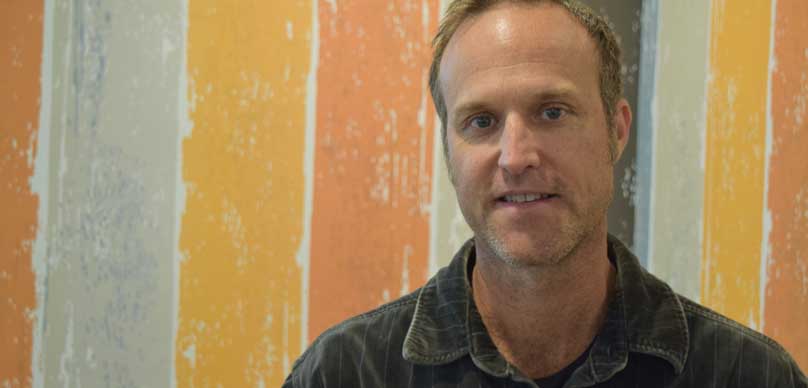
Quentin Tarantino’s The Hateful Eight

Sometime after the runaway success of 2012’s DJANGO UNCHAINED, director Quentin Tarantino was taking in a viewing of John Carpenter’s horror classic, THE THING (1982).  He came away from this particular screening with complicated feelings– an impression that compelled him to take to his writing as a way to process his reaction.  The idea that would eventually become his eighth feature film, 2015’s THE HATEFUL EIGHT, was initially envisioned as a novel he called “Django In White Hell”, a sequel of sorts to his previous film.

Naturally, a director with as feverish a cult following as Tarantino’s is going to be the subject of intense scrutiny during the creation of a new project; somehow, an early draft (complete with his signature hand-scrawled title page) leaked to the internet and was widely circulated amongst the filmgoing public.  A despondent Tarantino hastily announced he was canceling any further development of the film in light of the leak, but after a warmly-received live table read at the Ace Hotel in downtown Los Angeles, he was ultimately persuaded to continue forward with the project.

Read Quentin’s Screenplay for This Film Here

Having dropped the “Django sequel” aspect early on in the writing process, Tarantino structures THE HATEFUL EIGHT as a chamber piece in the vein of his 1992 debut, RESERVOIR DOGS— albeit filtered through the prism of a harsh Wyoming winter in the post-Civil War era.  He began with a basic premise: what would happen if you stuffed eight hateful and untrustworthy miscreants into a room and slowly started turning them against each other?  The answer, obviously, is a total bloodbath.

Though the film’s shoot in Telluride, CO during an unseasonably warm and pleasant winter might suggest otherwise (1), the story finds a monstrous blizzard forcing several shady and unpredictable characters to seek shelter at Minnie’s Haberdashery, a rustic cabin in the woods outside of the fictional town of Red Rock.

A perennial Tarantino repertory player since 1994’s PULP FICTION, Samuel L. Jackson is finally given top billing for his performance as Major Marquis Warren– a taunting and tempestuous bounty hunter whose journey to Red Rock is cut short when he’s stranded out in the middle of the storm.  He hitches a ride to Minnie’s with an old acquaintance and fellow bounty hunter, John Ruth The Hangman, played by Kurt Russell in his second collaboration with Tarantino after 2007’s DEATH PROOF.  Russell enthusiastically hams it up with his best John Wayne impression, turning in a performance that, in any other director’s hands, would steal the show at every juncture.

But this isn’t any other director’s film– it’s Tarantino’s, and both Jackson and Russell have stiff competition in the gallery of murderous rogues drawing ever closer around them.  The remainder of the titular gang of disdainful scoundrels is comprised of the likes of Jennifer Jason Leigh, Bruce Dern, Demian Bichir, and longtime Tarantino players Tim Roth, Walter Goggins, and Michael Madsen.

Leigh was nominated for a Supporting Actress Oscar for her performance as Daisy Domergue, the stubborn and vicious prisoner chained to John Ruth’s hip.  As the ringleader of a roving gang of bandits, Leigh’s devious presence unifies this seemingly-random assortment of killer oddballs into something resembling a cohesive conspiracy that plots to free her from the clutches of The Hangman.

Fresh off the heat from his acclaimed turn in Alexander Payne’s NEBRASKA (2013), Bruce Dern gets to spend the entire shoot reclining in a cushy chair in his role as a cranky Confederate general named Sandy Smithers.  Initially, a happenstance visitor at the Haberdashery, Smithers’ personal history is found to be intermingled with the other guests in surprising fashion, but none more so than his “intimate” connection to Major Warren– the man who murdered his son.  Also seemingly thereby total coincidence, Roth, Madsen, and Bichir’s characters are revealed to be members of Domergue’s gang; Roth being the well-dressed executioner with a British accent, Oswaldo Mobray; Madsen being a gruff and reclusive cowboy named Joe Gage; and Bichir being the squinting ranch-hand, Mexican Bob.

After a minor supporting turn in DJANGO UNCHAINED, Goggins receives an increase in screen-time with his role as the goofy hayseed Sheriff-elect of Red Rock, Chris Mannix.  His folksy drawl helps sell his background as a Confederate rebel, an affiliation that initially aligns him with Dern’s General Smithers before forging an unlikely alliance with the person who by all accounts should be his mortal enemy, Major Warren.

Tarantino’s cast is slightly larger than the eight advertised on the marquee, incorporating James Parks (son of another Tarantino regular, Michael Parks) as an irritable cart driver named O.B, DEATH PROOF’s Zoe Bell as a bubbly frontier Kiwi named Six Horse Judy, and Channing Tatum as the rakish Francophile bandit (and Daisy’s brother), Jody, amongst others.  Tarantino engineers his films entirely around the interactions of these characters, strategically employing surprise revelations and backstabbing double-crosses to ratchet up the tension until it explodes in grandiose, bloody fashion.

hateful-eight-quentin-tarantino

Tarantino initially broke out on the strength of his unique voice as a screenwriter– a voice that fueled highly-identifiable energy and visual style.  As his voice has matured, his aesthetic has mellowed out; relying less on kitsch and pop flash and more on beautiful, technically-accomplished cinematography.  This shift began in earnest with 2009’s INGLORIOUS BASTERDS and continues with THE HATEFUL EIGHT by retaining Tarantino’s regular cinematographer Robert Richardson.

The affected retro vibe of his earlier work feels uniquely organic here, owing to the fact that Tarantino and Richardson shot the film in the Ultra Panavision 70mm format– the first film to do so in fifty years.  The decision to utilize an otherwise-extinct format subsequently informed every technical decision down the line.  Shooting on 65mm film stock that would later be projected in 70mm, THE HATEFUL EIGHT boasts an ultra-wide 2.76:1 aspect ratio (the widest around).  Tarantino’s compositions and camera movement are tailored accordingly, framed into a wider panorama to compensate for the snow-capped vistas that tower in the distance behind Minnie’s Haberdashery.

Majestic crane and dolly movements appropriately evoke the sweeping scope of westerns past while also enabling modern stylistic conceits like split-focus diopter compositions, slow-motion bullets that hit home with the sonic force of bombs, and Tarantino’s own signature low-angle POV shots.

Tarantino’s old-school approach continued on to the film’s post-production.  While 35mm prints for the shorter theatrical version were struck from a digital intermediate, Tarantino specifically avoided the D.I. suite when it came time to color the 70mm Roadshow version, which means the cold blue exteriors, warm amber interiors, and the rich hues of the period costumes are the result of organic photochemical color-timing.  

THE HATEFUL EIGHT also marks Tarantino’s second consecutive collaboration with editor Fred Raskin, who stepped in to replace Tarantino’s longtime cutter Sally Menke after her unexpected death in 2010.  Raskin proves an invaluable ally in helping Tarantino achieve the unique retro flavor of the bygone “roadshow” presentation format.

A staple of midcentury American cinema, the “roadshow” is a term typically ascribed to 3 hour+ epics that adopted a presentation style not unlike stage performance, complete with an orchestral overture and intermission.  Whether its due to dwindling audience attention spans or a desire to cram more screenings into a single evening, the roadshow has long fallen out of fashion.  The last high-profile roadshow presentation was relatively recent, for Steven Soderbergh’s s CHE (2008) — a sprawling, 4 hour portrait of the eponymous revolutionary fighter — but even then, it was regarded as a once-in-a-lifetime anomaly.

The 187-minute 70mm roadshow presentation, containing an overture, intermission, alternate footage and six minutes of extra footage over its shorter 35mm sibling, is Tarantino’s preferred version of THE HATEFUL EIGHT— yet it’s also the least-seen.  Tarantino and his producers (Stacey Sher, Shannon McIntosh, Richard N. Gladstein, and longtime collaborators Harvey and Bob Weinstein) knew that the considerable cost (reportedly $8-10 million) to retrofit enough theaters with analog 70mm projectors capable of handling over 250 pounds worth of film reels was going to be an extremely limiting factor in distributing Tarantino’s intended vision (1).

Instead of simply giving in to the realities of the market, however, they aggressively pushed to install the necessary equipment in 50 theaters around the world while promoting the roadshow version as a special, must-see limited engagement.  The 35mm version saw a much wider circulation, and as of this writing is currently the only version of THE HATEFUL EIGHT available on home video.  However, Tarantino does manage to nod towards his preferred vision within the 35mm cut by using the occasion of his opening credits to allude to an informal overture via a long, glacially-paced shot that allows the music to take prominence.

In addition to THE HATEFUL EIGHT’s considerable technical innovations, the film also marks Tarantino’s first time using a wholly-original score, courtesy of legendary spaghetti western composer Ennio Morricone.  A longtime idol of Tarantino’s, Morricone had lent some pre-recorded cues to the director for use in THE DJANGO UNCHAINED, only to publicly express his displeasure at how his music was handled and vow to never work with the provocative auteur again (1).  Morricone obviously changed his mind somewhere along the way, as THE HATEFUL EIGHT boasts a suite of new cues that would land the venerated composer his first-ever Academy Award.

Combining a grandiose, lumbering new sound with a few of his unused cues from THE THING, Morricone’s score benefits from the total creative freedom afforded him by Tarantino.  This being a Tarantino film, however, THE HATEFUL EIGHT would be remiss not to include a few choices, anachronistic needle drops (and to drop them just as suddenly in transitioning to a new scene).  Towards this end, Tarantino incorporates an inspired mix of tracks from the likes of Jack White and Roy Orbison and even throws in a poignant piano rendition of “Silent Night” to hammer home the film’s Christmas-time setting.

There are few voices in cinema as singular as Tarantino’s, each of his films proudly bearing his unique stamp.  THE HATEFUL EIGHT is undoubtedly a piece with Tarantino’s efforts to expand his interconnected cinematic universe while simultaneously drawing it closer together (see the surprise revelation that Roth’s character is actually an ancestor of Michael Fassbender’s Lt. Archie Hicox from INGLOURIOUS BASTERDS, or Madsen’s musings that “a bastard’s work is never done”, also from the 2009 film).

Like his previous films, THE HATEFUL EIGHT is structured in his distinct format– self-contained sequences that are partitioned off into book-style chapter intertitles yet presented in a nonlinear fashion as a means to bring further illumination and context to previous events.  Within the story itself, his characters are gifted with an almost metatextual awareness about the greater universe around them.  They seem to know they are inside a Tarantino film, readily breaking the 4th wall as if acknowledging their shared creator.  Indeed, Tarantino himself is often a character in his own films, deploying himself into a range of capacities from full-fledged characters (RESERVOIR DOGS, PULP FICTION), to cameos (DEATH PROOF, DJANGO UNCHAINED), and even as an omniscient narrator, as seen in THE HATEFUL EIGHT during the feverish “Domergue’s Got A Secret” sequence.  The characters within THE HATEFUL EIGHT— like Tarantino’s other iconic creations dating all the way back to RESERVOIR DOGS— all possess a sharp wit, a profanely florid speaking prose, and a gleeful eagerness for borderline-sadistic violence against their fellow man.

Tarantino has always worn his B-movie influences on his sleeve, and the trajectory of his career has seemingly organized his favorite genres into distinct eras.  His love for 70’s crime and heist films is evident throughout RESERVOIR DOGS, while his passion for Blaxploitation pictures from the same era fundamentally inform PULP FICTION and JACKIE BROWN.  Schlocky kung-fu and bloody grindhouse flicks merged with westerns to create a distinct hybrid of styles that gave us KILL BILL (2003) and DEATH PROOF (2007).  Starting with INGLORIOUS BASTERDS, however, a very curious thing is unfolding.  The western genre continues to inform Tarantino’s storytelling, but rather than simply homaging that particular period, he is actively deconstructing them to discover the nature of the engine that fuels them.  INGLOURIOUS BASTERDS, DJANGO UNCHAINED, and now, THE HATEFUL EIGHT come together to form a loose trilogy of Revisionist revenge westerns that directly confront America’s ugly racial history.  Tarantino’s longtime, almost-casual use of racial and sexist epithets in his work has earned him several enemies in addition to a reputation as a deeply divisive and controversial voice in mainstream American cinema.

A truly equal-opportunity offender, he has never shied away from carpet-bombing his narratives with some of the most egregious profanity known to man.  However, it’s hard to argue that Tarantino lacks empathy with his minority characters– they are frequently empowered to take up arms in their own defense or to right the wrongs of their persecution, and nowhere is this more evident in his last three features.  INGLORIOUS BASTERDS reveled in depicting a coalition of American soldiers hunting Nazi scalps to avenge their Jewish brethren.  DJANGO UNCHAINED showed a slave rising up to annihilate his white masters without losing his own humanity in the process.  THE HATEFUL EIGHT evokes the profound racial tensions between Union and Confederate ideologies while simultaneously suggesting they might be more alike than they are different.  Tarantino’s usage of contentious terms like the N-word in this context, while coming at great risk to his own personal character, evidences his unwillingness to shrink away from the ugly racial nature of America’s engine, pointing it out plainly for all to see.  His placing of these interactions firmly in the past only highlights their importance to our modern times, and considering the fact that America’s first black president will be succeeded by an openly racist, xenophobic sentient tangerine, the conversation is far from over.  Tarantino’s voice may be abrasive and offensive to a lot of people, but it’s hard to argue that his voice isn’t more relevant than ever.

hateful-eight-image-quentin-tarantino-kurt-russell-jennifer-jason-leighAnother aspect of this period in Tarantino’s career has been the huge critical and financial success of his work.  After a long awards-circuit dry spell, INGLORIOUS BASTERDS marked Tarantino’s return to the Oscar shortlist– a return he cemented with the even-larger success of DJANGO UNCHAINED and its subsequent win for Best Original Screenplay.  THE HATEFUL EIGHT was similarly praised, earning mostly-positive reviews that noted his continued excellence in both writing and direction.  The film grossed $155 million against its $44 million budget– a notable downturn in the recent trend, but far from his worst showing.

Well-earned Oscar nominations for Jennifer Jason Leigh’s performance and Robert Richardson’s cinematography followed suit, calcifying THE HATEFUL EIGHT’s reputation as an excellent addition to Tarantino’s canon.  As the eighth picture in what Tarantino vehemently insists will be a filmography totaling only ten films, THE HATEFUL EIGHT’s warm reception positions the controversial auteur for success going into what is expected to be his last two films.  Rumors that his ninth film will be about Australian outlaws in the 1930s suggests that Tarantino plans to continue his run of revisionist westerns, but one thing we know for certain is that, whatever form the film takes, it undoubtedly will shock, surprise, and outrage.


Author Cameron Beyl is the creator of The Directors Series and an award-winning filmmaker of narrative features, shorts, and music videos.  His work has screened at numerous film festivals and museums, in addition to being featured on tastemaking online media platforms like Vice Creators Project, Slate, Popular Mechanics, and Indiewire. 

THE DIRECTORS SERIES is an educational collection of video and text essays by filmmaker Cameron Beyl exploring the works of contemporary and classic film directors.

Australian New Wave: Film Movements in Cinema

The Australian New Wave Film Movement (1975-1985), starting in mid-1970 and ending about a decade later, is unabashedly and completely Australian and doesn’t shy away from poking fun at their colloquialisms and the Australian way of life, otherwise known as Ozploitation.

Australian film was pretty much dormant from World War II until about the end of the 1960s, where the Australian government stepped in and revolved the art form, especially through the Australian Film, Television and Radio School. More than 400 films were made between 1970 and 1985, more than the rest of the decades combined.

Filmmaking Styles and Storytelling

Gone were the days of stodgy filmmaking, and this resurrection of the film industry expressed the freedom to tell more daring stories.

Notable Directors and Talent

A staggering number of well-known directors and versatile performers emerged during the Australian New Wave Movement.

Directors such as Gillian Armstrong, Bruce Beresford, George Miller, Fred Schepisi, and Peter Weir would not only make their presence known in Australia but also on the international stage as well. Bruce Beresford would come to America to direct Driving Miss Daisy; George Miller is well known for his hardcore Mad Max series of films, and Peter Weir ended up directing such American films as Witness and Dead Poets Society.

Emerging actors who would also take their place on the world stage included Mel Gibson, Nicole Kidman (Moulin Rouge, Eyes Wide Shut), Sam Neill (Jurassic Park), Judy Davis, Bryan Brown, and who could forget Crocodile Dundee’s, Paul Hogan? Australian New Wave Movement Films There are so many outstanding films during the Australian New Wave Movement.

1970’s Movies

Walkabout

Directed by Nicolas Roeg and adapted from the book by James Vance Marshall, it follows the journey of two white children who find themselves alone in the Australian outback until they find an unlikely ally in a teenage aboriginal boy. It was entered into the Cannes Film Festival.

Stork

Based on the play The Coming of Stork by David Williamson and directed by Tim Burstall, this romantic comedy follows the exploits of a 6 foot 7 hypochondriac who falls in love, loses his virginity, and gets the girl.

Picnic at Hanging Rock

Directed by Peter Weir and based on the 1967 book by Joan Lindsay, the plot centers around the disappearance of schoolgirls and their teacher during a picnic in 1900. It was a huge success and was the first breakout hit during the Australian New Wave Movement.

The Last Wave

Peter Weir’s next film, starring Richard Chamberlain, is about a white solicitor in Sydney takes on a murder case and experiences an eerie connection to the local Aboriginal people accused of the crime. The film’s budget was a little over $800,000 and went on to gross $1.25 million and won the Golden Ibex at the 6th International Film Festival.

Mad Max

The biggest film of the first decade of the Australian New Wave Movement was undoubtedly George Miller’s Mad Max. With Mel Gibson in the title role and with a budget of $400,000 (Australian), it earned $100 million worldwide and busted the international doors wide open for other Australian New Wave Films.

My Brilliant Career

Directed by Gillian Armstrong and starring Sam Neil and Judy Davis, this film, based on the book by Miles Franklin, this film about a late 19th-century writer and social limitations, premiered at the New York Film Film Festival and resulted in a BAFTA award for Judy Davis, as well as a Golden Globe Award for Best Foreign Film, and an Oscar Nomination for Best Foreign Film.

Movies of the 1980s

The Australian New Wave Movement was a deluge of incredible films, ranging from period pieces to ridiculous comedies.

Breaker Morant

Directed and Co-Written by Bruce Beresford and adapted from Kenneth G. Ross’s play, this film revolves around the 1902 court-martial of three lieutenants who were accused of murdering the enemy combatants and were charged with war crimes.

Gallipoli

Starring Mel Gibson and directed by Peter Weir about young soldiers during WWI, won 8 AFI Awards including Best Film, Best Director, Best Supporting Actor, Best Screenplay, and Best Cinematography.

Mad Max 2

George Martin and Mel Gibson teamed up once again for another Mad Max romp; it became a cult film and is considered to one of the greatest sequels and action movies of all time. Distributor advertising and renaming the film in the United States result in approximately 30% of the box office than the original.

The Man From Snowy River

Based on the Poem by Banjo Peterson and directed by George Miller, and with a cast including Kirk Douglas and Jack Thompson and Sigurd Thornton, this Australian Western grossed A$50 million at the box office. It’s a sequel, aptly named The Man From Snowy River II, was released by Walt Disney Pictures.


Mad Max Beyond Thunderdome

The final Mad Max movie starring Mel Gibson and the formidable Tina Turner as Aunty Entity, and co-directed by George Miller and George Ogilvie, and was hailed as one of the best films of 1985. It wasn’t impervious to criticism and for some fans of the earlier films, felt that it was slicker and less gritty than its predecessors.

Crocodile Dundee (1986) and Crocodile Dundee II (1988)

These films made Paul Hogan a household name in his films inspired by the life of Rod Ansell. The first movie was a monster hit, grossing 328 million dollars at the US Box Office, and Part II grossed $239 million.

Steven Spielberg’s Early War Film: Escape from Nowhere

As a teenager, Steven Speilberg was already making films. One of his first was Escape from Nowhere. A war movie inspired by the stories of his family’s experience in World War II. Listen to Speilberg explain it below.

Download Steven Spielberg’s Screenplay Collection in PDF

SHORTCODE - SHORTS

Want to watch more short films by legendary filmmakers?

Our collection has short films by Martin Scorsese, Quentin Tarantino, the Coen Brothers, Chris Nolan, Tim Burton, Steven Spielberg & more.

IFH 393: Releasing an Indie Film Theatrically During COVID-19 with Joshua Caldwell

Today on the show returning 2-time champion, writer and filmmaker Joshua Caldwell. Joshua has been on the show twice before and both his episodes went viral.

Well, he’s back to talk about his new film INFAMOUS starring Bella Thorne, Jake Manley, Amber Riley, and former guest on the show Todd Jenkins.

Arielle, a young woman who lives in a small Florida town, is stuck. Arielle has always wanted more: fame, popularity, and admiration. But when she falls for a recently paroled young criminal named Dean, she drags him back into a life of danger, learning that posting their criminal exploits on social media is an easy way to viral fame. They embark on a dangerous adventure together that leads to robbery, cop chases, and murder.

Joshua and I speak about how he used his micro-budget skillset on a much larger budget. We also touch upon

  • Releasing his film during COVID-19
  • Working with movie stars on an indie budget
  • The development process
  • Working with a studio
  • Shooting the entire film in 22 days
  • COVID-19 and the future of our business
  • Working with tighter creative restraints

Since INFAMOUS is coming out to theaters right in the middle of COVID-19, his distributor decided to pump the film out to drive-in theaters. Let’s see what happens.

Prepare for some knowledge bombs. Enjoy my conversation with Joshua Caldwell.

Right-click here to download the MP3

Alex Ferrari 2:10
Now today on the show, guys, we have returning champion, Joshua Caldwell, his first two episodes Episode 121 and 199. Both went viral. And so many people downloaded both those episodes because Joshua's coming from a micro budget world. So his first film he made for about $6,000, which is called layover, which is of course available at indie film, hustle TV. And he talks all about how he was able to make that $6,000 feature. And then the second one, he went from $6,000 micro budget to $100,000 feature film and now he's jumped again with his new film, infamous, starring Bella Thorne to a little bit over a million dollars. So it's amazing and so inspiring to watch a filmmaker go from a $6,000 micro budget film, and jump all the way up to a million plus dollar film with some nice major talent attached. Now Josh and I speak about how he used his micro budget skill set on a much larger budget. He basically says that he couldn't have made this movie at this scale without his micro budget toolbox, and kind of guerilla filmmaking style of things that he did back when he was making those low budget films. So we'll talk about that. We're going to also be discussing his film that is being released today. This Friday is being released in the middle of COVID-19. And it's being released theatrically. But the distributor decided to send it out to as many drive in theaters in the United States as it could find. So it's going to be playing throughout the United States but in Drive in theater, so this is kind of an experiment to see what happens. So I just want you to get ready for a bunch of knowledge bombs because anytime Joshua comes on the show, we just talk and talk and just so much cool stuff comes out of our conversations. So without any further ado, please enjoy my conversation with Joshua Caldwell. I like to welcome back to the show returning champion Joshua Caldwell, man How you doing brother?

Joshua Caldwell 4:30
I'm good How you doing? How you holding up? Where are you in?

Alex Ferrari 4:33
Isolation isolation six feet apart, but apparently my daughter's don't understand that they're on top of me constantly. They're not allowed out because they will be the first to take me and my wife down.

Joshua Caldwell 4:45
Oh, for sure. Everyone's like, what's it the kids back in school? I'm like, yeah, cuz they're gonna maintain social distancing. You know?

Alex Ferrari 4:51
Isn't that insane? I'm hearing that too. Like, oh, yeah, you know, maybe in the phone like in the fuck no. Social distancing with nine year olds. Are you kidding me?

Joshua Caldwell 5:00
It's like every fall. I'm like, Alright, what am I gonna get sick with this time? You know, like, now you know what naturally occurring stuff and then now it's gonna be the thing that kills me.

Alex Ferrari 5:09
Right so I'm like yeah, it's Yeah. For all the parents listening out there we we feel you we have kids at home as well it's we can't lock them under the stairs like they do in Harry Potter. It's no, we can raise the greatest challenge of our lives right now. For whatever teach whatever teachers are paid you need to double or triple it. I swear to god.

Joshua Caldwell 5:31
Oh yeah, for a walk for a little bit. My wife and I were like, I don't know, do you think we should homeschool the kids and after this right? No. Not happening.

Alex Ferrari 5:41
I know. It's, it's gonna be interesting. But yeah, but so you've been busy though. You've been busy. You've been? You've been you've been busy. We're here to talk about your new movie infamous. Which looks awesome. By the way, dude, congrats, dude. It's really awesome. You sent me the trailer for it. And the movies not out yet. But you know, I'm always been a big fan of what you've been doing since our first episode back in December 6 27th 2013. Yes, because I off the top of my head. I remember these you knew it. I didn't look it up right before we jumped on it. It was Episode 121 when we talked about layover was the first time and that was a $6,000 film. It was extra 10 bucks. Yeah, it was extremely popular podcasts is still one of the most listen to podcasts I have in the archives, believe it or not. And then we brought you back for Episode 199 to talk about, aka was an app, please forgive me negative, negative. Thank you. And that was 100k. film. And now we're here with infinite switch. It's under $25 million. We can't give exact budget, but it's under 25 million. But it's substantially more than 100,000.

Joshua Caldwell 6:55
Yeah. Without question. So, um, you know, a good amount of money to make it but obviously, probably could have used a little bit more.

Alex Ferrari 7:04
Isn't that as always, you know? Oh, I'm sure even Scorsese after Irishman said, you know, with another 10 million? I could have.

Joshua Caldwell 7:13
Yeah, no. Well, you know, and the funny part is like, I have a couple of friends who ended up. They did like, you know, a $2 million movie. Actually Joe Penna I don't know if you know him. But Joe Penna did this great movie called Arctic and they made it for like 2 million. And then he was getting this other movie. You know, they were talking about budgets and all that stuff up. And, you know, I don't know what they made it for. But I was like, oh, like, What's it? What's it like to have like 8 million? He's like, pretty much like having a $2 million movie except now you're paying everybody

Alex Ferrari 7:39
Well, paying everybody well, right?

Joshua Caldwell 7:42
Well, yeah, so cuz that's the thing is like, as you go up, it's like the thumb more money for like, props and sets, it's like just more money, which is great. They should be getting that money. But it's not. It's a weird point at which, at one point in those in that 10 range, you know, 10 to 15 range, it doesn't change much.

Alex Ferrari 8:01
So you, you don't have a techno crane for every single shot. You don't that that's not the way it works. Not the way I'm like, I want to check out what we were talking about before we jumped on, like how we even if you reached out to me, or I reached out to you when like, how are we got, we met for the first time to get you on the show. And you told me that you reached out to me if I remember.

Joshua Caldwell 8:24
Well, I yeah, as I recall, what happened was, you know, I was just looking, I was always on the lookout for opportunities. And I I saw that you've been doing this podcast was really cool. But I was like, I know this guy. Because back when I was in college or something like that this guy had done this short called broken that he saw on the DBS 100 something. And I just remember like, at the time when I think that guy Roger Ebert watching this thing like this 10 minute short, like, I hate this dude, you know, cuz obviously, it was obviously good for you. Because like, if you're getting this stuff, but at the time, you're like, you're a filmmaker, you're trying to get attention for your movies. And you see, like, you know, this guy getting a lot of love. And you're like, I want to be that guy instead, you know, I want to switch places. I'll tell you remember this because you did that you have this great website with this great breakdown of all the behind the scenes and the special effects and everything you did was like, in truth as much as I was like, fuck this guy. At the same time. I was like, This is such a resource at the time when that kind of stuff just did not exist. Like now you have YouTube, you want to know how to do lightsaber or do blue screen. It's so easy to figure that out. And at that time in what 2005 2006 like, there was nothing like it was hard to get video just to see video online. It was hard to put your own work online.

Alex Ferrari 9:34
Very difficult. Yeah, it was extremely difficult,

Joshua Caldwell 9:37
Quick time and it bedded and there's like a whole night and

Alex Ferrari 9:40
And YouTube was horrible that YouTube was YouTube. Oh, it was horrible back then

Joshua Caldwell 9:45
But you know you you not only but not only had you made a film, you had created a really valuable resource on how you made that film. I learned a lot by watching it, you know, and that's and so when, when it was that connection kind of came Through it's just funny because there's been those things very loosely, you're you're connecting, you're on the periphery, you're like, Yeah, I remember that guy. Like he made that film. And now it's like, you get connected up and you become friends and you get to talking and you get to participate in stuff moving forward. It's really, you know, it's fun.

Alex Ferrari 10:14
It's very cool, man. And, you know, it's, it's not all, not everything that shines glint glimmers that it shines, because you saw Roger Ebert's review come out. So up until Roger Ebert review came out, dude, I was getting love. Like, I was like, I was, I mean, every review was every review. It's like, it's the matrix meets Fight Club. It was like, This is the craziest reviews for that short film. After Roger Ebert, dude, it was like 10 negative reviews, like, bam, like just destroying me. Like all the haters, the haters. We got to take this guy down a little bit. It might have been one of the those reviews. It's funny, but I've been I've been so impressed with what you've been doing, man. And you're like, basically the blueprint of an independent filmmaker of at least an indie film, hustle filmmaker or tribe member because you start off with a $6,000 movie, then you jump to $100,000 movie now you have a substantially larger budget movie. Obviously Kevin Fay, he should be calling you any day now. I'm waiting for it. I mean, for you know, Black Panther three or four. I don't know what it is. But you're, you're ripe to be called. So just please, on this show. If you do get that Marvel call, please come back and talk to us about that's about I will always come back. And the funny thing. The funny thing is, this is what's gonna happen. Like after you're done with the 150 $200 million movie, you'd be like, dude, I just so stressful. Oh my god. It's like, I don't even I'm gonna make a $6,000 movie again. I just gotta go back to make a 6000 I can't I can't even Yeah, I can't do this. I don't want to take your 200,000,000x I need my freedom. I need my freedom. When you when you get hired on a movie like that, it's you're playing in someone else's sandbox, you know? Yeah. by their rules. Right. And their politics. Yeah. And unless you're a bit like even just sweeten. And though, I mean, that machine will eat and spit you out?

Joshua Caldwell 12:11
Yeah. It's also challenging. I mean, now those things have become so big. And you see what happened with like Ryan Johnson on like, you know, Star Wars movie and it's just like, yeah, you know, it's a tough, it's a tough thing to walk into, to step into, you know, and either got to be somebody, you could just take it, you know, and you just, that's your thing. And you're you're bigger than that. You know,

Alex Ferrari 12:30
Who's the director? Yeah, Director of Rogue One. Which one Rogue One. Oh, God, can we get Garth? Great? Great. Yeah, Garth Edwards, Garth Edwards, Gareth. Gareth. Gareth. Gareth. Thank you. It's gonna right, let's get right. Gareth. I mean, he got he got kind of bus sod as well. Yeah, through that hug.

Joshua Caldwell 12:51
I thought Rogue One was great. It was it was fantastic. But it's just it's you're stepping into and this is nothing against I mean, Scorsese calls them rides. Like, that's fine that, but that's what you're stepping into, you're stepping in to, you know, you're you're stepping into a corporation, you're stepping into, you know, something that has much more going on than just the movie itself. The movie small part? Yeah, very small part. It's, it's the it's the 32nd commercial and Saturday morning, you know, that's all it is. And, you know, you have to be, you got to be respectful of that, if you're going to take that on, you know, yeah. And there are filmmakers that obviously get that willing to play in that sandbox. And there are others, it's, it's, it's really tough for them, you know, and I think it's, you know, the, the thing that's also challenging about this world is like, you know, you are as a director, regardless that you have the responsibility on you. And at the same time, you know, it's your name is on it, you know, and it's your filmography. Right. And, and that's gonna, it's the, it's directing is difficult. It's the, you know, it's the career where, you know, the things that you do are going to affect whether you get another job, you know, if you're a regular viewer at a regular company, and you do a project and the project, isn't that great? I mean, maybe maybe you'll be considered for being fired, I doubt it's just gonna be like, okay, that didn't work out. Let's move on to the next thing. You know, it doesn't follow you like your resume, and your filmography does, you know, and so that can be challenging too, especially if like, your particular try to be particular the way I am about, about the type of movies that you make.

Alex Ferrari 14:24
Right. Well, let's speak about the the, your latest film infamous, yeah. You wrote the script for this and wrote this and did the hunting and the packaging and putting it all together? Can you tell us the journey? Because I always I've been through that journey a few times in my life, but it's Oh, it's it's exactly what they teach you in film school, isn't it? It's exactly exactly they take they teach that and they don't that all I'm being sarcastic.

Joshua Caldwell 14:50
I didn't take that class. Um, yeah, no, I mean, Iyou know, I had come out of doing, you know, layover, I came out of doing south beach where and so you You know that I wasn't thrilled with the work that I had done I did a movie called beat somebody which was had a significantly higher budget than then layover, but I hadn't I didn't write the script, you know, there were a lot of issues with us going into production on that it was kind of a job. You know, and then I did negative, which was, you know, me going back and saying, Well, I'm gonna just go macro thing for myself, but suffering from, you know, just issues on the movie. You know, I also didn't write that movie. And time, there were a lot of these kind of like, you know, two to $3 million digital movies coming out Lionsgate was making digital movies, you know, legendary was starting to put these out. And I said, let me write something for that around that budget level, you know, that I think could be cool. And of course, you know, I just did a spy thriller with negative and I was thinking, you know, I kind of really want to do a heist movie. And trying to think of unique ideas for a heist movie. I don't recall what it was that really prompted this idea. But I think a couple years prior, I had seen this photograph by this, this photographer named Moe Gelber that have been posted on Facebook and it was a picture of this this young couple being led away in handcuffs. And the couple the woman was either pulling away from or going in for a kiss and she had a smile on her face and people were like Oh, it's it's a new Bonnie and Clyde modern day Bonnie and Clyde. True Stories. They didn't weren't robbing banks at the time they got arrested for the graffiti or something like that. But that image just kind of stuck with me

Alex Ferrari 16:27
Much less much less interesting film, but you're saying exactly.

Joshua Caldwell 16:32
But the image stuck with me and it was so it's kind of just a real visceral image and I remember at some point going well, is there a modern Bonnie and Clyde? What would that look like? And it would probably be something on social media. You know? If you look back at sort of the original Bonnie and Clyde Bonnie and Clyde were, you know, they were there The Legend of Bonnie and Clyde was created by newspapers to sell newspapers. You know, the real story is somewhat more tragic and much less romantic. But they were really kind of I mean, john john doe injure you know, baby face Nelson, these guys were the the outlaws that became celebrities as a result of media, you know, and so that you obviously have a natural comparison, which I tried to stay away from, but natural comparison and Natural Born Killers, even though that's a fictional film, it was still pertaining to this idea of let's take these killers and put them on dateline. And give them primetime interviews, you know, and thus turn them into celebrities. I was like, what's the modern version? Now? I'm like, somebody posting their stuff on Facebook, you know? And that just was that click, you know, it's like, okay, it's Bonnie and Clyde social media, modern day go. And for a long time, I told my agents about it. The idea. And I was like, well, maybe I don't know, if I want to write it, maybe, you know, maybe we'll find somebody else to write it. I was kind of just hemming and hawing on. And finally I said you want I think I do want to write I'm just gonna sit down and try and work this out. So I did and I spent, I spent, you know, I don't know, a couple months writing it developing it, you know, during the first draft. And then, you know, give it to my team, they read it, they had feedback, like, for example, in the, in the original version, they were just doing banks, and like, you know, small banks, and liquor stores and all that kind of stuff. And one of my agents had the idea of like, how can we make a different like, he's always going, how do we make a difference? And and one of the things he said was, what about like, what about putting in like a weed store? What are the Robin weed stores, because he had just seen this article about how like, all these all these dispensaries are unable to get bank accounts and credit transactions. So they have a lot of cash on hand. Like, awesome. Like, let's just do that. So switched up, put that in there. And then at that point, they were like, Okay, I think we're ready. Like to take it out. So we went through a cute, long process of like, taking it out to people take it out to studios, trying to get them on board, no talent attached. Tons of nose, you know, and I really kind of tried to firm up this belief at the time that like, you just got to go get your nose so you can get your Yes, you know, I remember a great story about a pertaining to this, which was about like a real estate agent who was trying to sell a house and her boss came and said, Well, how many how many nose Do you usually get before you get a Yes, she's like, well, like 25 He's like, how many have gotten 10? Well, you got a 15 more to go, you know, and it was that attitude of like, all I'm doing is getting through the nose to get the Yes. As opposed to letting it get me down that so many people don't want to do it. I'm like, takes one person, you know. And then in so pushing through that we eventually connected with a producer Scott Levinson really liked it. And he had a friend of his who was an actor who you know, had some budget available, you know, could bring money to the table and so we started going down that path and started looking at cast for the girl because he was going to play the lead and and then that kind of dissolved and went away and as things do

Alex Ferrari 19:54
No stop it and however happened for first time. First time, first time

Joshua Caldwell 20:00
You know, when Scott came to me and said, Look, I know this didn't work out, I believe in this project. I think we get a made, we got to take it out wide and and I said, Okay. And he started sort of giving it to some people. And one of the people he gave it to was Thor, Brian broadwell, who was Bella thorns manager. And Thor read it and really loved it. And because he had been talking to Scott and told him like Bella's looking for young writer directors, she wants to do this kind of thing. And Scott was like, I think I've got a script for. And so she read it. And we did a Skype call, like soon after, and she came on board. So we didn't have financing in place. We didn't have any of that. I don't know if she'll do that on another project. So no guarantees, but you know, because usually agents always Well, what's the offer? To her credit, she really believed in it. And she came on board very early, and we were able to use her to leverage financing. So it's like the whole thing of like, well, you take your financing without an actor and you can't get an act chicken egg, chicken chicken in the egg. We were very fortunate that Deb Bella, sort of we broke the mold with it. And we got Belle on board without having to commit to any kind of money at the time. And started taking it out and then went through a whole lot of nose again, you know, again, never have before and then finally landed with some some independent financier's that, again, really believed in the project and really want to get me you know, I went into it knowing that this movie was going to be a tough sell. I mean, there's violence, there's murder, there's robbery, it's it's got a punk rock sort of vibe to it, that I really tried to push in it. It's trying to be out there. You know, I remember, the one thing I wanted to do with this was I was like, the word subtlety is not going to be anywhere near this movie. Because I just think it's hard to break through the noise when you've got something that's like super subtle, and you're not backed by a massive marketing campaign going for your Oscar. You know, I just was like, I'm gonna make something like batshit crazy that people can't ignore. And so like Bella was a perfect complement to that. Right. Like, because she's attention getting, she's forward thinking, like, she riles people up, you know, and I wanted that for the movie. And, and so, you know, all this whole time, I was just like, there's gonna be people who don't want to make this. They don't want to come near it. I just want the person that says yes. Like, I do want to do that, you know? So that happened with Bella that happened with the venti tears that happened with our distributor, like they were the ones that said, yes, you know, and said, We love this. And we want to push it out there. And so that's the person I was always looking for, as opposed to being in a position where I'm getting so down on myself, because I'm a girl and nobody wants to make it. Who cares? If nobody wants to make it, you just need that one person to make it. You know, make it and that's who you're going to find. And sometimes you got to go through a lot of like, a lot of noes to get there.

Alex Ferrari 22:40
What was the what was the time period of this? How long did this take from the moment that you wrote this script to the point where you start shooting.

Joshua Caldwell 22:47
So I had the idea in 20, Summer of 2016. And wrote the script, September 1 draft was September 2016. We started going out 2017. Bella came on board in 20, July of 2018. And then we started shooting we shot the movie in June, no July of 2019. And now it's coming out in June of 2020.

Alex Ferrari 23:14
So basically it was three years, three years before before you start shooting. Oh, yeah. Before that. Yeah, three years before we started, and a year and a half before any talent was really any major talent. Yeah.

Joshua Caldwell 23:25
Yeah. So I just found that for a long time. But also like, it doesn't, I don't recall it being that long. I was kind of like, they'd be like, we're doing this and like, all right.

Alex Ferrari 23:33
But you were doing other things in between that while you were doing that?

Joshua Caldwell 23:36
Yeah, yeah. I mean, I hit you know, I was doing my own stuff. I was like doing client work, I was writing other things I was, you know, staying busy in that space. And, and, but at the same time, like, this was the thing, you know, and I wanted to the other thing that I was really quickly, I was also starting to get aware of was like, the topical nature of the film was like, This is not a film that can be made five years from now. Like, it's either gonna happen in real life, or it's just gonna die. I think you can watch the movie five years from now and still understanding love it. But I think like, I don't know, if this movie is gonna get made in three years, you know, like, so there's an urgency to have like, this feels topical, and it feels like we got to get it going now. So there was an urgency to try make that happen.

Alex Ferrari 24:15
You know, the the the other thing I wanted people to understand I asked you that that question specifically because so many filmmakers listening, have no idea what it really takes to go out and get financing. Because the other films you move much quicker, because they were much lower budget, you had much more control. And when you have more higher paying, and it was already there, correct, exactly. But when you're going out and trying to get, you know, seven figures plus on a budget and getting some cast attached, it's a time period, you got to play that game. And it's it you got I mean, sometimes I mean, I was chasing money for one of my projects for three, four years and still, they're still gonna pay you and you get it and you lose it. Oh, I get it. So many times, my knees about How many times the money is about to drop? Being wired, it's being wired. It's being wired today the money is being wired today oh my own there was a mixup with the wiring. They got the account number account number one out numbers went to the wrong place. Now I got bounced to England. And now this thing, I just can't even.

Joshua Caldwell 25:20
You know, it's the challenge to you know, that I think sometimes people have this perspective is like, oh, like, Well, certainly it's low budget, a couple million dollars is low budget, you know, it's also a couple million dollars, like, most people don't see that amount of money in their lifetime. And here you are asking somebody to give it to you, on the trust that you're going to return provided a product that is going to give them a high, right, like it's still a business transaction as much as about the creative. And so I see a lot of people and I was probably like this too, when I was much younger, which is like, oh, that just nobody believes that, you know, they don't get it. They want to want to give you the money.

Alex Ferrari 25:57
They don't want to give me my 10 million for my genius. Yeah, yeah, like

Joshua Caldwell 26:00
Exactly. Like I deserve this, I'm entitled to whatever. And I think like, you know, that's the thing is like you are going out, and you're asking for people to give you like a significant amount of money more more than whatever your house costs, you know, and putting that trust in you and backing you to make it and no amount of like, Oh, I did the greatest short film that went to all these festivals is gonna necessarily convince them nothing.

Alex Ferrari 26:23
And there's not even district nine, which is arguably one of the more successful short films ever made. You know, if it wasn't for Peter Jackson coming on board and saying, Come this way. Now, I'll take care of everything for you, sir. And right, and we're gonna make it never gets made and never gets made. So I don't care. And that's another thing. I want everybody listening if you have this short film that won everything, and we've seen how many, like just insanely viral short films, from really talented directors have come out in the past 1015 years. Like I still remember a product. Oh, yeah. Mark Wahlberg. I hooked on this one. And yeah, that one got hooked on that one. And I there are there. It's a long process to play in the system. Like if you want to play the game, those are the them the rule is prepared. Yeah, you want to you don't want to play the game. take six grand, go make a French speaking love story. Right? In the middle of Los Angeles at night. Exactly. Exactly. or run to Sundance over over four days in a movie. You can do that all you want. And then you have all the edits all the control you want. You don't have to ask anybody for anything. It is a wonderful place, but you don't get to play with the same tools. And the same twice.

Joshua Caldwell 27:44
Yeah. And and just nobody owes you anything. Yeah, you wrote a script, nobody owes you anything. No one cares. Oh, you no one cares. They just they just don't, you know. And so it's been it's a process of creating, you got to create a character you to create the version of yourself that people are going to care about and want to work with and want to be a part of, you know, as challenging because even if you're, you know, I mean, I'm certainly not close to being, you know, where I hope to be someday. And even, you know, but even with the things I've done, and the ability to say, well, I've done three features, I've done this series for Hulu, it's still going through the process of of tons of nose, you know, and you get the people saying, Oh, well, we're developing something similar, which is bullshit and their way of saying no, yes, I heard that. was also you're like, Well, where's that, you know, that did come out. But it's, you know, it's just Who knows? It's the it's the person woke up on a certain side of the bed. It's, you know, they don't like this. It's such a subjective experience.

Alex Ferrari 28:39
No, I promise you it's like it's a it's something as simple as the assistant that's reading your script. The boss yelled at them this morning going, Oh, I need you to find me something for that internet based. That's about some some kids on the internet doing wrong stuff. I want a script like that. And your script happened to land on that table, something along along those lines. I just wanted to bring something to your attention Joshua, just like you when you were in college, and you looked at my quote unquote, success with broken and you said fuck that guy. I promise you someone listening to this episode right now is like, this guy goes on third movies. Like it's, you know, above you know, you know, under 25 million screw this guy, man. Why is the trailer and like, this movie sucks. Exactly. We'll be right back after a word from our sponsor. And now back to the show. So it's it's a, it's a circle of the filmmaker life. It's just

Joshua Caldwell 29:43
I mean, it's it's easy, man. It's like, it's hard. You know, it's I I'm still in that position where I see people getting opportunities. You're like, bam, like, what do they do? You know? And the one thing that I've also I mean, I wrote a big long article about this called relative success and in Hollywood, you know, the idea that like, well, what you need to define what success is To you, you know, because like, I've had plenty of people who are like, you know, I know somebody you got a movie with a great distribution deal and I talked to and you see the news, you're like, Oh, that's amazing. And then you talk to him. He's like, dude, we are screwed. You know,

Alex Ferrari 30:11
Wait, but you meet screwed by a distributor? No, stop it.

Joshua Caldwell 30:16
Don't talk bad about distributors that we love them. In the first video, it was like, Oh, it's a terrible deal. But it's the only one we could get, you know? Or, or Yeah, we sold our script, but like, we have no control over it anymore. And like, I don't know, the guy directing it. Like, we don't know if it's gonna be good. You know. And so it became like, like, I was reflecting a lot on this, because I was in this period of like, what do I want to do? Am I gonna be successful doing this? It's like, Well, what does that mean to you? You know, and so it's very easy to look at other people, and sort of have envy and have desire and say, Oh, I wish I was there. But like, you know, one, you don't know the circumstances by which they had to get there, you know, but to it's like, the only thing you can't control what somebody else is doing, and the advantages and the opportunities they're being presented with, you don't control any of that. All you control is what you're doing. So what are you doing? Are you pounding away writing that script? Like, are you doing what I did? where I spent fucking? Like, I mean, seven, you know, 10 years in coffee shops, you know, after a full time job, having dinner with my wife for an hour, and then going out for three, four hours to write I mean, the sacrifice that comes from that, you know, so like, yeah, I mean, I obviously people can look at me and say, Well, fuck that guy. This would be shitty, like, you know, yeah, whatever. I can fit two fingers, two fingers, middle fingers up. But like, at the same time, it's like, you know, I've been working at this for a long, long time. And I've been putting in the work, you know, like, I that's all I do it up, and I put in the work. And it's hard. And it's like, not an easy thing. And you got to stick with it. And that's where you're going to get to where you want to be you got to stick through those noes to get to find out one person that's going to say, yes, if you're going to be discouraged, after two, three people say no, then well, you'll never miss it. And this is not your business.

Alex Ferrari 31:55
This is so nice. And it's not even in Hollywood, again, is always the nicest fuse I've ever seen in my entire life. It's this. There's no other business that does it just quite so nice. They sort of learned their lesson that like you never know, you never know you don't want to piss this guy or this girl off because she could win the next Oscar. She could be the next director. He could be the next director. It's like the Oh, we're working on something similar. So we pass.

Joshua Caldwell 32:25
Oh, we got some in development that's kind of like this. And

Alex Ferrari 32:27
There's it's the nicest. Yeah. You create, like a cheat sheet of like the excuses that they say you're like, Oh, that's that's excuse number seven. Oh, I didn't know that one. That was good. Yeah, exactly. So all right. So you you've gone to this much larger budget, this is the largest budget you've worked with. Okay, so this is the largest book as you worked with in your career? What lessons did you take from your micro budget, low budget days into this bigger budget?

Joshua Caldwell 32:57
Yeah, you know, I've been thinking a lot about this, because, like, I think that one of the things that, that I so enjoyed about the lower budget stuff, the micro budget stuff was the freedom, you know, the ability to shoot in certain ways and, and get a lot of material and like have, you know, a ton of days, you know, where you're not, you're not trying to just adhere to a schedule, and a part of you is going like this is not going to last, like I'm not going to have you know, this you're not goobric you're not goobric Yeah, yeah, you got it, but there's the curve that you got to get through, you know, where you were, you don't and I was just thinking like, Well, how do I continue to do something that feels my aesthetic, my style, you know, you know, in a in my approach in a vein that is not going to have the same Unlimited, you know, non limitations on it. And true to form with this one, like, you know, we had that that was the case with this, I mean, you know, we It was a union shoot, so as I otzi you know, so that comes with an increase I mean, I think for us it was actually like the pay didn't increase because of the level we were at. But obviously you pay into health you know, the health insurance and like all that kind of stuff and those are added costs. But also you're now limited in certain ways with you got to have certain number of crew got to do this based on the tier that you're in. You know, and also like you can't suddenly shoot for 40 days you know, if you don't have the budget to do it, because you can't really scale down You can't just say okay crew don't work today. Brian just go shoots up on our own. And also it just come it comes what you know, we've all been on the bigger sets you know, it just comes with well not all of us but it comes with you don't if you running around with a five D and you can just go boom, boom, boom, boom, boom, okay, and shot five angles and five minutes. It doesn't work like that. You know, you've got equipment everywhere you got people explain what's going on. It's so much slower. And if you're trying to keep a pace and trying to do tons of takes and trying to do this like that can be a really challenge real challenge. I mean, there's absolutely no way I could have done this as my first feature would have been an absolute disaster. You know, but having done the previous micro budget things, it allowed me to have to frame a lot of the conversations with my creatives and with the producers around, how are we going to do this. So like, one of the things when the financers came on board, I said, here's the thing, guys, like, I'm not going to do this as a 15 day shoot. Like, it's not happening, if that's how you want to do it, you know, awesome, but we're not gonna make the movie together. Because I had done those 15 day shoots, and they're awful, brutal, brutal. And it's just like, the problem I have with it is it's not about getting the best material, it's not about making the best movie, it just becomes an assembly line. And I knew that this, make something really special and have the time to do it, right. And I knew that we're gonna have a lot of stunts and a lot of gunfire and like, a lot of locations, it's a road movie, there's like, 34 locations in the movie. And, and so you know, that that's what started, I said, we're not doing a 15 day shoot, I'm not saying it's got to be a 35 day shoot as much as I would like that. But we're not doing a 15 day shoot. And we are gonna end up doing a couple days of Florida, with a skeleton crew. And they said, Alright, of course, you come back to this conversation later, you know, two days before is supposed to go to Florida. But you know, I kind of was like, that's how I'm going to make the movie. And they said, Okay, I was in a position to bring my dp on who I'd worked with, on my second feature, who I really loved. Now, I dp negative, and very briefly thought about doing this, but you know, there's a comfort level with producers when like, you know, you're trying to do everything, and they're like, hang on, like, once you hire somebody that's actually supposed to do that. And I sort of always knew I was gonna do that I just was in my head thinking, Oh, is this a possibility? I'm really glad I didn't, because I think we looks amazing, thanks to Eve's contributions. But a lot of this conversation with her came out of the idea, like, Look, like I've done, I've done all these other movies using available light, using like artificial light making use of small lightweight cameras, like, we need to be in that world, because we do not have the time to be doing major major setups, you know, with certain exceptions, you know, and so we, sorry, my kids are popping in, but, um, with, with, without, with certain exceptions, we built in the schedule. And so, you know, and then I also made the decision to operate, because I had realized through previous experience, that, how I direct flows through the operation of the camera, and how that camera interacts with the actors. And I also knew we can move faster, because rather than trying to explain to somebody else, this handheld move that I want, or, or provide them the freedom to take a chance on something without the risk of being fired, right, because like, operators are like, Why don't want to ruin a take by doing something he doesn't want me to do? You know, you have to work together before because all this crew was out of Oklahoma where we shot you know, I was able to just move faster. And I was overdoing this, this, this, let me do the move. As soon as I knew I had it, we were done, we're moving on. And so and then also, it comes back to having those early conversations with your entire crew and your production managers and all this stuff of saying, like, we need to be mobile, like we need to be small footprints, like we need to be in a position to move quickly, because some of these days, we're gonna have three company moves. And it also includes a stunt, you know. And, you know, and so because the one thing I did wanted to do on this was I wanted to make a road movie, I wanted to make a movie that had scope, I wanted to make a movie that felt like it was big, you know, and, and, and so to do that, you got to, you got to move, but you also got to shoot quality. You know, like, I just really, I've never really wanted to do the whole, like, going to a room thing. You know, I think people can do that really well. I can't so much of the work that I do is about being on location and being you know, giving a scope and giving the wide shots like the wide shot is free, you know, like whether you should have close up or wide still cost the same amount of money.

Alex Ferrari 39:07
So okay, so let's touch on that a little bit. What are some tips to give your micro budget or even lower budget films some scope? Because just from my point of view with ego and desire, I mean, I was shooting wide all the time because I had a cast of 1000s who had no idea they were movie and just these mountain views and it was just it that movie looks so big, but it was shot with little little, little cameras so yeah, so what are some of your tips

Joshua Caldwell 39:39
I think it's um, it's not just about framing wide although you want to do you want to have positions where you can give scope but I think it's also about depth. You know, like if you continue in it's also about not being endorsed if you don't have to be you know, because I think when you when you're outside and you see a long ways down There's an assumption. First of all, most audiences don't know it. They just know, okay, they're outside and there's depth, but from the people that know, there's an assumption that you locked all that down when maybe you didn't, you know, or that you somehow had control over it when you did. So I, to me, I think it's about, it's about creating depth to your frame, even if you're shooting a lot of mediums or close ups, I think it's about getting your wives when they count. You know, I think it's about you know, in our case, we did a lot of long takes. So there are a number in the movie of really cool wonders that we did, that I knew from the beginning I was going to do, I did it intentionally because of the subject of the movie, or the way that we were started off approaching the movie. But I also I also knew that like, Well, so what had happened was, here's this is what is tip, but there's a little bit of a story. So I directed a series of two episodes of a series that have not has not come out yet Funny enough, it's about a pandemic. And but one of the episodes had was about this, like home invasion. And in the middle of the pandemic, and these, the two robbers and the two homeowners kind of get locked at home, and there's a fight and all this kind of stuff. And the script was the longest script of all of them. And there was a lot of action in it, and find all this stuff. And I remember one of the other directors who producers, creators of it was saying, like, Hey, man, we just spent like four hours trying to do a punch, like, you might want to think about the action in the movie. And I started thinking about it. And I started thinking, like, you know, if we could shoot a lot of this as a single take, we'll spend a lot of time setting up for it. But then once we got it, we're done. And the other thing that allowed me to do was it allowed me to, when you're in a single take, the audience understands that they're not going to see everything. And so what actually allowed us to hide some of the more complicated action pieces, like a guy getting stabbed in the stomach, you know, we didn't have to see that on screen. Because we were we happen to be over on somebody else, that was more important to be in that moment. And we come back and all of a sudden the guy's bleeding out. And and so what happened though, was we were able to get like the longest script done in about two to end the two days that we had with time leftover, because we spent a lot of time rehearsing. But once we got those, once we that was in the can it was in the camp, instead of going, Okay, we spent a lot of time get this one shot, got to do three more angles. And we got to do just as many takes, you know, and so for a lot of the scenes that involved robberies involved gunfire, I made the choice to do it as as this kind of complicated single take, but I knew that once we got it, we were done. Yeah, you're done it, and it wasn't gonna take if it takes to do it. It might take 10 but 10 takes is great.

Alex Ferrari 42:40
Yeah. And you know, so it's an ROTC. It's like an ROTC though return on time. So to cut out 10 minutes of your movie and shoot 10 minutes, and not have to edit really those 10 minutes to if you're able to do a one or that's four or five minutes, or even even a 10 minute one, or if you're really ambitious. Yeah, it might take you all day, but you knocked out 10 minutes like for you to shoot coverage of 10 minutes and edited it. That's a lot. That's not a day generally. Yeah, yeah. Generally speaking.

Joshua Caldwell 43:10
Yeah, no. And there was another one where we were in this. So we were in this house that was under construction, which is one of their hideouts, and I wanted to shoot this particular scene at what was supposed to be done, right. But pre dawn, so before the sun came up, and I was just like, well, we should just shoot this as a water because there's no way we can like this. There's no way we can, you know, but the other thing that I liked about it was, it wasn't just like a time saving tip or even like a scope tip. Like it was born out of the story. You know, it was born out of just a particular you know, with this movie, what I wanted to do was I wanted to create a very subjective experience of our main character, Arielle. So I've positioned it as basically this movie is Arielle, his Instagram feed, like you are seeing the story she wants you to see. And then I started thinking about, well, what are some things to hit it that without being literal, because it never says it in the movie? But like one of those things is like well think about like, how do we view content now like we're so used to seeing Instagram stories, which are 15 second long takes like you're, you're not used to seeing edits, you know, and all this kind of stuff you're used to seeing, you know, longer longer sort of just reality driven types of takes and so I want to do incorporate that and I also want to just the immediacy, I wanted the idea we're live streaming this you're feeling like you're there, it's as if they have a camera man with them, you know, and so it became a very subjective experience but at the same time that gave me so much freedom because I was like, well, we don't need to worry about shooting this I don't need to worry about shooting this like you know, we can get away with so much more especially the longer takes and so you know, the long takes are certainly good and and it's you know, I mean it kind of going back to layover it's about locations to you know, like, layover was shot very expensive inexpensively. But we were all over Los Angeles, you know, I mean, not always legally

Alex Ferrari 45:00
So you stole everything. And I stole everything. It's It's fine. Right? where we come in a long history Hitchcock sold stuff. It's okay. Yeah.

Joshua Caldwell 45:10
But it's the same thing. It's still having that mentality like, how are we going to steal stuff? The other thing that we did and again, part of this was designed in the movie was, you know, because it's, it's so much social focused and they're the idea that that our yellows filming stuff with their phone. There's a there's like a montage in the movie. And I'm like, they were like, how you doing the montage? Cuz I'm going like you're trying to do a montage in a movie on 21 days, like, forget it, like not happening, right? Because you want these little clips. But I said, I said to everybody, so they might dp I did myself. I told Bella, I'm like, here's some iPhones, just shoot, shoot everything. You know, like I so I'm driving to set shooting the sunrise like I'm getting like cars on the road, I'm getting all this stuff. I've been one shot a couple things that were like, I probably would have done on like the Alexa mini if I had the time. But I was just like, I'm just gonna do it on the phone, because it's better to have it than not having. And I've already established a visual language in the movie whereby we are using iPhone footage. And so as a result, it just feels so much bigger, because it feels like we had so much time to shoot all this extra content. That's one second one second, one second, one second, you know, but we didn't have to take up the time to do it on an on an Alexa mini where it just takes forever, because you got to set up and it's like, okay, we're gonna like this, we're gonna do this, you're like this is on screen for three frames, we don't need it.

Alex Ferrari 46:31
But that's the thing that people listening should understand is that if you are only going to go about your screenwriting or your your filmmaking process, in the way it's laid out in the textbooks, you will not survive. There has to be this out of the box. Like, hey, let's just go grab it. Like that's a great idea. And it works thematically with what you're doing. Like if the footage is not exactly perfect. Like it doesn't match exactly the Alexa, it's fine, because that's the kind of you're setting up that language. You've already seen it. Yeah, yeah, you said you set up that language within in the piece. But like sometimes, you know, I mean, I remember shooting you, I'll shoot with a red and then shoot with a Blackmagic Pocket somewhere else. And you just insert little shots, and nobody will ever notice. But nobody notices. But you're able to grab extra shots, extra angles, and that also adds a lot of more production value. The second you start moving that camera, you start getting different coverage, it just adds more production value.

Joshua Caldwell 47:27
Yeah, and it comes to look, but it also comes back to it comes back to because you just mentioned this that nobody notices is like it comes back to that right. Like, it's the same thing I did on layover, which is that the freedom that shooting on a five D at 6400 ISO gave us far outweighed the tiny little bit of noise that might have been noticed by one person right now, it allows you to it allows you the freedom to sort of tell the story, you know, if you could tell the story well, and you can tell the story with scope, and you can make something that feels personal people watching it, or his phone or whatever, that will far outweigh any kind of perfection in the image, you know. And so I would say that to my dp I'm like look like we are thought it's gonna be way better for all of us to have more angles and more of this than to just have that one perfectly lit image. Like it my dp agreed. And really what we settled on was the idea that the only time we're ever really going to take that time to light is either if it's at night, and we have to, because there's a lot of night stuff in the movie. Or if we're settling, like if we're going to be on Bella's face for a four minute scene. Right? Take the light and right, yeah, but for a lot of the little interstitial in the quick stuff, like he would be like, I'm not gonna like this, like I remember we went into there was a convenience store where we had a ton of action. There's I mean, in addition to like, just a couple scenes that happen in it, there was in outside of it, there was also a huge gunfight that occurs in it. And I remember talking to even like, because we initially talk, she's like, there's a lot to do in here. I'm going to swap the bulbs and let you go, you know, and I'm like, so that's also like, you got to have a dp that's going under Oh, oh, 110% and it is going to buy into it, you know, and and support it, you know, in the way that she did and I mean, I think it's like Personally, I think it's your best work and the stuff in there you don't notice you're not missing it. You're not going like oh, like there's a shadow there like it feels like real which is what I'm always going for like I always want that feeling of like oh, we just sort of stepped in here and turn the camera you know is that lends itself a reality

Alex Ferrari 49:27
That I think this I think there was a film specifically that was an inspiration of both you and I which was for lovers only. Mark and Michael Michael polishes and Mark polishes. amazing little five D film and they were the first five D feature essentially if I'm not mistaken, if not the first No, I think it was I think it was Yeah, if it wasn't the first definitely the most profitable of its of its day without question. But they you know they did they did very similar things. So I think we both took the same idea like you grab the camera and ran Around LA, I grabbed the camera and ran around Sundance day grabbed the camera and ran around Paris. And, and the value, the production value, the scope, the quickness the things they were able to get. It is it's exciting. It really is excited. Like I love that little micro budget. I you know, yeah. running around doing I mean yeah, like so much fun, man.

Joshua Caldwell 50:23
It really so much fun. So much fun. And the other thing too is like, you know, you got to, you got to, again, you got to know all this, like we shot on the Alexa Mini. But, you know, I've seen the Alexa mini really built out. Oh, yeah. Like a studio studio app on your shoulder, you're like, what? And I said to my team, I'm like, we got to keep it small, like this thing has got to be tiny. Like, you know, we got to get everything off it. We got to keep it super light, super mobile, because like, that's how you're then able to like, hey, just grab this, like, Oh, this is cool. Like, let me just pop in here, like, you know, and it drives my dp nuts, but at the same time, like, that's what you need, you need the ability to capture a lot of this footage. So they can very easily put something together that feels bigger, as opposed to being well, I only had the one angle, you know, right? I didn't have the cutaway or I didn't have this and like so, you know, it's it's, um, you know, you want to be you want to be like, again, I remember being a filmmaker, you know, when I was younger, going like, oh, let's get the camera as big as possible. Let's put on a matte box, even though we're not using it, you know, there's no reason to. But now I'm like, how do we get it as small as we can? That's, you

Alex Ferrari 51:29
know, when you're younger? Sir, you're you're compensating for a larger camera you did you need that you need that and you knew full zoom. Camera package, you need a full zoom, you need all the cables popping out there. Why? Because that's, that's a real filmmaker at that point. Yeah, because I see Spielberg and I see Nolan with that, like, I need to shoot IMAX. But the difference is they have 200 million plus to make 100 days and 100 days, if not more, to do whatever the hell they want it and you understand that? strip it man strip it down as tight and move as many as fast as you can. Now, so this was a, this was a project that you not only wrote it, took it through development and packaging and everything, getting it ready for production. But then you now have been involved with the distribution side of things, and and selling it. So how did you get this thing? After you get it done? You went with a sales agent or sales company? How did it go?

Joshua Caldwell 52:29
So the sales agent came with the financier because a lot of the discussions, you know, what we ended up doing was that whole foreign sales model, you know, so a lot of those discussions roll around, well, this cast member is worth this, this cast member is worth this, this is what they get you so, you know, I think that's also one of the challenges of indie filmmaking, you know, because you are in a lot of cases dependent on talents, previous work and their reach. You know, if you're doing a movie, I think like a big movie, big studio movie, I think there's ultimately, like, a total responsibility to, you know, really diversify and really, like, try and do what you can to, like, you know, build some people up because it doesn't matter, movies being sold on something else. But indies are tough, you know, we went through a process of having some real discussions about like, you know, about the film, and who's best for it, and you find yourselves in some way, like a little boxed in, you know, because there's a foreign market, and it's limiting. And, you know, it's, that's where a lot of that work has to be done, you know, to really helping build out, you know, the value of a lot of people, because people don't realize that you're like, Oh, just cast this person, like, well, not yet, you know,

Alex Ferrari 53:45
Let's say at the $6,000 movie, absolutely cast, whatever you want

Joshua Caldwell 53:48
But at some point, then you get to a budget where like, yeah, you're responsible for trying to get this back and your financier is are only going to guarantee this money if if the, the sales company can guarantee the sale for this amount of money. You know, and so, you know, so that that was also challenging, because you could say, well, I want this person or like, well, they don't have the same value that like this person does, you know, and you know, so you just got to you got to be smart about it, you know, and you got to really you know, sort of know what you're looking for but also be open to ideas that that you may not have thought of but they were on board in that casting process

Alex Ferrari 54:21
But you worked in with so then you you finance this film based off of predict of estimate presale estimates. Yeah, yeah. That's how the that's how the financing got put in place. That's how that Yeah, so it's just it was independent financing, right. So it's as secure as secure as you can get an independent film basically, like you have an sales company that says okay, in Germany, we're gonna get 15 $50,000 for x actor guaranteed. Next, England's gonna give us 100,000 if this actors are in it, and this is this genre and this thing, and you had all these estimates laid out first and that was Good, general idea. So the investors felt somewhat comfortable that they're going to recoup their money at least.

Joshua Caldwell 55:05
Right, exactly. And they do projections, which like, sometimes turn out to be true sometimes don't. But it's the surest thing you can get, you know, to having some kind of like, okay, maybe we might make our money back.

Alex Ferrari 55:16
But that's it. But that was a sales a sales agents or sales company, basically who wills company.

Joshua Caldwell 55:21
Yeah, sales agent sales company that was working with, yeah, they go to market. So like we announced, in 2019, we announced the project at Berlin, you know, and then they're a Berlin, they're doing the thing in the hotel room where we have this script with this actor, you know, with Bella Thorne in it, and this actor, you know, or whatever, and this director, and this is what it's about, and they go, okay, like, well, we would give this much for that, right? And then you take that as a promissory note, and you go to the bank, and you say, they will agree to get this as long as we deliver this movie. And the bank says, Okay, here's the loan or whatever it's going to be. And so it's a big thing. I hadn't really been down that before. before and it's it's, it's challenging world, you know, because it's, it's a lot of it's, you're like, this person is valuable in Germany and has no recognition in France. You know,

Alex Ferrari 56:16
I can't, I can't wait outside of the states. I just let you know, I can't walk the streets of Mumbai. I'm just saying I'm huge. Imagine broken, broken ruin. I mean, I can't walk the streets because of broken up. It's all sarcasm, just Sundance anymore, but that's what there's that. But that's for other reasons. everyone listening, it's called sarcasm. Anyway, so um, alright, so then you you got picked up by vertical eventually, right?

Joshua Caldwell 56:43
Yeah, picked up by vertical. So we, you know, we've independently financed it. You know, two great producers, Sean suhani. And Colin banks. Were on board to sort of the finance ears. And, and we basically sorry, not banks beats con bait. I always kill called banks, for some reason,

Alex Ferrari 57:04
Because he's got the money, baby. He's got the money to get it. Right.

Joshua Caldwell 57:06
I got it. Right. Yeah. But anyway, you know, so they financed it. And then, you know, look, I mean, we finished the movie. And we took we went to Sundance, you know, we got a cut done for Sundance, because like, why not take that shot? And didn't get in? Supposedly came close, but didn't get in?

Alex Ferrari 57:23
Yeah. And we're also developing this project as well. So we can't we have to pass? Yeah, save it. Yes. Yeah. You were so close. Oh, it's like you and like one other guy. Ah,

Joshua Caldwell 57:32
you it's between you and this other movie. We just decide to go. But it but, you know, it's tough because festivals are hard, man. You know, festivals are really hard.

Alex Ferrari 57:44
And now and now, which we have ever gotten to that we haven't even gotten to that part yet with the COVID. That situation like

Joshua Caldwell 57:50
I know. And so we actually then our our targets were Sundance south by and in Tribeca. Sure. And it probably the saving grace was we did not get into into South by or Tribeca I think it would have been much more devastating to have gotten in.

Alex Ferrari 58:07
Oh, and that screen canceled.

Joshua Caldwell 58:09
Forget it. And, you know, I think we kind of took a shot. But really, like, the our producer really believed, you know, look, festival will be great. It's not necessary. You know, because the other thing too is I mean, it's a it's a really, I think it's a really commercial movie. It's not some like you know dour after school special about the dangers of online social media crimes, you know, or something like that, like, wow, after

Alex Ferrari 58:34
school special. You have dated yourself, sir.

Joshua Caldwell 58:37
Exactly. did not make that movie. You know, but but what I tried to do what I really wanted to do, and what I've always wanted to do with the movies I made because I wanted to create a movie that had kind of this commercial backbone, you know, the spine to it, that was a commercial movie, but then had sort of a depth to it, you know, throughout that created really interesting characters with kind of asking interesting questions, you know, but at the same time, if you didn't want to pay attention, all that you could still just enjoy the gunfights. So I knew that we had something that was potentially desirable from a distribution Pam standpoint. Because it's a really fun movie that moves, you know, when there's a lot of action and clearly, you've seen the trailer so you can tell like, there's a lot to put in there. And that's the trailer is not even a fraction of the movie overall.

Alex Ferrari 59:25
We'll be right back after a word from our sponsor. And now back to the show. So,

Joshua Caldwell 59:37
you know, so we really did, we felt that and then, you know, we just and then COVID gotten away of a lot of stuff, you know,

Alex Ferrari 59:43
so how is How is COVID been a pro and the cons of COVID because there is some pros to the release. Yeah, so tell me what you think. So,

Joshua Caldwell 59:52
it's been it was a bit of a negative because it's impacted. It's impacted sales, you know, because everyone's closed down. Berlin Not a lot of people showed up, you know, canceled festivals, not for us, but obviously for other people. You know, and obviously that this is all obviously the beyond the mass death and destruction and economic collapse that it's caused. I mean, that's

Alex Ferrari 1:00:16
in our small little world and in our small little world.

Joshua Caldwell 1:00:20
But at the same time, you know, and as a result, like with vertical, we would have done the whole like theatrical thing. You know, we're 2030 City, VOD, VOD day and date release that everybody does, you know, and so obviously, that's not happening. So we lose the theatrical but at the same time, like one nobody goes to see in the theater with those things anyway. But to I always believe that the audience for this movie or watching this at home or on their phone,

Alex Ferrari 1:00:46
yes, specifically this movie?

Joshua Caldwell 1:00:49
Yeah, I mean, it's not, it's not as cool as it is to see to the theater in a theater, because that's how you want every movie to be seen. More people see it that way. So I'm fine with that. You know, and so I think the only thing might be that there's a chance we might not have come out as quickly as we did. If it weren't for COVID. We might have waited a little bit longer. But I think we saw an opportunity, you know, with the lack of content coming out with a lot of people still stuck in their homes. You know, we wanted to we saw an opportunity to like, you know, maybe fill a void if people really wanting to see Josh Cobos. Next move.

Alex Ferrari 1:01:25
Obviously, sir, as obviously this guy fucked up now.

Joshua Caldwell 1:01:31
But at the same time, though, it's like we finished in January, like we were done with the movies pretty quick turn around, turn around right before this whole thing hit. So like, the other thing is, we had a, we had a done movie, you know, a lot of people were still in post or they weren't complete, or like, you know, the post houses got shut down. So we were in a position where we did have something that we could sort of offer and put out and I think that, you know, we saw, I hate to say it call an opportunity. But you know, there was, yeah, it is. But I mean, there was a chance for people starving for content to provide them with maybe something that would be fun to watch and kill a Friday night while there, you know, in quarantine.

Alex Ferrari 1:02:08
Yeah. And I think this film specifically has a really good, you know, it's it's a perfect streaming film. Yeah, it's built like for, for streaming without question.

Joshua Caldwell 1:02:20
And the other thing is I, you know, I mean, I hope people get it really like, I hope people get it because we really tried to explore, like, you know, Celebrity, like, Who are we in America, you know, I read this great book called fantasy land, which I've been recommending to everybody which talks, it's kind of a revisionist history of America, and the way in which America has sort of managed to create itself as this kind of like Fantasyland where, like facts no longer matter. And, you know, everybody can have their own viewpoint, and, you know, this kind of thing. And, and this movie lives in that world. You know, this movie lives in a world where it's not about like, you're not going to see the cops after them. In this movie, you're not going to see a detective trying to figure out, Oh, where are they, you know, you're not gonna see like, Instagram shutting down their feed like, that misses the point of this, you know, this is like a satire. You know, this is about this is about celebrity in America, the way that we anoint people. And, and, and give them a mouthpiece and give them a pedestal, whether they're deserving of it or not. And America's Got a history of man, we've already done it. We do it with Bonnie and Clyde, we did it with all these other serial killers. We gave them a voice to talk to America, and they did it. And America has supported that a lot of ways. And I think like, you know, you have those stories of like the Justin soco who like tweeted the like, going to Africa, hope I don't get AIDS, you know, and when you have America, waiting for her flight to land, to see what's going to happen. That's the world that this movie lives in. Because it's a movie where I firmly believe that this was going on, and it was too young, good looking people, we would all be following them. Do you remember seeing them and liking it? Oh, there's no question. If we hate it, and disagree with it, we would still be following,

Alex Ferrari 1:04:12
obviously, because that's the entire careers of the Kardashians. So I saw great I saw a great meme the other day, it was all the Kardashians, and they're just because you haven't heard about the Kardashians, like at all right? It's been a bit right. So they're like, yeah, they're all discussing who they're going to give COVID to set the cover relevant. There was a movie this this movie reminds me of this and in a completely different way, but yet similar. There's a movie in the 80s called The Legend of Billie Jean. Do you remember that movie? I can see that? I haven't seen it. But I heard of it. It's with Slater. Kelly Slater. I forgot her name. She's a she was Supergirl, the original Super Girl. But her really young it's Christian Slater's first movie, okay, ever he's a kid in it. And it's basically a story about, it's a lot more it's 80 is innocent, so, but it has, but she becomes like a rebel because she like, you know, stab somebody for protecting somebody else and she becomes an outlaw. And then, and then she gets it, she gets a cult following of everybody's behind Billie Jean. And it's like this whole reading. I love that movie, but it reminds me of it was media, it was media building, it was media building her up into something that was just literally a disagreement, a local disagreement that turned into a nationwide phenomenon. Right. Um, which was really in the hole cops were after her and all this kind. Yeah, it was is really interesting.

Joshua Caldwell 1:05:38
Yeah, I mean, I think that's, that's the world we live in now, you know, and I wanted to make something I also wanted to make something that was like, you know, reflective of that, you know, and so using things like trying to trying to think about the way in which the audience is now consumed content, you know, and trying to angle for some, like, something like that even even the opening font of the movie, that gives the title over over her in the beginning of the movie is that sort of neon cursive that you get on Instagram, right now. And, and we really wanted to saturate it, you know, really get the Chroma saturation in this so that it was reflective of the way in which we see posts on Instagram, that have all been filled, terrorized. You know, I didn't want to make this cool blues and blacks movie like this, to me was like, this movie had to be colorful, it had to be that look like content that we are already seeing, you know, line. And so that was the things we talked about it from wardrobe, to production design, to the cinematography was all about color, color color, it's got to be Poppy, it's got to be fun. And it's also got to be so sort of like unapologetic, you know, I'm not going into this saying like, This is bad. I'm also not going into saying that this is good. I'm kind of going saying this probably would happen. Like, you know, I wouldn't be surprised about it.

Alex Ferrari 1:06:50
So let me ask you now, because you know, we used last time you shot was late last year, moving forward, man. As far as COVID is concerned, how do you think shooting is going to be like, because like, we can't really the way you made this movie you can't make now the way I've made my movies, you can't make them now like that, like it's just not possible. And nobody really knows what the future lies and how long that future was. I don't believe that we're going to be social distancing for the next 20 years. I don't think that's gonna happen. But in the next two to five, maybe, maybe, how do you how do you like, as a creator as a film director, who needs a crew on set to make something happen? How do you see this playing out for yourself in your career? And for basically for everybody? That's a big question. And, and I don't expect you to have the answer by just like your opinion.

Joshua Caldwell 1:07:44
Yeah. I mean, I think it's gonna be challenging because I think that you know, I think it's gonna hurt a lot of Indies, you know, because you see these sort of production manuals coming out for like, here's how we do this. And you're going what you're testing everybody on set every day, like, Who's,

Alex Ferrari 1:08:00
it's gonna slow it's gonna slow down so much, it's gonna

Joshua Caldwell 1:08:02
slow down so much and, and at the same time, though, I, you know, I keep hearing like pretty, you know, people going, oh, we're ready to go back, we want to shoot in July. I'm kind of going like, nobody's going back to work until the unions and the guilds are going to believe that everybody is safe. And I have a very hard time believing that sag. Ever agrees to go back until there's a vaccine. Because I can watch is like a crew. As much as a crew can wear masks and gloves instead, for the most part to stay six feet away from each other. Actors can't do that. Like, what's the movie gonna look like? Where they're like, constantly six feet up, you can't do romance stories. You can't do anything, you can't do anything, you know. And so I think that's gonna be the biggest hurdle, because they can't wear masks in the scene. And most of the time they're in close proximity to people and if so it's gonna be very very difficult until that happens as much as everybody wants to come back and the other thing too is as much as you can go make a movie without like IRC. You cannot go make a movie without sag.

Alex Ferrari 1:09:03
Yeah, I mean, you could go non union But still, it's still

Joshua Caldwell 1:09:06
Yeah, but I mean, it's you got to get people to sign up you want to have that union act like you don't get a chance with anybody and then what are you doing you're making movies so small for such a small budget that like because you can't guarantee you're gonna get a million dollars back because you don't have a actor whose value correct no monetary

Alex Ferrari 1:09:25
And is he ever Is there even a foreign market right now there's not there now there's it's very difficult to sell anything.

Joshua Caldwell 1:09:32
So all the post houses are closed, nobody can do dubbing nobody can do subtitling so even if they can buy it, I mean, they probably loved the content because Europe's the same way their star for for content but at the same this is it's so weird. It's like you're trapped at home. But in all anybody do is doing is consuming TV shows and movies. But there's no possible way for the producers of that content dad to try and do more.

Alex Ferrari 1:09:59
I literally just signed up for HBO max. Because, because, because I need friends. I'm sorry. I need my friends and they have a couple of other things that they're going to have on there that I wanted to get. And then I just they get oh here we have HBO NOW AND I'VE NEVER I've never paid for HBO. I just this is just never a thing that I did. So I start going through I'm like, Oh, that's how I've always watched Chernobyl. I want to watch that. Oh, I haven't seen ballers I've been dying to watch ballers and like I'm trying to like all these shows are like, oh my god. Like right now we're in the middle of we just finished blacklist. So we just caught up again, seven seasons of blacklist. Wow. That's a commitment. We went through that in about three weeks. My wife and I we just pile through it, man. It was like, it's so good. And now we're like, How to Get Away with Murder. We're in the first season of .Such a great show. So good. Good.

Joshua Caldwell 1:10:47
We kind of stopped around season three, but it's it's good first seasons really, really good.

Alex Ferrari 1:10:51
Yeah, it's a really good, really good show. And now we're like after that, like, well, let's jump jump into remote. And then Netflix is popping out stuff. Every frickin week. And we haven't mentioned Tiger.

Joshua Caldwell 1:11:03
Tiger King. Oh, God. See, the fun part is like my wife and I are the opposite. Like, because we have like, we have our two young kids. I have a six year old two and a half year old. Like we get, you know, we get them down to a maybe we have till 10 because our kids are waking up at six. I'm like, look at all these people on Twitter that I fall and they're just like watching four movies a day. I'm like, you guys, nothing has changed for me back. I've consumed less content than I did before. No waiting because no time and I can't watch stuff around my kids. I can't put on like pocalypse now around my six year old like he's gonna be like what is although they have seen parts of infamous which is pretty, pretty graphic.

Alex Ferrari 1:11:46
No, it's like, I haven't like to watch a film. I've watched fewer films. I'm watching a lot of television. Like because we could stop midway and it's not that big of a deal. And you can just kind of cook through it. But actual cinema sitting down and enjoying so like the next big event for me and it's not even cinema is Hamilton when it comes out. Last year I'm like, Yes. Um, so it's been a dream of mine to get tickets. We haven't gotten tickets out. I was my wife was just about to get me tickets for my birthday. Or favorite this season because it came back to LA. It came back to LA and and then COVID happened. So I'm like, I'm never gonna see Hamilton. And now when I had July 3, baby, I'm like,

Joshua Caldwell 1:12:28
I also like to how they were like, Oh, they decided to move it up a year early. I'm like a year they were gonna sit

Alex Ferrari 1:12:33
I'm talking about you paid 75 mil for that. Come on. Jesus. Sorry. shot it like two years ago, which is great. No, no, they shot it first year. No, it was first. Yeah, whenever they would see original cast.

Joshua Caldwell 1:12:47
Right, right. I'm saying I don't know what that was what date that was, but it was a while ago. So they've been sitting on it for like,

Alex Ferrari 1:12:52
oh, they've they've sat on that for since the beginning and they just holding on to it waiting for the moment to finally release it. Okay, let's not go down our Hamilton path because I I've listened to so I can literally verbatim sing that the soundtrack. I've listened to that thing so much. Um, okay, so moving forward, man. I just like to hear what you think if you're a filmmaker, and you know, you and I've been down the street a bit a little bit been around a block couple times got a couple of movies on our belt. We've been working in the industry for a while. You're just starting out, man. And you're in COVID? What do you do? Like how do you like if you're just start like right now? You're at home? You got a camera? Maybe you have a couple friends? Who gives zoom? you zoom in on? Like, how do you like how do you start? Like what do you do because this is not going to go away in a month. I'm I'm fairly certain that this is going to be until 2021 and beyond. Before things start to settle back up right next summer. Will things will start to maybe start coming back hopefully by then. So that's a while what do you do, man? What do you do as a filmmaker?

Joshua Caldwell 1:14:00
Well, I mean look like if anything you shouldn't feel as urgent to you know, you shouldn't feel in that position where like, I got to get it done. I got to get my feature made I'm losing time. Right. Like I mean, I remember being 22 being like I haven't made a feature yet.

Alex Ferrari 1:14:14
I gotta do it. Orson Orson Welles made his 23 What am I doing with my life?

Joshua Caldwell 1:14:18
Yeah, like, like feeling that hurry? I mean, to me, I think it's the perfect time to be kind of fucking around. And like doing it without consequence. You know? Because learning I think that's Yeah, learning because I think that's one if you haven't gone to film school, that's what film school should be. But to you know, you're gonna there's gonna come a time where there's a lot of money. Hopefully, for some people out there, there's gonna come a time where there's a lot of money on the line. And if they fuck up, there's not going to be another chance, you know? And so what better time to be in a position where like, basically, you're like, you can't do anything except that which has no public consequence, right? Like, you're not going to feel compelled. You don't necessarily need to feel compelled to release it. You know, because you're like, I'm just gonna learn, I'm gonna learn how to go to green screen. I'm gonna like, I mean, thank god like it's not 2005 where you're like, all you're stuck with is Alex Ferrari is one site

Alex Ferrari 1:15:16
That one DVD

Joshua Caldwell 1:15:19
You don't know how to, you know, you're like, wow, I want to do lightsaber, it's like, well, sorry, I didn't do lightsabers and broken sorry. And you got all these broken knockoffs coming out? I think it's like, you know, you, you've got such a resource online, now, anything you want to do, Oh, do this, do that, do this, that and try taking the time because now you've given this sort of, you've been given a little bit of a pause button, you know, to, to, to kind of work on your craft, and you have if you have some friends, you know, I mean, look, it's, if you could do some fun stuff, you know, but like, the best thing that you can do is be in a position to work on people with performance, and that's hard. You know, so is it? Is it doing some live readings? You know, over zoom? Is it getting? Is it working on your writing? You know, is it is it sitting down writing because, like I look, I I've been in a position where I feel rushed or used to feel rushed to writing and I the scripts were not ready. They were not the best ideas. You know? I'm trying to figure out what I'm gonna do, let alone Tell me what other people to do it.

Alex Ferrari 1:16:23
Look, I was I was riding my bike with my family around the neighborhood the other day, and I saw an indie film crew, right? Oh, yeah, absolutely. And as I turn the corner I saw cuz you could smell them. You could just there's just something you could point them out. Like, I didn't see the crew yet. I didn't see the cast yet. But there was just something about their energy. I'm like, they're shooting something. I'd look around. I'm like, oh, there's a red. Okay, so they got a red. So there's the DP, the director, I guess, a producer, somebody else in a car, building it out. Right? No masks, no masks, no social distancing. Then I turn the corner there seven actors, huddled together together all standing together in costume. And they're making a quarantine movie. Can we just say right now? anyone listening? I'm sorry, if you're in the middle of editing your quarantine short, or your quarantine feature that you think you're really ahead of the game that no one else is doing? on the pulse of the society right now that you were the first to jump out at this. Please understand, I've been sent easily 15 to 20 quarantine shorts to look at in the last three weeks. And there's a Oh all the time. I'm getting them all the time that hey, we went on shot this court. Like it's just another way to kind of hack the system. And I was the king of trying to hack the system. Trying to like right, get the leverage whatever I could do to stand out and all that kind of Yeah. Stop. Nobody wants to watch a quarantine film. I have one quarantine film that they do want to watch. And that's contagious. Yeah, continue the content. I just finished outbreak I just finished outbreak again. I just watched I hadn't seen this is 95 I watched outbreak I'm gonna pry watch contagion. But that's not a quarantine movie. That's Yeah, exactly. That was a contagion.

Joshua Caldwell 1:18:19
But But even even so it's like, you know, and beyond that. Nobody is gonna want to watch it when this is all over? Oh, no, everybody's writing scripts or like, you know, nobody one, nobody's gonna make it. But to him, like even if they made it. This is the last thing anybody wants to watch.

Alex Ferrari 1:18:32
Nobody wants to watch.

Joshua Caldwell 1:18:34
Right? a comedy. The only thing anybody's gonna want to watch this comedy, you know, but I think I think that's true. And to that point, like, if it's for a quarantine short, like, I just find that incredibly irresponsible, because you're risking other people get sick, yes, for a movie that nobody wants to see. And so I think that's important too, which is like don't make quarantine short. Nobody's gonna watch it. Don't put people into you know, danger. Because you're trying to get a short made, don't make them feel like they've got to work if they don't, you know, or risk it for it. Because this isn't worth it. And, you know, I think that it's about having the time and the space to figure out something a story that you want to tell because that's it. It doesn't even even with like Southland I mean, I'm sorry, it was called South like, even with infamous You know, I've done a couple movies, but I haven't done anything that would make somebody go like, Oh, definitely, let's give this guy 20 million to do this movie. You know, so for me, it really came down to I just need a good script, a really good script that's going to attract talent, and attract finance ears because the talents attracted to it, you know, right. And I think that that takes time took me three years. You know, if you're not picking back up till 2022, like you got some time to get that script going. You know, so I think it really comes back to the the act of I do believe that like we need to get a little bit away from the technology side of it and this idea of cameras and this and that. Please stay on. Big breach. People just don't, they don't care. They don't care that you move your shot on red. They don't care that was shown on Alexa Mini, no care that is shot on iPhone, if it's engaging, and it's a good story and it's personal and it makes them feel something. They'll watch it, they'll get behind it.

Alex Ferrari 1:20:16
You know, absolutely look at ego and desire was shot on a Blackmagic 1080 p camera shot at MPP. It doesn't matter if you know and of course tangerine on an iPhone. We've gone past the point where the image is the barrier, like when I did make broken with the dv x mini DV standard def, there was limits to the image quality now literally what you have in your pocket is fine. Is it? Yeah. Is it the Alexa mini? No. But if you're making a certain kind of movie, who cares? I mean, so it's good enough for zabur he's doing I he's, he's he's doing all right. You know, you're right. But he also has a few Oscars under his belt too. So he can do stuff like that.

Joshua Caldwell 1:21:01
If he peed a few things, you know, but it's, I mean, his stuff was great. Like, I love the basketball movie. Like, you know, I thought it was cool. You know?

Alex Ferrari 1:21:10
He's, I love He's like, he's my here's my power animal.

Joshua Caldwell 1:21:13
I just want to see the movie. I want to see the movie he does during quarantine because you know, he's doing something.

Alex Ferrari 1:21:18
It's not contagious to I could tell you that. Yeah,

Joshua Caldwell 1:21:21
I mean, but he's doing something on his iPhone and he's gonna star in it. It's gonna be dishonorable.

Alex Ferrari 1:21:26
I think they brought him in for the DGA.

Joshua Caldwell 1:21:29
They put him as the head. He's like the head of like the DGA like recovery thing or something

Alex Ferrari 1:21:33
Like how to shoot in contagion? Yes. And is it? Isn't it the most Hollywood thing to do? Or get the guy who shot the movie about a pandemic put him in charge of figuring out how to shoot a movie during a panda? Yeah. Which has nothing to do with the movie, how he made it, just like he must know more than we do. When I heard that, I'm like, that's so Hollywood is like, get the guy who shoots. Yeah, it gets the guy who shoots airplanes, like do you know? Do you know how Tony Scott got a Top Gun? No, he shot a commercial with an F 18 landing behind a Honda or like a Mercedes or something. Oh, really? Right. And Jerry Bruckheimer is like, that's our guy.

Joshua Caldwell 1:22:15
That guy? Yeah. I'd be cool if you could, like, easily get a commercial with a f 18 Hornet and

Alex Ferrari 1:22:23
The 80s. And it was Tony Scott. He was Yeah, it was browsing commercials before he shot his first movie, rest in peace, Tony, we miss you.

Joshua Caldwell 1:22:31
It's, you know, I just think it's the craft, you know, the craft will be there. But I think the storytelling won't be and I think you know, take the time, also learn stuff, I mean, get get away from it to, you know, like, get away from you a little bit. Learn as much as you can something else learn as much as you can read some books I put exploring, yeah, you give it a pause, but nobody's doing anything. And odds are like, if you're a new person, like they're not going to be considering your script, like even, even if they're looking at scripts now and doing development, like nobody's playing to shoot anything right away. And the things that come back are the things that they know they can make money on. Right. So it's a little bit of Arrested Development of bow tie at the moment, which is, you know, I'm sure difficult for everybody, because sitting through, you know, a year two years of this can be tough, you know, but at the same time, like, I also know, if you're in your 20s, that's two years closer to being in your 30s when you're more likely to have success and more likely to get given.

Alex Ferrari 1:23:24
So just click through those 20s as fast as possible. It's what you say period,

Joshua Caldwell 1:23:28
Those 20s enjoy yourself. Have some fun, go have some adventures, get some life experience, then come back and tell stories about it. That's what you need to do.

Alex Ferrari 1:23:35
Look, I just woke up yesterday. I'm 45 Dude, I don't know how that happened. Like I don't don't look at I appreciate it's clean living sir. Clean living. But I mean, yeah, your 20s are a blur.

Joshua Caldwell 1:23:48
But I wasted way too much of my 20s Oh, I wish to try and make it. You know, I should have enjoyed my 30s I'm rebalancing it out and

Alex Ferrari 1:23:58
I'm seeing exactly yeah, it's only only age, if you're in your 20s guys, enjoy yourselves hurt, you know, hustle, learn, grow, get experience, but take advantage because I promise you Your body will never be that good again. No, no matter how good a shape you are. Yeah, if you're vegan, if you you're in amazing shape. Just be kind Be kind to your ankles and knees.

Joshua Caldwell 1:24:27
I am a professor of film don't Professor history of Bill professor in college who ended up he was so great, but he always had this thing. He was like basically you turn a tee and then you start to die.

Alex Ferrari 1:24:38
That's exactly true. Like your peak is 18 physically in your 30s You're dead already. Basically. You're dead man walking.

Joshua Caldwell 1:24:47
You're definitely walking at that point. You're like, Yeah, all right. Thanks for the encouragement. So can you tell everybody where they can find infamous and and get in contact with you or see more of your work? So infamous is gonna be Everywhere VOD, not subscription. You know, so not Hulu, not Netflix, but on June 12, will be everywhere iTunes Amazon, buddhu. Fandango, Google, you name it, you probably see it. And, you know, I'm on Twitter at Joshua underscore Caldwell. I'm on Instagram at Joshua Caldwell director. You know, those are good places to kind of get on on there and find me and, you know, I've really, you know, kind of, you know, this, I mean, coming on this podcast talking through stuff, how we did things, I tend to be trying to be very open as open as it can be about that process. And what that's like and respond in kind to, you know, I people hit me up, like, trying to do this, I live in Africa and want to come to the states go to film school and like, why? He's like, well, you get better. I'm like, dude, make yourself good there, you know, and then they'll come find you. But, you know, the thing that I the thing that I always say to people is like, if you can, if you can just take advantage of where you are, if you're in Kentucky, find some cool fucking ghost story that takes place only that is some legend in Kentucky that nobody's ever heard of. and shoot it there. People are so quick to get to LA, you know, because because if you get to LA, I mean, I did it. But it's like Dell, if you have a great story, you tell an awesome little story that's regional that's about your area and is really good and breaks out because nobody's heard of it before people will come find you.

Alex Ferrari 1:26:25
You know, so slacker slacker. mariachi clerks. Yeah, she's got to have it. Like all of those. They're all stories about where they're shocking. I mean, come on. Okay, stop it, just stop it around it. We've said that too many times. That's a personal story is a very personal story of, of a crazy person that gets kidnapped. Yes, and has special powers.

Joshua Caldwell 1:26:50
And, you know, but anyway, but I think that like, you know, there's a lot to be taken advantage of, especially if you're stuck at home, and you don't know where to go, like, do some local research. But yeah, but I mean, people are always, you know, people can feel free to reach out and I try to respond in kind. I'm always trying to be open about that process. And, you know, this kind of really insane journey.

Alex Ferrari 1:27:08
But man, Joshua, it has been a pleasure. As always, I know, we could probably sit and geek out for at least another five hours. But But I know you have kids

Joshua Caldwell 1:27:16
Do it over the years. We'll spread it out.

Alex Ferrari 1:27:18
I mean, you've got kids to go take care of now and homeschool.

Joshua Caldwell 1:27:20
So we got to stop the bouncing.

Alex Ferrari 1:27:23
Exactly. Man. It's a pleasure, brother. Thank you again for sharing your adventures with the tribe, man. Thanks again.

Joshua Caldwell 1:27:29
Great. Thanks, Alex.

Alex Ferrari 1:27:31
I want to thank Joshua for coming back on the show and dropping those major knowledge bombs on the tribe today. If you want to check out his movie, the trailer for his film, or links to his other episodes, head over to the show notes at indiefilmhustle.com/393. And guys, I just wanted to give you an update that my film distribution confidential course, which is the film course, that all distributors do not want you to take, because it will give you way, way too much information about their process. And how not to you guys not to get screwed, is coming along fantastically. Now, if you do want to sign up for early access, because I am going to be emailing those people on that they have signed up for early access, they're going to get not only a special price, but they're going to help me build and beta test this course because I want this course to be the ultimate film distribution, current film distribution course, anywhere in the world. So if you want to get access to it early, and get a special price for it, head over to indiefilmhustle.com/fdc that's FDC like film distribution confidential, so indiefilmhustle.com/fdc and I'll put that in the show notes as well. Thank you guys so much for listening. I hope you're hanging in there in this crazy, crazy upside down world that we're living in right now. This too shall pass we will get past this year. just won 2020 to be overweight. I really am not looking forward to the fall to the summer or the fall at this point. Because God knows I was talking to a friend the other day I'm like, you know any day now the mole people and the the dwell, the ocean dwelling people are going to come up to fight for supremacy for for Earth. So that's coming any day now. I think I saw Atlantis popping up and the aliens should be attacking momentarily. I mean, that's the I mean seriously, that's what's left for 2020. But when I said the same thing early on in 2020. So let's let's just hold our tongue and hopefully nothing else. Major happens this year. So thank you again, so much for listening. As always keep that hustle going. Keep that dream alive. Stay safe, and I'll talk to you soon.

LINKS

SPONSORS

  1. Bulletproof Script Coverage – Get Your Screenplay Read by Hollywood Professionals
  2. AudibleGet a Free Filmmaking or Screenwriting Audiobook
  3. Rev.com – $1.25 Closed Captions for Indie Filmmakers – Rev ($10 Off Your First Order)
L.A. Rebellion: Film Movements in Cinema

Decades before Black Lives Matter existed there was another movement, which was heavily influenced by the Civil Rights Movement and the L.A. Watts Riots.

The period between 1967-1991 served as a reaction against the 1970’s blaxploitation movies and helped usher in the work of John Singleton, The Hughes Brothers, Robert Townsend and Spike Lee, and the movement as a whole seemed to be determined to depict the black experience in a realistic light.

The UCLA Film school of the late 1960s created a slew of incredible, visionary, powerful African-American filmmakers who would be later known as the LA Rebellion and also the “Los Angeles School of Black Filmmakers”.  Their filmmaking style was much more artistic and was rooted in Latin American Films and Italian neorealism.

The Music

Music played an integral role in the films of the time and would experiment with combining classical, jazz, and urban music. Burnett’s Killer of Sheep (1977) mixed music from the likes of Rachmaninov, Etta James, and Earth, Wind, and Fire. Other movies incorporated the music of legendary musicians such as Charlie Parker and John Coltrane. Below are some influential directors from the film movement.

Charles Burnett

Perhaps the most prolific director of the time was Charles Burnett, whom the New York Times hailed as “the nation’s least-known filmmaker and most gifted black director.“

Burnett, who was born in Mississippi, and then moved to Watts and started to go down the path of being an electrician at LA City College, but ultimately found himself at UCLA’S film school. From there, he collaborated with his peers on their films as a writer, crew member, and cinematographer.

Killer of Sheep, which was Burnett’s thesis film, with a budget of $10,000, centered around life in blue-collar Watts suburbs, has also written and produced short films and documentaries,  has directed many TV movies, and has won numerous awards, including the Freedom In Film award.

Billy Woodberry

Billy Woodberry, born in Dallas, Texas, who moved to Los Angeles to be a part of the UCLA film program, is considered to be one of the pre-eminent directors of the LA Rebellion. His early efforts include his UCLA student films The Pocketbook (1980) and Bless Their Little Hearts (1984).

His short film The Pocketbook, adapted from Langston Hughes’ short story, “Thank You, Ma’am,” centers around an abandoned child who must re-evaluate his life after a botched robbery. He went on to appear in one Charles Burnett’s films as well as provided narration for his own later works.

Julie Dash

Julie Dash, born in Queens, New York, was the first female African-American director whose work received a national theatrical release.

She was raised in the Housing Project in Long Island City, Queens. After graduating from CCNY, she moved to Los Angeles and studied at AFI under directors such as William Friedkin before doing her graduate school work at UCLA.

She has done extensive work in television, and in 2019, announced that she will be directing the Angela Davis biopic through Lionsgate Pictures.

LA Rebellion Filmography

Other films of the LA Rebellion Movement included:

Emma Mae (1974)

Directed by Jamaa Fanaka and also known as Black Sister’s Revenge, finds its lead character robbing a bank to secure bail money for her potential boyfriend, and was released by International Pictures.

Harvest: 3,000 Years (1976)

Passing Through (1977), directed by Larry Clark, starring Nathaniel Taylor with a supporting role from The Jefferson’s Marla Gibbs, and with a budget of $13,000, centers around a Jazz musician joins a revolution after being released from prison.

Bush Mama (1979)

Penitentiary (1979), directed by Jamaa Fanaka, and starring the iconic Leon Isaac Kennedy, centers around the all-too-familiar issue of wrongly imprisoned black youth; the protagonist finds himself in an illegal underground boxing tournament and is forced to fight his way to freedom.

The film also spawned two sequels.

Your Children Come Back to You (1979)

A single mother ekes out a living from welfare check to welfare check, struggling to provide for her daughter. She is faced with the decision to look after her personally or to allow her sister-in-law to provide “more than enough” to go around. Director Alile Sharon Larkin’s film masterfully presents a child’s perspective on wealth and social inequality.

Ashes and Embers (1982)

ASHES AND EMBERS tell the story of an African-American Vietnam vet wrestling with a turbulent past and a chaotic political climate to make a future for himself. Haile Gerima’s rarely seen cinematic achievement ASHES AND EMBERS, winner of the FIPRESSCI Prize at the Berlin International Film Festival.

Illusions (1982)

The time is 1942, a year after Pearl Harbor; the place is National Studios, a fictitious Hollywood motion picture studio. Mignon Duprée, a Black woman studio executive who appears to be white and Ester Jeeter, an African American woman who is the singing voice for a white Hollywood star is forced to come to grips with a society that perpetuates false images as status quo.

This highly-acclaimed drama by one of the leading African American women directors follows Mignon’s dilemma, Ester’s struggle, and the use of cinema in wartime Hollywood: three illusions in conflict with reality. Directed by Julie Dash.

Bless Their Little Hearts (1984)

Billy Woodberry’s UCLA thesis film, which cemented his status as a key player in the LA Rebellion, and was written by Charles Burnett, about a man struggling with joblessness while struggling to keep his family intact.


She’s Gotta Have It (1986)

Spike Lee’s breakthrough feature is a provocative portrayal of an independent 80’s woman struggling to maintain her identity while the men around her strive to control and define her.

School Daze (1987)

Directed by  Spike Lee. An off-beat musical comedy that takes an unforgettable look at black college life. Amidst gala coronations, football, fraternities, parades, and parties these characters find themselves caught up in romance and relationships, rituals and rivalries during one outrageous homecoming weekend.

Do the Right Thing (1989)

Directed by visionary filmmaker Spike Lee and featuring a stellar ensemble cast that includes Danny Aiello, Ossie Davis, Ruby Dee, Samuel L. Jackson, Rosie Perez, and John Turturro, DO THE RIGHT THING is one of the most thought-provoking and groundbreaking films of the last 30 years.

Hollywood Shuffle (1987)

Directed by Robert Townsend and starring Robert Townsend, Robert Townsend, Robert Townsend, Robert Townsend, Robert Townsend. An actor limited to stereotypical roles because of his ethnicity, dreams of making it big as a highly respected performer. As he makes his rounds, the film takes a satiric look at African American actors in Hollywood.

Boyz in the Hood (1990)

John Singleton made his debut with this gritty coming-of-age story that earned him Academy Award® nominations for Best Director and Best Screenplay. Young Tre Styles (Cuba Gooding, Jr.) has been sent by his mother to live with his father, Furious Styles (Laurence Fishburne). Their South Central Los Angeles neighborhood is beset by gang violence and drugs, but Furious managed to avoid their ill effects and is determined to keep his son out of trouble.

He can’t, however, protect Tre from the influence of other forces, including his friends, Doughboy (Ice Cube, in his acting debut), who’s drifting into drugs and run-ins with the law, and Doughboy’s brother, Ricky (Morris Chestnut), a high school football star and teenage father. When a chance encounter leads to gunfire and tragedy, Tre must decide whether to accompany Doughboy on a dangerous mission of revenge.

To Sleep with Anger (1990)

Directed by Charles Burnett and starring Danny Glover, Carl Lumbly, Vonettta McGee and Sheryl Lee Ralph, was hailed as a masterpiece by some reviewers; others like Roger Ebert said it was too long, but it nevertheless won Four Independent Spirit awards and the Special Jury Prize at the Sundance Film Festival.

Daughters of the Dust (1991)

Directed by Julie Dash, who was the first feature film directed by an African-American, and was about three generations of Gullah women, was part of the 1991 Sundance Film Festival’s dramatic competition and was the first movie by an African-American woman to receive a national theatrical release.

Sankofa (1993)

Menace II Society (1993)

Directed by The Hughes Brothers (Albert Hughes & Allen Hughes). In an unflinching look at the mean streets of the contemporary urban American ghetto, a Black youth–despite his dreams for a better life–ultimately succumbs to the cycle of violence that pervades his community.

The Glass Shield (1994)

Directed by Charles Burnett was a crime drama about two officers who discover a conspiracy surrounding the arrest of a black man, played by Ice Cube. The film also starred Michael Boatman and Lori Petty and featured Bernie Casey and Elliott Gould, distributed by Miramax Films, grossed $3.3 million at the box office.

Adwa (1999)

A documentary directed by Ethiopian Director Halle Gerima tracked the Battle of Adowa.

Compensation (2000)

Directed by Marc Arthur Chéry, a period piece depicting a multiracial couple at the beginning and the end of the twentieth century, had its premiere at the Sundance Film Festival.

The Movie Brats: Film Movements in Cinema

Oh boy, here we go.

The death of the Hollywood studio system in the 1960s gave way to possibly the most prolific filmmakers in movie history; the likes of Robert Altman, Hal Ashby, and Peter Bogdonovich were falling stars and a new group of directors was on the way up. You might have heard of them. They had a thing for beards apparently their names were Francis Ford Coppola, George Lucas, Paul Schrader, Brian DePalma, John Milius and Steven Spielberg.

They were affectionately referred to as The Movie Brats.

These brats didn’t cut their teeth as part of the Studio System. They learned their craft at film school. They were raised for the most part on TV. Coppola went to UCLA, Lucas, and Milius at USC, Scorsese at NYU, and De Palma at Columbia.

Spielberg was a different kind of brat; he didn’t wait until college to start making movies. He started at age 11. This group of talent took Hollywood (and the world) by storm and their box office success boggles the mind.

SHORTCODE - SHORTS

Want to watch more short films by legendary filmmakers?

Our collection has short films by Martin Scorsese, Quentin Tarantino, the Coen Brothers, Chris Nolan, Tim Burton, Steven Spielberg & more.

Collaboration

The brats didn’t stay in their lane. They weren’t divas who couldn’t be bothered. They cross-pollinated (from a creative standpoint that is), and other creatives threw in as well. For example, composer John Williams was all over the place. (Raiders of the Lost Ark, ET, and Star Wars to name just a few scores). George Lucas shot the second unit for The Godfather. Scorsese asked for input from Spielberg for Taxi Driver.

Everyone was all in to help George Lucas finish Star Wars. In fact, Brian DePalma with the rewrite of the iconic opening crawl. They weren’t averse to sharing profit participation points. Sometimes it was extremely profitable and sometimes… well, Big Wednesday comes to mind.

The Impact of The Movie Brat Movement

The work of the directors of the Movie Brat Movement can be felt today in the work of Quentin Tarantino, Paul Thomas Anderson, and Danny Boyle would have not been possible without the likes of Scorsese.

The Movies of the Movie Brat Movement

The Movie Brats created one blockbuster after another as well as critically acclaimed films, including:

The Godfather (Coppola)

The saga of the Corleone Family, based on a book by Mario Puzo starring Marlon Brando, Al Pacino, James Caan, and Talia Shire, and won seven Academy Awards, including Best Picture and Best Director.

American Graffiti (Lucas)

A coming-of-age comedy set in the 1950s, starring Ron Howard, Candi Clark, Richard Dreyfuss, Cindy Williams, and MacKenzie Phillips. It came up short at the Academy Awards (four nominations, no wins), but won Best Musical or Film at the Golden Globes.

Mean Streets (Scorsese)

The first of many Scorsese crime dramas, starring Robert De Niro and Harvey Keitel. While it was a critical darling, it ended up making only $41k at the box office.

The Conversation (Coppola)

A thriller about a surveillance expert who finds out his recordings reveals a potential murder, starring Gene Hackman. Although it won the Grand Prix at the 1974 Cannes Film Festival, it lost to The Godfather Part II at the Academy Awards.

Carrie (DePalma)

At the center of the terror, is Carrie (Spacek), a high school loner with no confidence, no friends… and no idea about the extent of her secret powers of telekinesis. But when her psychotic mother and sadistic classmates finally go too far, the once-shy teen becomes an unrestrained, vengeance-seeking powerhouse who, with the help of her “special gift,” causes all hell to break loose in a famed cinematic frenzy of blood, fire, and brimstone!

Jaws (Spielberg)

Based on the runaway best-seller by Peter Benchley, the epic man against shark thriller starring Richard Dreyfuss, Roy Scheider, and Robert Shaw. The film, which spawned three unnecessary sequels, was budgeted at $9 million and was a box office smash, taking in $470 million at the box office.

Taxi Driver (Scorsese)

A psychological thriller starring Jodie Foster, Robert De Niro, Harvey Keitel, was a critical success and made a respectable $28 million at the box office.

Conan The Barbarian (Milius)

Orphaned boy Conan (Arnold Schwarzenegger) is enslaved after his village is destroyed by the forces of vicious necromancer Thulsa Doom (James Earl Jones), and is compelled to push “The Wheel of Pain” for many years. Once he reaches adulthood, Conan sets off across the prehistoric landscape of the Hyborian Age in search of the man who killed his family and stole his father’s sword. With beautiful warrior Valeria (Sandahl Bergman) and archer Subotai (Gerry Lopez), he faces a supernatural evil. Screenplay by John Milius and Oliver Stone.

Star Wars (Lucas)

The iconic space opera starring Mark Hamill, Carrie Fisher, and Harrison Ford, with an assist from Anthony Daniels, Kenny Baker, David Prowse, and James Earl Jones, made a staggering $775 million. The film spun off 8 sequels and prequels, numerous TV series, and enough merchandise to fill a galaxy far, far away.

Close Encounters of the Third Kind (Spielberg)

Starring Melinda Dillon, Richard Dreyfuss, and a young Cary Elwes, about extraterrestrials coming to earth while the world holds its collective breath and learning to communicate, was the second Science Fiction film blockbuster of 1977 and pulled in $288 million at the box office.


Spike Jonze’s Short Film: I’m Here

I’m Here is a 2010 sci-fi romance short film written and directed by Spike Jonze. The film is a love story about two robots living in Los Angeles where humans and robots co-exist. The plot is based on The Giving Tree, and the main character is named after Shel Silverstein. The film’s robots were created by Alterian, Inc., a Los Angeles-based effects company notable for their costume design for Daft Punk.

The film was funded by and is a promotion for Absolut Vodka, featuring the tagline “A Love Story in an Absolut World” on the promotional poster. Music from the band Sleigh Bells is prominently featured. The film made its debut at the 2010 Sundance Film Festival. Wikipedia

SHORTCODE - SHORTS

Want to watch more short films by legendary filmmakers?

Our collection has short films by Martin Scorsese, Quentin Tarantino, the Coen Brothers, Chris Nolan, Tim Burton, Steven Spielberg & more.