
IFH 830: How Two Filmmakers Captured the Ultimate Rocky Fan Story with Jim Toscano & Danny Gianino

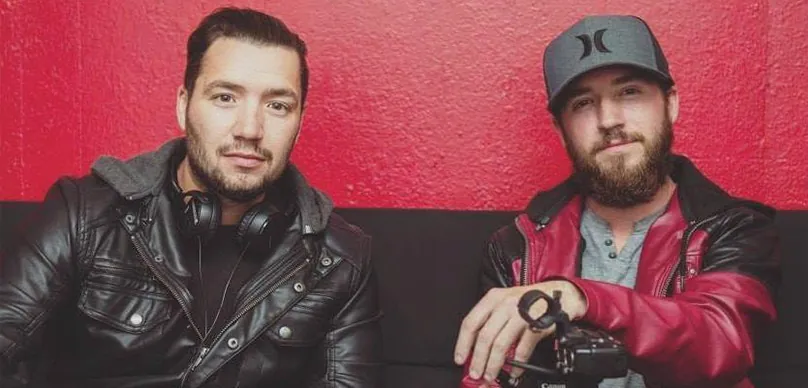
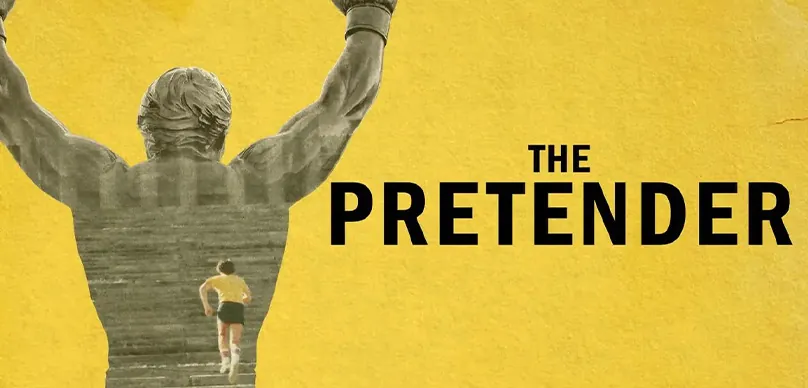
Every great documentary begins with passion — and for Jim Toscano and Danny Gianino, that passion came in the form of an underdog story worthy of the big screen. The Detroit-based filmmakers, who had spent years working on automotive and corporate projects, found their creative spark reignited through The Pretender, a documentary about Mike Kunda, the world’s number one Rocky fan. The film explores how Rocky became more than just a movie for Mike — it became a way of life. Blurring the line between man and myth, the filmmakers set out to uncover where Mike ends and Rocky begins, capturing a story of obsession, identity, and the power of cinema to shape who we are.

When Toscano first met Kunda on the set of Rocky Balboa in Philadelphia, he was immediately struck by the uncanny resemblance — Mike not only looked like Sylvester Stallone’s iconic boxer but spoke and moved like him too. What began as an idea for a short profile piece quickly evolved into a feature-length documentary once Toscano and Gianino realized how deep Kunda’s devotion ran. From his childhood in Philadelphia to his current work as a professional Rocky impersonator, Mike’s life mirrored the determination and heart of his hero. Yet, as filming continued, the story became more complex — a portrait of a man living in the shadow of his greatest inspiration, trying to balance fandom with his own identity.

Making The Pretender wasn’t without its challenges. Toscano and Gianino faced the unpredictability of vérité filmmaking — never knowing what surprises would unfold as they followed Mike through his daily life, from visiting his parents to sending a heartfelt package to Stallone himself. Some days felt spontaneous and electric, while others required patience and delicate handling, especially when Mike would slip into what they jokingly called “TV host mode.” The filmmakers made it a rule to avoid anything that felt staged, ensuring the final cut remained raw and authentic. Their respect for Mike’s story is evident in every frame, as they treat what could have been a quirky premise with sincerity and depth.

For the Detroit duo, The Pretender was also a personal turning point. It gave them the freedom to break from corporate constraints and create something purely from passion. Unlike client work, there was no approval process, no brand message to hit — just storytelling in its purest form. The experience taught them to trust their instincts, stay flexible, and embrace uncertainty, lessons that carried into their later projects. It was also a reminder that compelling stories aren’t always found in glamorous places — sometimes, they’re found in the dedication of an ordinary man chasing an extraordinary dream.

Ultimately, The Pretender is about more than fandom; it’s about the universal desire to become the best version of ourselves. Just like Rocky, Mike Kunda fights for something bigger — not a championship belt, but purpose, belonging, and the courage to live with heart. Toscano and Gianino’s film captures that spirit beautifully, proving that you don’t need Hollywood budgets to tell a powerful human story — only authenticity and love for the craft.

Right-click here to download the MP3

Read more

IFH 829: The Secret to Marketing Your Movie Like a Pro with Brad Wilke

On today’s episode, we welcome Brad Wilke, a filmmaker, screenwriter, and marketing strategist who’s built a career at the intersection of creativity and audience connection. Brad’s path wasn’t the typical Hollywood story—he began his professional life at West Point, a far cry from the film sets and marketing campaigns he’s known for today. His journey from military discipline to cinematic storytelling taught him the value of strategy, structure, and execution—traits that now define his work in both filmmaking and marketing. Through years of experience, Brad has mastered not just how to create films, but how to connect them with the people who need to see them.

In this insightful conversation, Brad shares how his early career writing creature features for the legendary Roger Corman—films like Camel Spiders and Piranhaconda—became a crash course in creative efficiency. Working with microbudgets forced him to find innovative ways to make stories pop on screen while respecting the limitations of production. He calls this period his “creative boot camp,” a time when he learned to write sharp, focused scripts that could actually be made. That same pragmatic mindset carried over into his later ventures, including co-founding Smart House Creative, a digital marketing agency that helps independent filmmakers reach and grow their audiences.

Brad believes marketing isn’t a task to check off after a film is finished—it’s an integral part of storytelling. He urges filmmakers to think about their audience from the very beginning, to weave marketing into the DNA of their creative process. From crafting effective crowdfunding campaigns to leveraging social media and email lists, he emphasizes that understanding your audience is just as vital as writing a strong script. His work at Smart House Creative bridges the gap between art and audience, helping filmmakers navigate the ever-changing world of online promotion with authenticity and strategy.

He also dives into the realities of indie film distribution, reminding creators that success today requires persistence, adaptability, and a deep understanding of your own brand. Whether you’re pitching a project, releasing a film, or promoting a festival, Brad stresses that every filmmaker must become a storyteller not just on screen, but in how they communicate their vision to the world. For him, the modern filmmaker is both artist and entrepreneur—a creator who can balance inspiration with strategy.

Ultimately, Brad Wilke’s story is one of reinvention and resilience. His unique blend of artistic insight and business acumen shows that the future of filmmaking belongs to those who understand that creativity doesn’t end when the credits roll. It continues through how a story finds its audience—and how a filmmaker builds a lasting connection with the world beyond the screen.

Right-click here to download the MP3

Read more

IFH 828: The Ultimate Life of Action: Martial Arts, Movies, and Wisdom with Leo Fong

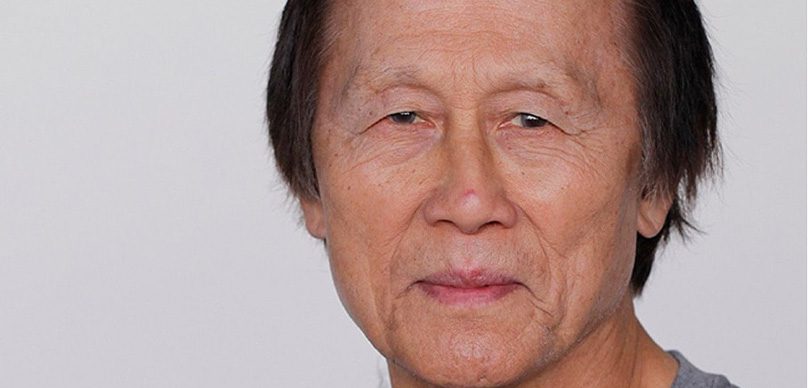
On this episode, we celebrate the incredible life and career of Leo Fong, a man who lived and breathed action — both on and off the screen. A kung fu Grand Master, Methodist minister, and filmmaker, Leo’s story is one of resilience, creativity, and heart. Born in Arkansas during the 1930s, he faced racial prejudice early in life, which sparked his lifelong fascination with self-defense and personal empowerment. He began his journey in boxing before evolving into martial arts, where he trained under masters in judo and kung fu, eventually becoming a close friend and sparring partner to Bruce Lee. His time with Bruce profoundly shaped his philosophy on life and martial arts: “The ultimate is inside of you,” Bruce once told him — a lesson that became Leo’s lifelong mantra.

Leo’s film career began unexpectedly when a producer in the Philippines asked if he wanted to star in an action movie. That film, Murder in the Orient, launched him into decades of martial arts filmmaking, including cult hits like Kill Point, Low Blow, and Blood Street. Working alongside icons like Cameron Mitchell, Richard Lynch, and Richard Norton, Leo became known for his gritty, heartfelt approach to action cinema. He not only starred in but also wrote and produced his own films, often raising funds independently and distributing them himself. His stories from set — whether buying his hero car for $125 or stuffing a fake head with hamburger meat for a fight scene — reveal the humor, hustle, and passion that defined his career.

Leo Fong leaves behind more than a legacy of martial arts and movies; he leaves a philosophy rooted in humility, integrity, and joy. To him, filmmaking and martial arts were never about ego but about community, creativity, and the pursuit of truth through action. As he said near the end of our conversation, “We’re all family in the martial arts. Better to make friends than enemies — and always have fun while you’re at it.”

Please enjoy my conversation with Leo Fong.

Right-click here to download the MP3

Read more

IFH 827: Turning a Script into a Movie: The Indie Filmmaking Story of Jamie Buckner

Every filmmaker has that moment when the light turns on — when they realize storytelling is the one thing they simply must do. For Jamie Buckner, that revelation came after dabbling in nearly every creative field imaginable — art, music, architecture — before realizing film combined all of them into one powerful form. From there, he immersed himself in cinema, devouring screenwriting and production books, and hustling his way onto sets like Seabiscuit and The Departed. He worked his way from production assistant to production coordinator on John Wick: Chapter Two, all while nurturing his dream project — a romantic bowling comedy called Split.

What makes Jamie’s story stand out isn’t just his impressive resume but his relentless commitment to writing and creating despite the chaos of production life. Between long hours on major film sets, he carved out time to develop Split — a movie he describes as “a bowling rom-com that just makes people smile.” Over several years, he wrote, revised, and self-financed his film, turning a short proof-of-concept into a full feature distributed across dozens of streaming platforms. His journey offers an unfiltered look into indie filmmaking: making time to write, raising funds through Kickstarter, calling in favors, and managing endless post-production delays.

Jamie Buckner also offers valuable insight for aspiring screenwriters: creativity is a muscle that must be exercised constantly, even when you’re exhausted. He credits years of reading production scripts — including works by Cameron Crowe — for refining his sense of structure, tone, and pacing. His advice is refreshingly grounded: “If you can do anything else, do it — because this industry takes everything you have. But if you can’t not make films, then you’re one of us.”

Right-click here to download the MP3

Read more

IFH 826: How to Turn a Script Into a Movie Without Hollywood’s Help with Chris Jay

Every creative career has a turning point — for Chris Jay, it came when his rock band Army of Freshmen hit the wall of a collapsing music industry. Years of touring and chasing label deals ended with the rise of digital downloads and the 2008 financial crash, forcing him to rethink everything. Out of that chaos came a bold new pursuit: filmmaking. With no formal training, Chris and his bandmate Aaron Goldberg set out to write and produce a comedy called The Bet. They weren’t chasing approval from Hollywood — they were determined to make their movie, no matter the odds.

The idea for The Bet came from Chris’s own curiosity about reconnecting with old crushes from school and wondering how those stories might turn out decades later. The script, written entirely from scratch and formatted by hand before they even discovered Final Draft, became a crash course in DIY filmmaking. They didn’t have a studio or a rich backer; instead, they raised funds through family, friends, and a pair of theatre producers from the UK who believed in the project. That resourcefulness defined every part of production — from filming in Ventura, California, to juggling countless roles on set, from catering to prop design.

Chris and his team faced every imaginable indie film obstacle: tight budgets, long hours, and post-production delays that nearly derailed the entire project. Yet through determination, collaboration, and sheer grit, they finished The Bet, securing distribution on iTunes, Amazon, and cable VOD. The film also features one of the final appearances of wrestling legend Roddy Piper — a personal highlight for Chris, who grew up a wrestling fan.

What began as a long shot became proof that independent filmmaking still thrives on passion over privilege. For Chris Jay, The Bet wasn’t just a film — it was a statement of creative survival. It showed that even when the industry turns its back, you can still make something lasting with the right mix of heart, humor, and hustle.

Right-click here to download the MP3

Read more

IFH 825: The Untold Stories of Women in Action Cinema with Melanie Wise

Sometimes the film industry opens doors, and sometimes you have to build the door yourself. On today’s episode, we welcome Melanie Wise, an actress, producer, and founder of the Artemis Women in Action Film Festival. Standing six feet tall, Melanie discovered early that Hollywood wasn’t built for women who didn’t fit its narrow mold. Struggling to land traditional roles and tired of being typecast, she turned to producing her own projects, determined to tell stories where women weren’t victims but warriors.

Her breakthrough came with Hannah’s Gift, a horror-action film she produced and starred in, which won multiple festival awards. But the road wasn’t easy. Technical setbacks destroyed the original masters, forcing her team to reshoot the film entirely. Instead of breaking her, the challenge sharpened her skills as both a producer and post-production powerhouse. She carried those lessons into her larger mission: creating a platform where strong female leads could thrive without compromise.

That vision led to the launch of the Artemis Women in Action Film Festival, a global event dedicated to celebrating badass women on screen and in real life. From honoring icons like Zoë Bell, Nichelle Nichols, and Paul Feig, to spotlighting stuntwomen who risk it all for unforgettable scenes, the festival has become a beacon for action storytelling with women at the center. As Melanie put it, the festival proves there’s a massive audience hungry for female-driven action, and the worldwide submissions—from places as unexpected as Iran—show that this movement is not limited by borders.

Beyond screenings, Artemis has uncovered hidden histories of women in sports, the military, and aviation, stories too often left untold. Panels have featured pioneers like WWII’s WASP pilots, reminding audiences that women have always been forces of action both on and off screen. With fans crowdfunding the festival year after year, Melanie sees undeniable proof that people want to see empowered women in leading roles — and are willing to back it with their wallets.

For Melanie, the work is both personal and universal. She knows firsthand the obstacles women face in Hollywood, but she also knows the thrill of defying them by creating your own path. With Artemis, she’s not just producing a festival; she’s building a movement that challenges outdated industry narratives and showcases the limitless potential of women in film.

Right-click here to download the MP3

Read more

IFH 824: The Screenwriting Secrets Every Indie Writer Needs to Know with Dan Benamor

Every writer’s journey begins with a blank page, but for Dan Benamor, it also began with an internship that grew into a career in film development. Starting at a small production company, he worked his way up from intern to head of development, gaining hands-on experience that taught him how vital confidence, responsibility, and strong opinions are in the industry. He saw firsthand how scripts live or die not just by their story, but by the conviction with which they’re written and pitched. “If you project confidence on the page, people will come with you,” Dan explained, underscoring the importance of writing with authority and clarity.

While Dan has directed, he realized his true passion lies in screenwriting. He thrives on crafting stories, breaking down structure, and refining characters until the narrative feels inevitable. His development background gave him “muscle memory” for story, allowing him to navigate theme, character, dialog, and pacing with ease. For him, the planning stage is where the heavy lifting happens — once the blueprint is clear, the writing itself becomes the fun part. This approach served him well on Initiation, a film he co-wrote with his cousin Oren, who also directed. The movie, distributed by Gravitas Ventures, follows strangers forced into a deadly cult ritual, blending action, horror, and a deeper message about inner strength.

What makes Dan’s story compelling is not just the film’s success, but the lesson it carries: you don’t need a massive budget or studio machine to create meaningful, marketable work. Initiation was made independently, yet earned legitimate distribution and strong reviews, proving that ingenuity and story can outshine resources. For aspiring filmmakers, Dan’s career is a reminder that discipline, persistence, and a fearless approach to writing can turn a simple idea into a film that audiences around the world can watch.

Right-click here to download the MP3

Read more

IFH 823: The Secret to Getting Noticed as a Screenwriter with James Moorer

The first spark of storytelling for James Moorer came in the fifth grade, when he wrote a play that hinted at the career he would one day pursue. But the path from childhood curiosity to professional screenwriter was anything but simple. James’s journey moved through Ohio State and eventually Los Angeles, where he started at the very bottom of the industry ladder. Even as a PA fetching water on set, he absorbed everything, knowing that each small step was part of a much larger climb.

Early experiments with short films exposed gaps in his craft, but those failures became his greatest teachers. James doubled down on learning, attending Robert McKee’s Story seminar not once but twice, and taking every screenwriting class he could find. It was here he discovered that writing alone wasn’t enough — success required understanding the business of Hollywood. “Half of the work is writing,” James said, “the other half is being a people person.” Screenwriting, he learned, demands not just strong pages but the ability to navigate relationships with producers, managers, and collaborators.

His real breakthrough came after joining Screenwriting U, a program that emphasized the industry side of the business. James realized credibility matters more than cash at the start of a career. He took on assignments not for big paychecks, but for credits that proved he could deliver. This “move the needle” approach — where every script, meeting, or assignment pushed his career forward — became his guiding principle. It wasn’t about chasing a golden ticket, but about building a consistent track record.

Networking, for James, isn’t about forced schmoozing — it’s about building real relationships. Whether it’s connecting through social media or face-to-face on set, he insists that a writer’s reputation is their most valuable currency. He often shares his passions online — from screenwriting tips to his love of pancakes — because being authentic and consistent makes people want to work with you.

The pivotal moment came when he signed with Purple Skull Management, not through blind queries but thanks to a trusted referral. What sealed the relationship wasn’t just his script, but his openness to feedback. Instead of resisting notes, James embraced them, expanding on producers’ ideas to make the story stronger. In his words, rejecting feedback is “the ultimate screenwriter’s fatal flaw,” while collaboration shows professionalism and staying power.

James also stresses the importance of paying it forward. He credits mentors and peers for opening doors and believes sharing knowledge with other writers strengthens the entire community. For him, progress in screenwriting is about steady improvement — reading scripts, writing daily, and treating every interaction as part of the bigger picture of a career.

In the end, James Moorer reminds us that screenwriting is both art and business. It’s a craft honed by constant practice and a career built on trust, adaptability, and persistence. His story shows that success doesn’t come from one big break, but from the accumulation of small, deliberate steps forward.

Right-click here to download the MP3

Read more

IFH 822: From Video Games to the Big Screen: The Filmmaking Journey of Nicole Jones-Dion

The lights of Los Angeles flicker differently when you’re chasing stories instead of stars. On today’s episode, we welcome Nicole Jones-Dion, a screenwriter, director, and producer whose journey took her from the world of video games and comics into the unpredictable realm of filmmaking. Her work spans from co-writing Tekken 2 to crafting the supernatural thriller They Found Hell for the SyFy Channel, to directing her first feature film, Stasis.

Nicole’s creative path began in the interactive worlds of games and graphic novels, where storytelling was often bold, visual, and larger than life. That same sensibility carried over into her screenplays, which naturally gravitated toward sci-fi, horror, and action. With a love for genre storytelling, she found herself writing for projects that demanded both imagination and grit — Dracula epics, video game adaptations, and stories designed to thrill audiences while tapping into familiar myths.

What makes Nicole’s story remarkable is not only her resilience but her ability to adapt. Before breaking into films like Dracula: The Dark Prince, she had already written over fifteen spec scripts, proving that persistence is as essential as talent. Many of her earliest opportunities weren’t born from original pitches, but from being brought in to rework or refine existing scripts — a reality she stresses is the bulk of Hollywood writing. “If you’re writing for someone else, your job is to give them the best possible version of their idea,” she explained.

She also experimented with crowdfunding to bring her short film Debris to life. Originally seeking just $5,000, she raised nearly $20,000 — 330% over her goal. The film, centered on a cursed samurai sword that washes ashore after the Fukushima tsunami, struck a chord with audiences and festival juries alike. For Nicole, the campaign revealed the power of a strong concept: if the hook is intriguing, audiences will rally to see it made.

Her passion for character-driven storytelling shines in her approach to screenwriting. Nicole Jones Dion works from detailed outlines and insists on strong titles and character names before diving into pages. She draws from methods like Save the Cat and the mini-movie structure, blending them into her own system. For her, clarity in the outline stage prevents wasted effort later. She builds stories where protagonists and antagonists clash as equals, each the hero of their own narrative. “The antagonist is the engine of the whole story,” she noted, underscoring how much weight villains carry in shaping drama.

Nicole also cautions against soapbox storytelling, advocating instead for themes that pose questions rather than dictate answers. Whether tackling sci-fi adventures or occult horror, she wants stories to leave room for audiences to think and engage with the material. Her love for speculative fiction — tales that echo the spirit of The Twilight Zone — continues to guide her work, from her award-winning samurai scripts to the YA sci-fi of Stasis.

Through all of it, Nicole embodies the philosophy of persistence. She writes daily, often at night, and embraces the idea that growth never stops. Even after multiple films, she continues to study, refine her craft, and chase new challenges. From feature films to shorts, from crowdfunding campaigns to international distribution, her career is proof that genre filmmaking thrives on both discipline and passion.

Right-click here to download the MP3

Read more

IFH 821: Filmmaking Without Permission: The Independent Journey of Clarke Scott

Sometimes the most unexpected turns lead us to our true calling. On today’s episode, we welcome Clarke Scott, an Australian writer, director, and commercial photographer who stepped away from academia and corporate life to pursue the art of filmmaking. His path wasn’t straightforward, but out of its twists and setbacks emerged a filmmaker determined to carve his own way.

Clarke first discovered filmmaking while burned out in the Himalayas, working on a PhD in philosophy. A chance encounter with a cinematographer shooting a documentary on the Dalai Lama introduced him to the DSLR revolution that was reshaping independent film. It was a moment of revelation. Filmmaking offered a space where creativity and technical craft could coexist — a marriage of his artistic roots in music and poetry with his love of technology and problem-solving.

That spark led Clarke to build a career from the ground up, beginning with corporate and industrial video before turning toward narrative film. Eventually, he wrote, directed, shot, and edited his first feature, 1000 Moments Later, a completely independent production. He described the film as both an artistic challenge and a practical choice — an opportunity to create a story that meant something to him while gaining the hands-on experience of every stage of production. “At some point, I decided I wasn’t going to rely on anyone. I will do everything,” he said.

Throughout our conversation, Clarke emphasized the realities of working outside Hollywood. He spoke openly about choosing not to move to Los Angeles, even when the chance was there, because he knew it would mean compromising his creative voice. Instead, he focused on what he could build in Australia, working with limited budgets but maintaining full control over his vision. For him, the long game mattered more than short-term industry approval.

He also shared the lessons learned on set. One story in particular stood out: a difficult scene that stretched over two days, with weather turning stormy and an actor struggling to hit the right emotional note. Frustration ran high, but in the end, the raw energy of the struggle — combined with the dramatic backdrop of the storm — elevated the performance. Clarke’s eye for adapting to circumstance became as important as his direction, a reminder that resourcefulness is often the hidden key to independent filmmaking.

Beyond the anecdotes, Clarke offered hard-earned advice for filmmakers navigating the realities of the industry today. He warned against chasing unrealistic dreams of festivals like Sundance as a financial plan, urging instead a focus on building a body of work, finding an audience, and learning every part of the process. In his view, the strongest path forward is to create work that proves both your creative vision and your ability to finish what you start.

His approach is clear: use the tools available, leverage your community, and never wait for permission. Whether that means borrowing locations, persuading actors to work for back-end deals, or using today’s digital platforms to self-release, Clarke believes filmmakers have more opportunities than ever to make their work seen — if they are willing to do the hard work themselves.

In the end, Clarke Scott leaves us with a portrait of a filmmaker committed to telling stories his way, on his terms. His journey is proof that determination, creativity, and adaptability can turn even the smallest production into something meaningful.

Right-click here to download the MP3

Read more