IFH 141: Turbo Kid & How to Create an Indie Film Ecosystem with Shaked Berenson

Right-click here to download the MP3

Turbo Kid & How to Create an Indie Film Ecosystem with Shaked Berenson

I speak a lot on IFH on how filmmakers should create their own ecosystem and revenue streams, today’s guest has done just that. Shaked Berenson is the co-founder of Epic Pictures Group, a film financing, production, and international/domestic sales company based in Beverly Hills, CA.

Shaked has produced films like the cult hit Turbo Kid (SXSW Audience Award)Entertainment (Official Sundance Film Festival Selection) and the animated film Space Dogs: Adventure to the Moon. What is great about Shaked is that he has created his own ecosystem. From financing to production to distribution, all under one umbrella. This way he cuts out the middle man and he can keep more of the profits.

Shaked came to my attention when I found out he was one of the producers of the internet darling Turbo Kid. The way that film was marketed, sold and distributed is something all filmmakers should study.

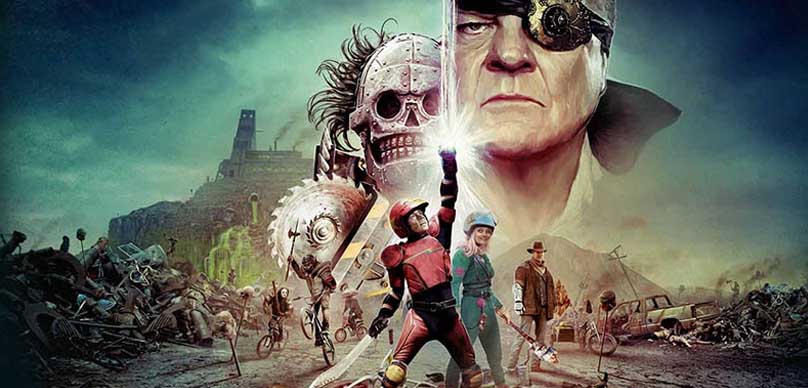
Here’s the Synopsis of Turbo Kid: Set in the post-apocalyptic year of 1997, TURBO KID is a retro-futuristic nostalgic tribute to 80’s action-adventure films follows a teenager who goes on an adventure to save the girl of his dreams. 

“Mad Max on a BMX: ‘Turbo Kid’ is an ’80s adventure with added gore, and it looks nuts.” – CNET

Also if you want to study an amazing crowdfunding campaign check out what the Turbo Kid filmmakers did on IndieGoGo. We go deep down the rabbit hole all things Turbo Kid, indie filmmakers, building your own revenue streams and much more.

Here’s a bit about Shaked Berenson:
Prior to Epic Pictures Group, Berenson served as Renegade Pictures’ Director of Sales as well as the Director of Technology and International Relations for the Giffoni Hollywood Film Festival. Before Renegade Pictures, Berenson was in the Israeli Defense Force for four and half years where he served in managerial and educational roles as a project consultant to Elbit Systems, and worked as a program developer for NetVision, an Internet solutions company. He holds a degree in economics and business from UCLA. – IFTA-Online.org

Enjoy my conversation with Shaked Berenson.

Alex Ferrari 1:45
So today on the show, guys, we have a producer who I've talked about a specific film a lot on the show as a is a an example of how to do it right. As far as social media as far as building multiple revenue streams. And there's films called turbo kid and it was done in 2015. And it's a really, really interesting film and how they were able to target their demographic their, their audience, how they use social media, how they've created kind of like a like a following a major following kind of phenomenon around this movie was remarkable. So I wanted to get the producer Shaked Berenson from Epic pictures and Shaked and I we also hung out a little bit at Sundance and talked a whole bunch about the business in this interview we actually you know, he breaks down what he his journeys through the business how he's an independent producer and how he's able to build his own ecosystems without having to go outside to big studios or anything like that. So he is a production company he develops projects he produces them and he also distributes them he's all within the same ecosystem and and how he's able to do that and create different revenue streams and we are different revenue streams per project. And he we also go deep into turbo kid because I really wanted to ask a lot of questions about turbo kid in regards to merchandising in regards to how we got a distributor how he got foreign over, you know, cuz turbo kid was everywhere, and it still is, and they did a theatrical release and how they did all that and the whole process. So I really wanted to go deep down the rabbit hole of how he did everything he did for tobor kid but also for everything he does in his business, and he's really inspiring and how he was able to put it all together, and how he continues to put it all together. So without any further ado, here's my conversation with Shaked Berenson. I like to welcome to the show Shaked Berenson man, thank you so much for taking the time and talking to the tribe.

Shaked Berenson 3:44
It's a pleasure to be here. And it's a perfect day because everybody's working from home today.

Alex Ferrari 3:49
Yes, absolutely. Absolutely. So I wanted to ask you, how did you get into the business because this is a crazy business. I always love to ask my guests What made you want to jump into this business?

Shaked Berenson 3:59
I think it's a bit non traditional because I was I wasn't a film buff because I no real film buff. And it's very different than me. I grew up in Israel. And as many of those countries, we don't get a lot of the independent movies we basically have in theaters, all the studio films but but there are people passionate about the filmmaking process and I was playing with one of those dv cameras with my friends. You know, I'm sure everybody did the same videos in their backyard, you know, when they abusing the dog and the cat and also fake James Bond missions church to bended houses and all sorts of stuff like that. But they never really thought that it's going to be a career. I mean, it was in communication program in high school and theater. But it was more of a hobby and then in Israel, you know, you have mandatory military service. And I did four and a half years ago, I was a bit older. And because I was actually born in the US, I always knew that Want to check out my my second home after I finished my service. So I have some family here in, in LA. And there is a lot of good schools, you know, between Berkeley and USC and UCLA and great public schools. So I came here and really just coming to go to university, and I was looking for a job as a bartender. And Funny enough, I couldn't find a job as a bartender. So I started to work in a movie business.

Alex Ferrari 5:28
So you mean it's usually the other way around. People start bartending because they can't find jobs in the movie business.

Shaked Berenson 5:33
Everybody has the same reaction. But it's really true. Because I was new in town, I didn't have a lot of friends. I want to go to school, bartending is a great job, you meet a lot of people, you meet, you know, women, and you work weekends and nights. So it was a perfect job for me. But Gosh, I just could not find a job. And then I met a producer and became his personal assistant. And from there, it was one of those companies that when people leave or fired or quit, I just slowly started taking over people's jobs. Of course, not getting more money. But no, no, no, of course not. Of course, yeah. But very quickly, I started a development that started in marketing and started to do out delivering servicing that is probably something that most people don't even know too much about. Because you know, it's not something you learned in film school. And got into production from pa foreign sales. And we see in just a few years, I kind of seen the entire process. Then, the company started company was growing and making big studio films with we made with Sony and movie called ghostrider. The first one Sure, and, but the company started as independent film, and Patrick uworld, who's now my business partner, he was VP of production, and he convinced the owner because he's a big genre fan, to start a division to do genre films. And of course, because I'm the guy that always get more jobs, I was assigned to also work with him on that. So first movie, the only thing the first movie we did was blood Weaver, research director at the Mason and which we ended up selling to Weinstein Company, then we may do with the same director, a film called The Devil's chair that got into the Toronto midnight section, which was baby at the time, and was growing. But the movie ended up with Sony for worldwide. So we're developing and making movies, getting in finance, selling them and getting them distributed internationally. And at some point, we just decided to branch off and start our own company.

Alex Ferrari 7:46
Now what now you you are pretty, you have produced a lot of genre films, is there something that draws you to those kind of stories?

Shaked Berenson 7:52
Um, you know, maybe it's not a good answer. But I like the process more than I'm a big fan of almost every genre. It's not in particular, or action or anything like that, if anything sci fi probably be more of my interest. But I just like the process for me what what really exciting about filmmaking that, again, my starting a business was kind of non traditional, and also probably my motivation is not as traditional, but I like the fact that you know, you and I can be on the podcast right now, and just come up with an idea for a film, hire writer. Few months later, we're gonna have 50 people working on set creating all these jobs, their movie goes into post production, maybe there is computer graphics company in India, or Korea or Canada or I don't know what and creating jobs for another 50 or 100 people then we sell it internationally, every country has people working if it's in the theaters, lobbying, marketing, I mean, he just amazing to me how you can have a beer and come up with an idea and end up having a refill effect and create so many jobs for so many people around the world. So for me, that's really the exciting, the exciting part.

Alex Ferrari 9:07
That's, that's a great answer. That's actually a great answer. I've never had someone answer like that before. It's great because you're looking at it and you're looking at it as a more holistic Avenue as opposed to just, you know, looking five feet in front of you, you're looking at the whole journey,

Shaked Berenson 9:22
fortunate to have the opportunity to really work in all those stages. And now you know, epic is basically an independent studio, we do everything from buying IPS, or coming up with our own ideas and doing the development, getting the financing doing the physical production, we do foreign sales, so we place the films in every country and we have now in the past two years we develop our domestic distribution. So also releasing the films, in theaters and on digital and television here in the US and have the opportunity to actually touch the customer and and see the fence. You know usually we see them in film festivals, but now we can to actually interact and go directly to them. So it's, it's pretty exciting to be able to sit in a staff meeting and just somebody's like, Hey, I read a book that I really liked this weekend, and two, three years later you have it out in theaters or Netflix and, and actually have reviews and having it out there. So I think I think we're all fortunate to really to be in this industry and be able to do that.

Alex Ferrari 10:26
Now, you brought up a little bit about distribution. And considering that the world has changed dramatically, since when you first got into the business as far as distribution and pre sales and foreign sales, and all of that stuff, the world has changed so much, what is your outlook on how things are going today in distribution and getting your films out there? And what do you guys do specifically?

Shaked Berenson 10:47
So yeah, they will change a lot. I think the big turnaround was around 2008, which is right after we started a company, and we're lucky because we started in October 2007. And you know, as the economic crash, and everything, we're just two and a half people in a living room. So we were able to render the bad times. But yeah, I do remember and have reports from the good old days, when home video was, yeah, you can move it for 2 million and sell it for 20 million. And now it's, it's pretty much the opposite. So you need to be a lot more clever about how you structure your financing, and have a lot less exposure. So that means and again, I think we are living in a very exciting time. So there is so many different ways to finance a film there is crowdfunding that didn't exist in the past. And it's a way to both get financing and to get fans and marketing power in advance for the film. And it's also a testing room, you know, if you have a pitch on Kickstarter, and nobody connected, you know, maybe it means that it's not the right thing to do. Now, personally, we have not done ever any Kickstarter or Indiegogo campaign. But you know, I commend people to do so and, you know, be happy to work with creative filmmakers that that want to go that route. So there is that there is product product placement. And I think we live in a world that makes a lot more niche than it used to be. If If we the world, in the past was basically controlled by Coca Cola or bank of america and all those big brands that work on these big films, there might be opportunities now with smaller film that are more niche to get more niche product. And, and I think brands also and marketers in the consumer product side, they understand that and they know the power of social media, they know the power of trending and, and they want to get their film out there, which is great, too, is all of tax incentives and different incentives around the world in the US not as much. But for example, we just finished shooting a movie called radius in Canada, which is a Canadian production. And it's the same team that we need to replicate also in Canada. So there is all these tax incentives. So if you bring jobs to different states or different countries, you get tax breaks. So we really need to be creative about the way you finance the film's and limit your exposure. So you know you can at least recoup your money back and maybe make a small profit. So you can do the next one.

Alex Ferrari 13:29
Right? So about you are as far as the whole, like streaming world and going directly and self distribution, obviously, depending on how much exposure you do have. So if you make a movie for under $100,000, as opposed to a movie for five or $10 million, is self distribution a viable option depending on the budget?

Shaked Berenson 13:50
Yes, he does. I mean, in the end of the day, there is so many tools, I mean, you can put your movie up on Vimeo and they take a very small share of it. And you can if you're good in promoting your film you can make basically like the book publishing business, that now you have a lot of authors basically do self publishing and because you don't need to print massive amounts to reduce the price. I think Amazon has a program that they basically print a book per order, which is pretty crazy. You know, it is, yeah, and in the world of streaming in the end of the day, it doesn't cost that much. I mean there are costs, that the thing some people you know, sometimes it's easy to forget, but the cost of the storage and redundancy in servers and the bandwidth. They are cost related, but it's obviously a lot less than printing DVDs and shipping them using FedEx to the other side of the country. So the opportunities obviously you know, everybody talked about Netflix and Amazon and Hulu and all those new entrants. I think it's create a great opportunities in the TV side as well because TV was such a closed circuit for basically forever and now You know, almost anyone can create a show and pitch it to those non traditional platforms and get shows finance which, which I think is it's amazing. The digital revolution I think created a very interesting marketplace that from one hand, there is more access. In the other hand, it's cheaper to to create content and to create great content. And you know, obviously YouTube is a great testament for that. But on the other hand, because there is so much supply of content, the value of the content itself went went down a lot so in the old days, you have two or three channels and you know, at eight o'clock on primetime, you can basically choose which one of those channels to watch and they could fight over the market share. Now, people have so many ways of entertaining themselves. If it's between video games and YouTube or Instagram and user generated content to what we do, yeah,

Alex Ferrari 16:02
it's kind of like in the 80s you literally just had to make a movie if you shot something on 35 millimeter it was sold No matter if it was good, bad or indifferent. They just needed content. And those those days are very much gone.

Shaked Berenson 16:14
And funny enough in the old days, like you say it could make you can make anything and it will be sold and it could maybe maybe be bad but now looking at it backwards those those films have so much cult following and so much nostalgia Yes. Seeking them and you pay double just to find where to see to

Alex Ferrari 16:32
write exactly that although I'm a big 80s and 90s fan as far as those kind of genre movies that that were made back then Toxic Avenger and those kind of movies that just were like what can you imagine a movie like Toxic Avenger well you guys you killed you I mean you know you did big spider. Yeah.

Shaked Berenson 16:51
And they're they're actually trying on an all public it is another their, you know, process trying to make a bigger remake of that. And actually, I'm good friends with Lloyd Kaufman received together on the board of the Independent Film and Television Alliance. And it's funny that you mentioned it because he has he put all of his films available on his platform back in plug in service. I don't know exactly where you guys students drama.com or something but you can find there is a way to subscribe and get all of his films for fairly low price because you know, he's he's a big advocate of net neutrality and allowing people to access the content.

Alex Ferrari 17:30
Right here. He's been on the show, he was on the show a while ago, and his place to get it is on. I think it's on YouTube. And you could actually Subscribe on YouTube because YouTube allows the subscription platform as well. It's just It's amazing. And I think at the end of the day, like you were saying I think marketing is such a big part of engaging that audience is such a big part of making movies today. Without it you really it's really difficult to get to get seen unless you're lucky enough to get a distributor to distribute movie and even then you'll never see a dime more than likely.

Shaked Berenson 18:04
Yeah, and you know, then you have big behemoths like Netflix I mean when you drive around in Los Angeles all the billboards or Netflix

Alex Ferrari 18:11
shows yeah no i know i ever everywhere you go it's a Netflix show Netflix movie an original documentary it's everywhere I mean LA is such a unique melting pot when it comes to that kind of stuff you know my my friends who come in from the East Coast are like there's movie advertisements everywhere I'm like yeah that's la

Shaked Berenson 18:31
Yeah, it's it's Netflix everywhere and then around Hollywood we have some advertisement for Las Vegas. Yes, exactly. Of course. Yeah. So so we talk Asana Netflix, basically control the advertising in the space I mean haka

Alex Ferrari 18:43
you're right I saw that I've seen so many of those billboards as well. Now one of the films I always talk about as kind of like models of that filmmaker should kind of follow his turbo kid I kind of studied a little bit about how they were able to do their stuff but can you share a little bit about first of all how you got involved with turbo kid? And then how if it was either you or your partners or the filmmakers were able to kind of get into that audience distribute Yeah, what was the distribution plan all the marketing plan all that stuff but first and foremost, how did you get involved with turbo kid?

Shaked Berenson 19:18
Yeah, so it's funny you bring it up I'm actually wearing a shirt here I'm gonna do my second plug. I like to promote what it's you know it's for other people but I just got yesterday samples from fright rags they're doing a whole line of turbo kid shirts nice. And I'm wearing you can't really see it in a podcast of course be listen very very closely you can hear it but I'm wearing a skeleton shirt that they just got yesterday sample so they should be out in the market fairly, fairly soon. But yeah, Toby could definitely touch something the audience and this Halloween we had we hadn't we found on Instagram at UK Add in an apple costume and you know, just crazy stuff. But yeah, turbo kit is an interesting one because turbo kit has obviously a lot of challenges. I think it's one one of those things that it's almost like you can you can tell anybody who's a writer or just starting in the movie business like this is the movie you should not be making, right? It's a very bloody film, right? Or, well, it's not really horror. No, but definitely speaks for the horror audience. It's comedy sci fi adventure

Alex Ferrari 20:37
with a little bit of horror dropped in

Shaked Berenson 20:38
with a little bit of horror, because there are like 4000 gallons a lot. A

Alex Ferrari 20:43
lot of Gore, a lot of Yeah. And and

Shaked Berenson 20:45
you know, it has a name that, you know, suggests that it's a kid's film. I mean, you'll be surprised to actually remember when when we start promoting it, I was sending it to the in one of the distributors. Give me a comment saying that, that it's just a bit too gory for a kid's film.

Alex Ferrari 21:04
Just a bit, just a bit.

Shaked Berenson 21:07
Sometimes you get those emails that just your mind is blown. Yeah, it's like, maybe it's not a kitzman. There's obviously a lot of things going against it. But it really fit in our model, funnily enough, because Patrick and I were, again, we're a bit different the way we do things. And we're really focusing on the people and the team behind projects. And this is why that year we had in in in Sundance, we had turbocad, which is obviously a fun entertainment film. But on the other hand, we had another film in some in Sundance called entertainment, with the very dark, experimental arthouse film with john C. Reilly and a cameo with Michael Cera and you know, great film got great reviews, but he just did completely the other end of the spectrum. And that's because we choose our project by the people not really by the genre, or, or by budget or by any other qualifiers and Jason Eisner who's you know, executive producing the project. He we really like him and and you know, we're trying to work together on his previous film called, I don't know if you hear daddy copters but it's one of the signs of being in Hollywood. That's very true. Yeah, so we really like what Jason Eisner does, we really like his hobo with a shotgun. We knew we want to work with him. We have been talking with and Timpson has you know, the the ABCs of death which is very close to what we do we actually had a film called VHS It was also a horror anthology. Then I wasn't there but Patrick met and Marie, the Canadian producer, the person who kind of you know ran the show in frontiers which is a co production market and really fell in love with Anne Marie I mean she just you know, some people you can just have a 1015 minute conversation and just say like whatever you do winboard you know um, so um, so Patrick came back you know all those kind of stars align the directors are just amazing you know, they're there again it just you fall in love with them for the first for the first minute and then I read the script and I go This doesn't make sense at all. So let's do it and I think it's one of those projects really, like nobody would ever put any financing in but but we're really the company you know, the we wrote a check to, to get to get the project done it was it was a New Zealand and Canadian coproduction so there is there was a lot of subsidies and tax credits coming from Canada and and from New Zealand through and Timpson and Tim Riley from from that side. So it was really a great team. I mean, I know it's kind of I don't like to use this you know the word visionary but it's really is like a group of people that kind of come together and say like, Okay, this doesn't make sense. But somehow we see that this will be great you know, and it's one of those films that I got the rough cut, you know, and I'm watching it and it's like, well, you know, no comments just you know, have them do what they do best and and funny enough even after the movie screened in Sundance and got great reviews, I mean the critics they loved it, we got great reviews and the fans were tweeting about it and you know, coming to us in the street we actually had Skeletor on and and Monroy and walking around the street and everybody coming through even then not a lot of distributors actually showed interest just because the mixed genre You know, when you go to iTunes, you go to action you want to have an action movie, you know, go to horror, you want to have a straightforward horror movie go to sci fi, you know you have

Alex Ferrari 24:49
it's an odd movie. No, quite. There's no question about it. It is definitely an odd movie that sticks out. It's not something that sticks into into a little box.

Shaked Berenson 24:57
Yeah, so I think I think a lot of a lot of these CBO is the way they look at something like that or finances they look like where would they put it you know in which bucket it falls into and I think that's if you look at the the slate of the films that you know Patrick and I do or we do pick up some of these but you know that's maybe a longer discussion but you know even biggest spider you know what is biggest spider it's a cop Comedy Action sci fi adventure mom's kind of a you know it's it's we we like the fact that that that the films are cross genre and a bit quirky and a bit out of the box and when people say like well where would you put it how do you know where do you place it? Well we know you know the people the people decide it's not which bracket it is in in your sub genre on iTunes or Netflix you know it's if people like filming and they like the storytelling they like the vision behind it you know, they will connect with the content.

Alex Ferrari 26:01
Now did you did your Did you with the directors or the producers? How did you guys start activating that audience? Because it has a very rabid fan base so how did you get that fan base and how did you nurture that fan base

Shaked Berenson 26:13
so we were very lucky in a sense that we premiered the film in Sundance and then it played in South by Southwest and won the Audience Award over that and I think Geez, I can open my Excel sheet I can't even count the numbers of festival we played but we played every major and medium sized and small festivals and everywhere we got great responses we made sure to be there or have presence and and have people know where to go to sign up for the turbo kit fan newsletter or to to follow us on if it's a Facebook or Twitter we try to keep in touch with people through all those outlets and and when the movie came out we just had this army of people that just will advocate for it. I mean, you can see the conversation people say like oh, Netflix is tuber kids Netflix you have to see it. You know, it's it's, you know, the people were really the ones that promoted it we put it up on I think it was 67 theaters at a time when we when we premiered it and we put it on on VOD as well simultaneously so it's available for everyone and yeah, it's really connected. Now we have a comic book that that came out of it and all the merchandising your merchandise merchandising shirts that Frederick bringing out we have a whole custom line so next Halloween you can be dressed as skeletron or Apple or the kid so we you know people just demand those things you know, you were but you

Alex Ferrari 27:47
built like a little like a little mini Star Wars in a sense, like you build an IP that you could start you could start monetizing and multiple different avenues not just the movie and a lot of ways very similar to like Kung Fury they kind of use the movie as a marketing ploy to sell other things at a certain point which is basically I think after the there's a life of the movie that so many people watch it on Netflix or something like that but then after that you're still making money with this IP for years to come based on the fan base and based on the merchandise that you're able to build is that correct?

Shaked Berenson 28:22
Yeah and it's really is all about the fans I mean, it's it's we don't plan to do this merchandising in and to like let's make more money from this it's just you go to Comic Con and and and other cons and just you see people dress up as Apple and skeletron and and the kid and then you know they demand those merchandising and then we get approached by those companies saying hey you know people want to dress like those people let us you know licensed and make and create those costumes so it really is defense more than anything else.

Alex Ferrari 28:52
Now did you do any sort of self distribute a South distribution with this or how was this distributed

Shaked Berenson 28:57
so this is where we're very lucky that as a as an independent studio we have all the distribution outlets so we we have a theatrical department we have all the relationships and the agreements so his platform so we released those films ourselves

Alex Ferrari 29:16
Okay, so you have you have you already so you don't go through a distributor or at least with that film you didn't go through a distributor you just know you have

Shaked Berenson 29:23
epic pictures group has basically three lines of three companies under the group one is the production side one is the foreign sales which you know for people who didn't know what it means is that you know, in order to place the film in Germany or UK or Russia you actually go out and license it in those countries. And then we have a huge distribution arm called epic pictures releasing that you know released films like biggest spider October kid, Nina forever. And tales of Halloween. So we released mainly genre films and family so we just released phone calls Bass dogs adventure to the moon which is a sequel to another franchise that we have for kids our main two kind of electrical pillars that the ones that we have a fan base and and we really nurture those sides easy genre and the family so for example for film entertainment which is our house we went to a different distributor that more experience in that side so for us it's also to do what's best for the film not only just to release it

Alex Ferrari 30:32
fans so then basically you've you've cut out the middleman in a sense by building up your own infrastructure to be able to sell and distribute your movie so you obviously you keep the majority of the income as opposed to the standard distribution of a filmmaker just like going hand in hand to a distributor and going Will you please release my movie and then you get the cut that you get the cut but you guys have grown past that is what you're telling me? Yeah, that's

Shaked Berenson 30:54
that's 100% correct and and do is two things it's in the good old days, there were just enough money on the table to share with everyone so it's okay if you had if you had the producer rep or an agent that sells it to a sales agent that he sells it to an aggregator and you know, everybody's taking 10 2030 50% in the middle. But still there was enough revenue to actually support the film but in today's market, the margins are so low so you have to be close to the to the market and to the audience in order to have enough revenue to the supply chain, it's just too long, you know, and it's to be close to the finance ears and the filmmakers which are the people that actually invest their time and money into the film. And that's one of the things we do but the other thing that the other the other thing that we do the other thing that we do that made us create this entire chain is to basically have the filmmakers as close to the to the audience as possible and it's a little bit hard to explain but I guess I'll give an example so you know releasing movie like tells the following right so he's been he's in Russia in theaters. In traditional models they're going to be a Russian distributor or maybe even a Russian exhibitor that worked with a distributor that then he needs to contact the sales agent the sales agent might got it from an agent or lawyer that worked for the producer and then he gets a producer right so for example if the distributor in Russia you know he has a radio station that says oh, we would love to interview Neil Marshall to promote the film you know how you have this entire chain of people that that you know by the time you get to the end of it you know three months? We yeah in our model because you know we are the people that made the movie you know the distributor just send me a text message and say hey, do you think Neil is going to be available tomorrow? And I'm like, let me check and I just sent him a text message Hey, Neil, are you going to be tomorrow at 5am available to wake up to do an interview in a radio station in Russia great done, you know, so it really helps marketing and and promote the movie everywhere. Also being close to the content you also know a lot of secrets and a lot of potential that maybe won't be realized if the product is just a product for somebody and I give you an example maybe one of your co writer is Turkish and he actually used to write and direct staff or x actor from Turkey you know, if you're, you know a sales agent and sold somebody you know that Michael aaronson in the movie or whatnot, but you don't have all that details you don't know like, Hey, you know, one of the writers you know wants to you know, you can use it to promote the movie in Turkey or, or whatever that is. So, so it's it's good to be very close to to the actual films and the filmmakers. So you know, all those little things, and you can exploit it as much as possible, because really today, in today's market, there is, you know, demand is high, but the supply is a lot higher. And you're need to turn every stone to find the revenue to pay back your investors and make the filmmakers make more money.

Alex Ferrari 34:22
So in today's world, in your opinion, then if you have a film, there's obviously outlets now to go directly to self distribution outlets, you could do tug for theatrical, you can use someone like a distributor to go into all the major platforms like Netflix, Hulu, so on. Do you suggest if a filmmaker wants to start building their own career, to start creating this infrastructure that you've created on a smaller scale, obviously and start building off of that, as opposed to trying to do the old model that really is is it doesn't benefit the filmmaker at all?

Shaked Berenson 34:58
Yes or no? So yes, I think every filmmaker and and you know, I use the word filmmaker very broadly, I think that people working in our department or you know, the actors, it's, you know, everybody's involved in the film business should be for thinking about building their own fan base and have social media and, and think about all of that and build that. So every project increases, its, its support. On the other hand, you also don't want to just put the movie out there on a one of those boilerplate or cookie cutter, distribution platforms, because as you know, for example, if you go to iTunes, if you movie just goes on iTunes, and you can do that, you know, you can put a movie on Amazon, Vimeo, anybody can put in a movie, but then your film is basically just on the platform. So somebody to find it need to actually go and search the name of the movie, or search the name of the director or cast, you know, to find it, or you need to promote it yourself, to push people to those platforms. So that the difference is that if you are in a relationship with with the platforms, and you have the marketing power, you know, and you go on Vimeo, or you go Netflix or go and you see new releases, or you see out tweak, that's the stuff that people see, and they can click on. So in a way, yes, you can release it yourself. And if you know a lot of people that that has that that relationship and enough enough awareness, you know, if you Louie ck, yeah, you can just put your your show on Louie ck.com, and people will come to see it. But if you're just starting, and you don't have that you want some help together. And also you want people that have that have a strategy in terms of how to roll out the film. So you don't over expose it. And you actually go to the right festival, you put in the right time, you release it in the right platforms, and in the right way. So as an example, you know, like, we, we have this film called inner forever, which we didn't produce, but we met the filmmakers in South by Southwest, we sponsor a dinner there for the midnight section. makers, and we met them there, we ended up, you know, going and drinking with the directors were there and the producers and a couple of cast members, and we hang out with them. We already like them as people, then they invite us to see their movie the next day. And then we watch the film. And I don't know if you see me forever, but you know, you look at it's like, yeah, this is like, this looks like a movie that we would have made. And it's basically a romance. But it's talks to the horror people. So it's for people don't know what it is. It's the story is a guy that his girlfriend died in a car accident. But then every time he has sex, she kind of comes back to life. So yeah, no, not traditional horror. I mean, she's not like a zombie running around trying to kill his new girlfriend. It's a lot more about relationship. And it's really an allegory about letting go of previous and past relationships. Yeah. But obviously, you have a dead girl that is bloodied coming out of the bed, you know, it will speak for the horror audience. So for example, this film were released on Valentine's Day as a genre, alternative date night, and we worked with feeders to give a glass of champagne with the movie ticket, you know, you kind of try to customize and find the right way to release the film. So you know, if we just put it up on iTunes, you know, it's not 100% or it's not 100% romance, it's probably to just be another thriller on the on the platform, and people have to search for it to find it, you probably get no traction at all. But using the festivals and using, you know, clever marketing strategies, you can find the audience. Well

Alex Ferrari 38:50
bred so good. Either. Yeah, I'm here. Oh, sorry. Sorry about that. So that's excellent, excellent advice. Actually, no, I was gonna ask you, if you, if you were going to some if you're going to do like, if you're going to premiere at Sundance, let's say, because I had a friend of mine who won a couple awards at Sundance, and she told me that if she would do it again, this is what you would do, I'd love to hear your opinion. If you're going to premiere at Sundance, arguably, that's probably when you're going to get the most attention for that film, on an indie level that you'll probably ever will again, you probably won't have the money to get that kind of marketing, push attention reviews, and so on. She told me that if she would do it again, she would premiere at Sundance and for a week, have the movie available on a VHS or a Vimeo, for debt for for download for viewing. Just for a week like exclusive so she can kind of monetize that attention. Is that a good plan or what? What would your advice be?

Shaked Berenson 39:49
So I'm so glad you brought it up. Because this is exactly where the traditional way of doing things kinda don't really work. So what happens is your filmmaker you make your second movie, whatever, it's great you submit to Sundance, I don't know how but you got in, right? Right. The moment the movie is in Sundance, and they announce it, you're gonna get a phone call from everybody in town, right? And what's happened is that usually at that point, the filmmakers either been convinced, or they're just overwhelmed, so they hire an agent or lawyer or somebody to sell it at Sundance, right? So what happens is, you use the 15 minutes in the limelight, in Sundance, to sell to the guy that's gonna be selling it. Yeah, so you have, you know, you're moving now, like, like your friend said, you moving out has all your attention, and you just sitting down to the guy is going to be selling it, that he's going to be selling it. And again, you kind of the toll that you move is going to be released a year later, you know, and, and you kind of lost all this cart. And also, we all know that in Sundance, you know, you have a handful of movies that have bidding wars for, you know, $10 million, but there is another 395 movies that people forget about, and, you know, two days after the release to the premiere, so and, you know, there was not a lot of articles about what happened was those films, right? So my advice would be, which your friend is 100% correct, but I would do it differently. We always advise people get somebody on board early because first of all, somebody like us or you know, company similar to us. First of all, we can help you get into sense we can help you get into the right festival, we can help you submit all this stuff. So you don't need to learn all these things on your own. And, you know, I mean, I'm sure that a lot of listeners go on Google and say you know how to submit to film festivals or getting this off the top film festivals in Europe. You know, we have a person or company that that's what she does for a living, you know, she's in constant contact with all those festivals, you know, and and know what they're looking for know when the submission dates know how to do it. So get in early with somebody that can help you with that strategy. And when the movies actually out, get its premiere, have a plan, how you're going to release it, you know, either putting in Sundance and then a week later at Netflix, or a month later, it's in theaters, or you're planning for example, October kid to premiere in Sundance, and then you have a whole plan in putting it in other festivals for the next six months before it's released. But at least have a plan so you don't have somebody was just sending it to the guy that just two months after Sundance gonna start thinking okay, what is this movie? And how what are we going to do with it?

Alex Ferrari 42:32
And how are we going to sell it? Exactly Yeah, that's that's what she told me she's like yeah, it get you get basically nine months later or a year later they release it no one you can't regenerate that interest. You can't build that back up you you've got that moment and you should take advantage so but you would suggest not to do that like week long. Like release on a VHS or Vimeo just to be able to monetize it you would say no,

Shaked Berenson 42:58
absolutely not. It's It's It's falls again, in what we talked about about 10 minutes ago, if you Louie ck, yes, you can do that. But you know, Sundance have, you know, a few 1000 people there, you have all the trades. From there to get to the real audience. It's a major, major leap, you know, I actually recommend you not, I'm going to plug another product again, I don't make any money from any of this. So hopefully, there is a business book about sales and product launch called I think it's jumping the chasm or, or Crossing the Chasm. And he talks about early adopters and late adopters and the actual world you know, and yes, you can get people that go to Sundance every year and that's the early adopters you know, if you compare it to an iPhone or an iPad or something like that, but to make the jump to actually have millions of dollars in box office or have you know, 1000s and hundreds of 1000s of people watching in the VOD it's you have this gap that you need to get to the general and the broad market and that jump is really hard to do. So in order to do that if you a household name, you can do it if you're redhead you can just give your songs for free on your website and say to people Hey donate as much as you want but if you you know have a beautiful but smaller film that doesn't have the cast and the awareness to push it I would highly not recommend to just put it out there because once it's out there it's already pirated it's already you know that other people will not want to touch it you know so so don't don't make those decisions I think without actually having a strategy what I do recommend these topics people early and this is the biggest challenge and I know that because we're filmmakers you know we know how it is to get the movie into South by and have all the phone calls. Don't get caught up with it because people are like oh my god you're gonna make focus feature is going to come in and you're going to buy the movie millions dollars and, and it's like don't get caught up with it too much because a you can still Do it right, you can see it actually go out to Focus Features before and say, Hey, this is going to be playing in Sundance, let's talk early, or have a plan and know that you can change it.

Alex Ferrari 45:12
We'll be right back after a word from our sponsor. And now back to the show.

Shaked Berenson 45:22
You know, you can still have a good strategy, and then say, Listen, you know, we're going to screen in Sundance, a focus feature is going to come and bite us for millions of dollars, then that's going to change into that plan. But don't come thinking, Okay, this is what's going to happen. And I really don't have a full full background.

Alex Ferrari 45:38
Got it. So it's all about strategy. A lot of it's just strategy and just thinking about the long the long game,

Shaked Berenson 45:44
as opposed to go about the strategy. It's all about talking with people that actually care early. I mean, we talk with a lot of people with films that are not even, you know, fall or we'll be an epic movies, but be happy to give advice. Also, just submitting to festivals, if you don't know the people, it's also very hard. I would say it's almost like, a lot of them like putting your name on the ballot without campaigning, you know, you need to know what you're doing, you know, you need to speak with the people you need to, you know, email them or talk to him and say, like, you know, hey, you know, just, you know, just so you know, we have this movie coming out, you're gonna submit it, you know, make sure you know, give it some attention, you know, you kind of want to people to know about it, because, you know, the programmers that gets seven 8000 movies a year, you know, I mean, just imagine that the system in the process, they need to kind of flush out and bring all the stuff up to decision makers and actually put him in the program. And it seems more and more festivals are interested in bigger stuff that has distribution companies already behind them. And they're able to bring the director to bring the cast to create buzz. I mean, if you look at, sorry, that's all really, actually if you saw tails, the following, she's in luck is Mickey didn't want to come and say hi, what's going on. So if you look at the Toronto lineup, almost all the movies already had distribution. And it's great for the filmmakers and the distributor because it's a great platform to generate buzz and to get reviews and to get awareness for the film. It's great for the festival because they actually have somebody with a PR company and the ability to fly in the cast and and to help promote the festival as well. So it's a great partnership, you know, and if you are just, you know, couple of people out of film school just made a movie that might be amazing, you don't have that machine behind it, it can help you and it's not in a bad way you know, it's not like you need a money machine that is just you know, I know that sometimes it's easy to kind of look at the bigger company and say, oh, it just kind of put the posters up and they just have but but the business is filled with people that started going to a Fae and being filmmakers and just gonna learn from experience and moved up in their world and it was a lot of companies that can help do that.

Alex Ferrari 47:56
Yeah, that it's a very good point to make that there are companies out there that can help you and get that attention that you might need from festivals and so on. I'm going through it right now with my film, my first feature film that I'm going through as well and I was able to meet some certain program directors and things like that so they're aware of the movie and all you could ever do is hope to get it in front of their eyes. There's no guarantees it's just about trying to stack the deck as best you can. At least for them to just be able to watch it and it's up to and then at the end of the day it's the power of the film and if it's it's what they're looking for at that year and that time

Shaked Berenson 48:33
Yeah, you absolutely right and in the end of day a bad movies not going to get into a festival just because somebody has a relationship. Yep. But out of I don't know. I can't remember the numbers I think it's like 10,000 movies it's submit to Sundance you know they're gonna slot in a feature film what like 50 100 movies?

Alex Ferrari 48:51
I think competitions there's only 13 and I think in features I think it's about 100 some movies

Shaked Berenson 48:56
yeah like took like altogether so yeah, they have a lot of really good movies to choose from I'm not even talking about the bad movies you know you can just be a friend of the programmer and shove something it's terrible into a festival right but imagine how many really good movies that would have been qualified to be there just don't have the room you know and need to make decisions about why they're going to place this year and why they have to say listen, we'd love to have it just this year we have you know too many great movies you know it's it's a good problem to have for for everyone I guess for audience for the festival, but not for the homemakers depends not for the filmmakers if you know a few if you put 14 movies into the program and you're number 15 it's like yeah that's not great for you you know maybe you're before you're after you would get in but so so like you say it's good to know the people and I recommend filmmakers to go to the markets go to the film festivals, you know go to the networking events start to network so you do know those programmers and you know two or three years later when you actually have a movie you can say like hey, you know, remember me Like my movies finally done you know can I send you a link and then at least they remember your name and it's not just another submission through one of those platforms online platforms it's just submit submit films you know

Alex Ferrari 50:13
yeah, you need to find somebody or some audience for it you need to drive some traffic of some sort. Yeah. Now what do you look for when you're getting involved in a project

Shaked Berenson 50:22
so we really focus on the people which means that it The good news is that if you're a great person you can get in the bad news is that it means that usually we work with family and friends you know, so if you look at our films, there is a lot of repeating directors are being cast behind the camera we have repeating director of photography's and our directors and production designers and first HDS so but it's because we we know that we when we get into a project we are in for the long haul because we do everything from development all the way to distribution so if you come into his movies as we're going to be together for the next four or five six years of our lives unlike maybe you know some platforms or some distributors or if you just one piece of the puzzle you know you get the film you know right before can and then two months after can you forget about it we actually live with the people for a long time and we know that they're gonna be really high highs like you know going to Sundance and you know everybody giving you attention they're going to be really lows like you know being on set and it rains when it's supposed to be sunny and it's sunny when it's supposed to be rain and the sun is coming up and you didn't finish your night or you know you know that you have creative conflicts and you're gonna have big argument and the next day you all working together so you know we have you know ever saying that making films is a marriage it's not dating so we spend a lot of time getting to know the filmmakers and knowing and having direct chemistry you know, because sometimes like a project is amazing I can introduce still some people I don't think you know, the chemistry is not there.

Alex Ferrari 52:03
That's a really really smart way and I've out of out of being involved with so many projects over the years That's the first time I've actually heard a producer really say something like that and it's a brilliant way to do it and it's in the smart way of doing it and the guys who are successful in this business I mean, Clint Eastwood had the same crew for 30 years yeah you know and

Shaked Berenson 52:25
you build your people as you go along. Moving along the business and in the end of the day this business is so hard so risky and we can all make more money easier doing something else you know, you can do a podcast about diner politics during the election probably it's it's we all can can make money in easier ways and you know, have time to spend with our families and in and use our hobbies. But we in this business because we love it and we want to be in it and you need to know that you have your friends along for the ride.

Alex Ferrari 52:55
Now what advice would you give a filmmaker just starting out in the business

Shaked Berenson 53:01
that's that's hard You know, it's easier you know, some things like there is no right answers do is wrong answers, but there's no right answers. If you're just starting in the business is first of all, getting to know the business. I think that that there is this I guess it's an escape you know, if you go to film school, as you know, in a writer director program, and you just like I'm just going to plug myself in a room or in a coffee shop, and just write but you don't really learn a lot from that. I think that you should be out there meeting people and listening to advice don't have to take everybody's advice but it is listen to people's advice and be nice and respectable and and keep those relationship you know, give you a business card, take a business card, make sure to keep them because you also don't know you know, I suppose a personal assistant people that were I remember, we used to have assistant meetups, you know, those people are now agents and people in high positions, you know, sometimes also, you know, just take time, you know, to be there and to be friendly and make those those friendships. I think also, it's important to know what the other side wants, you know, if you're a first time filmmaker, and you have a small, you know, zombie horror movie that you want to put together, you know, don't hassle somebody from participant who's also only looking for, you know, he's in the documentary department. And before he's, you know, I mean, so try to know what the people are looking for. And these I think there is a lot more power in even coming in a party or a networking event, you know, like the American Film market and say, Hey, you know, just want to know I'm a big fan of your movies, I have nothing for you. Now I just want to say hi and my name. And if I ever have anything for you, you know, I hope that you know, maybe you remember me from this interaction, you know, and we can do that that's a lot better than trying to shove a script or you know, hold let me show you a trailer on the phone that you don't even know what the people are looking for. You know, so we get about 600 projects a year. We make about Five so that can show you like how little of them come in most of those are going to come through somebody just for the fact that we are working with friends of him you know we working with if somebody is like hey I had this friend you know we work together I worked with him I knew you guys are gonna be click, let's you know all grab drinks so we can introduce each other you know, that's a lot more impactful, then, you know, you get a lot of those emails like hey, I'm a writer and he was three loglines you know, and it's like, okay, you know, would you imagine how much time and resources you need to put to review like 600 projects god you know, just calculate you know, just calculate the cost if you have you know, a couple of creative executives doing that and then you know, when you start thinking about what the other side processes you can start thinking about what is their pains and what is their needs? So you don't just act to it, you know, it's like just to shove another script in in in a financier's hand you know now you're just creating work for them but if you actually bring value you know to the table then you have much better chances to move up ahead in the in the queue and also

Alex Ferrari 56:13
relationships if you have a relationship with that that person in one way shape or form that also helps as well.

Shaked Berenson 56:19
So tails The following is a perfect example you know, we worked with Mike Manders on biggest spider and a bunch of other things we're good friends he's friends with Excel Caroline that you know she told him about her better idea to do this anthology about Halloween basically that was it you know So Mike was like hey, let's all meet together it's all part of the same group we hang out together we you know we go to karaoke together we do all that kind of stuff so it's people you know they come they say hey, we want to do in the future but Halloween that basically we're gonna have a few segments and you know we're all going to direct something you know it's new martial that you know work with in a previous lifetime in a previous company and Darlene Bossman that we made the move in 2011 and and you know, just he just kind of came out from you know, just a group of friends there was really nothing there yet you know, there was just a concept let's make a fun Halloween movie. And we're like yeah, of course we're gonna make it you know, let's talk about what's going to be but don't forget that you can always change the script, you can always change you know, the strategy the budget, you can always work on that stuff. But if you work with people that you don't like or you have red flags, or just doing it because of the money or because the package the things are always going to be bad, you know, just

Alex Ferrari 57:37
you sir You seem to have it figured out. You try you try You speak very wise words, Yoda you do sir. Very, very wise words. And I'd like to and I love the way that you're very straightforward and honest and real about your answers. And that's what I tried to talk about on the podcast all the time. Because it is a tough business. It's an extremely brutal business and you got a lot of people sugarcoat it or or kind of tell half truths and stuff and I always try to tell it as straight as it can be and I appreciate you doing the same

Shaked Berenson 58:12
Yeah, and there is you know, there is a challenge in the business because you know a lot of people that they work for somebody you know, they're working in bigger companies and you know, there is a lot of maybes in the business because nobody wants to pass on Forrest Gump and nobody wants to greenlit something's gonna lose their company a lot of time so you speak with filmmakers in LA it's like oh this company is interested in these companies interested in this he said that he was the honest truth if somebody really wants something he says don't talk to anybody I'm going to call my boss I'm going to bring him today I'm going to bring him tomorrow let's make it happen you know all of like sounds great send me you know the next draft sounds great let me know when these updates that basically means nothing you know and and get people excited and get them maybe lose other opportunities because they're think that there's opportunities out there that they can reach to but I mean, you've been in the business you know, it's 90% of the time there is nothing there because people don't say no, you know, if somebody say no, this is not for us, I like you let me know next time if you have something that more fits what we want.

Alex Ferrari 59:16
That would be very refreshing if that was that was what the answers were in these meetings, but generally you're right no one likes to say no, it's the nicest efuse in the entire world. No one says f you better than Hollywood people. I mean, if you go to New York, they'll tell you hey man, screw off

Shaked Berenson 59:33
you know but but you know, but But again, it's all about instead of taking a position of kind of being mad about it, you just trying to understand the other side. You know, if somebody is a creative executive started working in company three months ago, he's still learning the ropes in his own company. You know what I mean? It's, it's not bad. If you sit in a meeting and somebody says like, sounds great. Send me the next thing. Just like okay, well, you know, can you please let me know what is the process on your side? What do you think are the chances You know what you know just you can ask questions and get kind of to the bottom of it and I think the other side will appreciate it too and against that like listen you know I know I want to pass on it because I like it but to be honest you know I don't know if that's going to be the thing so let's keep in touch but you know if you have opportunities go somewhere else You know, I think if if you know people talk to each other like people you can get down to the business you know,

Alex Ferrari 1:00:25
right you could get a lot farther people just talk like human beings as opposed to robots here in Hollywood

Shaked Berenson 1:00:30
yeah just look look at you know to eight year olds playing in the playground and it's like if everybody then everybody would be happier and more efficient and make more money and could create more stuff. Yeah,

Alex Ferrari 1:00:42
absolutely. Now I always ask the same question last few questions to all my guests what is the the lesson that took you the longest to learn in the film business or in life? Um

Shaked Berenson 1:00:56
That's a big question. So in the film business is really is if there are any red flags walk away because there is other ways to do things because you know a lot of time you have like well you know, this project without the director is kind of like a maniac but you know, it's good cast don't don't don't do that. You know, don't do small movies now cast then doing a movie with big cast but the final tears wants his daughter or girlfriend in the movie is deleted or any one of those things, it's like forget about it, you know, it's like I rather you know, I can go work in a bank or whatever I can Uber, you know, Uber, you can always Uber, you can always right. I mean for now, soon enough,

Alex Ferrari 1:01:38
the the the cars will start driving themselves. Yes.

Shaked Berenson 1:01:41
So so you know, for now you can always Uber but they're gonna be enough for smart people, there's always gonna be something that they can do you know? Um, so that's that in life? I think. She's That's a big question. I think that somebody you know, I don't even remember who told me somebody told me or read it, it kind of sounds like one of those Facebook, you know, inspirational, bullshit quotes. It says, if you do today, what you did yesterday, tomorrow is going to look exactly like today, which kind of sounds good, but basically means that you kind of need to make the change. You know, and a lot of it comes because I know a lot of like, writers or actors, you know, they asked me for advice, like, what should they do? And I say, like, Well, you know, try to create your own opportunities. Especially if you're an actor, there is so many opportunities, you can just grab another two friends, take an iPhone and shoot the funny skit on YouTube, like you can do stuff today, you know, it's not that expensive. And also treat it like a business because it is, you know, all lucky to basically work in our hobby. And some people think that, that, you know, you try to do it as a career, you need to put at least the time that everybody else does, you know, if you work in a factory, you would at least work from nine to five, put at least that time you know get up get dressed, sit down and say what am I doing for the next eight hours because I know that that you know, some people just like you know, they it's easy to kind of fall into the getting a plate, having one meeting a day and you know, feeling like that's a lot of pressure. But you know, if you actually work in a company, if you're a lawyer, if you're an accountant, you're doing stuff all the time you know, you every 1015 minutes you're doing something productive and I think it's easy in our business because everybody's a freelancer to fall a little bit and then get into him but he talked about it earlier. It's like oh, that guy doesn't get back to me it's like well, it doesn't get back to you. Because it's a no no

Alex Ferrari 1:03:42
he's not saying he's not calling you because it's a no it's like yeah, that's great. That's

Shaked Berenson 1:03:46
again it's like oh, like it's December there's no additions you know, so whatever it's like it's December so you know, everybody was home and applying to their own house because they can't afford it because whatever they just Obering get him now and shoot someone you know the streets are empty go shoot something you know, it's like you know, get get something done that you can show value later, you know, can build your Twitter, your Instagram, whatever that is.

Alex Ferrari 1:04:11
Now, now what are three of your favorite films of all time?

Shaked Berenson 1:04:15
Um, I can I mean, there are films that I can always watch again like American Beauty or Forrest Gump. It is funny because I used to actually program I started recording a sudden a tech business funny. But I remember I think it was TBS, they used to like, have the same movie like 10 times,

Alex Ferrari 1:04:36
right? Yeah, like the Ferris Bueller's Day Off or something like that. They'll just like run it all Christmas Day. That's all they play.

Shaked Berenson 1:04:41
Exactly. So I used to basically code on the weekends because I wasn't making enough money in the movie business. I was building websites and doing all this kind of things on the side. So I was called a weekend. And I think Forrest Gump was playing in the background for I don't know, seven times. And in each one of those times you just kind of like crying this moments you know and you notice a few things even though even though it's in the background so that's definitely you know a movie you know that i think you know but you need to look up to of course you know the Alien franchise you know that's something that you know I would love to do most looking you know I once found a script that was this is a perfect example I always want to do one of those space because I'm big in CG and you know computers and computer graphics and always want to do like we don't spaceship kind of film and you know to shoot it you can build a modular model in a green screen room kind of do the things really hard to find clever scripts like that I did found once a script like that but it was attached I swear to god there were like four managers that were you know already getting like producer fees and their logo on the front and also the crazy stuff nice and I bet that script was never made because you know it's you can do that okay, somebody likes to scrape you know they want to put a million or two whatever to go and make it you should have it make it you know, don't create barriers to the film do what's best for the film you know? Yeah, yeah, absolutely. That's another big lessons we didn't talk about it but what a lot of what we try and we doing in our company is the movie need to be the most important thing so everybody's interests need to be aligned with the film which is very hard when there is a lot of other factors and other companies involved that have conflicting interests and for example, this is why we do worldwide distribution we do the US distribution you know also do foreign sales because you know the distributor for example right after Sundance probably want to go out quickly right because you still have the bad reviews but on the foreign side you know if you talk with the big companies you know, they have their scheduled 1218 months in advance they need to debate to German they need to you know do their thing so so you know obviously the US want to release it quickly but then you know a movie like Tobruk aid or you know VHS we pirate everywhere and then you lose everything on the foreign side and kind of everybody kind of need to be aligned and working together. And yeah,

Alex Ferrari 1:07:08
that was one thing I wanted to ask you about that we didn't talk about is piracy like how is that affecting you and and as far as your distribution plans are because you're right if you release something in the US that's why a lot of times these big studio examples are released in Europe before they ever hit the US a week early purely for that specific reason to try to get as much money as it can before the pirates get them and it is it is a kind of way of like you can't fight the pirates it's gonna it's just gonna continue to go but how does that affect your your distribution plan

Shaked Berenson 1:07:37
it affected a lot more in the past and I think it contributed for companies like Netflix to grow and you know, obviously you know, blockbuster disappearing and all of that I think at this point piracy is pretty much stable. And I don't think it matters anymore I mean, at the end of the day you know you can watch a movie on Netflix you know what I mean? It's like you don't need to go to some pirate site right? It killed the business in a lot of countries you know and if your movie and this is exactly why it's important to have strategy in advance because we really work to coordinate a release everywhere at the same time or at least in the same window because if you didn't release a movie like in Indonesia or something like that some countries are so full of piracy that if the movie is out already then nobody's gonna watch it you know? So then maybe you can do TV sales down the road but when we talk about genre you know, it's not the most TV friendly kind of content so his family you know, content it's easier but something like VHS you know, it's for theaters you know, basically that's it in a lot of the countries that don't have develop online can view the markets. So but I think it's stable for now I think people also used to use piracy as a negotiation tool, you know, to get prices down or whatnot. I think now people realize and acknowledge that the people that pirate movies probably not going to pay even 10 cents to see your movie. So it's not really a market you know what I mean?

Alex Ferrari 1:09:11
It's not hurt it's not hurting you per se

Shaked Berenson 1:09:15
it's hurting but there is nothing like if somebody is downloading movies and watching them online pirated, you know, you're not going to be able to take $10 wanting to go to the cinema or or, you know, you're just not you're not I mean, on Netflix, you know, if somebody is already watching all their movies, and pirating online, Netflix is probably not going to get them in a subscriber until they kind of go older, and they have a wife and they just don't have the time and the headache to deal with those websites

Alex Ferrari 1:09:42
go and download and figure it out. And the technology involved them. It's not it's it's easy, apparently, but not that easy. I just don't know.

Shaked Berenson 1:09:51
It's easy when you're 16 and you have time on your hand, you know, 40 you know, it's like your kids want to see a film. It's like Screw it, you know, it's 299 to rent it tonight. To you just rent it on iTunes you know and people that can afford it I guess you know they can find it but I know like for example before we we had a panel before release biggest spider in Comic Con and I actually told on stage they said if you can't find it or you live in a country that it's not available or you can't afford it or whatever the reason is send us an email we'll take care of you we'll figure out a way for you you know we available through our YouTube channel Facebook everything and and you know of course everybody cheered and all that kind of stuff but the point is I rather people get it for free from me then because when you using pirate sites you actually supporting them i mean they're not nonprofit organizations right? They make money right advertised and a lot of them actually a part of larger crime organizations Yeah. That have porn sites and child pornography and human trafficking and drugs and I mean if you don't have I speak about it in some forums about you know where is really piracy coming from and what's the effects but if people Google there was a lot of good books about it and a lot of good information about the organized crime that involved in film piracy and the other thing is that people I think don't understand is that when you pirate movies you lose your your your privilege as a consumer to vote so when we end up releasing biggest spider we had I think it was like over a million downloads illegally right and and which was I think we calculated we had about 100 illegal downloads to every legal ticket or or iTunes to do person and then we have all these people that like Hey, where are you going to see biggest spider to it's like well, you know, he doesn't mean and people that voted you know by lost their vote by actually contributing to the film you know, you kind of lose that that that opportunity because if if even 10% of them would actually watch it in a way that we can create revenue it will maybe make more sense to make a sequel right away you know and get it done. This is why I'm a big fan of those Kickstarter and Indiegogo campaign because you bring that audience in advance you know,

Alex Ferrari 1:12:13
and I'm assuming turbo k was probably fairly pirated as well it's it seems like it's

Shaked Berenson 1:12:19
fairly pirated and again, you know, it was fine and smart and it was not big you know, that big of a budget to recoup and everything and we had great partners and and it was a very long process of you know, strategy how to make it how to release it and everything. Some of these you know, have more problems. But in terms of piracy it's Yeah, I think I think people you know, people complain that all they see in the cinema is just sequels of the same tempo bullshit, right? Yeah. But you know, it's again, it's because the consumer need to understand that when you outside of the marketplace, you don't vote so if you go to see Batman in the cinema, because Batman is big, and you want to see it on the big screen, but then you pirate the turbo kids of this world and the VHS of this role and the ABCs of death. So this rolled, and you know, the hobos shotgun on this world, you're voting basically to have the sequels made, and the comic book and all that stuff that people keep complaining about in voting for independent films not to be made.

Alex Ferrari 1:13:22
On that note, sir, that's an excellent point. Very, very excellent and important point. So thank you so much. Where can people find you by the way?

Shaked Berenson 1:13:31
I'm so accessible I mean, nobody in the world has my name. So you can find me on Facebook, chicken Berenson, EP, which stands for executive producer. I'm on Twitter at educate Berenson. I'm on Instagram, chicken Berenson. And I'm visible people in the room,

Alex Ferrari 1:13:50
I'll put you a put you on a put a link to all your your websites and stuff in the show notes. So iseki, thank you so much for doing this man, I really, really appreciate it was really eye opening. And I hope I hope the tribe really grabbed a lot of the knowledge bombs that you were tossing out there. So thank you.

Shaked Berenson 1:14:05
Thank you so much, Alex, it's been a pleasure.

Alex Ferrari 1:14:08
Shaked really brought it in this interview. I mean, thank you so much for being on the show you were you're inspiring. And you know, I wanted to also bring him on the show guys, because I wanted you guys to hear someone who was doing a lot of the stuff that I preach about all the time, is creating that audience creating that infrastructure, creating that eco system to be able to not only do this once but to do this multiple multiple multiple times, rinse and repeat, rinse and repeat. And continue to build not only a career out of it, but also build a company out of it where you can hire other people and start doing other things and become a bigger, bigger and bigger and that's why shark head is done so brilliantly with Epic pictures and it's really just about thinking outside the box guys you know just don't go down to well worn path. You have to create your own path and choquette is a great example. Have that So get out there and start making your movies and start building that ecosystem for yourselves guys. If you want to get links to anything we talked about in the show, just head over to indie film hustle, calm forward slash 141 for the show notes of this episode, and don't forget to head over to free film book. com that's free film book calm to download your free filmmaking audiobook from audible. And as always keep that hustle going keep that dream alive and I'll talk to you soon.

YOUTUBE VIDEO

LINKS

SPONSORS

  1. Bulletproof Script Coverage – Get Your Screenplay Read by Hollywood Professionals
  2. AudibleGet a Free Filmmaking or Screenwriting Audiobook
  3. Rev.com – $1.25 Closed Captions for Indie Filmmakers – Rev ($10 Off Your First Order)
IFH 140: 6 Mistakes To Avoid Your First Day On a Film Set

Right-click here to download the MP3

6 Mistakes To Avoid Your First Day On a Film Set

1. Arriving Late

If you’re not early, you’re late. I aim to get to work at least 15 minutes early each day on a film set. This gives me time to set up, read my call sheet and sides, cram in some extra breakfast and make my boss a coffee. If you are late on day one you instantly create a bad reputation for yourself and this industry is built on reputation and relationships. Set your alarm early for the first day, pick out what you need to wear the night before and make sure you’ve had a look at where you need to get to so you don’t get lost.

2. Forgetting Names

No one will remember your name but don’t let that be an excuse to forget theirs. It’s great if you can remember as many names as possible on your first day on a film set, at least those in your department. This will make you stand out and give you the best chance of them remembering you. I sometimes even write down people’s names in a notebook or phone when they aren’t looking so you can refer back to it. Alternatively, you can also ask the production office for a crew list to help you remember who’s who.

3. Asking An Actor What They Do

You’ll be trying small talk with whoever is standing around. It’s pretty embarrassing when you ask an actor what department they are in or what they do. Embarrassing for them I guess, as they expect that you’ll know them from the seven short films they released on Vimeo last year. As long as you are polite I’m sure they’ll get over it. I’ve asked Mel Gibson’s son what his last name was. He politely replied ‘Gibson’. That makes sense, I thought.

4. Phone Ringing During A Take

This is even more embarrassing than when you wet yourself in kindergarten and had to go to sickbay to get some spare clothing. Don’t let your phone ring on set, especially during a take. At least have it on silent or even better, just turn it off if you don’t need it for some kind of emergency calls. Your Facebook and Instagram updates can wait until you get home. If your phone does ring during a take I can guarantee the crew will remember who you are and be hassling you each day until you provide a case of beer for your sins.

5. Walking Through The Back Of Shot

Film sets can be a daunting place at the best of times with crew members rushing about knowing exactly what to do and where to be. You’ll find it hard on day one to even find a place to stand that is out of the way. Have a good look at where the cameras are pointing and make sure you don’t settle in the back of the shot. It’s always embarrassing when you hear “Cut!” and the director berates the person that was standing in the shot only to realize that it was you…

A safe bet is near all the equipment trolleys. Usually, this is fairly close to set but enough out of the way until you discover your place on set.

6. Standing In The Actor’s Eye line

An eye line refers to where an actor is looking in the scene. It may be directed at the other actors, it could be out to the horizon or it could be an imaginary moving car that is driving in the distance. So, why should you stay clear of it? Actors are performers and they need to feel secure during filming.

You’d likely not love fifty people gawking while you feign ‘true love’ and awkwardly kiss your sweaty co-star in a claustrophobic studio. Such a kiss could only be made worse by a wandering PA aimlessly ambling into their line of sight. If you need to be close to the action during the scene, try and hide behind some equipment or set dressing so that you remain inconspicuous. Alternatively, turn your back to them or simply look down at the ground while the scene is played out. Don’t move around and fidget.

Alex Ferrari 0:56
So today on the show, guys, I wanted to talk about being on a film set. And it's something that a lot of us are on and especially when you're first starting out, there's a lot of things you a lot of mistakes, you make things you don't know secret languages that are spoken. And I've been blessed enough to meet a guy named Matt Webb. Matt Webb has worked on some big blockbusters down under over in Australia, New Zealand, working with George Miller have met on Mad Max, The Great Gatsby hawkshaw Ridge, the new Pirates of the Caribbean and alien covenant as just a name a few. So the guy has been on some major sets and he's an assistant director. And he wrote a book called set life a guide of getting a job in film and keeping it and Matt is doing a lot of writing for indie film hustle, we brought him on as a contributor. And you know, you know sometimes I forget what it's like being someone that's just jumping on a set for the first time since I've been on so many sets in my career. And it's really great to get this perspective and and he brought up a really good point, you know how to avoid some mistakes on your very first day on film set, which could be the most nerve wracking time to be on a film set. I still remember when I got my first pa gig, working, working on a show at Universal Studios Florida back in the 90s. You know, the first day you don't know what to do You don't mistake so he came up with six mistakes you should avoid and I wanted to go over those mistakes. Because I think they'll be very helpful for a lot of people listening, a lot of the tribe who are new to the industry. So very first thing and I think this is a great, a great tip, regardless of being on set or not arriving late. If you're not early, you're late and that's no question about you always try to arrive at least 15 minutes early to set that shows hustle that shows people that you're serious about being there. And that again goes through our life. You know, I always try to be early if you're late if you're if you're on time you're late and you always should keep that in mind with all things but especially on set especially when you're going on your first day. Try to be there as early as possible because I guarantee you people who hire you will notice that people who do hire, do look at hustle, look at not complaining, look at whatever that you ask them to do. You just do. And those are little tips, little side tips and I might be throwing a couple nuggets out there as I go through these six tips of things that will help you get a job and keep a job. Next forgetting names. This is something I need to improve on. I'm horrible at remembering people's names I remember everyone's face but I try hard for me remember names and I'm trying to fix that but it's something that you starting out in the film industry and being on set. remembering names. Huge, huge deal so if you have a smartphone, or even an old fashioned piece of paper little notebook which you should always have By the way, if you're a PA or first day on set, always carry a little notepad in your back pocket to make notes or anything like that or use your smartphone to do it. But when you meet somebody when they're not looking write their name down and write something that they're wearing that day maybe to make you remember so if they're wearing a hat they're wearing this or they're wearing that helps you remember and you got to study this on the during the day in the set. Just try to remember names because believe it or not If you do remember people's names right off the bat, they will notice you it's a sign that you care. It's a sign that you're taking this seriously. So definitely do not forget names. Mistake number three, don't ask an actor what they do. I know on a set, there's a lot of downtime, and you know that you're waiting for setups and things like that. So you might just not have anything to do at that moment. So you're trying to make small talk with people hanging around the set. And you you walk up to an actor, and you go, Hey, what do you do? What department are you in? And they go, I'm in the next scene. It's extremely embarrassing, and it's not a good thing. So just make sure you know who the actors are in the scenes before you ask that question. Matt writes, in the article, really great little thing, he was on Hacksaw Ridge, and he walked up to Mel Gibson son, he's like, Hey, what's your last name again, and he just very politely quietly just said, Gibson, and pretty embarrassing to say the least. But, but definitely just find out who the actors are, before you start asking those kinds of questions. Mistake number four, for God's sakes, don't let your phone ring in the middle of a take that pretty much is the nail in the coffin, if you're a PA, and in turn, a camera guy, anybody on set. If your phone rings in the middle of a take, you could have a Christian Bale blow up, depending on who the actor is, or the director or the producer or the DP, there's many department heads will lose their frickin minds if a phone goes off. So, for God's sakes, keep your phone on silent. Mistake number five, walking through the back of a shot. Sometimes, depending on how big the set is, depending on how big the scene is, you might inadvertently be standing in the back of the shot. And I believe me, this has happened to me on many of my shoots, where I have a PA, a camera guy a grip, who doesn't have an awareness of where the cameras are what we're doing at that moment. And I see them in the shot in the background and post and I'm like, you've got to be kidding me. And I've seen that on other movies I've worked on I'm like, Oh look, there's a grip in the back. Oh, look, there's a PA or look, there's a guest that showed up. And they have no idea what's going on. And they were just hanging out in the background, and they ruin the shot. So if you're lucky, it will happen in on the day as a directory, you'll be able to find it and fix it. But if you're in post, and you have somebody that's constantly sitting there, which I've seen happen, they got to spend 1000s of dollars sometimes to clean that person out because it'd be too expensive to go back and shoot. So please be aware of where the camera is, what the setup is, and what's going on on set. So whenever you're sitting down or hanging out, make sure you're behind the camera in a place that's safe, because you do not want to be the guy or the girl who is braided by the director or the producer or by the PR department head. Because you are just not aware of your surroundings and ruined a shot you're talking about 1000s and 1000s of dollars, sometimes a minute to be on some of these bigger sets. But on a film uneven on an indie film. It's still a lot of every minute that passes is valuable. So please, don't walk through the back of a shot. Don't hang on the back of a shock. And the final mistake to avoid is standing in an actor's eyeline. Now, for you for everyone who doesn't know what an eyeline is when an actor is working. And they're just they're acting in a scene and you're standing right where they're looking off camera that could take an actor out of the moment that they're in trying to create that magic that they're trying to create in front of the lens. So always avoid the actors eyeline, it's very disrespectful and it's an amateur move. You don't want to be in the actors eyeline. Now some actors are cool with it. Some don't care. But some like as I said before Christian Bale that whole Christian Bale blow up was specifically because a dp was right in his eyeline and he lost his crap. So do not be in an actor's eyeline. It's just disrespectful. Don't be jumping around. Don't be looking at your phone in their eyeline Have some respect for actors have fun and respect for what they're doing. And I guarantee you if you're new on set and you do it, you will get burned and you might not get hired again. So to avoid your eyeline, just turn your back to them. You could turn your back to them look down at the ground just don't hit that don't look at their eyes don't just don't, don't stand right in the middle of the actor's eyeline turn your back. Don't make any moves. Be still until the scenes done and then move if you're actually caught in their eyeline. So do the best you can just to be respectful. And that's it guys. Those are six mistakes that you should avoid on your first day on a film set. I hope that helps you a little bit. Matt's book set life is really awesome, by the way, and you could get a link to the book on the show notes at indie film hustle.com forward slash 140 How was this helpful Guys, please, if you like the episode, share it, share it with everybody, you can share it with all your friends through social media, email, whatever, please spread the word. And by the way, you guys have been spreading the word. The podcast has been growing in leaps and bounds. I think those last 10 episodes at that Sundance series I did really kind of ignited a lot of people. Last week's episode or earlier, the last episode, excuse me, on why I edited on DaVinci Resolve for this is mag, that was a that was a really successful podcast, everyone's really talking to me about it and really like it. So please keep spreading the word it's really helping out the podcast is really helping out the site. And at the end of the day, we're helping more filmmakers. And that's really, you know, what I'm trying to do is trying to get as much information out there some real information out there as as possible. So thanks again so much, guys. And don't forget that Meg is world premiering at cinequest on March 4 at 320. Now, myself, Julie and a bunch of the cast and crew are going to be at the Saturday screening and the Sunday screening Sunday, we have it on March 5 at 8:30pm. And then we've got another three screenings throughout the week. So if you're out there in cinequest, or you're near the San Jose San Francisco area, or LA area want to make the trip up to cinequest. It's a lot it's a great festival, a lot of great information, a lot of great panels and, and workshops and stuff like that, definitely check it out. And I'll put a link in the show notes to to all the if you want to buy tickets or want to get access to the world premiere, that'd be great. I also have a lot of cool stuff coming because I'm a maniac. And I apparently have no no life. But I actually do believe it or not. But I have a lot of cool cool stuff coming up for you guys on how we're going to be self distributing. This is mag, we're going to I'm going to be going through the entire process and documenting the entire process of how we self distribute this as mag, how we are released strategy, and you guys are going to be a part of that. And I'm going to talk more about that in the coming weeks. We're hoping hoping to release this is Meg in the summer for online and I will talk more about where and when in the coming week. So guys, as always, keep that hustle going. Keep that dream alive and I'll talk to you soon.

YOUTUBE VIDEO

LINKS

SPONSORS

  1. Bulletproof Script Coverage – Get Your Screenplay Read by Hollywood Professionals
  2. AudibleGet a Free Filmmaking or Screenwriting Audiobook
  3. Rev.com – $1.25 Closed Captions for Indie Filmmakers – Rev ($10 Off Your First Order)
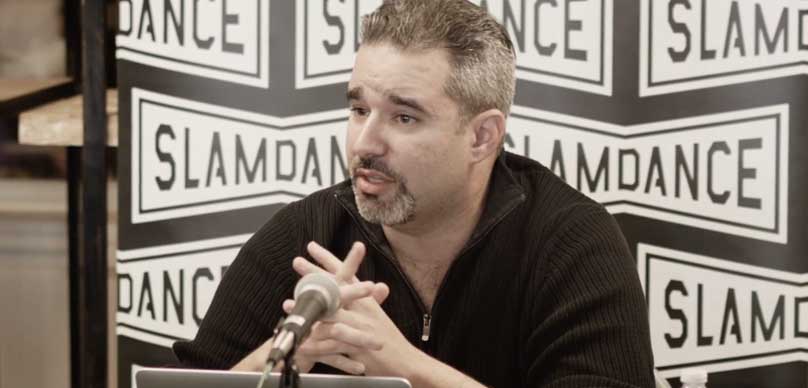
IFH 139: Why I Edited My Feature Film on DaVinci Resolve

Right-click here to download the MP3

I’ve been editing features, shorts, commercials, and everything else shot on film or video for over 20 years. Editing on almost every non-linear editing system you can imagine I know what I want and like in an NLE. When it came time to edit my directorial feature film debut, This is Meg, I knew my good old Final Cut Pro 7 wouldn’t cut it.

So I decide to give Davinci Resolve 12.5 a try. I’ve been color grading on DaVinci Resolve for years and always jumped over the “edit tab” on my way to the color tab. Once version 12 came out I was blown away. So powerful, so intuitive and it just plain worked! I have to tell you,

“DaVinci Resolve is what Final Cut X should’ve been.”

The good folks over at Blackmagic Design invited me to speak at the Slamdance Film Festival 2017 to discuss my experience editing, color grading and finishing on Davinci Resolve. Enjoy!

YOUTUBE VIDEO

LINKS

SPONSORS

  1. Bulletproof Script Coverage – Get Your Screenplay Read by Hollywood Professionals
  2. AudibleGet a Free Filmmaking or Screenwriting Audiobook
  3. Rev.com – $1.25 Closed Captions for Indie Filmmakers – Rev ($10 Off Your First Order)
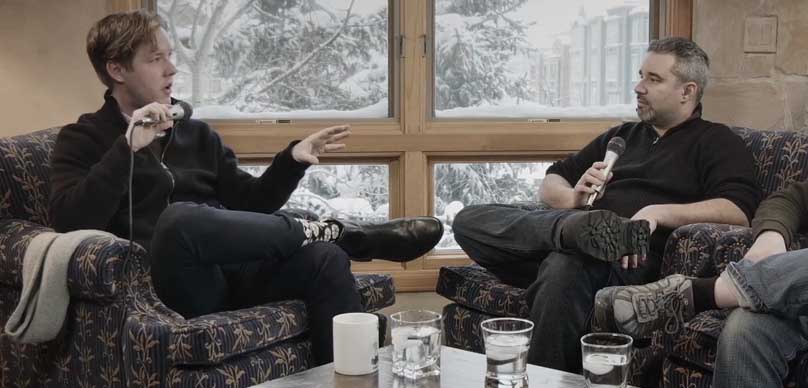
IFH 138: How to Sell Your Idea to Television

Right-click here to download the MP3

SPECIAL SUNDANCE EDITION of the Indie Film Hustle Podcast

Today’s guest cracked open a door to a part of the industry I had no idea about, television. Matthew Doyle is a television lit agent at the Verve Talent and Literary Agency. 

He’s an up and comer in the industry and definitely a hustler. My co-host Sebastian Twardos and I wanted to get an “in the trenches” perceptive on the television market and Matthew delivered. He tells a great story on how he got promoted to an agent with a prank by the partners at Verve. Here’s a bit on Matthew Doyle:

Doyle joined in January as Verve’s first off-desk TV lit coordinator. He implemented a new system for information flow and tracking, redesigned current grids, and helped lead Verve to its most successful staffing season ever, with 80% of clients staffed on broadcast and cable shows. He has been an aggressive recruiter, interviewing and training new employees.

Worked with up-and-coming clients such as Arkasha Stevenson and Kirk Sullivan on the television side, and has played an important role in signing clients staffed on upcoming series such as “Pitch” and “Riverdale.” Challenges of the job? “Recognizing that everyone is the protagonist of their own story, and treating them accordingly,” Doyle says. – From Variety – 10 Assistants to Watch 2016

All of these Sundance Series episodes are co-produced by Sebastian Twardosz from Circus Road Films and Media Circus.

Enjoy our conversation with Matthew Doyle.

Alex Ferrari 0:00
Hi, I'm Alex Ferrari.

Sebastian Twardos 1:04
And I'm Sebastian. And we are here with Matthew Doe, who is an agent at Verve Thank you, Matthew for for doing this.

Matthew Doyle 5:42
It's my pleasure to be here.

Alex Ferrari 5:43
Now I heard through the trades that you just had a really great promotion. Can you tell us a little bit about that?

Matthew Doyle 5:48
Yeah. So it the way it works that verb and pretty much any agency is they don't tell you when you're gonna get promoted? Right, which is torture, it's torture.

Alex Ferrari 5:59
It's like being on death row. Like you don't know if you're gonna put it in a positive way.

Matthew Doyle 6:02
Yeah, it's, it's brutal. And you're stewing and myself, I felt in my mind that I deserve to get promoted, which has nothing to do with whether you will get promoted. Like life in the film business. Yeah. So yeah, there's no it's not fair at all. And but I was hoping to, and we had the holiday party for the company. And if there was one last chance to get promoted, it would have been at the holiday party. And I knew this, they had this video that they showed of all the agents, parents, sort of talking about how when they knew their child was going to be an agent, and they didn't

Sebastian Twardos 6:43
know you were going to be an agent.

Alex Ferrari 6:44
That's an awesome.

Sebastian Twardos 6:46
We knew Matthew would be an agent as soon as they will.

Matthew Doyle 6:50
Parents and they're really old, and it's great. Yeah. Then the video ends and then starts up again, and my parents are on the screen. And you're at

Sebastian Twardos 7:01
the end, like tortured you all the way to like

Matthew Doyle 7:04
after I actually was it by that point? I was having I wouldn't other people got promoted before you you were the last No, no, I was I was the only one promoted to agent. So the thing was happening, and I was watching it, and it was poignant, whatever. And then my parents come up, and they start talking about my childhood. And it's really kind of weird and awkward, awkward. I thought it was emotional. And then they said that, Matt, you're an agent. So it's something that the partners had spoken to them about weeks beforehand and kept the quiet for me and kept it quiet. Wow. And they aged them. They aged in my parents because my parents did a video, and then they call them back and they're like, does great love it perfect. We need to do is maybe like a little bit shorter.

Alex Ferrari 7:54
Right? That's great notes. So they

Matthew Doyle 7:57
gave really good notes. My parents were like, wow, they're the nicest individuals is like your you were? Yeah.

Alex Ferrari 8:06
So explain what agent being agent is, again, it's just basically notes and like

Matthew Doyle 8:09
that whole convincing someone to do something without making without them realizing that they're being convinced to do it or offending them.

Alex Ferrari 8:17
And that's an art. Yeah,

Matthew Doyle 8:20
it's being but yeah, yeah, it is. It doesn't have to be a bad thing.

Alex Ferrari 8:23
Okay. Okay,

Sebastian Twardos 8:25
so what kind of agent are you now?

Matthew Doyle 8:27
I'm a literary agent for television. I represent writers and directors in the television business.

Alex Ferrari 8:33
That's now when I mean, I mean, we talk a lot about indie filmmakers. And I know there's a lot of indie filmmakers now that are trying to go into television and trying to do series. And do you think it's smart to do a kind of spec, you know, spec episode of a show, like as a proof of concept or something like that? Or is it better to just create a Bible? Or what would be the process? What would you suggest?

Matthew Doyle 8:54
Well, yeah, actually, if you have the finances to create a spec episode of the show, I think that is really smart. Okay. And I there are several examples of that, that that have worked out example. The first example would be a show that aired on TBS search party. Okay, the way that happened is now the talent involved was more substantial than probably where most people are starting out. Sure. But the way that happened is, they made that for on spec, a short pilot for like, maybe $10,000. And they use that as a proof of concept, or series. And then it was off of that they were able to take the TPS and say, This is how it's supposed to look, this is the style of it. And that gave the executives a better understanding of

Sebastian Twardos 9:43
oil drawdown is this people who have already succeeded in the business.

Matthew Doyle 9:47
They i don't know i'm not sure I'm trying to remember the writer director or the creator was there are people who were already established enough. But the point is, if they hadn't done that, It would never would have been bought it was only when they made it that they were able to get people interested. Isn't sunny It's Always Sunny in Philadelphia that's another example he did that to his right yeah that's another example

Alex Ferrari 10:11
right I remember that I remember that story hitting because it was done very low budge who was did they have the stars there yet

Matthew Doyle 10:16
or no but yeah it was all I mean they weren't stars then Rob Mac divito wasn't with them at that point no gaming like the second or the third season. Okay. The network wanted to add some star power to it. That originally was just Charlie de Rob mcelhenney Kaitlin Olson, so they weren't, they weren't stars. Yeah, not at all. They made it up to cons and it was really, really lucky because they brought it to a net to FX right at a time when they were open and willing to engage in something like that. It's rare it's, it would be surprising if a place like HBO, for example, were to purchase something like that, but TBS when it purchased the search party, and I'm asked I had nothing to do with that. This is just through what you hear through the grapevine and stories remember, but they are in the process of trying to rebrand themselves. So when TBS the fact that TBS is trying to rebrand themselves makes it perfect for them to take a risk on something like search. Pardon me, like, okay, we see you trying to do something different. And we want something different. So we'll

Sebastian Twardos 11:19
listen. Here's the real question. Are you actually watching produced spec? pilots?

Matthew Doyle 11:25
I would 100% watch pretty spec pilot, I would probably watch a produce spec pilot. If we read them before I would be more excited to watch it. Yeah. Because that they're putting their money where their mouth is? And the rolling the dice. Yeah, it's it's indicating their ability to execute their vision. And if they can't do it, then it'll be apparent from

Sebastian Twardos 11:48
but that's that's the question that I worry about. Like sometimes you might be better on the page than if you actually produced it if you didn't have the resources that somebody like you might be used to seeing.

Matthew Doyle 11:59
Yeah, you're right. They it depends on who's doing what if you're a writer, director, you have that ability. And then I mean, the fact is, if you want to be a talent, you should be self aware enough to know how to realize it, whether you need to bring in a director or whether you need to bring in talent and not accident yourself. So if you can execute it on your own and that's that's just a learning experience.

Alex Ferrari 12:25
Now as a package, let's say I go out and shoot a spec spot, a spec. Yeah, let what else should they have a Bibles? Should they have a series The first season written? What else should they bring?

Matthew Doyle 12:34
That is a general rule having the most you possibly can well, it used the way it used to be is in broadcast television, it's a pitch driven business, you would go in and you would talk about an idea and it would be 30 to 40 minutes. Even our like bloodline for which sold to Netflix was like a two hour pitch. When that sold, and it was epic, and it was detailed. Recently, television has become as in like the fat five past five, six years, television has become a spectrum in business, as in people actually write the show. And then they take it to the network's right. But it's a spec script pile. Exactly. Now, the reason it didn't used to be that way is because if an artist executes the scripts, and you take to the network, they buy it, what else is there for them to do? The value of the network executives is in shaping the script and giving notes. So usually networks, executives are not willing to engage in that. And right now, the spec market is glutted for television. Everyone has a spec pilot and wants to take it out, especially from baby writers. It's not as unique and interesting, as it was, but like True Detective, and like 2011, whenever that sold, that was a spec pilot, and they had a pilot, they had a series. And they had the stars attached, of course, so like that was essential. packaging.

Alex Ferrari 13:58
So but so so so gluttony right now of spec scripts right now. So if you had a actual spec pilot shot, it pulls you above, yeah,

Matthew Doyle 14:06
it separates you. In the same way that probably having a spec four or five years ago separated you from the crowd. It was it was something different, right? Because

Alex Ferrari 14:15
it was pitch before Yeah. And then it was if he had his back, and now we've taken it. Yeah, exactly. Now how I mean, obviously the streaming networks and Amazon, Netflix and Hulu, how has that affected your job your business because obviously there's so many more options and opportunities for your clients. But how has that affected the market in general that you've seen in your experience? Well, it's

Matthew Doyle 14:35
an important thing to say is, from my perspective, I'm just starting out my career. So I have my own thoughts on like the industry, but it's important to keep in mind that my position of someone who's in the trenches,

Alex Ferrari 14:51
that's that I want I want your point of view and I want your point of view from the trenches from that

Matthew Doyle 14:55
from the trenches what it its place like Netflix. You sell a show to Netflix. And the first thing I think about as a representative is the fact that there, there are so many shows on there. And the marketing push, it seems the marketing push by each behind each one is significantly less. So you can sell a show at Netflix and it gets lost in the crowd. It's a crowded ecosystem. And as a representative, that's scary because all you want for the artist is to add value to the network and undeniable way which gives you which gives them leverage and you leverage for them to use in the marketplace and get them the best possible deal. Whereas with Netflix, and with Amazon, when you make a deal with them, they are very generous in their series orders, but they buy out all the territories and they own it till the end of time. So the amount of money you can make is capped at the very top front. Exactly. So you're not going to make the amount of money you would have made had you sold it to a traditional broadcast network or even like a traditional cable network. For example.

Sebastian Twardos 16:09
How do you find clients

Matthew Doyle 16:14
regarding being in the trenches as being in it? As much as I can, the which means what it means you

Sebastian Twardos 16:27
work you work like like mad. So where do you find people that you want to represent?

Matthew Doyle 16:35
Okay, here's an example. All I can do is go through examples of the peoples who were actually my clients. Yeah, so I represented a writing team Tanner being Katie Mathewson, their staff writers on pitch, right, which aired on Fox. So I used to work at web, which is a larger agency web represents Dan fogelman. It was a big name showrunner guy, he had reached out to wV and made them aware of his assistant, young Tanner lighting, this guy's great, you should check him out. I saw and then the email is forwarded to the apartment. And I made it I my goal is to read everything as just read as much as I can. So I read it, and no one else did. And I know no one else did, because no one else reached out to him. And I read this thing. I was like, this is really good. And I met with him. I just reached out to him cold. And I liked his personality. He had great relationships, he understood the business. He had a writing partner. And that's how I got involved with him.

Sebastian Twardos 17:37
So you think it helps to work in the business a little bit before? Before

Matthew Doyle 17:41
that question, that question there, there, you do need to sort of it helps to understand how it all works. That was that was one example. And you know, another example is there's a client Hoover represents named are cautious Stevenson, who has a film at the festival. And she made a fit, she was a graduate of ASI. And as an agency, we became aware of her through screenings of that. And if you're as an as a representative, you want to have your finger on the pulse of everything. And the way to do that is to go out as much as you can, to industry events, to screenings to watch anything and everything there is established. So

Sebastian Twardos 18:32
does that mean you're going to like, you know, like USC first look, or to NYU screen? Yeah,

Matthew Doyle 18:36
absolutely. Yeah. 100%

Sebastian Twardos 18:37
does exactly doesn't mean you go to a lot of film festivals, not just Sundance because this is the obvious one. We're at Sundance, by the way. Yeah, yeah. Right. We've never actually said that. What does that mean? You go to other film festivals to smaller ones. I mean, are you actually

Matthew Doyle 18:50
doing that would be Yeah, that's, that's the ideal, but yeah, and also being intelligent about it. And you can't do everything for you try and do as much as you can. And eventually, just, if you're a pinball machine, you're bouncing around, you're going to hit things and create analogizing it's not like

Alex Ferrari 19:09
it's a really good No, it's a good analogy.

Matthew Doyle 19:11
If you're if you're engaging, then you're going to establish relationship with people and you're going to understand what their ambitions are. And as an agent All I care about is what people want to achieve in their own lives and that's just not for artists that's for executives as well and so my conversation with people always come to that and then when you find that out you think of ways of how you can help them

Sebastian Twardos 19:35
so you let me let me just I just want to get this right because I'm very cautious about people actually producing a spec pilot. So against I'm not against it per se I'm cautious because it's a lot of money to do that. It can be is is it still mostly that you are reading like are you most of me

Matthew Doyle 19:54
oh yeah sample seeing spec pilots. I

Alex Ferrari 19:56
hardly hard because there's no it's a rare thing, right? It's a rare thing.

Matthew Doyle 19:59
Yeah. Whereas I'm assuming that you happen to have the money to make it and the

Alex Ferrari 20:03
talent and the infrastructure and the gear and the people and the talent. And

Sebastian Twardos 20:07
then I'm also worried that, you know, you're you're worried about expectations, because when it comes to the page, I mean, if people are just writing or typing, that's it, it's cheap. It's really cheap to do. So it's it's more democratic in the sense, I mean, but producing a spec pilot either takes a lot of money, or you have to fill it with people that are names. And so my question is, are your expectations?

Matthew Doyle 20:30
It depends on pi, it depends on your goal of who you want to be. There's some writers who all they want to do is, is just right, and that's fine. And then for that purpose, it makes sense to just put it on the page, and have it be undeniable. There's some people want to be writers and directors. And if that's the case, that having a spec pilot

Alex Ferrari 20:51
is an excellent, right, it doesn't hurt. And I mean, I personal experience, I worked on a spec pilot, where I did a lot of post on it, and they spent 50 60,000 had some names in it. That's

Matthew Doyle 21:02
insane. It is,

Alex Ferrari 21:03
but it's not. That's what happened. That's why because they did it at a very high level time they had, they had some faces in it, but nothing, no major stars, some TV faces, and it went nowhere. And I was just like, why and it wasn't that bad. But I was like it just because

Sebastian Twardos 21:17
my question is ultimately My question is, it has to work on the page. So why even go to the process of producing it? If it doesn't? There's,

Alex Ferrari 21:26
from my point of view, I'm on both sides. I'm both sides

Sebastian Twardos 21:30
by when he's the agent. What do you think of that?

Matthew Doyle 21:33
It depends on what you're watching.

Sebastian Twardos 21:35
If you if you if you nail it on the page, shouldn't that be enough?

Alex Ferrari 21:39
But if you produce it on the film on film, it just takes that edge up to the next level.

Sebastian Twardos 21:45
So do you believe that? If you have a will or should it just work on the page?

Alex Ferrari 21:49
You're not there's no wrong answer.

Matthew Doyle 21:52
It'll work. Right? Exactly. It only has to work. If it doesn't work on the page, it's not gonna work as a produce pilot. But if it works on the page, and you produce the pilot, it will probably get more attention Sure, than if it's just a script.

Alex Ferrari 22:06
But this is a very unique scenario. Yeah, it that's the thing, which I think that's what's the fastest trying to say the idea

Matthew Doyle 22:11
of an everyday see $1,000 produce pilot that no,

Sebastian Twardos 22:14
you know, you're what I'm trying to say. And there's something different. I believe that should work. I'm worried because a lot of our audience are newer to the business, right? Yeah. So. So you have to be really careful about what you're like telling them to do or not do. And I sort of believe that some people, though, write a script, and for whatever reason, the scripts not getting traction. So then they think, oh, I'll make it. And then it gets traction. And that's not necessarily the case. No, you're right. And so the so it's all it's about getting good advice. I mean, the right people. If you go to the point of making the script, I think I think you should have any

Matthew Doyle 22:55
good script. Yeah. of attraction.

Alex Ferrari 22:57
Let me just ask you one last question about this. And then we'll move us how many spec pilots have you seen that have gone to show to network installed?

Sebastian Twardos 23:06
It's not that many I don't think has any spare? Oh,

Matthew Doyle 23:09
you're talking about something that was written, written and produced? Oh,

Alex Ferrari 23:16
that you know of, besides the tubes?

Matthew Doyle 23:18
I know, I know, there are more examples of this. There. There have to be right. But there aren't a lot, I don't think okay. Well think of it this way, like, and I maintenance goes on Vimeo, those made by a writing and directing team. Vimeo, no one went to Vimeo for watching original content. And then they did for high maintenance. And then they went to HBO. Now, if you're talking about that, as a spec pilot, which I would consider, I mean, there's a spec like series, that's an example of that search party as well, for my understanding, it's always sunny. And that's where my knowledge of it ends.

Sebastian Twardos 23:55
Because I don't think there will be more in the future. I think there will be more, I think it's not something that happens often. Yeah, I don't know. Do you? Have you ever?

Matthew Doyle 24:03
It's, of course not. It's not the norm now. But if your goal is to stand out, that it will make you stand out, but by doing that, that's all Have you heard

Alex Ferrari 24:13
of any feature films that were later turned into a TV series off of like an indie film like, Hey, this is a great concept. We love the indie film. Let's turn it into a series if the if the creators decided to go down that

Matthew Doyle 24:25
route. I know they're examples of this under the lights, I'm gonna blank on it, like truly great examples,

Sebastian Twardos 24:31
but you would look at that. That'd be good. Okay,

Matthew Doyle 24:33
so we're not considering Friday Night Lights in any film, right? I'm sorry, you're not considering Friday Night Lights and indie film? It's well, it's just not so we can't No,

Sebastian Twardos 24:40
no, no, no, that's because that's me. I think I think the bigger question is not I don't like putting on the spot for specific examples. But the question is, would you be open to watching indie films that you would do setting with

Matthew Doyle 24:55
that question? Sure. Like I mentioned earlier, a client are cautious Stephenson Yes, a verb. She's a filmmaker through and through, yeah, she has a voice. And as a graduate verifies she, her goal is to make feature films, what she's made our short films, those short films, we've gotten her attraction in television, we sold an original idea that she had simply because we all descend the short film saying, This is who she is, this is her voice. And people want to meet with her because of that. So if there's a voice there than on the television side, I can figure it out. I know I can. And I'm from my position. I'm a street urchin. So but I can, I know, I know, I can figure it out. If it's undeniable voice. And I don't care whether it's a drawing, or play or a short film, or a feature length film, I don't care.

Sebastian Twardos 25:47
Can I ask a little bit about like actually selling a script? Like, what kind of money is involved in that? Is it usually scale? Or is it more I mean, like 40, depends

Matthew Doyle 25:56
on the level you have, it depends on the leverage leverage you have, and

Alex Ferrari 26:00
just the leverage that you represent your if you

Matthew Doyle 26:03
just take it to one buyer, and they're a young writer, and no other place wants to buy it, then you're in no position to demand high level fees, right? So you're, you're only you're going to be getting scale, something, something of that nature. But each situation is fluid, and it's different. And right now, we're at a time where there's so many different buyers, right? What each is offering is, is really is really different. Like the fact that baby writers can sell a series to Netflix. And it's ordered to series off of that. That's crazy, but it's happening.

Alex Ferrari 26:47
And they've got the pockets to do it. And Apple might jump in to the game now.

Matthew Doyle 26:50
They are in the game. Oh, really? They are in the game. They have they have upcoming series? Yeah.

Alex Ferrari 26:54
She's insane.

Matthew Doyle 26:56
That'll be great. There's a series with Dr. Dre forever. Yeah,

Alex Ferrari 27:00
he did. Yeah.

Matthew Doyle 27:02
We're all over it. But Yep, apples is in the game.

Alex Ferrari 27:05
And that's going to be that's going to be a heck of a shock in the in the market.

Sebastian Twardos 27:09
I have no idea. And I have a question of all the series that are getting made like we're over 400. Now, I guess. foreigner and 16. How many of those

Matthew Doyle 27:17
a year? You're either a foreigner and 16 for 26 years? Yes. graph the mayor of television. That's what he said.

Sebastian Twardos 27:27
Okay, john landgraf is the president of FX. Yeah. Okay. And he actually, if you actually I would recommend googling john landgraf? Absolutely. He talks a lot about like the, like having too many pipe too many series, actually. Now that might be tapering off. But here's my question. Yeah. of all these series, so 400 plus series, how many of those are by baby writers, new writers, how many of those are really by people who already have established themselves in TV? Do you know just a

Matthew Doyle 27:57
vast majority are from people who have already established themselves in television. And the fact is, if you're a young writer, and you write a series, it is not the case that you are going to be the sole person and control the series, because when you sell it to a network, any network, you have to add other elements to it, you need to add producers showrunners writers need someone in control who knows what they're doing. They're examples like Mr. Robot, the same as male. So he was a feature guy, he wrote a script that got on the blacklist, and maybe like 2009, an incredibly talented writer he wouldn't use he's not it's not appropriate to call him baby, but he's someone who is not thoroughly broken in television. But when he wrote Mr. Robot, it was just an undeniable script. The first season, you know, he was effectively I don't I don't actually know if what he was the show on. Exactly. I would bet I would bet he is. Just because his voice is so clear. But he was surrounded by several things the director of it was I think it was Niels Arden Oplev but someone who is extraordinarily accomplished, he did anonymous content, probably the best television and Feature Production Company there is out there. Behind him. He was surrounded by people who could help them execute his vision in the second season. He I think this is the case. He wrote and directed he directed every episode. Oh, did he? Yeah, okay. It's awkward television. Same now if you look at the girlfriend experience on snores, same example, that's so large Kerrigan and Amy seimetz. They, that was all shepherded by Steven Soderbergh. If they were just by themselves, it probably would not have happened as it did, but because they had Steven Soderbergh as the father figure, and he had done the NEC, and he's a genius. And he gives no fucks as though he, from what I understand he's sold it to he brought it to Chris Albrecht, and said This is a series want to do, these guys are really talented. We're gonna deliver you all these episodes here all the scripts, and they're like, Okay.

Alex Ferrari 30:10
We'll be right back after a word from our sponsor. And now back to the show.

Sebastian Twardos 30:20
Here's what I know. Okay, so most of them are established writers, which is what I thought it was. Yeah. How do you then establish a writer? let's say somebody out of film school or somebody who's just come across your desk, their new writer? How do you establish them? What's the process of eventually normally getting them through to the point where they can sell and run a show? But What's that like?

Matthew Doyle 30:42
To be able to run a show?

Sebastian Twardos 30:43
Don't go too far. I mean, like, Okay. How do you break a writer?

Matthew Doyle 30:50
sending the material and talking about them to anyone and everyone? That's why you need an agent?

Sebastian Twardos 30:54
How much how much material do they need for you to send? It can just be one. Yeah, usually a spec pilot, original spec pilot, something that shows your voice? Could it be a screenplay? Yeah, that question. Could it be a play? Yeah. Um, so could be any original writing? Yeah. That has your voice. Yeah. So your job is to do what

Matthew Doyle 31:14
my job is to call people meet people. Tell them about this artist, why they're incredible, and why they should be in business with that.

Sebastian Twardos 31:23
And then half the job is the writing is half the job. Also, the personality of the writer. Yeah, the being in the room? Is that literally half or so? Yeah, if not more, so. So just in there, there being good in the room.

Alex Ferrari 31:35
So that was my next question. What do you look for in a new client?

Matthew Doyle 31:40
I want I want to, I want leaders. Does that mean? Well, here's an example. There was someone who is an exceptionally talented writer director, who I was really interested in, and I went to a screening of her work. And it was, it was a panel of women, is what it was, and they were all talking about their ambitions. After the show the short film, at the panel itself, she, in my opinion dominated. She was just the unquestionable leader of it. And she had the most division, she was the most aggressive, she was the funniest, and she was the smartest. And she made such a clear impression that even from all the way in the back of the theater, I could tell like this person is going places, she was just a force personality. Yeah. That said, the personality is a huge aspect of it. And if you're talking about representing showrunners, or representing directors, you want to represent field marshals do their crafts. And that's so that's the that's what I look for primarily. And then of course, the talent. Okay,

Sebastian Twardos 32:49
so then you're sending them out there, you're sending the scripts out for people to read that go to the meetings? Yeah, what happens? How do you get it get the money, how to get them working.

Matthew Doyle 33:00
As an agent, your job is to frame it right? set the table, it's they start with generals, they meet with each other, they talk about their shared path. Pass, the The hope is that when you set a general meeting, and in talking about an in when the agent and the manager prep them appropriately, they can go in knowing what the potential opportunities are at that network. So you set them up with a studio or production company, and they can touch on what they are personally interested in about the production company of the studio or the network. If the production if, if you can bring it up to them saying showing you've done your research, then that's going to be a more engaging conversation. And hopefully, what comes out of it is they're keeping you in mind for the opportunities that whether it's a staffing opportunity, whether it's a directing opportunity, they leave the meeting, thinking that you would be someone that they would want to work with. So that's really why you need to have the personality.

Alex Ferrari 34:05
Now, what advice do you give someone who's just trying to break in trying to get just trying to break down trying to break in trying to get an agent? what's what's what do you suggest? What's your advice?

Matthew Doyle 34:15
It's all this is all we really tried. Let me try I'm trying to work hard to say be yourself.

Alex Ferrari 34:23
Have your original voice.

Matthew Doyle 34:24
Yeah, having original voice but that don't people can think they have original voice in the gallery. That doesn't really, that really doesn't really do much. It's so trite, I'm sorry, be work just work crazy hard. If you're obsessed. Then that I mean that that's the most important thing. But then then again, people can think they're obsessed and they're not. They can think they're working hard and they're not. So you just you have to have a realistic perspective on where you stand. And then how you compare and have such an appetite, in a way be so insecure about your position. And if you are, it's because you realize about where you stand and the potential that you have and how far that gap is. And that's what gives you the drive to put in the work and put in the time and reach that potential.

Sebastian Twardos 35:26
Also, can we can we ask to

Matthew Doyle 35:28
be self aware in a word being self aware?

Sebastian Twardos 35:30
Sure. Can we go the origin story? Yeah, sure. I want to get your origin story. Yeah, this

Matthew Doyle 35:36
interview started backwards.

Sebastian Twardos 35:38
He did on purpose, actually. Yeah. Well, we're kind of playing around a little bit to see to see what works sometimes. People like origin story first. Sometimes they like something like that pops first. Have a question. You just play around?

Matthew Doyle 35:50
Are you having ledgerwood in this program? Yes. Are you gonna do an origin story for Elijah Wood?

Alex Ferrari 35:55
No, no, because everybody knows his horse.

Sebastian Twardos 35:58
No, I mean, you have to tailor a little bit to I mean, I thought the coolest thing for you was that I mean you just got promoted I mean it's Yeah, that's why we started with 2016 like you know, Merry Christmas.

Matthew Doyle 36:08
That's my project. I promise you my project story is not that cool. There are way I respect for what they did and rah rah, but there are way cooler promotion stories at wV Hugh Jackman came up on the screen and promoted Patrick weitzel as assistant to agents nice yeah, stuff like that. Like that is cool. Mike and Elizabeth Doyle stumbling through lines that's not after nodes Yeah,

Alex Ferrari 36:36
after after nodes revealing boy you

Sebastian Twardos 36:38
also got into variety you got into what's it called? And that was the next gen or what was it?

Matthew Doyle 36:42
Oh yeah, it was variety new leaders new leaders.

Sebastian Twardos 36:45
Yeah, there's that word again leader leaders. So I tease you a little bit

Alex Ferrari 36:51
when you got in

Sebastian Twardos 36:51
but wait we got to get as orgeous where you from literally Where are you from? Where'd you go to school? What did you know you want to do this okay. Virginia, Virginia in Arlington,

Matthew Doyle 36:58
Virginia, five minutes from DC the probably the most important thing about my background is that the most defining thing about it was the fact that I was a twin. I really wanted to be different than and so from a young age, I gravitated towards a career because if I knew I knew if I could be really specific about that then no one had that on me. Entertainment it was what I focused on initially and it from a pretty young age it was being an agent I didn't know what it meant. Really so

Alex Ferrari 37:35
you were when you were young you were like I want to be an agent Yeah.

Sebastian Twardos 37:39
But you don't ask how old were you when you knew that and why

Matthew Doyle 37:42
14

Alex Ferrari 37:44
gold on on your wall

Sebastian Twardos 37:46
see that made you want to be an agent that's kind of

Matthew Doyle 37:48
it was an article about Richard love it Brian Lord Kevin vane, David O'Connor ca LA Times article, after they assumed the mantle at CAA and that article and it sort of profiled them all like they were Backstreet Boys. And then there was an article operator love it and reading about his personality. I happen to just the right time where I was trying to fight I was my problems were nothing in the scheme of things, but at the time, emotionally I was like, Who am I as a person that just happens when you're getting older? And how can I be special? And how am I different and I really respond to reading about his personality and the ethos he seems to embody and so I was like okay, I think I think I could do that.

Sebastian Twardos 38:42
So for those people out there read powerhouse which is the whole CIA story and read the agency which is also really good if you're interested in this world there are

Matthew Doyle 38:52
a lot of there a lot of great books read the mailroom the mayor on re read this is not about read keys to the kingdom by King

Sebastian Twardos 39:01
masters masters yeah I love keys to the kingdom

Matthew Doyle 39:05
yeah that's great. It's not it's not talked about as much

Sebastian Twardos 39:09
yeah i mean that's that's if you want to talk about like Mike Eisner and Mike ovitz

Matthew Doyle 39:14
that's a book it it's goes into the details about three personalities Jeffrey Katzenberg, Mike Eisner, Michael ovitz and how their relationships intertwined and are locked and how they affect each other. And it's fascinating and

Sebastian Twardos 39:29
also why the business is the way it is because there was a specific incident. But what happened since we're here that's in the wintertime. Frankie wells, who was a very important person in the business he was like the number two really at Disney died when he he was like a, like a ultimate skier like he would jump out of helicopters. And there was a helicopter accident, no, they died. But when he died, that set off a chain of events that like really changed the whole structure of the business which led to the founding of DreamWorks, lots of the founding of DreamWorks led to the change of seeing the 2.0. But anyway, yeah, we've digressed. There's one that's a good story

Alex Ferrari 40:08
the other one book I was when I was in Florida and had no interactions with Hollywood I read ovitz yeah. Oh, yeah. And that was just like my mind was blown. I was like, you know, all the whole story of how he did it and what he did

Matthew Doyle 40:21
I wouldn't call that journalism though.

Alex Ferrari 40:22
No, it's just a bad

Matthew Doyle 40:24
is. That was propaganda that was carefully manufactured

Alex Ferrari 40:27
propaganda. Yeah. But it was fascinating read through for someone who had never been at that point. That's true.

Sebastian Twardos 40:33
Well, anyway, let's so you, like you like the these the young turks? I did see a I do hold them and still do. Okay. Yeah. And so then what was your What? How'd you go

Matthew Doyle 40:44
about? So I, I went to college in Virginia, and my parents told me to go in state. I graduated, after Virginia has no connection to entertainment. And actually, maybe I was it was on me for not doing my research and trying to figure it out. They probably I know they have like some connections like Tina Fey, Winston. So the I graduated after my third year, and I moved out here. Now the summer after my second year of college, I'd interned in Los Angeles, spent a very little money summer, interning at two production companies. That's where I met you at your USC class, and try to get a sense of, of agency stuff. And I tried to brand myself as the guy wants to be an agent and I sat down with Lars theory,

Sebastian Twardos 41:40
Lars and ICM. Yeah,

Matthew Doyle 41:43
40 minutes late for the meeting. Oh, I'm an idiot. I'm an idiot.

Alex Ferrari 41:50
So but it worked out apparently.

Matthew Doyle 41:52
We got to get Lars on this show. Who knows what I've had could have been so I sat down with it. Yeah, so I sat down with agents and I was so unpolished even more so than I am now and I was just like, I want to be an agent This is the person I want to be and it was kind of ridiculous and then I came back after I was an unpaid intern. When after I graduated from school at the bottom and sure pictures

Sebastian Twardos 42:16
lab runs with a bunch of Ventura who produced the Transformers Yeah,

Alex Ferrari 42:20
what else legendary producer is a legendary producer, former president

Sebastian Twardos 42:23
of Warner Brothers

Matthew Doyle 42:24
but so I was an unpaid intern at his production company. And were no one made eye contact with me.

Alex Ferrari 42:35
No, it's it's sad but I completely Yeah, well, I

Matthew Doyle 42:39
think I made people uncomfortable because

Sebastian Twardos 42:42
well, what do you like snooping through their cars?

Matthew Doyle 42:45
No, I as a guy, and I think I was just sloppy and I was super aggressive. And I was just all over. You had no finesse No. And for further, I wasn't getting paid. So they probably felt sorry for me. It was a combination of taking advantage of technically they shouldn't have been doing they can't legally

Sebastian Twardos 43:05
Comment.

Matthew Doyle 43:08
On we go,

Sebastian Twardos 43:09
he will, it was it was essential if I hadn't done that. Here's the thing with that. I developed relationships, and I got a better understanding of how the industry worked. But the most important thing was the relationship I developed with an assistant there, the Assistant, I'm going to get to give a shout Sarah Ullman, who was so hard on me. But even for all that she was essential in me getting my job at the first agency, I worked at WD she submitted me to a guy who was already manuals assistant. And REM manual is dyslexic, his assistance. At times have the prerogative to send emails on his bath. To make a long story short, she sent his sister my resume, he sent my resume to HR from Ra. And so that's why I was hired. Because they thought that or he was recommending me. Great. Wow. So that's how I got in. So I started in the mailroom. And nobody was doing, I was in the mail for four months. Then I worked for a feature agent Simon Favre, for seven months, when he covered Sundance, then I moved over to television, I worked for Mark Corman in the television department. And then I worked for David stone. And I was there for years. And I was an agent trainee usually takes about I'd say probably five to six years to get promoted.

Matthew Doyle 44:40
isn't really that long. Cheese used to be shorter. Yeah, like threeor four people get promoted quicker. Yeah, it but it. So much of it is who you work for at the right time. Yes, it used to be that CIA. It takes like five and a half years, six years to get promoted. But recently for a lot of reasons, people get promoted a lot quicker there, because they just had the need in ways they didn't have before. So so I was there, I was trying to figure out a way to get promoted. And a, your hours

Sebastian Twardos 45:14
weren't saying, like, describe some of your hours because I thought they were crazy.

Matthew Doyle 45:18
I work pretty hard. I got in 730 and I was there till 1030 or 11. How often? Almost every night, for how long? do yours?

Sebastian Twardos 45:34
Yeah. Did you ever sleep there?

Matthew Doyle 45:35
No, no, I never did that. I never slept there. That's

Sebastian Twardos 45:38
like really, other people working at that level, or just some people? Did you ever

Alex Ferrari 45:43
see anyone sleeping?

Matthew Doyle 45:45
People said they're the but here's the thing. Water seeds to its own level. So in this business in this day and age with technology, anyone can justify working all the time. Because there's always things to do. But if you're a workaholic and you need something to justify meeting your life, you're going to do it all the time. And that's what I was doing. And additionally, I was holding on so tight because I was so scared, it would go away at any moment. That way I got in was so random, that I and I felt I didn't fit in. And so I felt truly that would be fired. And frankly, working for Simon Favre. I was a moron. In the first three months, he I thought he was tough on me, he wasn't harder bosses would have fired me. Same with corpsman same with David stone, all of those agents, they looking back, they could have easily Let me go. And it would have been fair. So I worked really hard to compensate for that, because I felt if I if I'm working all the time, they can say to me that, you know, you're not giving it your all. And so like that's the what's white hat. And that's why I held on to show my value. It doesn't have to be that way, though. And also, I mean, it's certainly not healthy. But rather than working from 730 to 1030, and then leaving, it's way better to be more intelligent about how you spend your time. However, you can do that. And it probably was not nearly I've gotten a lot smarter about how I spend my time. So while I work a lot. Now, it's not about being in the office now. It's about getting out there and seeing people having breakfast lunches, dinners, coffees, drinks, every single day of the week. And not defining myself by the guys in the office.

Sebastian Twardos 47:51
Thank you my favorite story. I just want to see if you have anything to say about this. Yeah, I'm not gonna say the whole name. But it's hierro is a manager. Now, my favorite story of everybody who I've ever interviewed or talked to or met in any class, when he was a creative executive at Warner Brothers. Yeah. Creative executive would mean that he was he just been made an executive. So yeah, but he was kind of the low end and how long ways to go. Anyway. The what, what brought this up was you mentioning going out for breakfast, lunch and dinner, he would go out for breakfast, lunch and dinner every single day, every single day, every single day. And he said to us that he had not set foot in a grocery store in over a year. Because every day of the week, he did breakfast, lunch and dinner with somebody and it was all paid for by Warner Brothers. Sure.

Matthew Doyle 48:36
Well,

Alex Ferrari 48:39
what do you think of that? Respect? Great. Done. Well, I want to also ask you, what made you want to be a literary agent and also literary agent and television? Yeah, let's do what came

Sebastian Twardos 48:52
out of here for teachers, right? I knew it was a gradual process of discovering what it meant. When I when I first was telling myself I wanted to be an agent. I didn't know that I was divided into different departments. You know, I just saw us, which you'd love it represents Will Smith and he represents Steven Spielberg. Okay, cool. I started in the feature department because I'm really passionate about film and directors of it. It was just clear, when I moved over to television, that that's where the momentum in the industry was as far as financial promise and also artistic promise. So and also Secondly, I all I cared about for being an agent was understanding the different arenas. So I could advise, accordingly. If you look at an agent like Ari Emanuel, his brilliance as an agent and his brilliance and running an agency is understanding all these different businesses and how they work. He started in television went and then he started then endeavor was founded. He starts representing Mark Wahlberg. He said representing his former roommate, Pete Berg, who is an aspiring actor, turns them into a director. And I mean for Mark Wahlberg, for example, he takes this actor, and then he builds a business producing television Producing Unscripted shows, movies. And it's incredible. That's the value of, of being an agent, knowing how to grow and build someone, not just in one field, but multiple fields. So that was the additional benefit of that I love I love film, and I want to continue to stay involved in that my relationships in it are not what they are in television. But

I wanted to just ask what agencies are separated like an agency web or CIA or UTA, ICM, they have different divisions, departments? Can you can tell us like, break it down? Sure. So it's Motion Picture lit Motion Picture literary, representing writers and directors for film, motion picture, or sorry, television lit, representing writers and directors for television, unscripted, representing reality stars and production companies for reality television, and talent. And I don't get your talent and then TV tell it depends. No, a W meeting and they had agents who focused on television talent, but it wasn't clear departments.

Alex Ferrari 51:16
They jump back and forth, sometimes with that. Yeah, yeah.

Matthew Doyle 51:19
I mean, now, especially with the more and more Yeah, I mean, frankly, my mind's not anyone cares what I think. But it's all becoming the same. Like, if you're in a feature agent, and you're at Sundance, and like, just last year, for example, Netflix and Amazon are making the most purchases, okay. And a year before that, or two years before that layer. People were just wrapping their heads around the idea of them as television distributors, like, well, they're not even television. They're a streaming platform. And they're streaming long form content and short form content.

Sebastian Twardos 51:50
Yeah, it's all it's all. It's all mixing. Yeah. This year, Sundance is the first year that they have episodic television in concept part of the festival. Yes. Where

Matthew Doyle 51:59
my client our conscious Stevenson's film vessels showing she's very talented.

Sebastian Twardos 52:02
Yeah, they're also starting. I think they're starting going to do webseries relatively soon. Yeah, that makes sense. Which, yeah, because the lines are blurring.

Alex Ferrari 52:11
Well, I was like, we were talking last night when we went out to dinner. We're walking main street and we see YouTube. Yeah. And we're just like, man, things have changed. Like, you know, eight years ago when I came. Eli, you know, it was like, do YouTube what's right it's it's insane. Have any questions?

Sebastian Twardos 52:27
No, I think I think I think I'm alright.

Alex Ferrari 52:30
Thank you, sir. So much so much, Jeff. And

Matthew Doyle 52:32
I did an interview I did have fun. Awesome. Yeah. I love Elijah Wood and happy to be featured feature we all did, which is aware of as well. But really just a fan of one more question. Okay. Yeah.

Alex Ferrari 52:51
Name three of your favorite films of all time.

Sebastian Twardos 52:53
Okay. This shouldn't be this hard, Matthew. Come on.

Alex Ferrari 53:03
A lot of people get it's hard for like, this

Sebastian Twardos 53:04
is not a hard question. No, I know, but

Matthew Doyle 53:07
it needs to be impressive. No, no,

Alex Ferrari 53:09
no, no, no, no, no, no, no, don't try to know just what you like. It could be something as silly as

Sebastian Twardos 53:15
number one et then Star Wars done. Yeah. Good girl Toy Story for

Matthew Doyle 53:19
us. Let's go Indiana Jones in the Temple of Doom. Awesome. Really? Yeah. More than Raiders. Yeah, more than Raiders. What do you think? Don't

Alex Ferrari 53:27
Don't judge sir. Don't judge don't don't. But if you do like venomous snake leaf, I'm joking.

Sebastian Twardos 53:36
That's a Temple of Doom. Yes.

Matthew Doyle 53:39
Raiders of the Lost Ark. Okay, number two. Wait. No, no, that's so wrong. Aliens is number two. Okay, aliens

Sebastian Twardos 53:45
aboard an alien.

Alex Ferrari 53:47
Yeah, I can see that. Oh, yeah. Yeah, absolutely. See that?

Matthew Doyle 53:50
This is a generational thing.

Alex Ferrari 53:52
It is. It is no, absolutely. Yeah.

Sebastian Twardos 53:54
Whiplash.

Matthew Doyle 53:56
Oh, yeah, of course.

Sebastian Twardos 53:58
And then frankly, any movie with the Elija Wood

Alex Ferrari 54:01
Absolutely. Absolutely. Thank you, my friend. Thank you so much. Appreciate it. Well, I hope you guys like this Sundance series, Matt. Matt was great. I loved having him on the show. And again, it gave me It gave me personal insight on what the television market is looking for, as far as writers are concerned and pilots and, and shows so I hope you guys learned a lot and picked up a few knowledge bombs. That was dropped by Matthew. Thanks again, Matthew, for being on the show. We really, really appreciate it. And again, I hope you guys like this series, man. I'm gonna try to do more of these kind of things. As the opportunities present themselves. Sundance is obviously a very unique experience and a unique time of year. So I would love to do this from can so if anybody out there wants to sponsor us to go out to the Cannes Film Festival to do the same thing. We are open. But or Toronto or Tribeca or south by Southwest, open to all of them. But right now that was Sundance is all we have at the moment. But we're hopefully going to be doing more of these in the future. So I'm glad you guys really liked it. And next week, we will go back to our normal to episode possibly three, but more likely two episodes a week schedule. So I hope you enjoyed it because I'm exhausted. Now I do have a couple of little surprises left from Sundance coming up, which we you can hopefully check out on our YouTube page, when I have a little bit of more time to get to them. But of course, you could always just head over to indie film hustle.com, forward slash YouTube, and they'll take you right over to our YouTube page. If you guys haven't subscribed to our YouTube page, please do. So it really would mean a lot to me. And we update things there all the time. So if you miss the podcast, we always update them, upload them there. And then we're going to be adding new video content there. Try to do more video content weekly, on our YouTube page, and you start growing that a little bit as well. And guys, one last thing, you know, I've been getting a lot of feedback, messages, comments, emails and things from you guys saying, How grateful you are for what I do for you guys. And you know what, I really want to thank you from the bottom of my heart for that, because it really does help. It really does help me keep going. This is a lot of work, you know, to put all of this stuff together all of this content together. But, but I really do want to help filmmakers, and I'm so glad that I'm able to reach filmmakers from around the world. It's remarkable how far this little podcast, our YouTube channel and and the website have gone. It's it's pretty, pretty remarkable. So again, thank you from the bottom of my heart. And if I can help or inspire somebody out there to make movies, and tell stories, and hopefully, they'll change other people's lives. So I really want to try to pay it forward. And whenever you guys can, in your lives, try to pay for it. As much as you can teach somebody who doesn't know as much as you do. You don't have to be an expert in a field, you just might have to know a little bit more than the person you're teaching. And that's all you need to do. Just just never hoard your knowledge. Just put it out there. Put it out there as much as you can, and help as many people as you can. Because, you know it's a tough business and whatever information we can get out there, to filmmakers, to screenwriters to to storytellers is a good thing. So thanks again guys. Keep that hustle going keep that dream alive and I'll talk to you soon.

YOUTUBE VIDEO

LINKS

SPONSORS

  1. Bulletproof Script Coverage – Get Your Screenplay Read by Hollywood Professionals
  2. AudibleGet a Free Filmmaking or Screenwriting Audiobook
  3. Rev.com – $1.25 Closed Captions for Indie Filmmakers – Rev ($10 Off Your First Order)
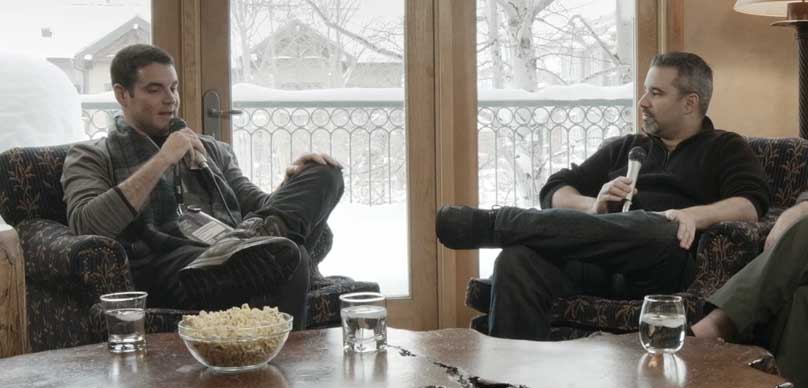
IFH 137: Jason Michael Berman – Producing 5 Sundance Films & Making it in Hollywood

Right-click here to download the MP3

SPECIAL SUNDANCE EDITION of the Indie Film Hustle Podcast

I had the honor of speaking to Jason Michael Berman at Sundance this year. He’s a Sundance vet. He has premiered 5 features at Sundance over the years and has the record for the highest-selling film at Sundance ever, The Birth of a Nation which sold for $17.5 million. Crazy! This year he premiered the remarkable film Burning Sands at the festival. The film is about the intensifying violence of underground hazing on a college campus.

Jason dropped some great knowledge bombs in our interview with my co-host Sebastian TwardoszHere’s a bit on Jason Michael Berman:

Jason Michael Berman is the Vice President of Mandalay Pictures, where he is responsible for developing and structuring financing for Mandalay’s slate of independent films, in addition to packaging projects.

Berman has produced feature films that have debuted at premiere film festivals around the globe, including the Sundance Film Festival, Cannes Film Festival, Toronto International Film Festival, SXSW, Tribeca, Berlinale, and Edinburgh. Berman was named by Variety in 2011 as one of the Top Ten Producers to Watch, and by Deadline Hollywood in 2012 as one of the Top Ten Producers to Watch at Sundance.

Berman produced Nate Parker’s The Birth of a Nation, starring Parker, Armie Hammer, Jackie Earle Haley, Gabrielle Union, and Penelope Ann Miller, about the true-life story of Nat Turner’s slave rebellion. The Birth of a Nation premiered in the U.S. Dramatic Competition at the 2016 Sundance Film Festival. – Wikipedia

All of these Sundance Series episodes are co-produced by Sebastian Twardosz from Circus Road Films and Media Circus.

YOUTUBE VIDEO

LINKS

SPONSORS

  1. Bulletproof Script Coverage – Get Your Screenplay Read by Hollywood Professionals
  2. AudibleGet a Free Filmmaking or Screenwriting Audiobook
  3. Rev.com – $1.25 Closed Captions for Indie Filmmakers – Rev ($10 Off Your First Order)
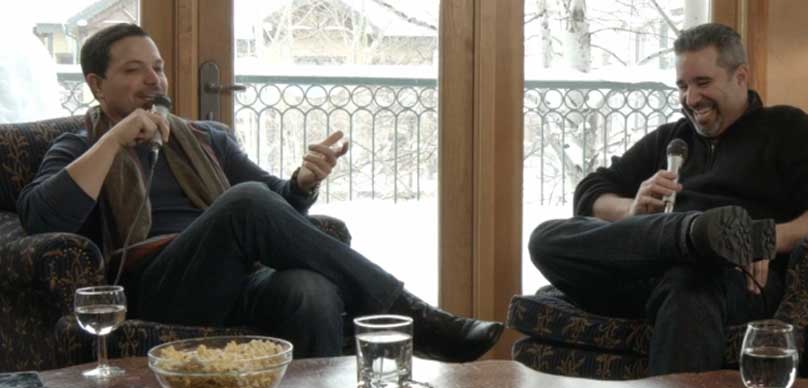
IFH 136: How to Break into the Film Industry with Stage 32’s RB Botto

Right-click here to download the MP3

SPECIAL SUNDANCE EDITION of the Indie Film Hustle Podcast

One of my most downloaded episodes ever was my interview with Film Industry vet and CEO of Stage32.com, RB Botto (Click here to listen to that interview). Ever since then I’ve been wanting to bring him back on to the show. The stars aligned at Sundance and I didn’t just get him on the podcast but I also recorded the interview for the IFH YouTube Channel.

Here’s a bit on our guest:

Stage 32 is a US-based social network and educational site for creative professionals who work in film industry, television and theater. Stage 32 links professionals in the entertainment industry including directors, writers, actors and entertainment staff.

It caters to film industry professionals with featured bloggers, online education taught by industry professionals, news from Hollywood and filming locations around the world, Stage 32 meetups page, an online lounge and a film business jobs page that allows members to connect with others on film ventures, along with standard social media functions.

CEO and founder, Richard “RB” Botto, an Orson Welles fan, drew his inspiration for the name “Stage 32” from the old RKO Soundstage 17 where Citizen Kane was filmed. That sound stage is now Paramount’s Stage 32.

We had a ball talking and partying at Sundance this year. A lot has happened since our last interview. I’ve done over 100 more episodes of the podcast and Stage32 has grown into a juggernaut. Add the hangovers, snowstorms and my co-host Sebastian Twardosz to the mix and you get a hell of an interview.

Curl up to a warm fire and enjoy our conversation with RB Botto.

All of these Sundance Series episodes are co-produced by Sebastian Twardosz from Circus Road Films and Media Circus.

YOUTUBE VIDEO

LINKS

SPONSORS

  1. Bulletproof Script Coverage – Get Your Screenplay Read by Hollywood Professionals
  2. AudibleGet a Free Filmmaking or Screenwriting Audiobook
  3. Rev.com – $1.25 Closed Captions for Indie Filmmakers – Rev ($10 Off Your First Order)
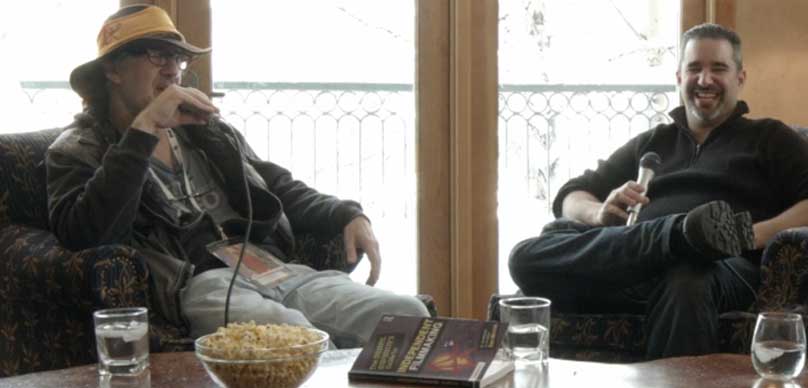
IFH 135: Disrupting Sundance & Helping Filmmakers with Slamdance Co-Founder Dan Mirvish

Right-click here to download the MP3

SPECIAL SUNDANCE EDITION of the Indie Film Hustle Podcast

In our journeys through the Sundance Film Festival, we ran into the David to the Sundance Goliath, Slamdance Co-Founder Dan Mirvish.  Dan has been a rebel, author, filmmaker, disruptor, festival creator, and true indie film hustler. 

This interview is one of the most entertaining I’ve ever done. Dan Mirvish tells stories of how he challenged the Oscars, had Robert Redford call him “a parasite” and why the best deals are done in a hot tub. Here’s a bit on Dan Mirvish:

A co-founder of the upstart Slamdance Film Festival, Dan Mirvish is also an active director, screenwriter, and producer. Labeled a “cheerful subversive” by The New York Times, and “Hollywood’s Bad Boy” by the St. Louis Post-Dispatch, Mirvish has been named as one of Variety’s Top 50 Creatives to Watch, as well as one of Film Festival Today’s Top 25 Most Influential People in Independent Film.

Dan also has just written a new book: The Cheerful Subversive’s Guide to Independent Filmmaking: From Preproduction to Festivals and Distribution. Here’s a bit about the book.

In The Cheerful Subversive’s Guide to Independent Filmmaking, celebrated Slamdance Film Festival co-founder Dan Mirvish offers a rich exploration of the process and culture of making low-budget, independent films.

Once labeled a “cheerful subversive” by The New York Times, Mirvish shares his unfiltered pragmatic approach to scriptwriting, casting, directing, producing, managing a crew, post-production, navigating the film festival circuit, distributing your film, dealing with piracy and building a career.

Readers will learn how to game the Hollywood system to their advantage, get their films accepted by respected festivals without going broke, and utilize a broad range of media and tactics to promote and distribute their work. A companion website features behind-the-scenes interviews and footage from Dan’s films, and much more.

    • Learn everything you need to know to make, promote, and distribute your independent films, with time-tested lessons and practical advice on scriptwriting, casting and directing A-list actors, financing, producing, managing a crew, editing in post, creating visual effects on a budget, and successfully navigating the film festival circuit
    • Find out what it takes to become a true “cheerful subversive” and adopt new and innovative approaches to producing your films, discover hidden loopholes in the Hollywood system and festival scene, take advantage of a broad range of media formats to promote and distribute your indie films, and generally make bold moves in service of your creative work, all while staying flexible enough to pivot at a moment’s notice
    • An extensive companion website features in-depth interviews with filmmakers, more than an hour of behind-the-scenes footage from Dan Mirvish’s films, festival resources, and much more

Get ready for some very entertaining knowledge bombs with Dan Mirvish.

All of these Sundance Series episodes are co-produced by Sebastian Twardosz from Circus Road Films and Media Circus.

Alex Ferrari 0:53
So guys, in this episode you are in for a treat. This has been a special Sundance edition throughout this time, but today is a special slam dance edition of the podcast. I have one of the co founders of the slamdance Film Festival, Dan Mirvish. And Dan is by far one of the most entertaining guests I've ever had on the show. He is a wealth of knowledge. He tells the most amazing stories you can ever imagine. It's like sitting around a campfire, listening to how he disrupted the Oscars. How he disrupted this disrupted the Sundance Film Festival, how Robert Redford called him a parasite, and all sorts of craziness. He's he is a rebel, and an indie film hustler to say the least. And now this is special, because I got the opportunity to interview Dan twice. So in this episode, you're actually going to listen to my first interview with him, which I did a few weeks ago prior to going to the Sundance and slamdance film festivals. So that's this is an original podcast that I did a while ago, a few weeks ago. And then also in the show notes, which are at indie film, hustle, calm forward slash 135. And if you go to those show notes, you'll be able to see the actual interview that I did with him and Subash entornos in our special series that we did over a Park City this year. And that's a completely separate interview, which has new and unique and fun stories as well. So if you can't get enough of Dan, you got them twice. You get them once in this podcast, and then you get them again, in a live interview that I did with Sebastian. And again, thank you so much, Sebastian, for making those interviews as awesome as they are, and also want to give a big shout out to media circus PR, who helped with the recording, and helped us set up the entire interview series at their amazing pad in Park City right on Main Street. Adam and Terry, thank you so so much. And you can if you need some PR for your movies, guys, these guys are specialists in PR for independent films, and they're affordable and they work with filmmakers all the time. So you can hit them up at media circus pr.com. So without any further ado, here is my interview with the one the only Dan Mirvish. I like to welcome to the show Dan Mirvish, man Dan thanks so much for jumping on the hustle man appreciate it

Dan Mirvish 4:09
Happy Happy to be here Alex thanks for having me on

Alex Ferrari 4:11
you are as they say the definition of indie film hustle you're one of the OG OG indie film hustlers out there

Dan Mirvish 4:21
I appreciate that. Yeah,

Alex Ferrari 4:23
So how I'm so obviously you're the co founder of slam dance and there's been a lot of myths around the creation of slam dance and i would i mean this like I've heard every story under the sun about how it happened and slammed and sent the Hitman after you and all this kind of stuff yeah Sundance yeah Sundance Hitman after you and all this guys. So can you please tell us well, first of all, why you started slam dance. And and what what the truth is about all these myths.

Dan Mirvish 4:53
Well, this was this is back in. I mean, the first time we did slam message, it was January. 95 but back in 94, I had I just finished my first feature, which is called Omaha the movie, which was set in Nebraska, which is where I'm from, but it also counted as my thesis film for USC film school. And it was just a fun, Goofy romantic comedy. But, um, but anyway, but it was, uh, you know, but back back then the kind of the way things would work was you would, you would show your film with the independent feature film market, which is now called iafp. Week. And, you know, because, you know, we all shot on film, and we had these big heavy prints to lug around. And then festival programmers especially would would show up and this was in New York at the end, they held it at the Angelika theater. And, and, and like, the year before, you know, Kevin Smith had shown clerks and the programmers from Sundance saw it, and they invited him and he turned into Kevin Smith. So it was like, all right, that was that was kind of the model if you finished around that time of year. And, and really the paradigm was at the time that if you didn't get into Sundance, you were screwed. You were dead in the water. I mean, I had one distributor who saw the film at that same market, and said, We love your film, we want to distribute it. And it was a big indie film distributor at the time. If it gets into Sundance, I'm like, wait, but you just said you liked it so much. And we're like, Well, yeah, but if we can't launch it at Sundance, what's the point? Why so I think everyone is very Matter of fact about it. That that was really, you know, where you had to be, you know, if you weren't at Sundance, you wouldn't get distribution wouldn't get an agent. You wouldn't get financier's on your next film you wouldn't get into, you wouldn't get invited into other regional festivals in the US or international festivals because they would just all kind of for their shorthand, just take the Sundance catalog and say, all right, well, I guess these are the indie films this year. Let's we'll that's our block of programming. So anyway, and then at the aifm, we met a lot of other I was there with my producing partner, Dana Altman, who lives in Omaha. And what's great was Robert Altman's grandson. And Dana was was particularly isolated living in Omaha, I lived in LA at the time, just come back, tell them how to shoot the movie. And he kind of had sort of an amorphous idea to sort of get a bunch of film. Because we were meeting a lot of great filmmakers from all over the country liked it has some kind of network to talk to one another. And this was around the time the internet was taking off.

Alex Ferrari 7:31
And it makes us I know what when you say something like that makes you sound like, you know, the internet was just starting.

Dan Mirvish 7:36
It was just starting. And and it was it was like a year before indie wire. And anyway, so so we actually had a big meeting with a bunch of other filmmakers there. And we're all like, yeah, let's all stay in touch because we you know, you're so isolated as a filmmaker, even to this day, like, you know, making your film. And then, you know, you don't start talking to other filmmakers until you're done with it, really. And so anyway, but we weren't quite sure how this idea would manifest itself. But then Meanwhile, we were also talking about like, how the year before, a couple filmmakers in in January 94, didn't get into Sundance, and did their own little Renegade screenings in Park City. And one of the group of filmmakers was Trey Parker and Matt Stone, the South Park, guys, but this is before South Park. They had their first film, which was their thesis project from University of Colorado, which was called cannibal cannibal. The musical Yes, as

Alex Ferrari 8:35
a trauma movie now. Well, eventually it would come.

Dan Mirvish 8:37
Yeah, exactly. At the time, it actually had a different title. Anyway, they didn't get in Sundance, they did their own little Renegade screening, and they'd gotten a little bit of attention for it. And I think we had the same lawyer as they did. So we'd heard about these guys. And then another filmmaker named named James Marin Dino had a film called the upstairs neighbor. He had done a similar kind of screening, like in a hotel room. Anyway, so we'd heard about these guys. And we were all kind of talking Fei Fei FM. But well, I guess our plan B is if we don't get into Sundance, let's just do what these guys did last year and just show up. And, but it wasn't until Sundance announced their their list of you know, filmmakers that year that we realized that of the 95 completed feature films that played at the IFM that year, Sundance didn't take a single one. And we're all kind of stunned because we thought at least some of us like we all thought our own films were gonna get in and these other or bastards would wouldn't get in, but you know, our own films, right. And I mean, I had a color poster. I was one of the only films of the color poster. That was a big deal. Yeah, so, um, but anyway, so we didn't none of us got in and if you think about it, I mean, 95 was really a pivotal year for independent film in general. It was kind of it was around that time that Miramax became part of Disney Fine Line became part of Warner Brothers Fox was launching Fox Searchlight at Sundance 95. And there was this kind of Hollywood isation of the independent film scene. And Sundance was kind of part of that scene and went along for the ride. And so they programmed a lot more second time directors, you know, great films, great directors, but a lot, but they kind of left behind the niche of the first time directors because we'd all been influenced by kind of that first generation the first wave of Sundance filmmakers is Soderbergh's and Rodriguez and Linklaters and, and we they left behind that niche, so we had no place to go. So we kind of took it was actually Shane Kuhn and other filmmaker that we'd met out there who, strangely enough had also lived in LA but shot his film, which was called redneck in, in Nebraska. He kind of had the idea to combine Dana's idea of this cooperative something at with his plan v idea, and he called me up he said, Why don't we do this thing where we all show up in Park City with and do a renegade festival? And I was like, Yeah, we got nothing to lose, literally. I mean, we've already had distributors tell us they're not going to pick up the film if it's not there. So, you know, we had a responsibility to ourselves and to our investors and our actors to show up. And then we got another guy named john Fitzgerald involved and, and pretty soon we had a dozen features and a dozen shorts. guy named Paul Rachman had the first short film that we decided to show and we realized that we each team of filmmakers had a little something x something to bring to the table you know, Paul's producing partner was a projection is great. We need projectionists You know, there's this this film called lo from New York with directed by Lisa Raven, but her her boyfriend at the time Frankie like he was a projectors were like, great, you're in, you know, and, and word kind of spread quickly among people that didn't get into Sundance that we had this thing going on. And

Alex Ferrari 11:58
not one day, was it? Was it up the hill at that time?

Dan Mirvish 12:01
Well, no, that was the funny thing is there? Initially we thought, Well, you know, none of us had really been there. Shane had been to Salt Lake. he'd spent a year at the university there. And he had some connections at the University of Utah. So initially, they agreed to screen our films at the University of Utah, which is which is in Salt Lake City, and we looked at the map and we're live well, yeah, that's just like a half inch away from Park City. problem for people to get back and forth. From Park City down to Salt Lake. Yeah. Well, the short version is that we showed up in at the University of Utah and like and nobody else did, you know, I mean, we had screenings there, but nobody was showing up from from Park City so so by the second day, these filmmakers behind low Lisa Raven and Frank kewtech they, I tagged along with them and we rented a 60 their film was in 16 millimeters so we rented a 16 millimeter projector in Salt Lake and then drove up in the middle of a blizzard. And I remember because we had a screen sticking out the back window that rental car and and I was sitting in the back with the screen, this snow pouring in my face, you know, and we go up to Park City at like 11 o'clock at night and like the second place we found was the prospector hotel. And like the local you know, pimply faced, hotel manager desk clerk. Regis agreed to rent us a room there are like a little tiny conference room there while the conference room was was literally 30 feet down the hall from Sundance's main venue or, which was that, you know, they had taken the prospectors like, you know, big conference room and turn it into a big screening venue. And so we we set up a screening room there and the next morning, we had screenings, like set up 15 minutes after every Sundance screening so that we got their overflow line, they would just pour into our screening room. And then and then a few days later, we figured out a way to do 35 millimeter films at the arrow hotel. And and by the end of the week, we were screening all of our films in Park City and actually kept screening the films in Salt Lake to we're obligated to and and that was that was how it all started.

Alex Ferrari 14:14
And and and what did some dads have to say about all this? Oh, well, they

Dan Mirvish 14:17
weren't happy at all. In fact, Shane, I think still somewhere has a voicemail message from from Jeff Gilmore. was running Sundance at the time, this angry rant about us. But and then and then before the festival even started because we've gotten some nice press in, in, well, everywhere, but front page variety, you know, hollywood reporter, I think New York Times you know, all kinds of places and, and we were kind of the darlings of the press because that was sort of the year that the press was turning on Sundance to because they noticed this kind of Hollywood sensation of indie film, Sundance kinda had gone from the darling to sort of, you know, these angry reporters, you know, talking about them. And we were sort of the fun little sidebar story in every article about Sundance, so Sundance wasn't too happy with us. The next year, Robert Redford call this parasites, which was kind of the best press. And actually, at one point, the University of Utah, they were afraid, they actually pulled the plug on us, like a couple weeks before we started, they said, Sorry, we're gonna cancel this thing. And we're like, why? And they were like, well, because we're too afraid that Sundance is going to get so pissed off that they're not going to let our professors have free tickets and do programs with us during the year. And then we think it was actually Sundance he sort of got back to them and said, No, no, you that's gonna make us look really, really bad. So you have to let them keep doing it. So in a weird way, Sundance sort of saved us in a bizarre way. But anyway, but then in the in the, in the first few years, they Sundance kept trying to outbid us for our venues out there and they kept chasing us from one venue to another. And by this point, Peter Baxter was involved he had produced one of the films of first year and he's still very much You know, it kind of runs a festival and you know, we would put down deposits at the aero hotel and things like that, and then Sundance would sort of muscle us for them. And then we were very lucky to develop a relationship with the folks who run the treasure mountain Inn which is a small kind of family run hotel at the top of Main Street anyway, and they really took a shine to us and we've been there for most of our 22 years now.

Alex Ferrari 16:37
Yeah, I've been I was there I've been slammed as probably about three times every time I've overcome Sundance I was gonna slam because there's always a lot of fun to go up there and the energy is a little different up there than it is it is the type of movies you guys play and just the kind of real rebel real in real indie honestly vibe is opposed to sometimes Sundance does does not have that and it's if you're ever if anyone listening if you guys go to Park City this year, definitely go up the hill it is a fucking trek especially when you're when you're not used to the altitude

Dan Mirvish 17:13
yeah those it's like those eight blocks

Alex Ferrari 17:16
yeah those four blocks man kill you. Yeah, but Lofa you also got you also discovered a bunch of people there like Chris Nolan I know is one who Shelton the Russo brothers Shelton.

Dan Mirvish 17:30
Yeah, the Russo brothers Ryan Johnson. benh Zeitlin. He did beast in southern wild. We showed his first couple shorts. Napoleon Dynamite. We showed the short that sort of turned into Napoleon Dynamite and I actually introduced Jared to his producers on a Polian base based on his screening up there the short Oren Peli was there with paranormal activity that was a slam dance film. Wow

Alex Ferrari 17:58
paranormal paranormal launch there.

Dan Mirvish 18:01
It did yeah, in fact it was it sold it sold to DreamWorks up there although it wasn't that big of an announcement because everyone just thought oh they're buying the remake rights like okay that's nice you know

Alex Ferrari 18:14
because he exactly who's gonna who's gonna put out on $1,000 horror movie theatrically?

Dan Mirvish 18:17
Yeah Then it was only like you know nine months later that they decided to put it out you know almost as is so so yeah, I mean it Sundance or sorry slam ants has really developed into you know, our motto has always been kind of your are the requirements for for competition films anyway has always been first time directors with with no distribution in place and, and limited budgets. And so because of that, we show a lot of great, you know, very talented first time directors, bong Joon ho Big South Korean director, we showed his first film too. And, and then what happens is a lot of these filmmakers, then their subsequent films or second film, or if they started with a short then their first feature will then play at Sundance and in subsequent years, and, you know, I was talking to Ben xilin a couple years ago, and he said and I said, you know, is it is it any coincidence that not only do slamdance filmmakers then play their next film at Sundance but when they do, they do really well there they win prizes they get the best press and he said now it's because we were kind of a training camp you know, once they've been to Park City once and was slammed and they know what condos to get what you know when to get their flu shots when to publicists to hire and so they really they hit the ground running when they do get to Sunday and I think that's made a big difference for people like Ben and and and Lynn Shelton, you know, that are really, you know, that did great, it's at slam dance, but once they got to Sundance, they really they like I said they hit the ground running and they they, you know, just take this the town by storm. So and I think it's taken a while for Sundance to figure out that Oh, that's where so many of their top filmmakers have come from they started at slam man like huh

Alex Ferrari 20:03
and they don't want to hear that but that's the way it is. You are You are the the David to to the to the Sundance Goliath and I think that's why everyone loves love slam downs because yeah

Dan Mirvish 20:15
and and also the way we do our programming is is different in that it's all alumni base so if you play to film at the festival then more likely than not you're going to be a programmer the next year. And so it's not it's not just a matter of you know these filmmakers have you know played at slamdance and then they've gone on to greater things is that they've also stayed really involved with the festival I mean Chris Nolan's wife, Emma Thomas, who's his producing partner, she was a programmer for two or three years the Russo brothers were programmers for three or four years and they've been back as jurors and you know, a bunch of times at Ryan Johnson was a programmer for a year. So these guys have all really stayed involved and it's much more a filmmaker community as much as it is a festival. So very cool.

Alex Ferrari 21:00
When when Nolan was there with with the following. Yeah, how was that? I mean, if you don't want to ask it, I mean, that must have been

Dan Mirvish 21:07
13 people in the audience at his first screening Yeah, it was kind of funny because he he had he had actually just sold the film right before the festival started like we programmed it and didn't have distribution and then based on getting into the festival, at least a little bit, got picked up by a small company called them xyc guys films out in New York, and they showed up as these two kind of pretentious ladies who were on it but and they showed up at the festival and they're like and saw us setting up the the you know the bleachers. Yeah. And they were like, oh, how quaint. Oh sama

Alex Ferrari 21:43
bid

Dan Mirvish 21:45
and that was the last we ever saw them and then Chris and Emma showed up and they're like, Oh, so so I guess our distributor put up a bunch of posters and flyers and we're like, no, they did nothing. And that's why you only have 14 people at your screening so we're like get your ass down to Kinko's and make some flyers and hit the streets and pass some shit out and and they did and so they filled their next screening wow and it won an award at the festival and you know i mean he was already on his way towards making the mental at that point but you know and that would come shortly thereafter but it but that was you know, it was a perfect example it doesn't matter how good you are or how famous you're going to become if you don't promote your own film even at Sundance no one's gonna show up so it's there's just as you say, I mean the hike up the hill is so long and there's so many things going on in Park City I mean

Alex Ferrari 22:36
what's not and now it's all corporate everything like oh yeah the BMW suite and this suite and that that's it and I haven't honestly have not been this will be the first year I go back in probably a decade Oh wow. It's so it's cheap. I mean, even a decade ago was like oh my god, this is so much already. It was already getting back. It was rough back then. But so let me ask you so you wrote a book called The cheerful I love this title, the cheerful subversive subversives guide to independent filmmaking. Great title, by the way, it's really great. Why did you Why did you decide to kind of sit down and write this book?

Dan Mirvish 23:11
Yeah, I you know, I had been doing articles for mainly filmmaker magazine, but also some for film thread and indie wire and a couple in the Huffington Post. For the last few years, just kind of, as I've been making, you know, my own films. My last film was called between us with Julia Stiles and Taye Diggs. And especially after that, you know, I learned a lot of great valuable lessons that I just wanted to you know, write up in, in filmmaker magazine and and Scott McCauley is the editor filmmaker, he's he's, you know, I've known him for 20 years and he was happy to run those articles and a lot of them really yeah, their response was great like how to cast a list actors and low budget film and you know, what's an alternative method of you know, going to film festivals besides just going to Toronto or Sundance and and and a lot of other filmmakers really responded to those those articles and so I you know, I had some time and I was actually on my way to New York to getting ready to close the the option agreement I had on my on the film I just shot I'm Bernard and Huey, I've been working with Jules Feiffer is Oscar winning Pulitzer winning. You know, the legend, who had written the script 30 years ago and took us like a year and a half to find the script another year and a half to close the deal. And I was heading to New York to I had a couple days trip there and I was getting ready to and we were going to close a deal but there was there was some last minute hitches in the deal with with lawyers and stuff and I was like, Oh no, I'm not going to be able to like meet up with him and signed the deal. I'm like, how else do I justify two days in New York to my wife and my kids so I'm like, Alright, what else is in New York publishers are in New York. Why don't I pitch a book and and so I did I met with a couple of publishers on that trip and one of them was vocal press and they they you know, they said yeah that sounds great and they liked the articles that I'd already written and I could kind of structure a book around those articles you know and the end of the articles were only about you know probably 40% of the book The rest I had to actually right from scratch right um, but it was fine because by then we'd gotten the rights to the movie we'd done a Kickstarter campaign and and was was casting you know, spent several months casting and financing for that so in the midst of all that I had some time to you know, put a book together you know, it's amazing you think I'm not good at multitasking for the most part but this this was actually one where the timing of the book and the movie kind of worked out well you know, they kind of dovetail together nicely and honestly, it was you know, while I was writing some of this stuff about setting up an LLC and business plans and things like that I was doing it at the time so it was a good reminder for myself like oh yeah, this is how I do this stuff right? You know, write it down or you know, add a bunch of interns will be like researching sec regulations like Alright, well I guess I'll go on the book you know, I said what was it worked out pretty nicely. And you know, and I realized I'd written a bunch of articles over the years so and also you know, it's it's packed filled with poems I do every every year at slam dance, I do an opening night poem, which is usually relevant to some you know, element of indie filmmaking that year, you know, whether it's piracy or kick or crowdfunding or something like that. So I was like, Alright, I'll stick those poems in there you know in the margins and so those are those are in the book and two of my kids did some of the illustrations and so yeah, so it was a you know, a lot of this so it's a lot of stories about my own filmmaking But then I also have little sidebar articles called the order they call the name dropper. Yeah, as the name drops, right? Yeah. With like, with, you know, because no one's really heard of me or my film. So I talk about like, you know, like Ryan Johnson or Alexander Payne or john carpenter, or Robert Altman, like, you know, people that I've had sort of brushes with over the years and it's kind of lessons I've learned from, you know, or, or Steven Soderbergh has been involved with slam Manson, and, you know, or the Russo brothers or people like that

Alex Ferrari 27:27
did that suit this autobrake whatsoever. It was, his first movie was sex lies and videotape, right?

Dan Mirvish 27:32
Yeah. Yeah. So he, he got involved with us and slammin is because right after our first year, we did slim man's South by Southwest had their neck it was their first or second year. And I was showing my film, Omaha the movie there and I met Steven at a party there and I was kind of afraid to meet him. I thought I was Mr. Sundance, he's gonna hate me, you know. But it turned out he had had a big falling out with Robert Redford and with Sunday, well, and which I had no idea that but and so he really loved what we were doing with slam dance, and I met Linkletter that same weekend and and he loved what we're doing too. And so Soderbergh said, well, I've got I'm working on two films, because he was kind of souring on the sort of studios or studio films he was doing at the time. He's just done a film called The underneath, which I thought was a great film. They hated it or hated the experience of making it and so he was producing the daytrippers, Greg Mattel his first film, this is great it's gonna be great for for slam and I'm gonna bring it there so he brought it there the next year and 96 and then in 97, we showed skits opolis which Steven directed Yeah, and which was just this crazy app itself

Alex Ferrari 28:45
it's just not I saw it on criterion when it came out Yeah,

Dan Mirvish 28:48
yeah and it but it was really inspiring for slamdance filmmakers and and we introduced him to the Russo brothers that year in 97. He saw their first film pieces and he said hey, guys want to come out to Hollywood? I'm got this little company with my pal George, and we'll put you under our wing. And that launched the Russo brothers career Well, I

Alex Ferrari 29:07
mean not but the one thing about Soderbergh is that he has been quietly behind the scenes helping a lot of filmmakers I mean he Shepard in Chris Nolan for my understanding and now the Russo brothers i mean he's and and a lot of people don't know he also DPS all his own stuff is what keeps that he's just a very sauerberg is one of those interesting really interesting filmmakers because he just does his own thing and and he's quiet about it like I heard once that he's like, he drove up in his used like, you know, guy like him who's got obviously you know, he's a multimillionaire and all this kind of stuff, but he is he just shows up into his like used car or something like that. People were like that Steven Soderbergh scar like he's like, Yeah, what's the problem? I just, you know, he's really down to earth. He's just like, yeah, this is this is just the way it is guys. I really I really admired him a lot, but But anyway, so I was going to ask you, um, what would you tell a new filmmaker about? who's trying to get financing for the first film? Because there's so many filmmakers who need money?

Dan Mirvish 30:09
Yeah, exactly. Yeah. Now you really, you need money to make a movie? I mean, there's no, it's an expensive, expensive art. Yeah, I mean, there are ways to make a movie for less money, ways to make a movie for more money, but one way or the other, you need something. So, I mean, I, I'm a big fan of crowds of crowdfunding. You know, I've used Kickstarter on my last two films, you know. And, and I think it's, it's great. I mean, I also think that it's, I mean, philosophically, I think people need to be realistic that, you know, looking at investing in movies is never going to help you get good return, you know, it's a lousy investment. So on most of my films, I've at least tried to do this. And it's worked nicely on this last film, where we, we team up with a fiscal sponsor, a 501, c three, in this case, used filmmaker collaborative, based in LA, and you can, and a lot of people don't know you can, you can meld that into your crowdfunding campaign, whether it's Indiegogo or Kickstarter, or whatever else are seeding Spark. And sort of, which means that anyone giving money to your crowdfunding campaign gets a tax deduction, which is really nice for them. If you're giving any if if, if someone rich is giving you money, chances are they want to get a tax deduction or more return on investment? Well, if you can't give them a return on investment, please give them a deduction. So right, at least anyway, so the point is, yeah, because I kind of, and I've written about this before, you know, I see, you know, film is more or indie film is really more akin to, you know, community theater, or opera, or Symphony or public radio, like you don't invest in your local public radio station, know, you donate money, and they give you a tote bag, it's like, Alright, why should we be any different than that, and so on. So I think crowdfunding in general, and and specifically tying it in with with non for profits, I think is a great way to raise money that way. But keep in mind, it's called Kickstarter. It's not called kick finisher. So you know, so I'm a big believer that you, you sort of you leverage a little bit of money, and then you use that to, you know, either hire a casting director or pay for the lawyer to get the rights or, you know, or whatever other development money. And then once you get an actor, you know, then you are in a much stronger position to raise more money through slightly more traditional means, you know, whether it's investors or foreign sales or something else.

Alex Ferrari 32:42
How do you, how do you connect with these nonprofits? Like, how is that how does that conversation come about? I'm just curious. Well,

Dan Mirvish 32:49
yeah, in documentaries, people have been doing it for 30 years, you know, it's a long established thing and documentaries, either through specific cause if you're, if it's a cause, based talk, or, or, or you do it through the international documentary Association, the IDA, which has a really great fiscal sponsor program, where people donate money to the IDA, they take a 5% fee, you get, you know, the rest of it. And they've been doing this for years. In the narrative space, there's not as many options filmmaker collaborative based in LA is one San Francisco Film Society, I think

Alex Ferrari 33:28
so then what do you do you literally just call them up like, Hey, I have a movie, and I'd like to work with you.

Dan Mirvish 33:33
Exactly. That's it?

Alex Ferrari 33:34
And then do you pitch them the story? Do they take everybody that calls them How are they

Dan Mirvish 33:39
I don't think they take everybody the San Francisco group is a bit more specific. You've got a you've got a you know, do a proposal even filmmaker collaborative, which takes I think, a lot of people I had to you know, do a pitch you know, proposal for them. There's, you know, there's a few arts organizations in New York. You know, if p in New York does it, but you can't, but I think with you have to be careful because some of them do it, but they but then they don't allow you to mix and match nonprofit money with equity investment money. I think filmmaker collaborative is pretty much the only one that lets you mix and match what you get through your nonprofit contributions with equity investment money. Now as far as the IRS is concerned, it's totally legal to do that. There's no there's no reason why these organizations can't be doing that. But I think filmmaker collaborative is the only one and then I introduced them to the folks at Kickstarter because they had never done a Kickstarter campaign through them and the Kickstarter folks were like yeah, there's no reason we can't do it with them. So so then it allows you to mix and match you know, small crowdfunding with nonprofits.

Alex Ferrari 34:52
So it's Kickstarter is Kickstarter associated now with film collaborative so of any Kickstarter campaign or no,

Dan Mirvish 34:58
not every kicks that no you have To be you have to go through film collaborative first and when you do all your paperwork with with Kickstarter then you say okay this actually the check goes to them not to me and you know kind of goes that that route. Now each time you do this you're losing a little bit of percentage on your donations but you know, so you have

Alex Ferrari 35:18
to perform collaborative takes a piece, of course Yeah, they

Dan Mirvish 35:21
take like 5% or something.

Alex Ferrari 35:23
It's not that bad for

Dan Mirvish 35:24
Yeah, but yeah, but it's also it's nice to it's been nice for me because like they have a little page up for my film that even beyond the 30 day Kickstarter campaign, like I can still tell people to donate to my film and they have, you know, that kind of indefinitely through filmmaker collaborative, so you don't you know, normally when you finish a Kickstarter campaign, like like, 30 minutes after you end you get all these people saying, Oh, that's too bad. I wish I could have given you money, but I just missed the deadline. Oh, well. Here's this other button, click here, you know, so, um, so anyway, the point, but the point is that, you know, that people want to, you know, Kickstarter and Indiegogo have really changed the paradigm of how people think about indie filmmaking from being this investment paradigm, like, you get investors, you don't pay them back, they break your kneecaps, and then they don't invest in another film again. And now people are, are thinking about film in terms of more like Public Radio, like, oh, okay, my buddy has a film, I'll give him 20 bucks, you know, or, you know, or my nephew has a film I'll give him 100 bucks. And it's, it's, it's more ingrained in the culture now, to do that, as compared to a few years ago, where it just it wasn't, there wasn't even a mechanism for that. And of course, now the interesting thing is that the SEC has now made it legal to do equity investment through crowdfunding. So Indiegogo just announced that they're going to be able to do that Kickstarter, still saying they're not, but we'll see if that changes. And there's a few other companies out there. I mean, it's very new, so people have to, you know, really pay attention to the rules and see if it's gonna work out. But it's interesting, you know,

Alex Ferrari 37:10
yeah, I mean, if you want, I mean, I guess it wouldn't work for $20. But I think if you're, if you're, you know, as far as an equity investor is concerned, but uh, but on a larger standard, if you're trying to raise 100 grand, and you're like, Look, we've got blocks, that, you know, for 10,000 bucks, you can become an equity investor or something like that, or 5000 bucks or something, they

Dan Mirvish 37:27
really and that, and it also loosen the restrictions. I mean, I remember the old days, like, you know, trying to raise money for my first film, like, we have to be really, really careful. Like, we couldn't even throw a party, because it broke sec violate, you know, really, you know, and so or you could throw a party, but not tell people what the investment was, it's like, well, why are we throwing a party? You know, it's just weird, all these bells and whistles to jump through, and which are there for a reason, you know, they didn't want to sucker every little old lady into giving money. I mean, these these rules, go back to the, you know, the crash in 1929. You know, so, so yeah, but it's, but look, I mean, as a filmmaker, you don't learn this stuff at Tisch,

Alex Ferrari 38:08
you've got no, you do not learn it at film school? There's no question. Yeah.

Dan Mirvish 38:11
I mean, you've got to get an MBA almost to figure out this stuff. or read my book. That was obvious, obviously. And I, you know, and hopefully, I mean, I put a lot of stuff in there and hopefully make it interesting to read to, you know, it's like, I mean, it's tough to write a chapter about about the, you know, about the automated, you know, registering system for the Securities and Exchange Commission, which is called Edgar, you know, but strangely enough, I think I made that even an interesting little chapter, you know, because once you get into it, it's actually not that intimidating. And a lot of this stuff you can do yourself, you don't have to hire a lawyer and spend $5,000, just to register your LLC, which some people are charging, you know, you actually can do this stuff yourself and learn a lot so that you know how to do it the next time to

Alex Ferrari 38:57
now, on your movie between us, you had a pretty insane cast. How do you? How do you attach name cast to a budget, a project that has a low budget?

Dan Mirvish 39:06
Exactly? Well, that's, that is the trick. And I think, and I've been able to kind of figure out at least one way of doing it, or a couple ways of doing it. I mean, number one, you need the material, you need the the script that is going to attract cast. So then you have to think, Okay, what kinds of scripts do actors good actors want to do? Because there's so many actors that have they've made money in TV or they've made money in big features. They want to do something interesting and creative and, you know, show up at festivals. So what is it? What is it that attracts them? So there's a couple things one is if you have a drama, where they can really have big monologue scenes with actors can chew the scenery. They love that because they know at the very least they can put it on their real,

Alex Ferrari 39:54
you know, out of it or, or show them show another aspect of themselves.

Dan Mirvish 39:58
Exactly. Yeah. So especially They're a comedian. And again, you offer them a drama or their or their, you know, drama actor and offer them comedy. The other thing is if you make a musical actors love to sing and almost never get a chance to sing so true, actually, yeah, but almost every actor, at least in America got their start in musical theater in high school. So and they've never had a chance to sing on film. So I did my film open house. And originally it was just a straightforward comedy and then when I kind of realized that about actors, my writing partner and I, Larry Maddox and I, we turned it into a musical and sure enough, we got you know, Oscar nominee Sally Kellerman, because it turned out she was a cabaret singer but never hadn't sung in film musical since lost horizons in 1969. We got you know, Anthony Rapp from rent to be in it and we never would you know, we never would have got and that was a $20,000 budget you know, I mean, it was tiny. I know so first film shot on the DB x 100 and

Alex Ferrari 40:55
that's that workhorse back in the day Yeah.

Dan Mirvish 40:59
Yeah, so but but but you know, we got some great TV actors and some other great film actors and but it was literally because it was a musical and and we said they're gonna sing live on set which they also never, you know, very rarely get a chance to do you know, that got us that cast. In the case of between us it was the material I specifically looked for an off Broadway play, I look for a play and found a great Off Broadway play it had been successful play called between us by written by Joe Horta. And and I knew it had, you know, number one, it was production wise, it would be fairly simple to do because it was four people in two rooms kind of thing. I mean, it turns out it was a lot more complicated than that, but it always is. It always is, but but I knew that the roles were really, you know, strong, dramatic roles that would attract actors. And so we wound up getting David Harbor, now famous from Stranger Things and he'd been in the original play. Julia Stiles, Melissa George, Taye Diggs, you know and and also kind of being racially diverse helped you know, Tay wasn't getting offered sort of, you know, non racially specific parts and so and this was you know, that he could have been you know, the part could have been anything so I was like, yeah, let's let's, let's get an African American actor in there. And you know, and they loved it, you know, it was it was a real departure for him and from the TV work on private practice or something that he'd been doing for a few years it was a chance to kind of get back to his theater roots. So

Alex Ferrari 42:34
he got to work with Julia again. No,

Dan Mirvish 42:37
he'd never know

Alex Ferrari 42:38
I thought that then they work on what was that? No, that

Dan Mirvish 42:40
was a different black guy. Oh, sorry.

Alex Ferrari 42:42
Oh god that's horrible. I thought it was I swear to god it was a mistake

Dan Mirvish 42:45
That doesn't make you racist. Yeah, no, we think we got that a lot. Um The other thing though, is is to have really strong female roles because if you think about a two there are so many more actresses than actors in Hollywood and that and again go back to every high school drama program in America and it's always like 8020 you know women you know girls two boys and that carries through into Hollywood that there are a lot more famous actresses who rightly so complained that they never get good roles. Then there are actors and and because of that if you have some really good roles for women and especially slightly older women or you know older than 22 you will get you know, you will get some really great actresses I mean we had a lot of people who really wanted those parts in between us I mean, we they were fighting for those parts and same thing on between Bernard and Huey, which is to male leads. And in the end, we got Oscar winner, Jim Rash and David Kepner. But for our women parts we had you know, we had some great actresses. We wound up with Sasha Alexander from Rizzoli and Isles, but she'd been a lot of other fun things and, and Bellamy young and Nancy Travis and and it was, you know, but it and they were all amazing in the movie.

Alex Ferrari 44:10
Now do you go out to their agents directly? Do you have a casting director?

Dan Mirvish 44:13
Well, I've um, I always work with a casting director and I've had different ones kind of on all my films. And but I think it is very important at this level to for the director of the film the filmmaker to have their own relationships with talent agents. So you know, at ICM at UTA at Kirsch, what, wherever, wherever they are, and start early because I mean, I remember on open house, we were dealing with this, you know, assistant at Gersh named Alex Yarrow. She's now the head Talent Agent at Gersh, you know, so I can and I'm like, Hey Alex, how you doing? How are your kids? I'm fine, you know. So you want to build those relationships and sustain them over years because actors are going to come and go you know, you can be best for With an actor, and maybe they get famous, and maybe they're available to work the week you need them, but maybe, but more likely not. But an agent or a manager at some of these places, they are going to have a stable of actors for an entire career and grant you nice

Alex Ferrari 45:16
advice. We'll be right back after a word from our sponsor. And now back to the show.

Dan Mirvish 45:29
So, you know, for all those filmmakers going to Park City, and they're busy chasing, trying to get their own agents, like ninna, you first of all, an agent in Hollywood is not going to care about an indie director because they can't make money off of you. But an eight but a talent agent who has actors, it behooves them to meet directors too, because you're always going to be giving their actors work, whether it's paid work or not paid well doesn't matter because agents are always trying to get good meeting material for their clients to because it keeps their clients happy. So said they loved developing relationships with directors just as much as we need them. And and so that that has really helped me in the long term and and and, and that's part of what I get into in the book and talking to people is that, you know, you're not just making a film you you want to, you don't want to just be a filmmaker, you want to be a film's maker, plural, you know, you're developing a career out of this. And so, you know, even if you meet an actor on one film, and you don't cast them, you know what, you may cast them on the next film, you know, or if you develop a relationship with it with an agent or manager, you know, on the talent side, and you don't cast their clients this time around, that's cool. You're going to need them, you know, next time around, and by then they may have been promoted from assistant or junior agent, they may be running the agency, and you know, but you're still the guy that had breakfast with them in Park City 10 years ago, and they're like, Hey, dude, I remember you, you know, so, um, but yeah, but at the end of the day, it's if you've got the material, you know, that you don't need the relationships if you've you know, if you've got the good parts for the for the right actor, it doesn't really matter if you have any money.

Alex Ferrari 47:14
Right? It's gonna work. It's gonna work. Yeah, exactly. Now, but now between us. It was I guess I was watching your, your video on the book. And I said it was sold in 144 countries.

Dan Mirvish 47:26
Yeah. Leaving North Korea and Iran. So how

Alex Ferrari 47:29
in the gods Well, first of all, what was the process of that? So for people listening, understand how you actually sell a movie? And then after that, how the how'd you get to North

Dan Mirvish 47:38
Korea? Right, right. So yeah, on that film, we got us foreign sales company, I mean, a lot of people, a lot of filmmakers, when they right out of the gate they get, there's a little bit of confusion about foreign sales agents, foreign sales companies versus producers rep and producers agents. But basically, for an American indie film you there's two big sets of rights, there's North America basically the US market and international and usually you're dealing with different people selling both sides of it. So for international, you get you get a sales agent, or foreign sales company, you can kind of be one there. Those words are a little bit interchangeable. And these are usually these kind of scruffy little companies just like two or three people each and they go to all the film markets like the AFM the American Film market in in Santa Monica, or they go to the Berlin market or the Cannes market festivals, but the markets and then they're dealing with, you know, oh, let's sell you know, pay per view to, you know, Sri Lanka or whatever. So the Sri Lankan pay per view guy goes to the market and they're buying films you know, so in my case, I dealt with a foreign sales company called premiere and entertainment I think was the name of them they change names a few times but the you know, nice guys, and I got along well with them and, and they were able to sell the film. I think they only sold it about 10 times, but each time was to a big market so like they sold Latin American rights and that meant every country in Latin America, they sold the Chinese rights and if you look carefully in the contract for the if you sell a film to China, nine times out of 10 that includes the rights to North Korea, whether it actually played in North Korea or not, I don't know but I know that I know from the contract over different days film Middle of Nowhere was sold was bundled with my film they bundled like nine films together sold them to a Chinese company. So both of us have our films available in North Korea. But But I know like and same with the Middle East It was like all non Israel Middle East was one company and that included around that included Syria that included her back and but sure enough, like I go to like these Persian pay per view sights and the film was available you know Persian subtitles for

Alex Ferrari 50:04
some so that's that really is interesting because you have a movie that's basically a character piece with for. For people who don't I'm assuming none of the cast have major draws overseas are huge not huge they're not like Vaughn Dom

Dan Mirvish 50:19
styles and Taye Diggs. I mean they're they're in their name and their faces yes is Melissa George you know she's big in Australia and England but honestly they haven't sold Australia in England yet so I don't know what's going on there.

Alex Ferrari 50:30
So just a generally speaking they're not it's so it goes against a lot of preconceived notions that Yeah, in order to sell an indie movie overseas, you have to have Steven Seagal john Claude Van Damme or Chuck Norris

Dan Mirvish 50:43
genre film be a horror film right?

Alex Ferrari 50:45
This is an indie capture piece with basically four people talking about exactly yeah, so so that's really interesting. So have you seen other films go down because I've really haven't heard many American indies get this kind of distribution

Dan Mirvish 51:03
before they probably they probably have you just haven't heard about right? And it was literally like me looking very carefully at each contract and adding up the territories and I was like, Oh wow, that's 144 countries like holy cow. That's a lot of the world you know. And but it's out there you know, and that you know, and then we have a separate company separate distributor Monterey media, who did North America and they got it on to you know, we did a small theatrical release in like 50 cities, but then you know, more importantly really, it got out and they got it onto Netflix and Showtime and stars and, you know, plus all the, you know, iTunes and Amazon, Hulu and all those things, too. So, but yeah, I think it's really nice for your investors and your Kickstarter backers, and everyone and the actors, you know, in the crew to say, you know, by the way, our film is out there around the world, you know, you can I saw, I saw a pirated bootleg version of the film with Japanese, not necessarily not Japanese, German, not subtitles, but it was dubbed in German,

Alex Ferrari 52:07
so someone actually bootlegged it and

Dan Mirvish 52:11
well it was there was a German distributor got it in DVD distributor had had done the you know, the dubbing, but then it got that I saw on YouTube and I was like, this is kind of funny.

Alex Ferrari 52:26
Which makes which which brings me to another quick question. What's your philosophy on piracy and because I know a lot of filmmakers jump I mean obviously it's horrible but

Dan Mirvish 52:34
why don't you should say that I have a whole chapter in my book about it and and yeah, and again, this is based on a couple articles I had done about piracy and it's and I've been working with a couple piracy anti piracy organizations but it's my feeling is a little bit more nuanced than like sort of the standard Hollywood you know, you know, sue the bastards kind of thing because as an indie filmmaker yeah you're absolutely affected by it you know, I mean I when I see between us on all these websites I'm like, I'm not making any money off this. On the other hand, my distributors kind of stopped paying me anyway so it's like you know, as as an indie filmmaker you're always kind of torn on the one hand you want your art you know we're artists right? You're smaller you know you want your art to be out there you want your your films to be seen by the most number of people get the most clicks and the most hits and the most you know, whatever is shares on the other hand, you've got a fiduciary responsibility to your investors to say no, we actually need to make money and we can't make money if the film is pirated. So which kind of brings me back to the point that if you can raise your money through through donations either nonprofit donations or crowdfunding or whatever then you literally don't have an obligation to pay back your investors well if you don't have an obligation to pay back your investors then you don't then you're not really obligated to make money off your film then go ahead and have it pirated and then that way at least you're getting most number of people to see it now most filmmakers if you've got a feature that's not really where you're at but if you've got a short I did one short put it on youtube for free you know half a million people have seen it I'm like that's awesome you know, but I didn't I'm not obligated to anyone to put gave their money back on a feature though. It is different because you do usually have investors or or you know, residuals for yourself or your actors that you do want to make money. So that is that is the big challenge facing indie filmmakers and it's it's there's no easy solution because if you're a studio film, I don't make it sound like it's easy for the studios but they actually have a roomful of lawyers and interns and paralegals like that can send out cease and desist letters and takedown notices on to YouTube and things like that. Even any filmmaker For me to do that it's literally an hour out of my day every day if I really want to take down all the the copies of my film you know everywhere in the world on the other hand if I do that so much no one's gonna see the film ultimately you know so it's a it's it's not an easy there is no solution to it except to not pay your except to make your films as a nonprofit you know that it's really the only solution to it and then you don't have to worry about piracy. But you know, most people aren't in that situation so not to worry about it

Alex Ferrari 55:38
now in your book you you use that name dropping the name dropper right? With some very you know, legendary now filmmakers, can you can you maybe share a few truth bombs from like a Chris Nolan Russo brothers or Lynn Shelton?

Dan Mirvish 55:54
Yeah, well, the russos were great. They, you know, Joe Russo, a couple years ago, he was back at slam and so we were having our 20th anniversary and he said, Oh, Dan, you got to Mirvish. You got to get back in you got to get into TV man. That's where the real action is, of course, easy for him to say after doing years of Arrested Development Community, you know, the rest of us are now doing, you know,

Alex Ferrari 56:14
having an American Avengers and loving it.

Dan Mirvish 56:17
I mean, they're having a great time doing it. But um, so I said, Okay, Joe, I'll take you up on that. And so I spent like a concerted like three months trying to get myself hired as a TV director. And it was and literally for every day, for about three months, I got an A meeting with a studio or a network or production company, like just to talk about TV directing, and it was and I was, uh, you know, I wrote an article for filmmaker magazine about it at the time, which is now a chapter in the book. And, and I talked to Joe at the end of this whole process. And he said, so So what, what came out of this three months of meetings, I said, Well, he said, you know, did you get hired? I said, No, I didn't get hired. I said, but I but I got $250 for writing an article and filmmaker magazine. He's like, Alright, well, that's something you know. So you know, and eventually that that made its way into the book. So But yeah, I mean, you know, I think the thing too, about all these guys is that if you if you meet famous director, friends, you've got to also know what you can get out. At the end of the day, you know, Chris Nolan's not going to invest in my next film. But for example, in casting between Bernard and Hugh is a great example. You know, I was pitched Jim Rash, you know, who's from as an actor at dunk community, but as a screenwriter, he won an Oscar for co writing the dependence Alex paynesville. And so right before meeting with them, I, you know, texted or send a quick email to Joe Russo. And I was like, Joe, what's how's Jim to work with, because I knew he'd worked with him on community, and he wrote back right away, you know, he's great, he's awesome, you should have cast him and I did and he will enjoy was right. He was Jim was fantastic to work with, and is amazing in the film. So you know, I think that's the interesting thing is to realize is that, you know, as a filmmaker, you need to build this network of other filmmakers, because believe me, some of them will become famous, some of them will become, you know, powerful people in Hollywood. And it doesn't mean that they're going to do any direct favors for you. But when it comes to like, sharing information on actors and things like that, or on distributors or agents, that's where those friendships and those relationships are really going to be be helpful and useful to you. You know, it's it's not like it's not like Joe's gonna get me, you know, the next Marvel movie.

Alex Ferrari 58:40
Right? No, but but, but Joe could easily introduce you to somebody at a party that might be able to help you in their next project. Yeah, possibly, or just or,

Dan Mirvish 58:50
like, you have to know kind of what to ask and when to ask, you know, Oh, right. But, you know, I mean, you know, I was privileged enough to get to know Robert Altman when he was alive and I talked about you know, his advice in here you know, about casting you know, casting being 90% of directing, you know, but it's taken me you know, good 20 years to figure out what the other 10% is but you know, but we're getting into the nuts and bolts of like, Okay, how do you do you know, he was such a pioneer and using individual lavalier mics on different tracks, and mash mash in Nashville. And and really, I've taken that to heart with all my films. But But getting to know sort of the reasons why he did that, which really not a lot of people talked about, you know, is because he didn't want the lowest paid member of the crew, the boom operator, to be the one deciding who he's going to listen to. in the mix. He said, I'm the fucking artist. I want to make that decision. And the only way I can do it is if I record sound on everyone, and then in the mix, I'm the one listening to this person or that person. I was like, Wow, that is, you know, brilliant Actually, yeah, it's brilliant but it you know it but it also did so many other things too you get better performances from the actors because they always they never knew when they were being recorded when they weren't being recorded, you know, kind of dovetailed with his use of the long, you know, zoom lens is two. But it meant that he never had ADR, which again, meant that he always got better performances. So and it was, you know, so it was things like that, that you pick up from directors here and there, or, you know, I talked about, you know, working on a john Carpenter movie, where I shot the behind the scenes, the EP K footage, and I think that is a really great opportunity for filmmakers. If you're if you're between projects or something if you can shoot EP K footage on even if it's just your friends films, you will learn so much because you literally get to sit right next to the director and whether it's just your other fellow filmmaking friend or someone like john carpenter, you don't always get that access. So, um, you know, so it's things like that, like, Okay, what do you do between projects?

Alex Ferrari 1:01:06
And then you and then you can either see how it's done right? Or how it's done wrong either way, you're looking back?

Dan Mirvish 1:01:10
Yeah, either way. Yeah, either way, like, anytime you're on a set. I mean, I honestly, I, I survived by renting out my house to commercials, you know, we just had a, we just had a frozen broccoli commercial here, like, three days ago. Nice. Which is great that paid the mortgage as much. But um, but I was like, you know, I'm, I'm on set like, wow, what, you know, they use this kind of camera, this kind of lens and this kind of slider like, oh, I've never seen that slider before. Like, you know, how did they get steam to come out? You know, you learn so much just from just from the pace and the tempo of these things, even if it's completely different than what you're going to be doing, you know,

Alex Ferrari 1:01:47
now, um, what are you? What's your feeling on the state of self distribution today? Because I know it's, it's a lot different than when you first started slam dance back in the day? Well,

Dan Mirvish 1:01:56
it isn't. It isn't. I mean, right after we did slam dance, I decided to do self distribution on my film. And we ended up playing it in 33 cities in all across the country. And it actually and we started in the Midwest, we started in Omaha and worked our way out to the coasts, and wound up with an 11 week run at LendLease. You know, here in LA, which is pretty remarkable on it, and included me wearing a sandwich board in front of the sunset five theater for most of those 11 weeks. And the interesting thing about it, I mean, is that it it, we didn't make money, but we didn't lose money. It was it was sort of a revenue neutral thing. But it was fun, it caught the film out there. And it got us a theatrical release where we wouldn't have had one otherwise. But the interesting thing is that the you don't necessarily have to lug a 35 printer around anymore. But a lot of the techniques really haven't changed at all, you know, for self distribution, you still have to do the same legwork as far as finding Booker's for your film and finding venues and then promoting and whether you were literally wearing a sandwich sandwich board or doing it on Twitter, and Facebook, and whatever else. It's the same amount of time and effort and shameless self promotion. Regardless of of what it is, I mean, I've thrown raw steak at audiences at screenings before I throw corncobs at audiences, you know, whatever it takes to get people, you know, in there, and, and so strangely enough, like I don't think anything has changed. I mean that Well, how

Alex Ferrari 1:03:29
about the digital, but the digital version of it, like all the all the options now that you have online? Like,

Dan Mirvish 1:03:35
it's still all about, like, Are you willing to put on a digital sandwich board and write more, you know, so it's a little less stressful on the shoulders in the back, but that's about it. But yeah, so I really, yeah, I mean, the techniques, the techniques change every year, you know, as far as which social media platforms do what and do this and you know, you've got the tug, and that this and that, but um, but at the end of the day, it really comes down to the same kind of thing. Do you have, you know, people on the ground in that city that can help you, you know, promote the film? Are you getting press, I mean, to get press for your own film, this, this really hasn't changed in 20 years or 25 years. You know, you can't get local newspapers to review your film, unless you have a theatrical release. And you can't get national media to review your film unless you at least start in New York, not even la counts. And even then, you really have to tell them it's in national release. Like just booking one Theater in New York isn't going to get the New York Times, even. I don't want that you reviewed the film. So it's funny like with all the talk about VOD, and day and date and all that, you know, the bottom line is you still can't get reviews unless you are a theatrical release in a signal. thing away. And that hasn't changed at all. It Be people kind of think it has, but it really hasn't, you're still screwed if you're the indie guy, and you're just booking one theater at a time. You know,

Alex Ferrari 1:05:13
now now. So what advice would you give a filmmaker just starting out in the business?

Dan Mirvish 1:05:18
Well, Mary, well, that's for what I recommend either going to med school graduation ceremonies, or better yet, find an entertainment law student who is going to be a successful entertainment lawyer. And then that way you get a well, heeled spouse who is also can be your entertainment lawyer. And so you're kind of killing two birds with one stone. So I definitely recommend that don't don't date actors or actresses, if you plan to marry them. And certainly not other filmmakers, Jesus,

Alex Ferrari 1:05:51
I mean, that's just that's his death, I understand completely. Yeah.

Dan Mirvish 1:05:55
So, um, but yeah, people think I joke about that, but no,

Alex Ferrari 1:05:59
no, no, no, I

Dan Mirvish 1:05:59
know. Um, the other thing that I you know, I talked about this in booktube is the cheerful services guide to independent filmmaking available, wherever fine books

Alex Ferrari 1:06:09
are sold on, don't worry, we will promote the heck out of

Dan Mirvish 1:06:11
it. But, uh, is that the festival circuit, I mean, we just talked about theatrical self distribution. But really, even if you get a good theatrical release, not that many people are seeing your films in theaters anymore, so but what I really advocate is, is a volume approach to film festivals is that, you know, everybody's kind of so focused on where they're going to premiere and whether it's Sundance or Toronto or south by whatever it is. But there are so many really great festivals around the country and around the world. And festivals do a really good job of putting butts in the seats. Like most festivals, you don't have to promote your film that much. And you will get a pretty full house. And, and really, that's the one place where you can engage with an audience with your introductions with your Q and A's with talkback sessions or, or cocktail parties with with, with actual, you know, audiences that are real cinephile audiences that were that want to see films and want to meet filmmakers. And and if you've made a comedy you you you hear the laughter of an audience you know, if you've made a drama, you hear them crying, if you you know, if you've made a comedy and nobody's laughing, you tell people it's a drama, you know, so. But it is so the festival experience in and of itself as again as as artists, which such as we are, is I think a really richly rewarding experience. And on so many people, I see this wait so long to get this big premiere at this big industry festival. And meanwhile, they pass on so many other great festivals, even a smaller regional festivals. But you know, that regional isn't a dirty word if the region they're sending you to is the Bahamas or Athens or in Germany. Yes, I know, right? Who wouldn't want to go to all these places, you know, and then Meanwhile, you're meeting you're meeting other filmmakers, you're meeting actors you're meeting you know, potential investors, you're seeing the world you're getting laid, you know, whatever it takes, you know, there's a there's a I'm a big advocate of just the festival experience in and of itself, if you've got the time and inclination to do it, and haven't moved on to your next film because it certainly it does prevent you from doing that. But um, but yeah, that's it. So that's the other advice I have for filmmakers is that you know, the festival you know, festivals have the word festive in there. So you should go to them and have fun and, and make the most of them. And even if you don't get into, you know, especially this time of year, even if you didn't get into Sundance or you didn't get into slam and go to Park City, like it's sometimes you'll meet more people and have a better time if you don't have a film in a festival or, you know, or if you're in LA go to, you know, I mean, this week, there's the Culver City Film Festival, you know, go see films meet filmmakers, you know, just because your own film is in playing there doesn't mean you can't be a part of a festival or volunteer your local festival. Because also you see what other films are out there in a way that you really don't otherwise.

Alex Ferrari 1:09:07
Now, these last two questions are this the questions I ask all my guests, what is the lesson that took you the longest to learn whether in the film business or in life,

Dan Mirvish 1:09:17
at least in the film business, it was that it took me 20 years to figure this out that it you're not going to get there's no incentive for agents or managers to sign you as an indie film director. Because literally if they take if you're spending five years between films, and it will take you five years, but at least between some of your films and and the at most, you're maybe making $100,000 if it's a really successful indie film, you know, an agent is making 10% of that and they've spent five years to get that there's no real incentive for them. There's a reason agents are called lit agents and they're not called dur agents, because they sell scripts because they can make a lot of money in a very short amount of time by selling scripts anyway so it's taken a long time to realize that like I wasted a lot of time in the early part of my career chasing the agencies and chasing agents and I think it's important if you're if you want to be TV director it's important if you want to write a script, but as an indie film director, chasing agents and managers is a waste of time to chase for for yourself what what is much much better use of your time is to chase those talent agents that we've talked about earlier because then you develop those relationships and then you're also not beholden to any one agency or one agent you can travel among all

Alex Ferrari 1:10:36
right so basically like you speak the truth my friend it's your truth and people don't understand that either they don't understand that that that it's a business and agents and agents are there to make money they might love you but it's about a business they got to make money so if they bring in an indie filmmaker a lot of times that I've seen my my indie filmmaker friends get you know get agents generally speaking is because the agencies that either they can package a new movie or they could throw them into TV exactly and those are that and if it's something that they could turn around quickly or they feel that they can make a decent amount of money with them they'll take them if not forget like if you're just like that you know my job is making $10,000 movies for the rest of my life you it's gonna be tough getting an agent but even look at look at someone like just weinsberg or Lynn Shelton you know Oh yeah. Lindsey, Lindsey and TV now and so it was jo

Dan Mirvish 1:11:27
jo jo shot a TV show across the street from my house a few months ago. Oh nice. Hey, Joe. What are you doing here? correcting for Netflix or HBO or whatever it was?

Alex Ferrari 1:11:37
Yeah, he's doing his Netflix show I think he's got like a couple Yeah, cuz now I think he got the taste of it. He's like oh, this is nice. I'm just gonna keep doing this.

Unknown Speaker 1:11:45
I'm very happy for him and jealous completely. But you know,

Alex Ferrari 1:11:49
the job or the job or go to slam dance. You know,

Dan Mirvish 1:11:51
he's been to slam dance. I don't think we've ever shown any of his films. I've seen him up there a bunch so yeah, of course you know, and there's a lot of overlap between some of his pals and are so yeah, so we've gotten to know him over the years but no, I don't I don't think we've ever shown any film that he directed which is remarkable because he's made like

Alex Ferrari 1:12:14
40 yeah 38

Dan Mirvish 1:12:18
you know but look I mean that's it's amazing. I mean, he just kept churning them out whether they were good bad thing Yeah, thank you doesn't matter you know, he just kept I mean that's a it's a whole different ethos. I can't I couldn't keep up with that pace. But you know, God bless him, you know, more power to him and and also working with other filmmakers and collaborators. You know, he was great about that. So he was essentially you build you know, and it's also a great lesson that it's not like any of his early films, like any one film really hit it, but he built a body of work. He built a career that then eventually you know, TV, people will be like, of course, why wouldn't we hire Joe Swanberg to be a director and you know, so

Alex Ferrari 1:12:58
but it took him a decade? Yeah, yeah, it took them a decade and that's what people don't understand that filmmakers are like, oh, wow, a decade You mean you mean you don't go show to go to slam dance or Sundance and just get a check from Fox Searchlight? Or Harvey's just shows up and gives you a check and you're on your way? doesn't work that way?

Dan Mirvish 1:13:15
Yeah, no, you just got to keep making more of them and and you know, and that means you can't get so precious about your first one that you're chasing it around the globe for years and years. You got to Okay, well,

Alex Ferrari 1:13:26
what's next next? And the last question is three of your favorite films of all time.

Dan Mirvish 1:13:32
Repo Man,

Alex Ferrari 1:13:33
nice.

Dan Mirvish 1:13:35
Buckaroo Banzai Yes. and say oh failsafe

Alex Ferrari 1:13:44
failed Wow, did you know this the actually after speaking to you for a little bit over an hour now? They are they're perfect picks for you, sir. Yeah, the perfect fix man. What does this what can people find you by the way?

Dan Mirvish 1:13:58
My house I'm

Alex Ferrari 1:13:59
No I don't give you a personal address. I know. online where can people

Dan Mirvish 1:14:03
Go to DanMirvish.com that's they can reach to the DA nmi RBI sh calm and then that has links to the books to my movies to to everything. And then you know, in Park City, I'll be up at slam dance. I always host the I read a poem on opening night, but then I always host some of the Q and A's and then and then do the hot tub summit. We didn't talk about that. But that's a big thing I do every year. And we've been doing that for about 10 years. I think we'll be doing it this year. I'm not sure exactly when that is but basically it's a big panel discussion in a hot tub where we talk about everything we just talked about. So yeah, it's the wettest panel discussion in Park City. No pun intended. So yeah, so if you're in Park City, come to the top of Main Street. Treasure mountain in just look for me.

Alex Ferrari 1:14:50
Very cool. But Matt, Dan, thanks so much for taking the time to

Dan Mirvish 1:14:54
Appreciate it.

Alex Ferrari 1:14:56
Dan was an absolute pleasure and I had so much fun. I actually interviewed him again, like I said at slam dance at Park City this year. So please check out our show notes to check out that other interview that I did with Dan at indiefilmhustle.com/135. And if you want to get a link to his amazingly titled book, the cheerful subversives guide to independent filmmaking, from pre production to festivals to distribution, again, head over to the show notes and I'll have a link for it there. And again, guys with this special series, I am going out daily, so again, don't get used to it, but it will be I have another one out tomorrow. And I think we got maybe two more. I have to two to three more I'm not sure but at least got two more for sure. Coming out. And and I hope you've enjoyed this series, please let me know what you guys think of this. You know, I took a lot to go to Sundance bad it was a lot of work. So if you guys like this and want to see more of it, please give me a shout out. You can always email me at ifH [email protected]. Also, if you have any questions about the business, I will have an x ask Alex episode coming up soon. So you could just again email me at IF H [email protected]. If you have any questions about the business about my Sunday trip about anything, I'll pick it pick a few questions and answer them on the show. So also, we are less than a month away from the world premiere of this is mag It's incredible how I got started with this little movie and all of a sudden I'm going to be world premiering at an amazing festival Lexan request. So I will put links to if you're in the area if you want tickets, man I'd love for you guys to come out and support that would be amazing. So if you're going to be at cinequest this year, please hit me up with grab a coffee, do something it'd be awesome so also be adding some new lessons and new courses to the indie film syndicate at indie film syndicate comm so keep an eye out on that. And I'll be posting about those new lessons for this as Meg course, as well as some other stuff that I have in the works. So guys, thank you for everything as always keep that hustle going. Keep that dream alive. And I'll talk to you soon.

YOUTUBE VIDEO

LINKS

SPONSORS

  1. Bulletproof Script Coverage – Get Your Screenplay Read by Hollywood Professionals
  2. AudibleGet a Free Filmmaking or Screenwriting Audiobook
  3. Rev.com – $1.25 Closed Captions for Indie Filmmakers – Rev ($10 Off Your First Order)

IFH 134: Chasing Sly and the Family Stone Documentary for 12 years with Michael Rubenstone

Right-click here to download the MP3

SPECIAL SUNDANCE EDITION of the Indie Film Hustle Podcast

We all hear stories of filmmakers working on films for years and years. Well, I don’t know about you but I’ve never met one until now. In my journeys at Sundance and Slamdance, I met one of these crazy and passionate filmmakers, his name is Michael Rubenstone. Michael the director of the documentary On the Sly: In Search of the Family Stone, which premiered at this year’s Slamdance Film Festival. 

When I heard his crazy story I had to have him on the show. Michael has been chasing Sly from Sly and the Family Stones for over 12 years. The stories he told us in the interview were insane. Talk about passion. We can all learn something about dedication, persistence and just plain nuts.

Here’s a bit about the film: Director and super-fan Michael Rubenstone sets out in search of long-time reclusive funk legend, Sly Stone. Along the way, he meets with some success but finds countless more failures in trying to capture a man who refuses to be contained.

Have you ever sat in your parked car for several minutes, just to hear the end of a song on the radio or savor the feeling that such a song gave you? In On the Sly, a music fan’s archival fervor and optimistic investigation take us beyond a sensationalized or simplified history of Sly and the Family Stone and bring us into a world where it is unthinkable to turn off the radio before the song is through.

The elusiveness of frontman Sly prompts both filmmaker and viewer to consider how much we project onto our heroes, and how their continued inaccessibility is, despite our frustration, often vital to continuing the work of discovering ourselves and how we use music and art to bond with one another beyond simply moving our bodies to the beat. – Beth Prouty, Slamdance Programmer

Sit back and enjoy the amazing conversation I and my co-host Teri Gamble had with director Michael Rubenstone.

All of these Sundance Series episodes are co-produced by Sebastian Twardosz from Circus Road Films and Media Circus.

LINKS

SPONSORS

  1. Bulletproof Script Coverage – Get Your Screenplay Read by Hollywood Professionals
  2. AudibleGet a Free Filmmaking or Screenwriting Audiobook
  3. Rev.com – $1.25 Closed Captions for Indie Filmmakers – Rev ($10 Off Your First Order)

IFH 133: Sydney Freeland: Working with Netflix & Maintaining Creative Freedom

Right-click here to download the MP3

SPECIAL SUNDANCE EDITION of the Indie Film Hustle Podcast

I ran into many filmmakers while fighting the blizzard at this year’s Sundance Film Festival but one of the most impressive of the bunch was director Sydney Freeland. Sydney has had a challenging journey to become a director and her story is inspiring, to say the least.

Prior to making her first feature-length film, Sundance darling Drunktown’s Finest, Sydney Freeland previously worked as a production assistant, as a writer, and as a camera intern. Freeland worked in a number of areas, including; National Geographic, Walt Disney, The Food Network and Comedy Central. Freeland garnered her first taste of success with the six-minute short film, Hoverboard, utilizing Kickstarter to help fund the short. The film was inspired by her love of Back to the Future Part II.

Drunktown’s Finest is her second venture into filmmaking. The 95-minute long film is a coming-of-age story about the complex issues surrounding identity and the struggles faced by Native American people. The film’s name is inspired by a controversial 20/20 segment on ABC News, which branded the town of Gallup, New Mexico as “Drunk Town, USA“, after the increase of instances of alcoholism on the border of the Navajo Nation.

Freeland wrote, directed Drunktown’s Finest as a means to combat the negative stereotype of her home community. Sydney Freeland, who is herself a transgender woman, is also directing a digital series about queer and trans women called Her Story.

Photo by: Netflix

At this year’s Sundance Film Festival Sydney Freeland is premiering her latest film Deidra & Laney Rob a Train, which was financed completely by Netflix. Two teenage sisters start robbing trains to make ends meet after their single mother’s emotional meltdown in an electronics store lands her in jail. Coming to Netflix on March 17. Here’s the trailer.

We sit down and discuss how it was like to work with Netflix, if the rumors of creative freedom are true and what Sundance has done for her career.

All of these Sundance Series episodes will be co-hosted by Sebastian Twardosz from Circus Road Films and a co-production with Media Circus.

YOUTUBE VIDEO

LINKS

SPONSORS

  1. Bulletproof Script Coverage – Get Your Screenplay Read by Hollywood Professionals
  2. AudibleGet a Free Filmmaking or Screenwriting Audiobook
  3. Rev.com – $1.25 Closed Captions for Indie Filmmakers – Rev ($10 Off Your First Order)

IFH 132: Rebel in the Rye & How to Become a Producer with Jason Shuman

Right-click here to download the MP3

SPECIAL SUNDANCE EDITION of the Indie Film Hustle Podcast

Every once in a while we get a real Hollywood producer on the show. Jason Shuman is a producer and director, known for Lone Survivor (2013), Role Models (2008) and Bangkok Dangerous (2008) and this year’s Sundance hit Rebel in the Rye (2017), written and directed by Danny Strong. Now not only is Jason a very accomplished producer but man is he a nice guy.

He was so generous with his time and knowledge. He was dropping knowledge bombs left and right. Jason Shuman started producing indie films like one of my faves, Comic Book Villains (2002) and moved quickly up to studio films with horror classic Darkness Falls (2003) (based on a short film).

Get ready to have an inside look at what it takes to become a Hollywood producer.  Thanks to Jason Shuman for taking the time to do the interview. All of these Sundance Series episodes will be co-hosted by Sebastian Twardosz from Circus Road Films and a co-production with Media Circus PR.

YOUTUBE VIDEO

LINKS

SPONSORS

  1. Bulletproof Script Coverage – Get Your Screenplay Read by Hollywood Professionals
  2. AudibleGet a Free Filmmaking or Screenwriting Audiobook
  3. Rev.com – $1.25 Closed Captions for Indie Filmmakers – Rev ($10 Off Your First Order)