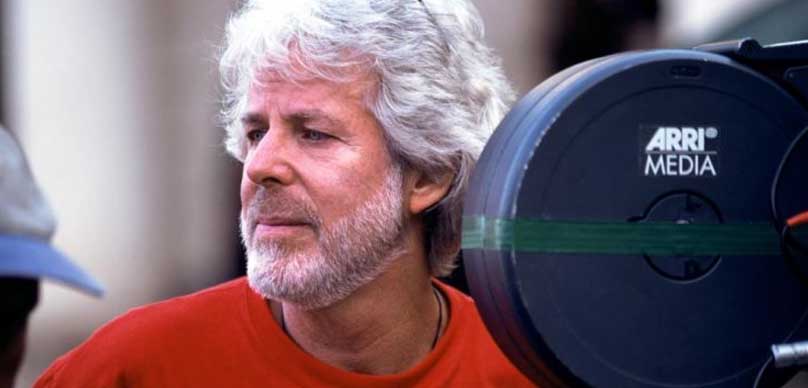
Neill Blomkamp’s Micro-Budget Short Film: Alive in Joburg

If you are a fan of District 9 well you are in for a treat. Alive in Joburg is the short film that started it all. With amazing visual effects and a unique style, you can see writer/director Neill Blomkamp’s talent. Neill went on to direct Elysium and Chappie. He also launched Oats Studios where he directs high-end experimental short films.

Alive in Joburg is a 2006 Canadian science-fiction mockumentary short film written and directed by Neill Blomkamp and starring Sharlto Copley, Jason Cope, and Dawie Ackermann. The film explores themes of apartheid and is noted for its visual effects as well as its documentary-style imagery.

Watch the entire short film below.

You can watch our exclusive interview with Neill Blomkamp. He discusses his creative process, how he made Alive in Joburg and District 9.

SHORTCODE - SHORTS

Want to watch more short films by legendary filmmakers?

Our collection has short films by Martin Scorsese, Quentin Tarantino, the Coen Brothers, Chris Nolan, Tim Burton, Steven Spielberg & more.

IFH 499: From Sundance Sleeper Hit To Blockbuster Career


Right-click here to download the MP3

It’s always way fun to have a guest who is also a fan of the show. This week’s guest is definitely a member of the tribe. We chatted up pre-interview about some of his favorite IFH podcast episodes like Ed Burns and Joe Carnahan and I knew front hen on we were on for a treat. My guest today is award-winning writer, director, and producer, Chris Sparling.

Chris has written some of Hollywood’s most original and fascinating screenplays like Buried, Greenland, Mercy, Down A Dark Hall, Reincarnate (featuring Leonardo DiCaprio), The Sea of Trees with Matthew McConaughey, etc.

One of his latest films, Greenland, which premiered in 2020 started streaming on Amazon prime this February.

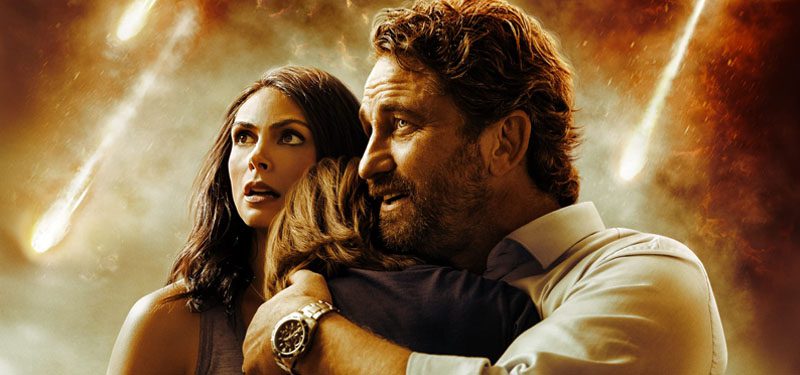
The disaster thriller film starring Gerard Butler and Morena Baccarin follows a family who must fight for survival as planet-destroying comet races to Earth. Butler’s family struggles for survival in the face of a cataclysmic natural disaster as the planet-killing comet races to Earth. John Garrity (Gerard Butler), his estranged wife Allison (Morena Baccarin), and young son Nathan make a perilous journey to their only hope for sanctuary.

Amid terrifying news accounts of cities around the world being leveled by the comet’s fragments, the Garrity’s experience the best and worst in humanity while they battle the increasing panic and lawlessness surrounding them. As the countdown to global apocalypse approaches zero, their incredible trek culminates in a desperate and last-minute flight to a possible safe haven.

With its reception and regardless of the COVID 19 Pandemic, the film grossed $52.3 million at the Box Office and was announced that the sequel, Greenland: Migration is already in the works. The continuation of the story will center around the Garritys’ journey across a frozen European wasteland to find a new home. STX has already acquired the worldwide distribution rights for the film at the 2021 Cannes Film Festival for the sequel with a $65 million budget.

Chris’s path to becoming a renowned Hollywood blockbuster writer begun on the actor’s path. He was inspired to take up writing after the 1997 hit psychological drama film, Goodwill Hunting which was directed by Gus Van Sant and starred Robin Williams, Matt Damon, Ben Affleck, and others.

He left Los Angeles on a home (Rhodes Island) bound to recalibrate and focus on completing college and writing because it was a challenge juggling that and acting auditions. After completing college, Sparling returned to Los Angeles. With no connections or leads, he returned to Rhodes Island with the plan to make a movie of one of the many scripts he had written by then. Though he had no formal film production experience at this point, Sparling wrote, directed, and produced An Uzi at the Alamo which is about a young writer in search of his identity, pledges to his dysfunctional family that he will commit suicide on his 25th birthday. As the fateful day approaches, he stumbles upon love and a new sense of self. Fearing family humiliation if he backs out of his pledge, he prepares for his last birthday with the feigned support of his family.

Of course, the film did not do well, but this is when things became interesting for Chris’s writing career. He dusted up and sent out about one hundred specs to studios, managers, producers, literally anyone he could contact. He received back, only three responses and one of which was from a manager who became his manager and still is till this day. That was his first open door.

When I saw the trailer for Chris’s 2010 film, Buried, and the success of it, as an independent filmmaker, I was in awe and slightly jealous of how easy (cost, and production-wise), revolutionary the film is. Buried is a brilliantly twisted suspense and original screenplay that is a nightmare for claustrophobes. 

Sparling found mainstream success when his feature-length screenplay Buried was purchased by producer Peter Safran starring Ryan Reynolds.

Ryan plays Paul, an Iraq-based American civilian truck drive. After an attack by a group of Iraqis, he Wakes up groggy in pitch darkness, to find he is buried alive inside a coffin. With only a lighter, flask, flashlight, knife, glowsticks, pen, pencil, and a mobile phone.

It’s a race against time to escape this claustrophobic death trap. He is left to rely on his cell phone to contact the outside world. But the outside world proves not to be very helpful at finding a man buried in a box in the middle of the Iraqi desert. Paul must rely on his best resource–himself.

The film premiered at the 2010 Sundance Film Festival and was sold to Lionsgate Films. Buried was shown at several major European and North American film festivals. It was nominated for and won a plethora of European films awards because it was produced in Barcelona by Barcelona-based Versus Entertainment, in association with The Safran Company and Dark Trick Films.

Some of the awards included the Goya Award, for Best Original Screenplay, a Gaudi Award in the same category, and the best European feature film of the year award at the Strasbourg European Fantastic Film Festival in September 2010. This $2 million budget indie film made a gross splash of $21.3 million worldwide. 

Sparling had an immediate success from Buried; between the script going out in March of 2009 and the movie premiering at Sundance in 2010, and he suddenly needed an agent, an attorney, and everything legit in between. 

Intrusion, Sparling’s latest film will be streaming on Netflix in just one week (September 22, 2021), starring Freida Pinto and Logan Marshall-Green

It is about a husband and wife who move to a small town. A deadly home invasion leaves the wife traumatized and suspicious that those around her might not be who they seem. Even though it was self-defense, it was still a homicide. However, it turns out that the home invasion was not a one-off, and there are many other missing person cases in which the invaders may be involved. Meera falls into a rabbit hole as she takes it upon herself to find out the truth.

Enjoy my entertaining conversation with Chris Sparling.

Alex Ferrari 0:08
I'd like to welcome to the show Chris Sparling, man. How you doing, Chris?

Chris Sparling 0:15
I'm good. I'm good. How are you?

Alex Ferrari 0:16
Good, man. Good. Thank you so much for coming on the show. Man. I appreciate you reaching out and wanting to come on the show that you you've been listening to the show a bit and been our fan and you heard a couple of your friends on the show. You're like, hey, I want to jump in on this action.

Chris Sparling 0:31
Yeah, yeah, I heard I heard Eddie Burns on and he was talking about him and Aaron Lubin who I know. And I was like, man, it sounds fun. I want to do this. And so yeah, you're right.

Alex Ferrari 0:42
Yeah. And we were talking about one of one of your favorite episodes, Joe Carnahan, who's a friend friend of the show, and one of the easily one of the most entertaining episodes I've ever had.

Chris Sparling 0:53
Without question, well, it's easy. I don't I don't know Joe is easily one of the most entertaining episodes I listened to for sure. That guy was like, I'm like, that guy's fucking cool, man. I don't meet that guy.

Alex Ferrari 1:02
Joe is arguably one of the coolest filmmakers I know and I've ever met. He is he is definitely a force of nature without question. Now, before we jump in, man, how did you get started in the business?

Chris Sparling 1:14
So my thing was, I started as an actor, like eons ago by this point. And so I did the struggling actor thing and, and I was gonna stay in Rhode Island. That's where I'm from in LA for a couple years. And I mean, that's a tough, tough racket, man. I don't I mean, a lot of credit, people do that and stick to it long term. I did it for about two years. And it was during that time that goodwill hunting came up. And so between like anyone honestly talking about it like that, I think macmullan had come out a few years prior and everything. So it's like, between that, and then Good Will Hunting come out came out. It was like the worst thing in the world. And best thing in the world that could have happened to an actor, because all of us started to think we could write our own shit. And so, you know, thinking would be that easy. Okay, so that's what I did. I started writing when I was, you know, as trying to go on auditions and etc, etc. And so after about two years, I headed back home to to Rhode Island, which is where I was from, because I had left I would not tell us, I was really fucking young. I was like, 20 years old. So I left college midway through, to do this to chase the dream, as it were. And I was kind of, like, Man, I'm doing too much. Like I was taking acting classes I was working. I was, I was taking school classes, you know, and doing all these things. I'm like, I'm not really excelling at any of these things. Because I'm doing all of them. Let me just focus on getting school done at least, kind of recalibrate, regroup, see where I'm at, you know, with the plan of going back to LA, which is exactly what I did. So I went back to the east coast, finished my degree, and then spent the summer here, then drove cross country back to to LA and arrived the night before September 11. So, yeah, so I mean, it was like, as you probably remember, I mean, you know, as it pertains to our business, here, we're not doing for like months and months. Because this is the part I think a lot of people forget about that time is that's also when the anthrax scare happened. It was right in that same window. So it's not like now where I would imagine everything is you know, it is everything's digital, you know, just you've had shots or whatever else all gets all reels or all digit back, then you were sending a hard copy headshots. And during the anthrax scare, no one was opening mail, because they were afraid to. So I mean, if that's the way you get auditions is you know, by your headshot resume going out and no one's open. So I was like, I'm doing nothing out here. So four months passed. And I was like this, this ain't it. This is I just felt completely had no control no agency in my own life. So I'd started by that point, I'd written more. I was like, You know what, I'm going to move home. I'm going to write a movie that I'm going to direct produce star in. I've no idea how to do any of those things, really. But even with the only way I can see this working, and that's what and that's what I did. Frankly, that's that's what happened.

Alex Ferrari 4:18
And that movie was the is that the one that Uzi at the Alamo? Yeah,

Chris Sparling 4:22
yeah. Which is a total fucking shit show. It's like, I mean, it's, it's like looking back to your high school. Like ninth grade High School picture and going cheese. I thought I was alright looking. I was like, No, you are not. You are not at all good looking.

Alex Ferrari 4:40
You know, listen, I have to interrupt for a second on the side. But I just went back to visit my mom and then in my mom's house. As my high school picture in a giant frame in the front, circa 1992 blue like glamorous Shot picture like your blue like stripes in the neon stripes in the back and you had the whole Oh my God, my daughters are like, Daddy, what? What is it? Man? I have no idea you know, right? The cavalry cheese all day all day. Every guard Absolutely.

Chris Sparling 5:24
So anyway, that movie, you know, I'm gonna I'm gonna add context in just a second. But I mean I had never made a movie I had no business making a movie. I barely I didn't even know how to write a movie. Honestly, I at least written at least one or two screenplays by that point. But I still didn't know what the hell I was doing. And it's a mini miracle the movie even got finished. It really is. And so that's why I'm saying on add some context. So I imagine you and I are roughly the same age. So like you and I kind of straddle the analog and digital world. We were there when it all started to change. Right. So this was at a time when the digital world started to kind of become a thing. But it still was expensive to make a movie. You know what I mean? It wasn't expensive. Maybe it was to shoot on on film. But it still was expensive. Oh, right. And so I think I made that movie all in for like, $20,000 which, nowadays, if you say that to someone, they're like, $20,000 that you made this free piece of shit for $20,000? Like, what? Just you, that's all you can do.

Alex Ferrari 6:34
And when did you shoot out

Chris Sparling 6:35
on the GTX? 100? So dv x what was the 100?

Alex Ferrari 6:38
Acer or the 100? Because obviously there's a difference. You know,

Chris Sparling 6:42
it wasn't in the a it was the GTX 100

Alex Ferrari 6:44
all you got the first gen you got the first gen I got my. Yeah, my first film was on the 180. Which, by the way, arguably best little independent film camera ever. It was. It was gorgeous looking. Yeah, it was the first 24 P. And of course, and when we saw we're like this is looks just like film.

Chris Sparling 7:02
No, it looks like a movie is amazing, right? But it still wasn't cheap.

Alex Ferrari 7:08
It was not it was not.

Chris Sparling 7:10
So it took me about two and a half years to finish the movie, because I shot it in about two weeks. Again, I had no business making a movie. I mean, I'm I don't know how people just didn't leave. organized, it was organized enough to happen, right? And I obviously were treated well. And people were paid a little amount of money. But I mean to ask people to show up day after day. And these are again, I'm shooting this in Rhode Island. The people that are actors, but they're not. They're not full time actors. They are people that maybe do like community theater, or this this is like kind of a hobby or maybe a little more than that for them. Anyway, it it's a fucking shit show. But I love it for what it was at the time. I would not have a career had I not done it.

Alex Ferrari 8:00
Right? What how so what did that do for your career? Because as you're just saying, it's like, it's I can't believe anyone even looked at that thing. What did that do for your career as a writer and and or director.

Chris Sparling 8:12
So it was, again, going back to the time it was, you know, back in the day, it was like, Well, if you had if you wanted to contact anyone who's like the Hollywood representation directory, big book, you know, just scouring those books, trying to find representation, trying to find basically just querying everyone under the sun that I think is right for this, say, will you watch my movie? That's, that's really what I was doing. And I guess the benefit of the time was that unlike now, because it's so easy to create content, the barriers of entry are basically gone. There wasn't as much content. So to reach out to someone, if you had a film that actually was meant something.

Alex Ferrari 8:50
It's like I've been saying to people a long time, like in the 80s All you had to do was finish a movie and it was sold, it was sold. And you made money the Toxic Avenger got made during that time. I mean, it just it was theatrically run, there's the 90s was a watered down version of that. Now, the the waiter or the Uber driver has a feature.

Chris Sparling 9:10
Right? No, so true, but it and so, you know, I don't know how many queries I sent out. Maybe 100. I have no idea. But I think I heard back from maybe like five people that said, Yeah, sure. Send me your movie. And of course, in the meantime is doing trying to get in this festival. But of the five I heard back from maybe three and of the three I think two said they liked it and all the two. One said it was a manager and he said he goes I liked it man. I laughed out loud. And then the word you always want to hear it what else you're working there right and so that was it. I mean, I was a kid from Rhode Island man. I didn't know anybody. I didn't know anyone in business. I didn't have any connections. So, so that was my first open door. And it was like that's it. I'm fucking going that's it. I'm this door which will open the door. Excellent. And now just fast forward. That's my manager. He's my manager still, to this day still.

Alex Ferrari 10:06
That's awesome. That's great. All right, so then, you made you wrote a film in 2000. We came out in 2010, called buried. Now, I was telling you before we can afford, it's like when I saw that trailer, and saw the success of that film, and everything. As an independent filmmaker, I was like, God dammit, why didn't I think of that? That's like, the easiest, cheapest thing you could shoot like, it's a dude in a box. Oh, my God, why didn't I think about? And it was it was, I mean, it was kind of revolutionary when it came out, especially for for Indian, and that you got Ryan Reynolds and all that stuff. But how did you come up with an original concept of yours?

Chris Sparling 10:50
Yeah. So that was a basically, the lesson learned from that feature that I make Where's. So I made that and that movie had all these locations of all these actors. And it's like, things you don't I didn't know, man, I didn't know like that stuff. Like, I shouldn't be doing that on the budget and all the time for all that stuff. I just didn't know any better. And like I said, thankfully, no one just left the project, which could have happened. But anyway, so this time around, I'd made a shorter to be in between. And I mean, I think it's worth pointing out I didn't go to film school. So I had, like, I had no other practical knowledge of how to do this. But the thing I learned from making that first feature was like, Man, this time around, I can't do it that way. Like, I can't have all these locations. I can't have all these actors because a that shit cost so much money and time. And and on top of that, it's like, again, I could run the risk of people just not showing up for work. So I was like, Alright, well, I have about at this point, I was working like a regular job again. And I'm like, I have like five grand that I can save. What movie Can I make for five grand? That's it. And I made the conscious decision by that point, Paranormal Activity come out. You know, I toyed for a minute about like, well, the found footage thing seems like that's an affordable way to make a movie. As I don't really think I want to do that right now. And so then it just really became what movie Can you make for five grand, so naturally, it gets smaller and smaller, and literally, your people. And I was like, I was left with a guy in a box on the phone. And I was like, fucking man, if I need to do half of the voices that on the phone, I'll do half of the voices. And then who was going to start it? I don't know. You know, here's something that I'm talking about buried is at one point. So like, this is like very early on. You know, I've written a script, and I'm thinking I'm gonna shoot it in my apartment for five grand. And I'm like, Well, I want to try at least to get some food and some semblance of a name. Right? In this movie. I'll try. I don't know if it'll work. And I was thinking like, I was actually thinking like, maybe like, thinking about the some dude from days of our lives. The guy that plays bow, I don't know why. Maybe I can get him I mean, not to not like, disparage him as if he's like, I'm scraping the bottom of the barrel but I'm thinking like, I'm not gonna get a movie star there's we're just gonna face a face somebody Yes. Somebody right, just to kind of just add some sort of credibility to me, I'm a nobody, you don't mind. And, and long story short, so I talked earlier about how my other thing opened the door with that manager. And kind of what happened in the time in between is after that, I send them an I'd write a new script, I would send it to him. He would like it, but wouldn't set the world on fire for him. So he'd be like, well, I liked it. But let's keep talking. And that went on for like, three, three and a half years, Alex, where you know, and I made it made a couple more smaller contacts and then contacts in the meantime. So hustling, hustling, hustling. And so finally, it's like six months into pre production, or at least me figuring out how I'm gonna make my $5,000 version of buried in my apartment. And, and I didn't send him this script is the only script I'd never sent it. Because my thinking is, he's like this big Hollywood manager, like, why is he gonna? Why is he gonna care about my guy in a box won't be like, I don't want to risk destroying the relationship. I've now spent three years cultivating right? And you do these things. We've all been there Everyone listen to you. Like, it's like, that's been part of the struggle. You're questioning every move, like yanking everything cuz you think Oh, is this gonna be the landmine I step in? Oh, I don't know if I should do that. Right. And it's just it's, it's such an excruciating process. But anyway, one night, I was caught, like, it was like the Jerry Maguire moment where I was looking at my career. You know, I was like, What is going on? Is this ever going to happen? Is this movie gonna happen? Is my career gonna happen? And I was like, You know what, fuck it. I'm gonna send it to him. And I did. And he flipped for it. He's like, Oh, my God. Like this script is amazing, dude, like, what are you doing? What are your plans like? What my Mine was to make it. And these are our that's cool. He's like, what? I think this can be a spec that we can go around would you be? Would you be willing long short, would you be willing to step back from directing it? If we can go out with it as a spec? And macro? I was like, Yeah, man. I'm just trying to break into the business any way I can. So long story short, that's what we went out with it. And this is this is the crazy thing. So I went from being I'm sorry for being so long winded. You know, I went from being a guy from Rhode Island that had no contacts that was you know, banging his head hustling, trying, trying trying for years, maybe little progress. That script went out. I remember correctly. It was like march of 2009. The movie was in Sundance. 2010

Alex Ferrari 15:47
Yeah, I know. That's insanely fast. Yes. So Alright, so you went out and didn't get Did you get the director attached? First? Did you get a producer attached first.

Chris Sparling 15:58
So it all came like I mean, it's crazy. Like that's why I drive home the point that it was like almost like a just an overnight sort of flip where I went from being someone who tried for years to get representation tried all the different things that we do, to all of a sudden now I have a manager who gets me an agent, UTA, who gets me a high powered attorney. But the overnight success, if you want to call it that was like it, like they say is like 10 years in the making,

Alex Ferrari 16:24
right? But he's like, boom, boom, and all of a sudden, there was a switch and, and that's what the power of good content will do a good piece of material. We'll, we'll do that for you. So it goes out. You get a producer you get until At what point did Ryan Reynolds get involved cuz Ryan Reynolds was yet I mean, he was Ryan, he was a star, but he wasn't Ryan Reynolds. Yeah, he's not dead. He's definitely not Deadpool, Ryan Reynolds.

Chris Sparling 16:44
No, no, no, he his big thing. At that point, he had done the proposal when he said that it really kind of elevated him, right. And I remembered so I again, I didn't go to film school, my I my degrees in criminal justice. So I at the time, I was working, doing fraud investigation, which is a boring fucking job, it sounds. And so I remember like, by this point, I had my team around me, I knew we were you know, things were happening with my career for the first time, but you know, it, that's also a weird phase to be in your career where it's like things change, but yet they have changed, because it seems like something's gonna happen. But you're, you're still, I'm still working a regular job. And I remember I was doing a case. And I'm in my car, like you spent a lot of your time in your car and that you're watching. It's a boring job. Anyway, long story short, this is before cell phones, smartphones. So I have my I have my laptop, and I'm picking up a Wi Fi signal from some random person's house, whatever, I'm just using their Wi Fi. And I remember getting an email with a link to a variety article saying that Ryan Reynolds was on the project that he had signed on to the project. And I was like, holy shit, I'm like, This is crazy. And I remember like, the next day or so. And here's a little cautionary tale is that I remember, I put in my two weeks notice, because I'm like, I made it. I made it. I made it. Right. And thank God and like, if they got it actually happened, because it's I was so green at the time. Like, I didn't realize how many 1000s of things could have gone wrong. At that point for not to happen. I think God,

Alex Ferrari 18:19
that's, that's that's to say, I mean, I feel you because when I was coming up as well, I would have a meeting with a star for a project that was trying to get off the ground. And then I'm like, I had to go back and you know, doing my day job. And just like, there's such a disc, there's such a weird disconnect. Like, you're talking to a producer, you're flying out to LA or doing something and then you get back home and you're just like, oh my god, how am I gonna pay the rent this week? Like

Chris Sparling 18:46
that weird Limbo phase? You're still in it? He's like, you feel like, Oh, right, I finally broke in. But your life hasn't changed at all. Good. It was like that in that sort of limbo phase until the movie finally got made. And thankfully, happened fast.

Alex Ferrari 19:03
And the thing is, I've had I've had guests on the show, too, that they'd like literally, their movie was, like just released and they're still in their day job like the money has kicked in yet. Like, haven't really, you know, hasn't really started yet. But, but I do remember that when Barry came out it was kind of like an indie film. Like a little indie film phenomenon because of the writing the directing. The director did a fantastic job because how many how can you make a box interesting visually like at a certain point? He did it was it was brilliantly shot. But the story did you conceive it always as a real time movie? Like 90 minutes? Yeah.

Chris Sparling 19:44
Yeah, yeah. never leaving the box. I mean, again, but that was born out of and I always wish I had a cooler answer. People ask me a lot. Like why did you make this move? Why'd you write it this way? Because I couldn't afford to get them out of the box. Getting out of the box is expensive. Like then you have to see the desert and all this other stuff. Like, I can't afford that. So, you know, it's one of those cases where, you know, where you you have, again, I was going to direct a movie. So I vision for what this movie was going to be. And Rodrigo Cortez came in and just I was like, holy shit. Like, I would have made a decent movie out of this, I think because it does a pretty cool idea. But I'm like, he made it into something truly cinematic. And it was just like, wow, I was also as blown away as everyone

Alex Ferrari 20:26
else was thought. And that movie, and then it did did gangbusters at the box office. For the budget that it had. It was it was a really, really well received.

Chris Sparling 20:35
International Yes, it didn't, it didn't get a big release here in the US but internationally made like 20 million off like a $3 million budget.

Alex Ferrari 20:41
Wow, that's crazy. And then just continue to grow Ryan, Ryan's ya know, profile up more and more. So let me ask you that after after buried. I always love asking because you have a hit now under your belt now Now you've got a bonafide hit and you're the writer of it. And there wasn't to my understanding, there wasn't like four other 15 other writers on it that tweaked it and script doctor did or anything like that. Right. So. So the town knows that you? It's not you know, it's not a script doctor or anything like that. That's come in. How does the town treat you? What's the next step? Do you do do the water bottle tour? Like what happened?

Chris Sparling 21:18
Yeah. Yeah, I mean, that was happening. Again, it's been a long time now. But that was happening before the movie even came up. That stuff was and that was that Limbo phase again, where it's like, Yeah, right. You're like going to these meetings and meeting all these people, as producers and at the studios, and then you're like, let's go back to your normal life at home. So that stuff was happening prior to. And then after you get on, you know, the lists, everybody you know, the list you want to beyond and kind of like the incoming call business, which is great. And that was the case for a while. And so yeah, I mean, that's, that's the nature of I think that's what, you know, that's I think you learn with your maturity and just doing this for now. I've been doing this for over 12 years, I think professionally, and it's like, you learn how like people are the toast of the town, and they're the new hot, cool thing. And then it's somebody else's turn. And then maybe you it's your turn again, down the line. But in a weird way, Alex, it's the kind of thing like if I had found success, when I first started out doing this, like all of this, it may sound cliche to say, but I think it is true. It's like I don't know if I would have been mature enough to handle it. Because especially when I wasn't the flavor of the moment anymore, because it is a very fleeting moment. We're kind of within like, Oh, well, I was like, You guys made me think I was like, cool. And I was the shit. And all of a sudden I'm like, you know, come that doesn't feel like as much anymore. And, you know, I think I was settled enough in my normal life. And sure enough, those older to be like, I'm just gonna keep working. You know, I'm just gonna keep hustling and working, that's not going to change and then come with me.

Alex Ferrari 22:49
Yeah, like, like, I had Troy Duffy on the show who's obviously infamous for boondock saints. And he had all that success at the beginning of his career. And I told him straight up like, man, I don't know if I would have made a whole lot of maybe slightly different decisions than you would have made during that time. But I imagine if you had that kind of success at 2425 you'd self implode? Yeah, you'd self implode, it's it takes a strong, mature 25 year old not that there isn't any obviously. But I wasn't that guy that's for damn sure i would i would have been eaten alive myself.

Chris Sparling 23:25
Yeah, I'm sure I would have to that the fall would have was what would have hurt me because I was used to the client, like, like the trying to climb better, you know that pushing the boulder up the hill as it were like, I was used to that, and I was fine with that. But when all of a sudden you get to the party, you know? And then like, oh, what happened? You know that like that would have been tough to kind of deal with as a younger guy.

Alex Ferrari 23:49
Yeah, and there's a lot of screenwriters and filmmakers coming up, they don't understand that they if they're lucky enough to get that moment. And it doesn't have to be huge. You don't have to be like blown away at your paranormal activity. You can have slight smaller victories get into Sundance or, or you know, something along those lines that you get a little bit of attention on you. That moment is very quick, especially in today's world. I mean, it was a little longer when you happen like you know, 12 years ago that window was open a little longer because there was less competition and the world was a lot different right out now. It's your it's so short and if you don't hit when that door is open when you if you don't crash in with something. Did you have other scripts? Is that the I mean, obviously had other scripts ready, right or? No?

Chris Sparling 24:33
Yeah, I did it. I mean, my next movie, the one that came on after the one I did is called ATM which did not turn out well. I mean, it wasn't horrible, but it wasn't reviewed. Well, it was it came together fast to kind of came together in the course of kind of a follow up to bury another contained little movie. And, you know, you kind of you know hindsight being what it is you look back and say I probably should have waited instead of rushing into my sophomore effort as it were. I should have waited too. To do something a little stronger, I guess, you know, because after that, that I saw the kind of the fall off. That movie was like, all of a sudden the poster said from the writer of barity. So it was like, Whoa, like, this means it's, it's, you know, there's value there, then all of a sudden that movie didn't do well. That means like, it was, it was me that really took the hit. You know, I feel and, and I blame myself. I mean, the script I thought was okay, it was good. But again, it was, you have like this, this energy because you finally get there and you want to, you know, you want to like keep it going, because you worked so hard to get there everything else. But then, you know, after that, though, but what you realize too is the work matters, like the struggle matters. It does. Because you I always look at it this way. I don't know how you feel I was looking at as I started off with nobody in this industry, right? Like a lot of people I'm not unique in that way. It's like a lot of people. And even even up till now frankly, we're on like women now I know. Like I've been doing this for 12 years. I know all these friggin people, like why am I going to stop stop working as hard? It's like, No, I'm gonna work just as hard if not harder, because now I have more like all the sources world like I can. Yeah. And so, I mean, it's that's kind of what happened after I think my second old ATM where it's kind of like, the phone stopped ringing as much, you know, and it was like, what's going on, dude, like, What is going on? I'm not the belle of the ball anymore. And it had the struggle, I feel like the culmination of all those years are what made me realize, Oh, dude, you have to fucking get back to work, you have to create more content, you have to make turn this around. And, and frankly, it was I had now done two of these very, very small contain movies, I was like, I at least need to think bigger, I need to change the industry's perception of me. And that's what led me to write the sea of trees prize like, this is going to be you know, because no one's gonna do it for me. You know, I I've got a I've got to change the narrative here.

Alex Ferrari 27:06
Yeah, and that, and that's the thing. It's a lot of writers and filmmakers coming up don't understand that, that that Hollywood is they love to put people in boxes, because it just makes it easier to categorize and be like, Okay, he's the, oh, he's the guy who does the contained movies, if we have a contained idea, we'll call him. Or, you know, he just does action. Or he's just a comedy writer. He's a, he's a he's a Polish guy or gal who just does polishes for comedy or joke write dialogue writing or you know, things like that. And it's your job to break out of that. And it's some people love staying in their box, and they build an entire career out of their box. But it's hard. Especially if you've been in a box for a while you weren't in a box for a while. But it's hard once you're in that box, to change perceptions, and see if trees argument is a little bit different than buried.

Chris Sparling 27:56
Yeah, it is. I mean, I will I will actually push back a little bit on what you're saying. I'm in even to this day, I still find myself. People who have that perception of me are like, Oh, you write these small containers? Really? Yeah, yeah. And I mean, that's me. We'll get to Greenland, I'm sure. But that's largely where green was born. I've worked like a really? I'll show you. I've been I've been a stubborn bass. Not stubborn in a mean way. But like, if you grow like if someone told me when I was younger, like Oh, dude, you can't like playing basketball, dude. You know, you can't shoot. That's it. Fucking next day. I'm out there in the snow shooting all day long. Yeah, I mean, it's gonna go through my head over and over again. I early on. I'm sure we all have these stories. I remember very early on I talked about that. No, I call it a movie I made the first one. I remember going to a small again, this is a sign of the times to get a replication done of the of the DVD. I do that myself.

Alex Ferrari 28:57
Right. There's not duplication, a replication which is a different Yeah, you went to go get the class master made back in the day. Yes. So

Chris Sparling 29:04
so so I and I go to this, like this small little video place here in Rhode Island. Right? That I don't even know what they specialize in. But whatever, there they are. Currently, the only place I can find that does it. And there are a couple guys are, you know, they're probably honestly, they're probably my age now. But back then. And like really just kind of like, it's sort of, like cynical. And, and so I was like, you know, a young kid. I'm like, you know, I'd love to you know, this is what I hope you guys could do here. You know, I need this done. And kind of looking at me with this. Tim was like sneering sort of look like Well, so what do you want to do? And and I told him I was like, I want to make features. And they kind of looked at it. It was almost like a bad movie. See like a scene from a bad movie. Like they look at each other roll their eyes. And the guy says something to the effect of Yeah, kid we all we all like, is it to say like, it's not gonna happen. This is what you're gonna do. You're gonna be doing We're doing Right, right. And like, I clearly remember that to this day cuz I was like, fuck you motherfucker, that's not gonna be me. Because that's not you're not I mean, and, and that shit to me is like fuel, right? You know that sort of stuff people say, I can't do something and and, you know, it's I've never you know, again like a lot of people I'm not unique in this way they I've never I didn't you know things never really came easy to me like I'm not I'm not I was not a gifted writer, I was a pretty good writer growing up I, whatever, whatever it is, you know, and so this stuff has taken me a long time we're resolving people, half the time. Where was I going with this? But anyway, so So, so with when when ATM comes out again on the you take you take a few hits, because you're like, oh, man, no phones aren't ringing anymore. I was like, no one's gonna do it for me, like I have to get I have to go again and show that I can do something different and see trees was a drama, you know, I was like, I'm gonna go not at all what I've done,

Alex Ferrari 31:01
right. And it's, it's a, it's a completely different kind of drama than what you would with anything else that you've done. One thing I wanted to kind of touch on about that, that kind of, not to, not to demean it. But the spunky attitude of the East coaster. There's an there's, there's, we have chips on our shoulders I'm from I'm the I'm an East coaster, too. I was raised in New York, but but then, you know, spent most of my time down in South Florida. And when you're coming up as a filmmaker on the East Coast, or arguably not only East Coast, but arguably outside of LA, you've got a chip, because you got to struggle that much harder to get anything going like that you made a move in the 90s on a dv x 108 in Rhode Island, right? For 20 grand. That's a like you said it's a miracle. You know, I did something, I did something similar in 2005 with the dv x. And it was just like, I can't believe I look back at it. I'm like, how God's green earth did I do that? Like it's but there's a thing. And now you've lived in LA, obviously, and I've I live in LA, for 13 years. When you get out to LA, you realize it's just it's everywhere. It's everywhere. Every Starbucks you walk down to has final draft on all the laptops. You know, I always did I always say the joke when I walk into it when I get an Uber, pre pandemic, what I used to jump into when I used to world Yeah, in a different world. I used to jump into Uber and I would say how the audition go, or how's the script going? Like without even saying hello. And then like, how do you know I'm like? I mean, I don't know if this has ever happened to you in an Uber I actually had a composer like bust open, like music This time, because I told him, what do you do? I'm like, oh my god. I'm a director and like, Well, I have some music. I'm a composer here. And they would like play them. And it was so bad. I was like I didn't. And he's like, Can you give me the honest truth? I'm like, do you want to meet you want me to be honest. And I, I'll be constructive. But I'll be honest, and I gave him the honest review. And you could just see. Just deflated. I'm like, I rather you hear from me, man than if you go into a room somewhere. When if you if you get into the room somewhere, and you play that it's not ready.

Chris Sparling 33:18
Yeah, but that's the sort of stuff honestly, like, hear that you get deflated. But then you go one of two ways. Either you're like, I just you stay I guess stay deflated. Or you're like, later on that you're that guy, you're talking guy. I'm gonna make myself better. But you take the lesson, you're like, there's something to be taken from that I had that. Again, I'm talking way too much about movie that I'd rather not talk about at all. But nonetheless, that same movie, I remember showing it to some like filmmaker in Boston again, I was, I don't mean to keep using the word hustle. Because it sounds like I'm just sucking up to you. It's fun.

Alex Ferrari 33:55
It's fun. Once you send me a dime every time you say the word though, but that's

Chris Sparling 34:02
what's like in the course of that struggle, that hustle like I remember finding about finding this filmmaker in Boston. I was like, again, well, there's a filmmaker, I've tried to reach out to them. I just talked to him. And I remember I sent him the movie. And I was like, oh God, like you might like my movie this guy. And, and he I remember getting an email back. And it was something to the effect of like, I tried, like, I tried watching it, but I turned it off after half an hour. And I was just like, oh my god, like, Oh, you know, and what do you do at that point? Either you just go I guess one of three things. You say well, I'm just not cut out for this. And that's the end of it. Or you just I guess stay you accept the fact that you're not good at and continue to be not good. Or you recognize there's constructive criticism in there and and then you get better. You know, you have to keep working till you're better.

Alex Ferrari 34:52
So,

Chris Sparling 34:53
so yeah, that's, yeah. There was something else I was going to tell you. Well,

Alex Ferrari 34:58
I wasn't okay. We'll get to it. So I, I, I don't mean to sound like I was being addicted, that poor guy in the that was in my Uber driver who was selling me the composer. But the thing is that the you and I got hit card Jesus with my films. I mean, I would send them out and I would get just, you know, people wouldn't like it, but then some people would love it. And it's like, Am I pled out for this is is this the thing, at a certain point, the universe is going to continuously throw punches at you constantly, they're going to be throwing crap at you thinking it's going to test you all the time. Because arguably, this is one of the most difficult businesses in the world to break into. Sure. It's just, it's just a very brutal business to break into. And the universe continuously is going to test you and test you to see if you've got the metal to make it happen. There's always the there's always the Robert Rodriguez story. Everyone always talks about the Robert Rodriguez story, or, or the paranormal activity or these kind of lottery ticket. Even Eddie, you know, when I talked to Adam, like a year, you earned a lottery ticket he goes, but then when you hear the story of how you got brothers with bolaven I'm like, Dude, that was brutal. as well. But you got it. I think the universe tested us like, do you have the metal to keep going? Because the people who actually make it in our business and and you know, you have you've been in the business and have had a lot of successes and know a lot of people arguably, it's not always the most talented. It's not the nicest, no,

Chris Sparling 36:27
no, it's not. Um, you know, yeah, it's not, I mean, on both sides on our side and say, the executive side, all all

Alex Ferrari 36:36
sides of all the business, but it's like, but it's about who stuck in there who write it and give up and they're the ones that make it. And there's I know some I know, some talented screenwriters man, whoever reads the scripts, I'm like, why hasn't this been produced?

Chris Sparling 36:51
Sure.

Alex Ferrari 36:52
Yeah, this is great. And you just like, sometimes it pops. Sometimes it doesn't like the way the world works. I don't understand it. But like you got

Chris Sparling 37:01
talented Pete a lot of talented people that are truly waiting to be quote, unquote, discovered there. There are a lot of people out there that are, you know, they've made a career. And then you wonder how sometimes and that's, like I said, on the, on the executive side, I've met some really, really great executives. They're like, these are brilliant men and women that you're like, you know, it makes perfect sense why you're successful as you are. And occasionally though, you come across someone and you ask yourself, like, how did you even get your job? Like, how did you, you know, last this long, I mean, because it's shocking. Sometimes it is, Oh, God, I've

Alex Ferrari 37:35
seen them. Oh, god, oh, no. My post days, when I had my post house, I would get these guys come in. And it's like, you know, some 24 year old who got three or $4 million to make their first feature. And I'm sitting there like stewing as I'm color grading or editing the project. And I'm like, Yeah, do you want me to make this look like a little Blade Runner esque. And they're like, I've never seen Blade Runner. I'm like, get out of my sweet. What is wrong with you? Like, like, how did someone give you 3 million? Why did I get that 3 million God?

Chris Sparling 38:04
And it's looking, it's just how it works out for everybody, you know? Yeah. And the thing like no one listening to this is gonna say, Oh, that's what Chris farlington said, that's what I should do. No, don't like don't because it's not going to your way is going to be your way and not to sound like an old man. But it's the truth. It's like, this is this isn't, you know, this isn't. These aren't the hard sciences. Like if that's what you're looking for, if you're looking for a profession where you get concrete answers. Go become a mathematician, I guess you're you're a scientist, where you could say this is the this is the fact like, I know this for a fact that I accomplished this, and this is what it is, is settled. This is the kind of thing we're we're all doing our best and and hoping that the stars align when they do. They're certainly tried and more tried and true, I guess, approaches for sure. But at the end of the day, I think it really just comes down to kind of, you know, the amount of effort you're putting in.

Alex Ferrari 38:57
Did you make the same mistake? I did, because I when I was coming up, I you know, Robert, Robert, Eddie, Rick, Linkletter all these guys, you, you know, Kevin Smith, you I just kept looking at all their paths. I'm like, Well, I'm going to do what Robert did, or I'm going to do what Kevin did, or I'm going to do, thinking that I was trying to hack the system. And I was trying to figure out a way like, how can I get in? Okay, well, they snuck into the party this way, maybe I can go down that road. And the thing is that every one of those, the door slammed behind them. Because it just was there time with their project at that moment. You know, when I had Rick on the show, and I even I think I even asked Eddie this I go, do you think brothers Macmillan would make it today? And I think Eddie said probably not like just just too much. This is not the time for that film. It was at that moment, you know, so did you make that mistake?

Chris Sparling 39:48
Yeah, I think all of us do. No, it's like that we it's it's part of the process, right? Even say just finding your voice like at first. We're all like, we're all like cover bands, right? Like that's the way we learn to play is that we play couple songs at first. And so like, that's a great analogy. It's like you have to create eventually you want to kind of do your own thing. And so you learn to and and but what I think the takeaway is what what you can emulate or copy even what they did is that they did it. Like they went out and did it you don't you don't want to copy what they did you want to copy the fact that they actually got off their ass and did it. And I, you know, I have to imagine this is your experience as well. There's something so interesting about this business, because there are so many people that are in so many of us are always talking about the things we're going to do and going to make and that's our side, on the executive side is right, like all these projects in development and etc, etc. And it's all it's not to say that it's it's just bullshit. Sometimes I suppose it is. But like, it's these are all like desires like we want. And it's amazing thing when you are making something. It's amazing how people just lean in. And they're like, well, what, and I had that experience, I had that experience. When I did, I did a small movie called The Atticus Institute with Peter Safran. And, and so, I made that movie, there's like a $200,000 movie that we did. And there's a good movie, my opinion, but anyway, you know, I'm in post on it in LA, meanwhile, doing some meetings, etc, etc. And I wasn't really mentioning it. You know, like, they just came also, when you come in Delhi, just for the meetings, I'm like, Well, usually that's what I'll do. But I'm here because I'm in Poland. I was like, I'm and post on a movie I do. And you watch it. They're like, What movie is that? And the converse, like the, like the blinders they could put on because I think there's just something and it happens to me, a buddy of mine just made a movie. I'm so proud of them. He's been in LA and actor friend of mine. Like he, he's been in LA for 20 something years, or whatever it's been. And he just he went out and produced and wrote and produced his own movie. And I was like, Yeah, and I was like, and I find myself I'm like, holy shit. And

Alex Ferrari 42:02
Can I see it?

Chris Sparling 42:04
Yes, because it's real. Like, it's what separates you from a lot of people who in our business, just talk about making movies, or talking about making district that. And I don't know, that's what I think that's what I think you can take from people like Robert Rodriguez and Eddie Edwards. And I said this. I've actually spoken to Aaron, Eddie producing partners since hearing them on the podcast. I told him, I was like, Yeah, I was I reached out like, Hey, I heard it on the podcast, etc, etc. And I told them, you know, those guys, that story inspires me all over again, every time, you know, where I hear what they did and what they're doing currently. Because, believe me, I'm not I'm not I'm not dumb. I recognize that I'm talking from a pretty privileged position now where I am a morning writer, I get, you know, hired to write and rewrite stuff, etc, etc. So it's easy for me to kind of make this Cavalier statement of like, fucking man, I was inspired. I'm gonna go make something my own. Well, it's Yeah, it's like, Yeah, dude, you because you're already making money. You're lucky, right? But, you know, to be fair to myself, I was the guy on the other side for a long time, a very long time. You know, just trying to hustle trying to whatever my point is. I heard them like, what would they always call me Marlin? 2.0. Yeah, right. Yeah. Yeah. And, and it's just inspiring every time I hear them where it's like, you know, and I've talked to him over and over about it to where it's like, man, tell me about Tell me about how you guys go out and you're making movies or whatever else for very little money all you know, relatively speaking and, and, and, you know, something they said early on, which I thought was really, really interesting is like, just like, it doesn't matter. It doesn't matter ultimately, how many people are in front of I'm sorry, behind the camera. People don't know. They if it looks you know, you want to make something professional but they don't know they see what's in front of the camera. So don't get caught based. Don't be caught up in missiles that maybe we now know, it's like you need this you need that it was like remember, go back to the beginning. No, you didn't. And and you end up not doing stuff because you think you need all these extra things. And the same thing with you know, we were talking before about like maturity and certainly what happens if we were successful? Or look look at a night like m night was she called the next Spielberg and like, what 26 years old or whatever it was. Now I did I know night fairly well I did a project with him. And I got to know him and I got to know like his producing partner cousin Ashwin, they're just fucking great people you know without you know, like I was working remember that project the movie devil that he did? Okay, so that was part of something called a Chronicles that night was going to be kind of godfather three projects that he wasn't he was going to produce but he wasn't writing or directing. But they were his ideas. samples. The first I was brought on to do the second one it just ended up Never happening. Long story short, it was this was all occurring like he brought me out to his chicken ranch in, in, in Pennsylvania. Whatever it's occurring at a time when he was like I think he had done last airbender. He was about to do After Earth, it was a tough time in the night sucks. And so like, I saw that and I saw him just on a human level kind of being like, you know, this is kind of the shit we're talking about now. It's like the same conversation of like, fuck man, like what's going on? Like, how do I? How do I get, you know, get the engine going again? And what my point is like, what fast forward a few years after that, he puts up a visit, where it's like a self funded found footage movie. Now, to do that, to step back from being the next Spielberg, right, who made arguably one of the best movies at least of our generation with the success and breakable right? to step back, check your ego. And say, I'm going to make a small found footage horror movie for like, whatever amount of money, no one full Well, people are going to be like, what this is what you've become like you've been reduced to this. Because it's like, he's like, No, I'm a filmmaker. So this is what I'm going to do. And I don't know I give the guy all the credit in the world. I'm so glad that it worked. Because now his career is where it is again. I don't know I guess I'm just saying like, I'm so endlessly impressed by the an Aaron doing it by night doing it. And it's just so inspiring of a thing.

Alex Ferrari 46:19
I mean, I'll tell you when I I've been a fan of night since since success, like everybody who saw success was just like, you know, unbreakable, arguably one of the best superhero movies of all time, as well. And I saw I saw the decline, you know, with Last Airbender, and then after Earth, you know, where we're, everyone's like, he's done. It's over. It's over. And what he is, but he is single handedly reconstructed his career to the place where it is today. And it is a success story that is not spoken about enough. Because people love to crap, everyone loves to see, the Giants fall, they all love to see that. I was you know, I remember, you know, in 9091 90, after hook Spielberg is over, it's done. He's good. He had a great run. It's over. I'd love hook, by the way, but you know, it didn't it didn't perform as well as everyone wanted it to perform and all this kind of stuff. And he's like, Oh, really? Okay, I'm gonna do the dinosaur movie. And I'm gonna do Schindler's List on the same year. And then, as Spielberg showed up, but I'm not I mean, now like his new movie old, which looks, you know, terrifying. It's like he's again, he's again tapped into a fear that every human being on the planet as you know, it's it's it's amazing to see what he's been able to do with his career. But it is that thing that you were saying. It's like the, you know, Edie is is a filmmaker Rick is a filmmaker Roberts, a filmmaker, at the at their core, and they're indie filmmakers, no less. They come from a generation. They're like, they're their indie guys. And I love like when I used to watch at nights, behind the scenes and special features on his movies, he always put short films is like high school short films on duty. Yeah, you would see him like acting out in his own little short films. I'm like, he's a filmmaker, man. Like, right? He's a filmmaker, you edit. And no matter who you are, and I've had the pleasure of speaking to amazing people on my show. At the end of the day, I don't care if you've made $200 billion, or you've made $2 filmmakers, a filmmaker, and it's and you connect at that level, even if it's Spielberg, or if it's a new film student that just came out of out of film school. It's, it's the same thing. And is that hustle no pun intended? Is that hustle that you can't you can't let go. So I wanted to go back to see a trees mad because people who don't know about see of trees, it was directed by a young up and coming director. Gus Van Sant, dude, what is it like writing for Gus Van Sant like, if you like we're referring to Goodwill hunting. Like, right?

Chris Sparling 48:54
I know. What's that like deal in that way? Because it started, like I said, it started me off as a writer was Google hunting is you know, that had movie. And so I remember. I remember telling him that and Gus is Gus is a very nice guy, you know, but he's Gus Van Sant. He's kind of eccentric, eccentric. You know, not no crazy way. But like, you know, and I remember telling him I was told that story. You know, it's, you know, you're not doing this right now as you're going through the script, etc. I'm like, it was your movie that inspired me to become a writer. I think it's kind of cool that you know, he already kind of looked at me He's like, why didn't write it? I was like, Yeah, dude, I know that. When you when you cool? movie.

Alex Ferrari 49:37
Like Gus Crockett, whatever, man. Let's just talk about the scripts. I guess I i understand that Gus. Because I saw the Oscars like everybody else did. And and Matt and Ben and Ben Ben wrote it. We know that. But you were a big part of that film, which inspired me to become a writer, sir. Because without you, Ben and Matt. God knows what would have happened to them. Right. Right. So

Chris Sparling 49:59
So I mean, that was Wild that project was a wild ride because, again, kind of what like, prompted me to write it was again trying to break myself out of this box, no pun intended. And, and, you know, and then it got into Cannes and it was a, I was like, holy shit like I have a project going to can That's amazing. And this is obviously after the movie, you know, shot with Connie and Naomi and Gus and Ken Watson episodes like, and as a producer on it. So it was like, Wow, this is amazing. And then it got to can and they did the they did the I don't know why they do it this way. But they do it can they do with the press screenings before the like the real screening like red carpet screening whatever, in the press fucking destroyed it. They booed it they like and so I met my wife and I. And again, this is still fairly early in my career. I mean, it's like, you know, I had done very, and I didn't especially, you know, this was like a big thing, you know, to go to can with a big movie star. Big director. Yeah, right. Like, so I'm like, I'm like, wow, this is fucking cool. And I remember being out to dinner and a friend of mine, producer friend that got prepared actually one of the producers. He's sitting at dinner, any Spanish and he just kind of, he's just not having to look in his phone. And he just looks at me goes all preseason. I am so sorry. And I was like, what, what are you sorry for talking about? And he just showed me the phone and it was just said, like, buried gets booed at can screaming. And I was like, Oh, my God, like, No, No, this can't be happening. And, and, and that night was tough. It was kind of like I remembered going for a walk and, you know, um, it's it's the sort of thing and maybe this is like, a, an East Coast thing. And like, I mean, look, I grew up working class, and you're used to kind of taking your hits, it's just the way it is my friends and I, to this day joke about it's like The Clash of the Titans. That's what we call it. It's like, Clash of the Titans bends like your little figurines that the gods played with. They see you doing a little too good. They have to knock you down, like and I like and it felt like that more than like, I told my buddy, Clash of the Titans, man. You know, it's like, I got to I can but they fucking said nope, nope, you're not gonna you're not gonna get that far. We're gonna knock you down. And you know, so it sucked in that way. But thankfully, I think it was the next night or two nights after was the the screening screening. And I mean, we got a we did a four minute standing ovation. And it was nice. And did the movie deserve a four minute standing ovation? I don't think so. I think some people I think it was kind of like, it definitely didn't deserve to be booed. So we'll give you I think it was a little bit of that built into it. You know, but the movie, I think the movie turned out fine. There were, you know, it's interesting to see it now. Because it's found a new life in recent years on amazon prime, where it seems like it's found its audience. But if people like there's a certain audience that loves love that that movie, you know, and I think, again, there are, let's be honest, there are certain there are definitely like critics, like high minded critics that, you know, they just oh, you know, like, it doesn't meet their, their, their, I don't know, whatever it is their threshold for them or doesn't cross that threshold, or it doesn't reach a certain level for them. And so they're gonna have to just destroy it. I think there were those people for sure. And I think maybe people who just appreciate the movie for the movie, and the message and the themes, etc, etc. I think it's like, and the filmmaking Don't get me wrong, but filmmaking as well, I'm not discounting that. I think it's been a nice journey. It's kind of by this point.

Alex Ferrari 53:36
So yeah, and it and don't feel too bad. I mean, the press the press account is infamous of being just brutal. Like they, they those press screenings, I've heard legendary stories of them just destroying things. And yeah, it is what it is, man. Like, if it was me, if it was me, dude, I'd be like, EFF you guys. I'm in cash. That's it. I'm happy. No, I did a movie with Gus Van set, starring Matthew McConaughey. Go zombie. And you're just like, still, it's not for everybody. But I'm having a I, uh, you might be like you had sent yet Sundance with Bert buried. So you hit like, you know, double, basically at Sundance at can. And not only a can but with, right, with an amazing cast. A legendary director. It's got to care what anyone says at that point. I'm, I've already I'm just happy to be nominated. Yeah.

Chris Sparling 54:31
Like I said, it was another instance Alex of where like, it's the gut punch. Yeah. I take it No, but then you have to decide what you're going to do. Do you know what I mean? Are you going to say that's it? This was my Big Shot, let's just say, Yeah. Or, you know, or you're gonna say, fuck you.

Alex Ferrari 54:50
I'm gonna get better. I'm gonna at least try to get better. I'm gonna do you know, maybe the next one you won't hate. And though and that is that's that. I hate to say it. That's it. That's an East Coast mentality. That really kind of like a working class East Coast mentality. You know, because, you know, it's just the way it is, especially when you're working class and you're coming up, you know, I was definitely the same as you. I mean, I was, you know, I was I was raised in Jamaica, Queens, you know, lived in an apartment, it was probably, I think, 500 square feet, you know, and, you know, you just take, you get used to getting hit, not physically but like the world just pounce on you. And that's just, that's, that's your your path in life. And that's nothing wrong with that. But you get stronger, your skin gets harder, you get more shrapnel on you, from the stuff that you go through. And those are the people that make it in this business. Not the walk right, this this way, Mr. spurlin. Come right on. And how much do you pay for your project? Oh, 100 million, here's 100 mil rat, that kind of scenario, if it does happen, and that's the only thing you know, the second you get tapped, you get flicked, you're, you're on the floor. Not now. Yeah, you're fragile. You're very fragile. And I think that's, I personally, as a filmmaker I've enjoyed, I can't say I've enjoyed the struggle. But I appreciate the struggle that I've gone through throughout my career throughout my life throughout everything I've done, because it has made me who I am today. And arguably, when I do get punched, which I've said this 1000 times on the show, we all get punched, I don't care who you are, how big you are, you're gonna get punched by this business. You learn how to take it, and you just keep going like insane people that we are. This is insanity.

Chris Sparling 56:35
Because we like you were saying before, it's like because we love it. We love doing it. It's like if it were something we hated, we'd be like, Fuck this. Why? Why am I going to keep taking these hits?

Alex Ferrari 56:45
Did you ever try? Did you ever try quitting? No,

Chris Sparling 56:48
when buried when buried happened, though, I was approaching kind of that turning point where I was getting to be a certain age, my wife and I were shoes, my shoes, my actually the girlfriend becoming fiance at that stage. You know that it's that's all part of life, you know, where you kind of re evaluate where you are. It's easy when I was a 20 something real kid living in LA by myself with roommates as an actor, it's like, you know, and then and then even to say, you know, I I just like who you know, your friends and family around you like life changes always changing. They can find yourself in different circumstances. And I think that really does your decisions. And that being one of them. Where I was at a stage I was like, man, is this time to throw in the towel? Like I've given this a go? Like I can't, I can barely say to myself I that I've tried, right? He's it would be one thing if I was like, and I kind of have fasted, and I was like, No, I've tried, I've really worked at this. I guess the difference is I was like, well, as a writer, there's really no reason to stop, I can continue to write, you know what I mean? It's like, if that, you know, the acting thing is, as I said that almost the outset of this, that's what makes it a particularly difficult struggle is like, there's really no other version of it. It's like, you have to be there, it's you. It's like, that's your are the professional you want. And it's a it's a very inconsistent profession, and so on and so forth. Like, as a writer, even though I was at that crossroads, I was kind of like, I don't know, if this is going to happen, I don't know if I can continue with the level of output that I've been trying, you know, at for the past X number of years at that point. But I think I can continue to write because I like doing it. And I still think maybe there is a glimmer of hope in there for me somewhere. You know, and it's interesting, because I look back at when varied happened. And, you know, it's easy to add add meaning and symbolism to shit, you know, you know, like, it's it really, if I can, there's, you know, in a way, I felt like trapped in a way I felt like I needed to break out in a way I felt like time was running out all of those things, and whether it's subconscious or not, or whether again, I'm just like retrofitting it to make it sound cool. I don't know. But it's all it's definitely true. All of those things are what I felt at the time I was writing it. And, you know, when we talked before about the stars aligning right at a certain time now. I don't I personally, I don't believe in fate, or deterministic or determinism sort of thing. I don't teach there. Oh, that's not what I'm saying. What but what did certainly happen is that this was around 2008 that this all kind of started this process was buried, you know, I mean, between starting to write the script and figure out how it's gonna make it, etc, etc. That was around the time. That was the financial crisis. That was right after the, you know, 2008 when the the world was,

Alex Ferrari 59:39
yeah, the world's upside down.

Chris Sparling 59:41
Yeah. So that I think, factored into, you know, talking about the stars aligning, all of a sudden people were crunched for cash, you know, and I don't mean just people I mean, companies and you know, studios and this, so all of a sudden it wasn't, you know, it was like the heyday of writing checks and big make it wasn't happening as well. Because people were really, you know, paying attention, their bottom line and their Ledger's. And along comes a movie, where it's like, fuck this movie could be made for like next to nothing. And I think that helped. I think the timing of it helped it, because, and it happened again, during the pandemic for me, where I can get to a project called Lakewood later, but again, I didn't set out for it to happen for it to be, and I hate the term but a COVID friendly movie. But it turned out to be in this, you know, just happened to be in it. The stars aligned again, in this case for, you know, particularly bad reasons. But, again, that's not that's stuff that's out of your control. I don't know if buried if I had come along with Barry even a year earlier, people might have said how to what my thinking was at the time is that no one's gonna give a shit about my guy in a box movie. Why are people in Hollywood in the care about that?

Alex Ferrari 1:00:50
Right? And I'll tell you what, I feel you 100% in regards to symbolism in your script, at the time and you feel trapped and all that stuff. I wrote a script that literally you it was a revenge movie. And it's you I I think I almost it was the DNA of that film is my anger towards the industry. The anger towards not being able to make it and I'm like, I'm seeking revenge and the bad guys the industry for not giving me a shot because God dammit, I you know, I might not be the next Spielberg. But I could definitely roll you know, I could definitely Exeter movies, I can definitely I proven myself why like God dammit, Evan, I got in the whole script. And that energy was in the script. And I've gone back and read it a while ago. And it's just like, you can just sense the anger in it. It's really weird. But it was cathartic to get it out there. And I think you know, sometimes that works well like you with bear in mind. My script didn't get made, but it's still like, it was just really interesting. And I think writers sometimes have to pour that energy into you. You have to switch between anger and bitterness and I think there's a little bit of bitterness I think you've heard me say this on the show it everybody knows an angry bitter filmmaker screenwriter. And if you don't know an angry or bitter screenwriter, you are the angry one that everybody else knows. So you you were talking about being in a box again, this is coming back around to this box. No pun intended, but you weren't a boxy energetic. Okay, so you're the, the the small location, you know, one location kind of writer, okay, now, you've done sea of trees, and I knew the drama writer, but you really is still small. It's a small movie. You're not big and you're like, Oh, yeah, well, then I'm gonna make a big movie. And then you wrote Greenland. And tell me how that came about? And what how that whole project came to be because I just recently saw it. Because I've been dying. I was dying to see it. When I saw the trailer. I was like, I love those kind of disaster. disaster movies. And I loved Jerry, I love Jerry Butler. And I wanted to see it. So I was like, when I found out you wrote it, I was like, Oh, God, I left I want to get the story behind it. How did I get it done? Because it was it's a it's, it was a runaway hit for what it was.

Chris Sparling 1:03:12
Right? Yeah, it was, it was the purpose of it. Really. I mean, I should I should back up. So I try to write at least one if not two specs a year still. And, you know, it's To me, it's just, it's just the stuff I like doing more because it's, you know, they're my, they're like my babies as opposed to me taking care of somebody else's baby which, again, I, I, I'm endlessly grateful for being able to do that for a living to write screenplays for a living and, you know, people hired me to do that. But at the end of the day, I just do like writing my own stuff, too. So, um, so I was like, Alright, how do I really kind of really just convinced the town frankly, that it's like, I don't just write small and not even contained, but just like small. I'd gone from being the guy that for the very small, small movies, right? Yes. to like, I write these kind of smaller in scope

Alex Ferrari 1:04:10
character character pieces. Yeah. characters. Yeah. Right. Character pieces,

Chris Sparling 1:04:13
right. And, and so are what end of the world moving really. And so I came up with the idea. I was like, you know, what did then at that point, and because you can't help but go back to when you hear things like an asteroid or comet hitting the earth, or then it's like, Alright, well, there's Armageddon, and there's you can't help it do. It's like jaws anytime you mention a shark movie can help compare, but I was like, What didn't been long enough. I feel since that kind of that movie, those movies has come out. And so, but I wanted to approach it in a way that still felt like my, for lack of a better word brand. And someone recently talked about Greenland to me in a way and they they use the term that I'm totally going to steal going forward and I will right now called a keyhole epic. And I was like, I was like, Yes. That's like that. What I wanted to do, and that is, you know, effectively having, you know, this epic thing happening in this case at the end of the world. So this, whatever it is, but in this case that, but we're seeing it through the keyhole, we're seeing it through a very specific lens. In the case of this movie, it's just we're following this one family, as opposed to checking on the president and checking on this, these people that people like the rolling average version, again, which I find interesting and fun, but it's a different movie than than Greenland. And so what I tried to do in writing Greenland, I like, I was like, No, I want to write the impossible. Like, what is the more fun version of the impossible? were fun. It was a great movie. I loved it.

Alex Ferrari 1:05:41
Oh, God. Yeah.

Chris Sparling 1:05:44
So like, you know, what is the more entertainment I guess, base version of that. And without going too far in the other direction, either though, like, I didn't want it to become ridiculous and over the top, but I wanted to, so I kind of just stuck to what I felt like by this stage in my career, I'm pretty good at which is again, just focusing more on like, the characters seem very specific lens, and through a specific lens. And, yeah, and that was it. And then it was just a matter of like, what is going to make this different or potentially unique? And, and, you know, Greenland's like, why not that you're asked the question, but you know, I'm sometimes hesitant to say it, because it's weird how these days everything can be spun out, like, become either political or like this or that, or whatever, you know. But the truth is the like, this isn't why I wrote the movie, but it's the the, what's the word? I'm looking for? The allegory, the allegory that's built into that movie? is about it's about climate change. Yeah. And that's why I named it Why is why it's named Greenland, why they should go to Greenland is not by accident. That's where I chose of all the places on the planet. Because I wanted to basically say, look, you know, with climate change, this is happening, this is happening, especially now as we say this, is we have this conversation like this is happening fast. But just because if it were an asteroid that was coming in like five days, we would be reacting accordingly, we would be, you know, we would be meeting what as best we can the moment to save ourselves. But because it's not happening that fast, we kind of act like we have all the time in the world, even though we know we don't even without even without an asteroid or climate change or whatever else. Our lives are finite. And for some reason, I know if it's a defense mechanism as a species, but like, we generally don't think about that, and we just go about our day, probably to keep us from going crazy. But But the reality is, we don't have all the time in the world, and we do know it. It's only when kind of your world gets rocked by something. No pun intended. That, that like sometimes you wake up and you realize that you know, and that's not to go on to on a tangent or try to sound too fancy. But like, that's the beauty of cinema at the end of the day, is that movies take us to a place where we feel something, and we walk out of it. And we have the lived experience that we would have had if it actually happened was real life. Right. But we don't have to suffer the negative consequences of it happening in real life. We still get the message, we still get the wake up call.

Alex Ferrari 1:08:13
Right? If it's if it's done if it's done. Right. If it's done, right. I think the I think a good analogy would be what smokers do, or what people who eat fast food everyday do. You know, it's killing you, you know, in 510 years, 20 years, you're gonna have problems if you keep down this road. But you just Oh, it's it's so far down the line. And that's what's going on with climate change right now until you either have that moment, which is heart attacks, heart attack, you're like, Oh, I better stuck, or, you know, one of the lungs collapses or, or something like that drag attic. And he name your analogy. But that's where we're at right now, as opposed to, you're gonna die in five days. You need to do something. And that's basically what Greenland is. And you're absolutely right. If there was a comet coming, we would react to save ourselves. But yeah, because it's so far down the line in our minds, even though we literally see the world burning around us. Sure, literally, you're seeing the world burning around us right now with egg freezing around us like that freeze of last year. sanity sucks. 60% of the country was frozen. You know, right. And then and no one's like, and no one's like, that's okay. No, it's not man. I don't remember that. I don't remember. I don't remember growing up when it hit over 100 anywhere. Other than like, Death Valley. It was it was a rarity. Now it's like that's a common place over 100 is common. I was in Palm Springs. I was in Palm Springs in the day was 117. I don't know if you've been in 117 270 117 is literally like walking out into into an oven to hell. I had like I think I even got a little heat stroke because it was just it was insane. So hot. And people in Palm Springs are walking around like it was 90. I'm like you all savages, your animals, I

Chris Sparling 1:10:06
have no doubt you do this. I don't know about you. And that's not to hijack this and make this about climate change. Also, just one quick thing. Since you grew up in the East Coast as well, the thing the indicator for me over the years has been when I was a kid, I remember going on Halloween, it was always freezing out the whole guild cold on Halloween, right? you'd end up with all the best intentions of wearing your cool costume. But you'd end up wearing like a winter jacket and on top of it right and ruin the whole thing. Sure. In the I just in the past 10 years, and again, this is just just anecdotal, obviously. But in the past 10 years, man, Halloween, it's been like you walk around and like kind of like what I'm wearing now. Yeah, where it's like, this is just

Alex Ferrari 1:10:51
7580 Yeah, so yeah,

Chris Sparling 1:10:52
it's like, it's a nice night, you know, it's like, you know, whatever it is comfortable. Like that. That was not the case when I was a kid. And again, merely anecdotal doesn't actually mean a thing. It's just something that I picked up on personally. book to your to your thing about like saying, What would we do with if we knew in five days that you know, it was all going to end? Like, yeah, I mean, there's the version, obviously, not only would be trying to scramble to save our lives, but we'd be trying to do it, we'd be doing what we need to do to settle our to settle our kind of emotional debts, if you will, like we would, we would tell the people that you've been wanting to tell that you love them, and you have it for whatever reason, because we all do it, you know? And then or you would tell someone you're sorry, all those things like you would recognize, I can't keep kicking the can down the road. I can't do it. I have to do it now. And that's what I'm saying like that is and I'm not talking about Greenland here. I'm talking about all movies. It's like when they when they they do it, right. Great Ones do is that you walk out of that movie theater and you end and you remember that stuff like that. I'm saying like you it happens, it feels like it happened in real life to you. But the benefit is it. You don't have to suffer the consequences of it actually happening to you in real life.

Alex Ferrari 1:12:05
Right. And that's Yeah, and if Yeah, absolutely. There's no question. And before we move on, we can we just Can we just touch upon how wonderful Armageddon is in the cheesiest? Wonderful, goddamn wherever, oh, my God, it is a god. It's like I love Armageddon. so far. It's like one of my guilty pleasures. It makes no sense. I think I remember I remember listening to the commentary, where Ben Affleck asked Michael Bay like, hey, wouldn't it be easier to teach astronauts how to drill than teaching to learn how to be astronauts? And it's like, right, and Michael Bay's like, shut the fuck up bet. And at that point, I just kept quiet for the rest of this. But no, if you guys haven't seen Greenland, you absolutely have to watch. What are you working on? Now? What are your next projects? Isn't there a sequel to Greenland? I saw someone I'm doing it,

Chris Sparling 1:12:56
there's a sequel. Yeah, so so that was announced it can screw up the market this year. So that's happening, which is super exciting. So I've already written the first draft of that. So I'm sure in the next kind of at least the next month is probably going to be a lot of doing the rewrite on that. And then I have two projects, you know, is weird, like this is obviously it's been a weird year and a half for everybody. Just speaking only for myself here. It's been we've been pretty locked down at my house. Up until you know, we get vaccinated my wife and I it cetera, et cetera, kind of ease back a bit, but prior to that, we were very locked down. And, and so but thankfully, during that time, I've managed to have two movies. Well, both of which I wrote produced. And so one is it is a smaller movie, and that's okay. called intrusion the sets in Netflix original was free to Pinto. So that's coming and I think September, I sold but don't don't quote me on that just yet. And then I did a movie called Lakewood with Naomi Watts. And that was the one I referenced earlier where it was a movie we're setting out to make. And it just the way it was written it was it's very much in that very model where it's like, you know, kind of one person more or less, the movie occupies and you know, shoulders the movie. And, and then COVID happened. And it just became like, well, this is still a very magical movie, given what COVID restrictions are. And so the movie still got made, and it just was surreal. Because these things are happening. I'm watching live feeds from the monitor as if I was in video village, but I'm watching them from my home office here. And so it's you know, my kids are running around in the background, etc, etc.

Alex Ferrari 1:14:35
That's awesome.

Chris Sparling 1:14:36
Yeah. And I'm just and you know, I'd be calling the director on my phone we could to communicate and, and seeing it, you know, just the COVID protocols in and of themselves are just like at the time especially, you know, fully mass full peepee with some people to gowns on some face shields and just watching it from the somewhat voyeuristic perspective. It's like if someone walked in and saw that they were like, what the hell is this? Is it No, no, this is a movie being made. But what? Like, yeah, this is it looked like I don't know, like is if you were in a hazmat tent somewhere or if you were,

Alex Ferrari 1:15:10
you were an outbreak and you were an outbreak,

Chris Sparling 1:15:12
you were an outbreak, right? But this was a movie, this was just what it looks like behind the scene making these movies. It's a it's a huge, huge credit to the people that were there physically on the ground, and I was getting intimate. So my wife is high risk so going to set which is simply not an option for me. And, and so it was just, it was just amazing to see happen. So those that's what's next those two projects and then

Alex Ferrari 1:15:36
well, so I'm gonna ask you a few questions asked all my guests are. What are three screenplays every screenwriter should read?

Chris Sparling 1:15:46
Can I say Michael Clayton three times? That's a good script. It is the best. It was a great script. Let me see. That one for sure. That's just to give it the universe as far as I'm concerned. I'm trying to think of things I've read recently. I remember I read the screenplay for the post, which I thought was really great. Oh, yeah, I was trying to think what else? I like the screenplay from mud. I mean, I'm not saying these are like the end all be all screenplays people must read, but they're just ones I remember reading big. Really good. I thought I thought the screenplay for what the fuck was named in the movie. Let's try the book that he wrote. Oh, honey, boy, boy. Yeah, yeah, I was I was blown away by that script. I was like, you know, because again, you think like, Alright, so child about decided he wanted to write a screenplay. We'll see how this is. And I hadn't seen the movie at that point, or whatever else. And, you know, in the script came in during award season, I was like, let me and I was hooked on like, like this good script, man. This guy is good. He can write. So again, I'm not saying those two are necessarily the ones that everyone must read. I'm just they come to mind is really great scripts. But Michael Clayton, and

Alex Ferrari 1:16:58
what advice would you give a screenwriter or filmmaker trying to break into the business today?

Chris Sparling 1:17:02
The same advice, you know, like, it's the, again, the cliche things thing of saying what would you say to your younger self? If you could? I would say yet, and this is gonna sound weird. At first I'll explain. Get a job that pays you well. Okay, now, if that's in the industry, great. But if it's not like it, probably as for people like me in Rhode Island at the time, you know, I early on, had far more success, when you know, in that in those incremental ways, when I had a good paying job, because we I especially I think, because I started as an actor. So there was like, a fear of this was before you could work as Uber driver and stuff like, you know, it was like you were waiting tables, and like, God forbid, you had to have, you had to go to an audition. It's like, Well, shit, I might have to end the boss isn't gonna let me go. Well, audition or waiting job waiting table job, I guess I have to quit my waiting table job and then go to the audition. Hope I get it. And But either way, I'm out trying to find a new job again. And it's like you're barely scraping by barely scraping by. And so, you know, I think early on when I transitioned to kind of just say, I guess I'm a screenwriter now is that I still had that mentality of like, I need to be available. And I would take, you know, I would take just jobs to pay the bills, right? Because I was like, and I would say, unless the job is completely occupying your time where you can't write, that's not great. But if you find a job where you can make a good living, we have money in your pocket. Because then you can do stuff, then you can go make shit you can go like, you know what, like, like I was saying, I was able because I had a pretty good job was nothing a great job probably make at the time, like $30,000 $35,000 a year was enough to pay my bills and put a little bit extra money for me to save. To say, I'm gonna make a $5,000 movie, I'm gonna save up for it and make it because if you if you don't have anything, if everything is like hand to mouth and you're struggling, it's tough, man. It's tough to think creatively. It's tough to get it so. It may sound like yeah, no shit dude, that that's what kind of advice is that? But if you can, but but some where if you're like to not only can you get a job that pays you what, what did you get paid right now all of a sudden, man, you have a lot of options. You can you know, we all know that. That rich Dude, that fucking decided they wanted to be in the movie business and sit inside they want to be a producer. It's like, well, no shit. You can write a check for a million bucks. You know, it's like, what's what's stopping you? You know? I mean, so I'm not saying like fines paid like that. My point is more. It's especially when you're young. You think like the struggling actor or the struggling performer or the struggling this this struggling artist. I don't I don't know. I don't I don't know if it's a good thing. I mean, it's not hungry.

Alex Ferrari 1:19:50
No, yeah, no, no, no, no, I got an I was lucky enough and smart enough, young enough when I was young to get into post and I was I was an editor. I just was an editor and I just big and that helped me become a filmmaker. Because then I had always had post production when I went out for commercial shoots or something like that I would throw in post production. But that's how I made a living. I never had an outside job ever. I always had a job in the business always had a job in the business. But the problem was, and this is the only kind of pitfall of having a good paying job in the business even is that you're focusing so much energy on the good paying job sometimes that you don't have enough energy or time to chase the real dream. Because my dream wasn't to be an editor, that's I just did that to make a living. And I loved it. But I wasn't going to just be an editor for the rest of my life. Not that there's anything wrong with it just wasn't my path. And I literally had to break, I had literally had to just retire from editing, just because at a certain point, like even when you're, when you're making money, like, you know, someone shows up, like 30 grand for you to post my film, you got to be in a special place in your life to just turn around, turn off, turn off 30 grand, you know, just like, I don't want that. He started grants or grants. But if you have kids and a family and all this stuff, but at a certain point, you just like either I keep going down this road. Or I start following where I need to go and be intelligent about it. But that's exactly what I did until I finally closed down my post house. And I haven't done post since after indie film muscle and all that stuff, you know, took off. But there's that, but I was 20 years doing that.

Chris Sparling 1:21:24
So it's it took me a long time to get to that place. Yeah, but the thing you did clearly is that it afforded you the opportunity to, you know, maybe it kind of at times was like causing mental burnout and created an obstacle there. But at least a forgery the opportunity to do stuff you want to do short. Again. Yeah, yes. Right. I mean, right, we all have, but it's a different world. Now, obviously, the technology is there, you can do stuff very, very inexpensively now, which is great. Which is even more the reason why people shouldn't could be doing it. But what I would add to on top of the hopefully worthwhile thing I just said about the job is I if you if you get a job in the industry great. And I think there's obviously 1000 great reasons why you should. If you don't if that's not the path you take, I would have told myself again, my degrees in criminal justice. I've yet to really use them in a meaningful way. I would have, I could go back, I would say Chris, alright, tell me what you want to do. I want to be a filmmaker. Okay. At the time film, school wasn't an option for me. Okay. Well, then what I would say is, go major in business. Go learn how business Oh, God bless. Yes. Yes. And, and go and then take take, what courses you can take and film, whatever ones are available, go take filmmaking content. But if if you can get an understanding of how business works, it won't just be you just map that understanding on to this business, because that's what it is. And it'll just kind of like create this. Almost like a it's like, it decodes it for you, in a way I feel. Because if you don't, if you look at it strictly from the view of the artists, and you look at it strictly from the view of like the why, like the pie or wide eyed kid that wants to get in the candy shop, but you don't recognize that there's a that candy shop is a business and the people that run that candy shop want to make a profit. And it's not just about you know what I mean? So it's like it's not to to pop the balloon for people and to take away the the Hooray for Hollywood stuff. That's, that's what makes it a cool business. Right? But it's still a business, it's still a job. And I think I would have to do it all over again, that I think would have helped me immensely, and probably would have shortened the journey if it will that if you will, like it would shorten the time it took to finally get there.

Alex Ferrari 1:23:51
And last question, What lesson took you the longest to learn whether in the film business or in life? This is no this is exactly is that I forever did not

Chris Sparling 1:24:03
read screenplays. So like, I'm talking like maybe five years into thinking I'm a screenwriter, where I you know, I, I would once in a great while, open up someone else's screenplay. You know, and read the books, etc, etc. But it wasn't until I remember I was I got a job. Working at a production company in New York. I was living in Connecticut briefly at the time and as a reader, you know, I get paid like nothing and then I did for a screenplay competition at certain point. And so now all of a sudden is my job. Like I had to read screenplays and read screenplays. And I was like, you could just start to see why something works and why it doesn't. And it just I feel just took my writing from wherever it capped out at to somewhere new. And I mean, to be fair to myself when I again, starting out probably presumably around the same time. It's not like today where you can just find any scripts you want like that online. You know Like you had to actually go find physical scripts somehow someway in being in Rhode Island's like, how do you do that?

Alex Ferrari 1:25:05
Right?

Chris Sparling 1:25:07
So, so again, people listening to this now might be like, yeah, no shit dude, why would I but at the same time, I still find it's amazing to me where I talk to a lot of writers young or old with kind of coming up. And I can't impress upon that enough upon them because it's amazing how many times people don't where it's still like, Oh yeah, I

Alex Ferrari 1:25:28
do once in a while. It's like no man, read like one a week, at least, at least at least. And read and read and read the Masters you know, Shane Black and Sorkin and Tarantino and watch what these guys do and how they, like I've said so many times the Haiku of writing a screenplay, screenplay writing, because you got to do so much in such a little amount of space. And see how they describe a scene in a movie, watch the movie and see how they wrote it. And, and you Okay, so I don't need to tell you about the cover of the book on the shelf in the back. And the description.

Chris Sparling 1:26:03
Because you don't you don't know. I mean, it's like you don't write that shit. You just think all right, I just have to describe what's going on. So I'm going to write everything and new Yeah, that is the lesson for sure thing or whatever the question was that

Alex Ferrari 1:26:16
lesson. And I have to ask you, this is out of morbid curiosity, three of your favorite films of all time

Chris Sparling 1:26:23
to graduate. Excellent. Predator. Oh, God. Amazing. And probably Star Wars fan of the day.

Alex Ferrari 1:26:33
I can we can we just take a moment to appreciate how predators arguably one of the best action movies ever written and never shot ever shot. Just hold it holds today. You can watch it and it's not dated. Because it's basically all in the jungles, even though it took place in the 80s. Yeah, that's true. It's still guns and a bunch of muscle bound dudes just and the predator still looks good. There's nothing janky about it.

Chris Sparling 1:26:57
Nope. No, it is the movie that anytime. If you catch it on, I'm watching it. It's like what it's no matter what I'm watching that movie. It's Yeah, it's phenomenal. I mean, it's in the graduate. For me, though, I may kind of just elaborate a little bit. I remember when. So my very, very first year of college, I went to Providence College part time because I didn't know I'm giving you more efficient use asked me but I was like, I love like the question. I wanted to be a filmmaker or this or that. And I didn't want to do that. And I looked at Rhode Island School design at the time, which is afterward government school, but there really weren't many film classes there yet. And they were kind of art school film classes, which I'm not knocking but they weren't like, how do you make a movie film class? And I saw the Providence College had a film, I think like film theory class, or whatever it was. And, you know, up in that point, I was like a typical 18 year old kid and you know, like most kids, like I'd watched movies like predator those like the movies. That's what I watched all the time. had no real film literacy beyond that. And, and we had to, you know, that's not obviously what we were watching in this movie. We were watching like black narcissists. And the quiet man and right, you know,

Alex Ferrari 1:28:13
Raphael red shoes, red shoes. Yeah.

Chris Sparling 1:28:18
So, I'd like doubling down today, like, cracking up my world a little bit, but none of those movies. Even Citizen Kane, honestly, none of those. Did it for me, like watching the graduate were changed my rock my world as an as like an 18 year old kid watching this sitting there in this classroom, and it was night classes with all adults. Right? And I'm like this kid. And I'm like, Oh, my God, like, I've never seen a movie like this before. Really like this, to me was where, you know, I was never a fan. And again, teach there when I was never a fan of older, older Hollywood films, where the acting is so stilted, and it felt so unreal. utricle Yeah, right. Yeah. I felt like booth. But seeing the graduate even though it's, it was like, Whoa, what is this what was going on in this era? And that kind of cracked open my world and then wanting to see all the great 70s thrillers then and then like then getting close to like French New Wave, which would follow and Godard and like, it just kind of changed the game for me. So I'm sorry, really, really going on with a long winded

Alex Ferrari 1:29:22
answer. But Well, two things one, I remember watching the graduate on LaserDisc Criterion Collection. And I remember because it was before. There's no film school for me at the time. I was listening to a college professor who was on the commentary track explaining and analyzing graduate which is one of the best commentaries I've ever heard. It was brilliant. It was such a brilliant film. And for me, that film was Seven Samurai. I saw seven. Yeah, I saw some Samurai I was like, what what's going on here? Like how is this how I still argue that No one could frame an image just frame. Nothing as a camera movement, just the composition was at a level that you just can't grasp. That's why Spielberg, Lucas and Coppola all stole from tours, because they all like bow down. Of course I was feet because you just look at Seven Samurai and high and low and you know, and Rashomon and you're just sitting there going, what's going on? It's just it was it was, oh my god it was we can geek out for at least another four or five hours. I'm sure it is. But man, listen, bro, thank you so much for coming on the show. It has been awesome talking to you. And I hope this I hope this out this conversation inspires and terrifies people all at the same time. In a good way. So thank you so much.

Chris Sparling 1:30:51
Thank you

LINKS

SPONSORS

  1. Bulletproof Script Coverage – Get Your Screenplay Read by Hollywood Professionals
  2. AudibleGet a Free Filmmaking or Screenwriting Audiobook
  3. Rev.com – $1.25 Closed Captions for Indie Filmmakers – Rev ($10 Off Your First Order)

IFH 498: The Making of Small Engine Repair with John Pollono

This week I brought on the show, playwright, screenwriter, director, and actor, John Pollono.  I wanted to go down the road a little bit about his remarkable journey in the business which expands across theatre and short films

John is one of the founders of the Jabberwocky Theatre Company in 2004 which became the Rogue Machine Theatre in 2008 where he produced his earlier plays. His big break came with his screenplay for the acclaimed biographical drama film, Stronger which premiered at the 2017 Toronto International Film Festival.

The screenplay, based on Bauman’s memoir Stronger, was number two on the Black List (most-liked “motion picture screenplays not yet produced) in 2016.

Stronger, starring multiple award-winning actors, Jake Gyllenhaal, is the inspiring real-life story of Jeff Bauman — an ordinary man who captured the hearts of his city and the world to become a symbol of hope after surviving but losing his legs in the 2013 Boston Marathon bombing and must adjust to his new life.

This project came along for John right after signing with Los Angelos – based Creative Artists AgencyProducers, Alex Young and Todd Lieberman were already familiar with Pollono’s work. And they were on the hunt for something. That was when adapting Stronger became a prospect. At the time, the book was not yet published so he had a chance to review the unpublished book. 

Producer Scott Silver was looking to mentor a more junior writer for the Stronger film and fortuitously, John was a good fit having grown up 20 minutes from where the characters take place, he was the best candidate for the job. So, with a follow-up pitch, the book’s film adaptation screenplay was sold to Lionsgate.

Writing Stronger (the film) was a double success for Pollono. Not only was he mentored directly by the incredible Scott Silver and receiving writing directions about theme, structure, etc, but the project brought him some notoriety as well by topping number two on the blacklist a year before production. That script made a big enough splash for his career.

Besides Stronger, Pollono is known for writing Small Engine Repair (the play and its film adaptation), Lost Girls (2013 and 2015) Off-Broadway release, Second Of Rules (the play), Lost and Found (2006), Razorback (play, staged in 2008) and his one-act Illuminati play which won Best Play at the 2010 Network One-Act Festival in New York City.  

In his career in front of the camera, Pollono made appearances on shows like Grey’s Anatomy, recurring roles on Mob City and NBC’s This Is Us TV series, and have worked professionally in entertainment Public Relations

Pollono’s love for stories and movies dates back to being a kid who was also a voracious reader — reading every Stephen King book there is. He picked up short story writing at a pretty young age. Obviously, he had a sort of knack for storytelling and started pursuing that path and passion to become a filmmaker and has been fortunate to shadow so many directors who I really admire in the business.

He earned a Bachelor of Arts in 1994 from the University of New Hampshire and did two semesters of film school at NYU on an exchange. His experience in New York City, being surrounded by such a diverse group of artists was the biggest epiphany of his life that helped him decide his filmmaking career.

He’s guest-starred in the television series, How I Met Your Mother and has had smaller acting credits on film and stage.

In 2021 he wrote and directed the black comedy-drama, Small Engine Repair which will premiere this September. The film is based on Pollono’s play of the same name. I can not recommend this film enough. It is easily one of the best films I’ve seen in 2021. 

Events spin wildly out of control when three lifelong friends agree to do a favor on behalf of the brash young woman they all adore. It follows lifelong friends Frank (John Pollono), Swaino (Jon Bernthal), and Packie (Shea Whigham) who share a love of the Red Sox, rowdy bars, and Frank’s teenaged daughter Crystal (Bravo). But when Frank invites his pals to a whiskey-fueled evening and asks them to do a favor on behalf of the brash young woman they all adore, events spin wildly out of control in this exploration of brotherhood, class struggle, and toxic masculinity.

This interview was a pretty cool conversation and I did not hold back getting John to share all the gems of the business he’s learned and fun questions like what it’s like working with Frank Darabont and working on the new Hulk Hogan movie currently in production.

Enjoy my conversation with John Pollono.

Right-click here to download the MP3

Alex Ferrari 0:20
I'd like to welcome to the show, John Pollono. How you doing, john?

John Pollono 0:23
I'm doing all right. How you doing, man?

Alex Ferrari 0:24
I'm doing great, man. I'm doing great. It's any day above of the ground nowadays?

John Pollono 0:31
I know. Right. With the we've lowered the bar. Pretty much.

Alex Ferrari 0:35
All the bar has been lowered since 2019. that's for damn. that's for damn sure.

John Pollono 0:39
Yeah

Alex Ferrari 0:40
But thanks for coming on the show, man. We're gonna talk later.

John Pollono 0:43
I'm a big fan of the podcast. Thanks.

Alex Ferrari 0:45
Oh, thanks, man. I appreciate it. You know, we were going to go down the road a little bit about your your remarkable journey in the business. And in your you're an East coaster.

John Pollono 0:56
Yeah.

Alex Ferrari 0:57
So I always love talking to East coasters. Because I mean, being an East Coast. There's a different energy with these coasters. Even though you're even though you're West Coast now as I was. But

John Pollono 1:07
it's where you spent the formative years I think is

Alex Ferrari 1:09
I think it is. And it never leaves you. And never never know. If you can live in LA for the next 50 years. I had a I had a good friend of mine, who was a first ad worked on every big movie you can imagine. 20 years he raised in New York, but until he was seven, he was still talking like, you know, when I go to the door, it had the accent he had the

John Pollono 1:27
It's comfort. It's it's what you're used to you do it? You know, I mean, I've been here about 20 years. And I, you know, it kept me at, you know, the first like five or six. I was like, you know, I'm not, I'm not really here. And then you kind of like I kind of love it. I mean, California is great. But California is like a melting pot. It's like people from all over. And I mean, like most of my friends are from the northeast from New York and Boston. And I mean, it's just happened to gravitate towards that. I mean, like I said, My wife's in Dallas. But you know, when we first were dating and stuff, she'd be like, we stopped yelling, and I'm like, I'm not yelling.

Alex Ferrari 1:59
That's love.

John Pollono 2:01
That's how we Communicate, and then realize when you're from people back home, you're all like that, you know, so it's just that you attract birds of a feather, I guess.

Alex Ferrari 2:08
And then eventually all all East coasters go down to Miami to to retire. So that's Yes, that's it. Isn't that the law? I think that's the law. The law. So, so man, how did you get into the business? How did you get started?

John Pollono 2:24
Like how back do you want to go? I mean, so

Alex Ferrari 2:27
not the womb, but right.

John Pollono 2:30
I mean, look, I always loved stories and movies. And as a kid, I was a voracious reader. And I started writing, you know, short stories a pretty young, I was obsessed with Stephen King. I like read everything he wrote. And I don't know, I just sort of had a knack for it. And then, you know, started doing that kind of thing. And then I wanted to be a director. I wanted to make movies and I, you know, it was a dream of mine. Then I went to university New Hampshire was pretty much all I could afford. But I didn't exchange to NYU. And you do you for a whole summer. It's like two semesters worth of filmmaking classes. And I was just like, it was the biggest epiphany of my life. Being in the city being surrounded by such a diverse group of artists. For the first time in my life, I was around people I could just sit down with and we could talk about movies and stuff for hours, like endlessly. So I was no longer the sort of having to convince my peer group to go watch a movie with me or talk about it. I was just with people and living and breathing. And I was like, This is what I want to do, you know, for the rest of my life. And, you know, I went a very circuitous way. I graduated from college, I lived in Colorado for a couple of years with with a girl we lived in a trailer park and I wrote a bunch of terrible screenplays. And then I moved out to LA with those and you know, in my backpack, and, you know, they sucked, I was writing movies that were derivative of movies, so I didn't quite, you know, like, here's my Indiana Jones, here's my you know, whatever weapon exactly for weapon type stuff. And, and so then I started to take acting classes, and I got more involved in theater and I've been a, you know, in a playwright for, you know, 15, about 1015 years now. And theater was really what, how I discovered my voice, and it's sort of amplified all of that stuff. And, and then in theater and working as a playwright having play after play produced and sort of living in that world. I just, yeah, I've developed my voice as a writer. So then when I started to write screenplays, I had that sort of skill set that wasn't derivative of other movies. It was based on the lessons I'd learned in theater, which were, you know, character and drama and conflict and, you know, provoking an audience and really going to these daring, scary places. And so when I started to use that, in screenwriting, my you know, screenwriting career sort of took off, and then I've just sort of been juggling the two ever since,

Alex Ferrari 4:59
but You but you started but you started acting a little bit before. I mean, you were you your big break wasn't your big break or your first notable role with Frank Darabont and mob city?

John Pollono 5:09
Yeah, that was coincidentally, he saw me in small engine repair of the play in 2011. And I had known Frank, when I first moved to LA, I worked at the mailroom, Castle Rock entertainment. And then, which was really cool. I mean, look, I'm like, in my mid 20s, I'm like, this is great, I made wonderful friends. And then a friend of mine in the mailroom, this guy, filson tanny, who's a great guy, I'm still friends with him, he was taking acting classes at this place. And I, you know, I had acted in NYU and done and I kind of had, like, you know, the bug, but I kind of was too, you know, so much of my life and sort of my upbringing was being sort of closeted about my artistic side, and being afraid to sort of in the culture that I was in, or I was subscribed to the, like, I was too vulnerable. And I just didn't have feel like I had that support system, I had to kind of keep it very down. So that was, I was still in I probably the last 10 years of my career by being too much of a chicken shit to just say, you know what, this is what I am, I am an artist, you know what it is like, you're from Queens, like that tough guy. Like,

Alex Ferrari 6:14
my father was like, you're gonna do what? Like, what's kind of where you gonna make money like they had, he was a factory where

John Pollono 6:21
he just 100% exact same thing, exact same thing. And I had, you know, I've had, you know, 100 jobs in my life, manual labor, construction, irrigate, you know, everything, landscaping, you name it, because that I was afraid to say, hey, look, this is what I want to do. So I took those acting classes. That's sort of how I met it. And then I, but then I became an assistant to the head of PR. And it was like this beautiful family to be part of. I'm still friends with all those people and I so in the PR department, Frank Darabont made a bunch of movies at Castle Rock. So I just got to know him as like, you know, the 27 year old guy who parks his car and talks about movies, he was awesome. He was, you know, one of those filmmakers who you could just talk to, and, you know, I just got to know him through there. So then when I was in this play, and he was obviously new, Jon bernthal, from walking dead, he came and saw it. And he was like, I didn't know you're an actor. And you know, I'm such, you know, I love your that you wrote it. I love it. And yeah, and they brought me in on that pilot. And, yeah, I just got cast in that I think someone else got cast over me, this Irish actor, and he, like, couldn't get his green card. It was like I was pinned for it. And then they let me go, they cast this guy. And then they called and they're like, hey, you're in and I was like, This is amazing. So we shot that pilot, but it kind of sat there for a long time. And then we shot those other episodes. I mean, that was such an amazing experience. And I just adore Frankie. So great.

Alex Ferrari 7:38
So how did you have connections in the Lisa department to get that actor kicked off? Right. Let me say, you know, what, what is it? I have to ask? Because I'm such a huge Frank Darabont fan. I mean, sure. I mean, everyone. This is the show understands my obsession with Shawshank Redemption, considering it's one of the greatest cinematic experiences I've ever had, and continue to have one of the best screenplays ever written. What is it like working with, like, you know, I guess you already knew them a bit, because you'd been working with them. And, you know, as the 27 year old has parked his car, but yeah, it's another thing had been directed by by giant like that,

John Pollono 8:15
well, you know, there's different directors have different ways of doing it. That was one of the things I learned that it's like, what kind of director are you and you know, Frank, he does the work on the page. And he worked, you know, in the case of mob city was written by a bunch of different people, but it was like, his vision, and he was very visual. And so performance wise, you know, he kind of let you do your thing. Like, I feel like I'm a different director than that. I like to get in the weeds with the actors more, but he's not intimidating. He's a super cool guy. He fucking loves film. Like you're saying, he's a student of it. And that really interesting about Frank, which isn't like a lot of directors I've worked with is that if you're like, Hey, you know, my cousin's in from out of town, he wants to see other movies like bring them in. Like I was working as like a freelance PR guy at the time still to pay the bills because I had a child. And you know, we were making shit work I like I said at that was a period of my life where I had like four jobs. One of them was mob city, but you know, and it paid good, but not enough to raise a family in LA. You know, you're always waiting for that bigger break. So but I was I brought all of the PR guys I was working with and gals like these, this another group of friends I had, and he's like, Yeah, he brought them all around the monitor. They're all like, I can't believe this. He completely is disarming. He loves to show you this and ask people questions. Like he loves the process so much. He's very inviting. So you whenever if he has a minute, you can always ask him questions about the camera lenses and this and that, you know, at mob city, he was starting to go more digital, which he didn't think he would and he would talk endlessly about that. I mean, the guy is just like so open about all that and eager to share.

Alex Ferrari 9:53
That's awesome, man. That's all yeah, it

John Pollono 9:56
exceeds your expectations on how cool he is with that particular person. You

Alex Ferrari 10:01
know, I've heard he's been I heard from other people who've worked with him. He's very cool, but it's nice to continuously hear that he is awesome.

John Pollono 10:09
Yeah, now he totally, you know, I think he's very visual and that sort of his lane. You know, I think if you're an actor who likes to be super collaborative in terms of your ideas of the characters, and the performance, and, you know, high of this idea about the scene, and you know, he's not necessarily that director, but he's painting beautiful pictures, and he knows the story, and he knows it. So it's like, you gotta you got to go with the flow. That means all different kinds, you know,

Alex Ferrari 10:35
right. Like, yeah, if you're working with Clint Eastwood, are you working with Tarantino? They're very different flavors of director.

John Pollono 10:40
Right?

Alex Ferrari 10:41
Very, very different.

John Pollono 10:42
Yeah, no, totally. And, you know, again, that was sort of I was very intimidated to direct a movie. And one of my things was, like, I was fortunately able to shadow so many directors that I that I really admire. And I saw, well, I had the opportunity of being the actor with them and saying, oh, okay, how can I communicate that and, and additionally, some incredible theater directors as well. So I felt like, you know, it's such a godsend to be able to see someone like, you're saying Frank Darabont work, and sort of cherry pick some of the stuff he does, they'll be like, yeah, I think I want to try that. And some of the stuff you're like, Okay, that's not the director. I am. But, you know, Frank, I think his direction starts on the page. You know, so right. There. Yeah, he's a writer. And I mean, there's so you know, there's so Connect interconnected in many ways, but you know, read his script, you kind of know what he wants from that character.

Alex Ferrari 11:34
Now, when you were, you know, you're hustling as an actor. And then you're writing some screenplays, I'm assuming you haven't written Lethal Weapon seven at this point, you've gone past that. I would write that I was about to say, I would enjoy having you writes. That would be interesting to say the least. But so you start writing. Can you tell me a little bit about how stronger came to be?

John Pollono 11:58
Yeah. So you know, smaller repair at that time as a play was like my writing sample, you know, what they used to get you in the door. And I had just signed with CAA. And they were like, you know, I had written some screenplays. And at that point, I had had some legit screenwriting jobs, but the door wasn't sort of kicked open, so stronger. I had known the Mandeville guys especially this guy, Alex young Todd Lieberman producers over there. They were familiar with my work, I had had enough plays going on that they got to know you, you know, you have a general meeting. And you say, hey, look, you know, I have a play running with you. We want to check it out. So they go see it. So they were like, especially Alex, who was the junior sort of producer at the time, he kind of knew my voice and he was looking for something so stronger came by the book sample they had hadn't been published yet. They were trying to find a writer. It was a it was a really, fortuitous situation. Because just coincidentally, one of my favorite all time screenwriters, Scott silver was a producer on it. And his role was he was going to they were going to hire somebody a little more junior. And Scott was going to kind of, as sometimes happens in these things to kind of oversee it. Like, we like this guy's voice. He's never necessarily written a studio movie of this size, we're going to kind of help mentor him a little bit, which Scott does a lot. And he's amazing at that. So, you know, look, I grew up 20 minutes from where the characters take place. So, you know, I think it was a shoo in and enough of my plays, which had taken place in that sort of those neighborhoods. It was just a really good fit. So I read the book, I had my take on it. And then, you know, I came up with my pitch. And I had never done that quite thing before. But like, these guys were incredible. You know, we sold it to Lionsgate and then, you know, I spent a ton of time with, with Jeff Bowman and his friends and everything. And then you know, and then I wrote it, and then I wrote a first draft that I think really captured, like the rough, scruffy heart of the story that it ends up being and, and then you know, working close with the producers, and more importantly with Scott relief, saying, Okay, well, this is, you know, this seems working, this is not so, structure theme, really nailing down on that writing, writing, writing, and then eventually, you know, it just kind of clicked and it became, you know, that script then being on the blacklist and all that stuff, even before the movie was produced. That script made a big enough splash. I mean, look, sometimes you write a screenplay, and the producer takes it and it's under lock and key. And they they, you know, give it out to a director reading but like, you know, I mean, I have scripts, scripts, I'm certain I've written that maybe, you know, 15 people I've read outside of the company, I wrote it for stronger was one of those that it just went out on the circuit. Interesting. So that's how

Alex Ferrari 14:41
and that's and that's how I got involved with blacklist.

John Pollono 14:44
Yeah, because blacklist is like, you know, Junior execs, assistance, everybody like reading and it was just a caught fire that year. And you know, that he was like I said, before I was made I started to have buzz and people wanted to hire me because they read this script and then like holy shit. And then you know, obviously when you make a movie brings you to a whole nother level. But you know, that's sort of how that that took fire. But just as importantly, from that relationship with Scott, he and I just really clicked and he's from Worcester, Massachusetts. And we've gone on to write a whole bunch of scripts together. And you know, that was as important in terms of my education as being a studio screenwriter is anything is like getting to work with him on all this stuff. And you know, how I like to approach it, how he does, and again, just like working with a director, you kind of cherry pick, I've always tried to be humble and open to that. And, you know, Scott is like, you know, he's one of a kind, and he has his way of doing it. And then when we do it together, so I've really, you know, gotten so much out of that. approach as many of these sort of collaborations as possible.

Alex Ferrari 15:50
Let me ask you, what's the when you were working with Scott, when you were just brought in on stronger? What's the biggest lesson you learned from him as far as either structure or character or approach to the craft? Because you were still, you've been writing for a long time, but this was kind of like you were starting to get into deeper waters here in Hollywood?

John Pollono 16:05
Oh, absolutely. I mean, look, when you write a play, there is, you know, you're, you're in a good way, you're limited by the constraints of theater, right? You know, whereas a movie, you can do anything, you can do exterior, the universe, whatever, there's like too many options. So sometimes, initially, that's intimidating. So theater by nature of it, you're a little bit more contained. I would say the thing that Scott initially, even having written a draft, and knowing like what it's about was the specificity of theme, really being disciplined in being like, he's like, you know, what, what is this about? You know, and using that theme, as sort of a prism to inform the rewrites the structures, what scenes stay, what doesn't like to really be disciplined about about that. And that was something I think I was doing to some extent, subconsciously, some way consciously, but it was always easy to be like, Oh, this is a really cool tangent, which, you know, my whole thing in theater was always like, is it? Is it deepening the character? Is it really funny? Is it thematic? Is it moving the plot? is it doing all those things, but in especially in a film, it's like, really, the economy of making sure it's all cohesive and one vision. And although you may not know, my theme, reading something, or anyone's theme, it's clear when there's sort of an intelligent design behind that, and I felt, maybe that doesn't work for everybody. You know, certainly I grew up listening to, you know, being obsessed with Tarantino and Scorsese and hearing their work process, especially Tarantino saying, like, you know, there's that famous quote he has when he's writing Reservoir Dogs that he's like, Mr. Blonde, took that straight razor out of his thing while I was writing, and he surprised me, I didn't do that. So I still like to create, especially in theater, or I want the characters and situations to surprise me, but it has to be like, let's not go off the reservation. Let's continue saying what we need to say. And that served me very well and continues to,

Alex Ferrari 18:00
I always find it fascinating. And I know, you know, in my own writing over the years, and with with writers I speak to I always, always am fascinated when they say something like Tarantino just said, like, oh, all of a sudden, the, you know, the, and when I was first writing first coming up with stories and things like that, it would be so difficult. I'm like, when when I hear things like that, I'm like, What are you talking about? I don't like they're not talking. These characters aren't? I'm not I'm not just writing down what someone's saying in my head like, and then later, and I don't know what it is that maybe it's being open. Maybe, you know, wherever this magic dust comes in, from our creativity flows through us. I don't know, I opened the door. And all of a sudden, when I did start writing, I was like, oh, oh, I kind of see, I get glimpses of it. I'm not nearly obviously it's as open as Tarantino is, right? I don't think anybody has. But is that kind of the process with you to like, did you? I mean, do you see this actors talk to you?

John Pollono 18:57
Absolutely. I mean, look, I think taking a deep dive in theater, being an actor, being on stage, performing other people's words, my own words, was instrumental in the sort of progression of an artist. So when I write, I know how to write for actors. I know, as an actor, I just know that I know how to, like I'm in the bath water, you know, so you know, there are acceptable characters. And then there are characters that are just servicing the plot. So really sort of interesting analogy when I first started to write plays, for my friends and for you know, my wife, who was a my, my future wife, who was in my acting class, we started a theater company we did this, like theater has brought me pretty much all my core relationships, but you'd be writing something and you know, in the back of your mind, I'm like, Okay, I'm writing this play. Is this character significant enough that I'm going to be able to get my friend to commit to it, work for free, carry equipment around, take work off, do all this shit and If it's not valuable to them as an actor, they're not going to do it. And I found that sort of philosophy works, meaning every character I try to write, you know, sometimes there's like day players, they just got to say a little things, basically extras, but you want them to have some meat, because I know how actors are in terms of give them juicy subtext. And they will bring it to a whole other level. If you don't give them subtext, I don't care how good of an actor there is, they are, they're just gonna invent something or just kind of float. So I do think I specially in my early theatre writing, I would experiment with having characters one way, and then suddenly, yeah, if you write a character who has like, they take a joint out of their pocket, and they start smoking, but they're, you know, but if you set that character up as like a 55 year old, you know, school teacher, whatever, well, that's surprising. But that actor will then stitch that into the entirety of their performance, you know, so you're like, creating these moments that will be organic to it, but it better suit a better damn well suit the story and suit other things, but I like stories in which the characters can continue to surprise me and continue to do things within the reality of what they are. Do you know what I mean? But I like I, I mean, I love how I like my favorite stories have characters where you're a little bit unsure of what are they going to do so so I like building that in and interesting that an actor is going to going to pull it off and have fun pulling it off. Yeah,

Alex Ferrari 21:30
right. I mean, Mr. blondes a perfect example of that, like you have no idea where Mr. blondes going. Yeah, it's a great a great, great analogy.

John Pollono 21:37
Well, I mean, look, I I love talentino. But I think Tarantino, I don't necessarily always get the sense, and I'm not shitting on him in any way. But I think his sort of type of movies and it feels like, in a way, only He can do it.

Alex Ferrari 21:52
There's no question. He's just the only thing. Just gonna direct Inglorious Basterds? Like,

John Pollono 21:58
no, I know that. I mean, that's one of my favorite movies. But I don't necessarily get that these his movies have like a theme. In the end along the way of like, where my work is, and where I come from, I don't know if that's dictating him, although I feel deep resonance, and I love his movies and watch them over and over again, because I love the characters and the camerawork, and I get emotionally involved. But whereas if I see like a Scorsese movie, or some other newer directors that I love, like, I really, you know, man, it's, it's so funny. I, I never watched Little Women, the Greta gerwig movie, and my daughter was like, you got to see you got to see it. And I saw it, I was blown away. I was like, I couldn't believe how much I love that movie. I mean, I've watched it multiple times. And, you know, you just never know So, but I watched her movie and I'm like, Oh, she there's clear what she's having to say with this. And it's all cohesive and it all works. And, and again, not that he doesn't do that. But you know, I can I can clearly see a Scorsese movie and say that there's like a dark thematic idea he's working out of it. But you know, whatever, it it's all different. I just think if someone I don't know who else but Tarantino can engage me to that degree without having some sort of more, you know, commentary on the human condition. But but he does,

Alex Ferrari 23:09
but him and he's also just on a whole other level, his own level. And there's just nobody else that that that works the way he does. Like I was, like you were saying like, okay, let's give Nolan Inglorious Basterds, let's give Fincher Django Unchained like that's, I mean, I'd be interested to see those films by the way, I would, surely would be, but they're not. He writes so perfectly. For one I,

John Pollono 23:33
I think, to your point, I think Tarantino's directing starts when he writes, and it's all fluid. So it's not someone taking a script, which, by the way, I mean, I love that process. As a playwright, that's the bread and butter of what playwriting is, is you create something and then you have the the chemical reaction of having a director have their interpretation of that text. That's the beauty of it. Whereas Tarantino, it's like from start to end. It's It's his sort of singular vision, which is really cool. I mean, it's amazing. Everything he does opening night,

Alex Ferrari 24:04
and very few, and very few artists can do it at that level, within a studio system. Like there's not, there's just that there's just not many, that list is very, very short. Now, when you're writing either plays or scripts, do you start with character or plot?

John Pollono 24:21
I mean, or theme? Yeah, no, it depends. I mean, to me, look, honestly, it's different in each situation. Yeah, it's just different in each situation. I think usually, you know, you read that book on writing by Stephen King. Yeah. Such. Yeah, so great. But I think what he said, I think he said, and it's been a while, that clicked so much as he's like, Look, you have this little bubble here, a great idea of a character or a sketch or a scene. And you have this little bubble here and might be a theme and might be this and that and they're kind of all floating around and then suddenly, they click and you're like, holy shit, that's what it is. So to me, it's always been at least two pieces clicking you know, like, first Small Engine Repair it was this I dia of the themes being a father, all that messiness kind of floating there. And then the composites of the character hits all I kind of ragged. And then suddenly they click, and they just stick together. And you're like, Okay, that's it. Now we're off, you know, but all I try to say and try to do is like, if I'm gonna sit there and write about it, it has to be compelling to me, to make it work, to put the time and to really make my work, shine, I have to be compelled by it, I have to be moved deeply by something in it in order to do it. So that's, you know, that's part of that of that whole process. But yeah, sometimes it's Yeah, I think it is like a real interesting character. I mean, certainly with the case of stronger the book was not a great I don't think it was, it was not a deep book. It was he wrote it really quick. It was like an airport book. And in reading that I was like, compelled by what wasn't said, as much as what was said, and knowing the truth of the neighborhoods and talking to him a little bit. I was like, Oh, the story here is like, the subtext of that whole book is what I made that movie about, which is, he feels pressured to be this hero. And we are so much more comfortable when he is in that struggle, that the book is like, hey, rah, rah, everything's good. But then meeting him, you're like, things aren't good. He's really struggling. Let's peel that back. So you know, that was a case of that like an investigative thing. But you know, it's different in every in every situation.

Alex Ferrari 26:33
But now I know a lot of screenwriters listening, dream of being having one of their scripts on blacklist? Can you talk a little bit about what it's like to go down that journey? Because you you kind of skimmed over it a little bit, but like you I think it was number two on the blacklist that year, something like that. Yeah. What is how is the town treat you what was that whole kind of world? And because at that, at that point, you're the belle of the ball. And so many people are,

John Pollono 26:58
you know, look, I when I found out I was in the office with Alex and Todd and and Jake Gyllenhaal and we had Scott silver on the phone, and we were all talking so kind of things were already in motion at that point. And I

Alex Ferrari 27:12
made that project for that project. Yeah,

John Pollono 27:13
just so it was like, I mean, look, I had an early agent. This guy, Ron was the ad Abrams, and he was primarily my theater agent, but he was great. And one thing he said to me a word of advice, which I think is unbelievably difficult to follow. But super healthy. He's like, just be pleasantly surprised when things work out. That's just conduct yourself like, you know, I mean, that's the guy did not I was pleasantly surprised. But look, it didn't change your life. It didn't make things easier. It definitely look I think all of these sort of accolades and stuff. They make things a little easier to do what you want to do but at the end of the day, you're still looking at a blank page, you're still want to create something that you're like you're proud of, and you want to do and those things are nice. I'm always like cautious because if you believe the hype, you also have to believe it when people don't get it and it's a very tricky thing. And you know, I've been doing it long enough to know that things that are trendy or whatever don't that they don't necessarily like you have to believe in a more absolute purpose I think of what is it what is your artistic journey and um, you know, I always go back to punk rock you look at punk rock back then and you're like, you know the shit that you look at and you're like, God Damn, that is like the real deal. Didn't know it's to have those Pat's on the backs then you know what I mean? Like they just didn't mean why was find it funny as I as I started to come and get more serious about film that I would think about, like my favorite movies, my favorite plays, and then you go back and you look and a lot of them got destroyed in either reviews or box office. I mean, look at Shawshank Redemption, it just don't even know. I mean, that's maybe a lot of people's top 10 lists to this day. But to be fair, that

Alex Ferrari 28:57
it's a horrible title. I'd be one of the worst titles of all time, but I don't even know. I don't know what what note Sydney can call that what was it? What was the

John Pollono 29:09
title was Rita Hayworth and Shawshank Redemption? was the name of his like, novella that it was basically Yeah.

Alex Ferrari 29:13
I don't know what I'd call it either. I mean, it's it's a tough thing. But it's like, how do you how do you mark because how do you market that film? Like I didn't even know it's so hard to market it but arguably, what was

John Pollono 29:26
the thing is like, you know, the some of the hardest things to market are that I certainly experienced that a lot with our movie is like, it's tricky. Some things that are super easy to market are not necessarily good. Some things are harder. I mean, that's just the nature of it, and then it comes up and it's there. I mean, you know, this is why, you know, the movies that stand the test of time, they just find their own path, but it doesn't always happen, you know, immediately.

Alex Ferrari 29:49
No, I always love I always love seeing that picture of George Lucas with a T shirt that had a bad review of Star Wars on it. And he just walked out on set with this bad review of Star Wars. Some, I think some guy in variety or something just rip Star Wars apart in 77.

John Pollono 30:04
I mean, you know, I've, it's it's a very complicated thing, the review system may mean, look, I think reviews, reviews exist. I've certainly got some incredible reviews. I've gotten some bad reviews. I've, I've learned from reviews, I've also had been, like, deeply emotionally affected by them. And that's obviously on me. I mean, I think the purpose of reviews is simply like, Hey, this is one person's opinion. Let me see. And by the way, I have reviewers in the theater world that I will read the reviews, and if they love something, I'll be like, I'm not gonna love it, because I know this person's aesthetic. Conversely, if they like shit all over it, I'm like, you know what, there's something going on here. But you know, that's the purpose of it. And you know, God loves people who dedicate their lives to the arts, in any way, shape, or form. But it's just difficult. When you've worked so hard on something to have people. The hardest thing for me is always like, if they don't get it, you don't have to like something. But if they don't get it, you know, I had plays written when I had reviews who were like, they literally didn't get certain plot twists that or machinations to the plot that they didn't get. And that was led to confusion or whatever. And I'm like, I don't know what to do. You know, like, it's there. So those things bother me worse. But you know, what are you gonna do? I don't think I'd ever get a T shirt and wear I mean, maybe if I made Star Wars I would,

Alex Ferrari 31:21
that will again another another person on a very short list.

John Pollono 31:26
Sure enough, my god, did he take a drubbing with those those prequels that he did? I mean that,

Alex Ferrari 31:32
you know, but the funny thing about the prequels is I agree. I don't I don't particularly like them. I enjoy them when I came out. But I was younger. And then I came back and I watched I watched Phantom minutes with my daughter the other day, I'm like, Oh, my God, other than the action sequence with Darth Maul. I mean, it's Yes. It's just not well, I didn't like the way it was written. Forgive me, George. But there's a generation. That's there. Star Wars films.

John Pollono 31:54
No, they love it. I mean, like, the memes are all over the place, they defend it to the end. And, you know, look, man, look, there's a there's a cop, you know, there's a form of art where I don't necessarily subscribe to it. But like, you know, you look at a painting of a stop sign. And people will stare at it for four hours, and it has deep resonance. And it's, that's great. So sometimes the creativity is in is in the reception of it as well as it is in the actual thing. But I just don't think those the prequels were not my favorite Star Wars. And I'm not gonna change my mind on that.

Alex Ferrari 32:27
I mean, we're, we're of similar vintage, sir. So I think we both grew up with the same stuff.

John Pollono 32:34
At so excited, I saw that Ziegfeld theater. I mean, I was so excited to see that I was like, but before the internet really was was going on, like so you read a review in the paper, and the paper was like, Yeah, I don't know about this. And I was like, I don't know what they're talking about. And then you saw it, and you're just like, Huh, okay, this maybe wasn't worth the way but whatever. But like you said, It stood the test of time people thought I have to ask,

Alex Ferrari 32:55
I have to ask you, since you know you enjoy Star Wars, the Mandalorian. I mean, yeah, that's cool, man. They're just they're hitting on all cylinders, man, as well. You know, it

John Pollono 33:04
took me a couple episodes to sort of figure out what it is. And then I was like, Oh, cool. It's kind of like an old 70s spaghetti western, like kung fu type thing. And then I was super, super fun. It's super enjoyable. Yeah, yeah, I really do. I really dig it. Yeah.

Alex Ferrari 33:18
Now let's talk about small engine repair, which, you know, tell me how, how, what is it about? And how did it How did it even come to be?

John Pollono 33:26
So small repair started its life as a late night play at a theater company that I was a co founder at, in Los Angeles. And we my wife was a producer of the late night series at that time. And what it was is you have a main stage play. And we had a big like 100 seat theater and then like a 50 seat theater. So in the 50 seat theater, they were doing Sunset Limited with Cormac McCarthy. So to your previous point is how does ideas germinate? So I sat and I watched that play, it was great, it was getting tons of people in there. And the late night plays you just when they walk off, you got to go on, but you need to have a set that can easily function with their set, you need to not reinvent their sort of lighting scheme. Got to make it simple. You know, I mean, I have a lower budget and and you you know, everybody leaves and then you do it. So what that does give you creative licenses to write whatever the hell you want. And to not worry about the pressures of being like a commercial mainstream play. Which theatre especially at that time was always like, the more provocative it was. So we were doing like plays or readings of like Adam Rapp, Sarah Kane, the lebua like really cool, edgy, provocative stuff. So I was looking at the set and I had that like, idea of these characters and sort of the what if scenario for myself was always like, Okay, what if I didn't go to college? What if I stayed and went, you know, became more of the kind of archetypes of some people I knew growing up, you know, in particular, the was like a guy, I had a Harley. And there was a guy who ran a shop at the end of the street on South Willow. And I used to go there and hang out while he do it. And I was just like, oh, that guy's cool. It's like a single set, guy holds chord. He's got his Pitbull on the thing. And he's got the friends keep coming and go, and hey, you want a beer and just doing that. And I was like, Oh, this is a cool set. So then I looked at the current McCarthy's, then I was like, okay, you could turn this into a shot. And, you know, the whole lawn mower kind of thing seemed interesting to me. And then I just started to populate it. And then it was like, thematically what was going on having a daughter, you know, in sort of the environment like you grew up with, to where it's like, you know, what it's like to be like in the tough guy circuit posturing, or whatever, and how you gain status from talking in a certain way. But like how coded that is, but like, I just knew that I've always had a knack for dialogue, and especially that sort of the rhythms of that sort of neighborhood, working class neighborhood. I'm like, I got that. And then well, how do I incorporate what's personal to me, which is like having a foot in both of those worlds, being I consider myself a feminist and having a daughter and being so deeply have the, the, the visceral emotion of that with also knowing I can walk into, you know, the locker room or anything, and I could trade barbs with anybody and talk shit with anybody. And a lot of times, it's about women, and it's misogynistic, sort of the world. So I put those two together and sort of saw the chemicals would go off. And then it was also like, Look, this is the sort of tool set that you have on a play, and again, put up the set, lights come up, do your play, lights go down, like the simpler, the easier it is, so that I knew I was like, I'm going to do a master scene. And I had written other plays that sort of toyed with that formula, I had written a play with a whole second act as one scene and I just really liked that idea of just, you know, drawing the tension out in a one act continuous thing felt that would be very immersive. So that kind of all informed this sort of idea of getting these guys the structure of what it would be, you know, sort of slowly chipping away at an audience's resolve and starting to feel like they're the guys and starting to see through that, you know, the triggering words and start just feeling like you're in a garage, and then have that stuff happen. But and to be you know, the the prerequisite of late night is like, you have to provoke, you have to like, feel something, you don't want to go and sit and watch a play, that just reinforces everything you already believe, like let's emerge from this unsettled or provoked and have a roller coaster. Because it's 1030 people binge drinking, you know, you want to gauge and so all of that stuff was in it. And that sort of birthed the play, which we did very low stakes late night, and it just kind of caught fire. And then it went to mainstage. And it kept moving. You know, Jon bernthal, who was a part of that it was always like, Hey, we're really onto something, sometimes you just have something that in particular, this material. Look, we had a theater lovers there who had seen every play in LA for the past, you know, 20 years, loving it, we had, like, you know, bernthal has a bunch of friends fighters and cops who would sit there never been to a play, and they loved it. So we created this community of you know, gay, straight, you know, working man, you know, working class artists, everything, and it was just great, because everyone was in it and got it, you know, got what the piece was trying to say there. The the the play is in northern movie is written, it's not pandering, it's really like, keep up with us. And you have to use your head to really understand what this is about. At the end of the day. It's like, hit no one's saying the theme. You know, the theme that I was working with, no one sits down and says, Wow, this is a lesson I learned. It's not that, you know, and, and people were getting it and loving it and it kept moving. So john and i were always like, this would be a good movie. Also, as you know, in the independent film world, the more contained your story is, the better it is to keep it at a certain budget. And it was like, Well, shit, that's all it is. And I had to open it up, obviously, to make it a movie. But I tried to be really strategic about that thematic making sure that it's cohesive, but still the majority of the movie, you know, the four weeks we shot three weeks were in the shop, right? And that's where the majority the activity happens. And that keep that kept it, you know, doable. It made it so that we could make the movie for that. So all of the play really informed the movie and that's sort of how it happened. And john and i our relationship and work our careers went and finally having the time and him certainly having the ability to get people really excited to put money into it and you know, make it happen. And then you know, it just kind of clicked we really got lucky until we got incredibly unlucky with the pandemic.

Alex Ferrari 39:46
You're not the only one that's been hit by that, sir.

John Pollono 39:50
People are suffering a lot worse, but I'm just like, and by the way, we were like the pandemic hit and then vertical films bought the film and they're so excited about doing this big theatrical release and we're like awesome because People's masks are off. And then now we're back with a delta. Look, as to what we were saying about before, hey, we made a movie, it's a miracle you put it out, I believe that this movie will find an audience. It just might take longer. And like, I think about myself is like I saw Reservoir Dogs. I didn't see in the movie theater. I caught it on VHS afterwards. And it's like, oh, you know how enjoyable that is? And how many times I watch it. So I mean, I'm hoping for something like that. I just because I mean, I don't know, none of us know, when the movies are gonna come back to normal. Man,

Alex Ferrari 40:31
I don't know, either. I'm looking forward to it. I was able to watch one movie, in that window, where everything is good. And you're like, oh, everyone's back. So everyone could go in. And I watched the movie. I was just like, I'd forgotten. It's been a year since I've been into a movie theater. I was like, oh, man, this is so much fun. And it's the packed house that has everything. And then one.

John Pollono 40:52
Look, man, I'll wear a mask. I'll go to a movie I'll do you know, I'll go see small engine repair in the theater with an audience which is like, you know, that's the hardest thing is like this material is Oh, I've been able to battle tested over and over again with with,

Alex Ferrari 41:05
yeah.

John Pollono 41:07
You know, man, it's like, it didn't really happen to me until I can have that. So.

Alex Ferrari 41:11
And by the way, john, for my, for my money, one of the best actors working today. He's absolutely remarkable. I mean, I can list off 1000 things that he's done, but I just love his I think that's I think one of the things I liked about both your performance and his in the film is the rawness. there's a there's a, there's a thing about when you have a masculine, like, you know, that and that term, toxic masculinity. But But you know, in the performances, to be a tough guy, but a vulnerable tough guy is not easy. And to pull off both is not easy within within a character and within a performance. And that's what

John Pollono 41:52
No, I mean, that that's him. And I mean, look, I had the advantage of knowing him. And he's one of my closest friends, and really shaping the character in a way that I felt accessed his tool set as an actor in a way, you know, he's played a variety of these characters, but I was like, you can, he can get away with murder, so you could craft his character to be like, his sueno is like, really a study and contradictions in so many things that you say, but uh, beneath at all, john is a human being, but as a performer has a huge heart. And he's tough as hell, and he's got all that stuff. But also, he was fearless in creating this version that sort of subverted a lot of his persona and being, you know, kind of very vulnerable and very sort of submissive in a way that he certainly isn't as a real person, but he has the capacity to do that. I mean, look, that's ultimately, and again, I never want to tell people what the movie is about, I want people to always, you know, come to their own conclusions, but it's certainly a study in I wouldn't even necessarily say toxic masculine, I would say modern masculinity, but in particular, you know, the struggle that we have, like, you can say, coming from a neighborhood where you have your masculine and your feminine, and then you know, and how do those two coexist and really, the movie is looking at the places where they, they bounce up against each other, there's places like I wanted to create, you know, these guys who you wouldn't ordinarily see being so intimate with each other and loving with each other, but then the violence and the undercurrents and just kind of creating a very raw real way now, I love john is one of my favorite actors as well, and but he's like a real guy, like he doesn't have to act or research what that guy is, he has those tool set within him. And it's just effortless. So then you can go a whole other level and start deconstructing it.

Alex Ferrari 43:43
And I don't know if it's the same case in where you came up when you came up from but when I came up in my culture, you know, women, you know, very much East I mean, Latinos are very much east. And you know, and my God, my father was one of the things the first generation that didn't cheat on his on his mom, my grandfather had, like, you know, nomina kids and all that kind of stuff. Yeah. But the women in the side of our, of my family and of all my family throughout my family, close and far, are very strong women, like you didn't disrespect a woman in the family, you might disrespect. You might say some shit about somebody else. And you might say something wrong about the girl around the corner. But you would never disrespect. And so I think that, for me, at least always really guided my path in regards to how I treat women in general because of that, just like you don't do that you were raised not to do that. I was raised by women basically. So I'm yeah, I'm surrounded by women now. Yeah.

John Pollono 44:42
You and I are similar in that sense. And I think that was a saving grace for me is like, you know, I have my sisters and how influential they were to me and not having that, you know, it's funny, man. Later in life. I started to have friends and stuff who had trouble with women and I was like, Oh, wait, you don't have a sister. You know what I mean? Like, I've shared my deepest. See grunts with, uh, with my sisters my whole life. So it was it was very easy to have that that relationship. But you know, and again to back to back up a little bit the play was all men, it was the three guys and then the and then the college guy shows up. And all of the women in the movie were referred to, but they weren't ever seen. So the movie did give a great opportunity in terms of, obviously the power of cinema to punch in on someone's face like Sierra, who's the heart of the movie and the heart of the play her character, even though she's not on stage, it just amplifies all of those emotions that you and I are talking about, where it just further complicates it. And it's not, you know, it's not like a simple cinematic cheat. It's like you they're flesh and blood characters, and they're involved in the in the movie thematically and plot wise, you know, the movie doesn't exist without them. It's not, you know, just lip service. Now, I

Alex Ferrari 45:54
have to ask you the question, man. Sure. Did your first film? So you're directing? You wrote it, and you're acting in it? Are you nuts? Well, it's, it's tough to do one of those things, brother, instead of you did all three?

John Pollono 46:11
Well, look, I mean, here's the truth is, it's hard to take a chunk of time out of your life to pursue a passion project. So to some extent, I was like, if I'm going to do that, I'm going to be all in. Now, I knew I was gonna write in directed, I had played that character, for so long, so many different directors with, you know, Andrew block with Giovanni in New York. And it just, I just understood it inside and out. And I felt this is a very unique once in a lifetime opportunity to play a character whose emotional state mirrors that of a first time director, which is terror, stress, trying to keep all that anger in at any given moment, then I'm on camera, but the character is just manipulating it subtly. The whole fucking movie, he's just pushing it slowly. He's the least flashy of all the things, but he's just sitting there, and he has a check. And he's making sure all the chess pieces click. And that's what it just clicked like that. You know, and I mean, I couldn't have done it without john and Shea. And the key in this particular thing was, I mean, look, it's one of those things, they say that you when you're naive, you you don't realize the challenges ahead. But it was it was very much in having, you know, very, very seasoned producers who had my back. You know, Rick Rosenthal, who's a very seasoned director, Peter has done a bunch of movies, Noah, who was my manager, but he also did that everyone had my back, and the DP and I, Matt Mitchell laying out every single shot. So there were no surprises, we all knew everything ahead of time, and it was all there. And look, in theory, I feel, if you do your pre production really, really well, on the day, you can kind of almost just sit back and let everything click into place. It was all pre production, it was table work, it was knowing every little thing so that in the moment when we had those discoveries. And look, you know how this goes to we didn't have a budget that after every take, we like Frank Darabont did, you know pause it do a playback, look at it, make sure okay, move the briefcase a little bit, that way move that you sent out that time, so you trust your dp that it's going to look good. And then like, instead of doing that, let's just roll again, these are, these are, you know, the best actors that you could get, you know, so then create a system around it, where they can really do their thing. And that's, it was all around that apparatus. So I mean, look, I and again, the script was my direction, like, here's what it is. And look, we improvise, we found a lot of new stuff. But we kept going back to that, that roadmap and all those things and discovering stuff. So it's terrifying as it was, I knew I had done so much prep, that it just sort of had a life of its own and it kind of, you know, it was just happening before my eyes and you can feel it when you're there. This is the muscles you learn in theatre. When you're on stage with someone and something is happening. You can't deny that the air changes. So I just kind of looked for that. And if it felt that way, in the moment, even if I'm on camera or whatever, then I'm like okay, we have captured something is the story beat or whatever. Let's just keep going. And then look, the Edit was an embarrassment of riches. We had the performances when there was nothing, you never had to like, edit around the performance. It was like it was all there. Oh, I'm gonna give him

Alex Ferrari 49:35
Oh, no, I've had that. I've had the pleasure of directing newbie actors and Oscar winning actors and in between the two men. I take the the seasoned actors everyday because if they make your life so easy, a good actor, it just like you don't even as a director just makes you look good as a director when you have that kind of talent in front of the lens and you're not forcing and pulling and tugging. Perform? Well, look,

John Pollono 50:00
I think I think just some great advice I got early on, which is like, hire the best and then get out of the way. And I think that's accurate for, you know, I'm here to support and I would talk and you have character, you have actors like Shea whigham, who's brilliant. And, you know, we sat at the table for months really answering questions and working through it. And then you had, you know, actors like Sierra, who I met a couple of times, we worked a lot talked, and then she showed up, and she had it all worked on, and it was just little adjustments, but I'm not a control freak, I like want to create, which again, I learned a lot of working with David Gordon green and sort of shadowing him on stronger. It's like, he sets the table. And then he lets you go. And it's like, it's it's invigorating, making a movie with him. And I wanted to create that. I mean, we worked our asses off, but everyone was empowered. It's like, every single person contributed to that project, everyone who was there, and, and it was just sort of a communal art project.

Alex Ferrari 50:54
You know, now there's, you know, when when someone's on, when a director is on a project, there's always that one day, at least for me, I'm not sure if it's for you. But that day that everything feels like it's falling apart that like, Oh, my God, this, I don't know, if I'm gonna make it over this day or something happened, what was the toughest day in the production for you? And what did you learn? And what did you learn from it? Well,

John Pollono 51:18
great, great question. So I would say there were a couple of dark moments. That you're just like, the hole opens up on the floor, and you're like, holy shit. And I mean, what it taught me was just take a deep breath, and you'll get through. So I'll tell you one example that ended out being a gift. And then I'll tell you one example, which was a massive challenge. And we had to make it work. So the gift was the opening scene of the movie, or you saw the movie? I'm assuming?

Alex Ferrari 51:46
I have not. I've not yet I didn't get a chance to see it yet. I'm dying to see it. I'm dying to see it.

John Pollono 51:50
No worries, you'll, you'll follow up, let me know what you think afterwards. So the opening scene, as it was constructed, was the sort of no dialogue version that we cut out. So it sort of takes place slightly in the past. So most of the movie takes place in the shop. So we dress the shop to be like it's for sale. It's like the first day at the shop. Frank, the character I play comes back. He's served a couple of days in prison for fighting, you know, his daughters. He hasn't seen his daughter in a little video and seen his friends. He shows up in the front, he's kind of cut up, he's gonna cast it's like telling all the story like no dialogue. And we have the dolly shot, and we had to move it in this cinematic and move it around. And it was a very one of the three or four just really complicated cinematic shots that wasn't necessarily about the acting, it was about the shot, the fluidity, like maybe the credits come in, and all that stuff, like really, like storyboarded mapped out, which we did on like, two things. And, you know, we have the dolly tracks, we have the extra crew, we had all that stuff. And again, the art department dressed the outside of the shop on that day. So like, we can't shoot anything else until that stuff is stripped. And it was, you know, john Byrne fall and Shea whigham show up. And the the younger vert, the four year old version of the crystal character who Sierra plays, is played by John's daughter, Addie, who I know. But, you know, I know we're pretty well known her through the years, but she's there with her dad, and they want to come up, put her down, she runs up to my character, we hug. Look at everybody, and we're like we're going to do and it's like setting up the story. So it's supposed to snow, but not till about one o'clock. So they shot my coverage with the dolly or whatever, coming out of the truck and doing all that stuff. And then they turn it around and it starts to snow. And it's like early, but you're like okay, we can make it work. Dude, it started to snow is strong. As you can imagine, to the point that you can't go in a dolly, they're covered. You can't keep sweeping it. So we lost the dolly. And then the equipment started effect and you're like, holy shit, what are we going to do? And then we did one reverse take with with Addy. And she's freezing when she comes to me because she knows me but she's like, I don't want to go to this asshole is I'm gonna go with my dad. I'm cold. She's four. And you're like Jesus. So that was a dark moment. Because what are you going to do? So then, in the moment, you know, we the priests gather around? What footage do we have? What do we need to retake? and john was like, working on it. And it became like, what moment are we have like, don't invent it. Don't deny it. Let's see what happens. So we have maybe two more takes as the snow was gathering before the equipment was damaged. She comes up, you know, my character Frank reaches out for her and she's gonna go to me. She's like, I want to stay with my dad. I don't want to do it. So I get her and it's heartbreaking. She's crying. She goes back to that. And then I'm like, just being emotive about like, I'm feeling we're all feeling that stress and the tension of it. And then at the end of the day, it's like, you know, Hey, stay with him. It's okay, honey. We did. So we shot you know, without our sort of choreograph, we shot a whole bunch of angles, and we did it and we had it in the can and I was like, Alright, either we're just gonna start later. And I when we were in the house, I shot some pickup stuff, but it's So we had all that footage and like, what is it, it's not going to be what I thought it was. It's not what it was in the script. But it ended up being a gift because now we created the sequence that opens it where my character gets out of jail, he sees his daughter, he reaches out for her, and she hasn't seen him in a little bit. So she's like, Who is this guy, she's upset. And she goes to john, who's the, you know, the surrogate uncle and the other one and into Shay. And then my characters dis distraught by it, and then we go into the shop, and we used like, 90% of the footage that we shot, the editors put together a beautiful, heartbreaking sequence that was darker, and and less fun, but it was so much more deeply resonant thematically, that it informed the whole movie and it it made the movie darker and more beautiful and tougher and way harder. And like I said that was a gift because all of everything feeling on that in the in Addy field she's like, fortunate what's going on all of that tension,

Alex Ferrari 56:01
right on the screen.

John Pollono 56:02
And when you think about that, when you see it, and and how again, that was a you know, it's tough to find every little make sure we had coverage and everything. And we had to digitally add snow on like one shot or whatever, to make it all match. But it's like, I'm like, I can't believe we had that gift.

Alex Ferrari 56:18
Yeah, so that was the that was the gift. What was the Oh my god.

John Pollono 56:22
Well, the the the hardest day without a doubt was the day we shot at a big bar fight. And the our fight choreographers were the coordinator was Eric Linden, who did the Punisher all the fights. The Mark is a big Marvel guy, like he's doubles as Captain American shit, like he is the man. And obviously he knows john. And you know, John's, that kind of guy that everything he works on people, like I'll do anything you work for, because he is that guy. He's so real and amazing. I mean, that's how I, you know, got to know. And so share the script with Eric was like, hey, you're gonna do this, but he was like, hell yeah. And you know, a lot of the Marvel choreography, which is super fun to watch, it's like it. It's not porn, but it's like, pause the story. Let's do this kick ass, exciting fight sequence. Sometimes it moves the plot, sometimes it doesn't. It's thrilling. And it's its own specific thing. This was like, the fights and the violence have to fit thematically and in the tone, and in the world of it. And he was really eager about that challenge. But we had a lot to shoot in that bar. And then this fight, and it was chaotic. And, you know, the DP hadn't really shot a fight scene to that extent. And then we ended up having to reinvent a lot of stuff. And it was, you know, but the guys, we were beating up, I mean, you have john who was an expert at that, I mean, I'd done some of that stuff, but not to that extent, Shea was really comfortable with it. But the, the the the stuff, man, we had were like, you know, just hit me like pretty much just like just really do it. They're all padded up. So we just beat the shit out of each other quite a bit. And it was like, shooting from this angle from this angle. And it was the terror of I don't know, like, unlike other things, you have to get enough coverage on those physical things. Otherwise, they're just not going to cut. Right. Right. So it was chaotic. We shot which I think Eric Linden was like, Alright, here's the solution. Let's shoot one master tracking, that's all the right angles. And and then once you have that, and it took a lot, we're eating time getting that one. But once you have that you can always cut back and forth to it. So this was all like new information and like my plan and with the DP, like all that stuff. It was like, What are you going to do? Like, you can't This is the only day we have on this set. And so we just shot it. And you know, I was terrified the whole time. And having to be physical and doing all that stuff. And I mean, the fight is incredible on I mean, like, I'm blown away about how good it looks, because it has all that shit. But on that day, I mean, I was like, why do I make this movie? What am I doing?

Alex Ferrari 58:59
What am I playing here? I was.

John Pollono 59:03
I literally was like, there's a hole opened up behind me and I'm like sinking and I like what am I doing? I'm sweating in the back of it. Like, this is a disaster. Yeah, but that was the that was the most sort of terrifying moment of me just because it was all of the things clicking together. You had all the extras you had all this stuff. And then I forgot what happened. Like there was a big bus of extras that weren't there on time or something. I mean, it was just like all the problems happening at once.

Alex Ferrari 59:27
Hey, no, no, that's in Martin Martin Scorsese says it very best because if you look at your film, and you don't think it's an absolute disaster, you're not doing something right. There's always a moment there's always a moment that you're like this is a fiasco I'll never work in this I'll never work again. This is the last time you get you get that you get that feeling I had a fight sequence a fight sequences are I mean, unless you're Michael Bay, or or Tony Scott, cameras and money to shoot over 100 cameras in a giant transforming robot. That's a whole other conversation. Yeah, but we I was shooting a fight sequence one day and I had the greatest stunt team and from Kill Bill in the matrix and this insane stunt coordinator from 24. And they they've been working on this fight sequence. And I just but the team I had a couldn't catch up on the day on the on the I was just I was getting my pages. So when we finally got to the fight sequence, they had wirework setup. They had wire work setup, they had rigging setup, and they're like, I'm like, we got to rework this man, we got sorry, we can't, we don't have time for the rigging. So and they, they rework the entire fight sequence just from like, we got two hours, what can we do in two hours?

John Pollono 1:00:36
And did you lose your mind? Or do you just take a deep breath? Or do you Kevin?

Alex Ferrari 1:00:40
No, I know that whole shoot that whole shoot, I lost my mind because the weirdness about that film was that I had some amazing talent, probably some of the best time I've ever worked with. And it was like, the first thing I'd done in Hollywood really, with like, some amazing technicians, some really accomplished actors. And then the support team was not accomplished. And that was the thing so the support team did not stay up at the same level as the rest of them. So the head was great, but the rest of the team wasn't

John Pollono 1:01:13
I mean, isn't it remarkable how it's like you know, it's that analogy they say it's like a it's like a stereo equipment your your stereo is only as good as its weakest component. And I mean, I feel beyond blast at everybody I had but you're like, in retrospect, you're like, wow, with that one? Oh, he's, oh, you're screwed. Meryl Streep there but if your ad sucks, like you're screwed,

Alex Ferrari 1:01:35
I did a whole movie where my audio guy saved me my location audio guys. He was like, it was a completely on location all the time actors running around. In public we were doing kind of like this, you know, let's just running around and kept you know, capturing stuff. And everyone's like, I don't know how the sounds gonna be on like, I here's a here it's fine. I got into post my post sound guys like Who the hell was your location sound guy? Like, Oh, no, you were in the snow. You had 50,000 people running around and all this stuff and it sounds crystal clear man.

John Pollono 1:02:08
And meanwhile on the day everyone's furious at the sound guy cuz he's like way do all this like there's always Oh, it's we had an incredible Wow, just like you but so often people like would be like, waiting on waiting on sound playing like fuck it. You can't make it you know? I mean, and it's waiting on sound. Oh, you're like, Dear God, you say big.

Alex Ferrari 1:02:28
Thank God. He did what he did because it just without it. There's no movie. So it's

John Pollono 1:02:32
Yeah,

Alex Ferrari 1:02:33
it's it's fascinating, man. Um, now I have to ask you. You're working on the new Hulk Hogan movie. Right? Yes. With with Todd Phillips. Is there any spot? Silver's right. Is there anything you can say about it? Cuz I'm a huge fan. And I can't wait to see it.

John Pollono 1:02:49
I definitely can't say stuff on the air. I'm like terrified to I've never I've never worked on anything that was so under lock and key.

Alex Ferrari 1:02:57
How's it how's it off? Okay. All right. Sorry, guys off off air. But, but how's it working with Todd and these great, you know,

John Pollono 1:03:05
I had met him you know, as like a general meeting years ago. And I was like, Oh my god, like we talked. We talked for like an hour. And then his next meeting didn't show up. We just hung out twice. And I was just like, He's such a cool guy. Like, he's so easy to talk to. Very disarming. Just like a cool dude. Like, I mean, you'd love that guy. And then you know, working with him on this now Tom Scott had made the Joker with him Joker movie with him. Obviously, so you can see the kind of people I get to work with, which is so awesome. Yeah. So the guys are obviously have a great you know, shorthand a working relationship. So when, when I'm in the room with the two of them, first of all, it's funny watching them bust each other's balls, but like, you know, because Scott and I have a certain dynamic and then when Todd comes in, it's like, all different. It's really fun. But he's great man. He's a fearless. He's like an artist. He's like, got really, really smart notes. And, you know, Scott's super smart. It's just, it's, you know, this is what I always wanted was to work with people who like really lift you up in your game and help you do things, you know, bring out the best in you. And, you know, I can't speak highly enough about those two guys. And you know, I'm really excited to make that movie and I think it's gonna be awesome.

Alex Ferrari 1:04:17
And it's someone Chris Wright.

John Pollono 1:04:20
really hung out with him. I only hear him through the through the grapevine of every you know, everybody else but I'm a huge fan of Chris Hemsworth. I mean, he's like, just having him in my head as you write called Cogan dialogue is just really fun.

Alex Ferrari 1:04:31
I cannot I'm just I'm a huge help. I mean, I was a wrestling fan and all that stuff. And as you will love the movie, I can't wait. I cannot wait. I'm gonna ask the last two questions. I asked all my guests. What is the lesson that took you the longest to learn whether in the film industry or in life?

John Pollono 1:04:50
Well, I think, Wow, that's a deep question. I think the thing that that took me the longest to learn was to because of the way I was raised And where I came from, I think it was having enough confidence to say and do what I wanted. And to not look too outward permission to do what I wanted to do. And as an artist, primarily, I mean, I've, I, like you were talking about is like, I'm really blessed that I've had some really caring people in my life, whether it was the teacher when you needed it. And I mean, quite profoundly, was when I met my wife in that acting class. And I, she's such an incredible actress, she's actually in the movie. And she was just like, sitting down with her. And having her breakdown my early plays in doing it, it was like, do you should do this, like, you're really good at this, it was like I am, you know what I mean? And then have that at that moment in my life, you know, when when you're you don't and then like I said, my biggest regret was always not figuring out earlier to be like, this is, this is what I want to do. And I don't care if you get it or not, I get it, you know what I mean? And then and then do it and, and being comfortable with being vulnerable like that. And, look, it's still not completely easy. I'm putting out this movie, it's the first thing I made. It's, it's, it's latching into all of those things I've worked so hard to get past and you just got to be healthy about it. But you have to find that, that strength to just, you know, be confident enough in who you are.

Alex Ferrari 1:06:19
Very cool. Time, it's still a work in progress. We are all a work in progress. And this is for you. I would like to ask what are three screenplays that every screenwriter and filmmaker should read?

John Pollono 1:06:32
Wow. That's a good really good question. I think one of my favorite screenplays is Chinatown. I think just in terms of being a classically structured, incredible thing. That's so resonant. I love that. I would say the fighter, the original draft, Scotts original draft, which is different than the movie has an entirely different first act. It's such a joy to read. And it's really interesting to read that and then see the movie and see what they kept in and what they change. What what how much that would have changed. It's like a masterclass and that I mean, I think his script would have been equally as brilliant, if not, maybe better, but the movie they had and seeing that I think that that's, that's phenomenal. And then the third, you know, one, look, it sounds corny, but I took that Robert McKee class when I was in my 20s I just had him

Alex Ferrari 1:07:22
on, I just had him on the show. No, I

John Pollono 1:07:24
mean, I picked up at the airport and drove him I like got to because I was there for some Film Festival and we chatted and I was like, fuck is this guy. And, you know, so much of his stuff was like so resonant, but when he really broke down Casa Blanca, you know, I mean, I was like, Oh my god, I had no idea. And reading that screenplay and seeing that movie in also having the Robert McKee sort of book to follow through. That was like a masterclass for me to do that. So I would say those three in terms of my personal like growth as a writer, or were very, very influential scripts,

Alex Ferrari 1:08:00
and when and where can people see small engine repair?

John Pollono 1:08:04
So it comes out in theaters in September 10 and then it's on video on demand and I think early October

Alex Ferrari 1:08:14
Okay, cool. So it'll be it'll be available everywhere

John Pollono 1:08:18
the video on demand Yes, like you know, I guess you know, Apple and all that stuff. I've never really gone through this process but it's like you know, Amazon whatever wherever you get video on demand. Got it there really will be everywhere, which is I mean, I watch a lot more video on demand now obviously. Yeah, but uh and I would just say with the movie to people who your listeners and stuff which sounds like you have a really cool film fans is like you know, try to see it with a group of people that's how it was intended to be it'd be really fun to see it with that and everyone's different reactions and stuff like that. It's definitely a roller coaster I think the movie is more in line of like we're talking about you know, those films that like a Reservoir Dogs or Goodfellas or something you saw and it had that tension that humor but you really enjoyed seeing it with with

Alex Ferrari 1:09:01
people. Gentlemen, it has been an absolute pleasure talking to you brother. I wish you continued success on your on your Hollywood journey and storytelling journey, man. So thank you again for making this film and for doing what you do, brother Thank you.

John Pollono 1:09:15
Alright, thanks man you to keep at it and I look forward to the next time.

LINKS

SPONSORS

  1. Bulletproof Script Coverage – Get Your Screenplay Read by Hollywood Professionals
  2. AudibleGet a Free Filmmaking or Screenwriting Audiobook
  3. Rev.com – $1.25 Closed Captions for Indie Filmmakers – Rev ($10 Off Your First Order)

Super Takumar 55mm F1.8 – Vintage Lens Review

Oh the Super Takumar 55mm F1.8, how I love thee. Seriously, I purchased this lens because of its legendary sharpness and the wonderful colors it renders. The Super Takumar 55mm F1.8 produces some amazing images. Even wide open you’ll not only get a usable image but a pretty one as well.

Using this on a crop sensor and you’ll get an 82.5mm, which is still very nice. The lens was originally produced for the Pentax Spotmatic and is by far the most affordable lens in the Super Takumar 55mm line of lenses. Let’s get into the particulars.

EXPOSURE

Many vintage lenses have an issue shooting wide open but not this one. When I shot wide open I was expecting a soft, dream-like image but nope it held up pretty well and the corners were sharp as well. Of course stopping down to F2.8/4 and you get a pin sharp image that is unheard of for the price.

CHARACTER

The Super Takumar 55mm F1.8 has very nice contrast, color, and sharpness. The bokeh isn’t that smooth, especially when stopped down. If you want jaw-dropping Bokeh I’d suggest the Helios 44 58mm F2.

MOUNT

The Super Takumar 55mm was originally manufactured with an M42 mount in 1965, then the Pentax-K in 1975.

FILTER

49mm for the M42 Mount and 52mm for the Pentax-K.

SHORTCODE - FILM FEST

Are you Tired of Paying Film Festival Entry fees?

Learn the techniques that worked in 600+ film festival entries. Download our six tips to help you get into film festivals for cheap or free.

FOCUS

Minimum focusing distance is 45cm and the focus ring rotates 270 degrees and has a very smooth clicked aperture.

PROS:

  • Insane bang for your buck
  • Very sharp, even wide
  • Built quality is top notch
  • Easy to find an adapter
  • Very common vintage lens to find

CONS:

  • Slow for a 55mm lens
  • Bokeh isn’t that good
  • Neutral image lacking character

Final Thoughts

Super Takumar 55mm F1.8 is by far the best bang for your buck in this focal range, maybe except for the Helios 44 58mm F2. It’s a bit hard to beat up such a good lens at this price point. Yes, the 6 blade aperture doesn’t give you the most beautiful bokeh but where this lens shines is with its sharpness. Either way, if you have the chance to buy one do it, you won’t be disappointed.

Alex Ferrari is the Founder of the popular filmmaking site IndieFilmHustle.com, Numb Robot Studiosand the host of the #1 Filmmaking Podcast on iTunes The Indie Film Hustle Podcast.  He’s also a self-diagnosed lens addict and experimental cinematographer.


Friends of the show Matthew Duclos and Ryan Avery started an amazing new website called LensFinder. Lensfinder.com is an online marketplace for photographers and cinematographers to buy, sell and learn about used, vintage and boutique lenses. We want buying and selling quality glass to be easy and affordable. Great glass helps inspire great images and we look forward to serving this incredible community of creators by offering a place to get the tools for your next great project.

To find more vintage lenses go to Lensfinder.com


Spoiler

Transcript:

Hey, everybody, welcome back to caribou. And today we’ll be talking about a super takumar 55 millimeter 1.8 aperture lens.

So some of you guys probably don’t know about the Super Takumar lens, some of you guys know about this lens. And so for those for those people that don’t understand this is actually a really famous vintage lens name brand in the photo community. And I bought my first one, it was the 50 millimeter 1.4, super Takumar pi four years ago, and I bought it on my Sony bodies. And I bought the NX seven and e x six, and I use it on the five and a 6800.

The lens was great who was shot, the focus peak on Sony body was excellent. That was a great, great setup. And so for some of you guys out there that don’t want to break the brain just yet. The 55 millimeter one point at $40 is probably your best bet. And so you can see the front element has this interesting bonus not that interesting is okay for fire element, as you can see is yellow gentlemen there, but we’re getting to that. But trim around it is this matte finish metal. And if you look at the focus ring right here, the focus ring has that crow trim that I always enjoy looking at, but it’s only one sided.

The focus ring has this interesting design, though it has this hex nut design, I think hex nut that six sided, this is actually 12 sided. So for those people that need extra grip, when you’re focusing on your manual lenses, this might be your, your cup of tea, because it definitely do help you focus with your thumb your index finger. And as we transition to the aperture ring, the aperture ring also has the same design as well, it has that nut design, this is actually 10 sided on the aperture ring. If you’re using your fingers and your thumb to rotate the aperture, you are definitely getting a easy transition in that department. And as you look at the side of this aperture ring, you can see that there is the switch. So the switch is what’s what most of you guys may really need to know about.

This is the switch that allows you to go from male to auto we aperture so if you only have automatic only harap lens, you are in a world pain. But so when you enter by employee, two lenses, make sure you have like a manual switch. So you can actually manually change the aperture. And so as you can see, right now, I am able to change my aperture right now, after I switch to manual, and we change the auto you can do anything. You just can’t. And so that’s something for you guys to really look into. And make sure you guys ask yourself that question. As we look at the back, yes, this has an M 42 mount and so you guys need to buy an additional adapter for that.

So adapter will cost you about 10 to Amazon, I believe I got mines for I don’t know, I know I got mine. But um, this lens was made back in the 1960s. And in the 1960s, they did do something quite interesting with they put thorium in the glass, the big the thorium in the back element of glass. And so that’s why you see that yellow tint in the class element because there was actually radiation emitting from the class right now. And for some of you guys out there, um, I don’t know, this is something for you guys to actually look into.

Because I’m not a doctor, I’m not gonna tell you as a good or bad But anyways, but I know for the fact that the folium in the glass helps the image quality for sure. And it helps it gives that sharpness look. And so that’s that’s an old practice that they stopped doing. And if you see the front part of this lens one more time, you can see that this this particular lens is a super takumar the series after this brown is the SMC takumar and the SMC is a space in the second series.

So we’re talking about the first series, this 55 millimeter right here is the first series of six plated eight elements weighs about seven ounces, and it’s actually pretty nice compact that the millimeter ish type of lens for your Pentax K one, and if you do own a Pentax K one, you’re you’re you’re definitely getting a better shooting experience than people that are shooting on a Canon noye Nikon and that’s due to the fact that this camera has the IB is of course, the focus peaking and also the flippy screen.

It has so much features for this lens. So we are shooting out there was Pentax K one, your difficulties getting a really really sharp images on this glass. And the depth of field is really thin though. So you’re shooting at one point. You all get a slight bend is how your depth of field you might want to actually share that 2.8 because that’s what I did 2.8 I can actually get my subject in focus, because the depth of field is so thin, but still center sharpening still really, really sharp.

For all you guys out there are shooting one point on this lens, you definitely get a sharp image. And the two point is still sharp. And the bouquets on this lens is really, it’s really unique is really nice. It has this warm feeling to it, I don’t know how to explain it. But if you look on Flickr as well, you could definitely see the quality of the image you’re getting from this lens. And for some of you guys out there that are still thinking about the radiation level. I know, I know, this is cheap, it’s $40. And it’s giving you excellent image quality. The only downside to this lens is probably the radiation level. And some of you guys are really concerned.

I think I believe that’s one reason, I just realize, I think that’s one reason why someone could be 1.4 anyway, at the time that I was I was freaked out about that discovery. But um, anyways, for those people that are watching this right now, I will definitely show you guys a little device that has this is a cheap Geiger counter. So if there was a industrial one, it will pick up even more radiation. So we’re gonna use this cheap Geiger counter for cell phone and there’s an app for it.

So let me pop this open right quick for you guys. And she can see let’s get started and we’ll put a battery in front of this Geiger counter and we’re gonna measure the radiation level in the very first and there is nothing happening and so if we put this particular lens on the back element where the regime radiation is located at we can see that a Geiger counter is actually moving and the app is moving the bar is actually turning orange and is flickering like like a warning sign type of thing.

Okay, the numbers getting pretty is increasing so yeah, the number is increasing right now and for all you guys out there that are interested in a cheaper 15 millimeter glass or giving you sharp image quality, great focus transition with with your fingers this probably is the lens for you guys out there is really nice I really don’t have too much issue with this lens.

I know some of you guys are probably not even listening to me right now you just looking at the at the numbers going up on this VA Geiger counter on my phone and so yeah so for some people out there I know there’s a lot of YouTubers out there that are saying that there’s no issue with this lens and and they’d been shooting this with their cannons or Nikon or whatever system they’re using and I guess my my own question is if you’re putting this in your camera system wouldn’t irradiation affect you I’m like your mainboard on your camera system or something and you know what? I don’t know I really cannot tell you that but but yeah, anyway, the number is going up the bar is turning red is flickering like crazy.

So I would say that this lens is actually the cheapest sharp is the most dangerous lens you can actually buy for $40 and for all you guys was went to 12 point nursing 12 before oh my god anyways. So so for you guys out there. Thank you for watching. I know some of you guys may just pass on this lens. But some of you guys may write on this lens and didn’t know about this. And some of you guys don’t really care about this radiation issue. So I’m not a doctor. I’m not I’m not any physician. So take this take this with a grain of salt. And then you guys for watching and I guess I’ll catch you guys in the next one.


Can a $50 vintage lens capture good video footage and how does it compare to a 14 $100 modern lens? That’s what this is about. A few years ago, I inherited some vintage cameras that belonged to my grandfather who was a photographer during the 60s and 70s. They had been thrown loosely into an old wooden case and stored in an attic for the best part of 30 years. The camera bodies were a bit tired, but amazingly, the lenses seem to be in fairly good condition.

Like most vintage cameras, their new role in life was to sit on a shelf and look cool, but not anymore. At least not for this lens. This is the Pentax supertech Omar 55 millimeter f 1.8. It’s over 50 years old, uses radioactive glass and I’m guessing it’s seen some pretty amazing things and it’s life. I’ve been curious to see for myself how this lens will perform shooting video compared to modern high end lens. So I bought an M 42 mount stuck it on my Sony A seven three and shot some footage to see how it stacks up against this.

The Sony g Master 24 millimeter f 1.4. I know this is a very different focal lengths but I’m more interested in comparing the image quality of these two lenses. Also, I don’t have another 50 millimeter lens. And I’m curious to see if this vintage lens will cut the mustard and save me a load a cache, you can pick one of these up for around $50. us and the M 42 mount cost me about $25. The G master in comparison costs about 1400 us so is this massive price difference reflected in the results. This is shot with the Super takumar at f4.

The footage is straight out of camera with minimal color correction and no grading. I used an a seven three with the Sony to cinema picture profile and the sharpness right down to minus seven. This is shot with the exact same settings only using the DJI Master, I could have used Super 35 now to punch in and get a similar focal length of about 36 mil but that would have made cropping into the 6k image which may reduce quality first impressions.

There’s not much in it. Both lenses produce great images. It was only when I put them side by side that I really noticed the differences and therefore is a close call colors look almost identical, slightly less contrast and the Takoma but overall, it’s a great image. And I’m loving that hexagonal book eight from the six aperture blades, stopping up to 2.8 and the G master starts to prove its worth. It’s definitely sharper with more contrast and color saturation. But the tacomas still producing a really nice and quite unique image at F 1.8.

The G master is killing it still just as sharp with great contrast and color. But the Takoma is hanging in there with all its perfect imperfections. Sure, it gets a bit blurry, but I still like it. I did a few other tests and they all revealed similar results below f 2.8. This lens is only really usable if you want that soft, dreamy look above f 2.8 you get a very usable image is not perfect, but it’s these imperfections that give the image a very unique and authentic feel a bit of light relief from this super sharp digital output that we’ve all become so accustomed to. Obviously, the supertech ma is nowhere near as good as the G master.

It’s interesting to see just what the difference is, in my opinion, above f4 there’s not much in it, but the G master is still the master the image you get from this lens is fantastic. You literally cannot fault it. manual focus on both lenses is superb. The big focus throw on the Takoma makes it much more forgiving, whereas the focus by wire on the G master can be a bit tricky as it’s easy to overshoot. Both lenses take a bit of getting used to I guess, considering its age. I’m amazed how good this lens is.

Sure it’s no match for the CI master. But let’s put this into perspective. President Lyndon Johnson was sending troops to Vietnam the year this lens was made. Alexey Leonov became the first man to walk in space, the Rolling Stones really satisfaction and the red maple leaf became the official flag of Canada, the year this lens was made.

This is a truly amazing piece of kit hats off to anything that can stand the test of time this well. The only downside from my perspective, is the radioactive glass. There’s a plethora of information about radioactive lenses, some is utterly terrifying, and some is more subdued and factual. I don’t know who to believe. So does this lens cut the mustard? And will I continue to use it? Yes, but I probably won’t keep it in my camera bag. I certainly won’t use the viewfinder and I definitely won’t let the kids touch it. There’s always something right?

IFH 497: Raiders! Making the Greatest Fan Film of All Time

Back in 1981, the classic action-adventure movie Raiders Lost Ark was a fan favorite for many. The film went on to become one of the most beloved mimetic treasures of all time. But the ultimate fans were a teenage trio who kind of took it a little bit further and created the greatest fan film of all time.

At age 12 and 11, in the summer of 1981, our guest today, director, Eric Zala, and friends devoted what turned out to be seven years of their childhood to shooting a shot-by-shot adaptation of Steven Spielberg’s Raiders of the Lost Ark. 

This ultimate love letter to Indiana Jones was shot over the course of seven summers. The cast all grew up in front of our eyes. During the film production they did stunts, dangerously I might add, almost burned down their mother’s house and much more. 

Driven only by their fandom with no idea about editing, sound, or movie making, Eric, Chris Strompolos, and Jayson Lamb finished the film (except for the blown-up plane scene) and even had a hometown premiere.

Years later, after studying at NYU film school, Eli Roth got a hold of a copy of the film, showed it to Steven Spielberg, and the rest is history. 

The guys decided to finalize the project with their new recognition by shooting the final scene they had abandoned.

Director Jeremy Coon and Tim Skousen joined them to document their adventure. In 2015, The Raider! The Story Of The Greatest Fan Film Made documentary was released. It is currently playing on Hulu. 

Eric has credits on other films like An Early Twilight (1993) and Medal of Honor: Rising Sun (2003). After all these years, Eric’s start to indie filmmaking remains a fascinating dream-coming-through story. It was hilarious hearing about the making Raiders adaptation and their parents’ reactions. 

Enjoy my entertaining conversation with Eric Zala.

Right-click here to download the MP3

Alex Ferrari 0:08
I'd like to welcome to the show Eric Zala. How you doing, Eric?

Eric Zala 0:14
Oh, I'm doing great. Thank you for having me on the show.

Alex Ferrari 0:16
Thanks for thanks for being on the show. Man. You know, you're you have I have a lot of independent filmmakers on the show. I've had big and small, but you have a such a unique story about how, how you made your not only your first film when you were 12. Also, you know, afterwards making being part of another film, documenting the making of the first one is such a unique story. So for everybody who doesn't know your story, can you talk a little bit about Raiders of the Lost Ark and what you what you guys did in a nutshell in a nutshell, because we'll go deep into it.

Eric Zala 0:59
Sure. So back in 1981, like a lot of kids loved Raiders Lost Ark but and a lot of kids played Indiana Jones in the backyard we kind of took it a little bit further. We from age 12 to 19 seven summers we devote our entire childhood to the idea this wacky i doing idea of doing a shot for shot remake of Raiders of the Lost Ark. Just kids we had no camera no clue, no idea what we're doing no money. Had no idea of what we're getting into. But we stuck with it and managed to finish and have a hometown premiere and sat on our bookshelf for 14 years and we went off to college in life thinking finishing all but one scene the airplane scene, you know cuz move airplane blows up?

Alex Ferrari 1:52
Sure.

Eric Zala 1:53
We we then were reunited when it was accidently discovered by Eli Roth, who got a copy to the director of the original,

Alex Ferrari 2:07
but we've sat up there for a second How did he get a copy of it? It's been on your shelf like where did it live in the ether that he could even see a copy of this thing.

Eric Zala 2:15
You know, bit of serendipity Alex? six degrees of separation. I went to NYU film school and then after graduation, I'm rooming with a fellow alum who made a copy of my film after I showed it to him. He was a working editor great guy passed on to a friend pass on to a friend. I was working at trauma in New York. Nice red Raskin got it to Eli Roth, I'm told and Eli, he he grew up doing a shot for shot remake of Texas Chainsaw Massacre, and saw our story and this and managed to bring this battered VHS bootleg tape to his own pitch meeting slid across the conference room table and got it so Steven Spielberg, who loved it, and said I want to write these guys a letter. What's their addresses them? Eli doesn't know he's never met us. But thankfully, it's 2002 at this point. And so he looks tracks down one of us through the internet, and gets our addresses we get a letter from Mr. Spielberg, thanking us for a very loving and detailed tribute, and then met the man himself about a year later. That's led to a 10,000 word article in Vanity Fair to our story being told in a book by Alan eyes and stock in St. Martin's Press, called Raiders, the story of the greatest fan film ever made. And then then we decided to reunite the cast after 25 years and do the one scene that we couldn't do as kids the airplane scene. And a documentary crew followed us and doing that. So now there's a documentary about these wacky Mississippi kids doing the shot for shot remake of Raiders Lost Ark in the 80s. So I keep expecting to close the book on this Raiders thing and it keeps

Alex Ferrari 4:13
popping up. It keeps popping up. So I have to ask. Okay, so let's let's take it back for a minute. So it's 1981. Like we were talking before, before we got on the air where if similar vintage, you're you're a few years ahead of me. I remember at I remember at 182 because that's when VHS is and VHS video stores, at least where I lived in New York started to show up. Yeah. And I'm not even sure if Raiders was out yet because it was such a new thing that they didn't want to release it. So how could you even conceive of doing a shot from memory?

Eric Zala 4:51
Great question. Yeah. So Raiders of course came out in summer of 81. We got the idea in 82. Thankfully, They used to do theatrical re releases of really popular films.

Alex Ferrari 5:05
Sure

Eric Zala 5:05
Raiders came out at this time. And you're right video stores were around, but they were in their infancy and you could not yet read graders. So, after Chris and I decided to embark on this endeavor, we snuck in a audio tape cassette recorder into the movie theater playing Raiders to amazing serendipity, you know, to surreptitiously record the soundtrack at the thinking as naive and foolish as we were, we were 12 we're going to use capture the sound effects. Oh yeah. And no concept of like

Alex Ferrari 5:43
editing, sound recording entity quality.

Eric Zala 5:48
We're fumbling around in the dark on how to do it. But the idea was that it did wind up being helpful, I'm sure even though you know the tears were were visible. You could hear it sounded terrible. But I what I did was I used it as a memory jogger later on. I got Raiders, the storybook Raiders, the movie on record, Raiders, you know, the trading cards, every thing Raiders like allowance could support and cobbled it all together and spread it all across a dining room table. And I spent a whole summer. Yeah, drawing the storyboards from memory, using my visual memory jobs and the soundtrack. And it took me a whole summer 602, storyboards and all but finished. And I finally felt like I'd lived in that world for a while. And I think it prepared me for directing. We wouldn't, we wouldn't shoot until the following summer. But it provided a homemade blueprint for the film.

Alex Ferrari 6:52
That's absolutely ridiculous and amazing all at the same time.

Eric Zala 6:56
And of course, of course, a mere year or two after that Raiders comes out at your local blockbuster. And we're like, Whoa, whoa, whoa, we

Alex Ferrari 7:03
go on. And just watch a friend literally. Then at that point, you can finally and blockbuster wasn't around yet. So it was probably your mom and pop in at three because blockbuster hadn't come around. Just I used to work in a video store. This is why I know these things. Yeah. But yeah, so it was like your mom and pop and it was you couldn't purchase it because purchasing it at that time would cost you. I don't think it didn't come through sell through. Not yet. So it was still 125 bucks to buy it. If I was

Eric Zala 7:29
saying was he a man figured it out yet? Yeah, it was by her alibi. Tom Selleck movie for 50 bucks.

Alex Ferrari 7:36
I mean, yeah. So I mean, it was insane. Until I think he didn't come out until like 8788. I think 80 came up. And that was the first big sell through other than Disney. Disney is going at 2499 for a while. But the big studios haven't got an 80 showed up and then everyone's like, wait a minute, we can make money with this VHS stuff. And then everything and then everything became sell through and then so you had it. You had it and you rent it so you would rent it and then watch it rent it and watch it. Well, I our dog dubbed it or dubbed it. Well,

Eric Zala 8:11
Chris, when Chris's mom remarried. The owner of the local TV station Chris was in. He was in a rich house so they could afford a laser desk.

Alex Ferrari 8:24
Oh, yeah. Yeah,

Eric Zala 8:28
very. So we studied it like a friend that you could do frame collars. frame by frame that. Yeah, the Dead Sea Scrolls. Exactly. And I mean, to this day, every note of the soundtrack every line of dialogue is permanently indelibly etched in my brain. You know, and of course, I tried to like commit as much to memory in that theater in 82. But But yeah, as it turns out, my storyboards were pretty accurate there were a couple compositions flipped but for the most part a fairly faithful rendition.

Alex Ferrari 9:04
Now when you watch Raiders for the first time I want people to understand this who are might be younger didn't have the opportunity to watch Raiders when when they when it came out the theaters. What was that thing that what was that magical thing that when you saw it, it just it because I've had so many big guests on the show. And Raiders always pops up as their top three and their top there's one of those films that just like change cinema and then Spielberg just was changing cinema like almost every picture he made was changing cinema. But Raiders was just like, what did it do it for you what it can what it How did it connect to you in that way that caused you to do this?

Eric Zala 9:43
I do remember this. You know, it was a side and Ocean Springs cinema with a buddy of mine. I actually wasn't looking forward to seeing it that much. You know, like man, he's like great. Why? cowboy chasing after Noah's Ark? What was his thing? All right. Critics seem to like it. Right. And you know, the dark, you know, we see the man with the hat moving through the the forest. By the time we get to the boulder scene, and I see the boulder barreling down on Indy I split my brain open, I did not know that. Movies could do that, that they could be that exciting. I mean, I love Star Wars, but, you know, grounded in our own reality set in a time when Raiders you know, the 30s pockets of mystery still existed throughout the world. It I think maybe that's why it resonated. Especially, but what a thrill ride what a utter roller coaster and I I wanted to someway inhabit that world. And so when Chris, later on, you know, about half a year later, looks me up in the white pages, and calls me and says, Hey, I'm that kid from the bus. I'm doing a shot for shot remake a rage laughs dark Do you want to help? I thought for all of five seconds, you know, imagining that all the sets were built and I just kind of walk on and help. But the movie was so amazing. I think had Chris chosen smoking the bandit. As great as that Burt Reynolds flick is I don't think it would have endured because yeah, it lit the fire. You know? I think it was the you know if I had to pinpoint it it was the the boulder scene that in the truck scene that just absolutely captivated me. Yeah. Yeah. And movies would never be the same after that. How could they be was lightning in a bottle?

Alex Ferrari 11:46
I remember they released the making of Raiders of the Lost Ark on VHS and on this was a two parter. It was a two parter. And the second part was like the history of stuntman. Yeah, great movie stuff like the history of stunt men or something like that. And I've had that I watched that because in for everyone Listen, you have to understand in the 80s there was no information about making movies anywhere other than some making of books, or the occasional like Star Wars making off or Raiders making of and then in VHS like that wasn't there was no DVD special extras there was laser discs. Exactly the Criterion Collection. That's when I caught all that

Eric Zala 12:26
extra stuff. If you are a real geek you subscribe maybe to starlog or got center or center

Alex Ferrari 12:32
or center or center whatever I want to call them. Not Yeah, but one of those Yeah, that the VFX book Yeah. All of those Yeah. starlog those kinds of things. That's super geeky. I never got to that geek. I didn't know that existed. I didn't know it existed or else I would have order would have ordered it I was in my I was in like Fort Lauderdale, Florida. I was like there's nothing even remotely close to filmmaking anyway. So I was like not in that world at all. But um but yeah, so everybody understand that like that's why I can pinpoint that making of that making of and the making of of Dracula co couple of dragging those two making offs changed like it really changed the way I looked at filmmaking.

Eric Zala 13:13
I I held up my same audio tape cassette recorder to the TV when it came on when the making of came on PBS.

Alex Ferrari 13:21
Yeah,

Eric Zala 13:22
You know that song. Memories friends and eight by 10s.

Alex Ferrari 13:27
You Yes, I do. While we're on Eric, we're old Eric we are on now. We are older sir. So I have to ask you, so I mean, obviously you're 1213 you guys, you obviously don't have a plan with this. This is just a sec. This is just a crazy fan. This is before fan films. Yeah, well,

Eric Zala 13:48
before they were well known. We can't claim to be the first but certainly pre internet as far as we knew we were the only ones in the world doing this.

Alex Ferrari 13:57
Right? Yeah, I mean in 80 I was in 8889 my co like my co worker at the video store was doing Back to the Future to fan films like with the hoverboard and everything I remember them in making those things. So they were always there especially because the VHS or the high eight and higher cameras were out and you can shoot you shot with this with eight right? No, no Betamax originally and then VHS and then VHS so you just jumped right into both Jesus.

Eric Zala 14:27
That's amazing. What was so you had no end game to this. So you were just doing it for the fun of it. You didn't think you were gonna make money with this? We had no more ambitious goal than to just finish the damn thing. And that as simple as it is seems after like oh five years then you really start to wonder

Alex Ferrari 14:45
well, I mean, listen to you guys kept going like it was this the summers like seven summers. And you kept going and you like you would go through the year and I'm sure I'm assuming there was some planning and like, Hey, I can go get this. I go go. Did you guys kept is up for seven years at that age where? Between 12 and whatever 19 changed a little bit. Yeah, change a bit. You're things that were cool at 12 aren't cool at 19 at any strain, so that you kept this all going really serves as a testament to the love of Raiders and, and of Indian and everything that they did. And what Steven and George put together with with the story and even to this day, I mean, right now as we're talking, Harrison's doing another indie. I believe it's his last one. I can't I can't I mean, I think he just got hurt on this one. Like, Harrison, I know you want to pay Chiclets, it's your ad. But you know, what, you you earned the right to do what ever the hell you so knock yourself out. But I so what was the toughest part of making this thing?

Eric Zala 15:52
I think, you know, it is ultimately the Battle of the Spirit, you know, as as challenging as the logistics of, you know, how are we going to make the boulder you know, how are we going to find a location suitable location for the Sahara Desert in on the Mississippi Gulf Coast? You know, in the 80s? You know, there's those challenges. But, you know, since your question is what's the hardest part? It's that, you know, battle of the Spirit thing in keeping going or keeping going exactly, and, and pushing through those moments of doubt, you know, where, you know, seven years, that's a long time, there's plenty of time, opportunity for conflict for as you say, disillusionment or, or whatnot, or other interests. So that and, well, people, you know, there's process and then there's people film, as you well know, is the collaborative art, right? You and you can create something together bigger and more spectacular than you could by yourself. But the rub is it's also can be the greatest source of stress and conflict. And that was the case in our, our journey to ego. Don't forget ego. Right? You know, we nearly split up over a girl and then there was conflict near the end on how much work to give the sound in the editing room, which split us up near as we were almost over the finish line. This is when you're still

Alex Ferrari 17:31
kids or towards

Eric Zala 17:33
towards the end at this point. Yeah, yeah, I I started my first year at NYU film school, the finish the film undone and us not talking to each other, truly and utterly done with each other. So, but we met it, things came together. And and so that's that's the toughest part, I think.

Alex Ferrari 17:57
Especially when you're doing indies or I mean, at this point, it's not even an indie it's, it's a completely there. It's a fan film. It's definitely an indie film, meaning independent, but not in any traditional finish it because you can't make money with it. There's no, there's no investors, none of that stuff. But when anytime you're doing things at that level, you're dealing with amateurs, I mean, you you guys literally were amateurs, you're all 12 year olds, with a camera and stuff. So you're, you're you're still figuring out who the hell you are, let alone trying to build art together and but the only thing that held this whole thing together was the love of of Indiana.

Eric Zala 18:36
That you know, and one thing that also worked, you know, one strength of collaboration is the sense of accounting inter accountability, you know, Yeah, all right, you know, my buddies are working on this you know, can't can't give up I think that helped you know, kind of keep the cast and the crew you know, the core together throughout all those years. That and some luck you know, like when our Marian when I approached pretty girl after church in the parish hall and said, hey, my buddy is an iron or making a movie. Do you want to be in it? You know, we didn't know many girls need an American so it would have been sunk. He said no. So she said yes. Having no idea she was making a multi year commitment. But they're too lucky. Oh, yeah. There's

Alex Ferrari 19:24
no there's no question and also that I read somewhere that this was kind of like a boy a DIY filmmaking boyhood. Because you guys grow up on screen. So like, like, how did you even think like, and it's, I'm assuming you shout out did you shoot in sequence, right, a sequence

Eric Zala 19:39
I don't know. completely out of sequence.

Alex Ferrari 19:41
Right. So you like when you're 12 when you're 17? Like that's amazing.

Eric Zala 19:46
There it is true when we started shooting. To simulate India's trademark stubble Chris got Vaseline and ash from the fireplace and you know, smeared it on his and by the end it's I just get to shaving for a day, you know? So yeah, it's true. There's one part in our college scene in which we cut away to a cutaway taken three years later after Chris's voice broke. And it's kind of obvious.

Alex Ferrari 20:16
Oh my God, that's amazing. Now, I said, See in the film, you guys did some fairly dangerous stuff. Say that? What is the most dangerous thing that you guys did that looking back as a grown man today would go? Oh, my God, if my kids were down there doing that, I would lose my mind.

Eric Zala 20:36
Yes, yes. And it's the the only solemn moment when I give q&a is after screenings is to, you know, for all the young people in the audience Don't do this. You know, whatever you take from this, don't don't set yourself on fire. Don't you know, please be safe, we're young, we're dumb, we could have very easily been killed.

Alex Ferrari 20:56
And it was the 80s. And it was the 80s. And in the 80s, how we survived the 80s is a general statement as as human beings, because the safety protocols, the stuff that we're being fed. Exactly, we could survive anything.

Eric Zala 21:11
It's been observed that our movie probably couldn't be made today. And that's probably one aspect. You're right. Yeah. You know, from from being there. It was the, you know, the wild 80s where you, you don't have an understanding of the basic fragility of the human body yet.

Alex Ferrari 21:27
So basically, just for everyone listening when you are in an airplane, the smoking section was parted by a drape. So they thought that the drape would stop the smoke from circulating inside of the cylinder, a cylinder tube that's flying up in the air. This is what you had to deal with as a babies were their babies. I mean, you'd be smoking next Oh, baby. It didn't that Right. Right.

Eric Zala 21:51
Yeah, that was a different time. That's, that's for sure. But But to answer your question, I mean, there's so many I mean probably setting myself on fire. It ranks even higher than duct taping Roman candles to my arms and shooting them out of my arms to simulate the the power of God Sure. The Ark of the Covenant shooting through my my body character Belloc at the end, even more than the Roman candles. Yeah. You see, I stunt double for the character of the ratty Nepalese there was a neighborhood kid doing it but I wasn't gonna ask some kid to do that so I thought I'll do it and plus I know the block and so my costume was this think Chris's grandmother's shawl that we like stole out of the closet we raided parents closets underneath that a fire retardant raincoat, you know safety first. And we were in this we're shooting the the Nepalese saloon in the basement underneath the kitchen. And we were for the most part using ice propyl alcohol both bought from the local Kmart but for whatever reason that day I asked the guys to douse my back with gasoline, thinking it would not gasoline, not lighter fluid. I'm embarrassed to say

Alex Ferrari 23:17
gasoline. Got it. Okay. So high octane at least was a good octane was at premium

okay.

Eric Zala 23:29
So I I take my mark and and, and call action and stand up and hit my mark and scream and and the kid with the lit torch just out of frame rushes forth and lights me and I go up and I feel the flame It feels like an electric blanket on my back then turned up highs that's the best. But the guys are supposed to run forth with a smothering blanket. Finally they do. And the neighborhood kid throws it on my back and he's eager to see if he's successful. So he pulls it off sees Oh Eric still on fire back on, off on fanning the flames higher. Meanwhile, the small basement rooms filled with the stench of burnt hair and flyers that starting to lick the back of my hair and catch Chris Meanwhile, in the foreground, there's this kid with the fire extinguisher our plan B reading the instructions pole pan. I'm still on fire. Chris grabs the smelling blanket runs forward and knocks me down and push in. Smells mother's smothers Jeeva Yeah, yeah. The real heat came later when your parents found that mom's spotted me with my background fire and for some reason I had a problem with this.

Alex Ferrari 24:57
Right yeah,

Eric Zala 24:59
yeah. were shut down for the rest of the summer told no more fire. Chris's mom suggested Why can't indie just hit the bad guy with a big sack of leaves? Big sack of leaves mommy don't understand. Anyway, the summer things that cooled off metaphorically speaking. And I had a plan to sell the moms on approving continued fire to words adult chaperone found an adult even less responsible than we were Peter Kiefer. God loved them who drank beer and gave us good instruction where to put the fire. And so, the fire the pyrotechnics continued unabated. And no one got hurt. No one got hurt. No one got hurt. And amazingly, I can show you a piece of charred wire that I was given by my parents years later. Turns out we had no idea how lucky we were. The heat from that day was so bad that it melted the plastic insulation off the the wires running along the ceiling beams exposing bare copper wire years later, the house could have gone up like that through an electrical short again, so so very lucky. So So yeah, that was probably that more than anything I went is not the closest I came to death, but it is probably the most. Which brings me to my next question.

Alex Ferrari 26:38
sponsz Indy is known for stunts. It's considered one of the greatest movies of what they did is legendary. They did a whole movie behind the scenes of it all that guy, the truck scene and the boulder scene. And I actually went to Disney MGM Studios in Florida, where they have the indie adventure. And I was called up to be one of the participants. I was lucky. I was when I went to college, and I got called up and I was part of the behind the scenes of all that was the most exciting. And I was like one of the Yeah, one of the villagers or whatever I was. And there was you see everything for hours. And it was it was it was so awesome. That sounds great. So you have all of this the stance, how do you approach some of the greatest stunts in movie history when you're 1213 1415? Well, that

Eric Zala 27:34
depends on Yeah, when you're 12 you know, like, as I said, just well Okay, it's time to drag behind the truck. So Alright, let's drag behind the truck. We Chris when he did that stunt elbow pads and knee pads underneath, safety first safety first. But, and actually going underneath and leaping off of moving vehicles driven by kids who may or may not have had their driver's permit at the time. big contrast with later which, you know, are you know, in doing the airplane scene, the only the main most top budget item was hiring a pyrotechnic expert so it would be safe we told her wives you know, Alright, we're gonna do this right $25,000 for make sure that that is done right. It was like

Alex Ferrari 28:33
it was a big it's a big explosion raise Yeah, Kickstarter. Yeah, it's a big explosion and stuff. So yeah, I mean, I get that Yeah.

Eric Zala 28:39
But so you know what could go wrong? And of course if seeing the documentary, you know, that best laid plans but but you know, I I would, it's something that you know, back then. We did our best to be careful. But I can't believe on how lucky we were you know, we built a we had this The truck was this abandoned truck and we built all these safety things on to it like jutting from the the front of the hood was this big wooden scoop that would catch Indy when he's thrown through the the sergeant which we used, right of course, it's still not probably as safe as it could be. But we tried and, and nobody actually was actually hurt. Amazingly, during the entire seven years. We had some close calls. Ironically, Chris was Indiana Jones did his own stunts as noted I was the director and played belt but I was the one who kept getting hurt the close to my arm at one point. I nearly got burnt up hair cinch and of course the the plaster event which you know from the documentary

Alex Ferrari 30:00
Can you tell people about the cluster event?

Eric Zala 30:02
Sure, sure. How? So? My character of course is Belloc and of course everyone knows that the end of Raiders no spoiler real spoilers here yeah

Alex Ferrari 30:13
like at this point if you don't know what Raiders that's that's not awesome it's not on us. Exactly.

Eric Zala 30:18
Well, my character doesn't melt my my character blows up. So we're going to do the three imploding, exploding and melting heads the same way that Spielberg and makeup man chris wallace did it. Make a gelatin mold of the actors plaster molded the actress head, fill it with gelatin painted flesh colored and when it comes time to shoot it, get a heat gun which is like a super hairdryer, turn it on, melt in the case of tote or in my case, blow it up. That's the plan. I volunteer to go first. So Jason has done research on how to make a plaster mold. So we're on the back porch of my mom's house in Mississippi, Chris Jason and I and my little brother Kurt, mix up this concoction. I've got a a shower cap on my head to cut straw stuffed up my nose and a pair wedged in my mouth so I can breathe and hold the screaming position. You know because of course screaming for the requisite 20 minutes it's going to take two for the plaster to harden. World disappears from you as they lop it on my head and a cool it dries and all of a sudden I feel this tremendous building heat. Almost like someone stuck my head in the oven. So j come to find out made a small air is supposed to get dental plaster instead of plaster. Industrial PLAs

Alex Ferrari 31:52
Oh,

Eric Zala 31:54
yeah, to speed the drawing. So it felt like my head was being baked. A guy's told me he was too hot to touch at the time. It's like, must have been nice to choose. But you know, but I felt like alright, pain is temporary film is forever. It's insanity of filmmakers. It cools and, you know, three inches thick. It's hard as concrete it's ready to pry off my face. So the guys reach around to pry the husk off my head. And all of a sudden I'm in this excruciating pain around my eyes and eyelids. Turns out Jason made a second mistake that day you always want to put Vaseline on her eyelashes and eyebrows. Jay didn't do that in mind were embedded in the plaster and they were not coming out for anything. Compounding this AI problem I have no way of telling Chris or Jason any of this you know just what Eric what's wrong. I make a motion and you know do this I you know I think it's Chris and they figure it out. So they get this hammer and chisel alright Eric leaned back on managed to and yeah. managed to break a hole in and not drive the screwdriver into my eye socket and into my brain. Thanks Jesus Christ. I know. cool air rushes in at that point around my nose. I know I'm not gonna suffocate but it's still not coming off. So I make a motion to for a patent paper and I write hospital. And so they call 911 my mom's in the front of the house. She has no idea any of this is going on. But she sees the squad car pulling into the driveway. I hear this cup damn boy. What do you got on your head? I feel my help myself being helped in the backseat of my mom's car and driven a distance to the emergency room where they they take this salt that they used to bus casts off

Alex Ferrari 33:57
Yeah,

Eric Zala 33:59
take all of it off except for a little area around my eyes and for that surgeon comes in and takes a scalpel and saws away at the infinitesimally small space which my eyelids and eyebrows and I had no eyelashes half one eyebrow and was missing the other and, you know, borrowed my mom's eyebrow pencil fill it in. Before returning to high school. They've grown back now.

Alex Ferrari 34:25
Obviously obviously. They look fantastic, sir. They look fantastic. They look fantastic. Now, I as I'm hearing this story. I've said this many times. What we have is a disease. filmmaking is a disease. It is an absolute disease. It is something that once you get bitten by that bug, it is yours for life. You can't get rid of it. There's no vaccination for it. It can go dormant for decades, decades, but it will always rear its ugly head at one ugly or beautiful head depending how you look at it. Sure, but that is in Saying, and I'm thinking of like self like, and I'm thinking in the back of my head, like, Where are their parents? And then I'm thinking to myself, my parents would have done the exact same. It was a different time. It's a different time. It's just, they would be like, Oh, yeah, the kids are out there like me, we used to, like, go in the morning, we leave all day. And then when the lights came on off the headlight, or that the street lights went on, got to be back in the house. And that was it. There's no cell phones. There's no way if you had no idea where your child was, I can't even comprehend that with my kids.

Eric Zala 35:37
Exactly. I'm a parent now myself, right. And I mom set the bar high that way. But how do you recreate that I struggle now? Because I want that same freedom that same glorious freedom that you it's easy to wax nostalgic and poetic about it because yeah, it's I'm so grateful for it sounds like you were too. Oh, it was it was a wonderful,

Alex Ferrari 35:59
I love the time that I grew up. And I love the I mean, the 80s always hold a very special time in my life. Because that's when you know, I was when I discovered movies. And it was just a very unique time and life. kind of the way like Tarantino looks at the late 60s and 70s. I look at the 80s because I just I love all about the movies. And now I get to talk to filmmakers of that time, which is like you just geek out about Sure. What was it? What was it like, you know, writing this movie? I guess I have to ask you, man, what was it like? Like, tell me the whole story. I'm assuming you met him? Did you meet him in amblin? And universe race? So the whole story like when you did you take the golf cart up? Or did you part like, I want the we want to hear the journal live through it. So. So we

Eric Zala 36:50
after getting the letter, which my wife photographed me in various stages of opening, you know, thinking, My God, it can't possibly get any better than this. Spielberg like it's, you know, what we this film that we did? Unbelievable. Jump to about a year later. Chris and I are in Los Angeles, we're in town, the vanity fair articles just come out. And we actually have an agent who gives us a call and says, Hey, Spielberg wants to meet you tomorrow at noon at amblin on the universal lot and what? It's almost too much, but can you imagine so? So the next day, of course, we're there. And we drive up and first on the universal lot. And then back to amblin. And you know, the big gates part we drive through to this compound sort of set and sort of kind of Santa Fe se in architecture, you know it Yeah. And I say to the receptionist, the most absurd words I've ever uttered my life. Hi, we're here to see Mr. Steven Spielberg and have it not be a joke. But you can wait over there so so we, we sit, they assure us and we walk up through a courtyard upstairs to wait in a conference room. And we're jumping our fingers on the conference room table, Chris, Jason, I waiting, seeing these honorary degrees on the wall for Spielberg and also in behind the door approaching we hear that familiar voice you've seen in the making Raiders Lost Ark, you know that voice? It's the man himself. And door flings open Hey, boys, and inbox, Steven Spielberg, the man himself, as he calls us boys. I remember. We're like 30 something at this point. But we're the, your your voice, your voice certainly feeling like it? Absolutely. So we sit and I'm sitting, uh, you know, Spielberg, Chris, me, Jason, and, and talking. We talked about 45 minutes about movies about Raiders. about life. He He gave us really great advice. He, you know, he said, pick a great story and tell it really well. That was I mean, it's, it's simple, but back to basics. That's, that's that and he talked about what he was doing Raiders had lots of questions, one of which was, you know, the box that had just come out. And I was hoping that certain deleted scenes that I'd read about and you know, in what research we could do, as you know, back in the day, and I knew that they were you know, nd tied to the periscope shop selling getting shot by the German soldier. And I i lament that you know, one wish could have seen this and he said, Well, I've got those the outtakes on a tape in my office. Do you want to see like you Yeah. So five minutes later sitting on a couch in Spielberg's office, watching the outtakes from Raiders and Temple of Doom with a sense that we're seeing something that only the crew had seen. It was the most surreal, amazing thing. After that, he even granted our requests for a photo. And then we, we stumbled out into the sunlight. What just happened? I'll never forget that day.

Alex Ferrari 40:30
I'm sure. Like, it's it's kind of like, I always tell people, you know, it's Spielberg is like our Steven, this is like, he lives on Mount Hollywood. He is one of the gods. He's Zeus, if you will, and we're just mortals. And then every once in a while he comes down and he's like, come visit, or, or he'll touch you and go, you shall direct. Or you shall right. And he has that power to do that. And, you know, I've been blessed to talk to so many amazing filmmakers on my show. I'm never, it never surprises me the amount of people he has touched behind the scenes, people who have no direct public relationship with him out front, but that he's like, yeah, you know, I was Stephens, the one who got me that meeting with Clint. And then that's how I got my first writing job. And then fast forward later, I won the Oscar, like things like that. And you're just like, it's amazing. And it's, I hear his name again, and again and again. And he's one of the most from my understanding the most giving people in the business and one of the most generous people in the business. He helped so many careers and continues up so many careers, get off the ground. It is remarkable. And it doesn't surprise me at all, he would do something like he's as busy as is

Eric Zala 41:54
certainly fortunate. And you're right. I mean, being a movie lover as I am, of course, I've read about all my heroes, and Spielberg proves nice guys don't finish last, you know, the, he's a good person, you know, and like you said, the impact of of his touching people, inspiring people taking the time to write he didn't still blows my mind that he sent Chris Jason I those letters, and, and others too. I feel I love many directors, but I feel like he's our greatest living director right now. And that's saying a lot.

Alex Ferrari 42:31
Yeah. He's just, I don't think there's ever been any, any filmmaker in the history of our business that has done what he's done. You could I mean, there's other great artists. There's other great filmmakers Scorsese and Kubrick and lower Sala and a million other amazing and living to like Nolan and Fincher and and you know, and all these Coen Brothers, I mean, it just the list goes on. There's no lack of amazing filmmakers. But the bill the his ability to not only change film history multiple times, multiple times, he changed it film history from, from Jaws, creating the blockbuster to close encounters to Raiders, then to et. And then I, you know, I had the pleasure of having Jim Hart on who wrote hook. And I remember in 91, I was working at the video store was in high school and the rumors of like, oh, ESP ever flashed up, you know, he hasn't had a hit in a while. And, you know, he's not, he's not what it was before. I think it's over for Steven. And I remember that, that Neil and the media, people would share that chatter. And I'm like, it's no, it's Steven Spielberg no kind of man. And I love how I love hope. By the way, it's just absolutely adore hook. But it wasn't as successful as they all wanted it to be. Then it comes out two years later, and has the biggest movie of all time, and wins every single Oscar with Schindler's List and Jurassic Park. And, and you just India cements himself as like, Jeff. Oh, and also changes cinema forever with Jurassic Park. Right? Because it's, it brings in digital filmmaking, which now is just filmmaking. Oh, and also made a black and white movie about the Holocaust that also was very successful. Financially, like it's

Eric Zala 44:20
insanity what he did, right, right. You shouldn't be able to do that. And yet he pulled it off in one year, in one year release. Yeah. And I can't imagine what it would be like to shoot Schindler's List while editing Jurassic Park, can you

Alex Ferrari 44:35
with the visual effects with visual effects that have never been created before?

Eric Zala 44:39
Right, right. It's like, I mean, I'm a Kubrick fan. I love how he had special lenses created for shots. Oh, yeah. You know, there's so many other things. But, you know, but Spielberg, like you said before he pioneered CGI, which of course is now the thing. Of course, jaws was original blockbuster. Right. It's he and I are going back and repeating repeat viewing movies. It's can't underestimate the impact of that. So I can't I can't believe that we, while I wish that he were directing Indy five, James Mangold, you know, he's an awesome director we're in, we're in good hands. But I'm I count myself lucky. We've got another indie film coming out, and there's Spielberg films coming out still that West,

Alex Ferrari 45:35
West, West Side Story coming out this this this fall. And if there's anyone who could tackle what side story, it's Spielberg, which is one of my favorite movies of all time, like, how do you remake West Side Story, but it's Steven Spielberg, you do whatever. You know, it's just, there's very few filmmakers out there that you could just trust that whatever they're going to do, is going to be at a level that I mean, and his movies have changed a lot since the 80s. Because he's matured as a filmmaker. So he's, you know, now we get a much more mature Steven, as opposed to him being whimsical and the Poltergeist and that's sure your voice has matured without question, but that's why I love the writer play Ready Player One, it was kind of like a heart back to that, which was

Eric Zala 46:24
yes, I know what you mean. It is, it is a I had did have that effect. He I remember, you know, being asked about Spielberg, and I think I can most amount by saying it's it's amazing thing to meet your childhood hero. But it's, it's also great to discover that you chosen your heroes. Well, you know,

Alex Ferrari 46:52
and can you imagine for Steven, every day of his life, he does what he did for you guys, with somebody, whether it be a crew member that he's working with a collaborator, someone on the street, every day of his life, he's meeting someone who he is like that his world has changed somebody else's, like he made the tea. That was the very first time I ever thought of being a filmmaker. Before I even I even knew what a filmmaker was. I saw et I walked out and I wrote my first screenplay, which was about five sentences long as it was basically a boy befriends an alien. And that was the end of my story. But it was the film inspired you, but it was the first time that thought ever crossed my mind. And, and he's done that for millions 10s of millions, if not hundreds of millions of people around the world. I mean, he is, you know, it's a love fest right now with Steve in it, but it's true and he deserved and not only the movies he's directed, but the movies he's produced Back to the Future and all these in the shows he's done it there's just nobody ever. I mean, I can't I can't pinpoint any director in history director, producer in history, who's had the impact on the world as much as Steven Spielberg. I really I'm with you. The you could

Eric Zala 48:14
Yeah, it's a it's a tough one. I mean, and Lucas Of course. Well, obviously, he is, you know, the brain that invented Star Wars and Indiana Jones amazing too. And and I think maybe that alchemy of Lucas and Spielberg coming together that perfect thing, those two bearded men on the beach that day, you know,

Alex Ferrari 48:35
I mean, and Lucas is at a whole nother conversation but George I mean, Star Wars has impacted so many people but he did it with basically one or two or three things where Spielberg it's just all the time with so many different films so many different stories so many different genres and and television and movies and also how many other filmmakers he helped push out there just this nobody like him ever

Eric Zala 49:01
even my in my own journeys the people that I've crossed paths with along the way who are like have a share that that love. They've shown me a letter with that that stationery that I recognized was Steven Spielberg Ross is like, he inspired me to he wrote me too. So I actually independently so it's it's amazing. So fully deserving of all the commercial and creative success. He's

Alex Ferrari 49:31
had a member that Amen. Now, one thing I wanted to talk to you about was the documentary and now that you know you, it seems like you have a very film entrepreneurial approach to selling the documentary and the movie and all this kind of stuff, which is unusual for a fan film. fan films generally don't have the freedom to do things like this you'd like because they're afraid and there's been stories about it and all that kind of stuff especially I think that starts Trek movie raised like a million dollars. And at that point, Paramount was like, oh, okay, guys, let's calm the hell down. Right. But you've gotten, you've gotten kind of a pass, whether it be unofficial or official, you got to pass, but I do as far as copyright and all that kind of stuff. But I do think that, you know, you're definitely not taking anybody away from Steven Spielberg or or paramount. At that point, you have anything you're helping, but how did you approach the whole, you know, entrepreneurial aspect of things, because you selling different products? And you've got a book? Can you get this in that?

Eric Zala 50:37
Well, it wasn't like, like, the success of the film itself, we never could have imagined that. And that's something that is only a fairly recent development, obviously, back when we were 12, we certainly weren't thinking about copyright. And we had no no greater ambition than to just finish it,

Alex Ferrari 51:00
and show it to your friends enough goal. And just to show it to your friends and family, basically, exactly. You know, when

Eric Zala 51:06
25 years after we finished, we and we decided, you know, there were approached, you know, to have a book about our story we said yes, you know, and and it's a warts and all, you know, we didn't weren't interested in a fluff piece. So we wanted, we open up to the author, Alan nice and stock, he did a amazing job. That and people tracking us down and inviting us to screen around the world, from Sydney, Australia, to Sitka Alaska. We, Chris and I toured for about 13 years, if you can imagine screening of hundreds of screenings, just because we're working on a screenplay at the time, but it was really inspiring to see, you know, the the folks but we weren't selling it. Then we documented rolls around, we do the airplane scene, we raise $50,000 on Kickstarter, to complete the airplane scene because you know, alright, well, we don't have the excuse of being kids, where we got to deliver was was kind of my ethos, ethos was always have it be as cool as we can, can get it. So we completed and we make good on Kickstarter and send out 1000s of copies. And after that, you know, to in an effort to pay down the $17,000 that I personally put into the airplane scene. We started we began a website in order to keep in touch with folks after that. And folks kept saying you to get a love to get a copy. So we made it available on the website. And yeah, I think we seem to be operating operating under the good graces of Lucasfilm and Spielberg and all who has Spielberg termed it are very loving and detailed tributes. I think if I had to surmise, while there's never been a formal conversation about it, I think, I think perhaps they recognize that if anything, we help put money in the coffers of the copyrights holders, if anything. Back when we toured video stores would rent out all copies of Raiders for weeks before and after I'm told. And when we're in Omaha, Nebraska, actually during the Raiders tour, where there's this spectacular lobby display, recreation of the Emperor's chair and the Death Star and, and also without official approval, and the manager told me a story. Someone from Lucasfilm came out to check it out and said, Alright, good job. You're good. Interestingly, the concern me, okay, if you're going, you know, if you're going to do an Amash to our copyright, benefit, good, do it well, and the fact that maybe we worked so hard, and and perhaps it's good, and hopefully Does, does, right, but I'd like to think that that may play into the fact that they've allowed us to continue as we have. Yeah, well, I

Alex Ferrari 54:31
mean, it's through markable and you get it that's the one thing we didn't talk about, you guys went back and finish this thing. And you raised like you spent close to 100,000 or something like that on it, too. I mean, how was that going back and with Chris because I know you guys had a falling out. And you know, and you know, I understand that completely because I had similar issues early on in my career with a good friend and, and, you know, you learn as you get older, like it's ego wars, this or that, and whatever. But how was that like getting back together and then like, Hey, we're gonna make we're gonna shoot this scene.

Eric Zala 55:06
You know, documentary guys, they decided to do a documentary and and we Chris resurrected the idea of doing the airplane scene. We were asked in Q and A's when we're touring before, hey, you know, we used to joke Hey, we should do this right and get the, the cast back together and do this. You think anybody notice the age difference? Hahaha. But I dismissed the idea because I didn't want people to think, Okay, well, you know, people don't know I'm an award winning filmmaker apart from Raiders. We do this airplane scene. All people are gonna think is is that we can do is do Raiders. And then of course, Jason, in the documentary, of course, put articulate, you know, my worst fear exactly, but, but for that reason, I said no, initially, and my wife reminded me at the time, back when we were kids, we weren't really concerned with what the world thought, you know, we just did this for ourselves because we needed to do it and that was enough and good things come from that when you operate from a place of passion and, and so I said, Alright, yeah, let's do it. And I can't do you know, anything half assed so we're decided no, no cardboard plane shot on VHS weren't going to be cutesy. Same ethos, as before, raise $50,000 and reenact the cast. And everyone says, yes, even Angela, who's are married, she's living in Minnesota now. And Kurt, my little brother reprises his role of gobbler and, and I wound up getting up, I'm working full time in Las Vegas at this time, and sure, it would have been makes sense to shoot a desert airfield in the desert, but we wanted to be true kind of to the spirit. So we decided to shoot it back in Mississippi, where we shot this back in the day as kids logistically challenging since I live in Vegas and get up at 330 in the morning to get in some time each day to to work on it. Chris flies down and we're doing logistics early morning phone calls, and the process it is, in some ways, it is similar and different. The nice thing now, back when we were kids, you know, I was like painting hieroglyphics on my mom's basement wall on Friday nights, while my peers were having keggers you know, thinking my loser. But now as kit has adults, we've got the entire town has kind of come out to support free hotel room, you know, free food people donating to become part of the story. It's it's overwhelming. So we have more resource and support than we ever had before. But Gone are the days of Endless Summer, right? I've got I've got five days during the slowest time and bracketed by two weekends, nine days to do 128 shots. All right, and it's an immovable thing. So that is that was different and presented a new challenge counterbalancing the greater resources higher pressure, less time lot more at stake. And yet we we did manage to finish one thing that didn't change his throughout his you know, that we talked about Battle of a spirit, you know, is really what it comes down to. And at the heart of that is that inner voice that of doubt that says, You know what? You're never gonna finish or it's not gonna be good, right? Right. Right right. flame is gonna be rusted away in the mud pit. We'll call it Zales folly, you know, for generations to come around your hometown. What if you fail, that that always was a consistent and you just have to keep on pushing that aside. That's kind of my takeaway from doing it, then. And now.

Alex Ferrari 59:28
What is the biggest lesson you learned during this whole thing? Then? This whole journey from 12 to now, you've gone through all of this experience is a very unique experience. Not many other filmmakers have ever had this. Actually, no other filmmakers have ever has ever had this. So you have this this wonderful journey, which is full of pains and ups and downs and excitement and fault pitfalls. And all this comes very much like an Indiana Jones film. What was the biggest thing you learned?

Eric Zala 59:58
If I had to distill it down to one thing, in two words always finish. Always finished. There were so many times, especially as kids were sorely tempted to give up on the project on each other. You just have to hold on and push through when it's not fun when it's not. You know, for me what that wasn't the issue but but there were other things. There's always those challenges. Push through that and finish. And like I said, we almost didn't finish over a editing room mute editing room Mutiny on how much work to give the sound at the end. But if we had not finished, we wouldn't be talking right now, would we? I wouldn't have that wonderful letter from my childhood hero up on my wall, I wouldn't have had this amazing journey. It just be a box of videotapes in somebody's basement. And that'd be the saddest thing of all. So, always finish, you know, despite it's painful, even though you may not want to do it in the moment anymore. The act of Completion is is valuable in measurably for, I think for many things. So that's the one bit of advice that young, I give young filmmakers when they asked me after screening, so I always finish.

Alex Ferrari 1:01:26
And I think to add upon that is also always start. Because a lot of people don't even start they don't even get out the gate. So it's actually start and then when you start finish, no matter what initiative,

Eric Zala 1:01:39
and follow through. Yep. Yeah, it's the yin and the yang that you have to have to, to make it a to make it birth.

Alex Ferrari 1:01:48
And what is your three of your favorite films of all time?

Eric Zala 1:01:52
Oh, man.

Alex Ferrari 1:01:54
I can I assume one of the title of one of them.

Eric Zala 1:01:59
You know, everyone assumes Raiders is my favorite film, but it's kind of transcended that by now.

Alex Ferrari 1:02:03
worse and worse for you. Yeah, I mean, other than Spielberg and and Michael Kohn and whoever. I don't know if we edited the engine. Lucas, I think you're pretty. You're in in the DNA of that film.

Eric Zala 1:02:17
Oh, I can try filmmakers or movies. That's up to us.

Alex Ferrari 1:02:23
Yeah, movies, try three, three movies. And then if you want to three movies and three filmmakers, so that covers your basis?

Eric Zala 1:02:28
I'll try movies. Peter, we're movie witness with Harrison Ford. Oh, I love that. It remains. It remains just just perfect. Miller's Crossing by the Coen brothers. Yes. The Shining by Stanley Kubrick.

Alex Ferrari 1:02:59
Not a bad Not a bad trilogy. Not Not a bad trilogy. Not a bad trilogy. Right now, but what can I say? Well, I mean, I mean, the shining? I mean, what like don't get me getting started on Kubrick. Are you kidding me? I'll just talk for hours and hours about that. Now, where can people find you and find out more about the movie, get the movie, get the book, get everything you offer?

Eric Zala 1:03:22
So the Raiders kids.com is the website that we that one can acquire a copy of a blu ray or DVD of the fan film itself. A lot of folks have asked after seeing the documentary How can I see the fan film The documentary, by the way, screening on Hulu currently, and also canopy for those in at some public libraries and universities. But full disclosure I'm told after seeing you know the documentary you want to see the fan film so yeah, the Raiders kids.com you can get the fan film The documentary. Also, even Allen's fine book, which goes into really tells the story in much greater depth than the documentary does. Although the documentary guys did a great job. And even the storyboard book, those six two storyboards that I did by memory genius. I published that as a reward to Kickstarter backers and now I've got it available on the store. Includes photographs of my eyelashes and eyebrows coming out of like hairbrush bristles out of plaster the police report of kids get his face stuck in plaster christianize correspondence through the years you know, over the seven summers and of course, the behind the scenes on how we did made a giant jackal statue of an old hot water heater or how we did the the special Special Effects. That's awesome. Oh, anyway, yeah, that's, that's up on the website.

Alex Ferrari 1:05:05
Eric man, I, first of all, I want to thank you for being on the show and telling your story. But I just gotta say, thank you for making this. It is a part of my childhood and you did something that so many of us wanted to do. But you guys are crazy enough to do it. And insane enough to do it in in a very insane way on top of it's not like you shot for 30 days straight and finished it up. No, no. took us years. Yeah, exactly. But it does show it's an example of passion and love of movies and and i think in the world that we live in today, so many times filmmakers get so caught up in, in, you know what's going to make me the next big thing or what's going to get the attention of this guy or that that agent and things. And you guys came at this from such a passionate place where I think in today's cinema, there's a lot of lack of passion going on. So I appreciate you man. I hope this story inspires a lot of filmmakers out there not to go do a shot by shot creation of Raiders of Lost Art, but to go out and make the film that they want it to like like Mr. Spielberg said, find a good story and tell it well. So my friend, thank you so much. I appreciate you.

Eric Zala 1:06:15
Thank you

LINKS

  • Eric Zala – IMDB
  • Eric Zala – Linkedin
  • Raiders Kids – Website
  • The Raider! The Story Of The Greatest Fan Film Made – Amazon

SPONSORS

  1. Bulletproof Script Coverage – Get Your Screenplay Read by Hollywood Professionals
  2. AudibleGet a Free Filmmaking or Screenwriting Audiobook
  3. Rev.com – $1.25 Closed Captions for Indie Filmmakers – Rev ($10 Off Your First Order)

IFH 496: How to Make Money with PSD Self Distribution


Right-click here to download the MP3

Our guests today are filmmakers and developers, Zach Lona and Anthony Gibson. Zach is the founder of Chicago-based film production company, Eleusinian Productions studio that invented the Patronized Self-Distribution (PSD) model. The Patronized self-distribution (PSD) uses NFTs essentially as an alternative film distribution model from traditional Hollywood distribution. It hoists and redefines the status of independent films to that of fine art while targeting the film’s specific audience (art collectors/patrons). 

After finishing up his feature mockumentary film directorial debut, He Who Lives In Hidden Lakes, at the end of 2020, and being reluctant to go the normal film distribution route, Zach sought an alternative and along with his team, invented the PSD model earlier this year. 

The fanatic beliefs of an internet mystic, a cult leader, and a rookie cop who went rogue are tested on the hunt for the “Hidden Man” — an elusive forest-dwelling cryptid that terrorizes their idyllic suburb.

He Who Lives In Hidden Lakes is now listed as Eleusinian Production’s first NFT auction on OpenSea NFT online marketplace. The NFT model is a huge incentive for independent filmmakers because the increase in viewers will lead to an increase in passive income and NFT value.

As you can tell, this is a deep dive topic. So, I wanted to bring them to the show to talk about how all of it works. Efficient ways to implement Patronized Self-Distribution, Who really benefits from Patronized Self-Distribution models, and more.

Enjoy my entertaining conversation with Anthony and Zach.

Alex Ferrari 0:11
I like to welcome to the show Anthony Gibson and Zack Lona. How you guys doing?

Zach Lona 0:16
Doing Excellent. Thanks for having us.

Alex Ferrari 0:18
Oh, man, thank you so much for coming on the show man, I, you guys reached out to me and I get reached out to on a daily basis to be on the show. And I get pitches constantly. But when I saw what you guys were doing, I was like, This is interesting. And of course, you hit a very sweet spot right now, which is blockchain NFT, these new alternative distribution models using technology to empower the filmmaker. Because there's been a slight history of filmmakers being taken advantage of by distribution. I'm not saying many, but some say just just a couple. I mean, it's it's not the norm or anything. But yeah, I want to bring you guys on the show to talk about your amazing new way of distributing through the blockchain through NF T's. But before we even get to that, how did both of you guys get into the business?

Zach Lona 1:13
So we actually met each other. In Chicago, we were a bit both based in Chicago at the time. And Anthony has since moved to LA. So we met through our cinematographers at Green on a feature like project, which was my directorial debut is called he lives in hidden lakes, which is the subject of this project here. And then Anthony, and I have since worked on that very closely with his his production skills.

Alex Ferrari 1:40
Cool. And that's how you guys got together. And what made you get into the business? Anthony?

Anthony Gibson 1:45
Oh, yeah, I mean, what made me get into it. I just love movies. My grandpa used to chase me around his house wearing wolf mask brought me into the world via horror movies.

Alex Ferrari 1:57
Grandpa, that's an amazing.

Anthony Gibson 1:59
Yeah, he was big in horror, big and westerns, it's one of my first memories were like in his kitchen, and he's chasing me around on that mask and would have been, it's interesting to have a first memory of feeling like you're about to be eaten by a monster, and feel like that's informed the rest of my life basically attracted to his exact movie here So

Alex Ferrari 2:17
I think this is, this is where the therapy begins. Anthony.

Anthony Gibson 2:20
Yeah.

Alex Ferrari 2:20
So so. So you guys just came up with this new idea called the patronis self distribution model using NF T's essentially, can you explain to the audience and we've had other episodes about this, but just want to kind of carry it a baseline? What is an NF? t? In the simplest, simplest terminology?

Zach Lona 2:39
Yeah, this is always a tough one, right? Because it's so new. And it's like, I'll give out Anthony. I'll give my definition. And then I've thought a lot about about how to position this. And essentially, how I think of it is it's a immutable function on a blockchain that represents a asset, like a work of art, a film, a house alone, something like this, where it's universally verifiable. So anyone, no matter who you are, where you are, you can come into the blockchain code, and you can verify that this token, this NFT represents this, whatever it is. So basically, that's more confusing than it was before. So now, I'm actually more confused about what an NF T is. And I know what an NF T is. No,

Alex Ferrari 3:29
I'm joking. So you you don't quit your day job? No. Basically, to my understanding, you guys can explain to this and NFT essentially, is a digital baseball card, a digital comic book, a digital painting, as a one off, or multiple versions, or limited edition prints of something. So there's a 5050 limited a 50 of this, or only one of this. And it's just a digital version of spider man number one, but there's only maybe one of them or there could be 100 of the market be 1000 of them, depending on how many you you release out there. Is that a fair? exponential? FTS? Yeah,

Anthony Gibson 4:06
you know, I think like, for me, the term in my mind is like digital, physical, or physical, digital, it's like a thing that exists, like, as itself that you can sell as a singular item, the same way that you would have any other merchandise, you can do that with an entity. It's a way to buy and sell means.

Zach Lona 4:24
Yeah, it's a it's a way to facilitate digital ownership of something.

Alex Ferrari 4:29
Right? And then when you were saying blockchain, I mean, I know what blockchain is. So you know the basics of blockchain. If you want to know about the basis of blockchain and what NF T's are based on, I have multiple episodes, and I'll link that in the in the show notes on on blockchain explanations of it, and what it all means in our world, because that's a long conversation, and I think I've ever had that conversation. So I just really want to focus on what you guys are doing, but I'll put that in the show notes guys. So tell me then what is a patronized self distribution model? Or a PSD model?

Zach Lona 5:02
Yeah, so patronis self distribution is a way to not necessarily actually release your film, but it's a way to verifiably own the film as a work of art. So a lot of projects that have been experimented with NF T's in the film space have been sort of in a in an addition or in a like a, you could like you were saying earlier, you could buy multiple versions of it, like you have like a limited DVD release, or something like this, what patronis self distribution does is that it It means a scarce token of your film. So you're not thinking of your film as a fungible asset anymore, where everyone can go to Netflix or Amazon Prime and see it, now you're thinking of it as almost like a piece of fine art, like a unique one of one painting. So then that is then mapped to the token. And then, on top of that, you can sell that token as a sort of non fungible piece of art. And then the economic aspect of it that we've designed that comes into it grants the owner of that NFT, which is representing your film, in all of its singular artistic glory, and all the blood, sweat and tears you put into it, it also gives utility to the owner. So usually, that's going to be mean like an economic benefit, like a perk. You can also have like crowdfunding type benefits with it with, you know, maybe you can have dinner with the director and producer. But really, what's what's what, what's going to make it the most powerful book for both you as a filmmaker and your patron, is the sort of economic benefit to owning this token.

Alex Ferrari 6:57
Right? So when you're saying, so basically someone, let's say, I buy your movie for five grand, you're NFT, according to what I read in your, on your on your website, you whoever buys that token would also get 50% of all streaming revenue, from here on to eternity, essentially, in perpetuity. Oh, yeah. Okay. So then they would come in, so now, I own it. I bought it for $5,000. And then now after I've purchased it, it releases the film, because the film would have not been released at that point yet,

Zach Lona 7:30
right? Yes, exactly. So there are many ways it really the sky's the limit with what you can do with NF T's, which is really like the power of it is like this is completely untapped potential. And there's use cases for this stuff that no one has even thought of yet. So this is a new one that we thought we would experiment with, where we're saying, okay, we're gonna mint our feature film as a one on one token, which hasn't been done before, to our knowledge. And then we're also going to give an economic benefit to owning the token. And that just exists in perpetuity. So the the potential that that unlocks is you can trade the token again, it's, again, we're thinking of the film as like a painting or a piece of fine art now, where you can now there's now a secondary market for that, for that film. And along with the economic benefit, that which transfers on the resale of the token, the new owner of the film token will then receive that 50% cut. So we can get into a little bit more, but it's, it's, it's powerful.

Anthony Gibson 8:35
Yeah, you know, it's really like an exploration of incentive, and figuring out, like, what we can do within this new technology to explore new models for small business. I mean, I think of myself as like a small business filmmaker, right. And this is like, like, this new modality is allowing people to enter a space and be new and to define it, and to set up new new norms, which is really exciting. And so I think, like, in this case, it's like, well, we had this feature film that we had produced, and we wanted to see what we could do to distribute it ourselves. And that was like, along came this conversation about annuities. And we just kind of racked our brains around like, Well, what does the incentive look like? And what could scenario be that would put something in the hands of the person who bought it, but also give us an opportunity to have an entirely new platform? And that's what's awesome about these aggregators is like, you can self distribute your movie, you know, and the terms that just happened to be attached to our NFT was, we're not going to touch the aggregator until it's purchased. And that was the term.

Alex Ferrari 9:37
Right. And the thing is to that, well, I'm assuming that the budget of the film was at a point where a $5,000 nF t made sense because if you spent a quarter of a million half a million dollars on a movie that doesn't make financial sense to give half of your streaming revenue away, so it's kind of like you know, it But let's say for example, that I have a movie that has a star in it. Even Not, not Brad Pitt, or you know, Leonardo DiCaprio, but just a basic, you know, a star power that has a fan base. And then we put it up for auction, as opposed to locking it in. Did you you guys locked it into 5000. Right? Well, we

Zach Lona 10:19
did. Oh, yeah. We put it to auction. So we actually got a couple bids in. And our starting auction was one ether, which I think at the time was a little under 2000. Yeah. Yeah. So we got a couple bids in there. And it went up to 2.25 ether, which was the strike price. So that was really cool to see the bids come in for this thing. That means that there's definitely like an inkling of a market forming around this stuff. But yeah.

Alex Ferrari 10:44
So Alright, so then, so if we put the bid out, and let's say that bid gets up to 75,000 $100,000, that's a very feasible thing, especially if you're guaranteed 50% of streaming revenue coming in, and that's a massive, it could be massive, depending on the kind of revenue you're creating. Where you're being put up on is that, you know, transactional? Is that a VOD? Is that s VOD, is that P VOD. What you can define all that in your NFT. Is that, is that right?

Zach Lona 11:12
Yeah, that's correct. So with ours, and I'm sure everyone is listening is thinking like, what are these guys doing? Giving a 50%? Like, we haven't gotten into like why we did? That's a good deal, right? But yes, you can define any of that within the economics of your token. It just so happens that we're including, like, you know, a VOD t VOD. Every anywhere it's streamed, the owner of the ift gets a 50% cut of our production company's gross. So not like the entire gross. So just what we take home.

Alex Ferrari 11:43
So the So then the question is, why the hell did you do this? And how does this make it make any sort of financial sense?

Zach Lona 11:50
Yeah, so it's it's an expense, like Anthony said, you know, it's an experiment in incentives. And maybe do you want to take this one.

Alex Ferrari 11:58
But I'm assuming it's an experiment, because I experimented to my first one was five grand my second film was three grand, I experimented because my budgets were extremely low. I didn't experiment with 50 or 100. Grand, because I'm not rolling that deep just yet. So I'm assuming that the budget justifies this kind of, of risk, or this kind of experiment. Does that make sense? Totally. Yeah.

Anthony Gibson 12:18
Yeah. I mean, and Zack can probably share more about where like the budgets coming from and all that stuff. But for us, yeah, we were very much in a place where you know, a, a one ether deal at a certain point for the one to one NFT was more interesting to us than maybe recouping a any money, like all of the funding back within the actual purchase of the NFT. But also to give away 50% of the streaming rights, I think for us with most interesting about it is the experimentation and saying look like we're trying something new, we happen to have something that we're willing to take a risk with. And it's like, hey, like, if this means that more people would watch it, like, the idea of like giving up more money was okay, because it's actually just about the piece of work itself. And also what this could mean for the future. Because everything every project you get out is like a case study in like business and economics and all these kinds of things. And it's every project is going to have a new audience. And it's like, someone who's buying soap and someone who's buying toothpaste, but they buy different kinds of things, you have to find another way to sell to that person. And it's like, well, the only way we're going to get to that knowledge is if we take the thing that we already have and put forth and say we're putting it all we're going all in on our chips here, because something on the other side of this is going to tell us what to do next.

Zach Lona 13:37
Yeah. And to be specific about, you know why we're actually saying this is the utility that we're going to grant with this NFT is the trying to capitalize on the incentive of either someone by an out of the gate, or on the secondary market of someone who it's almost like a like a High Renaissance artists patron relationship where the kind of person who has the money to allocate to this kind of, you know, merchandise or artwork, they might have in influence in the greater world, where we call it in the crypto space pumping their bags, you know, so you're like, Okay, I just bought this NFT I want to show it to everyone. So the more the meme gets out there that this is a movie, and you should watch it, the more valuable that the original NFT becomes. So the idea is the person who buys this, either one has an incentive to sell it to someone with a with a large audience essentially, or some influence, or the person who acquires it outright, can acquire it for a cheaper price. Like say $5,000, which if we're talking about artwork isn't really that much. But then they can say, Okay, I have an audience of, you know, maybe a million people. Maybe I'm like a big YouTube streamer, I could drop $5,000 on this film, you know, shill it to my audience. And then within a couple months, I've made my initial investment back. And also now the now that all of my audience has seen this film, more people love it. More people love it. The more cultural gravitas that the film has, the more countercultural gravitas that the film has, the more value that the original film and ft can capture on the secondary market. So it's almost like an incentive engine to keep things going and pump the bag essentially.

Alex Ferrari 15:32
That's, it's I know, a lot of people who listen to this, like, what are these two guys? What are these three guys talking about? This is these guys are insane. But look, we're and I told you guys, this before we started, I've said this a million times on the show before is that we're in the internet 1996 we're still trying to figure out what HTML is we're still trying to figure out what JPEG is, we're still trying to get faster than dial up modems to log onto the internet without stealing an AOL disk from a magazine in a Barnes and Noble. That's how old I am. So, you know, that's where we are with NF T's with blockchain. With all this, we're at a very, very basic beginning level. And it's been around for how since 2008, when Bitcoin showed up, and the concept of blockchain showed up. It, we were we were around, it's been around that long. And it's taken that long to get to where we are now. And people are starting to figure things out. And again, we've talked about NF T's at nauseam at some of these episodes. So you can go deeper into that. But I'm curious, okay, so obviously, the budget made sense. The benefits make sense for the investor who buys this. Now, something that people might not understand is that if I buy your NFT, I resell it for 20 grand, you get 10% of that for perpetuity, if that sells for 20 grand, and then a year or two later, it sells for 40 grand, you just made another 4000 bucks. And and it keeps going and going and going and going. And hopefully your next movie is you know, taxi driver, you know, circa 2021. And then you blow up as a filmmaker will the value of that NFT astronomically goes up. And I think you use the example of George Lucas, George Lucas added theory M and NF T, what would the Star Wars and if TV and and I've said, What is it? What would taxi driver be? What would be amblin? You know, Spielberg's first short film as an NFT? What would that be worth today if it would have been treated as such? And the technology existed when that came out? So is that

Zach Lona 17:35
right? Exactly? Yeah, we're so I come from a from more of a fine art background, myself, I didn't start in film, I just sort of arrived at film as a consequence of feeling like that, that was the best medium for my creative ideas to live. So I'm coming at it from I'm trying to kind of combine these two worlds, where now we have an opportunity because of this NFT technology to assign cultural value that translates to economic value to like these priceless film cultural artifacts. I mean, film is such a big part of, you know, our culture. And you know, you can argue that it's, it's sort of got a lot of competition these days, which it does, but that's an opportunity for independent filmmaking at this level to sort of ascend socially in terms of its social status. So I see feature films going more of the way of like the opera, or, or the theater where it's kind of more of a niche interest, but it's got a very high, it's got a higher class, social implication to it, which if we're, then if then we're assigning Fine Art value to the film's and that can be traded. Yeah, the value of these tokens could, you know, seriously be worth a lot in the future. And also, because of the technology, we get a creative royalty on each of those secondary transactions. So if you know one day this sells for a million dollars on the secondary market, we just pocket $100,000 you just automatically,

Alex Ferrari 19:04
right, exactly. And I mean, imagine Wizard of Oz, or Citizen Kane or you know, if you want to talk about fine art, you mean that's the equivalent, you know, or you know, of the earlier chaplains first films or something like that as NF T's treating film as fine art, which no one's really ever had that opportunity to because film is a next film has always been something that you needed to sell a lot of tickets in order to make it financially viable. And that's the entire business model. This allows that to continue. But this is just another revenue stream for like, I was telling people I'm like, Wait till Marvel or Disney jumps in on this. Like, what it what is what is the Avengers? What is what's the Avengers? And if t worth

Anthony Gibson 19:49
Yeah, you know, it's interesting, like the idea of like, the the concept of reproducibility is dramatically changing right now. Like there's a seismic shift that is happening. Understanding what like means even are and like essentially what we're talking about is like a meme engine, like a cultural, like cultural currency being added to financial value of like singular internet objects. And it's like, the film has a one to one identity. Now, the film is films have always up until now had this concept of reproducibility films are not plays, you know, right there, they're not a fine art piece. This is that convergence of, it's both now, it's simultaneously both at the same time, if you're approaching it with this model.

Zach Lona 20:33
Yeah. And it's the same exact concept, as you know, the, the Nyan Cat NFT selling for hundreds of 1000s of dollars. I don't

Alex Ferrari 20:42
like I don't understand it in the least. But

Zach Lona 20:45
well, it's that's the cultural gravitas of these memes that are being sold it because it's coming from the people who are actually, you know, who created the meme off the bat. So not only is it like, it's the official sort of meme version. And then the more that people share the memes, the more valuable that original NFT becomes. So it's the exact same concept.

Alex Ferrari 21:07
I mean, you guys are a bit young for this. But Garbage Pail Kids. Yeah. If you don't if you knew what Garbage Pail Kids were, but I was a young guy when Garbage Pail Kids came out. And I remember the first series of garbage, it's a sticker, man, it's a sticker on a piece of cardboard. That was not Mickey Mantle, which was not Spider Man, it was a garbage. And they were selling for hundreds of 1000s of dollars, Pokemon cards, baseball cards, comic books, these things have value to the audience that they're to the to the tribe that is in invested in that to my wife, a number one first appearance of an Amazing Fantasy number 15 first appearance of spider man is a bunch of paper. To me, it's like, oh my god, that's the first appearance of spider man. And there's a complete disconnect. Like she was like, how much is that gonna cost? I'm like, I don't know, probably a million dollars. But you know, but to me that's valuable. And so art is whatever value you put on it, period, regardless if you agree with that or not.

Anthony Gibson 22:09
Yeah, it's funny to think to like, like that the interest economy of how like that's localized, like you have a look like it's like a, imagine a local economy where like, value is interspersed amongst itself and has its own definition outside of something that exists over here. And it's like, things that exists on the blockchain with NF T's like we have this dollar value that we can apply to it. But it's like, it's funny to think, yeah, like, you can have one thing over in this corner. And that can be worth so much to one person. And then you come over here, and it's worthless, but it's validating those interests. It's saying within those communities, these things matter, and they get to matter even more now.

Alex Ferrari 22:46
I mean, all you got to do is go to Comic Con, and you can figure that out real quick. I mean, I mean, like I've I took my wife to my first Comic Con deck a decade ago, and she was just in her mouth was on the floor. She's like, I see these price tags on these on these little books, what is what's going on? She's completely at no idea she that people are dressed up, like these are these are grown adults. And she would stop them like, what do you do for a living is like, I'm an attorney. What, like, but that's, but that is the world and that's the value that that world puts on, on those pieces of art, where you can walk into a fine art museum or gallery. And I wouldn't, I would look at something like that, that doesn't doesn't float my boat, but the person right next to me, like, I'll give you $100,000 for that because he knows or she knows what that's valued in their community. So this is just another the beginning, just barely starting in naeba level of this this market for for films. And I think independent filmmakers have the ability to really cash in and create not only revenue streams for themselves, but to provide some cultural, cultural art for for the society at large. And like, like Sundance like Sundance winners, SXSW winners con winners, you know, these these things that have these kind of labels like what would what would an NF t from the winner of Best Picture at Sundance be worth today cuz that that director could be worth hundreds of millions of dollars later on because of all I got there for Imagine if you had Sex, Lies and videotape. The very first 1989 basically the beginning of Sundance, this is when Sundance blew up at the moment that Steven Soderbergh sold their movie, at Sundance for a million dollars or whatever it was back then. Imagine if there was if you had that NFT what would the NFP be worth in or slacker or El Mariachi or or clerk? Imagine if you had what would those be worth and they would only be worth something to like my generation, your generation people will understand what that is. The older generation will be like that. It depends.

Zach Lona 24:56
Well the fact that we're talking about these films in this context and we're realizing like, wow, how much would that be worth? I mean, it speaks to, I think the viability of this this model that we've come up with here too. Because, you know, we're talking about, you know, why are these you know, pieces of paper worth so much? Not only is it from the the meme and the the cultural aspect of it, it's also the scarcity of it too, right. So like, there's only so many, you know, holographic chars are, there's only so many Spider Man first appearances, like the the filmmakers will do very well to understand these principles around economics, incentive and scarcity. So the decision to mint a single NFT was also driven by the scarcity question. So there's only ever going to be we're not going to mint you know, in addition, after this, of, you know, maybe other kilos and hidden lakes, and EF T's that film is only ever going to be mentioned as a one of one NFT. So that means that that's just automatic built in scarcity, there's only ever going to be one. So that's that the dynamic of that makes it much much different than if we said, okay, we're gonna mint, you know, 50 of these, or 100, or 1000. So what that does is, you know, there's much good work to be done in designing incentives around those types of additions. But what happens then, is that you have to manage each one potentially being worth less and also, in less demand as well. So it's, it's, you gotta you gotta look at your trade offs with with this kind of stuff, too.

Alex Ferrari 26:30
Yeah, and I don't know if you guys knew this, but I jumped into the NFT market. When I did my first in my first interview, and I put out, I happened to be the first film tutorials ever on YouTube. Yeah, which makes me old as dirt. But I happened to be I looked at I looked, and I looked, I'm like, I think I'm the first guy ever to put an eye and I'm, I might be the first movie trailer. I can't. I can't say that for sure. But I beat like Sony classics, which was like four or five months after I released my movie trailer for my first short film in 2004. So I don't I can't find any movie trailers prior to that. But I don't want to say that because I'm like, that would be insane if I actually released the first movie trailer on YouTube. But I don't know I, I can't say I don't have an NF T for it. But But I did put an FCS out for the six videos that I put out on that day tutorials. And I put the first three out just to see what would happen they sold out within two days. If I only sold for 100 bucks, but still was just it was an experiment. Like, let's see what's going on here. So I put the rest of them out. And there's been slowly selling and it's just like, wow, that's because that's kind of cool. Like you have the first filmmaking tutorial now Who is that important to filmmakers, or friends of mine, you know, like something along those lines. You know, again, it's based on the perception of what that is valuable, what's valuable. There's YouTubers, like, you know, whatever, cutie pie, who's got whatever, 150 million followers, I'm like that to his followers, he puts out a scribble on a piece of paper. There's value attached to that, which you and I would pretty much be like, let me put my drink on that. But it's all about perception and value and what people think the value is. It is a very, it is NF T's and your model of NF T's as as ludicrous or genius as a piece of cardboard with a picture of a baseball player. Yeah, and someone attaching value to that. Yeah, it's, it's just a piece of cardboard with a picture on it. But

Anthony Gibson 28:40
the goal is to turn Zach into a human Pokemon card.

Alex Ferrari 28:44
Nice. Except no less than 10. We're working on the holographic shirts right now. That's genius. So So what are some tips that you can put, give the audience when they're creating a using the PSD model? What are certain things that should be in place for for a good successful PSD model? And?

Zach Lona 29:09
Yeah, I would say I would say, again, scarcity is looking very closely at the kind of utility that you're including with, with the NFT because you want to make sure that you're not giving away more than you're willing to lose, right? It's like, you know, the old rule of investing is, you know, don't don't invest more than you can afford to lose. So we went about it, we said, okay, 50% of our streaming revenue is an acceptable trade off for getting this you know, upfront fee, whatever it may be, because we tried to listen for 43 ether and then we put the starting bid at 12 ether. Now, I happen to think that it's still worth that much like we were just talking about, but because it's such a new thing. The market isn't willing to dip its toes that far into it yet. So I would say Make sure that you're that you're the utility is not only beneficial, mutually for you and your patron, but also that your patron isn't. They don't have to try to minimize the work that they have to do in order to capitalize on it. And also, like I was, like I said at the beginning, you know, dinner and, you know, tickets to exclusive premieres and stuff. Oh, that's cool. You can include that. But keep in mind that if you know you resell it, do you want to offer that to the new owners of that? How often do you want to, you know, keep that going. It's stuff like that is less quantifiably valuable to an investor or collector. And I also want to note that when I say investor in this context, much different from your investor, that's going to give you your budget to do the film. So

Alex Ferrari 30:48
to an art invest. It's an art investors different.

Zach Lona 30:50
Yeah, it's it's much different. So you don't you don't owe them any money. Unless you want to like where we're going or investor or patron money. That's why I call it a patron and not not an investor. But there's also the the next project we're going to be doing is kind of exploring how we can incorporate this model and do like a hybrid PSD crowdfunding model because we, we came into this already having the movie done. So it had never been released before. We just finished it in, you know, the tail end months of 2020. So we had already had the budget, and we you know, did it and you know, that's all done. So we were in a position where we could say, okay, we will have to pay anyone back now because we were self financed. But now how do we use this stuff to viably? crowdfund.

Anthony Gibson 31:39
Yeah, well, what does it look like to explore the nooks and crannies of incentive in development? And how, you know, you know, Alex, you were talking earlier, like, you know, if you have a star attached, you know, that's, that's often how distribution deals are made, you know, said, Oh, I was able to attach XYZ actor, which, you know, these kinds of audiences like this actor, here's, here's a way of shoring up your investment, because, you know, you've done the calculus, and you're like, this will fit, you know, the likelihood of this exporting value is higher because of this thing. It's like, Well, what does that look like, in today's age, with so many different corners of value in the internet? Because what does it look like when someone who does, you know, video tutorial podcasts? Or? And also someone who does fashion and makeup videos, someone else? Who does video game streaming? And you say, Hey, I'm going to put you all in the same movie? And what does that look like now, when now you're tapping value from all of these different areas? To say that, yes. And also, we're incorporating the NFT universe. And instead of incentivizing with, you know, like various crowdfunding perks and saying, you get a T shirt and those kinds of things? No, you have an NF, you'd like what if there was a way to create an NF T, that could have value on the secondary market. And so it's all about finding all of those different areas of incentive. And for anyone that's looking to make projects considering this as a model, you know, it's there, there are so many ways, it's ultimately so creative right? Now, you can do so many different things, and work right now are just getting nitty gritty for our next project about what that could look like.

Alex Ferrari 33:21
Right? And you can I mean, in a crowdfunding site, you can use, for example, someone, you could crowdfund an NF T, and then just give them a percentage of based on what they give a percentage of the final gross or the final this or the final that some sort of incentive and that way, so it's almost like more of an investment than a gift of a crowdfunding. So it's now you're you're actually sourcing it out and it's all could be done on the on the blockchain, which would be ideal, and I hope one day we get to the place where all distribution is done on the blockchain. And all payments are done on the blockchain. Yeah, everything's done with smart contracts and and we don't have to deal with this bs anymore that you know, distributors do this or distributors do that or, excuse me, let me rephrase predatory distributors do this. Do that with with not all distributors are bad? by any stretch, there are a lot of great ones out there. But we focus on the predators.

Zach Lona 34:21
Exactly, why let's let's talk a little bit about how distribution actually like functionally comes into this. Right. So like, for anyone who's still kind of like, skeptical a little bit about it, about this model we've done, I mean, we sold it, so we made, you know, $5,000 off of this, which is comparable to a minimum guarantee, you might get it from a distributor,

Alex Ferrari 34:39
if you're lucky, if you're

Zach Lona 34:40
lucky, if you're lucky, if you're lucky. And now, well, now you get the secondary, you know, revenue stream from secondary sales to but, you know, think of it like that, you know, it's like we can because the other thing that's happening with this is that we are retaining all the rights to our film. We're not giving away any rights whatsoever with this Because the revenue stream and the NFT itself are reason enough, obviously, for someone to collect it. So now, we could say, Okay, now we're going to go to a distributor and collect a minimum guarantee from them. So that's, you know, another possible avenue for so yeah, essentially, like you were saying earlier, Alex, this is like a another revenue stream for the film that will also work to hopefully automate some of the marketing lift that you have to do by virtue of being this transferable meme capture

Alex Ferrari 35:33
unit, so to speak, right. And if you had a, let's say, you did 1000 units, let's say, just throwing that out there 1000 units, and that those 1000 units are worth 10 15% of, of your revenue jumping in there, I'm just going off the top here. So you put away 15% of all revenue is going to go to these, this 100 units that you're going to sell on crowdsourcing of crowdfunding, excuse me. And then all of a sudden, all that all those people who buy those 100 people, they're going to be incentivized to market the living hell out of this. Yeah. And get this out in the world. And if you did that with 1000, and broke them that 15% accordingly that way, then you even have more. So it all depends on what you're doing. And then you could also put a price tag on all of that just to get in the game. There's so many different routes you can go on. It's it is it is essentially the wild wild west right now it is. It's the internet circa 96. Man, it is like the wild

Anthony Gibson 36:32
wild west, take a look and see, just like, like what's happening on the internet? How are people communicating on the internet? How are people pointing a camera at themselves? How are people quote unquote, influencing? And then, like, how can an taking a look at that and being like, hmm, there's some serious untapped potential, through this communication mechanism for getting new ideas, getting new films out into the world and seen by people. And it's just about connecting the dots. It's just saying, you come over here, you come over here, let's do this thing. It's, you know, in some ways, uses the same philosophy is like, you're if you're a YouTuber, and you want to, like, go on someone else's show to get to get some of their audience to come see your thing. And you cross pollinate. I mean, that's, essentially it's taking that and it's scaling it up, and using the blockchain in order to do that. And it's, it's all like Zach, and I love to just like, you know, one of our favorite things about this whole thing is that it's just, it's all memes, memes mean, everything is it mean, and like, that is like pretty like, you know, core to our philosophy. In all of this. It's like, what can we do with means? What can we do to make people think about memes? And that's a cornerstone of the mythos that we're trying to create with the bigger world that we're actually working on.

Alex Ferrari 37:45
Now, you guys also created a physical version of the NFT to send to the person who purchased it, which I think is awesome. How do you How did you create it? Because it looked awesome. From the pictures I saw. What was the cost? If you don't mind me asking like that? That's a customized situation. So what was that situation done?

Zach Lona 38:04
how he's done? So it that was a nightmare to put together? But I'll just be upfront upfront and get this. So our collector wishes to remain anonymous for now. But they told me like, hang on to it. I'll redeem it. One I feel like it so I still have it. Like it hasn't left my house yet. Which I'm fine with because, you know, I appreciate that. Like, it's, it's, it's gorgeous. We're pretty proud of it. No,

Alex Ferrari 38:29
it's stunning. I was like, That's gorgeous. Like that looks like a special special, special freakin criterion. The, you know, to the nth degree kind of one on one and drama is beautiful. Okay, you're making us blush. It is.

Zach Lona 38:45
Appreciate that. Um, yeah, very proud of it. But in terms of the logistics, yeah, it was. So not many, you know, packaging manufacturers take one off orders. And then the ones that do are pretty pricey. And see, here's the thing too, is that we didn't have to do that. Obviously, our patron doesn't even really want it right now, which is something it's a phenomenon that's happening in the crypto art, collectible space with NF T's where it's like, you know, there are artists who offer you know, the physical painting with the NFT and collectors will say I don't want any physicals I just want to I just want the JPEG in my wall. And that's totally cool. So we went into a kind of half expecting that but for me, you know, like, you know, I mentioned earlier I come from a fine arts background. I like having like a physical artifacts for for the film that I've created. But you know, obviously though it I'll put it this way, it was a lot of money. Probably more than I would recommend for someone else who's trying to do this, but it is a very cool thing. And when it's in a museum, you know, 20 3040 years. That's a nice little museum. Now. I'm just kidding.

Alex Ferrari 39:50
And when everyone understands my genius by then, I mean, hopefully I won't be Van Gogh when I'm dead and they'll go out Zach I get I guess, no, no, no, I'm sorry. I just saw I saw a clip from I don't even watch Doctor Who. But I saw a clip where they brought back Van Gogh, and they brought him into the museum. Oh, I've seen that. Oh my god, that's so like, you just start tearing up like an art. It's just like, oh my god, it was so cute. Anyway, sorry, geeked out for a second guys. Sorry, apologize. That was so. So did you, but am I wrong? Did you not create any other NFT things for like, you know, stills of the movie? or other things? Or did you? You know, you're getting into sort of the next chapter for us.

Anthony Gibson 40:43
And, you know, we're working on a big part of, I mean, I can let Zach take over sort of talking about like, the content of the movie itself, because I think it's specific to like, it's kind of amazing what work ended up working out what we ended up having in our lap at a time when crypto was around. It's kind of came to the mainstream. And our film is about a cryptid like a Bigfoot esque Sasquatch, Ian, figure cryptid cryptid meets crypto. And it was just like this perfect marriage of like, what can we do with that? And I feel like it led to that kind of take over there.

Zach Lona 41:20
Yeah, I mean, there's so many places to go from that, you know, it's like, so one of the ideas we have is, you know, Bill, so essentially what we're trying to get at now the phase that the project is in, is we are taking this feature film that we have, and we're trying to use these community incentives to build an audience around the IP itself. So you know, we can get into like the specifics of the plan, but we're going to be minting more NF T's around the, the the fiction and the lore of this, of this, you know, essentially a monster movie, mockumentary IP so you know, like minting specific clips from, you know, the film like, oh, here's a found footage. So the cryptid is called the hidden man is a proprietary monster that we came up with, you know, here's a, an eight millimeter still, or a film clip that we that we use, yeah, we actually used an eight millimeter camera for some of it. So, you know, a nice little badge of honor there. But yeah, like minting stuff like that, and then using that to sort of, do, you know, add more value into the IP through those specific items of merchandise, where it's like, at a lower level, you know, you're never gonna you're, you're only one person can ever have the actual film NFT but you can own pieces of the film, you can on merchandise of the film, that also give you like, community benefit within the community that we're trying to build.

Alex Ferrari 42:45
So I'm gonna pitch you guys something for an NF t please bear with me. This is a real thing. This is a real thing. This is not making this up. But there is such a thing called Bigfoot erotica. Now, wait for it. Wait for it. Wait for it. My friend told me about this. And I'm like, oh my god. This is genius. anyone listening right now when you're done? Listen to this episode, type in Google Bigfoot erotica, and just just lose your mind at what you'll you'll find out. There's not it's not just like pictures. It's like stories, like books, novels, ebooks, about it is amazing. I can't believe you guys have known about this. But the best but the best part was I had a friend of mine who's like, man, my brother's really giving me a hard time. I'm like this what you do? Go to his house. And he's married. He goes go to his house and go on his computer and just start doing a lot of Google search for Bigfoot erotica. And leave it on this. Leave it on his on his thing and let his wife find it. It's exactly what exactly what happened. And he left he loved that his wife and like, his brother calls him like, dude, did you was you were you searching Bigfoot erotica on my computer? My wife thinks I'm doing I'm like, I have no idea what you're talking about. You're sick and disgusting. And he hangs up. Wow. So that's sad. That is does savage but that's that's their relationship. I don't get involved. But and it is a tool to ruin a marriage. Yeah. Or just or just, uh, you know, hidden man erotica. I'm just throwing it out there. Just throwing it to the in technically, proprietary world of the IP. Why not? Well, exactly speechless. If anyone listening if it was listed by sees next face, it's just like it all right now he can't even speak. Like.

Zach Lona 44:47
Yes, obviously, obvious is the thing that should happen. Oh, it's funny, actually, in the early days of the film, when I was exploring ideas, I was like, What if we had a romantic interest counter,

Alex Ferrari 45:01
tell there's a whole market that you guys are not serving sir. There's a whole market, you could be just selling this stuff to him just we're not saying there isn't a romantic encounter. There might be there might be there might be

Zach Lona 45:17
like, God, here's the thing. Let's get into me and Anthony have you know, we've got a very specific idea on how we can take this even further. So a new concept, a new blockchain concept that people maybe are not as familiar with is, is a doubt a DA, oh, have you heard of this?

Alex Ferrari 45:36
No, I haven't said

Anthony Gibson 45:38
decentralized autonomous organization.

Alex Ferrari 45:41
Well, I've heard of decentralized for banks, but not for organization. Okay, so talk to me about that.

Zach Lona 45:48
So there's been defy, which is decentralized finance. And that's very cool. The next step after d phi after NF Ts is doubtless, so decentralized, autonomous organizations. And these are essentially corporate structures or business structures, where it's not really run by anyone, there's not really a corporate hierarchy. And the governance of the organization is equally spread out among all of its members. So essentially, anyone can come in, buy the governance token, the, you know, the currency that's native to the Dow organization, and start working on projects and getting paid for it. So is that we're still doing a lot of research on how to

Anthony Gibson 46:30
imagine a decentralized production company where every all the fans get to vote on what the next project is, that's what we're working on.

Alex Ferrari 46:38
And they're paying and they and they pay for, and they'll pay for it by paying into things to help finance it creates a liquidity pool, essentially. Yeah,

Zach Lona 46:46
yeah. And they get rewarded for financing the production. And also what's going to happen is we're gonna we're creating. Now this is this is very early stages here, but we're really excited about it. The core component of how this data is going to work is essentially it's going to manage the hidden lakes IP. So you know, the, our film is just the first installment of this IP, we're going to be making sequels and stuff. And part of how we're going to get that done is that we're going to fractionalize and decentralize licensing to the IP itself. So we're going to say, okay, we're going to mint a set of 10,000 tokens, you buy a token, you can send it back to the Ethereum contract. And so it's, you know, not in our control. It's in you know, the the contract itself. And for as long as that's in the contract, as long as you're, you know, in this tank, you get in return a license to use the IP however you want. Thanks, man. pornography. Yeah, I mean, the

Alex Ferrari 47:49
thing is, like, erotica, sir, erotica, there is a difference. Let's clarify that right now. Between Bigfoot porn and Bigfoot. Radhika erotica can make porn. Very cool. There's a difference. There's a difference, sir. It's, it's, it's what kind of suit people are gonna think like, I like joy. I'm the one that started this.

I know right now I know somebody right now listening to this. It's like curving off the road laughing at like the Bigfoot. Oh, Jesus. No, this all sounds great. But this is the thing where we're so early on in this whole this whole experiment of NF T's and blockchain everything. I've said this before on the show. I'll say it again. blockchain is as or more important than the internet is the human civilization. And people, people who don't understand that statement, you will just the same way. As people in 1996 said, the internet's gonna change everything. Just like that guy who shot that rocket up into space the other day that looked like something that I won't say it looked like Bigfoot erotica. His rocket looked like Bigfoot erotica. That guy said, Hey, I'm going to sell books on the internet. And now he sells everything. That that's the same thing that blockchain is going to do. We're just not there yet. And we will get there. And it's getting there. It's growing fast. And there's issues and I think you said it in your article as well. Zach about you know, theory will become cheaper, it will become greener to sell a lot of electricity that runs through to get all this stuff. So it's gonna it's it's just like dial up man and 9695 and before it's like dial up it's like how can anyone can even think or conceive that I could buy something on the internet? Remember that? How old are you guys are younger that much younger than me? So I remember the time was like, people were like, I'm not putting my credit card online. Like that was people were like I'm not putting my credit card online that they're going to steal my identity all that was the mentality back That's where we are right now with blockchain I think in five or 10 years, blockchain will be at a completely different place crypto I think will be probably at a completely different place. And what you guys are talking about and defy and and dow and all this these kind of concepts I think are really going to help not only the world but an our little microcosm of independent film. It's getting a lot of power back to us.

Zach Lona 50:21
Yeah, that's what I was gonna say is that like this, like the the paradigm shift that's happening that mirrors the internet revolution, that's the the main people who are going to benefit from it are independent creators. So what this technology does, is it it cut out the middleman, it cut out the big centralized institutions that tell you yes or no, it's really going to power the empower the individual creators who want to, you know, contribute things to their favorite stuff and make money in the process,

Alex Ferrari 50:49
and you and use it, so you give away 50% of all streaming rights, but as of right now, you still have to do the accounting. In other words, the money has to come into an account, and then you've got to convert that into aetherium, or whatever, you know, whatever, stable coin or whatever you're going to use to pay. Yeah,

Zach Lona 51:06
that person. Exactly. So that that goes to show how early we are where you know, in five years, that won't be able to be able to get done on chain right now. The there's not really a solution for that. So we ate, you know, for however long that would take, and we'll just say, okay, we're just going to do the accounting ourselves. You know, that being said, you know, it may be that not only is the smart contract upgradeable in that we can automate that, you know, from the token on chain, or we could we could find a crypto powered streaming platform, which is also new territory, where the film will be online and you can watch it for free and also maybe even get paid for watching it. And it also probably give us a better rate streaming wise than, you know, amazon prime or Vimeo on demand. Does you mean a penny a penny for an hour? Is

Alex Ferrari 51:56
that not fair? I think that's more than fair. I don't know. I mean, didn't you hear that? That Jeff Bezos thanks that's all for having him go up into space? Yeah, don't built on the backs of independent filmmakers. Oh, don't even get me started. He made that rocket happen. We made that was all us. We started off at 15 cents. Now he's down to one cents. What happened to those 14 cents boom into space? Bigfoot erotica, anyway. So so another big player jumped on the scene in the NFT world, which is Kevin Smith, and he came on with his film Kilroy Was here, but he did the opposite of what you guys did. He's literally selling or giving his his distribution rights away to this film. What do you think of that? And how do you think that model is gonna work? Didn't even sell it yet? I don't even know if he sold it.

Zach Lona 52:47
I don't think it's online. So we didn't we that was actually his announcement. Or that was actually the reason why we press the Launch button on this project, because we've been building it since like, March. We're like, Oh, no, we gotta we gotta beat him to the punch. But yeah, I don't think it's online. But again, it's like, it's it's very similar to what we're doing. But there's also some key differences that kind of make it I preferred to not take that approach, simply because, like I was saying earlier, you don't want to make your patron work too much to exercise their, their utility that you give them. So with Kevin Smith's NFT, which also is being minted on the fantasma chain, which is different from aetherium, and we can maybe get into, you know, what chain you should actually meant on. But regardless of that, that's very technical knowledge. Essentially, the the the best person who's gonna want to buy the Kevin Smith and if t is a distributor, so like, if you come come at it, from our perspective, where we're our target market for this NFT is a private individual collector, they're not going to know how to how to distribute this thing, right? So if you're giving them the entirety of your distribution rights, that's cool. Just know that your market is much more different. And you're probably it's it's like, if you're selling to a distributor and you're looking to give the distributor your rights with the NFT you probably don't even need an NF t like that's pretty much just the exact same thing is a deal he would strike in

Alex Ferrari 54:15
I think he said I think he's just trying to get some hype over it and that's all it was because he's actually selling like, you know, James Island Bob NF T's and he's making a mint with them. You know, all those like cool little memes and stuff like that. He's not stupid in that sense. He definitely I mean, he was one of the first podcasters he was he jumped on the podcasting bandwagon, years ago, before it was cool. And and everybody had a podcast and people tell me I'm like, Oh, you jumped in early and I jumped in six years ago like Kevin Smith jumped in like a decade or more ago like it's it was insane. Like the oh geez for you got a Joe Rogan frickin he jumped into like, oh nine he like couldn't get the damn thing to stream. I saw the first in the first podcast. He was just like trying To make it work, and it was like, like 320 by, you know, by 40 videos like it was horrible. But, but he just made 100 million bucks and snap at it, okay. It's good, good ROI. So I think

Anthony Gibson 55:16
like, you know, anyone that's doing anything in the NFT space is just like adding to the value of everyone else that's trying to work on it. Like, we're all just trying to, like I said, like, for us, it's an experiment. Like, we're curious about other people's case studies, we want to see what they're doing. We want to see like, what models of incentive, they're developing and kind of like, you know, work some magic. I mean, we're all really excited about the new technology, we need people to know about it. This is still super inaccessible to like, an audience. Like they don't most people don't understand this stuff. And so it's just like, we need more people to be interested.

Alex Ferrari 55:48
I mean, I had to I had to educate myself. It took me like half a day to figure out how to mint something like the technology so plunky it's just so clunky to get stuff done. Now I'm like, Oh, my God isn't someone figured this out to make this a little easier. Like it doesn't seem that difficult, but it was like an I use mental because it was the easiest open seat was like too expensive. They want a gas freeze up front, mental to gas freeze on the on the now we're like talking in languages that nobody else understands. But, but yeah, but it was it just and even then miserable, was still like a pain in the butt to figure out it just it's still so early, then. We're still so so early. Now, one thing I wanted to ask you is, we're talking about all these NF T's and independent film and all that stuff. Not every projects gonna be a good candidate for an NF. t. So what make how do you how does a filmmaker know if their project makes sense for this world?

Anthony Gibson 56:43
They know this is an awesome question. I think Zack and I probably talked about this every day. And I think what makes particularly like, understanding like Internet communities, like if, if and who you're from a development perspective, who are the people who are going to be investing in your project to actually like, make it happen. So you can go into production and those kinds of things. Who is your like, financing audience essentially. And like, our film, specifically is targeted towards like, like, Village Voice mythmaking, and where does that happen? happens on the internet. We're doing that every single day. And so dramatically, our project is designed to be talked about on the internet. And it's like, self conscious of that. And we think that that, in itself is interesting to people who are on the internet, creating and sharing memes and using that as a form of communication. And so specifically for this world that we're building out, which is like, like, like a modern mythos, basically, using the internet as like, as like a community standpoint, people are moving money on the internet, people who are in crypto communities and want to see content that is more directly related to them and their user experience. Those are the people that we think right now, because it's the initial audience in this world that are going to be interested in funding projects and seeing things that reflect back like interesting elements to them.

Zach Lona 58:14
Yeah, I would say if you're trying to build a community like that, and you're trying to build an audience into the IP, and it's like the shared experience, this is definitely NF T's are definitely the route for you. And I think, you know, to for on a moral logistical point, this is definitely geared to like, like the PSD model itself, it's assuming that you already have, you know, you already have a completed film, first of all, and that film is probably going to be low budget, like we were talking about earlier, it's probably going to be director driven. to, you know, take the fine art sort of box. And, you know, like we were talking about before, you know, maybe if you have like a decent name, talent, maybe you don't need you know, the the boost that this PSD model would attempt to give you, but at the same time, maybe that's an incentive to grab an even more, the higher price at the auction, right. So like, oh, Brad Pitt is in this one of one NFT movie, I'm an art collector, I have a Jackson Pollock and and Mark Rothko in my collection, I can throw million dollars at the new Brad Pitt movie NFC, that'll be $50 million in 50 years. So

Alex Ferrari 59:25
what would what would a Kubrick be worth? What would be what would what would it Kurosawa would be worth? And now we have Nolan Fincher Spielberg Scorsese in what what's the Godfather worth? Like? It's just it I think, once mainstream Hollywood and some of these directors start figuring these things out, they're gonna go Oh, wait a minute. We and we can make not only can we make some money with this, but we can actually insert ourselves into the conversation, culturally. But yeah, it's it's it's worth that I think once filming makers are able to these higher end filmmakers are doing things like that. You know, what would a Fincher and FTP worth man? What a no. And what are the Nolan? You know, what would tenant be worth? You know?

Zach Lona 1:00:13
Yeah, like, that line of thinking again is very different from saying, okay, we're gonna, you know, we're gonna have NFT tickets, where you know, that might still be worth something that's more like a like a collectible, you know, Pokemon card or like a Beatles ticket from like, 1969 or something like that. So it's like almost like two different asset classes. You have the scarce sort of fine art and FTS and you also have the fungible, quote unquote, like ticker merchandise and

Alex Ferrari 1:00:40
FTF. Collected collectibles. Yeah,

Zach Lona 1:00:42
exactly. Yep. So there are two different asset classes. And when we're thinking about what is a David Fincher where there was a Kurosawa worth, like that, to me is the fine art. Like chars are for sure.

Alex Ferrari 1:00:54
Yeah. And obviously, Bigfoot erotica. So I'm Pokemon card. Game Freak, guys. So I'm gonna ask you a few questions asked by my guest guys, what advice would you give filmmakers trying to break into the business today?

Anthony Gibson 1:01:11
You take that one. And the advice I would give you is focus on what's in front of you and figure out how to, like build a team around the things that you're stoked about. And, like, don't be afraid to just like, not sorry, I'm blanking ongiving advice. What I'll say about this is that when I was in college, there were classes that were offered to me. And I felt like that wasn't meeting the needs of what I wanted to get out of my education. So I figured out that I actually had the agency to create my own class and get credit for it and bring people on and make the movies that I wanted to make. And I didn't have to wait for anyone to tell it to give me a curriculum to do that. So get creative. There's tons of opportunities out there you don't have to just follow what's given to you.

Alex Ferrari 1:02:05
What is that? Oh, no, go ahead Anthony. And fleet perfect answer for that. What is the lesson that took you guys the longest to learn whether in the film industry or in life tax credit financing to say sir, to Shay, to Shay, it's a as a very fine, fine, fine lesson to learn Tax Credit Financing everyone Tax Credit Financing, first time, in almost 500 episodes that someone said Tax Credit Financing is something about how valuable it is. And it's actually big on that. tax credit, and three of your favorite films of all time.

Zach Lona 1:02:49
Oh, mine are weird. I like 2001 I like Napoleon Dynamite and the third one is a toss up between Mystery Men and Badlands.

Alex Ferrari 1:03:00
Well, that's a hell of a combination of films there. I'm trying to put connecting dots I'm like I connected to and I connected to mystery man. Wow, Mystery Men first time on the show Mystery Men. So I love I love mystery minute. What a cast wasn't it? Same cast.

Zach Lona 1:03:17
They had the production design like the writing Smash Mouth Smash Mouth. Smash Mouth, man. Oh, man. Yeah, so that's that's mine. About about you, Anthony.

Anthony Gibson 1:03:29
I'll see Princess Mononoke A Little Miss Sunshine classic indie. And I will say Harry Potter and the Sorcerer's Stone probably if I'm

Alex Ferrari 1:03:42
sure Hey, yes, nice. Nice. Nice. Can I use the magic of childhood in Yes. And it's in it's a nice Christmas movie. It's like every time it's I always watched it during Christmas that's when they get out. So I always associate Harry Potter movies with Christmas as well so and where can people find out about your NF T's about your films about your projects and so on?

Zach Lona 1:04:04
Yeah, so you can learn about the film and the NF t at who is the hidden man calm that's where all of our links are and also follow hidden ones Tao da o on Twitter you can join our discord to to get the drop on that cool Dao project that we're doing which is the next step of this oh and also the film is live on Vimeo on demand too. So you can search for he lives in the hidden lakes on Vimeo on demand and it'll be prime video as well soon

Alex Ferrari 1:04:33
and you're and you're using film hub as well right

Zach Lona 1:04:35
yeah, we are using film have discovered them through indie film hustle so thank you to that

Alex Ferrari 1:04:40
Yeah, there's some good doing some good work over there trying try and everyone's trying. It was trying to like I said everyone's trying to bring you know, you know, break that nut. No one's can crack it No one's cracked the nut yet on on on the perfect model. I think it's always shifting and moving and, and but this is awesome, man. I thank you guys so much for coming on the show. I'm excited anytime I hear new ways that filmmakers make money with their films and especially when it comes to the blockchain I'm, I'm all about it. So thank you guys so much for for coming in and jump in.

Zach Lona 1:05:10
Yeah. Thanks for having us, Alex.

Anthony Gibson 1:05:11
Yeah. Thank you so much.

LINKS

SPONSORS

  1. Bulletproof Script Coverage – Get Your Screenplay Read by Hollywood Professionals
  2. AudibleGet a Free Filmmaking or Screenwriting Audiobook
  3. Rev.com – $1.25 Closed Captions for Indie Filmmakers – Rev ($10 Off Your First Order)

IFH 495: $300,000+ in Debt for Film School with Zack Morrison


Right-click here to download the MP3

The crippling student debt crisis in America threatens college the financial freedom of many students. According to Forbes 2020 student loan debt statistics, there are 45 million borrowers who collectively owe nearly $1.6 trillion in student loan debt in the U.S. and student loan debt is now the second-highest consumer debt category – behind only mortgage debt.

I was introduced to filmmaker, Zack Morrison’s plight when I read an amazing article in the Wall Street Journal about his $ 300,000 student loan debt from Columbia University film school.

Zack is a short film director and writer. Some of his work include Everything’s Fine: A Panic Attack in D Major and Captain Cyborg.

Everything’s Fine: A Panic Attack in D Major is a musical comedy about a woman at the onset of her quarter-life crisis and her existential journey through the various stages of anxiety in song and dance.

Captain Cyborg tells the story of a young boy with a hyperactive imagination who creates a superhero alter-ego in order to confront bullying at school. Unfortunately for Jake, the lines between reality and fantasy start to blur, and he is forced to make a decision that will change his life forever.
This was Zack’s big second-semester project at Columbia University’s MFA Film program. It began as a script swap process where everyone signs on to direct someone else’s story as an exercise in collaboration and adaptation.

Zack’s passion for filmmaking goes back to eight years old after being inspired by a Steven Spielberg lego movie game 

He followed through by doing his BSc at Rutgers and his graduate in film at Columbia University. We get into the deep of his choices to attend an Ivy League school for film, the accumulation of debt, and how that has impacted his life. 

You can watch Zack’s short films on his website or his youtube channel — you can find the links in the show notes below. Let’s get this conversation started.

Enjoy my conversation with Zack Morrison.

Alex Ferrari 0:11
I'd like to welcome to the show Zack Morrison, man. How you doing Zack?

Zack Morrison 0:15
Good. Good. Thanks so much for having me.

Alex Ferrari 0:16
Man, thank you so much for, for coming on. I was introduced to your plight, when I read the when I read this amazing article in the Wall Street Journal about what you are going through what you've gone through. And it is a topic that is dear to my heart, which is student debt. But I had not quite heard about it from the Ivy League side of things. Because when I think film school, I don't think Ivy League generally speaking, but before we jump into the deep end of the pool on that, let's first have to ask you a question. What made you want to become a filmmaker? Like what was the catalyst? Oh, man,

Zack Morrison 0:56
um, I think the what, what really did it I mean, I grew up watching movies, and you know, so like, I just a big movie fan my whole life even as a kid. But the thing that really did it was I was really into Legos as as a kid. Like That was my whole thing was like playing with Legos. And you know, building like, not following the directions of the thing and like building my own stuff. And, you know, forming these little stories with these Lego people in my head. And every year on Christmas, that was like the big family activity was, you know, after all the presents and stuff were over and family's over, we would all sit down and like build a Lego set together, especially my grandfather and I and one year, I must have been eight or nine years old. It the Lego set that year was a Steven Spielberg Lego set. Nice. It was it was the it was the coolest thing. It was like you build, you know, a little cityscape and a dinosaur to come in and knock it down. But you also built like the camera crew and the lights and like all the grip and everything. Stop it.

Alex Ferrari 2:00
Stop it. Why isn't this in my life?

Zack Morrison 2:04
it's it's the coolest thing ever. But it came with, you know how like, it has the instruction book on how to build the set. In the back of it was a storyboard for frames of how to shoot the movie, the you know, the the movie that the set teaches you how to do and it came with this little camera and this very, very basic editing software. And it blew my mind it was it was without a doubt the coolest thing. So I started making this little Lego Movie. And then from that point on, I like played with the Lego set for a day got rid of it. And then now I just had this camera and this editing software at eight years old. And I was off to the races I started, you know, stealing my dad's camcorder on every family vacation. You know, I would go out in the backyard and like Middle School, and that's when that's when like jackass was big. So he was like, Hey, we're hanging out in the backyard and like doing stuff, you know, like our friends, we would all get together and just film stuff. And when High School came around, I played sports, but I rode the bench because I was terrible athletes. But I would do that all the sports highlight tapes for all my athlete friends. And just from that point on, I just knew. So you know, by the time I got to college, I was just that's all I wanted to do with my life was make short films and specifically comedy. And and it's quite literally the thing I've been doing for my whole life.

Alex Ferrari 3:24
It sounds like is from eight years old. I didn't find my passion till I was in my teens but and I was again it was I was given a camcorder and I'm a bit older than you. So you had technologies that I did not have access to. I was editing between two VCRs back in the day, but yeah, that's Yeah, that sounds like it sounds like you know, once you get bitten by that damn bug, you can't get right. It's done. It's a done disease that we're stuck with. So we just the curse that doesn't go. So okay, so you've been making movies all you know, from from eight years old until 1819, I guess at that point, and you decide, hey, you know what, I think I want to go to film school. What? So can I ask you what made and what year was that, by the way that you went to?

Zack Morrison 4:10
My senior year in high school was 2010. So okay, like college, like the college discussion was happening around like 2009 2010.

Alex Ferrari 4:19
Okay, so there was a lot of stuff out there for education, as far as filmmaking at that point, still wasn't a tremendous amount, but it was not like today, but still, there were some YouTube channels, there were some education, things like that. You would have been directing and shooting and editing your own stuff for such a long time. Why did you decide that you wanted to go to film school, and then we'll decide then we'll talk about which film school you chose?

Zack Morrison 4:45
Yeah. I think the you know, the big thing for me was especially as a high school student, you know, I was taking I was, in hindsight extremely fortunate. My high school had, like the arts programs at my in my town. So my high school were very, like they prided themselves in in establishing those. So we had video production courses in high school, you know, I was in the band, so I was playing music and stuff as well. And so I just I knew art, in some form in some medium was the thing. And I had so like, I just, I loved it so much in the fact that I could do it in school was was like the life changing sort of revelation that I had up to that moment school like, that was the hobby I did. After school. That was the thing I did on weekends. And school was like math and science in history. And I was like an okay student, but I was not inspired by any of it. And you know, as as you grow up, and you get through high school, you start thinking like that, what am I going to do with the rest of my life. And I realized I want I wanted to make films, I want to tell stories, like, that's the thing I want to do. And I knew that just knowing how the kind of student I was in the kind of, you know, environment that is conducive for me, I knew I wanted to go to a film program. You know, in some of my favorite, like, all time favorite filmmakers went to film school, and that was, you know, in doing research, that was the path that, you know, I just that made sense in my 17 year old brain, you know, because this was, this was before, like, Ryan Connelly, and Film Riot really blew up, you know, this was before, like, the sort of DIY film education on YouTube became a thing, there was a lot of like, sketch comedy, like Smosh was huge. And, you know, that was when after john was on, yeah, rocketjump Andy Samberg was on SNL at the time. So like, the idea of like, where you can make funny videos was very much a thing, but the How do I go about pursuing, like the craft in a broader sense? You know, the, the option that made sense to me was was film school. So, you know, junior year of high school, I was, you know, looking at looking at programs and obviously, I checked it, you know, you look at NYU, you check out all the, you know, the big undergrad programs, but I'm from New Jersey, and so I you know, I always had Rutgers as like the state school in my back pocket. I live now, even five minutes down the road from campus, you know, all my family went there, I baby pictures in in rector's gear. And so, you know, I always knew that was a thing. But at the time, there was no film program. There was not a thing. They had journalism, they had broadcast. And they had Film Studies, but there was no filmmaking. And it became a thing after like, I applied to schools, and NYU rejected me, you know, that like the traditional sort of undergrad film programs all rejected me because whatever. Don't say that came down to I had, oh, no, no, I don't lose sleep over it. But it came down to Emerson College in Boston, and Rutgers, where it came where my, you know, to kind of top two choices. And, you know, I was also playing I played volleyball in high school and the coach at Emerson, it was a d3 program. And so he brought me up for a recruiting visit, and I visited the film classes, and it was awesome. And you know, as this was, like, everything I wanted, I could play the, you know, the game that I love, and I could do the stuff that I love for school, and it made sense. And then I saw the, you know, the bill, or what it what it would have been. And at that time, it was just wait, it was outside of what the budget for college would have been compared to in state tuition at my state school. And so records just ended up making sense. And so I decided to go there for undergrad.

Alex Ferrari 8:37
Right. Okay, so you went to Rutgers? And then you decided to go to Columbia University for film now. I've been in the business a long time. And I know all the film programs pretty well. Columbia is not one of the ones that gets spoken about often. So wasn't it's not ASI. It's not UCLA, USC, NYU, it's not even la film school or full sail. It's an Ivy League school. So when you think Ivy League, you don't generally think film program.

Zack Morrison 9:08
True, but I will say that, I think specifically if you're looking at graduate, like the graduate film programs, and like every year with like The Hollywood Reporter, and whatever that article is that like, lists them all, you know, comes it's on there somewhere. Yeah, your top five or Columbia and NYU on the east coast and asi UCLA and USC in LA, you know, those are, at least domestically in the US I would consider, you know, the five top programs and anyone you ask that you can, you know, plus minus whatever the rankings are, I know Chapman's a good one also. But But you know, specifically for graduate film programs. You know, it was always on my list. It was always you know, I had a undergrad professor that went there and taught there and so he you know, kind of gave us the the Kool Aid a little bit The thing that made me really want to go to film school in general was, I did four years of undergrad, loved it had the time of my life. And Rutgers was developing a film program. As I was there, I was kind of like the guinea pig student for what a film major could be like, every semester, they kept adding classes, and I kept taking them. And I did like an individualized major. And it was cool when I was like, in the room my senior year when they like, you know, the governor's office was like, okay, there will now be a BFA in film, after you're gone, you know, which was, which was, I was super proud of it. But you know, after four years of like, advocating and stuff, I'm glad now students that at the Art School at records have a program on the

Alex Ferrari 10:42
introduction of the measure question, what made you think, what, who gave you the information that said that you needed a master's degree or, or, you know, even even a bachelor's degree in film to make it in the film industry, so that just something that you came up with? Or someone was telling you this? Oh, no, no

Zack Morrison 10:59
one, no one told me that I knew that. I this was a path that I was choosing for myself. And because you know, everyone, like, I have a bunch of friends who never went to film school. I know, there are a bunch of filmmakers that never went and it was, I never felt like that was the only answer. I just felt like, that was the path that made sense for me. You know, like, fair enough, undergrad, opened up so many opportunities for me. You know, like, everything I've done up, like, up to that point was as a result of school. And every, like, every film that I had, in every festival, every, you know, every, all the trips, and like the people I met and the jobs that I had, everything came through school, through the transfer property all a product of, you know, my connections that I made it records and so, you know, when it came down to, you know, senior year in college now, this is like, 2014, and I was working a lot. You know, I had a huge portfolio of narrative films and music videos, and I'm directing stuff all the time. And, you know, I'm working at MTV. At the time. It's like a, you know, in there on air promos department, like, Here's what's coming up next on Teen Wolf and like, a bunch of stuff. And, and so, you know, I was starting to think like, Okay, what, what's next, you know, and the two options that were presented, you know, that just sort of made sense to me was one, I could, you know, spend 1015 grand by like a read, go in New York and hustle as like a freelance production guy. totally valid option. Option B was, right, my feature film and just like, like, fucking do it live was the thing we said all the time in college. So it's like, yeah, maybe I can just like do my feature now. But I knew I wasn't ready. I knew I didn't have just the, the sense of self as both a person and then a business manager, and then an artist, like, it wasn't, I wasn't ready to do that yet. And option C was looking into graduate film schools, you know, because, you know, again, like I had professors who I went to undergrad, who I had for undergrad, went to grad school. And so they kind of told me about that. But then also looking at like, you know, that at Tisch at NYU, Spike Lee doesn't work with the undergrads, he works with the grad students. And you know, that at ASI, the Peter start producing program, that's a graduate program. And, and so I just started thinking, Okay, there's still there's a potential Avenue here, you know. And, you know, being from the east coast, I looked in New York City schools, and, you know, NYU, obviously, is the is the big kind of name one, but you look at a school like Columbia, who has, you know, Jennifer Lee, Kathryn Bigelow, just a ton of a ton of people who've come out of there. And so the program was got on my radar. And then I applied to, you know, I applied to NYU, Columbia and USC, because I figured if I'm gonna, if I'm gonna do this unnecessary thing, right, if I'm gonna go to school, I might as well go to a program that that means something to some people potentially, and that to go to a you know, and so, I got rejected from NYU and USC at the same day. So I was like, Alright, I guess schedule is not going to be It's fine. It's not, you know, I'll just go in the city and hustle and then and then I got a call for an interview at Columbia. And so it just the the choice kind of was just fell into my lap like it was almost made for you. Yeah. And like, at that point, you get you get an offer like that. You don't you say yes. And you figure it out later, you

Alex Ferrari 14:26
know. So the point before your undergraduate What did that what was the cost? tuition was

Zack Morrison 14:32
tuition wise, it was, I don't know. Off the top of it was like in state tuition. 20 it was like 20 something a year, something like that. A year a year. Yeah, yeah. And, you know, my, my mom, my mom worked at the school. So all all say for one, like my first year tuition was it wasn't tuition remission is like tuition reimbursement. So we kept like, recycling the same tuition check each year. And then the only costs were room and board and the random fees that go into into school. So it wasn't I wasn't finishing college like undergrad with a lot of debt

Alex Ferrari 15:12
at all. Okay, good. So you, you it was a very manageable amount of debt coming into undergraduate. Which is the same for me when I went to full sail in Orlando, which is a tech college and I paid I think total when I came out my student debt was, I think, anywhere between 18 and 25. If you include like, living costs and stuff like that off campus and stuff, and it was 9596. So it's a little bit different time, obviously. Yeah, yeah. And there wasn't. And at that point, there was really no other option, like there was, there was no information anywhere other than books and behind the scenes, videos and stuff. Like there was nothing. So I didn't have an option at the time. I'm like, Okay, this is what the film school I want to. But okay, so then you go into Columbia, and then what is the how many years? Were you in the program for graduate?

Zack Morrison 16:01
Yes, so Columbia's MFA program, it's very unique in the sense that it's a three to five year program. And and, you know, most most MFA is or two years, you're in a room. And, and so thankfully, it was, it was still only two years of class and two years of full time tuition. But the sort of the interesting part was year three and onwards, you become an artist in residency at the school. And so you know, if you think about how that will compare to a more standard to your MFA, where you do your two years of class, you kind of, in your second year, you just focus on your thesis film, and then you're out. And then you have a year to a couple years after grad school to sort of do that next, you know, to like, either write the script or do the movie, kind of on your own, you know, or like, whatever your calling card piece is going to be. and Columbia, you know, I kind of fell in love with their philosophy of Look, you're going to do that work anyway. Why not do it here, under our supervision under our, with our resources with the, with all your classmates here on campus? And it was it was, it was an interesting concept, you know, and so it was I ended up staying for four years. It was two years of like, full time class 21 credit semesters, no time for working an outside job. And then your three in your for the total opposite. I had no class no assigned, no, like project work or anything. It was just cool. You know, I was a screenwriting students. So like, write your pages and and do your movie, do your short and call us when you have it? You know?

Alex Ferrari 17:39
So what were the costs for each year?

Zack Morrison 17:42
So that I mean that you the full the kind of full time part year one in year two, that was like your, you know, your 5060 grand? Yeah. I think was like 60 something a year, and then plus the cost of living in New York City? No, because, yeah, so I ended up taking out loans that ended up being something in like, the 80 ish, but I don't have that 30 year numbers in front of me, but like the 80 ish, yeah, per year, because I also had to take out loans to afford to live in New York, and not work. And then your, your three and your four, like those thesis years, it was significantly less, but it was still like, it was still a good amount. So you know, grand total, it came out to like, including, like the all the interest that might have been generated, I'm up to like 202 190 something from just grad school. And then you add on like the little bit of debt I'm in left for for undergrad and it kind of kicks me over the that 300 level. And that's

Alex Ferrari 18:44
just my stomach is turning brother. I'm so sorry. As you're saying these numbers, I'm like, Oh, it's like you are living it. And I'm just like, and it's so painful to hear. Did you understand the financial obligations you were getting into? When you sign up for it? I mean, I know you're not you obviously just graduated with a BA. So you're not dumb. Right? But But did you really grasp what was going on? Did you like did you think in your mind, oh, well, I'll just sign up for this. This is a great opportunity. I'm gonna make a million first few years anyway, like, what was the mindset of this? Because that's what I did. I said, I'm like, yeah, hollywood should just bring their truck of money just dump the money truck. They should they should be realizing my genius any day now.

Zack Morrison 19:37
Right? No, thankfully, um, you know, as a as a college senior because I went straight in from undergrad to grad because I knew if I didn't go then I was never gonna go back to school. And I was very much aware of what I was signing up for you I almost didn't go like I the the big, you know, debate I had was, again because the the decision Like which school was not a factor? It was like one or nothing. That was the big debate I had for months, you know, even even before even her Yes, like the application was, was Thanksgiving of 2013. And I heard like March or April of 2014. And I had about a month or month and a half period to make a decision. And so I, I, you know, obviously, the number is massive, and it's terrifying, but I knew going into it, what I was doing. You know, I that was like the running joke with with all my friends like, Oh, yeah, like, I'm screwed. I'm never gonna pay this off. Which, you know, that kind of humor doesn't translate into a print article. But, um, yeah, I knew what I was signing up for. And the way I justified it in my head at the time and even now was like, a, it was a once in a lifetime opportunity. You know, there was no chance to defer there is like, I'd have to apply again. And I knew again, once I left the school system, I was never in started working full time, I was never going back. And so just in that moment, at that time, I was like, here's an opportunity. Here's life saying, Here's your shot, you know, you did the, you did the DIY thing for four years in undergrad, you know, you you helped build a program for future students. And here's the universe saying, here's, here's a chance to actually invest in yourself and dive in and, and do something, you know, that you wouldn't have had the chance to do if it wasn't for the last four years of work that you put in. But yeah, I, you know, I, I think like I've obviously I've never seen $300,000 like in my life before that like that. The what that physically looks like it's like that scene from dodgeball where he opens up the briefcase, and it's like, people normally don't see this unless it's in the movie, you know,

Alex Ferrari 21:52
by the way, very good. Ben Stiller. Very, very good Ben Stiller impression my friend very, very good. No, I yeah, no, it's almost it's almost, I don't mean to make this light of it. But it's almost a comical number, like it does. It doesn't seem real. Like it really is. I can't I can't even comprehend being 300,000 plus dollars in debt. And for everyone listening, you have to understand like, Zack can't file bankruptcy. Like he can't keep this is debt that will be with him. And again, dude, I don't mean like, rub salt in your room. I'm just trying to educate people listening. They'll know, but like, this is debt that he will carry with him for the rest of his physical life. Maybe they'll figure out a way to take it to the next life. I don't know. Trust me, banks will figure a way to do it if they can. But that's something that a lot of people who do sign these on the like, I'll just file for bankruptcy. I'm like, no. Thanks to a certain president in the early 2000s. They signed a deal. A law stating that you cannot bank rip yourself out of student loan, which, okay, so Alright, so let's go back to a lot of things I want to kind of open up here. Okay. So I'm not questioning the education that you got to Columbia. I'm sure it was top notch. I've spoken at USC, I've spoken at New York Film Academy. I've spoken a lot of these schools. And I've talked to the instructors. And I've seen that the syllabus, I'm like, dude, I would have killed to go to USC would have killed you go to NYU, coming up with their amazing, amazing programs. But the ROI doesn't seem to make sense. And it's not just in filmmaking, but like, I have a friend of mine, who's a social worker, who went and got a Master's at USC for social work. I don't know about you, but I don't know a lot of rich social workers. That's generally not the way social work works. So she was in debt for 184. So social work, right. And then I had another friend who has a master's degree from Florida a&m, or for Florida in Florida International University. Same same degree different school, she was $20,000 in debt. Right for social work. Do you see that? She's paid it off already? Yeah, the other one will never. So that's when I when I talk about ROI. I'm like, if you can afford the school, go for it. Film schools have a lot of benefits and potentially a lot of things, resources and context. Like you were saying, but $80,000 a year for those two years plus, the next two years. The ROI doesn't make sense. Do you? Do you agree with what I'm saying?

Zack Morrison 24:45
I agree that the numbers sound crazy. Like I totally I totally hear you on like the math and, and the you know, the article, The Wall Street Journal article, they had this fun little graphic where you can like see you Know, the school and the cost and then like, what the average person in that field is makes two to three years out of school like that in in a bubble makes perfect sense.

Alex Ferrari 25:10
Yes.

Zack Morrison 25:11
The the part that, that I always like because I you know, I've been having this conversation going on for years now, since I went to school in the first place, and the part that I always bring up to people is that a lot of the benefits of that ROI, like a lot of the things that you're investing into, and like the dividends that investment pays, are, are non quantifiable, you know, especially in relation to the like, how much money you're making out of school. You know, I spent the last two years in Los Angeles hustling and trying to do the Los Angeles thing. And so, you know, I was entering a workforce where your entry level job is like 30 grand a year, or, you know, if you're lucky, if you're lucky, if you're lucky, and like 15 bucks an hour and no health insurance and all that jazz. But the, you know, even just on like a superficial level, what I had that a lot of these other, you know, my peers in the workforce didn't have potentially was for feature screenplays that have been workshopped over the course of four years work that got me a manager, which helped me bring bring myself out there, you know, a short film that that was nominated for, and then won an Emmy. And that started conversations. And so there's, I mean, again, those are just sort of the superficial egotistical benefits. But the even on that surface level alone, you know, I don't know if, like, the kind of basic equation of like, what's the ROI from the cost of your degree? I don't know if that equation works. You know, there's, it's like, we're trying to do like a divide by zero thing we're, we're ignoring, you know, I can ramble about metaphors all the time. But you know, you don't I mean, there's like, there's it, I'm able to justify it in for me, based off of the the work that I know. And the experience that I had that like does, that doesn't factor into that equation is that

Alex Ferrari 27:11
it does, it does make sense to certain extent, but like, you know, as my wife always says that the numbers never lie. And all of those things are great. And look, I you know, when I when I got out, and I was stuck with that debt, and I deferred it for a year, and my interest went up, because I was working as an intern, you know, working no making no money for the flight for the first six months or something like that, or something like or working as a PA making, at the time, 75 bucks a day. Because I was back in the day, until I finally got my legs under me. And then once I got my legs under me, and I started like, Oh, I guess I could I have a job now. My first job in the business was making 23 grand as a tape vault guy in a commercial production house. Then I became an editor. And then I was making stupid money as an editor in Miami in the 90s, when money was just flying everywhere. It's just everywhere. So and I was able to pay off my debt Little by little, until I finally got it off. But But you know, the things that I learned in my personal experience, the things that I loved my film school, I loved it, it was fun. I got to play I got to learn. But a lot of the information that I learned there was very antiquated because we were I got caught right between the digital analog switch. So okay, so there was no lighting, no, there was very little non lean, linear editing, right? Like avid wasn't a thing just yet. And there is no final cut yet and any of that kind of stuff. So I was caught in that little weird place. So a lot of the stuff I learned, I could just talk to the old guys at the studio, so proud, but really didn't help me get a job.

Right. But so I'm not sure what the ROI was for my experience. But with all of that said, if you had I mean, obviously, if you had a chance to go back and go, is this worth $300,000? Or could I have gone? Could I have been my short film without the again and still get an Emmy nomination without going to that school?

Zack Morrison 29:11
that the answer is physically, it's possible to do all those things. And maybe, maybe someone could have, and I'm not. And that's not to say that any, like, indie filmmaker listening like that, I'm not trying to say that film school is the way like not the Mandalorian like this. It's not. But for me, it was and like, I don't you know, because I don't have you know, an uncle in the industry like New Jersey is as far away from the film industry as as one can physically get geographically and still be in the United States. And so, it That was my way. And that's fair enough that that was my way into into jobs. Like I wouldn't have worked at MTV, if it wasn't for undergrad. I wouldn't have gotten in like the tonight show or Saturday Night Live if it wasn't for connections I made while in film school in New York City. So like, even just from like a door opening, I know that's one of like, the cliches that people say, Oh, you go to film school, so it opens doors, you know? And but it did, it really did. And so I don't know if I don't know if I'd be writing at the level I would be at now. If it wasn't for film school, I don't know if I'd be as confident a director as I would be now if it wasn't for school. And so I don't, I wouldn't change anything. So slight debt.

Alex Ferrari 30:35
So what So what was the purpose of you coming out publicly is, you know, saying, like, I've been financially burden, you know, in that article, like, I've got 300,000 plus dollars in debt, like, what was the purpose of you coming out? Because I understood, I get your point of view, I get you, there's no question, do you learn something, and you've got some bang for your buck? I just my personal opinion, don't think that, that education is worth that amount of money, where there are other programs that are more affordable, that could teach you a lot of those things. And, and even then, in 2020, we talk about 2014, there's a tremendous amount of online education, and, you know, even going to other schools and things like that there. There are other options at that point. It's not like it was 85 Oh, yeah,

Zack Morrison 31:27
for sure. And again, like I wholeheartedly understand that was not the only option, you know, and I didn't feel pressured in any way, you know, like, in reading since the article came out, like reading the comments section, you know, like, I think the thing a lot of people are, are missing is like, I know that it's crazy. You know, like, like, I'm, well, you're for that.

Alex Ferrari 31:51
But you're a filmmaker. So filmmakers are not we're not, we're not genic

Zack Morrison 31:54
that's a starting point. You have to be insane to, to grow up wanting to be an artist and to continue doing it, you know,

Alex Ferrari 32:01
oh, and then to pay obscene amounts of money. Because I paid obscene amounts of money as well. I only went to school for I went to a special program was a year and a half. And it was $25,000 in 1995, or 94. Whenever I went, so it's insane. That's insanity with no, no job prospects. No. It's not like it is now like now there's just jobs everywhere. There's also a lot of people looking for those jobs. But in the 90s. You kidding?

Zack Morrison 32:31
Yeah. No, but the reason why I wanted to speak up. There's a couple reasons. One, I mean, like, objectively correct, like, no school, like school should not cost anything near what it costs in this country. You know, I don't, you know, I don't think the federal government should be making money off of off of the debt that they're, you know, giving us like, when we take out student loans, the interest rates are insane, you know, and so what's

Alex Ferrari 32:58
the interest rate? What's interesting? I don't even remember what mines was.

Zack Morrison 33:03
It's like, it's like this. I don't I don't want to throw a number out and they'd be wrong.

Alex Ferrari 33:08
Ruff, ruff. Yeah, I think it's like six, I think in like this, this kind of stuff. It's for education, man, you shouldn't be like, it should be one, it should be like

Zack Morrison 33:18
a it should be nothing. Or at the bare minimum, whatever, like the prime, like, whatever prime is whatever prime is like it should like at a bare minimum, it should be that we shouldn't. Tuition shouldn't be that high. But anyway, that's a whole different conversation. But a you know, I just wanted to say like, Hey, this is the thing that I experienced. And you know, and I did everything I could, in my conversations in that to really stress that like, I'm not trying to, like I don't second guess anything. I'm not criticizing any aspect of the school itself. It's more like that's just the nature of how much school costs and that's the problem. But also, I knew that like having come from a journalism background, I wrote I've written for news before I was a journalism major, technically in undergrad and and so I know how I knew how to talk to a reporter and I felt comfortable talking to a reporter and I knew a lot of my classmates did not feel comfortable doing so. And I also knew that there was the chance that if someone who you know a classmate of mine who didn't feel comfortable talking to a reporter ended up feeling pressured to do so and then said something they regret on the record and that's like a whole thing. So I was like, yeah, I'll do it. Sure. I have no problem.

Alex Ferrari 34:31
So somewhat to the reporter came out came looking for you guys or was you did you go looking for them?

Zack Morrison 34:36
I got I woke up to an email in my inbox saying, Hey, we're doing a story on student debt you want to talk and at that point, like I wasn't even on like Facebook and Twitter and whenever I was not very private about it, I have no shame and because it's a joke, right? Like it's hilarious. I have I mortgaging a house I'll never live in you know. And so I even like I wasn't contest it during the game show pay it off. Like it was on that show on Game Show on TBS, and like the bit was instead of giving you money, we give it off. And so I was when they were workshopping it, like in Brooklyn. I was one of their test contestants. And, you know, I went in and this was in like a, you know, like, kind of warehouse in Brooklyn. And they were where they were workshopping the game. And they had, I was one of three contestants. And like, two of them had, they were both undergrads and I don't know, had like, 2121 50,000 in debt. And I was like, Hi, I'm Zack Morrison. I'm 300k in debt. And there's just like, a silence that like, and we can't have this. We can't

Alex Ferrari 35:41
if this guy wins, he's gonna bankrupt us.

Zack Morrison 35:43
Yeah. And like the game show, like, clearly the game was not prepared for me that you know, and, and the funniest part was, I won, like, I won the test episode. That's horrible. Oh, my gosh, that's like, and they were, they were really great about it like that. You know, like, the whole crew is they were fantastically supportive of it. It was just, it was really funny. And that was, you know, that was just a from that moment on. I was like, I should just be talking about this because it's, it's hilarious. You know?

Alex Ferrari 36:13
I mean, it I mean, it is looking out. I mean, I'm glad you have a good attitude about if not, I mean, you have to have a good attitude about it. If not, you just you know, just at the at the end of it just like gets over. But so Okay, so mo is your most your student debt federal?

Zack Morrison 36:29
It's it's 100% federal, yeah, it's

Alex Ferrari 36:31
100% federal. So this is absolutely in the control of the US government to help students and citizens get going in life without screwing them over with interest payments. Even if it looked at it, look, if you went into like, Hey, I got $300,000 in debt. But every day, I'm assuming you're not making the full payment. Oh, like I'm not making any payments. Also, so so now it's just become a joke, essentially.

Zack Morrison 37:04
Right? Because it's in cut like I'm on the income based repayment plan. I've been unemployed since like unemployed. Since the pandemic hit. I've been you know, freelancing and gigging. And

Alex Ferrari 37:13
sure, your career, but you're accruing interest. Yeah.

Zack Morrison 37:16
And, and, like, I'm on the income based repayment plan. And, and, according to that, and like the tax bracket that I'm in, I don't, I don't have to make any payments I'm making, I'm paying what I can, but my payment plan is do zero a month, because they know I'm not making any money.

Alex Ferrari 37:35
So that's, that's they're a little bit better than a bank, but not by much.

Zack Morrison 37:39
Not Not by much. And this is this is the federal government and like they're, you know, why? Why are we knowing how, like the relationship between schools raising tuition, and the government allowing loans to be larger and larger and larger. I'm not like an economic economist, I'm not a writer, either. But like, whatever that relationship is of like tuition rising, and the government raising the ceiling of the loan limit, like if the government stops writing loans, maybe are we gonna keep raising tuition if people can't, you know, so like, that's that macro issue, I think, is what I hope is the conversation that comes out of all this, you know, why just why does education cost so much?

Alex Ferrari 38:24
Well, that's the thing, too, I'm like, there's at a certain point, like I was saying, with the social worker, like, if the job you're trying to educate yourself to get, or the career that you're trying to get doesn't even come close to the tuition you're paying to get, it doesn't make any sense to go to that school, can you find that same education or an equivalent education at a cheaper school, a state school, you know, something else like that. So like, USC versus f IU, you both get a quality education. They're both very good schools. Obviously, USC is more prestigious, but it's a private school, if IU is a state school. So if you know, for $20,000, or $160,000, for the education of a social worker who's going to make probably less than a filmmaker, which is scary. Coming out, does that is that is that? Should they even be legal? Like I'm being I'm being honest here? Like, is it legal to charge someone $80,000 a year? And let's say it's a two year master's program? Yeah. So 160 plus whatever it costs to live in that in the state that you're going to go live in? Is it even legal to charge somebody that much when they know, they know the school, I'm sorry, knows that the chances of the chances of the students in a in a 5050 students in a film course, going going for a Master's Course, spending $160,000 for those two years, let's say they don't do the three, four or five here at Columbia. The chances of that what is the percentage of those 50 people actually getting and making a living in In our industry, it is for it's fractional, and you know, it is. So is that even legal thing? And then of course, and then of course, you've got the government coming up with their numbers going. Oh, yeah, sure, just keep raising the limits, you've raised a little. So it's allowing this thing to keep going. Right. Right. I mean, you know, on the one hand, like, yes, it's legal. I know, it is legal. Right.

Zack Morrison 40:24
But also, you know, I, I like putting aside the specific school of costing specific amounts thing because, like, I don't know why, you know, different schools costs, charge, what they what they do, and like, it's not, it's not just like school costs, you know, like, you can buy a sandwich for five bucks, like sandwiches or $5. You know, education should just be what ever education costs,

Alex Ferrari 40:48
but you could also be could also spend $35, for a sandwich. And it's, and it's still bread, cheese, meats, and maybe a special sauce.

Zack Morrison 40:58
But I'd like again, just putting it in from like, my specific situation, you know, I, those were, those were the options available to me, you know, and I, I was like, because undergrad, the students who are at Rutgers today are getting a significantly better filmmaking education than I got when I was a student there. And so, you know, I went to the most like, affordable DIY, like I taught myself, most of what I know about shooting and editing, and then class was just like, a place to put it to work, you know. But then, you know, when the grad school question came around, I had all the, like, everything that I was going to learn from, from YouTube filmmaking tutorials, like, all the technical I had down, I was, I should shoot, I can edit I can, I can do all the things. Now I need a place where I can actually apply the craft and like, and workshop that, like the artistic decision making, you know, and, and that was that, like, I want to be a writer, director, I don't want to be a working cinematographer. I had the knowledge base to be working cinematographer, what I wanted was an environment where I can write stuff, put it up on its feet, and workshop it in that artistic, you know, critique environment, among my peers. And, you know, I have friends who are in the industry, but like, you know, I don't know if I don't know if I could have gotten 50 people in a room on a weekly basis to like, discuss, no, I graphed it back to you. No,

Alex Ferrari 42:30
no, I got it. It's just again, the cost the it's the ROI. It's like, could you have done that exact same thing in another program somewhere else at a fraction of the cost? Even if it was? look even at $20,000? a year? Yeah. Which is still obscene. You could probably have found that somewhere. Who knows? You know, if

Zack Morrison 42:49
if, if another school that was cheaper, said yes, I would have considered you know, and, and without a doubt, you can find like, you can find anything you want at almost any school, like, you know, I don't I don't believe that. Any one school like that, specifically, that place is going to make or break your ability to make it in the Caribbean. Right?

Alex Ferrari 43:13
If history's I mean Spielberg, Tarantino, I mean, there's the list goes on a lot that they did not go to film school.

Zack Morrison 43:18
They didn't I will say that there. For every person who's successful that didn't go to film school, there are a billion who did George Lucas Marty Scorsese, you know, like, like, that was a different generation, though.

Alex Ferrari 43:29
Yeah, there's a different gender that is called the film school generation, like that is the generation of film students, that there was no other option and that that's they took over Hollywood and that whole thing. But more recently, I've seen a lot more image there are UFC men pumps out, pumps up, people left them, right. And I know that program well. And the connections you make in USC is worth the tuition, to be honest with you, a USC that the money you're spending is to make contact with your, your your fellow students who all end up going somewhere because they wanted to that that program. And while you have a similar not as not as much to my understanding, but asi is the same way. Things like that. But But yeah, go ahead, continue.

Zack Morrison 44:17
I mean, I would argue, I would argue Columbia was the same way. You know, I, like all, all of my friends who I graduated school with are all in the industry, they're all working, they're all going to be exactly, you know, five of them are already creative executives, like two of them are heads of development at studios. Like it's, like, forever, you know, there's so much of that, like, that's why I went because I want to, you know, make friends with actual true creative collaborative friendships with people who are going to hustle hard as hard as me if not harder. 10 times harder, you know, right. And and so, I the because I've done like these like, you know, I've sat on a debate panel with like, the no Film School guy. And and we went back and forth that like a film festivals like do you go to school? Do you not go to school? And it just came down to like,

Alex Ferrari 45:07
it's individual? It's an individual choice. Yeah,

Zack Morrison 45:09
it just came down to like, do what you can, you know, and and do what's available to you?

Alex Ferrari 45:14
Yeah, listen, this, this is a thing for certain people, and certain filmmakers that need that structure and want that structure and want those resources. And that's perfectly fine. I went to film school, I get it. But there's others who are like, you know what, I'm going to do it all myself. And I'm 19. And I'm going to go make my first feature, I'm going to fail a whole bunch, but I'll make my first feature for 1520 grand, learn a whole lot there. And keep going. And I'll just hustle and hustle, hustle, but I want to have any debt. So those are the two, two roads, you can go down? Yeah, I don't think that I don't think that film, school is a waste of time at all. I think it's, if you can afford it, go for it. But I have a problem with the cost. And I think you have a problem with the cost. I do. There's no problem with the actual program itself and Columbia, or NYU or USC, their costs are astronomical and only growing every year. So five years from now, someone who went down your program could be half a million, or half with a half a million dollars in debt. Yeah, that when you start getting it to over a couple I mean, you're talking doctor lawyer numbers. You know, as far as doctors and lawyers, I have, I have an output to make a lot of money.

Zack Morrison 46:27
And I like I was I was I was in school long enough to be a doctor, if I went to any other school that any other program, I'd have my PhD by now. But but at the same time, you know, like just like you said, you know, doctors and lawyers, they take out a lot of money because there's potential to make a lot of money. The film industry is the like 11th largest industry in the country. And so that same potential, despite it being like the arts, and we kind of we kind of a big

Alex Ferrari 46:56
I know it's the 11th biggest fan, but do you know as well as I do that the chances are astronomical.

Zack Morrison 47:01
Yeah, they're not but like, I'm gonna I want to be the guy on the the missile at the end of Dr. Strangelove, like writing this thing into the ground. You know,

Alex Ferrari 47:09
you're an anime sir, you're an anarchist, I can tell you're an anarchist.

Zack Morrison 47:14
It's just like you have like, if you're gonna if you're gonna pursue the industry, you can't let things like the the the percentage of people who make it Oh, no, you know, like the how hard it is to break in. You

Alex Ferrari 47:26
can't let that stuff you know I did. My entire business is wrapped around that. I agree with you, 100%. I'm here to teach filmmakers. These are the realities of what the hell is gonna happen to you guys. I'm not saying don't stop. But Don't be an idiot about it. Like I always say, follow your dream, but Don't be an idiot. But there, but the cost is still the thing. Like if you can go down this road at a much more affordable rate, or another school or another program. Great. And you have a BA and you just wanted to go into get to get a masters and I was your choice. And you were like, What 20,020 30,000? The whole prior to that? Yeah, I

Zack Morrison 48:04
completely undid like the the smart thinking that I did going to my state school.

Alex Ferrari 48:10
Right? I wasn't there was a remember. Like it was like, Yeah, I can't go at Emerson that's well, that's crazy.

Zack Morrison 48:16
That went to Rutgers you New Jersey State. Right? It was great. Yeah, I completely undid that. And I went to undergrad at Rutgers for financial reasons, you know, so I like knowingly flip that switch. When when Columbia calls? It's It's

Alex Ferrari 48:34
It's an it's insane. Yeah, no, I look, I don't know, if at your age, I would have made much of a different conversation, I would have made a different decision. I'll be honest with you, because I came from Florida, as far south as you could get from from Hollywood. Yeah, you know, so I, if I would have applied, I couldn't apply to it. Because I didn't go to a four year school. So I couldn't apply to NYU. And my high school was ridiculous. My number I, I barely made it through high school. So if I would have got a call from NYU, or USC, or UCLA or asi at 1718. I want to say whatever it takes. Yeah. And I was just lucky that I came out at a time one when Full Sail said yes. Which they said yes to anybody with a checkbook. They did they did anybody with a checkbook, though, except it only hurt me about 25 grand. And I was that was something I can climb out of. But I don't think I would have made much of a different decision than you did. Man. I'll be honest with you at that time in my life. I'd be like, Oh, my God film program. Look who's come out of there, especially at Columbia is a good film program. I didn't mean to disparage it at the beginning, but that's generally you don't hear that name is that the one that comes up? It's USC, UCLA and NYU and these are the Yeah,

Zack Morrison 49:56
those are the only it's only reached its you know, like it's made like the the night 80s and onward, even like early 2000s an honor is really when it like saw an exponential curve from like, the nothingness into, you know, the that, like, again that Hollywood Reporter article that comes out every year. But, uh, but yeah, you know, I, cuz you're right even at 17 or even at I was 22 when I was I was like it's like, like screw Like what? What else am I going to be doing with my life?

Alex Ferrari 50:25
And you don't knew at that age and I hope everyone listening understands when you're that young you don't really understand what you're doing you understand what you're doing but the numbers don't seem real because I just let it out I'm not paying I'm not paying and I was were federal mines were like, loan loans from like, banks.

Zack Morrison 50:43
I will I will say though I I don't know if it's fair to on like a blanket way to say that a 22 year old doesn't feel right doing. I and I and that's again, I think that's like When, when, when we're talking about this, like the kind of broader marbles in the myth, the whatever, like guys that that happened since that article dropped, like, there's been a lot of conversation like, oh, a 21 year old or a 19 year old, doesn't know what they're doing. And I think for the most part, a lot of them do. And, and despite the, again, the insane the insanity of like going to school for that amount of money. You know, it was it was a very, like, Cognizant choice that I made. And I know a lot of my classmates, it was a very active and researched and nuanced decision.

Alex Ferrari 51:36
No, I'm not. You're I'm not saying that all 22 year olds are not educated and they can't make their dumb you're young. No, I'm not saying that. Because I was at 22. I wasn't I wasn't the seasons that I am today. Let's just put it that way. I would make different choices. Now. If I had my my brain back in my 22 year old body, many different things. But generally speaking that like even with me, and I'll just use my point of view, when I sign on, like, oh, here's another five grand here, I just I'm going to do this or I'm going to take another six grand there. The numbers don't seem real. At least they didn't for me. They don't they just look they just a couple numbers on a piece of paper. Like they don't they don't see you don't see that you don't feel the gravitas just like that Ben Stiller thing and dodge were like, right? If you saw six grand cash or 20 grand cash, you'd be like, holy, that's a lot of money.

Zack Morrison 52:26
Right? And if I, you know, if I at any point, like had to do something where I handled that amount of money before, like, you're right, like, that's that it? It didn't feel real in that sense. Right? Right. Because like, I never saw it, it was like, in and out of like, it never even hit. The only thing that did hit was like every like the the read the refund that I would get where it was like it was like that extra like 20 grand for the year to like, print, you know, for living in New York City, that extra part of the loan, that part I saw. And then you know, so that was my, my living budget for the year was that like 20 grand every year because, you know, I didn't have time to work. So like that was like that part of it felt real,

Alex Ferrari 53:09
you know, cuz you lived off of it.

Zack Morrison 53:11
Right? Because I was like, This is what I have to live off of. And I also had to shoot my movies within that budget as well. And

Alex Ferrari 53:19
did you eat ramen? You ate ramen all the time?

Zack Morrison 53:22
A lot. A lot of ramen. A lot of. I mean, it was it was New York. So there's always like cheap food joints around the corner. You know, I lived in Harlem for four years and loved it. So like, there there was, you know, and then thankfully, New Jersey is a 30 minute train ride out of Penn Station. So, you know, like my family. My support system were also on the east coast and that definitely made it a lot easier. But But yeah, they're like metaphorically, there was a lot of ramen. I

Alex Ferrari 53:48
was like 20,000 in New York City or even 2000s is not it's

Zack Morrison 53:54
like I lived I lived in what should have been a one bedroom apartment with three dudes. And you know? Yeah, I mean, like, thankfully, they were my college roommates who I do all my movies and like comedy with so like, we were already used to living on top of each other. But it was it was close quarters for a while. God and I assume dating was a little rough back then. It was interesting in the sense that there was no real time for it.

Alex Ferrari 54:22
No socks, no socks on the on the doorknob. Oh, what what door? You had a door front door, didn't you? Yeah, we had a front door but there was no Oh, no, no. No bedroom to the kitchen. I understand that because I lived in I lived in a similar situation in college as well. No in the front door.

Zack Morrison 54:40
There's no Oh, yeah, there was Yeah. Thai restaurant. Yeah, that system figured out but like I again, it was like those four to five years. That was an experience. You know that. Again, in hindsight thinking of like, what did I get out of going into that debt for like, that was an experience in my early to mid 20s that It changed my life, you know, of course, and that was, that was one of those one of those life things that like, I'm gonna, I'm gonna write about in wherever the hell I write it, you know, like, so it's little even like those little like the hell of living as a young person in New York City and that, you know, taking the subway to 30 rocket two in the morning, on a Saturday night, like, all those things are, you know, that's that's all part it was all part of the experience of doing it that again, if I, you know, you asked me like, would you do it again? Or would you? would you change your decision? All of those things contribute into? Like, no way in hell would I change any of it?

Alex Ferrari 55:36
And that is the insanity of being a filmmaker. It is the insanity of what we do. I mean, it's, it's, it's insane. I have to ask you, though, what do you think that student debt will be the next financial bubble? Because

Zack Morrison 55:51
100%? You know, I think that's the end. And it's not just the arts, it's everything. I think that like, the arts is like the easy target for a lot. But student

Alex Ferrari 56:01
debt nation,

Zack Morrison 56:02
student debt, student debt in the very macro sense, like, it's, it's such a problem, because you're, we're gonna have an entire generation, you know, that is start, like entering the prime of their working lives with too much debt. Because like, and jobs across the board today don't pay what they should be paying like these, specifically, just in the industry, because that's what the jobs that I've worked, that were working $15 an hour because those jobs were $15 an hour in 1994. You know, and or it's just like, Listen,

Alex Ferrari 56:37
I was getting paid 50 bucks an hour to edit commercials in the 90s. Yeah. And now that's dropped down to 20. Because there's so many more editors out there. So it's dropped down. So now there's more job opportunities, but you're not getting paid nearly. I mean, I used to get paid 50 to 75 an hour depending on Yeah, if I'm working promos or I'm working for a network or something like that. I was it was it was in this and I lived at home was insane. I was in my 20s living in a home. That was great. But yeah, but I think that you're absolutely right. I think that student debt will be the next thing that I think it has that has more there's more student debt than there is credit card debt. Now. That's, that's insane. That's in the United States like that. Yeah. There's more student debt, and only going up and the cost of education is only going up. So but but the edge, you're not getting more educated, you're not like, You're not coming out, like, well, you're caught you it cost you 300 grand, but you're making 4/51 year out, like, no, that's not.

Zack Morrison 57:42
And then, you know, then there's, there's also that part like, yes, like, now, in this present moment, I'm making 30 grand a year, you know, but and specifically with the entertainment industry, you know, there's no middle class, it's, you're making nothing until you're making guild minimum. And then that's, that's a life changing, you know, amount of amount of money and there, it's, it's like, you flip a switch, you know, and so, at least in the, in the back of my mind, when those like 2am panic attacks are happening. You know, about like, How the hell am I ever that was like, the thing they quoted me on to the thing was, like, How the hell am I ever gonna pay this off? You know, at least I know, like, the economics of the industry as backwards as they can be sometimes, you know, all it takes one thing to go from the bottom, like, from nothing into making guild minimums and, and selling scripts and like that land. Still very, very hard. It's a very small target. But like it, there's no middle ground. So we're just kind of Once that happens, yeah, then I'll pay my student debt off. But, you know, that's at least that's in the back of my head is like, you know, there is a way out of this.

Alex Ferrari 58:53
Yeah, there there is. I understand what you're saying. And there's always that opportunity. And that's the that's the magic that Hollywood right sells that we're really Hollywood really good at the sizzle really sucks at the steak. You know, and I've said this before on the show, I'll say it again. If you've lived in LA, so you'll know what I'm talking about. If you go down to Hollywood Boulevard. It is not what it looks like on the Oscars. No, it's not great. It's not really great. And but around the world Hollywood Boulevard is this place that everybody thinks like oh my god, it's you know, the Chinese Theater and, and everything and for like a block and a half looks cool. But if you cross the street, grab to grab your purse, and it's

Zack Morrison 59:35
Time Square. It's the same thing. It's like when I when I first started working at MTV, and like 1515 Broadway's at like that time squares, the Phillies, the Viacom building, and I was like, This

Alex Ferrari 59:45
is so cool, you

Zack Morrison 59:46
know? And like, like growing up watching Nickelodeon, they were always like, do you want to write to us right, and like 1515 Broadway, you know, and I for the my first day at MTV, I was like, This is the coolest thing. I got off the subway at Times Square. I was like a jersey. I wasn't like city. Sad. Yet, and then after that first day, I was like, This is hell. This is the worst.

Alex Ferrari 1:00:04
Is that an Elmo? Is that an Elmo with?

Zack Morrison 1:00:07
Elmo? I would say that I prefer Time Square Elmo over Hollywood Boulevard.

Alex Ferrari 1:00:13
Oh, yeah. He's, he's rough. Yeah, he's the one that gets into fights every once in a while. Right? Right. I'd like to I'd like Hollywood Boulevard Superman before he passed the documentary on him. And he was right. He literally looked like Christopher Reeve. But a lot thinner. He was anyway now we're going on it on a deep. But but but it's it's just to use an example of what Hollywood sells. And Hollywood is that it especially here in Hollywood, it is the land of broken dreams. Because you live everybody comes out with like, I could be found I could be discovered that I can sell that script, I can make that movie. All these kinds of things that can blow me up. And is there a potential for that? Absolutely. But those are lottery ticket conversations. But what you're talking about is not even lottery tickets. Just like Dude, guild minimum will change my life. Right? Like, this is not like we're not you're not going after a million a year you're like going for 6070.

Zack Morrison 1:01:18
Get like, like, like Writers Guild minimum would be fantastic.

Alex Ferrari 1:01:23
Like I would be right now. Rolling. I would be like, I'd be like, just all day. No, no, but it's true. And I remember coming up, I was like, Oh, my God, if I could get like DGA minimum, to be a first ad or second ad, just coming up, I would be like, Oh, my God, that would be amazing, you know, and all that stuff. But then I jumped into post and went down that road. But yeah, it's it. This is a this is a long conversation, it can keep going for hours and hours. I think that I'm very grateful that you came out to talk about this, because I personally hadn't heard of debt that much for films for film school. When I heard about it, I like I was disgusted by the cost. I was like, What the f is going like there's I personally think there should be no school that charges that much for a film degree. I think the degree should relate to how much money it that it's expected for someone to make in the business. And they have to be relatable, they just have to be because if not, you could you can go to $100,000 a year, pottery class, and get an MFA and a master's in pottery, and you could be like the best Potter in the world, the chances of you making that money back is it's not. It's just just no real chance. So like social work and your social work in the film industry. Because Social Work is an actual, like, you can get a job as social workers. There's a lot of social, we need social workers, you can get a job in the film industry, too. But you can you can. I'm not saying you can't. But the amount of people going after those jobs in the film industry is a lot more than they're going after the Social Work industry. Does that make? Is that fair to say? Because social works. Not that sexy, Hollywood, super sexy, super, like everybody wants to be in it. Everybody wants to make movies. Everybody really just wants to direct honestly. The old joke, right? But yeah, and I agree with you, I think I think we're both on the same page. For the most part. I still don't think that the education you got is worth the money that you paid. But I don't devalue the education. And I don't value I don't devalue the opportunities that that that program got you by connections. And job offers something. Because I know how like, corporate like via comms and those guys on like, they'll look like, Oh, hey, yeah, we'll take interns from Columbia and NYU only because they're like, that's that's their way to weed out. All the crazies like me trying to get in when I was younger, like, but I didn't go to those schools. Well, we only take interns from this or that. So. But I think we're pretty much on the same page. Do you agree? Yeah, I

Zack Morrison 1:04:03
totally hear you. You know, I think that I absolutely wish that school did not cost with it. You know, I think like any rational person would agree on that. I'm not. I'm not ready to say that. I don't think it was worth it.

Alex Ferrari 1:04:20
yet. Yeah. How old are you now? I'm 29. Talk to me. 10 years, probably about 10 years. I'm at least making guild minimum. So that would be that dude, that's doable. Man. You should absolutely be vaguely guild minimum like that. No, I listen, man, I understand bro. And I understand completely This is I'm talking to guy who's you know 47 so I've been around I've been around the block a little bit longer than you have. But you but you definitely have experiences that I do not have. Without question. You know, I I just think that anyone listening really needs to think very carefully before they go down. on a road like this, and it depends on what school you're going to go to what program it is, is that program worth it? I'm a I'm a sell. I'm a hustler, as my T shirt and hat and company say, I'm a self guy. I'm like, I'm a self generating kind of guy. Like, I'll educate myself, I'll read out the things. Absolutely. That's the kind of personality I have. There's a lot of people who don't have that personality and need. Not that that's wrong. But yeah, would benefit from a school program that's structured and stuff. I can't that 110% but they really need to think very carefully about if they're going to jump into this even if they're jumping into $100,000 of debt. That's a lot of money, man. Yeah.

Zack Morrison 1:05:44
No, I absolutely. And you know, like growing up in New Jersey, like the the hustle the grind, like that's, you know, I appreciate having had like, having had that like, gotta hustle DIY do it live environment before I went to to structure because all of all of undergrad for me was was that it was we were shooting our own films on weekends. We were hustling it was, you know, it was that mentality, watching a lot of like, Philip bloom videos, oh, yeah. Film Riot and all those guys, you know, because we wanted to figure out how to do that camera thing. And, and so I, I took, I totally, I totally hear you on on the hustle. And I think there is a balance that any filmmaker who wants to make it needs to have have like the tenacity to keep going. Mm hmm. Combined with like, whatever Avenue is going to help you learn how to do the thing that you need to learn how to do do it. And you know, and so I'm with you on that it's it 90% of this is just you have to have enough energy and passion and drive to keep just to after every rejection to keep going. It's quite literally you just have to outlast everybody.

Alex Ferrari 1:06:59
And, and it's not generally the most talented that Outlast everybody. It's, it's it's and that's something that people need to listening need to understand. It's not about how talented you are. Because I've met an obscene amount of people in the industry during my days. Who are they should not be where they are. They shouldn't be doing what they are. But they just are tenacious and they did not give up where other people who I've talked to him like oh my God, you're so effing talented. Like your script, I've read this script, this should be you should be making this into a feature that should be you should be blowing up. And they don't. They just gave up because it's it this is a brutal, one of the most brutal industries. There is Oh,

Zack Morrison 1:07:38
absolutely. Like 90 90% of my day to day is rejection emails, or, or getting ghosted by jobs or people who are like, Oh, yeah, we're looking for a person for this person for that. It's just, that's, that's my status quo is rejection. But you know, I always joke that it's like, oh, like, we're at a deli, and we're just waiting, you know, we're waiting in line for our number to be called. And it's like, what are you going to be doing? During the time? You know, that you're that you've pulled your ticket? And that they call your number? Are you going to have the rest of your shopping done? Are you going to like know, what you're making for dinner that night? Like, again, I speak almost exclusively in metaphors. But you know, it's like, you just you just have to keep going. And then when you get your shot, take it, but be ready to take it when your number's called.

Alex Ferrari 1:08:28
Now, I was gonna ask you, what advice would you give a filmmaker trying to break into the business today? But I think you've answered that question, right, there is like, just don't give up. And also, you know, there is a thing about not giving up because I can run into a wall headfirst and not give up. But at a certain point, you know, my head hurts. Maybe I should figure a way around the wall, under the wall. Maybe I should buy a tool, something along those lines. So yes, be tenacious. But if things aren't working, reevaluate, absolutely. And keep and keep trying different angles to get in and I listen to, you know, I've been trying to I've been trying to get into the business for 20 odd years, I tried to hack my way in, I tried to, like sneak my way. And I always was trying to, like, get invited or sneak into the back door. And the moment I stopped doing that, and then just started to honestly, when I started the show is when the doors all opened up. For me. That's great. And because I was giving back to the community, and I was and then I was making contacts with people and things like that, and it's insane. But I didn't I wasn't trying anymore. In that sense. I was trying in another way. Again, beating your head against the door or a wall. And then Nope, that didn't work. It took me 20 years to fix it. So again, not the brightest, but now it's it's a different place. So I think you did answer that question. Now, what is the lesson that took you the longest to learn whether in the film industry or In life,

Zack Morrison 1:10:02
the lesson that took me the longest, I'm probably I mean, I think I'm still working on it. But to value my own worth, I know that sounds insane after a conversation about all the debt that I'm in.

Alex Ferrari 1:10:22
That's great.

Zack Morrison 1:10:23
What I mean by that is to trust my myself as a person who is allowed to be where I am right now. You know, I like especially just from like, all the, you know, the early jobs in the film industry I worked, where it's like, Don't talk to me, don't do this. Like, you can't be here. Why are you here? Like that meant, like, I even I quit a job that will go nameless, in 2020, right before the pandemic, which was a dumb decision, because I missed out on unemployment. But it was because the, my boss had this attitude of Why are you talking to me right now. And it was my job to be constantly talking to them. And so, like, I realized, like I am, I'm allowed to be here, like, it's my job to be here. And so, you know, in the context of like, pursuing the dream in the film industry, it's like, it's my job to be a filmmaker, I'm allowed to be a filmmaker, it's that like, fight. How do you fight that imposter syndrome? You know, so like, I'm, I'm writing I'm writing what I think is going to be my first feature film right now after having written like five or six feature screenplays. And, you know, I'm still working on finding the confidence to say like, yes, this is my, I'm going to do this. And I have this, the skills and the self where with all to be able to write this. And so I don't know if I've fully learned how to do that yet. But that's like, that's the work in progress is just like, learning how to, you know, know what my self worth is, and like, just do the thing that I have spent 1015 years practicing doing?

Alex Ferrari 1:12:05
And I think I think what you said with self worth, I think we as especially when you're coming into the business man, you think you're that people think make you make you feel worthless. And that like that guy that you were just saying, like, why are you talking to me, I had those bosses, I had those those people and I completely understand it. And if you do need to understand your worth, even if you're just an intern on a movie set, there should be no abuse. There should be there should be a level of respect. You're a human being offering a service. And you should feel that way. And I love that comments. Like I deserve to be here like I'm yeah, I'm a human being. I'm here. Respect, respect me and respect what I'm trying to do here. And I'd like that idea. I'd like that concept very much. I think it's something that definitely needs to be put out there. And three of your favorite films of all time,

Zack Morrison 1:12:59
sir. Oh, man, three of my favorite films. Number one is the Blues Brothers. Without a doubt I would always one of the one of the best films ever made. I I grew up playing the saxophone, you know, between between the blues, like the Blues Brothers soundtrack and like every Clarence Clemons solo and a Springsteen song like that was my way into art was music. So the Blues Brothers was a huge influence on me my film that won the The award was a musical. And so that just like style and genre like that is will always be near and dear to my heart. Number two is my cousin Vinnie. Genius. It's, I think it's a as a screenplay. It's perfect. Like anyone who wants to learn, like screenplay structure and rules of comedy writing. We're like every joke has a payoff in the third act like that is a perfect screenplay. And then the third one just because it's it's a film that I love that I think no one else really truly loves the way I do but a Knight's Tale with with Heath Ledger.

Alex Ferrari 1:14:05
It's a genius film I

Zack Morrison 1:14:06
love I just watched it the other day. It's great love it. It's like it's a two hour cheese fest. But like the soundtracks great and I cry at the end every time I don't care. It's it's an amazing movie.

Alex Ferrari 1:14:17
I love I absolutely love and I said, Oh, all good choices. They're all good choices. And last question, man, what do you say to a potential film student thinking about going to film school today? Okay. After this entire conversation, I would like if I'm 17 I'm 17 I'm like, Zack, man. I'm thinking about you went to film school I hear is cool. What do you What advice do you have should I do that? Or should I just watch like Film Riot and listen to indie film hustle and, and and just go my own way? What would you say to me?

Zack Morrison 1:14:53
I would, I would say to a young person who is trying to who wants to be a filmmaker. And I didn't know the answer to this question when I was 17. So whenever you figure this out, in my, in my opinion after having gone through it, if you want to be a cinematographer and editor, a first ad, if you want to work in production if if you want to, if the some part of the technical is what you want to do, and you know that that's the life path you want to have, I don't think you need to go, I think you can, you can learn you can go get a camera, you can go shoot, you can edit, you can make a bunch of stuff, you can learn the technical, like, without a doubt, you don't need like a degree in sound editing, or cinematography, right, become a sound person or cinematographer, because that you just learned by by doing and playing, if you want to be a writer, director, or a screenwriter, or because I think writing and directing are like, two halves of the same skill set. If you want like to, you want to be that person, then you have to figure out are you in a position to make work now? Like, like, if if you want to be a screenwriter Are you in a position where you can write material and also get quality feedback from not your mom? Right? Or from not the friend that's gonna say like, it's great, it's perfect. I love it. If you can, or if you have like that, if you can be Quentin Tarantino who can lock himself in a cabin or wood cabin in the woods and right Reservoir Dogs like awesome. Yeah,

Alex Ferrari 1:16:28
but you but you could go to writers groups you can is there's a lot of

Zack Morrison 1:16:32
whatever, whatever the access to that is, if you have that I don't like I don't know, if you need to go to film school. If you are like me, who does not have that? If, if you're if none of your friends are art people, if none of your friends are writers, if you don't have at 17 years old, you know, like a writing mentor or access to the artistic resources, not like not even the technical resources, but like access to those artistic environments where you can workshop stuff and shoot stuff and like, play it for people and get honest feedback. If you don't have that, maybe you consider it because that, to me is the biggest value that I got out of film school is that artistic environment. That and so I know like, it's not that easy of like a yes or no, I just think further if you have, if you're the kind of writer that loves to write in a cabin in the woods, or you have that writers group already, and you're getting good, constructive, positive, and like forward momentum on on your work. They're like, that's what we that's what I got in film school. So I don't know if that answers the question.

Alex Ferrari 1:17:45
It doesn't answer the question. And I think your main point is like if you can have colleagues that will look at your work, give you constructive criticism, work with you on things. Maybe you take a take a handful of online courses, maybe you take some local courses or fly out to take some workshops with some high level people and get in the community. I think your big thing was community and having access to other people. And trust me, I know what you're talking because I came from Florida, we did Miami, which was no films like it was like I was starving. I watched entourage as my way to connect with the film industry as sad as that might be. Or behind the scenes videos of Raiders of the Lost duck. But, but if you can find that it's not necessary. But again, if it's affordable, there's a lot of local programs around the country, Community College, a lot of great community colleges have access to gear teachers who will help you learn that gear. And I love what you said about if you want to be a technician, you don't need to you don't generally speak you don't need a four year degree, let alone a Master's to make it in this business that's been very well established. But if you want to be a technician, you might go and take some classes, take some workshops in that man you can go to LA or New York and take you know ASE workshops by ASC cinematographers

Zack Morrison 1:19:07
or online you can pick up a lot of stuff too. Or you can just go shoot stuff like my, my, my good buddy, his name's Adam zahlreiche. He's, he's the best dp I've ever met. He's my first phone call whenever I have a project. He like we both went to Rutgers together. And he has been like hustling his ass off for years in the New York City scene as a working dp and he's spent like the same time that I put into film school learning to be a writer he was out there shooting learning to be the best dp he can possibly be. And, you know, I like whenever I talk to like, even prospective record students are just like I was teaching a high school class in New Jersey the last two weeks for like a film Summer Academy. And I was talking to the students and they were like, Do I go to film school or not? And I was like, here's a here's me and my buddy and we both had two different paths, and neither path is mutually exclusive and terms of benefits from the other, you know, it's just wherever you, whatever your path takes you do that, like, if you have access to stuff, follow that access. And if you you know, if you need access, just like you're running through the wall, if you need to get to the other room, find a way into the other room.

Alex Ferrari 1:20:18
You know, but you would generally say, don't go through her $1,000 in debt on the hole if you can avoid it. Try to not go $300,000 just as a as a general rule, general rule, not a great not a great thing. Zack Rob, I can't thank you enough for being so transparent and honest and raw about us. And actually just good humoured about what you've gone through and and sharing this sharing your story with with my tribe and with filmmakers around the world. I think it's a conversation that needs to continue to be had. And I think we've we've I think this is this has been a good conversation. I hope anyone on the fence can figure out what's right for them going down the road, but I wish you much success on your journey, my friend and thank you so much for for for being on the show, man. Thanks.

Zack Morrison 1:21:12
Thank you very much, Alex. I really appreciate it.

LINKS

SPONSORS

  1. Bulletproof Script Coverage – Get Your Screenplay Read by Hollywood Professionals
  2. AudibleGet a Free Filmmaking or Screenwriting Audiobook
  3. Rev.com – $1.25 Closed Captions for Indie Filmmakers – Rev ($10 Off Your First Order)

IFH 494: Adventures in Bad Distribution Deals with Heather Turman


Right-click here to download the MP3

I am delighted to have as a guest on the show today, Filmmaker, comedian and podcaster, Heather Turman. She’s the creator and writer of the feature film, Stuck, starring Joel McHale, Heather Matarazzo, and SNL’s Chris Redd. And the host of the Indie Women Podcast on Youtube.

Darby finds herself in trouble with the law and is sentenced to house arrest. Now she must serve 30 days in the home she used to share with her ex-boyfriend, which he now shares with his new fiancee.

Heather has appeared in films like La-la Land, or the 2019 TV series, The Room Actors: Where are they now

At age 18, Heather moved to Los Angeles to pursue her passion for entertainment. And she’s since built a successful career as a comedian, writer, and producer — one that has taken her touring to over 75 cities across the USA.

She is an LA Westside Showdown two times top-finalist and has appeared on the FOX series Laughs and the Seed & Spark original Everything Is Fine! stand-up comedy special.

She is most known for writing, producing, and directing the hilarious original web series, Conversations with Future Stars which you should check out.

Heather shared with me in the interview that she discovered the IFH podcast at the beginning of the pandemic and binged every episode. Now, this is particularly special to me that she recognized and enjoyed the wealth of knowledge the show provides. So, having to sit down with her is an absolute full-circle moment.

I was thrilled to have had such a raw and transparent conversation about her experience with her.

Enjoy my hilarious conversation with Heather Turman.

Alex Ferrari 0:14
I like to welcome to the show Heather tournament. How you doing, Heather?

Heather Turman 0:18
I'm well thank you, Alex, how are you?

Alex Ferrari 0:20
I'm better we are seeing the others. I think we're on the other side of this thing. We see the light at the end of the tunnel. I feel free, I don't have to wear my full hazmat suit anymore to go shopping, which is nice. And other of air, we were talking about how you found me that you discovered my podcast at the beginning of the pandemic, and you've listened to you said all of them. And I said, That's a lot. That's a lot of episodes. And you said

Heather Turman 0:48
it was a long pandemic? Yeah, I started going on walks, you know, every morning with my, you know, overly ridiculous mask. And, you know, it's sort of start my day. So I dug it and became a fan. Thanks for doing this. What a great, just what a great resource and inspirational, I think, you know, tool for everybody. So thank you.

Alex Ferrari 1:10
I appreciate that I appreciate I do what I can I try to I try to help as many people as I can many filmmakers as we can. And we're going to talk about why we have to protect them sometimes from our business and in our conversation. But before we do that, how did you get into the business?

Heather Turman 1:25
Oh, man, I moved to Los Angeles blindly at 18 right out of high school, not knowing I'm one of those I didn't know, I knew I wanted to be an entertainment. But I came from Michigan. And you know, and at the time. I remember I got a book that was like, you know how to break into Hollywood off of like, Amazon was pretty new, like this was 2005. And so you know, it was still like digital media was just sort of starting. And this book did not prep me at all. For me, it was

Alex Ferrari 1:55
shocking for me. Shocking. No,

Heather Turman 1:57
exactly. It was awful. So I came here blindly. And I knew I wanted to write and and make films but and just be involved. So I had, you know, got started, I actually booked a commercial and met a fellow Michigander on it. And we produced a short film together in 2006, called subdivision and so that was sort of my first foray into producing my own content. But then I fell into stand up comedy. And so I spent the last several years I mean, the last decade really, you know, touring the country and that kind of thing, but in the middle of it, produced a web series, and a couple other short films, and then come 2000 in 2015, my writing partner and I had sold a feature script, but it didn't get made. So you know, it's that thing where it's like, well, this doesn't do anything. For me. All it does is give me a check, you know,

Alex Ferrari 2:50
which, by the way, big accomplishment. So that's not

Heather Turman 2:55
Yeah, no life goal achieved. Absolutely. And it's still my favorite script. It's just that sad thing, you know, the thing that most script that was most proud of sold, and it hasn't been made. So there was this feeling of, you know, I did this really difficult thing, but my name is not on the screen. So people don't can attribute my work, you know, to me, and so, I said to my writing partner, let's write a one location that we can shoot ourselves. And so we did that. And we produced we wrote and produced stuck, which we partnered with the director, she came on board as a producer as well. Julian Arman, Dante, and yeah, and that's sort of where since then, you know, it's been it's been more filmmaking drama with a distribution world and all that stuff. But But yeah, I guess I've just been in been in the industry, my whole adult life. And

Alex Ferrari 3:52
yeah, that's awesome. So I can only imagine 18 coming from Michigan to LA. I'm sure that you did you find. Sure. No,

Heather Turman 4:02
nobody was predatory. Nobody was all sorts of stuff.

Alex Ferrari 4:05
Nothing. Everything was I'm sure fine. They gave you work right away. Soon, you were paying all your bills comfortably. I'm sure it just it was a smooth. So yeah, smooth transition.

Heather Turman 4:16
Didn't you know, slave away in restaurants at all?

Alex Ferrari 4:21
Exactly. I came to LA probably three years after you did, but I'd already been in the business for 10 years, at that point. So I came a little bit more prepared. Not much more, but still enough that I was able to hit the ground running, but still it's Oh, God, if I would have killed a team they would have would have destroyed me. Yeah, yeah. I feel lucky to still be standing. No, I want to ask you something. Do you believe in today's world that you need to if you're going to be in the film business? I mean, LA is LA. It always will be LA, I think for people outside. I mean, I came from Miami, you know, so we're both From small markets, if you will, in the film industry markets. So I always felt that when I got here a year here was like five years there for me, it was like almost like dog years, in the amount of experience exposure to good and bad to the industry. Do you feel that is still the case today? Or could you go to Atlanta or a Vancouver or you know, other Louisiana or other Austin, other areas and still be able to build up that career?

Heather Turman 5:31
I absolutely think you can do it anywhere now, especially because of in addition to all the advancements, technology's made in the last 1015 years, but the pandemic has, you know, sort of exacerbated that aspect of it. Like, it's, I guess that's kind of the wrong word, because that's sort of making something worse, but it's, it's, it's made it so that, you know, everything's through all meetings are like this. I mean, many,

Alex Ferrari 5:59
it's more, except this is much more acceptable. Like, I've been recording podcasts like this for a long time. And people were like, Oh, god, it's on zoom, or it's on Skype. It's not, it's not. And now, it's on the news. And in documentaries, it's it's not very acceptable to do this. Yeah. And before, you really need to be you need really to be in the room with an agent, or, or with talent, where now it's somewhat more acceptable early.

Heather Turman 6:25
Yeah. And I feel like slowly but surely, you know, you're seeing with the capabilities that independent filmmakers have in other markets, and how much cheaper it is, you know, California, of course, has employment laws and permit laws and all these things that make it so incredibly costly for on the independent level, it's it those laws are there for big Hollywood, you know, and it's great on that level, we people need to get paid fairly when we're talking about millions and, you know, millions of dollars, but when we're talking about an independent project, it just, it becomes so much more difficult here that it's unreal, you know. And so, as time goes on, I become more and more interested in the cost in the concept of, you know, going to a small town and then making films there, you know, because it's just, it's more possible. I feel like these days than ever before, without feeling like you're not at all connected, you know? Yeah. And also,

Alex Ferrari 7:22
I think when you're outside of LA, people are much more excited about filmmaking, you know, what do you want for free? Exactly. When I shot my last film, I shot at a park city during the festive Sundance, I was shocked at how how many people like all the businesses were still excited. I'm like, oh, you're shooting a movie here? Yeah, well, would you I was shocked. I was shocked. Because I was like, oh, there must be over it because of Sundance. But they're not they were super excited. And, and shooting outside of La because in LA, they're like, okay, even the local deli is gonna go I need I'm gonna need $1,000 for locations for five hours. Like they already know there's, here's the contract, they already have the setup. Like they're all sharp about

Heather Turman 8:02
Absolutely. Anybody who anybody here who has any sort of property or business at home, they are very hip to the concept that that is a filming location. And they will absolutely make sure to exploit anyone who comes to them looking for at least shoot. So I

Alex Ferrari 8:20
had a friend of mine who has a house down the street, and he's like, Oh, yeah, this this new show on this new cable show wants to rent my house. I'm like, Well, how much are they paying you? They're like, Oh, it's 10,000 for two days. I'm like, so that's their, that's their line. That's their barometer. So now when you show up the level, I got paid 10,000 I'm like, that's our budget for the film.

Heather Turman 8:42
Which is it's so interesting that you you know, you say that because that was we when we went to do stuck, it took place in a home. So we needed somebody to give us their their suburban looking home for 10 days for nothing. I mean, how do you how do you? So I know I mean, I went door to door and I knocked and and face to face. Yep. And we found a house and they 300 bucks a day.

Alex Ferrari 9:08
Okay, so it was there was something there was some some

Heather Turman 9:11
jumping, and their child was an actor. So that helped. We were like, we'll throw our part in the movie. That's

Alex Ferrari 9:18
and seen all right, there we go. That's, that's how you do it. No one. My first film I made was all in LA, but it was just my house. My actors houses like it was all friends, you know, friends or acquaintances that we knew that would give us their house for the day or, or a couple days or something. But that's brave. You just went knocking on doors.

Heather Turman 9:39
Yeah, we did. We definitely did. And we had had another house that we really liked. And the woman was totally interested. And, you know, we even we brought the director to look at it and the DP and all that stuff. And then when we whip out the contract, and we talk about money, she's like, Oh, no, like absolutely not for $300 a day. I was thinking more like 10 grand a day. So she knew the neighborhood. Of course, it turned out we had chosen it was it's like in Studio City. And it turned out to be one of the most sought after neighborhoods. Because of the look of it, it really looks like suburban America in the center of LA. And so they do all kinds of commercial shoots there. So all the people in the neighborhood were very aware. And the thing that gave us their home for 300 bucks had moved from Texas, like a year before. So they hadn't been approached yet. You know, so it's really just lucky. You know,

Alex Ferrari 10:36
they weren't, they weren't hip. They weren't hip to it yet. It's but but you're outside of La you don't get those problems outside of LA. They're just so they'd be so excited to like see a camera and a crew and didn't even have to have a star in it. Just any like, that's just an exciting. And we as filmmakers, we forget that there is an excitement for people like when we first saw film set. I got it. Oh, yeah, it was a huge thrill. But we're so like, yeah, it's another day at the office.

Heather Turman 11:02
Exactly, exactly. But it's true. And I'm out of out of state in a small town. Not only is it not only are people excited, but they're just like, Yeah, do you need extras? You know, do you need What do you need? I need food. Yeah,

Alex Ferrari 11:15
we'll cook for you. Oh, yeah. Do you need Do you need a police department? We up? Yeah, I'll call my boy up. And he'll come over and yeah, it's, it's it's pretty. It's pretty insane. Now tell me about your film stuff. So you told me that you kind of put it all together in one location? How did it come to be? And how did you like, put it all together?

Heather Turman 11:32
So I'm Dave and I, David, David Michael. He's my writing partner. And he also produced with me as well. I approached him and said, Let's write in one location. So we did have a few other locations, which of course, were difficult ones a doctor's office and courthouse. I mean, a courthouse is hard. But we found a museum in culver city that has a that has a

Alex Ferrari 11:59
pastor standing

Heather Turman 12:02
a standing courtroom and so 1500 bucks, you know, and then I have a friend of medical sales, so she hooked us up with the doctor's office. And so 4500 bucks for locations. You know what I mean? Which is pretty, I mean, that's incredible, you know, in LA. Yes. It actually because of that I got hired to do location scouting for a film right after that, because they couldn't believe what I was able to get. I'm like, I think it's because I'm willing to go knock on doors. You know, you don't get it with the egos in this town. Most people aren't willing to do that. But I was so Um, but yeah, we you know, we wrote this one location and it's about a sort of a adults like a, you know, like a woman child. irresponsible pothead. She's a nurse, and she gets into trouble with the law she sends to house arrest. And she is couchsurfing at the time. So her last legal address was her ex boyfriends house, so cut to her serving out house arrest for 30 days with him and his new fiance. And we a friend of mine, Larry lebeau. runs an organization called New filmmakers LA.

Alex Ferrari 13:11
Of course. Yeah.

Heather Turman 13:12
Okay. Yeah. I love Larry. He's the friend that I met on the commercial in 2006.

Alex Ferrari 13:19
Amazing, yeah.

Heather Turman 13:20
Yeah. I mean, Larry is just the greatest. We like literally we didn't. We tried to cheap out and not get permits. And when you got permits,

Alex Ferrari 13:33
huh, you got permits?

Heather Turman 13:35
No, we didn't. I was gonna say, Amen. Yeah, no, then the cops came. And so we were told we had to, because that neighborhood, like I said, Everybody in the neighborhoods like you guys didn't fire us like, yeah. Oh, Larry. Larry, I know. And all the work that he does, you know, with film LA, he was able to call and and literally have the governor expedite us a permit. You're supposed to be like a 72 hour wait, we got one like immediately, which was, you know, and that just goes to show that your friends in this business are the most important, you know, part of this business? Yeah. And Larry recommended, I asked him about a director, I said, I'm producing, you know, my first feature that I wrote, can you recommend some solid directors and he I said, preferably a woman because I did want to, you know, sort of pay that forward. And especially It was a female lead, I just wanted to go that route. And so he recommended Julian Arman Dante who had been in the business forever, and I had recognized her from her acting work she was in like girl interrupted and bad teacher, all kinds of stuff. And so we met with Joanne and she was like, totally down, but we didn't have enough money to pay her. So she was like, the, the amount she would, you know, be willing to work for so she said, let me partner as producer trying to build up my company. And so the three of us work together as as producers, and you know, I was Initially looking to make a micro budget $50,000 film. And when Julian came on board, it's like, no, we're gonna do this a little more grown up style. And so we ended up doing it for 150k. And, you know, we scored in terms of cast and that really, you know, it starts Heather matarazzo who is now my wife. I met her on the movie, and now we're married. Yeah, the night the one good thing that that's bleeding out of the eyes for an indie film brought me was was that my friends are like, hey, at least you got a wife out of it. I'm like, Yeah, I got double screwed. Um, yeah. But um, but, uh, so Julian, of course, was friends for 30 years with Joel McHale. So she had Joel up and, and said, Will you play with us for a day. And luckily, you know, that we had this role, the role of the judge is, you know, one day, sort of bookends the movie beginning and end. And he was willing to do it. And once you have that name, even though it's a small part of it, we were able to go out to other people from there. So I made direct offers to Kate Flannery. And, you know, Kirsten vangsness, from from criminal minds. Yeah. And just in that kind of stuff. And then Heather, and Heather came on board and agreed, and, and yeah, and then we made the movie.

Alex Ferrari 16:23
So the key to getting getting actors on a low budget film is if you can tag one name and taxon name, yeah, it's about one. That's one thing I've always realized is that nobody wants to be the first to the party. Nobody that's in money that's in cast, that's in everybody. Nobody wants to be the first to come in. But if you can get one other person to come in, that's even somewhat of a recognizable name, or face, or respect, as inactive, because there's that could be worth nothing to the box office, but be very well respected by other actors. Absolutely, that can attract other actors. Without question, yeah. And it's always it's the exact same thing for my first film, I have one called friend called a friend called the friend call a friend. And everybody just showed up and, and played, and it was,

Heather Turman 17:12
yeah, and played. And it's great. I watched both of your films, by the way, thank

Alex Ferrari 17:15
you so much.

Heather Turman 17:15
And I love them, they do look beautiful. And I was especially impressed by on the corner of ego and desire, because you know, you listening to your podcasts that you know that you did shoot it off of a, you know, a script, man, and in Sundance as it's happening, it's just it's cool. The story behind the movie is is especially cool.

Alex Ferrari 17:37
It was absolutely insanity. It was it four days, 36 hours shot an entire feature actors had never met before. It is a really insane story. I don't advise anyone doing it. Unless you have some. If you've got some years behind you, and you can fall back on that experience, then yeah, but I like I like that one. But Meg, for me, even is even more impressive, because I've just shot that thing. And, and and now normally, and now knowing what you went through and knowing that we made that movie in LA for about five grand. Yeah, it's amazing. It's absolutely amazing. It's It's sad. But of course paid. I mean, everyone got paid. But it was all favors and no permits. No permission. Of course. What's the permit run permits? Like, what is

Heather Turman 18:25
it was like it cost us 1200 bucks for the one and that was not telling them we had other locations that was lying and saying, yep, everything's at this house. So if we had if we'd had to get one for Culver City, and the doctor's office, it would have been a different story.

Alex Ferrari 18:39
Yeah. Right. So that's, that's why it's so cost prohibitive to shoot here, especially for an indie and that's why you got to kind of go you got to be a gorilla about it. Yeah. You know, I've known I've had other people on the show who've shot in LA. And I mean, but they there's other there's other filmmakers I'm thinking of, they were brazen, like they'd show up with grip trucks. And like, they would just get out in front of a location and just start shooting. And yeah, they're like, wait to the cops come, we got an hour. Let's see how long it takes before the cops come. And even when the cops show up, our producer sent to hold them back for 15 minutes while we finished the shots. And then they go in. But they got I mean, they shot the entire city is pretty insane. Yeah.

Heather Turman 19:23
Yeah. I mean, that really is how you have to do it. You know. I was chatting with a female filmmaker the other day and she said that sometimes you can sort of that she's like, I'll play the female card with an officer like, Oh, we have to get permits because you know, like, into like that

Alex Ferrari 19:39
like, and then she twirls her hair she doesn't know twirls or has like oh my god, do I need a permit? No, yeah, I could just shoot this amazing. Like, sorry, that's my valley girl. So I apologize.

Heather Turman 19:54
I mean, that's that's that's the performance she would put behind. You know what I mean? Um, Because, you know, you got to play what cards you have, you know, and they're gonna be like, Oh, this is a woman's making this movie. Okay, it's not real Move, move ahead. Well, the other thing,

Alex Ferrari 20:11
the other little trick is for everyone listening, always have a film student ID onset. So you always bring a film student as an intern on set. So if a cop does show up, and you're doing something that's a little bit, you know, not official. You're not hurting anybody stealing anything. It's just unofficial. You can always be Oh, it's a student film. And you bring this thing you show them the student ID and like, we're here to help the student. And yeah, you know, but if Nicolas Cage shows up, that's a problem. So you have to have money. Exactly. wants it? Yeah. No, I remember we shot a film. I was part of a project years ago, that was shooting on a dv x 100. A camera. I think you might remember that. Can you remember that? Yeah. It was a fantastic camera. And I otzi showed this in Florida. I otzi showed up because it was we had, I mean, we had script trucks and everything. But then when they saw the camera, they said, we're good. And they just walked. They just we had big stars that we had an Oscar nominated, but he wasn't there that day, thank God. But when they saw that they're like, these guys obviously don't know what they're doing. It's a camcorder. It's okay. We're fine. It's Yeah, it's it's a dolly but they don't know what they're doing. It's fine. Totally. But, but that is, that is another trick for everyone listening, always have a film student onset just for those occasions? Because they will it will it get you out of trouble and get you out. And don't ever try shooting on Santa Monica Pier.

Heather Turman 21:40
Oh, yeah. I wouldn't recommend those touristy areas. That's probably that's definitely they see you Kai. I mean, you're asking for it. I mean,

Alex Ferrari 21:47
unless you shoot it with an iPhone. If you're shooting with an iPhone, and it's all under cover, you might get away with it for a few minutes. But don't build on top of you so quick. Oh,

Heather Turman 21:56
yeah, it'll swoop in I yeah, I, I remember, for my web series in 2012, we needed an exterior. I'm sitting in with the editor. And we, we need, it's supposed to take place inside the Scientology center. And so we're looking at the cut. And I'm like, we need an exterior we do. So we grab his camera, we can see dp that too, we grab the camera, jump in the car drive to the celebrity center. And he's standing on the corner filming it for like, within 10 seconds, like oh, swarm of Scientology security on bikes, just like that's a pretty serious camera, you know? And he's like, yeah, and they're like, yeah, you better get out of here. And they like, took my license plate was really crazy. But, uh, well, you know, when you're going to those types of places,

Alex Ferrari 22:44
did you get the shot? Just, we got the shot. That's all that matters. That's all the matters. You got to get done out, get out, run, run, run.

Heather Turman 22:52
I might be on some kind of list, but we got the shots.

Alex Ferrari 22:54
It's perfectly fine. It's perfect. It's absolutely perfectly fine. Now, you mentioned that. You mentioned that the manager had a couple issues with distribution. Can you elaborate a little bit about what cuz this movie was originally finished in? This was finished. It came out in 2019. Okay, came out in 2019 originally originally came out. Yeah, that's it. Yeah. So what happened and and everyone prepare yourself because this is I'm sure. Your story?

Heather Turman 23:27
Yeah, um, well, let me just start by saying that, you know, no shade to my two producing partners. But they are definitely from a different generation than I'm from. And, you know, I was really feeling like, I trusted the concept of self distribution. And I felt like, you know, I was doing a lot of research at the time and Sundance had a whole thing about, you know, doing your own, just like they had a whole workshop all this different stuff. And, and I really felt like because of the the cast, I mean, you look at like Felicia Day, she has a huge online presence. And like, all at the time, Joel, of course, you know. And I came from the comedy scene. So I had tapped, Alexis Rizal, who was YouTube presence, who I had cast in my web series. It was her first job ever in 2012. So I had hit her up. And I had cast a guy that I had known at the time, Brian Jordan Alvarez, who after the film, God willing grace and became the character who married Jack's character. So he got an Emmy nomination and he blew up. And I tapped Yeah, and I tapped Chris read from the comedy scene as well. And now he's on SNL. So it was like we got I got very lucky with the comedy scene and the people that I really saw talent and that blew up. And so knowing the, just the reach that all of those people had, and that's like, not even Joel you know, and then not even Kate from the office and not even the crime, Criminal Minds for kearson bands ness and not even Heather matarazzo so I really felt like we could release this on our own. But, you know, the people that I partnered with just, they were a little, you know, they're used to the old school way of like, you find a distributor. And that's the only way, you know. Yeah. And so I even brought like a sales agent friend into the mix, but my co producers, one of them didn't want to give away 20% which I'm sure haunts them to this day. And so we, because it was a sales agent friend of mine who's legit, you know, he sells movies for a living and I really feel that would have been the safest way to go. Unless we experimented and tried to do it ourselves. Um, but yeah, and so this company had approached us through slated, which, you know, I don't I, if an indie distributor is seeking people out, I feel like that's kind of a red flag I entered. Like, I feel like

Alex Ferrari 25:55
unless you're unless you're at a film festival, and you just got down to screening and they walk up to you like, Hey, we're a distributor, we love to film your movie, that's different. But if they're if the soliciting movie if they're soliciting you, which happens all the time, unless it's in even if it's a big distributor, I mean, a 24 is generally in that emailing people.

Heather Turman 26:16
Exactly, exactly. And you know, because they're getting flooded all the time. And they have their connects. And so it's, you said it perfectly. Because yes, if you are at a festival, and you show your film, and somebody comes up to you after and is like, I would love to distribute this, Here's my card. But if they haven't seen the film, and they're just soliciting you, it's probably a red flag. But we met up with them. And the guy, the head of the company, they had a handful of cute films, like I watched all the trailers and it was like, okay, you know, it seems like this company really is looking to, they all sort of fit within this brand. And so it was like, okay, they seem like they know what they're doing. And the contract they offered us was amazing. Amazing. It was tell us the details. It was so we made the film for 150,000. And we crowdfunded a, you know, a majority of that. I would say that about almost 100 was crowdfunded. And the other 50 was the three of us. You know, owning up, ponying. Yeah. Which we didn't expect to do. And then it was like, Oh, shit, we spent too much money. Here's for me, here's from you, you know? And so, we they offered us 300,000 minimum guarantee, which was, you know, we only had to make, we only needed to make like, 60 grand, you know what I mean? So, right.

Alex Ferrari 27:38
So they gave you an mg $300,000 mg in 2019. I'm assuming around that time. Yeah. Because I'm trying to because the game changes so often. It depends on when you got that deal, if it makes sense in 2018, that we got the deal. Released in 2018. Still ridiculous. That's not a thing that happens. But go ahead.

Heather Turman 27:59
Yeah, yeah. And so because at that time, Netflix had stopped, you know, they there was a time that Netflix was giving out 500 grand for an indie film, but that went away, you know? Um, yeah. And so he, so that was in our contract. 300 grand minimum guarantee. And, um, and yeah, and they paid marketing. So they paid marketing costs that was in our contract. And obviously, that's the big thing, like we've done enough research to know that, that's how they get you is that they promise you all this stuff, and then you get the bill. And it's like, oh, they spent it all on marketing. So we get 12 cents, you know,

Alex Ferrari 28:33
what was that? What was the top on their marketing? What was it? Was there a limit on their marketing or not?

Heather Turman 28:38
There was not a limit, it said that. I know. I know. It's bad marketing. Yeah. But he said marketing was a team decision with the producer. So we were supposed to have a say in that as well. So you know, it's like, I mean, this deal sounds I mean, it's in theory,

Alex Ferrari 28:56
in theory, it sounds wonderful so far.

Heather Turman 28:59
Yeah. But yeah, we have not seen a dime. And every other film, that's what this company has, with the exception of maybe like one or two others has pulled their film from them. And you know, gone to court got their money back and this distributor is under investigation with the FBI for major fraud. A friend of mine came out of the woodwork. Oh, go ahead.

Alex Ferrari 29:22
No, no. off off. So they offered you 300 mg. So when you delivered the film, I'm assuming a part of the contract as soon as the film is delivered, some money is really it was

Heather Turman 29:32
after it was after quarter one from exhibition. So exhibition began, may have of 2019 and so once quarter one and he was like, oh, maybe you know might be but realistically, it'll probably be like, you'll get your first checks by the end of it'll be during the second quarter that you'll see. You know, was that money

Alex Ferrari 29:52
was that $300,000 supposed to be broken up over multiple quarters it was going to just won't be one foot one fat check.

Heather Turman 29:58
So that contract was for by 40 months, we would have that 300 grand. So

Alex Ferrari 30:05
spread out mg, it was a spread out over four down months. So you're talking about,

Heather Turman 30:11
okay, August 2022 is when it's up, but we haven't seen a diamond and it's clear we're never going to. So that's

Alex Ferrari 30:18
a pretty it's a pretty, I've heard of flat out people not paying m G's or distributors not paying em G's, but the way they've structured that deal was, you'll get a little bit of the whole 300,000 from now until four years along, which is generally how mg is work. I'm G's work like, you deliver the film, mg is you're here to check, maybe break it up over the first year, something like that. I mean, that Netflix does it over two years, if you can, if you get it, and now they're going to pay you until after the agreements over. So if they licensed it for two years, well, your first check starts at the end of let's because it's Netflix, so they're just, you know, flux they cancel. Yeah, exactly. Okay. And you said your friend came out of the woodwork.

Heather Turman 30:58
So yeah. And then a friend came out of the woodwork and said, Oh, are you we're I didn't know that you had worked with him. She was actually She's a friend of my wife. And she had hit her up and said, I didn't know that Heather was working with this, this, this guy? And she said, Yeah, he's the distributor for the movie. Why? You know, and she said, Well, 10 years ago, I, me and several actors came together to make an indie film. And we'd had about 150 grand that we'd all chipped in, like, you know, three grand five grand, they'd all paid for it. And a week before, and he came on as a producer, and a week before they went into production, the money was gone. And he ran away with it. And so and so then I started doing a ton of that's how that was the first red flag because that was right when the film was coming out. And so I'm calling my producing partners, and I'm like, red flag, red flag, red flag. And one of them thought, one, the distributor had fed one of them. He partnered with them on another project. And so he was basically sitting next to them feeding them all of this. bs about how it's a disgruntled filmmaker, that suing them. And that's probably must be what I'm talking about. And I'm like, that is not what I'm talking about. I'm talking about a different thing, like 10 years ago. And I'm, you know, maybe he has turned over a new leaf and is trying to make things right. But I think we need to talk about this and see what if we can get out of this. And I just, you know, my team didn't, didn't agree with me, essentially, at the time. And then later, it came out that that person was, I mean, I guess I can't even really say that part yet. But yeah, um, long story short, the Yeah. So now the distributor is supposedly still going to film festivals I've heard and still telling people that he wants to distribute their films, under this company, that's no longer in good standing. If you look it up, it like doesn't exist anymore.

Alex Ferrari 32:57
But he just opened up a new a new company if he wants to, and that's the whole thing again.

Heather Turman 33:01
Exactly. And that I had read about that I'd read about the bankruptcy, you know, plan where they were filing bankruptcy, and then going and buying all of their assets. And basically, you know, owning your film in perpetuity for nothing. And so when I read up on that, I was like, I think this is what he's doing. But he didn't end up filing bankruptcy. And it turns out that, because he's the only one on the company, and that kind of stuff, he still will end up being held liable. But at this point, it's like, we're kind of just we're gonna wait till the 40 month mark, when if we don't see that money, contractually, we'll get the movie back. But I mean, it's gonna be over four years old. So it's, you know, and we probably will still have to hire a lawyer and spend more money. So it's just something that like, if I can impart any sort of wisdom on any filmmaker who's going through this is just like, do your due diligence and everything that you preach about, about knowing your audience, finding your audience, and, you know, making people excited about the product before you release the product? Like you then can release your own product and you can really have a bankroll if you do things, right. If you crowdfund and you don't owe people money back. Why wouldn't you release it with a knot? give someone that power, you know, what, so?

Alex Ferrari 34:19
So right now, the movie is basically in limbo. You have no idea. It's it's, it's out. It's out there right now. It's out in the world. Yeah, it's around the world. But you haven't gotten a check yet. And it's been a long now, since you were supposed to catch up.

Heather Turman 34:31
I mean, so I mean, two years. We choose we are I know that he worked with an aggregate company. So he then of course, didn't even know how to get films up who was

Alex Ferrari 34:44
who do you work with tri coast, never heard of number 35. Right coast, really never heard. They're an aggregator.

Heather Turman 34:53
They are a distributor, but because he knew them and I didn't think he had the ability to get the films on the platforms. So he signed with them as an app aggregator for as an aggregate for all of his for his whole slate.

Alex Ferrari 35:05
That's another middleman. So that's another middleman that's taking a chunk out of your money.

Heather Turman 35:09
Exactly. Well, which, you know, we owe nothing to them that like, you know, their their contract wouldn't underwrite ours, it's just that thing of

Alex Ferrari 35:21
they'll take money out of his car, which will then take money out of your cut.

Heather Turman 35:25
Yeah, which we're not gonna see a cut Anyway, you know what I mean? Like, he's a criminal. That's really all there is to it. He's, you know, his I know, he had a court date for the FBI thing, like week or two ago, so he could be in jail for all I know, right now. But he, uh, go ahead.

Alex Ferrari 35:41
So where's your film available right now?

Heather Turman 35:44
It's, it's on Amazon. And last I it was on all of them. But tri coast recently dropped all of his films because of all the legal drama. So they ended up cutting ties with him. And so all of their So, you know, they got rid of all of his film. So I don't know if he's how capable he has been of getting it on somewhere else.

Alex Ferrari 36:06
Right now. So right now, it's only on Amazon.

Heather Turman 36:10
As far as I know. Yes. It was on Apple TV. It was on all it was on all these, but I think that it got pulled? And to be honest, I haven't checked it. But I definitely saw on Amazon. Somebody just watched it the other day and hit me up.

Alex Ferrari 36:21
So would you which cases obviously they're in breach of contract? Yeah, term breach of contract. If they're off of all the platforms, why don't you just take control of the film again,

Heather Turman 36:33
and just Oh, so I tried to do this. So I tried to do this. And I, again, you know, my, when you're partnering with people that, that you don't have an existing relationship with, like, I tried to go behind everyone's back and go to try and get the hard drives and do things that way. Like I was, I was trying to just be like, if you if you're a criminal, I'm gonna, I'm playing with a criminal here, I'm gonna go steal my movie back, you know, and, and I went there, and they'd already turned the drives over to him. So he has the hard drives. And he sent me a couple texts saying, like, you know, we are I hold like, I, we still hold the copyright. But the contract, of course, assigns the copyright to him. So where we've left it right now is one of my producing partners, spoke with him on the phone. And and basically, let him convince him that like, Oh, it's it's tri coast fault, I'm in a, I'm at odds with them, you know, and I'm just like, dude, you cannot, he is a criminal, we're never gonna see this money. And they're like, well, I don't want to pay for a lawyer. So let's just wait for the 14 month mark. So that's where we're at now. But it's been such a mess and such a nightmare. And I feel like I was not listened to this entire time by my producing team. Do you know what I mean? And so it's, it's, it becomes incredibly disheartening to and I think that that's the thing if, if you're going to go into if you're going to partner with other creatives on a project, make sure you're on the same page about distribution before you work together? You know?

Alex Ferrari 38:09
No, without question. I think distribution is I mean, I've talked about distribution and nauseum on this show. But I feel that it's just something that it nobody wants to talk about everyone, let's talk about the creative part, and the fun part. And hey, it's cool. And let's all talk about that. And we'll go to the premieres and walk red carpets, and Hahaha, and our egos will be stroked, and it'll be great. But when it gets to this point, everyone just has different views. And most, I'm gonna say 99% of filmmakers are completely ignorant of this process, speaking to 1000s of them, and connecting with 1000s of filmmakers on a daily, weekly basis. And what I hear all the time, most just don't know what even professionals are having issues in today's marketplace, let alone people who have no idea what's going on. Because there's there's a lot of like you're producing partners sound like they have the 9096 mentality. of them. Yeah,

Heather Turman 39:03
you know, Mm hmm. Yeah. And it's and it's changing. You know, it's a, it's an evolving world. And it's changed so drastically. And I agree with what I've heard you say on this podcast before, and that if you want to know what's gonna happen with film, watch what happened with music, and it's 100% true. And in some ways, it's good because we are at that place where everyone can make a film. But you also now you are competing with everyone. And so what you may cast to either you have to know your audience, inside and out, or you have to make something so good, you know, be that rare, amazing, universal story that that touches and reaches everybody. And not everybody is going to be able to write or create that that film. And so, you know, it's just it's changed so much and and it's so important to be aware of the options, and also to think like a business person and I think that's the thing because this As a creative field, so many people don't have like, I feel like I'm like, I'm split brains, like I was always good in math and science and good in English and the creative. So like, this stuff adds up for me, but like, a lot of the creatives that doesn't, and so they get taken advantage of I mean, even just the concept of agents, why agents exist, you know, because the creatives don't in general like that. They're their artists, you know, they're not thinking about the business side of things necessarily.

Alex Ferrari 40:27
Yeah. And I look, I think there are places for, I want to say agents, but managers have, eventually, one day I'll get an agent maybe who knows. But you need a you need some, especially when you add a certain level, you do need someone negotiating for you. As long as I'm not saying you don't, yeah, yeah, you definitely do that. Yes. But reps are great. Yeah, reps reps are fantastic. But it gets silly sometimes. And then then there's also those reps that just sit around doing nothing, you go out and get all the work, and then they take the 10% or 15%, or God forbid, 20 if you've done a really bad job.

Heather Turman 41:01
But at the end of the day, there is that second set of eyes, reviewing contracts and making the deals and a lot of times they make you more money. And so it's worth the money that you pay absolutely, absolutely

Alex Ferrari 41:14
no shade to agents or managers at all.

Heather Turman 41:17
I just the business aspect that like creatives need that some that business brain, you know, helping them along the way,

Alex Ferrari 41:24
you know, without without question, you know, I wish I wish I can tell you that this is a brand new story that I've never heard before. But you've listened to my show enough to know that this is not the case. I'm always fascinated by new techniques, new new scams, new ways to screw filmmakers. It's it just I don't know, I don't know, I guess I just come from a different cut from a different cloth because I just don't want to do that. To Life is too short. Like you're gonna, I don't know, this is my feeling. In 100 years, no one's gonna remember any of us anyway. Right? So you know, why don't you try to do some good while you're here, try to help some people try to express yourself be true to yourself. And that's basically what it is. Because, you know, if you just I don't know, it's not we're going down a whole other conversation. But it just upsets me that that filmmakers are treated this way. And it's, but you were saying something about music. That's what I was trying to get back to. With music. You're saying it's easy to make movies, it is super easy to make an album, like it is, it's so much easier to make an album there's so much more competition in music than there is in film, and watching what successful independent artists like Chance the Rapper, and Drake and these kind of guys who came up completely without an AC label, and did it all on themselves. That's inspiring. And we think we have a lot of competition where nothing compared to music. I mean, there's so everybody, and their mother thinks they can write a song or sing a song and put an album together and sell it. But that's where you need to focus on like what are they doing? What are the successful artists in that field doing that we can copy and you know and model in our world because oh God, and it's only getting tougher, so sorry, guys. No, this is that. I don't want to be that completely downer on this. But it's only it's only getting tougher. Like you just said Netflix isn't buying things like that anymore. And you know, many filmmakers I talk to everyday like, Oh, I just want to get enough that. No, you don't. You're never gonna get on. You know, do you have Jason Statham on? Okay. Yeah, you'll get good. Yeah. Bruce Willis, maybe? You know, yeah. It's it's genre. It's genre based. Big Star vehicle films is the only thing that they're by outside of their originals.

Heather Turman 43:43
Yeah, no, it's, it's true. And I do feel certain, you know, independent artists that are finding, it's almost like, like, when you especially when you look at someone like Jim Cummings, right after winning Sundance that didn't get him. You know, hollywood didn't come calling. Then he crowdfunded the feature that even that didn't get Hollywood coming. Finally, after crowdfunding, you know, this third now, you know, he's with CIA and taken seriously, and they're like, Okay, this guy's legit. But like, nowadays, it's like, you have to do it, you should just take one film, and I just feel like now it's cultivating a like a voice and, and brand through your work. That's, you know, it's like when you were talking about what the music what the musical artists do. For me, it's, they are really good at, at doing them like they know themselves inside and out. And they they have, they are a personality, and their their music fits within that personality. Like I feel like filmmakers have to do that same thing. You know where this these films are representative of my voice. Those films are representative of their voice and build that brand and then you can sort of step outside A little bit and and not just always, you know, then you don't have to always like when you're first getting started, yeah, make the vegan chef movie, you know what I mean? Like, and then find your audience. But then like, it's really funny and people start taking you seriously, like, start being like, that was a funny movie, I never, you know, I caught it because I was dating a vegan were over. But that was a great, great comedy, then maybe they'll tune into your next comedy, you know. And so eventually you can build out a brand and a voice,

Alex Ferrari 45:28
I think, I think you have a much better chance as a niche filmmaker doing niche stuff than you do if you're trying to do like a broad, broad spectrum stuff. Because everybody we talked about, look, there's probably arguably no better filmmaker who has a direct connection to their audience than Kevin Smith, Kevin Smith has cultivated over the last 2025 years. 30, almost 30 years, an amazing relationship with his audience. He understands who he is, he understands the kind of films he makes. And he talks directly to the audience. The thing that a lot of people don't understand is that he had studio backing to get his voice and his brand out there. So did Spike Lee. So to Robert Rodriguez. So to Quentin Tarantino, all of these guys have a big, have a big money behind them to launch this, they might not have it now, like Kevin Smith doesn't do studio movies anymore, really, he does mostly. But his brand is been established out there so much because of the studio system, that that they ride that way, it's the same with actors, you know, actors have one or two big movies, and then they'll ride that for a career, you know, don't really, you know, don't I'm not gonna say name specifically. But there's actors who were in the 80s and 90s, in big, blockbuster films, but then their career kind of petered off. And then now they're, they're working actors, but they're still off, they're still, they're still being paid off of that recognizability off of the big studio pushes. And for an independent, I think the only way you can get noticed is in a niche market. And then hopefully, and then hopefully grow from there. But be happy to stay in that lane at the beginning, and then maybe venture out but if you can, I always tell people, and you've heard this, if you could just make a living doing what you love to do. If you could just do this, Mike,

Heather Turman 47:20
you won. You won. Pick up one and don't know Yeah, I was gonna say yeah, you want like, this is it. And I think that like that's the thing with you know, because of the stories like Robert Rodriguez and you know, Richard Linklater, and everybody that you hear that had that beginning, you assume that that's going to happen for you. And so you have a having an attachment to the outcome of your film is the worst thing that you can do. Just make it because you love it, and share it with the world. And if it makes people happy, then that will make you feel good. And that's it.

Alex Ferrari 47:52
Enjoy the process. Because the end, the end goal is quick. If you're there for the awards, if you're there for the screening for the applause. That's very short amount of time in the whole time, the entire process of what you're making every day in, day out. If you don't love what you're doing. It's it's that's why so many filmmakers are so sad. Like they wouldn't ask you to like now what? Yeah, I mean, I don't have these problems. But many other people have had these problems where there's like, they win the Oscar, they win the award, they they make a hit, and then they're like, Oh, god, this is all I've been focused on my time. I don't know what to do now. Yes, I hope we have this problem. Great. I mean, I got I made 100 million now what do I do? Like I hope I have these problems. But But and I think you've seen it in the films that I've made. I just enjoyed the process. And I had no attachment to outcome. None.

Heather Turman 48:43
Yeah, no. And that's why I think I was so inspired by it. I had, you know, stumbled on the podcast stumbled on your book, and everything you were talking about in the book. I was like, well, which by the way, this was very funny, because when we were doing when we were looking for distributors, I my wife had done us a small film called girl flu. And they were with glass house, I believe is what it was called. And I was looking through their Rolodex of films at the time their slate. It was that who it was, and I saw handled.

Alex Ferrari 49:15
This is Meg. Yeah, they did international distribution for me.

Heather Turman 49:18
Yeah, so I saw this the trailer for this is Meg. And I watched it way before I heard your podcast way before I, you know, read your book. And so then as I'm reading this book that is speaking to me, and I'm like, this is exactly what I was trying to say, when we were building stuff out is I was like, let's really target like, you know, it was just that thing that I had had these instincts but didn't execute and didn't, wasn't taken seriously by my partners. And so when I was reading it, and you said like, Oh, my first film this is mad. I'm like, that's so funny. And that made me then go watch it because I was like, well, this feels a little bit Kismet because I had stumbled on an indie trailer. I mean, who does that you know? And then it turned out to be yours and and I loved it and coming from the comedy community, you know, Sean Paul offski. And oh, I didn't know. Yeah, just Jill. Yeah, I didn't I don't know her, but a friend of mine know her. And so I really enjoyed it. And it both of your films feel like the same director though. You know what I mean? Like, I guess you all have, yeah, I guess you have a style and a voice.

Alex Ferrari 50:24
Yeah, there's an energy, there's an energy behind it. But then if you watch my earlier films, they have absolutely no, like, it's completely different energy than their action and, and, you know, thrillers and things like that. But it's, you know, look, if the Coen Brothers can make raising Arizona, and blood simple. You know, everything can happen then. And we're humans and we evolve. Absolutely. in your life. Yeah. Look at Spielberg. I mean, he hasn't made a really big popcorn a movie in a while. He's a very serious filmmaker now. And they're great. And I love all his movies now, too. I do miss him going back to that. But I think he's, he's like, I've done that. I'm good. I don't need to make et anymore. I'm not I'm not the filmmaker. Yeah, I'm not that filmmaker anymore. Now I have to ask you, what is the right? I know, right? What is filming films like that? I know, what is the biggest lesson you've learned from making this film?

Heather Turman 51:19
One is the thing that I'd say two, I would say. First and foremost is the thing I mentioned about not having an attachment to outcome, because I feel like emotionally, it was such an incredible grief. And as a result of him sort of coinciding with that is the is compromising man. Like, if we're gonna go through the effort, and I think this is what I really learned is that I mean, I have started directing, I've dabbled in some shorts that would cost no money, they were just experiments. But I, I definitely want to direct for sure now, because when you go through the effort of, you know, building a world that you write on, on the page, and then go through the efforts and all the hours and labor that's involved in producing a film, especially when you're the type of producer that's knocking on doors and, and you know, when we can't find patrol cars, I'm going on Craigslist and seeing who's selling, you know, a black crown. Vic, can I pay you to not sell that just yet? And you borrow it for my film? When I hit up an ambulance and say, Can you guys come by for like an hour, I mean, all kinds of different, you know, stuff that I was willing to do when you do that kind of groundwork and you don't have final creative say, it's like, you know, it's a big heartbreak and, and especially if you know, you're just don't compromise that much. Just make sure that you really stick to your guns and you know, the product you want to make, so that you are not bullied or, you know, pushed out a little bit or just, yeah, I mean, compromising with with artists is not is not cool. Don't do it. Unless it's like a small thing.

Alex Ferrari 53:04
It's it's a tough the making film is probably one of the toughest artistic endeavors ever created. Because there's so many different, it has all the arts in it, all of it, it's all wrapped into one thing. And then also you can't do it alone. You need to compromise with others you need. Anytime you have other words, collaborate, you do collaborate, but as any director at any level will tell you, I don't care if it's a $200 million budget, or if it's a $50,000. Budget, you gotta compromise. Yeah,

Heather Turman 53:34
but if you are the and what, but what I'm saying there is that knowing, knowing what to compromise on, do you know what I mean? Is is and so that's what I mean, really know the product you want to put out, so that when those times come, it's like, yeah, I can bend on that that's not important. I think, you know, there's that thing Quentin Tarantino, something about music, like he was not willing, he needed the money to pay for the song because he knew that that for sure was going to really make the scene. And so it's the thing of and make the film and, and so knowing those things, and not bending on on what you know, is going to make the film and what you know that the film really is. But yes, of course, you have to compromise because you are, like you said, it's a collaborative environment. It's so many different moving parts. And so of course, that's going to happen, but yeah, I just mean like the meat like you can't compromise the meat, it becomes a different movie.

Alex Ferrari 54:27
No, no question. There was one. There's a funny story I heard years ago about Michael Bay on his first film, which was bad boys. And there was a shot he wanted and if any bad boys fans out there will know this shot towards the end when there there's a shootout in the airport. This guy explodes out of an airplane and crashes into something and it was like a big event and they and Michael really wanted it and and at that time, Michael was completely disrespected. He's a commercial director that like at whatever. They didn't really respect them and he's like, I need the shot. I need the shot. I want the shot. And it's like, no. And though he's like, how much will it cost to do the shot, he's like, it's gonna cost you 50 grand into the shot. And we'll come in an hour too early and set it up tomorrow, if you want to do it, and he goes, I'll pay for it. The next day before the take, he took the check, and placed it in front of dailies in front of the lens and recorded it. So everybody knew that he was paying for the shot, but he got a shot. And you got to regardless if you'd like Michael Bay movies or not, you got to respect that. You got to respect it.

Heather Turman 55:28
100% Yeah, yeah, I, I ended up having to sell my car to pay off the crew. And I remember, at the time, it was so simple. I know. And so that's why the distribution things even worse, but it's like, so I had done that. And the crew, though, knowing that I was doing that. He had said the kind of things to me and just, I know that I'll always be able to work with them again, you know, because of that. And so, you know, you definitely have to make those sacrifices when needed.

Alex Ferrari 55:57
Yeah, exactly. And hopefully you don't have to sell your car. Hopefully, hopefully, you don't have to sell your car. Now, what advice would you give a filmmaker trying to trying to break into the business today.

Heather Turman 56:11
Just make make make, start small, tell small stories, learn how to how to direct actors in a in a, you know, in a one room story and get bigger from there. And just learn that that's it. Get started and learn and start. Start small. So you don't overdo it. You know, like I said, I wanted to do a $50,000 movie. I'm happy with the movie. It's a rockin little indie. But um, you know, it was much bigger than I intended it to be or get and, you know, it put me financially in a hole for about two years. And so don't go too big too soon, you know? Exactly.

Alex Ferrari 56:46
I agree with you. And three of your favorite films of all time.

Heather Turman 56:50
Oh, man. I'm gonna get laughed at about this. But the Brady Bunch movie is one of my

Alex Ferrari 56:58
favorite first first time after 600 and some episodes of all my podcasts. Brady Bunch never ever one. Everyone should have you ever seen it? Of course I have of love that are so it's so

Heather Turman 57:08
it's great. It's fun. It's great. And just it's brilliant directing because it's you know, the Brady actors are in a whole different world than the rest of the cast. You know, it's it's brilliant. And it's so funny. So I love the Brady Bunch movie is one of my favorite films. And recently and growing up. Oh, man, everything Charlie Kaufman ever did.

Alex Ferrari 57:29
That station? I mean, yeah, yeah.

Heather Turman 57:33
Yeah. Eternal Sunshine. And, and lastly, I'd have to say and then just recently, I think I love booksmart. It was my favorite one of my favorite films in the last decade. Yeah.

Alex Ferrari 57:43
Very, very fun. And then where can people watch stuck? Even though you won't be getting paid off of it yet? But where can?

Heather Turman 57:53
Yeah, we watch it because I want people to see you know what? My wife gave a killer performance. And I've seen people say that where they're like, wow, Heather matarazzo This is her first adult lead since Welcome to the dollhouse like she Yeah, what, uh, yeah, you know, and, and she killed it. And she did such a great job. So I want people to see it for her. And so it's on Amazon, and I believe, do a Google search because I haven't done one in a minute. And I'm sure you can find it on other platforms. But it's out there. Yeah,

Alex Ferrari 58:23
it's on Amazon. And hopefully, one day we'll, we'll get some money for it. Yeah. I'm gonna

Heather Turman 58:30
write a book about the experience. I'll make my money back there.

Alex Ferrari 58:33
There. That's the film shoprunner method. Fantastic. I love it. Thank you so much for being on the show. I pray and thank you for being so raw and honest and and transparent about your experience in your journey. Hopefully, this will help some filmmakers out there listening. So thank you again, so much.

LINKS

SPONSORS

  1. Bulletproof Script Coverage – Get Your Screenplay Read by Hollywood Professionals
  2. AudibleGet a Free Filmmaking or Screenwriting Audiobook
  3. Rev.com – $1.25 Closed Captions for Indie Filmmakers – Rev ($10 Off Your First Order)

What is Italian Neorealism? (Definition and Examples)

Legendary film director Martin Scorsese has stated many times that one of the biggest influences in his work was the Italian Neorealism period in Italy. His personal documentary My Voyage to Italy (also check out: A Personal Journey with Martin Scorsese Through American Movies) is a journey through Italian Cinema history and marking influential films. But what is Italian Neorealism?

“I saw these movies. They had a powerful effect on me. You should see them.” – Martin Scorsese

Italian Neorealism

Mussolini’s government wasn’t the only thing that ceased to exist after the Second World War. The making of traditional Italian movies also stopped as all the film studios were destroyed during the war.

In the year 1943, when Mussolini lost control of the Kingdom of Italy, local cinema saw significant changes that led to the birth of a new genre in the entertainment industry. This new genre took the film world, not only in Italy but the neighboring countries as well, by a storm.

Filmmakers were facing an extremely hard time making films owing to limited resources and a lack of studios where they could shoot. One thing led to another, and soon top filmmakers of the country found a solution to cope with the issue. This was the start of Neorealist thought in the Italian film industry.

Protagonists of the Thought

Huge names like Luchino Visconti, Roberto Rossellini, and Vittorio de Sica are some of the many who emerged to the fore and laid the foundation of Italian Neorealism, also known as an Italian Spring. The ideas and the messages behind the films changed with changing social and political scenarios.

At this time producers and directors were ready to put their money and efforts, respectively, into the movies which focused on social shortcomings and the plight of people. Society, economy, and politics were the main niche of interest, under the influence of Italian Neorealism.

The directors dared to make these movies now, which the former fascist regime, led by Mussolini, would have never tolerated.

Ideological Impact on the Movies

Reviewing the films, which were produced in Italy during the era between 1943 and 1950s, we come to know that all of them opted a theme of post-war poverty, depression, injustice, unemployment, and other menaces which were plaguing whole of the Italian society.

Not only the topics of the films were primarily affected by the Italian Spring of 1943, but it molded the ways of making movies up to a greater extent as well. Unlike the movies of the past, these movies hired new – lesser-known – actors and revolved around the contemporary issues of the time.

Moreover, films weren’t directed in huge studios, but the directors took their work onto the roads, interceding into the social fabric of society.

A common consideration is that these films were based on the Marxist thoughts passed on by the pro-socialist writer Karl Marx, as these focused not only on injustice and chronic unemployment but also shed lots of light on the economic disparities between bourgeois and proletariat.

With the growing thought of economic disparities and rising, anxiety among the people, liberals and other parties found it hard to send their messages to the people of Italia.

The liberals condemned the thought of Italian Spring by suggesting that a nation which is already struggling to develop a balance and lacking stability will get further plunged into the social menaces, lest the expansion of Italian Neorealism is checked.

With the turn of the 1950s, Italian Spring started to see a gradual decline in its popularity as people started searching out for an optimistic approach towards life.

It wasn’t exactly after the defeat of Italian Empire that neorealist thoughts prevailed in the society. The first film of the sorts, Ossessione featuring Massimo Girotti and Clara Calamao, was prepared by Luchino Visconti in May of 1943 when Mussolini was still in office.

He left the office in July of the same year and Italy was invaded by Allied Powers in September, after which scores of such films came to the fore.

It wasn’t until Roberto Rossellini’s Rome, Open City (released in the year 1945) that the whole world came to know about Italian Neorealism. Once the idea and the thought spread, other countries also followed the lines of the Italian film industry and started making movies that were based on social anarchy, imbalance, and disparities.

Famous Movies of the Neorealist Era

Here, we have listed some films created during the era of ‘Italian Spring’ ranging between 1943 and early 1950s.

Obsession

The film revolves around Giovanna and Gino, with the former killing her husband with the help of the latter when they meet at a gas station for the first time. In the hope to get away with the crime, Giovanna seduces Gino and tempts him to kill her husband. But, this leads to a string of deaths and betrayal which is faced by both these characters.

Rome, Open City

Rome, Open City single-handedly set the dawn of Italian Spring and following thoughts in the nearing countries of Europe and Asia. The film features Giorgio, as the leader of a resistance force against the Nazis. Once tracked down by the Germans, Giorgio is on the run and comes to his friend, Francesco, for help. He asks Francesco’s wife, Pina, to warn the priest, Pellegrini, that Giorgio needs to leave the town at earliest.

The Bicycle Thief

It is another film that portrays the felonies which were happening in the Italian cities during the time of World War 2. Thanks to the war that Antonio is unemployed and his family is facing a hard time.

When he finally finds employment of hanging posters in Rome, his wife sells bed linens to help Antonio get his bicycle back from the pawnshop. But then, the disaster strikes and Antonio cycle is stolen. The only way he will get his job back is if he finds his bike. Antonio with his protagonist son, Bruno, comes to the city to find his lost bike and to seek justice.

Germany, Year Zero

This film masterpiece is one of the finest works of Roberto Rossellini. The story is about a 12-year-old, Edmund, who lives with his family in a devastated building, where five other families have also sought refuge. Edmund’s brother is a former Nazi and is on the run from the police. His father is too ill to help the family.

In such a situation, it comes down to the 12-year-old Edmund to earn for his family. The case pushes the innocent child into the black market, and this is where one of his former teachers comes to the rescue.

The Earth Trembles

On return to his fishing village in native Italia, the dreams of Antonio are shattered as all of his investments are gone when the boat, he has spent on, is severely destroyed by a sea storm. Antonio finds himself at the expense of his rivals.

He is forced to work for them. During all these proceedings, his family ties are destroying, and it is disintegrating rapidly. Seeing all this, Antonio’s dreams and his trust in social fabric fade away swiftly.

Bitter Rice

Francesca and Walter, a criminal couple, are on the run from the authorities. During a tough phase in their mutual life, they part ways for the time being and find refuge in far off places, to avoid the law.

Francesca finds work with a group of peasant women in the rice fields of Po Plain. Slowly she starts finding solace in her new life where she gets hard-earned, clean money.

When Walter returns to her, she finds it hard to get along with him and to get back into the criminal world which she has left far behind.

Miracle in Milan

This movie shows the horrific side of the capitalist world. Toto is an orphan, brought up by Lolotta who found him in her cabbage patch. When Lolo dies, Toto leaves the orphanage and lives with a group of homeless in their junkyard.

Everything is going well until oil is discovered underneath the yard where Toto and his lowly friends live. Capitalists come in, trying all they can do to drag Toto and his friends out of the place so they can benefit from the reserves.

Umberto D

When Umberto, an old pensioner, finds it hard to pay his long overdue monthly rents, he fakes illness to go to the hospital and spend some time there. His only companion, his dog, is also parted from him during these developments. Umberto gives it to Maria, who is a maid of his landlady, to take care of the dog until his return.

These are some of the many movies which showed Italian Neorealism. The idea remained active in the Italian film industry until the turn of the 1950s. Economic Miracle happened in Italy, as a result of which people saw an increase in their wages and an improvement in their lifestyles.

Neorealist films weren’t much relevant anymore. So, their demands decreased drastically.

Moreover, the American cinema was at its boom as well, during this phase of the previous century. As more films came to the fore, in the Hollywood, which showed a positive side of life, the demand of neorealist movies lowered among the Italian people. Italian people.

Spoiler

Transcript: Italian Neorealism

Our topic today is the influential movement called Italian neorealism. Eighth, our movement of filmmakers that arose in Italy at the end of the Second World War, and had although it was a very short lived movement lasted only six or seven years before it kind of dissolved of its own of its own way.

In part Incidentally, because although the films were very successful with critics, and several of the neorealist films won Academy Awards as the best foreign film of the year in 1946. And then again in 1948, when when the film you’re going to see tonight, Bicycle Thieves won the award. Despite that acclaim, and even global success, the movement sort of petered out, although its influence, as I’ve suggested, was very great.

One reason the movement petered out was that forces in Italian society, chambers of commerce types, people who are interested in encouraging the rebuilding of a devastate of the devastated cities of Italy, a function of a consequence of the of the Second World War, those folks began to feel that the messages coming from neorealist films were too negative. And we’re discouraging foreign investors. So although it was a very remarkable movement, it lasted only, as I say, a short time, but its influence ramified very, very, very broadly.

We can trace its influence to virtually every national cinema that came after it, and there, there are certain very particular influences that one can trace from the neorealist movement to certain American directors of film noir in the 40s and early 50s. to certain very interesting and historically curious forms of television that emerged in the early years of American television that were deeply imitative of and influenced by Italian neorealist movies. There was the man that many would identify as the greatest of all Indian directors satyajeet, Dre was directly inspired to make movies by the Bicycle Thief, and he made a series of three films that are essentially a form of Italian neorealism moved to India.

Wonderful trilogy of films, some of them actually about the untouchable classes in in India called the apple trilogy, and they are they remain among the most treasured forms of Indian of Indian film. The Italian neorealist had had a profound influence on other European cinemas as well, and most particularly can be said to be the originating movement behind the French nouvelle wet nouvelle vog the new wave movement that in France, that emerges at the end of the 50s in the early 60s, and in involved such now recognized.

Such directors now recognized as major figures in the history of film, as john Locke Godard and Francois Truffaut. So it was, although a short live movement, a profoundly influential one, and it produced some enduring and beautiful, and I guess I would say immortal films, the most famous and perhaps in some ways, the most perfect of those films is the one you’re going to see tonight, Bicycle Thieves, and I’ll talk a bit about that film, in my introduction to the lecture this evening. I want to begin though, by giving you a sense of how Neorealism feels a kind of a kind of a kind of distilled version of a distilled embodiment of many of the deepest principles of Neorealism.

And in order to do that, I want to show you a clip from the very beginning of the film you’re going to see tonight. So you’ll see this beginning twice. Hopefully, the second time you see it, you’ll be alive to more alive to some of its implications. So here is the very opening of bicycle themes. And one of the things I want to ask you to watch for is, first, how much information how much visual information, dramatic information becomes available to you under the titles and then help fluently and fluidly, the film moves out of the title sequence into a kind of continuation of the drama that’s articulated in that title sequence. On the surface. This little anecdote at the very beginning of the film seems very modest.

And one might even think of it as simply expository, that is providing information to the audience so that they can get on with the story, as I hope you’ll recognize, and as I’ll try to show you briefly after I’ve shown you the clip, much more is going on in that and it’s a particularly wonderful example of the way in which the best neorealist films generate a kind of texture or a kind of density.

What is sometimes called a multiplicity that we have suggested in this course, is one of the fundamental ways in which you can distinguish between entertainment, and serious entertainment or between entertainment and art. When items and objects begin to have this multiplicity, when they begin to serve multiple functions, not just a single function. You’re in the presence of something not only complex, but something that acknowledges the complexity of the world in some in some respects, and this opening sequence of Bicycle Thieves does this remarkable economy. Oh, here’s the beginning of the film.

Kenny G. geeky, Richie. says can you freeze it for a second? One thing I should mention, while you’re watching this to interrupt the sequence for a moment, the activity that you see taking place under the titles is supposed to be confusing at first, although after a while it begins to clarify, perhaps you’re not fully clear what is going on until the titles disappear. And you see these men assembling around that staircase there were a man with a list is speaking to them.

What is going on here is what in the United States in the in the 40s and 50s on the on the docks in New York, they called the shape up. And a shape up is a place where men who are eager for work sort of come and hang around and wait for the boss, the the the foreman or the or the hiring boss to pick them out of the crowd. Shape ups are always unpleasant experiences because there are many people who are excluded.

And the people who were chosen are often This was especially true on the New York waterfront in the days when which I know about because my father was a longshoreman for a while. It was a particularly bad thing in the New York waterfront because you had to know somebody to get work. I don’t know if that’s an implication here or not, although you’ll see as the men complain that some of them have that suspicion. In any case, what’s going on here is what is called a shape up men are gathered around men who are unemployed, looking for work.

A system of attacking everything touching your PC. You’re the victim of deliberate, genuine, unnatural images. Done. I see on some of them, you know that that was actually one of the speedo were in the shallow end. And so we don’t know. Today we’re talking about establishing data. Several establishing register, churches. Representative arbitrators represent?

Good guess. And headed across the whole revolution. Can I get the job? Let me also be an actor.

I wish I could let the scene run on but I hope you I hope you I can tell some of you were responding to what you saw there. Make some observations about what you saw there. What that in that introduction?

What do we learn as an audience? You have to be fast. I only have a few minutes here. Yes. All right. One thing we know is that there’s a lot of unemployment in this a lot, right? And there’s a lot of discontent. And then the minute he says, I don’t have a bicycle, virtually everyone else in the crowd says I have a bias. Everyone is desperate for a job, not just Ricci.

That’s right. So there was he, he we learned how grateful he is, but also how troubled he is. What is what’s the evidence in the film that he is really very unhappy, very, very troubled by the fact that he doesn’t have a bicycle to get this job after so long. What’s the most dramatic piece of evidence we see that he’s distracted? by his anxiety? help with the water? He doesn’t help his wife with the water?

Yes, it’s a very dramatic scene, isn’t it? she she’s walking behind him carrying these too heavy. And he doesn’t ignore her because he’s a nasty patriarch who thinks that women should carry water. He is so distracted, he doesn’t notice it. And in fact, what he walks down that that little incline and looks back and sees her struggling, goes back. And as soon as he recognized that he takes one from her. And it’s significant, isn’t it that he takes only one from her is that they really partners? I mean, and it’s also what else is significant? She doesn’t yell at him.

She doesn’t say, My God, Ricci, what kind of a pig Are you making me carry all this stuff by myself? Because she shares his his anxiety and his concern, doesn’t she? So on the surface, what the the the seat the scene certainly dramatizes reaches desperate need for, for for a job and the fact that he’s one of many people in a similar situation. But what does it tell us about his marriage? On the basis of these details, what you just saw in this beginning, you think he has a good marriage? That he has a good relationship with his wife that that it’s a mutually trusting relationship that they, of course, of course, right? And how would we know that we know that from that detail?

Now, the detail does not advance the plot in the sense of telling us anything further about his need for the bicycle or his on employment. But it does reveal to us something about their marriage, about the kind of man he is about the kind of woman she is, right. So that it’s a moment in which his anxiety about his job is maybe the primary thing we see.

But what is also dramatize for us is the nature of the relationship and his dramatize for us without anyone coming out and saying, Let me show you a mutually engaged couple who depend on each other and who survived in part because they share each other’s troubles, people whose respect for each other so total, that even when one of them commits a really mean Or at least or, or at least unpleasant act by ignoring his wife struggles, she doesn’t even think to complain to him about it because she shares his anxiety.

So that’s, it’s an example of what I mean by a moment of multiplicity in which something about the relationship, something about their marriage emerges. Even as we are also learning something about the economic circumstances in which these characters live. say a little bit more about the scene that you saw. How about the place where she’s drawing water?

What about that? Why would there in a city they’re they’re walking, in fact, to a high rise apartment house in which they live? What does it mean that she’s carrying two buckets of water to an apartment, and then she’s going to climb up four flights or three flights to get to their apartment? What does that tell us? About? Mussolini’s Italy? There’s no running water in the building in the in the high rise apartments, right? And not just that, is the water precious? How do you know it is? say that, but yes, but what else? Where do they get the water? Is the water? Do they go to a pump in the open square? No, it’s in a barbed wire compound. Right?

Again, these details may not register instantly, as deeply significant thing, what they tell us about the conditions of urban life in Rome in 1947, or 1948, when the film is when the film is set up. And you can even go further look more closely at the setting did anything grow there, it looked like they were walking across a wasteland of mud, except for these high rise tenement buildings.

So we have high rise, tenement buildings sit down in a kind of desert, right? A place in buildings that don’t even have running water, in which in which the main water pump has to be protected by barbed wire, right? So that it’s almost as if in this brief introduction to the film, the whole socio economic environment of the story has been established for us without anyone giving us lectures about it or calling our attention to it. That’s what I mean by multiplicity, when the details of the film, serve character and serve, plot and serve our sense of the environment.

Right? So it’s a it’s a rich moment. It’s a moment, it’s a moment of art. It’s a moment of complexity. It’s a moment of human truthfulness, that that resonates for us as the as the film as the film goes on. Well, there are many, many moments like this virtually every moment in Bicycle Thieves has this kind of density or texture has this kind of implication built into the particular details. I want to very quickly set the kind of the context for I’ve already implied the context for the Neo realist movement. The basic context is the end of World War Two.

most historians traced the beginnings of the Neo realist movement to two films that were made under Mussolini, Wild Wild fat while the war was still going on. And some people actually date the very beginning of, of the movement to a film made in 1942 by Luciano viscounty, called obsession. It’s actually a an adaptation of a very popular American pulp novel called the Postman Always Rings Twice.

It’s been made twice into an English language American movie, most recently starring Jack Nicholson. But but but the attend the Italian version may be the most the most important than interesting of the films made from the book. The the book itself is a rather tawdry new are a story about about a the owner of a diner who’s who an ugly middle aged pug, who’s married to a beautiful and somewhat younger woman who very unhappy with her husband begins an affair with a drifter who comes by and

ultimately encourages the drifter to kill her husband. And it’s a it’s actually a rather a rather heavy handed, male chauvinist fantasy about, about, reportedly about about how cutting and dangerous women are. The Italian version is much more interesting in part because the working class dimensions of the story are given much greater emphasis in Lucina, this country’s version and the film partly becomes a kind of meditation on the fate of undocumented workers and non union workers in in, in Italian society.

In any case, the emphasis on ordinary people and the emphasis on socio economic circumstances in that film by this country came to be defining features among the defining features of Italian neorealist filmmaking. But the movement really doesn’t get going until after the war. And the context of the war is variable. Important, we need to recognize that the film is really set in a devastated society, a society in which we’re talking now about all of Europe after the Second World War, unemployment reached at 25, or 30%.

Higher in some societies, there was economic turmoil in virtually every European society, profound, terrible pressures from black market activities of all kinds. The death of the war was so devastating that something on the order of 35% of all the permanent dwellings in Western Europe were destroyed during the war, the 20th 25% of the Polish population was killed, a tremendous proportion, virtually every Well, a very large number of Italian cities were damaged very badly, including, of course, Rome itself.

And these these abject and terrifying economic conditions, where we’re, of course, in Italy, doubled by the problem that Italy was on the losing side in the war and had and therefore faced even more difficulties in in a record in the recovery than then as a culture like the French culture or the or English society.

So the devastation of world war two and the turmoil and dislocation caused by World War Two is the fundamental fact and what what is still operative in Italian society, what institutions still work is one of the implicit questions that the film explores, and the film suggests that a lot of the official institutions like the police and the and the and especially the religious institutions have broken down and are not really helping people very much as you’ll see when you when you watch tonight’s film, but that there are there are other forms of help and aid that people get mostly in some sense from there, the film suggests from their local communities and from there and from and from their immediate families.

Well, to this basic sort of setting of devastation and turmoil and and economic uncertainty, we need we need to add to other contextual factors, both of them having to do with the film traditions against which Italian Neorealism set itself against which it understood itself to be our to be in a kind of profound argument. The first tradition was the tradition of fascist film under Mussolini.

These were very almost all studio films, they were shot inside studios, neorealist films are shot outdoors. And they all and they were largely escapist. They were largely escapist fare, focusing more often than not on the upper social orders. In fact, there was a genre of film so devoted to the romantic entanglements of aristocrats that they came to be known as white telephone films. The reason for this is that in the old days before cell phones, and before multicolored phones, all telephones were black.

And it was a mark of astonishing, aristocratic privilege that the people in some of these films had white telephones. They were such unusual objects for the time that the films came to be labeled as white telephone films. And they were largely, as I said, escapist movies with with beautifully made up actors and actresses, you know, artificial light performing what were essentially artificial stories. The second tradition against which the Neo realists are responding against which they are reacting is the tradition of Hollywood glamour.

There’s a wonderful moment in the Bicycle Thief. And you’ll, as you’ll see tonight, when Ricci finally goes off to get his job, he recovers his bicycle from Hockett, he’s pawned it. And that’s why he’s so nervous. He knows where the bicycle is, but he doesn’t know how they’re going to get it out of porn. And you’ll see how his wife solves that problem. In the very next sequence is beyond.

Beyond the one I’ve just shown to you. When he finally goes to work for the first time, he has someone with him giving him instructions. And what he is is a bill sticker. He puts up posters, great, in fact, the poster that he’s putting up as opposed to for an American movie, and it has a great amount of famous American movie star of the 40s and 50s Rita Hayworth on the on it and as he’s putting the picture up he you put paste on the board then he’s given the stupid instructions. Anyone could do this job but the man giving him instructions acts as if he’s explaining something really difficult like like rocket science, when all he’s doing is telling telling him how to paste a poster up on a board.

But his but his instructions include a systematic remarks about being sure not to leave any wrinkles in it. And I’ve taken that myself to be a kind of implicit complaint against Hollywood. There say the Hollywood the Hollywood female has no wrinkles, the Hollywood female The Hollywood star the Hollywood movie is so glamorized that you never see wrinkles or defects. And this couldn’t contrast more sharply with the ordinary faces of the actors that we see in Neo realist films. So true traditions of glamour and of and of escapism are essentially the antagonists.

That that, that that that that that helped to explain how Italian Neorealism defines itself and understands itself. It’s worth briefly mentioning that Neorealism has distinguished origins in at least three different national cinemas. The first is in Italian cinema itself. There was a movement in during the silent era, a kind of documentary movement that wanted to talk as Quasar documentary movement when they were still fiction films, but they wanted to talk more openly and honestly about contemporary events in contemporary society.

And the movement was called the very small movement. The truth movement occurred between 1914 and 1916. In Italy, and this and when the Neo when, when the Neorealist began to articulate their own manifestos, and to explain theoretically, what they were up to, they sometimes reached back to the very small movement as a way of saying we’re actually traditional as well as new. A second fundamental influence on Neorealism. A kind of earlier version of Neorealism occurred in the German tradition at the end of the silent era in a series of films made in the 1920s by the director GW Papst, pa BST is the most famous of these films is a film produced in 1925, called the joyless Street.

It partly deals with prostitutes. And it ended and it talks in it tries to dramatize in realistic ways, the conditions of the lower social orders. And, of course, the final originating source. This also explains the richness of Neorealism that there are these other film traditions that are feeding into it and enriching it is French. And it’s the it’s the kind of French film that we associate with john Renoir and with the traditions of poetic realism.

Some of the Neo realist and one of at least one of the Neo realist directors of this company had worked as an assistant director for john Renoir at one point in his career. And I believe I’m not sure this is accurate, so don’t take this as absolute fact.

But I believe that it was Renoir himself, who gave a copy of the Postman Always Rings Twice to this Conte, which led to the creation of what many people would identify as the very first Neo realist renier realist film, the basic practices and traditions of poetic realism are carried over in Neorealism. And in one sense, one can see Italian Neorealism as an extension of poetic realism. The difference is that Neorealism has a more political and social orientation it’s more conscious of having a political and social ambition they wants to it.

And and and sometimes neorealist films can seem a bit preachy, because of that. I mean, there’s, there’s clearly a kind of sentiment, deep, deeply sympathetic to the lower social order is deeply suspicious of the hierarchies of capitalism. Some of the Neo realists were Marxists or Marxist sympathizers. And that helps to explain the political orientation of Neo realist films.

But the basic features of poetic realism the use of an outdoor camera, the interest in a meson sin style. And in a film made by which I mentioned, I think, last time made by Renoir in 1935, a film called Tony to and I, we have a French version of Italian Neorealism, because that film, as I mentioned, last time, is about Italian quarry workers in the south of France. And it has a lot of nonprofessional actors in it, something that became a key feature of Neorealism.

So the Neo realist movement then has this powerful context which creates a kind of moral and, and and aesthetic energy that helps to explain the power and the excitement of these films. It has two very clear antagonists, the glamour of Hollywood, and the the false and aristocratic glamour of the film under Mussolini. And it also draws as well on older traditions of film in Italian, in German and in French, that set earlier examples for the kind of thing that the Neo realist wants to do.

I’ve already talked about the key features of Neorealism when I have just a second to go when I spoke about poetic realism, but let me mention some of those key features in a little bit more detail. One way to think about Neo realist films is to recognize that their emphasis on reality is one which insists I’m trying to create an illusion of plus of a plausible actuality.

And what this meant to them was, listen, people have warts on their noses. People are not beautiful the way they are in Hollywood, let’s So one thing we need to do is we need to roughen up the look of our performers. And in fact, professional actors, it was felt often bring a kind of smoothness or a fluidity to their performance that is inherently artificial.

So many neorealist films have no or virtually no professional actors in them, or sometimes only professional actors in the major roles. In the film you’re going to see tonight, the star is a non professional actor, he actually ended up having a tragic life in the film won the Academy Award as the best foreign film of the year in America in 1948. And the man who played Ricci was an intern became an international star. But he he fell into hard times and ended up not not really making much making much money off his off or from his, from his very brief stardom. And then and my understanding is that that he that he never again made a film as remarkable as the Bicycle Thief.

But one of the things that is absolutely astonishing about the performance is that this man is not an actor, you would never get it. I mean, it’s an absolute, well, maybe you would, but you would guess it only after having been told that because he performs with such naturalists and such grace. So the use of non professional actors is was one of the key features of neorealism.

A second key feature is a rejection of studio filming all neorealist films like almost all poetic realism films, realist films were shot outdoors in natural light, partly because they wanted natural light. And partly because studios lie about the texture of the world we want the texture of the world in our films, the near our films are really about reality. So we can’t shoot in we can’t shoot indoors.

A third non professional actors outdoor camera, a third feature would be what we might call a fundamental Nisa unsend style, taken directly from the the stylistic habits established by john Renoir and other French directors who worked in the same style, a relatively modest forms of editing. The forms of montage that you see are, are not disruptive, you won’t get jump cuts or, or or disorienting moments, the camera, the camera is, as with Renoir, constantly restless and in motion, but often in very gentle ways.

There’s a wonderful motion moment in the scene I mentioned a moment ago, where we see Ricci putting up his first poster when the camera is watching them. And he’s getting these instructions from his comrade about how to put the thing up. And it’s really boring. Well, the we one reason that you know, it’s boring it, obviously you as a viewer, you begin to probably feel it without registering that it’s boring.

But the wait reason that you know it is is that the camera suddenly looks away. What happens is the camera discovers something interesting happening on the street. And while the conversation continues on the soundtrack, the camera shifts away from Ricci and his instructor and follows a wealthy man and two children who are walking behind him and they’re really beggars trying to get money from and the camera just it found it interesting. So we looked at it a very genre noir ish move, there are other moves like this.

So in the in the film, as if the camera like john Renoir’s camera is so interested in the world that it’s capable of being distracted, there’s a sense that the world’s complexity is always threatening the the coherences and meanings that the film is releasing for us. So nonprofessional actors, outdoor filming, armies on set, a profound serious, Misa unsend style influenced by deeply by john Renoir. And finally, we might have maybe another not Finally, one more.

A fourth feature, we might say, is what what I what I was trying to indicate when I talked about the social or political bias of these films, one might say that these films have a more profoundly documentary flavor. I don’t mean that we feel we’re watching documentaries. But we watch, we do feel we’re watching a slice of life, that the economic and moral and social and personal circumstances of the characters we see in Neorealist films are a version of what we would find if we walked into Rome, not in a movie and just look for people of this class, right, a documentary flavor. So that’s four features. And a final feature that I suppose I would want to add has to do with the relation between plot and character. It’s not quite true to say that these films are plotless.

They’re not. And one of the most magnificent things about the Bicycle Thief is the economy of its plot. And I’ll talk a bit about that tonight. But it’s nonetheless true that in new realist films, you do not feel that action drives events. what you feel is that character drives events in some sense, that the that the plot isn’t what the plot aims for is a natural unfolding. You’re never supposed to feel in an neorealist film that that some event in the plot has been introduced arbitrarily, you’re never supposed to step back and say, oh, that could never happen that how implausible is that?

Or I guess they did that because they wanted to show the ex right, the kind of response you often have watching certain forms of Hollywood entertainment, and other forms of merely escapist entertainment fair. But you don’t ever have that feeling. In a good real Neo realist film, what you feel is that the events of the plot unfold naturally out of the economic and social realities the characters live in and out of their characters.

You can test this generalization against tonight’s film, and I’m sure that you’ll find that it’s a compelling one that it really describes this movements, respect for the complexity of character over plot for the complexity of character, and therefore for its commitment to a kind of movie that is it more interested in character than it is in in story or event in a narrow sense.

The central figures of Neorealism are important to mention, and maybe especially the fellow that I have first on my list here shows a raise of a teeny, because he’s the least well known of the names I’ve listed there. The other three names are all famous directors. And of course, the seek is the director of Bicycle Thieves, and I’ll talk about his career this evening.

But 17 he was the theoretical genius behind neorealism and a figure for whom I still retain a tremendous sympathy and affection. He he was a novelist and a an essay writer, as well as a screen screenwriter he collaborated with with Vittorio De Sica on almost every one of the seekers in significant films, not on everyone but on virtually every one that is truly outstanding, and there are a number of them he’s, he’s the the scriptwriter on.

And he had a particularly symbiotic relation to the seeker Sabbatini also articulated what came to be understood as the manifesto of Neorealism. And in one such essay, I don’t know what was titled manifesto of Italian Neorealism, but that was its effect.

He said this to try to summarize what he thought the ambitions of Neorealism were, he said, a good film ought to be focused on on the life of an ordinary man to whom nothing happens. Now, he didn’t really mean that nothing would happen. Right? It’s not It’s not an early version of the Seinfeld program. What he’s trying to get at is this idea that plot does not dominate that character dominates, that the events of the story grow organically out of the materials of the, of the textbook, out of character and out of out of out of social out of social realities.

So Sabbatini was in many ways, a visionary figure, an overt Marxist for a good part for a good part of his life and probably the central intellectual influence on the Neo realist movement. This Conti, the grid, the director, whose dates I’ve put there, is sometimes suggested, it is often said that not all of this country’s work fits neatly, maybe none of it fits neatly into the category of Neorealism. And this partly has to do with a with a kind of flamboyance in in in this country’s visual style, and maybe also a fondness for decadence and for and for elaboration that does not comport with the social meanings that are implicit in the realism. So he’s one of the main neorealist he’s the he’s the one who fits least well, but he’s often said to be the best of them.

And there are many historians of film and scholars of film, including David cook, who believed that the earth trembles the film that he made in 1948 luck, Terra trema, the earth trembles is the greatest of all neorealist movies. I have sometimes been tempted to show it but it’s less characteristic of Neorealism. So I don’t show it but it is a very remarkable film and and this Conti is a very important figure in this in this movement, even though he probably can be said in his later films to to move beyond neorealist concerns.

Roberta Rossellini, who also had a very rich long career as a filmmaker, and I’ve only listed his one film there because I want to show you a clip from it is part of a trilogy of films he made at the very end of the war, called it was called his Roman trilogy or his Rome trilogy, and the first one was always World War Two trilogy.

The first one was called Rome opens. And then there were two other. The third one was called Germany years zero. And they all had sort of political and social ambitions. They wanted to dramatize the post war conditions and show the devastation that followed. The the aftermath. That was the aftermath of the Second World War. Open city had a tremendous impact when it was first released, especially in Italy, because it told an anti fascist story. It’s a somewhat melodramatic film that ends in a very, in a very melodramatic death in a very melodramatic murder acts or an accidental murder.

And and and and partly for that reason it’s it’s a lesson it’s a less powerful and less compelling film totally then something like Bicycle Thieves. But but but its importance is can’t be overestimated. In established the basic principles that I’ve been talking about it was actually begun before the war was over when it was illegal to when when the when the German authorities were still fascist authorities were still controlling Roman Italian society.

And you weren’t supposed to you couldn’t film without a license and receive some of the early scenes from Rome, open city were actually shot illicitly on very bad film stuck from behind doorways and around corners. So the people, the people behind the camera wouldn’t be caught by the authorities. And then the film was completed after peace came in after after the after the defeat of the Axis forces. I’m going to show you a clip from that sequence from that film, from the very beginning of that film to give you a feel for what that film is like as well.

And I think that that clip will also show you why the film was so successful. But I’m partly explained it now. I think the Italians love this movie because it told the useful myth it made it made it appear that very few Italians collaborated with the Nazis, and that most Italians were really on the side of the saboteurs who were trying to blow up fascist waterworks. And this is probably not entirely historically accurate since Mussolini was during much of his career, a very popular figure in Italy. But you can certainly understand why it would have hit a sympathetic chord among Italians, many of whom I’m sure felt terrible ambivalence and shame over the over the events of the of the Second World War.

The Italians were always much more reluctant anti Semites than the Hitler fascists were. And the story of Italian anti anti semitism is much more complicated than the story of, of German anti semitism in this in this period, especially. So I think that one reason for the success of the film had to do with the way atoll, the kind of anti fascist fable that worked particularly well for this post war society that wanted to put fascism behind it, that wanted to repudiate that past that felt they were certainly segments of the population that had never gone along with that past anyway.

So the film sort of mobilized a feel a new kind of feeling of Italian patriotism, and maybe even some, in some sense of a kind of, despite the catastrophe in which it is a kind of hope for the future because the film takes place entirely within the period when the when the fascists were still in control of, of Italy. And the catastrophe that occurs at the end is an isn’t is an is an act of fascist murder and assassinate open and indifference to humanity.

The so so Rasul Rosaleen, he went on to make many, many films and I feel a little guilty only mentioning this one. not totally characteristic film of his but it’s important in the history of Neorealism. Rossellini is a director I much admire, partly because he moved away from fiction. And at the end of his career, he was he was making what he thought of as educational or instructional films.

But but but with the dazzling technique of a great fiction filmmaker. So he’s a very interesting figure to, to study and to, and I hope some of you will, will look at more Neo realist films and consider looking at Rossellini to seek as the final figure that I want to mention as a as a fundamental energy in Neorealism. And I’ll only say about him that he’s probably the most various and gifted of all of all the Neo realist figures, partly because he had been a very successful actor on before he became a director. And I’ll talk a bit more about the secret this evening.

What I want to illustrate now in the in the time we have left is an aspect of the Neo realist aesthetic, if we could use that term that I’ve talked about before, when we discussed Renoir and that I implied in earlier comments that I made this afternoon. It’s what I call the Neo realist counter plot. And what by counter plot, what I really want to call attention to, are all those elements in the film that seem not to take part in the forward momentum of the story, or what we might even think of them as retarding elements in which the in which these films will sort of pause to smell the roses.

It’s not our version of what I mean, what I mean by this renewal realist counter plot might be said to be embodied, in that, in that astonishing camera move we studied at the end of buddhu saved from drowning last week, where the camera makes 180 degrees swerve, becomes interested in the beauty of the of the river becomes interested in the scenery, almost as if it’s forgotten its character, right?

Now, what I mean by the counter plot is this impulse in these films, and especially in these Italian films, to to, to complicate the social and political and even the psychological processes of the story, simply in order to give us a sense of what the experience it’s describing as like, as if it’s a version of what I have what I’m interested in when I talk about how the camera can distract itself. And one way I can illustrate what is so what I mean by counter plot, then are energies that retard or slow down the basic the basic story or that seem not to directly contribute to the basic story, but are but but but remain part of the film’s desire to represent the world to represent reality and something of its complexity and something of its nuance, even in something of its contradictory incoherence.

Right? In other words, I don’t really want to call these moments incoherent moments, they’re not because they build a much larger and more complete picture of the whole world you’re looking at. And in that sense, they’re not incoherent. But but but they are a kind of counter to the ongoing pressure to find out what happens next, what happens next, what happens next? Well, there are many, many examples of this principle in the Bicycle Thief and in other neorealist films. Um, but I want to show you one very dramatic one also, to give you a sense, a flavor for an earlier neorealist film other than the one you’re going to see tonight. This is from the very beginning of open city. Remember, logarithmic associates.

These are residents of Rome. They heard the slogan the sabotage going on in Rome notes near the end of the war when the war is not over. And now the saboteurs returned home and look how they turned out to be. And of course, that’s why No, my Yanni was the actress was worried about where the children were because they will kill you. reality there’s already a counterpart operating here. I hope you see what I look at these innocent faces. So the saboteurs have now come home watch. Wow.

Charlie challenge you know, why challenge you to build a team. Cabeza de la jolla. Coming up. Right? And that’s pretty cheap. Jordan know that I know. Alright, girl stop. I’m stopping it a little early the scene continues, you actually go into another room in a moment. And you see children in a kind of dormitory like room in which there’s one little child sitting on a party. And I think it’s the first party scene in western film, they do something very disturbing to they pick him off the potty and put him back in bed without wiping him.

But the maybe there was no toilet paper in postwar Italy. But I, your laughter indicated to me that you sort of got the point. But talk to me a little bit about what you see there be what, it’s a wonderful example of what I was trying to illustrate at the beginning as well, this principle of multiplicity, what’s happening in this sequence? What what what do we learn? What about living conditions in Rome?

What do we learn and nobody gives a lecture about it? What you think there is a housing crisis in Rome, seven families living together in the same room, an old man in bed, lying in a bed in the parlor, right in the middle, in the space where they’re in the living space of the place. Right? And so that’s clearly where he stays. He’s very ill. Right? What else? The deviation into comedy, the extent right, the mean, the extent to which a kind of kind of series of comic encounters occur after what after a moment of political sabotage, right.

And the incongruity of these little children who are the ones who are the saboteurs is also part of the comedy even before we see them fully returned to the condition of children, when their parents start slapping him in their in the faces and saying, How dare you stay out so late? I didn’t mean to suggest that the parents actually know that the children are saboteurs.

Although, although some may. But I think the point is that being outside at night, it is very dangerous for little children in this environment. And that’s why they’re so concerned. But they but but the fact that even the children are part is an anti fascist fighters becomes a part of what the film is about. So now you can tell from the very beginning from this beginning, what the real sort of pluck energy of the film is, yet, can you and it will take a bit longer before it finally, turns out, the man that she’s about to marry is a is a is a secret agent.

And he’s been he’s under he’s, he he’s being he’s being hunted by the fascist authorities, and the film is about how he’s how how the good Italians try to hide him. But we don’t learn that yet. And I what I want to suggest you is something of life is variety, something of life’s comedy, something of life’s incongruity, so emerges for us in those moments, and it’s what I want to call a counter plot.

Because we take delight in those moments, we don’t we get impatient and say, Come on and film, tell me where you’re going. Because what the film teaches us is that it’s not in that narrow sense of our plot at all. But it’s about life.

In its infinite complexity. The greatest Neo realist films, embrace this principle, as well as any films I’ve ever known. And in addition, they have a kind of moral authority. That’s very rare. I’m very jealous of those of you in this course, who have never seen the Bicycle Thief because it is a remarkable film that I’m sure you’ll remember for the rest of your lives.

We continue our discussion of Italian Neorealism by looking closely tonight at one classic instance of the Neo realist movement, the single most famous film from that from that school bicycle themes. Before we before I turn to talking a bit about aspects of Bicycle Thieves itself, which I hope will frame your viewing in a way that will help you get a lot out get a lot out of the first viewing of the film.

I want to say a few words about Vittorio De Sica himself. I mentioned this afternoon that the Neo realist movement although it was immensely influential, and continues to be influential, in fact, on on realist filmmakers, and on documentarians, and it was especially in its in its earliest phases, hailed globally as a very remarkable movement. It incited criticism almost from the beginning inside Italy.

And I suggested this afternoon that some complaints against the movie essentially came from conservative forces in the society that felt that the portrait of decay and breakdown and dislocation that was at the center of neorealist films, they after all, they were about the contemporary world and about the the broken universe that we the broken planet that were the at least the broken Europe that we encountered. After the war.

There were many conservatives who, in Italy, who felt that it promulgated a bad image for the society that it made investment more difficult than that it was a kind of downer. And this criticism was very powerful. But what really undermined the movement in terms of getting financing, why the reason that the movement sort of ended after about the time, Umberto de, the last of the truly Neo realist films that the seeker made was produced in 1952.

Its life was very, very brief that many people would say that was the end of Neorealism, although there are some films that come after that that have neorealist dimensions and elements in them, including some by Fellini. Still, the idea that the movement had a very short life, despite its immense influences is an accurate one. But what I had left out this afternoon is an important qualification or addition, which is that the film’s also incited criticism from the left, you would think that that’s when you see Bicycle Thieves, you’ll see why that might be a surprising fact, because the sympathies of the film are so totally on the side of the of the underprivileged and the underclasses of the culture.

That it’s, it’s difficult from our contemporary vantage point to see what would have offended leftists. But there were there was a very vigorous and theoretically sophisticated communist movement in Italy, in this period, as there continues to be today in some degree, and and many people on the left especially communists, but other but socialists as well, also complained about Neo realist films, and in particular about the secret films because they come because their complaint was not that the difficulties of the World War exposed, they were perfectly happy with that, but they were angry that there wasn’t a program for innovation.

What they were really angry about was that there wasn’t a Marxist or a socialist program built into the film’s. And it’s always struck me as very revealing and interesting facts about the movement that couldn’t satisfy either left or right, even though these films are among the most powerful and compassionate films about the lives of ordinary

of not just ordinary people, but of people without power of people without control over their lives that have ever been made. So it’s it’s a curious fact that they bothered to seek all his life that that he he seemed unable to please either side in that political argument and, and at one point in, in an interview, he said, something that I if I can find my notes, I’d like to quote to you he said, in response to the to it to a question that asked him why do you think the socialists and the communists were some, at least some socialist members of a team he was a socialist, so he collaborated deeply within loved diseq and collaborated with him on his most important films. I don’t mean that all socialists thought Ill of Italian Neorealism.

They did not. But some did, and certainly people on the far left definitely didn’t. And here was the sequence response to why he said when he expressed disappointment about this, but his response really in a way as a critique of, of the programmatic demands that these that these people were making on his films, he said, my films are a struggle against the absence of human solidarity.

And you should think about this quotation, as you’re watching tonight’s film, because there, as you’ll see, in the film, the official institutions of the society seem to have broken down, or at least two have been to have become not effective. They’re there, they’re there, they’re overburdened, they’re somewhat indifferent. It’s mostly that they’re overburdened, that the problems of the society are too great for the institutional structures that are in place to handle the problems. But in any case, you as you’re watching the film, I think you’ll notice not only clearly this breakdown of institutions, that we might expect to be helpful to Ricci in his quest.

But what we will also discover is that there are other forms of solidarity that emerge in the film. One of them is the solidarity of husband and wife, another as the solidarity very much tested in the film, it’s the great central theme of the film, the solidarity of father and son. And then there is also the solidarity of what we might call neighbors, or neighborhoods.

And you’ll see how that element works toward the end of the film. And it’s remarkable and surprising conclusion. Now, here’s the quotation. My films are a struggle against the absence of human solidarity, against the indifference of society towards suffering. They are a word in favor of the poor, and the unhappy. And one reason I like the statement is it’s so in a certain sense, unsystematic. It shows it, they seem to me to be the words of an artist, not a political pamphleteer.

And they partly explain the richness, the resonant resonance, what I’ve been calling the multiplicity of bicycle themes. There’s a moment in bicycle themes, about which Andre Bazar has written very beautifully. The same critic that smokes that was a champion of French poetic realism and genre Anwar, of course, becomes one of the great champions of Italian neorealism, he can see that, that that the Italian form of realism is an extension and elaboration and in some ways, a deepening of the implications of poetic realism. And he, and he has written brilliantly about the Neo realist, and especially about about the seeker. And there’s one place in the film that he particularly focuses on in one of his essays.

It’s a it’s a month, I have to give away a small part of the plot in order to explain this, but it really won’t trouble you because the the plot engine gets going so early in the film, that it’s hardly a surprise. In fact, you really know what’s going to happen almost from the opening dialogue in the film where people are arguing about who has bicycles and who does not.

The film is organized in a very elegant, relatively simple way it covers essentially three days of time. The first day is the day that in which Ricci gets the the Commission for the job. And then go then goes with his wife to get his bicycle out of hock. And you’ll see that they have to go through certain certain kinds of tricks to find the money for for to do this.

And then once he has his bicycle, he goes to work. And on his first day of work, guess what happens? Someone Guess who hasn’t seen the film? What do you think might get stolen? Okay, right, his bicycle is stolen on the first day of work, okay. Now, the fact is, you’re really not surprised when it happens. Because almost from that first scene, you’re aware that bicycles are this incredibly precious object in the world, and yet also incredibly common. And that’s part of why it’s such a resonant symbol in film.

But at the center of the film, the most fundamental and and most memorable parts of the film involve what I call sort of the third segment, I don’t know that the segments are actually equal in proportion. In terms of time, I think the third is the longer one. But the third sequence is the Odyssey, or the quest in which Ricci and his young son embark on in order to recover his bicycle. So he spends the whole I think he gets his job, gets his bike starts his job on Friday has his bike stolen on Friday.

Maybe it’s on Saturday, but in any case, he he then he then gets his bike stolen. He then He then asked for help from various sources and the following day, he spends the entire day walking through the city of Rome looking for the thief trying to find his bike, he actually finds the thief as you’ll see in the grand climax of the film.

Although the thief turns out to be as as miserable and at least as much without prospects as portrayed He himself. And something very interesting happens in that moment in the film because your sympathies shift in some way to the, to the thief in in an odd way and your watch as his neighborhood gathers around the thief to protect him in certain respects.

So the so the heart of the film is this search that the father and the son go on through the third day of the of the of the plot looking looking for the bicycle. And as the day wears on the Father, the father becomes more and more nervous more and more uneasy, more and more filled with anxiety, the bike seems to him the solution to all difficulties. And sometimes the sun slows him down.

And then there are scenes in which the father becomes annoyed or angry with the son getting a bit ahead of myself. So I won’t repeat this again. But I’ll come back to these matters, the theme of fathers and sons. In any case, there’s a moment in this Odyssey where the father and the son are engaged in this search for the bicycle, when it’s just after I think it’s exactly at a moment when there’s a gigantic downpour, they’re caught in a terrible rainstorm. I think in fact, the rainstorm may have caused this, the boy has to pee very badly.

And so he tweeted me and he interrupts the quest to go and pee. I mean, he has to be you have to go, you have to go. But the father is so upset that the boy has slowed him down that he slaps him. And it’s a tip like you get a sense that is maybe the first moment that this man has ever struck his son. I mean, it’s it’s a tremendously fraught moment. And and this is how Besant talks about it. And this is why I mentioned this moment.

Now it’s a way of illustrating this principle of texture or openness to experience. That’s part of the seekers vision of the world. He is a socially conscious director, but he’s not a programmatic or, or a politically preachy director. So that focuses on that moment I’ve just described you and he says, The boy needs to pee. A downpour interrupts the chase, then he says, quote, The events are not necessarily signs of something of a truth of which we are to be convinced. They all carry their own weight, the rain, the need to pee, the father’s anger, right.

They all carry their own weight, their complete uniqueness, they all have bas n says. So finally, they all have that ambiguity that characterizes any fact. When a film is able to capture that ambiguity that characterizes any fact. It’s a work of art. Right? It can be programmatic if it does that. And in fact, the moment I’m describing is, is really in some sense, a version of what I’ve been calling the Neorealist counter plot.

What constantly happens in good neorealist films and what happens again and again in the Bicycle Thief is that the ongoing quest for the bicycle is retarded or interrupted by various kinds of accident disturbance, strange encounter, so that the so that the search for the bicycle becomes something much larger than that. And every particular moment in the film has, as bizarre says, its own uniqueness, its own, its you don’t feel that anything is in the film to further the plot, or to illuminate the character, or to tell you something about what political attitudes you should have.

Although by the time you’re finished with the film, you do have a very coherent sense of how the society is breaking down of what of how people are sustaining themselves of how about how difficult life is in post war, Italy, you’re aware of all of these things. And, and aware of them with a concreteness and a clarity that you wouldn’t have.

If you read an abstract essay. You’ve seen them embodied in a totally believable fiction. But what gives the fiction its authority what gives it its power is precisely that you don’t feel you’re watching a sermon, you don’t feel you’re watching something in which in which some political moralist is beating you over the head and telling you.

Well, you better love this poor guy you but and in fact, as the film goes on, one of the things you discover is that there are very there are nasty or bad sides to poor Ricci, we understand that he’s driven by economic anxiety that’s very deep, and it partly certainly mitigates his his behavior, but he behaves crudely and cruelly to his son, never intending to.

And then of course, there are moments when he recovers and tries to tries to make up with his son. I’ll come back to this in a moment. So this passage from bezer also calls attention then to what I think of as a signal feature in these films, the pet, and especially in the Bicycle Thief, that power that that any moment in the film has to express a kind of complete uniqueness, the ambiguity that characterizes reality itself. Well, what I’d like to briefly do is give you a partial account, a, a modest account of the seekers own career, and then say some things about the bicycle about Bicycle Thieves.

The seeker was a stage actor. He gave regimental performances when he served in the army in the First World War. became a stagehand right after the war and an actor in 1923. He joined a theater company in 1925 as a touring company, and he became a tremendous success. In a series of performances he was in 1927, he appeared on stage in Rome in something called the zabuton reviews. And I think it involves singing and dancing. And this was an unbelievable success and turned him into a kind of matinee idol, or at least the theater icon.

He made his first film in that same year in 1922, as an actor, and his first success came, he continued to act in films intermittently for the next decade, but he didn’t become a recognizably serious film actor until his first major success in 1932. And then he and then, for 10 years, he is a kind of matinee idol on in Italian movies, he made over 40 films in the period between as an actor between 1932 and 1942 him a very handsome man, as some of you may know if you’ve seen him, and tape capable of great subtlety as an actor.

This may help to explain why he was such a great director of non professional actors, because he knew intuitively I think, how to bring out a performance from it from it from someone who was not trained in, in performing and in acting. He begins to DirectX in 1940, and makes a series of interesting but forgettable films, I suppose. His first really significant film from one angle anyway, but if we’re especially if we’re interested in the development of Neorealism is a film he makes in 1942, co screenwriter Cesare Sabatini entitled The children are watching us.

And it’s it’s it’s I’ve seen the film it’s it’s not a great film. But it’s an interesting film. And there are some remarkable moments in it. The title tells you something about the neorealist commitment to focus on the underprivileged and the disempowered in society that many neorealist films focus directly on children and the children are watching us is one such film.

And it almost announces that the the idea that children are among the victims of society because they are subjected not only to all the political and social authorities of the society, but also to the arbitrary authority of their own parents and their own and their own immediate family environment. So the children are watching us announces this interest in the disenfranchised and especially in children. And it’s a film about the breakup of a middle class marriage, mostly told through the eyes of the children.

So there are certain things certain behaviors on the part of the adults are never fully explained because you witness and experience the film, through the not just the eyes, but through the perceptions, the understanding the sensibility of children who are somewhat confused about what they’re seeing.

The the film that established him as an international figure and established Neorealism as an international movement was one that De Sica and Sabatini collaborated on in 1946. And it was entitled shoe shine. And I sometimes have been tempted to show shine in this course, even though it’s a much less perfect film than Bicycle Thieves because in its own way, it’s so powerful and moving. One of the most interesting things about Italian Neorealism. Apart from the fact that it was so short lived is how relevant the film still feel today.

If you watch shoeshine, or another of the films that I’ve that I’ve listed here, on Berto D, which is about the problems of people who have gone into rid of all of the old people who are retired pensioners, and the problems they face when there is horrific inflation. The Secret dedicated that film to his father, and it’s about an old man who’s very proud of us to be redresses very well, but he’s tremendously isolated. He’s terribly poor, he’s almost reduced to begging in the course of the film. And there’s even a moment near the end of the film where he contemplates and then pulls back from suicide.

So, but but watching that film today, it feels much less dated than some films that are much later than that, that were produced 1015 2025 years after it, because the theme is so relevant to me because we know that in society today, there are so many in all Western societies, but especially in the United States, there are pensioners who can’t make ends ends meet And the same thing is true I think in some degree of the of the, of the fate of children in modern society.

So shoeshine, although it has a very melodramatic and violent ending, it’s an immensely powerful film, essentially, it’s a story about two boys to Roman street urchins, who are taken advantage of, in some sense by by, by their own relatives, who are trafficking in black market goods. It’s just the same, it’s set in the same moment at the at the end of the war.

In fact, the film opens with these, these, these urchins trying to make a living as shoeshine boys. That’s why that where the title comes from, and the shoeshine boys are wandering the streets of Rome, going up to American soldiers who are dominating the streets, the West, it’s still an occupied city, asking soldiers if they want shoe shines, and and the the, the children are unbelievable victims, they’re very close friends, they end up buying a racehorse, a broken down old racehorse that that can’t race anymore, and they stable it someplace.

And they’re, they’re very excited about about their, about their possession of this horse. And there’s some early scenes in which you see them riding on the horse with tremendous joy and so forth. But, of course, this is the the dawn before the miserable night. Because what then happens is the kids are taken advantage of by one of their by by a close relative.

They’re involved in black market activities, the many the adults use the children because they know that the children are less vulnerable than they would be if they’re caught. The children are caught caught. They’re sent to reform school. And most of the film takes place in the reform school and you see these two bright eyed beautiful young children. No, maybe 10 years old, who are the fastest and closest of friends when they go into jail slowly breaking down you see their humanity being beaten out of the by the conditions in the reforms in the in the in the children’s prison.

It’s a it’s a terrible, disturbing film, in part, because you can you can see that the people who are running the prison actually mean well, they’re not vicious, evil people who want to harm children. They just the the, the system seems designed simply to cause more harm than good and to and to destroy the vitality and optimism and and when I say the film ends melodramatically one one child strikes out at his erstwhile best friend and knocks him down a bank and he dies. So there’s an effect accidentally murders is a person who had been his dearest friend.

I think it’s a failure in the film. I think that you didn’t need the murder for the meanings of the film to be available. I think that the seek to learn something from that and when you watch the ending of the Bicycle Thief, one of the things I hope you’ll ask yourself is why is it so apparently undramatic? And why does that undramatic ending in the end seem so profound, so moving so meaningful? It’s as if it’s as if the sequence sort of learned his lesson. It’s as if he drove his point home too heavily at the end of shoe shine. And he realized that to have a truly organic text that did what Blizzard wants text to do reflect the unique the unique ambiguity of every of every experience.

The ending of the bicycle of Bicycle Thieves does that much more effectively as I hope you’ll watch for when you went when you’re watching the film. So shot but Shawn was it what made a tremendous impact and it one of the first of four Academy Awards that to seek one as as Best Director for this was for the best foreign film of the year in 1946. And he put Neil realism on the map. And then, two years later, Sabatini and and diseq have followed with what I suppose we could call their masterpiece Bicycle Thieves. I want to say this is not a complete remotely complete list of the sequence films. I’ve just listed some highlights here because I want to give you a sense of his work.

I’ve mentioned Umberto de already the last neorealist film according to many people, and a very moving one about about an old pensioner the film to women starts to feel aren one of the one of the great sort of pulchra Tunis, Italian movie stars of the 50s and 60s, and it got a lot of attention. And there and there were other interesting many other interesting films that he made.

But one of his great triumphs was the very last film he made and that’s why I want to mention it does have a teeny return to do an uncredited co screenplay work to do uncredited screenplay work on finzi containing and you can feel that devotees hand in many moments in the in the film, it’s an adaptation of a novel. And of course, as some of you may know, it’s really a holocaust film. It’s about the build up to the Holocaust and the things that continue are very wealthy, Italian Jews. The story is about a poor young Jewish scholar who is because of the anti Jewish laws that are developing in, in Fascist Italy is barred from using the Public Library. And he’s a very gifted young scholar.

He’s in his early 20s. So he gets permitted. So he finds out that this very wealthy aristocratic family, also Jewish, the finzi, Contini, have a magnificent library and the things that continue open their library to him since he’s barred from going to public life. And, of course, what happens is, you might you might guess this, too. It’s a wonderful novel, The film is even more beautiful. I think.

He falls in love with the finzi Contini daughter, right. So it’s a it’s a class issue, you know, that poor boy rich girl. And the film The film, that sort of foreground of the film is this cross class romance. But in the background of the film, all the it’s something like cabaret but not as dramatic, not as overt. Because what’s going on in the background of the film is the is the growth of fascism.

And, and the film ends. With many of the characters we’ve gotten to know very well both young and old, all of them Jews, some very aristocratic and some at the bottom of the social hierarchy, all being herded together, being ready to be shipped off to the camps, you don’t actually go into the final scenes of the film, have them in the railroad station being being prepared for their for their final journey. And the film has a film is also full of comedy, just as

the some of the passages that I showed you in clips this afternoon, mixed comedy with social with socially serious themes. This is even truer of the garden of the finzi Contini. One of the reasons I liked the film so much is that it’s a return to the energies and the moral passion that had marked to seek his earlier career. And I think that my own feeling is the finzi continue the Garden of the finzi continues, is one of the great European films, it’s, it certainly would be on my list of the best 15 or 20. European films of the sound era.

And I think I think many of you would find it very instructive and moving. But I think especially so after you saw some of the true Neo realist films, the early Neo realist films, it one can’t really call the Garden of the finzi containing a NEO realist film, although it has many elements in common with those earlier texts. So the seeker was a remarkable man, a significant actor, a great director.

He directed over 25 films he directed 25 films in his career won four Oscars for Best Foreign Film. He acted in more than 150 films, mostly light, comic, social manners kind of roles. But there’s one exception I perhaps should mention. Playing in a film for his friend Roberto Rossellini in 1959. Rossellini his greatest film a film called General delauro via the secret play the lead, he plays the general and it’s probably his most memorable performance. And it’s very, very subtle and good film of all about political ambiguities and conflicts of loyalty, it’s an add human frailty, human inadequacy, you know, in a way that’s characteristic of the best neorealist work. Now, those are all films I recommend, or urge you to consider watching in your in your leisure time.

Let me say a few words now and about about bicycle themes. And I’ve already implied or actually set a part of my what I want to say. So I think I can be briefer than I had originally planned. Let’s say it’s, let me remind you again, about the structure I’ve mentioned to you that the structure of the film is elegantly simple, that the amount of time that passes is very compressed.

And that’s helpful because you, you you’ve the time compression makes you aware of the urgency of the quest that the Father and the Son are engaged on when they start when when they’re searching for the bicycle. So one way and and as the story unfolds, a number of things begin to happen. The quest for the bicycle becomes a kind of Odyssey in which in which several things happen.

One is the film takes you on an exploration of Rome, you actually it’s like one of the great city films, it visits the city, it explores the city, you see different, different, it’s not just that you see police stations and religious institutions and the catacombs underneath the city where the unions meet. And where Ricci first goes to get help from his union from union members who promise him that they’ll find his bike very easily and they give him a plan and he’s very excited then the next morning when they follow the instructions of the Union boss doesn’t help.

So the unions are breaking down as well as the church as well as certain kinds of welfare organizations from the state and so on. So one thing that Phil becomes then is a kind of travelogue, a kind of exploration of the city, the city’s geography, as well as the city’s makeup in some way. You You go into different neighborhoods and you hear, I think Italians can pick up different different neighborhood speech patterns in the film, at least I’ve been told this by nature by native Italians.

So it’s a kind of travelogue, in one sense, it explores this, this play, and part of the exploration of course, part part of the exploration up involves certain ancillary or, or, or, or, or other themes that are not that are that are organically linked to the, to the story of looking at going through the city looking for the bicycle. And one of these one of these, of course, is what we might call the social themes of the film. Because as the the protagonists make their way through the city searching for the bicycle one, what you encounter are little vignettes that tell you something about the social hierarchies of the society, about the efficacy or inadequacy of its institutions.

Right, I won’t go into great detail here, I want to, I hope you’ll draw your own conclusions and name some of the names some of the specific examples that reinforce this general idea. But I do want to mention,

at least one moment, in this in this in this Odyssey, one of the most dramatic and disturbingly comic moments in the film occurs when Ricci and his son actually think they’ve seen the thief, they think they recognize him and they FOLLOW Him. And they get to a, essentially a mission, were relatively well off. Self satisfied self-satisfied Christians are serving meals to the indigent and the poor, right? And Ricci gets into this institution, not but not because he sort of wants the meal or because he needs the religious uplift.

But because he’s chasing his thief, right. And he finds once he’s in there that he can’t get out. It turns out that in this institution that not only do they do the, the poor, have to pay for their meal by by agreeing to all kinds of religious behaviors, prayers and other kinds of things. But they’re also locked into the building, they’re not allowed to eat, they’re not allowed to leave, at least until they finish eating, maybe they’re not allowed to leave, until they can be checked to make sure they’re not stealing the soup bowls. But in any case, it’s it’s it’s a very interesting moment, because you can see that even the people who intend to do well in the society often do more harm than good.

And, and of course, the implication is that the traditional religious institutions and traditional religious arrangements are not sufficient to take care of or to or, or, or adequately to respect the the difficulties of the poor. And that’s just one such moment. The mean, there, there are a number of there are a number of others. And in fact, there is one other moment I should mention, as a kind of contrast. I’ve said that we see many instances in which we understand that the larger institutions of society, like the police, or the religious system, or the union system are breaking down or not really helping people.

But I’ve been I’ve also said that there are some other sort of unofficial and non institutionalized sources of solidarity uncomfort that emerge in the course of the film, and I hope you’ll watch for them and think about what they’re what what their significance is. But there’s one, but there’s one moment in which we might say, which complicates this argument, because we can see the social institution of the society, social institutions have not actually functioning effectively, but at least showing some compassion.

It’s an astonishingly vivid, meaningful moment in the film another one of these moments, so full of multiplicity that the meanings are are so deeply embedded in what you dramatically see that sometimes you don’t even step back to generalize on the meaning of what you’ve seen. And this is a scene a very early in the film, where Ricci actually goes to retrieve his bicycle. And his wife has figured out a way basically what she figures out his will sell they have a little bit they they sell her dowry, she has a couple of fancy silk sheets and they take them to the hock shop and they and they pour on the sheets in order to get enough money to get the bicycle out of hock right that means they’re going to be sleeping on mattresses.

But so what this is more important, right? And so and you see Ricci and his wife go to the pawn shop which is clearly it’s clearly run by the state it’s not like a private porn but it’s obviously a city institution of some kind and and they bring the linen up to the guy and he looks at them and he says okay, I’ll give you this much money and they need a little bit more because they need more to get the bike out of hock so they they ask him for more money and he looks at he says it’s not really worth it. Okay. And he gives that and it’s an act of generosity on his part because he didn’t have to do it and you Gives them just enough money for this stuff so that they can get his bike out of pocket then completely silent.

You see him pick this material up this this pawned bedding this pawn linen, and he turns around I think he does it he may give it to another character I haven’t looked at the scene and a year or two, so I don’t remember the you’ll recognize the seed. I think it’s the same man who does it or you may give it to someone else with the material. The three or four sheets that are involved are taken by somebody walk to the back of a room, and he begins to climb a ladder and as he climbs you realize that what he’s climbing up is a he’s he’s climbing a ladder, which is leaning against a series of shelves that seem to go on endlessly.

They seem to be in a in an auditorium the size of the city of Pittsburgh, and they go up endlessly high. And every single shelf every single inch of space on the shelf is filled with bedding, as if the entire city of Rome has pawned its bedding.

As if everybody in Rome is sleeping on mattresses. Now the film never makes a comment about this. No one in the film says anything about it. But it’s an unbelievably resonant and rich moment. And it’s and it’s also it does further the sort of social themes of the film. But it occurs in a moment in which you also see the pawnbroker showing a moment of compassion and generosity. And if he did not show that generosity, they wouldn’t have been able to get the bicycle. So it’s a it’s a complicated moment.

It does mean if all this linen has been pawned, there’s some question about whether or not the city services are doing much good for anybody that the city’s in obvious trouble if nobody has any bed, then linen any longer. The implication is this is an unbelievably impoverished and, and and damaged environment. But it’s done in such a quiet, and there’s even some it’s done in such a quiet way. There’s even something almost comic about the sense you have of the endless number of these things. Well, even the idea that you have to distinguish one from the other seems from our vantage point, a bit silly, even though each one has a ticket on it, each one belongs to an individual family.

So watch for that moment, it has some of that ambiguity that we’ve been that present talks about. So the structure of the film is organic in the sense that nothing that happens in the film doesn’t seem to arise naturally out of the needs of the characters, we have to find our new bite, we have to find our bike. And in the course of their travels, other things happen, the boy has to pee, they get hungry, they have to eat, or sometimes it rains, they have to get out of the rain, right. And that’s part of that becomes part of the ongoing sort of, or organic development of the of the story you never once feel, I think in this film, that that any event has been imposed from the outside, every event seems to arise naturally out of the circumstances, and nature of the characters.

That’s why I call it organic. It’s a deeply it’s a it’s a deeply organic way of thinking about the material, but it’s organic. And another way to of course, because it’s deeply coherent. When you finally finish the film. When you step back, you say okay, yes, the film slowed down here. And yes, the film seem to generate what Thorburn calls a counter plot here. Nonetheless, the taken as a whole, there’s a profound moral and, and thematic coherence in this organically fluid movie. So the structure of the film is part of its essence. And although I haven’t put this on the outline, because we’ve talked about this so often already, pay attention to the Renoir ish type camera behavior. I mean, this, the film’s visual style is like john Renoir’s, there’s a kind of, there’s a kind of elegant restlessness to the camera.

That’s that, that that’s very much a part of what the film of what the film achieves. So, in talking about the social themes, all I meant to call your attention to was the extent to which in a variety of ways, the film calls attention to the miserably endangered circumstances of ordinary people in this broken down war torn environment. And it also looks to those who are seems to find without even looking to those sort of dramatize or reveal those sources of support and sustenance, that get us through bad times. And as you’re watching the ending of the film, ask yourself what these things mean. And what it means that the that whether I won’t I won’t actually tell you whether he recovers the bike or not let you see that for yourselves.

Ask yourself whether or not he recovers, the bike wouldn’t have made any difference. Does it matter what given what the film is finally saying to us in those final in those final images? Well, character This is one of the great films about character I think, and especially about about the relation between the Father and the Son. They’re at the very center of the film. I’ve already said in a way that this Odyssey that they go on as a travelogue. It teaches us about the geography and social circumstances and social arrangements and class system and institutional systems of Rome.

It does that But it also, it’s also an odyssey in which the father and the son get to know each other in the in a deeper and in many ways, much more disturbing way than has ever happened to them before. The most poignant and terrible thing about this film, in fact is that the Odyssey I’ve been describing through Rome with his son, by Ricci, is also an initiation story, a story about growing up. But what happens to Ricci son in this film doesn’t happen to most young boys, until they’re much older, and it happens gradually, not all at once. But what reaches son discovers in the course of this day, are his father’s flaws. He discovers things about his father, that no boy really wants to know even if he’s 67 years old, like your professor.

And he discovers these things about he discovers these things about his father, in the most stressful circumstances, his father is violent toward him, his father is indifferent toward him, then there are moments when after his father feels terrible anxiety and grief over the way he’s treated, where his father tries to make up with him. And these, and you can see the boy not wanting to let him do it. It’s unbelievably rich. And I don’t think anyone who pays attention to this will fail to recognize the interactions between the father and son as unbelievably true, marvelously accurate to the way in which loving parents and loving children often interact with each other because they have many moments where they’re really not happy with each other at all. What the boy discovers about his father are some things that no child ever wants to know about his father.

Not just that he’s flawed, but that he’s deeply, deeply flawed, that he’s that he’s capable of really terrible behavior. And the boy is and something that happens in this Odyssey, it’s one of the subtlest things about the film, the basic relations between fathers and sons are reversed. And we find that the Son, this little child, is twice in the film, in the condition of in the position of having to rescue his father. I’m simplifying certain things, because I don’t want to give away the plot. But you will see how this works out in the film. I mean, there are two moments in the film in which Ritchie’s fate would be far more dire than it is because of his son’s presence.

His Son, in a sense is his Savior, so that the fathers are supposed to protect their sons not the reverse. And part of the meaning of this adventure is that Ricci has been reduced to such a miserable level, that he even has to rely on his son’s help in order to get in order to get by this, and both of them father and son, experienced this reversal. So it’s a, it’s a psychologically traumatic and deeply moving experience.

Although Don’t misunderstand, I’m not suggesting that the child doesn’t come to terms with what he does come to terms with what he learns. I think it’s quite remarkable. I mean, I mean, I would have had trouble with what that boy comes to terms with as an adult, and he does it as a child. But I think, of course, it’s also believable, as you’ll see.

So the so the film, so the film is profound and serious about the social circumstances of post war Italy, its profound and serious about the indifference of certain kinds of institutional arrangements to the, to the real miseries of, of human experience. And it is powerful and deep exploration of human character, and especially, centrally the relation between Richie and his son, the relation between fathers and becomes a kind of one of the great parables of, of the relations between adults and children between fathers.

It’s one of the great father and son stories of of all time. Let me conclude by saying a couple of words about the title. I mean, there’s much more in the film I wish I could talk about. But by this time in the course, if you can’t get this stuff yourself, I haven’t done my job. I hope all of you are watching films much more attentively and carefully than you had before.

I hope that your enjoyment has been increased rather than decreased by what you’ve learned in this course. And let the Bicycle Thief be a test. Because in many ways, it’s not the kind of film most of you guys would go out to watch. First of all, it’s only it’s in black and white. Second, it’s whatever it is more than 50 years old. But I think you’ll I think you’ll recognize that it that it hasn’t aged that that that the film is as compelling now as it was when it would may be even more compelling now than when it was made because some of the political turmoil has disappeared.

There’s no longer there’s no longer the taint of fascism hanging over Italian. artistically productions as they were at the end of the war, there’s a historical sense of the importance of this movement. So maybe we can look at these at these neorealist films with a more objective eye than than the original audiences could. In any case, the title is an interesting one. When it was first translated into English it was and in fact, it’s still widely known, you might have noticed a few slips of the tongue on my part where I started to call it the Bicycle Thief.

The reason is, it’s still on often called that, and when it was originally brought into the United States and translated both in in Great Britain and in the United States, it was called the Bicycle Thief. Now the Italian is in the plural, it’s labrie dBc. Collect thieves of the bicycle would be the literal translation. Right? Now the question is why the plural? And I think you can imagine the answer just from that opening sequence that I showed you this afternoon. Can you?

What, why? Why would it be plural? Why would the title be plural? One of the reasons is from the very opening sequence we see that everybody that first that the bicycle is a very ambiguous and complicated symbol in the film, symbol as a bad word, because it’s such an actuality that it seems pretentious to call it a symbol, you see hundreds of maybe 1000s of bicycles in the film. That’s part of what makes Ritchie’s loss of the bicycle so poignant. You have the sense as he’s walking around the city that oh, my God, everybody has a bicycle.

There are 10 million bicycles in this city. Poor Ricci can’t find one can find does it seem I mean, there’s something there’s something horrific about the idea that’s an item so common could still for Ricci be so precious, as to constitute his livelihood or threat, a threat against his livelihood if you can’t find the bicycle. And you can guess now on the basis of what I’ve already said, One reason for why the title is plural. Why as Ricci is walking around, looking for his bicycle, walking through a city full of hundreds and 1000s of bicycles, what might he think?

What might you think, if you needed the bicycle desperately? Why not pinch one, right? Why not? So one of the reasons that the title is plural is that we choose one of the thieves, right? I mean, oh, I’m only suggesting that he’s the thief by sort of psychological inclination he looks lovingly at But as you’ll see, the plot makes this even more explicit. I didn’t want to I don’t want to give away the plot, he actually, I will, he actually does, in a certain sense become a thief.

But long before he becomes a literal thief, and actually puts his hands on someone else’s bicycle, you you win am I even think that some people in the audience may get the idea before Ricci does. mean you’re watching this guy was so terrible looking from looking every place for his bicycle, and he’s surrounded by bicycles. He’s inundated by bicycles. It’s after he recovers the bicycle before he goes to work.

His wife asked him to take him to a special location. She wants to thank someone, it turns out that that he had, so when they get on the bike, she rides behind him and he rides over on the bike. And he waits outside this place when his wife goes up, his wife is taking a long time. So he leans his bike against the wall, and he starts to go up the stairs and he looks he sees that his bike is vulnerable. So he walks down, he finds a kitten, he gives the I think it gives the kid a coin, and tells the kid to guard the bike.

Then he starts walking up the stairs. Again, this is very early in the film. And think how clever This is. And you’re aware of how vulnerable The bike is, from that moment long. Wait, this is a day before it’s stolen, right? And, and you’re you’re aware of how precious it is. And as you ascend the stairs, you actually become afraid that his bicycle might be stolen.

You begin so that one of the reasons that the title is ambiguous is I think in the end, that the title encompasses not just the thief who steals Rich’s bike, and not just Ricci himself, who contemplates becoming a thief in his desperation, but also the audience, which becomes complicit in Rich’s impulse to criminality, because we ourselves to God steal the goddamn bike, take the bike, stop worrying about get it get away, there’s a bike you can take. And I think anyone watching the film has this feeling after a relatively short time, so that we’re Bicycle Thieves as well.

So part of the subtlety of the time. And you’ll see as the as the film works itself out, I’ve already implied this, when they finally catch up with the lead with the thief, the guy they think is the thief, he turns out to be an even more miserable specimen, then poor Ricci he’s an epileptic, he has these out of work, he has to be protected by his community. His mother is very protective of him.

There’s some modest minor possibility that he’s acting, he’s faking his, his his his his his mental problems, and maybe faking everything. But I don’t think so. And you can judge yourself whether there’s what is in any case, the case, what is any case, surely true. Is that is that the neighborhood coalesces around him because Ricci and his son are strangers and are attacking someone from their neighborhood, right.

When when this When this happens, one of the things that you one of the things you feel is not just that that the thief that Ricci was going going after deserve some sympathy to you begin to feel some sense that his difficulties are not that you excuse his thievery, but you understand it in a in a deep and generous way I think. And that complicates your sense of who thieves are and what thieves are and then you’ve come

to recognize that reaches a potential beef and you care about rich you see what a loving father he is what a desperate what how desperate he is to take care of his family. So you you sympathize with him and then you realize if you’ve been thinking about it that of course you’ve been coveting bicycles yourself as if you so the audience and the real thief and Ricci the would be thief are all implicated together as if what he’s saying is that our common humanity is what Bicycle Thieves suggest. And that’s one of the reasons that the title needs to be plural. Because the film is not about a single Bicycle Thief. It’s about the Bicycle Thief in all of us. Enjoy the film.

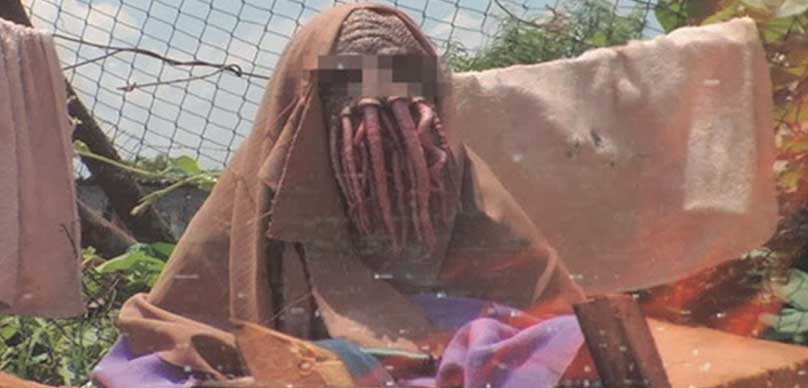
SaveSave

IFH 493: How to Make Money with Romantic Comedies (Rom-Com’s) with Charles Shyer

We have on today, one of the best rom-com and comedy writers and filmmakers of all time. I’ve been a fan of many of his films growing up, specifically, Father of The Bride. Now that I have two daughters of my own, it is fondly scary to rewatch it.

Charles Shyer is an award-winning director, screenwriter, and producer whose work includes some of the best fuzzy-feel good films of all time. 

He is the director and writer of the 1991 comedy film, Father of the Bride starring Steve Martin, Diane Keaton, Kimberly Williams (in her film debut), etc. Martin, a businessman, and owner of an athletic shoe company finds out his daughter is getting married, he finds himself reluctant to let go and goes on a spiral. The film grossed $129 million and has had two sequels of it made in 1995 and 2020.

He wrote and co-produced one of the most pivotal films in Lindsey Lohan’s career, The Parent Trap (1998). It captured the story of identical twins Annie and Hallie (played by Lohan), separated at birth and each raised by one of their biological parents, later discover each other for the first time at summer camp and make a plan to bring their wayward parents back together.

People fell in love with the movie and Lohan’s exceptional performance, leading to an instant box-office success with a $92.1 million gross. 

There are but few writers who are able to master the craft of romantic comedy, and Charles Shyer is one. His films include Private Benjamin (1980), Irreconcilable Differences (1984), Baby Boom (1987), the Father of the Bride sequels, The Affair of the Necklace (2001), etc.

Shyer directed Baby Boom and co-wrote it with his long-time writing partner, Nancy Meyers in 1987. It stars Diane Keaton who discovers that a long-lost cousin has died, leaving her a fourteen-month-old baby girl as an inheritance. Like most of his films, this too was a box office success. 

All this happened after he made the switch at the start of his career in the industry, from pursuing directing to writing and landing a gig on the 1970 TV series, The Odd Couple. Where Shyer eventually worked his way up to head writer and associate producer, writing about twenty-four episodes of the show. 

In our conversation, Shyer tackled the making of some of his well-known films and the changing writing culture in Hollywood. It’s always a good fun day at the office when I can chat up with folks like Charles. 

Enjoy my chat with Charles Shyer.

Right-click here to download the MP3

Alex Ferrari 0:10
I like to welcome to the show, Charles Shyer. How you doing, Charles?

Charles Shyer 0:13
I'm okay, man. Thanks.

Alex Ferrari 0:14
Thank you so much for being on the show. I really, really appreciate it. I've, I've been a fan of of many of your films growing up for a long time, and specifically one that I refuse to go back to watch because I have daughters now is Father of the Bride. Because I have two daughters. I'm like, when am I going to actually have the courage to watch that movie? Because I remember it so fondly, like, but now it's a whole other conversation.

Charles Shyer 0:40
Right? Right. It's Yeah. Yeah.

Alex Ferrari 0:43
It's brutal. It's a brutal conversation when your father and I don't want to go there yet.

Charles Shyer 0:48
When your father would daughter. Yeah, it's it rings, it rings. pretty true.

Alex Ferrari 0:53
Yeah, exactly. And, and one of my daughters, that happens to be a tomboy, and all that kind of stuff. So it's kind of like, Oh, so um, so before we get started, how did you? How did you start in the business?

Charles Shyer 1:06
Well, I, you know, basically, you know, my dad was in the movie business. So I kind of came up through through the ranks a little bit, you know, I, I used to go onto the set with him when I was a kid all the time. Like, probably from the time I was seven years old. Through my teenage years, I, I go on the sets, when because, in those days, they worked always six day weeks, my when my dad was making movies, and so I'd go on the set, and then, you know, I, I, it was kind of a natural, you know, he'd been in, you know, a dry cleaner, I probably would have gone into the dry cleaning business, you know, but, uh, you know, I went into the movie business and, and, you know, I was lucky enough to get into the, to the DGA training program, I was one of the first people to get into that. And it was kind of it was just starting out then. So it wasn't really well formed. But I did get I did get some experience. And then I was lucky enough to become a second assistant director. And from there, I went to work for Gary Marshall and Jerry Belson. And that kind of sprung me into a whole trajectory of, of writing, and I was their assistant, you know, right, I was pretty Marshall's assistant on the show called Hey, landlord, and basically you I was like, 22 years old, probably. But my job was basically, you know, do their Christmas shopping, get their cars, cars washed, you know, by implied cycles, and shit like that. And then for that trade off, I got to sit in on story meetings and stuff like that, and they welcome me to do that. And they were very, very, they're very open about all that. And, and, you know, then, you know, once in a while I give them, you know, I popped in with my shitty idea. And, and they would, they would, they were so nice about it, they'd say, That's good. That's good, you know, keep thinking. And then Gary finally said to me, you know, why don't you try to be a writer. And he introduced me to another writer and started to he actually became my manager, Gary Dell. And, and he kind of guided me, you know, through, you know, a bunch of stuff. And eventually, I became like, the, the head writer on the odd couple, the prayer, you know, and, and, and that kind of sprung me into, you know, other stuff.

Alex Ferrari 3:34
Like God, the odd couple, like I used to watch that show all the time growing up, and he also worked on happy days, I think one episode. I did.

Charles Shyer 3:41
I did a couple of happy days. A couple of Marjorie's families, you know, I mean, I, yeah, I wrote a couple of odd couples, I wrote, like, there was a TV show called barefoot in the park back then. And, you know, I bounced around in TV. I didn't really like TV in those days. It wasn't like it is today. It was kind of like an orphan, to movies, and I wanted to work in movies. So

Alex Ferrari 4:05
I remember I remember that. I mean, you never if you were TV, if you were a film actor, you would never in a million years to a television, I would be like, Oh, you're over your career is over. So you're obviously retiring to television? Where now? Yeah,

Charles Shyer 4:17
it's the opposite. Yeah, it was definitely not the cool thing to do. So you know, and people would say, Oh, he's a television writer.

Alex Ferrari 4:25
Oh, yeah. They have to put you in the box. They have to put you in a box. There's no way you could, if you wrote Happy Days, there's no way you could write anything else but Right, right. Right. How did you how did you break out of it? Because I know that a lot of a lot of writers coming up today have that same problem. I mean, hollywood still loves to put people in boxes. I mean, you're right. You're the horror guy. You're the common romantic comedy guy. You're the action guy, and you can jump back and forth. How did you break out?

Charles Shyer 4:49
I you know, I wrote a script. We wrote a script based on a book called cut and run about a young black guy who, who inherits by mistake has sent front row seats through Lakers, he had applied for, for tickets, and he got the wrong ones and he got front row seats. And he used those tickets, it was a really good idea actually, to kind of manipulate, manipulate his way into, you know, all kinds of things and became like, he used those tickets as his as his ticket. And anyway, now, it was a kind of a good script. And we, my agent sent it to Universal somehow got got got wind of it, and read it. And then they offered us smoking the bandit for rewrite. And, you know, it was, you know, I'm a guy from Studio City, you know, I never heard of an 18 Wheeler, radio. I mean, I didn't know what that was. But, you know, it was a chance Burt Reynolds was a big movie star.

Alex Ferrari 5:56
He was

Charles Shyer 5:57
huge, huge, huge, huge, huge. So, we said yes, and, and we did it, and, and I didn't work on it that long. Actually, I worked on it for probably two and a half weeks, but was day and night. You know, yeah, we're on it. And I kind of I didn't learn about CB radios. I didn't. Really I didn't. I always loved country music so and, you know, meeting with Bert was kind of cool and mad.

Alex Ferrari 6:24
And that's and that's Bert at like, for people that listening even understand that people like know, Burt Reynolds and stuff like that. But for him, there was a five or six year period, that there was no bigger movie star in the world. He was the Tom Cruise of his day, the Brad Pitt of his day, there was just nobody, even close to him. And smokey was one of those reasons. I mean, smokey was a massive hit. Man, I mean, massive blockbuster hit for it was

Charles Shyer 6:48
the number two movie of the year after Star Wars. So I mean, it was Yeah, and what's weird is, you know, I mean, I always say this, but you know, those my first movie credits so they paid us I think we got paid. I think maybe $15,000 for the two of us. So if 70 $500 each, you know for this movie that made $300 million. The gap the craft service guy made more money on the movie than I did. It's it's really weird.

Alex Ferrari 7:21
But and welcome to Hollywood I guess at that point. Yeah, I

Charles Shyer 7:24
mean, well, yeah, it's it's that the accuracy I you know, the joke about the Polish actress who comes to Hollywood and sleeps with the screenwriter. It's Yeah, you're really treated pretty much like shit, but they were they were you know, and how Needham who was like the only it was the only DGA member, I'm sure at that time who was packing heat. He carried a gun director with a gun in his in his waist. But he was a good guy. And he, you know, he was like a real shit kicker and would say things, you know, you write it all, I'll film it. And he was a courageous guy do anything. And that's why the movie you know, they had those way out stunts.

Alex Ferrari 8:11
Yeah. So I was gonna ask you how many of those stunts were in the script? Or was that all kind of just worked on on set? No, no.

Charles Shyer 8:17
I mean, I think like that. Some of those you know, when the top of the when the top of it I haven't seen the movie a long time, but the top of the car goes under?

Alex Ferrari 8:25
Yeah, Jackie Gleason said Jackie Gleason score. Yeah,

Charles Shyer 8:28
yeah, we came. We came up with that. I when I first saw the movie, like, you know, back in the day, I was gone. I I thought it was really bad. I thought, Oh, my God, I can't believe it. But then they then I guess after birth died, they did a 40th anniversary or something of the movie. And I took my kids. One of them who's sitting with me right now. I took my kids to go see it in a movie theater. And I realized that it it I saw I saw it a hold up from what a different way and it really works. You know, Jackie Gleason was great. Jerry Reed was great. Sally had a great, great chemistry. The music was great. And how did a good job man Gleason was just fucking hysterical. He'll, you know, I mean, just brilliant. So yeah, it worked. The movie worked.

Alex Ferrari 9:18
So that so after that, obviously your your name gets now you're you're a writer on a big big Hollywood hit. So then you collaborate with jack nicholson directing project and he's an actor in it. What was it like collaborating with him on that level? Not just as a you because you were a writer on that project. But how did you How is jack nicholson as a director?

Charles Shyer 9:46
He, he I think jack in those days was was off balance about comedy. You know, I mean, I remember seeing any, because we I had right we went down to Durango, Mexico and that's where pursuit. And so I would during the day, my partner and I would go to Jack's house, you know, because he had housekeepers and all that shit. And we would write there because it was so much nicer than what but but he, he studied comedy. He was very open, you know, to suggestions and stuff at that time and maybe always is like the coolest guy you've ever met. He just is me just, you know, with his shades and smoking dope and being cool. And and

Alex Ferrari 10:37
is that before is this pre is this pre or post? This is post Easy Rider, right?

Charles Shyer 10:41
Yes, post this right. Okay, buddy, but he was a big, a huge movie star and he was about to go do

Alex Ferrari 10:47
shine.

Charles Shyer 10:48
Yeah. So. So he talked to Stan Stanley Cooper kind of phone. I remember him, you know, he call him Stan the man. Yeah. You know, I had nicknames for everybody. But it was fun. And the thing about jack is that I think the challenge was in many ways he could he could keep going. Even more, we're shooting till two, three in the morning, pitching and stuff, you know, and we were younger than him. And but it was very hard to drop, jack, you know, we would start to fade, you know, if your eyes start to roll back in your head at a certain point. And he keep going, No, no, come on. Let's keep going. Let's keep going. And so you couldn't, he just had energy that I you know, I couldn't even imagine having. But he was a cool guy. And a good guy. I really liked him a lot.

Alex Ferrari 11:43
And, and then I remember a movie that you wrote that I remember was almost became part of the Zeitgeist at the time was private Benjamin. And that came out was at I think it was 1980. And I was I was very young at the time, but I remember seeing it. I remember my parents talking about it. And I just remember being Was it the first time there was a comedy placed in boot camp? Is that or was it just the twist of of a woman with with Goldie Hawn?

Charles Shyer 12:13
I think it was the twistable I think there was there was ID Martin and Jerry Lewis

Alex Ferrari 12:19
Gomer pile obviously

Charles Shyer 12:21
did a service comedy, but you know, and stripes came out after us. But um, yeah, I think it was the twist was this Jewish American princess who ended up in the army. And, and Goldie was, was perfect for that part. You know, I mean, she really knew how to play it. And, you know, her mom was Jewish, so she got it. You know, and writing it with Nancy, who's, who was the Jewish girl from Philadelphia. It just all came together for us.

Alex Ferrari 12:55
Now, how do you approach working? Because you're gonna you've written a lot of stuff with with Nancy, how do you approach having a writing partner? As opposed to writing by yourself?

Charles Shyer 13:05
Well, um, you know, yeah. For me and Nancy, we, everybody I've written I, you know, I've written with with Nancy, I wrote with Alan Mandel. And I wrote with Elaine Pope, and I'm, I just wrote a couple scripts with my friend, Rebecca Connor. What, what, what you have to have is the same sensibility. And that's, that's tricky. Because Nancy, and I just, you know, we just laughed at the same things. We love the same movies, we kind of educate each other on the movies that will that each of us loved. And Nancy really made me laugh. I think she wrote the best one liners of anybody I know, except Neil Simon. I mean, she was up there with the, with really running great lines. And, and we were just always in sync when, you know, as we, as filmmakers, had this thing, that if, if we're doing something and one of us, doesn't like if we were doing a scene, and one of us didn't agree with it, we would always try it another way. We would never say nobody dictated what we're going to do what we'll find a compromise or both of us. If one of us doesn't like it, we'll find another way to do it. You know, and that was kind of we It was kind of almost unspoken. We just were in sync, Nancy and I were very much in sync when we're making our movies. We hardly ever disagree that you really, really laugh.

Alex Ferrari 14:34
Now when you were working on with a fresh faced Whoopi Goldberg on jumping jack flash. It was one that wasn't your first was that your first directorial feature? I didn't directed penny. That's right, which was your first directorial my first director or tutorial was irreconcilable differences. That's right. Yes. with Ruth drew and Shelley long. What was it like jumping onto that set like Yeah, as a director, because you've been around so many

Charles Shyer 15:03
obviously, that was the thing, that for me, being on a set was really I knew, you know, when I was 10 years old, I knew what a key grip did. You know? I mean, I, I knew it. Oh, you know, so I was never that was one of the things people you say you're nervous about directing first movie, I, I really wasn't that nervous, because I knew I knew the menus. So well, I just was so comfortable on a set. I grew up on movie sets. So and, and Nancy and I had written the script. So that's the other thing when you've written a script, you, you're not, the actors can't ask you a question that you don't know the answer to, you know, and, and so for me, that was great, very emboldened, and also, Ryan, O'Neal was fantastic to work with whatever his reputation was in the world. He was just totally great. And totally there for us. And Shelley was brilliant and, and Sharon Stone, who we discovered in that movie, it was all it was very, it was very harmonious. And we just all really got along. And it was a really cool experience. And we saw the movie, American cinema take did a screening about a year ago. And Nancy and I went, we were both kind of nervous about seeing it again. But I thought it really held up. And it was pretty inventive. I liked it. I thought it was a cool movie.

Alex Ferrari 16:34
Now, when you were when you're on set, I mean, every once in a while, I know all directors have to deal with this at one point or another where you have the especially when you're the young director, that you know the first time director, you'll have the seasoned dp or the seasoned production designer or seasoned script soup, you know, script the, who starts, you know, busting your chops a bit or, you know, starts testing you. How do you approach that I'm assuming you've had that happen to you in your life at one point or another onset?

Charles Shyer 17:03
Well, you know, what it is, it's, it's, um, for me, when I realized that that was going to happen, you know, and, you know, I, you know, what I never wanted to do was, when I realized after the first time, I blocked the scene, you know, you have these guys in with the turquoise belts standing there watching you saying he doesn't know what he's doing, you know, and I said, I'm not doing this yet. So I, I realized early on, clear the set, just me the DP, the script supervisor in the first assistant director, and the actors, and Nancy, Nancy was there, and I blocked it that way. So nobody's watching, I don't have to worry about it. You know, and I, and the actors, then we bring everybody in, so and I and on irreconcilable, Billy Fraker was the was the DP, who, you know, who was kind of a brilliant, and a great guy, you know, and was there for us and, and had a had worked, you know, with Warren Beatty, when he first directed to heaven can wait. So he was very good with first time directors. And he was just so kind to us. And, and, and just really knew what he was doing. He was a cool guy. So that helped a lot. And he and he really did a beautiful job, you know?

Alex Ferrari 18:20
Because that's how you handle this. So you've cleared the set, did everything and then and then brought everybody in? Yeah, because

Charles Shyer 18:26
guys, you're shaking your head, like, yeah, like you could fucking do it better. Dude, come on.

Alex Ferrari 18:34
It's always that way that I read. I was, you know, when you I mean, I'm assuming, I don't know if it happens to Steven Spielberg. But I'm assuming somebody out there has gone. I could have done that better. Like, right.

Charles Shyer 18:44
This is what what he's doing. And I, you know what? I don't I don't know what I'm doing. I'm trying to figure it out. You know, but you know what it is? It's like if you're, if you're writing a script, and somebody's looking over your shoulder while you're writing, you know, what the fuck, you know, you can't you know, like, give me a break. And that's why Martin Scorsese has a rear view mirror, you know, on his monitor when he's shooting, so he can see if people come up behind him. Oh, I

Alex Ferrari 19:10
didn't know that. Really?

Charles Shyer 19:11
Yeah. Yeah, I could. And I'll never let what I have, I always make the producers have their own monitor. So I'll be there sitting with the script supervisor. And my favorite dp operates himself. So he can come over and look at the playback that we want. But I don't ever have anybody around me. I mean, I'll have my son or my daughter or something like, No, you know, nobody who's going to shake their head.

Alex Ferrari 19:37
Do you ever let the Do you ever let the actor watch.

Charles Shyer 19:39
Yeah, sure. I would, you know, this last movie I did. I was so lucky, because it was a very difficult shoot. But I had the nicest actors ever that I've ever worked with. Yeah, I mean, Justin Hartley was that as as nice as, as anybody and cooperative as anybody I've ever worked with. So That was really cool. helped me through it.

Alex Ferrari 20:02
Now how do you balance, confidence on set with when you are just like, Hey, man, I just don't know what we're gonna do here, let's figure it out. Because there's, it takes a strong, strong, deep, strong director who's very comfortable in their own skin to just say out loud, guys, I really don't know what we're gonna do here. I'm open to ideas, let's let's figure this out together. That doesn't happen often, especially early on in your career, unless you're very comfortable with yourself, how do you approach that confidence and also just confidence of not knowing what, because we all don't know the answers at all times as a director?

Charles Shyer 20:35
Well, I, first of all i storyboard, I'm not cocky enough to just go in and wing it. So I just want everything. You know, I storyboard everything. I don't storyboard, I map it, you know, so I know where, in other words, I have a dinner scene. I all know, before the actors get there, where everybody seated, you know, I'll diagram it and stuff. So I don't think you have to. You have to instill in the actors confidence in you, you know, and like, what I didn't realize, like, on this last movie, I did. I've done so many movies now that they assume a certain that I know, more than I know. But so I, you know, which is kind of comfort, which is nice, actually, because it kind of will just follow whatever you want to do. And, you know, a certain times as I know, you know, I'll change things in the middle. This isn't working. And, you know, I think if you're honest, you know, they'll, they'll understand unless they're jerks, and I guess, you know, I've worked with some actors who are really been really not nice. And it makes you uptight, you know, you don't want to you don't want to freeze up, but I don't know, it's, it's, it's a challenge.

Alex Ferrari 21:53
It's a challenge, to say the least. But I have to ask you, I was asking you earlier when you worked with will be on jumping jack flash. Did you work with him? Did you work with me at all work? like writing that or anything? we rewrote the script.

Charles Shyer 22:05
And when we got the script, it was actually a drama. Oh, God. It's a little different company. And then, and then, for some reason, I don't know Nancy, and I were kind of arrogant. In those days. We didn't want to put our name or our names aren't on our Didn't we use pseudo names? You did

Alex Ferrari 22:23
you? Did you pseudo names? Yeah. But it's on your IMDb but if you did use a pseudo

Charles Shyer 22:26
name, which was so ridiculous. But, you know, I don't even know I know that. That that the first director who did it was Howard ZIF, was on it with directed private Benjamin and directed another movie I did called housecalls, with Walter Matthau, and Glenda Jackson, but Howard, and would be somehow didn't get on. And Howard got fired. And then Penny Marshall came on. And, and did it and I don't, to be honest with you. I don't think I've ever seen the movie.

Alex Ferrari 23:07
Fair enough. Fair enough.

Charles Shyer 23:09
I don't think I have, if I have I have no recollection of it. You know, I but I know what I was. You know, I've talked to her a few times about it. And she was very sweet about the rear. We did a really good rewrite on the script. But we did make it funny. I just don't know if it was a very good movie cuz I never saw it.

Alex Ferrari 23:32
Right. But it did. Okay. at the box office did okay. It did. Okay. And she actually she ended up doing a write in her career. Not too bad. Not too bad. Now, what is your approach? With directing actors? How do you pull that those performances out? Especially comedy, which is so difficult? I mean, obviously, casting is a very big part of that. But how do you kind of, you know, corral or pull those, those performances out?

Charles Shyer 23:58
castings kind of can't be overstated how important casting is but you know, I, I mean, like, you can, it's, it's different with every actor, like was Steve Martin and Diane Keaton, Nancy and I would actually and they like this, Nancy, and I would actually go into the set and, and work out the scene ourselves. And then we would act it out for them. Literally,

Alex Ferrari 24:29
you know, so it's a step away from a line reading. Yeah,

Charles Shyer 24:32
it's a step closer than a line. I would I would do the block. And I remember we did it several times. And Diane and Steve loved it. They loved that. Oh, great. Okay, I know exactly. Yeah, well, you did, they'd make it 1000 times better. But um, so we would do that a lot. And then, um, you know, I I I will give line readings are all keep going till I know I have something that I can use, you know, it's not like Broadway, you're not coming back tomorrow night you better get it now. Now oftentimes I'll think, Oh, I can loop this reading or this intuition, you know this the way they're saying something, but um, you know, it's, um, you know, when somebody is not funny or they don't have rhythm. You're kind of up against that man. You know, you've miscast?

Alex Ferrari 25:29
Yeah. And I think and people listening, comedy is all about timing. It's all about the beats. And it's literally fractions of a second that something's funny. And something's not it's frames. It's six frame. It's, yeah, it really comes down to that. I mean, I've been an editor for most of my career, and I've got comedies and I've caught with some very accomplished comedians, who were like, Nope, that's, that beats off on the beat. And it's all about that timing. And you I'm assuming you because you've done so many comedies in your career, you can kind of sense those beats on set when you're directing. Yeah,

Charles Shyer 26:04
you know, I it's a weird thing, because I don't think I don't believe that it's something you can learn. You know, my dad was funny. And I think you kind of inherited, you know, my daughter Halle, Nancy, and my, you know, is a is a accomplished now writer, director. But, uh, you know, I mean, you grow up with a certain kind of humor, and you're, I don't know, maybe not everybody, but for me, that was real helpful. And then I always loved comedies. Like, you know, I liked comedies and I like westerns. I, you know, like, movies that took place in outer space. I, you know, I wasn't interested in you know, I just didn't dig at all you know, and still don't, but Billy Wilder movies, I always thought of Preston Sturges. Oh, you know, are those guys I mean, those were the movies I really loved, you know, where are, you know, like, 20th century, you know, like Carole Lombard. I mean, you know, but that was the thing, though, back in those days. Then actresses like Carole Lombard, Barbara Stanwyck, Irene Dunne, people who could just knock it out of the park these women, but you don't really have them anymore like that. I don't know why. You know,

Alex Ferrari 27:13
it's not Yeah, I know exactly. What you mean.

Charles Shyer 27:15
You didn't have to get them line readings. Dude. Really? Yeah.

Alex Ferrari 27:19
They just they were just masters. It's like, yeah, they're just mad. It's like walking on a Hitchcock set in his prior. He's just like, you know, he doesn't even look at what are the rumors? He never looked at the at the camera. Yeah, well, yeah. I was like, yeah, it just like, just give me my storyboards. And let's move on with looking at the leading ladies, though a lot of that's what that's what the rumors were. Now, when you write do you begin with plot or with character?

Charles Shyer 27:46
I would say plot plot done really? Well. Yeah, I like this new movie that I wrote is kind of autobiographical. So I started with the character, but the plot was about my life. So it was kind of intermixed, but I would say more than not, like the hook of the movie are. Yeah, what? Yeah, I would think more. I would think more plot but the characters right. intertwined with that, you know, it's hard to separate them, you know,

Alex Ferrari 28:17
well, of course, you need both, but I always love to know, what's the genesis of the of the idea is like, I have this idea for this caper, and then I'm gonna create characters in it, or I'm like, I've got Indiana Jones, and I could be an adventure for him.

Charles Shyer 28:28
Right? Yeah. For me, it would be more I the caper would come first. I think for me. Like, what the reconcile what like with Benjamin, it was more you know, the situation and Jewish girl joins the army. You know, I have that then I can go from there are irreconcilable of a kid, you know, wants to separate from its parent, his or her parents. Alright, well, who are they? You know, then you start going that far? Who is she? Who is the Jewish American Princess, you know, our that kind of thing, basically.

Alex Ferrari 29:05
Now, how did you get involved the father of the bride and trying to remake a classic?

Charles Shyer 29:11
Yeah, I you know, Steve Martin contacted us. I mean, he had seen he had three people he liked good scene, baby boom and really liked it. And, and there was a script already written that he didn't love. And I, I remember, so we love Steve so much. It was like an honor. And he was in New York. So Nancy and I, I hadn't First of all, I had never seen the original founder, Brian, I didn't even know it existed. You know, it's not wouldn't be my kind of movie, necessarily. But I remember. So we said, Yes. Let's go meeting God. Are you kidding me? So, so we got on, on the airplane, and I hadn't read the script yet. Right. You know, I just knew I wanted to stay in Yeah, I read the script. And I wanted to jump out of the airplane.

Alex Ferrari 30:04
Was it that you just were not a fan?

Charles Shyer 30:05
I thought Jesus, man, this is awful. Um, and, um, you know, but we went in and met with him. And I think he had three different people. He was in Viet Minh ads into the grill. And we met with Amen. And he said, Yeah, let's make it and and that was going on, we went back and we kind of watched the movie, or we watched it. I guess we watched the movie The night before we met with him in the hotel or something. Maybe Nancy had already seen it. I don't know, I hadn't. And, and then we just went ahead and what what's good about a movie like that is when somebody is so clearly identifiable in their, the way they act and, and everything. It's easier to write for him. You know, so right, we wrote it for Steve, knowing what Steve could do. And then, you know, we've made baby boom with Diane. So we, we had to shoehorn into her into the script. Nobody wanted her nearly nobody. Why? Because they said that she was the kiss of death. She had made movies that had bombed and baby boom was not a hit, and they can't push and he can't believe the kind of actresses you know, we fought for and fought for. And finally they gave in. But

Alex Ferrari 31:23
you would think like, it's Diane Keaton, for God's sakes, like

Charles Shyer 31:27
Annie Hall.

Alex Ferrari 31:30
Godfather, I mean, come on, let's see that.

Charles Shyer 31:32
No, but you have no idea. Well, a lot of times in movies and put maybe in any job, your boss is dumber than you?

Alex Ferrari 31:43
You know, shocking, right? I know. Shocking. Shocking, you know, but yeah,

Charles Shyer 31:46
you know what I mean? They get to be my paws? Because I, you know, I know the most of the times when people who hated me in high school. So you know, exactly, you know, so, um, you know, it's hard, you have to end you have to have that, that technique of when they give you an idea, you have to say, That's a good idea. But how about we do this instead, based on your idea, which is not based on their idea at all, but massaging them? Yeah. Mike Nichols said, you know, executives thinking having a note is a creative. It's a creative, you know, thing, and it's not really I mean, anybody can have notes. But um, yeah, it's hard. It's, you know, you got to play the game.

Alex Ferrari 32:36
But you got, so you obviously got Diane in, but like, so working with someone like Steve, who at that time, I think he was at the height of it's part of his powers as well. He was a huge star at the time. You know, how much of how much was he riffing on set? Because I mean, he's, I mean, he's, he

Charles Shyer 32:53
always, he's a very, very polite person. So he would always say to us, when you have what you want, when you have it the way you want it, like we're shooting the scene, when you have it the way you want it. Tell me because I have an idea, you know, and then he would do his idea, which was invariably better than anything we had. And every time it was his idea, it's in the movie.

Alex Ferrari 33:15
Oh, really?

Charles Shyer 33:16
Funny. But he never would, would say, what he always wanted us to get what we wanted first, and then he would do it, which is kind of it's a

Alex Ferrari 33:26
smart way of approaching it. Because if you like him, or Robin Williams, or someone like that, that just are just spewing genius constantly. And then you're like I because I've heard I've spoken to many people who've worked with Robin. I'm like, how did you handle Robin on set? And like you don't you just get them? You get what you want once and then you just let them loose? Because it's just again, most of the time what, Robin?

Charles Shyer 33:51
hold it hold it? Yeah. Because they're, they're better than you. I mean, yeah, you deal with it. You know,

Alex Ferrari 33:59
you're working with geniuses. I mean, yeah, yeah. It's Steve, is that Steve is that guy?

Charles Shyer 34:03
Yeah. And he was also really sweet about everything. So I mean, that was, it was really kind of he did anything that role fitting like your glove. Oh, you know, I

Alex Ferrari 34:14
mean, it's remarkable. And then Kimberly, the daughter, the story was that she came in as a friend of somebody who was auditioning, and then No,

Charles Shyer 34:24
that's not really true. I you know, she was going to Northwestern at the time. And she, you know, she was like, I don't know if she'd even done anything. She had done nothing. She said nothing. No, but and a lot of a lot of women who became stars, either, you know, Gwyneth Paltrow, Scarlett Johansen, a lot of people audition for that role, but none of them seemed exactly right. And then Kim came in. And I don't know she just ring the bell for us. It was like Lindsey and Parent Trap. She just felt right She was innocent. And we kind of wanted to an unknown. And I don't know if you ring the bell for us. That's what Lubitsch used to say.

Alex Ferrari 35:10
It's just like it. There's a thing that you can't, you can't quantify. When you when the, when the right actress or actor walks in. It's nothing that you can explain you just like, but that's just the That's just it. And then I'm assuming when they got together with Steve and Steve was like, well, this is obviously this is

Charles Shyer 35:29
Yeah, we screen tested or I know with Steve maybe with Diane too I think with Steve for sure. And yeah, it was just she was right. But you're you're right. When when you've had that feeling, just go with it.

Alex Ferrari 35:42
Listen to the gut. Listen to don't ever. Oh, my God is that is that like the best advice you can give somebody right now is just like, Listen to your gut. Because I've I've not listened to my gut so many times in my career. And I've always, I've always, it's always screwed me.

Charles Shyer 35:58
You know, Alex, Nancy, and I used to have a thing on our monitor that actually said gut duty. It's good. Just so we remember you. Because you're absolutely right. That instinct you have to go with.

Alex Ferrari 36:11
Yeah, because if you let this get in the way, if you let your brain get in the way you're done,

Charles Shyer 36:16
yeah, you'll improve it into a failure, as Billy Fraker used to say that's exactly what happens. Yeah.

Alex Ferrari 36:24
Now after after father the bride father bride was a monster hit. Very big hit. You've already done a few hits already but fathered by that. Was that the one of the biggest of your career at that point?

Charles Shyer 36:37
Yeah, I guess so. Um, you know, we got nominated for an Oscar, we won the Writers Guild Award for private Benjamin and got nominated for an Oscar. So that was a pretty big, pretty big success for us. But yeah, I guess, I don't know. I

Alex Ferrari 36:52
it was a pretty it was I know, it was a pretty big deal when it came out. Did the doors open a little bit faster for you after that?

Charles Shyer 36:58
Oh, actually, you know, for me and Nancy. We, I don't think we ever wrote a script we didn't sell. You know. So I just honestly, I mean, we we, we were right in the high we could kind of do what we wanted back then.

Alex Ferrari 37:16
Right? It was in the height of your powers at that. Yeah. And it was the height of

Charles Shyer 37:20
a time where they made movies for, you know, not like today where 20 million bucks. 25 million bucks. Yeah, it's today. It's really a battle. You know.

Alex Ferrari 37:31
Now you got to go with streamers. streamers are making those kind of 25 million $20 million movies. Yeah,

Charles Shyer 37:36
I mean, and I luckily got in with Netflix and and I've loved working with them. creatively, financially in ain't the best situation but, but creatively they've been pretty fantastic.

Alex Ferrari 37:51
Yeah, I hear they just let you go.

Charles Shyer 37:53
Once it's they let you go. I mean, I don't you know, I hardly give us any notes on the scripts. I'm maybe that's because the scripts are good and stuff, but and they're not. They're not jerky about it. They don't, they don't dictate. Um, you know, I give me a little bit when we were doing we're doing positive bride Jeffrey Katzenberg, we had this preview, and we got these numbers like Lion King numbers, you know? Yeah. I mean, we're like, cute. But and Katzenberg said to us, you know, look, I have some notes. I'm going to give you these notes. But all I'm asking is that you read the notes and you try them. You don't have to ever show me. And if they work fine if they don't, don't worry about it. And it was like it was it was so freeing that and we did try some we tried them all. And if they worked we kept them and if they didn't, you know we did and we never heard from them again. And that was it. And that was such a cool thing. And that's kind of the way Netflix is they say to you, you know we have an idea try it. Tell me what you think if you guys disagree tell us so I mean they're very open about that creatively so that that's great. And that's a it's almost almost but not quite even trade off for not getting paid

Alex Ferrari 39:14
so but please let everybody know that that's generally not the way it works in Hollywood that you generally don't don't have freedom and have creative now you don't you know how and how did you deal like coming up with what was like the worst scenario on if you could tell the name of the film or not that you just had to like fight tooth and nail for your vision?

Charles Shyer 39:33
Well, I remember what I remember once I had a warner brothers called me and Nancy into a meeting and had notes on private Benjamin and we looked at and he had this login script with like, you know, how do you turn down two pages

Alex Ferrari 39:45
on start dog eared it? Yeah,

Charles Shyer 39:47
yeah, there must have been 50 turn downs on the on the script, you know, and by the time we got the before turn down, dance and I was so prepared and in Nancy especially was so tough that he closed the script and said, I can't do this. He stopped doing this Netflix. Really? Yeah, well, wait,

Alex Ferrari 40:09
but what did you guys do? So what did you guys do? We just said, Well, if

Charles Shyer 40:11
you do this, you know, a lot of times, it's like a domino thing. They have an idea and it affects, you know, the third act or something, you know, they're just don't think shit out. So you know, and, and they were also idiotic ideas, you know, a lot.

Alex Ferrari 40:29
might get shocking.

Charles Shyer 40:30
Like they want to, they didn't like, I remember when Kim met her boyfriend. In the movie, they were watching. I know, his go Friday, or one of these movies, one of these hawks movies and, and they wanted us to make it a more contemporary movie, you know, it's all this shit that you go. Wow. Right? But they want to they want to put their imprint on the movie in some way. So I guess they can tell their wives or girlfriends or boyfriends.

Alex Ferrari 40:57
That was my idea. That was my idea. Yeah, exactly. That was that was my idea. Oh, you see the Howard. They were gonna make a Howard Hawks movie there. But I put it at You see?

Charles Shyer 41:09
I mean, yeah, I made him use James Cameron. You know, which is funnier? You know? I don't know. It's, you know, look, you just deal with it. But you can't, you can't let them break your heart. And you can't. You gotta you've got to grow with it, dude, or your, you know, don't you know, this, this culture? It's so toxic. You fuck up. You can be gone forever. We see that all the time with people.

Alex Ferrari 41:41
It's not like me. Oh, God. Imagine the things that were said or done in the 80s 70s or 80s. I mean, Jesus Christ.

Charles Shyer 41:48
How can I wait, the directors like Otto, Prime Minister George Stevens and guys like that? Who would scream at the crew?

Alex Ferrari 41:55
Oh my god, legendary.

Charles Shyer 41:57
You couldn't you can't do that anymore, man. You know, dope HR. And you'll be you know, Joe Pesci, I had a problem on my last movie with the production designer. And, and, you know, because it just wasn't happening, and I got pissed off. You know?

Alex Ferrari 42:13
They were they were screaming they were screamers.

Charles Shyer 42:15
Yeah. And Netflix got really upset about it. Because the production designer quit. But I was glad he quit because he was no good. Right? That's one of the problems when you make a lower budget movie, you often get lowered lower quality, or cattleya caliber, lower caliber people in and brands, you know, and you know, I mean, people who make good money make it for a reason.

Alex Ferrari 42:50
There's, there's a reason why Ron Howard waits for his first ad. That's right. There's a reason he's like, I can't shoot until I had,

Charles Shyer 42:58
like, the first ad I just worked with, I don't know, in my movie would have turned out. I know, it wouldn't have turned out as as, as well without him or with my friend who's a dp, you know, I fought for certain people. And, you know, you know, they helped make the movie with you. You're not alone.

Alex Ferrari 43:17
One thing I want people to be and I've said this 1000 times on the show, I want people to be very clear about this. No matter who you are, no matter how, what age, you're at what level of business you're at, you still got to fight. Everyone's got to fight, you're gonna get punched in the face constantly. Because there's an illusion. There's like this kind of myth out there. It's like, Oh, well, you've been nominated for an Oscar, you want an Oscar and you've made hundreds of millions of dollars. Like they just roll up and just throw money at you. You feed and you can do whatever you want. That's not the reality of the business. No, no,

Charles Shyer 43:46
no. Also you're fighting you're fighting nature, you're fighting all these kind of, you know, things where the actor doesn't get it right. You know, I can't tell you how many times I would bury my head in my you know, I hate moving you know, you go I can't do this as this flipping me out. You know, or you wake up in the middle, you know, and the other thing is that you realize it's Billy Wilder said this every day after you wrap on the drive home, you realize how you should have shot the scene you just shot? You know,

Alex Ferrari 44:16
isn't it Marty isn't it Marty says if you don't look at your movie at one point and go this is absolute crap. You're not doing it right. Right.

Charles Shyer 44:24
Yeah, no, I mean, the first time we looked at private Benjamin, we thought career Ender will never done we're never we're never work again. Let's go make cookies and assembly. You know. And same with baby boom, we thought this is it will never work again. You know, and we didn't blame them for never hiring. It's again. it you know, it just, you know, it takes so much work to get it right. And then a lot of times you can't get it right because it doesn't work. That's

Alex Ferrari 44:54
right, exactly. And I just want to talk about a Parent Trap because honestly, it is one of my favorite Like my family and I love it. I introduced my daughters to it. How did you approach doing that classic because that was a beloved classic.

Charles Shyer 45:07
Well, it was more Nancy's idea to Mike because Nancy had loved the Parent Trap. The Hayley Mills. Yeah. Yeah. And, and we were at Disney anyway at the time. And so we went to Jeffrey Katzenberg and said, We want to remake it. And that came kind of naturally that was a, you know, it was barely it. Again, this was more Nancy than me because I didn't really, I, you know, I loved Hayley Mills. And I thought the original movie was really good. And I like Brian Jeep. But But um, I know it was kind of a not an easy rewrite, but it was something that came very naturally to us. And then when we got when we got Lindsay that was that was striking gold rule. Yeah,

Alex Ferrari 45:55
she was

Charles Shyer 45:56
that was when she was she was amazing. She was amazing. I mean, she was 11 years old and just could act her ass off. I mean, she was just great. And, and, you know, it launched her obviously. And Natasha was great. You know,

Alex Ferrari 46:11
Dennis? Yeah. Dennis.

Charles Shyer 46:13
Yeah, sought us out. Actually, she wanted the part. We didn't really even know her work that well, but she was so. So perfect for the role. I mean, we got very lucky. All the casting on that movie really worked out.

Alex Ferrari 46:26
Yeah. And I mean, after watching that movie, when I was younger, I was like, I gotta go to Napa. I mean, that's just gorgeous.

Charles Shyer 46:32
Yeah, we shot we shot a lot of that on the Coppola state. Oh, okay. Yeah,

Alex Ferrari 46:36
I've been that. That's a that's such a stunning.

Charles Shyer 46:39
It was great. And, and, and also, hey, you know, because Dean Cavalera did the production design on that we did all Coppola's movies, you know. So he got us in with Francis. So we spent time with Francis. And that was just all pretty great.

Alex Ferrari 46:54
That must be pretty cool. hanging out with friends.

Charles Shyer 46:58
And having Dean travelers through your movie is pretty incredible, too. He's like a genius. That's right. Cameron Mandy's one of these amaze may be the best production designer, one of the top three or four of all time.

Alex Ferrari 47:11
That's amazing. And I'm gonna ask you a few questions as all of my guests. What advice would you give a filmmaker trying to break into the business today?

Charles Shyer 47:22
Man, I don't know. I mean, my son who's sitting here with me, it wants to do it. And I I think number one, if you would? Do you want to be a filmmaker? I don't know what that means. Do you want to be a writer or a writer director, I think if he I think to be a director, it's what it really helps to be able to write your own movie. Because if you don't, you're going to have to make films that knock people out, they'll let you direct. But if you write a script, you can kind of handcuff yourself to the script, if it's good enough, you know, and and say, that's what we did with. That's what we did with irreconcilable. We said we're not going to we're not going to go with another director. What you know, you know, but it's I think it's really hard today, I guess, maybe with streaming and stuff who come up with a really strong idea. But if you write it yourself, I know you're, you increase your odds program. It's like,

Alex Ferrari 48:23
now what is the lesson that took you the longest to learn whether in the film industry or in life?

Charles Shyer 48:31
That that i think i i think it took me a long time to realize I'm better than I think.

Alex Ferrari 48:42
You mean, imposter syndrome getting over imposter syndrome.

Charles Shyer 48:44
Yeah, yeah, exactly. Right. You know, I mean, I, you know, on this last movie, I started to really feel a sense of accomplishment for what I've done, you know, like, one of the weird things that happened on this movie, this crew, the most, the thing that they were most impressed that I'd ever done, was smoking in the band. And, you know,

Alex Ferrari 49:07
that's pretty, it's a pretty cool credit, I have to say,

Charles Shyer 49:10
No, but when I was my head was when I'm not What are you talking about? And why would that be me? You know, now, you know, understand that changed my life. And, you know, like, Justin Hartley has that Jeep the car that Burt Reynolds drove in the movie. I mean, you know, these be I'm going well, geez. Alright, but starting to appreciate what I do. What I've done was was something that took me a long time to really embrace

Alex Ferrari 49:37
and three of your favorite films of all time,

Charles Shyer 49:39
I would say, oh, lucky man. Lindsay Anderson movie. Do you know that room?

Alex Ferrari 49:43
I don't know that movie.

Charles Shyer 49:44
Oh, oh, you know, I have to see that movie with Malcolm McDowell is that I would say All About Eve. Yeah, probably More of the apartment 20th century, and I think back to the future is one of the best screenplays ever.

Alex Ferrari 50:06
It's that's perfect of a film has ever been made, honestly. Yeah.

Charles Shyer 50:10
It's like the apartment is a perfect movie.

Alex Ferrari 50:14
Correct. And that's been mentioned many times in the top three here at the show up there. All About

Charles Shyer 50:20
eat the dialogue is like, forget it who writes like this? I mean, who writes, you know, you're too short for that gesture. I mean, who writes lines like that? You know?

Alex Ferrari 50:33
That's awesome. And what's your what's your your next project that you're that's gonna be coming out? Well,

Charles Shyer 50:37
yeah, I'm, I'm editing this movie. Now that will be out. It's actually not coming out till Christmas of 22. But because we don't finish until February, but then I'm going to try to do this autobiographical movie that I've written that I have a sneaking suspicion that I'll probably do it with Netflix again. So I'm gonna do that because I like working there. I can only get them to up the salary a little bit.

Alex Ferrari 51:06
Hopefully, they'll watch this and maybe they'll take it and

Charles Shyer 51:09
be good. No, it's a good it's a nice place to work though. I have to say,

Alex Ferrari 51:15
Charles, it has been an absolute pleasure talking to you, man. It is. Thank you so much for having being on the show. And, and doing it just brings so much joy and happiness to people around the world. For all the years you've been doing this man. Are you too kind? Will you let me know when it's gonna be on? Yeah, absolutely. Yeah, I'll send you a link when it's already. It'll be on in a few weeks. But thank you again so much for being on the show, my friend.

Charles Shyer 51:36
It's a pleasure. Thanks, man.

LINKS

SPONSORS

  1. Bulletproof Script Coverage – Get Your Screenplay Read by Hollywood Professionals
  2. AudibleGet a Free Filmmaking or Screenwriting Audiobook
  3. Rev.com – $1.25 Closed Captions for Indie Filmmakers – Rev ($10 Off Your First Order)