
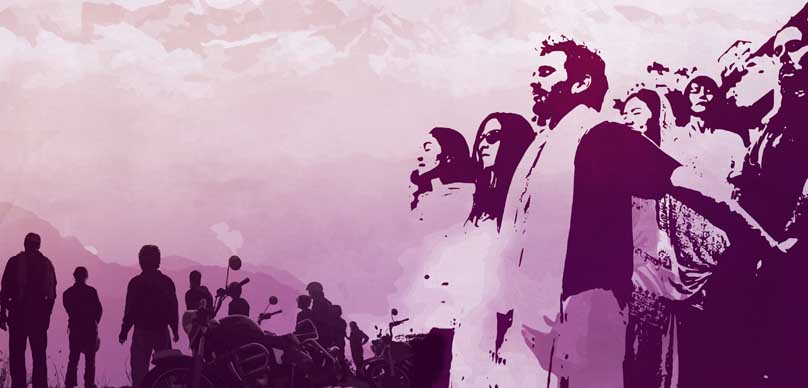
IFH 578: Making Money in Niche Filmmaking with Adam Schomer

Adam Schomer is a conscious filmmaker, president of i2i Productions and is known for going to extreme lengths to follow stories that empower us. Feature documentaries include THE HIGHEST PASS (2012), THE POLYGON (2014), ONE LITTLE PILL (2015). WOMEN OF THE WHITE BUFFALO (2022) and the #1 iTunes Best-Seller and NETFLIX hit, HEAL (2017).

His recent docuseries is a heart pounding and spirit driven quest to find freedom on motorcycles in the Himalayas, THE ROAD TO DHARMA (2020) and its companion online course for Living a Life of Freedom. In addition to making films, he has been a documentary distribution consultant for select films including CHASING THE PRESENT and produced their online summit as well as the online summits for FANTASTIC FUNGI and HEAL.

Adam is also a certified Master Sattva Yoga and Meditation Teacher, and really Adam has this history of using pilgrimage and life’s adventures to reveal deeper truths. His company i2i Productions mission is to Unite Through Wisdom and Entertainment.

Right-click here to download the MP3

Alex Ferrari 0:45
I'd like to welcome to the show, Adam Schomer. How you doing Adam?

Adam Schomer 4:00
Great nice to be here Alex.

Alex Ferrari 4:05
Thank you so much for coming on the show brother. I truly appreciate it like I was telling you earlier. I feel like I know you because you have been one of the stars in two of your projects that I've watched and I feel like I already know you just been watching hours and hours and hours of you.

Adam Schomer 4:56
Loving it. I love that you've watched it. Awesome. And and you have a little insight into a really powerful, crazy journey, a couple that I've been on. So that's cool that you know, I've got to share that with you without, you know being there in person.

Alex Ferrari 5:10
Yeah, exactly. Exactly. So I So first and foremost, why did you want to get into this insanity that is the film industry?

Adam Schomer 5:20
Great never did, you know didn't have the aspirations as a kid never, never maybe like, you know Billy shoots or my neighbor used to make videos with his guinea pigs like stop motion weird like guinea pigs saving the day,

Alex Ferrari 5:32
I want to I want to see those movies by the way, I want to see those.

Adam Schomer 5:37
Do too. I remember like he would make a theater and like show these things. So back then I think I wanted to do that. But no, no real aspirations and then kind of fell into it in my late 20s, where I was bored at a corporate job and decided to do stand up comedy. Just an hour, it was the craziest kind of most nerve wracking thing. And then that pivoted into improv comedy, which I found to be the yoga of comedy. And that's that I stuck with that. I said, this was really cool. Because not only is the fun of meeting people, but it's got those yogic principles, right release be with a moment. Yes. And that like athletics, and I had been a semi pro soccer player. So it's kind of my next athletic venture. And that led me into writing and all that kind of stuff. So I was writing more and writing comedy. And eventually, that, you know, I won't go long. But eventually that brought me to LA and I just kept wanting to push it, you know, just go to the next level. Okay, write screenplays, be in a film, get my sag card, you know, improv. And I was always producing my own stuff when it came to improv as well. Because, you know, no one just gonna hand you stage time. Even in Detroit, where I, where I grew up was a cool community, everyone was very nice, and it was a good community, but you still had to kind of create your own opportunities to be on stage. So I think that producer Ness started there. And then once to LA, it pivoted. I think when I won't talk too much, but once I went to India, then I came back and, and decided, you know, what, I'm gonna focus on the writing and producing because as you know, acting is a pretty tough world, you know, even tougher than I would say, even like producing, writing, directing. I mean, acting is really, acting.

Alex Ferrari 7:15
Acting is, in my opinion, acting is probably the, the hardest part of our business with writers right next door, and then directors come in after that. But actors is like 3030 rejections a day. Yeah. Writers is, uh, you know, maybe 20 rejections a month. Yeah.

Adam Schomer 7:40
Directors, powerlessness of nitewhite really being able to create your own stuff. Correct. I was like, okay, that's not gonna work for me. And I was already producing my own like, you know, little webisodes in a kid's show. And, and then, uh, not you know, who you've seen anon and had on your other show. When I was in India, my third time there said, Hey, do you want to do this motorcycle riding into the Himalayas over the highest road in the world, and I'm like, This guy is gonna kill me. You know that in my neck.

Alex Ferrari 8:08
By the way, I can't see your face in the dock. You just like I just You were terrified. So So let's give everyone a little bit of context. So your this was your first movie, right? It's just your first dock. Yeah, first rockin first feature. Yeah. So it's called the highest pass. And it's about tell everybody what it's about.

Adam Schomer 8:24
Yeah, I mean, in essence, it's about it's facing death, right, facing death and finding freedom. So facing our fears and finding love. Not that we have to get over fear per se, but just be able to move through it. And then the context is a journey over the highest road in the world. 18,000 feet on motorcycles. My teacher or my guru has a prophecy he'll die in his late 20s. He's that age. It says he'll die in an accident and his Vedic chart, and he asks one of his students me if I want to go and I've never ridden a motorcycle, and I say yes, of course. It's my guru and the Himalayas and you just do it. So I willed myself to say yes, at that moment, I remember like, making my lips move while in the background. My head is thinking he's trying to kill me to take on his prophecy. I'm the sacrificial lamb is your brain drain is a horrible thing to have. Oh, it's armed. Right, you know, every bad story and I'm like, wow, I could write a lot of movies about this because it's so evil. So then, then I went, we went out and I was like, Yeah, let's make this invite other people and let's make a documentary. And and to be honest, I only wanted to do it if we could do it. Well, not not. Not that a handycam or shooting an iPhone is not well but this the Himalayas and India and I really wanted great cinematography and so we you know, like okay, we're gonna do it if we raise money, we're gonna raise money for it and so I went out and raised money and found a great DP that had experience with motorcycles and back then I was like, the Canon five D. was like the thing and And it served us really well on that trip, I mean, to have like a DP sometimes one time, like riding a bike with one hand and, and filming with the other at one point, we can get into that later, but I was.

Alex Ferrari 10:11
So I was able to I saw that movie and I saw the series that you did afterwards about it, which we'll talk about in a minute. But what I found fascinating about the movie is, you know, I've, you know, many people on the show know that I have another show called next level soul, which is all about spirituality and asking the big questions about life, personal growth, health, and all that kind of stuff. And I've had the pleasure of talking to a non, your guru on that. And it was just released, this thing was this week, or last week, I forgot it was this week, I think I released it just came out. It just came out this week. And it is fascinating to talk to someone who you know, in many ways, is a spiritual master, and having a conversation with him and talking to him about life and about your spiritual journey. And about just everything was really beautiful and eye opening. And I'll put a link to that in the show notes for that for that episode. But then I reached out to you, I'm like, Well, I gotta have Adam on the show. Because you know, he's a filmmaker, and he's been, you're not only just like, I shot a little documentary, you've been doing it consistently over for over a decade now. And doing it at a high level, you're doing really great work, and you're doing award winning work and, and movies that many of us have seen and heard of and been on Netflix, and so on and so forth. So going back to the highest pass. Yeah. The insanity of the environment as a producer, because you didn't direct that once you produce that one.

Adam Schomer 11:31
Yeah, I mean, co directed, co directed although credit wise it's not listed. It's a that's a whole story, wrote it wrote it co directed, CO produced.

Alex Ferrari 11:43
I figured I figured there was a story behind that, because like, he's directed everything since what, what happened here.

Adam Schomer 11:51
But it's got strong arm and postproduction, you know?

Alex Ferrari 11:58
Of course you did, because we're what we're making a movie about spirituality and the quest for enlightenment. And yet my ego says, I must have full credit. So

Adam Schomer 12:09
Correct. I got kicked out of the office for three weeks once you know, like, planning.

Alex Ferrari 12:13
Yeah, exactly. Exactly. So that's, that's a great holocaust. Great Hollywood story for filmmakers. And there's to understand that that look, it happens. It happened to me when we first started, it happens to it's amazing. The Eagles that are in this business, it's fascinating.

Adam Schomer 12:28
And I'm remembering I was consulting with a non timber, like, how do I deal with this? This is a spiritual movie, I'm in post and like, This is crazy. He's like, Look, you have to look at the good parts of someone. They they had the intent, they saw that, you know, we should produce this thing. This is a great, you know, they had that enough there, but not everybody's perfect. So on some level, you're dealing with a five year old, you really are and like that, you have to approach it that way. And would you try to explain yourself to a five year old? No, you just kind of maneuver in some ways around the five year old. And then you know, that's it. It basically it just keep it simple. And I give him the film, he's like, just keep it simple. You're dealing with a five year old and move on and do what you can and make the movie.

Alex Ferrari 13:10
Yeah, that's a fascinating way to approach it. Because I believe I've I've dealt with many five year olds in this business. Many, many, many of them over the years. So how did you so how did you shoot in that intense environment and like it's it's insane.

Adam Schomer 13:27
It's insane. And for a first first to be we were 21 people total meaning the seven riders plus and on and crew. Three, three cars, seven bikes. No scouting, I had never shot in India. We're going over crazy roads. It's so how did I do? I mean, first part of the environment to deal with is the fact that you might die every day being you know, so that's really when comparing producing and death it was death was the main focus, you know, like Oh, I'm in the film, right? I'm writing first and foremost is like how about I survive and let's hope everybody else survives. So that that was the most challenging thing for me was writing and then producing To be honest, like I was calling on great people right and directing it was like okay, I leaned on my DP a lot you know, when it came to the shot I might have know what I like but I'm like show me what you think would be good here. Awesome. I like it too. Let's move forward you know keep it very simple lien on your people that know what they're doing I came from a story background so I knew what I wanted story wise and but God and in packing up and moving no scouting just shooting you know huge credit to the DP huge credit to the whole crew of just like winging it like a documentary is okay, let's go ahead of the let's go ahead of the bikers by half hours in one car ahead. They find a spot they think is great, and we all get a shot as we go by, you know, that kind of stuff now and then we would say Hey, can we Turn around and do that entrance again and have everybody right into this, you know, lunch place.

Alex Ferrari 15:06
We'll be right back after a word from our sponsor. And now back to the show.

Adam Schomer 15:15
But for the most, most part, you get what you get. And I mean, it was 21 days. It was scary as hell and and you know, sleep was at a total minimum, I remember the first, because in the first few days, you're in the flat and you're in the hills. And then you come to where you see the Himalayas. And this is what can pass the first pass, right? And it's called pile of dead bodies is what rotating is translated as. So again, the story. The writer's mind is like, what? And so, you know, you doing research on the internet is not helpful, because pilot dead bodies and you're thinking I'm going right off the cliff. And that's that. And, but, and before that, I remember like, Oh, my God, like what fight with my co producer, we leave at 5am. So I slept probably two hours before we're about to go into the Himalayas. And it's again, it's just like, okay, so be it. Alright, grab some chai, Alex and some coffee and put on your masks and your gloves because freezing and and off we go. And as you see in the movie, that that whole moment was tough, because we made a decision where the roads really weren't quite open yet before rain started into the Himalayas at that point. So it was it was scary.

Alex Ferrari 16:27
You guys were going on basically, basically, at the seat of your pants, literally and figuratively. Because you're just shooting. So I was watching as I was watching this, I'm like, This is insane. This is an insane kind of doc to be the same same movie. And I see what they're going through. I've been at 12,000 feet, I think at one point in somewhere in Colorado, in Colorado. And it was in summer, so it wasn't freezing was still probably like 60 when it was nice, like 100 down at the bottom. But I had been to to Park City a whole bunch. And so I understand that the oxygen declaration but I can't even comprehend. Traveling at up to 18,000 feet.

Adam Schomer 17:14
And one of our crew went down like way to send them home. You know?

Alex Ferrari 17:17
Yeah, it'll hurt. He'll kill you.

Adam Schomer 17:19
Yeah, that was one of the, you know, my audio engineer. He helped to get it produced good friend from Michigan. And he, it was great, because he was telling me what audio equipment he needed, you know, and stuff. So I'm trying to source it in India, and I could not find an eight channel mixer anywhere except Mumbai. And then maybe my second DP would bring it from and I call him I'm like, do you really need a challenge? Like, Oh, no. He's like, I just, he had never actually been in the field. He told me later, he was just going by the seat of his pants, because he was more sound mix in the back, you know, in the studio. So here I am searching for equipment that he was kind of like, yeah, that's industry standard. And I couldn't find it anywhere in India. So we compromised, of course, but he ended up coming a little a few days late. So I had a second audio engineer from India. And that can beg to come on the trip with us after seeing like the prep. He's like, can I just help in any way? Like, let me be with a non let me be with you guys. This is a trip of a lifetime. So we brought him it's a good thing we did because Andy, my audio engineer, when we were up at the 16,000 foot pass, and we did this part of the film where we went up and check the paths out talk to the generals and the general said, No, it's close for two weeks right there. This passes closer snow. And if you watch the film, you'll see we ended up by carrying bikes over snow and it's crazy. But during that little pre pre meeting Andy art, my sound engineer went down hard with altitude sickness, and we had to send them home the next day. And so thankfully, we had the second audio engineer backup guy. Yeah, backup guy and did his best. And that's kind of the craziness of filming. Like we got lucky, you know, and Andy got lucky that he wasn't hurt, per se but you never know who's gonna have audio. It doesn't out to sickness, it can be in great shape. And

Alex Ferrari 19:07
Ohh, yeah, it doesn't matter what shape you're in it. They'll they'll bring anybody to their knees. It's it's just a weird.

Adam Schomer 19:13
We all had it at some we all had it at some point. And then when you get down to like 11,000 feet, you're like, oh my god, this is amazing. I can brain you know and take a moment compared to sleeping at 15 when you're climatized it's hard. It's really difficult. It just if you haven't acclimatized

Alex Ferrari 19:31
Wow, that's insane. So that so with that film, you released it. You went theatrical with that as well, right?

Adam Schomer 19:37
We did. Yeah, we were lucky enough to win some awards at festivals and distribution company. said let's take it theatrical. We took a theatrical here in LA and went on to Netflix right after that awesome back when Netflix was a little different.

Alex Ferrari 19:49
It was a little it was little starting a little startup. Back then. Now did you did you get any? That was your first experience with distribution

Adam Schomer 20:00
Yeah, absolutely. So yeah, the distributor and see what happens,

Alex Ferrari 20:03
And what and what happened?

Adam Schomer 20:06
I mean, you know, thankfully, the theatrical was good meaning we had a run here in Santa Monica and in in LA and people saw it. And we got to write up in the LA Times like a full page, right? Which hasn't happened since on any film I've done. Like, we found a reporter that somehow was into it. Suzanne carpenter and got what would be like a $40,000 ad, kind of wow. You know, in essence, because it's just like a full page, huge photo and great article. So people came out and saw it. And a lot of people actually from that, then go went on the road of dharma. They saw the film sauce and a q&a and said, If you do this again, tell us and so we did. And when that's when we filmed the road to dharma series, and a lot of those people from seeing that film then came into the next series, and we can talk about that later. But it did it did well in the theater, and it got on Netflix and all that, you know, I mean, financially for the investors. No, not so much. But in the, you know, the distributors did their thing where they come up with expenses and all that.

Alex Ferrari 21:03
No, stop it.

Adam Schomer 21:05
So I learned a little bit.

Alex Ferrari 21:09
I just I always like asking, I always like to ask him these questions, because I can never stop reiterating. This fact is that this Hollywood accounting is always Hollywood. It's just the way they do business. It's just the way the industry has done business. And it's, in many ways. I don't even think people who who do it these distributors who do it think they're bad guys, I think they just, it's just inherent in the system, the way the system is built. They're just like, yeah, we're going to give you an MG maybe back then you might have gotten an NG. So you got to know we did not even mg right. So yeah, but then the Oh, you made 10,000 This month, but 11,000 It's inexpensive. What are those expenses? I can't. So those kinds of things. I was curious about if that was your case, as well.

Adam Schomer 21:57
Now, this was they weren't you know, stimuli were they weren't like horrible by any means. But okay, you know, they were still cool. And they you know, they even believe it again, it's like, the good part where they believed in it, and they took a theatrical ego came and as the first film like, you celebrate your wins, and then you take the take the learning on the shoulder and go, Okay, that's fine.

Alex Ferrari 22:14
And so then the second the series wrote the Dharma, which just got released, and when 2020 2020 2020 that released, but you shot it in.

Adam Schomer 22:27
When we did shoot, we shot it in 2012, to be honest, yeah.

Alex Ferrari 22:30
So you shout it out. So it took eight years for that to come out. And that was because it couldn't find financing or couldn't get the thing, you know, funding financing.

Adam Schomer 22:40
Yeah. I don't usually tell anyone your podcast as the scoop on we have the scoop.

Alex Ferrari 22:46
I appreciate that. I don't think it's gonna hurt. I don't think anyone cares. Outside of people like you and me. No one. No one watching it. Like, oh, this has been shot eight years ago. I can't watch this.

Adam Schomer 22:55
You can't tell it. Okay.

Alex Ferrari 22:57
You're in the Himalayas, with bikes that look like they're from the 50s. Anyway. So everyone's jacked up with all sorts of motorcycle gear, no one can tell. And you're going into towns that don't have any technology anyway. So you have no idea if it's 2012 or 2020

Adam Schomer 23:14
That's for sure. And it's shot well enough where you're you're you're in there and you have a feeling of like you're part of that journey. That's a good thing. There's that authentic ness of like you're in it with us It's good like that.

Alex Ferrari 23:24
Exactly. So you shot the the series I wanted to ask you because you since you released it recently, and I think it might have been for the best honestly. I think if you would have released it in 2012 2013 2014. There wasn't as big of a market for doc series as there is now so I wanted to hear your experience as a documentarian Do you see more doc series being more valuable in the marketplace or a doc by itself?

Adam Schomer 23:51
That's a great I mean we all see more doc series in general more ducks in general. And I think the other part of the market that is like like your pocket spirituality has grown right oh huge there is there's more of a market for people that might be on the edge you know, the average guy that maybe comes across and sit or the wife says hey watch this and because you know women tend to be 80% of the yogi community so to speak and so they sometimes bring guys into and like

Alex Ferrari 24:18
I don't know about you I look fantastic a yoga pants but that's just I should say I should I have I have little lemons on right now so

Adam Schomer 24:28
Absolutely.

Alex Ferrari 24:30
Just just the socks

Adam Schomer 24:33
This bank is just this bank so suspects you know, it's on video to what we're doing. So where were we what were what were the doc series doc series? Yeah, that's here. Yeah, I think more valuable I know me personally. I find more value in wanting to tell more of the story more of people's stories more of the wisdom of what goes on there we go into more depth and you know, there's a certain pacing with a feature doc feature length doc that you have to keep up. And that's great and all watching out for my cat walk in my butt. Yeah, I can't say let's say, you know, for the filmmakers out there making an independent series, if there's more value, meaning like it's easier to sell that or make money on, I think that it's incredibly hard what what I've done and your last guest was talking about it too, that she did a independent series, not a doc series, but a narrative series. And I think it's a strange way to go. Not many people do it and then to sell afterwards. But I think inherently on a meaningful level, it's incredibly valuable. I'm still waiting for some of the big boys to kind of come along and say, Hey, this is great on me back to do a season two and a season three before one of the big boys says, okay, everyone's ready for this now. All right. So I hope that kind of answers your question.

Alex Ferrari 25:50
Yeah. It is hard to say because I've seen I've seen people be very successful with duck series. I mean, docks docks right now, are extremely valuable. And they have been probably for the last decade, and they've been growing in popularity. And I've talked about them heavily in my book about finding niche audiences. And if you make a knock about a niche audience, whether that is plant based diets, spirituality, surfing, skateboarding, whatever it is, there's a built in audience that you can target much easier than a broad spectrum narrative. And Doc's have been getting more and more, but I've been noticing, there's been more doc series on Netflix, and on Hulu, and on these other places where they will do a series because inherently there's just more value, there's more content for them to read. So that's when I wrote the Dharma Miko that makes all the sense in the world, because that's a story you can easily tell in a series, you have more than enough content story to fill. That's why when I saw that, and I was lucky, I saw rotor Dharma first. Then I went back and saw the highest pass. And I was like, okay, so they went, they shot that. And then they obviously went, you know, 10 years later, I said, Why did they wait so long? At least the series, but I enjoyed the series much more because you get if you're taking the motorcycle trip up to the Himalayas, with a yogi, I mean, that's more than 90 minutes, man.

Adam Schomer 27:16
I mean, there's there's just so there's so much, there's so much to see so much done to the history, you know, we don't go too much into the history. But the teachings Yeah, all these characters, right?

Alex Ferrari 27:27
Yeah, everyone's fighting their own demons and trying to find their egos. And they're all they're all trying to tell themselves stories of why they shouldn't do this. And I thought there'd be more yoga on this retreat, and all this kind of all this.

Adam Schomer 27:37
All this guy like yoga, stretching or not like Yoga is not stretching, you know, if you want stretching and a massage, go to a spa. You know, he's like, right out of here, you come here to transcend. And that's what you've come for. It's like sweet, you know, that's a good It's to remind people Yoga is not the studio thing.

Alex Ferrari 27:54
No, it's not. It's the it's one of the benefits of yoga is the physical, but it's yoga was never built, as, you know, yogi's, weren't running around in that Lululemon, you know, back in the day, you know, they were, they were, it was a form of transcending spiritually. And I just love him. He's like, I'm here to challenge you at every step of the way. I was like, This is great. So you've got a built in conflict. You've got built in conflict, which is so wonderful. We were able to build out this whole story and then how did that go? How did how did selling that? The series go?

Adam Schomer 28:25
Yeah, I mean, it is a long journey, right? Since we built filmed in 2012, and raised enough money to go shoot it on a on a shoestring, so to speak, and was hoping that when I came back, I'd be able to put a sizzle together and go out to somebody's network and say, hey, look, I have the footage I already have it's here you don't even have to buy into the idea I already shot it. So this was my my thinking was no problem. Right? I'll go shoot it come back and they'll have no choice but to be like, Oh, of course we'll give you the money to finish it. That didn't work. So that couldn't get anyone to to bite on that. And then you have to year goes and I start I was making heal I got brought into produce heal. And while I was producing heal, we had like a couple week break on something decided, yes, you know what, I'm going to go brush up and learn, Premiere full on and did so on my vacation and then started editing. The first two episodes, episode one and two of the road of dharma. Wow. I think that yeah, the whole end of post and distribution, which is a crazy time for a documentary film. I was also editing two episodes, I was really pushing myself to make sure what the demo was ready when he was done. So that you know that's a lesson that people sometimes you got to work your ass off on the side right to be ready. And so when and I think to be honest, I mean, I'm really glad that I had some time as a filmmaker to grow in between and be able to like, show my vision a bit better. And, and to make those first few episodes to be able to show us Don't worry, this is what I'm talking about.

Alex Ferrari 30:02
We'll be right back after a word from our sponsor. And now back to the show.

Adam Schomer 30:12
You know, this is the style, I want to be able to mix it being entertaining, and character driven, but also have that spirit there. And I'm not putting a man on a pedestal as his guru, I'm trying to make them approachable. And if you resonate with what he says, great, but this isn't a movie of a series about a guru and how to follow him. No, it's about people seeking freedom in our demons, like you said, so I really wanted to get that across. And maybe that was holding back, you know, holding us back with some of the networks is like, you know, we can't go that spiritual yet. But, you know, it's still like a real reality and authentic reality show, in many ways. Like, so. There's danger. So then, yeah, and invest. I showed an investor a couple episodes. And actually, it was more like a friend that I didn't know had the ability to invest. Any and he pulled me aside, he's like, I want to talk to you about the road to dharma, I want to invest. Like, when does that happen? All the time.

Alex Ferrari 31:02
It happens all the time. Oh, all the time, money is easy to get in the business. Don't you know?

Adam Schomer 31:09
It create No, I happen on the highest pass at 1.2. Because we were all the way through posts. And we know we needed a second cut. And I was at an event. And it was a Cornell like event. I went to Cornell University and one of them, one of my buddies says, Hey, I'm looking to invest in film.

Alex Ferrari 31:26
Which, in normal scenarios you would have done you don't want to do that.

Adam Schomer 31:31
No, no. And he's like, I just want to learn, I just want to learn a little bit, you know, I'll perfect and I'm at a great place less risk, because it's already kind of done in and you can see, and so he threw in some money, you know, I know there was the universe, given a little nudges. So it's, it's helped out on the way in its own timing, to use some woowoo language, but it's a way that we got an investor there and then I got another investment we rolled up you know, finished the series on our own and, and take it out on our own digitally and still be able to keep pitching it to networks, we still do to this day, keep keep pitching it internationally to different places. Like we're signing with a network in Germany, signing within sign with a network in Brazil, talking to a network in France, we're on Gaia as well. And then I had to get a little creative and I even caught it create a course around the

Alex Ferrari 32:19
Yeah, I saw that I saw the course on Anons website. So that was really interesting. Is he it's like you read my book. It's exactly what I say is like he create the product and then create other ancillary products that generate more revenue than the movie next exhibition of the movie is it because the future of the future of our business is not 2299 rentals, it's courses it's workshops, it's other businesses as other services wrapped around. Yeah, things that can serve that audience that that niche audiences so for you it'd be the spiritual audience.

Adam Schomer 32:52
And also I knew from I knew from here but things like like an online summit or an online course you can you can access other people's audiences for those things more than you can film so I could say to here like I'd say to Gregg Braden people I knew well and say you can be an affiliate of this course you can make 50% revenue if you promote it to your your people. And you know, there's something free they get to watch the free free episodes and it's something you believe in, you know, and we know each other, so then okay, now you're getting someone personally blasting. And now you're reaching 500,000 people or a million people personally with a course and even if they don't bite the course they might try the free episodes or they might then go find the series and you got some advertising and every it's a win win, they make money. Your list grows too and anyway, so that's another thing you can't do as easily with just a film.

Alex Ferrari 33:44
Yeah, and so that brings me into the next movie heal which i i saw heal before I saw Raja Dharma or the highest pass so I had watched him just purely because I was interested in the concept of the movie The doc and it was down in my wheelhouse. I was like, Oh, let me watch it. So I watched a really enjoyed the film. I knew a lot of the people inside inside the film like you know the people that that are you interview and stuff in the show, but yeah, all those guys. Um, yeah. I just known all of them. And I've read their books and things like that. But he'll was I remember he'll being I met one of the other producers at a summit once I forgot the name of the producer, but one of the other producers I met and he was just at the brink of the Netflix deal. And I just remember that was like this is actually doing it's doing. It's getting a lot of attention. The doc got a lot of attention. So tell me the story of keel and what the movie is about generally, but then how you read it because it kind of almost hit. It almost kind of was the fork over knives of that of that movement. If you're anyone who doesn't know what Forks Over Knives is is what it was basically the I think the first documentary that really talked about plant based diets and in exploded and built multimillion dollar businesses around it to make a magazine even, oh, magazine, food products, it's built, they've done fantastic off of that dock. And heal, I feel is that for its niche in the space? So can you talk a little bit about what it is?

Adam Schomer 35:17
Yeah. And thank you for watching it. And thank you for speaking so highly of it. So where do we want to start? I mean, he'll in general, what it is, is a film about really that, that we have the power within to heal, and that through our emotions, through stress through our thoughts, that we have a bigger part to play in our healing, than just giving our power away necessarily to medicine or to a doctor, or to any healer, to be honest. So it ends up being a, we hope, a very integrative film, not super woowoo saying it's only emotional, we're just saying that's part of the puzzle, and that it shouldn't be talked about. And that's what I like about the film is saying, let's open our, our perception a bit in terms of healing and realize that thoughts do play a part emotions do play support plays a part, your life purpose might play a part. And you might need to move or change something in your relationships to help your body get out of a stress mode, so he can do its thing and help heal your disease. And you also might need to change your diet, you might need to do chemo, you might need to do some other things, right. But it's part of it. And we wanted to just dive into that. And we use a lot of experts, we use a couple stories. One of the stories isn't isn't a happy ending. I liked that about the film. It's, it's it's chronic illness, and it's a damn tough space. And she doesn't know what's wrong. And she's not really willing to make the changes. And the system, as we talked about the film system not necessarily set up, right, or distributors just do their thing. Our health system isn't set up exactly correctly to support the mind body healing. You know, it's, it's not there to help you pay for that stuff. So resources is an issue. You say, Oh, why don't y'all just change this? And you're like, Well, I'm just trying to survive. And so that stuff we continually look at and then heal. We realized after the film, there was more we could offer the audience. So the film did amazing. We, you know, if you want to talk strategy, in terms of what we did distribution, I can Yeah, please, please. Because it's helpful. And I've used it with some films afterwards, when they've come to me, and I usually don't consult, it's not like my job. But when something falls into a niche that I've done, and I feel I can help them and they're primed for it. And I liked the film's like, okay, you know, let's do it. So we realized, of course, we needed an audience, like you've talked about before we release, you can't wait until you release. So as soon as we started filming, we started building a fan base and with a website and getting emails out there and attracting people to the film. So by the time we launched, I think we have 50,000 person email list, which isn't huge. But

Alex Ferrari 37:49
You know what? It's not it's not a joke, either. That's a huge email list for a movie that had nothing at the beginning. That's enough. That's a that's a fairly massive email list. And that's how big this audience is. That tells you volumes of how big this audience is.

Adam Schomer 38:03
Right! Right. Healing in general. You know, people are,

Alex Ferrari 38:07
I don't know about you, something hurts on me right now. Is a little bit hip. I, you know, my ankles is hurting because it's about to rain. So there you go. There's always someone we're all hurt as you get older, something hurts. So hey, who's the audience? Everyone who's in pain from people who are, you know, on the brink of death, because of a chronic illness to my hip hurts.

Adam Schomer 38:30
And it's not like it goes away, you know, like meaning meaning it takes a lot of audience every year, no meaning like,

Alex Ferrari 38:37
The audience. The audience doesn't shrink.

Adam Schomer 38:39
They don't shrink. It's only growing in awareness. And like, we've been out five years, I think, and you know, 12 million minutes a month, we're on prime, you know, like, people were still in the charts in the UK in Germany when it comes to digital sales.

Alex Ferrari 38:57
People are looking for people.

Adam Schomer 38:59
Yeah, one of my good buddies I play soccer was like, Hey, I watched I finally watched a movie here. I'm like, Thanks for the support, you know, five years later, but he's like, it's great. So people, on their own time come to these things. Anyway. So distribution wise, back to that 50,000. We built the audience, we knew we needed to do that.

Alex Ferrari 39:16
Did you self distribute? Or did you go through a distributor,

Adam Schomer 39:18
We did a hybrid type thing. And this is something again, by the time I was working with heal, Kelly Kelly Gore's film Kelly Kelly came up with it. She's a director, she brought me into produce and I'm very thankful that she did because now we're like, co producing partners and great relationship. And so she knew she had done like a horror flick kind of before and you know, so she knew the problems and distribution and what a distributor dusty, we both knew that so that was cool. And so we're gonna do anything in our power to not be in their power. So I knew from the beginning, let's build an audience beforehand so that we could go out you know, independently and have some money to support us. We There was an organic audience of email. So we knew it people that wanted they personally said, I want you to have my email Keep me posted, okay, they'll probably by, you know, the the probably jump in in terms of all that growing and you know, we went to a festival that we knew was our audience and we were the opening night there and there are 700 people and so our investors also get to see that and then see oh, wow, there's, there's an audience here. And it's palpable, and that helped them put a little bit more money for independent distribution. So in terms of strategy, what we did, we decided to do like theatrical on our own and, and screenings on our own. So we brought in a screening guy to handle the small screenings and get people talking about it out there and do you know that's what he got organic press for us? Because some church in Iowa that's going to do a screening is going to tell their people about it, okay. 100 people show up but you know, 1000 people got heard about it and heard about here and maybe it's on their radar next time they see it or hear about or someone you know how it is right, you have to talk about it. Talk about it talk when finally you watch. So we did a lot of those screenings, probably 100 We did a bunch in Australia. Definitely made a little money there. But you know, sometimes it's just break even with the screenings and all that that's great. Definitely made a little money in the screenings, broke even on theatrical, and we came out in I think, eight, eight to 10 cities, you know, hired a consultant to help us do that. So I was like, the point man brought in the screening guy brought him this theatrical guy. And then for digital, we signed with what's called 1091, you know, distribution company. They back then they were the orchard. Oh, yeah, another 1091. And they've had a lot of success digitally come out with some spiritual films, some Alien film, niche films by King films. So they, they knew and we had we, we structured a good deal with them to be honest. And they support us and gave us a little bit of money for even a trailer and all this other stuff that we didn't want to dump a lot into. And so we also then planned it like Kelly and I, neither of us wanted to do this long, protracted distribution cycle of like, Let's do screenings for a year. You know, like the film awake with Yogananda didn't work. We don't want to do that.

Alex Ferrari 42:11
They were super successful theater in Apollo.

Adam Schomer 42:13
Yeah. Yeah, I met them because of the highest pass way back, right.

Alex Ferrari 42:19
Yeah. Well, I would imagine you guys this paths crossed. They've been on the show and been on my show, like three times already. I love them. I love what they did with that film. It's amazing. They actually are a case study in my book, as well.

Adam Schomer 42:32
So Peter came we were they wanted to see Michael Molera, who's the composer of the highest best they wanted to hear his work. So when I showed him a cut of the film, and there again, I'm this is so cool, like, and then I ended up bringing Peter into help edit like the second cut. So we became buddies. And, and I love his story mine and they're great. And then I gave them some footage for a week from the highest pass to us in the film, which was just like, an anon does in a week. I don't know if you know that.

Alex Ferrari 42:55
I think he might. I think I might have seen them in a week. You're absolutely right. That's a week. Yeah.

Adam Schomer 43:00
So becomes a kind of like a small little, you know, a nice little family. And I mean, just an honor to have some of the footage from one of my films with Yogananda in that film. Anyway. So back to the heel distribution thing, we decided, let's not do the long thing like awake, let's do condense. So we pushed the utricle screenings and digital as close together as possible. So we came out in October in theaters. And then by December 5, we're out on digital and of course, we had to do all that you know, independently when it comes to theatrical and all that so that we could have control of all of our dates.

Alex Ferrari 43:36
And and I just want to just stop you for there for a second. So when people listening, the reason why awake, which is a documentary about the spiritual master Yogananda did their long, their long theatrical and screenings was because they had direct CO production or relationship with Yogananda, his organization which basically had access to every Yogananda disciple around the world. So it would be foolish not to stretch that out as much as you could because it was just such a such a built in audience that it may did very well if you stopped millions and they did really, really, really well. So but for you hard, hard to replicate, yeah, hard, very difficult to replicate. I think. Hare Krishna, Hari Krishna, they tried to do something similar, but didn't have the same great film. So I love that film, but didn't have the same access to that because it literally just like touch a button and they can talk to everybody. So with heal, from my perspective, look, listen to what you're saying. It's an audience but it is not a dedikate it's not like people who are just like, you know, religiously about this. It's a much broader, diluted audience. So what your tech your your strategy makes much, much more sense. We'll be right back after a word from our sponsor. Sir. And now back to the show.

Adam Schomer 45:06
Yeah, we built that audience build the email list and got everyone excited for okay. If you can't see in theaters not your you're not in one of the main cities don't worry, or you didn't get a small screening in your area. It's coming December 5 on digital and DVD even to DVD. And

Alex Ferrari 45:22
Did you do on DVD by the way?

Adam Schomer 45:23
We made like 150 grand on DVD.

Alex Ferrari 45:25
Of course you did. Because What year was this? 2017 17?

Adam Schomer 45:30
The end of 17. So call it 18 2018.

Alex Ferrari 45:33
Right! Still, like CD DVD still sell? People don't listen, people still buy DVDs. If you're at a screening, and you love the movie, and you had a DVD with some bonus stuff in it. Somebody would buy it.

Adam Schomer 45:48
We could I mean, I guess we could believe it. But we couldn't. But you know, a little older audience is a little more has the illness and they're still with DVD at that point. And it's so correct. And that was cool to see that. And we did really well on digital when we came out and our goal was to be honest 1091 But the orchard had already pissed pitch Netflix and Netflix had said no. To the to the Okay, they did this was in the fall before we came out theatrically and all that then we come out theatrically and do this big push. And we hit number one on iTunes. And versus the charts. And stayed there for a few weeks a documentary

Alex Ferrari 46:26
Or an doc in document in that document. Yeah,

Adam Schomer 46:29
I mean, gone, you know, competing with everyone else, almost impossible. But

Alex Ferrari 46:32
Yeah, but still, number number one Doc is no easy thing to do.

Adam Schomer 46:37
But then to stay there. Because usually, we stay for a few weeks. And then in the in the top three for about three months. So we had like the staying power. And then we went back to Netflix and said, you know, the distributors like look people like this thing. It's making money. It's, you know, you should really reconsider it. And then and then they did come up with a two year deal. And it was It wasn't anything great either, to be honest. But it was, it was for us to it was more about exposure. Of course, of course, most of our money was made on just digital sales.

Alex Ferrari 47:08
Really. So most of the money was done still until on transactional. But But this movie, because I always tell people transactional is dead, generally speaking, but but the difference is that your topic, someone will rent it for 399. Some will buy it for 999 to give extra bonuses or extra interviews on it. Because it's such a there's something like I want to heal myself. I'm going to spend 399 It's a horror movie. Oh, wait till I find it somewhere else. There's 1000 other horror movies, but there is no other healing documentary. So you have this really special place. And that's why that makes sense for transactional. And I'm glad that you actually waited. Yeah, I'm glad you actually waited for Netflix as if you would have gotten that Netflix that first deal. You weren't have made as much money.

Adam Schomer 47:56
Yeah, I mean, they said no, to be honest, you know, right. And so my strategy for some other people is like, well, if if you can't turn the dial, show them that you can by trying to get get yourself to number one, I have to in some way, which is hard in itself or just show them there's an audience by selling and who knows, you might not even want to be on Netflix but or go on prime or even know Prime has gotten a little crazy with what they lead on there with docks. Right away prime dropped recently. So after Netflix, we went on to prime which then is just by minute and they're paying you by minute. And that ended up being very lucrative. Also, you know, people,

Alex Ferrari 48:33
You would probably be at the you'd probably be at the higher end of that minute per minute, because there's a range of a penny to 12 cents or something like that. Yeah, yeah, probably higher. Seven, maybe

Adam Schomer 48:44
Sounds we were making per minute. And that's great. At one point, you know, I don't mind sharing this that I one point we were making, there was like 12 million minutes a month, basically is what recently, then prime minutes big, you know, like shove off of dogs. Right? We they dropped us in the UK dropped us in Canada dropped us in France. And we're like, geez, you know, like, what's up, I, you know, what's up, and then suddenly, during COVID, they dropped us in the US. And so we had our distributor, ask them He's like, he's like, they don't even tell me why. I've never had them, overturn it. With all the docs that have they've taken off of ours. And with he'll, for some reason, like a week, two weeks later, they put it back on. So something clicked in their head, like why why do we randomly take this off, you know, oh, it's alternative health and we're in COVID. And that's dangerous, too. Who knows why they turned it off. You know, there's nothing about COVID in there. Obviously, there's pre COVID. And even so, I think people should be able to talk you know, it's a little strange out there. That's a whole nother topic. But distribution wise, you know, Netflix a little you know, a little chunk but the awareness with Netflix went crazy. And then we pivoted to prime after and that's helped a ton and still transactionally you know, people still buy a transaction you But he'll is a you know, kind of an anomaly like we're talking about people are always sick and they're looking for resources and they're motivated. And, and we think it's a very balanced film. It's not too woowoo. So so it has a broad audience, which is what we wanted.

Alex Ferrari 50:12
That's awesome. And then you also, like started building out other product lines and services around heal, which I found fascinating as well. So you had I think a book came out. Yeah, Kelly, so she has a book based on it. So now you're leveraging the audience of the people who've seen the movie to like, oh, the heal, the book is out. I'll buy it. Like I bought the I bought a wake the book. Exactly. I saw the awake book, it was just like the movie companion to the book. I'm like, I'm such a fan of that movie. I was like, I bought it. And then Peter was like, seeing him in the background of my, of my shows. Like, that's, that's amazing. I'm like, yeah, so it's great. So you have the book, but then you also did something, which was really interesting to Summit. So can you go? Can you go into the summit a little bit? What is the how you were able to partner with a very big self help publishing company? And if you don't mind talking about the financials of that, not details, but just general?

Adam Schomer 51:07
Yeah, yeah. Because it is fascinating. And it's, it's something that jumped out to me, as we're making it, where we're like, we have these interviews that are an hour, an hour and a half with these top experts, Chopra, Dispenza. Braid and, and Anthony William Medical Medium was very huge now and was just kind of growing at the time. What are we going to deal with these interviews, we should do something. And so I was, we were super busy, of course of the film, but I was whispering to Kelly, like, we should put these together and sell them in some way or put them for people that want the deep information. So we were considering doing it on our own. And then, and I, you know, we just start all my rallies, people, our Hay House authors, you know, a lot of these, you know, who, let's approach Hay House and see if they want to do something together, because they would have an audience too. And that could be helpful. So we just call them up and had a meeting sat there, you know, with the CEO down in San Diego, and he's super nice. Like, that sounds great. Let's do it. You know, it's like this. Yeah, it's a win, win. 5050 Cool, let's put them out there. And they had their strategies of like affiliate partners and all that. We had all the footage, they had the marketing team to be able to make it happen and get it out there. They had that system. And that's, you know, we just had a really delivering support and make sure it was in our brand that they didn't, you know, make it to Hay House, that it still had the heel ethos to it. And that's something we wanted to keep. And it's a great partnership. I mean, we love Hay House. And we ended up doing a summit two and a summit three, I mean, the summit, finances did fantastic.

Alex Ferrari 52:43
So those are those based on old interviews that you shot for the movie? Or did you have new stuff come in?

Adam Schomer 52:48
For the for the first summit, we took all the interviews from the film, and I don't think we added anything new because we had a team that we filmed. Maybe we did. And so that for somebody that amazing and the you know, the great byproduct that came out last summer of 2018, after the film was out, but then we walked away with an email list that was about 300,000 people.

Alex Ferrari 53:12
Right, and so you're talking dirt, you're talking dirty to me now, sir.

Adam Schomer 53:17
I mean, they were blown away, we were the best we did the summits that year, they were blown away, we were blown away. Financially, I won't go into the details very, very well. The summits alone that we've done, have more than covered the budget of the film. And that makes you kind of think and you go oh my god, you know, like, you put all this effort into editing a film. And you could have shot 18 interviews, and not edited anything and put a summit, but you needed the film to create the buzz. And the film really is the entry point. And here we are, though in 2022. And there's a lot more summits and it's a little more saturated now. So like doesn't that yeah,

Alex Ferrari 53:56
It is it is it is a little bit more saturated. But still, if you've got an audience, and you've got a topic, people, it'll cut through all of that. And it's literally exactly what I was writing about, in my book Rise of the entrepreneur, it's like, the movie becomes a giant trailer, a giant, a giant marketing piece, as and I said in the book, even give the movie away for free, right? Because it's all about driving people to I don't care about 399 for a rental or 999 for you to buy the movie, I care you to buy the summit, that's gonna be $100 or it'll be a couple 100 bucks, or you or my services or my consulting or my books or my other things that have bigger, bigger, you know, interest in, you know, financial interest in as opposed to the movie that I might have a distribution deal that I don't, as we talked about might not get all the money because of expenses and all that stuff. But they don't take money away from summits. They don't take money away from books, they don't take money away from services or other things that you can provide. It's fascinating and that you leveraged the people inside of them. Movies audiences by making them partners with an affiliate program. Yes is the future. It's, I mean, why wouldn't you? Why wouldn't they, if they liked the product, don't push it out for them. It's not that hard. And they just make they make money and they help their audience. So it is a win win. It's a wonderful ecosystem. It truly is a wonderful ecosystem. And there's a

Adam Schomer 55:23
Yeah. And there's, there's a podcast now we did 38 episodes of the pocket. We did three summits and you know, and internationally, like, we push that summit out in Germany and France, and it's still going, you still go and we have great partners over there we work with and, and yeah, in a podcasts, what else did we do? Podcasts, we've we've, we have 38 episodes, we're going to start up again, probably in July, we've taken a little pause, and now we're developing series and going to end to go out with a series hopefully,

Alex Ferrari 55:55
Like a like a, like a, like a 10 episode series, or it's

Adam Schomer 55:59
Like a premium doc series. That's that's always been kind of in the back of our mind. It's just been again, like timing. And we think like now is is a good time.

Alex Ferrari 56:07
I'm just saying, Guys, this is I mean, it's everything I've been saying. For years, it's so really, I wouldn't be writing the book right now you'd be a case study. And maybe in the second edition, I'll put you guys in as a case study, because it's just, it's so brilliantly done. But this is the future for independent filmmakers. And in you've I mean, you've been down the road so much already. You've done I've done a ton of work, you know how hard it is to sell a movie? And how to make it to make money with a movie. Yeah. And the future is I keep saying is you have to be that entrepreneurial filmmaker that takes control, creates other products, creates other services creates other revenue streams off of the film you're doing, and you can't do it with a narrative. I've seen it I have many examples of it. But Doc seems to be so much easier. Because the audience is right. Like they just want it it's a different audience,

Adam Schomer 56:57
Then then that makes sense if the audience the niche and also usually the passion behind the doc, somebody that's doing it has some expertise in that topic or passion. And I mean, you gotta have that right. If you're gonna stick with something and make it big and brand like you have to be in to cycling. If you're going to do a cycling movie or right we're the road to dharma, like motorcycling in the Himalayas, I'm into yogic thought, I'm into freedom. Freedom is important to me. And wisdom is important. I can't write a course on freedom to go along with that. If I'm not into you know,

Alex Ferrari 57:28
You're like this Yo, he's out of his mind. He's trying to kill me like if you wouldn't have been in the vibe with the story. You can't so you have to be something that's true to you as a filmmaker or that interest you as a filmmaker because you're gonna be with this for a while

Adam Schomer 57:45
For a while you know, we can't Americanize everything be like, Hey, let's market the Hell, if you don't have any passion for it, you absolutely won't happen or won't work. Like, I'm looking at some other films and like, like the polygon that we did, like, there's not much we could have. I mean, that's about nuclear testing in Kazakhstan, and

Alex Ferrari 58:02
Very small niche.

Adam Schomer 58:06
It's still a film, you need to get women another way, Buffalo we just released Tuesday, which is about Native American women and the history of Native Americans and, and really the wisdom of the matriarch that's coming through. Now. Could there be some other ancillary products or maybe a summit? Yeah, maybe the main pushes, like, let's just get some awareness of this thing going. But Deborah, who directed it, she's been working her butt off for years. And her ancillary thing to be honest, is photographs. Because she's a photographer, she has some amazing photographs of this. She sells for, you know, big pieces and big money. So, you know, that's her passion. That's what she's good at. That's what she's going to do along with the film.

Alex Ferrari 58:46
Yeah. And, and I imagine that with that, if I was gonna ask you about that film, because I know it just came out this week. Women are the white buffalo. That is, you know, talking on a market research, audience base, there is an audience for this film. In Native Native Americans, many Native American Americans around the country would be very interested in probably some in in overseas, you know, people who are interested in in some, but this is your, this is your market. So, could you do a summit with interviewing? Join the full interviews? Absolutely. You know, is it as big of an audience as he'll probably not know, but it's still an audience. And it's bigger than nuclear testing. Like that's, that's a passion project. That's I want to get this get this out there. And that's fine too. But when you make a movie like he'll or other projects, they give you the freedom to do whatever you want. So if you want to make a small little movie that's really just about getting it out there for people and doing the bet that's fine, too. Is every everyone always filmmakers? I always find the thing that like you got to make $100 million to be a success. No No, not at all. We'll be right back after a word from our sponsor. And now back to the show. It's most, most movies, most filmmakers 99.9% of filmmakers don't make $100 million. You know, I always tell people if you made a movie for $50,000 And you made $100,000 Man, you are success. You know, if you happen to make a quarter million dollars, fantastic. Now you can go finance another movie, live for a little while while you keep going. Doing it

Adam Schomer 1:00:36
And redefine success a little. Now we all have to as you interviewed a non nones in both worlds, right. He studied economics at university and he's a guru, right? I studied with Masters in the Himalayas boasts, we have to be able to survive, you can't deny the fact that we need money and we need we're in this society and we need to play in this society. It's not time to go in the caves. But but at the same time, we want to do something that's meaningful. You know, we're gonna do something like if we can redefine success, meaning okay, yes, we have to be sports I was but how about a teacher that had a few students like learn and grow out of their shell that year? And like, What a success, they had a few kids really get something from that teacher and go on, and it really inspired their lives. Okay, do people watch women in the white buffalo or watch Rhoda Dharma, a lot of people watch rode the Dharma or do the course. And they're like, I'm going to India man. It's like, cool. Now is it reached 3 million people? No, but like, 1500 people have taken the course and, you know, have 100 or 200 of those said, I'm going to India now sweet, like, I'm going to change somebody's life. And that's successful. Like, I got to share my story and push somebody else to do the same. But to me, it's like, a success.

Alex Ferrari 1:01:47
Exactly. So you and you have to define success for yourself. And I know for a long time I define success. As you know, I have to be the biggest director in the world to find success. And I was very angry for such a long time about that, and very depressed. And I think a lot of filmmakers and screenwriters and actors, all of them go through the same process, because they all like we all got to be Spielberg or Nolan, or Fincher or James Cameron and like, two, there's only there's only one of those. And there are anomalies. They are masters, they are.

Adam Schomer 1:02:16
Yeah, it's not gonna be for psychosis. It's a recipe for sadness and pain.

Alex Ferrari 1:02:20
Exactly. So I when I started this show, seven years ago, I started to redefine what success was to me, I'm like, Oh, I get to do what I do. Every day, I get to talk to people like yourself and share this information and help other people and be of service to my community. And I'm like, that makes that makes me happy. And like, and then I can go off and make my little movies when I want to go make them with that really caring if they make a tremendous amount of money, though they all have been very profitable. And they all done well. That's not my concern, per se. You know, it's not like I need to make money on this film in order to eat. Now I've built another inference infrastructure that allows me to go off and do whatever I want.

Adam Schomer 1:02:58
That's all for your identity. Like your identity is not so wrapped in

Alex Ferrari 1:03:01
It's not anymore. Absolutely not. Yeah. It's so that's what I try to teach here at the show on the show, and try to really have people understand what success is for them and really define it for themselves. Because if not, you will, you will go mad. And you will absolutely go man, and this business is tough enough. It's just his brutal enough without without you having to do like, Oh, God, I'm 23 I didn't make Citizen Kane yet, like Orson Welles. Oh, I'm 27 I haven't made Jaws yet. Like Spielberg, I'm like, Are you out of your mind?

Adam Schomer 1:03:37
Yeah, I stopped, I stopped watching reading a lot of the trades or, you know, like, I don't read them, but and watching a lot of award shows, because it's like, it can't be the focus. It can't be like I have to, you know, it has to be like, No, how do we define ourselves as success? And how do we have this internal dialogue of gratitude and what we're doing in our life, and, you know, America tries to really throw other ideas down your throat. I mean, that's part I think, why why we're both here, Alex is because changing that culture, in some ways of saying, let's give meaning in a different way to our lives and to media, and maybe not keep throwing the same stories of success down people's throat, like once you get this and the girl on that, then you're happy. No, you know, it sounds cliche now, but it's really still out there. You know, and it's really still a story motif all the time.

Alex Ferrari 1:04:28
I mean, because like I tell people all the time, Hollywood is fantastic about selling the sizzle, but they suck at selling the steak. And that's what that's all about. And I always and I've said this a ton of times in the show, so everyone please forgive me, but I'll say it again. Adam hasn't heard this. The greatest analogy for Hollywood is going down to Hollywood Boulevard. And I don't know if you've been down to Hollywood Boulevard. I'm sure you have. It is a cesspool. But on Oscar night, it looks like oh my god. It's Hollywood glitz and glamour and look at the staircase and look at this Look at the stars. But the second, the award shows over, they take up the red carpet, and the drug needles are still down in the alley. So it's just, but that is the perfect analogy of well, Hollywood is because they show something. But what's really going on behind the scenes is probably not what they're showing. And that's what they built that they've done since they started the industry. So but people get caught up in that in that mentality of sizzle, sizzle sizzle, and I need this, this, this and this, and I'll be happy when this happens. You can't be happy when this happen, because life is not a destination. It is a journey. And I've talked to Oscar winners. And I've talked to Emmy winners, I've talked to very successful people who've reached the top of that quote, unquote, mountaintop, and then they go now what? And a lot of them get depressed because they've been working all their life to disaster and they get the ask them to like, I don't know what to do now. Like, where do I go from here? Because they haven't enjoyed the journey up to the top highest pass the highest pass and then just like, I don't write, I don't understand what I do it.

Adam Schomer 1:06:02
That's why I did that movie first. Oh, I see it's the journey. Okay.

Alex Ferrari 1:06:08
It's all part of the plan. It was all part of the plan the entire time, I'm sure.

Adam Schomer 1:06:13
Gonna do that. I'm gonna do the hardest question, you know, hardest job I could possibly do first that would teach me everything so that I can then have a sane career making,

Alex Ferrari 1:06:23
Because I'm assuming he'll not so difficult, comparatively?

Adam Schomer 1:06:27
No, comparatively, no, you know, no, no, no life threatening moments.

Alex Ferrari 1:06:33
You know, you just we go to a house we go to myself, we should staff.

Adam Schomer 1:06:37
But I'll tell you, you know, the adventure is like, oh, what's the adventure of the people that are going through the healing art? Yeah. You know, I could not be as a filmmaker but all we're watching them and like it is everything when you're sick. It's every Oh, so does you know as much as I love adventure, it has a little bit out in the film. But no, for me as a filmmaker, not as not as crazy wrote a Dharma. Yeah, I'm still at risk again, even though I know how to ride a motorcycle.

Alex Ferrari 1:07:02
And this is the insanity of filmmakers. You're still thinking about trying to do a second third season one day of growth? Because you're insane. We all are. Because normal human beings wouldn't do that twice. Film it twice. And then go, you know, I think I could do this two or three more times.

Adam Schomer 1:07:22
I was just in India with a non right. And I was like, Well, are you open to? Because it always starts from Are you open to letting us walk film? Because he's gonna do this no matter what with people. It's authentic. It's not for the show. Can I come along and film the next one? And he said, Yes. So where do you know we're talking? When in 2023? We can do it again. And then I have the filmmaker crazy madness. Like, like I said earlier, you know, once we've done season two and three, then Netflix will wake up and go, Okay, we'll take off. That's still a little psychosis illusion.

Alex Ferrari 1:07:51
This is the delusion, filmmakers were actually delusional. Because it's so funny that you're like, you're not a newbie at this dude. This is like I hear that kind of talk from like, someone who just like, you know, I'm just gonna do this and this and then Hollywood will notice me or Netflix will notice. You still have that mentality, even after over a decade. And just like, you know, I think if I do three more, four more seasons, I think Netflix will finally take notice.

Adam Schomer 1:08:16
And I do believe it. I absolutely in my heart believe it because like, oh, no, this spiritual audience is growing. And it'll have and if not, you know, so I got me to go keep doing it. Absolutely. And, you know, I just love I, it's my baby, you wrote it down was

Alex Ferrari 1:08:31
Like, Oh, it's wonderful. It's wonderful. I tell everybody. Yeah, no, and, of course,

Adam Schomer 1:08:37
Somebody else will pay the bills. You know, somebody else would be and I'll just keep doing that because

Alex Ferrari 1:08:40
We're carnies. We're carnism we're all we are is carnies. And we just are insane. We're, we're so we're circus folk. We're so we're circus folk. That's basically what we are. I've said that so many times. It's so true. We are so Casper, we put up a tent, we put on a show, and then we leave the town and we go on to the next town. It's the same thing if a film sets the exact same thing, and the people on the crew, very entertaining people. Very, very entertaining very unique people that you meet along along your journey. But it is a I call it the beautiful sickness. That's what it is being a filmmaker being a creative it is a beautiful sickness, because it's a sickness you can't get rid of he can't so fun.

Adam Schomer 1:09:23
Quantity, you know, it's the want to teach you share and maybe, yeah, for you as a documentary. As a documentary, there's no I noticed a little bit me that's that, like my own subconscious that wants to be heard. You know, that maybe it wasn't heard enough as a kid. Okay, I see that part and let's not operate from that part. And then the other part is like the natural teacher, I've taught soccer forever. And you know, the natural teacher that has found a format to do that is called film and entertainment adventure. And I get to hopefully share in that way too, and I don't stop teaching like I teach yoga on the beach to my friends. stuff. So like, that's not

Alex Ferrari 1:10:01
That stretch. It's all about stretching that really.

Adam Schomer 1:10:05
And like, you know, I often remind myself in terms of life skills, like if I had the Oscar and a million dollars, would I still be here at the beach doing yoga with my friend? Absolutely. Would I still be eating here? Absolutely. Will I still be, you know,

Alex Ferrari 1:10:19
Would you go back on the road to dharma,

Adam Schomer 1:10:23
I would, I would still be doing everything I'm doing. So like, I better not wait to be happy because it's going to be the same. Actually, there's just going to be in maybe a couple more projects going or more money or blah, blah, in so you just you have to kind of wipe away the Bs in the mind. You have to?

Alex Ferrari 1:10:39
Absolutely. Listen, I'm gonna ask you a few questions asked on the guests. What advice would you give a filmmaker trying to break into the business today?

Adam Schomer 1:10:48
You know, I'm, I don't. Because I don't see it is a breaking into the business.

Alex Ferrari 1:10:56
Largely. It's larceny. It's larceny. Sir. It's larceny. This business is larceny, we have to break our way in, or make it or make it.

Adam Schomer 1:11:06
I just, here's what I did when I first got to LA and this might work for people and might not I, I went to things and did things that I like to do so that I made friends with people that I liked, so that I didn't network for the sake of networking, so that the people I'm close with, I'm actually close with. And there had a core and still do now have a core group of people that I actually trust. And maybe it's a little different, because it's the dark world consciousness world. But the consciousness world can be as crazy as Hollywood, you know,

Alex Ferrari 1:11:36
I mean, it's your first movie, I need any full credit as a director.

Adam Schomer 1:11:42
Right! Exactly, exactly. The gun and there's plenty of stuff. So maybe that's my advice is to be yourself in the in the lifestyle way. And then that way, you you have a core group of people support system as you're going through hard things that you actually call friends. And that way, you're not pushing so hard to network, you know, and if you're going to something like an event, it's something you might actually connect with someone with you. So that's my only bit of advice, because the way I did is so strange and absurd. I'm not going to go to India, find a guru and make a move, like best I can to work. It's been done.

Alex Ferrari 1:12:22
It's been done already. It's been done. Now it's totally. Now what is the lesson that took you the longest to learn whether in the film industry or in life?

Adam Schomer 1:12:31
Yeah, let's let's talk about recent Ben, what happened going on my, in my head is, is that, you know, these, this propensity for us to look back at a conversation, I want to redo it right down, we'll call that doubt, to change the way what I said what I did, or this the thoughts that projecting the future, I'm going to do this and that still, even my last time in India was just looking at where that's all coming from. And I decided just to re engineer all that. So that lesson was, if I'm engineering the future, or engineering, what I should have said in the past, what needs to be re engineered is right now. So let's flip the engineering on now and say, Okay, what is it? I'm feeling that's making me have those thoughts? Oh, I'm feeling some lack or something. So let's use that engineering mind of redoing future paths, and look at an engineer that feeling and say, what's going on in there? And can I shift my perspective to, to break it open now, rather than this false story making the past and future and, of course, I've known that through awareness and meditation for years, but to really use the wording of engineering and just say, I'm going to engineer the moment and look deeply at the feeling when those thoughts come up. It's just really hitting hard right now. And I think that's super super helpful to not get lost in our minds.

Alex Ferrari 1:13:56
And three of your favorite songs of all time.

Adam Schomer 1:13:59
Yeah, I saw your ask this and I have to at least that I logged in life was beautiful because I just because of that ability to help someone else right. And that to bring us out of our own suffering in some ways really, it can speak to us all when you heal other people or help other people does lift you up. The Princess Bride because it got me through college, you know, just memorizing

Alex Ferrari 1:14:25
My name is Andrea Montoya my father prepare to die.

Adam Schomer 1:14:31
And then my third eye hadn't figured it out. So let's just see what comes into my consciousness right now. What? Yeah, okay, well, I guess Star Wars would have to be in there because it pushed me to want a Yoda in my life. And as you know, I'm not my guru. I think we all growing up want it? I think I even say that in the highest pass like,

Alex Ferrari 1:14:55
we I think we all look guilty. I mean, I just I have lifesize Yoda right there he was on my show. I have lifesize Yoda right there. I have a little Yoda right here. So I have a baby Yoda right here. The bobble head. If people are just have a bobble head, a bobble head, baby Yoda over there in a full size, maybe you're above me. So I am a Yoda fan. But you're right, we all want someone wise to guide us through this insanity that we call life. Because it is we're all trying to figure it out from the moment we come out and we're slapped in the butt and we start crying. You know, we're just like trying to figure this out and having someone who can answer questions for you, someone who's maybe been understands things that you don't understand, or maybe a much deeper level that you don't understand, is something I think we all long for, in one way, shape or form, whether that be your parents, whether that be a guru, whether that'd be a you know, a friend, whoever, we're all looking for that in one way, shape, or form. And some of us have the ability to do it ourselves to be our own internal gurus, and learn just by life and life is the guru that teaches you, unfortunately, for better and worse. But right. But listen Annabelle, it's been an absolute pleasure talking to you, man, thank you so much for taking the time to talk to my audience. Man, I, I truly appreciate it. And I recommend everybody watch all of your films, even polygon.

Adam Schomer 1:16:28
It's not as depressing as it sounds, but it needs to be seen. No, thank Thank you, man. Thanks for this podcast for having a Nanda and sharing the soul that you're sharing on the next level. So just sharing your heart on this podcast. Thanks for having me on. Appreciate it. It's such a cool journey. And the next one I'm working on. I can't talk about this doc, but it has a built in audience. And of course, I'm giving it a consciousness and a meaning to it. So like, you know what we're starting to find how to do this, how to sneak in the good messages into something that's commercially viable. And I'm excited to talk about that once it comes out. But again, thank you so much. This is awesome.

Alex Ferrari 1:17:06
Thank you, my friend.

LINKS

SPONSORS

  1. Jambox.io – Royalty Free Music for Indie Films
  2. Bulletproof Script Coverage– Get Your Screenplay Read by Hollywood Professionals
  3. AudibleGet a Free Filmmaking or Screenwriting Audiobook
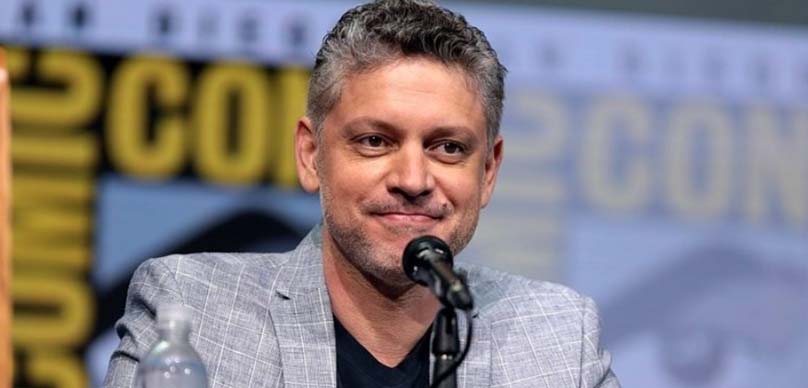
IFH 577: Directing & Showrunning Halo with Steven Kane

Steven Kane is an American television and theater writer, producer and director.

Personal Life: Steve Kane was born in Cherry Hill, New Jersey, where he graduated from Cherry Hill High School West as a proud member of the 1985 and 1986 New Jersey Knowledge Bowl Championship Teams. His rock band, Next Century, almost came in third in back to back “Battle of the Bands” contests (Kane played key-tar) but he did manage to win consecutive “Best Director” awards in the school’s annual One Act Play festival. He also had a girlfriend.

Flush with these early successes, Kane went on to major in English and French at the University of Pennsylvania before attending graduate film school at the University of Southern California. His USC Masters Thesis, a short film entitled Heroic Symphony, garnered awards at film festivals around the country. He had several girlfriends during this time.

Career: Kane got his start in the entertainment industry writing and directing independent film and theater. His first feature film, The Doghouse, won Best Director at the NY Indy Film Festival. His collection of One Act plays, Out of Your Mind, had a successful run in Los Angeles at the GuerriLA Theater.

His television credits as a writer and producer include The Closer (for which he received an Edgar Nomination), Major Crimes, Alias, NCIS, and Without a Trace, as well as comedies American Dad and Curb Your Enthusiasm. From 2012-2018, he served as Creator, Executive Producer, and show runner of TNT’s The Last Ship, a post-apocalyptic drama based on William Brinkley’s novel of the same name.

In 2019, it was announced that Steven would join the HALO series at Showtime as Showrunner, Head Writer, and Executive Producer.

Dramatizing an epic 26th-century conflict between humanity and an alien threat known as the Covenant, Halo the series will weave deeply drawn personal stories with action, adventure and a richly imagined vision of the future. In a war for humanity’s very survival, our deadliest weapon is our greatest hope.

See Master Chief, Cortana, the Covenant, and the other Spartans of Silver Team more in this epic trailer for the new Paramount+ Original Series, Halo. Find the Halo, win the war. Stream the premiere of the new original series Halo on Thursday, Mar. 24, exclusively on Paramount+.

In its adaptation for Paramount+, HALO will take place in the universe that first came to be in 2001 with the launch of Xbox®’s first “Halo” game. Dramatizing an epic 26th-century conflict between humanity and an alien threat known as the Covenant, HALO the series will weave deeply drawn personal stories with action, adventure and a richly imagined vision of the future.

The series stars Pablo Schreiber (the Master Chief, Spartan John-117), Natascha McElhone (Dr. Halsey), Jen Taylor (Cortana), Bokeem Woodbine (Soren-066), Shabana Azmi (Admiral Margaret Parangosky), Natasha Culzac (Riz-028), Olive Gray (Miranda Keyes), Yerin Ha (Kwan Ha Boo), Bentley Kalu (Vannak-134), Kate Kennedy (Kai-125), Charlie Murphy (Makee) and Danny Sapani (Captain Jacob Keyes).

Right-click here to download the MP3

Alex Ferrari 0:52
I'd like to welcome to the show, Steve Kane, how you doin' Steve?

Steven Kane 4:01
Im doing great. Thanks for having me.

Alex Ferrari 4:02
Thanks for coming on the show man. I'm excited to get in the weeds with you about your process and that new little show you you the new show little thing that you put up to.

Steven Kane 4:12
It's a little indie thing I've been working on

Alex Ferrari 4:15
Little indie thing I think called Hey, hey, hey, Halo. Hey, something.Wow, look, it's looking nice for you know for an indie production. That's not bad for.

Steven Kane 4:25
No, you do a little this but some big

Alex Ferrari 4:29
Is that 3d printed? That's nice.

Steven Kane 4:30
Yeah, exactly. Yeah.

Alex Ferrari 4:34
You've had a very career. Let's go back to the beginning. And how did you get started? And why did you get started in this insanity?

Steven Kane 4:40
Well, it's funny. I'm from New Jersey and southern New Jersey suburbs. And I think like most kids, you know, we get into movies. The love affair starts early, right? So I just love going to the movies as a kid I go to truck character just drop me off at the mall and I'll just go and see any movie that was playing. Come in the middle of the movie and Then stay for the changeover and watch the beginning of it. You know, I've watched them over and over again. And I, you know, had many similarities, some moments where I just look at the light coming through the window and think, how's that magic happening? What does it mean when someone says written by you know, it just didn't make sense to me. So you know, as I got older, I got more interested in it. I just started watching everything I could VHS is were becoming a thing on the on that old where they became a thing. There was a library and watch movies and I watched like the Michael York Three Musketeers movie over and over again. And I discovered the godfather. I remember the first time I saw that, Michael shooting the sellouts in the restaurant, I was, you know, 13 or something watching at home, by myself, you know, after school. And I wish I could have that experience again, for the first time seeing it because that, you know, that's that moment. And jumping ahead. When I was in film school. I remember Walter merch was going to come talk to us about film design editing down. And I said I want to ask him about that shooting scene because there's this great elevated train sound that just fills the soundtrack, even though you'd never see the train. And the first thing he said when he came in was I want to talk about a thing I call Michael screen. And he said that train was the sound of Michael soul screaming out, you know. So anyway, my love film started early. And then I had a great teacher in high school who was an English teacher, but also taught them appreciation. So you know, we're reading James Joyce and third period, and then watching the Strada or landmark ordinance shame and fifth period. So, you know, I made little films with my friends, you know, on Super Eight cameras, video cameras, that I went to college and just studied literature, and French, but I knew I was always going to go into movies. So after college, I went to film school at USC. And I got three years just to live and breathe movies. And while I was there, I did like an internship at the Cannes Film Festival, met all these amazing people that Robert Altman, you know, I think I said, Nice to meet you. He said, Get out of my way. But nonetheless, I met him

Alex Ferrari 7:03
Wasn't a deep conversation.

Steven Kane 7:05
We didn't talk cinema like, that doesn't mean I'm not still borrowing from him every time every chance I get. And then I met Oliver Stone, I met his assistant and I got a chance to be his intern during Natural Born Killers. Again, I think it was more impactful in my life that it wasn't his. But you know, again, just as a kid, you grew up watching his movies, and then you get to work with these guys and more around these people, you know, and then I got to be on sets and studio lots and meet real working filmmakers and just get that, that thrill of being part of the process of filmmaking. I got I got I made a student film and you know,

Alex Ferrari 7:44
And the rest is and the rest is history, as they say, yeah, yeah, no, I have to ask you man, What was it like being on set of Natural Born Killers man? Like, you know, that's what, honestly, it's one of my favorite stone films. And yeah, you know, when you know that we had him on the show, and, and I had the pleasure of talking to him. And but I remember I was in film school, when Natural Born Killers have come out. And I had the sound designer, came to talk to the whole school. And they showed us the first 10 minutes of natural born killer. Yeah, before anybody else had seen it. And we were just like, Oba like the whole, like, the diner scene where the finger falls off. And it's like the dropping and, and I was just like, so what was it like, you know, being a, you know,

Steven Kane 8:28
Well, I have to say, I wasn't ever on set. I was there during the prep, which is actually to me, the more exciting because I you know, I drive around Woody Harrelson and Robert Downey Jr. and, you know, take him to the done Ranger, they didn't have to use the weapons met, they'll die and those guys, but also, you know, he would be working on a research so he would send the intern out to get things. So, literally, he was watching Clockwork Orange over and over again. I was reading certain books, I was like, they're just delivering those kinds of things in watching, trying to get a sense of how his mind worked as he built the thing. I was able to be around as they were rehearsing, you know, again, I'm like Rosencrantz and Guildenstern, I'm sort of on the edges of what's really happening. But, you know, now when I have interns and assistants and stuff, I always try to include them as much as I can say know how exciting it is to learn. Sure, and to sort of take away some of the mystery of it and let them see out. It's actually just people working very hard. And for all of all of us, you know, reputation. As you know, it's an ad genius. He worked really hard. Everything was built from the ground up. And so it was fascinating that, you know, collating the scripts and see the revisions coming in. So yeah, just just amazing. I've been very fortunate because I've ended up working for some big name directors, first as an intern then as a partner. You know, I made the student film, SD, which was sort of my homage to the male maj to the godfather. It was the Godfather Stryver basically is like a 20 minute version, you know, a knife And that little storyline about this young kid low level hood, he thinks he can make his bones you know by and achieve his life dreams by whacking that rival my mod mob boss for his bosses. And he gets everything he wants, and it destroys, you know, and it's all set at Symphony. So it's got this great music playing. And it's just like, all my influences were coming into one place. And then James Cameron saw the film, but his people didn't showed it to him. And he took me under his wing for a short time, we talked about making my short into a feature, but ended up doing something else altogether. back about John sales is writing a script for him, he hired me and a friend of mine to write a movie for him. I was like 26 years old, he sent me to Moscow for a month to do research on the Russian mafia. And this was like, the time when Yeltsin was in power, the Russia was the wild, wild East was opening up to all kinds of crime that was the formation of the oligarchs, and that whole thing, and I just was there for all of it, you know, in Moscow for a month. And while he was making Titanic, I was reading the movie, Titanic, sort of his little indie film, so it took off as well. So the film that we got made, but it was it was exciting. And then, you know, I wrote a bunch of more feature scripts that got bought, but didn't get made, which is sort of par for the course. And as a person who actually likes to make films, it was very frustrating for me. So that's when I actually friend of mine said, you should try TV because you write something and they actually put it on the air and not that long. They shoot it not that long after you read it. And so that's when I made my switch and haven't looked back. But again, even in that regard, I've worked with Michael Bay on a show where he was good, we're going to show so all my heroes are the people whose work I just admire, I get to sort of be around them still, which is great. And, and now, TV so cinematic, that I'm still making movies, you know.

Alex Ferrari 11:42
So I have to ask you, what was it like working with James? I mean, that must have been a James during Titanic.

Steven Kane 11:50
Yeah. So I was 26, his, one of his people saw my film invited me into Lightstorm at Santa Monica is company. I'm waiting. I have a friend waiting in the car. I think I'm just dropping off with VHS. But suddenly, he comes out to talk to me. And he's like, loved your movie. And I'm like, I like your movies, too. Yeah. And you said, What do you want to do next? They said, Well, you know, my mind, I had a 10 year plan when I was 15, or 16. You know, I'll go to film school and make a film. And then I'll get to be a director. I guess that's how it works. Right? wasn't quite that way. But you're I was at the end of that 10 years and lived in Cameron. And, you know, he, he said that they would, I'll give you an office here. And at the time, I was working with a friend of mine writing stuff. So we brought us both in and we had an office on the second floor, surrounded by Titanic, stuff like a scale model of a ship, maybe 15 feet long, with little penlight cameras that you can put into, you know, so looks like you're actually in a doll's house in a room, and pictures of you know, of the era and wardrobe. And so I was around as he was writing the script as he was casting Leo DiCaprio. You know, it was amazing. But as far as my interaction, you know, I pitched him stuff. And he was what was great about working with him. Even working with bae, like, these people, they really work well with writers, they, they respect what you're doing, and they want to help you achieve that. So no, I didn't get a lot of cameras time. But what I got was valuable and supportive. And that's bold, try that some more. That's great idea. It was it was like being in a writers room. You know, it didn't feel like I was talking to executives, or, you know, it was just filmmaker to filmmaker. But you know, with this great disparity at the time, of course, and ended up working on it for a year, I went to Russia and learned some Russian, again, these things happen to some doesn't get made, but they will experience and you know, he his watching his cuts, watching his works to having studied his work, and then being around him. He I took him with me, just like I took a little bit of all the stone with me, I take these mentors in these lessons with me as I do my own work. So you know, you'd be amazed or maybe you wouldn't be when you're on the staff of Halo or last ship or anything they've done. You know, the directors come in and you're like, you know, this is reach out the Kubrick did or this is really cool shot that so and so does let's copy that. Let's make this find our own way. So you know, it's it's an ongoing process of learning and being inspired. And I just don't get such a kick out of it. thrill.

Alex Ferrari 14:11
I mean, you mean you have probably one of the most interesting beginning stories of like, oh, yeah, so I was hanging out with stone and I was interning this and working with Spielberg and work. That's a pretty, that's a great start to a career.

Steven Kane 14:25
And the guy understood it at the time. Because

Alex Ferrari 14:29
You're probably like, oh, this happens to everybody. Right, everyone?

Steven Kane 14:31
Well, yeah, I mean, I remember being in someone's office and thinking you got a nice office, not really realizing I was talking to the head of the studio, you know, like I just, I, I sort of just thought this is how it's supposed to be and then I hit obviously rough patches and patches where you can't get arrested, you know. But yeah, I think you know, people I get all kinds of younger people now asking for advice, and I'm just like, just don't give up, you know, and always stay enthusiastic and just knock it down. Just get up again and keep trying and so yeah, I mean, it's that It isn't like I've gone from success to success. But these are the highlights of things that I experienced, you know. So as I said, when younger people come in, if I can give them a chance to have any kind of eye into what's going on, you know, at the higher levels and inspire them, that's, you know, paying it forward.

Alex Ferrari 15:28
Now, what was the biggest lesson you took away from working with all these giants in the business was like there was that one thing that you like? This is a common thing I see with all of these great filmmakers.

Steven Kane 15:41
Yeah, you know, it's actually a lesson I keep trying to teach myself because I'm naturally very affable, collaborative person. And I think it's worked well for me. But it's also it means I have to seduce and convince, sometimes 1000 People have the vision that I'm going for. And of course, you have to always compromise and you have to work together. And I'm not saying those guys don't do that. But what I was impressed with was their level of self confidence that at least whatever their demons might be, that everyone has their secrets, but whatever they have going on the inside, they evinced a certain confidence that this is the direction we're gonna go. And you need that you need to be a leader, with the plan. Because and have confidence and believe in yourself, even when things don't go your way. So even when you fail, don't turn around and destroy yourself over it, somehow find a way to learn from it and prove yourself, but keep your ego and your strength, have confidence in yourself. That there's a reason why you're doing this. And so, you know, those are sort of examples. Usually, they you hear about egos and sort of larger than life personalities. But I think do the stuff they do to be bold like that, you know, there was one moment, I saw two moments, I saw Cameron. Again, I didn't get a lot of time with him. But I saw some vulnerability. When he first finished the first draft of Titanic. He had this script man, it's like 85 page. It's famously driven. Yeah, he finally finished the script. Now he had so much on his plate, because it was already planning on shooting it. So the script was just like getting it off his chest. And he says, he walks by, he goes, Well, it's done. Like, I don't know if it's any good kind of thing. And yeah, he was struggling with it. And you know, it's nice to see that kind of human side. But at the same time, he put his career and his own money on the line to make that film because he believed in it. And he got, you know, hundreds of people to go along with it, and to finance it, and to make that come true. And it could have fallen on his face. Instead, you have this three hour movie that kids are coming in watching three, four times, you know, and I think it takes that sort of conviction, that strength of conviction, obviously have to back it up with talent and back it up to the hard work. It takes just having all ego no challenge doesn't get you very far. But I think the lesson I learned from the biggest players out there is that if you don't believe it, and you don't show you believe it, no one else will. And the bigger you dream, the more you have to be confident that that dreams don't work because we're asking people to risk their own time and money and reputations to Bali, you know, so I try to tap into some of that, that and not lose who I am and not be brusque, rude to people but also recognize that like, sometimes I have to fake it till you make it to you even if you're not sure it's going to work. You got to go forward and you know, find that balance between all the ego being a dick did wrong, you know? And so yeah, I think those guys they just showed what having vision is. In film school. Milosz Foreman came to one of our classes. Because Yvonne pastor, the great director, who was very close with below specking and Jeff's Avakian, 60s, they made films together he taught a class and he brought in Barbie Schroeder, Milos Forman, Dustin Hoffman Bogdanovich just a lot of great people. And again, it was one of those things where I wanted to ask you a form that the scene where they start the Requiem, and they cut to castonzo driving back and the coach racing back to him that's the first thing he brought up which I was so psyched about. But he was watching we're watching it on like a DVD player or something and all sudden you go stop and the whole room you know stops and that's a director right there. You can keep controls the room, you know, and it's a weird thing because you it's you know, even writing it's personal first but then it's not personal. Now everyone's involved in it. And if you don't stick to your guns and believe in it, no one else will. So I got inspiration from those guys.

Alex Ferrari 19:49
That's that's a that's a great answer to that question, my friend. Very good. Very good answer. Now you so you decided to go into television because you know, television you get stuff done quicker. And as they, as the old adage says, The money's in television. So money, you know, it's yeah, it's the closest to a business,you have your

Steven Kane 20:13
Middle class existence, right? You get a job, you can go to work, you can you know,

Alex Ferrari 20:17
Right. And it's it's opposed to the filmmaker that makes one movie every two or three years.

Steven Kane 20:22
If you're lucky, right? If you're lucky, otherwise, you're having lots of meetings to take meetings about meetings, and you're like, literally like, Oh, I'm very excited. Congratulations. That was a good meeting, you know? Exactly when he was definitely you know, where it was at when I started.

Alex Ferrari 20:36
So when you when you got your first job as a staff writer, coming into a room, what was that day like for you, like me, you had already been writing, you've been obviously hanging around with some some reputable people. So you weren't a complete noob. But still walking into a room. It's like the first day of class. And like, you know, who I don't know these people? Who am I going to be friends with? Who don't have to look out for? What's the room? Is the teacher cool? Or is he not? He was cool when it hired me. Right? Right. It's kind of like that football coach is really sweet when he's recruiting you. But the second you get on the field, he destroys you. How was it for you on that day?

Steven Kane 21:17
Well, it's a really good question, because actually, everything I just told you about finding a healthy ego and sticking to your guns, goes out the window, when you're a staff writer at a TV show, you realize your job is to make the boss happy to tell their story with them to contribute, but to recognize your place and coming out of independent film coming out of features, I was ready to just like, This is what we should do. And Joe Wyman, who's a great writer, and showrunner, given my first job on a show called keen, Eddie was a very short live show, which I think just got at that time slot, frankly. And it was set American American cop in London, very stylish, very fun. And, you know, I had just that a lot of enthusiasm. And so I was pitching and pitching and pitching. And at one point, he said, you know, we don't all swim in Lake Kane. And I was like, oh, man, and the water is warm, you know. It was humbling, but we ended up becoming really close afterwards. But it was a good lesson. I think that the great thing about TV if you if you're lucky. And you can start at the bottom and work your way up, you actually learn the politics of a writers room, learn how to be a contributor who doesn't, you know, them up the works. A friend of mine told me about a metaphor that people have used. When you're in a writers room, you're all pushing the rock up the hill, the same rock, and user are pushing it while you're watching it go up the hill, but you just don't want to be the guy who sits on the rock. And I said, my question of course, was doesn't have to be a rock. That's the person who sits on the rock, right? So you learn to to constantly adapt and adjust to what the showrunner is thinking. For him or her, they have a story, they want to tell you're trying to pitch to them something to make their story work. Sometimes it's a brand new idea that makes them think differently, and they're just totally into it. And sometimes they're like, No, I want to go this direction. And so you learn how to be a civilized human being in a writers room by being that kid who gets told to be quiet for a second and load your place and then work your way up and build trust. And so I learned how to be a show runner by working on those early shows, especially when I got onto the closer where the show on the gym stuff. And the producer director Michael Robin, were such classy people still collaborative, but at the same time, they you know, it was their show. So you learn how to write their show and how to be produced their show. And they also let you go on to set so you can you're involved in casting and locations and, and wardrobe and props, and you know, working with a director, so I had a lot of experience in filmmaking that other writers don't. But every writer gets a great experience if you can get on a show that actually teaches you how to run a show. So by the time I got my first chance to pitch, a show that I was going to run, I had all this experience in the politics of the writers room, and how post production works, how production works. And so I was extremely prepared for that. And again, having been at the lowest part I know now how it feels it helps me have more empathy for the younger writers on my staff. And I really believe firmly in promoting from within and giving people a chance I've had several assistants become writers become producers, you know, go off to do their own shows. And that makes me really happy and proud.

Alex Ferrari 24:29
Now, can you discuss a little bit of what those unspoken rules inside of a writers room? You mentioned the politics of the room. I love talking about the politics of the room because it's not something they teach you at school. It is it is something that you learn either the easy way or the hard way when you're in the room. So are there any kind of unspoken rules or advice you can give for writers, young writers that if they find themselves even if they're a writer's assistant in the room, whoever's in the room, what the what to do and what not to do.

Steven Kane 25:01
Yeah, I mean, it's part of it's just probably like high school and how to you know how to get along. But, you know, one of the things I was taught early on is it never has to be anything, the story doesn't ever have to be what you want it to be. There are many ways to skin a cat. Even if you don't like the idea, you can make it work if you can do something to make it work, right. So to be the person in the room, who gets locked on and fixated on one way of going, can get you into trouble. Because now you're not being flexible. You're not being part of the group, you're not helping. You're just being the person that shuts things down. There's that saying and improv Yes. And you know, so it's that idea of, okay, that and why don't we do this? And that can make that work. And maybe you're solving six problems. At the same time. Do you notice now focusing on the problems but focusing on the story. Other ones are don't pitch the problem, pitch the solution, which actually, I think works in lots of businesses. But you know, you can say like, I don't like the way the story is going, I don't like to it's too easy the way he finds this and that okay, well, great. Thank you for your criticism, any ideas? So you try to say, you know, I'm struggling with this moment, to here's how I'm thinking that we can make it work. Or admit I don't have a solution for this. But this is bugging me, I'd like to maybe ask if we could talk about it for a couple of seconds. And just you know, being respectful, catching the mood of the showrunner, who's got, you know, a million things happening at the same time? You know, I know from my point of view, keep leaving the room to be told, we just lost the actor. The sketches burned down, you know, they're shutting whatever it is, you come back into the writers room, the pandemic. Exactly. You don't want to come back into the room and have some guy going. Yeah, I don't like the story. You're like, No, tell me how to friggin fix it. If you got a problem. Otherwise, this is the way we're done.

Alex Ferrari 26:50
Act 2 is horrible. I don't even know is this horrible? Yeah, this is horrible. Well?

Steven Kane 26:56
Exactly. And you know, like any skill when you first do it, you're very methodical and deliberate about it. And then it becomes second nature. So at this point, you know, I can pitch a scene that is probably doing nine things at once. But I'm not elaborating on what those nine things are. But when I have younger writers, I try to explain to them that this allows us to push the story forward, to get back to this character to solve that plot hole to give exposition here, now we've Let's bury the exposition. So there's a lot of skills that you can learn if you're open to learning them. And again, you can be the greatest writer in the world, you can still learn a lot from being in the writers room. And you can also recognize that production needs will change your story in a heartbeat. Literally, on Halo, we lost an actor. The day before shooting a big episode, it was an actor who not only was important to that episode, but who have been established in previous episodes as being important. And I didn't have to think about what to do at all of this experience behind me, I thought about it, but I didn't have to curl up in a ball and die. I quickly rewrote 35% of the scripts and brought in a character in smaller part and even bigger, and I think actually a script ends up being better as a result. But I think that's the thing is, if you're a newer writer, you might just collapse like, oh, I guess we can't shoot the test. We gotta shut down, like, the show must go on, right? So I think if you keep your eyes open, and you've just watched the people with more experience, do their job. You learn from it, you know, and then pretty soon, like, I used to be on sets early, where we shoot the whole scene. The director returned to me Look at me, and I'd be like, Yeah, let's do it. Sure. Now, and then the last part of it, and then we'd walk away. And I'd say things like, Gee, I wonder if we should have done XYZ, or this and that, and the director looked at me and be like, Why didn't you tell me? I'm like, Well, I don't know. I didn't want to, you know, get in the way. You know, you're I was so nervous about like, being obtrusive. And so I had to learn how to, you know, stand up early and make these make these notes. But that's what you get from experience, because then you get to the place where you have confidence in yourself and you go, you know, guys, I think we should do another another take, and here's why. And that takes you know, some people come with lots of arrogance and confidence early some have to develop it with experience, but I think I you know, a lot of people now sell shows off the bat, and they have no experience working in TV and they become a show runner. And I think they're better served if they've had more experience with the politics of the room with the the way the

Alex Ferrari 29:25
Politics of the studio politics. Yeah, notes and exactly everything, all of it.

Steven Kane 29:30
Exactly. And to be to be that showrunner you do have to be as I was saying about the those big directors I work for, you have to be harvested competent in what you're doing. You have to be a cheerleader for your show. You have to be able to get people to go that's the way we're gonna go. On the last ship, which was a huge Navy show, I had, you know, Michael Davis, my partner, he had a lot of experience being, you know, working with the Navy and stuff, but he wasn't involved in the day to day basis after the first season and so

There were times when I needed to get the Navy to give me the entire, you know,

Alex Ferrari 30:13
So you actually, you actually had the Navy working with you.

Steven Kane 30:17
We shot on the ship for two, three weeks every season to all the exterior stuff. We had Navy people in the writers room, sometimes we had them on call, if I needed a navy subject matter expert on any subject, Navy Seal, a flyer, air, submarine or anything, I can call them up and get their help. And we got assets from them, you know, and they were very nervous because they said, you know, this is tolerable. We don't want you guys to show us in a negative light. Because why are we going to bother giving you any support course, of course. And I said to them very, and they didn't trust me whatsoever, or at least I'll tell you what I said to him, guys, look, this is not going to be commercial for the Navy. But if you let me do my job, it'll be the best commercial for you guys ever, because we're going to show you guys we're going to test all your values, the honor, courage and commitment, the way you guys work, we're going to forge the strongest deal in fire to come out even stronger, we're going to test those values, right, so we're not gonna make you guys perfect, but when you're gonna come out on top, and once they saw that that's what the show was doing. Because it was set during a global pandemic. And it was. Yeah, but they were they were trying to be heroes, but they're also human beings. And by the third or fourth season, you know, even the second season, they were like, look, what else can we give you. But I'd have to walk into the room and convince the, you know, marine Commandant that I need to get access to a beach landing I want to do Saving Private Ryan on TV at the end of my series, and I want to shoot, you know, marine storming the beaches of Camp Pendleton in an exercise, you know, and so they give us full access. We showed that up there with 12 cameras and drones and GoPros filming that entire beach landing then went back there six months later with our actors when I was directing it, and and they still brought in, you know hovercrafts and stuff for us. And we shot this amazing sequence that we you know, it looks like $100 million movie, you know, just because of that stuff we had. But again, that that took, being able to look them in the eyes with competence and say, This is gonna be great. This is gonna be really great. And have the buy in and buy it. Yeah. So it's, you know, but again, that confidence doesn't come from just blind arrogance that comes from you know, having done the homework, you know, but you still have to present it in a way that makes them feel confident.

Alex Ferrari 32:32
So I was going to ask you about the last year because it was a pretty awesome show, man. And it was, it was it was so big for television. It's a fairly large looking show. Now I know why? Because I didn't like there's no way a TNT show is gonna I mean, I get topped out it's gonna get it I get that right. Michael Bay's gonna get it for his movie that again, I didn't think that I thought it was, you know, oh, they make decommission ship. I didn't know the Navy was actively working with you. So that explains a lot. But so January 2020. Hits. And you're going, Oh, God, because you just spent four years prior? All right, a couple of years, I think when it ended what 2018?

Steven Kane 33:15
And then like, end of 17, beginning of 18.

Alex Ferrari 33:17
Yeah, something like that. So then you had two years. Right! So for a five year run. And then you stayed in that five year run in a in the mind of a pandemic. So when pandemic actually hit? What was your reaction internally, like, because you knew things about pandemics that most people walk in the streets didn't because you had to do the research to write all the shows and so on. So So what was that like for you just as a am I gonna get up today?

Steven Kane 33:45
Yeah, yeah. Well, first of all, the last ship, you should know, it started with Michael Wright, who ran TMT at the time it was a brilliant programmer and brilliant studio network had. And he talked to Michael Bay and had this book called The Last Ship and said, this is this would be a great Michael Bay show, we want to do a pair of Spielberg's Falling Skies and Sunday night, you know, big movie night kind of things. And days, people found a writer hengstenberg, who I grew up with, who came to me and said, This is your cup of tea, you come on board, and I said, okay, but the book is about a nuclear holocaust, which is obviously still timely, but it felt very dated. It was right 80s, you know? And I said, you know, what scares me more is pandemics. And I said, Can I change it? And he said, Sure. So I came up with this whole thing. I cold called a bunch of virologist who all said, this is our worst nightmare. And we started talking when we built this virus. And we talked about the effects on society as well, you know, I don't think I got I got some of the craziness that come that came out of the pandemic in our second or third season. But

Alex Ferrari 34:49
Was there was was there a scene of toilet paper hoarding, did you

Steven Kane 34:53
There was no hoarding of toilet paper because we were we were with this navy ship and that's true, but they did loot they did lose a lot. had different cruise ships with a bunch of dead people on it. And they had to get, grab, grab, get all the food they can get and get out. So, yeah, so I was very aware of pandemics and had a lot of conversations. So I remember being on the set and hungry, we were in some boy scout camp, shooting a sequence, and people are talking about this virus decided not to hurt. It's in Italy and might come to Austria tickets gonna come here. And I said, guys, we're going to we're going home soon, we're going up. So they said, What do you mean, I said, it's going to be here. And what I'm reading about, it's, it's serious. And so sure enough, two weeks later, we took our two week hiatus, which lasted six months, and I called home, I said, I'm coming home. And this is gonna sound weird, but you should go out and buy toilet paper, staples, water, because people are going to think that they're going to run out and they're going to start to afford it. So you might as well do it too, you know, can't fight it. And so I came home and hunker down for six months and talk to my biologist, friends who, who told me, you know, there's going to be an mRNA vaccine, you know, in six months, it's been this and this and that, and I sort of followed what they're talking about. The one thing that I thought will be worse, but seems to have crept up crept up over the last six, eight months is the supply chain stuff. I thought it would live in more instantaneous. But you know, not a lot of people didn't didn't get sick or didn't take the shots and didn't stop working. But you know, the idea that the supply chain is still messed up. It's a natural recurrence. But what's fascinating is the way your mind shifts to the reality. And during a pandemic, we obviously had a much worse pandemic in the show. So we shifted people's minds more, but it's, yeah, it was. I was sad to be right about that. But now even now, I watched the first episode of Halo, and I rocked watch it at Austin at the film festival, and actually made me cry because it reminded me of Ukraine, obviously, this fiction is is not as serious as Ukraine, but people being slaughtered by an enemy that they can't control. Like, suddenly I started for no reason, residences, you know? Yeah. And I started kind of thinking about the just as you get older, I think these things they don't feel like make believe anymore. They feel like no possibilities of life. And it's, it's frightening.

Alex Ferrari 37:23
You used to and you start thinking about your kids and you start thinking about in like the next generation and you like there's a shift as you get older, where you stop thinking about yourself only because you're now you're like, Okay, I'm, you know, I'm past my 20s now. Yeah. And you just know a little bit more. Could you just walk the earth a little bit like cane? Yeah. So you've walked the earth a bit more, and you start to you're like, wait a minute, how is what I'm doing now gonna affect my kids? And, and then I need to get my grandkids. And that's when it starts to get so yeah, you start thinking about things and what's going on now. It's just horrific. And you know that. I don't want to get into that, because that's not the show. But,

Steven Kane 38:06
But on the bright note. Speaking of my kids, after we show we have the la premiere of Halo we show two episodes. And my 16 year old 18 year old who there and afterwards, it also has to be good job, dad. That was really cool. So when your kids think you're cool,

Alex Ferrari 38:23
That's the better better than a monster.

Steven Kane 38:24
Yeah. I did a dumb dance throwing up. Nevermind. Not cool. Not cool at all. Yeah, not that cool at all.

Alex Ferrari 38:31
I don't think you could. I mean, I was always I always wonder like, does Brad Pitt's kids think he's cool, right? Like, you know, does you know, these cool, these cool icons. Do they think their kids think they're cool? They're like, now they're just nerds. Now, is there something that you wish you were, you were told at the beginning of your career, that if you could go back in time and go, there's this one thing that I wish I would have told myself? Or I wish someone would have told me?

Steven Kane 39:00
Yeah, I think I've told this to younger people. I was so single minded and fixated on making it in the business and being a director and being a writer and filmmaker, like the ones I admired. And I was stubborn about that. So a couple things. As a result, I stopped enjoying the day to day. Imagine being in your 20s and not just realizing I'm in my 20s This is awesome, you know,

Alex Ferrari 39:25
Oh my god, I wasted my I wasted my 20s is certainly Steve Harvey say something was so brilliant. He's like, You waste your 20s and you make so many mistakes in your 20s that you end up your 30s you end up fixing all the mistakes you made in the 20s Yeah, but if you would have and then the flat and then the 40s you start doing the things that you should have been doing in your 30s Right, because if your 20s you're screwed up. I was like, that's fairly brilliant.

Steven Kane 39:50
I remember being 25 Turning 25 and being depressed and saying Orson Welles made Citizen Kane. Oh, I mean Ha, ha, right? And so

Alex Ferrari 40:02
Spielberg 27. Did Jaws Oh yeah, we all do. And isn't it so stupid? We all do it all filmmakers do it. We all click click the times like, yeah, I only got two more years before 27. So I better hurry up and make jaws.

Steven Kane 40:15
Yeah. Yeah, exactly. So so I look back, and I don't, but you know what to throw. The fun thing is you can tell, like, working for Oliver Stone was I mean, I have some great stories, right? All these experiences, appreciating them now and saying, I wish I actually enjoyed them more when I was going through them. The other thing is, as I said, like being flexible was, you know, for a while if I wasn't making feature films that I was writing, directing, I wasn't doing anything else. And then as reality hits, you know, I literally found myself because at a young family, I was making industrial videos for cancer hospitals and engineering schools at USC. And thinking, Am I going to be the, you know, James Cameron of, of

Alex Ferrari 40:55
Industrial

Steven Kane 40:56
Fundraiser dinner videos. But you know what, as a result, I actually learned that's where I met my first virologists got interested in that stuff. So I learned stuff that I brought to my writing, but also going to TV, I would thought I'd never do TV when I was going to be a young filmmaker,

Alex Ferrari 41:12
TV. TV was taboo. I mean, let's be honest, like when we, when we were coming up, TV was like, you know, TVs, like, you go there, if you got no nothing else to do. We're not

Steven Kane 41:23
Exactly, but if you flexible to things, you'd find yourself getting alternate routes to the same place. So, you know, I wanted to direct I made this film, I was gonna be a director. And then I was doing work as a writer, which is, again, how great is that, but at the time, I thought, but I'm a director too, you know. And so my directing was kind of put on hold. And so I didn't get my DGA car until my mid 40s, you know, and I was like, You can't believe I thought I'd be a director and I'm, I'm just a writer of shows. And, but then when I got to be a showrunner and they got to be really, you know, in charge of the whole process of directors are working with me, everyone, and I'm able to tell because I feel like filmmaking is writing is the most important part of it. Without that you don't have anything to work with. But it's it just lives on the page. It's not really a thing. It's like an opera, it's got the music, it's got sound, it's got everything you know. And so, being a showrunner, and doing these shows, allows you to be the filmmaker in a graceful way. And then I got to direct I got to hire myself as a director anyway, eventually, you know, on the last ship, so a little bit on Halo. So, you know, it's, I think I tell younger people, don't sweat it. Don't take yourself too seriously, enjoy what you're doing. Now, never lose focus on what you want to do. But recognize that there's many ways to get to get there and go with the flow go with follow your bliss. All those cliches are all true, though, with what makes you happy, you're enjoying it, and I still get a thrill of walking onto a set, you know, that throw those away, but I'm gonna quit because everything else is so hard about the business that I only do all that to get back on the set. So if that's not fun, then do something else, you know,

Alex Ferrari 42:57
You know, and as a filmmaker you you work, like we said earlier, three, three years to be on set for if you're lucky 45 days, and that's a hell of a nice budget. If you're in a studio, it's 60 or 90 days, right? But you spend most of your life chasing the ability to be on set and televisions a little different and television you can be on set all the time. And I think that's a really much nicer place to be. I do like that. You said that in your 20s nothing hurt. people listening who are in their 20s Enjoy it. Yeah, it will end. If you go to Taco Bell right now at three o'clock in the morning, eat whatever you want.

Steven Kane 43:38
Yeah, you're in Hungary filming. I was like, Can I get a salad and my script coordinator was like 20 times eating like goulash and pork this and rooster testicle and I'm like, Yeah, I'm like, No, I have to get up in the morning. I gotta you know, give me some seltzer water, you know?

Alex Ferrari 43:56
Oh, no, no, it's the two old fogies talking now. Yeah, my, my sciatica. Ah,

Steven Kane 44:03
Listen, not to betray competencies, but I did have to buy orthotics for Oliver Stone for issues.

Alex Ferrari 44:08
Hey, listen, listen, listen. That is some of the most directing kita directing and a Steadicam operator good shoes. Right good shoes. I talked to the guy who created that steadicam. Once I was taking a class, a class up in Maine years ago. And he was teaching the class and I go What's the best advice? You could give a Steadicam operator he's like, good shoes. I was like, and as your onset you real and I've been dragged direct it's onset with that use? Yeah, because you're 12 hours sometimes.

Steven Kane 44:41
Yeah. camera operators are my heroes on? Yes, I've seen you know, it's like Ginger Rogers. They do it backwards and in heels. They're running backwards being shot at blanks and stuff. And they're and they're catching the shot and the great ones. They know how to tell the story with the camera. It's the great partners on the set. I mean, I just I just love the whole process.

Alex Ferrari 45:00
So let's get to that little independent film thing that you just did Halo. I, you know, there's been a beautiful, beautiful moquette there's been, I mean, Halo has been in development for what two, since basically the damn game came out. So many different, you know, directors and, and projects is going to be a feature, it's not going to be a features this or that. And it's come and gone so much. So when I gave up on it, I truly like it's never it's gonna be production hell or developmental forever. So then when I saw the the news that you were doing, and I was like, I still don't believe it till I see a trailer. I've been I've been burned before. So so how did you get Halo? Like, that's a pretty big, you know, feather in the cap, because everybody wanted to do Halo, some of the some of the biggest filmmakers, you know, in the business wider to Halo. So how did you come to how did a little get dropped into your lap sir?

Steven Kane 46:07
Well, I kind of did, actually. I mean, I had been following the project's development like everybody else hearing about it. And actually, some friends of mine were writing scripts for it at one point when I was doing the last ship, and I was kind of jealous of that. But I was busy. And last ship had ended and I was developing and working on my own stuff. And my manager, my agent called and said, Look, they're they're making the show. The guy who they were working with does not want to continue does not want to get too hungry to make the show. And you know, he's been working on stuff for a while, but there's still a lot of room for you to come in and do something. Would you be interested? It's it might mean going away for a few months. I didn't realize it'd be two years.

Alex Ferrari 46:48
A few months for production.

Steven Kane 46:51
Right. So I was like, Okay, I didn't know what I was getting into. And but I walked into a situation where you could feel there was a lot of history in terms of the development process. Yeah. And I had to put that on my head and say, This is the show that I think we should make. Well, you have here you a lot of great stuff, Kyle killin. And his team did some really good stuff, which I kept a lot of us a great guy, we had a good partnership for the time we overlapped. But I said look to make this thing work. Both story wise, and production wise, these are my opinions. But again, had to show, you know, everyone that this is the way to go. And it was it was hard. Because there's a lot of money at stake. A lot of people involved a lot of pressure. And everyone really wanted this to be great. Especially of course, the people 343 Who whose baby Halo is they wanted to make sure they didn't disappoint. The loyal fan base that they also expanded their fan base, it just was a lot of I felt for all of them that there was an impossible situation.

Alex Ferrari 47:49
And I have to ask that I have to stop for a second. How did you deal with the pressure of dealing with such a huge character like masterchief? The franchise? The budget, I don't even know what the budget is. But I know it was fairly, fairly disgusting. So that pressure on the showrunner, how can you be creative? In that scenario? I mean, I know you're built for them in the last the last ship was no joke either. Right? But But yeah, it was a big show, you know, but this is a we're at a whole other level here. So how did you even function and seriously,

Steven Kane 48:23
You know, I compartmentalize my body did a lot of the reacting for me, where my mind ignored it. So suddenly, I'm like, What is this rash? You know, things like that, you know, like, why, why haven't I eaten anything? But now honestly, it was, it was I was, uh, I was alone a lot and hungry too. So I was kind of homesick it was emotionally and psychically difficult. But I think what I always focus on no matter if the show is, you know, $10,000 or $10 million, or whatever, it's still about how do I tell the story. So you know, making a big show. You just have a bigger budget to play with, right? So if you if you're a family of four with us fixed income, and you have to make sure you can have food and gas for your car. That's what you do. If you're now a billionaire, and you had but now you got 17 houses, you have to manage just, it's just bigger problems, right? But it's the same issue of like, okay, we have X number of days, what you've written is gonna take five extra days, we can't do that. Can you rewrite it and make it suitable? That happens even when you're doing a $3 million chef or a one. So you focus on the stuff you can control, which is the filmmaking process. Trying to take on everyone else's stress as your own. It's hard because an empathetic person and I feel the stress and I know they're counting on me. So I honestly don't know I think I just did a lot of compartmentalizing, focusing on what under what the work is for today. And also again, it goes back to having that joy because like when you walk onto the set instead of looking at the hundreds of people on the set, and that all the equipment and And my days are gonna rain. I think, holy cow, we thought of something that now we're shooting it now man is jumping off of a mountain top of the hook landing on a Styrofoam purple thing that's gonna eventually be a spaceship. You know, I mean, like, so you focus on the exciting stuff. But yeah, I'm not gonna lie to you, it was balancing the desires of 13 different partners. All there before I got there, dusted in this show. You know, last ship, the first season was also stressful, because it was a big swing for TNT and Michael Bay show, blah, blah, blah. Everyone was watching everything we did, debuts on our on our button making sure we were not making them look at. So let's similar in that regard they keep the bigger, the bigger the arena you play and the more pressure you're gonna get. But if you look at it, the same way you look at making something small in terms of this is what I can control. This is the creative. You know, you just, you can get through it. But I remember one point, saying to the people at Showtime about the budget, they've given us a number we are over that number. And they said, I said, well just give me a number. And they go, we didn't give you the number. I said, Oh, you were you were serious about that number. Okay, all right. Well, we'll figure it out, you know, when we cut the budget, and you know, it's just about like, honestly, I want to go from here to there, how am I going to get there, and everything else is just an obstacle to getting there. But you know, you also you're not alone, you have tons of people supporting you. You've got a crew, which is amazing. You got producers who want to make this thing work. No one wants to shortchange the show. So you know, it's my job. That was one sequence in an upcoming episode, where half the show is supposed to be shot in snow. That's for outdoors in snow driving these were hogs having conversations, nothing about it made sense practically. And frankly, the story wasn't does that say to me anyway, so I said, you know, why don't we save $10 million right now. And we'll shoot that entire sequence, a whole storyline, I'll change the storyline, same principle idea. We'll put up on our sets, we'll focus on the characters, we use this as an opportunity for these characters to get to know these characters, and really enrich and deepen the sort of the emotional stakes. And we'd want to be outside not to look for snow, and literally will save millions of dollars. And so that's the kind of decision making process that happens in every show, you know, you decide like, well, if we shoot it outside, you know, I'm the last ship, I used to make these giant opening episodes, and we'd be $2 million over budget from the first day. And everyone's like, Oh, my gosh, we're out of control. And guys, don't worry, because the fourth episode, I've already planned it, we're gonna be in the shift the entire time at night. Literally no visual effects, no guest cast, no extra sets, we'll shoot it in nine days instead of 12 days. And we'll save a million dollars in one episode. You know, of course, they didn't first believe me. But once we did that a few times they started recognizing, okay, at the end of the season, these have to be net zero. And we actually ended up being on budget the entire time. So you gotta you have to think nimbly, and be on your feet and just let the pressure excite you and not crush you. There are definitely times when I wanted it to crush me, but I think I was gonna let it crush me. But I think you just gotta keep your eye on the prize and just say, Okay, I can't go left, we'll go, right, I can't go up, we'll go down first, then we'll go up. And you know, usually, like when I suddenly lose an actor the day before shooting, you just, you pivot, and in the end, sometimes that makes it even better.

Alex Ferrari 53:32
I found that it always, you know, at the moment, it's the worst thing that could possibly happen to you something. If you lose a location, you lose an actor. Every time throughout my career, it always ends up being better. It only always ends up doing something that you never in a million years thought of. That's so much better than what you had in mind. I've never lost something and just like it ruined it. Yeah, I've never had that happen in any of my projects.

Steven Kane 53:58
So all those cliches are true like you asked what the advice you give people again that making lemonade out of lemons Absolutely. Is a big COVID was a huge blow for the whole world. And it shut us down and it cost the studio a fortune and they were such champs about making sure we stayed safe and get bring us back safely. And it was hard. We were hungry now couldn't go home family can visit me couldn't visit people at night with curfews, so I was literally in a van with a mask, going to work going home, barely having any social interaction, but we pulled it off. But even so the six months that we were shut down, I use those six months. So we all did to get visual effects to get editing done to re examine the scripts and rewrite them so we took a terrible situation and we spun it and made the most of it. And I think the show actually is better for it again, I would never trade that. I'd rather have no COVID But sure, sure, of course you take the the bad things and let them crush you. Then you get nothing out of those bad things. You can take the bad things and spin them around some positive, then at least you've made.

Alex Ferrari 55:03
Yeah, there's no question about it. I always find it that what I had on, I sat down with the firm with a script of mine with the first ad of a really seasoned first ad from like he's been doing, you know, work with Fincher and all these kind of crazy people. And he's sitting there and he's looking at he's like, does this have to be at night? Yeah. Why is this at dawn? Right? Why? Why is this at dusk? You need in those little tricks, the budgetary things, because as a writer, you're just like, it's gonna look so good at sunset. Sure it will. But you've got 15 minutes. Yeah, exactly. You're on the Mandalorian. Then you have a sunset all day. But unless you're. But other than that, yeah. So those little tips that they don't teach you, they don't teach you those things. That's just practical, everyday stuff. So that's what you were saying. Like, let's take all the snow. Like, you know, the rain. Why? Why is it raining? Does it need to rain? Do we need to have rain that's going to add so much money to the budget.

Steven Kane 56:03
On the last ship we used, we decided season four, we've never had any storms at sea. That's ridiculous. We're, we're a ship at sea. So we we wrote that storm episode. And we planned it six months in advance. We were looking for footage of storms to be able to use for CG, we were retrofitting the ship to make it be able to water water cables. And you know, you plan for it. But you don't just go like rain, you have to go okay, we're having a meeting. today. We're talking about rain. And I think the other lesson for young writers is you can write anything you want when it's on spec. But when you everything you write, some department head is highlighting it. And they're going to try to get you what you want. So I've been on sets where they say, we're having a tough time getting sharks. I was like, what's that? They said, Yeah, you said that sharks I said, Oh, no, that was just I was just writing now. That's fine. You don't need sharks. Okay, cancel the shark Wrangler, you know? Yeah, I told you our visual effects died. In the last ship, I had written that the enemy I wanted to show the enemy was badass. And that as they're being fired out, they were like acrobatically, diving out of the way. So I wrote Matrix style, meaning like that like that, like, what time bullet time, suddenly we're having board time conversation. So I'm like, I'm so sorry. I hope you didn't spend any money on this. Yeah. So even as a show when I was doing the making those mistakes. So the point is, is that everything you write has to have a reason. And you're better off not writing something and letting the let's say the wardrobe department come to you and say, What are you thinking about for the scene, or here's what I was thinking, having read the seat, but if you write she's in a purple MooMoo, they're gonna go get a purple. Yeah. And if you were kidding, or you really were thinking, you're just making it look pretty on the page, then you know, you're going to cause people a lot of work. So that's the thing is, especially when you're a young writer, you think no one cares about your stuff. Guess what, when you're on staff, even if you're the lowest person on staff, you write a script, it gets to a set, it's the Bible. Now every department is going to make what you wrote come true, which is why you got to be appreciative of them, you got to be collaborative with them, you got to be smiling and thankful with them. You have to respect them and their time because they're trying to make your dreams come true. You know, the guy pushing the dolly doesn't always have the same. Look at me on the screen. They're just pushing Medallia for the day. But the good ones do they take pride in it, they only take pride in it is if you welcome into the process. So if you raise your camera team, embrace your electricians and say, we're all going to make this amazing show together, then you get better work from them and happier people.

Alex Ferrari 58:37
Right, and I think I'm gonna get that I'm gonna get what you said on a t shirt. Cancel the Shark Wrangler. I think that it's a great crew t shirt.

Steven Kane 58:46
We actually had a cricket wrangler on the last. And I actually was so lucky because I the time and I still have my son was obsessed with his lizards. I was always buying crickets for him. Sure, I learned you don't want to buy the large crickets because they're the ones that make all the noise that the medium and small, don't, don't croak. Whatever the word is, they don't make that noise. So of course, you're on the movie set. You don't want to have noise. So I said no, no, no, there has to be medium crickets because the large ones make a lot of noise. I know this because my kid. So those kinds, but we had a cricket Wrangler. And after we were done, she had to collect all 1000 of them make sure that they were all okay. And they all got their, you know, the per diem. Exactly. I think a few of them may have gotten you know, didn't quite make it, you know.

Alex Ferrari 59:30
I mean, no, of course they all made it. No crickets were harmed in the making of your show, sir. There was done cricket, so they were fine. There was cricket made out of little Styrofoam. It was amazing. Hollywood magic. So was there a day and I know the answer is yes, but I'm gonna ask it anyway. Is there a day on Halo that the entire world came crashing down around you? And you said oh my god, what the hell am I doing this entire thing is gonna go down and smoke. I know we've already talked about the losing the actor But is there another moment? It wasn't every day?

Steven Kane 1:00:14
Well, yeah, I don't think I don't think we ever I ever had an experience where I said, the whole thing is gonna come down crashing, there were times where I thought, that's just too much to do right now. Because what happened was, by the time I came on board, the train was already speeding out of the station. So they were sort of building and looking for locations based on old material that I was gonna be changing. So I keep giving them new drafts, like the story that got out, you know, they said glibly, one day to get two out of the 65 drafts, which I did. But that was because literally, I would get to work on Monday, and the producer would say, we need another draft for props or for locations to start their work or so I printed out another draft in 24 hours and get it just for that department, you know, and I'd say it's not done yet. It's just enough. But I had to get every script ready at the same time. So I was working on one and then two, and then three, four, then five, and then nine, and then seven. And then you know, so I was constantly having to shift gears. And remember, remember where I was in the season, and deliver because they needed production needed the lead time to be able to prep for whatever I was doing? So again, that's also why were the COVID break helped a little bit where we could do some planning, but so I think every day felt like you're being chased by an avalanche. Oh, great analogy. I love that. But at the end, when you kind of get to the bottom, you kind of go through and it goes right by you're like, that wasn't so bad, you know, but, but look, I'm still I'm still mixing shows as we speak, you know, and still doing score and visual effects as we speak. And, again, if you take it, sorry, you know, dogs barking. The if you if you can take it day by day, and just sort of say I can only do what I can do. You know, I didn't I had some help here. Once in a while a writer come out producer with a mountain helped me. But otherwise, there was no writing staff. Once I got to Hungary, so it was literally like just a stack next to me of like, okay, now I have to deal with this now. Oh, we lost this after. Okay, let's get to work on that. So the risk for me was I had to show my ass a lot, right, I did write drafts that weren't perfect that weren't great, because I needed to get scripts out for production. So it's, you never want to show work that you don't feel is ready, but you had no choice. So what would happen was you do it then you didn't get like dolts who criticisms and stuff. And I know guys, those is just a temporary thing. So I can get the art department going, or I can get casting going or, you know, like I would get calls? Can you give me some audition sides for Episode Eight? Like, Well, I haven't written episode eight yet. You know, so I have to write scenes for Episode Eight, just to give it to you, you know, that kind of stuff. So it was it was a lot. But again, it was so absurd that I just sort of had to laugh. But in the end, like I said, I had a really strong idea of what I wanted the show to be. I tried to stick to that every single day. And I think, you know, I'm really proud of the season. That's actually when you stick to landing it comes out and we didn't get buried by the avalanche. But yeah, there was some hilarious things, we built giant sets that ended up going, I don't think we're gonna use that now. You know, stuff like that. Lots of lessons learned, certainly ways to save money next season and other stuff like that. But any first year show is like that the last ship was no different. It was, you know, craziness. How are we gonna shoot on the ship? How are we gonna do this? And you know,

Alex Ferrari 1:03:32
It just sounds like you said, the train left. So you were like, thrown into a machine, a giant machine that was already moving, and was going to keep going no matter what you were just tossed into the gears and you're just trying to oil things up and try to keep things going. And no, no guys, not East. We were going west. We gotta move the whole ship over. And yeah,

Steven Kane 1:03:53
That was that it was like a train speeding with no tracks in front side to keep throwing down the track there to keep us from crashing. But yeah, your metaphor is perfect that that's how

Alex Ferrari 1:04:02
It was. And you were the only writer in Hungary.

Steven Kane 1:04:06
Yeah. So when I first took over, I grabbed two writers that I was close with from The Last Ship days, just in had three weeks just to sort of go okay, well, how are they gonna redo this? Because the scripts aren't lining up. Yeah. And so we worked in LA for a few weeks, then I went to Hungary. And then it was just, that was just me. And then I begged them, and I would get one of the one of the writers, Katie would come out for a couple of weeks, and then that would send her home. And then we brought in another writer for Mickey Fischer, a great guy for a few weeks, but then he wasn't gonna be able to stay. And so, you know, a young woman came in and I said, you know, she'll help us work on the Cortana stuff. And then, you know, it was a two week deal or whatever. So it was a lot of like, piecemeal. It wasn't like I had a staff that was like, Okay, you're covering Episode One, you're covering episode two. It was. I think there was a misconception that well, this show was this fine. It's gonna be fine. It's already written. You're just going to manage it, but it turns out it wasn't already written in There's a lot of story to tell and to make. So it was it was like you know you remodel your kitchen and go Well now that the kitchen is so nice living room needs some work. It's horrible. Now the now that I'm sitting here, what the frick is that on the wall, you know, so it became sort of a full on remodel teardown was what originally predecessors, right?

Alex Ferrari 1:05:23
It was just the bathroom. But then all of a sudden, like, well, the bathroom looks so nice. The kitchen looks horrible. Now now the kitchen looks so nice. Yeah, I gotta do the second bedroom.

Steven Kane 1:05:31
Like, by the way, none of this is to criticize any you know, who were working on because it was just different is the shot to get made. And, and honestly, it's such a tough show that you could sit there and and ponder every decision until you're paralyzed. Oh, you can say let's just make this show. And I think that in the end, I learned a lot from the stuff that came before me. They learned a lot from the stuff that came before me, we ended up coming up with a story that everyone really liked, and got behind. And what was great too was there were still moments where I could I could surprise myself, you know where I would go. limit what if this happens at the end of this episode that would change the entire story, and give me more work to do later on. But like, there are some moments where I was still able to find surprises and joy and epiphanies and, and things like that. And they even come up down in post production. But this is not to say that this show was like haphazard, or it was just the nature of making this kind of show. It was a battle from start to finish. But there was always a sense of what we wanted wanted the show to be it just was getting it there was you know, at the scale was Jonathan.

Alex Ferrari 1:06:38
Oh, my God, I can only I can't even imagine that the amount of peep amount of people that are interested in making sure this is good at the history of the other kid. It's kind of like, you know, being given Jurassic Park. And it's never been made before somebody who wanted to make Jurassic Park, and it's 1000 Different people trying to and it's been 10 years trying to turn 15 You're trying to make it. I mean, you've done is pretty gargantuan, but at Titane in a Titanic, no pun intended event that you were able to put together.

Steven Kane 1:07:07
And I helping people look like it because I know there's people who are diehard to the game, we're gonna say we are too far away. Others are gonna say we were slaves to it. Others are gonna say something else. Like, you know, we, our hearts are in the right place. I worked very closely with Microsoft, we tried our best to honor the ethos of the game and the feel of the game while telling a story that's cinematic that you know, is different, so you don't just watch the game on TV. And so we try to give rewards to the people who love the lore and also people who don't know the game at all. Or the tannin can also just enjoy it as a powerful story about humanity's quest to avoid being extinguished by an alien race, you know, so.

Alex Ferrari 1:07:50
And then of course, of course, your next year will be Metal Gear. So

Steven Kane 1:07:54
Next one is going to be two people in a room to be waiting for Gadot this series

Alex Ferrari 1:07:58
Dinner with my dad with Andre.

Steven Kane 1:08:02
But I'll call I'll call Michael Bay, and we'll see if we can make it we can judge it up a little bit.

Alex Ferrari 1:08:07
Yeah, I have one last quick question. What do you look for in a writer in a room? Because I know a lot of writers want to get in a room. What do you personally look for in a writer?

Steven Kane 1:08:17
First Person, first thing is, can I see myself spending a lot of time in the room with this person seriously? Like is this person gonna be you know, a fun person to be around, or at least not a bad person to be around? You don't always know that up front. But that's super important. You know, it's a little bit like you know, getting a baseball team together a basketball team, you gotta you look for like, Is this person a good shooter as person, a good runners or whatever. And so some people might be, like, really quiet in the writers room, which is not great, because the writers room is where you want ideas to flow. But if there's one person who's quiet and just takes notes, it's not so bad, because it's kid takes the kid not everyone can talk, right? But if that person is thoughtful, and then one note, and it's great, or their scripts are phenomenal. There might be others who's writing isn't perfect or great maybe takes a lot of rewriting but they're they can be they can be trained, they can learn, but they're fantastic in the room because you're always pitching ideas. Like my thing when I was coming up was I would go What about this? And they'd say no, I'm like, Okay, how about this, then they say no, I'm like, Okay, well, what about that, and then eventually, I never gave up. So my sort of doggedness is what you know people could count on me to sort of always be trying you know, so I think you look for a balance you don't want you don't want everyone to be a big alpha you don't want everyone to be to the meek one. Ultimately, though, when it comes down to writer for writer, you want someone who has a voice has an opinion has a life that's interesting. You want diversity so you want to have people who come from different walks of life because that they bring that into the room. You know, it's amazing how you get different perspectives. You know, if you've got people from on different socio economic, racial, sexual, anything backgrounds, it keeps you from getting into your bubble too much you don't do it to pander, you don't do it to sort of be woke you do it because trying to tell a full story. And so you know, like, you want the young person to want a person with a young family, you want a person who has kids in college, you want a person who's retired, a person who's lost, you know, you just want people to bring their life to your show. And, and then to have a point of view and a passion for writing and for filmmaking. But yeah, I think ultimately, though, it's really about who do you want to be collaborative with? Who do you think you can work with on a day to the basis and we'll you know, we'll have your back to, you know, though, the thing that happens is sometimes you get people who their show didn't sell, it's another working on your show. And they don't really want to be there. And they're like, why your job? Yeah. And they're on the phone with their agent and trying to sell other things. While you're like waiting for a script, like, I want the show to be as important to you as it is, to me, I know, it's impossible, if it's not your show, but I want to feel that way, when I was on the closer, I gave that show all my attention. And you know, really wanted to make it great, because that's where I spending my days. And, you know, I think that also, you rise up faster that way too. Like, I was talking to a young kids every day who's wanting to make it, you know, I was interning and stuff. And I said, you know, if you just show the people you're working for that You are the hardest working person, the easiest person to get along with. They'll recognize that if they're not jerks, they'll recognize that they'll want to promote you. But if you walk in thinking I deserve better, from the very getgo and this is beneath me, you won't you know, I learned that the hard way because I did come out of being my own independent film guy. And then suddenly, I'm on staff. So I'm being told, you know, we don't all swim in late came. And, and once I changed my attitude, I rose really fast. And I had a show runner. I went from executive Story Editor scope to co executive producer in one season. And I've done the same thing for other writers I've had on my show I people start off as staff writers, by the end of the last ship, they were co VPS. Because I could just see it in them. They were dedicated to the show, they were dedicated to working hard into putting in the hours outside of work. You know, it's so I think I've got the question, but I think that's,

Alex Ferrari 1:12:14
Well, like the best advice I ever got. is don't be a dick. Dont be a dick. Yeah. Best best advice you could get is don't be a dick. And I'm gonna ask you a couple questions. Ask all my guests. What advice would you give a filmmaker or screenwriter trying to break into the business today?

Steven Kane 1:12:28
I would say you know, there's no excuse these days for not making making products that someone can look at whether it's a script or a short or you know, play. I think that more and more people want to see people with their own unique voices. And they can teach you the business side of things they can teach you can surround you with people to help you. That's always been the case. But now I think with technology and the internet, and it's even more so that you can you can make your own portfolio and your own world. I think you know, Steven Soderbergh. Have you ever had him on yet?

Alex Ferrari 1:13:05
Not yet. I'm trying to. I'm trying. I'm trying.

Steven Kane 1:13:09
I've read a lot of his stuff. And he's, he's great. I met I met him briefly after I made an independent film at a lot at the movie theater, it was so nice. But he has got one of those books, which I always think is a good formula for success. Talent, plus perseverance equals luck. So that, to me is like it's like, literally, if you gave up too soon, doesn't matter how talented you are, you're done. Right? If you have no talent, but you keep trying, of course, that's going to leave you in a tough place because people don't like your work. But even if you have both those things, you gotta you have to get a break. You have to get a lucky break. You know, and I do think you make your own luck. You know, I look back on things. I've made plenty of mistakes. But I'm not here to talk about those. That. No, I remember being in film school, and I was working on a little Super Eight sound film and this young woman I was working with, she was applying to the Cannes Film Festival as an intern. I'm like, that sounds cool. How do I do that? I applied and I did not get the job. I called the guy up, was a publicist. And I said, Come on, you gotta send me I speak French. I'm a film student, I have to be helpful. That could be a translator, whatever you need, got the job and went there. And that'd be Oliver Stone, this assistant, you know, like little things like that kind of workout. If you don't give up. You know, I also had several years where I couldn't get a job. You know, I couldn't get arrested. I would get a freelance episode of a show, but I couldn't get staffed. I'd have great meetings, but then nothing happened. And then, you know, actually, I got the job and the closer up till the story a million times. But I met the showrunner team stuff after having a long week of rejections. And I was like, complete mope. In the in the interview, I was like, whatever, you know, it's great. Sure. Nice to meet you. I'm sure I'll get the job but whatever. Thanks for the free water and he for some reason, we still talked about to this day, he called my agent and said, What happened to this guy? And they said, he's just going through a tough time, he can't get a job. He's so good. You know, we think he's great. But whatever is like, well, please have him come back and be normal. I want to make sure he's not crazy, because I like his writing. So I went back, I was myself I was, you know, I pitched some ideas. And I ended up working on the show for like, seven years, you know, and we would joke about, like, why do you do that? Why do you give me a second chance? And he's like, Oh, I couldn't have done it. I am so glad I did. It was good for me. I said, What was was good for me too. So, you know, don't get down with things. Don't take things too hard. every setback is only a pause before the next success and literally be resilient. Just bounce back, be nice and be resilient. Because eventually, someone's gonna notice that and go get your shot.

Alex Ferrari 1:15:58
Now, what is the lesson that took you the longest to learn whether in the film industry or in life?

Steven Kane 1:16:02
Still working on it! I still working on, you know, not getting too down on myself. But things don't go well. I'm still working on. You know, as much as I present to my partners, then like, through that this is the best thing ever, and we're going to do great. There's always that doubt of is this really a thing, you know? Imposter imposter syndrome. You know, at one point, after we sold the last ship, one of the producers turns to me, I sold it in the room, literally, Michael Wright said, Let's do this, let's shoot this as soon as possible. One of the producers turns to me afterwards and says, This is really a show. I'm like, wait a minute, I have to write this, you know, so. And that. And I don't need to hear that. Because I'm already hearing that myself and hearing my, my my grandmother saying, Are you making a living? Like, you know, that kind of stuff? Like, why don't you get a real job? Yeah, so. So the last thing I need to hear is that you're an imposter. So it's hard sometimes, because you really are putting yourself out there. I mean, in fact, the most frightened I've ever been, was when the stakes were so low, I wrote a couple of plays, when I placed in there put together as a show in LA, I ran for like six months, like 10 years ago, or more. And, you know, a small theater, and an Arab being in the audience and being so anxious, couldn't sit still, because I felt so exposed. Because it was me, that wasn't on a staff, there wasn't I couldn't say when my boss rewrote me, or, you know, this is what the network wanted. And it was, it was my personality, on display my works on display my thoughts on display. And, you know, it felt so great when people liked it. But at the same time, I hated the fact that I had put myself out there to be so vulnerable, but at the same time, that's what you have to do. Right? And so how do you protect that, that piece of you and still present to the world in a business where you know, people are cruel, or, you know, Doctor, do you read your reviews? You worked on something for three years? And someone does? Yeah, it was all right. They should have talked to the Navy, or they should have talked to you know, what? So I think that's something I'm still learning just how to keep a thick skin. And also keep that part of you. I look back at that kid who used to read some comment at 15. Wow, yeah, I want to be in more Birdman. Or I'd want to be you know, and I think who's this kid from New Jersey who could thinks he could be more Bergman? Right. So yeah, you just gotta, you gotta keep faith in yourself and surround yourself by people who are supportive and loving. And you know, and then turn around and hope that your kids like your work.

Alex Ferrari 1:18:37
Exactly. And last question, three of your favorite films of all time.

Steven Kane 1:18:42
Ah, I would say Amadeus, Barry Lyndon, Oh, wow. And I would say the toss up between. This is a little pretentious, I know. But in my bourbons persona or Ecuador's contempt, like when I watch when I want to get rich, super inspired again, Amadeus because I just love music. I love the way that film is directed. I relate to solitary too much sometimes I feel like a fraud. Yeah, Barry Lyndon, I keep putting it on for people and then watching the entire thing with them. That's the beauty of it. And then I just I just love I love persona and shame by Bergman, because they're just so stripped down just about the faces and about the interpersonal stuff. And like, I borrowed from those movies in ways you would never expect for the stuff I'm making. And then And then other the other kind of, sort of North Star for me is has always been Hitchcock because I like making films that are entertaining and unpopular and like you can eat popcorn and just enjoy them. But that if you wanted to, you can look deeper and find something into like you could read a paper about them, you know, we're Windows appropriate sample it's it's just this great mist Three story, but really, it's about one guy who can't commit to a relationship, right? And he's paralyzed because of the cast is that this beautiful woman and wants to be his girlfriend or wife? And what does he see out the window he sees the young newlyweds. He says Miss lonely hearts, He sees the sad sack he sees the Playboy sees the young couple doting on the dog that gets a job. All these things are sort of built into the story. If you want to go deeper and realize the metaphors, but it's also just fun. And I think like, that's to me, great filmmaking. Redox. So just saying, This is my message and being pretentious about it, you're telling the story. First and foremost, you're entertaining people. But then there's deep, there's depth beneath that, you know,

Alex Ferrari 1:20:36
That's the it's amazing that Amadeus and Barry Lyndon are the favorite films of the guy who just put Halo out like, that's awesome. That is an awesome, because, you know, it's like, no Blade Runner and this and that and stuff. I know. That goes that goes without the Godfather we could deal with you can list them all off. But it wasn't a sci fi heavy list. And that's what I love. Because that's, that's where you get the more interesting stuff like you're gonna do. Yeah, when you start colliding genres and colliding ideas, and you know, things like that is is remarkable. Steve,

Steven Kane 1:21:11
I'll say one more thing. I 2001 has always been one of my favorite films, and I was able to honor it. In episode two of Halo, I was able to do homage to 2001 by casting here delay. Who was such a joy to work with such a sweet guy? Somewhere I have his autograph with a picture. 2001 But so yeah, I like I'd like to be able to speak to some history. You know, you listen to Spielberg talk about the movies or reference references when he makes, you know, Indiana Jones, whatever, it is the same thing. Now we're referencing those people, right, so the next generation, so I'm always trying to honor and pull from those greats.

Alex Ferrari 1:21:54
And someday some kid is gonna go Halo, I was watching Halo and I pulled the shot from Episode Three in

Steven Kane 1:22:02
That shot, that was an accident. We were running out of light, and we had to do something.

Alex Ferrari 1:22:07
And that's the funny thing. So when I've talked to some of these amazing filmmakers, I'll go, yeah, that's shot and they're like, Oh, God, that was horrible. It's so amazing. When you see from a different perspective. Yeah, it's the best we could keep talking forever. But I appreciate you so much for coming on the show. It has been a joy talking to you are you are a match, sir, you are a match. So I appreciate that. I appreciate you. And thank you for getting haloed out man finally,bringing it out to the world.

Steven Kane 1:22:34
I love it. And honestly, I'm honored to even have been invited on the show looking at the people you've spoken to before me. They're all legends. So it's a it's a thrill to be part of this. But I hope that helps add to the conversation. And you know, to anyone out there trying to get into the business, you know, welcome aboard, man. It's great. It's a great ride, if you can get into it.

Alex Ferrari 1:22:55
Thank you, my friend.

LINKS

  • Steven Kane – IMDB

SPONSORS

  1. FrameSet – A Searchable Collection of Movie, Commercial & Music Video Frames
  2. Bulletproof Script Coverage– Get Your Screenplay Read by Hollywood Professionals
  3. AudibleGet a Free Filmmaking or Screenwriting Audiobook
IFH 576: Inside Making One of the Most Insane Indie Films Ever! with The Daniels

Daniel Kwan and Daniel Scheinert, collectively known as DANIELS, have been writing and directing together for over a decade, initially with a slew of viral music videos, commercials, and short films, then with feature films and TV directing.

They’ve developed a reputation for combining absurdity with heartfelt personal stories. Oftentimes they incorporate a unique brand of visual effects, and visceral practical effects into their genre-blending projects.

They have directed music videos for Manchester Orchestra, Foster the People, and won a VMA for their video for “Turn Down For What,” which Scheinert bullied Kwan into being the lead actor in. Kwan is a really good dancer.

They wrote and directed the feature film Swiss Army Man starring Paul Dano and Daniel Radcliffe, which went on to win the Directing Award at the Sundance Film Festival, received multiple nominations, and gained a large cult following.

While they were writing & developing their new movie Everything Everywhere All At Once, a kung fu sci-fi dramedy starring Michelle Yeoh, Scheinert went and directed a small redneck dramedy called The Death of Dick Long, also released by A24.

When an interdimensional rupture threatens to unravel reality, the fate of the world is suddenly in the hands of a most unlikely hero: Evelyn (Michelle Yeoh), an overwhelmed immigrant mother. As bizarre and bewildering dangers emerge from the many possible universes, she must learn to channel her newfound powers and fight to save her home, her family, and herself, in this big-hearted and hilarious adventure through the multiverse.

They both live in Los Angeles. One of them has a son. The other has a goofy dog. But to be honest Daniel does most of the work.

Right-click here to download the MP3

Alex Ferrari 0:44
I like to welcome to the show The Daniel's. Daniel Kwan and Daniel Scheinert how you doing guys?

Daniel Kwan 3:45
Good. Thank you for having us.

Daniel Scheinert 3:47
Pretty good. Hello!

Alex Ferrari 3:48
Good, guys, thank you so much for coming on the show I am. I am a fan of what you guys do you guys are insane. And I love about you. It's, it's, it's such a wonderful thing to see the work that you guys have been doing over the years. That's the only word I can use is insane. But in the most wonderful way humanly possible. So when you guys got into the future game, I was so excited to see like Swiss Army Man, Miranda Bailey was just on the show a few weeks ago. And she was like telling me the whole story about Swiss Army Man. I'm like, how the hell what the how is that? How did that get financed? What happened? It's just like, it's her fault. Exactly. She told me, she told me the whole story and is it was fascinating. But before we go down that road, how did you and why did you guys want to get into this insanity? That is the film industry?

Daniel Scheinert 5:50
I just did whatever my brother did as a kid. So like, he did like math team. So I did math team. And then like, he and his friends started making movies. And so I started making movies, with with my friends in high school, but but there's that's a very different thing than the industry, you know. And it's interesting, like, I did a lot of theater as a kid. And then the older I got more, I was like, Oh, I don't actually want to be an actor that industry seems not for me, you know, and, and the film industry is, you know, there's, there's a lot of warts, there's a lot of problems and things but like, you get to like, especially as a writer and director on your own terms, collaborate with friends and tell stories, you know, like it was the funnest thing I'd ever done. I was I just got hooked and and we're so lucky that our careers we still get to do it in a way that's pretty similar, you know, to like the the high school college version of making movies.

Alex Ferrari 5:50
No, no question.

Daniel Kwan 6:56
For me, I I'm like the, in the heroes during the talk about the refusal to the call, you know, you run away from the thing, and I feel like I've been running away from your bio pics can be more interesting than mine. I guess, though. Yeah, cuz because I get yeah, as you refuse the call. Exactly. The setup is so much better. But I, I grew up really disempowered for some reason. And I don't know where it comes from, like, I did not believe in myself, I didn't believe that I had worked and, and yet people would tell me like, Oh, you're pretty good at this, or you're pretty good at that. And I wouldn't believe it. And I just kind of run away from all of it. Especially coming from my mother, you know, my mother would be like, you're a good storyteller. Why don't you write some more? And I was like, No, Mom, you know, that's like, that's stupid. That's a waste of time, that's not going to help me get into college, I was a very nervous person had a lot of anxiety. And so everything was about what was the most practical route forward. And I was miserable because of it. Because I wasn't how I my brain, you know, wasn't built for practical, it was built for, you know, wild, insane storytelling. And apparently, my mom, when I was younger, met a Christian like a fundamentalist Christian fortune teller, for lack of a better word. And she saw me apparently this this, this soothsayer, and the great bio, exactly. So wild is fast, and it's fast. No. But she she said to my mom, your son, I was in like, third grade, just like your son is going to be a great storyteller one day, maybe even a filmmaker. And he's going to spread the word of God. And my mom never told me this story until much later until, like, as an adult, she's told me now, but now I understand why she was pushing me to go to film school, which is so funny. Anyone who is a Asian American kid who is the kid of like, the son or daughter of immigrants will understand how profoundly strange that is. To have a Yeah, to have a Chinese mother, say, Son, don't go to business school, like go to films go to film school. And so I did what, you know, all children do. And I ignored my mom and I went to business school. So again, I was like, fuck that. I don't want to do that. Sorry. I don't know if we're allowed to swear on this. Fine, it's fine. Art that for that. I don't want to go. I don't want to risk my life. I don't want to be a miserable starving artists. I'm gonna go to business school. And I was miserable. I was I was I hated every minute of that experience. And that was like, well, maybe I should go to maybe I should try this out. And so it's even when I went to film school, I didn't want to be a director because I looked around. I was like, I'm not a director. I don't know how to talk to people. I don't know how to command 100 people in a crew. And so I was like, I'm gonna become an animator. I'm gonna learn how to animate and just make things on my computer by myself. And that's where I met this guy. And and this experience of meeting, Daniel shiner has been one in which every single time I feel like I don't belong in this industry, kind of like going back to your question of like, how do we get into this crazy industry? Anytime either of us felt like we didn't belong or the way that we worked and processed, our arts felt incongruous with, with how the industry worked. shiner being such a contrarian, we'd be like, so what, let's do it anyways, and I think was one of the biggest, most satisfying lessons I've learned over and over again, with every project is like, Oh, the way things are, aren't, aren't exactly how they have to be. And in fact, we can find better ways to suit ourselves. And I think if more film students learned that like that they can build a film process suited to their specific style. Just like every painter has a different process. Every poll has a different process. Like growing up, you learned about all the tours in film school, and I didn't see myself in any of their work, you know. And so I'm sorry, yeah, we have a it's all good. It's all good. If a dog in the background, it happens. It's all good. And so anyways, yeah, it was it was a series of accidents. And we have slowly built a career around this project of trying to figure out how can we be ambitious filmmakers who make great work that we're proud of, while still staying grounded and human and not not be assholes? I think that's one of the things that for some reason our industry has really built up is this idea that like, in order to make great stuff, you have to be a really mean person.

Daniel Scheinert 11:33
But in order to have a good biopic, I think we might have to turn me into the villain for the second half. I'll be like the manager of Brian Wilson. Yeah. Mercy. Oh, me, Paul Giamatti. Like taking advantage of you. Like you should take more drugs more ADHD

Alex Ferrari 11:53
That helps with your creative process. Absolutely. It would be the equivalent of my Cuban parents going go be a filmmaker. Yeah, go ahead. Because when I told when I when I told my parents I wanted to be a filmmaker my mom's like okay, let's do it on my desk like what what do you what? Yeah, what is that? What is that I'm like I can be a PA I can make $100 a day. That was that was my pitch to him to be

Daniel Kwan 12:14
It's so practical. You know how to appeal to an immigrant father I can 100 bucks a day dad come on

Alex Ferrari 12:20
$100 Cash a day. That was as far as my vision of my career had gone now you guys you guys obviously got a get started with shorts and and and then made made your bones and music videos. By the way, some of the music videos, some of the most interesting music videos of the last decade have been directed by you guys. And I'm not just smoking smoking

Daniel Scheinert 12:44
Smoking our butt

Alex Ferrari 12:46
Smoking your butt blowing smoke up your butts. I came. I came up in the 90s with Fincher and rubberneck and all these amazing films, I love music videos, especially in the 90s, late 80s, early 90s is when the form really took took you know, they took it to other places. So when I saw what you like, you know turned down but what I was just like, What is this? This is I mean just the clocking of the gun cocking as she sits on his face is a level of brilliance I have not seen very often in music video so thank you sirs.

Daniel Scheinert 13:23
Creative peak.

Daniel Kwan 13:25
That sound effects was

Daniel Scheinert 13:28
On your face

Alex Ferrari 13:29
It was just such a beautiful thing. It's such a small thing and only I like everybody else might have seen other things but when I saw that, I'm like they're filmmakers.

Daniel Kwan 13:40
That is to our audience. That's where the metaphor or the the term smoking your ass came from.

Alex Ferrari 13:51
So you guys did some amazing work in music videos. What lessons did you bring from your music videos experiences into the feature world which are obviously two different though I could argue to say that Swiss Army Man and and your current film both are just really long music videos, in the sense of the visuals are just insane.

Daniel Scheinert 14:09
Like the fact that like there's music nonstop. Like,

Daniel Kwan 14:13
We rely on music a lot.

Daniel Scheinert 14:15
Yeah. Yeah. So yeah, I mean, we learned a ton. Obviously, like some, some incredible music video directors do kind of like non narrative aesthetic tone poems. And we always did like short films, we always like tricked a band into paying for our short films, you know, like, they were very narratively driven. So we, we kind of were honing our voice as writers while doing music videos. And that made the transition a little, like, more organic, I guess, you know, because we were like, Oh, we're, um, you know, a lot of videos have like a beginning, middle and end turned out for what doesn't have much character development. But you know, there's a little bit of a linear story, you know,

Alex Ferrari 14:59
I'd argue to Say there's a lot of character development. We'll be right back after a word from our sponsor. And now back to the show.

Daniel Kwan 15:14
Notes you see the world right bends around the protagonist over time. This is the constant in the world is when you don't turn down in sales turns up exactly. But to piggyback on what he's saying, like, we didn't think of ourselves as writers like I again, I don't even think of myself as a director at the time we first got hired for the for a dancer or a dancer. Yeah, there's so many things that I we did not

Daniel Scheinert 15:36
He's the star have turned down for what that's him.

Daniel Kwan 15:38
Yes. Yeah. In case you didn't know.

Alex Ferrari 15:39
It's fantastic.

Daniel Kwan 15:42
Thank you. But so we treated every project as, as Film School in some ways to be like, Hey, we've never worked with a DP before. What's that? Like? Let's let's bring a DP on for this one. More? Oh, well, you know, what is what is the production design team supposed to be? In? What's that? What's that relationship supposed to be like? Let's let's bring on a production designer. And every project, we just built our family out and started adding more and more people and learning new skills. You know, we like I've always wanted to play with motion control camera rigs. And so we did that for a battle's music video. We've always wanted to do

Daniel Scheinert 16:18
We started out doing a lot more like visual effects. Yeah. And we slowly learned more and more practical effects. gags Yeah. Yeah. Oh, that's so much more fun when you can actually like, blow up in the air mortar have a breakaway prop,

Daniel Kwan 16:30
Right. And then like, we wanted to play more with stunts, and just see what that was like. So we did a foster people video about car chase. And we learned that we hate shooting car chases, you know, so every every project was was like a selfish way for us to learn something new. And then by the time we were ready to do features, like we had accrued a team with a very specific skill sets that, you know, really supported our process. And we felt like we were ready. The only thing that was really hard, I'd say the hardest part of the transition was the timeframes of, of music videos versus features, you know, music videos, you prep, pitch, write, shoot, edit, and release within a month. With features, you know, it takes you a year just to write like the first draft sometimes. And that was a that was a real struggle to like, slow down, and step back and say no to everything and basically turn off the faucet that we had of work coming in. Because we were at the peak of our of our music, VO careers. And we had to step away from that and say, You know what, I've always we've always wanted it to be filmmakers, who did features and narrative. And that was probably the hardest part. And I see a lot of contemporaries, who are in the music industry, who never did that. Never had the I don't wanna say discipline or self control. It's more just we had each other to keep each other accountable. So we, we were the ones who were able to say, Hey, should we pull back and we had someone who, who basically was there to keep us accountable and not get tempted to get pulled back into the whirlwind that is music video,

Daniel Scheinert 18:09
And we got lucky. You know, we know friends that do turn off the faucet and write a screenplay and can't get it made.

Daniel Kwan 18:15
Yes. It's hard out there.

Daniel Scheinert 18:18
But yeah, yeah, we learned a lot. We still use all the same tricks and work with all the same crew.

Alex Ferrari 18:24
Yeah, that's the thing is once you once you find people that you can work with you hold on to them for dear life, because it's, you know, there's a comfort level there. You could you could just look at them and they know exactly what you want. Or they're, they know what you want before you know what you want. So once you walk into like, perfect, exactly the aesthetic I want. Famous.

Daniel Scheinert 18:43
Now we're going to like, quit working with them, although,

Alex Ferrari 18:46
Obviously, obviously, obviously, that's what you do. You let you leave them alone. And you go get high Oscar winners. Just Hi, Oscar winners.

Daniel Kwan 18:53
All of this. This is the this is the industry way.

Alex Ferrari 18:55
Yeah, exactly. Now I so you guys have done some insane projects. What is your writing process? Like? Were you two working together? Because I write but I write by alone. I've never written with somebody else. So how do you guys go back and forth with the writing process?

Daniel Kwan 19:10
Yeah, it was a real that was a real learning. Like that was that was a lot of growing pains in that like leak from music videos to screenwriting, because neither of us thought of ourselves as writers. But when you're a musical director, you're constantly having to write new ideas. And so our process for music videos was actually pretty organically formed from the fact that we just had to be constantly pitching. Like we put out two or three pitches a week to different songs, and we get rejected 90% of the time, but that really like the exercise a part of our collective muscles where we were basically throwing ideas back and forth, back and forth, back and forth, until someone laughed or someone gasp or someone emoted and then we're like, okay, what is that? Why, what like, let's let's latch on to that. And then we would start to throw ideas back and forth until they became these snowballs that kind of kept attaching more and more or conceptual ideas, narrative ideas, visual ideas and like we would start putting on different visual references that we'd pull up from YouTube or Vimeo. And we would never write anything down, it would all just be in our heads and just be ping pong back and forth for a couple of weeks, you know, without writing anything down, just seeing what stuck. And then finally, when it came time to pitch, we just write it all down and send it out. Which is great for music videos, because you have to have that speed. Once we transition to features that became really hard to do to ping pong the feature back and forth without writing down without you know. So what is our process? Now I feel like he changed.

Daniel Scheinert 20:36
I feel like it changes on every project. And that might be the lesson you know, is that like, we're cons. It's almost like a weird therapy exercise. And if you do the exact same thing, each time, you're not going to like make discoveries, you're just going to like, kind of create, figure out a pattern of how to make a similar, but not as good thing because it's not as like authentic and heartfelt and, but we still bounce ideas off each other a lot. We spent a lot of time apart. And we're each other's biggest fan. And also like biggest like, critic, because we built kind of a common vocabulary and trust of each other's thoughts. So it's a lot of like, time apart and coming back and being like, I have this thought it really resonates with me. I do I write very poorly by myself. And so like, sometimes I'm hungry to be like Dan, hang out with me. I want to throw ideas out.

Daniel Kwan 21:33
Sometimes Daniel Daniel Scheinert comes from like, an improv background. So everything about that world is about like reactions and

Daniel Scheinert 21:39
Collaborative and a sort of an extrovert who's feeds off other people's energy. And then Kwan is like, introvert extrovert. And so like, every once in awhile, he just disappears. It's like, nope, leave me alone. I'm writing, you know, and he'll come back with, like, really great stuff. But sometimes, you know, the great stuff is five times longer than we agreed it was gonna be back to the drawing board of like, how do we do we keep it all which parts do we keep? You know, it's an editing process. And just a lot of trial and error.

Daniel Kwan 22:09
Yeah. So with our first draft for everything everywhere, we spent a long time outline together, throwing things back and forth the ways that we have been talking about and then shot it went off to do his other movie Death a dick along with not a porn. Yeah, not respectable.

Daniel Scheinert 22:29
Exactly. It's misleading, I understand.

Daniel Kwan 22:32
But I wrote the first draft while he was gone shooting that movie, and it came back and it was like 240 pages, you know. So it's, I'm definitely I have ADHD, I realized, while writing this movie, and I think because of that I'm different, very generative. I'm just constantly writing constantly, I have notebooks that are always open, I have like five different. I write stuff on my phone, on my notebook on my laptop on my, you know, I just need to be writing constantly on things. Otherwise, my brain will explode. I just need like, let them out. And so I handle a lot of that over to shiner. And then China just like points out things that are working and points and like, tries to help form it into something that like makes both of us excited. So it's so far it's been more like scares the producers less. Right. Exactly. That's, like I'm, I'm very ambitious. And China is very practical minded. And so I think the combination of our brains has been very, very good.

Alex Ferrari 23:33
You know, it's funny when I had Miranda on the show, everyone listen, you gotta listen to Miranda, the producer of Swiss Iron Man. The stories that about how that movie got me because I was fascinated and like, how in God's green earth did anybody put money up for this film? Like, In what world is this movie exist? Apparently this this and this universe? It exists and others it might not, but in this universe exists? And she said that she said, like she talked to I think somebody intercompany and they like she'd read they're like, we're not gonna make this right. We're not gonna make the movie about the farting with a dick. And that, really? She's like, No, we're, we're really gonna make you gotta you guys got to listen to that interview. It's so fantastic. That pitch Yeah, no, yeah, there was like, how did you? How did you come up with the idea? It's such an insane idea. How did you come up with it? And how in God's green earth do you pitch that in a room?

Daniel Scheinert 24:24
Which ones was Army man? It was Army man. Yeah. The idea started work were the same way. Like all our music videos started it was kind of like an an image or a gag or a little scene that like, made us laugh. And it was just the opening scene of a guy. Initially the idea was like, feeding a corpse beans. Like it's fuel, and then writing it's far it's off a deserted island to freedom,

Daniel Kwan 24:53
But it was like very beautiful and like it was very

Daniel Scheinert 24:57
And then we were like, that would be a funny like the

Daniel Kwan 25:00
The music that shows, right. Yeah, the music I was listening to was Ben Zeitlin, you know who did be some Southern Wild, his short film that he did before that was called glory at sea. I don't know if you guys have seen it, but it's fantastic. They have best ambitious indie film, made on with no money. And like it was such an aspirational thing for us to watch in college. But the score is incredible. And Ben, you know, worked on the score, but I was listening to that score while we're on an airplane. And just imagining the beauty and the catharsis of a man riding off on a farting course was like making me laugh. But I will say that, like, a lot of our stuff, as wild as it is, comes from a very practical place. Because, you know, you mentioned in the 90s, the great music players like Fincher and Romanek and Spike Jones and Michel Gondry know, they had big budgets, you know, $5 million stars, stars who, you know, millions, when we were when we, by the time we got into the music industry, you know, Napster and streaming had decimated the industry, so that, you know, we were working with $10,000, you know, most of that 10 20,000, or whatever. So, we got to, we got stuck in this really interesting mode of, of filmmaking, which was very practical and based off of problem solving. So like, we happen to be flying to Alabama to visit his family, and do sort of a mini writer's retreat for another movie we thought we were going to write, and we were asking ourselves, what resources do we have there? Because we should shoot something while we're there. That'd be fun.

Daniel Scheinert 26:33
And they live on a lake in Alabama, their neighbors had a boat. And so we were like, maybe we could do a weird gag with a boat.

Daniel Kwan 26:40
And I was like, Okay, there's two of us. Okay. It's a short little thing with two people on the water. What could that be? And that's where this idea came from. And I think like, a lot of our work is kind of coming from very practical, like, problem solving. And so yeah, so that's where it came from. I pitched it to him. And shine, it was like, that's amazing. We have to make it and I immediately regretted pitching it to him, because I was like, I don't want to make that though. You know, like, I don't want to show that to my exactly the person, the person that Miranda's company who said, we're not really going to make that as like, oh, yeah, that's that was what I was saying to it's not Yeah, they weren't. They weren't crazy for thinking that. And then it just, it just kept grew. It really was like a cancer in my brain, and are both our collective brains. It doesn't have growing and more ideas kept latching on to it.

Daniel Scheinert 27:28
And then it became a long short film about like, the amnesia, the like, the amnesia corpse, trying to figure out what happened to it and learn about life. And then that short film got bigger and bigger. And we were like, maybe it's a feature that would be hilarious. Like an almost as like a joke. We started fleshing out the feature, and then

Daniel Kwan 27:47
You know, as a joke, we pitched it to a in a general meeting, we were actually speaking of industry. So we're getting we're getting passed around Hollywood, doing general meetings, and we kept pitching our joke ideas, because we didn't have any ideas that we thought would appeal to most studio heads or to any producers. And one day, we decided to pitch this movie to a producer almost as a joke. And he leaves

Daniel Scheinert 28:09
Like, do you really want to make that? Yeah. And we're like, yeah, he's like, why haven't you written it? And he's, and we're like, oh, because we don't think it would get made. And he's like you. If you believe in it, you should make that no one else. No one else is ever going to make that movie. Like, mysteries are true. And it was like, it was a good kick in the ass.

Daniel Kwan 28:26
Yeah. So yeah, that was Lauren. singly, one of the producers on our on that film was the one who kind of liked Miranda. Yeah, he kind of like pressed the button to turn, turn that part of our brain on and say, Don't do it. Why not?

Alex Ferrari 28:41
Yeah, but I have, but I have to ask, like, you guys did some pitches. Right. So did you What were some reactions from the pitches? Like I gotta believe that somebody's like, I could just see the pale white skin of a of somebody, like just all the all the blood flow coming out of their bodies, like, you guys. You're not serious. Sorry. Yeah,

Daniel Scheinert 29:01
Were pretty good at pitching our ideas because we're also like, self deprecating, and, like, totally ready for the, the criticism, you know, I agree and like, and sort of have the attitude of like, you know, if you don't get it, it's not for you. Don't please don't, please don't give us money. Like, I don't want you in a great you know, regretting this or, you know, just every draft and every screening. Like not getting it but but it was hard. Yeah. And it took like someone with a weird sense of humor like Miranda like to say yes, that got the ball rolling. And then I will say something we discovered later that really helped was we we got the band Manchester orchestra. Robert and Andy to start making some songs for us when we were developing it. Before it was Even though officially greenlit, And then we started pitching it with music. And we were able to pitch the opening scene and press play, and just start describing it as you heard this, like, oh, gorgeous music. And it was such a different feeling in the room where like, people were suddenly like, what the hell's going on? This music is making me emotional, and it's so beautiful. And what you're describing is profane and stupid and should not I should not give you money. But I think it helped, that really helped crack the pitch in that case, just to be able to, like, you know, play music, which is something we still do sometimes.

Daniel Kwan 30:49
Yeah. The other two things that really helped us was the fact that two things happened. While we're in the middle of trying to get funding and trying to get actors. The first thing that happened was we somehow got into the Sundance Institute, like the Sundance screenwriters lab for the screenplay, and we were like, what? Like, who at the sun, like, you know, right? Think about Sundance, you think about so many other movies, and not so sorry, man. That's not what you think about when you think about Sundance. But you know, to their credit, they saw something really earnest in our work, and they saw our past work and saw that we were trying new things, and you know, what is Sundance if not a place to foster new voices. And so they brought us in, and it was, incredibly, creatively, just exactly what we needed at that point in our careers, regardless of whether or not the movie was gonna get made. It was so healing. And it also showed us that there was a place for us in this industry in the way that we were talking about at the beginning, where we were talking about, maybe we don't belong here, it's like, oh, the Sundance Institute was one of the first places that we went to were like, Oh, this beautiful, creative environment can exist. And it does exist. And we should be chasing after this. And so that was really great. But we got the stamp of approval from Sundance, which made suddenly our foreign corpse movie people had to like, really lean forward and and process and then maybe have

Daniel Scheinert 32:13
Robert Redford so this. So this is a good move.

Daniel Kwan 32:15
Exactly. Yeah. Robert Redford, his stamp of approval. And then, oddly enough, while we were at the Sundance Labs, we were so fed up with how intellectual we had become, we had been talking way too much about themes and characters and, and all this stuff that is really important. But after a while, as filmmakers who want to be on set who want to be making things and really expressing things that you can't even put into words, it was very frustrating. And we happen to get a song in from Columbia Records from one of our Commissioner buddies, Brian Downes, who, who works at Columbia, he sent it over, and it was turned down for what and he was like, What do you guys want to do with the song it's kind of a wild song. And so we were like, this is perfect. Let's turn off our brains. And let's do the opposite of what we'll be doing no theme, no character, no, just like pure ID, let's create something so wild and so frenetic and beautiful and strange. And then basically, will basically will hold nothing back. And will will will say to the, the label, like I dare you to let us make this. If they actually let us make it and we'll have to go make it. And so we did that. We put that online, instantly a viral hit. And so we got the viral hit, we got the Sundance stamp of approval, and suddenly making the foreign incoax movie made a lot of sense to you know, certain investors obviously, we still scared away a lot of people but yeah, we're really lucky.

Alex Ferrari 33:41
No, it's it's it was the right place. Right time. Right product. And also, the thing is, a lot of people might not see this in your films, but there's so much emotion in the characters. There's like, you know, everything everywhere. You're you know, you're tearing up like it's yeah, they're hot dog fingers. But there's so much emotion behind what's going on. Same thing with Swiss Army Man, like you tear up watching that film. So it's not just insanity for insanity or gag for Gag sake. You know, there's, there's heart behind it. And that's what stick makes you because, you know, I can't say anybody can come up with a 40 corpse idea. But in the wrong hands. It's a movie about a 14 corpse total but yeah, and what you guys did you elevated it and that's because what Sundance saw in your work, you're like, Oh, there's more here than just the gag. The gag is just super It's interesting. It's no one's ever seen this before. And that's what's really beautiful about what you guys are doing. Now. Now you guys, you know we all as directors, we're all on the onset. And there's always that one day on set if not every day, but always that one day specifically the the entire world is coming crashing down around you. The world is coming to an end. You're not going to make your day you're going to lose the actor. The sun has gone the camera fell in the lake What was that day for you on Swiss Army Man? And how did you overcome it?

Daniel Kwan 35:06
We probably have different answers for this. But yeah, go first. Yeah,

Daniel Scheinert 35:10
We shot sorry man in like five weeks and a bunch of we had a bunch of travel days in there too. So it wasn't even like five days of shooting per week. And week four, we did four night shoots in a row. And it was like all the bear stuff and like, and we just burned the candle at both ends and started going insane. And

Daniel Kwan 35:34
I thought I was gonna want everyone's getting sick.

Daniel Scheinert 35:36
Yeah, I thought I was at rock bottom at that point. And then I got sick after that, as we traveled up to Eureka, with a small crew to get all the beautiful redwoods stuff. So like on day one or two of wandering around the redwoods that morning, Quan like wanting to rewrite the scene, again, we were constantly rewriting while shooting on that one was not a good idea. And so like, and he was like, we don't have time to rewrite it. Oh, well, but it's a bad scene. Let's go shoot it. And I was sick and sad and demoralized. And that was how we started our day. And then we went out into the woods. And while shooting it, I just started feeling like I was gonna pass out like just, and like hopeless. And we were just kind of a boring scene where the camera we're just doing normal coverage. But I was like, the movies going to be a disaster. It's not going to work. That's not going to work. Dan hates it. I don't even know how to give notes on this scene. I like walked away and walked up to my producer Jonathan Wong. And I was like, I don't think I don't know if I'm I don't know if I'm gonna make it. And he's like, what's up? Apparently, I said something. Like I said something where he he interpreted as like Daniel thinks he's gonna die. But I thought what I was saying was that I couldn't finish the movie, but I'm not sure what if I was speaking English. I was like, I was like, You were gone. I was like, close to a mental breakdown. And that seemed turned out great. It's great. The writing was fine. Like in the edit. We like our met him edited it together. And we watched him. We're like, What the fuck is good. That day was so sad. I guess I don't have to direct I guess the key to directing is to walk away is to walk away and get sad. And it'll turn out good. But uh, but yeah, we did. We learned a lot of lessons on that movie about how to manage morale, you know, and, and that that's a huge deal on a feature that like, it's not just about do you have a good idea and a good plan? It's about like, are you taking care of yourself?

Daniel Kwan 37:35
Are you take care of your crew?

Daniel Scheinert 37:37
Are you taking care of your crew and, and we and we left that one being like, whew, a lot of room for improvement. You know, like it got too hard.

Daniel Kwan 37:46
My quick stories last day, or sorry, the last scene of the movie is everyone on the beach. I'm sorry, spoilers for anyone who hasn't seen it. There's a beach. There's A beach. Everyone's on the beach.

Alex Ferrari 37:57
There's some there's some beans.

Daniel Kwan 37:58
Yeah, exactly. And then we, you know, a small budget, no lighting equipment. Nothing. We literally we had to wait for, you know, the 1520 minutes of magic hour to shoot that entire scene. And it was Radcliffe's birthday. I remember. And Radcliffe really wanted to lie down in the water, even though it's freezing cold. Like we're like Daniel we have, we have a dummy. And he's like, no, no, no, I want to be here. I want to like I think it's important for Paul to see me here to be part of this and like, okay, great. And so we neurotically blocked it all out and tried to like come up with a plan to shoot that whole scene, which is like, you know, 1213 It feels like 12 setups, right? It's like everyone has their own Spielberg pushing on like in the medium shot plus three or four wise plus a couple of very specific shots between Radcliffe and Paul. Anyways, it was a lot of set shots. And we had to do it in 15 minutes. And so we literally we just our anyway, I think we on our No, I feel like we once by the time we started shooting, it was like half an hour and we basically just didn't cut we went we basically we made the plan and Larkin was operating for the whole movie or DP. And so he knew exactly like when, where to move from each setup. And so we'd be like, Okay, we got it. Next up. Okay, we got it next. Okay, we got it. Next up, okay. Now, everyone, all the actors get ready, you're gonna shoot your one shot and we're just gonna do a couple takes back and forth and we move on to the next person. And like I said, I don't know how many times we cut but we really like there was no time to sleep. You know, we just went like, Okay, now you're close up. Okay, now you're close up. No, you're close up. And then we missed the last final interaction between Paul and and Daniel. As the sun was setting, we cranked the our ISO was cranked wide like like as high as possible.

Daniel Scheinert 39:50
Real bad. And Larkin was just muttering we have to stop.

Daniel Kwan 39:53
Yeah, it was it was so grainy and like, and we're like shit I think we might have last week. I don't know. I don't know if we got our funds. Only and it was just like a really just scary feeling to have to like, we didn't nail the ending. And, you know, we like like Shannon was saying we were kind of already, like, burnt out from the process of making this film. So that was definitely like, that was week two. Yeah, that was.

Daniel Scheinert 40:19
Yeah, that's the end of week two. Yeah.

Daniel Kwan 40:22
So that was really scary. And you know, we ultimately finagle some some

Daniel Scheinert 40:26
Was it week one because maybe on Friday, I sort of remember the schedule in my head, but it was fast. I remember as being like, Oh, my God, we just started and now we're shooting the ending.

Daniel Kwan 40:35
Yeah. And we're exhausted. And we're exhausted. And like, yeah, I guess it's a short film. We're Yeah. So we just learned a lot of the limits of of our, you know, of our budget versus our ambition.

Daniel Scheinert 40:46
But we've been, I will say, like, you know, I hear stories of films that's gone wrong. And I've and makes me feel so lucky. That like, like, it's, it's been hard and things have gone wrong, but just because it's just because it was ambitious, not because of like, we've been so lucky that, you know, we haven't worked with assholes. And that, like, we've had good producers and that we've headed off a lot of the really disastrous types of things that can go wrong before. You know, we got to set so we're Yeah, we're such lucky filmmakers that you know,

Daniel Kwan 41:22
These are our horses.

Daniel Scheinert 41:23
These are ours. Like I was tired, and it was hard.

Alex Ferrari 41:26
Yeah, it's not like Coppola on apocalypse. Now. You're not in the jungle for three years with a gun to your head. So it's not putting things into perspective.

Daniel Kwan 41:34
Yes, exactly.

Alex Ferrari 41:36
That's No, those are no, I feel but I feel both of those. I love the Best Directing tip just walk away depressed, and it'll come out fine.

Daniel Scheinert 41:46
Weird. I mean, we did kind of thing this was starting man, there was a part of a masochistic part of us that we're like, it's about a guy kind of losing his mind in the woods. I think that might happen to us while we do this, but maybe that'll make it an interesting movie. This will be our Apocalypse Now.

Alex Ferrari 42:05
I was about to say this is very Apocalypse Now a very method directing. It's very,

Daniel Scheinert 42:11
I don't aspire to do for that. Yeah. Now, I like having fun.

Alex Ferrari 42:17
So speaking of fun, I just was I had the pleasure of watching everything everywhere, all at once. A couple of weeks ago. I think at this point, we can we can half ago, I saw it. And as I'm sitting there watching it in theater. I'm just looking at it and going. I'm so glad this is in existence. I'm so glad somebody put this out into our art mold over our universe. And then hotdog fingers show up. And I'm like, oh my god, I love this film. There's Hochberg fingers. I have to ask, how and it's such a beautiful and I joke, but it's such a beautifully done movie. And, and I'm not smoking about again. But that's it. I promise you there'll be some YouTube comments saying no. Smoking uh, but no. But honestly, though, I'm watching it. And it's, you know, Michelle Yeoh is a is a goddess. Data from the Goonies oh my god, what a powerhouse actor. I was not. When I saw him. I was like, Oh, look, it's data from Goonies Oh, he got work. Fantastic. You know, that's why that's the first thought. And then I'm like, holy crap. He's really good.

Daniel Kwan 43:26
Yeah. And then underestimate data.

Alex Ferrari 43:30
I heard his voice when I heard his voice. For the first time I have this data. He's like, I just because I've seen the Guney 1000 times. Of course, yeah. Jamie Lee Curtis, and then just the whole cast that you put together. It is such a beautiful ballet of insanity. And emotion. It's remarkable how. And I have to ask you the same question again. How on God's green earth? Did you guys come up with this idea?

Daniel Scheinert 43:54
Yeah, I mean, I feel like we could do a whole podcast one day about where ideas come from and how it's a mystery and what isn't the human brain? And how does neuroscience work? And this is of the neurons firing that make us giggle? And then at what point does do we then test that against the culture to see if it's something worth putting out there as opposed to just an inside joke? And much of that is, like, with intent, and how much of that is pure luck or just like subconscious, you know? This thing's like

Daniel Kwan 44:26
Like, we're, we're all discovering that genius doesn't come from individual ideas don't really come from individuals. We're all just conduits for this like bigger, mimetic battle that's happening all around us.

Daniel Scheinert 44:37
We're gonna get philosophical with your very simple

Alex Ferrari 44:40
ExI love it. I love it. So you're channeling, channeling

Daniel Kwan 44:43
Channeling

Alex Ferrari 44:43
From the ether from the ether from

Daniel Kwan 44:45
It's all from the ether. And I think the only thing that makes us different and I think the thing that is our superpower is we say, Yes,

Daniel Scheinert 44:51
We say yes to the idea that we haven't seen that sound unproduced. Yeah,

Daniel Kwan 44:56
We say yes to the to the bad ideas, we say yes to the things that should not be A mostly because the moment we tell ourselves, oh, this shouldn't be made. We we question the angles, like why not? Hold on, but it didn't resonate with me. This is interesting. Yeah. Oh,

Daniel Scheinert 45:20
If it sounds on producible, that means no one else is going to beat us to it.

Daniel Kwan 45:24
There's also that

Alex Ferrari 45:24
There's no competition. There's no competition.

Daniel Scheinert 45:27
There is like, I was just talking about the philosophy of ideas. And there's, there's this book impro by Keith Johnstone. It's like an improv book that I read in an acting school. And he has a chapter about creativity and about how, you know, effortless it is for the human mind. But it's hard for a lot of people because it's trained out of us, like our school system, and our culture teaches us how to curate and focus and ignore, you know, playful ideas. But that like, it's, it's like, if you don't do that, like if you talk to like hunter gatherer cultures and stuff, like it's creativity is like, effortless and it's everywhere, and that there was an he loves. There's some anecdote about some like, that's like an Inuit tribe or something that like, one of those tribes that has, you know, 20 words for snow. And they think that there is a sculpture inside of every rock. That is that is that has to be discovered. Not that there's a sculptor who's really good at it's like, and they're like, so instead of being like, Dan Quan is a really good sculptor. The way that the tribe talks about it, apparently, is there like there's a lot of weird rocks around lately, like what's with all the, all the rocks have some really interesting animals inside lately, and I just thought it's such a beautiful counterpoint to how we normally talk about, you know, creativity,

Alex Ferrari 46:52
And not to spoil anything, but you know, there might be a rock or two.

Daniel Kwan 46:55
Yeah, they're pretty weird rock. Yeah. Weird. But yeah, I feel like to sum it up, I feel like every idea we had in this movie, a 10 year old could have come up with, you know, like, it's all it's no hotdog hands and cocking rocks. It's like, there's nothing special about any of this stuff. It's just the fact that we, we chased it, you know, and I think I think we're like there's a sort of naivety there where we like, foolishly chase after these things.

Daniel Scheinert 47:24
Ourreal skill isn't coming up with weird ideas. It's convincing people to invest millions of dollars and to risk their entire artistic reputation out those good ideas.

Alex Ferrari 47:36
You guys should do a masterclass on how to convince people to give you money to do ideas, because you guys are the masters at this because not once but twice with to like, again, the pitch How is that? How do you pitch this? They could such a visual thing? And and how do you attract the cast that you do? Like, it's, that's the other thing is that like, you guys are going off and doing it with some unknown actors. You're bringing in some of the top actors around to do the show yo, was Michelle Yoda how she has not been a lead in a movie outside of Hong Kong is beyond me. Like I could I heard that I was like,

Daniel Kwan 48:12
I know, we felt the same way. We were like, what?

Daniel Scheinert 48:15
We did not know that. And so let's tour

Alex Ferrari 48:18
What she's she's so she says she's a goddess. She's amazing what she does, and how she how she played this part was so beautifully. I mean, it's so beautifully directed. And everything is just, it's, it's just going better. As I'm talking to you. The images are flying back into my head. Hotdog fingers. I still have nightmares, by the way, about duck fingers. When I first saw the motions. I was just like, why has no one ever done this before? And I go, I know why. It's disturbing. It's a wonderful, beautiful way. It's like, Oh, my

Daniel Kwan 49:00
But to our earlier point, like you say, why? How come no one has done this before? Ever since our movie has come out? It's only been about a month now. But yeah, people have been sharing past work that feel like somehow we ripped it off or whatever that we've never seen before. So like there's been two or three different instances where people have sent us hot dog finger scenes from other movies that we've never seen. Or, like, you know, there was a children's book, my friend sent me a children's book, where they're just to talking rocks on a hill. And I was like, This is amazing. You know, like it's all there. It's on the ether. It's just it's how you cook it you know, it's how you it's how you make the stew that's that's

Alex Ferrari 49:36
No pun intended. No pun intended with no look. I mean, it's not that it's not that we haven't seen that before. I can't remember seeing it but like you see like a movie like I forgot one of the Spy Kids had guys made of thumbs, you know and like giant Yeah, you know, like it's not that but the way you guys that fingers in the way the movement and stuff was just so and I don't want to make this a podcast about the hotdog fingers but it's just such Have a just an amazing visual. How did you guys do the quality of visual effects on such a low budget? Because this is, this is not $100 million Avengers $100 million as a catering budget for Avengers. But how did you guys use it to make because the visual effects are remarkable. They really are.

Daniel Scheinert 50:18
Wow, thank you. Yeah, I mean, we, you know, coming up in music videos, we did a lot of our own effects at first. And then like I said, we

Daniel Kwan 50:26
But that was kind of our calling card, like, labels would reach out to us be like, Hey, do you have any cool visual effect ideas that are cheap? Oh, yeah,

Daniel Scheinert 50:34
Those guys who can do like, yeah, like tons of effects for no money, because you just do them yourself. And that was our, our thing. And then we learned a lot about practical effects, mostly by working with Jason because of our day, our production designer. And, and kind of brought all those tricks to this movie. And so a lot of it's like, not that fancy, you know, and, and while writing, we would write gags that we knew could play to our strengths. So we were very rarely writing things that were going to require, like a huge VFX team to strategize and bring on 3d generalists to design myths to figure that out, you know, and instead we're like, oh, no, it's, it's all going to be practical. And when it's not, we know which tricks we're going to use. And they're not too hard to pull off.

Daniel Kwan 51:27
Yeah, we're using a lot of the same techniques that, you know, filmmakers in the 80s were made, we're using, it's the only difference is in the 80s, or the 20s. Or even like wondering, oh, yeah, yeah, a trip to the moon, a trip to the moon, like, just like the match cuts with the with the poof of smoke, like, we're just using those same exact techniques. Except the difference now is, we don't have to do 20 takes to get the practical effect, right, we can do one and a half good takes, okay takes and then we fix it in post with with with our very, you know, rudimentary skills as after effects artists. And so we're kind of cheating every way we can to make the illusion of, of these effects work for as little effort and as little money as possible, which is why I think people say, like, the one talking about the fact that we had about like five to 600 visual effects shots. And it was done with a team of like five to seven people, we say seven, because we're also including ourselves in that number.

Daniel Scheinert 52:26
And there were a couple of people who came on for a few weeks, but the like, core team was pretty small, like really small, the coaching was like our friends were people. And we all just like had synced hard drives. And we would just like, we did it on After Effects. And I think some of it's very impressive what the guys pulled off, you know, and somewhat was very ambitious, like the kind of bagels, bagels. But the other kind of secret weapon is that Kwan has great aesthetic taste. And with a small team, and it all being an After Effects, it was possible for like, Dan to push certain shots over the finish line. And instead of giving like 20 emails to try to refine it, he could just be like, great, give me the project file, open it up, I'm going to spend an hour or two, that's exactly how I want to feel we're done. But like, we didn't have to do all the effects that we also got to put our fingerprints on it.

Daniel Kwan 53:21
Yeah, efficiency there. Because I think one of the reasons why so many visual effects in movies look the same is because they, they there's so many layers of communication between the director and the visual effects artists now that you kind of as a director, you go into these post houses, and you're not really allowed to play that much you're not allowed to explore. And that's really frustrating as directors who love visual effects. And so this was a way for us to be able to have our cake and eat it, we can, we can do it for less money. And we get to have our fingerprints all over and really play with the style of how it's going to feel.

Daniel Scheinert 53:59
But people who are great at visual effects. would listen to your comment about our effects looking incredible. And they'll be like, no, they don't. Because a lot of it's like real, real janky little janky. But there's like a charm to it. And it's about energy not about like, pause the pause the frame. That's a perfect shot, you know, kind of

Alex Ferrari 54:20
I've been I've been a VFX producer, a VFX supervisor, a lot of indie projects. So I mean, I understand you're janky but it's perfect for what you're trying to do. It's not it doesn't have to be Thanos throwing a moon at somebody. But that's not what that's about. And that's why I'm like even at that budget level, it still looks phenomenal. And you're so caught up with the kinetic energy of the scenes. I mean, the bagel stuff and all me you just get caught up with it you just like you're in it because if I'm looking at all that law, that comp was just a picture sort of blurred that a little bit more if they could have just comp that a little bit better or thrown. No, I wasn't there. I was in the story. So with that, I'm sure if I go back and analyze it, I'm sure I'm sure you guys go back and analyze it like, I did I do that 100 $200 million movies. I'm like, how did that get through? Like, obviously see, that's a really, when my wife is looking at a movie and going, that's a bad green screen. And it's like a $200 million movie. I'm like, oh, figured it out. Have a few more at last couple questions asked all my guests. What advice would you give a filmmaker trying to break into the business today?

Daniel Scheinert 55:31
Adjust your goals, bro. breaking in. Breaking in shouldn't be your goal, because a lot of people break in and then they're sad. And they make the world a worse place. And they make like upsetting weird content. And they talking about us talking about us.

Alex Ferrari 55:48
Look what happens when you follow your dreams, everybody.

Daniel Scheinert 55:51
Turns out, I'm cynical, this was all a front. All these nice jokes for you kids. As you know, I like to say that, like, if you love making movies, chase that feeling find people that you love making movies with. And, and maybe you'll end up getting paid to do it and and find a niche, and then that'll be great. Or maybe not, and you'll still be happy and, and having the therapeutic beautiful experience of making and sharing artwork, you know. And that breaking in can sometimes be the worst thing for you, you know, if you don't get to make what you love, or with people that you love doing it with. And so, it'll happen. If you just make stuff you love. You know, you'll find your niche in the world, you know, and that niche might mean your local film festival. And that's dope. Awesome, you know, or it might be a 24. And that's cool, too.

Alex Ferrari 56:57
And that and that's fine, too. And let's just give a shout out to a 24 Thank you for allowing and helping movies like this to put on to the world because there's just really isn't your only isn't that there? Isn't that another a 24?

Daniel Scheinert 57:10
Their fighting the good fight getting tricking people into watching provocative challenging things.

Alex Ferrari 57:16
Right! It's fantastic. Now what is the lesson that took you guys the longest to learn whether in the film industry or in lif?

Daniel Kwan 57:24
Longest to learn. I'm trying to think of lessons I'm still learning right now, maybe something I'm trying to figure out is this balance of, of, it's more than work life. Because I think work life is like, that's, that's a given. Everyone has to tackle that. But it's like, it's from a leadership position. Because, you know, again, I never wanted to be a filmmaker, I never wanted to be a director, I never wanted to be a leader. And so a lot of this feels like it's been put upon me in a way that like, makes me very uncomfortable and unsure of but the balance of, of being a a leader, who is also who's just as concerned with the final product, as the process is something I think I'll always be learning and always reflecting on, I think with this movie, we got really close to a perfect process, in that and the fact that like, it's the most ambitious thing we've ever done, it was is like foolishly, foolishly ambitious for how much money and time we got for to make it. And yet, it was the most fun, the most loving the most just gracious environment. And I like I really, I really think it was like, it was so much easier than so sorry, man, even though you know, technically it like it's like, exponentially harder in every way. As far as production goes. But because we went in with the the goal of creating a, an environment that was just really fulfilling, and, you know, all push towards this idea of letting everyone who walked on tourist sets, be able to show off their best version of themselves. You know, that was like one of our goals was to empower people to just, you know, become the best version of themselves on our set. And it was so fulfilling and so fun. And I have so many great memories of the shoot in a way that I can't say the same for our previous work. And I think this is something I think we'll always be chasing after because if we can have it all if we can be ambitious and you know, creative directors who also just build in beautiful environments for peace. able to exist in into Korean like that that is going to be such a beautiful, beautiful thing to prove to our industry, you know. to myself into our crew, but also to the rest the industry.

Alex Ferrari 1:00:22
That's a beautiful answer. By the way. That's a beautiful answer. That was a really wonderful answer. And last question, three of your favorite films of all time.

Daniel Scheinert 1:00:32
Ah, this is always hard. I like giving different answers, you know,

Daniel Kwan 1:00:37
You go first.

Daniel Scheinert 1:00:42
I love I love a crazy documentary. Love American movie, the movie, boys trying to make their movie not available for rent digitally anywhere. For some reason. You got to figure this out. But

Daniel Kwan 1:00:56
The first thing that my brain went to was Magnolia, probably. That's why I just keep returning back to because it's a movie that does everything wrong. And it feels so right. And it doesn't matter. You know, like, and I'm like, I wanted to be chasing that as a filmmaker for a long time. Just that feeling that I got when I watched Magnolia for the first time

Daniel Scheinert 1:01:23
My brain just went to like, Moonlight is insane. It's just like the hype, it pays off is great. So beautiful. And like it was like at the right place at the right time where like our culture was trying to like quit being so homophobic. And like, it was like, here's how like, here's, like, empathize with this person, like 100% successful and it was like, just like this, like, epically important thing for our culture. And for me, you know, to just like to fall in love with this love story. And for a beautiful heart. Yeah, to thing and for it to win Best Picture. Yeah. And then for it to go. And he feels alive. Yeah.

Daniel Kwan 1:02:04
I'll go back to one of my childhood favorites, which was it's probably the movie I've seen more times than any other movie. It's Groundhog's Day.

Alex Ferrari 1:02:11
It's a masterpiece.

Daniel Kwan 1:02:14
Yeah, it's a masterpiece. And it became like a spiritual guide for this movie, because it was a film about, about nihilism about the treasury of existence, but wrapped up in a really fun comedy. And they and then he pulls off both those things wonderfully. And I was like, I want to do that with our movie, The whatever we do with this film, it has to pull off both of those things. It has to be so much fun. And so philosophical and insincere. And so the long answer is only

Daniel Scheinert 1:02:47
Princess Mononoke gay. Oh, yeah, just blew my mind when I was a kid. And then I've been I've been thinking about it lately. And just how like, brilliant. Like the the ambiguity of good and evil is in that and how important it was for me as a kid to like to chew on that, you know, when like, we're usually fed these kind of like violence is the answer beat the bad guy stories, like just go blow up their building was like, is the moral of, you know, a lot of, you know, action adventure movies. And it's like, no, this one's confusing, and it's about people with different interests. And also, you're gonna fall in love with a little wolf girl. It's very confusing and exciting for me as a kid.

Daniel Kwan 1:03:35
For my last answer, I don't want to say this because it's so obvious, but I have to say it just because I need to pay tribute to how much it the movie means to me. Eternal Sunshine of the Spotless Mind. Never heard of it.

Alex Ferrari 1:03:50
Never heard of it. Who's in it? No. No, that's me. boundary is a master. I wish he would be making more movies. Now. I want somebody please listen to give him a budget. Let him do whatever he wants

Daniel Scheinert 1:04:03
Back up with Charlie. He spirals a little like, I think I would if I didn't have Dan.

Daniel Kwan 1:04:10
Yeah. And you got to have a balance is just, yeah, it's the movie that like that. Really. I feel like it changed me as a person and made me understand. Yeah, my world, my the, my place in the world in a completely different way. It was, I think it was the first time I experienced meta modernism in the wild. This this idea of trying to get beyond postmodern, like post post modernism. And it was so cathartic and healing for me to see that play out in a story for the first time. So that yeah, it's incredible. And also, it's just so much fun, like the filmmaking of it. It's just so fun. And obviously we stole so much from boundary when we started making these videos and even in our features, you can see his fingerprints in it as well. It's all there.

Alex Ferrari 1:04:55
Yeah, guys, it has been an absolute pleasure and honor talking to you guys so much. On a continued success, I tell everybody to please go watch everything everywhere all at once. It is. It is a brilliant piece of cinema and I'm so glad it exists in the world. Thank you guys for doing you. Thank you for being a conduit for the insane. And to bring it into our universe, my friends. Thank you so much.

Daniel Kwan 1:05:17
Thank you for having us. This was fun.

Daniel Scheinert 1:05:17
Yeah.

LINKS

SPONSORS

  1. FrameSet – A Searchable Collection of Movie, Commercial & Music Video Frames
  2. Bulletproof Script Coverage– Get Your Screenplay Read by Hollywood Professionals
  3. AudibleGet a Free Filmmaking or Screenwriting Audiobook

IFH 575: From Clerks to Shooting Boba & The Mandalorian with David Klein A.S.C.

David Klein, A.S.C. (born December 1972) is an American cinematographer known for working with director Kevin Smith on the films Clerks, Mallrats, Chasing Amy, Clerks II, Zack and Miri Make a Porno, Cop Out, Red State.

Klein, a member of the American Society of Cinematographers, was the director of photography for True Blood on HBO and for Homeland on Showtime. Klein was hired for the latter position beginning with Homeland’s third season, taking over cinematographer duties from Nelson Cragg who had served as the series’ director of photography for two seasons.

In 2020, Klein served as the cinematographer on Season 2, Episode 6 of The Mandalorian, titled “Chapter 14: The Tragedy” which was directed by Robert Rodriguez. He will also serve as cinematographer on multiple episodes of The Book of Boba Fett.

Right-click here to download the MP3

Alex Ferrari 0:28
I'd like to welcome to the show. David Klein, man how you doing David?

David Klein 4:36
I'm good. How are you man?

Alex Ferrari 4:38
I'm doing great brother doing great man. We've been trying to get this ready and recorded for god months now at this point but you're busy you're busy man you're working on Boba you're working on Mandalorian you're, you know saving the world little by little. So

David Klein 4:53
I'm about all that. But the first two things are true.

Alex Ferrari 4:57
Exactly. So I appreciate you taking time out of your busy schedule to come and talk to the tribe, my friend. So first questions I have for you, man, why God's green earth did you want to get in this insanity that is this business?

David Klein 5:11
Probably because I didn't know that the hours were gonna be what they are.

Alex Ferrari 5:16
No one tell you that no one taught you that you didn't that you didn't have this podcast. Back in the 90's

David Klein 5:22
I thought it was gonna be I thought it was gonna be hanging out with cool, famous people and you know, doing cool stuff, which is which is true, these things are true. But man, the hours are crazy. They're absolutely just insane. But to answer your question, I always, you know, I always was into movies. I think it was Blade Runner. I know, it was Blade Runner that my father took me to do when I was like 13 years or so. And he took me to the driver, and we watched it the driver. And I remember leaving and saying to him, you know, Dad, I think I want to make movies and he's like, sure, whatever, you know, do whatever you want to do. And he you know, he was really supportive. And he actually helped me, you know, my grandfather gave me this 60 millimeter Bolex when I was young, and my father, you know, at the time we had the VHS camcorder that would that would actually plug into the, you know, the VCR that you had to take with you, you know, from the top of the TV. And so I had those two devices and started making you know, stop animation films. And you know, funnily enough I was a kid I ordered that special edition Boba Fett, you know, would you take like the Box Tops from from General Mills, I think it was and you got to check for my dad and you send it to somewhere in Minnesota or wherever it was. And you wait like eight to 12 weeks and you're supposed to get this little boat fit that comes with a rocket that shoots out of its back. Right? And it shows up? Weeks and weeks later. And the fucking rockets glued in? Its back. Right? So I blew the Holy hell out of that thing when we were making one of these little 16 millimeter stop animation films. And, you know, it's I think it's fitting that I would end up on some of these Star Wars shows. After that.

Alex Ferrari 7:11
How much and how much. Yeah, how much would that Boba Fett be worth today?

David Klein 7:15
I think about $18,000.

Alex Ferrari 7:18
Yeah, not bad. Yeah, that would be that's a good return on investment, I think. Oh, man, listen, we all do things to our Star Wars stories when we were younger

David Klein 7:27
That was fine. Yeah, you know, my dad used to help me with those, you know, those rockets, the little model rockets that he'd set up, shut up, no parachute. And so one day, I took one of the the engines to him and I said, Dad, if I cut the nozzle off on this thing and put a like a wick in there, will it just explode? And he was like, come again. And I think he thought maybe I should help you out. And, you know, so he became my my, he became my grip, my gaffer my special effects, man, everything. That's amazing. He was not in the business. But he was no slouch when it came to helping his kids out.

Alex Ferrari 8:08
Did you ever invite him on any of the sets that you worked on?

David Klein 8:10
I did. I did. I don't think he ever, you know, he passed few years back. But and I don't know that he ever really understood what I do. Same here. Were there were some times you know, I was doing a show in in Hawaii, actually. And I think that's why he came. But he came to set and he you know, spent a week on and off the set and had a good time, you know, but still, I don't think it's sunk in what what precisely my job is?

Alex Ferrari 8:36
Yeah, my dad, I invited my dad onto a set that a commercial said I was direct and commercial. And he just was like, looking around. And he went back and told his family and friends. Everyone just listens to Alex. That's all everyone. He says something and they move and they move. That's all I know. I don't understand that still, to this day, he still doesn't understand what to write, let alone this. This is

David Klein 9:01
for sure. I think at times I don't understand what I do. You know what I mean? I still have so much to learn.

Alex Ferrari 9:11
So when you started off in your career, my friend you started off in a little film, little black and white movie called clerks with a little unknown director named Kevin Smith and an unknown producer named Scott Moser now we've had the pleasure of having Scott on the show as well. So I I've heard it from his perspective on how a lot of this stuff went down. How did you get roped into this insanity? That was clerks?

David Klein 9:37
Well, it started the way so many stories start Alex I found a girl in college right? And, and about two weeks after we got there she she dumped me for another young woman which you know, totally understandable. Even cool now. At the time for an 18 year old young man it was heartbreaking. Right? And so I was like, fuck this place man. I'm No no film school, which I had always wanted to do anyway, but didn't have the courage I guess, to go and you know, just go for it. And so I found the Vancouver Film School which used to advertise very heavily in American cinematographer, which is where I saw it. And, you know, they were they have a sister school now, which is the Los Angeles Film School here in LA, on Sunset, they're almost identical programs. At the time, there was just a Vancouver Film School, and it was a one year program, and they have classes started every two months. So every other month, a new class started. And this young lady that broke my heart put me on a path to end up in the same class with Kevin and Scott, you know, had it not been for her and all that timing, which, you know, is the luck, part of how you get into this business and who, you know, what put you where you are, I guess she was the luck part of it. And she put me in the class with Kevin Scott. You know, her time that put me there. And and to be honest, after, you know, Kevin dropped out halfway through the program to save the rest of his tuition for the movie, and and Moser not finished. And the reason they wanted to bring me on to clerks, you know, to be told this because they didn't want a cinematographer who knew more than they did. And I had, I think I had focused I know, I had focused more in to the cinematography aspect of the Vancouver Film School. But still, you know, it was a one year program, how much can you can you learn in one year a hands on not a whole lot. But I think the biggest compliment I got from clerks was when we were doing the 16th, regular 16 millimeter 235 blow up. We did a lab called good fonti film lab or defund the homeworks in New York, and the biggest compliment I got was that I exposed the film properly and really well.

Alex Ferrari 11:53
You know, from from my point of view, I mean, watch Clerk's made it multiple times in my life. It's exposed. I mean,

David Klein 12:02
You're right about that. Alex, it is exposed.

Alex Ferrari 12:04
It is exposed. You didn't under expose you didn't over expose overexposed. I mean, it's man, you You did you exposed? And what's so fascinating, I mean, for people listening, the young uns listening, you shot this on 16? Not even Super 16 Just straight 16 Right. It wasn't regular regular 16 Right. Get the 16 Emma wasn't it wasn't MLS, it was

David Klein 12:24
No, no, it was think sound. And we got all the all the, you know, the camera equipment and the audio equipment from a guy named Mike Spera, who had a little company called, it was called Pro camera, I think at the time, and he actually went on to run the studio in a story, you know,

Alex Ferrari 12:47
Oh, yeah. The big one over there.

David Klein 12:48
Yeah, yeah, exactly for quite a few years. And I ran into him years, all those years later, when Kevin and I were there doing cop out, which was, which was kind of cool. But it was basically all we could afford this. This Aeroflex Sr, just an Sr.

Alex Ferrari 13:02
Was just straight up. It was

David Klein 13:04
SR one straight up of SR one. And it was all we could afford. I think we had $3,500 for all the you know, camera equipment and audio equipment for the run the show, which was about four weeks. And so he's like, that's the one you get, and it sounded like a machine gun. And it did. And we had we had the little Barney that comes with it. We also had I would end up operating the camera with that Barney and just leather jackets and all sorts of blankets and whatnot on my head. Just so we weren't recording some of that that machine got on my camera.

Alex Ferrari 13:41
Probably because you didn't Did you have a blimp or you didn't have a blip?

David Klein 13:44
We had just, you know, the standard that goes over it, you know, kind of leather thing,

Alex Ferrari 13:49
Which was useless essentially,

David Klein 13:52
It was relatively useless. All the sound is coming out of the lens. You know what I mean?

Alex Ferrari 13:56
Right! I'll tell you Well, I my when I was in film school, the camera I got to use was the SR three. And that was that. Whoosh. We were the first.

David Klein 14:07
That was slick, man. I mean, but I think by the time we were we shot chasing AMI Super 16 on SR three is a great camera was one of the best cameras out there. Yeah.

Alex Ferrari 14:17
Oh, yeah. Solid. And you can you can hook up your laptop to get like imports and stuff. Yeah, that was like the big thing. Like, you could hook up a laptop.

David Klein 14:25
I remember that. I remember but not with the SR three. But I remember plugging my laptop into a 535. And oh, yeah, during the speed changes and that sort of thing. And it was that it was that black and white MacBook Pro. Not even a MacBook Pro is a black and white MacBook with 110 megabyte hard drive, you know, which was which was screaming back then. Oh, yeah. You think I'll never fill this up. I said emails bigger than that. You know.

Alex Ferrari 14:50
Exactly. So I see. So I have to like the ins and outs I mean, you guys shot that movie what in what ferrets remember correctly it was like a Just a few weeks. Or is,

David Klein 15:13
It was it was it was four weeks, really. But, you know, the was on nights. You know, that's why Kevin wrote into the script that somebody jammed gum in the locks, because we couldn't, we couldn't have the store during the day. And so we shot nights, and we had the store from about, I want to say we had it from 11pm until 5am. You know, so they were, they were sure, but you know, we would shoot and then Kevin would actually work at the store, either either the community sort of the video store all day, and then we, you know, he finds maybe a little time for for sleep a little bit asleep, and then we get right back to shooting. So it was it was more days than you would expect. But they were shorter.

Alex Ferrari 15:55
Did you? I mean, I did I remember when I was coming up, and I would walk on set as a as a director and I early on, and you just don't know what you don't know. So luckily for you, was there anybody on set that knew more than you about the camera department? Or were you the top of the top of the hill at that point?

David Klein 16:18
I was the top of that very small hill. I was the entire department. So you know, operating the camera pulling focus. And, you know,

Alex Ferrari 16:29
Lighting too right or did you do the lighting?

David Klein 16:31
Well, I had a little we had a little help, you know, there was a cat named Ed half stack, who was a friend of Kevin's and and he would show up and Vinnie Pereira would show up. But they had day jobs too, you know what I mean? So they kind of, yeah, they come in and out. People got to work. But whenever we would go through, we'd burn through a mag, I would shut down and I'd go into the tent and change, you know, I reloaded the mag and unload the current mag. So it was a woman department, you know, oh my god. It's also why if you look at the credit clerks, the boom operator is credited as whoever grabbed the pole first, you know, I mean, because it was literally whoever grabbed it. There was I wish I had I wish I carried a camera around back then that's still camera, because there was one scene where Moser and had half stack and I were in the shot, we play the three people that run out from the funeral home after that whole business goes awry, right. Yeah. And so it was the three of us and Kevin were there. And so Kevin was literally operating the camera, sitting on the ground on the street. He had the Niagra down, you know, by his by his thigh. And so he's holding the boom, he's operating the camera. And there's the three of us running in the shot skewed the intersection. Sorry about that. It's no, but I just wish I had a photograph of Kevin sitting there with the SR one with the boom pole, which was I think it might have been a hockey stick actually, with more likely been attached to it. And one man band at that point, you know,

Alex Ferrari 18:07
Sorry. And I know he got the he bought or rented a steam back and edited the whole thing old school because

David Klein 18:14
Right there in the back of the video store.

Alex Ferrari 18:16
Right in there. So I'm assuming you were there. Part of that as well.

David Klein 18:20
Very just the very beginning. And then and then I was out. I had to go get a job to you know what I mean? Right?

Alex Ferrari 18:26
Yeah, cuz I'm sure you didn't get rich off that first job as far as.

David Klein 18:30
No not at all

Alex Ferrari 18:33
So clerks comes out, man, and you I'm imagining, what do you think was going to happen? Seriously, like, I mean, from a DP's point of view, when you do a show like that, you're not going to go, this is gonna go national, this is going to blow up, it's gonna become a phenom. I'm assuming that's not what you thought.

David Klein 18:50
No, it's not what what any of us thought I think at best, we thought that it would be a calling card, just you know, to a studio or a small production companies that hey, these guys can can get a film made. But so let's hire them to do the next one. Which, you know, that did happen and so much more, you know, we didn't expect it to, you know, go to Sundance and be the little sleeper hit that it was, you know, it took off like crazy. And to be honest, for me, eventually. It was it was a deep hole to climb out of because to have a movie that's successful. And look like that is not great for a cinematographer. The same thing happened years later with chasing AMI, which is a wonderful film, and I stand by it to this day, but it doesn't look great. You know, it's not well, it's not well, lens. We barely moved the camera, aside from some of the many arguments in the movie. But, you know, it was a successful film that didn't look that great. So again, as a cinematographer, it was a there was a hole of time out for sure. Yeah, because

Alex Ferrari 19:57
I guess you were like, Oh, this will be a little thing. I can maybe show around. A little bit, no one's ever really going to see this. And then all of a sudden, you're like, I am known for this, like, Oh, you're the dB of clerks, right? And so that was a bit of a bit of a challenge

David Klein 20:12
It's a struggle, it was a struggle, not as much as I might be jumping ahead. But when Chasing Amy was, was at Sundance, it wasn't in competition, it was just a premiere. And, you know, we had done Mallrats in between and Mallrats had been largely kind of ignored. It has since I think found a huge audience, but at the time, it had been ignored. And so Kevin, and the rest of us were nervous, you know, we were nervous about what was going to happen with Chasing Amy. And so, you know, Kevin and Scott had a meeting with with the morally repugnant Harvey Weinstein before our screening and Harvey, you know, I think Harvey knew what he had. He absolutely knew he had a chasing me, but it hadn't even premiered yet hadn't been screened to a large audience yet, so him was nervous about it. And so Harvey offered him a deal for his next movie. But there were stipulations. You know, Joey Adams, who was lead and Chase, ami was going to be the leading dog when Harvey said, No, he said, that's one of the things and he said, Joe is not gonna be the lead. And you know, Dave's not gonna be a cameraman. And whatever else it was, those are the two that I really remember. Because after that meeting, we were all staying in this condo together. And Kevin takes Joey into, you know, a bedroom, and Moser takes me in the bedroom and breaks the news to us, and then we all go to the premiere. So, you know, it was a very surreal experience to have this audience just adore the movie. And you know, I'm sitting in the back row again, and I don't get to do the bucket. Next one, you know what I mean? So it was it was a kick to the gut, for sure. And then for, you know, Ben Harvey kept me out for about 10 years. And in those 10 years, the first question I always got when I was in a job interview was, why aren't you shooting Kevin's current film, and I would tell them the story, and you know, whether they thought it was true or not, or that I was being kept out, just because I was too inexperienced, and not good enough, that didn't matter. You know, whether they believe this, or that it didn't matter, for one reason or another, I wasn't shooting his movies. And so I had to just get out there and work. And so that's what I did, as I put myself on a 10 year plan when I got to when I moved to Los Angeles, and, and I said, if I if I'm not wearing where I want to be in need to be in 10 years, then I'm gonna go do something else. But I'm gonna give it everything I've got for 10 years. And it took just about all of those years, to finally, you know, I think get a grasp on on, on the craft, and being comfortable and what I can do with the crew and set and telling a story. That's what it's all about, you know, you have all the experience in the world, if you don't know how to tell a story. It's irrelevant. It's all irrelevant.

Alex Ferrari 22:55
It's fascinating to hear that story, man, because it means so many people looking from the outside in, you know, unless like, oh, well, you know, you you worked with Kevin and you did a couple of his movies. And then you know, your career was set. And it's the complete opposite. It was actually you had a hole to climb out of in the first movie. And then the second movie, or the third movie that you did with Chasing Amy, you weren't happy with visually. So it wasn't a great calling card for you visually. And then the movie that might have been the movie that would have taken you to the next level would have been dogma, because you would have had a budget, it would have been a studio project, a real a real Studio project. And it would have maybe opened up a lot of doors for you. But you would literally have to hustle for the next 10 years to kind of whittle your widdle a niche in for yourself. So you feel like no man, I can actually do this, for sure and open and open those doors. That's a really great lesson for people listening because it's like,

David Klein 23:49
It's it's a good thing. It's a hard road to travel. Because I had to learn as I was doing it, you know, I think it's an easier path to work, you know, under somebody with a lot of experience because, you know, everybody you ever meet on a set or in life knows something that you don't and you can learn something from them, especially on a film set. If you work with somebody who's got a lot of experience, you're going to learn so much just by watching just by you know, watching what they're doing. Yeah, exactly. And so to do to learn it on the job was rough. And there are a lot of rough looking projects that I did. You know, it wasn't I don't think it was until 1999 when I really started to figure out and and figure out that I want to say how to light but who knows how to light it

Alex Ferrari 24:50
Until you found a groove that you felt comfortable in and felt comfortable with with the quality of the work that you felt from your own eye that you were comfortable with. Like I feel like I'm getting a grasp of this Take a look. I've talked to so many cinematographers over the years, man, and all of them say the same thing. It's an impossibility to master the craft 100%. There's just so much to understand and learn. And then you look at, you know, you look at someone like deacons, you know, and you see what they're doing. They are, arguably masters at what they do. But there's, you could probably count those on one or two hands that are alive. Yeah, that are just at that level. They're just like a. It's like looking at a director and going up, Chris Nolan, David Fincher, you're like, they are at the top of their game. Like, there's very few of those big Spielberg, there's a camera and there's very few of these kinds of people in the world. So it's tough. I have to ask you, though, man, when you were during those 10 years, did you ever get pushback from crew people? You're like, oh, that's the guy who did clerks. Did you ever get any any shit? Any any like, crap out of that?

David Klein 25:56
I don't think so. I don't remember any behind my back, and I'm sure they're all this guy. This fucking guy shot.

Alex Ferrari 26:07
This guy. This guy shot clerks. Jesus, I'm working on

David Klein 26:10
Funny movie but did you see that GarageBand have a fucking you know, and you know, you know story arcs the reasons why did it because we couldn't afford to balance the lights. Right? We're gonna be shooting, shooting fluorescent. And you know, we had a little tungsten kit and it was gonna be mixed all over the place. And we didn't have the money to either gel, the fluorescence or, or even get like an HMI package or a proper Kino package or any of that stuff. So we shove like wine, which is what gave it I think that GarageBand aesthetic, which I love. And now Now I can sit back and watch it and just adore that movie. But for a long time it was it was rough.

Alex Ferrari 26:53
And that's the thing. I mean, you look at the movie now and it's just so it's so it's beautiful. It's wonderful. It's so it is that GarageBand is that raw on filter, just EQ and all aspects from the writing to the acting to the to the cinematography, the directing all of it. And it's you know, but at the time, I understand your point of view. Look, Robert, Robert Rodriguez had the same issues with El Mariachi. He's like, Yeah, no one was supposed to see this. This is just my test film and you want to release it nationally? Are you crazy? So it's, you know, a lot of those movies were like that when I talked to Rick about slacker you know, is the same thing. And Ed burns with Brothers McMullen. Like all these guys. When you guys were coming up during the 90s. You know, it's just such it's true for people who weren't alive during that time. They won't, and they'll never understand the magic of the 90s. In the independent film space, it is a special it's a very special time from I'm going to say 1990 to 99, that that decade will never happen again. And it had never happened before. And it was the Sundance decade. We call it kind of the it was the Sundance independent film decade was where VHS really started to come up. There was a market for these kind of these imagine it and I asked this to everybody like if parks came out today. No one would even look at it. It would be gone. Maybe, maybe you could catch some fire because of the writing.

David Klein 28:22
Yeah. Well, that's what that movie is. I think it is. It's all writing and it could catch on. But if it came out today, it wouldn't look that way. You know what I mean? It would it's you would have shot? You wish. Yeah, it's easy enough to go get a camera that gives you a really, you know, your iPhone, for example, is shooting HD and, you know, what is it 4k now? Even. And it is it is it's pretty gorgeous. And it accepts mixed light, you know, like the Alexa to shoot mixed light all day long and it

Alex Ferrari 28:54
Low light and low light.

David Klein 28:57
And it would have been so easy.

Alex Ferrari 29:02
Not changing, not changing in the back, not changing the backs of the back.

David Klein 29:06
Non of that. You know, there's a funny story where we shot the salsa shark scene. And we had so little money. Kim wasn't happy with one night but we'd wrapped and I have my fucking hands in the bag in the tent and, and he's like, let's reshoot that tomorrow. And I'm like, What do you want me to do with this film? You know, because we he had decided we're gonna reshoot it. And we had so little money. It was like the sec throw it out. We didn't process it. We didn't want to spend the money to process and print because that's the only you know, that's what we were doing back then. And so you cross it out. Yeah. Deleted Scenes.

Alex Ferrari 29:47
You shouldn't have thrown it out. I should have just kept that maybe, maybe maybe develop it after after Sundance.

David Klein 29:53
We were thinking no one's gonna see this is gonna reshoot it

Alex Ferrari 29:57
So after clerks man after clerks do you have this it was obviously a very big hit. It was it was a phenomenal it was a phenom situation. And then you got an opportunity to shoot a studio movie, which was, which was mall rats, which had a bigger budget, arguably much bigger, bigger movie. What was it like jumping from the one man crew to running a crew of people who obviously, many knew more than you did, if I'm not mistaken is that

David Klein 30:37
Everyone of them

Alex Ferrari 30:43
How do you run the show how do you run a set like that man?

David Klein 30:46
Well, I think you've got to have a little bit of humility. And I was very upfront with with everybody that I was turned on to and basically hiring and I said, um, you know, I remember saying to Andy Graham, who's a really good friend of mine, he's been a friend of mine since then, but I met him on that picture. And he was the focus puller he sent has become an operator and he's operating for me in a lot of projects and a lot with Kevin as well. But I remember telling him that I was green. I said, I'm green man, and I'm gonna fucking lean on you. And he said, you know, this happens a lot. You're the first person that's ever said it. And so I That's it. Yeah. So I owned that, you know what I mean? And Nick McNealy was the gaffer, who had just one of our producers was Jim Jackson, he had just done tombstone, and MC MC Anita was the gaffer on that and so he introduced me to make, I'm like, You did fucking tombstone, we're really afraid. Yeah, I'm on board. And, you know, I was the same way with him. I said, I'm gonna lean on you, man. Because I'm bringing and I'm, you know, I'm in this position. It's very fortunate, I'm very fortunate to be in this position. But if I really want to learn from you, and I learned a lot from, from MC. And it was, you know, across the board, that ever every department, you know, so I think you gotta, you always have to surround yourself with with people who know more than you. But I think you got to be upfront about it, too. You know, and don't try and hide the fact that you don't know anything when you don't know anything. Because everybody's been there. You know, we've all been there. And it's one of the things that a lot of people try to hide, and and it comes out in really ugly ways.

Alex Ferrari 32:23
Oh, yeah, the ego and they start snapping at people. Because if you see people doing that, you can see that they're insecure. insecure, people are insecure people with the loud ones. The white ones are generally not the ones you have to worry about. That is that scenario in that scenario. If there's a bar fight, and there's a quiet guy stretching in the corner, that's the guy you got to apply. Guy you gotta worry. Not the guy swinging is

David Klein 32:48
Not the guy. That's, that's, that's, you know, I'll talk. Yeah.

Alex Ferrari 32:53
It's the quiet guy. But when it comes to being on set, like there's a quiet, there's a quiet a when you know, you don't need to show in that way. Like I don't have to be blustery. Like, I know how to do this. And I have if you sit if you're that dude, you obviously have no idea what you're doing. You're extremely insecure. And I'm sure you've worked with directors like that, especially in in God.

David Klein 33:17
We need to get into that. Yeah, yeah, it's like, you know, the showrunner of, of homeland he's, he's in any room is and he's the smartest guy, smartest person in the room. He's also one of the most mild mannered and soft spoken. And so you know, when he's very thoughtful, and he's, he'll talk about seeing when we're when we're prepping and rehearsing a scene, and he's very quiet. And like, everybody leans in to listen to what he's saying, You know what I mean? He never feels deep, never feels the need to be loud. And this is, you know, what I think and that sort of thing. And, you know, I run into that, you know, you run to that all over the place and like, composition or going with Dave Filoni and Jeff Albro. Now, the same way, you know, they never feel the need to be the loud voice in the room. It's the quiet voice in the room that, that everybody listens to,you know,

Alex Ferrari 34:04
Yeah, and when you're working at that level, man with that kind of caliber of people, you know, they've done so much each of them in their own right, that, you know, and I'm sure you've, you've you've had the pleasure of working with some amazing directors and, and collaborators over the years, you know, you start seeing when people know what they're doing, they just, they just are, you know, they just do they don't talk about it, they just very quiet very, like, why don't we move over here?

David Klein 34:31
Well, yeah, also also, I think at this level, Alex, you know, there's, there's an amount of preparation has gone into everything and, and I've done this enough times that I know that I gotta I have to prepare, I have to be ready. And whether that means knowing all the shots that we're going to do or just understanding how we want to like to set up to tell the story, you know, you just have to be I have to be prepared.

Alex Ferrari 34:56
Now after Mallrats which we you said, you know, I actually one of the five people who saw it in the theater.

David Klein 35:04
I actually saw the theater. So who are the other three?

Alex Ferrari 35:07
It must have been Kevin Scott. I actually saw it in a theater while I was in college. And I actually got it was it was a special screening and I got the Mallrats got the book. At the theater, they were handing them out at the feet. I never forgot this. The original book, I had it. And and I saw Mallrats I loved it. I thought it was genius. When I saw it, I was like, This is the greatest thing I've seen since sliced bread. This is amazing. And then it died on the vine. It didn't find an audience at the time. So Kevin was pretty much putting in director jail at that point, correct? No, he was like, Oh, it was a once it was a fluke kind of thing.

David Klein 35:43
Well, you know, he had the script for Chasing Amy. And I think what happened is, you know, we went to Universal for this, this project. And Harvey always wanted to work with Kevin, he knew what he added Kevin. And so Kevin had a script Chasing Amy. And he took it to Harvey and he had a meeting without without Scott Mosier, which may have been a little bit of a mistake, because Kevin agreed in that meeting to do it for a price, you know, without any script changes, and and and so when he goes back and meets with Moshe, he's like, Hey, I got our money, motors thing and, you know, couple, 3 million, 4 million whenever he's like, great, would you get to 50 grand, and motors coming in? What one. And so we ended up making that movement for turning 50 grand, which just, you know, kind of it was a bummer at the time. You know, we all wanted to make movies for more money, which which means more time you know, that's what it means. It means you can actually take the time that you want to devote to each and those things are more time anyway. You never have enough time. Nobody ever has enough time. Even the biggest things I've done, it seems like we're always scrambling, you know,

Alex Ferrari 36:59
Even even if I'm assuming no Marvel set, they're scrambling still. I've heard I've actually talked to some people have worked on this 100,000,200 $50 million dollar budgets. And they're like, Yeah, we stole this shot and like you stole a shot. What?

David Klein 37:12
You guys were shooting for 130 days. Why do you have to steal the shot?

Alex Ferrari 37:16
No, I think was chrome worth. Jeff Grant was on a show also network. He's like, Yeah, I stole this shot. And this shot. I mean, David, like, it was just me, David. And like another guy. I'm like, they needed a shot at Harvard. And they couldn't get it. So they stole it.

David Klein 37:28
That's right. I remember. I remember reading about that.

Alex Ferrari 37:31
And I was like, what? That's amazing. You can't forget your roots. Man. You can't forget that hustle. Man, you no matter how big you get them in the Oscars, you win.

David Klein 37:42
It's true. But anyway, so we ended up you know, we made that that for two and 50 grand. And then what I already mentioned, what happened at that, Sundance was 96. And I pushed out for for 10 years, I went to hustled and the same time, you know, Harvey didn't let Kevin use the same cinematographer. Twice. You know, Bobby almond shot shot dogman. Bobby was excellent cinematographer. And, and Harvey said notes for the next movie. And so then they did Kevin to Jay and Silent Bob Strike Back. And it was Jamie Anderson, Jamie and another great cinematographer. And he didn't like the way that looked either, and so on. Jersey girl gives them below segment ends up really not liking the way that looks either. So Kevin finally said, Well, maybe it's not the DP maybe it's the director that that you're unhappy with. And so after that, Kevin was basically like, give me my guy back. And so he and I got got back together for cliques too. So we've been apart for 10 years, nine, nine and a half, 10 years. And so we were bringing 10 years of experience of working with other people together to an existing friendship, and it was the greatest reunion I've ever had, you know, and then we went on to do another four or five pictures we did you know, after clerks two, we did Zack and Miri Make a Porno. And we did, you know, cop out and red state and we end up doing a pilot or two and, and it was just, it was wonderful because it was bringing 10 years of experience and and just just getting back together. And we had a language from before. But we had a new way of telling stories from all this experience. And that coming together, I think created some of the best work that we've done. commendation, which was Redstate, I think is our finest hour, you know, can we do together? I love that movie. I love I love it so much and a lot of blood sweat and tears. That was us getting back to our roots. And, you know, I was the Kevin I actually wrote a letter to see the poster, who was the president the union at the time to allow me to operate, you know, because that the union would have to allow this to happen and you know, it's got to be a creative choice. It can't be budgetary, and it was absolutely Be creative. You know, we were trying to get back to where we'd started. And, you know, Stephen understood that Stephen has worked with Kevin actually. And, you know, likes him a lot. And so they agreed to it, the union agreed to it. So I actually operated the camera, and we were literally we were back to where we begun. And it was a much bigger project, it was $4 million. But, you know, $4 million, as it goes far in 2008, or whatever it was 2009 2010 as it as it did back in the 90s. No question.

Alex Ferrari 40:35
And this man, after all the years that you were doing, you've been doing this? Is there anything you wish someone would have told you at the beginning of the career of your career besides beware of the sides, get out? Both sides get out and be beware of the morally repugnant Harvey Weinstein?

David Klein 40:52
You know, I think it's probably one of the hardest things that I've had to learn is that there's, there's an, there's an elegance and simplicity, you know what I mean? Because when you're when you're starting out, or when I was starting out anyway, I can't speak for other people. But when I was starting out, you know, I was, I was really trying to light a scene to tell the story. And I was, I think it was a lot of it was, was forced, you know, and it was just too much. And it took me a while to sit back. And, you know, when you're lighting a scene, you always got to look for the light to turn off. Because there's always at least one, there's always at least one that is unnecessary, and you don't need it. And it's not telling the story. It's just, you know, you're showing off or you're being, you know, you're being cute or something. But, you know, I wish that's the lesson that took the longest to learn. I wish somebody would have told me that just just fucking relax. And there is, there's a real elegant elegance and simplicity. And I think, you know, it's hard to describe, it's hard for me to describe what is simple, or elegant in lighting, because I can't tell you why I like to see in a certain way, it all comes from the gut. And that's another piece of advice. I wish I would have learned that, you know, just just follow your gut, follow your instinct and and don't second guess yourself, and even if it's gonna even if you're wrong, just fucking do it. And you're gonna learn from your mistakes. You know, if you are wrong, you'll learn from it.

Alex Ferrari 42:19
And you can you talk about the happy accidents. Because as cinematographers and directors we all want to control everything at all times, which is insane, and never happens ever. Yeah. But they're these little things you're like, how did that was perfect? How did that like, just hit the I chest? Right? The flare hit at the right moment? Can you talk a bit about that?

David Klein 42:44
Absolutely. I mean, some of the some of the coolest things that I've learned have been complete and total accident, you know, and when, when you're, when you're on a set you keep, you have to keep your eyes open for these things. Because you know, electrician will be moving a light, and it'll be on. And you know, because it's an HMI, it's not going to hot restrike. And so they want to keep it on while it's moving. And you'll still hit something that was completely unintentional. And it comes over here, and you know, it's reflecting off of that it's hitting the set, and you're like, fucking stop, just freeze where you are. That's what we want. And then the grips are like, Oh, great, now we got to contain the rest of it. You know what I mean? It's still off here. Yeah. turn those lights off. When your MO don't let him see the lights and your moon around, you know, turn them off. But you always have to be open for that. And even you know, in life you're you're out at a restaurant, you're you know, you're at a bar, you're at the movie theater, whatever it is. Pay attention to your surroundings because there's always, you know, I learned so much about lighting from being in far too many bars in New York in the mid 90s. You know what I mean? They were all dark. And a lot of them were dive bars and and you just see the way that these dimly lit bars had really cool things going on, you know, and always you always have to be open for that and keep your eyes open for it. Because you can learn just as much sitting in a seedy dive bar in New York, as you can be asked on set when it comes to lighting. Trust me.

Alex Ferrari 44:20
I've been at some time. No, you know, as a cinematographer, there's always a day on set, where the entire world feels like it's crashing down around you. It could have been on clerks, it could have been on Mandalorian are those Is there a day that sticks out in your head? That you felt like, I shouldn't be here, this whole I'm gonna get fired, this whole thing's not gonna work. And what did you do to to kind of go through that and get through that obstacle?

David Klein 44:49
I don't know if there's a day or a handful of days in particular Alex, but all that that happens all the time. Happens all the time, and you just have to push rule, you know, there's so many times when it feels like the sets falling apart and you're behind schedule, and you're not going to make your day and you're not getting the shots the way you want each set to push through. You know, you have to you always have to push through because it, it feels like that a lot. You know, I had there was a point I was going for, and I missed it asked me something else, man, I, I'll come back to that.

Alex Ferrari 44:49
Well, I mean, I, as I've been, I've been blessed to talk to so many amazing people on this show. I've realized that everybody from the Oscar winner to the first time filmmaker, all suffer from impostor syndrome. Every single one of them, even to this day, you know, I'm talking to some Oscar winning screenwriter. He's like, Yeah, I don't even know if this next script. I'm like, you just won the Oscar, what's wrong with you? Like you just are like, you're considered one of the best writers ever? Like, why are you? Yeah, he was I just, I just do. And I think I came to realize that everybody deals with it. And I think it's something that kind of keeps you sharp. I'm assuming that you have the same issues as far as impostor syndrome. Always. And,

David Klein 46:20
Yeah, you have to be I mean, you have to be your most your fiercest critic, you have to be your biggest fan, you have to be your biggest supporter, you have to be, you know, your most most critical eye against yourself, I think, because nobody knows what anybody else thinks all you have is yourself. So and you have to rely on all the people around you. Um, let me sound pretentious for a second quote, was it? Orson Welles said that, you know, a painter needs a paintbrush or writer needs a pen and a filmmaker needs an army. You know, and it's true. And no, no cinematographer, no director, no filmmaker is an island. We can't You can't do this alone. You know, what I mean, you have to have this this support this support system that is, is, you know, it's the most record is the most complicated and sophisticated recording device known to man. You know, and a lot of the times, you know, a lot of times it is like being deployed, you know, I did homeland for for six years, and we were either for seven months, either out of the state or out of the country, sometimes both within the season. And it is like a deployment, you know, I, it's, it's, I can't, I can't equate it to going to war. I can't compare it to going to war. I've never been to war. But in my life's experience, it is like a deployment. And you know, you're just in the trenches for seven months, eight months, you know, and it's nonstop. And it's hard to remember sometimes to get out of the way, you know, because if somebody looks at something that I this is probably paraphrasing, I think Deakins, but if if somebody looks at something that I've shot, it says, Wow, that's a great looking episode. You know, that's a great looking show. That's a great looking movie. Without talking about a story that I've failed. You know, I think it is our it is my job as a storyteller to be almost invisible. And it should be we should be the silence between the notes, you know, and if somebody looks at something about shots, well, you know, that was that was a great story, you know, then that's a success for everybody for all of us. But if they single out the cinematography, lighting camera work, then then I don't think we were, we weren't serving the story at that point.

Alex Ferrari 48:48
Very true. A lot of a lot of times, especially I don't know about you, but when I started out, I wanted to call the shots. And the story was the like, I'm like, I want to do that Scorsese shot and Goodfellas, I want to do that shot. That's Kubrick did I want to do that shot that Spielberg did like we all we all do it but as you get older, you start realizing like what's the story? What's the story because before it was a it was a lot harder to do those shots. It was super hard to do a lot of those shots back in the 80s 70s 80s 90s. To do some of those insane shots that those masters did was difficult. Where now that technology has gotten to a place where you know you could with a ronin you can run around instead of getting a full giant Steadicam up and you can you can you could do some insane shots run again jumping through going through like there's things that you can do

David Klein 49:35
Absolutely, absolutely. It's not and but but there's there's still, there's still always the next level. There's still somewhere to take it, you know, but it has to start the story I worked a lot during manda Mandalorian Season Two I worked a lot with Sam Hargrave. He was the main senior director and then he went on to do you know, extraction and some of the stuff that that he was doing and did an extraction is absolutely insane. And it was a perfect blend of it was a perfect blend of his background, being a stuntman and becoming a second year director and then a director. And combining that with all the new technology of the day, you know, there's that scene you look at the behind the scenes stuff, where he's basically riding on a four wheeler ATV of some sort, and he's actually directing and operating the camera and somebody you know, chasing a car basically going forward and in reverse and, and then somebody detaches him and he runs up and shoves the camera through the window. And then there was a takeover or some sort, they did a CG a visual effects blend, you know, going into the car, and then they're all all of a sudden in the car in another shot, they blend it together and the car drives away. And so it's it was beautiful choreography. And it was it was like, you know, watching a ballet dancer, except, you know, is more punk rock than that.

Alex Ferrari 51:02
Yeah, I mean, there's always a place to take. I mean, look at that shot that Spielberg did and where the worlds inside the car where the cameras just rotating around the car while the you know, the aliens are attacking and things are exploding and you just like when you know, when you and I sit there going? How the hell did they do that? Then they've done they've gone to another place. Yeah. Because we Graeme Jesus, I mean, you're just like, how did he do that? So it's, it's, it's it's pretty remarkable, man. Now I have to ask you about Mandalorian. Brother, like you worked on season one. You didn't work on season one. You worked on Season Season.

David Klein 51:42
I came in and season two as the second second cinematographer to bash anyone and Matt Jensen. So I was in seeking a matt Jensen got a little overloaded with prep work. And so he turned the episode six over to me. And as you know, when I met Robert and I had I had gotten here, I gotten here from an introduction to Fabbro. Through Lesli Linka Glatter, who was my main policy director on homeland and then you know, Matt Jensen also brought me up. And so that's how I kind of came to be here. After season two, you know, Matt and bass were going off to do their own things. They weren't coming back for their own reasons. And so I got, I guess, promoted to the main cinematographer on the Book of Boba Fett

Alex Ferrari 52:33
So so when you're, I have to ask you some technical stuff, man. Yeah. How the hell do you lighten the volume? Because I know, I have a couple of buddies of mine who are VFX people working who work the Mandalorian season one. And he was telling me that he's like, yeah, they shoot a lot. But there's still a lot of cleanup work that we need to do with some of the edges and, and, and creases and things like that, that it's not all in camera, but it's a lot better than where it's not a green screen either. So there's a kind of happy medium. But how do you like that? I'm assuming there's not an HDMI off? Like, how do you do that? How do you light it?

David Klein 53:08
You know, it's, that's a hard question to answer. It's kind of like asking, How do you like, how do you like anything? You know what I mean? It's got its own. It's a, it's a fucking process.

Alex Ferrari 53:21
I'm just telling you, it's fucking hard, dude. It's weird.

David Klein 53:25
There's nothing easy about it. I think I had a, I had a lucky introduction to it in that, you know, I was doing just a few days here and there during season two. And so I was getting to know and I was able to watch bass and Matt do their thing in the volume. And so I had a slow introduction to the volume and in season two, and then rolled right into Boba Fett shortly after that, and was thrown in the deep end, you know, where there's, there's a long prep, there was a long prep to Boba Fett, I think I was on for about five months before shooting started. And it has a lot to do with with lighting the content that's going on volume walls, you know. And so essentially, you're in the Unreal Engine, you're in a VR session, and you're lighting the content, the way you would want to light it practically, you know, and that's, that's one thing that is always a sticking point at Fabbro. Because the tendency for a cinematographer, when you get into the VR environment, and a virtual lighting environment is to do whatever the fuck you want, you know, because you can do just about anything. But you also have to match that in the practical set that's going to be inside the volume. And one of those things is like don't light it however, you could in a virtual environment, let it how you would in reality, or else it's going to start to look like a video game. It's gonna you know, it's yeah, you can put a source the size of the sun out there and do this but could you do that if you were lighting this virtual environment practically no, you could you You'd have, you'd have HMIs and whatever you're going to use, and that's also what you're going to use on the practical set. So, you know, it starts with lighting the virtual environment and, and knowing how to bridge the gap between the virtual and the practical, because, you know,

Alex Ferrari 55:19
You could actually move light sources within the volume itself that meaning the, the VR aspect of the Unreal Engine, you could put a light somewhere in the virtual space that lights through the LEDs on and there is an aspect to that correct?

David Klein 55:35
There is there is you're not gonna get, you're not gonna get directionality, you're not going to get hard light, you know, you're gonna get a lot of soft light, you're gonna get all the interactive stuff like that you get from the environment, but any, any direct a hard light, you're going to have to do practically and so when you're doing it in the virtual environment ahead of time you know, you have to know that I'm not going to be able to do this entire wash of sunlight in here I'm only going to be able to do this you know, these spots and these broken up bits of sunlight so that's what I should do in the virtual and then I'll do that also in the in the practical you know, with HMIs or we've also gone into tungsten now with with some of the loads started doing that on Boba Fett didn't didn't know if it was possible or not. And I've been told that it was not possible to get the tungsten in the volume but then I was talking to everybody from from state trapped and ILM and they said we can absolutely go tungsten I don't know who told you that and I to be honest, don't remember who told it to me either. But once we started using tungsten light in there it I think it made everything feel a little more real because it's just it's a full spectrum you know, light source and it just kind of fills in all the blanks wavelengths you know, and it just it just made it all feel a little more real for me.

Alex Ferrari 56:58
When I was talking to Dean Conde because he was on the show and he was right before he was heading out to Boba I think he chatted he did did you Boba, or do you shoot it shoot some episodes Ababa. He was telling me that he was lighting outside the volume as well getting some lights built it's something like that, or am I mistaken?

David Klein 57:16
No, you're not mistaken one thing that we haven't you know, we haven't been able to do and I don't know if it'll ever be possible is to do abroad, you know, sunlight source or you know, open moonlight even anytime you want to just just fill the volume with light, if that's what the scene requires, you need to take it outside. Because first of all, there's not enough room, it seems like it's a big space, but it gets it gets very small very quickly. And if you did wash it with with, you know, giant HMIs or big tungsten sources, the lights just gonna bounce all over the LED walls and render them useless. So, anytime we need open sunlight anytime we need, you know, say the desert at night where it's supposed to be Moon source, we'll go on the backlog. But if we need pockets, if we need, you know, a skylight here in there shooting some sunlight and then we have some some parts of the ceiling that we can take out big sections of the ceiling that we take out. And there's still there's a lot of rigging up there a lot hardware to work around. And so there's still not a lot of space to get lights, you know, away from where they need to be so you can have good shadows and so we ended up using mirrors a lot. So we'll have an opening you know, opening in the ceiling that might be five by 10 by by 12 Something like that. And then we'll have a big mirror of above and then we'll have an HMI Thompson for now whatever it is, another 1520 feet away so that there's a good amount of distance from the light and whatever's cutting it which is usually I go about hanging beneath the opening in the ceiling so that we're trying to get as far away from the light as possible so that we have good shadows you know, and there's there's just so much hardware to work around that it's difficult but we kind of cracked it a little bit and are getting better at it as we as we learn more which you know, we're learning something every day that were in there

Alex Ferrari 59:13
Right it seems like from season one to Season Two to boba and now hopefully I can't wait to see Season Three it seems that things are you can just sense things are getting a little bit more real and the way it's shot it just looks like the end sequence of you know the famous Luke Skywalker see and the season two like that's it's a masterwork honestly that whole episodes a masterwork it's absolutely absolute masterwork, I've watched the end sequence 1000 times because I'm a geek and and I got to ask you to use your your your your your similar vintages me, as far as age is concerned. So you got to keep out every once in a while dude, like you're like, You got to geek out

David Klein 1:00:00
For sure No, I'm turning into a 12 13 14 rolls very often on set, you know, I mean, you know, throw 10 stormtroopers in front of a camera and I'm 12 years old again.

Alex Ferrari 1:00:26
Yeah, the whole lightsaber, a lightsaber pops up. You're just like, Oh, forget it. I'm out. I can't.

David Klein 1:00:33
You know, it goes back to me blowing the hell out of that little little special edition Boba Fett. And, you know, I had all I had all the, the toys. I have some some of them in my office right now. Little baby clients to start with.

Alex Ferrari 1:00:46
That's, that's amazing. But so you on boba, you got to shoot with Robert. You shot for Robert Rodriguez, who is known very well known for being his own dp. So what was it like shooting for Robert because Robert is not used to working with other DPS generally speaking.

David Klein 1:01:05
I'll be honest, he largely left me alone. You know, he, I think he enjoys not having all the responsibility. Alright, you know, because he's still, you know, he's still he still edits everything. And even when we were prepping, ie, we were prepping remotely because it was the beginning of the pandemic. And so he was in Austin with his kids, and he was shooting basically animatics or a stump is with his kids and with some of his old, you know, Star Wars toys from when he was kid. So he's still very hands on. But when it came to the, the, you know, how are we gonna light this I realized, said he had ideas that we will talk about when we were prepping and when we were lighting some of the virtual environments, but for the most part, he left me alone. He would do you know, like most directors, so he'll tell me if he doesn't like something. But it wasn't like he was pointing me in a specific direction for lighting. You know, we he left me Well, let me do my own thing.

Alex Ferrari 1:02:09
He trusted. He trusted that you knew what you were doing?

David Klein 1:02:11
Yeah, I guess so. I dont know that's true, but he might think it is so.

Alex Ferrari 1:02:17
I saw I think it was in one of the behind the scenes that day. philon It was like, He's seeing the animatic that you're talking about? And he's like, can you stop? Can you stop it right second? Did you just shoot an animatic? With Star Wars toys in your backyard? He goes Yes. Yes, I did. And he's like, that is the coolest thing I've ever seen in my entire life. I think that was the moment that the book of boba he's like, wait a minute, let's bring Robert into the book of boba. And let's bring him into this because this is this is insane. And did you do with the season two? Boba episode or? No?

David Klein 1:02:51
I didn't. That was episode six. That's the that's the one that I did with Robert.

Alex Ferrari 1:02:57
Oh my god. Dude, you gotta I mean, okay, let's stop for a second geek out for a second when you saw boba show up for the first time. On set. What I mean, you guys have to be five year old.

David Klein 1:03:09
Absolutely. We are. That was a tough shoot, though. And, you know, it was I can't say it was anticlimactic. But we had shot a lot of the scenes with Boba Fett, you know, onstage and on the volume prior to the, you know, when he put your ducks up? The introduction? Yeah. And the introduction was was done out in Simi Valley because it had you know, we just needed the travel that scene needed the travel that you can't get in the volume. And it also needed that that open sunlight. And and so it, it forced us to go out to Simi Valley. And might be one of the reasons I got that episode because maybe Basma Matt didn't didn't want to go out there. You know, it was it was not an easy issue. It was It was rough. It was rough. It was five or six days out there. in Simi Valley was a lot of fun, but, and like I said, I can't say it's anticlimactic, but we had already been introduced. And so you know, I can't say that we were out there just to get it done. But there was a certain aspect of we got to get this done because we had a finite amount of time. And you know, what's funny is we only had six stormtroopers out there.

Alex Ferrari 1:04:19
Really? You did an alien style where they only had six aliens.

David Klein 1:04:25
Either that or I mean, there are a lot of complete CG VFX Stormtroopers. Wow, really, if you you know, and they're really good. They are really good. It's because I think it's, it's obviously much easier and the effects to do a stormtrooper than than version of face, you know. And there's, there's one that I'll point out and it's the last one to jump on the transport when the transports are taking off that you can kind of tell it's remember it I remember that one, right. I remember that. Yeah. So that's the One that that and I think it was only because I knew you know going in that that was CG and that only a portion of the the rest of them that were jumping on the ramp were actual troopers you know?

Alex Ferrari 1:05:13
It's pretty so much fun that out. But when I saw that episode, and I saw that episode, I was just blown away by how how cool it was. And you could tell it was the first time they were off the volume right in the whole series.

David Klein 1:05:28
Well, no, no, not exactly. Because there's a lot of backlot work. There's there's a lot of backlot work Correct.

Alex Ferrari 1:05:35
That was the first locate. That's the first location, first location.

David Klein 1:05:38
You're right about that. And in Boba Fett, we had a lot of a lot of backlot. And we had one location, which was Huntington gardens we went to for a few days, two days. For the for episode six, which was on the band before us, you know, the Luke Skywalker episode of Boba Fett.

Alex Ferrari 1:05:58
I thought that looks familiar. Like I was watching them like, oh, man, that looks like hunting diver.

David Klein 1:06:05
You know, we did. We did three versions of bamboo forest. In that episode. One was backlot one was on the volume and one was Huntington. And going back to, you know, being the silence in between the notes, some of the band before us that we did on the volume was some of the, that might have been the hardest volume that we did the entire season for many different reasons. But I think it blends in pretty well. And the fact that, that, you know, the transition from backlot to volume to Huntington is seamless. I did is is one is one of the things that makes it successful. But it's also like I was saying earlier, it's getting out of the way. And it's it's making, making that transition, you know, invisible and and just just having a sort of elegance and simplicity.

Alex Ferrari 1:06:57
Well, man, congrats on all the amazing work you're doing with John Dave up there. In Northern California, you guys are doing some good work with the Mandalorian. And we're all super excited to see the new season coming up this year. And it didn't just finish its production. It's not done now. I thought it was I thought I read it somewhere, brother. I'm not trying to get you anything. No, no worries. Don't worry. It's okay. I thought I read.

David Klein 1:07:22
Recently, I've recently finished another season of a Disney plus the streaming.

Alex Ferrari 1:07:29
Fair enough. Fair enough. Fair enough. Fair enough. Fair enough. Now, but no, seriously, man, congratulations on all the all the hard work you've done. And now knowing your backstory a bit more than I did before, man. I respect that even that much more because I didn't know about the 10 years in the wilderness that you had to go through like you were

David Klein 1:07:48
Los Angeles,

Alex Ferrari 1:07:50
Then years in the wilderness trying to trying to kind of carve your way in and climb your way back out of of the situation that that repugnant ly more the morally repugnant Harvey and, and those circumstances kind of hurt you on the way up. So kudos to you, man for keeping up there. And hopefully, this is a lesson for for the lessons for people listening that like, you got a castle doesn't matter where you start, or what happens. It happens, you know, things happen, that can slow your progression down in the sea. And then you have to ask yourself, How bad do you want it? Yeah, that's the question.

David Klein 1:08:25
You know, like I was saying earlier about, you know, advice to the young and up and coming. You know, my father was an orthopedic surgeon, he would not let me be a doctor, because he was a doctor, and his father was a doctor, my grandfather was a doctor, and they were never home. And so, I chose a profession with with ours worse than a fucking surgeon. You know what I mean? It's really, you really got to think long and hard about if you want to be in this business, because it takes a toll, you know, and I've got a marriage that was destroyed. I have a 14 year old daughter who as she was growing up, you know, from, from six to 11 or 511. I was doing homeland and I was gone seven months a year. And so I turn around and she's 12. You know what I mean? And I'm like, we're, we're all that time ago. I missed all that time. So you got to think long and hard about it.

Alex Ferrari 1:09:25
Yeah, it's something that they don't tell you in films will tell you that a lot of men, especially for DPS, even more so than directors, DPS are always working. You know, they're, you know, they're not getting the fat, you know, checks a lot of times, so they have to keep hustling, they gotta keep working, they gotta keep going. And that's time and that does break up. I know, a lot of note a lot of DPS with marriages don't make it. They it's, it's, it's, it's tough. So you really got to love what you're doing. You really really really got to love what you're doing.

David Klein 1:09:57
I remember being at a festival how Ah, festival in Bozeman, Montana. And they would always have a couple of cinematographers there. One one year I was there as one of the cinematographers in Haskell Wexler was the other. And so we were speaking to a group of university students and we were talking about the hours and you know, he was he was still promoting, who needs sleep, the documentary that he made about the working hours in the business and and we were talking about the hours and one of the one of the students, you know, ask the question, how do you guys make it work? You know, how do you how do you? How do you have a life live a life and work these hours? And Haskell just goes? I'm on marriage number three guys. You know it sometimes it doesn't.

Alex Ferrari 1:10:40
Bam. Oh, that's a drop the mic moment right there. That's, that's it that is raw and truthful as as it gets. That's so awesome, man. So awesome. I didn't I know you wanted to do a dress the the accidental shooting that happened on the set of Ross with your friend, can you can you discuss that a little bit.

David Klein 1:10:58
You know, I've known Halina for a short amount of time, you know, about a year. She was a wonderful person she was I thought she was a great cinematographer, I'd introduced her to some some members of camera department that we're actually working with her unrest. And I'll be honest, Alex, I, you know, when we were first getting into this, it was so raw, and I had a lot of emotional opinions about it. And I don't remember exactly what I wanted to say specifically. But I'm not, you know, I didn't see a letter that was going around at the time but a lot of cinematographers about No, no actual weapons ever again, you know, no, real firearms on set the suit all the effects. And I'm not that guy. You know, I've probably photographed 2 million routes, you know, obviously blacks in, in, in my day, and she was she, you know, she was a friend of mine. Like I said, not a longtime friend, but she was a friend of mine. And it's a it's a horrible tragedy what happened. But I think what needs to happen is there just needs to be a safety officer, you know, there needs to be a position created that that oversees all safety, because you can't you can't put that on the abs, you know, you can't put that solely on the armor, you know, you there has to be a checks and balances. And that there needs to be a new position, I think created that is that is safety. And we've seen it for the last two years. During the pandemic, we have safety officers that have been going around, you know, and for the first year of it, it was put your face shield down, keep your mask on, put your face shield down, and now it's now it's just masks, but still, there have there has been an entire department created. So I think there should be a safety officer, you know, there should be that, that at least that one position that is in charge of the thing, the things that we all think the long squarely on the shoulders of the abs, you know, you can't you can't put it on them because that it's just not right. I think we need a new position that oversees all the stuff.

Alex Ferrari 1:13:13
I agree with you on that because, you know, working with a DS all my career, man, it's a big, they can handle a lot, man. They handle a lot on their shoulders, and they should be one layer of protection, but it shouldn't stop with them so that the ad should still have some sort of say in what's going on and let everybody know. And you know, I'm shooting on set and he stopped it said, Hey, we've got a live live arm on set. Everyone be aware, this is it. This is that I get that part. And the armor should definitely also have, you know, have some sort of another layer of protection. But there should be the last stop gap. Someone who just finally goes, let me see the gun. Let me check it, make sure everything's good. All right, and go for it. You know, I've done both of I've worked with live rounds, and I've worked with VFX you know, the airsoft guns, and, you know, it's it. Can it be done? Yeah. But I,

David Klein 1:14:13
Here's the problem I have with Alex you know, even even a quarter load blank or a half load blank. An actor doesn't react to the way they act react to a full blank. You know, I don't even I don't like how it flows. I don't like quarter loads. I like full of blanks, because that's that gives them the correct reaction from the gun for them to respond to you know, and that's that's exactly and that's, that's my main thing. And like I said, you know, I hate it when people say I've been in this business for this amount of time. They usually lose me when they say that but I have photographed a lot. A lot of blank rounds and blanks and never had an issue never had a problem.

Alex Ferrari 1:14:56
I mean listen and I got called by variety in Hollywood for You know, quotes and trying to, you know, the asking my opinion on what was going on and I will be right back after a word from our sponsor. And now back to the show. said, Listen, guys, and they got this from a few other industry vets who said, how many stunt men have had been hurt in the course of the last 100 years on a set? Do we now do away with all stunts and do everything virtually? No, their safety, there was mistakes, you know, what happened in the twilight zone? You know, that horrible, that horrible accident that happened there? And there's so many other you list, you know, accidents that happen in the State Department. Things happen sometimes. But there has to you can't just wash everything away.

David Klein 1:15:46
Like, you can't, and I'm sorry to interrupt you. But I'd be willing to bet. I'd be willing to bet the Condor lighting cranes have hurt more people in the last 10 years than stunts. Have you ever been agreed? We have so many new there are so many new, you know, new safety rules and regulations regarding condors all the time. You know, I remember back in the day when they didn't need a harness.

Alex Ferrari 1:16:15
I remember I remember. Oh, just remember, you remember the cranes? How about the cranes when you're sitting down? I mean, those long cranes with the camera at the top, and you see the pictures? And I got up on one of those plans? Once I'm like, where's my seat belt? Are you are you? No, I'm not doing this. I'll do this from the bottom. I'm not gonna do this.

David Klein 1:16:33
Well, you know, going back to the 90s, Alex, we used a lot of those cranes, you know, the Chapman, the Titans, the Nikes, all that stuff. Because they were so much cheaper, when the remote heads were new, you know, remote heads were coming out in the late 80s, early 90s. And, and so they're very expensive. So we rode those trains all the time, and there usually is usually our seat belts.

Alex Ferrari 1:16:55
Just cheaper

David Klein 1:16:57
But you are you're up there, you know, you're 50 feet in the air or whatever it is, like, wow, this is this is, you know, it's the most treacherous thing I've probably done, aside from, you know, being being in stock cars, you know, as a camera operator being sent cars is pretty wild, too. But along with that, I've been, you know, what's more dangerous than any of the any of the work with blanks that I've done over the years.

Alex Ferrari 1:17:22
Wow, man! Well, I hope that I hope that there is some changes made, I think there will be I hope they're not just a knee jerk reaction, I hope there's a really thoughtful way of moving forward with it. Because, like, I agree with you, 100%, I think there has to be some sort of position created to help this to help this scenario, because obviously, there's a problem, especially with so many low budget, non union, you know, situations, which I've been involved with a lot in my in my day, I get that. And it's a while it's a little wild, wild west, no pun intended, because that was a question. But it's a little bit wild, wild west, in the sense that, oh, yeah, we'll do this, it's gonna cost too much, we're not going to do that. And there has to be some sort of rules has to,

David Klein 1:18:05
There has to be an account, you know, accountable accountability. And I think the way to do it is to assign a person to, you know, overall safety, as we've been during the pandemic, you know, our COVID safety officers will will give a speech, you know, to us about mask wearing and social distancing, and all that stuff. And so, it's easily done, you know, that position is easily created. And I know everything comes with a price tag, but there's no price tag as big as the one. You know. What? Oh, no, that's bad. You know what I mean?

Alex Ferrari 1:18:39
Amen, brother. Amen. I appreciate it. I appreciate you will be willing to talk about that and bring that out to light. Now, I want to ask you a few questions. Ask all my guests now. Yeah. What advice would you give a young cinematographer or filmmaker trying to break into this vicious business?

David Klein 1:18:58
Still fucking do it! An actual an actuality, you know, I would say, take a long, hard look at this industry and really think long and hard about whether you want to commit this much of your life to to this because it'll take every every minute that you get this industry will take every minute, every hour that you give it and then so think long and hard about it and because none of them will listen to that piece of advice. I will then say, you know, you gotta get out there and work you have to learn. As I said, before everybody on a film set everybody in life knows something that you don't So learn from them, you know, and when you're when you're new in the business, you have to just get on set every in any every way that you can, because you'll learn more in a day on set, you know, being that fly on the wall, then you will In a year of film school, you know, at least in terms of the day to day hands on practical way of telling stories, you know, and that's what it all comes down to.

Alex Ferrari 1:20:13
Absolutely no, I learned more during my internship at Universal Studios, Florida than I did in going to go into my college. I would skip school just to go and hang out on on stages and just watched the grips going, go on tangled that cable, and I'm like, All right. All right. Um, this is so cool. You mean that big pile over there? That's been sitting there since 1976? That pile of cable? Okay, sure. Now, what is the lesson that took you the longest to learn whether in the film business or in life?

David Klein 1:20:44
You know, I think and we, we touched on it earlier is, I think the longest lesson it took me to learn is that is to get out of the way, you know, and that there is an elegance and simplicity and the you know, don't, don't, don't lie things just to light them, you gotta you got to serve the story, you have to be telling the story, or all the experience, and all the knowledge that you have is irrelevant, you know, and all the slick lighting that you can do is irrelevant. You know, unless you're serving that story, if you want to be, you know, if you want to shoot just just slick images, then then do commercials. Absolutely. You know, because that's what they're all about. And that in and of itself is telling you a story as well, it's telling you a story of how to buy Bud Light, or whatever it is. And so it has to be flashy in in your face and and you know, high key and, and whatever else it is, but but just just tell the story and otherwise get out of the way, you know, be the silence in between the notes.

Alex Ferrari 1:21:54
And three of your favorite films of all time?

David Klein 1:21:57
Ooh, that's a tough one. I gotta say Blade Runner. That's that's one of the films they got me in this into this business in this industry. And not only do I think it's a great movie, but it it it looks amazing. And it's look is relentless, relentlessly devoted to its story. I mean, it's it's creating that world of what was it 2019 Los Angeles.

Alex Ferrari 1:22:27
Not too far off. Not too far off. I'm still waiting for the Jetsons.

David Klein 1:22:39
But it is relentlessly devoted to its story, the look a bit it's after that kind of target. Three favorite movies. There are so many. Number two, I'd say everything that Conrad Hall ever shot. You know, everything and just about anything. You know. I've been devoted to studying his his work for a long time. And

Alex Ferrari 1:23:03
He did Bobby Fischer. Right?

David Klein 1:23:07
Yeah. Yeah. Yeah. And it's, again, talk about somebody who was relentlessly devoted to telling the story. You know, it's some of the things that he did with his lining, I still blowing my mind. And I don't know how he did it, or where he came where the idea came from. And I don't know that he knew either. It seems like he was somebody that that didn't shoot from the hip. But, you know, it all came from from the gut from the heart. You know,

Alex Ferrari 1:23:34
He was channeling, he was channeling somebody.

David Klein 1:23:37
That's for sure. That's for sure. So, you know, that takes up my next two answers. I think it's all of his movies. Otherwise, it's it's so hard. It's so I mean, would you choose something like Susan, can you choose something? You know, like, like, 1917? Even, you know?

Alex Ferrari 1:23:54
There's, there's too many. There's too many. Well, that's, that's a good, that's a good, good start. And can you tell us what you're up to next?

David Klein 1:24:04
I'm prepping a new Disney Plus series yet to be announced

Alex Ferrari 1:24:14
Yet to be announcedokay. Fair enough. Fair enough. All right. So it's going to be the Jar Jar series. I know. I know what it is. It's a Jar Jar series. You could just you don't have to admit it. No, it's the Jar Jar series. Rather than it has been an absolute honor and privilege talking to you, man. It has been so much fun. Thank you so much for sharing your knowledge with us and the tribe today and continued success. Brother, you're you're an inspiration out there for us, man. So thank you.

David Klein 1:24:42
Thank you, Alex. Thanks for having me, man. Appreciate it.

LINKS

SPONSORS

  1. FrameSet – A Searchable Collection of Movie, Commercial & Music Video Frames
  2. Bulletproof Script Coverage– Get Your Screenplay Read by Hollywood Professionals
  3. AudibleGet a Free Filmmaking or Screenwriting Audiobook
IFH 574: Disrupting the Unfair Hollywood System with NFT’s with Adam Scorgie

Adam Scorgie’s plan A has always been to work hard, be humble and take chances; and it has worked tremendously to date.  A father of 3, a loving husband and an acclaimed documentarian, Adam has an astonishing ability to balance his relentless work schedule and his invaluable family time.

Born in Trail, British Columbia, Adam has also spent time living in Australia, Singapore and the Unites States of America. Primarily growing up in BC’s Okanagan Valley, Adam was inspired to move to New York City, where he spent 3 years studying film and television at the renowned William Esper Studios in Manhattan.

Upon his return to Canada, Adam invested every dollar he had to produce his first feature documentary, ‘The Union: The Business Behind Getting High’. ‘The Union’ exceeded all expectations by being selected to 33 film festivals, where it won several best feature documentary awards.

The success of ‘The Union’ demanded a follow up, which lead to the crowd-funded sequel, ‘The Culture High’.  Upon request in 2012, the film, which focused on the war on drugs, would go on to screen for government officials in Canada’s Parliament Hill during the country’s preliminary steps to legalizing marijuana nationwide.  Adam was very fortunate to be a two-time guest on Joe Rogan’s to talk about the impact of both films.

Being a Golden Glove boxer in his teenage years, Adam’s interest in hand-to-hand combat lead him to spend 8 years developing ‘Ice Guardians’, a film examining the enforcer role in the NHL. Adam’s high school was also home to many players for the WHL’s Kelowna Rockets, which opened the door to conversations with NHLers such as Stanley Cup Champion Scott Parker.

After many years of production, the film premiered to rave reviews in 2016 – the film landed at Netflix, where it can still be streamed worldwide.

To date, Adam has produced 12 feature films, with another two feature documentaries currently in various stages of production ‘Breaking Olympia’ and “Direct to Dolph: An American Dream” along with a three-part doc-series also in production titled “Thunder: The Life & Death of Arturo Gatti” it’s safe to say Adam and Score G Productions has been able to stay busy during the global pandemic.

Adam is a shining example of how powerful a person can be by simply putting in the work every day in order to achieve their dreams.  His leadership and loyalty to his team has ensured that his future films guarantee to impress and inspire those who watch them.

Creative Hustle Key NFT Give Away

Adam and his partner Shane are doing a limited run of 999 early-supporter NFTs that offer a ton of utility and access to our team and documentary stars, as well as lots of chances to win super unique filmmaking experiences; all expenses paid.

Phase 1

In April 2022 we launch the Creative Hustler Key – a collection of 999 early-supporter membership tokens handcrafted by our 3D designer and brimming with community access and rare experiential giveaways.

Phase 2

We bring the community more behind the scenes than ever before, continuing to reward those who hold a Creative Hustler Key, while announcing new opportunities to connect with ScoreG documentary talent.

Phase 3

As legacy media becomes more centralized, we see the growing possibilities of decentralization in Web3. In Phase III we will break the conventional model of film financing, bypass the gatekeepers, and fund future projects through Web3, giving creative freedom back to artists and opportunity for the community to be more involved than ever before.

Indie Film Hustle is giving away two NFTs to the IFH Tribe. All you need to do is go to The Creative Hustler Key NFT Giveaway and sign up for one of our FREE masterclasses. The winner will be chosen at random. The winner will be announced next week.

Right-click here to download the MP3

Alex Ferrari 0:04
I like to welcome to the show, Adam Scorgie. How you doing Adam?

Adam Scorgie 3:29
I'm doing good bro. Thanks for having me.

Alex Ferrari 5:47
Hey, man, thanks for coming on the show. Man. You, you and your producing partner Shane reached out to me about some really cool stuff you guys are doing. And you know, I get I get asked, I get so many requests to be on the show. Now think I'm very blessed that way. And I for someone to get on the show. Now I really have to be intrigued about what you're doing. So I was fairly when I saw what you guys are doing like this is a new angle. I haven't seen this before. And I think this could be valuable to the audience. So welcome, sir. I can't wait to get into the weeds.

Adam Scorgie 6:21
Well, thank you that that makes me feel really cool. Yeah, we, we do think it's special. So it's always good to see that so far going out in the industry that it's been received that way because we are even with our work. I know you got to watch a couple of our films. But you know, we've been we've been like you fortunate where like, so many people are coming to us the state of work. And you know, it's nice to be in a position where you can be like, hey, like, if I'm not passionate about it, if I'm not intrigued by like, then it's a polite, sorry, I'm too busy. Or it's a pest, right? Like, we're with dogs. Now, you know, when you're starting your film career, you're trying to take anything and everything you pay the bills, right? You're like, someone's like, I'm going to do the worst job, like we're going to film something on the sanitation units of toilets. You're like, Okay, I'll do it, right. But now we're at a nice fortunate thing where it's like, man, if we're not passionate about the subject matter, and it's, you know, some great feedback we received recently with like, a lot of the talent we work with that like, man, we could just their families, like they're their friends now. They're family to us, right? Like, we knew that that's what I think we've kind of fallen in love in the dark world is that you spend so much time telling these real stories of a Danny trailer of Michael Bisping that, you know, you feel like you know them and you become family where like, when you see them, it's hugs and like, it really is like, it's like, oh, man, so good to see you. And thank you for you know, honoring my story correctly. So it's great that you're interested in what we have going now because I think that's you know, Shane really brought this to me it you know, is this an expansion or evolution of our company and I was kind of, I was hesitant at first like I'm an old dog, right? I don't want to date you but I'm I'm I was kind of like,

Alex Ferrari 7:54
We're similar vintage, sir.

Adam Scorgie 7:56
Similar vintage. I like that similar vintage right. Legacy is what they call it now. Right? We're looking at the legs here. All right. So Right. You know, when chambers I was like, man, NFT's and like the web three and like, Dude, it's

Alex Ferrari 8:08
So before we get into all of that I wanted to start off before we get into the into the nuts and bolts of NFT's and what you're doing with them. Why God's green earth did you want to get into this business?

Adam Scorgie 8:19
Into the film business?

Alex Ferrari 8:21
Yes. Yes.

Adam Scorgie 8:22
So I can I there's two moments. So I think like many I started in front of the camera in New York, I went to film school and stuff like that. And I was okay, I would I realized quickly being in New York, where there's a lot of talented artists that I was way behind the eight ball as far as like, you know, I was in acting classes with people that could speak three to four languages. They could do dialects, they could sing, they could play four or five instruments. They were classically trained ballet dancers, and I was like, I have a Canadian accent and I can barely act so I was like, I am like, okay. But originally I always wanted to get into because I liked to tell stories. And I did like the part of acting and like, you know, being truthful in imaginary circumstances. I thought all that was pretty fascinating. But then, when my my biological father got sick, I came back to Canada and I inherited his strip club, which was a nightmare. We won't go down that road, but it led me to produce in my first documentary called The Union The Business Behind Getting High. And I specifically remember the moment when that kind of shifted for me as we we originally I you know, it seemed Supersize Me and I wanted to just make something like that like something about the marijuana industry. I knew I had access to guys that were growing. And then like most dogs who grew into something just so much more. And I remember the first time we premiered at a sold out screening at the Vancouver Film Festival and you're in an audience watching something you created for the first time and you're seeing people get emotional and people laughing and having a true experience that that's affected them. And I remember sitting in the theater and it was like watching the movie for I'd seen it 100 times between the edits and other releases, but it was like watching it entirely. For the first time we've seen the audience reaction, I remember saying to myself, I'm like, oh, Adam, you better find out a way how to make this a living because you're never going to be able to do anything else. And I remember for many years, I was working two to three jobs, to try to make film, not a hobby, but a business. And it took a while to do that, because you can't just go after a dream. Well, not like, you know, I had to get my daughter was young, then I had a family, it couldn't just fit well, I'm gonna make it happen to yours, like, No, you got to pay bills now. And I remember just how empty it was looking at paychecks, it's like, wow, that's a piece of paper with numbers on it. I slaved for three months. And that's all I get. And all I can think about is what bills I can pay off. And this not that. I knew, at the end of the day, I had to figure out how to make film my out of make my living rather than being a hobby.

Alex Ferrari 10:44
And I tell you, man, Doc's are, and I've been doing this for, again, close to 30 years now. And Doc's are a lot easier to make money with than narrative features.

Adam Scorgie 10:56
I would agree, especially nowadays in the digital age, it's really, because nowadays, what we find we found a nice niche is, you know, we partner with the talent, I don't try to come in and be a greasy producer, like, you know, because things are 50-50 partner, Danny was our 50-50 partner, because I'd rather own you know, 50% of an amazing project and 90% of a shitty project. And when you're dealing with a doc and a factual story, there's nothing better than the person themselves promoting it, right. So if you shortchange them, then they start like, you know, if they're like, Okay, you, you, you want to nickel and dime, your back end or whatever else, and they're like, Okay, I'm only going to do one tweet, I'm going to do they're like, because, like, that's not the film. That's promotion, right? So that's what separates us, like when you do a feature film, a lot of actors for them, that is like a regular job. They're like, Okay, I'm gonna come out for my seven days. I'm gonna do my seven days. Don't ask me to do anything outside of my you're paying me to act for seven days, you're not paying me to promote it, to talk about it. Those all come extra. And normally, you only get those bonuses like, you know, for free. If it's like Scorsese or Tarantino or something that benefits like,

Alex Ferrari 12:06
Because because those guys are getting paid 20 million bucks. That's kind of it. Yeah, like Yeah, dude,

Adam Scorgie 12:11
And a lot of times it is negotiated in the contract watching the films, it's like, but we Doc's like everyone, like even people will look at who we're interviewing. They're like, How'd you get all these interviews were like, we just asked them and because they love the person or they love the they all do it for free. We don't pay them. So we're already in a different place with a lot of these people. Even when we get like big name athletes or celebrities or something donating their time. They're in a much different place than for a scripted film because they're donating their time for like, we just did interviews. We're doing Dolph longerons documentary now. We just did interviews. Wait, I know right? Like Like, I grew up with that. I know I grew up that is my duty. If you Amir from the same minute. Like I grew up where it was Arnold Stallone Van Damme golf. Those are like cars. That's my childhood. Right? Like, yeah, so to know golf is like my boy now and he's Texans. What do you think about this, Adam? And then, you know, we sat down with Arnold and Stallone within like a one day period. Oh, and I was trying to be yet to be professional, right where it was like, but I'm geeking out like I called my like, I was like a little kid. I called my dad from setting like, Dad, we're about to interview Arnold, like and he's like, Oh my god, I'm so proud of you. And I'm like, I'm proud of myself. This is amazing. I was like I did around the corner. And

Alex Ferrari 13:22
Exactly, but it's so funny because I've talked to so many people who've worked with some of these big giant stars, and legends and the icons and the Arnold Arnold and Slayer icons in the world. And but they're Arnold and sly every day of their life, and they are completely aware of how people react to them. So generally, they know what it's like to walk into a room. And they suck the air out of it. Because it's yeah, yes. It's and they're aware of that. And they and from the best, the best actors and icons. Put everybody at ease quickly, and they guys say listen, I know I know Terminator. Got it. I'll have some fun. Take some pictures. It's all good man. It's okay.

Adam Scorgie 14:10
We are talking about how much of an of an adrenaline and energy dump was like so because both of them we only had like half an hour right because they're donating their time. So but you know, a lot of prep goes into that we're there for hours ahead of time we're setting up we're dealing sound issues where's he going to sit down where it's going to, like Gold's Gym Venice was nice and up there like they let us shut down the whole half of the gym right there like we never do this for anybody else. But it's Arnold. We will right so they let us do like everyone was so accommodating but then we were so excited and then you want everything to go smooth Right? Like you only have half an hour and you you are dealing with a real person and they're somebody you know stone that is publicists there. Arnold just rolled in by himself, but when it was all over and we did our photos and it was done it was in the bag. The footage was backed up like everyone's like, are you guys gonna go on celebrate? No, like we had dinner and a beer and we were done by like nine flocked because even though the interviews were all the prep and emotion and the anxiety of like, some of them go wrong, are they going to cancel is some like you're trying to go and then when it's all over, you can just like, oh, like when you talk about the breath coming out of the room when the interviews were over, it happens with all our big interviews. Like we're like, we're kind of like, man, like, I didn't even work out this morning. Like, feels like I ran a marathon. I'm exhausted. Because you just want it to go perfect, right? And then Arnold did it perfect, where he was busting busting everybody saw this fall on their bus and people's balls and they came in to get everybody laughing like Arnold came in and raid where our sound guy wanted to like, the sound might pop out and like we want it to be perfect. So he's like, Sorry, I gotta come out. He's like, Oh, these fucking sound guys always words like like anybody's gonna care that Swartz. negar sound like sticking out, carries like, he's like, I'm kidding. He's like, I wanted to be professional, fix it. And then I thought director, you know, our director was like, Okay, I got one more question. It's like, you said that three times now? Okay, let's go right. Like it was awesome. And then you never know with like photos and stuff, because it's always interview first, of course, me and the team always wanted to try to get those and do that. But, you know, I was like, should we get as COVID main things weird right now? Is COVID It was we shot this a little while ago where people are still. But you know, I had to because Arnold is just like, talk to us. Like, Hey, Mr. Schwarzenegger is like, really appreciate the time. He's like, of course, anything for dolphin like, and I trouble you for one more thing mean that to me, like to get a photo is a cause. Let's go, let's do it. So we got a wicked photo, I'm gonna put it in my office, it's, you know, feel very, I'm sure like yourself, after years of grinding it, it feels you feel so blessed to be able to do something you're passionate about and be able to support your family is like, truly when you when you're younger, and you have those aspirations of what success is, you'll learn that it's like, oh, man, I get to go to work every day and love what I do and go on these journeys and meet these icons and legends and travel. So I just I honestly, when people are like, Oh, what do you do for a living? I'm like, I have my dream job. Like I really do. I love what I do. I love being able to tell these stories and travel the world. I wouldn't if I could script it, I wouldn't change anything of what we're doing right now.

Alex Ferrari 17:19
I'll tell you, man, it's I agree with you 100%. Because I've had the pleasure of meeting some of my heroes during the show. And you just you're trying to be professional, like I'm doing the interview. Like I'm interviewing them I'm on camera with them. And you just like it's hard. Sometimes he's the geek comes out a little bit

Adam Scorgie 17:39
The geek comes out and it's okay, you realize it's okay,

Alex Ferrari 17:43
They enjoy they actually I mean, as long as they're not they generally enjoy. Generally, there's a couple who didn't, but most of them are very enjoyable. Now, what I love about this idea, because you have a very specific way you're doing your docs, which I haven't seen, like this before, one I didn't know about the 5050, which makes so much sense. And why people aren't doing that more often. For some of these bigger subjects. It doesn't make any sense. Like why would Bespin Michael bizben Do any promotion for 10% of this? Like, why why? Where is he if he puts everything into it? He's going to his his his niche audience, which is fans of Michael bissman. He's the best getting to them.

Adam Scorgie 18:34
Yeah, you can't pay for nobody's better, right. No one's better. And I said why not?

Alex Ferrari 18:40
So that's your marketing budget in many ways.

Adam Scorgie 18:42
Yes. That's that's where he was funny because with universal the way they kind of do it so release with Universal Pictures. It's our second studio release, which is amazing for those that are in like it's, you know, for a doc to get that like back. Yeah,

Alex Ferrari 18:54
I was noticing that.

Adam Scorgie 18:56
I think we're the only ones in Canada that have accomplished it. I'm kind of putting that out there to be challenged. And I don't think any other indie company out of Canada as accomplished back to back studio releases. I'm happy to be corrected. But as far as I found out, that's all I know. But and it really comes from and now adults came from that because bisbing and Dolph hadn't the same agent. And just like visiting was like, you know, when we talk to adults, manager Craig Bisping did a movie with him never back down. And he was like, hey, what's the team? Like, like, were adults interested in doing a dock and buildings like, dude, they're like, family, those are my boys. No, like, I want to just hang out with him. Like I miss actually, that we're not filming now. Like, I want we spent so much time together and he's like, and they're transparent and they're honest. And they just become your partner. So his team and then his agent was the same like it was it was one of the easiest gilsdorf segment I saw your work. I love your work. Everyone around me says that you guys have been fantastic to work with like, let's let's go like I was like I was ready to this big pitch and also like Man, I've already sold like everyone close to me, has already worked with you and your team, my manager, my agent, they all say that you're guys and I can see the work for itself. I need no explanation there were men getting to know adults like him and his fiancee. really emotional. Last couple interviews, hugs and tears and just feel like we're so thankful that you guys are doing our story. And, you know comes from that old adage your parents tried to teach you like treat others as you want to be treated. And when I was early in the film industry, I'm sure you were like a lot of producers, man. They're scumbags. Like I remember looking underneath mocking stuff. I remember just even being treated, I remember producers snapping their fingers at me and be like, I was so broke at the time of being like, but I had I needed the money when I was like, fucking snap your fingers at me again, I will break it off and stick it, you know, like, but I hated that. And I wanted to change that culture. I wanted to be like, Man, when I'm running a crew, I want to be like, the young guy comes up as an idea. I'll listen, I'm not gonna be like, No, and I hated the whole thing of like, I can't tell you budgets, I can't tell you how you do it. Because somehow if I tell you that will take away from what I'm doing. I always thought that was such an idiotic way to look at it.

Alex Ferrari 21:02
Because there's only because there's only $20 in the entire world. And if I tell him like 10 of mine, right?

Adam Scorgie 21:07
To me, that's such an insecure, stupid. And I've had it like the other way where I've had young filmmakers reach out and I can see they put in the homework. They're like, Adam, could you look at my proposal? Could you look at my budget, when I'm like, Man, I liked this guy's energy or her energy and I, I'll respond to them, like, Hey, here's the budget we had for this. Here's our audit. Here's what we did this year. And they're like, Oh, my God, I can't believe you are that candid and gave me all that information. And then they've gone on to get finance, and they've come back and hired me. They're like, Adam, you didn't ask for anything. When you did that. You just gave me some of the best advice I got. So now that we're finance, we just want to give you a producer credit or something. I'm like, Wow, I'm like, see, that to me? Is the Pay It Forward? Rather than being like, Well, no, I can't tell you budgets or who or who to go to at the network, or how to finance this. Because you might have a good project you might take away from what I'm doing well, that says your project is shit. Because if your project is good, the network's gonna get it, especially if you have experience like helping others that are, you know, again, there's like in any business, there's the crazies that come to you these wild and crazy and you can lead them out pretty easy, where they don't have a lot in the I was doing the homework, but when they come correct, and they're like, look, we tried to put this together, and I can see the script or the pitch deck or these things and I say, look, tweak this up. Here's some examples of ours come back. And when they come back that a kit I listened to, he said, here's all the examples that I'm kind of like, wow, you get it, okay. Here's, here's your you go to a super channel, or here's your you go to a bell, or here's my contact at Netflix. And people are like, I can't believe you give away your contacts. I'm like, man, you're putting in the work. You know,

Alex Ferrari 22:36
Netflix is only going to buy the two document.

Adam Scorgie 22:38
Yeah, there's only there's only two projects, right? Like, I just gave it to him. And now I'm screwed. God dammit, I shouldn't give it. But that's a stupid mentality. That was the producer, you're I grew up in, like Jordan, learn when you're starting as like a line producer, and you're grinding, you're trying. I remember as the line producer for a project, I won't name the company. I would ask how much we had to spend on things like, well, what's the budget for this, but I can't tell you that just give me quotes. And I'll let you know if they're good or not. And I'm like, this takes that takes twice as long. So now I'm going to reach out to 10 places try to get quotes. And even then they would be like, Well, what's your budget? I'm like, I have no idea. I don't know. Because the producers won't tell me so could you just send me a quote and I'll see if they can approve it or not. Like, I was just like, this is such a stupid way to work. But that was I guess that's how they were brought up in the industry. And that's kind of how it used to be is keep everything close. Don't share that information. It seems outrageous. Now when you think of it,

Alex Ferrari 23:34
I mean, that's one of the reasons I started the show was because nobody was telling the truth about what happens in the business. I couldn't find any shows that would telling people the realities of what was going on in the business and I got a lot of strap. No, I know you got a lot of strap. Oh, yeah, you know, so I was like, You know what, I'm gonna throw my hat in the ring. And I just like within like the first two three episodes, I was just like, saying stuff that people were like, what? I've never heard that before. I'm like, because we talk about it when we go out for drinks after a shoot. Yes, but no one's puts that information out there. So that's what I started doing in that show blew up within like three months it was number one and then it's been going ever since. And it's and I just constantly am trying to tell everybody the realities of so I always ask why did you start this crazy freakin business like it's it's this is an insane, insane business if you why someone would come into it now. Like I don't even know if I would start now. To be honest with you like if I if I was 18 Right now I would probably be dumb enough to just go I'm just gonna go do it. I'm gonna you know and people can check out my my create my genius. The Find my genius. I'm not saying nobody should that everybody shouldn't go for it. But really understand what you're walking into. And that's what I didn't know. If you're going to walk into a fight with Brisbane. Understand who you're walking into the fight Yeah, one that you're in a fight. Secondly, who you're fighting with? And don't think you're just like, hey, man, this is really cool. And then a punch just comes in knocks you off in your ads. And then

Adam Scorgie 25:00
I couldn't agree more but that that naivety, when you're early in your career kind of helps you, it helps you to but and that really tests if you're if you're made out for this, if it's really what you want to do, because you're going to stumble, you're going to get punched in the face, you're going to make those mistakes. And you either quit and go off that wasn't for me more you find a part of the industry that you really love. And then you say, Okay, this is for me, I'm going to make it work. Right and you so that's where creative hustle came from me as people like Adam, you always just your team, you find a way. Because I wasn't I think like most I don't know, like, I wasn't properly trained. I didn't graduate from prestigious film school I didn't. I did acting classes I studied at William Esper Studios in New York, right? It came from like the front of the camera, I learned that I was much better at producing and connecting the dots and putting out fires and I wasn't performing, you know, which is a realization in itself that you have to really challenge yourself like, hey, is this for me? You don't know. I realized, like, I'm not as talented as a lot of other people. But I realized what my talents were. So I'm like you though, I always said that about the union. When it came out. It became this like, cult classic. And it was rated like so much luck comes into things too, right? Like tiny. The Union came out right before like, right when it was releasing us, right when social media was starting to connect with people. And this was before, like, I remember going into meetings for like, yeah, we got a Facebook page, and we've got like, over 100,000 people and distributors would laugh at me. They're like, Oh, that's so cute. He has a Facebook page. Look at him. Aren't you cute? And then I was like, and then we did a follow up film called The culture i, which because of the demand from our online wanted us to do a follow up. And I remember throwing that right back in the series, right? Cats. So cute. We raised a quarter million dollars in 42 days of that cute little Facebook page. And their faces were like, what? Like, yeah, it's a business tool. If you guys are not getting ahead of it, you better and I wasn't even ready for the evolution of like Netflix streaming and how all that came about. But it caught everybody by storm. Right?

Alex Ferrari 26:54
Yeah, and let's not talk about distribution, because I'm sure you've got a couple stories about that. Anybody on the show knows my history with distribution and what we've discussed on the show before. But anyway,

Adam Scorgie 27:07
I've got funny I'm sure you do too. But the funny stories there, it's nice when you know a little bit about it. And I can go in without saying names. But I remember we were fully financed on inmate number one Danny traders doc and, and we and the way it kind of our market we do in Canada is that like we we only pre sell Canada to get in production. Again, this is why our partners like where it's like look, we can get a really healthy budget to start, I can pay you a fee up front. So not wasting your time, right. I don't have the last dance Michael Jordan dollars, I can give you 4 million, but I can give you something that's like, you know, an average payday for an indie film right for doc, but then your 50-50 partner will mitigate 70 to 100% of the risk coming out of Canada. And then our international sales is split 5050 If we can get all the grant money we hit that's direct 50-50 other than maybe a few like, you know, corporate overhead costs. Otherwise, we might have a gap of like 150 to 200,000 Canadian or 150,000. Us and then anything above that we split in the MG that we get upfront from either Netflix or so everyone, when I always present this to, to, you know, the agents, the talent, they're like, Man, this is awesome. So there's a distributor that came on with Danny right? They were like they wanted to come in early and they were like, Man, I love this thing. It's gonna be a big one. And they gave me their sales projections right, which are always bullshit right? But here's the best part brothers they gave me like a high medium and a low right? Low was like 2 million right there. Medium was like five to 7 million their high was like eight to 11 million for doc right now. It's kind of like, okay, that's pretty high. Oh, it's ridiculous. Right? So. Yeah, top 50 Docs of all time. Like if you're in that, above 10 range. You're in like the top 510. Like, it's crazy, right? So

Alex Ferrari 28:55
That's Michael Moore Supersize Me world.

Adam Scorgie 28:57
Yeah, it's crazy, right? It's like, it's like putting lottery tickets in your business plan being like, well, this lottery winner, right. So. So I'm listening to a thing? No, I, you know, I've gotten to a place where I'm listening. And then they go, Yeah, you know, they, we definitely think you know, it could hit here, but really, depending on how you guys deliver, it would be no less than, you know, the mid range, the low of two to 4 million and the mid range like awesome. And then then they gave me their waterfall and this was ridiculous thing on the back.

Alex Ferrari 29:23
It just for everybody, you know, just because we're gonna actually get into the conversation about what they're the cool stuff they're doing. But this is just so valuable. This conversation right now. For everybody listening. A waterfall is how the money is distributed as it comes in because it's like a waterfall of money. And then people start grabbing cash before it ever hits the bottom of the waterfall. So go ahead.

Adam Scorgie 29:43
Oh, no. Now to summarize what I just said. So we already have the film financed out of Canada, right? We have a small gap of like 200,000 Canadian. We've got just over 800 $900,000 budget 800,000 I think it was at 18 Canadian, or like 750 us. So then this this guy were me thing which shows me the waterfall. He's in top position, obviously distributors in second position. And then we're in third position. And who was the guy who was one of the sales rep. He was a former No, no, he was a former NBC executive that was now got his own distribution company. Right. So

Alex Ferrari 30:17
Personally gets money first, then

Adam Scorgie 30:20
His company is going to name the company, his company Yep. Then the distribution company got another distribution company? Yes. Because he was going to sell it to a distribution company, right? We're paying a

Alex Ferrari 30:40
Middleman of a middleman. Got it? Got it. Okay.

Adam Scorgie 30:42
And then us, right? And I remember going wow, okay. It's when it's called a waterfall. Looking at the numbers. I'm like, Well, you guys must be putting up a significant mg or minimum guaranteed to be putting yourself at the top of the waterfall because we're finance we'd already shot right. I'm like, what? Why would you go to positions ahead of me? And he was like, Well, no, no, no, he goes, you were able to mitigate all that money out of Canada. So that's why we're and I was like, so why the fuck would you get that benefit? That's me understanding the system. Why would you and the distributor get to benefit before I did? I'm like, You have to at least cover the gap that we have in here. Now in order for you to go to top position or else why would our investors be like, I was like, I have no idea. But he was so used to taking advantage of filmic he didn't even have answers for me when I had this is like, Oh, well, you know, you're able to get you're able to get tax money, money and grant money on my Yeah, my benefit and worse. Yeah, like, I was like.

Alex Ferrari 31:36
If grandma if grandma died and gave me a million dollars while your grandma died, and you got a million dollars, and

Adam Scorgie 31:42
Yeah, like it was, so I couldn't, and he really didn't have I was like, I was like, well, and I'm going by your projections, you just said worst case scenario, two to 4 million. So I think a minimum guarantee of a quarter of that right now would be a great win. Like if if worst case scenario, you think it's going to do 2 million? Show me that right now with 500,000. Right? Like, that's only a quarter of the worst case scenario. Either way, you're making money. And he's like, Well, no, that's not how it works. And I was like, Well, no, that's how general business works. Like, if those are the projections, you putting up 25% of the worst case projections is, I should ask for 50% Actually, right. It's like, well, it's like, I'm hedging the bet too. And then you could squirmed and I was like, ultimately, I remember it was like so you want to take that deal. I'm like, Dude, I wouldn't take that deal. If there's a gun to my head. It's like pull the trigger. That's ridiculous. I'm like, our investors would go to positions below somebody else. We're already fully financed and like nothing's, and sure enough, we just took it directly to universal and did the sale ourselves. Like, why would I give you and the distributor positions ahead of that when I could go there myself. But these are things you learn? Oh, yeah, way down the road, right?

Alex Ferrari 32:48
Or you or you listen to the podcast,

Adam Scorgie 32:51
Or you listen to the podcast, you can learn it, that I was always very fortunate. And this is where luck comes in. But I didn't you know, that old term of gotta be good to be lucky comes in because I was very lucky that really early on, I met young sales agents or sales agents, assistants that saw how sales agents and distributors were ripping filmmakers off and kind of like me with the producers that I worked with, like, man, there's got to be a more ethical way that I can look after the filmmaker, but not fucking gouge him like some of these people are doing right. So I kind of when I was up and coming, I'd meet these guys. And a simple thing I didn't even think was a big thing. But I'd walk into the office and I'd always I know the assistants, I'd be like, what's up, Joe? What's up, like, I knew them, right? I'd see them at film markets and all the bigwigs were busy, we'd always be hanging out. And they're like Adam did like, you know, you're one of the only filmmakers that like even remembers my name or takes time to know me. I'm like, what? Like, but dude, you're always looking after me. And you're on emails, like, yeah, you would think, but a lot of people are like, Oh, you're not the decision maker. So screw them or screw this person, right? So and so we kind of built up together. So then when we are making films together, they're like, Adam, I've been the assistant for years. I've got all the contacts, I'm ready to go. I'll give you a better percentage and won't gouge you. We've been homies I was like, dude, of course. And literally JOAD, my sales agent now and upstream flicks. I really call him he's more my producing partner because we're way closer than, but he is technically a sales agent. But we are like family now where he'll literally be like, Adam, this one is going to be a tough one to make money on. You might want to let it go with this one. I'm sure we can make money on and I couldn't have done it without him. And I but that comes from being like, I didn't mean to me it was just how I was raised. And you treat everyone with respect, whether he's the assistant or the decision maker like, he's just, I'm just a grinder to why would I talk to like, but I couldn't believe when he told me stories of people would walk in there and be like, Yeah, I'm only going to talk to so and so. Oh, yeah. No, you did it. Oh, you know, you didn't hear that. And I was like, really? So I built it up together.

Alex Ferrari 34:48
I listen man I'm an East Coast guy. I lived in LA for 13 years. And I just moved to Austin. So I'm in Austin now. Oh, nice. freaking love. I love it here and I Love to LA for the time I was there but when you're braised in that environment the ego gets out of control people are not like you know the walk over they won't piss on you if you're on fire it's like it's just a whole other world so that you are outside of the system outside of LA probably the best thing that could have happened to you you know

Adam Scorgie 35:19
That's you know I knowing that now because I go to LA for work all the time and I enjoy them there I'll do Jones's I'll go do the local hangout, and then I and then I can't wait to get back home. Right. I'm done with the traffic after a week. I'm done with it. Like I love how la can just literally go should go. Do what how did you last night like oh, I flaked. And like, looks like they just say they flake? They're like, Oh, I just flake to Mike. I remember the first time that was sent to me and like, what did you get sick or something? Like no, I just flaked it into like, coming. I'm like, so you didn't text me or anything to be like, not coming.

Alex Ferrari 35:50
You're not a human being a human being?

Adam Scorgie 35:52
Yeah, I was like, you can't just you can't just not be a piece of shit and just say hey, story, things came up. I'm not coming like I

Alex Ferrari 35:58
Have the decency to lie to me. Yeah. What make a story

Adam Scorgie 36:04
If you're just weren't worth me making the time to come out with like, I wouldn't like that better. Right? Then you just saying I flaked. Okay,

Alex Ferrari 36:12
I would. I would truly I would truly respect that answer. Like, dude, you just not important enough for me to get Yeah, I was. I was binging on Netflix. Dude, I just couldn't I just

Adam Scorgie 36:22
I was good. I was good. I was comfortable on my couch. I got tired. So I yeah, I guess I guess you saying that. But I do. That's why a lot of people always be like, Why are you in Edmonton, Alberta of all places. Now look, I'm not going to plan to retire here in Edmonton. And the weather is not great. But

Alex Ferrari 36:36
Winters are fantastic. I hear I hear the winters

Adam Scorgie 36:38
Oh, it's spectacular. If you love arctic cold for 12. You know, 10 months out of the year. It's mid April, we had snow today. So

Alex Ferrari 36:46
Listen, with the global warming happening, dude, you're gonna have some really good real estate and about 10 15 years.

Adam Scorgie 36:50
Were gonna be good. Global warming was good for us before this winter. It was good until this winter, and it's not been good to us.

Alex Ferrari 36:57
So listen, first of all, thank you so much for that amazing conversation about the business. But well, one or the other. It was great, man. It was great. I love I love having conversations like this, because you just have no idea where things are gonna go. And I keep talking about that stuff for another hour. Maybe I'll have you back on the show just to talk about the realities of the bits.

Adam Scorgie 37:16
That absolutely we got, we got a spinning top you get me going, there's lots we can get into there. And help your listeners.

Alex Ferrari 37:23
I appreciate that very much, brother. Now the reason I wanted to get you on the show is because you've got something called Creative Hustler Key. Yes. What is telling me about what Creative Hustler Key is in this new kind of way of what you're doing with it. Yeah,

Adam Scorgie 37:37
so this is a great segue into you know, kind of what we were just talking about as in my partner came to me, it was like Adam, look, you know, we need to get into web three in the NFT space and I like many other people's like Hawkman NFT's I don't get it was a digital art and this and that. He's like, listen, Adam, that is just step one of the evolution of this technology and all the things that can be used for. And again, I kind of put it off and he was doing a ton of research and getting into and looking at how we can add value is like okay, and then when all the distribution like universe Netflix when everybody started putting these into their contracts, right that they now started wanting these rights and they want to start having NFT's and web three. I was like, okay, they don't want to make the same mistake that Netflix and everybody said streaming will never be a thing digital media will digital in all the theaters not going to happen social media that's for kids we're never going to use in the film industry right? Well all those things happen and overtook the industry right? Everybody now you have to fight for those rights. Now where's just a year ago, nobody could give a shit. They were all available. So then if Shane kept bringing these like, listen on him, let's not just make artwork let's do you and our team have always been great at when young filmmakers reach out you're always willing to help you're a mentor and tell a story hive you speak at Panels and then afterwards of the panels everyone comes running up to so I had never met any in the industry so candid willing to share budgets and do all these things. Why don't we take that one step further, where we make a creative hoster key which has the art element the thing that all the NFT's do, right, which pays homage all their films, we did all these Easter eight things like can you point out and people were like, it was really cool what the designer came up with, there's like every one of our docs, there's like a little character, even us were digitized and put in them and we can you find us. But we wanted to add that utility and community that's where for me is a bit of an older vintage like yourself, or more legacy vintage, if that's more cool words, right? Is like how can you add a practicality something that like I can touch and make make realisation of in addition to the artwork, and when Shane came with me with that, I was like, dude, now that's what I want to get into, say, Adam, how about everybody has creative hustler key, like you already do this for everybody for free. But how about now the people that have it, you'll give them context, like people at Netflix and superchannel you'll give them a little bit more time because they've been part of your community. I was like, I love it. He's like and then if they get three and become a try keyholder you will literally do introductions to those people. And I was like, like, hey, they've got a project you think is worthy of going front and ethics, you'll actually say, hey, got this great guy. He's part of our team, you guys should have out or right and not ask for anything, right. And I was like, now you've got something that I'd be willing to get into. So we reached out to all the local film, like communities in our province, like, which is ampia, the Alberta Media Association, and ESA, or the Edmonson screen industry office, who said, Look, we'll give you a couple to give to your brightest students. So you can do a competition to give out because when you come out of these film institutions, a lot of the time you've learned, you don't really know what it's like to be on a production, you've done the mock ones, and you've done the things but you haven't really gotten to the nitty gritty like you and me talked about, like where you really learn. So I'm like, why don't we fast track your work, you'll be right in our community, you want to reach out to me my co founders and say, Adam, like I'm working on this project. Do you know anybody? superchannel? Absolutely, I'll connect you, right, here's what you're going to run into. Let me see your budget, your finances wrong, I'll show you how to do it through the Alberta model or through the BC model. Connection. All this says, kind of doing what the DG, like a lot of these guilds are supposed to do, but they're so big now that they and that's why fitting the NFT model, we kept it very limited. There's only going to ever be 999. And there's only going to ever be 333. Try keyholders, right, because you can combine your other ones for a try key all three of the different worlds because we have chaos competition and the three different worlds that you can combine into a try key, we wanted to make it Ultra selected, because obviously we don't have enough time to do this. We don't want 5000 or 6000. We want it's not about a cash grab for us or what the mid price is going to be. It's about creating a great community that

Alex Ferrari 41:32
I don't want to cut you off because I understand every single word you're saying. But a lot of people listening don't even know what an NFT is don't understand. Blockchain is don't understand what meant is

Adam Scorgie 41:42
I'm starting to get I just got stabbed to those. That's why I'm thinking I can throw it out that lingo because I know all that stuff.

Alex Ferrari 41:47
So can you just really quickly what is it NFT for those who don't know?

Adam Scorgie 41:51
So an NFT is a non fungible token which is backed by the blockchain, right? And where this technology is going to be very valuable for all us creators. If you're someone that's like, I don't get it. And you like the art pieces, the digital art pieces, I too, was like, someone's like, Okay, what's digitally, I could take a photo of that I can get when you back things by the blockchain, with all the problems you're having with piracy, with films and all these things is as this technology continues to evolve, this is how you'll be able to secure it in a better way where you'll be able to prevent better privacy or piracy issues and stuff like that, like indie guys like us get killed by piracy. The most right wing people are like, who cares? And I was like, dude, 1000 downloads for us is like the difference of the distributor wanting to sign us again or not, right? Like the the marvels and stuff. Yeah, they can afford it. Us guys like it. Nothing's more painful when somebody rips off your thing. And then they tweet at it to like, oh, yeah, I've pulled this off of VPN, whatever. You're like, dude, killing me.

Alex Ferrari 42:45
Dude, my last few. My last feature was was booted in nine hours. Nine hours, nine hours, it was already up on it was already up on the board. So it's just like, wow.

Adam Scorgie 42:56
So these are where like the technology. That's where when my partner brought it up, and he does a great analogy. He's like, Look, we all have smartphones nowadays, right? We know how much they make our life better. But how many of us actually understand how they operate? I'd say less than 1%. Right? Probably very few. Right? And that's kind of where web three and non fungible tokens and things being on the blockchain are at like, you know, this came up recently with a friend of mine was or my wife was trying to redo her resume and she couldn't get her diploma. Right. She's trying to call her old school and nobody's answering. And I was like, Wouldn't it be great if it's just on the blockchain? And you could just log in and pull it up? And it's there for a lifetime? Right? Like, these are where the practicalities and this technology, whether we want to accept it, which was presented to me like it's like social media. It's like streaming for movies. It's coming. Whether you're ready for it or not

Alex Ferrari 43:43
It's like the internet and 94.

Adam Scorgie 43:46
Exactly, exactly.

Alex Ferrari 43:47
Because everyone was like,

Adam Scorgie 43:48
But internet was going to be a fad. Right?

Alex Ferrari 43:51
Dude you remember Do you remember those? Like those commercials are like, what is this email? What is that? You hear that? The struggle is real, bro. That struggle was real back then. But yeah, you're absolutely right. And, look, I've had multiple, I've had probably about four or five episodes dedicated to NF T's blockchains in this space and what people are doing. And and I think we've become, we have we have a lot of information about that stuff on the website. If you guys want to learn about more about blockchain, that it's specifically for the film business, because there's so much there's there's so many blockchains there's so much then you start getting into crypto, and which blockchain Are you on? Are you on Aetherium? Are you on you know, are you on something else? And I created my own blockchain. Well, what's that about? So you're an Aetherium right? Are you Yeah,

Adam Scorgie 44:42
We're on Aetherium. We're going back to this was but we also created a fiat system because we know a lot of people from the sports stocks we did our big memorabilia collectors, right and this is the creative hoster key is only phase one right? Then we've got phase two we're already in brand fear about doing like a custom design. As the same with like an iconic artist and him. And then you know, if you got some of the ultra rare masks, we would do an in person screening with grants himself, the artists and you'd be able to forge three copies that you'd be able to make, you could put on the blockchain that you could then sell as a collector and do as your own. We're talking with this thing about this, we're talking about golf with this so that we can always engage in the community. You know, an offer this utility and community outside of just a digital art piece, right. And that's also what the great imposter key gets us it, you know, we're going to do drops where you get a chance to be on set for a day. So you can come and be with us with dough because a lot of people now go Hold that thought it but like, at dinner parties now people are always especially I'm in in Alberta, I'm in an oil state, like you are a province, right? Where a lot of people have great paying jobs, but fucking hate what they do, right? Where they have anxiety on Sunday, knowing they have to go to work on Monday, right? So when it comes up, and people ask what I do, and they see the passion, and they see that we're like, man, you're traveling to Sweden with golf, and you got to interview Arnold, I'm like, so now we're giving you the ability where you could do that you can have that experience by being a creative key. If you're try keyholder, you'll win those chances, we'll do one or two trips a year where you'll get to be a producer for a day, you'll get to come on set, you're automatically VIP entered into all of our red carpet premieres, and all of our after parties, you will also get to be in a community like that's what we wanted to build. This is one of my partner brought this to me, I'm like that I can get behind. Right? We're, we're helping filmmakers. We're providing community in addition to the cool artwork and collectibles that we know like a lot of people when we did ice guardians we did making cocoa people wanted to sign poster by Grant and they wanted to be there with him that night, and they wanted those experiences. So this was just the next logical step. But then you can add ownership to that too, right? We're not only You're getting to be involved in this, you can have ownership in the artwork, you can own some of the the new NF T's that we're going to be having coming down the future. And that's where I was like, Okay, you got me, I mean, let's expand.

Alex Ferrari 47:08
So So for people listening, I'm gonna, I'm going to translate everything you just said. It's easy. I know, I'm fast. I'm like, passionate. So no. So translation is an NFT is basically a digital baseball card or comic book, let's just put it this for people. That's a good way of putting it. It's a digital version of that there's only one of them, you could throw that up on on something called the blockchain. And if you want to know about blockchain, you have to go type of blockchain.

Adam Scorgie 47:35
I could even explain that to you that much. Research on that,

Alex Ferrari 47:38
Yeah, do some research on blockchain. But you when you sell an NFT, you can also sell experiences or hard products or real world products along with that. So let's say there's a digital MMA card of this person, let's just throw that out there, right. And then if you buy that NFT, then you can also get an autographed poster. And if you buy two or three of them, then you could pass it, then you can go to a screening with him, things like that. So you know, you're selling experiences with practical products, and digital all through the NFT. And once it's purchased, it goes on the blockchain where now it's it lives forever. And you can resell that you can't, I'm not sure you can resell the experience, or the physical products. But you might want to be able to sell the physical products as you

Adam Scorgie 48:28
Were making it. So the physical products we make, you can sell and there'll be there'll be chips, so they can still be on the blockchain so that if you want to do that, you can do that the experiences that some we're figuring out, we don't really like maybe you could gift it to another, like creative, Hustler, keyholder. But we don't really want this, we're hoping that the people that buy these, like, we're worried for ours as much of course, we know it's going to be great art, we know what's going to have value, but it's less about trying to just get five times what you paid for it and sell it. It's more about the community and the utility of what we're going to be providing afterwards. The the NF T's that are coming down the road, like the partnership with Grant fear, and those ones, you know, like some of the artists we're reaching out to come on board, definitely. And those will be ones that will be you know, really, really valuable and probably be two 5x 10 Next time, especially if you get the ultra rare, but for the creative husky, it's much more about the community and utility. So we're still working out the fine tuning if someone's actually hey, I want to give this to somebody else. I think they'd benefit from it more. I kind of love that spirit. So I'm sure we would honor something like that, as long as they're also a creative foster keyholder. As far as selling the experience, I don't want to do that,

Alex Ferrari 49:32
Like 10 years down the line. You can't sell the experience, the experience is over.

Adam Scorgie 49:35
Yeah, we want you to be there. Like if you're if your key gets picked, and you're the one that gets to come on set with doll for a day. Like we'd say, oh, we'd love to give this like if you're in the film community here in Alberta, and they're like, look, I have someone that's the biggest doll fan. He'd benefit from this more than me. Great. We can make that work. But you putting that experience up for sale, we probably we probably not allow that because that isn't in the ethos of what we're trying to provide.

Alex Ferrari 49:58
Right, exactly. And then it Once you buy that NFT, you can then resell it. But the great thing about NFT's is that once you resell it, a portion of that sale goes back to the original creator of the NFT. So if I go, if I buy it for $100, and go sell it for 10,000, you get a percentage. Yeah, do you as whoever created the NFT. So get to 10%, generally is 10%. For Life for life. So as long as so in other words, if I if I got a baseball card for five cents, back in art in our vintage legacy database, and then I, then all of a sudden that baseball player blows up and it's worth a million dollars, I can sell it. And then someone five years from then sells it for $10 million, the original baseball player or the company who created that card does not benefit from it. So and that's a nice way. And it's that this is why I'm not worried about your company. I'm not worried about the company, like I don't care about tops not getting a piece of it, screw them because their gums sucks. But yeah. True, true story. But if the artist or or celebrity or athlete is the one created them, they can benefit in perpetuity from any future sales based on what they what value they bring. So, Mike, imagine if you would have gotten a Michael Jordan NFT in 85.

Adam Scorgie 51:22
No, and that and that's what, and that's why every single sports collectible company, they're all getting on it. That's that's where I'm starting to see the wheels moving just like social media before it became a regular business practice or when Netflix got streaming rights from everybody because nobody thought streaming is going to be a thing. Right? David? Wait, they disagree? Yes, they were like, they were like streaming no reason want that. For five years. Yeah, for five or 10 grand, take it as much as you want. Then transformers was one of their big titles, they gotten a good screen, then they saw this is when Netflix started hiding their numbers or like watch things been viewed 70 million times or something. And they're like, Well, you gave us the streaming rights, we can screen as many times as we want. So then they tie bar. But then they transitioned into making sure they were doing their own content, right. So this

Alex Ferrari 52:09
They can survive. That's the only way they could survive. Right? It's fast. And it's really fast. So how much is a creative hustler?

Adam Scorgie 52:15
So it's going to be point one three ether roughly 500 Canadian dollars, right. And if you get three, then you can get like I said to try key which is where you'll get free, where you'll get free drops into like our if I'm just like kind of clone X date and artifact ID where there are big NFT company that sold to Nike, like when they did their launch, it was like Michael Jordan converse, Nike and artifact, right. So that's another thing to say like how big these are getting is that, you know, Nike has made three big acquisitions, one of them being an NFT company, that we're doing the same kind of model where if you're one of those holders, when we do like to grant here drop, or we do something with one of these other artists, you'll get a free drop into your wallet, just because you've held a try key, right, in addition to the red carpet bonuses and all those things is we really want you to hang on to them so that there's value we want to continue to offer value. You know, as other things come up, right, whether it's the red carpet events, be on set for a day, you know, contacts of ours that we have our Rolodex will not only just introduce you, or will not just give them to you will introduce you and say hey, this person's part of the creative hustle community, I'll introduce all the contacts that I have and have worked with that will all come as part of the of having a try key.

Alex Ferrari 53:27
So in the future for independent filmmakers, it's, before I ask that question, you it sounds like you're building a community and almost like and the key is almost like a membership into that community, or NFT's and building it up. Since you're working with such high profile actors, athletes, and subject matter from your docks, you're able to partner with them in a way that and provide value to the community that not a lot of people are able to do is that

Adam Scorgie 53:56
Actually we saw Yeah, that's where we really saw that like, even recently, it was interesting because like when bizben came out, right, we reached out to all of the other guys. So Dolph shared the bisbing trailer on his thing, and Danny Trejo shared it on his and all these guys were like, look, they scratched your back when your trailer came out, you do the same and again, it's different than scripted films because their Doc's are all everybody when they're happy with the finished doc. They want people to share their story. They're hoping it inspires people and gives a good message, right, like, so we constantly are leaning on each other. So it's the next logical step is like Man, if we already have this kind of community built in, why don't we because again, we're always like, look, let's be 5050 partners, we're not trying to say like yeah, we're doing part of the heavy lifting by creating the back end of the blockchain and the NFT and whatever artwork we're going to do, but you know, we're splitting in three ways if we do one with Danny it'll be like Danny the artists we work with in us right split equally all go there like we're not trying to be like Well 90% is like so that you know and I'll everyone who worked with this already experienced this from the films we've done. So they're like, man, totally open to proposal, like bring it our way, right. We're looking forward to it. In addition, so that's just expanding. Know the community not only with the talent, but also the film community that we want to give back to them, right? Like, I know how hard it was when I was hustling. And I wish, you know, you probably had this too, when you met that one great producer that DOP or someone that really like helped you, it's like, man, here's how you do your budget, you should really go to them with your project, I think it'd be like, they were diamond. There wasn't a lot of them. But when you found or that diamond in the rough and say not a diamond doesn't, when you found him, you're I remember being like, man, thank you so much, like your information help so much where we're like, and then we know, then, you know, as this as the creative, hustler keeps evolving, we're hoping to maybe down the road, the way the technology goes, the we can bypass distribution altogether. Community gets big enough, and everybody's making money and the NFT's then we can say, Hey, guys, are you interested in the subject matter? Why don't we all like, well, we'll sell NFT's to fund it and get things together. And then we'll just release it for free. Right? We'll just say, hey, we'll fund it with the collectibles and everything in the pieces of the moments that we want to sell. We're just going to give it because screw going to some decision maker that's sitting there going, hmm, I don't know if you have enough females or you don't have enough Christians in there or things that they're going to determine make what they think is going to make your project sell, right where it's like, Screw it, no, that will feed like I remember there was something with Danny's project that drove us crazy that critics are like they missed a real opportunity to talk about the hardships of the Latino community and what Danny went through. And like, what that wasn't Danny's story. That's not what he wanted to tell. Why would we force that narrative that you think we missed? When that wasn't Danny's story? I was like, How dare you tell Danny or like one of them said that he was too macho and aggrandizing when he talked about surviving in prison, I'm like, that's what it takes to fucking survive in prison. Tell him that he was too macho in prison, like, oh my god, like, I'm like, these are the people that dictate what projects we can see on television these days. So they're like, No, Danny's a little too macho for me. I don't like it. And I was like, what? He's actually if you actually paid attention to the film, he's super charming and funny. And super sweet. Yeah, he actually had to break down that Macho. I think this also made me I'm like, did you actually watch the fucking film because he talked about having to create that when he was in prison. But then he talks about having to break that down when he got out of prison and be welcoming. It was like, but that's critics boring. We're kind of like, what are you talking about?

Alex Ferrari 57:17
Because because people were terrified on onset, because he has that look. Yeah, that look that killer look that. I mean, I don't know if you know that or not. But I My first book was about me almost making a movie with the mafia. When I was really no, I didn't know that I'll tell you about. I'll tell you all about it after we get off. But I know what it's like to look into a killer's eyes. And there's a thing that's there. That's terrifying, even when they're not being scary. And Sandy had lived that way for so long that he just scared and actors and movie folk, hey, they're brittle. Let's just put it trying to be well, they're trying to be they try to be like,

Adam Scorgie 57:58
Well, that's like the famous part of the Danny tells when he came on to the movies, right? He went because everything good that happened to him as a direct result of helping somebody else, right. And he, frankly, and he can narrow that down to like, taking garbages out when he first got out of prison. And he went to go help a sponsor, because he's still a recovery like sponsor an addict. He's been sober for 50 years ago, he went to help somebody and it was middle of the night and he wound up on a movie set. He said all these guys were doing push ups and trying to look hard, and they had these fake tattoos and like, does this make me look tough? And Danny was like, Yeah, you'd be my pitch in prison, man. But Sure. You're right. And like, just because like you said, he just came with a natural heat gun this and then someone came up to me right away. They're like, wow, like, can you be an extra? And he was like, an extra one. They're like an extra movie. And he's like, What do you need me to do that? Like could you look like a convict and he just served 10 years so he's like, you just make that work? Right? Yeah, that's what they when they put the blues on him for like the sink is they're meant to play San Quentin where he served time and then he's like, you guys don't know but these blues they fit just right on me right were just a natural and right away of course in the Director Song and was like, and he makes jokes where they're like doing the you know, the squares like the the frame and, and Danny was like whispering to his buddies. Like, I don't know what gang sign that is. That's a new one. What is that? Right? They're like, No, that's like a movie frame. Right? He's like, Oh, and then they're like, you be in my movie because he was so natural, because he's like He lived it. But there's a part that didn't make it into the film that he talked about that really resonated with me that he said I had to untrain like I was involved in several prison riots one that almost got him sent to the gas chamber right when he's like when you're staring across the yard and you know, there's about to be a prison riot. You try to look so intimidating, that when the the crowds go together and fight each other that they're like, I'm gonna go to the guy next to him because that guy looks like he would bite my ear off and enjoy it right where he's like, so yes, when I came out, I didn't even realize at times that I had that look of protection because in prison, you can't show weakness. I had always looked like I kill anyone anytime. Don't fuck with me, right? So he's the guy took yours when I come out, and you'll see it now. He's 75 years old when people come, he always like sparks himself up to where he exhausts himself. Because when you introduce you, but hey, nice to meet you, Hey, nice to meet, because he's trying to deflect all the time that like he's not that guy anymore. In fact, I find he's really a big child now because he didn't get much of a childhood right because he was in and out of juvie when he's young, he was in prison very young. That he's like a big Joker and always making fun and he's you're really like, man, like, I know in his eyes if it went serious like you'd want to be the only guy you're scared of was him like was such a big kid or and Joker now that like he really was just a treat to work with.

Alex Ferrari 1:00:51
It was so funny because in the movie that he was on the set of Con Air. Yes, kind of air. There was so much machismo and yeah, so my testosterone so test so much testosterone that said, I could only imagine and everybody is on the set, like while they're setting something up talking about like all the tough times, and who's toughest and like all I went through this or that, and Nick Cage stood stands up and says, You guys can say whatever the hell you want. The only guy I'm scared of here is Danny. And Danny wants to say anything that is required in the corners like,

Adam Scorgie 1:01:26
Yeah, Danny was like, Why me? Man? Why are you picking on me? They're

Alex Ferrari 1:01:30
Like, we know. We know. We know. Nobody. By the way, you're I got to see Bridgestone Bespin and Danny's movie. And dude, I love the way you shoot the docks. It's there because I've seen a million docks. And I've seen a million docks about you know, and actually, there's been docks on Danny before I've seen them. There's been many, but yours, it's so cinematic. And the way you do things it was they're very well done, man, you don't need me to tell you that. But

Adam Scorgie 1:02:01
It's always it's always great to hear from people in the industry. It's nice to get you know, it's what I always say about the awards, right? You don't do it for the awards. But it is nice to get recognized by your peers every once in a while because we've all been through the trenches, right? Where you're eating nerd for years, and you're getting. So it's always nice to hear that because I know we put a lot of emphasis in that like there is I will say for lack of better terms. I don't like to like say the score G brand. But there is a quality that is like, you know, it's why people are now coming to us like Man, these guys are out of Canada. They're ethical in their business, they treat you right, they care about the story. They're passionate about it. But of course there has to be a quality there if we if we had all those other elements, but we weren't delivering on the quality. We wouldn't continue to be working so but I really do appreciate that because we put so much into like always making sure that our lenses and like we're trying to make it feel more like a movie than it is although it is a doc we try to shoot it very, very cinematic.

Alex Ferrari 1:02:53
Yeah, the the interviews, the interview setups, the sets where the interviews are set up the the B roll that you shoot that I know, it's all the stuff that you shoot, it's really it was just really well, I was really impressed with how well it was put together, man, thank you.

Adam Scorgie 1:03:05
Because we put a ton of effort into that to the point where like, a lot of times when we're setting up the interviews, we're like, you know, when it's a big high profile people, they're like, oh, yeah, they just think that like, Oh, come on pop a camera or like, so we need access, like four hours before right in there, like four hours. We're like, well, like our lighting dates, two and a half hours, we want to

Alex Ferrari 1:03:23
It's like a movie, it's looking like

Adam Scorgie 1:03:26
We and there and then they you know, they always respect it once a year. But it for me like look, we don't need the talent there. We just need access to the location, right? So if you don't want it at your house, and you want us to get a studio, like we'll do that and then and then that part always drives me crazy, then the directors will be like, well, we'll provide them like 35 locations like three I'm not sure if any of those are gonna work. I'm like dude, you got to pick one here like we only have so much we can we're like we're trying to get it where there's no sound issues and we can control the lighting and like it

Alex Ferrari 1:03:53
It looks great, but we need to Subway it's underneath the subway. It's gonna be a problem. It's looks great though. It's just gonna be problem

Adam Scorgie 1:04:01
We've had that before.

Alex Ferrari 1:04:03
Of course we have of course we have cars. Yeah. So with the future of NFT's how can NFT's help you raise money for your film?

Adam Scorgie 1:04:14
So this is an interesting one where we're really looking like again that's kind of phase four for us right now where basically any money we make us the creative hoster key we're planning to just put right into the experiences in the community right if you're investing in us we want to invest it's right back in you. This way we have the discord and everything we're for those who don't know discord I kind of I was new to this. It is another app God forbid another one on your phone. It's kind of like Reddit on your phone. But you can get directly in contact with anybody from our film team. Me and my co my co founder mainly Shane were the ones that answer where if you have a question you want to sign say like, Hey, Adam, like how did you put your financing together for inmate Would you mind no problem. I'll get your email. I'll send you budgets I'd like soon as you're in the discord I consider that a community where I'll reach out to you and communicate as best I can. Now I am a father of three and that I don't know not maybe That incident, but it will be within a day. But where we think this can go, and we're still learning is that, you know, if the community comes big enough, and we keep investing into and we do these things, and then we can do these drops, we can do the custom grand pure maths and maybe like bizben gloves and things like that, where we can say, look, let's sell you an item and an NFT, where you can make money off of it, it'll be worth more than you paid for it, because we're partnering with all these big parties that will make it like opening a Wayne Gretzky rookie card for the first time, right? That we can take the money from that and say, hey, look like now that you bought the NF T's for this space, whether it be like somebody like doll for Bisping, or somebody that has built an audience, well, now we have the funds to do we're just going to go make the movie, and then we'll release it to our community, right? Like we already have the money through making sure the NFT's that we can do it that way and say look, distributors don't want to do it, or they don't have too many other greasy fingers and how they want to release and do all that. But we can do it ourselves. And then we've done like, I've kind of done this where at the festival things kind of an interesting thing for me, where, unless it's the real top tier festivals, which helped the sale of your film, correct. A lot of times now when people are like, Hey, want to come to the festival like dude, I know how to sell it, I haven't had it, we haven't not had a sellout. Like for COVID Everything of our things is sold out, I made 1000s of dollars from kind of like a the film festival gives me 150 bucks, or maybe 500 where I can sell it out and we could bring the talent and we could make 20 grand in one night and make an experience so you don't want to miss that. You know, why do I want to give that away? So we can then say hey, we can go to our community this is where we'd want community voting and stuff to be like how do you guys think we should release it we're thinking about doing you know, one solely for all of our our members of the score G Community let's throw a big party Let's invite the talent to do their do a q&a, where we could do all that in house and keep the profits and everything within our community rather than saying, Okay, let's just give it away to distributor that's going to overcharge over Marquette overspend, and we're never gonna get out of the hole. So that's the long game goal, right? And we don't have everything. I'm not gonna lie to your to the audience and say, I have all that figured out right now. Right? But that's where we see the evolution of NFT's in the film world where That's where it can get right was it we're all sick of the distributors and people telling us what's going to work what's not going to work and having to you know, if you deal in the scripted world, you know, where they're like, No, you need this actor and you're like, No, but this actor is perfect, right? Like this guy because they were on Twilight is going to sell more. So we have to put them even though they're not perfect not to disk Twilight. My kids love it, but you can.

Alex Ferrari 1:07:24
Absolutely you can absolutely disk twilight.

Adam Scorgie 1:07:26
Okay, it's like but that's, that's where for me, just like when people said crowdfunding would never work or this would never. That's where I see the long term coming is that as this constantly evolves, and the blockchain and cryptocurrency and and NF T's are able to allow ownership, as well as just like someone said it perfectly like web one was reading web two was interacting with three allows ownership right where then it's secured by the blockchain allows ownership is that's where we ultimately see that it could go right, it's not there yet. No one's done it yet. But I definitely think just like when we did crowdfunding, and nobody understood before crowdfunding was a term when we build social media pages before those were like regular business tools. I definitely see the practicality coming in. Especially, I see it in the dock space. I don't know specifically, I'm sure it could work in the scripted world, too. I just don't know that world as well. But I've just seen how like when we did visit things premiere in Manchester, like, like it was funny, because universal set it up with the Manchester Film Festival. And originally they put it in one of their modest theaters in the UK, right? Well, this one posted one thing it sold out, like insolence. So then they're like, Well, shit, well, we need, we need to put more so then they put a bigger theater, then they upped the ticket prices and put it in a bigger theater, right? Because we ended up selling out the biggest theater they had. And there was not a empty seat of great because bisbing was going to be there during the q&a and do it. And he was so good about every photo, every person wants to talk to him. Like the movie started half an hour late because everybody wanted photos. And he was funny because I knew the moment he came in because they had this great red carpet media. And they had us all lined up the director and myself and the other producers to do questions and interviews. And all of a sudden, there's this big crowd in front of us stadium, and then all of a sudden, I can see them all just go over here. And there's like the two people interviewing me laughed, and I was like, Oh, bisbing must have come through the doors, right? Because all of a sudden, they were like, Oh, over here, which was awesome as it should be. It's about him. I don't really it was nice to only have to do those interviews normally mean the director doing more, but when the talents there who needs us? We're not as important but even that seeing how the theater like you could do that where we could go on tour this thing and I know it's his schedule he would sell out even did just to like a kind of comedy behind the cage. It's called the tour over sold out in the biggest venues all over the UK, where you're kind of like how hard is that as a producer? You're like, well, I can call venues I can set up insurance and fire and I'm like, that's what I have to do for a movie. Right? Like that's all and distributors now because the streaming they've gotten so lazy, where a lot of them were like No, we're just gonna put on platforms like they'll want those rights from you, but they won't do anything with them. Right? They'll be like, we want all the rights and then so we now we're in a fortunate position because As again, that talent is our partner, we tell them that we say hey, like if you want other promotion like, are you going to do anything with theatrical rights? Well, no. Then we're going to take those back. Right? Are you going to do anything with the pay per view? Vote things? No. Okay, well, then we're going to take those back, right? If you don't, you're not going to use them. We're not going to include them in the sale because we know we're creative hustlers we'll do it ourselves. We'll work with the talent will put good money in his pocket, good money in our pocket. And we'll make life experiences that everybody's like, man, like that was one of the coolest things. All the people that came to Manchester that I do, they're like, I drove three hours like I'm so glad that is the best movie experience. Like, you know, imagine you watch this being that emotional roller coaster in the real life, Rocky, that accomplished become a world champion, one fuckin AI. But then he's there. He's crying. Like he's so emotional now. Like, he's not. It's funny, because he's like, I watched his like, look back and I'm like, I was crazy. I can't believe I did all that shit. Because he's retired. He's comfortably retired. He's doing very well.

Alex Ferrari 1:10:56
Do movies now?

Adam Scorgie 1:10:57
Oh, yeah. And every time he saw his kids on screen, he was great. And then even for the talent a lot of times like sure, they've seen the rough cut, but to watch audience and they see all these people talk through stories. They're like, visiting was an emotional wreck that night, right. And he was like, he kept crying and try to be an everyone in the theater. Like, you know, they're like, man, like, he got two standing ovations, one when the movie ended, and one when the q&a ended, when I've been to Sundance and South by Southwest, and I've been there where, you know, they're sold out, and then the actors come on, and they talk, you know, most of the audience will stay, but a lot will leave. I am not exaggerating, that not a person left for that q&a. Foreigner Vicey beater, one guy got up like 20 minutes into the q&a, went to walk out visiting jokes, I finally got sick of my face to my voice and the guy's like, Oh, my, I just gotta go take a piss. And we'll be right back. Right? Like, we're just figuring that like down the road. It's like, okay, well, we already know how to do that. Like, I can call the theater, I can get insurance, I can line up the talent. There are 50-50 partner if distributors don't want to take us, right, like we can do this with our entity community provide ownership to our audience, as well, where, you know, they'll have an NFT and then they can forge it, make it real, come meet this thing, get it signed, make it one of a kind, do all those kinds of things where it's like, look, we can bypass the distributor that overcharges for marketing and publicity and all the shit right that just, I don't want to talk about which distributor but recently, we had a film where we did great this last quarter. But somehow, of course, their costs were more than the quarter were like, quite shocking, but it's been out for two years. Like what the fuck are you spending marketing and then miscellaneous charges of 70,000 I'm like, What the fuck is that 70 thousand in miscellaneous?

Alex Ferrari 1:12:37
Thieves, man, they're just such thieves.

Adam Scorgie 1:12:39
So this is where when my partner really kind of broke it down to me shame fantasy wasn't on today, my co founder when he was like, Adam, that's the long term goal in addition to providing like we can do some really cool collectibles. We can offer the film community and the utility part of it. I was like, Okay, I will put my name in Baghdad completely because I just like we did with the Kickstarter campaign raising quarter million dollars we satisfied all our backers there. We've always been good at connecting with our community and writing back that's how I I didn't even know that's like a business tool. But when I was first doing our first films and just responding to everybody that would reach out through Facebook and Instagram, always reaching out even the negative people early on, I don't reply to the negative people now when people hate on it, I don't know. Yeah, but you know, when you start and you first get that you put so much emphasis Oh, it's like your it's like your four year old it's like I think is a movie you know, our first movie took four years maybe removed stupid and you're like what we're gonna learn and you go on there but you learn you're like, Dude, that's like it's sad because they need that attention that you don't waste your time take the time to respond the nice people that took time to reply to you so negative and then I you know, as I thought I had matured and evolved I would just respond with bone people like your movie sucked. I'm like, Thank you for tuning in. They're like, No, I didn't like your movie. I'm like still thank you for tuning in. Like fuck you. I didn't like your movie. You're like that's fine.

Alex Ferrari 1:13:57
Because you just can't let it go Adam.

Adam Scorgie 1:13:58
Just couldn't let it go. Again. Now I find me now that I have gray hair.

Alex Ferrari 1:14:04
Are you enlightened? Are you are you enlightened now Have you have you transcended

Adam Scorgie 1:14:08
Yes I think I have quite quite sophisticated now as I'm in the legacy market that I'm able to just let that one go into the roof.

Alex Ferrari 1:14:16
Oh my god I first my first film came out man i every single negative review today that I adjust dates days of life that I will never get back from wasting my time on bitter feeling bitter people and angry bitter people. But it's it's all good. I have to ask you a question Do you with with a movie like let's say Trey hill right with Danny Treehouse movie. You're, I'm assuming you're gonna create some cool like trail tacos and FTS or something. Did like that. Um, the thing that's cool about it is that yeah, there's a time limit. I mean, there's a there's an expiration date, quote. record on undocks generally speaking on films, you know, things that were around 10 years ago, you know, even things I want to ask because you're not going back very often and go see, you know, there is a time limit. Yeah. But with the NFT aspect of it, you could arguably continue to release collectibles on the park because a person doesn't have the expiration date. We'll be right back after a word from our sponsor. And now back to the show. You know, but, you know, so in five years, this is still going to be Bespin. Yeah, in five years, Danny, God Willing will still be Daddy, you know, and, and Dolph will still be Dolph, and all of those things. So you can constantly almost continue to build that ecosystem of collectibles and other things and experiences with that talent. You could partner with them to almost be the exclusive place where the NF T's for them are built purely because you've built that environment up, you've built that trust up, you're handling all the heavy lifting for them. And you have the audience as well that not only their audience, but the other audiences that you've built together. So you got Danny's this Ben and Dolph. Let's say so then when Danny comes out Duff's people that don't want to get dan in business, people like that. Because you're all within the same kind of world. It's not like you're doing a ballet dancer, and a hockey player. You're doing everything that sits in the world. So it's a very, that's the way I see it for my

Adam Scorgie 1:16:38
No, you hit the nail that that's what we, that's when my producing partner Shane brought it to me say, Adam, we're in such a great ecosystem. And we're forever when you do the bio doc for them, like even hear that you are like forever connected to them. Like people always just get random stories from our friend be like, Look, I saw this Danny trailer article. I'm like, that's cool. Yeah, there's lots of articles because they're just, I'm associated with him now, right? And then I'm associated with Grant fear. And I'm associated with, like, I just got a text while we were on here saying, Hey, man, can grant still play? Like we're trying to do a charity game? Do you think we could sue them up and get stuff laid out? Like, we're forever associated, like, all the time, like, my business was always just the film. So like any business that came to these guys, I would just throw it to them like a Superbowl commercial. The NFL reached out to me because Danny, and I was like, here, I'll just connect you with Gloria like, I like his manager. And like, I didn't just GLORIA Yeah, like I was like, I don't have it's like, just reach out there. Right. So it's, it's we are ever forever connected. And is we constantly take care of our teams like we do feel it's a family and you build a bit more of that, like kind of we mentioned earlier in the podcast, there is a special connection built with the doc is you're doing their story. And you're, you're you're in a way, not that they do it for brand. But when you tell the story, right, and you inspire people, it only helps them in their other things, right? So when you say look, we're going to bring this we're going to do a continuation, we're going to do an inmate shoe, right? Because like for Danny work has his number at the beginning of the dock is is my number was B 948. Because I know actually artifact which they're looking at doing something like that, because universal didn't lock up the NFT rights on that one yet. It wasn't in there called eight showed up in the bizben contract, which made me looked at I'm like, Oh, they're getting savvy to this, right. They're starting to not they want to lock this stuff up. But that's where we keep going. If you don't, are you going to do anything? What's your plan, because we're now educating ourselves in that industry. So if you're not bringing anything quantifiable or anything valuable, you're going to create something stupid that has no utility, no community is going to die off after just a you know, like a stock dump, right? Where they're like, Oh, we're just gonna create these art and then it just dies afterwards. Right? Well, we're not interested. Right? We're

Alex Ferrari 1:18:44
NFT's are really about community. Yeah, it's about it's about community. And yeah, I mean, when you look at it, like a comic book or baseball card, that's, that is a community that's a very massive community that everyone likes Batterman everyone who likes you know, a baseball player, a hockey player, football player, but this is really about building an ecosystem for yourself, and that you have all of this this cachet with all of these all this talent allows you to build this all out. It's like a just a wonderful ecosystem that everyone eats everyone is everyone's take.

Adam Scorgie 1:19:20
And that's and that's what we're trying to make sure that we're really and that's where again, like, unlike if you because people say okay, well it's like joining the guild I'm like on Except unlike the guild, if you want to get rid of your creative hustler key you can just go to open C and you could sell it right you don't get that with the guild fees right what you have to pay annually This is a one time fee we're not going to tack on any of these bullshit things ever it is okay well now there's going to be a yearly fee that gets saying no, if you're not happy gonna open see and sell it right if you don't like that if you're like, hey, you know I'm out of the film industry now the you know, the experiences and the communities not for me, no problem go. You know, I'm confident we can never guarantee it but I'm pretty confident you'll at least get your money back if not make more because they are good. it'd be a finite resource, it's never going to be made again. So you will be able to sell them. So that's where we even said to the film communities that we're going to give them to him like it's the best scholarship you could get. You can use it for a couple years and if you find it's not for you and go sell it afterwards, the other scholarships usually like $1,000, to Walter to whites lighting company, they can only use in Burbank, if you're in Burbank, and you're like, that's fucking useless, right? Like, I'm gonna be there to do that. So when I'm trying to provide something that people really do find valuable. And by being on the discord, we're open to suggestions and how we can evolve and how we can change it. We're not planning to come out of the gates and nail it. We think we have an 85 to 90% there, because we're ground guys. That's even why we called it the creative hustler keeper, three guys in the basement suite that defied the odds and made it work. Our first film was a cult classic. When everybody said nobody wants to see a cannabis film. We're like, okay, they did, and it made money. Then every said nobody wants to see another Cannabis Film. We went to Kickstarter, we raised $242,000.42 days. Clearly the audience did want to see another one. And both those films were invited by the Liberal Party here in Canada to help draft the legalization bill that is now in place in Canada because cannabis is federally legalized here. Both films were invited by the Liberal Party to screen for bipartisan screenings to draft the bill that is now in place. So three guys in the basement suite made a giant impact again. Now I'm not saying the film's did everything. But the Liberals have told us that they received so many emails and hard mail because it was a combination of the time that they had to bring in the film and they had to take a look at it. And to be honest, I don't know how well you guys call Justin Trudeau but he is not a popular guy here in Canada. The main reason he won the popular vote was the cannabis vote. They did pay attention to the film, the film brought in those two films brought in so many letters and emails, that it was enough for the Liberals to go hey, we might actually win the youth vote based on this right which is always top voter group, right? In the United States or Canada. How do you get the youth to vote? How do you get the youth vote? So they try to trigger them with emotional things gender, religion, all those things that you know the youngsters all ages get into but how do you get the youth to vote? Cannabis was the one like shit that's why I voted for Trudeau and I'll never vote for him again because he sucks but he got me on the marijuana thing and like always no legalize cannabis got me there. Right. Well, it's legal. So yeah, it's federally legal. So he did and the sky didn't fall we've all the propaganda this like it said for years, it doesn't mean mass shootings in the sky. No, the sky didn't fall. The sky fell more with COVID than it did with that. That was where the sky fell.

Alex Ferrari 1:22:29
Bro man, I'm gonna ask you a few questions that asked all my guests, man. What advice would you give a filmmaker trying to break into the business today?

Adam Scorgie 1:22:36
Whoo. That's a good one. I like that one. Probably the best advice that I would recommend is that, you know, when as we talked about in the podcast, when you feel that there's you're working with a scumbag producer get out of there sooner than later, right? Like, if you have to do it for money, I know I did that. But try to find that one that really is producer, a director or someone that doesn't mind taking the extra five to 10 minutes to help you when you find that diamond in the rough stick to that person and be loyal and work hard for them. Don't get clouded by just the big name company. Because if you're the big name company and you're surrounded by scumbags chances are you're gonna learn, you know, scumbag habits and night, you might end up being something that you never want it to be. So that fortunately, I've been lucky enough that I've never had to go down that path. But I know others that went down that path. And I don't think they meant to be malicious. I just think when you're kind of like live circumstance, and that's how you're kind of born and raised or trained. And now you're going to get into the industry, you're going to just think it's normal to overcharge indie filmmakers, and steal their rights and do those things because that's just how you were trained to do it. So that would be my thing, if you can find and there are and it does seem to be that culture shifting, that when you find those people stick with them. Stick with those people.

Alex Ferrari 1:23:50
What is the lesson that took you the longest to learn whether in the film business or in life?

Adam Scorgie 1:23:56
I'm still learning how to be a good husband? I think my wife reminds me every week I'm failing on that so

Alex Ferrari 1:24:02
if I may quote bill, but if I may quote Bill Barr, a bill Bill Burr Bill Burke's union Bill Barr, the comedian the standard comic is like, why is it that in our relationship with my wife, they're always I'm always the project. I'm always working on me always the one working on me. Yeah, he's perfect, but I'm the one that's got all the problems.

Adam Scorgie 1:24:26
Yes. So I if we're talking work related though, like in my life, I'm still learning how to do that even like I think I figured out you're pretty good dad. My kids who will say I'm okay they're the husband thing I'm constantly working on me me. In I'm the project I'm the cause I am the ever evolving project. I can deliver world class award winning movies, but I can't seem to deliver me in an award winning fashion. I'm working remote.

Alex Ferrari 1:24:53
We're remodeling you all the time on your kitchen, your the kitchen or the bathroom that needs to be remodeled all the time.

Adam Scorgie 1:25:02
In the industry, the thing that probably took the hardest to learn in Canada, it's the financing system. Right? And two reasons. One is they said early on, there's very few that were willing to teach you because they felt thank God for guys like Gord riddle and Michael Bob Ross, guys here that showed me how to do it. And to the other part of that is to be honest, it's the lazy part, because it's the unmagic part of filmmaking. Nobody really wants to read government here in Canada, like government bureaucratic, like, how do you apply for a federal tax credit? How do you provide provincial and how do you combine the two, that is miserable reading, but if you're coming from the Canadian system, or the American system, understanding the finances is the key to a killer producer, right? That is now everybody comes to me, and people like to hear you're the Whiz. And I think it's hilarious because like, I'm the guy that had to cheat in math class, and I still barely passed. And now I'm considered the Whiz and I'm doing air quotes for your listeners of like, financing because I had to learn the hard way. And there was days where it was really tough. Because, you know, I think like a lot of people I struggled to focus, I probably add and stuff where you know, it's put the phone down, have a coffee, turn everything off on your browser and read this boring shit and understand it. Getting the talent and pitching. That's the fun part, right going out there and the excitement going to markets. Everybody wants to do that part. It was like that real realization, when you turn the light bulb on, you're like, oh, that's what high school is trying to teach me for five years. Embrace the suck, so that you're ready for the moment when it comes and you can crush it. Right? So that was the hardest part for me is really learning. Like, I hated that stuff and always tried to put it off. And then I realized, like, well, I don't know how to do that. How good of approved reusser am I if someone starts asking me finances, and I don't know how it works, I had to learn the shitty stuff. And I realized once I learned that, then that's when this was no longer a hobby. And it became how I supported my family because now I understood every aspect. I knew how to go to the banks and get the money. I knew how to deal with the federal provincial government. I knew how to do all that stuff where panels and stuff were paying me to come do their where it was the stuff I least wanted to learn, but had to do going back to our boy Arnold, he's like, do the stuff. You want to do least work on that because the other stuff will come. So for me when I focused on that, that's when I found my business took off.

Alex Ferrari 1:27:20
And three of your favorite films of all time.

Adam Scorgie 1:27:23
Oh, man, do you know this is like impossible because there's genres or different types.

Alex Ferrari 1:27:28
Just three that come to your mind right now, sir.

Adam Scorgie 1:27:30
Okay, right now because I'm working with them. Like, I know, everybody knows, most people know Dolph Lundgren for Ivan Drago. But for me, it was a very different movie. That was a huge part of my childhood that I've watched a million times is Masters of the Universe. Yes. I fucking loved him in that like when I first saw him turnaround in that scene, and then he kills like the two guys and he's good. I was like, That is Hema, that is who I pictured as him and like when he was in, he was jacked. He was like, the hair. I was like that yeah, that that's talking to you, man. Like he cut me off. Like it's funny because like, a lot of people don't know him as human. And I'm like, How did you meet all my cousins? watch that movie a million times? Like, I know it didn't do good in the box off. It did not pan but but as a kid, I all loved it. I like so that's up there for me. I love masters in the universe.

Alex Ferrari 1:28:17
Red Scorpion red scorpion.

Adam Scorgie 1:28:19
Oh, I love red. I do I've watched all dolph stuff I love dark Angel.

Alex Ferrari 1:28:23
Oh geez you leave I come it's actually called I come in peace because I'm working at the video store. When it came out they changed it to this dark angel crap but yeah, I come in peace.

Adam Scorgie 1:28:34
It's got two titles depending what territory are in some is right easy. Other ones it's like daddy's like and leave in pieces. Like genius. I love so so I was big doll fan. That's why the opportunity to work with him. I was like hell yeah, but it's amazing. We're just most people know him because Ivan Drago and Expendables right? But mass was a universe. I got to put Goodfellows in there. It's one of my all time favorites, right Joe Pesci he's like just hard to to beat there and then oh, if I'm going like I do, like the adventure ones II I'd say let's go like either will or T two are right up there for me.

Alex Ferrari 1:29:09
Ooh, wow. Those are two

Adam Scorgie 1:29:11
I think Val Kilmer is mad Morgan that er Doc Holliday are like two of my favorite characters that he ever played. And then obviously Terminator Judgment Day when you can get a thumb going down and lava make you cry as a kid. Like I was like, and that's what I was just

Alex Ferrari 1:29:27
I was just watching Ready Player One. Oh then and then the Iron Giant when he was going down

Adam Scorgie 1:29:38
You see easter eggs and that is like it just makes you like that movie is very underappreciated To me that's out there. Thinking of things thinking like obviously a never ending story. That's the first movie ever cried to bawled my eyes out. Oh, no. I saw that for Bambi. So I wasn't the typical Bambi

Alex Ferrari 1:29:57
The horse man come on You can't kill the horse. Sorry. Spoiler alert, the horse dies

Adam Scorgie 1:30:06
He comes back at the end though he comes back in the end.

Alex Ferrari 1:30:08
Yes, yes, he does. Yes he does. But brother man listen, it has been such a pleasure meeting you and talking to you and I'm excited about what you guys are doing and I hope it inspires some people to figure out what they want to do and how they can use this new space to kind of raise money for their films, sell their films, build a community around their films, build a career and a business around their movies which is what I'm all about is trying to help filmmakers actually make a living at this insanity.

Adam Scorgie 1:30:34
Yeah, that's like you heard me say like turning it from a hobby to a business right is always the toughest part when you can do that I'm always down to help other people to do that too. So I love that we connected man I really appreciate you having me on I do and I enjoyed the hell out of this I'd like I would love to do it again just to wrap even if we're not recording we're not come down in Austin. We're gonna hang out man, we're gonna go question to barbecue and I know the holiday thank you very, very much for having me on and for your listeners. If you for those of you that are interested in the creative hustler key, you can go to creativehustlerkey.com the presale is going to start this weekend on the 16th you have to join our Discord and saying that you're on this podcast, say like, Hey, I heard and from the podcast, just acknowledge yourself in the general chat. We'll put you on the whitelist for the presale because we do anticipate these to sell out like I know just here in Alberta alone, like all the communities are chomping at the bit just to just for the Rolodex access and stuff like that, right? People are wanting to get in there. So you know, please join our Discord. If you go to creativehustler.com You'll be able to find we've got it step by step all laid out. Even if you want to just come and don't want the carpet just be part of the community and be in the discord like please, by all means do that as well. But yeah, and then the regular sale will go April 17. So but today, if you're supporting the hustler podcast, the end then you will if you announce that you came through there in the discord, then you'll get whitelisted to get into pre sales on 16.

Alex Ferrari 1:31:52
Awesome, brother. I appreciate you, man. Thank you again, buddy.

Adam Scorgie 1:31:56
No, thank you appreciate it.

LINKS

SPONSORS

  1. FrameSet – A Searchable Collection of Movie, Commercial & Music Video Frames
  2. Bulletproof Script Coverage– Get Your Screenplay Read by Hollywood Professionals
  3. AudibleGet a Free Filmmaking or Screenwriting Audiobook
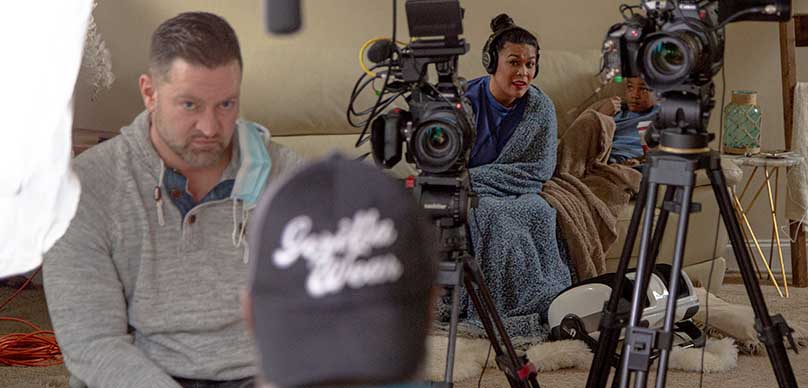
IFH 573: Vampires, The Devil and Working in Hollywood with Brian Nelson

Today on the show we have screenwriter Brian Nelson. 

Nelson holds degrees from Yale University and from UCLA. He worked as a drama instructor at Langley High School in McLean, Virginia in the early 1980s, where he taught Gilmore Girls actress Lauren Graham, Little Miss Sunshine screenwriter Michael Arndt, and UCLA screenwriting instructor Brian David Price.

Nelson’s numerous writing credits include episodes of the television series Lois & Clark: The New Adventures of Superman, Gene Roddenberry’s Earth: Final Conflict, JAG and the Disney television series’ So Weird and In a Heartbeat as well as the feature film Hard Candy. He also wrote the play “Overlooked” and co-wrote the script for the vampire film 30 Days of Night, which was released in late 2007 and helmed by Hard Candy director David Slade.

Nelson wrote the script for the M. Night Shyamalan-produced thriller Devil. Nelson wrote episodes 3 and 8 of the Netflix original series Altered Carbon, as well as executive-producing the show.

His new project is Agent Stroker.

AGENT STOKER is a paranormal thriller – part Raymond Chandler, part Philip K. Dick, and all macabre all the time. AGENT STOKER is the love child of The Shadow and Black Mirror, it’s “The X-Files with a drinking problem.”

AGENT STOKER is the tale of a wounded man working for the Night Brigade, tracking data points that might just indicate coming apocalypse. AGENT STOKER is scripted supernatural fiction created by Chris Conner and Brian Nelson (both from Altered Carbon). 

Brian and I had on heck on a fun time talking shop. Enjoy my conversation with Brian Nelson.

Right-click here to download the MP3

Alex Ferrari 0:00
I like to welcome the show Brian Nelson. How're you doing? Brian?

Brian Nelson 0:14
So far so good.

Alex Ferrari 0:16
We have been talking for I don't know, 20,30,40 minutes before we even got started. So I have a good feeling about this conversation. I think we're gonna have a lively, a lively, you know, trip down the rabbit hole of screenwriting in the craft and a few other surprises, I'm sure. So before we get started, how did you get? First of all, why? And how did you get started in this business? Like, this is a ridiculous?

Brian Nelson 0:42
Why would anyone get started?

Alex Ferrari 0:44
This is this is an insane business. Like, you know, it's insane. How did you get started?

Brian Nelson 0:49
I had the fortune not to know how insane it would be before I am.

Alex Ferrari 0:53
Fair enough,

Brian Nelson 0:55
You know, long version or short version, which would you like,

Alex Ferrari 1:00
Whichever you'd like to whichever one? Whichever, whichever feel you feel like you like because we're gonna be here for a minute

Brian Nelson 1:06
I make my own grave.

Alex Ferrari 1:07
Right, exactly.

Brian Nelson 1:08
Right. All right. Um, for for various reasons that are part of the long version, I had this notion that, oh, maybe I'll try to like work a number of different jobs over my life. So I worked for a little while as a high school teacher and I worked for a little while as a theatre director. And then I'm thought, you know, I'm gonna move into writing. And of course, once I moved into writing, that means working in new jobs all the time. So I didn't have to actually continue that model. Because I was constantly as a writer, you were, you know, reinventing yourself all the time, and you are taking on new territory and responsibilities all the time. 10 years ago, I had to learn everything there was to learn about Florence and the Italian Renaissance for Da Vinci's demons. Little later, I had to learn everything there was to I read every word we still have written by Lee Harvey Oswald, because I was doing a deep dive into the Kennedy assassination for 1122 63. So so that is part of it was that I had this sort of sweet, idealistic notion of, oh, let's just live a life where you're constantly reinventing yourself. And then I stumbled upon this career where I'm, in fact, already constantly reinventing myself. So get Be careful what you wish for. You know, having said that, I mean, I've always on some level, you know, I was that kid in first grade, I was writing little episodic stories, like, wow, yeah, I know, I stumbled upon this one day. And I was like, I did this. But yes, here's like, in my little first grade handwriting, there's chapter five, where there's like a team have, like, sort of Mission Impossible type, operatives. And, and, and they all kind of happened to be my friends, but they all had code names. And I was x five, who was secretly the robot, which, what does that say about my like, self image, and we'll leave that for later. At any rate, so So I've always, you know, since since my earliest memories been, sometimes despite myself, I've been a storyteller and, and, and to get like, a little more thoughtful about it, you know, I think that on some level, that's our job as humans is to take a universe that seems without reason frequently and figure out the reasons make things make sense. You know, that's our gift as humans is to be able to interpret a possibly meaningless reality and ascribe meaning to it and make sense of our lives that way. So I figured out somehow within all that, how to actually make a living doing the thing that I think humans should be doing anyway, so, so far, so good.

Alex Ferrari 4:22
Yeah. And you're absolutely right. I think it's, it's, it's it for a writer, I think it is our responsibilities to to be able to give some sort of meaning to this insanity, that we are just our life and why we're here and what's going on and doing these deep dives, especially you know, going you know, doing research on your career. And you just mentioned a couple like the you know, the Renaissance and the the Kennedy assassination and there's those a couple of vampires in there and there's a devil in there as well. There's a few other things that you've you've really delved into a lot of things but as storytellers you're absolutely right. It is our job to kind of do that in an entertaining fashion because That's what we were doing around the campfire. You know, 1010 20,000 50,000 years ago, it's, you know, and stories I always tell people stories are they saved your life because if you didn't tell the story about the tiger who ate that guy around the corner, down by the river, if that story didn't get out, the tiger would still be eating people left and right.

Brian Nelson 5:22
Well put, and you know, I have a friend who told me once, like, I actually get into that whole campfire thing when I'm pitching a story to executives, like, I channel all of like the 1930s radio drama energy that I can. Yeah, a friend says, Yes, Brian, you have this, what he calls this, your dark campfire Mojo, where you're telling this story and you're making it clear that like, if people don't listen, something terrible might happen. So yeah, your your best, Orson Welles, your best Orson Welles. This is not the first time that that analogy is true.

Alex Ferrari 6:06
Now, you did a movie called Hard Candy in back in 2005. I remember when it came out. And it kind of it was very risque for that for its time. I remember, people were like, what? Like, they were really It caught? It really caught a lot of fire. How did you get from the How did you get from the script, to production, to Sundance and then and then you know, finally getting it distributed.

Brian Nelson 6:35
I mean, hardcat it was a tremendous experience. For me, I had been working as a writer for a little over 10 years where I'd done I've been in a writers room on a series, I'd written a miniseries written a mini series that did various freelance gigs. But also, I was like, trying to figure out how to, like, let things catch fire. And, and honestly, I had no idea that hard candy would be the thing that caught fire, but a producer named David Higgins had read a play of mine and head said, let's figure something out. And and he had a sort of clever idea. He was at the time a development executive himself who wanted to move into producing and his thought was I'm going to sort of see if I could come up with like, logline sentences for movies that could be made for like $15 and and find writers and develop them that way. And so we kicked the idea, various ideas around and one day he said, You know, there's this there's this story that I read about in Japan where these underage teenage girls would lure businessman up to their apartment with the promise of illicit dangerous sex, and then beat them up and rob them. And and we talked about like, it's really interesting, this dynamic of you start the story thinking, Oh, I should be afraid for this person. And then you realize, except maybe I should be afraid of them. And that was a felt like a juicy dynamic to consider and so we kept talking I shaped out really of a shockingly miniscule treatment I think it was like maybe four four and a half pages. And and David managed to say you know, I think we got something here but of course, I have no money but if you thought about specking it I bet we could sell it and it happened to be New Years and so I was like well, resolutions Fresh Start Sure. Let's give it see what happens if I give two or three days a week to just seeing what happens if I move forward with this story which at this point on the on the treatment was called Vendetta is very lame.

Alex Ferrari 9:17
Very beat very be very 80's be movie

Brian Nelson 9:20
Yeah. How to call it something. And fast forward on the title theme when we eventually were in production. We were like, well, we need a new title. I pitched her a while the idea of let's call it snip snip. Oh, and amazing. Always get some reaction but Hagen's Hagins to his credit, maybe not the reaction a

Alex Ferrari 9:52
Little too little too far.

Brian Nelson 9:54
So so he said, You know, there's that there's that movie where like the cheerleaders robbed the bank where it's called Sugar and spice. And maybe there's something in that vein where we talk about the like, bad dynamic. And so, along those terms, I pitched hard candy and as the title and that's what it became. So I've written the script, the script wrote remarkably fast. I mean, I, it just felt like I'm onto something here, it was one of those situations where like, you know, you, you set a certain quota for yourself of how many pages you want to try to draft a day. Sure, routinely, I was like, exceeding my quota and like, hitting dinnertime and going, I could keep going, I'd maybe I should stop now, while I still know what the next lines will be. I mean, it was just, it felt very fluid. I was at the right point, I think in my life and career to like, channel a lot of different influences. And it came also partly out of my theater experience. I had trained as a director in theater, Hagen's his plan B was, if we, if we never get any money to make this, then you know, Brian, you know, actors, we could just, you know, max out our credit cards and rent a digital video camera, and shoot it in my house. And so while I was writing, I was actually had in the back of my mind, right things that can shoot in David's house. You know, I was sort of choreographing it. I was writing it sure, you know, like a stage director thinking, Alright, now we should move to the kitchen, or when in fact, one day I got a ladder, and I walked up on the roof of David's house, you know, to see what that would feel like. David lived in a house all that also at that time that had a little interior rock garden with that, that we were like, there could be a safe under there, and so forth. So So I wrote it in a way for production, which I think was smart, something that helped. We sent this script around, we got a lot of great response. We got we got people who were like, people from studios were like, This is so great. Don't send it to us. Because we'll only screw it up. You know,

Alex Ferrari 12:26
That's just what you want to hear. Just what you want to hear

Brian Nelson 12:29
Fascinating response. And I mean, on some level, they weren't wrong, that they were like, you know, they they were basically saying, no, if you, if you do it here, then like you'll the development process will make will bleed everything special out of it. And it will turn out to be not a movie, where you know, this, this young kid executes this diabolical revenge, but she'll turn out to be Holly Hunter pretending to be a young kid or, you know,

Alex Ferrari 13:00
But isn't. But isn't it amazing, though Hollywood has I've never, I've never found another industry or another place where Hollywood, other than Hollywood, that they give you the nicest efuse I've ever heard. I mean, it's it's artistic. It's art. And that was that is I agree with you, although in this case, I prefer not to think of it as it No, it was, it was a little bit of it

Brian Nelson 13:23
Like wise, you know? Sure, counsel. So we started looking into how to how to make this independently. And Higgins thought, you know, if we find a director ourselves that we like, then we could present ourselves as a package. And frankly, a great aspect of this as well was that then the directors relationship would be with us. Because it turns out that you're your biggest loyalty is is often to the people that you saw as bringing you into the project. And so having that bond with a with a director that way was was tremendous for us. So we looked at reels of various people. And, you know, one of 17 Incredibly lucky things that happened on this project was we ran across the work of David Slade, who had been directing commercials and music videos, but had not done a feature was looking to do his first feature. And you know, we'd like very quickly realized, Oh, my God, here's a here's someone who could, as you see in hard candy, he could take a teenager looking through a file cabinet and make it look like The Bourne Identity.

Alex Ferrari 14:43
That's what commercials and music video directors have. They have that eye

Brian Nelson 14:47
He knows he knows how to shoot the hell out of something. And so we became this package. I will refer to them by their last names a lot since they're both David and but we became this package of me and Higgins at Slade And we looked to various indie funders. There was one group that actually gave us offered us twice the money we made it for. But their deal was, but you'll have to, like make it with our people. And Slade had very strong feelings about know if I'm going to make this for a price, it has to be my team that I know. Right? And I already have shorthand with that I can work with instantly. And so we were funded by Vulcan production productions, which was Paul Allen's company. And and they basically wrote us a check for a million dollars, which was a lot and not much at all. And we we hired an ingenious line producer whose job was to lie to us and tell us there was not much money left. Right. And, you know, we kept coming at him, he would eventually say, Well, I did squirrel away some money. And

Alex Ferrari 16:11
Yes, I love I love like producers who do that they're like, Well, you know, I I hit a little bit of money and put in design, so you can pull that out there. Oh, and props. I threw a couple extra grand over there. Oh, it's the best.

Brian Nelson 16:23
And, and so I'm gonna try to angle my camera here. Yes, yes. If you could see it,

Alex Ferrari 16:32
Oh, it's an amazing poster. That's an amazing poster. Yes,

Brian Nelson 16:35
That is this kind of collector's item. This is the poster that we made ourselves to take to Sundance

Alex Ferrari 16:45
Amazing, amazing design amazing design.

Brian Nelson 16:48
You know, equally amazing was the Lions Gate design when Lions Gate eventually picked us up?

Alex Ferrari 16:55
Oh, yeah,

Brian Nelson 16:56
That design of Haley in the hoodie, standing of that giant bear trap. Oh, unbelievable design. And I have that right and elsewhere. But this particular poster is always special to me, because it was seen only by, you know, 190 people at Sundance.

Alex Ferrari 17:14
So I'll tell you what, in 2005, we did you guys go into the it was the Sundance 2005. Sundance, right? Yes. That was my first year at Sundance. And I remember walking, and I was walking, I was walking Main Street. And I remember seeing the poster. And I remember hearing about an A here and we were there promoting our short film. And it was just like, Man, that's a great idea. And I just like in the in the marketing for that looks really cool. And it was just, you know, for people, Sundance was a whole lot different in 2005 than it is today. It's just a whole other. It hasn't turned into what it is today. And but I do remember oh five, and I remember walking the streets. And I remember seeing the poster and I remember hearing about that movie. So yeah,

Brian Nelson 17:57
It felt I will say it felt like a lot today a lot lot in 2005 Even I mean, it was it was that the place was jammed. And, you know, Sundance is is also I will take a moment to say, you know, wonderful in many ways and helped launch as and at the same time. Boy, they are focused on directors. So like, you know, the artists so much on the writer, not so much the writer. No, no, the artistic director introduced the film as written and directed by David Slade and David had to say I actually. And Sundance had not made a badge for me.

Alex Ferrari 18:38
Oh,

Brian Nelson 18:41
I tell that not to shame send it well, no, a little bit, just a little bit. But actually, not having a badge turned out to be great. Because they were like, well, we have a badge, but the name of your film. So I walked around town all week. And my dad said I was hard candy, and take that the wrong way. But I'd be on a bus and people would see my badge and they'd go, Oh, my God, I love that film. And, you know, whereas had I been wearing a badge that said, Brian Nelson, I just, you know, I wouldn't have any nobody would have talked to me, but I actually was wearing my own PR. And really that turned out to be honest. You know, if I'm at Sundance again, I probably want to do the same strategy and not have a badge but just have a badge with the name of my film because that was magic.

Alex Ferrari 19:43
Oh my god, that must have been amazing experience. And then it goes on to to do you know, well, it got picked up and it does well it gets critically acclaimed. So now how does the town treat you? Because you've been around you've been around for a few years. You're not you know, you didn't just show up with Your first spec script you've been writing.

Brian Nelson 20:03
It's interesting, because, you know, I got about three years later, my previous agent left the business and I signed with new agents. And when I'd see their resume that they'd send out on me, it began with hard candy. And I was like, Oh, that's interesting. For you guys. I didn't really exist before that. Right? That's fine. But um, you know, the fun thing about going on meetings in the wake of Hard Candy was that people read it. And they tell me all their experiences of reading it. They'd say, it was like Sunday at 1130 at night, and I was tired. I thought, I'll burn off one more script. This looks fun. It has candy in the name. And then I'm like, 20 pages in and I'm like, What am I reading at this hour of the night? Why am I all alone? And not very dressed? I should put on more clothes. So people loved telling me those stories. Oh, that's awesome. But also, I'd walk in and people would meet what you're seeing now people would meet a guy whose looks and sounds like me. Right! And they'd go. You're not who I saw.

Alex Ferrari 21:34
What did they? What did they think

Brian Nelson 21:36
Hard candy so they expected Marilyn Manson.

Alex Ferrari 21:39
I was about to say, like, with some emo kid to walk it

Brian Nelson 21:43
And I Yeah, exactly. And, and, you know, so I walk in and I mentioned I'm amusing and not right, you know, come in with a kind of a light touch and I'm easy to talk to, and I'm not like glaring at them. Like why you think you have the right to exist? No, no. So that was but maybe that was that was a surprising like comforting to people that oh, we wait to be scared of this guy.

Alex Ferrari 22:17
Now, so after you made your rounds in town, you and David Slade worked on another project shortly thereafter. A little vampire film independent vampire film that we call 30 Days of Night, which is a fantastic I mean, I love love, love that movie. And I love the shot. I love the way it was written. How did you approach adapting? Uh, this was a graphic novel, if I'm not mistaken. right it was .

Brian Nelson 22:44
It was a graphic novel, graphic novel created by the amazing Steve Niles. Yeah. With with art by the equally stunning Ben temple Smith. Yeah. And you know, it had been a sensation in comics. I'm one of those guys who you know, knows way too much about comics for someone my age, you know, here's this wall you see behind me with like Shakespeare and pincher, but literally on the other side of this wall comics are 29,000, Marvel and DC comic books. And so

Alex Ferrari 23:20
Well, we can get we can geek out then

Brian Nelson 23:24
Fair warning anyway, So So I, you know, I certainly knew of the project it had been through. It had been through several writers and the studio had reached a point where they'd said, we're not sure what to do with this, maybe we hire a director, and then the director sort of supervises a writer. And yet, this is Studio thinking for you, then they were like, but maybe we shouldn't hire the writer that the director wanted. Because then the writer won't listen to us. They'll only listen to the director which you know, having heard my you know, thesis about who hires you into your loyalty. I mean, that certainly makes sense. So therefore, I even though Slade wanted to bring me in on this, I still actually had to, like enter a derby for this. I was one of three riders pitching it I have never pitched two more people at once. 11 people included on the pitch including two on the phone, you know, from from the studio and two production companies and the publisher of the graphic novel. And so, so it was a lot but somehow, luckily, I won through and was tremendous fun to write. I can imagine and and what I what I look, Steve Niles had this brilliant premise for his story. So Like, the first, the first 20 pages, like, we're already home, and he had a brilliant ending. The challenge of various writers along the way was that, you know, there was there was not there was not much in the way of character arc yet or a second act. And so that's a lot of what I brought brought to that. But it was an interesting case, because also, you know, Josh Hartnett had been cast and won as part of his deal the right to like consultant script and, and, you know, we were like, holding our breath about, oh, what's, what's this actor gonna say? But Josh brought interesting ideas to it. Josh said, this is a small thing, for example, it's hardly like, when people list the the things they love about 30 Days of Night, nobody says, oh, and his inhaler. But actually, you know, Josh was like, I want to be an ordinary guy. I don't want to be a secret superhero. And so, so like, Could we just, you know, give me like, a little asthma issue and silver so that, like, when I run around the corner, we're not going to do the scene of like, must get inhaler, right. Yeah. You know, it would be great. If I just had to take a moment every once in a while to just puff, you know, I just need a little help. I'm human. I'm an ordinary god. That was an example of something that's actually suggestion suggested that I thought would be great. Josh also suggested, what if? What if I have like, a little brother, because the little brother was not in the graphic novel. And and Josh suggested, you know, if I had a little brother, then that would be go to like the themes of family in the story. And when I thought about that, I thought, Oh, this would be great. Because if his brother is like, 1719, he is like, Josh is the sheriff. Josh plays Evan Evans good at his job. You know, so, so Evan didn't have technical challenges of can I really do this, you know, he, he steps up to the moment, but his little brother is his little brother. And so like, having to watch his little brother have this coming of age where it's like, Oh, my God, I just killed a vampire. Maybe I need to go throw up. Now, you know, that was a tremendous dynamic to have. And, and, you know, watching watching that character have that little arc, again, not something that a lot of people when they, when they list things about the movie, they nobody ever says to me, oh, have a little brother. But it was part of the texture of that, right? It actually made it so human and so rich, and that to me, in everything I write, I'm looking for that humanity. I'm, I'm, I will often say to people that regardless of what genre I'm writing, I write about people who find themselves someplace where the rules have changed. And now suddenly, it's up to them to decide, whoa, what are the new rules is going to be? And when they make those decisions about what's what's going to be right and wrong in this new paradigm? What did they discover about themselves, that maybe they didn't want to know? So that's what I love is taking people putting them in a gray area where they have to make those hard choices, look in the mirror and go, Wow, that's who I am, what the hell do I do with that? And that is hard candy. And that is 30 Days of Night, and that is altered carbon, and that is Agent Stoker. And it's and so you know, even though I write in various genres, and have have, you know, a sort of complicated resume, that's my sort of unified field theory of what I write,

Alex Ferrari 29:21
And that's a that's a really great point of view. Because I mean, I've never heard it illustrated that way before. Because, you know, obviously, the the ordinary world and you go into the, you know, the New World, and that's the concept of that, but putting them in a place where the rules of their environment have changed, like in devil or, or like in 30 days a night where you were, I mean, obviously, you know, you've got vampires in the sun's never coming. Like that's a great such a such a wonderful concept for a vampire movie. It's like, if you're going to do a vampire movie, it's such a great thing but that and then also I just love the idea of the vulnerability of Josh's character, not only because of the inhaler, which is a brilliant mood, brilliant, brilliant idea. But having the brother and having to watch his brothers back as well gives him another vulnerability. He's like, he's not only dealing with asthma, he's not only dealing with a town full of vampires, he also got to watch his little brothers back and take care of them as opposed to so it's just all those little, those little parts of the tapestry add so much to the character. You're absolutely right. But I love that idea of the throwing them in a gray area where the rules have changed and see what they do when you apply these new, this new paradigm to them.

Brian Nelson 30:39
I mean, not that, you know, my feeling is sometimes the gray area happens for various reasons. Sometimes it's thrusting upon you, without your being prepared for it or having asked for it other times, you semi wittingly or unwittingly created it because you were pursuing something and then guess what it puts you now in this new territory? Right? You know, you to be careful what you ask for kind of situation, like so people, people can find themselves in the new paradigm for different reasons. But, you know, on some level, I'll even say that that's, you know, that is me as a screenwriter, that I was a guy who was like teaching school and directing theater, and then I entered screenwriting. It's like, whoa, the rules are different here. I have a lot to learn. Even though I thought I was pretty smart, man, there's still a lot to learn. So

Alex Ferrari 31:34
And the game change, and the game changes almost weekly.

Brian Nelson 31:39
Always asking myself, am I capable of what am I capable of a while I and and surprised? I didn't know I could write that. But I guess I just did. So yes, exactly. And it's fine.

Alex Ferrari 31:54
Let me ask you. So I always love asking writers this, about the flow about being able to tap into their creative. Well, I believe that we all have a creative Well, I think Spielberg said it best is like ideas float in the universe. And they will come to you. And if you don't do something with that idea, it will go to somebody else. And that's why he's like, Oh, I had that idea. But I didn't do anything with it. And like six months later, oh, it's in production. Damn it. I have a great print store, if you want to hear Prince story about her. So Prince, Prince, I was writing as

Brian Nelson 32:29
Another Nelson. So, you know, I'm automatically in sympathy.

Alex Ferrari 32:33
So prince, the the late great prince called up his, you know, he has like 1000 songs. And yeah, he's got a new album up into the year 3000. So a new album every year up into the year 3000, we will continue to have prints. So he would just call up his his backup singers and his musicians at whatever time whenever he got struck with with inspiration. And one night he calls up his his, uh, his back of one of the backup singers and says, Hey, what are you doing? It goes, I'm sleeping Prince, it's three o'clock in the morning. Like, I need you to come down to the to the recording. So we're gonna record it. What can you just wait, like, for four hours? Like, no, I've got to get it now. And I got to get it recorded now. Because if I don't Michael Jackson's gonna get it. And that was such a amazing, like little peek into his creative process. He really understood when he had an idea or an idea came to him. If I don't act on it, it's gonna, I'm gonna lose it. So I always like asking writers What do you do to get into the creative flow and how to tap into that well, of creativity that is that is yours that you get that that Muse if you will, to tap into that?

Brian Nelson 33:46
I mean, that's a very interesting question. Because like, I'm, I want to answer it in at least a couple of different ways. And this may be my, like, Libra quality, you know, my wife's complaint about me? Is that the answer to every question that she asks me as well, yes, and no. You know, and so there's a part of me that wants to say, actually, no, you don't have a choice. There's nothing I do. I it does me, you know, that, like, I, I will just have to come downstairs at 1230 at night because I can't sleep and I know, I have to write it down so that I can sleep. You know, because otherwise, you know, the ideas just gonna keep kind of going, hey, hey, anything about me? You know, so, so there's that, you know, having said that, I will also say obviously there are you know, I mean, like I you know, spent a lot of time trying to figure out how to work Pandora to find a way to curate for myself a collection of music. That would be only so interesting. to keep my mind occupied a little, not so interesting to distract me.

Alex Ferrari 35:07
So find balance.

Brian Nelson 35:09
But interesting enough that when my mind goes on, do you want to think about something else? I've already fed it. This, this minimally interesting music. Okay? Yeah, no, yeah, I was too if I were writing in silence, I would go and, and, you know, go do something else. You know so so knowing you know, knowing something about how your brain works and what your capacity is, uh, you know, I I'll arrange various treats for myself, you know. I'm a big believer in you know, the, the animal moths book Bird by Bird and then feeling like, you know, you don't have to do it all at once, break it down into little chunks, Bird by Bird. And lo and behold, you write about enough birds and you got an aviary. I don't think that's quite the way she put it. But brick

Alex Ferrari 36:05
Brick by Brick a piece of the elephant a bite of the elephant at the time.

Brian Nelson 36:08
Yeah, exactly. Exactly. So um, so those are, you know, that I certainly have my, my schemes. Having said that, once I had two kids, I also got really good at writing whenever there was the time, because, oh, yeah, I used to be a guy who like, and still am somewhat a guy who like I love writing, you know, in the middle of the night, when the house is all asleep, and I have everything to myself and no distractions it's over. But being a parent, man, I learned to write in like, the little time from 1005 to 10:23am, or whatever, you know, that, that, you know, being a parent of young kids meant you were signing on to a life of none of your plans going like you thought. And so, so as a sort of evolutionary survival strategy, I acquired the ability to write when I got the shot.

Alex Ferrari 37:14
And it was very much like Stephen King, you know, when he was writing carry on a typewriter on his lap, in the laundry room, you know, and he was just like, as he's doing laundry, he's just typing away on carry his first novel, and you just do what you got to do. And if it's five minutes, it's five minutes, it's it's five hours, it's five hours, it's whatever you can, but you just got, I think the key is also just writing, just just write in, all the bad stuff is gonna flow out

Brian Nelson 37:37
Absolutely. And, and, you know, the world is full of people who want to have written,

Alex Ferrari 37:46
Oh, they want the glory, but they don't want to do the work.

Brian Nelson 37:49
Maybe not even necessarily glory, but they want that feeling of I have written them. So I am, you know, I'm able to, like, look back on it, and so forth. But you what, what one needs to acquire is the pleasure and the joy of, of writing, as opposed to having written and if you don't have that I enjoy is actually writing. Again, it's got to become an insufferable slog, and you're going to very quickly find a way to do something else. That might also tangentially involved stuff you forced yourself to write, but, but the actual process of writing is, I mean, again, I was I was doing it when I was six years old, without even knowing why I was doing it, you know, right. It's unfortunate in that way that it's, you know, I'm not a musician, I would love to be, oh, same here. But, you know, I have a musical instrument here that my wife gave me that I took some lessons on. But as much as I love the ideas of musician, I don't have music. I don't actually yet, maybe that'll change. Maybe I can tell myself, but I don't yet find pleasure in the actual like, playing in the actual making of the music, whereas I do and always have found pleasure in stringing a mess of words together and seeing what happens and and changing the words that go wait, maybe maybe, in fact, a shorter sentence here and so forth, you know, and that that is is feels like home.

Alex Ferrari 39:34
Yeah, and that's another thing that you know, as creators, we a lot of times want to want to be at the end of the road and don't enjoy the journey and it's always about the like the end the finished screenplay, or the finished movie and but the painful for many people, it's painful to get to that point. That won't you can't sustain a career that way you need to enjoy this process. You need to enjoy any process you're doing because As the bulk of the time you're on this planet is in the journey, it is not in the, it is not the one that is not the one that you win the Oscar. It's the 20 years that you were working towards that process to get to the Oscar, if that's a goal of yours, or whatever, but it's that's it, those moments are so short. And you can live in them for a minute, and then you're done. And you're like, Okay, now what? You but

Brian Nelson 40:22
I mean, I feel secure, saying, Alex, I'm not gonna win an oscar. That's alright.

Alex Ferrari 40:29
You're right, me, you

Brian Nelson 40:31
Kind of work that gets considered for that. And that is perfectly fine. Because I love the work that I'm doing. Right! If it ended up that way, am I gonna turn it down?

Alex Ferrari 40:41
No, no, no, I don't want

Brian Nelson 40:45
No, I'll take it. But

Alex Ferrari 40:47
Give it to Eric Roth again. Don't give it to me. No, I understand. No, I understand completely. And I think you and I are both in that same category. So it's not bad. It's not bad. It's not like most of us are in that category. Now, I have to ask you, you got to work with arguably one of the better, one of the best voices in his generation, I think for as a writer is M Night. And, you know, coming out with sixth sense. And, for better or worse, always having to live up to success with the rest of his career. But he's a brilliant writer, and I'm such an admirer of his because he had reinvented himself a few times. Because there were moments in his career where Hollywood just wrote him off. He's like, up, that's the end of that. But he just kept his head down and kept putting out great work. And then he's had this, this resurgence in the last, you know, five, eight years of just putting out great work, what was it like working? And how did you get involved with nit for devil,

Brian Nelson 41:53
You know, time and again, I find myself saying, Well, I was really lucky. And you know, of course, you know, luck is partly that I kept my head down and kept working. And so you know, the more work you do, the more luck finds you. But nonetheless, I was approached about devil by night. My agent called and said, I'm not channeling wants to meet with you and okay.

Alex Ferrari 42:27
And you're like, who does? Who does? Who does? This is a joke?

Brian Nelson 42:30
Well, well, so he says he's the what I'm told is he's he's in a hotel in town. So go to the hotel, and he'll come down and meet you and was oh, so friendly. It's sweet. It was like, amazing, because I remember being in the lobby of this hotel. And they say, All right, well, here, you can call up to his room. And so I'm on this, you know, the hotel phone saying, Hi, this is Brian Nelson. I was told to call this number and, and I hear this voice saying, Hey, buddy, it's night. And like, alright, we're off to the races. So night hat, the way that he framed it to me was he said, You know, I, I've had two or three ideas that feel like little films that could be fun, but maybe they're maybe their ideas that would suffer under the weight of written, produced and directed by Night Shyamalan there, there. There's smaller films, and I've made this deal with this company, media rights capital that I will produce and supervise writers and directors in this. And we'll we'll make these three films, and I don't I, I'm not sure they all got made. But I was the first out of the box. And he gave me like a 678 page treatment for for what became devil and said, Is this is this something that you would want to write? And I told you earlier about my sort of what I frankly call my mission statement, you know, what, like, is it about a character who like finds themselves? And, and I frankly, I use that as a rubric. So I mean, look, of course, there was a part of me it was like, well, if I'm my channel and asked you do you want to write something? Of course you say yes. But also, frankly, no, I also had to ask myself, does it fit the mission statement? Because I have found in my life that like, if I try to write things that are not in that zone that I've identified as my zone, right, they're not going to go well. Right? But devil totally fit that. And so I was happy to sign up and And I did a number of drafts, I worked a lot in close consultation with the dowels, John Eric Dowdle who directed it and his producer brother Drew, we, we hung out quite a bit talked about the story from different perspectives. And so it was it was a very effective collaboration and a film that, you know, again, I'm, I'm very lucky that people you know, come up to me all the time and go oh my god, I just literally a guy I know. Last month said to me, I was watching this film and I didn't know you wrote it. And at the end of the credits, I was like, ways that Brian Nelson that I know. You know, frankly, it might not be because they're turned out to be a couple 36 Brian Nelson's on IMDb, of which I am Roman numeral two. High up there has because I've been around so damn long. You know I joined IMDb I started logging on to IMDb when it was run by a little college in like Louisiana. And there were two. And I was I was on IMDb too, because my last name is between M and Z. You know, that's how primitive it was in those days. Wow. But there's a lot of Brian houses in the world as it turns out, but I wrote Devil and that my friend was like, I didn't even know. And it still continues to haunt people's nightmares. And, and so

Alex Ferrari 46:43
It's, it's it was terrifying. I remember when it came out, I saw it was terrifying. And and I remember people just talking about it like did you see devil? Do you see that? Like it was just there was a little thing in the air about it. I

Brian Nelson 46:57
I have a very good friend who's a very accomplished director. And maybe I won't mention her name because I'm going to talk about this phobia of hers. But like she called me up and said, I'm so happy for you, but I can't see it because I just got through months of therapy to be able to enter elevators.

Alex Ferrari 47:19
Oh my god, so you've tear up? Yeah, of course, she would never be able to ever, never ever be able to get into an elevator again. Now, you know, working with them night is is Was there something? Was there a lesson or something that you saw in his working in his writing process, and his storytelling process that you kind of nugget that you pulled away from working with him?

Brian Nelson 47:40
I mean, you know, night is a tremendously inspirational figure in terms of like, never be afraid to do the next pass. There's always more to do. You know, we You talked a moment ago about people saying, well, they want to, like, have that finished screenplay. But you know, there is also a saying that, like, no work of art is ever finished, it is only abandoned. And, you know, and and, you know, I remember hanging with knight in his study, and he's got all the drafts of everything in his study, there on that shelf are like 19 drafts of signs there on that shelf are 12 drafts of late in the water or whatever it is and so forth. And and, you know, he, he is a demon for work. And that to me, I always find very inspirational is that, because I believe that at you know, I've talked quite a bit already about you know, that you have to find a pleasure in writing. And that means, of course, absolutely the pleasure in rewriting. And you know, and I remember night saying what's, you know, sometimes sometimes it's interesting, Brian, you'll do a draft and it's got problems and then the next draft has like moved it forward so much and and, and then maybe the next draft will have more problems, but then the next draft moves it again. And it's yeah, you you go through, you know, you go through a sine wave sometimes of of finding things in a story and he was a great companion in those terms.

Alex Ferrari 49:21
Now, you you've written some very suspenseful stuff in your career. What, how can you create suspense in a scene? what's some advice you can give writers on how to create suspense within a scene? Not a whole movie, but just within the scene.

Brian Nelson 49:39
So years ago, I was working with producers at BBC Worldwide. And they asked me to write a piece. I wrote a pilot for them that was about the Georgian era in England. And I said had, I don't want to look a gift horse in the mouth, but I'm not like that person who would normally come to about this. I'm like, the vampire guy, right? And, and they said, we don't think of you as the vampire guy. And they said something that I was like, one of the nicest things people have ever said about my writing. Because they, they said, you know, we look at heart candy, and we look at devil and we think no, Brian writes about two or three people who go into a room have a conversation. And at the end of their conversation, both their lives are changed. And, like, if that is what ends up is my epitaph.

Alex Ferrari 50:46
That's a great epithet cheese, you know.

Brian Nelson 50:48
And this is part of my training as a stage director is, if something is going to be in front of our eyes, then it needs to earn its key, and it earns its key by in any given scene, something must change. And that change happens as a result of. And I'm going to sound extremely academic here, but each per each character's active intention, what is each person trying to do to affect the other person and create a change in that other person, and then one of them wins, or maybe they both win, maybe they both come to, you know, a realization, or, or their conflict creates a new problem or possibility. But But every time if a character is going to earn their weight in a scene, then they need to show up with a goal and intention, something that they want in that scene, and a plan to get it. And then they change. If that is true of the whole script. The entire script is how did this person change as a result of the choices and plans that they made? And what sacrifices did they have to make. But it's true of any five page scene as well is when characters leave that scene. If that scene was just about, oh, we want to establish the house or we want to show how sexy these people are, or whatever it is, then to me, it's not earning its caveat that that something must the status quo must have evolved by the end of that scene. And the other going to your suspense question. Ideally, I think every scene ends with a question that that that if a scene doesn't have a what will happen next at the end of it, then maybe you need to keep working on that scene. The only scene that shouldn't have a what will happen next is the final scene and even then, you're usually happier if you still have that movie ends and you're still wandering away. Isn't there more what next? Right and so so I'm, I'm obsessed with, with story questions, what do people want and what will happen next?

Alex Ferrari 53:32
Now in your, in your travels, you you've written in a few writers rooms. Couple, the one thing that in schools and in in academia and just general that's not talked about a whole lot at the politics of the writers room. Are there any tips you can give young writers who if they're lucky enough to get in a writers room? A couple landmines they should look out for as far as political, the politics of room and obviously that changes per room and per showrunner, but generally,

Brian Nelson 54:04
I do well in writers rooms, I think because I'm there to be part of a team and they're to engage and I'm not precious about my words, because I know everything's being rewritten all the time. You know, and so, so I really enjoy rooms because I think partly because of my theatrical background that I you know, grew up working in stages where, you know, even if you're a one man show, you're still gonna need a stage manager and a lighting designer and writer and so, you know, and so, so I I really feel at home in collaborative art forms. If I wanted to do it all myself. I would be a novelist or a poet. Right? But I don't actually Want to do it all myself? I want to work with partners and people who will, people whom I can challenge people who will challenge me people who we can all make each other better. The more voices This is partly an exciting time in television, because we are bringing out more voices than we ever have in maybe even the history of culture. And, and so that's, that's a thrilling thing. So, so I, you know, if, frankly, it sounds a little simple, but my my just advice would be, first of all, just be open, be open minded and be willing to contribute. And don't be, don't be precious about oh, this is my idea, or, or what, or this is how I wanted to say it, because it's all gonna change seven more times. Anyway, right? Later. But, but the more that you engage in a spirit of not about oh, what you said versus what I said, and more about, what is the story? What what did these characters want? As long as you're talking about the stories and characters, then you're getting it out of the realm of ego and into the realm of craft. And that's what I think makes a successful room.

Alex Ferrari 56:26
Now, I'm going to ask you a few questions. I asked all my guests. What was what was the biggest fear you had to overcome to write the first screenplay, your first screenplay? Because I'm assuming you didn't just go in all guns blaring. I'm assuming there was some, Hey, can I do this? Or you know, things like that?

Brian Nelson 56:46
Ah, you know, I've been around a long time. So now you're asking me to cast my mind back? decades? decades. I mean, I, you know, I, it's, it sounds very simple, but probably the biggest fear I had was, am I wasting my time? Is this something that I could be good at? Right? Um, you know, and I, I gave myself a certain, like, clock by which I needed to see some signs of success, or I would decide, you know, don't knock on a door that nobody's out. On the other side. You know, and, and luckily for me, someone knocked pretty early before that, because I didn't give myself frankly, the longest timeframe for that. So

Alex Ferrari 57:45
What was the timeframe? By the way? Was it like a couple years two three years?

Brian Nelson 57:48
Oh, no, no, no, my charter the math.

Alex Ferrari 57:50
Oh, really? Now, what was your timeframe?

Brian Nelson 57:54
I, I had written I mean, effectively, maybe it to turn out to be a couple years, but I didn't think of it that way. I, I was, I was directing plays, I was making money on the side writing script coverage. I was also working a day job while my wife was in grad school. So I didn't have a ton of time. I wrote two episodic specs, samples, like back in those days, you wrote samples of shows that were on the air. Sure, sure. I sent them to agents, people were like, this is nice, thank you. Send them what status? What else? Everybody else here? Right? I'm like, Okay, I got to do some more. I wrote a spec movie the week setting reaction. And so then I was like, Well, I'm going to write a screenplay. And I'm going to write the best damn screenplay. I can imagine writing and I'm not going to think about whether it's commercial or whatever I should you know, I you know, I people were like saying, but could you write under siege to Shouldn't you think of that and you know, and and I was so so no, I'm gonna write the best possible thing I can write and if it goes somewhere then it goes somewhere and if it doesn't, that will be that then that then that will be that and I will focus on where people seem to be interested in my so you ask luckily for me, that script out my even hardly trying God response I because through theater, I had a friend who worked in script development, his his day job at night, he was working in theater like me, but his day job was he was he was worked in mo W's for for a studio. And I asked to just as a pal, could you give me notes on this to try To help me get an agent, you know, I'm not submitting it to you. Right Man. Yeah, just please. I will benefit of your wisdom, any notes you could give me. And then timidly like two or three weeks later, I poked my head in his door. And I was like, I don't mind. Yeah. Yeah. And, and Eddie said, yeah, no, no, I have no notes. I think it's great. I think we should buy it. Well, they didn't buy it. But He then got it to a producer who actually optioned it and got me an agent out of it. And suddenly I was like, Well, I guess I can do this. And I guess all. So persevere. So so.

Alex Ferrari 1:00:47
So the advice you're giving screenwriters is give yourself 12 months, write one screenplay. That's it. And if it doesn't work out, then go do something else. That's basically what you're saying.

Brian Nelson 1:01:01
All I could do is report my journey. Of course, no, no, of course, I have friends who have worked in this for years. And it is their dream to write movies. I as I think I told you way along was like, there could be a lot of things I do, maybe I'll be a sociologist, you know, I need that was actually something I considered for a bit, you know, so so, you know, I, I love telling stories, but I was also prepared for this not to work out. And, and it's awesome. So, again, lucky for me, because it did.

Alex Ferrari 1:01:45
But the thing is, but the thing is, you've spoken about luck, a bunch in this conversation. But the thing is that you, you created your luck, because you actually did the work. It's not like someone knocked on your door like, Hey, man, do you got any ideas? Hey, I'll pay you to write a script. Now. That's not the way it was you you put in the labor? And then look happened?

Brian Nelson 1:02:05
Sure. So now I will tell you, I've told you my unified field theory of what I write now, I'll tell you my Unified Field Theory of careers. Okay, so these back in those days, I was watching and going, Why are those people who are so brilliant, but they are not. They are not getting their careers are not moving forward. I mean, while some other people who frankly, I don't think are so brilliant, but they are working like oh, what's that about? And so I devised this theory where you have to imagine a triangle. And each of the points of this triangle is a different aspect that might help you get a career. But the secret is, you don't need all three. Your career is a line that connects the two, you only need two of them to have a career. So the three points are talent, perseverance, and luck. So you might have no talent. But if you persevere, and you are lucky, you will have a career. But you might have no perseverance, like writing one script. Wow. But yes, but if you have talent, and you are lucky, you will have a career. And then we all know people that have no luck at all, but they have talent, and they never

Alex Ferrari 1:03:44
Rightand they build something out for themselves.

Brian Nelson 1:03:47
And I constructed this theory at about the same time that I was writing that script so maybe I've always been trying to talk myself into persevering now, you know, that's not fair.

Alex Ferrari 1:04:00
No, that's not fair. Because you you've done a lot sir.

Brian Nelson 1:04:03
I work a lot. Yes, you do. But but the corollary to this triangle is my talent is what it is I could improve I could look study craft I read other people's scripts all the time. I I like watching bad movies, because it's like, oh, what can I learn from this? How did this go awry? You know, but, but at the same time, to a certain extent your eye is your eye you got a little bit what you got through the the vagaries of fate and genetics or whatever else I don't know. Your Your talent is somewhat of a fixed quantity. Your luck, you have no control at all, but that's why it's called luck. So really the only thing you could control Is your perseverance? Absolutely. And so so that is my actual advice to people. Alex Ferrari is persevere,

Alex Ferrari 1:05:13
Or possibly even hustle.

Brian Nelson 1:05:18
Yeah, yeah, you might you might know it's true, because because look, that whole anecdote about that screenplay is on the other hand in the context of, but I was I've, I've been working, you know, since high school in the arts and I've been like, you're reacting directing. You play writing, we're honing out.

Alex Ferrari 1:05:41
You were honing your craft.

Brian Nelson 1:05:42
And well, I mean, yeah, I guess I don't ever think of it as honing my craft. That sounds so kind of,

Alex Ferrari 1:05:51
Well, no, but you I mean, but you were telling stories. You were working in the art. So you were you were gathering things left and right.

Brian Nelson 1:05:57
I'm, I'm, I'm pursuing the story. I, you know, I was I was in graduate school at UCLA. And there was a professor named Michael Gordon, who had this amazing career he had worked with a group theater. Then he directed the film of Cyrano de Bergerac. Okay, which one the Jose for? Yeah. And then he got blacklisted. didn't hardly work through the 50s. When he came back, he managed to direct again, but not Cyrano de Bergerac his comeback film was Hello, Taw with Rock Hudson and Doris Day, but he took that job and made the most of it. And continued working for years of years. And so he was a guy who just managed to build his career out of what is the story? What will people what will make people want to wonder what happens next? And I, I looked at the plays that I had directed, and the ones that had we had worked and the ones that have not worked? And I was like, Oh, the ones that work? Or what are the ones about story? The ones that made people wonder what would happen next, right? The ones that were just about a theme or an idea? Yeah, maybe there's people who can make pieces about theme or about spectacle, right? We're without story. There's people who do that.

Alex Ferrari 1:07:36
Oh, and I won't say their names into out loud. But yes, there's there's more pillar to them build careers upon

Brian Nelson 1:07:42
I would never harsh anyone else's jam. Absolutely. But what what makes my work work is story and character. And, and I, I I realized I could be intellectually tempted to work on a piece that's just about like, the fascination of language or whatever. But no, those pieces, those pieces are going to be only interesting to me. Fair enough. Fair enough, you know, and so that's, that's what I learned. And and so so maybe I'll revise my my, my screenwriting origin story to give myself a little more credit.

Alex Ferrari 1:08:24
You should you should, I think a little bit more credit. I mean, though, because you, it's not like you just like you were working fries, at a Burger King. And all of a sudden, like, I'm gonna give myself 12 months in one script to write and I've never haven't barely written anything in my life. That's not what you said, You've been working hard to get.

Brian Nelson 1:08:40
Now, it's totally fair. In fact, even even the day job actually was I got a job in a studio legal department, right. So I was in fact, watching the business of how you were being put together. I was like honing, Travolta get to fly his own plane to the sad why does that matter? Hmm. Interesting. Okay.

Alex Ferrari 1:09:04
So, um, that's a whole other episode. Just what you learned during that process time. If all the inside stuff of those those deals. I have two more questions for you one. What is the lesson that took you the longest to learn whether in the film industry or in life?

Brian Nelson 1:09:22
The lesson is make sure that Alex asks me in the second question about agent Stoker, which I'm dying to talk more about. Okay. Okay, now ask me that question again. That's all I could

Alex Ferrari 1:09:38
Well, tell me about yourself at first.

Brian Nelson 1:09:41
I did last year.

Alex Ferrari 1:09:46
I've heard this thing about HS dopa. Can you talk a little bit about that?

Brian Nelson 1:09:49
Um, so look, this is i This has been such a fascinating, fun journey for me. I met Chris Connor On earth through altered carbon, where he played Poe, our AI who believed he was Edgar Allan Poe. He crushed that role. Shortly into the pandemic shutdown. He was like, Hey, since nobody can like shoot anything. What if we like created a podcast? I have like this feeling that like, I keep thinking, Is there a way to do black mirror meets the old radio plays of the shadow? And I said to him, you know, if someone worked in a lab, and tried to figure out the phrase to fastest penetrate into my cerebral cortex, I don't think they could do better, like very relevant. Yeah, I write that. And so what we cooked up was this scripted supernatural podcast, call it a paranormal thriller. It is called agent Stoker. And it is we have various line log lines for it. One is of course, Black Mirror meets the shadow. Another is part Raymond Chandler, part Philip K, Dick, and all McCobb all the time. Oh, sounds amazing. Another logline for it is the X Files with a drinking problem.

Alex Ferrari 1:11:33
What a great image. That's amazing.

Brian Nelson 1:11:35
Ancient Stoker works for a covert organization called the knight brigade, that is tracking incidents that have no explanation. But maybe the explanation if we can all hook them up is that the end of the world is coming. And maybe we should try to get ahead of that. Just my agent Stoker is facing the loss of his partner and is not really necessarily sure he is up to the job. He is, you might say, thrown into a gray zone where the rules are not clear, right.

Alex Ferrari 1:12:16
And I've heard that before. I've heard of that before.

Brian Nelson 1:12:19
And it's very it's up to him to figure out how to persevere, but perseverance in his case also requires in every episode, the examination of some artisanal cocktail,

Alex Ferrari 1:12:33
Obviously,

Brian Nelson 1:12:36
Which is one of the easter eggs that we put into every episode we also managed to put into every episode a little bit of baseball trivia, we also managed to put into every episode, an actual real world indie bookstore that we're doing a pro bono shout out to ah, that's amazing. And yet in every episode, he also deals with schizophrenic AI and sentience mold and demon where cats and a number of you know terrifying other sounds that this fall into another another one of our loglines for the show, which is think of it as CSI apocalypse. So so we cooked up this show we approached wonderful actors who are not household names but who you know through you know being fans of television and share with you who've been a bunch of people from altered carbon Amy Hill from Magnum P I. You know, we're our biggest name probably is our announcer and and later the voice of the night brigade is is Emily de Chanel. Wow. But also Peter Jason from Deadwood

Alex Ferrari 1:14:09
I do do do do a voice. Do you do a voice in it?

Brian Nelson 1:14:12
I do not do a voice you show you sit back No, no actually because we thought you know what, we're going to do this exactly like we would if it were not the shutdown and we're doing it for live TV. So all the actors are are being paid sag minimums and you know, Chris and I created knife brigade LLC as a SAG signatory. And yeah, it's funny, one of my high school friends just wrote me and said, You Aren't you doing your voice and this and I, you know, actually I, I love all of all of the voices in this coming from the universe of actors that Chris and I know and love that we've just always been dying to do something more with. That's and we brought in and we brought Actually, you know, directors that we love to So, the So, the the, the pilot and the finale are directed by Rachel Talalay from Doctor Who and Sherlock and, and Superman and Lois. Several episodes are directed by us Scott who's done everything from for color girls to swat MJ Bassett, whom I met on des Vinci's demons and nightflyers, and also did altered carbon does does a block of three episodes. So, so we've been having a hell of a time. Our sound design is by our our CO producer, Patrick Hogan, who currently does sound for little things like Cobra Kai and so forth. Our line series and amazing woman named Dana Brower, who I met on nightflyers. Our music we have a theme music by an indie composer we know named Christie Kuru we have entitled music by Portland Indie band, the parson redheads I mean, it sounds awesome. A lot of elements here you should listen I rather

Alex Ferrari 1:16:13
Where and where can and where can people listen to it?

Brian Nelson 1:16:16
Wherever you get your podcasts.

Alex Ferrari 1:16:19
And what's the name of the show again once again

Brian Nelson 1:16:21
It's Agent Stoker.

Alex Ferrari 1:16:23
Okay, so everyone listening

Brian Nelson 1:16:26
Bergerie that you can find on Spotify or Apple or you name it it's it's out there and and you better find it before it finds you.

Alex Ferrari 1:16:35
I will put it I will put it on the show notes. One last question three screenplays, three screenplays every screenwriter should read

Brian Nelson 1:16:47
Ooh you should have warned me because you know this sort of thing that like a certain questions that when people people ask them of course the things that you think go out of your head right you know I literally keep a posted here so that when people say what have you been watching lately? I have the answers so that I'll remember this otherwise you know you go right I have been watching things what are they so look ah we you talked earlier about night nights screenplay for unbreakable. It's incredible. I remember reading it back when I was starting out and I've like saved it I've still got my copy you know, it's it's, it's I would recommend that to anyone. This might not be this might be an unexpected answer. But when I think over the years of like pilots that I've read and blown me away that you know that there there have been there have been shows that there have been pilots that I that I I might recommend but I also when I think about screenplays, I am going to I'm going to toss in the third man I love the third man I think about that all the time. A screenplay that I might not recommend except I love it. It's structurally a mess. Well, it works. The best movie ever made maybe is the big sleep. Oh yeah. Yeah. I was hired on altered carbon in part because I came into the meeting and I said, you know, this story is like the big sleep and Lita calligraphic greatness was like, Yes it is. I'm so happy you know that. You know, so So I think about the big sleep all the time. I I'm not stopping it three. You're doing dirty pretty things. Dirty pretty. Is is is is an amazing script to me. You know, it is exactly what I've talked about. It is a guy thrown into a place where the rules are not clear. And now he has to find ask himself what am I capable of to faceless? I am a giant fan of Days of Heaven. The Terrence Malick masters I I'm a big fan of neem Creek. Yeah, yeah. Which I think is a very under discussed film. But again, a film where people discover what they're capable of that they never wanted to know about themselves. You know, I, that's five.

Alex Ferrari 1:20:11
I think you're good. You're good. You're good. We could keep going forever. I mean, we could do the podcasts of just like scripts you should read. And we just do like 20 every episode. Fair enough. But that was excellent. Brian, I know we can keep talking for another few hours, but I appreciate your time. Thank you so much for coming on the show and dropping your knowledge bombs on on our tribe. So I truly appreciate it. My friend. Thank you so much.

Brian Nelson 1:20:36
It's my pleasure. Great, great to talk and I will see you again when you least expect.

LINKS

SPONSORS

  1. FrameSet – A Searchable Collection of Movie, Commercial & Music Video Frames
  2. Bulletproof Script Coverage– Get Your Screenplay Read by Hollywood Professionals
  3. AudibleGet a Free Filmmaking or Screenwriting Audiobook
IFH 572: The RAW Reality of Being an Indie Producer with Miranda Bailey

Miranda Bailey is a prolific producer, actor and director, known for producing high quality independent films. Her passion for bringing compelling, well-crafted stories to the screen has been the driving force in her distinguished 15-year filmmaking career. Bailey has produced over 20 films, among them the Oscar®-nominated THE SQUID AND THE WHALE and the Spirit Award-winning THE DIARY OF A TEENAGE GIRL, as well as James Gunn’s SUPER, the Sundance hit SWISS ARMY MAN, the critically acclaimed NORMAN and the indie hit DON’T THINK TWICE.

Bailey’s directorial narrative feature debut BEING FRANK, an offbeat family drama/comedy premiered in the Spotlight Section at the 2018 SXSW Film Festival and was theatrically released June 2019. She assembled a decorated cast including Grammy-nominated comedian, actor, writer, producer and New York Times best-selling author Jim Gaffigan, two-time Emmy winning actress Anna Gunn, Samantha Mathis and Logan Miller.  Karen Kehela Sherwood of Imagine Entertainment produced the film alongside Amanda Marshall of Bailey’s Cold Iron Pictures. Bailey’s made her documentary debut GREENLIT – a humorous documentary examining the hypocrisy inherent in Hollywood’s “green” movement – premiered at the 2010 SXSW Film Festival to critical acclaim and was acquired by IFC International. Bailey’s second documentary, THE PATHOLOGICAL OPTIMIST, the film was released theatrically by The Film Arcade and on VOD by Gravitas.

In 2018, Bailey teamed with Gurl.com co-founder Rebecca Odes to launch CherryPicks, a groundbreaking aggregate movie review and rating service by female critics for the female audience. The site went live in 2019 and over 800 female critics are subscribed to provide their reviews on the site.

A production powerhouse, Bailey’s Cold Iron Pictures has amassed an extensive list of critical and commercial successes, including SWISS ARMY MAN, starring Golden Globe-nominee Paul Dano and Daniel Radcliffe, theatrically released by A24.  DON’T THINK TWICE, directed by Mike Birbiglia, starring Gillian Jacobs and produced with Ira Glass (This American Life) was distributed by The Film Arcade. NORMAN, directed by Joseph Cedar (BEAUFORD, a Foreign Language Film Oscar nominee), premiered at the Toronto International Film Festival and was released by Sony Classics. Bailey also produced I DO…UNTIL I DON’T, directed by and starring Lake Bell and Ed Helms.  Additionally, in 2019, she produced the Sundance hit documentary, THE UNTITLED AMAZING.

Right-click here to download the MP3

Miranda Bailey 0:00
Hello. Is this Miranda Bailey? I'm like, yeah, like this is me something about her. Did you crash and audition last week for the da da da da And I was like, Uh, yeah, well listen that is unacceptable. I will tell you something right now, you don't do that in this town.

Alex Ferrari 0:16
This episode is brought to you by Indie Film Hustle TV, the world's first streaming service dedicated to filmmakers, screenwriters, and content creators. Learn more at indiefilmhustle.tv. I like to welcome the show Miranda Bailey how you doin' Miranda?

Miranda Bailey 0:31
Pretty good. How are you?

Alex Ferrari 0:33
I'm doing great. Thank you so much for coming on the show. I'm I'm excited to talk to you about your adventures or misadventures in the Hollyweird business.

Miranda Bailey 0:44
That's a good way to explain it.

Alex Ferrari 0:46
I'm sure you have a few stories that you can say on air and probably a couple more out there.

Miranda Bailey 0:52
I could say it all on air now.

Alex Ferrari 0:55
Well, that's, that's, that's amazing. So first question, How and why did you want to get into this insanity that is the film business?

Miranda Bailey 1:04
My father was friends with Brian Dennehy and Brian Dennehy became kind of my mentor resource. And I went to the set of Little Miss marker when I was a young child. And I saw this little girl acting with him and decided that I wanted to do the rest of my life. Because that was the women that were there were, I think a script supervisor now that I know who it is a teacher and the little girl. Sounds like so I'll be an actress. So then, I studied acting and then came well, while I was in college also was directing and writing just because it kind of came out of me and was producing accidentally in theater I didn't even realize it was producing. Then moved to Hollywood, Hollyweird and got very lucky at the beginning. You know, crashing audition got my sag card, you know, made a lot of money on a commercial, Denis Leary accidentally, my ego went really high, and crash roller once reality hits, and started getting partisan stuff that I didn't really have any control over. And so I decided to start making more stuff that I liked to be in, or to at least be in existence, then being stuff that I didn't like, anyway, now I got into producing.

Alex Ferrari 2:32
So I wanted to go back for a second. So I love to hear stories of when the ego goes up. Because it is fantastic. It's a wonderful ride. First part, at least. Wonderful, Rhys, how did you deal with it? Because I always, the reason I do the show is to try to let filmmakers know that you are in a boxing match, and you're gonna get punched in the face. I don't care who you are in the business. Punches are being thrown at you left and right. Most filmmakers don't even know they're in a fight, let alone that there's a punch coming towards them. That is one of those. That is one of those things that the ego when you get that first award, the first red carpet, the first time someone says ooh, you're like the next Spielberg or the next Nolan, or this kind of thing. The ego builds up. What so after you did that commercial with Dennis, Larry and made, you know, a gazillion amounts of money back then because I know what money was made. It was a national, I'm assuming. So you

Miranda Bailey 3:29
They had that played on the Superbowl.

Alex Ferrari 3:30
Oh, Jesus. So you were just like, this movie business stuff is easy. Why do people talk so hard about? So what was it? What was it like just going up? And then what was it that caused the fall of the reality when that punch came?

Miranda Bailey 3:46
Well, you know, you know, in hindsight, you know, 26 or seven or however many years later, I think I'm really lucky that my ego was slammed down so quickly. Because ever since then, it's been massive, you know, climb up this ice, you know, mountain, like ice climbing. I slept. Yeah, yeah. And so, I mean, it really was I was very fortunate. And, you know, I was 21 or 23 or something like that. So, you know, I didn't believe in fortunate I believed in you know, destiny. And,

Alex Ferrari 4:33
Of course, and you were destined, obviously,

Miranda Bailey 4:36
Well, I know I'm destined.

Alex Ferrari 4:39
Obviously, obviously, we all are,

Miranda Bailey 4:41
It takes a lot more work to get to that. I mean, I don't know exactly what my destiny is. I will be a grandma someday, I hope

Alex Ferrari 4:49
Okay, fair enough.

Miranda Bailey 4:51
But um, ya know, I was squatting in this house in Mount Washington and Every morning it was for sale party, we were in the basement, we put the mattress up and slide it behind the washers and dryers or whatever. And then we'd have to be out of the house. And my roommate at the time, and I had just gotten there, like, I'd been there maybe two weeks. And she had an agent through her aunt for commercial, and we didn't look anything alike, like at all. And she asked if I wanted to crash the audition to see what it was like. And I was like, Sure. And, you know, I was like, not nervous because I was crashing, I put on my ugliest dress, you know, so she looked hot. I didn't wear any makeup. I put my hair in long brown braids, because she had like a short blonde Bob and she was tall and skinny. And I was like, shorten whatever. And wrote my name down on the sheet. And then it's like eight and so I wrote like, independent. And then it's like their phone number and I wrote my phone number. And I think I was teaching Pilates at the time. That was like my job, which everyone didn't know what it was or like Pele it's what is it? At Pilates. And I remember driving like, like on the on this very curvy part of the 134. That's pretty dangerous. And my leg Motorola rings. And you know, there wasn't really caller ID and like, Hello. I'm gonna like, I'm like, yeah, like this is me something rather Did you crash and audition last week for the lottery? And I was like, Uh, yeah, well, that is unacceptable. I will tell you something right now. You don't do that in this town. Nobody does that in this town. Okay. You don't pass auditions. I was looking everywhere sending everywhere trying to find independent doesn't exist, and I can't believe you did. Don't ever ever do that again. And I was like, Oh, I won't definitely. Just real quick though. Like are you calling to tell me never to do it again? Or? Or am I getting a call back? She goes well, bolts honey. That's amazing love with the United talent agency straight case she's trying to appear. You've got her on Saturday, you've got to call back. Oh my god. This time. Here's your agent Socrates expecting your call.

Alex Ferrari 7:11
This movie business is super easy.

Miranda Bailey 7:15
I'm like, Okay, so like that Saturday, I go to the thing. I have one line. The word is the internet's I say the word the internet. I booked a job. It's an international commercial playing ball with Dennis Leary. I go on set I meet this really awesome girl. Samantha was I think we were friends for a while. I don't know what happened to her. And there was another guy on set I also kind of ran into through the through the worlds and we're like all at a coffee shop like computers or whatever. And like we would like look up and say the internet. But like Dennis Leary would like walk by us while it was talking to the camera. And it was so cool. And like it was it just felt so like I needed to be there. I loved it. And you know, and then I had a couple more auditions and couple more callbacks, but I didn't get anything. And then the department, the commercial department for UTA shut down. And they had to go find an agent. And that's when reality hit. It was not that easy. It was not and then and it was just definitely not easy.

Alex Ferrari 8:18
So that's that was the rise in the fall of the ego. And that's honestly your right, it was probably the one of the biggest blessings you had is at such a young age because I'm sure you've met a few people along your journey that that did not happen to them early on. And they're still dealing with their egos in their 30s 40s and 50s and older. And it becomes

Miranda Bailey 8:39
Much more devastating for them when things don't work out for me. I just expecting to not work.

Alex Ferrari 8:46
That's your, That's your place. You're like this is never going to have this movie. The money will never drop. That star will never sign. This is never Oh, it did. Okay, great. We're never gonna get into Sundance. Oh, were going to Sundance Great!

Miranda Bailey 8:59
Finally ended up at FCM after like a meal of a toy toil and just like crazy stuff, which had to happen from like a short that I directed as an exercise to get out of the documentary. I was directing. It was too dark for me. Sure. So I needed to make a comedy at my house. Now from that shore, that's how I got representation with echo Lake and ICM, and this was, you know, seven years ago, so like 25 years into struggling to try and you know, get the right representation then finally, like I remember when my dad short this guy emote to my manager now, but he's one of the first people I met in Hollywood. And, you know, he's, you know, he's, he's, he's big time, right? And I would never act even ask him or consider him to represent me. I mean, he's he saw a diverse movie greenlit that went to South by, it was like a comedic documentary and and whatnot but so golden in my short to get like notes or something like to see like, Hey, do you want to take a look at this and see if you have any like, thoughts. I called him back. He's like, incredible. This was amazing. I want to represent you and I'm like, What do you mean? I want to be your manager. And I'm like for what he's like directing and writing and I'm like, what does that mean? Like, what do you like? And she's like, I'll get your jobs and I'm like, Really?

Alex Ferrari 10:30
Okay, so, I don't know. But it sounds like that casting director for the Superbowl commercial sounds very similar to your manager invoice. Like, exactly. Now, I mean, you've worked on some amazing projects. You know, super and Swiss Army Man, I got to ask you about Swiss Army Man. How in God's green earth did that get made? Like how is that movie like that is so wonderful. It on paper? I can't believe this is a good pitch. It's a horrible pitch on paper. How did Swiss Army Man get made and thank you first of all, for having a part in bringing it to life? Because I'm so glad it exists in the universe. But how did you how did that movie get made?

Miranda Bailey 11:20
Well, you know, it's interesting because that is kind of like the point where my confidence as opposed to ego allowed that to happen. So you know, I did squid in the whale Before Noah Bombeck could get arrested like no one would no one would even glance his way after Mr. Jealousy right. But I there was something there and then this feeling, you know, in your stomach kind of thing. And then I had that same thing with James Gunn was super. And you know, I said yes to that. And then Diary of a teenage girl Mari. So these are all either fail. Like, you know, no one will hire this director again, or director, jail people or new directors that have a voice or like so I gave Jill Solomon her first writing job ever. Which never made the movie but it was from a short story called Courtney Cox's asshole. And then, I hired her to write me talk pretty one day into a script, but then it didn't end up happening. She wrote it, but the movie didn't end up happening because David didn't want to get made, but I still on the script. But so by by asked by after Mari, I was like, you know, I kind of feel like I know it when I feel it. And I had had some other directors that I worked with, where I didn't have that feeling. You know, that didn't work. So it was kind of like I knew it was it was it's like, I can't explain the kind of kinesthetic feeling in the air when you are like, No, you're like, I think this person has vision, like a vision of their own that is unique, which is pretty rare. I mean, I wish I did, honestly. Sure. I mean, I hope I do. I just don't know what it is yet. But so I had done job cedars Norman. And Ken, he's like a director with, you know, an incredible vision. And it was going to be his first American film footnote in Israel, which was nominated for an Oscar, which is most beautiful film. And so Oren moverman had asked me to come on, come on to footnote and on footnote, I admit, I guess I guess I had met this, you know, this team of, of financiers and this team of producers, and who I'd also knew some of them from time out of mind. Because Oren moverman is one of those people I think, has real vision. So this guy, Lawrence, he he's on his movies, and he comes into town and we're at this house, I'd finally gotten into the Soho House. Okay.

Alex Ferrari 14:06
That's when you finally got in.

Miranda Bailey 14:07
Like getting into the Aspen house because I still wasn't cool enough to get into Hollywood house. And there's no filmmakers here. So they needed filmmakers here. So

Alex Ferrari 14:16
Right, exactly.

Miranda Bailey 14:18
I'm still not calling out for the hot whatsoever, for the record, but

Alex Ferrari 14:24
I was. I was I was invited once. I pretend that I'm invited. Yes, exactly.

Miranda Bailey 14:30
Yeah. So he's got a lab. What are you working on? What do you got going on? I gotta go on. And he starts telling me well, this is what I'm looking to partner on. And he's given me one story. And I'm like, Yeah, kind of seen that before. And it gives me another story. I'm like, that sounds depressing. I love Dan Stevens. But no, that sounds kind of depressing. And then, you know, there were just a couple of these ones. He gave that. I don't have anything like new doesn't have anything like, it's like, well, I have one but You're probably not gonna like it. And it's something that these kids have never seen a movie before. You know, they made a music video. And you know, it's about a guy who falls in love with a dead guy not fall in love with best friends with a dead man and in the forest and his boners a compass. And it's called Swiss Army Man, and he uses the dead body like a Swiss army knife. And I was like, any actors attached? He's like, No, not yet. And I'm like, What's music video turned down for what? And I go.

Alex Ferrari 15:37
Oh, oh, those guys.

Miranda Bailey 15:39
Oh, okay. How about this Yes. greenlit will make a one and a half million dollars, because that's what I made diary for and the squid for. And, you know, it's two people, whatever. And let's set a meeting for tomorrow. And he was like, Really, that's like the last one I would imagine that you would use feminists be into. And I'm like, whatever. i It doesn't feminist, non feminist, you know, like, being lost in the woods, and being so what's your opinion on I hadn't read the script yet. So that night, I read the script. And it was like, insane. But if you know that music video, sure. You're like, I get it. And then the script still needed work or whatever. So Daniels come in, and I show up at the office. And I'm like, I say to Amanda Marshall. I'm like, Hey, so we have a meeting today for it's with Daniels. Who's that their music video directors. I've already greenlit the movie. You know, here's the script. And she's like, are you serious? I'm a guest. So she goes and she reads it and she comes back. She goes, you're not? You're kidding, right? Do not going to make this movie. She's, she's like, we're not making a movie about a guy who's Boehner tells them where to go Miranda, who was just his girl. He's like, she goes, and I don't even know how half of these things like how does he become, you know, a motorboat or like, whatever, like, watch this. So I play the music video. And she goes, Ah, wow, cool. I get it. We go and we meet with them. We tell them a couple of things about how we, you know, feel that the, you know, it needs to be dude, basically development stuff, and structure and stuff. Yeah. And we give this offer and of course now, this is where the Hollywood douchey this becomes Hollywood douching. This is where their agents and managers were like, Oh, great, we got an offer. So then they're like, well, we want 7 million. And now we're gonna shop it around. We have an offer from pictures. And I'm like, normally, if it comes back to if there's something that happens and something comes back to me, I'm like, you know, but with this one, I'm like, go ahead, shopping around.

Alex Ferrari 17:57
Let me know how that works out for you.

Miranda Bailey 18:01
Like have fun. I can't even get a black woman to be a lead. Okay, good luck with this. You know, like so, you know, and I tried many times, and it was it was hard. So they just did the companies that will put a lot of money behind things. It's like they need a sure thing, of course. And this was far from that. And so they went around for six months, chopped, it came back to us. And then we did a budget realize it was like around more around 3 million. And then we were like, Okay, well the best thing to do here because they at one point they were gonna play the parts, or Daniel, Daniel Quan was gonna pay for that play part. And I'm like, listen, we really need like, a indie art house. Starling. Yeah. And then you need your international like James Patterson type guy. Right. And so we went to Paul Dano because our new Paul Dano and and what Lawrence was working with Oren. And he said, Yes, and then we got James Patterson on but James Patterson didn't want to rehearse. And we were like, but these are like, even before a take. Okay, like, that's impossible. It's for the dead body.

Alex Ferrari 19:35
All of that. Like there's a lot of logistics. Yeah.

Miranda Bailey 19:38
Camera maneuvers, and special effects and practical effects and stunts, like you have to hearses. So, we were like, Okay, that's not gonna work. And I'm like, well, there's that Harry Potter kid. He's valuable. That dandy guy. So we call Daniel Radcliffe's agent and his agent was like, Oh my God, that clip has been begging to work with the guise of this music video if they ever were gonna do anything. Oh, wow, that was really easy. And that's how that's how they came on. And I have to say that Daniel Radcliffe, I mean, everyone knew Paul Danna was a genius, right? Yeah. But Daniel Radcliffe to me, just blew me away his. And watching him work and watching how precise he was in watching his getting to know him and like his process and being there. And I mean, that's the hardest role in the whole movie. I mean, there's only two roles in the movie really? Like they're really they're there. They both both of those guys. Paul and Daniel, like their champion.

Alex Ferrari 20:48
Yeah, no. Yeah, they're they're two titans. So two titans in the space. And when I saw that, I was just like, how in God's green earth Did This Get Made? Like how, like what things needed to line up for this to be in front of my eyes right now? Any baby destiny, it's destiny. So that's, that's a fantastic so right now i Now I can die in peace, that I know how this movie finally got to the screen. So thank you. So there's always that day on set. And I asked this of all my guests, that the whole world's coming down crashing down around you. And now most filmmakers say that's every day. But there's that one day that you feel like oh, my god, I can't believe this is happening. Why am I here? How am I going to get out of this? And it could be a million things. You've lost a location, the actor doesn't want to rehearse that day, whatever it is, what was that day for you on any of your projects? And how did you overcome it?

Miranda Bailey 21:45
I can think of two. Okay. The most recent was on God's country where there was suddenly a pandemic.

Alex Ferrari 21:55
Right, we heard that we had Julian on the show. So we heard that that holster because that was his too, by the way. So what's what's the other one,

Miranda Bailey 22:03
But I had to fire them.

Alex Ferrari 22:06
For your perspective is a little different.

Miranda Bailey 22:09
Yeah, and I and we had money in the movie or company of money in the movie, you know, you don't know if you're ever going to make it again. Obviously, that's it same you know, him as a film director, but like, for me is someone who is like, here's a people that may or may not ever work again. And I have a choice whether or not we can keep going another three days to finish the week, risking Tanduay getting back to London or not. Or pulling, pulling the plug. So Tanya, we can get back to her. Just brutal. Um, but fortunately, it all worked out. And we came back a year later. And we did it. So right, you know, and the other one was, on this film that I directed, called being frank with Jim Gaffigan, which premiered at South by the whole culmination of the movie of this guy, hiding between these two lives, ends up at this one, like, you know, Starling festival, in this small town. And it has to be very, very choreographed of where each person goes, we have two cameras, where where each shots going to be where it's so and so's place where so this was placed. And we have this, we had like, found our location, it was near this lake. And two days before we were and we're almost done with a movie, and it's like it's the final it's like the big scene. And if this scene doesn't work, the whole movie falls. But we had really, really figured out a way to make it work with the location like this tree here will block him here because we'll be here. This person will walk this way leading us over here to the popcorn to whatever right the all based on this location that had hills and levels because that way you could hide right? Like you could figure out a way to miss each other. So I'm onset directing this scene, which is already insane we didn't have enough extras for the pool it was freezing and they're extras on their phones. I'm like it's I've been that like just like the phone I'm looking at a phone I'm looking at a phone. Right right right. It's not a book put a book if somebody

Alex Ferrari 24:37
Wants a book

Miranda Bailey 24:41
And we kept moving the extras around you know like pool in different bathing suits and

Alex Ferrari 24:47
And time is in time is ticking and money's burning.

Miranda Bailey 24:51
Lunch break happens and turns out that for for the big scene that we're shooting, not next day, but the day after for two or three days, we lost the location, of course. But they have a place that we can go look at right now right over here, power that's available. And I'm like, okay, so me and my IDV or OCR get in the car, we go to the park, and it is just a lack

Alex Ferrari 25:26
Cinematic, extremely cinematic is what you're saying.

Miranda Bailey 25:30
And we look at each other. And he's like, none of the blocking that we had before her, or any of the setup will work. And I'm like, I know. And I'm like, so what's the chance of us getting the other place back and then another line producer, another bruise like zero. And I'm like, so what's the, what's the possibility of us not having to do it here and they're like, zero, this.

Alex Ferrari 25:58
And you gotta run and you've got to figure it out.

Miranda Bailey 26:01
Yep. And that was, after we shot that whole day. We went to Iran and I went to the park, and figured it out until sun went down. And then the next day during break, and during afterwards, we also kept figuring it out, how will how a block and how we'll shoot it. And then the next day, we began.

Alex Ferrari 26:30
But that's the thing that it is, I think that filmmakers don't understand it that the world is every day, every day, something goes wrong. Very rarely does everything go exactly according to plan because it never goes according to plan. And I love I remember the first day I walked them to set to direct my first big thing and I had a shot list that was obscene. And the first ad picks up and goes, Yeah, we're gonna shoot about five of these. Before lunch, I know you've got 40 We're gonna shoot. So pick the five you want. And if you're really good at those five, we might be able to add two more. And you're just like, but I spent all night putting that together like yeah, I don't care. That's not the reality of the world. And I always try to explain this to filmmakers before they go on like these, just the whole world's gonna come crashing down. And this is what it'll teach you in film school. They don't teach you how to adjust and pivot on the day second by second because the costume didn't show up. food's not there. You're losing locations. The camera doesn't work because it's frozen over or overheated. I'd like it's just obscene amount of things that could happen. And it doesn't really the only difference is when the bigger budgets is generally on a much bigger budgets, the studio stuff. Things still go I've still I've spoken to those those filmmakers and they're like, Yeah, we just we lost a location. Like even the big the 100 million dollar movie. They look like we just ran grabbed the camera, me and my DP and the actress and we stole I'm like you stole shots at 100 million plus movie because we stole shots. It's just

Miranda Bailey 28:11
I mean, this is what I love about camera tests. I'm always like, let's get it set. So our cameras can be usable.

Alex Ferrari 28:19
Ohh that's Amazing. Oh, that's great. I never thought of that.

Miranda Bailey 28:22
Yeah, I mean, being able to produce alongside alongside produce the movies, and watch and learn from James Gunn, and Mari Heller and Daniels and not and and the bad ones. Not that the bad. I'm not a list, you know, but there we have ones made mistakes. There was this one that was too afraid to talk to the actress. I'm like, she stopped folding laundry like she didn't she just talked to her dad, you know? And I remember he's like, Well, you tell her and I'm like, I'm not the director. You know, just knowing like, Okay, I if I you know, that didn't work or like, you know, seeing someone just do bad things to you know, or make bad choices, and seeing people make good choices and watching how different people prepare, you know, working with Mike Birbiglia and like bow, both actors who wrote directed and starred in their material, and I was able to produce those. They have very different ways of going about how they do it. And that was fascinating. And it definitely made me feel like hey, you know what, I could do that sometime. And it'll be totally different than theirs. But I've learned like, from there like brilliance, and then the and then the bad things that happen on set with with the same stuff, how they handled things. And producing really an enacting really kind of got me was my best film school as a director.

Alex Ferrari 29:49
Right. Right. Well, let me ask you a question as a producer, when you pick the wrong horse, in any department, it could be the director. It could be an actor. It could be a You know, as a crew person, when you pick the wrong horse, obviously, the higher on the on the totem pole being the director, the actors are the DP. How do you adjust that? Aren't you like you? Like, what do you do as a producer? Like, oh my God, he's not talking to the actress like, What? Are we going to finish our day? Are we like, how are

Miranda Bailey 30:18
Were pretty much screwed I mean,

Alex Ferrari 30:23
I love that.

Miranda Bailey 30:24
Yeah, I mean, it really, it's the script, right? It's the product. Sometimes it comes just as a script, and you build around it, sometimes it comes as a script, director, and then you help cast it. But it's that director's job to really hone it in. And it's my job as a producer to get the director's vision correctly. So even though I wouldn't have made the same choices that Lake Bell did on I do until I don't, my job was to support her choices. And that's kind of what you have to do as a, or the way I look at producing personally. And so I would say one of the most important lessons that I learned was producing or directing, or even mentoring, because I doing a lot of mentoring of people, not through programs, just individuals. Is, you really have to love it. Because if it doesn't make money, like anything I did, and I have done things thinking, Oh, this will make money never does.

Alex Ferrari 31:39
And then oh, this will never make money.

Miranda Bailey 31:41
This will never make money. And it does, but I love it. And it does. So it just makes, and I've done things that you know, this, this, you know, it's things. So, honestly, if you love something, because it's hard, if you love something, whether it's a commercial success, or a critical success or not. If you love being there every day, then it's still a win, you know? So and I'll go back to like, you know, with my bid Yeah, I loved I was like, you know, I was like determined to do his next project. After Sleepwalk With Me, I pretty much stalked him, you know, in a nice way without a craziness and was like, I don't want you could have turned in a bunch of blank pages. And I would have said yes, like, so I knew I was going to make his next movie. And that was a success. And so we were really lucky. But I didn't know I really didn't think it'd be Who the fuck wants to see a movie about improv actors not by make his next movie so badly that I was willing to overlook that plot.

Alex Ferrari 32:52
Right. That's how you like, I don't care, I don't care what it is,

Miranda Bailey 32:54
I don't care. Because, you know, and that was successful, you know, and I enjoyed, I enjoyed it. And, you know, became really good friends with Kate Micucci from that, and worked with beautiful people and great, great DPS and great, just great everything. Like, I love Mike, I love everyone on that, you know, Kagan's rad, everyone. So when when that stuff happens, it's really great. You know, and then when the for instance, with lakes movie was similar, you know, it wasn't a critical success. It wasn't a commercial success. But I really loved working on it. And I loved watching her work. And I love watching, you know, working with my friend Amanda on it. And, you know, we got to be in California and you know, Dolly wells and I became close, and she is hilarious. Yeah. You know. And so it's

Alex Ferrari 33:55
Now when you're looking when you're putting a PAC a project together, what do you look for in a director? Or the what are the traits that you specifically look for in a director?

Miranda Bailey 34:07
Um, well, I do seem to do a lot of I seem to do a lot of first time directors. So I can't really explain it because it's not like a looking, it's more of a feeling. And it's, if they can see it, and explain it to me, and I can see what they see. Then I know that they know what they're doing that what they want. If they're wishy washy, or you know, unsure, you just feel it in the room. And oftentimes, you don't even get to that point because you already feel it in the writing.

Alex Ferrari 34:52
With the writer directors, you generally work with writer directors, right. Seems like it. That's generally the way it goes.

Miranda Bailey 35:00
I mean, it's not a it's not a mandate or anything.

Alex Ferrari 35:04
What is what is the biggest misconception that people have about a producer and what they do?

Miranda Bailey 35:10
Well, people think we make money

Alex Ferrari 35:16
Do you make obscene amounts of money and just trucks of truckloads. You've got a Pablo Escobar problem like the rats are eating my money. I have too much money that

Miranda Bailey 35:24
I've got mattresses stack full of money behind me. It's just invisible. The best kind of money perceive success money

Alex Ferrari 35:35
That's the best kind. You can't spend it though. You can't spend it not to

Miranda Bailey 35:39
Like Bitcoin because it gets you into parties and restaurants. And you don't have to pay anything.

Alex Ferrari 35:47
Gotcha. That's the perceived the perceived riches of being a producer's wanting to know. Yeah, people think you're like, when you're in the film business. Oh, you must be making a lot of money. I'm like, no, no, no, that's, it's, that's the top one of one of 1% that, like, make that kind of grit. And that's all you see. I would say.

Miranda Bailey 36:07
Hey, I'm here I'm gonna tell you something!

Alex Ferrari 36:10
Im still fighting baby.

Miranda Bailey 36:13
Movie, or something's gonna happen where I will make money like actual money someday. $30,000 I will make more than that in a year. On a movie someday. I just got to stick in there. I just gotta hang in there

Alex Ferrari 36:31
Another 20 years. Ad I got this. I got.

Miranda Bailey 36:35
We're trying to do TV now. So I'm like, maybe there's money.

Alex Ferrari 36:39
Well, that's, I mean, everyone knows that. That's where the money is, is in television. So it's,

Miranda Bailey 36:45
Trying to get in the door of that is like, Fuck, it's hard. No, no. We just shot a TV show a Hindi nine episodes are selling now. I don't think that's been done yet.

Alex Ferrari 36:57
It's been done a couple of times. idea on the note is not a bright, it's not a bright idea, generally speaking, but the pandemic, you have to do what you got to do.

Miranda Bailey 37:09
Sorry, it's nobody GQ plus story. It's about mental illness. It was super important for me.

Alex Ferrari 37:18
I love this. I love I love that this is such a raw conversation. So people really have a look filmmakers who just are new to the business, get an understanding of what the business is really like, is there's so much perceived perception about the business. And I always tell people, the Hollywood's really good at the sizzle, but they suck at the steak. And

Miranda Bailey 37:39
Great, great if that's okay, is that a mug? Because I'll buy it.

Alex Ferrari 37:45
Because it's so true. Because Oh, and I always use the I always use the example of because I was from LA I lived in LA for you know, over a decade. And, and I always anytime someone came to town relative to like, Hey, we're not going to Hollywood Boulevard like no, you don't want to go to Hollywood Boulevard. I go no, no, that's where the Oscars are. I'm like, yeah, that that that 50 feet is basically all looks good. And I go that is a perfect analogy for the business. Because on Oscar night, Hollywood Boulevard looks amazing. But if you go a block over to the left or a block over to the right, you better hold on to the purse. It's and the farther you get away from the COVID another Kodak

Miranda Bailey 38:32
Oh, it's now it's just insane. But I was there for the Irish screaming the premiere. And I will say it looks just like you know the

Alex Ferrari 38:41
Oh, the Chinese Theater of course. And all of that stuff.

Miranda Bailey 38:44
That was awesome. But that's the only time I've ever or like when we did super. And that was at the Egyptian Yep, yeah. But don't go there just to like go see the stars because you can actually the stars go on forever. Oh, forever and ever go to the stars by the spied by the good coffee shop.

Alex Ferrari 39:02
It's exactly. But I use that as an analogy. Because it's a perfect analogy of what Hollywood sells. It sells the image. But the reality is, I mean, if you just if you live in LA for any short amount of time you realize it is a Boulevard of Broken Dreams. So many people go there with these bright eyed and bushy tail ideas about the business. And that that reality hits hard. And it's not an easy, it's not an easy grind. It is his grind. Like you just one day. And you're you know, arguably a very successful film producer. And in your you know, I mean, you've done some amazing projects. I mean, you've done you've done you've worked with amazing people you've made amazing films, but you're still you still awesome at it. You still grinding it you still do. And I tell people I'm like I know Oscar winners who are like I gotta still hustle the next project that you know the boss will get me into a party but it's not gonna pay my rent. Like

Miranda Bailey 39:58
By God's country. I remember someone one of my Hey, friends is distributors who's kind of betting on it or whatever they were planning on doing a words campaign? I'm like, Yeah, well, Warzone payment. Words don't keep the lights on. So bring your number up.

Alex Ferrari 40:12
Yeah. I don't want an Oscar nomination. Another million.

Miranda Bailey 40:18
It is you have, you know, there is an amount. I mean, I do, like a cockroach. And like, I feel like, you know, slowly the world, but people quit around me. And if I can just still be there that time.

Alex Ferrari 40:38
You just gonna wait everybody out. But you know what the, you know, the funny thing is about that. Keep working, keep going. But you know, what I and I've said this so many times, you know, I've been in the business close to 30 years. And I know people who are less talented than many people I know. But they just stuck it out. They had a willpower to keep going. And they're less talented, less experience, and they just keep that just keep grinding and they outwait everybody else. So people are like, Oh, I know this talented person like talent, man talents, the beginning of the conversation. It is, it is because there's, you know, a lot of talented directors and writers

Miranda Bailey 41:20
Talented is needed, like so I have this quote on my website, Miranda bailey.com. Yes. I just put on my website that that I read in the newspaper in the Hollywood Reporter that first week I was here, okay. Oh, I clipped it out. And I have it somewhere in some journal, you know, some pasted it down. And I don't know who said if someone important, probably. And it said talent isn't what gets you in the room. But it's what keeps you in the room?

Alex Ferrari 41:49
Absolutely. Absolutely.

Miranda Bailey 41:51
So I would I do think I'm talented at this point. But I know that that's not enough. And

Alex Ferrari 42:01
Then there's hustle, then there's experience, then there is craft and there's all these other things that you need to be good at. Not just just that,

Miranda Bailey 42:09
Yeah. You know, basically, if you can be, you know, for me, the most important thing right now is authenticity. Yep. And that is the hardest thing to find, when you first come to LA, probably for people who are going are getting into the movie business. And it's it's hard to be authentic, surrounded by inauthentic people. So but I think that the pandemic has really helped kind of the world realize what in every business what they want to be and who they want to be and who they want to be around. And I think that my hustle was really, really killing me before the pandemic, you know, authentic, but I was definitely doing things very fast. And I am kind of bad like this, like Sundance and South by has kind of gotten me on this again, and I'm like, whoa, whoa, spring break, let's go. Like, let's like, vacations get to kids. Yeah, it's more important for me to go to that go to the Oscars, it's more important for me to I live in Aspen now, like, it's more important for me to just, I don't care how much I like the project. If the person involved that is a producer involved, or a director, or social or even an agent involved or whatever is an asshole. I don't want to do it. No, because my time, my time now, I'd rather sit here and create this movie I'm working on with Oren moverman, or one of the five movies I'm working on or movement because I love him and he's my heart and soul. My brother that may never get made, then, you know,

Alex Ferrari 44:03
Life's too short. Life's too short. And as you get older, the the, the the level of crap that you put up with starts to drop dramatically. When you were 21, you'll put up with a whole lot of crap that you won't put up with at 41 or 51. And it just started you just start and it's you just start dealing with and it's so true. And you really start finding out what's important to you. Because when you're young and you're starting out in the business, it's all about the business, your entire identity is wrapped around the business. But as you get older you start to realize oh, I'm more than just a director I'm more than just a writer you hopefully get to that point that you realize I'm a father I'm a mother I'm a sister a brother I charity I do other things besides just this and yeah, it takes time it takes time. It takes time to realize and

Miranda Bailey 44:52
I think supporting other filmmakers like has been a you know are other people who want to be producers want to be writers or want to be directors and stuff. That's because Have a great joy in my life. They're not just making our movies, but even just helping them get their movies made that stuff is, is because no one ever helped me. And in fact, it was kind of the opposite. They tried to hurt. So I always said, you know, if I ever get to a point where I can be valuable enough to help other people, that doesn't mean give them money to make their movies, right. But give them support and encouragement, then I will do it. And that's been something you know, that's a non-country, which just premiered at South By the way that came about with me is, I had been Frank that I directed, and merkt ahead, Ingrid, which she directed at the bendfilm Festival. And we were talking as directors, and she told me about her next idea. And she's like, but I just don't know what to do. And I'm like, Well, you know, I'm here for you anytime you need it. And she's like, well, will you be my mentor? And I'm like, Yeah, of course. And so my relationship on that movie, obviously, it ended up becoming later on, you know, bringing on my company and my agency and like, I need the right publicist, and you know, now finding the right agent for her and, you know, finding the right festival to premiere out and stuff like that. I'm just so fucking proud of her.

Alex Ferrari 46:23
But that's, that's a joy. That's the joy that you look for now. And that's the thing that I look at, when I started this show six, almost seven years ago, my life changed. Because I started giving back, I started being of help being of service to other people. And and then now I get to talk to people like yourself, all the time, where I would have killed to have this conversation with you early on in my career. Now, I'm just like, This is amazing that I get to talk to you at a different place. And, and hopefully, my intention is not to get anything out of it. For me, that's I don't care. I'm here to have a great conversation that hopefully will help other people. And that's the intention I have with all my guests, regardless if they want Oscars, or if they're just a new filmmaker just starting out. And that has been so rewarding. And it's, it's changed my life. So I think you're feeling that too, just by helping others and mentoring others and giving back in that way.

Miranda Bailey 47:18
Yeah. So it's great, because then, you know, you're a part of something that you love. Right! You know, and and that's just that's, that's it

Alex Ferrari 47:29
Now, how, how, because you've been doing this for a while now. Can you tell the audience how the independent film space has changed in the last five years? Not 20? The last five, arguably the last two or three? How much more difficult? Is it to make a movie, get distribution, get your money back in return for your money for your investors? Is there how has it changed from, you know, 25 years ago?

Miranda Bailey 47:59
Well, we're in a very, very state of who knows because of the pandemic. Sure. So that's obviously problematic when it comes to shooting things. And if you get shut down because someone gets sick, or if there's a new variant and and you know, we are still in a pandemic, even though people are not talking about it, I mean, my husband and my two kids just got COVID Again, by longer so that I could get to Hawaii for my vacation. But I'd say one thing that I I'm, I think is great about the last five years is that the idea of windowing, which has, you know, has has collapsed, so there was for a while and are about 90 days is a real theatrical release. And otherwise it stay in dates. And there's really no in between. And then they were calling something called like broken windowing. And I'm like, that doesn't sound good. We call it creative windowing. So creative windowing. And but it was still very hard to navigate. And that what people don't understand is when you selling your movie, you're gonna get way more money from Florida and everything if you had a traditional 90 Day release. But you had to play in so many theaters, and your box office numbers had to be so much money in order for those deals overseas to actually kick in. So as soon as that change, you're kind of screwed. So for instance, with being frank, we released it through film, arcade and universal because we didn't want to take necessarily in any of the other offers, which is good because we made more money than the other offers by now. But our deal with Universal was a 90 day doing, which I didn't think would be the right thing for being frank. But that was the filmer K deal. If day and it should have been day in but Did you know universal at that time was doing 90 Day theatricals. So now, with us being able to watch at home, you know, marry me, let's say that now that the rom com coming back, which I'm like, hallelujah,

Alex Ferrari 50:18
Thank God.

Miranda Bailey 50:20
I need some more. I mean, that's my favorite genre. So I usually never get to but you can put it on TV and still make a million in the box office opening weekend. And on on Peacock, it had a gazillion people sign up for peacock and watch it that opening weekend

Alex Ferrari 50:39
I did. I did my wife wanted to watch it so

Miranda Bailey 50:44
The numbers or anything and I, you know, so that that's really great. I mean, I think the other thing and this is probably just for me, because other people I, I want to make I want to direct to one of those movies that you're like, oh my god, did you see the ALI Wong movie or the movie? And they're like, oh, yeah, I love it. Who directed it? I don't know. Like, it was on Netflix or it was on this. That is my ideal situation. Because then you do not have to be a director like with a point of view or say something or, you know, is he ripped apart? Or is it now in authentic way?

Alex Ferrari 51:21
Correct! No, you're absolutely right. It's changed so much. I can only imagine Disney how many how much how many subscribers Disney plus got from all the Pixar movies? Oh, yeah. All that stuff and HBO the whole last year? I mean, how many people signed up

Miranda Bailey 51:37
Played all the best they played lately? And Harry Met Sally. I watched it like four times.

Alex Ferrari 51:41
Exactly. So they're it's the game has changed so dramatically. Is there a place right now? In your opinion? For the well, we would have called in the 90s? That independent an independent film from the 90s? The? The slackers, the clerks the El Mariachi is the Brothers McMullen. Those films. Is there a marketplace for that anymore? Those kinds of films?

Miranda Bailey 52:03
Yeah, there is there is, you know, there's Magnolia, there's AFC neons doing their own wing, which is called Super. There's film arcade. Those, those are the ones who are doing those movies. And then, of course, there's self distribution models out there now that you can do that, you know, because there's nothing I mean, once someone asked at South by when I was on a panel, like, you know, what do you think about idea of self distribution to this and it's competed, that's I'm like, look, the more places there are, for us as filmmakers to be able to put our money or movie out there. So instead of it sitting on on our shelf, or in our closet, it's on Apple, or Amazon or whatever the better because no one wants to make a movie and not be seen. Now that has nothing to do with money, or minimum guarantees, or anything like that. But you know, there's more places for you to see a movie, there's ability for you to make a movie, the market. You know, big sales had been gone for a long time.

Alex Ferrari 53:14
Oh, yeah. And pre and pre sales as well.

Miranda Bailey 53:17
Well, pre sales is a totally different kind of thing. It's not in for independent film anymore.

Alex Ferrari 53:21
Yeah. The days of AFM and just having a poster. I mean, unless you have a relationship with buyers,

Miranda Bailey 53:28
I know Nick Cage movie that Stallone movie and movie you're fine, solid, but you know, or big or big director, but if it's like you need making a movie starring my best friend, you know, Zack, Sal Lin, we're not going to pre sell it.

Alex Ferrari 53:44
No, no, and you're right, it's just that that world is is gone. And I always tell people with with self distribution, you got to hit the ball so well, to get to make real money in that play in that space. You got to really know what you're doing, really understand a lot of different things to be able to generate three, four or 500,000

Miranda Bailey 54:05
That does it. So like the arcade, we do self distribution. I mean, Bleecker Street's also doing service deals. Sure. So you know, I think as long as you use those companies that really knows what what they're doing, and they'll guide you then then then you're good.

Alex Ferrari 54:23
Now I'm gonna ask you a couple questions ask them I guess what advice would you give a filmmaker trying to break into the business today?

Miranda Bailey 54:28
Um, don't

Alex Ferrari 54:30
Run away get an accounting job No. You gotta love it.

Miranda Bailey 54:36
You know, I don't know. My advice is always changing. You know, I would, I would say is understand that it is a collaborative art. And if you can't collaborate, you will make it because what doesn't bend breaks?

Alex Ferrari 54:53
What is the lesson that took you the longest to learn whether in the film industry or in life?

Miranda Bailey 54:59
That I am not fat despite magazines or movies, and what they have said, and then I don't look like everybody else. And I want to thank Shonda Rhimes. For this. She's the one who allowed people to go and be seen that are real people. Because when I got to Hollywood, I was called, not fat enough to be the best friend, or skinny enough. So but I was really funny. So I needed to gain or lose 20 pounds in order to be successful. And I was not pretty enough to be the lead. And those were the rules for me as a woman.

Alex Ferrari 55:38
Wow. And they told you that

Miranda Bailey 55:40
This more than once

Alex Ferrari 55:43
Wasn't like one outlier, it was a constant.

Miranda Bailey 55:46
That's just the way it was. Wow. And life is not over when you're when he turns 30 If you're an A woman in the business, in behind, or in front of the camera, my dad learned how to ride a horse at 65 years old. And he then became a horse champion by the time he was 75 years old. So you know, just stay on the fucking horse.

Alex Ferrari 56:12
And three of your favorite films of all time.

Miranda Bailey 56:15
Oh, gosh, True Romance. Number one favorite film of all time. That's amazing. Then I'm gonna go with my fair lady.

Alex Ferrari 56:25
Obviously, both double double, double.

Miranda Bailey 56:28
Thirdly, Some like it hot.

Alex Ferrari 56:31
Oh, very good. Wow, that's, that's a heck of a screening night. And run to where can people find out more about you and and see what you're doing?

Miranda Bailey 56:42
Well, my website mirandabailey.com, because my dad was smart enough to get my name on websites when they first started so lucky because you know, you know, Shaundra Wilson would asset by now has my writing, directing, acting producing in it. And it also has the some information on Cherry picks, which is a website that I started for female critics to kind of put them together and give a score for female critics. And that's the cherry picks.com That's a really fun. It's kind of like, I want it to be the cut meets Entertainment Weekly meets rotten tomatoes for women and non binary people. Fair enough, but it's you know, we show this was Army man's on there. I mean, Ford versus Ferrari, I will say is one of my favorite movies in the last five years. It's so good that

Alex Ferrari 57:36
It's such a good movie that says Miranda, it has been entertaining as hell talking to you and also very educational. I appreciate you taking the time out to talk to the tribe and dropping your knowledge bombs on them. So I appreciate you. Thank you again.

Miranda Bailey 57:52
I had to go drop something else. So thanks so much, guys.

Alex Ferrari 57:56
I love it. Thanks so much.

LINKS

  • Miranda Bailey – IMDB

SPONSORS

  1. FrameSet – A Searchable Collection of Movie, Commercial & Music Video Frames
  2. Bulletproof Script Coverage– Get Your Screenplay Read by Hollywood Professionals
  3. AudibleGet a Free Filmmaking or Screenwriting Audiobook
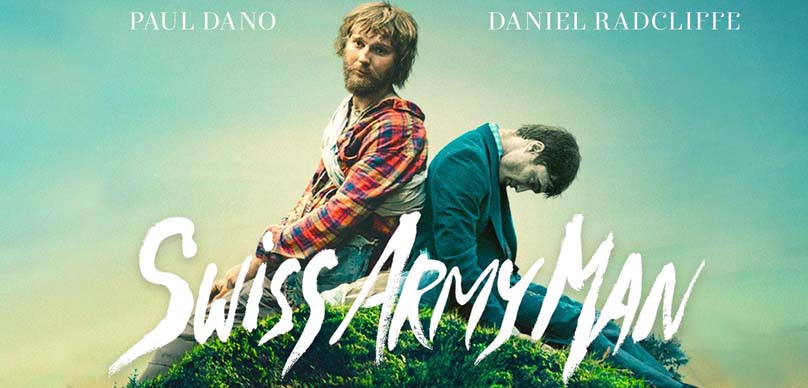
IFH 571: The Ugly Truth of Being a Hollywood Screenwriter with Rich Wilkes

Get ready for on heck of a ride. Today on the show we have screenwriter Rich Wilkes.

Wilkes’ major-studio debut was as screenwriter of the 1994 film Airheads. The story revolves around a group of loser musicians called The Lone Rangers who take a radio station hostage to get their song played on the radio. Airheads was directed by Michael Lehmann and distributed by 20th Century Fox.

This was followed by a co-writer credit (alongside director James Melkonian) for the 1994 comedy The Stoned Age, set in the stoner subculture of Southern California during the 1970s.

The same writing and directing team then collaborated with The Jerky Boys to create the 1995 production The Jerky Boys: The Movie, featuring the eponymous comedians (self-described as “low-lifes from Queens”) as New York City youths who get into trouble with the Mafia when one of their prank calls leads them into a money laundering business.

Wilkes is credited as the sole screenwriter for the 2002 action-adventure film XXX and a “based on characters created by” credit as being as the creator of the XXX franchise.

Wilkes co-wrote the Mötley Crüe biopic The Dirt, based on the New York Times bestselling book by Neil Strauss and Mötley Crüe. The film took 17 years to get made. David Fincher was initially attached to direct in 2004, followed by Larry Charles in 2008.

Rich and I had a raw conversation about what it is really like to be a screenwriter in Hollywood, warts and all. This episode should be reqired listening for any screenwriter thinking of getting into the Hollywood screenwriting game.

Enjoy my eye-opening conversation with Rich Wilkes.

Right-click here to download the MP3

Alex Ferrari 0:00
I'd like to welcome to the show Rich Wilkes how you doin Rich?

Rich Wilkes 0:14
Hey, man, I'm doing great, Alex, how you doing?

Alex Ferrari 0:16
I'm doing great, man. I'm doing great. Thank you so much for for coming on the show, man. I think we're gonna have a fun thing. Gonna be a fun episode. I have a good feeling about this. Because based on your credits alone, I think you're not gonna have a beer even though I don't drink but I definitely have a beer.

Rich Wilkes 0:33
Good. I want to learn something from you.

Alex Ferrari 0:35
So how did you? First of all, why did you get into this insane business? And how did you get into this insane business?

Rich Wilkes 0:43
It started I went to UC Santa Cruz. And they didn't have a film program. But I wanted to do film. So I did theater arts with a film emphasis. And they didn't have screenwriting major. So I did. I wrote my own major, which was a screenplay and submitted that rather than doing a film or a play or whatever. And then I went to American Film Institute for screenwriting. It's a two year MFA. After the first year, my one of my scripts got optioned by touchstone. And so they were going to pay me $10,000 For this option, and AFI at the time cost $10,000. And I figured, well, why don't I just pocket the $10,000 and quit? So I quit. Halfway through AFI never got my masters. But I figured the whole point of going there was to get a script. So since I got since I got the thing sold or optioned anyway, I bailed as quick as I could. Did that get produced? It actually did. Yeah. It wound up being the one. You had Chris Moore a few weeks ago on the podcast. It was the first movie that he produced. He was my agent

Alex Ferrari 1:57
It was glory days. It was glory days. That's right. Yeah. Alright, so we'll get we'll get into glory days in a minute. Was there a film that kind of lit your fire man, it was, is there not one movie that we that you saw you were just like, oh, I want to go into this business. I want to join the circus. It's it's that's what it is. We're we're all carnies and we've joined the circus.

Rich Wilkes 2:14
Yeah, I never really thought about going into the movie business until college when I met people that, you know, whose guy whose dad worked on mash. And I was like, Really, you can do that you can actually work on mash, you know, and that made it real for me that that, you know, maybe I could move to LA and work on something. But prior to that, I never had any clue that it was possible. I thought it was you know, it was very insular. And you had to grow up here and no, somebody. My favorite movie growing up was Gallipoli. The Peter Weir movie.

Alex Ferrari 2:48
Yeah. Mel Gibson. Yeah. Yeah.

Rich Wilkes 2:51
So I'm not of the I want to make jaws and Star Wars and Raiders kind of crowd those movies I love but they aren't the ones that maybe say, Hey, man, I want to do this for a living. I thought that Gallipoli was such a great combination of history and a personal story, that it blew my mind. So the after finding out that it's possible, and then studying it and going to AFI, and getting it set up, I've actually managed to since oh, I want to say 1991 30 years now, do this for a living without having to have another job, which is like, you know, ridiculous.

Alex Ferrari 3:31
And isn't that the isn't that the goal of this whole thing? It's like we can make a living writing or directing or just being part of the circus. I mean, that's,that's that's the goal

Rich Wilkes 3:43
That's the entire thing. Yeah, my initial thought was, I want to get into movie business because I don't want to work that hard. And this will give me a lot of free time. And he realized that doesn't really work.

Alex Ferrari 3:56
That that didn't work out that way and that's why people think that oh screenwriting, you wake up, you write for a couple hours and then you goof off all day and the rest of the day and that's it. And then some and they just and they throw up obscene amounts of money at you. Because you're you know, because everyone is shamed. Black and Joe Osterhaus back in the 90s so Well, it's funny because you know, like I was saying earlier before we got on you and I are similar vintage. So you know, we were coming up in the 90s which were it was a magical time it was a crazy magical time screenwriters. Were getting the you know, the, the option booms are the spekboom of Shane Black Joe Astor house and you know, two 3 million $4 million for a movie that lit a lot of fires of like, well, I'm going to be a screener. I can get rich being a screenwriter.

Rich Wilkes 4:45
Yeah, I you know, for me, it was it wasn't the boom time for that it was the boom time of being able to pitch a movie and then get paid to write it and by pitch it I mean a five minute pitch

Alex Ferrari 4:58
Like the player like the player

Rich Wilkes 5:00
Exactly. And then now you know, it's you have to have the script written with the star, the director of the financing before anybody consider it, but back then you'd go in and say, I got this idea, it's going to be Dog Day Afternoon in a radio station, it's going to be, you know, a lot of rock and roll music, blah, blah, blah, great fun, go, you know, go write it. And I would between me and my friends, you know, I would, we'd have five movies, five pitches, setup around town, and you'd knock out this script, and then go on to the next one. And it was so fucking easy. Because they had this incredible budget to develop their own material. They all the studios wanted to do that. So they would commission 125 scripts in order to make 20 grand, right? Right. So that was a lot of writers making a living off of, you know, these, these scripts for hire, which just, unfortunately, has completely gone away. And now I think if you're lucky, they'll put out six movies a year, a particular studio, and of those, maybe they make half and the rest are coming from financing from somewhere else. And they're just distributing the damn thing. So they aren't paying writers to come in and pitch and write these, these scripts for them. There's just there's no need for them to do that anymore.

Alex Ferrari 6:21
And the funny thing is, is which is which is bizarre is that now there's more need for content ever. There is a content boom, and there's been never been more money sloshing around in town than ever before. What is it 17 million? Excuse me 17 billion for Netflix this year, 33 billion for Disney plus, I mean, and you know, HBO and everyone's everyone's looking for content, but you would think that pitching would be the easiest way to get things done. And to be more of that, but you're absolutely right. It is gone the complete opposite way. You need the script, the star, the budget, the financing, you did literally, you know, plug and play project for them for them to look not even guaranteed for them to even have a conversation with you nowadays. It's insane.

Rich Wilkes 7:09
Yeah, this this changed. It was a market change, right when the Writers Guild was going on strike and Oh, yeah. So there was the housing bubble. And then the writer strike was coming and I had a pitch with Amblin and it was right before the strike. And I you know, they called me up the day of and they said, listen, we're changing our policy. Unless you're coming through the door with Will Smith attached to your pitch don't bother coming. And I'm like, if I could get Will Smith attached No, I think what the fuck do I need you for? Right? This is your function. I'm supposed to be the idea guy. You guys are supposed to be the MC the fucking movie. Guys. It's completely swamped now where producers who used to have deals on lots and a development budget and have their own you know, Slate are begging writers to write on spec in the hopes that that we can lower director to hop on board to lure a fucking actor who means something to lure Netflix into paying for it. And that's where I am on several different projects. It's it's a fucking joke.

Alex Ferrari 8:12
You know, it's, it's insane. And I you know, I know a lot of writers who you know, they have, because a lot of times, you know, people will look at an IMDB and they'll go, oh, you know, he only made that one movie. I'm like, yeah, that he might have made that one movie got produced. But he's been working in town for 15 years, on projects that never and he's made a really good living as a writer, but those days are, are slowly just going away to spec market. There is still a spec market, but it's literally a minuscule amount. It's very, very small. And there's basically just a one dude, one agent, Boxer bomb, who does all the specs.

Rich Wilkes 8:50
I mean, it just did the writers of these specs get Shane Black in 1994 money or no,

Alex Ferrari 8:56
No they're getting they're getting seven figures. They're getting some, but they're getting they're getting a mill maybe, you know, and again, we're throwing numbers around like you and I are like, you know, pooping out, you know, $100 bills, but it's not. It's not the way it is. But generally they are getting those but we're talking about one or two, where they were like, there were one or two a week. Now there's maybe a handful a year and they're not getting shamed black money. Do you know that? Do you know the story of though? What's the last Last Action Hero the same black class action hero story?

Rich Wilkes 9:30
Wait, last boy scout or

Alex Ferrari 9:31
No, no. Last Action Hero. Okay, the story this I heard this from a good buddy of mine inside the business who told me this is how this is how crazy the stock market got. And this was the top of the bubble. This is when it popped after this. It popped. The agent from Shane Black, called up. He called up Shane, what do you got going on? Because I've got this idea and they went out to dinner. They told us that he was right the idea down on the napkin. And it was the idea for Last Action Hero for everyone listening Google Last Action Hero honor Schwarzenegger, you know, I like it. But you know, we had a rough time. Anyway, he wrote, he took the napkin, went back to his office called every studio head in town and said I have shamed blacks next log line, no script. I have his next logline on a napkin. If you want to bid on it, you have to come to my office and read it. Don't send anybody you've got to come. So all six or eight studio heads showed up to this office read read the napkin. Two days later there's a bidding war he got 4 million

Rich Wilkes 10:38
Okay, I I I may be wrong but I think you have the wrong title because Zach pen and Adam left wrote Last Action Hero

Alex Ferrari 10:47
Are you Are you sure it's last? No.

Rich Wilkes 10:51
You're you must be thinking of Last Boy Scout. No,

Alex Ferrari 10:54
What's the last Boy Scout? Alright, we'll I think it was last year because I know but Shane Black wrote Last Action Hero. Alright, hold on everybody. Everybody stopped for a second we're gonna we're gonna now it's because I have to I have to check this. I'm almost positive he did because it made the most sense that he did. So let's go to handy IMDb live on the show. And let's see if if Rich's right or if I'm right because I've been telling that story for a while now. No one has ever called me on it and I'm almost I've almost bet money I'm like

Rich Wilkes 11:31
You know who would have called you on it is Chris Moore who is Adam and yes James at the top

Alex Ferrari 11:37
So Last Action Hero one second my modem is still loading up

Rich Wilkes 11:49
Good Lord let me do it.

Alex Ferrari 11:52
My my modem is still loading up. I have the free AOL disk.

Rich Wilkes 11:59
Are you plugged into the Pete's coffee down the block?

Alex Ferrari 12:08
So writers are Zack Pen. But hold on for a second. And you know what? Shane Black? No, it was Shane Black.

Rich Wilkes 12:15
He rewrote our guys Zack and Adam wrote the original spec Shane rewrote.

Alex Ferrari 12:23
So then it must have been Last Boy Scout then you are i by mistake. So I was corrected. Thank you, sir. For. For me saving face now for all the stories ever tell again. But anyway. Yes. Okay. But that's but that's how crazy this market was at the time and a lot of screenwriters out there still think it's the 90s? Yeah. And they're acting as such, where I think just you saying what we just discussed about, you need a package now you need Will Smith attached. That's news to a lot of screenwriters, a lot of screenwriters think that you could read the amazing script? And that you're going to get, you're going to get a produce just because of its genius. And I know you and I both have read scripts that are Oscar quality, that have never been produced are sitting on shelves right now. Is that fair?

Rich Wilkes 13:14
And then there's ones that you wonder how it got all of these movie stars attached? And yeah, made for a record amount of money. Right? When if it was a spec script, no one would look at it twice. Right! I don't know. I you know, it's not up to me to decide what's what's good and bad. But from my perspective, there's a lot of things that are are happening because it's from the production company of the star, and he's hooked up with a director and they've done three things together, and they know blah, blah, blah, blah, blah. And so it's like, okay, we know they're responsible for the money we know x amount of people are going to watch so and so do a fucking action comedy or whatever the hell it is. So we're gonna go with that, which is great. If you can be in that business. If you can be in the Adam Sandler read. You read my mind. It's fantastic. But there's not too much room in that bubble. I know.

Alex Ferrari 14:07
No. And which brings me to one of your first films. Airheads which had a young Adam Sandler, Brendan Fraser and Steve Buscemi, and I love that movie when it came out. I watched that movie when it came. I was like, it's so much fun. And it was Adam it was Adam it already come out with Billy Billy Madison and Happy Gilmore or not yet.

Rich Wilkes 14:29
No, this was he had only done a movie called it was something about a clown. Maybe he was in the bobcat Goldthwait clown movie, shake. Oh, yeah. Yeah. Maybe he was in like a ballroom scene or something. So he was in small stuff like that. But Airheads was his first studio movie. They wouldn't let him be the Brendan Fraser character. He had to be the the supporting guy. And from that, I got hired to rewrite Billy Madison which shot Right afterwards, okay, that's how I know that it came in that order. Okay. That's how I know about the Adam Sandler bubble because I'm not in it after doing two movies with him earlier. I had not known him since I think the cutoff was SNL. You either knew him in high school in college or an SNL. And then you're you're part of the crew, and then afterwards, I'm being facetious, but it feels like Yeah, I mean, he's still working with with Alan covert who he knows from, you know, college and and obviously, all of the cast members from SNL that he worked with, he's just got this wonderful group and why mess with something great, unless you're going to go off and do some, you know, uncut gems thing, which is brilliant. Yeah. All right. So let's talk about those guys. What about guys like them? The guys that do the guy who did Blue Ruin, man, I did. synchronic how are these guys getting money to make these movies? about forgetting about synchronic? Because that's got you know, that's already coming after the other one they did with with actors that weren't big. How do you get a Blue Ruin made?

Alex Ferrari 16:10
I mean, thinking about like uncut gems, specifically, as an example, I think, a film like that you need a you need a you need a 100 pound gorilla and Adam was that 800 pound gorilla. He'd already done punch drunk glove. So he's, you know, he's like, Oh, this is his other punch drunk love and he's done a handful of those serious roles he likes to do everyone's wrong. I think he's actually a really good actor.

Rich Wilkes 16:36
I agree but forgetting about him I'm talking about from the filmmaking side, right. Yeah, brothers,

Alex Ferrari 16:41
Right. But they but did they have Adam before?

Rich Wilkes 16:44
No, before that they had Robert Pattinson right and before that they had nobody right same with the Blue Ruin guy and the synchronic guys are now doing what they're doing Star Wars.

Alex Ferrari 16:56
Right? Probably yeah. Well yeah, same thing with Gareth Edwards and those kind of guys from

Rich Wilkes 17:02
So they start out doing a movie with with nobody in it and then on the next one they get an Anthony Mackie or a patent sin or a Sandler. And then now they're doing King Kong fights in Tron or whatever.

Alex Ferrari 17:15
I'd watch that.

Rich Wilkes 17:18
The money to do a blue ruin

Alex Ferrari 17:20
The thing it's like anything else man, you know, from you know, for me speaking to so many people on the show over the years and just my own shrapnel in the business trying to get my own projects made over the years. It is it is almost impossible to figure out what it is for it there's no one there's no one formula. So there is generalized formulas like it you got Will Smith you've got the rock you're gonna get you're in it's done. You know you got gal got you got Sandy Bullock. Yeah, you're gonna get a movie made. But it's luck, man. There's so much luck meets preparation meets opportunity. In I've talked to Oscar winners. I've talked to guys who just made a $5,000 movie I talked to everybody in between. It's always about Right place, right time. Right product. And, you know, if you if you happen to have a pandemic movie, at the beginning of 2020 script running around, yeah, it's gone. If you had a terrorist movie in 2001 Yeah, not gonna, you know, had a Vietnam movie in 76. Not so much it took Oliver Stone for ever to get to and made for and he had to do it. And look, that's a great example. Oliver, when he was on the show, I talked to him about platoons. Like I had to go out to this independence like absolute crazy man who did Salvador with him. Right? And from there, they're like my friend, and he's, I forgot. He's like, I forgot who the producer was. I can't remember the name. But he Oliver even did this act. He was he was a shyster. He was an absolute crock. But he's like, we're gonna go make this movie. Go go to Philippines make this movie the blue. Let's make it. And but that's, but that's interesting. That's insane, though. So there was an insanity. You found this one guy who had the money at a time period where it made sense because video VHS was starting to come home video was coming. I make the money and make the money. It's okay. It's okay. And he went up and let him go do platoon. And then that launched one of the greatest atour filmmakers of his generation. And then from that point, he had a run of 10 years that no other filmmakers ever had, like year after year after year after year, you know, but that's the thing. So there's a there's a level of this kind of like look, I mean, look at mariachi, I mean everyone always looks at Robert and mariachi. How did that get? How did it blow up? Right Place

Rich Wilkes 19:44
It seemed like you know Blair Witch Project is not going to it's an anomaly route. It's not going to punch through today. No way. But you know, guys like Ryan Johnson that are parlaying small independent movies into now doing the biggest movies in the business the roost So brothers were all of these people, you know, the guy who did a Jordan void Roberts who did that wonderful kings of summer. Yeah, I love that movie. And then he's gone to these $150 million movies that I, you know, all of the stuff that I loved in Kings this summer is is gone from those because they're not personal and they're not whatever. But God bless him. He's making these goddamn huge movies, they're blockbusters I'm just in fascinated by all of these guys who get to do it, but as you well know, go into Sundance or slam dance or what have you. When I went to slam dance, it must have been 9605 There was already 20,000 movies showing up, you know, being submitted 20,000 feature films, I can't imagine how many it is now. So

Alex Ferrari 20:53
It's 70. Think Sundance had 70,000 pre pandemic submissions.

Rich Wilkes 21:00
Yeah, So So the ability to to bust through, it is 99% luck, because I'm not more talented than 99% of the population. But I've managed to get a 30 year career out of it. Right. The same with with Keanu Reeves. Is he the most talented actor from his generation? What happened to all the other guys from that? From that same era? The Emilio esta vez and Charlie Sheen's and Kiefer Sutherland and all that kind of stuff. It's just like, wow, boom. Bertolucci wants to work with him. Scorsese. Great, and then suddenly.

Alex Ferrari 21:36
I mean, look, you got the matrix after will. Smith said no. And Brad Pitt said, no,

Rich Wilkes 21:41
Absolutely. But then he did it again. I'm John Wick. That's

Alex Ferrari 21:44
But he is, I mean, let's just He's the second coming of Christ. I mean, we all know that Keanu Reeves is the second coming of Christ. That's all just agree that that's the way it is. He walks on water. It's it's it's a weird thing. I mean, trying to try to pinpoint success in this business. And trust me, I've made a career of analyzing early in my career, I read every biography, I absorbed every DVD commentary, and laser disc commentary on that old, all of it, trying to figure out what the secret sauce was like, how did this get in? How did that get in? Well, I have to just Okay, so I have to make a short film, but then have the script ready for it. And then okay, so I needed to have a short film that blows up, then I have to have the script ready for it. Then I also have to have some sort of financing. Maybe I have to have a package ready together for it. So I went through all of those. It because I had I had a short film and oh five that blew up online in oh five before YouTube or any of that stuff. And I was being called by big producers, and I was being you know, courted around town and all that stuff. And they're like, Well, what do you have? I'm like, I have ideas and the like, well, that's not enough. So then the next time I did a few years later, I'm like, I had to have the script. Now. I had the script now. That wasn't enough. Okay, now I need to get a package. Okay, great. I have to break it down. I gotta get a budget schedule. I gotta get a pitch deck now. It's just nonstops. But then somebody will walk walk in with a script or an idea. And someone's like, Oh, I like that idea. How much do you want for I've heard that story. How much do you want for it? Oh, do you need a million I have a million. Let's go make a movie. It's like, it's resilience, man. It's just being in the game. And I think at a certain point, you just got to continue to be in the game. You know, I always talk to people from you know, people from the 90s Like, they're like a foreign thing. We are kind of our generation is but but you know, like talking to, you know, to, you know, let's say Kevin Smith or Robert Rodriguez and Ed burns those guys that came up in the 90s You know, I asked Ed burns specifically ago Ed, wood wood Brothers McMullen even make a dent today. He's like, No, no way in hell, Brothers McMullen would even be anywhere in the conversation. Clerks wouldn't be in the theaters, much less make $20 million in the theater like his did. Like off of a $30,000 movie. mariachi probably wouldn't make any noise today. Clerks wouldn't make any noise today. Like there's none of those movies would make nice today.

Rich Wilkes 24:16
I think I mean, correct me if I'm wrong, but but movies still make noise. It's just not those movies. Because I just mentioned like, what like whiplash or Blue Ruin, or these ones, the smaller ones that I'm talking about. They do pop through and whether it's, you know, those $5 million Blumhouse kind of movies. There's some brilliant filmmaking going on. So it's not clear it's but it's a different genre. It's a different movie,

Alex Ferrari 24:40
But the backyard personal film, you know, like slacker that for that to do what it did like slacker, not in a million effin years, would that get attention today? It just it just wouldn't it be an arthouse film, but it wouldn't it wouldn't do what it did. Like it wouldn't go into theaters. But Also don't forget different timing, different place. There was an industry, there was an industry coming around business coming around independent film, which there wasn't in the 80s, really, in the 90s. And then VHS showed up and, and all that kind of stuff. So it's it's, you know, yeah, like someone like Jordan Peele with get out. And you mentioned whiplash, both of those are Jason Blum. Yeah. They're both Jason Blum. And how did you know Jordan Peele, nobody wanted to make it out. And you're like, Who are you the guy from Comedy Central. And you're doing comedy? Now? You want to do horror? Like, what is this?

Rich Wilkes 25:38
So So I don't I don't think it's fair to be so negative on. You know, Linklater wouldn't have a career now. And

Alex Ferrari 25:45
It would be different. It would be different different.

Rich Wilkes 25:47
Those guys are gonna, they're survivors anyway. And Jordan, Peele wouldn't have got his movie made in 1992.

Alex Ferrari 25:54
No, there's no way in hell. But the difference is, get out might have been made as a backyard as a backyard, India, and maybe would have gotten some notice. But the difference between both of those films is they had an 800 pound gorilla attached, which was Jason Blum. Yeah, true. And that that pushed that push that opened the doors and gave them a little bit of a budget game. It's like Jason's given a lot of opportunities to filmmakers, that wouldn't get opportunities in today's world that Jason Blum is an anomaly.

Rich Wilkes 26:25
Yeah, okay. But what did you see this movie called Under the Silver Lake? Oh, takes place in Silver Lake. Here in LA. It's another one of these little movies like the one that the synchronic guys did.

Alex Ferrari 26:37
Okay. I haven't seen it.

Rich Wilkes 26:38
Oh, who the 800 pound gorilla is behind these things, but they're fucking amazing. Little tiny movies. But I wanted to talk about a blown opportunities. Yeah. Just because you know it to switch it up. I worked in the late 80s, I believe was late 80s. With Chris Tucker. Right. Chris Tucker was on a roll from his movie with Charlie Sheen. Easy money or whatever the fuck

Alex Ferrari 27:04
Money Talks, Money Talks. Yeah,

Rich Wilkes 27:05
Yeah. And then he was on rush hour. And he was in Jackie Brown and whatever. And I was working with a guy named Antoine Fisher, the screenwriter. I was, he was a friend of Tucker's, and he had come up with this idea about Chris Tucker being the first double o agent. It was called double o sol. And he had set up the pitch. And it was with a producer I knew at Universal and they were like, Okay, this guy's done a couple of movies, and they partner me up with Antoine. So Chris Tucker is on the verge of Eddie Murphy. Will Smith style. Absolutely. Absolutely. We're working on this project. And he continuously is undermining himself and fucking himself up like we wanted Mariah Carey to be in a role in the movie. And there was this divas concert in New York. And he was supposed to fly from LA to the deepest concert, meet her backstage and picture on CO starring in this movie with him. Instead, they get a call at the production company and it's his brother or assistant or whatever. And they go, Yeah, I'm looking at our window. And I see a towncar. Yeah, yeah, it's to take him to the airport. goes, no, Chris Tucker doesn't ride in no half a car. He needs to stretch so get him stretch, or he's not going to the airport. They don't get him to the airport. That wasn't the only thing he did. We were rewriting the script continuously based on his whims where he would go, I ran into Tiger Woods at a party. Can we do a scene with me and Tiger at a golf course? And you're like,

Alex Ferrari 28:49
How do you jam that in? Yeah, how do Yeah, sure.

Rich Wilkes 28:51
And then we turn in the draft. Everyone's excited about him and goes, I've changed my mind. We want I want the whole movie to take place in Africa. Because he'd gone to visit Africa and had been inspired by something. And we're like, just shut your fucking mouth. And you would have had, you know, a spy movie. God only knows if it would have been a success, but it never got made and his career didn't go the Will Smith way. Because he got so fucking in his own head. He ruined it. Yeah, he did. He did, which was a bummer for everybody involved. And you know,

Alex Ferrari 29:26
Yeah, it was so funny because I always you know, I was a fan of him in the rush hour films and and money talks. And he was he was right on the brink of being Eddie Murphy. The new Eddie Murphy. There was no question. Yeah, but I always wondered like, what happened behind the scenes that his he just, it just fell off a cliff. He just fell off a cliff. He didn't he wasn't nothing. Like he didn't just do bid parts he like did nothing at all

Rich Wilkes 29:51
That I don't know. But I know that universal did not want to work with him after he fucked everybody around for so long.

Alex Ferrari 29:58
Of course, of course and that gets around town.

Rich Wilkes 30:00
Yes. The other one is is my cautionary tale which was I wrote a movie called Triple X is Vin Diesel. Yeah, of course. Yeah. But he call it a X game sort of James Bond. Sure. And then after that, every job I got, they were like, We want you to triple X this motherfucker. We want this to be just the same. But so I wrote Castle Wolfen Stein and I wrote another one for Vin called the wheel man about a, you know, getaway driver. But I was actively resisting doing triple X. I was like, I did triple x to get you know, to get into the blockbuster business

Alex Ferrari 30:40
In the party. You're invited into the party now?

Rich Wilkes 30:42
Yeah, so the first thing I did after Triple X, before it even came out, I got the dirt adapting the Motley Crue biopic I was like, that's what I really want to do. I wanted to do what the whites brothers did. Remember, they did American Pie. And then immediately, they jumped to you know

Alex Ferrari 30:58
About a boy, right? It was about a boy. Yeah, in Golden Compass.

Rich Wilkes 31:01
And all of these. Yeah, that's what I wanted. But everybody wanted it. So I would say, Okay, I'm going to write Castle Wolfenstein, or whatever it is, but it's not going to be filled with X Games craziness. I don't want to do that. I want to do it this way. And they go, Yeah, of course, that's exactly what we want. And then I turn it in, and they go, we don't want this, we want the shit that you said you weren't gonna do. And I was so resistant to being pigeonholed that I refuse to write one of those kinds of movies. And as a consequence, it took from between triple ax and when the dirt finally got made, it was a span of 17 years, right? Where I didn't get a feature film made, right? Because I was like, I need to write the classy. And I wrote a shit ton of classy book adaptations based on bestsellers, and whatever. I had one with the Russo brothers with Johnny Depp that didn't get make, you know, I mean, it's just an endless litany of classy movies that didn't get made. When I could have been,

Alex Ferrari 32:00
You could have been bussin out. Yeah, yeah.

Rich Wilkes 32:03
So anyway, that's a really my own bit of shooting myself in the foot the way Chris, Chris Moore was talking about the other day when he had the 5 million for the startup and refused to do podcasts. And

Alex Ferrari 32:17
So, um, yeah, no, that's a really interesting story. Because, you know, I always look, we all we all wish we have the the option one day to get in our own way. Because that like most people will never get to the place you got with Triple X. Bottom line, it was a huge hit. Big, big, big action franchise. And you know, when when the biggest stars at the time in the world and all of this stuff. Most people listening will never get there. But there's a lesson here, even for those who don't get to that level. It's getting in your own way, stopping things like oh, I don't want to do that, or I want to. So I'll tell you my story really quickly. And this is this is this is my early on story. Not nearly as exciting as yours. But I think there's a lesson here. So I was I was 20 caught I don't even know I was 20 something. And it was right before I wanted to turn into a commercial director. So I was editing. I was editing a lot. I was like the big one of the big editors in Miami. At the time in the in the late 90s. I was up getting paid obscene amounts of money to edit. And I got so far up my own ass that I was like, I'm gonna throw down 50 cheese on my demo reel to direct the image and I had to shoot on 35. And you know, the whole thing? Sure, yeah. So when I did all of that, put it out, I spent my and then I stopped editing. I just said, I'm not an editor anymore. I am a director. I am a director. I don't, I do not sell myself with editing anymore. When I'm dirty. I will not go down to that level. That's that the mentality that you had that I had at the time because it was so full of myself. And then I will get calls. I'm like, Nope, don't add any more. I'm a director only. So I start shipping out my my demo reels and spending money. Like it doesn't end. Because I'm like anytime now all I need is that one gig, it's gonna kick in. Yeah, one gig, I'll get paid five G's a day, you know, I'll get 3040 grand and in about a month or two anytime now, that day, never showed up. And then I got thrown into a dark dark hole that it was harder and harder. And then weirder things happen. I wrote a whole book about what my next adventures but that was the beginning of this hole that I fell into. That took me years to come back out of and I was able to crawl back out of it by just hustle and getting out of my own way. But so many of us as creatives we will start overthinking getting in our own heads. And man I can only imagine how old were you when you hit we need to triple X

Rich Wilkes 34:51
30 31

Alex Ferrari 34:53
Yeah, so at 30 31 I was still I was still it wasn't a complete moron. But I was slightly more on it might be my own personal journey. There's 20 20 year olds are much smarter than I was at 30. Sure. But at that age still, you still haven't lived. You've got a lot. Yeah. And you haven't been See, you haven't been beat up enough yet.

Rich Wilkes 35:15
But dude all of the people that we talk about, that we admire from Talentino, to Kevin Smith, they all made that jump and said, Fuck it. I'm doing it my way. I'm not going to cast so and so I want it to be my Michael Mann said, whoever the fuck all of those people did it and made the jump, but they stuck the landing where we did not. So the does that make them stupid? I mean, does that make us stupid for making that leap just like they did? Because we didn't have the luck to stick the landing.

Alex Ferrari 35:45
But the thing is, but that's the thing, though. So let's, let's analyze Kevin for a second. Because I've started Kevin, you know, Kevin came up with my movie because I worked in a video store. I was very upset about the clerk's because I work in a video. So when that came out, I'm like, son of. God, why did I think of that? And, you know, maybe video clips around the country were like, Ah, god, but after clerks, he did Mallrats his way. He wanted to do it his way. Studio gave him money, and it tanked and it was over for Kevin. It was over. The only way he came back out was because of chasing me. And there was the Weinstein's who gave him $150,000 To make as a throwaway. Like, Look, kid, here's 100 grand go make your movie, but that's all you're getting. And he got a Yeah, I happen to have a young Ben Affleck, which I know you worked with a young Ben Affleck as well, that happened to hit. If Jason Amy doesn't hit. We don't know who Kevin Smith. He's just a blip in history.

Rich Wilkes 36:43
Exactly. He is you and I. However, he did that stupid thing. But he stuck the landing and was successful at it. And that's why we admire guys like that. And we tried to emulate them. And it didn't work out in quite the same way.

Alex Ferrari 37:00
And that's a mistake that a lot of filmmakers and screenwriters make to this day they'll look at someone like Tarantino luck will Tarantino don't like and I always like to say, Tarantino is probably the most original writer of his generation, the skills and the way he tells stories is unprecedented. You'd like them or hate them. I don't care. There's no one who writes like him. He is the the Hemingway of his generation. Again, whether you love them or hate them. You can't deny what the man has done. Yeah, you can't compare yourself to him just like me comparing myself to Spielberg or to Fincher or to Nolan. Like these are people who are at the highest level. And look at Nolan. Like, that's a good point. Because you can't compete. You can't like, you know, can you compare yourself to Robert Rodriguez, how many people to this day people are still talking about mariachi to this day, people still use it as a reference point. And I'm like, you can't like Robert. He didn't he? He stumbled into it. It no one was ever supposed to see mariachi. It was supposed to go straight to the Spanish video market. And it just happened that someone said we're gonna release the and he said no, don't release this. This was like my practice movie. Yeah, Jesus Christ. Let me remake it. Don't let me so he did remake it and Desperado. Essentially, but a little bit better, like a little bit bigger. But that's but that's what he felt he literally stumbled into it. You know, you can't do that brothers MC Bolin. If he wasn't working at ET at Entertainment Tonight. And Bob Redford didn't jump on an elevator and he didn't have a VHS copy of brothers Bolin rough guide. And he handed it to Bob. And fucking like two months later, someone from Sundance called them is like, is your movie ready? We'd like to screen it. That doesn't happen. You can see what I'm saying. Like there was no way a PA from Entertainment Tonight was going to get into Sundance for an unknown like Edward Burns. But that's exactly what happened. So you can't you can't plan for that stuff. You can't. You can't like I met like I had the pleasure of meeting Roger Ebert. Before he passed at a screen I thought Amida I mean. But um, but I had the pleasure of being flown up to Toronto, because I was going like there was some producers and financiers who wanted to finance my short film of my feature film version of my short film in 2005. So I fly up there. And he's like, here's some tickets to a movie that we're distributing. go see this movie. So we went to the theater, we're sitting down, and in the back of the frickin theater is Roger Ebert. And people who don't know who Roger Ebert is, please google him. He's one of the greatest film critics of all time. He's the only one who's ever won a Pulitzer. That's how great he was. And we haven't, we haven't run up to him and start talking to him like, oh my god, this and that. And this is our movie like this before the movie starts and we We'd like to start talking to him. He's like, you know, I can't watch your movie. I'm like, of course not. You can't watch our movie, your Rodri. But why would you watch our little $8,000 action movie? And then all of a sudden, halfway through the conversation is that Can I take your picture? I'm like, Yes. And he's like, You know what, this will make a nice little, little piece for my blob on my blog. I'm like, Great, can we can we take your picture, and here's a copy of our movie. By the time we landed back in Florida, he'd already watched a movie and written a small review of the film on his website. And all of a sudden, I'm the only short film on the planet that has a Roger Ebert quote, and that and that, just but you see what I'm saying? How could you plan for that?

Rich Wilkes 40:43
You're welcome to do differently. I mean, if I guess in retrospect, if I had service, the, you know, if I milked the triple X vibe, as much as it was worth Sure, would I have been happier, spending my time writing movies that I wasn't excited about, rather than the time I've been spending on on adapting books that don't get made, I get a lot of satisfaction from all of these scripts that are sitting on my shelf that no one's ever going to read or see. It's weird. You know, it's, would I be happier the other way?

Alex Ferrari 41:17
So that's the question. So and this has turned into a therapy session, which I absolutely love. And I think it's something that we all need to hear therapy session for both of you. And I think and everyone listen to kind of get into it. But what I, this is my feeling like, again, I didn't have your experience, you had a huge hit, you were the belle of the ball, people wanted to work with you, because you had a monster hit in town. So the question is, could you have, the way I would have looked at it is this at 30, I would have put my big boy pants on, I would have written a handful of things that they wanted me to do. Gain and then step up a little bit more and step up a little bit more. Yeah. And, and maybe get a couple of maybe get another triple X, like style, success. And then and then at that point, start like once you once you establish yourself a little bit more, continue to write those for for a few years, not gonna hurt you. At that point on the side. You're working on other stuff, and like in trying to get other things made. But you're building up your reputation in town. And I've seen that from so many screenwriters who told me I didn't want to do it. But I did it because it was a paycheck. It kept kept me in the conversation. Yeah, and that's the difference.

Rich Wilkes 42:34
But here's what happened after I realized that I needed to make an adjustment, which it took me like, I don't know, let's say five years. Sure. I started taking these assignments that were very straightforward. You know, a remake of cliffhanger. You know, various action movies and whatever. Lightning didn't strike twice. They did not get made. Alright, it's fucking difficult to build one on top of another. Like the guy who wrote it triple X two starred. Ice Cube, right. Different director, different writer than that guy was. King Simon Kinberg. Yeah, I just had Simon on the show. Okay, so his version of Triple X grossed 25 million, and mine had bros 275 or two or whatever it was, yeah. quarter of a billion. Yeah, I guess it was 250. I don't know whatever the fuck it was. He went on to have a string of these action movies that were consistent, consistently getting made and moneymakers and whatever, and obviously more talented than me. But it has been consistently building to the point that he's a producer on movies, in addition to writing in addition to directing and whatever. So lightning struck with him even though his Triple X was a failure.

Alex Ferrari 44:00
But the difference with Simon is that he was lucky enough to land in the X Men universe at Fox. And the second he landed in the X Men universe of Fox, one hit left to another hit lead. And then he stayed in the end. He said, Did you see what he did? He stayed in the excellent up to Deadpool up to Logan as a producer. And he kept he understood, he's like, I'm gonna stick to this and he just finished releasing 355 With all the girls, which is unlike anything else he's been doing lately. But it's taken him years to do that. Now there are some there's some and there's nothing wrong with that because I still think some of the stuff he's done like he'll get Deadpool made, which is one of the best superhero he got Logan made. He wrote, he wrote days Days of Future Past which is probably arguably one of the better superhero genre time travel movies ever made. You know, he's definitely a talented dude. But he got on a train at the right time. When things were like, oh, and the way you know, studios work, oh, you know X Men. Well, let's keep him on. Okay, you wrote 1x movie, you could write another x movie. So same thing for you. I wrote one triple X movie. I want to add your spice to this. He kept riding that train, you decided to go against the trend and five years?

Rich Wilkes 45:20
Yes. So what I wound up doing is that what I wrote for legendary years ago, I wrote it adaptation of Kung Fu, they already had a director attached, they were excited about Sure. Because of that, I got recommended to write Iron Fist for Marvel,

Alex Ferrari 45:36
Okay. The movie, the movie or the show?

Rich Wilkes 45:39
The it was the movie,

Alex Ferrari 45:40
Okay, the movie Okay.

Rich Wilkes 45:42
This was they, they were doing the first for the first phase, and they were trying to figure out who's gonna be in the second phase. So they developed eight characters and picked four and made movies out of them. So my Iron Fist movie was not chosen. Right. But if it was, I could have been in the Marvel Universe. So even when it when it came time and getting the chance to write a Marvel movie early on, you know, when they were still in phase one. It did not work out for whatever reason, and I've had so many things that everybody does have movies fall apart, we have the financing, we have a director, we have everything lined up, and then it blows up with through none of your own, you know, so it's key to luck being a factor of bad luck is a huge factor in shit just blowing up and the quality of the movies that I've had that slipped through my fingers with the Russo brothers with Fincher with the thing with Dr. Dre, all of these great thing with Vince McMahon, all of these things that that fucking blew up on me. They, I'm fine with it, because it's happened so many times that Alright, here's what nobody knows about this one. But when they were shooting from dusk till dawn, sure. I was writing Green Hornet for some for Larry Gordon. Okay. Robert Rodriguez gets a hold of the script. I heard it to Clooney. They're going to do it together. I meet with Clooney. And he's so excited. We're going to start shooting. We got the money. We're going to start shooting in March. Right. Then he gets a phone call from Steven Spielberg saying I just started SKG DreamWorks. I want you to start our first movie Peacemaker with a call Mimi leader. So he had to drop out of ours because you don't say no to Spielberg. He did that one. Once he dropped out. Robert Rodriguez dropped out. They brought in Michel Gondry. He was involved with it 10 years before he actually made it at another studio. And it went nowhere with Michel Gondry. But we were I don't know, it was December when they pulled the plug. And we were going to be shooting the beginning of March. And that would have been fucking huge. You know, of course, me Clooney at that time. Robert Rodriguez at that time, it would have been really any of those that that have exploded and like so

Alex Ferrari 48:12
Alright, so then I'll tell you, I'll tell you my story. And then yeah, I want you guys because that is a 32nd story. This is a get together. Yeah, this these are great. Okay, so I'll tell you my story. I wrote a book. I wrote a book. Here it is. And everyone listening knows about everyone listening. Listen to the show knows about this. The book is called shooting for the mob. Oh, nice. Okay, so this book is based on my, my experience of almost making a $20 million movie for the mafia. Now, I was 26. See, no, no, let's let you know, we'll throw it down. Well throw it down. Don't get me wrong, you got much better, much better, higher quality stars in your story. But my I wasn't about to get whacked. There. But there's that. So I had a bipolar. Basically sociopathic gangster who gave me the shot, quote, unquote, to direct his life story. And I was then I was then our production offices were in a racetrack from the 1960s. So literally, I was like in a lounge and they built an office partition for me in the lounge. We hired production designers we hired DP flew in from LA, we weren't, we weren't prepped for a year, a year in prep a year. So while this is going on, he's hustling money to keep the office open, because he can't get the 20 million. But the crazy part and that's a that's a fantastic story, just a mobster trying to get his movie made with a young director. And I kept asking him like, and I've been directing already a little bit been directing commercials and, and all this kind of stuff. And I said, Why aren't you going after some like, like somebody who's Morrissey And then me, and he's like, Oh no, I don't like those. Those Hollywood guys. I want someone honest like you. Oh my Alright, great. So I'm there. But don't forget I was raised in the 90s under the 90s indie boom for everyone. Yeah, which were like the lottery, the lottery ticket. Everyone had a lottery ticket. The Kevin Smith's the Edward Burns. The Robert is slacker everyone. So I'm like this is got to be my lottery ticket. Right? So then Hollywood takes his guy seriously. And I'm flown out to LA. And I meet billion dollar producers. I'm in the penthouses of a huge producer like it's the scene from a true romance. I mean, his screening room, showing him the trailer that I'd shot that spent $10,000 I didn't have to shoot a sizzle reel of the movie that we shot it on film flew and actors it was a whole thing. So we did that whole thing. So I'm there with him. I'm at the Chateau Marmont, I'm at the fucking IV everywhere. And I'm like this got a discount to be this has to be real. Well, but while this is all going on, he's threatening me all the time. You're basically going to work with Joe Pachi. From Goodfellas. Like, one moment, one moment, he's the best, funniest dude, ever. And the next moment, he's like, I will, I will hit you over the head with a shovel and bury you somewhere. And imagine a 26 year old. I'm green as all hell truly. And I didn't know what the hell I was doing. And I'm like, I didn't have any defense against a guy like this. When I saw the adults are like, called the adults. The seasoned professionals around me were all scared to death. And these guys were all in movies for 20 years. And I'm like, What the hell am I gonna do? Then I'm like, flown out and I'm meeting I went to go meet Batman. So I go to Batman's house. Wayne Manor, like one of the actors who played Batman. Oh, these shall remain nameless. They're all they're all remainings. I'll tell you, I'll tell you after after we get off. Because in the book, my rules are if I met you, your name has changed. If I talked about you, we talked about you know, I had, we had meetings with producers. Mel Gibson, Robert Downey, Jr. William Hurd, Gabriel Byrne, like all the hot people from this is all 2001. It's all like, early 2001. This is all started. So I go to Batman's house. I'm there like this, like this close to Batman, Batman's, like, I want to be in your movie. You know, do you want to sleep over tonight, so we can work on the project. Like I think he's on a 25,000 acre ranch, you know, three days after Christmas. And then all of a sudden, after all of that, it's gone. It just goes away. And the gangsters like you know what, we're gonna go another direction after a year of this. And the movie never got as close ever again, to getting made than it was with me. But imagine, and I know you have this, you've experienced this at different levels, being so close to your dream. And again, yanked away from you constant like you know, constantly. I know you feel me because it's happened to you. But you've had but you've had success and you've had a career, doing what you love to do. It might not be in the way that you might have envisioned it. But you've had a career, you've had a career, like you said at the beginning of this entire conversation I've made I've made a living doing this. And that's great. But I but the frustration of all the money's about to drop. All this package is almost there. Oh, we're almost we're almost greenlit, I can only imagine that happened to me once at a large level. Then multiple other times at smaller levels, like you know, being flown around and meeting producers and having sit downs with actors. And you know, this and that I've gone through all of that. That's why That's why I have shrapnel that we all both have that's that's trapnell from from the war that we've been in, which is the business. But I could only imagine you going through this as well, because you're having that happen again and again and again. And you were in a position where this this really could happen. Like you weren't a young kid sitting down with George Clooney, you were already a seasoned screenwriter, it just everything kept falling apart.

Rich Wilkes 54:13
The thing that's interesting is that it happens at every level, anybody who's trying to get a student film made, try to shoot their own short film so high school, the actor falls out the location falls everything always is a problem. And so my thing when talking to somebody who wants to be in the industry is it is going to be a lot harder than you ever imagined it would be if I had known all of the things I don't know if I would have dared to enter this right right right knowing in advance how many setbacks there were going to be but I like to be realistic with people you're not going to you know star in one movie and have a career for the rest of your life right one hit and have a you know For dinner with Spielberg the next week, it is always in a constant struggle. And when you consider it took Spielberg 15 years to get his Lincoln movie made. It doesn't change no matter what level you're at. Amen. And I know for a fact that that George Clooney has movies that he wishes he could get made that he cannot correct. Same with any director you can think of the same with. I don't want to name the names, but it's the same. Across the board. No one is where they want to be, with the exception of maybe,

Alex Ferrari 55:35
Nolan, Anderson, Nolan Tarantino, and James Cameron.

Rich Wilkes 55:42
Wes Anderson, yeah, the Coen Brothers, you know, maybe this many. Yeah. And we're just talking in feature films. So it is an endless life or death struggle. Every single time, no matter what level you're at, and you have to be ready for that it doesn't turn into easy street ever. And this is the thing that impresses me most about Tarantino is, every time he sits down to write a movie, he has to write a movie better than a Quentin Tarantino movie, because below the level of a Talentino movie, it's a failure. He's competing with Pulp Fiction Kill Bill,

Alex Ferrari 56:20
He's competing glorious bastard Right, right.

Rich Wilkes 56:25
It's, it's insane. And everybody's doing that Spielberg's complete it competing against his entire, you know, filmography, so it never ever becomes easy. And Chris Moore, who you just had on Yeah, Oscar nominated movie right? Off the bat. Yeah. Never became easy after that. For him. He's still slugging away. Ben and Matt have had their this and that. It's never ever, ever going to get easier. So you better enjoy what you're doing. And by and working with the people you're working with. Because that at the end of the day, that's what it is, you know, 30 years into it and looking back and going Well, shit, either. I'm pissed off this whole time. Or I've loved every minute of you know, nowadays, like moving my Vince McMahon thing blew up a year ago. I am so appreciate the time I got to spend in the world of WW Yeah, yeah. And talk to his daughter and talk to him and talk to his right hand man. And, and, and have all of that no matter if it mounted up to anything. I really appreciate all of those things. And it's the same whether you're doing a short film, you're doing your $100,000 you know, feature, you're going around begging for money and people are trusting you and believing in you. And that's the thing that you got to that you got to appreciate.

Alex Ferrari 57:47
I mean, Rick Linklater said said it best he gave me the piece, best piece of advice is like, I asked him the question, like what advice you'd give for filmmakers, because it's gonna be twice as hard and twice as long as you thought. That's how long it's gonna take. It's gonna take twice, it's gonna be twice as hard as you think. And it'd be twice as long. I'd probably say it's 10 times harder. But that's, yeah.

Rich Wilkes 58:09
Maybe for him. It's twice but I mean, he's not he's not getting Oh, he wants to be

Alex Ferrari 58:13
Ohh I can I can tell you for a fact that Rick is not doing everything he wants to do. Because he told me directly. He's like, I want to do this, this, this and this. And I'm like, I'm like, but you're Rick be Richard Linklater, you're like an Oscar like, you know, I mean, boyhood. Seriously, who the hell makes boyhood? Like other than Richard Linklater? Like who's insane? It was insane enough. Yeah, to shoot a movie like boyhood. Like, oh, yeah, we're gonna shoot something. And maybe we'll have something in seven years. Like, that's insanity. But that's right. And but Rick doesn't care about. He's an artist, man. He is one when I met when I met him, and I've spent some time with him. He is a artist, and he doesn't care about markets and this or that he just has the pleasure. He's lucky enough to be able to do what he does, because he keeps his budgets low. And that's why you know, the Coen brothers get to do what they do because they keep the budget low. Woody Allen back, you know, when he was making movies, he kept his budgets low so he could do whatever the hell he wanted to.

Rich Wilkes 59:09
And stars want to work with guys like that. Because they're artists too. And they'll do it for a discount rage. And that's why Wes Anderson gets all of these brilliant people, you know?

Alex Ferrari 59:18
Yeah, PT, PTA, all of them. Yeah.

Rich Wilkes 59:21
So, the long and short is take the pleasures where you can get them. If at any point you get to make a movie, write a screenplay, act in something. That's something that most of the planet doesn't get to do, and most of the planet wants to do. So if you get close, if you get to edit your own movie that you shot on your phone, you are so far ahead of the game.

Alex Ferrari 59:45
It's your absolute you're absolutely right. And I call what we do the beautiful sickness, because it is. It is. It is it is it is the beautiful sickness because once you have it, the sickness you can't get rid of it. Like I can't, I can't. You really can't. It couldn't go dormant for decades. Honestly, I've had people come in, who are doctors and talk to me like, I just retired. Yeah, I really what I really want to do is direct. And it's it's a true sickness that doesn't go away. But it's a beautiful sickness. And I think that's a weird thing about our business, is that this is not I mean, I've talked to so many different people about this. We're the weirdest business on the planet, we're the only business on the planet that could spend $200 million, and literally have a worthless piece of product. Yeah, literally could have, it could literally be in it's happened before, that you've spent $100 million, and it just dies. And it's like, it's worthless, where at least when you spent $200 million in construction, you got to $200 million, you know, building or, you know, cookies, you could buy $200 million with a cookies at least you have some cookies you can sell. There's a product we have we sell air, we sell intangible dreams. It's such a weird business. And that's why it's so intoxicating.

Rich Wilkes 1:01:01
There are two things about it. One, we'd be doing it anyway, whether or not we had success. Whether you got that book published or not, they're sure that you would keep writing it. And to the thing that keeps you going is you're always one thing away from massive success. Oh, always, always. One I weigh up one script one performance and the

Alex Ferrari 1:01:26
One person you meet one person you meet one. Yeah, everything. Yeah.

Rich Wilkes 1:01:30
Yeah. So which makes it beautiful, you know, and especially when somebody like comes out of the blue and writes green to Reno, or somebody gets access at a later age, or somebody makes a transition like Jordan Peele did, from one genre to another, or the way Tom Hanks did. It's, that's what's intoxicating about it and and keeps you going.

Alex Ferrari 1:01:51
But, but the thing is that people listening have to understand is that that is the that's the sickness part of the sickness. That is the sick, that's the sickness part, because it's almost like a gambler. Like the next the next bet is the one that's gonna pop the next bet. And there's how many professional gamblers out there who make a living as gamblers a very small amount, but everybody like but Vegas runs on people who are not professional gamblers.

Rich Wilkes 1:02:18
It's funny because we started with God, we should we fucked up, we've got to temper our dreams and be realistic and we're ending with It's the fucking greatest slaughter you can possibly imagine one step away from working with Scorsese.

Alex Ferrari 1:02:31
But the thing is that the key is that if you bet on black, more likely you're not going to, it's not going to hit. So you have to find your own path that makes you happy. And that's the kitten that and that was the one thing that I kind of finally came to grips with later in life, which is like, I need to find what makes me happy. And it's not, it doesn't have to be working on a Marvel movie. And as I say, in every episode, anytime I bring up Marvel ongo Kevin Fahey, if you're listening, I'll take the meeting. So, but it's not about that anymore. For me. It's more about how am I enjoying what I'm doing? Yeah, am I am I providing value in one way, shape or form to my community in one way, shape, or form? Can I go off and make my own movies that are personal, and I don't give a crap if they make money or not? Because I make them for very little money.

Rich Wilkes 1:03:24
You know, it just made me realize that I've made this adjustment in my own life of trying things where I have no intention of making a penny from it. Yep. And having it be so satisfying. I wanted to be a singer in a punk rock band. So I did that and went on the Warped Tour. I always wanted to try stand up comedy. So right before the pandemic get like, in my 50s I went on stage for the first time at open mics and I've been doing it now for a couple of years. I'm terrible. I get no laughs But I hate it. I'm so nerve racked by doing it, but I'm forcing myself to do it because one day I hope to get comfortable doing it. And then I can at least look back and go Yeah, all right. I did it. I did it until I got comfortable. I'm not that funny, but it was fucking you know, it's a bucket list thing that I don't want to go back when I'm 90 If I make it that far and and and wish that I given it some effort. So it seemed when I went to cooking school because I wanted to do that and I was shitty at that too. But it was personally rewarding. So if you can do that with with music or poetry or like, what's the name? Seth Rogen now is doing pottery. You see him on Twitter doing all of his pottery is vases that he fires.

Alex Ferrari 1:04:44
Oh, and then Jim Carrey with the paintings.

Rich Wilkes 1:04:46
Yeah, yeah, yeah. So yeah, all of that shit is I think there's even more satisfaction when you have no plan on trying to make a living at it.

Alex Ferrari 1:04:56
You know, and I have to tell you that you're absolutely right. I mean, I look I stopped Did this podcast six and a half years ago? Wow. And I've been doing this for six and a half years, I was in a podcasting when podcasting wasn't the cool thing to be. And now everybody's like, Oh, I got a podcast. So I came in just because I wanted to, I wanted to give back to my community. I wanted to build an online business. I wanted to, to see what I can make a go of this. Sure. There's no way I would have told you, if someone would have told me like, yeah, you're going to be able to make a living doing this, you're going to be able to shut down your post production company, you're going to be able to retire from doing post production. And you're going to do this full time in a few years.

Rich Wilkes 1:05:37
What we're doing now you're making a living at this?

Alex Ferrari 1:05:39
110% This is all I do, this is all I do. This is not my, this is not my side, hustle. This is all I do. This is all I do it but it started as a side hustle. And I started it with an intention to make money with it at some point, but not to this level, I didn't think it was going to get to where it is I didn't think I was going to be talking to people like yourself or other the many guests that I've talked to, I would have never, if you would have told me that I would have had access to the kind of people I talked to, I would have said you're absolutely insane. You're absolutely insane. But

Rich Wilkes 1:06:14
What what you're providing is a resource for all the kids that want to be making films or doing whatever writing television writing books that didn't exist in the 1990s You'd have to buy Linklaters book or see, you know, oh, to a q&a at a film festival to find out what somebody did. And now on a weekly basis, I don't know how often you put these things out,

Alex Ferrari 1:06:42
Two to three times a week.

Rich Wilkes 1:06:45
Wow, that's a lot of talking.

Alex Ferrari 1:06:47
That's all I Yeah.

Rich Wilkes 1:06:49
But like you said that the Chris Moore one that that you just put out is filled with so much useful information from the past to the present. That's just invaluable. And I think you're putting giving everybody such a leg up. And then I'm hoping that it, you know, kicks it that we get some kick ass movies to watch out about, you know, you know,

Alex Ferrari 1:07:13
I've been I've had I've had a few listeners who've been able to go off and make their movies. And they and I've been I've had the pleasure of having the back having them on the show. And they've told me like, if it wasn't for you, it wasn't for the show, I would have wouldn't have done this, this this or this. I had one I had one guy who wrote you like the story. He wrote a million dollar movie. He financed that himself because he's a commercial director, big commercial director in Australia. He's like, I want to go make a movie. He made a movie in Cambodia, about robots who come in and start like, you know, like, like, Soldier robots who come down, they drop them into the jungle as a test and they start killing tourists, American tourists. Alright, great, right. And you think that sounds like a asylum movie that doesn't sound like it's gonna look good at all. He sent me the trailer for it. It looks like a $50 million movie. It looks so good. He's like x outs after reading your your second book. This one about being an entrepreneurial filmmaker. He goes I'm not going to go with the studio's as I got a million dollar offer, but I'm not going to do it. I'm just going to self distribute it as an experiment. And he goes, I'm gonna do it because you because of you. And I talked to him a bunch and I guided him through it. I'm like, Alright, man, this is gonna be a hell of a test to my to my theories. And all he's made, he made his and he made his budget back in three months, three months. And he's gotten called from every studio on the planet, including, including, you know, the mouse and everybody else wanting him to because the quality of what he did was unheard of. And that was something that the show helped nothing his talent but helped him get to where he's at with this situation.

Rich Wilkes 1:08:55
I feel like we've we've taken a turn into the to positive, and I'm more cynical and sarcastic by nature. So I want to I want to get away from from

Alex Ferrari 1:09:06
No, no, it's all to hell. It's all the hell it's all to hell. No, this whole business, you're good. Why even be here? I mean, seriously, why even? Why even start down this path? You're going to fail? No, I'm joking. Look, I know where we're sitting, we are allowed to be cynical because we're both old farts. And that's and that and that's fine, because we've been around the block a couple times. But I hope what this episode has shown people is you know, the truth of what it's like being a creative in the business. And from two different perspectives, my perspective from someone who's really been I've really been looking outside into the party. I've snuck into the party a few times. I've even been invited into the party a few times. But security shortly thereafter, finds me and kicks me out. And that's fine and that and now I get invited to more parties, but it's all fine and dandy. You were in the party and then you had issues inside the party, and you've been able to maintain yourself inside the party. Even though there is a room with a rope, and that's where you really want to get

Rich Wilkes 1:10:06
Yeah, I feel like I'm in the NFL but I'm on the bench on the right you see everything on the team.

Alex Ferrari 1:10:14
You get the rig baby, you get the rig, you get the ring if I want to dress with the big boys. Yeah, you know, but it but it's it's a really facet. I'd like this conversation, I did not plan it to go this direction. So I'm so happy it did because this is this has been one of the more interesting, you know, conversations.

Rich Wilkes 1:10:31
I'm gonna be honest with you. This is the second best of your podcasts that I've listened to the I've only learned this is my second one listening to it. And this is definitely

Alex Ferrari 1:10:40
Your Listen, listen to yourself.

Rich Wilkes 1:10:43
Chris Morris here and then this one is down here. But I'm already getting sick of myself talking. So we better we're

Alex Ferrari 1:10:50
I'm gonna ask you I'm gonna ask you a few questions I asked all my guests. I think we've already asked the one question What advice would you give a filmmaker or screenwriter trying to break into the business today? I think that's been the scope. Yeah, I don't even no. What is the lesson that took you the longest to learn whether in the film industry or in life?

Rich Wilkes 1:11:10
It was thing we talked about, take pleasure in the process. It's the journey not the destination, which is the worst cliche ever. But that is the that's what it is. You're not going to ever get where you want in life. So you better fucking enjoy whatever it is you have for the time you're here with me. You know, my one of my best friends getting a brain tumor and dropping dead in his 40s We're behind two teenage daughters. That teaches you everything you need to know. sad that it takes something like that. But you're like, Okay, that's it. I'm set for the rest of my life. My mental state is this is it. It's gonna it could leave anytime so fucking it.

Alex Ferrari 1:11:51
Absolutely. Tomorrow, like no, it's cliche this Tomorrow is not promised. And it's not guaranteed. But we all think it is. It's such a weird thing that we as humans do, but like oh yeah, I'll be here tomorrow. I'll be here tomorrow.

Rich Wilkes 1:12:03
All right. Well, we're both getting into Tony Robbins territory.

Alex Ferrari 1:12:05
I listen, man. Hey, listen. I'm gonna walk on the coals. I'm gonna walk on the coals. And last question three of your favorite films of all time.

Rich Wilkes 1:12:15
Okay, Project bay park to Gallipoli and Caddyshack.

Alex Ferrari 1:12:21
Man, that's a hell of a that's a hell of a hell of a of a screening.

Rich Wilkes 1:12:27
I normally have a top five and Goodfellas is one? Yep. And I forgot what the other one is. But it was great. It's a great movie. Now recommended. In the cliche, it's always, you know, Star Wars and those are great and inspirational. But there's ones that just you know, are part of your life and Caddyshack and Jackie Chan. And these things have just sort of burrowed into my into my head and reflect a lot of it. Mostly, mostly it's it's music that drives me everything that I write or work, I can see how involved with music.

Alex Ferrari 1:13:05
Yeah, I get there's no question. I could see that your filmography. Without question, and well, for me, it's Shawshank Fightclub matrix.

Rich Wilkes 1:13:16
It's not a bad list.

Alex Ferrari 1:13:18
That's it. That's the those are the ones that just and again, of course, Star Wars and of course, you know, Clockwork Orange and shining and all of Kubrick and you know

Rich Wilkes 1:13:28
I wanted to be different though. I remember a Cuckoo's Nest mostly we're like,

Alex Ferrari 1:13:32
ah, can you imagine trying to get that movie made today? Huh? By studio. Good luck, taxi driver get get get Sony to do taxi driver today. Let me see how that works out. My friend. It has been an absolute pleasure talking to you. It has been it's been eye opening to say the least. And I hope it helps some filmmakers and screenwriters out there, man. So thank you, brother.

Rich Wilkes 1:13:55
Yes, I was trying to hold up something that could hike that I could try to get it to pimp and my website. I don't know

Alex Ferrari 1:14:03
We'll put links to the to you in the show notes if you want to reach out man. I appreciate you.

Rich Wilkes 1:14:08
Alright, thanks, man.

LINKS

  • Rich Wilkes – IMDB

SPONSORS

  1. Bulletproof Script Coverage– Get Your Screenplay Read by Hollywood Professionals
  2. AudibleGet a Free Filmmaking or Screenwriting Audiobook
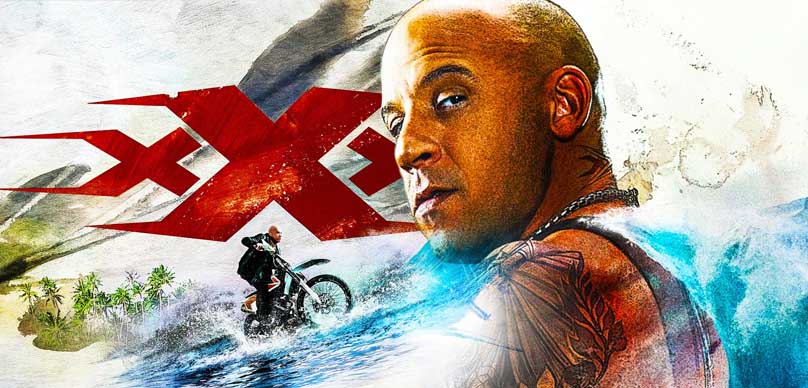
IFH 570: How I Made My Filmmaking Dream Come True with Andy Erwin

Andrew Erwin and his brother Jon are the filmmaking team known by most as the Erwin Brothers. The Birmingham, Alabama born brothers grew up around college football and entertainment. Their father, a local news anchor introduced them to the television industry at a young age. As teenagers they began their career in sports television with ESPN as camera operators.

After several years working in sports they transitioned into directing music videos and documentaries. They won music video of the year three years consecutively at the GMA Dove Awards working with some of the top artist in Christian, Country, and Rock music. They went on to produced the award winning 9/11 documentary The Cross and the Towers (2006).

In 2010 the brothers shifted their focus exclusively to developing feature films. Their first feature narrative, October Baby (2011), was a coming of age drama about a young girl named Hannah (Rachel Hendrix) trying to find her birth mother. After a strong grass roots campaign the micro budget feature debuted theatrically in the top ten eventually landing on the front page of the New York Times.

Andrew and Jon’s sophomore release Moms’ Night Out (2014), starring Sarah Drew, Sean Astin, and Patricia Heaton, was their first venture into comedy. The crowd pleaser had a successful theatrical run with Sony’s TriStar and continues to grow its audience on dvd as a cult classic.

Next Andrew and Jon tackled the epic true sports story Woodlawn (2015), starring Jon Voight, Sean Astin, Nic Bishop, and newcomer Caleb Castille. It was a deeply personal story for the Erwins. One of the characters in the Alabama story is their father, played in the movie by Astin. The duo continue to live in the Southeast as they write and develop stories of redemption and hope with a strong emphasis on their faith roots.

The inspirational true story of Kurt Warner, who overcomes years of challenges and setbacks to become a two-time NFL MVP, Super Bowl champion, and Hall of Fame quarterback. Just when his dreams seem all but out of reach, it’s only with the support of his wife, Brenda, and the encouragement of his family, coaches and teammates that Warner perseveres and finds the strength to show the world the champion that he already is.

Right-click here to download the MP3

Alex Ferrari 0:00
I like to welcome the show. Andy Erwin, how you doing, Andy?

Andy Erwin 0:16
Great man! It's good to be with you. And good good to talk movies.

Alex Ferrari 0:19
Yeah, man. Absolutely, brother. So, man you've had, you've had a very interesting career, to say the least. But how did you get started in this insanity that we call the film industry?

Andy Erwin 0:30
I mean, I think anybody that gets involved, either they pay a lot for film school, or they run away injured during the circus, and we were kind of more of the circus kind of performer route. And so, um, you know, my brother and I, we were kind of studio rats, my dad was in news. Growing up, he was the news encouraging 11 in Dallas, and the CBS affiliate there. And so we always grew up around kind of the industry. And, you know, when we kind of became teenagers, they let us use the equipment from midnight to 4am if we worked off the books for $10 a day, and, and so it wasn't at the CBS affiliate, I won't name no one can say brookwater Child child labor laws. But we did that when I was 15, my brother's 12. And we just kind of fell in love with telling stories. And so I went off to college in New York, and and John was in high school, and I just heard what he was doing back home, I was like, that's way cooler what I'm doing. So I dropped out of school. And we started working on the weekends for sports networks, like ESPN as cameramen. And that paid the bills for us to the other five days of the week, to to be able to have this hobby grown out of control. So at that point, we live in Birmingham, Alabama, started a little production company ended up working into documentaries and music videos, with this idea of one day doing features but it took about 15 years till we got to our first one. And it was a it was a it was a crazy journey to get there.

Alex Ferrari 2:04
Very cool, man. And so you were you were you were hustling as a camera guy trying to get his trying to get their movies made. And you got your first micro budget film made, which was October Baby if I'm not mistaken, right?

Andy Erwin 2:19
Yeah, it was a small, it was a small budget film. We did it for about $750,000. 19 days shoot. There at that point, we were doing a lot of music videos. And so doing a lot of rock videos, we were kind of good at blowing things up. And so, you know, if we couldn't figure out how to interview video, we just blow something up. And in fact, the last treatment we did for a band called skillet, it's Dan comes out, things blow up, it starts to rain, more things blow up, it stops raining, everything blows up. And that was the whole treatment. And, and that video kind of blew me blew up. And so you know, and so we, we ended up directing more and more second unit kind of things. And getting on film sets, doing stunt sequences was kind of our thing. And then, you know, we just said it's now or never we need to take the opportunity to try to do you know, see what we could do on our own. And so we said, rather than lean into all of our tricks or anything flashy, listens to a small little character drama. And there was a friend of ours named Gianna Jessen that was had an incredible story about her life story that we heard and we just said, what if we fictionalized that, and kind of put it in the context of this kind of kind of romantic kind of coming of age story. And do that little $750,000 micro budget should have never worked? Did it? Like, if we had known what we know now, I mean, that like we would have told ourselves never to go for it. But we raised the money to both put it out in theaters and do it ourselves. And it made enough money to give us a chance to do more. So it was that was our that was our journey.

Alex Ferrari 4:04
Now that ignorance is bliss, isn't it? When you're young?

Andy Erwin 4:08
Yeah. Yeah, it is. It is. I mean, you because, you know, they say whatever, doesn't kill you makes you stronger. But there's certain things in this industry that actually kill you. And so, you know, I think if you knew all that going in, like we would never, I mean, I talk to my kids all the time. I'm just like, I look at like just the recklessness of a 13 year old and I'm like, Man, if I had known now when I was a dad, there was no way I would have done some stuff as a kid. Cuz he just like that could actually kill you. But you know, when you're young, when you're young and ignorant of those things, you just say hey, why not do it like this? And I think as a filmmaker, you know, it's better to try that stuff out early. And, and not to get a little bit more reckless and sometimes it works and sometimes you die.

Alex Ferrari 4:55
Exactly. Hopefully figuratively, not literally In our business now, but with October Baby, you actually took it out on your own and you actually did your own kind of the job do your own, like, for walling it off of it and getting it on the world. And how did you actually get it? Because it was a fairly big, big hit for such a small budget.

Andy Erwin 5:15
Yeah, I mean, for such a small budget, we felt like we really needed to be disciplined to do something that was just about kind of character relationships. And we've done this tiny little pilot for a small TV network that didn't make it. And we did a little, little pilot with this small cast that we that we fell in love with. And, in fact, one of the cast members that we discovered was James Austin Johnson, who is now the new Biden and Trump on Saturday live. He, he was in Nashville, and he sits broken out this year. But he was as funny little kid, there's 19 years old, you're in Nashville. And, and so we took that cost, and the pilot didn't get picked up. But we're like, we love this cast, let's insert them into this story that we're writing. And so we wrote it around that task. And when we get done with it, it wasn't meant to be a kind of a controversial film at all, it was really just based on my my friend Gianna story. But it hits some kind of, you know, raw nerves with different people and, and there's a lot of distributors that were nervous to kind of take it out. And we just had that we had that independent film spirit, they were just like, Well, why not take it out on earth again. So

Alex Ferrari 6:34
Again, the ignorance the ignorance is helpful

Andy Erwin 6:36
It's the ignorance. And then and then we went, we went and raised the money to put it in theaters and hired, you know, Samuel Goldwyn, to put it out. And it really should have been a train wreck, and it worked. And, and, you know, I think the goal with any independent filmmaker, especially early on, is for your product to do well enough to find an audience. You know, that's, that at least validates enough to allow other people to take a risk on you to let you do another one. And, you know, so we weren't aiming for a homerun, we were really aiming to, let's get on base. And let's do a story that we believe in. It's a story that we're proud of. But, you know, but it's not, it's going to shatter records. And let's get on base show that we can do this. Have one under our belt, and let's keep going forward. And that was what October Baby was for us.

Alex Ferrari 7:25
Now, with your music video background, what did you bring from your music video background into the into your narrative feature film? Because I mean, I've directed music videos a ton, and there's a lot of you get a lot of hours on set, which I think helps a lot. And you know, with, well, you deal with craziness that you would never deal with on a feature film.

Andy Erwin 7:45
Yeah, I mean, oh, my gosh. That that, I mean, I think there's a lot of things. I think, first of all, it's kind of like, you know, short films with a lot more volume to it, because you're working on somebody else's budget, you know, you're not having to go out and raise, you know, $20,000 a pop to do short films, you're, somebody's paying you to do it. And, you know, and back then there was actually budget for music videos, that's kind of, you know, going to where, you know, you can't do it unless, you know, you're a college kids, but back then they accept budgets. And I think I think several things, it allowed us to kind of get just time in the saddle, and to try different things. And I think just like any other art form, you know, for a long time, up front, you make your way imitating other people he's trying stuff on, until finally, there comes that moment where you find your voice, and you're like, Oh, this is the kind of stories I tell, this is my style. For a long time, up front, you're just trying different things on like, what it goes like this, it's like that, and doing music videos allowed us to kind of try a lot of hats on. And so we started out in more than a Christian contemporary world, and, you know, had a lot of fun there. But, um, but then, you know, moved into country song, and then we ended up doing a lot of stuff in the rock world. And that was where we just got to experiment. And the second thing was, is allowed us to learn how to deal with big personalities. And I think there's, you know, I think every actor wants to sing, and every singer wants to act. So there's, they're, you know, intrinsically kind of the same species. And, and I think he just learned to deal with, you know, fragile egos deal with people that need to feel safe. Know, artists, whether it's a music artist, or an actor wants to look stupid, and I think typically, a lot of the neurotic behavior that is exhibited is just from people being afraid of looking stupid. And so it is the loudest to learn how to navigate a lot of that stuff. So it knocks some years off of those headaches of learning how to speak that language. So that when we stepped onto a film set, it's just like, oh, okay, this personalities familiar, at least and, and then and then my brother, my brother in law Particularly the media is more visual. And he brought a lot of that visual style into how we shoot.

Alex Ferrari 10:06
Yeah, I mean, I think as directors, we, the thing I've talked to actors all the time is they just want to feel safe. And if you can make them feel safe, they'll give you the best, they'll give you the best they can. But if they don't feel safe, that's when the problems occur.

Andy Erwin 10:21
And I've worked, I've worked with a lot of actors that, you know, there's certain actors I've worked with that have a reputation for sideways sideways energy. And but, you know, I just, you know, a lot of them are like, no, they're sweethearts, as long as they feel safe, that sideways energy means he had a toxic film set, or a weak film director or somebody that didn't really know what they wanted. And they felt like they had to, it's the same thing that happens with kids, when like, you know, my kids at home, if there's not like some boundaries and stuff, and they feel like they're in charge, you know, they don't feel safe, then that's where you get all the sideways energy, but they really know where they fit in the family. And you're giving them really good boundaries, and giving them enough leash to be their own people, and not trying to control them, but you're trying to direct them. And it's imperfect science, but it's really about that safety. And that's what creates that with actors. And I think we started learning that with a lot of the crazy neurosis that happens on music videos.

Alex Ferrari 11:20
Oh, music videos. They are they are wonderful, aren't they? But if there was a podcast, we could just tell stories of what happened on set that we can legally say publicly.

Andy Erwin 11:32
Yeah! I would have to change all the names. There was one, there was one music video I did, where, where there's two artists that I won't name sure that that might have booked the men but um, but the the the label paired this, this group together, and they're a duo, they're famous duo. But they didn't get along. And so because they didn't really they weren't, like best buds, the way they appeared on the screen. They were like, two different artists that were sort of artists they paired together. And so, you know, they had their own tour bus each had their own tour bus. And it was a hot summer day, and we're doing this music video. And I would go into one's tour bus and say, so until, you know, we're ready to get on set. It's like, well, what so and so my partner, is he ready to go? Now is that why am I going out until he does, like, I'll be right back. And I go into their tour bus. And I'd be like, Hey, man, and I just went back and forth for like 30 minutes until I taught one of them into coming out first. And so it was constant.

Alex Ferrari 12:35
And I'm sure that's probably one of the most tame stories you have.

Andy Erwin 12:40
That's the one that I legally, I'm not afraid of getting sued for that one. So

Alex Ferrari 12:45
Now that you know, as directors, man, there's always that one day on set, that the whole world's coming crashing down around you. camera's not working you losing your life, the actor will come out of the trailer, all this kind of stuff. How what was that? What was that worst day for you? Which there's an argument of me that every day has one of those, but what what was the one that sticks out in your mind? And how did you get over it? How did you get through that process that day?

Andy Erwin 13:10
I think you know, I think as a director, you know, you always, I mean, the first two or three days of filming any film, the first few days of principal photography, you're questioning all your life choices, and you're like, it's all burning down. This is why I get exposed. This is where they find out that I don't know what I'm doing. You know, and it just and you develop kind of a little bit of that marathoners pace, and you get into a rhythm. And I think the biggest thing you have to learn as a film director is that you got to let certain fires burn, you know that, you know, you're not going to be able to put out every fire every day, you just got to get you got to you got to keep one from consuming the entire set. And so there's little fires, they're always burning got to get used to. There's any point in the day, there's at least five people that are going to be tested you. And I think as you have more time in the saddle, you get a little bit more calluses where you're like you're not, you don't lack empathy, you're not immune to the fact that it's hard. But you just have to be okay that people aren't okay with you sometimes. And but for me, the biggest catastrophe that ended up I think actually making a better film was on the movie Woodlawn, you know, and so Woodlawn was another independent film that we had done. So it was one that was the most personal to us. It was it was a story that my dad used to tell us as a bedtime story growing up in Birmingham, Alabama, and it was the one that we wanted to make. And it's a true story about the last part of integration in Birmingham, Alabama in the 70s. And this one little football team that was the last integrate. And the first black superstar that came out of that system is Captain Kidd, Tony Nathan. And so we raised the money to do it. It was the most money we had raised at that point was about 13 million. And we went out to start, you know, it was a week last week of pre production. And I cast the kid out of out of London to play the role of Tony. I don't know what it is about British actors, but they make a big play the best people from the South. Just look at anybody on TV right now that's got a southern accent. I guarantee you, they're from England. But but sort of, so I cast this kid, really good actor that's going on to do some good things. And the week before we started filming, for whatever reason, that would not an explanation. The Embassy in pulled his visa, they wouldn't let him they wouldn't let him travel. And we're like, you know, we didn't have the budget to push. So, you know, instantly. I was like panic, I just said, and our casting director starts, you know, just throwing out all sorts of names of people that were good actors, but I'm like, what, are they athletic? Do they play football? You know, because it was so important that this actor be able to do a lot of in camera stuff. And, and so we were panic, there was this one kid named Caleb Castiel. That was the stunt double for Tony. And Caleb had auditioned for Tony. I hadn't seen this audition was a particularly good. But he just had this charisma that wouldn't quit and said, Well, if I don't get Tony, I'm going to do the stunt double. So he shows up the stunt double. And this kid played for Nick, Nick Saban University, Alabama. And he runs like a gazelle man, he just is pretty to watch. And I was just, you know, I'm kind of a person of prayer. And I was just like, man, what do I do? And I just Caleb's name popped in my head. And I was like, surely that him he's been in one TV commercial.

Alex Ferrari 17:05
Surely not. Talking to the voice in your head, surely not him.

Andy Erwin 17:13
Just it felt right. And he just had this, this, this spirit that wouldn't quit. So I called them up. And I just said, Caleb, I need you to get over to the studio. I'm going to give you every opportunity to win this role today. And he said, I've been waiting on the call, I signed my died today auditioned with the date and said, This is the day I got the role. He said, I just knew it was mine. And I was like, holy cow. So I threw him in a room with Jon Voight, who's playing there, Brian. And Caleb just in good acting is about how you respond. It's about being in the moment being present. And it's not about acting, it's about reacting. And Taylor just reacted incredible being in the room with an Oscar winner. And he had the skill. And the whole movie, we call this the whole team together said, you know, this movie is about rallying around this kid Tony. And the team rallying around him, we're gonna rally around Caleb, He's our guy. And so he became the star, he became number one on the call sheet that day. And it made the movie. And since then Caleb's broken out, he's on one of the leads on NCIS, Los Angeles now and is doing incredible for himself. But that was the day he went from being a stunt guy to being number one on the call sheet. And I think a lot of times on a film set, the worst moment where you feel like it's all going down. It doesn't always work out. But a lot of times there's a doorway there to make something better.

Alex Ferrari 18:38
You always plan you always may have a plan, but it generally rarely ever goes according to plan. And it generally, generally, I'm gonna say nine out of 10 times it's a better than what you expected.

Andy Erwin 18:51
It usually does. I mean, and I think that's the hardest thing for young filmmakers. I think it was a big lesson for me there. But for young filmmakers, and that was my third feature at that point. But for young filmmakers, there's this fear of if I let go of control, that that people are gonna see that I really, that I'm a fraud. And I think any artist feels that. And I think as a result, we hold it tighter to the best be like I don't want you to judge me. Don't Don't judge my ugly baby. And, and I think what I've learned is, when I do that, when I have done that, the best I can hope that for that movie, good turnout is the one that I have in my head. There's no room for discovery. But when you kind of loosen your grip and you trust the close group of collaborators to speak into that process and have this policy of best idea wins. Then there's this element of discovery where it doesn't matter where that idea comes from. If it's a great idea, let's use it. And it just it when you realize that you have control because you're in the chair. You are the director there A lot of power that goes with that, that allows you to look at other people's ideas. So you discover things that you wouldn't have other other ways. So it makes a better movie.

Alex Ferrari 20:08
You know, I always find it fascinating. I've had I've had, I've been blessed by speaking to so many amazing, high high and performing people in this business, Oscar winners, Emmy winners and so on. And it'll never ceases to amaze me. The whole concept of imposter syndrome is something that is so prevalent in I mean, I'm like, I talk to somebody, I'm like, you want an Oscars like, Yeah, but I get I get sick when I go on set for the first day. I'm like, Yeah, wow. And it's so I always like, I always like to let independent filmmakers know it's okay. Even even the top of the top legends have issues with imposter syndrome. It's not something that's just you. Everyone's got it.

Andy Erwin 20:50
Well, I remember hearing Joe Wright talk about the first day Yeah, on on set with Gary Oldman on darkest hour, and he's like, I thought my job was supposed to be just making the environment around Gary, right. So that he can, you know, do its thing and it gets in the first day. And Gary leans over is like, you know, what do you think? Was it too far? He said, Joe realize that that moment, he said, really great directors want to be directed away from really great actors want to be directed. And, you know, that idea that any you know, anybody always has that feeling of I don't really know if I'm doing it right. And so after directing point in Woodlawn, I love I love the minute, but he called me he called me late one night. And John was like, Andy, it's, it's it's boy. Am I any good in this picture? I'm like, you're great. He's like, if I'm no good, just kept me out. Just cut the character completely. As a job, go ask your Oscar, bro. You know,

Alex Ferrari 21:52
You're okay!

Andy Erwin 21:54
Or, you know, or, you know, I directed Cloris Leachman and she had Oscar and and this latest one Anna Paquin. She's the youngest Oscar winner. It's just it never goes away. It just all of us feel like how do we stumble into this job? You know, and there's, there's a fraction of a percent of people that are just so qualified, they can do whatever they want. And there's an arrogance that goes with that. But I think even in that case, even in that case, there's I think it's motivated by insecurity. You know, I had a great interaction with Denzel Washington when we were I was mixing underdog and we're on the we're on the sound stages at Sony. And he was mixing letters to Jordan next door. I had underdog Michael Mann was was mixing his TV series he's doing right now across the hallway. And then Jason Reitman was test screening. Ghostbusters on the fourth stage. So we're all on stage six. And I texted somebody, and I said, Oh, my gosh, how did I get on this stage? She's the imposter here. And my filmmaker friend Rob backs and all four of you.

Alex Ferrari 23:05
I'm sure I'm sure Denzel at one point or another said that the same thing about like you because he just like everyone starts somewhere, man. No one just comes out an Oscar winner. No one just comes out knowing everything. You got to go through the process. You got to get the bumps I always call you gotta get the shrapnel. And that shrapnel is what makes you man. But yeah, you're absolutely you're absolutely right. Now, man, I got to touch on I can only imagine man, I recently after I watch American bug, which we're going to talk about in a second. I went I went back I was gonna meet let me go. Let me go watch that, because I'd seen the trailers and never seen it. Man, that movie was was impactful. Man, it was such a powerfully emotional film. And it's just, it's such an oddity, because it's like, hey, let's make a movie about how a song was written. Now, it was one of the biggest songs of all time, but it's like, you know, to hear that, like, let's go see how my heart will goes on was written. Like, it's nothing. So how do you make that though? That would be an interesting, I've seen the making of that movie. Yeah. How did you? How did you get that? How did you get involved with that? How did you want to tell that story?

Andy Erwin 24:13
Yeah, yeah, you know, it was, it was funny because, you know, we do pedal into stories, and we do very much gravitate towards stories of faith. I think that's become much more mainstream experience over the past 10 years than maybe when we first started. It was much more a tiny little niche kind of early on but now it's kind of found its footing where you know, the same way that other niche genres like you know, superhero movies or horror films have found their footing in something that's more mainstream you know, but but but when we started we were trying to find that hopefully we've been part of that solution you know, as well as others like divan Franklin, but with with I can only imagine, you know, we were not smart enough to really go out and find great stories. They just typically land in our lap. And I was screening we did a comedy, I do not recommend directing a comedy. It is very tough. We did a small comedy. Our second film was a small comedy for Sony called mom's out. And, and it was definitely, you know, took years off my life but but in the middle of that I was tasked screening a comedy up here in Nashville. And, and I just was cold calling a lot of people in in the community that might be interested in watching it. And so I reached out to Bart Miller from the band Mercy Me who wrote the song I can only imagine. I wrote, I wrote him on Facebook, and I just said, Hey, we don't know each other. But we run in the same circles. I'm test screening my film tonight. We'd love for you to see it. You want to come see it? He said, wrote back right away. So I just moved here from Texas. Yeah, I would love to see it. And at the end of the film, he really enjoyed it. And he said, Can we talk? And he said, There's a movie studio that's been developing my life story, the story myself and past five years. I would love you guys to take a look at it. And I said, Well, it's kind of serendipitous. They sent us the script this morning. Oh, and it just was kind of one of those things. And then I was like, What are you doing tonight? And he's like, Well, what are you doing? I was like, I was gonna go watch Captain America at midnight. He's like, I was gonna do the same thing. I was like, did we just become best friends. But the whole stepbrothers thing, but I I read this, we read a little bit of script, and the script just didn't jive with me, because it was just that it was about somebody's life experience. And it ended on a downer note, and they said, you know, one day, Mark wrote a great song. And it was like, we're like, we're like, this isn't a movie. It has to be something universally relatable. And it has to be something that's beyond just the song. And we sat down with Bart, one day, and my brother asked them Bart, if I were to say, Can I hold a gun to your head and say, Is there a god? What would you say? And he said, Absolutely. Because the change I saw my father, he went from being the most abusive men are know, to be my best friend. And if something can change his life, they can change anybody. Really. That's interesting. And then I was doing an interview, about a year later, when we're promoting Woodlawn. And the host asked me off the air. He's like, what story are you working at? Looking at that next? And I said, Well, off the record, we're looking at the story of I can only imagine. He said, Oh, my gosh, he said, I was at the Ryman that night when Amy Grant pulled him up on stage and gave him a song back. That's the most magic thing I've ever seen in music. I don't know about this. So I call it Martin. I'm like this happened. He's like, Oh, yeah, man. That was the big magic night in my life. I forgot to tell you guys that. I'm like, you idiot.

Alex Ferrari 27:47
Help me help you!

Andy Erwin 27:53
Like, that's a movie. And I'm like, is your triumph. And so we engineered that whole film. From the standpoint of what would it be, I think there's something universally relatable about the kind of the Father wound that a lot of guys have, in particular people in particular guys, and that desire of every man because that fraud, imposter syndrome, wanting to have their father stand and applaud them. So we're like, what if we engineered the moment at the end, that is an empty room, and he sees his father, and the whole movie builds to that moment. And you know, and then, you know, this abusive father that eventually stands in approval. And for men in particular, when they watch the film, it catches them way off guard and brings really big emotion. Because of that, and it's beyond something of faith. I mean, faith is definitely a huge part of the story, but it's really about that universal desire of redemption between a father and son. And I think Dennis Quaid killed it. I think it's one of his best performances as the Father, and I'm really, really proud. I'm really proud of how the film turned out. And that was really the launching point. We had a disagreement with the studio on how to make it. They said there was only 17000 people on the planet that would watch it. Because it was just

Alex Ferrari 29:16
To be fair, to be fair on paper not a good sign.

Andy Erwin 29:19
No, not at all. Not at all. It's a song about a Christian AI. It's a movie by Christian song like they're really, in fact, the day that we started making it there was a big deadline article that said the music biopic is dead. And that was the same year that that stars born and Bohemian Rhapsody, and a bunch of others came out. So you know, guess the article was wrong, but But you know, I think we had a big disagreement and so we went out and again raised the money to both make and release it. We did a blended find a book PNA and the production budget, which was the production budget was about 7 million on it. And, and then we bought it out from under the studio and made it independently And then right before, right when we started shopping it, roadside attractions came along and said we know how to put this out because we specialize in kind of wards films that are niche. And they had just done Manchester by sea. And that was their big, you know, hit. And we're like, Okay, we'll trust you with it. If we can do this deal with your sister company Lionsgate too. And so Lionsgate stepped aboard, we did a deal with them and rented the system and put it out. And then little $7 million film did 86 million, it was so good breakout month,

Alex Ferrari 30:32
Not a bad so that so that turned out of what started at a studio studio didn't believe in it. The way you guys believed in it, you took it back from the studio, put your own money, your own money in and release it yourself. And then of course got all the money out of it.

Andy Erwin 30:48
But our investors didn't really invest. And we didn't do too bad either. I mean, my kids are going to college, but it definitely was life changing for us as well. But yeah, we did, we did get a page one rewrite, you know, our version of the story. And that's when the studio who had worked five years on it and couldn't crack the story. Didn't like that. And we decided, hey, we're gonna stick with our vision. And we made, you know, you don't always want to go all in, in the moment. But there's certain hands where you're like, This is my island moment. And so we pushed out all the chips in the middle of the table. And it was either going to be a success or a disaster. And we just happen to land on the front side of that.

Alex Ferrari 31:32
Yeah, it landed landed on black for you. And yeah, there's no question. But look, there are those moments in life where you're given a choice you like, are you? Are you in? Or are you out. And unfortunately, so many filmmakers make that, that they do that all in at the very beginning of their career. And they like mortgaged their house, and they want to tell the story, and it doesn't work out well for them. So your story is definitely an anomaly. But then for everyone listening, well, they did it. I'm like, Yeah, they did it. But look at the story they had, they had a song that millions upon 10s of millions of people around the world knew you had, you had an audience, that's what the studio didn't understand. They didn't understand that, that there was so much love for that sort. But then again, it wasn't just about the song, it's really about a son and a father.

Andy Erwin 32:19
It's about the ingredients, like, you know, that's why you can't go all in on every hand, you know, the ego and the ego, artists in each person that says, Oh, this is going to be, you know, that's only one component that the bit the bigger things are branded IP is king, you know, having something that has a following. Then secondly, so that has the story ingredients, you know, for us, we very much look at kind of how, what, you know what Jordan Peele did with Get out. I mean, he had a great horror movie, and appeal to his core fans. But he had this rare universal overlay to it that appealed beyond just, you know, slasher movies that had a social justice appeal that had a hitch Hitchcock feel, it was something very something for everyone or, you know, or movie like quiet place that did that same thing. It was about that universal idea of father tried to make his family safe. The father mother tried to fight for their family that was beyond a horror movie. And so those ingredients are rare. But we have the ingredients, you have the branded IP. And then the third thing is tank. It's all about timing. Like, I can only imagine could have happened 10 Other ways that 10 other times and I'd say no, no, there's times it fails. Right? It just the the timing was just right. And all this stuff lined up. And and we just happen to fall into that. And so

Alex Ferrari 33:49
So now your new film, American underdog, which, by the way, I absolutely love my wife and I we got the screener sent to us man with my wife and I my wife's like my wife doesn't know but football much, but I'm like, Look, it's a good movie. Look. It's got this guy in it. It's got Anna Paquin. She's like, Oh, Sookie, I'm like, yes. Okay, from true love. So she's like, alright, I'll watch it. And we're there on like, a Saturday afternoon. Oh, we just start watching it and we're just like, son of a bitch. This thing's grabbing. Holy shit. That's like it's grabbing, pulling me in like what the hell like I knew who Kurt Warner was. I didn't know the extent of his story. I knew he was an underdog but I didn't know the details. But but it's but the key was watching my wife watch it, who knew nothing. And she was like, getting involved in the emotion and the characters in the story. But football was just an aftermath. Like, that's just that doesn't even matter to her. It was all about the characters. And again, we were saying IP, I mean, you've got Kurt Warner, who's a very famous football player, and then you throw the word underdog and then you throw the word American underdog. Might as well just put up Stallone and rocky up there at the same time. Like, you were hitting up, but you are hitting a bunch of good. So when I saw it come through my, my view, first time the trailer, I was like, Oh, this is gonna do well this will be this. This is gonna do just fine. How did you guys get involved in this story, man?

Andy Erwin 35:14
Well, it didn't hurt that the Rams won the Super Bowl and gave us the home video but um, yeah, you know, it's again one of those things that fell to us. And I'm really grateful for it. But 20 years ago when I was a sports care, man, the only Superbowl ever worked was in 2001 Super Bowl in New Orleans. And it was Kurt Warner and his second Super Bowl against Tom Brady and his first and and you know that the story we tell in a movie had happened the year prior. And I just remember watching Kurt and being like, just intrigued by the guy. There's something very rocky ask. I mean, I think the films that influenced this one the most were rocky, Cinderella, man and warrior where there was really a lot of fighter stories about kind of one man against the world and fighting for something that the stakes that drove what what happened in the, in the arena. You know, there's something very rocky asked about Kurt, and but I just remember watching him go over the stands, interact with this spiky haired, beautiful lady. And that was his wife, Brenda, and I always said, I would love to know the story behind that I never knew that I was going to be 20 years later that my brother and I would be the one to direct the film. So when it came back around, I can only imagine him we then another movie after that. And then as we were finishing, you know, the touches on the script for the story we're gonna make, somebody said you ought to talk to Warner's, again, it's a film that stuck in development. At another studio, we specialize at that. And they said, but if the option is up and in, you might want to look at it. So we went to their house in Phoenix and said, you know, we're not here to pitch you what your story is, what do you think your story is? And Kurt said, it's about the things off the field that drove what happened on it. Everybody knows to football, but I want to, I want them to know what I saw in my, my wife, Brenda, and my son, Zach, who's disabled, and blind. And we're like, well, we can do that story. We know how to do that story. So when we stepped into it, and then the pandemic kit, and through all of our plans in the air, and then we finally, as we were writing the script, zactly vies a longtime friend from Shazam. And you know, and Chuck and all that. And DAX and I were talking on FaceTime one day, and we had the same agent, and he said, What's this Kurt Warner movie, I keep hearing my name thrown around. And I said, was that the book for the next three years? I wasn't going to pitch you. And he said, No, let me read the script. And I sent him the script. And he texted back at midnight that night, so let's make a football movie. And then I called, I called up the producer team. And I said, why this land? Exactly. I didn't mean to. But he said, and they're like, great. And so then it kept pushing because COVID And finally, we just like, if we push one more time, we lose that because he's going to do Shazam, too. And so we just call them and said, Hey, guys, what you screw it number that we have to hit. And they gave us the number we had to hit to make the movie. And we said, Okay, we've got to chop this schedule from 45 days down to 30. To make it and so it was the most stressful thing I've ever done in my life. But we kind of all that turmoil we focused it on. Like, this is the story we're telling, this guy had the deck stacked against him. And we're all going to live her own story together in the middle of trying to film in a pandemic, you know, and that once he was on board, he rallied around that and then Dennis Quaid, he looks so much like Romeo quaintness equate, I'll let you play anybody you want. But I think it's special when an icon plays an icon and I had been a highlight reel addict for meal. And I said to him, he's like, I'm you for me. I want to do it. And then you know, and then all these great character actors came on board like Bruce McGill, and you know, Adam Baldwin, and chance Kelly and all these guys. And then the really what's in it over the top was, we're like, it has to be about it's a co starring thing. It's not It's Brenda is very much the equal lead of the store. She's the underdog on the other side of the coin. And when Anna Paquin read the script, she fell in love with her. And she called me and she said, You know, I've never done anything interactive with really anything inspirational. I don't know anything about sports. I don't really know anything about faith. She's like, is that a problem for me playing the wife of a prominent sports star that's a Christian? And I said, Absolutely not. And as long as you can really try to fight to understand the person you're playing, and make it make what is important to her important to you. It's like That's exactly how I work. Like, well, who wouldn't want to work with an Oscar winner? And once she signed on it for me medically took off. And she had Zach paired so well together because Zach typically does the action comedy thing. And he doesn't well better than anybody. But Anna really grounded him really well with her drama and and typically goes for the hard, gritty characters. And the Chuan glass can artists kind of things. But Zack really kind of pulled her lifted her out and showed this lovable side that people haven't seen her before. And so it made an incredible, and just we just like, this is our moment, we have to do it. Now. If we don't do it now, it's never gonna happen. We just rallied around that. And again, it could have been a failure, but it just worked. So

Alex Ferrari 40:41
And both of them played parts that they generally don't play. I mean, you don't? Exactly Yes, Zack. No, I've never seen Zach in a dramatic way he they both killed it. They both I think did. He was Kurt. I mean, there's just no no question about it. And then when you see it that obviously when you see the the images of Kurt in the in the credits and stuff like that, which is just like, fine, man. It's just, it just hit it that I wasn't I wasn't prepared for it. Let's just put it that way. I think it catches, it catches you off guard. You know, I'm a pretty look, man. I've been a filmmaker for 30 years, it's hard to catch me. It's hard to catch me. So it's when a movie does get me like, Oh, son of I didn't see that comment. Generally could see things coming. I didn't see that come. And so you have and I and it happened with me. And I can only I can only imagine because I didn't I didn't see it coming. So the way you guys are approaching stories is it has a very unique perspective. And yeah, you're coming through faith, and that angle of it. But it's hits you at an emotional level that generally you don't expect as a film as an audience member, because so much of the stuff that we consume today. So McDonald's, fast food kind of entertainment, and then when a home cooked meal shows up, you're not ready for it.

Andy Erwin 42:05
Yeah, yeah, exactly. I mean, if you're used to McDonald's, when, when there's, you know, broccoli on your plate, you kind of roll your eyes at first, even though that's really what your body needs. And so it's like, how do we dress that up in a way that makes it non threatening, but then allows still allow something of substance? And I think that, and I love hearing you say that? Because I think the audience that I value the most out of any audience. I mean, absolutely, we serve a Christian audience that loves stories of faith. And I don't, I don't, I don't, I don't apologize for that. But the audience that I valued their opinion the most, is the audience that we call the benevolent skeptic. The Benevolent skeptic doesn't have anything against faith, there's nothing that they feel negative towards it, but it's also not something they naturally consume. And when you can kind of catch them off guard, and earn the right to be heard, and leave them with something to chew on, and the things that they didn't expect. You know, it leaves them with something that maybe not a part of their natural daily diet. And I think it's really cool. When somebody from that audience, you know, we did another we did a, we did another film last year at the same time, which I don't know why we did that we're just a glutton for punishment. Well, we did a, we did a documentary called The Jesus music, which is about the history of Christian music. And it was one that was just a passion project. There's a love letter to a lot of our friends. And there was a there was a critic that I've since become really good friends with on through Instagram, but I didn't know him at this point. But he wrote he his critique of the film, and he said, he said, I'm a self professed, you know, you know, agnostic, borderline atheist. And he said, This is not my normal thing, but I expected one thing and I came in realize, you know, I feel like somehow the ER was tricked me and changed some of the neural pathways to my brain. And he said, I'm kind of pissed about it. And, and, no, it's like, it's like that dog on it. You let me in. And I think that that sacred ground because I'm not there to try to de force mean anything to anybody. I'm not there to try to create controversy. I'm just there to plant a seed of hope. I think people desperately crave right now,

Alex Ferrari 44:21
Right in America, dog American underdog is not is not preachy at all? No, it is so subtle. It is such a subtle message. But the message in there that rings the most to me is the story of the underdog, which everyone can, everyone can feel the story of hope, the story of love the story of a family. Those are the things that that ring the most out of that movie to me, and everyone can really connect with that. And then of course, you throw in American football, then you're ready to rock and roll.

Andy Erwin 44:54
Right! It was it was really cool because in that universal overlay, I think good filmmaker, influences The most in our career that we kind of aspire to is Frank Capra, Frank Capra. Frank that just that old school, you know, Sicilian optimistic immigrant kind of perspective in that world war two generation that blatantly peddled hope. And people a lot of times didn't know how to take it at first, you know, it's a wonderful I couldn't find its audience until years after the release. But he was just so good at it. And that's something I think in cinema we've lost that. For whatever reason, the backlash, backlash that we don't have the antihero, there's nothing wrong. The antihero, you know, I love the Godfather is one of my top 10 films I love. But there's become so much of that it's become so saturated in this fatalistic kind of perspective, that I think as a, as a industry, we've forgotten how to hope. Yeah. And so for us, I think the thing that we peddle without apologizing is a rush of hope. And it's a feeling that people don't know that they need, but then when they experience it, they walk away, they're like, I can't help but smile, and believe in something better. And, you know, for me, a lot of that hope comes from stories of faith, but there's something universally related to believing, you know, on top of that, that I think, is something for everyone, regardless of where they come from. That's what we want.

Alex Ferrari 46:23
Now, I'm gonna ask a couple questions asked by guests. What advice would you give a filmmaker trying to break into the business today?

Andy Erwin 46:28
You know, I think your individuality your uniqueness is your brand. You know, I think a lot of times people come in, and I want to be like, you know, one size fits all to this. And I just want to be vanilla and kind of find I'll do anything. But I think it's your uniqueness that will make you stick out, I think that uniqueness will also present the biggest obstacles up front, because people want will want to put you in a box and say, Well, you need to fit over here, you just fit over there. Like I'm neither and and continue to lean into your uniqueness and find stories that display that at full volume, that allow there to be time for other people of like minded taste, to kind of center around your brand. And that will be you know, where you find your breakout. Like for years, David Russell struggled with finding out like, what's my brand, and he would have all that frustration, until he really leaned into the idea of my brand is a dysfunctional family. That's what I know. And so then he does stories like the fighter and Silver Linings Playbook enjoy. And those are all about dysfunctional families and their dish charming sense of the word. And that's where his brand really popped out. So I just think for me, my brand was about hope and about faith. And and that's what we leaned into and didn't refuse to be categorized in one side or the other. And, and then eventually the brand comes out of that. So that's what I would say. My biggest advice is embrace your individuality.

Alex Ferrari 47:57
And last question three of your favorite films of all time.

Andy Erwin 48:00
Oh, man, that's, that's that's a tough one. I love en. Casa Blanca is probably my number one. I think particularly because they hadn't written into the movie when they started filming it. And it just discovered it along the way. It's perfect. It's so perfect. I would say that you know, it's wonderful. Life is number two. I love Frank Capra. And, and then I would say I love a movie that really caught me off guard when I watched it was Ron Howard Cinderella Man, I absolutely adored that movie. That was so good. For you, it'd be number number four and then number six through 10 would be Spielberg films.

Alex Ferrari 48:43
It just all just just let's just list them off. And where can people and where can people see American underdog?

Andy Erwin 48:51
Yeah, it's out everywhere now digitally on Blu ray everywhere, wherever things are sold. And it's it's doing really well and iTunes is number three on iTunes right now. So check it out.

Alex Ferrari 49:02
Brother Andy, I appreciate you coming on the show man. Congrats on all your success and continued success to you my friend.

Andy Erwin 49:08
Thoroughly enjoyed the interview my friend!

LINKS

SPONSORS

  1. Bulletproof Script Coverage– Get Your Screenplay Read by Hollywood Professionals
  2. AudibleGet a Free Filmmaking or Screenwriting Audiobook
How to Make Prop Money for Your Indie Film

If you are making an action film, thriller, or crime drama chances are you’ll need a briefcase FULL of prop movie cash at one point or another. To create a fake money supply, you must first decide how much cash you are going to use in your production. You should figure out what amount of prop money you need to create.

Then, get some real bills and photocopy them at a copy shop. It is illegal to make color photocopies of U.S. bills, so you’ll have to do it in black and white. Once you’ve got your photocopy money, change the ratio. If you want your prop money to be slightly larger or smaller, then go ahead and print the bills.


The counterfeit bills are generally used to show the difference between the counterfeit bills and real ones. The film crew can also use money to make the scenes more realistic.

Prop money can be used to show an important event in a story, such as paying for something, or showing the audience how much a person has at his disposal. Prop money can also be used to make the audience feel like they’re watching a real movie, since they would use real money if they were in the film.

Check out some other tutorials below to help you on the way.


If you are not the DIY kind of filmmaker or just don’t have the time you can just buy some ready-made prop money. For $25 might be worth it.

PROP MOVIE MONEY Real Looking New Style Copy $100s FULL PRINT Stack – Total $10,000

  • $100 NEW STYLE FULL PRINT prop money stack with current bank strap.
  • Each “FULL PRINT STACK” comes with (100) double-sided production prop money bills.
  • The “BEST” quality and designs on the market used by the major movie studios worldwide by PROPMOVIEMONEY.
  • NOT SHINEY OR GLOSSY! Best and most realistic quality for on-camera use, training, or novelty.

Please note: Counterfeiting Money is a Federal Crime. Be smart and only use the above techniques for prop money used in film or TV. You don’t want to go to jail, do you?


Here’s a bonus. If you are needing prop money for your film you probably also need realistic and safe prop guns alternatives. Check out the video and link below for more on that.

How to Get Bad Ass Prop Guns for Your Film

Spoiler

The mogul, backyard effects the internet show where we show you how to spend a little bit of money to get huge effects. Speaking of spending money, today’s episode is all about how to make a briefcase full of money do you need some money? I mean, a lot of money. I mean, a lot of money like a briefcase full of money.

Yes, you could go to Walmart or Kmart or target or wherever you want to, and buy a board game and get Monopoly money or something like that. But then it’s gonna look just like that. It’s gonna look like Monopoly money. That’s why this is a much better technique than just, you know, skimping out and getting the little cheap stuff. And now to show us how much it’s gonna cost is the return of puppet Zack.

Thanks, Zack, it’s suck being dead. I know actually building the prompt this week. I’m going to bring in my build team member Julian to build it since he’s already built it for his movie through the I O Julian. Yes. Are you ready to build this course I puppets how much we spending on this week’s bill even though I already that’s how much it costs $20.

One ream of white paper, the package or tank clothing dye, a briefcase from a thrift store, a straight razor, some money wrappers from your bank, a deep baking dish and a printer this bill difficulty level is first, I took my paper to a local print shop to have them cut me dollar bill shaped stacks this will form the body of our money they charge me about 75 cents a cut.

Then I went to my bank and asked them for $10,000 Money wraps they gave me these for free when I told them I was making a movie prop after that I took a glass baking dish put into my sink so I didn’t stain my counter with the clothing dye that I’m using to dye the paper with. I use tan you can use green, mix it with some cold water.

You could also use coffee or tea if you don’t have clothing dye. Then take your money stacks and put them in for about three seconds on each side. Don’t forget to get all the edges and the tops and bottoms and let it drip dry after you complete it. Once you’re done with the dyeing process, you can set it aside and wait for them to dry.

While these are drying, take a piece of white paper and put it into your dye solution. Make sure to cover both sides evenly and then let it drip dry. This is what we’ll be printing the face of the money on to dry it I put into my microwave for about a minute and 45 seconds keeping a close eye on it or you can let your sit and dry. Make sure to check your paper often just in case. Mine turned out great. Now we take this over to the printer.

To use the template that Julian made for this effect. Go to the link below to the blog.

From here I had File Print and double check to make sure that Scale to Fit media wasn’t clicked in Photoshop so it didn’t miss size the dollar hit print and you have the face of your dollar bill. Take it over to your cutting board with your straight edge and your razor and trim it off of your paper. And you’ll have the first face of your dollar bill.

Double check to see if the sides are nice and even. And trim it if need be. You can then repeat this stuff with the backs of the dollar bills. Take your now dried stacks over to your table and put the front and the back onto the stack of money along with the money wrap. And there you have it one beautiful looking stack of money. Now repeat this 25 times and buy a thrift store briefcase to put it into and there you have it. One case of Prop money.

Keep in mind that this is just a prop and just like weapons and things like that. This can be dangerous for you if you use it the wrong way. You might not think fake money will be dangerous, but prison is dangerous, you know because of the and because of the.

And that’s it for this episode. Backyard effects. Leave a comment below and let us know how you thought Julian did on his first effect. And tune in tomorrow for the test film. And I’ll see you guys next week. And watch out for the


Guys, don’t miss out on any video, just go and subscribe, turn on notification button on now. And this girl yoga is just one little brand new video. So today I’m going to show you guys how to make some fake Prop money. Let’s go okay guys First things first, you’re going to need to get yourself some paper, draw a template, then cut it all out. But that’s going to take long, nobody’s got time for that, it’s going to take so long to do all of that. To be honest, that’s what I’ve done originally go, some people drew a template and cut it all out. And it took a few hours and further found an easier way to get it all cut. So this is what I’ve done.

So hence your local office supplies, pick up some paper and they should have a service where to cut paper for you. And if they do, find somewhere that does handle those paper, tell them what size you want to cut, and then it just going to cut it for you. They’re going to handle that people back to you in a box full of nice cut paper versus exactly what you want. And how long does that take, it probably took them about 20 minutes to run it for a machine. And then all that paper is exactly the same size.

Exactly what you want. Just stacks and stacks are fake money ready to go to pull up. That will take you sermon by hand. And that only costs a few pounds. So you can spend about 10 hours cutting yourself off, spend a few pound and get all cup stacking up money. So it’s up to you. By no I’d rather do now you’re going to need to get yourself some money sleeves. Where do you get these go into the bank, ask for some money sleeves and handsome over free of charge. You can do different type ones, I’ve got 1000s depending on what note you’re going to be printing, ask for a pilot MC you send in a car or you run a lottery, anyone’s money sleeves, and they hand you a pole.

Also cool things, what I like to do is stick less bands around them like this stack here. If you want a big stack, it’s up to you. Or like floaties Fundy straps, wristbands, whatever you want to stick around your stack of money. If you have loads of real money said about but you’re not using you might as well just use that. So I don’t have this much money. So I have to make it fake. You can buy fake money online, but it’s a lot cheaper if you just make it yourself and you can make as much as you want.

Like literally stacks and stacks. I’ve got more than this as well. Okay, so now you’ve got your paper cut, you’ve got your money sleeve, all you want to do next is print some money. So obviously you can’t print real money because it’s illegal and your printer won’t let you I’ve tried it scan it and it won’t print, it just comes up all websites and it’s legal to print money. This is the tricky part. You can even try and find templates online where you can prove money like this, this is all blurred really badly like none of the details in it, which is a shame. So on a close up, you can actually see it’s not that detailed. And it’s obviously fake on pal notes, they actually have a bit of shine on them.

So you can see they’re fake, because there’s no shine on that to guys, you can try and print some notes. If you’re having trouble doing that. There’s another easy way where you can get some nice detailed ones somewhere. Where is it? Where is it gone, then I found these which you can get online as well. These euros, euro notes, 500 euro note. So these are actually sticky notes.

So you can actually write this and I’m sick of it. But I thought hang on well what sticky notes when that when I can actually use it as a template, stick our pot of money. And there we go. And you can get all different types of them as well. Nice and cheap. So once you’ve printed your money, the next stage is going to look cool ready. So you can either double sided printing oversized as well. So now to make it more realistic, what you’re going to want to do is get a T bag, dump the edges of your money in t just to get a bit of color.

Because real money is dirty. This is my most realistic stack of money, just very good retail stuff and about fender for the edges and stuff like that, because real money is a mess. And look how much more realistic that looks. If you want fresh money that looks like this just come out of a bad habit like that. It’s up to you. Obviously, I’ve got a bit of a variety here. So once you’ve got all your money, it looks really good. If he’s putting cases stack it up, have you in the background at the tables and stuff like that always looks awesome in a cool scene. If you want to make an extra realistic for your scenes want to get some close ups just to show us real.

Get a real note and stick it on top of your money. So when you’re doing some close up shots, makes it look a lot more realistic. I can get $1 Stick it in there and close up that’s gonna look real because it is real. And it’s gonna it’s gonna make it look so much better. But that’s entirely up to you. But guess what I always do when I do a close up shop. I always stick real money on the top layer or they’re not loser, as 40 quid bother to make some fake money nice and fast. Nice and easy. Doesn’t take long at all. Yeah, so yes, guys, thanks for watching. I hope this video come in useful. If you’ve got any questions, leave them below in comments.


One of these $100 bills is real. And the other one is a piece of Prop money made for movies. Can you tell which one is which they both have a blue security ribbon, textured ink and even the smallest detail like text from the Declaration of Independence. The answer is obvious when you flip them over. Bills as detailed as this one are required to be blank on the other side. That’s because if Prop makers like prop movie money in Florida print money that looks too real, they risk getting in trouble with the US government. That’s what happened 20 years ago on the set of rush hour to money is more work than it’s worth in the long run.

That’s Greg Bilson Jr, CEO of the Los Angeles based ISS props one of the biggest prop houses in the world. In 2000, Greg got an order for and printed $1 trillion of Prop money for rush hour two, most of which was going to be blown up on screen. And the Prop money looks good in this scene, too good. In fact, Benjamin, the fake money looked so real that some extras on set pocketed some of it and tried to spend it at real stores that alerted the US Secret Service, which confiscated and destroyed the fake bills and the digital files used to print them. It had cost $100,000 to print all of that fake money. So losing all of it was a financial blow to Greg and ISS, we didn’t try to make fake money to do the public. We made fake money to make a movie, but we just made the prop too good.

The rush hour to incident underscored an obvious dilemma for printing fake money. The money needs to look realistic on camera, but it can’t look too realistic up close, or people might try to spend it in real life. The problem has become even greater in recent years, with better cameras capturing more and more details from the background of scenes.

So the prop industry has come up with two different types of Prop money, each with its own strengths and weaknesses. For scenes where the cash is filmed from far away, productions typically use standard great bills. The iconic money scene from Breaking Bad uses these bills, which were rented from Greg and ISS.

These bills look real from afar, but up close are obviously fake, with lots of clear differences when compared to the real thing. The portrait on the bill is poor quality compared to the real one. And instead of $100 it just reads 100 the smaller details on the bill are also altered. The seals are a different design, and the signatures on the bill have been changed.

Then there are the obvious additions like the prominently displayed for motion picture use only. In fact, if you zoom into this scene from Breaking Bad, while it’s blurry, you can actually see that each bill says for motion picture use only. These changes should keep the Secret Service away. But they also mean standard fake bills are no good for close ups.

So for those shots, movies will often use high grade bills. High Grade bills are identical to real money, but are printed on only one side so that they can’t be confused with the real thing. Like the one we showed you earlier, which was printed by RJ are props in Atlanta.

You can see an example of a high grade bill in this scene from the 2014 movie, let’s be cops. An alternate solution that Greg and ISS have been using for the past several years is to simply use real bills. This is the first version that they offer, ISS will take a pile of completely blank Bill notes and then place one real bill on the top of the stack and one on the bottom, making it appear as if the entire stack is full of real bills.

The second method for using real dollars has a bigger risk attached but it may be the best option and entire stack of real bills. I SS will get stacks of $10,000 from the bank and then deliver them to set while having this much cash lying around make some productions nervous. It looks great on film and eliminates any risk with this secret service. That’s what they did in this shot from Ozark.

I see fake money used all the time and I think it is appalling because I’m a property master. And I want things to be authentic and accurate and look right.

Take a look at this season one up sewed of girlfriend’s the fake looking money is distracting to the audience. While productions may prefer to use real money, sometimes it’s unavoidable. Like in scenes where bills are destroyed, or in scenes that require an absurd quantity. In cases like these, Greg says that he will still use fake money, except he certainly doesn’t print the fake money himself, as he still has his cease and desist from the Secret Service.

So he buys it from Prop movie money. One of the few printers that make Prop money. The ultimate irony of printing Prop money is that it actually isn’t very profitable, standard and high grade bills sell for roughly $45 for a stack of 100 bills. Greg still has two bills from rush hour two that the Secret Service didn’t confiscate. Even though these bills look less realistic than modern prop bills, he still has them encased in plastic so that no one can try to use them in real life. They’re a physical reminder of the risks prop makers take and the rewards they reap to get that perfect money shot.


Hey everyone, today I’m going to show you how to make this a briefcase full of fake money. For filming, of course, there’s something about a old briefcase full of us money

that tends to really grab the attention of your viewers. Maybe on the scene where someone is laundering cash. Warning, do not attempt to use this film Prop money in an actual cash transaction.

This is for filmmaking purposes only. So let’s go ahead and get started. To make film Prop money you’ll need printer paper, scissors, a glue stick, teabags. gIass money, also known as Chinese funeral money, you can find this at the Asian grocery store or in your local Chinatown, and an old briefcase. The trickiest item to find is the gIass money. So let’s go to Toronto Chinatown and I’ll show you where to find some and what to look for.

So in case anyone’s wondering why Joyce is part of this blog, because these are her people work on a better deal. Hopefully it’s getting your photo taken Alright, Sally’s getting scary getting hit by a car. Get these little knickknacks stores. Chinatown is where it’s finding, finding this stuff, but it is not Canadian denomination. This is basically a napkin.

Okay, that’s no problem. We’ve been told no video. It’s like an episode of Hoarders. What areas this when we got here? All this obviously held bank notes. Awesome. But same deal. So what do you think we’re getting closer and closer. It’s $2 per bundle to feed the meter decisions made 12 that dollar per bundle money well spent right.

Here’s the money looks like in the briefcase here. Here’s something really funny in goo we trust. Our next step is to add some volume to the money so we can really fill up this briefcase. Get your printer paper and start cutting out rectangular pieces that are the same size as your dollar bills. Next, fill up a large container with water. Add three or four tea bags squeezed the tea bags to release the color and let the tea bag sit in the water until it’s a nice darkened opaque color.

Submerge the rectangular paper cutouts into the tea water and make sure that every piece of paper is stained. Now lay the paper out to dry. You want the fake bills to be completely dried out. We’ll start making our best stacks. Take a small handful of rectangular cutouts and place one fake bill on the top and one on the bottom. Next step is to make our currency straps. Take a piece of printer paper and cut out a thin strip.

Make sure it’s long enough to wrap around your bill stack. Then use your glue stick to glue it together. Repeat this for the rest of you jobs, money and paper. And there you have it our briefcase full of money and he shouldn’t have spent more than $25 on this. So for more video making and filmmaking tips, follow me and we’ll do more of these. See you guys later. Explain yourself. Does it work? Holy Jesus a busy day in the market today.