There is a question almost every aspiring filmmaker eventually encounters: Do I actually need film school? It sounds simple until you realize filmmaking careers rarely follow straight lines. Some people spend years studying cinema before entering the industry. Others begin carrying equipment, grabbing coffee, and learning everything through the beautiful chaos of a working set. Miranda Sajdak, a writer, producer, and director who has worked across studio productions, independent films, television, development, and her own creative projects, has experienced enough sides of the business to understand that there isn’t one correct answer.
Miranda knew she wanted to make movies from childhood. Her mother took her to see A League of Their Own, and something about watching women become the center of that story immediately connected with her. She walked out of the theater knowing she wanted filmmaking to become her life. That desire eventually took her to Columbia, where film school provided something beyond textbooks and lectures. It gave her access to other filmmakers, practical experience on graduate student productions, an understanding of set etiquette, and professors who helped narrow the overwhelming universe of cinema into material worth studying.
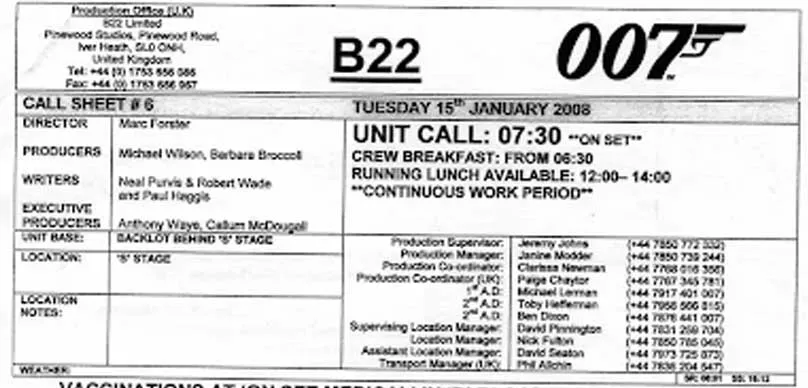
But Miranda is careful not to turn her experience into a universal prescription. Film school helped her, but that doesn’t mean everybody needs it. Plenty of filmmakers learn cameras, filmmaking history, theory, and set protocol independently. Others simply begin working. What matters is understanding where you want to go and determining which path gives you the skills, relationships, and experience necessary to get there. Miranda’s film-school experience ultimately helped prepare her to work as a PA on productions including The Bourne Ultimatum and Cloverfield.
Those jobs also reinforced another truth about the industry: relationships matter. Miranda recalls that one opportunity likely came through a production-office application while another came through a referral. As she puts it, many jobs in the film industry come down to networking and who you know. But networking isn’t simply collecting contacts at parties. The most valuable networking happens when people know how you work. Someone sees that you’re reliable, professional, and capable under pressure, and when another production needs somebody, your name enters the conversation.
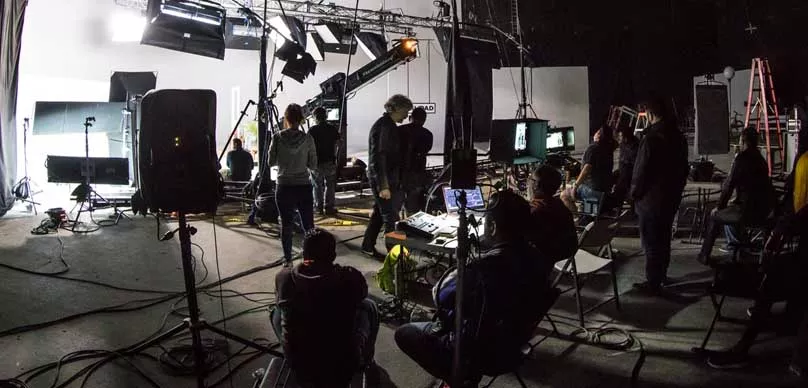
Working on studio movies also gave Miranda an interesting comparison with independent filmmaking. Both environments are ultimately trying to accomplish the same thing—tell a story—but the scale changes everything. A union studio production has larger departments, specialized crews, more resources, and potentially far more time for individual shots. On an indie film, the director or producer might suddenly find themselves solving problems that would normally belong to an entire department. Miranda loves that hands-on quality because it allows filmmakers to understand practically every corner of production.
And sometimes those problems become completely absurd.
Miranda recalls producing a film in upstate New York during winter where the climactic scene required a teenage girl to help a horse give birth. The production was filming on a horse farm with pregnant horses, so everything initially seemed manageable—until they discovered that the horse wasn’t going to give birth during their shooting schedule. Suddenly Miranda had to locate another pregnant horse that looked similar enough, find a farm whose location could match, and somehow coordinate the production around an event that couldn’t be scheduled precisely.
There wasn’t modern mobile internet to rescue her. Miranda picked up a landline, opened the Yellow Pages, and started calling horse farms. Within roughly an hour, she had two possibilities. The production eventually found a horse about to give birth, moved the crew, captured the sequence on film, and got the movie made. It’s a wonderfully ridiculous example of what producing actually means. Nobody hands you a manual explaining what to do when the horse in your climax refuses to cooperate. You solve the problem in front of you.
Miranda’s television experience provided a different education. Working as an assistant on shows including Huge and China, IL taught her not only about writing but about the business surrounding writers. Writers often create alone, but television and filmmaking are collaborative industries. Networks give notes. Studios request changes. Characters disappear. Scenes get rewritten. A writer who treats every sentence as sacred is going to struggle. Miranda emphasizes the importance of humility: “There will be rewrites. There will be a lot of rewrites.”
That philosophy eventually extended into creating her own opportunities. Miranda and producer Sandra Leviton formed Script Chicks after leaving coordinator positions to pursue producing independently. The challenge was painfully familiar to indie filmmakers: passion projects don’t necessarily pay the rent. They needed flexible work that would allow them to continue writing, directing, and producing. Their years of development experience gave them something valuable they could sell—professional screenplay coverage. The business became a way of keeping the lights on while continuing to pursue their filmmaking goals.
That may be one of the most useful lessons in Miranda’s story. A filmmaking career isn’t always built by doing one job continuously until Hollywood finally notices. Sometimes you PA on studio movies. Sometimes you read scripts. Sometimes you assist writers. Sometimes you produce somebody else’s project so you can finance your own. Sometimes you start a business because the business gives you enough freedom to continue creating.
Eventually Miranda realized that although she had spent years writing, producing, and working throughout the industry, she had drifted away from the original dream that brought her there: directing. So she wrote another short, gathered trusted readers who weren’t afraid to criticize the screenplay, started assembling a cast, and began crowdfunding an action project. Rather than waiting for the perfect circumstances, she started moving toward the work she actually wanted to make.
The path into filmmaking may begin at film school, on a PA job, inside a writers’ room, or with a camera in your bedroom. Miranda’s journey suggests that the specific doorway matters less than what you do after walking through it. Learn how sets work. Build genuine relationships. Listen to notes. Lose the ego. Become resourceful. Find ways to financially survive while you’re developing your craft. And when you realize you’ve wandered away from the reason you wanted to make movies in the first place, find your way back to it.
Right-click here to download the MP3
Alex Ferrari 0:03
Enjoy today's episode with guest host Dave Bullis.
Dave Bullis 1:55
On this episode, we have Miranda Sajdak. is a film writer and producer, and currently living Los Angeles, and she recently joined with producer Sandra Levinson to co-found Script Chicks and Under the Stairs Entertainment, and she currently has a GoFundMe campaign to raise money for her next project. So, without further ado, Miranda, how are you?
Miranda Sajdak 2:16
I'm good. How are you doing?
Dave Bullis 2:17
Good, thank you. So, everyone, this is the first test of the new board, so if something sounds funky, it's completely my fault. But I'm going to try my best to blame everybody else. So, so Miranda, just to get started, the same question I always ask everybody is, you know, how did you get started in the film industry?
Miranda Sajdak 2:34
That is a great question. So when I was a kid, my mom took me to see the movies, and the first live action film, other than like you know your sort of standard Disney animation that all kids see, that she took me to see was A League of Their Own, which you know is the sort of baseball movie about women in the '40s becoming baseball players when the men went overseas to fight in World War II. So stars like Geena Davis and Rosie O'Donnell and Madonna and Tom Hanks. And if you haven't seen it, it's really amazing. But that movie just totally inspired me, and I left the theater saying, like, I want to make movies. I want to be a filmmaker. That's what I want to do with my life. And literally has not changed since then. I've certainly gone through various stages where I've been a writer and a director and a producer, and I've worked in pretty much every set department there is. But it was that moment that said to me, "This is the industry I want to be in, and this is why.
Dave Bullis 3:38
So now I wanted to ask: Did you go to film school?
Miranda Sajdak 3:41
I did. I went to Columbia undergrad.
Dave Bullis 3:44
So now, now this is the million-dollar question, Miranda. I've always asked this to people who've gone to film school. You know, do you think it is necessary to go to be in the film industry? And this is an open-ended question. I mean, in any capacity, do you feel it's necessary to go to film school?
Miranda Sajdak 4:00
I am right down the middle with that, and there's a couple of reasons. I think it's very dependent on what you want to do in film and what your ultimate end goals are. And the reason I say that is because I think that there are things that can be very useful about film school. One of those things is, you know, just the basic networking of having a lot of people on your level who you can connect with and then later work with. I think that's useful. I think that's a big reason why a lot of people end up going. And then, of course, the resources of any film school to later connect you with jobs or internships or you know the kind of work that you may want in the industry. Additionally, I think that there is certainly used to the apprenticeship function of film school, whether that is you know learning how to use a camera, learning set etiquette, learning you know even just studying films so that you know the history of film or you know. You understand film theory, or you know, sort of the literature behind it all. I think there is definitely use to those things, and I think that those are things that you could learn on your own, and that a lot of people do learn on their own without going to film school. I think for me, what was most beneficial was really having teachers who were, or professors really who were really culling down the massive amounts of literature and films out there into you know what they felt were important pieces of information to have processed and understand in order to go into the industry and then also really learning set etiquette and you know learning the different jobs on set and how they work and kind of knowing all of that stuff before going into the industry. So, for example, while I was undergrad at Columbia, I worked on a lot of graduate student films as you know anything from a PA to an AD, and then I went on and was able to take all of those skills to PA on Born Ultimatum and Cloverfield and a number of big films that were shooting in LA or in New York at the time. And I wouldn't have been able to do that with those same level of skills if I hadn't had that training. So I think there is certainly a benefit. On the other hand, to play my own devil's advocate, I recognize that it is not a necessity for every job, and I don't think that it is a necessity in general. I've certainly known any number of people who have not gone through film school who are doing perfectly fine in the industry, and any number of people who you know just learn on the job, and and it just it very much depends on what you want to do and how you how your path is and how you want your path to be. And I would never say that it is a necessity, but I would also say that it can be useful for some people.
Dave Bullis 6:55
That is one thing I always ask some of my guests is about film school because some people feel very strongly about it. On the one hand,
Miranda Sajdak 7:01
Yeah,
Dave Bullis 7:01
And on the other hand, some people say, you know, if I could go back, I may just have just started off as a PA. Yeah, you know what I mean. Like meaning just from high school, go right into the film industry and go on to wherever I had to to just apply to be a PA, work
Miranda Sajdak 7:15
Work as much as possible.
Dave Bullis 7:16
Exactly, and then just work my way up, and then just sort of from being a PA, just sort of find out what I want to do and go that way, and then sort of you know sort of balance itself out because that way I can learn set etiquette while I'm doing and you know things like that. But I agree with you though; it is a good way to network. You know, it is it does actually teach you set etiquette, which if you want to set if you go on a set for the first time, you know what I mean. Like it could be a culture shock for some people because they're not used to it. But yeah, I mean there there's pros and cons, and I and it's always just a a good you know food for thought question I like to ask.
Miranda Sajdak 7:50
Yeah, I think it's a great question, and I think it's a question I'm not sure that we'll ever fully answer because I really do think it is an individual basis. I think you know there are people who it works amazingly for, you know, DERES at NYU, and you know then getting Pariah and Bessie, and she's just kind of had an amazing career based on her connections that she made there. You know versus you know like a Spielberg or you know somebody kind of starting out in the early days like an Orson Welles or whatever when there there wasn't film school, and yet he still made Citizen Kane, you know. So I think it's not a necessity, but I I certainly think that there are times when it can be useful for sure.
Dave Bullis 8:29
Yeah, definitely. And I mean, I you mentioned you know your PA work, which I wanted to ask about. You know, you got to be a PA on Cloverfield and the Born Ultimatum. So you know, how were you able to you know, get a job as a PA on those on those sets.
Miranda Sajdak 8:43
That was back when I was in New York, so that would have been right around the time I graduated from college, and that was either networking. So I think one of them was a referral from maybe the other one or from something I'd done similarly, and then one of them I think I applied either through the production office or through a job posting, but I think I applied through the production office because I know at the time, and I'm not sure if they still do this. I haven't lived in New York for a lot of years, but at the time, the mayor's office of film would kind of release a list of job openings, and then you'd sort of have your standard list of like what productions are shooting in town right now, and you could essentially message the production office and just say like, "Hey, I'm around. Do you guys need PAs? kind of thing. And I think that's how I got the first one of those. And then the second one, I think, was just a referral. So a lot of jobs in the industry are really just networking and who you know.
Dave Bullis 9:39
Yeah, that is something that you know. Doing this podcast, a lot of guests have said as well. They've. It's all about who you know. And there's a quote that I always screw up, but I think it is: "Your net worth is your net worth.
Miranda Sajdak 9:51
Yeah, absolutely.
Dave Bullis 9:53
So, what are some of the things that you learned while being a PA? I mean, obviously, those two movies. The budget for the Born Ultimatum was probably you know 20 to 30 million. Cloverfield, I'm going to guess you know 20 to 30 million as well. So you know it was obviously much bigger than an independent shoot. So you know we're we're getting to you know pretty big scale here. So what are some of the things that you've learned? You know, being a part of a of a crew that size.
Miranda Sajdak 10:27
You know it's interesting because I pretty much have always been working simultaneously on independent projects and studio projects to an extent. Like I've sort of kind of kept that up even moving to LA in the development world, so you know I think what I find really fascinating and what's what I love kind of about both of them is that you know they're both doing essentially the same thing but often in slightly different ways. For instance, like a Cloverfield or a Bourne Ultimatum or a studio project, you know it's going to be a union project. It's going to have much bigger departments, much more people in each department. You know you're going to have days where you're spending a lot more time on a certain shot, whereas an independent film, you may have to steal a shot. You know you'll sometimes see a director or a producer moving a light, which you know would never happen on a union film, just you know union rules and everything else, just sort of requiring that you know G and E kind of takes care of that. So it's sort of a, it's just it's doing things on a different scale, I think, and I think that one of the things I love about independent film is the ability to really be hands-on and be involved in every department, and you know have that sort of tactile ability to really be and involved in like literally everything. But I will also say there's a definite benefit, obviously, to the studio feature, just budgetary elements where you can kind of say, "Hey, you know, makeup department, deal with this, and you don't have to worry about, you know, having a makeup kit yourself that you're applying to your actor while you're trying to direct them. So, you know, I think that there's there's good and bad elements to both, but I would definitely say that you know the studio projects are able to do a lot more. You know, even though today in the digital space, indie projects are catching up very rapidly.
Dave Bullis 12:31
You mentioned the unions. That is one thing that I, from doing like student projects. By the way, just to to let you know, I never went to film school. I went to I chose the weirder path. I went to business school. Oh, so some people.
Miranda Sajdak 12:46
I mean, that's good.
Dave Bullis 12:47
Yeah, some people are like, "Well, that's good thing. And I'm like, you know, it was like I had my own my own weird way of getting there, and some of the weird stories I have about going to business school. But that is one thing. You know, when I was in business school, I was doing student films and stuff like that, and I was helping friends out. And then when I finally did like my first professional film that was mine, not going on anybody else's set, that's the first thing I was like, okay, introduction to how to deal with the unions. And I don't mean like at that in a bad way because I know it's that sounded kind of negative, but okay, this is you know you have to have this many breaks, this this. It was actually because we we did a um a SAG new media agreement for the actors and that was actually pretty easy to get you know to just to get and you know there wasn't really a lot of hoops we had to jump through and then just you know a couple of things here and there so so it was actually a pretty easy time on our end but you know but going onto the other sets you know you see all these different, you know, unions doing different things, and I think a lot of times that that that sort of blows people's minds who who aren't used to sets like that.
Miranda Sajdak 13:48
Yeah, and there's you know meal penalties, and there are certain rules that unions impose upon the set, and then of course there's you know even just from a budgetary standpoint, there's the extra money that goes into hiring a union crew for fringes and benefits and pensions and all of that stuff that you kind of have to pay on top of just the salary, which doesn't always come into play on an independent set. So yeah, I mean it's it's a different world and it's a different scale, but it's essentially doing the same thing. It's working towards the same kind of goal.
Dave Bullis 14:21
talking about your career, you know, from you know being a PA and you know doing all sorts of different work, you know, you ended up becoming a writer's assistant. Yeah, and you got to be a writer's assistant on a show I really enjoy, China Illinois.
Miranda Sajdak 14:32
Yeah, yeah.
Dave Bullis 14:36
So you know, how did you get to be a writer's assistant on China Illinois?
Miranda Sajdak 14:38
Yeah, I mean, the writer's assistant stuff started a few years before that. The first writer's assistant job, or I guess it was a showrunner's assistant job I had, was on Huge, which was an ABC Family show, which was created by Savannah Julie and Winnie Holzman, who created my so-called life and wrote the script. For Wicked and is currently working on the Wicked Musical and is doing a lot of other fun stuff. So that was sort of my first writer's assistant job, and that was another one of those you know your network is your net worth kind of things where I was already friends with Savannah and then I knew Winnie through her. So that was sort of how I got that job, and then the China Illinois job was just a job application. It was posted on a site that they were looking for a script coordinator, and I was sort of in between gigs and kind of hadn't really done something like that in a little while. So it was one of those, sure, I'll shoot over my resume and see what happens. And something like a few days later, they called me in, and I got the job the same day I interviewed. So that was a pretty fast process. And they were, I think, in the middle of their second season. So I was sort of coming on in the middle of things, and that was really a really great learning experience. Everybody on that team is amazing. They're so funny and they're so smart, and you know they have a really unique tone to their show. I mean, you know, as a fan, that they're very specific with what they do and with their jokes, and and I hadn't really worked heavily in comedy before, so that was really enjoyable to be able to step both into animation and comedy at the same time, which I hadn't really had the chance to do. So, yeah, I mean, it was a totally it's it's very different from working in live action, but I actually really enjoyed it. Actually, a lot more than I thought I even would to begin with. So, I mean, I love all those guys. It's a great show, and I hope it has many many more years to go because it's just really, really unique storytelling.
Dave Bullis 16:45
You know, sadly, Miranda, I actually think they've decided to not do any more seasons.
Miranda Sajdak 16:49
Oh no!
Dave Bullis 16:50
Yeah, I remember
Miranda Sajdak 16:52
Their actors are all so busy right now, so that probably has a lot to do with it.
Dave Bullis 16:56
Yeah, I remember reading an article about it, and they actually basically said like they think this was it the past season. By the way, anyone who hasn't seen China Illinois, it's basically about the worst college ever. And basically, Hulk Hogan is the dean of the of the school, and you know he he voices the dean of the school, but he basically is playing himself in a in a in a in a way. The show is hilarious.
Miranda Sajdak 17:20
It's yeah, it's it's ridiculous. Like the humor is just bananas. Like you don't, you just you never see the joke coming. Like Brad Neely, who's the creator, is he's like I genuinely think that he's a genius, and I absolutely think that he's the comedic genius for sure.
Dave Bullis 17:35
So, what are some of the things that you know you learned about writing? So I know you you're a writer too, obviously. So you know, what are some of the things that you learned from the show that you try to put into your own writing, or maybe some of the things that you learned just from any of the writers in the show?
Miranda Sajdak 17:47
Yeah, I mean that's a great question. You know, on China, I I kind of came on after the writers' room was sort of over, so most of the learning process was really from Brad himself, and then prior to that, on Huge, I was working directly with both Winnie and Savannah, who were writing, and then was familiar with their writers' room. So, you know, I mean, it's tough. It's sort of every show has has their own style and has their own different things that they like to do. So, you know, I think I I suppose the things that I've learned have have been more more about you know the I guess the dealing with like networks and studios and sort of the the business side of the writing I suppose has sort of been more what I've learned from those experiences, because a lot of the time, and as a writer too, you know, a lot of the time writing tends to be done in isolation. So you sort of are in a room with a computer creating your story or your idea, your characters, and you're not really engaging with people in a big way. So I wasn't like in the room while you know Brad was writing a script. You know I was I was there when some ideas were being spitballed around, but I wasn't really necessarily there like while he was sitting there typing out his next line of dialog or whatever. So for me, it was a lot of learning about you know working with networks, working with studios, you know, taking notes, learning how to do that in in a respectful and appreciative manner, which I think is really important as a writer because even though the writing process is done in isolation, really nothing else in the industry is like pretty much everything else in the industry requires other people and their input and collaboration, and so for writers, you know, a big thing that I talk to the writers that I give notes to about, and a big thing that I sort of try and train myself to do is to just not have a really big ego about it. Because because at the end of the day, there will be rewrites. There will be a lot of rewrites. You'll have to change things. You know, you can't get too attached to any one line or any one character or any one scene because it's going to change. And so, I think that's really maybe the biggest lesson that I took away from it was really just having that kind of humility when you go into these kinds of bigger meetings, or you know, recognizing that the job of it all is sort of under the auspices of somebody else, and that kind of at any moment, like that job could go away, and it's pretty much up to them to tell you notes, and it's up to you to take them. So, as a writer and even as a showrunner, you're really definitely still under the control of the network and/or studio. So that's definitely a big thing that I learned from from both of those writers' assistant jobs.
Dave Bullis 20:57
Using your own projects as an example, you know, you you know, I'm looking at your IMDb actually right now. Sure. Um, you know, so uh, yeah, you know, you did Snapshot and you did Santa Baby in 2010. Yeah. You know, um, was was there any sort of? I mean, both of those are short films, by the way, to to people listening. Um, so was there any like major changes you have you had to do with those? I mean, granted, you had more control, but you know, as you know, as we all know, things change at the spur of the moment.
Miranda Sajdak 21:25
Totally. I'm trying to think. With you know, there there actually weren't both of those projects. Snapshot was a co-write with Savannah Dooley, who I later went on to assist on huge, and you know, I sort of did the first vomit draft, and then she came in and really polished it up and made it really fantastic. She's just an amazing writer. So that was like the biggest change was really her kind of second draft pass, and then we kind of just went from there. And then Santa Baby, I wrote myself, and it ended up winning like second prize in like a Las Vegas script contest, which is very exciting at the time. And then that one didn't really change either. Come to think of it, I think that sort of you know both of those scripts sort of kept their their storytelling pretty much the same as they were in their first or second drafts, but I think a lot of that came down to me either directing or producing or you know having oversight on those areas as well. And it's pretty rare for a writer to also be their own producer, so yeah. I mean, I think for those projects, there actually weren't that many rewrites, and yeah, Snapshot did actually pretty well at festivals, considering that we didn't actually even do that many rewrites. But yeah, I mean, we were we were pretty excited about that one, but no, there weren't actually. It's sort of funny to think about that now because I am in the midst of rewrites on a bunch of my projects that are longer, but for the short film side of things, I haven't actually experienced too much of that.
Dave Bullis 23:09
Just to piggyback on that that question, then you know you you've produced some other movies as well, and you know what are some of the things that have you know has there ever been something that has happened on set. That has made you have to change, like you know, a location fell through at the last minute, or it started to rain. You know, is there anything that while you know you were wearing your producer hat that that something sort of catastrophic happened?
Miranda Sajdak 23:32
Yes, I can talk about it. I'll talk about it without naming the movie because they don't want to call anybody out. But okay, so shortly after I graduated from Columbia, I was working on a project that was shooting in upstate New York in the winter, and it was in like the middle of like blizzard conditions. Like it was snowing every day, and it was icy, and it was cold. And you know, the central climactic moment of that particular movie was a like 14 year old girl helping a horse to give birth, and we sort of learned over the course of the week while we were shooting, and we were actually shooting on a horse farm that belonged to a family member of the director. But we learned during that week, something which I didn't know, which is that you kind of can't predict when horses are going to give birth. Like it just sort of happens. So, you know, there were pregnant horses on the farm, and they could have given birth that week. But as we got farther into the week, we learned that they actually weren't going to. Like the vet was basically like, "We don't think that this is going to happen this week, so you sort of get your like 20 minutes of warning, and then it happens. But like otherwise, you're sort of like going by a lot of guesswork, and we basically learned on like day four out of seven or something that like it wasn't going to happen, and there was supposed to be a day off for the. Crew and the cast on day five, essentially, and instead of a day off, basically I had to find a horse farm in the area that had another horse that looked like the main horse that we had been working with the whole time that was pregnant that we knew would give birth that day, and send the crew there essentially, and hope that the locations looked similar enough that it would match, because we couldn't do a location scout or anything, and and we did it. I mean, we found a horse that was going to give birth, and the 14-year-old girl who was our lead, or she might have been 15. She was young, but our lead helped the horse give birth that night. So we we did manage to make it work in the midst of a blizzard in New York in the middle of winter, and it was insane and probably the hardest shoot I've ever been on. But yeah, I would say that that was pretty catastrophic when I learned that that horse was not going to give birth and that I had to find a horse.
Dave Bullis 26:10
So, how long did it take you to find a similar horse?
Miranda Sajdak 26:12
Shockingly, not as long as you would think. We were actually in horse country, but this was sort of like pre. I'm gonna like date myself right now. But this was sort of like pre like internet days. Like there wasn't like a lot of internet access where we were, and like we didn't have like cell phones or the Wi-Fi or anything. So I like had to use like the landline to like call, and I I was using like the yellow pages to like call like horse farms in the area, and like there were actually a lot of horse breeding facilities in the area because we were right near, I think Saratoga Springs, which is pretty well known for horse racing and horse tracks and stuff. So there were actually a lot of breeders and farms in the area, and we ended up having the option of two different places by the time I got done with my phone calls. After about you know an hour of phone calling around, so it actually didn't take that long. It just was you know one of those moments where your heart just drops and you're like, I don't know anything about horses. Like I don't know what to ask. I don't know who to talk to about this. Like, I know nothing, so that for me was, you know, I so it's sort of they say like you know don't do movies with like animals and children, basically, especially if you don't have like a giant budget. And that was definitely one of those moments where I just, you know, your heart just drops. You think you know? All right. Well, we're not going to get this movie made, but we did. Yeah, it made. It looked great. I mean, you know, the the birth was fantastic, and it was real, and it was shot on. And we were shooting on film, so we didn't have the option to like do a lot of retakes or you know anything. So it was just, yeah, it was it was pretty wild.
Dave Bullis 28:03
Yeah, you know those pre-internet days. I remember you know filming some of my projects you know pre-internet days, and I mean this was like 2007, 2008, and even then, I mean like that's when cell phones were starting to come become big.
Miranda Sajdak 28:20
But like you still had to like pay a lot for like five minutes,
Dave Bullis 28:24
Yeah. And they were like the big candy bar phones, or like the Razer, the Crazer. But um,
Miranda Sajdak 28:30
You know, service anywhere, so like you had to be in like a city for anything to work.
Dave Bullis 28:33
Yeah, and and it just you know trying to find different stuff was harder. Now I you know it's like going onto eBay, for instance, I can find. Obviously, I can't find a horse, but I mean, you can find
Miranda Sajdak 28:44
You know some props you can like get for like $1.
Dave Bullis 28:48
Yeah, exactly. Or, or you know, I can find where the latest. You know, one one place I always tell people to shop for props. I don't think it's it's probably not that good anymore because apparently they've they've caught onto this. But the Goodwill stores.
Miranda Sajdak 29:01
Oh, totally.
Dave Bullis 29:02
Because, but like I hear now, what they do is they have a person who's back there, and they put all the good things. They save them to so they could put them on the online store.
Miranda Sajdak 29:13
Yeah, that sucks.
Dave Bullis 29:14
Yeah, so I, you know, but I could still find like different props for almost nothing. Yeah, like you know, like I need a a statue that we don't mind if it gets broken. Yeah. Oh, here's one for $2. All right.
Miranda Sajdak 29:26
Yeah. Exactly. Exactly. Yeah. I mean, there's a lot of there's so many tricks that you end up using, especially as a producer, that just kind of come into play over and over and over again, and that's one of them for sure.
Dave Bullis 29:38
Yeah. Yeah. I find the the best skill for a producer is besides, but besides having a network, which is a skill in itself that I found, but also being as resourceful as possible because you know I have worked with some producers who I am in awe of. Who some of the things that they got? I mean, one producer I know got a Porsche. I think it was Porsche or Lamborghini, one of those companies, to airdrop a brand new Porsche or Lamborghini to the set for a shoot they needed, and they and and they actually paid for it, meaning Lamborghini or Porsche actually paid to have it respray repainted and had it air dropped. And I was like, my God, how did you finagle this? Yeah, but I mean, yeah, I mean, some people I've just you know work with have been I've just you know I've can can do it all, and then we all have stories about working with bad producers too, who just sort of yeah yeah. I have one person who who I'm hoping to have on. He has one of the worst producer stories I've ever heard. He'll be on probably you know God for months from now. But anyways, back to you, Miranda. Um, sorry, I have a tendency to go off on other topics. No, I wanted to ask you know you started Script Chicks, uh you know with Sandra Levitin. You know I wanted to ask you know what are some of the reasons that you you started your own company, and you know what are some of the services that you offer?
Miranda Sajdak 31:03
Yeah, totally. So Scriptch, we started about three years ago, and I think we're probably going to actually be wrapping it up pretty soon. But we both still do coverage on the side, so we're still kind of like open for business, but like technically. But essentially, the main reason we started it was we had both walked away from our jobs at the time. I was working as a coordinator at a indie film company, and she was working at a coordinator level in television. And we essentially both left those jobs to go out on our own and produce, and we were sort of saying, you know, all right, well, what are we going to do that we can pay the bills and keep the lights on while we're producing? You know, because obviously, especially when you're producing indie projects and when you're starting at the short level, which is where we were starting, you know, nobody's going to hand you a check for that. Really, like you kind of have to hustle yourself, you know. And generally, like even with crowdfunding, you know, as a producer, if it's your own project, or as a director, if it's your own project, you usually will crowd fund, but you will rarely include a salary for yourself because you recognize that, like, that's your passion project, and you kind of have to pay everybody else to be there. But like you often don't get paid. Like we, you know, put our own money into our last project, and you know we weren't getting paid on it. And it's sort of the same with my next project that I'm doing. So essentially, we knew that like this was going to be a few years of hustling really hard, and you know we needed something that we could do on a freelance basis that would permit us to still be producing and be writing and be directing. So Scriptchecks was kind of formed based out of all of that and wanting to be able to provide a service to writers because we'd both worked in development for about a decade apiece, so combined about 20 years in the business of development and reading scripts, and we knew that we could provide that service and provide it well. You know, we had clients who have gone on to sell shows to the CW and ABC and Hulu and ABC Family and Dimension and you know James Wan and like any number of people and places. So like we've had a lot of clients that have gone on to do very big things. So we we knew that like you know should you follow our notes and execute well like you have a pretty good shot of doing well and getting signed, and you know, being being pretty good. So that was something that we sort of all you know together felt that we were going to be doing it on our own, and we sort of joined forces to do it together. So that's sort of how Script Chicks was born was that sort of need to keep the lights on and keep working and keep active in the industry, but also be able to produce and direct and write on the side.
Dave Bullis 34:05
That's great, you know, because you always have to have that stream of income, and then when you're, you know, you're a producer or you know anything, when you're doing it full time, you you have to have multiple streams of income. You know, I actually I took a course one time, and this this this speaker kept saying that every millionaire that he's ever worked with had seven streams of income.
Miranda Sajdak 34:26
Wow!
Dave Bullis 34:27
And that, and he kept harping on that because that was sort of like the that that was sort of like the minimum number of you know how they get to be millionaires. Well, they have seven streams of income.
Miranda Sajdak 34:36
All right,
Dave Bullis 34:39
And he said, like the first one wasn't like the first, the top three weren't their job. It was um, it was like number four, five, or six was like their full time job. But the rest was like from different investments.
Miranda Sajdak 34:51
Yeah, yeah, totally. And that's sort of the you know that's the thing. It's like how do you get the passive income? So that's definitely you know the. That's the end goal, I think, for a lot of us in the in the business, especially above the line, is to really figure out how to get those residuals coming in.
Dave Bullis 35:08
Yes, and you know, speaking of which, you know, you currently have a GoFundMe campaign to you know sort of fund your next project. So, you know, could you talk a little bit about your GoFundMe campaign?
Miranda Sajdak 35:16
Yeah, sure. So I'm doing a GoFundMe right now. I you know, like I said, sort of at the beginning of the podcast, really got into this to be a director. That was sort of the end goal, the big dream, you know, beyond the writing and producing side of things, which I love to do, but which weren't, you know, the passion from when I was quite young. And the last project that I directed. It probably thinks that it was Santa Baby, but I think it was actually Snapshot. But that project did actually pretty well in festivals, and it went to Outfest, and we went to Palm Springs, and we went to a number of festivals around the world, and we're very excited about that one. And then shortly after that, I ended up sort of in the world of full time work, and then founding script checks and working on producing. And so I realized, sort of in the middle of last year, that it had been a little while since I'd actually directed anything, despite the fact that that was sort of you know the primary goal of me getting into the business to begin with. So I wrote a short in November that got really positive feedback from you know my very trusted readers because you know like I tell all my writer friends you know get a reader and I have a few who are I trust you know implicitly to give me good notes because I don't want yes men I want people who are going to tell me like fix this, you know. So I did a script back then, and I've gotten really great responses from pretty much everybody who's read it. It's an action piece that follows a female undercover cop who robs a bank for the mob, but then finds herself on the run from her former partners. So it's got some interesting twists and turns, and it's definitely action packed. And I essentially started the process before I'd even started crowdfunding by sending it out to my friend James Kaisen, who played Ondo on Heroes, and then he was really interested in the project. And then I sent it out to another friend, Pia Shaw, who was just on Grey's Anatomy and has done Agents of Shield and a few other semi-recognizable, you know, TV shows and films. And she's just an amazing actress, and they're both just so talented. So, you know, for me, the project has five characters, and I've now officially cast two of them. I have a hopeful third waiting in the wings, and I'm really just excited to do something action based. You know, a big thing for me is diversity and women in the industry because the numbers are really low and they're really bad right now. And we've been hearing a lot of that in the media. Obviously, you know, the New York Times has covered it, and there's investigations by the Equal Employment Commission, and you know, pretty much there's a lot of stuff going on about women directors and minority representation, and you know, with Oscars so white, that's obviously an issue as well. So it's something that has been close to my heart for a lot of years, and it's something that I think this project is going to allow me to sort of take head on. In that, I will be doing a project with, I think, the majority of cast will be people of color, and you know, obviously, as a woman, I will be behind the camera. So it's pretty exciting to be doing something that is really just a flat-out fun action thriller. Like there isn't some secret, hidden social message within the movie. Like it's not, you know, trying to challenge the status quo from the inside. It's literally just a really fun action movie that just so happens to also be really diverse. So that's sort of always been kind of like my way of addressing political situations. Is that I, I don't want to preach to anybody. I don't want to tell anybody how they should think or what they should do. But I really just want to make entertaining product that promotes diversity, you know, behind and in front of the camera. So that's sort of been always my message, and I think that this project is going to really be able to do that.
Dave Bullis 39:39
Yeah, I remember, you know, reading in your GoFundMe page that you were hoping to create something like The Raid, and I was like, "Wow, that's awesome! Yeah, because the Raid is an awesome movie. If you haven't seen it, anyone listening to this,
Miranda Sajdak 39:52
Yeah, I'm I'm a huge action fan. Like, I will go see pretty much any action movie on like opening weekends. So whether it's like White House Down or The Raid or Olympus Has Fallen or San Andreas, like you'll see me there on opening weekend. I'm just an action junkie, so those kinds of movies have always been something that I've loved, and this one definitely is taking inspiration from from those for sure.
Dave Bullis 40:29
Miranda, we've been talking for about you know like 3040 almost 40 minutes now. So, in closing, is there anything you wanted to maybe add, or anything you sort of wanted to say to sort of close out this entire conversation?
Miranda Sajdak 40:42
Um, You know, yeah. I mean, I think that it's just-it's really exciting. First of all, thank you for having me. So it's great to be able to talk to you. You know, you meet a lot of people on Twitter, but don't always get to actually speak to them. So that's fantastic, and I love your podcast. So I'm really excited to be doing it. But yeah, I mean, I think you know, I would hope that anybody listening would get something beneficial from this. You know, we've had some good discussion about the film industry and what's going on behind the scenes and in front of the camera. And you know, if anybody wants to hit me up, it's easy to find on Twitter. I'm at Miranda Sajak, and Sajak is spelled as it should be: S A J D A K, and then yeah, I mean my crowd fund is gofundme.com/miranda directs, and I think those are it. I mean that's sort of you know the gist of it all. But I'm you know always happy to answer questions about screenplays in the industry and what it's like and my projects, and I love hearing what other people are working on, so I'm I'm pretty open to just having a chat. So,
Dave Bullis 41:46
And everyone, I will link to all of of those links in the show notes. I follow Miranda Miranda on Twitter, and we're we're big Twitter pals, right?
Miranda Sajdak 41:55
Oh yeah,
Dave Bullis 41:58
But yeah, I I meet so many people on Twitter, and I really try to engage on Twitter. I, I mean, that's sort of like my favorite social media site. And I, I always try to talk to everyone I can, who's not like a spam bot or some kind of porn bot. I get those a lot too. And
Speaker 1 42:15
What's they're showing up suddenly? I don't know.
Dave Bullis 42:18
It like they come in waves.
Miranda Sajdak 42:20
Yeah, you do. I get like four at a time. I'll be like, "Whoa!
Dave Bullis 42:23
Yeah, and it's and sometimes though it's it's hard to decipher between the two because one was just like this this girl. She had a normal name. She was like she said she was a social media ninja and all this other stuff.
Miranda Sajdak 42:34
Yes, I think I have her. One of there's probably and then all of a sudden,
Dave Bullis 42:38
Yeah, and then all of a sudden she's like DMing me like, hey, go here and we can date. I'm like, what? I know.
Miranda Sajdak 42:43
Like the I'm a cam girl. Like, click here, and I'm like, really though? Like, are you okay? Yep.
Dave Bullis 42:52
Miranda, it has been great talking to you, everyone. Miranda, I want to say thank you, and I want to wish you the best of luck with your GoFundMe campaign, and you know, with all your future projects.
Miranda Sajdak 43:07
Thank you so much, Dave. Thanks for having me on.
Dave Bullis 43:09
Ah, my pleasure, and I look forward to having you back on sometime.
Miranda Sajdak 43:12
Oh yeah, absolutely.
Dave Bullis 43:12
When you finally finish this movie, when you get everything raised, I want to I want you to come back on. You can talk about the the project.
Miranda Sajdak 43:17
Awesome.
Dave Bullis 43:18
All right, great. All right, Miranda, I want to say thanks again, and have a great weekend.
Miranda Sajdak 43:22
Thank you. You too.
Dave Bullis 43:50
Take care. Bye!
Sign up to receive email updates
Enter your name and email address below and I'll send you periodic updates about the podcast.
LINKS
- Miranda Sajdak – IMDb(opens in new tab)
SPONSORS
- Bulletproof Script Coverage – Get Your Screenplay Read by Hollywood Professionals
- Audible(opens in new tab) – Get a Free Filmmaking or Screenwriting Audiobook