
IFH 728: The Science of Storytelling for Screenwriters with Will Storr

Right-click here to download the MP3

Read more

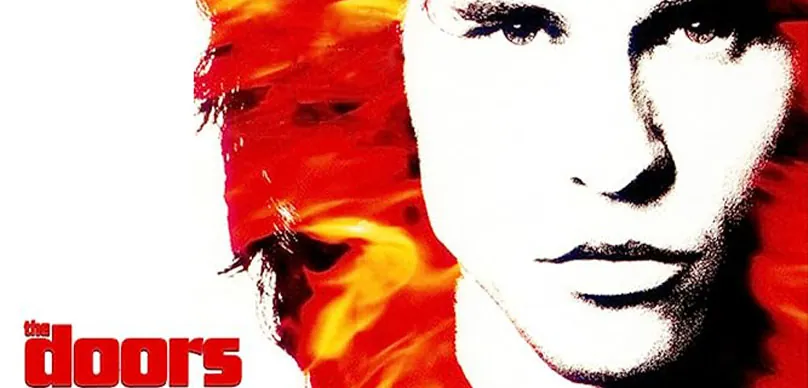
IFH 727: Lessons Learned Writing Oliver Stone’s The Doors with Randall Jahnson

Right-click here to download the MP3

Read more

IFH 726: Story$elling Your Screenplay with Heather Hale

Right-click here to download the MP3

Read more

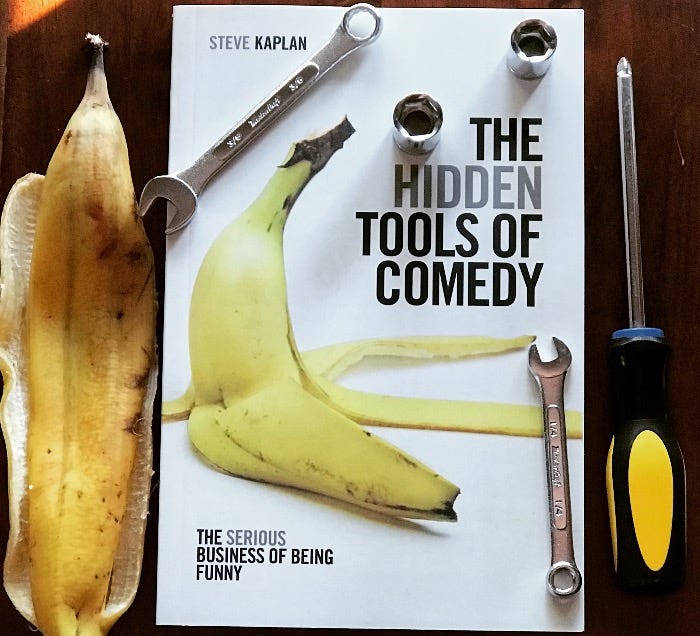
IFH 725: Hidden Tools of Comedy for Screenwriters with Steve Kaplan

Right-click here to download the MP3

Read more

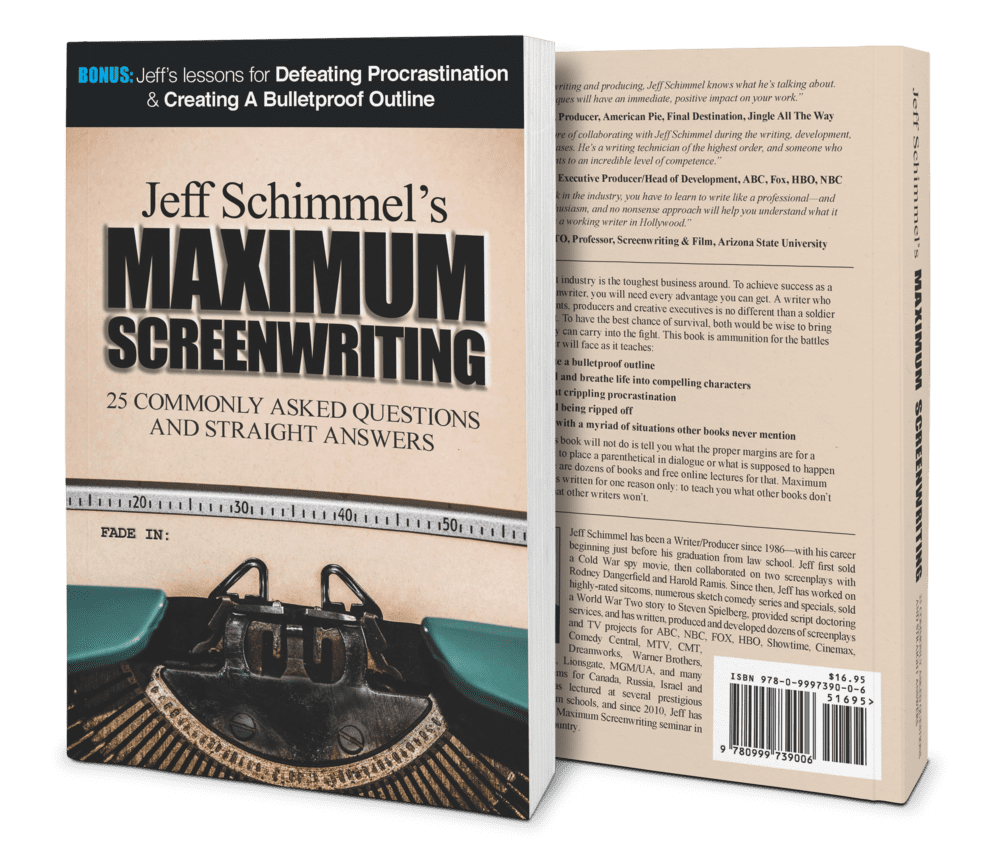
IFH 724: What is Maximum Screenwriting with Jeff Schimmel

Right-click here to download the MP3

Read more

IFH 723: The Essentials of Screenwriting with Pilar Alessandra

Right-click here to download the MP3

Read more

IFH 722: The Art of Television Showrunning with Steve DeKnight (Marvel’s Daredevil, Spartacus)

Right-click here to download the MP3

Read more

IFH 721: The Million Dollar Mini-Movie Screenwriting Method with Chris Soth

Right-click here to download the MP3

Read more

IFH 720: Psychology for Screenwriters with William Indick

Right-click here to download the MP3

Alex Ferrari 0:11
I'd like to welcome the show Bill Indick. Man, how you doing Bill?

Williams Indick 0:14
Good, how are you?

Alex Ferrari 0:15
I'm good, my friend. I'm good. Thank you so much for coming on the show. Um, I'm excited to dive into the world of psychology and how it affects writers and screenwriters and characters and cycle analyzing some of our favorite films and characters, which I I do on the show often as a, as a non professional, without a PhD, as I'm sure you've run into too much. But before before we get started, what made you decide to write a book about psychology for screenwriters.

Williams Indick 0:47
Um, so it's this is going back to 2003, so almost 20 years ago, and I was just starting out as a psychology professor, and I was teaching classes like abnormal psychology and theories of personality where you have to, you know, get into the nuts and bolts of psychological theory, Freud, Erickson, young, all those guys. And I was finding it hard to sort of get these very old theories to be relevant to my students. And I, you know, my idea was, okay, well, let me take something that's I find fascinating and interesting, and some and use it as an example to apply it to. So I started doing little short film analyses in class as examples of these classic personality theories. And it really worked very well. So I said, Oh, you know, what, I should get a textbook on like, how to do you know, basically a psychology film book, but none existed, there was really none about specifically applying psychoanalysis to film analysis. So I wrote the book. And one of the people that I shopped the book around to was Michael Reese, and Michael Reese productions. And he said, this is great idea. But we write books for filmmakers, we write books for screenwriters, and they wanted not an academic text for more sort of a practical guide. So I said, Okay, take the same theories, the same applications and just turn them into something that would be helpful for screenwriters. So instead of, you know, saying, Okay, as you analyze a film, think about this, saying, as you write a film, think about this in more sort of analytical ways.

Alex Ferrari 2:22
So can you, like do a cycle analysis on a genre? I like it, because I know you wrote another book about, you know, the psychology of westerns and things. Can you break down like general overall psychologies of specific genres? Are there like key things that are in most of films in certain genres?

Williams Indick 2:40
Absolutely. And that's one of so psychology for screenwriters is going into a second edition, and I had to add three chapters. And basically those three chapters are going to be based on these books I wrote about psychoanalysis, for specific film genres. So in any genre, you're going to have basic character types, which in psychology will typically call archetypes after Carl Jung's theory. So in the western, you have this sort of cast of characters that basically reappear in every film, you have, you know, the cowboy hero, who's oftentimes an anti hero, you have a villain character who usually, quote unquote, a dude. The word dude refers to Easterner who was out west, I don't know how it became just a sort of general term for person. But that's so the villain is usually a dude from the east or a banker or a railroad person or evil cattle Baron, somebody who wants to own the land rather than live in it in a more sort of wholesome or holistic with respects to land. Yeah. Oh, yeah. So you have the quote unquote, horror with a heart of gold character, and then the nice sort of virginal schoolmarm character, and all those characters exist as archetypes. Within this specific mythology that we call the West, and the archetypes change, they grow up and they, you know, become darker usually, but they don't really change the same basic motivation, which is redemption, usually for the, for the hero, that stays the same. And you could do the same thing with horror movies and psycho psychological science fiction, musicals, comedies, every genre exists because there are these archetypal characters and archetypal themes that just repeat themselves over and over again. So yes, you can certainly do a psychoanalysis of genre and I've been doing it and do it again.

Alex Ferrari 4:31
So okay, so let's break down, let's say, the action genre, which is probably one of the most popular genres, sci fi, sci fi and action are both very popular, what are you know, actually a very broad genre. But generally speaking, in your, from your point of view, what are some of the kind of like, archetypes that are constantly in their cycle analyzing that genre?

Williams Indick 4:53
So I would say if we're talking about American films, and that's really I don't know about you, but certainly I'm not particularly comfortable talking about any other rights other than American films. But um, the western was incredibly influential, and really dominated the whole film market for that whole period going from the sort of mid 40s to the early 60s. So what we call the action genre is really just something that evolved out of the Western genre, people saying, hey, maybe we can make an exciting film with guns and chases, and all that exciting stuff happening, but not set in the West. So people started coming up with different types of action movies. But it really basically is the same as the western genre. So you have the same basic kind of hero, this sort of slightly dark character with a good heart who finds it hard to fit in, in his environment, because of his own personal code of honor, that doesn't necessarily mix with the hypocrisy of modern day. And you basically, you take this Western character, and you put them in the city, and you give them a badge, and, you know, a three piece suit. And all of a sudden, he's this the sort of archetypical cop hero, you have the buddy cop movie, that's basically just an extension of the Western genre. And I would say, in this in the 60s and 70s, and 80s, when American culture was getting kind of sick of the Western, we saw a lot more action movies based on this cop hero. archetype, who is essentially the western hero, then starting in the 70s, but really getting a lot of traction in the 80s began to see Action. Action movies based more on classical superheroes, from sort of ancient myth, like people that we call superheroes, people who aren't just regular men, you know, with who are very quick with a gun, but people who are who actually have superpowers, like gods, so Superman, Batman, Spider Man, and that is, you know, a rather different type of story. And that calls upon these ancient patterns of the hero that go all the way back 1000s and 1000s of years, to the ancient Greeks in the ancient Romans, the ancient day ends and Christians, the classical hero, so to understand that character, we really have to kind of study from Joseph Campbell's some Carl young, and move away from the very specific American action hero that basically just an offshoot of the Western hero, the cowboy,

Alex Ferrari 7:30
so the Yeah, cuz I was gonna ask you Next is like, Well, obviously, the the dominant genre in popular movies is superhero. I mean, yeah, it is. It's taken over all other genres. And do you believe in your, in your opinion, do you think what Spielberg said is true? Where we're going to, we're going to get tired of superhero movies, eventually, in the next 15 years, like, we're just going to be like, it's over. Let's move on to something else, just like the western was like the western. But you know, sci fi has always been sci fi action has always been action like there's I don't, but this specific genre of superhero, do you think that that's going to eventually happen?

Williams Indick 8:10
Yeah, you reach a point with any medium point of saturation, where people will have gift had enough and they need something else. That doesn't necessarily mean that the archetypes change. Again, people got sick of westerns in the 1960s, when nine out of 10 TV shows were westerns, and this was something like six out of 10 feature films released every week was a western people got sick of it. And it wasn't as relevant in a time when people were less gung ho about being American in the 60s. So what happened, two things happened, the genre itself became darker and more realistic in an attempt to kind of better reflect the American spirit. And that really kind of killed the western for a while. But the other thing that happened was, the setting changed. And we took the same basic characters and just put them in a different setting. So I would say probably somebody, something similar is going to happen with superheroes, where we're seeing it already, we're seeing the characters get darker and darker and darker. And at one point, it reaches a point where a character gets so dark that nobody wants to identify with that character anymore. It's too dark, like some of the Western characters we saw in the late 60s and early 70s. So yeah, we'll reach that point of saturation, where people just are sick of it. And also we'll reach the point of where the character itself the main character gets too dark, and it's going to have to change. What will it become after that? Well, you never really know. But it's essentially it's the same basic archetype, whether he's in a war movie, or Western or action movie or a superhero movie, basically the same characters with different settings. It take George Lucas, you know, he came around at a time when the western was really dead. And he said, Well, what if I just take a Western and set it in outer space, and instead of lightsaber it's just like samurai swords? Yama. So samurai swords. lightsabers, and he took a state your basic Western plot, mixed a few things in it and came up with Star Wars, which captured everybody's imagination, you know, for decades and decades and decades. And not many people complained, oh, this is just a Western setting Outer Space doesn't matter.

Alex Ferrari 10:16
Right. And I mean, let me he picked obviously he picked he took Seven Samurai and, and hidden fortress specifically, and which are basically, Western semi samurai. Samurai films are westerns, and magnificent, Magnificent Seven and all that stuff. And it's so funny because the this the the success of the latest incarnation of star which was the Mandalorian on the streaming service. It is as Western as you get. I mean, it is yeah, it goes back to the core roots of Star Wars, which was a Western hardcore Western, but in space. And I mean, it's actually I think Mandalorians even more Western than the original Star Wars is,

Williams Indick 10:59
it's a straight up Western, when you see it, you have this character who is the quintessential cowboy hero, he sort of comes in the wilderness, he's in this frontier territory, where everything's kind of dark and scary, yet he has his own personal code of honor. He has this sort of path towards redemption. It's, it's the most traditional Western I've seen in a very long time, and only the setting is different.

Alex Ferrari 11:23
Exactly. And then the whole lone wolf and cub story with him and baby Yoda is also it's just a complete callback to Japanese westerns.

Williams Indick 11:32
Yeah, and the Yoda, the baby Yoda. We've seen that before in westerns, there was specifically there was a film called three godfathers of classic Western that was remade a bunch of times. And probably the classic version was directed by john Ford, with john wayne in it. But the basic premise is you have these three cowboy outlaws, and they're on the run. And they run into a, what he called a wagon train that's been attacked by Indians. And the only survivor is a mother and her newborn baby and the mother died. So now they have to take care of this baby. And yeah, so you have these three really tough guys, like Three Men and a Baby.

Alex Ferrari 12:11
Are you ready? Yeah, you read my mind. I was like a three minute baby.

Williams Indick 12:14
And, but their whole struggle is to you know, deliver this baby to New Jerusalem to this town and a half to fight the wilderness fight Indians, you know, and go through all that and that so uh, yeah, baby Yoda is directly from that. But I mean, when I was watching the Mandalorian, I was thinking, I should probably write something about this show. So not only it's a very traditional Western, but every episode is based on kind of a classic Western movie. Like, like three godfathers or the searchers. You know, it's been a while since I've seen it, but but I was very, very much impressed by Jon Favreau, who's he did a lot of the writing and all the directing, saying, like, this guy knows his westerns, and he's really applying it in a great way. And the wonderful thing about taking a genre like the western, which has very established archetypes, and plots and characters, and just changing the setting is that you don't have to make the characters as dark as they would normally be. Because while people are sick of the sort of a cowboy hero in the white hat in the white horse, perfect character who's so good that he's unbelievably good. People did get sick of that in the 50s, and 60s. But when George Lucas put them in outer space, we have you know, Luke Skywalker, who's again, this classic, very pure white hat, white costume character. Meaning if so, if you change the setting, you can go back to the original home template of the genre. So that's kind of a useful thing to know.

Alex Ferrari 13:46
And it really when you set the whole white hat character in the superhero superhero genre, arguably is the the godfather of all superheroes, which is Superman is very difficult to write for, because he is that white hat character. And at a certain time in American history and world history. That was acceptable in the 70s when Christopher Reeve showed up, it was fine. You wanted that kind of, you know, apple pie kind of character. But as time has gone on, he seems so unrealistic that they had to, like try to darken them up. I'm like, but that's not the character you can't. That's why Batman has been he just days because he's, he's such a realistic character. I mean, to a certain extent, obviously, but much more realistically, dark character. He's a realistically dark character, and he's very vulnerable. And all this stuff. When you're writing for Superman, you're writing for a god. And that was the problem with ancient Greeks. You know, in the myths of ancient Greece, like, well, they had to give them human fair frailties, to be able to write a story about him because if they're just, there's no power in there's no power that can stop them, then why are we watching this? There's no conflict.

Williams Indick 14:53
Yeah, well, when you have a character who's super powerful, the only person who can defeat them is themselves. Eventually, eventually, you have to come to a point of either such darkness when the character is destroying himself, or you have to change the setting, or it changed things around a bit. But yeah, we see. So we see, the same thing with superheroes that we did with the Western characters is at a certain point, we reach point of saturation. So two things happen is one is people start messing around with the setting. And the other thing is people start making the characters themselves get darker and darker, so that they're more interesting and more identifiable. But then you get, you get to a certain point where the character is too dark, and something has to flip, there's a reversal. So like, just to sort of wrap up what we've been talking about with westerns and superheroes, you have the western, the western gets bigger and bigger and bigger. And then to the at the point of saturation, it turns into the anti Western turns into a very dark scenario that people are interested in seeing. At the bottom point of it is people are going to the movies to be entertained, not to be edified, or not to be lectured at, and not to have a dark, dismal time with a character who's just completely reprehensible. So, so what happened was, you had a flip reversal, you took the exact same genre, you just change the setting, like Star Wars, or Superman, and now you have all of a sudden, you can have this character who's totally pure and perfect again, because people don't recognize it as the western. But then over time, again, saturation gets in characters get darker and darker and darker. And then there's going to be a flip or reversal, where all of a sudden people like oh, like we have a brand new movie genre, but it's not. It's just,

Alex Ferrari 16:39
it's just, it's all fun. We've been recycled, we've been recycled, the same stuff since the beginning.

Williams Indick 16:47
Well, one question that's relevant is, well, why can't anybody come up with something that's completely original? Why do we always have to recycle the same characters, the same basic plots, the same basic scenarios? And the answer is, life isn't as complicated as you think it is. And in terms of identifiable struggles that characters can have, there's not that many, you know, you have the sort of classic struggle for redemption, the classic struggle for revenge, those are the two classic themes in westerns that we see in action movies, as well. You have love the search for love, the search for connection, the search for community, the search for some type of meaning, meaningful connection with others, beyond and then there's the fight against evil, or whether evil is embodied by you know, enemies, or by, you know, a wilderness or by some type of danger. Those are the classic themes, and you can't really get away from them, it's hard to come up with an idea for a movie that's going to be dramatic and have conflict and keep people's interest, if you don't touch upon one of those key themes.

Alex Ferrari 17:51
Yeah, in a lot of young writers, a writer starting out, they always like, Well, I'm not gonna, I'm not gonna go to any of them, I'm going to come up with something new. I'm like, Listen, you've got to build a house. And there are there's basically about eight or 10 blueprints, you can use. And within those blueprints, you could go crazy. I mean, obviously, look at all the beautiful buildings have been created throughout the world. But at the core, the structure still needs a floor, still needs walls, still needs doors still needs windows in one way, shape, or form, to make this work. And within that scope, within that structure, you could do whatever you want. And that's why I think a lot of young writers fail because they just go off not thinking that they're not being original.

Williams Indick 18:32
And it's and the house is a good metaphor, because the most important thing a house must have is a strong foundation, which nobody sees, you don't see the foundation. So when people think, Oh, you know, I'm going to do something completely original. They're possibly going into the process thinking I don't need a foundation. But we all need a foundation can't see it doesn't make it any less important. In fact, it makes it more important. And that's what the psychoanalysis and psychology gives you. Because if psychology is a study of human behavior, and if film essentially is just human behavior projected onto screen, well, what's underlying all of that behavior? What are people's motivations? What are their both their conscious and their unconscious motivations? There's nothing more interesting than a character who thinks he's doing one thing, but it's actually doing something else and then has to realize at a certain point through an epiphany or revelation, you know, why they're doing what they're doing? Um, that's part of the foundation of any character is what is the secret foundation to this characters issues? And how can it be revealed in a way that doesn't reveal the foundation? Meaning How can I make people understand what this character is going through and what their real inner struggle is by providing symbols and metaphors through some type of outward plot or since it's an external conflict. So the idea is, there's internal conflict. That's what the character is dealing with. That's what we as the viewers identify with, but it all because it's film, it all has to be visualized. It has to be externalized. And objectified in a way that everybody can get, even though they're not psychologists and they're not necessarily doing film analysis.

Alex Ferrari 20:18
So let's let's let's do an experiment here. Can we cycle analyze? One of the more famous heroes of all time, Indiana Jones. Let's Let's psychoanalyze Indiana Jones because because then yeah, if you mean everyone listening, this has if they haven't seen Indiana Jones out there, you got some homework. You've got some homework to do, but he's one of the most, at least if I like the third one. Come on. The third one's pretty good. Yeah. Sean Connery. Yeah, yeah, that's the first three, first three, the fourth one who knows what happened there? But anyway, um, now we can search for more money. And they're doing an apparently that's they're just continuing. Because I think Harrison I think he just broke a hip or something. doing his ad. Now he's doing the next one. But, you know,

Williams Indick 21:01
I hope they're casting him as the mentor character and not the hero, because that's got to be the hero.

Alex Ferrari 21:06
I mean, he's just I mean, at a certain point, I mean, unless you're, unless you're a character like Clint Eastwood and Unforgiven, then you can be the old ie the old hero, but it's different. Yeah. Much, much, much, much, much different. Sorry. So talking about Indiana Jones. What How would you psychoanalyze him? And and can you pinpoint why so many people love that character? It's an adoring character in a time when there's a lot of characters, and there was a lot of copycat, you know, archeology, you know, adventure films made after Indiana Jones. But for whatever reason, and you could say, it's Harrison. And you can say it's the writing and the directing. But for you as on a character cycle analyst cycle, cycle analysts way, what do you think?

Williams Indick 21:51
I think it's the producer, I think it was George Lucas, who has this sort of wonderful eye for archetypes. And he and he saw, he got off and he read the comic book, or however, he saw that character and said, Oh, okay, I see this character, he's a cowboy. He's your classic cowboy hero, but he's in a different setting. And, you know, I, I'm sure George Lucas recognized and said, Oh, I did that with Star Wars. And it worked out really, really well. I took it took the classic Western hero, change the setting, change the scenario a bit. And everybody immediately identifies with his character who's very American, who's very sort of action oriented at but but also has a very basic sense of honor. And also is very American in the way he does things, which is he does things primarily by himself, and does not ask permission or forgiveness, he just does whatever he thinks he should do, tip it oftentimes in a very, very violent way. So we as Americans can identify with that character. So he is that classic hero, and even even dresses, like a cowboy does, with his hat and everything. But there's also, um, you know, so George Lucas took the Western and put it in outer space for Star Wars. For Indiana Jones, he took the western, and he kind of took these superhero character characteristics and put them in with him. So first of all, you have this guy who's super good looking, and, you know, adventure hero, who can do all this stuff. But he's also this brilliant archaeologist, which is, you know, rather unlikely even in a sort of fancy fantasy scenario, can he does seem to have the sort of miraculous powers that Western heroes don't have. So he he is a little bit more of the classic hero, and he's kind of also an Arthurian hero, he's a knight errant, going off on these journeys, to find things like the Holy Grail.

Alex Ferrari 23:45
I was about to say, literally,

Williams Indick 23:47
he's very much the personal hero, meaning he's impure character, or at least pure in his intentions and his motivations. And he's, he's on a good quest. He's going out there to do something good to redeem himself, but but in doing so he redeems the world. Um, yeah, so an interesting sort of amalgamation of these classic heroes you have, you know, the western hero in his costume and his actions and his general kind of approach. And then you have the sort of very classical superhero type of person who has who has all of these superpowers. And then you also have the Arthurian Knight who's who's out on a quest. And he's in he's either rescuing a maiden or he's finding a relic that can save the world or he's defeating some evil enemy like the Nazis. Typically, he's doing all three at once.

Alex Ferrari 24:40
Yeah, and I, I always found that if we're just analyzing just the three Indiana Jones films, the first one and the third one were quests, were the second one was not a quest. It was it was more of he fell upon this scenario, and he's like, I'm gonna go save these kids and I gotta stop what's going on. It wasn't a quest. And I always find in my indie stories, I like a quest, because that's what he's at best at. Is that a fair a fair statement?

Williams Indick 25:09
Yeah, oh, well, he got back to Joseph Campbell. And he would say, you know, there are, there are lots of ways in which the hero finds himself in an adventure. And sometimes it is a quest. And Harold comes and says, look, the Nazis are gonna get this Holy Ark, and we have to get it before them, or something like that, or the Nazis are gonna get the Holy Grail. So that's the very traditional beginning. But then there's also a very sort of classic type of tale, where you have the hero and the hero sort of doing his own thing. And then maybe something like a deer or something, you know, an apparition comes and he sort of follows it into the wilderness. And it's twists and turns, and all of a sudden, he turns around, and he's in the realm of adventure. He's like, how did I get lined up here, but now all of a sudden, here I am. And there's people asking me to help them and they're in desperate need. So it becomes a quest. It wasn't looking for it wasn't directly sort of addressed by a herald character saying you need to do this. But he just sort of finds himself as Joseph Campbell would say, in full career of an adventure. And that's very much, you know, Indiana Jones number two. And I love the beginning part, because it's very exciting. Oh, I love it. And it's a wonderful, Steven Spielberg in sequence of action, action, action, action, but it's also fulfilling that part of the story, meaning the hero gets lost through no fault of his own. And then when he sort of stands up and says, Where am I? Well, you're in intervention. You know, you've got you've got he's got the maiden, you've got the quest, and you've got the villains, and it's all there for you just, you know, just have at it.

Alex Ferrari 26:46
Exactly. Now, so what is someone like Sigmund Freud, have to teach us about character and story?

Williams Indick 26:56
I think probably the most useful stuff we get from Freud, is this notion that we don't understand ourselves, we think we do. But we really don't. And, and when we get frustrated in our lives, it's because we're doing what we think we should be doing. And we have the, what we think is the proper motivation, yet, things aren't turning out the way we want to, and we're not happy the way we think we should be. And Freud said, well, you have to look much deeper into yourself. And you have to look at yourself, like a problem like a like an algebra problem. It's your circumstances. Well, what's going on? Why am I doing these things? And not finding happiness? And what what, why don't I seem to understand myself. And Freud gave us all these tools to try to understand ourselves. So so for example, like defense mechanisms. defense mechanisms are things that we do constantly, all the time to defend our egos in the face of either negative information about ourselves or just negative information in general. And we're constantly defending ourselves from this negative information. But in order for the defense to be effective, we have to be completely unaware of what we're doing. So say a defense mechanism like denial, when there's an obvious problem, but you're not aware of it, because you're in denial. That's something that translates to film very, very well, where you can have a character and we, the watchers, we the viewers are looking at this character and saying, dude, this is there's something horrible that's about to happen, you have to be aware of that. And it's pretty obvious to us, why aren't you seeing it? And it's because they're in denial. And we understand that might not put it in Freudian terms, but we understand Oh, something horrible is gonna happen, and his character is totally unprepared for it. And it's like a train wreck about that happened, and we're watching it, we can't unlock it. Because we've all been in that situation before. And we've all kind of had that wishes. Oh, I wish there was somebody watching me who could Hey, you know, look, look what's gonna happen, you need to prepare yourself. You know? So things like denial and repression and some of the more fancy defense mechanisms like reaction formation are very very very interesting when you put them into characters because the viewer can see where they're going wrong. And but at the same time, they're powerless to help that character kind of like in the movie theater, sometimes we say Hey, watch out. We want to warn them that's an effectual they have to learn for themselves, which is another reason why we identify with these characters is they have to figure out their own weaknesses and then deal with it on their own just like us.

Alex Ferrari 29:35
Now the, you know, with characters they many characters are most characters work on a conscious level, but we as humans, work on a very subconscious level. There's things that motivate and drive us that we honestly in many ways don't even understand why we do things other than when you do that deep dive and psychoanalyst, psycho, you psychoanalyze yourself or You get therapy or you work it out, or it comes out in one way, shape or form through somebody else or another character in your life. Let's say he points it out to you like, Don't you understand why you're pushing everybody away? Because you were abandoned as a child? or something along those lines? Yeah. But to the cut. So can you talk a little bit about the power of using subconscious motivations within character in a story?

Williams Indick 30:23
Sure. Um, so again, it, there's nothing more powerful than seeing a character who's blind to himself. And he, he has to desperately become self aware, in order to save his life. We're in order, you know, to save someone else's life or in order to complete this quest. And again, we identified with that character could we're always in that same situation. So we, it gives us the ability as a viewer, it gives us a certain amount of power, right? Because usually, we're completely blind to our own issues. But when we have somebody else's issues right there on the screen for us to see, we're all you know, we don't know we're doing it. But we're all psychoanalyzing that character. That's why psychoanalysis and film kind of goes along really well together. Because the viewer by default becomes a psychoanalyst, as they're watching this character, they're privy to information that that character doesn't have. Because only we can see that character, objectively, nobody can see themselves objectively. So take, for example, a film that I use as examples of like, Freudian defense mechanisms is a American Beauty, because it's literally they hit everyone. But there's just one scene which is very, very powerful. There's a lot of powerful scenes in that movie. And the power all comes from this revelation of having a character that doesn't know himself. So when he does or says something that makes him momentarily aware of his own issues. It's like a huge revelation. And we if the viewers are like, oh, wow, that's pretty, pretty cool and pretty deep. So there's this one scene. So you know, the film is one scene where he's having a bit of an argument with his daughter and his daughter calls him out on being a perv on perving on her teenage friend, and he says, Jan, you better watch out, you're gonna turn into a bitch, just like your mother. And it just comes out of his mouth. And his daughter is mortified. And he's mortified. He can't believe he said that to his daughter. And he realized how much he hates his wife. And he didn't really I don't think he realized that up until the moment where he said those words. Plus at the same time, he realizes my hatred for my wife, and my hatred for myself, to certain extent for being with with this person that I hate and hates me. It's rubbing off on my daughter. So the worst thing we're doing in this relationship is we're really hurting her. So he has that revelation. And it's all done in this little bit of dialogue. And I say it's mostly done through the just the expression on Kevin Spacey his face after he says that he realized, Oh, my God, I hurt. It's one person who I don't want to hurt. What am I doing? Where am I going? When I you know? And so yes, that's a great example of a defense mech. In this case, the defense mechanism is displacement when you're angry at one person, but you shout at somebody else, a safe outlet. We all do that all the time. But in film, it's so much more powerful because it's it's it's all there for us to see. You know, we set up we're all very aware of it, even if we're not talking about terms like displacement and defense mechanism. We know Oh, he's really angry at his wife. But he took it out and daughter because she touched a nerve by calling him a perv. Because he is a perv. Yeah, so yeah. That's where I think psychology comes in very, very useful for the viewer. But even more useful for the screenwriter, because the screenwriter is the one who has to be very, very explicitly aware of what's going on for their characters. And how these little this little bit of information can come out bit by bit in ways that seem both real to the viewer, and also entertaining and, you know, keeping them engaged.

Alex Ferrari 34:05
Now, what is dream work?

Williams Indick 34:08
The dream work is just a Freud's term for the process of analyzing dreams. And he had, he created a very specific model for doing it. But it's really relatively simple as you can, if you could break it down to two ideas. You have the dream itself that we experienced while we're sleeping. So dream work isn't really for, like daydreams. Those types of fantasies, which are semi conscious, and can be explored just in a sort of regular psychoanalytic way. Because dreams, true dreams are completely unconscious, and they happen while we were asleep. And by the way, 99% of our dreams are never analyzed because we never have any conscious awareness of them. So Freud believed that dreams were important. It was our unconscious minds way of dealing with things IDs and issues that we don't deal with during our waking state. And the two basic principles are that there's the manifest content of the dream, manifest, meaning the clear that what we actually see, which typically doesn't make a lot of sense, or dreams tend to be very illogical. And then there is the latent content. latent means hidden or disguised, meaning the true message of the dream, the true sort of idea that the unconscious is trying to deal with or expressed to ourselves. And, and by analyzing the manifest content by taking the dream as we experienced it, and finding associations for each symbol in the dream, we can uncover the hidden meaning, and then hopefully apply that to our lives in some kind of meaningful way.

Alex Ferrari 35:48
Now, what is normative conflict?

Williams Indick 35:52
Okay, so you're jumping to a different theory, but um, so we have to take one step back to Freud. So Freud believed that dreams, express some type of neurotic conflict, neurotic conflict. So neurotic coming from neuro or the brain, what he means is sort of internal conflict. So there's something we want to do, let's say for Kevin Spacey and American Beauty. what he wants to do is he wants to nail his daughter's teenage friend, which knows, is completely inappropriate, and which she probably doesn't even completely register with himself. It's sort of unconscious desire, that nevertheless is motivating him at every stage in the movie. He's, that seems to be his primary motivation is to become more attractive to this teenage girl so he can seduce her. So this is neurotic conflict, meaning there's one side of him that knows this is wrong, and knows that he's a bad person and a bad father for wanting to do it. Yet there's this other equally strong side of him, call it the end call it the libido that desperately wants this and cannot give it up. It's a fantasy that he knows who's wrong, but it persists because it's has this unconscious power. So so that's what we might say is going on in terms of neurotic conflict. What is normative conflict? Well, Erik Erikson studied really with honor Freud, Freud's daughter. And he wrote when he when Erik Erikson moved to America, from Vienna, in the 40s, he realized that most people didn't really and most people in America didn't understand Freud, that almost everything was lost in translation. And one of the main reasons things were lost in translation why people didn't understand Freud was because it was such a sexual theory. Everything was sexualized. So and in Freudian theory, there is no neurotic conflict without some type of libido without some type of sexual drive, because that's in Freudian theory. That's where all energy comes from. It comes from this basic life urge this libido this need to reproduce, and therefore this need to have sex. Erikson Erickson said, well, all that stuff is true for it in theory, but if people in America can't talk about sex, this is like 1950s. If Americans can't talk about sex, how are they going to understand the theory, they're just going to reject the theory outright, which is what people were doing. But he said, you know, what, you can take the same basic issues that Freud was talking about, and you can unsexual eyes, and you can talk about them in less sexual ways. So he said, you can take neurotic conflict, this internal conflict, and instead of saying, Oh, this is about libido versus guilt, or ID versus super ego, and he's very technical ways, you could say, everybody is always struggling, everybody is conflicted. Why? Well, we want to be normal people and lead normal lives. And we want to be true to ourselves. Yet at the same time, everybody in our environment is putting these demands on us. Our parents want us to be one thing, and our teachers want us to be another thing. And our siblings Expect us of us and our wives and girlfriends and boyfriends, and everybody expects something from us. And those expectations mean that we have to become the person that they want us to become. But we also want to stay true to ourselves. And that's a true conflict, and there's nothing necessarily sexual about it. So that's what we mean by normative conflict. It's neurotic conflict, same exact thing, but not in sexual terms. And it is also more about self identity. How do I understand myself? How do I define myself, while at the same time, satisfying other people's expectations for me?

Alex Ferrari 39:29
Now, I'm not sure if we've covered this or not, but what are some of the archetypes for plot according to a guardian?

Williams Indick 39:36
Okay, well, it'd be really be more to have, according to me, because color you'll never really wrote about movies or anything. Sure. And he wrote about archetypes, but not necessarily archetypes of plot. So but it's the same idea meaning if you have a set of character traits, for, for a certain type of character, and we call the amalgamation of those character, those characteristics, an archetype then we can Do the same thing for a theme meaning basic, the basic characteristics of a theme, become an archetypal theme or a classic theme. And so if we take that and apply that to movies, I mean that if you have a character who audience needs to follow and identify with and be engaged with for 90 to 120 minutes, possibly longer nowadays, we have, you know, a television characters that have, you know, 1000 hours, you know, how are we going to? How are we going to stick with that character? And it's all about motivation. It's all about what is motivating this character? What is holding? And what is holding them back? What's their conflict, what's your struggle. And if we think about it that way, there's only a handful of archetypical plots. There's the revenge plot. And we and we all can identify with that. There's the redemption plot of the character did some bad things in the past, or has led a life which was not completely pure, but now they have a chance to redeem themselves by doing something good and pure for others. There's the love plot of simply character, a character who's in love, but there's some type of obstacle that they have to overcome in order to win the person that they adore. There's the classic quest motivation. You know, so so there's, you know, if you think about it, there's only maybe a half a dozen different plots, different types of motivations that work and can can extend interest in a character for more than, you know, 100 minutes yourself. So that's what we mean by the archetypical plot. And it really ties in with the archetype of the character meaning, an archetypal character is going to have an archetypal theme or not archetypal plot that's driving them along. The two aren't are inseparable. Now,

Alex Ferrari 41:48
I love this. I saw this in your book, I just had to ask you about it. What are some archetypes in the age of narcissism? Because I got we are in the age of Narcissus.

Williams Indick 41:59
Yeah, well, I mean, so in in psychoanalysis, we have the metaphor of the mirror. Now, you know, the idea of looking at oneself. And we, and oftentimes we get confused, because we think we're looking through a window, we think we're looking at other people, but we're looking at a mirror, we're looking at ourselves. And I would say that sort of confusion, which is narcissism. So what was narcissist is a mistake while he looked at a reflection of himself, and became hypnotized or entranced by that image of himself. But he had no idea that he was looking at himself, he thought he was looking at this beautiful young man. And the thing that he was unaware of the reason why this image was so hypnotizing was because it was him. But in a way, it wasn't him. And that's what was hypnotic about it. And we all find ourselves in that situation, right now, with modern media, we all carry around these things, these phones, and you look at it, when it's not on, you're like, Oh, it's just a mirror. We turn it on, but when we turn it on, that's when we lose the accuracy of what it really is. Because we think we're looking at the outside world, we think we're looking at other people's webpages and other people's comments and other people's opinions. But it's all in reflection of who we are. I don't want to get too far off the point. But the the one basic question everybody has is, well, if all of this media is helping us to be informed, helping us to learn about what's going on in the world, and what's going on with other people. Why is why are we the most confused we've ever been? Why do people seem to not understand when a person say like the president of a certain country, is a complete a complete narcissist and only cares about himself and has no real sort of personal morals or virtues of his own? Like, what why does the majority of the country seem to not either not care about that, or not be aware of it, or just accept it and be like, well, that's okay. Everybody's like that. And it's because we're, we, we think we're getting more information, but we're getting less information, because all we're doing is just looking at ourselves, looking for validation of our own opinions, looking for people who repeat what we already believe. And, and this sort of, we're existing in the echo chamber of our own reflections and our own thoughts, and the fact that other people reflect what we're saying what we're thinking or what we want, that doesn't make it less of a mirror, it just makes it a more powerful mirror, a magical mirror, because it really does create that illusion of I'm looking outwards. But in reality, we're just seeking our own reflection. And that's why we have less information because nobody is looking for the truth. We're just looking for what we think we already know. And for validation, confirmation about that. Alright, so how are we plays that apply that to the age of narcissism? Well, the age of narcissism has to do with a modern time when the things that we used to revere what Alfred What's it Adler

trying to think it was Otto ronk, I believe. He called a call that the object of devotion. And he believed in existential psychology, the psychology of existence. He believed that we all need an object of devotion, we need some something outside of ourselves, to devote ourselves to something pure, something good, something to motivate us, and something that we can aspire to. And for all of human history that has been the spiritual that has been God and the different versions of God, you know, just like the hero has 1000 faces, so too does God have 1000 faces. So for most of us, we found that in the heavens, we found that in God, but then we get into the 20th century, and we have all these smart people writing books, and we have Nietzsche saying God is dead. And we have a movement away towards spirituality, because it's not logical. It's not rational. It's not based on what we think we know what we that the narcissist think we know and understand about the world. So we need a different answer. It's kind of like similar to what we were talking about archetypes, like the western hero, super superheroes, meaning when a culture reaches a point of saturation with something they need to move on, they have to change it. So our culture is to a certain standard with either saturated with God, or for what for various reasons found God, no longer meaningful in the way God used to be meaningful. So we have to find other things. And we sit we search outwardly, we search outwardly for heroes, we search outwardly for causes we search outwardly for virtues and issues that we can identify with. But we're fooling ourselves, because we're really just looking at mirrors. We think we're looking outwardly, but we're looking inwardly. And anything that's anything that's a screen is ultimately a mirror, because the only way we understand those characters and those stories, is by associating it with ourselves. So the age of narcissism is this age, when lots of people think they have the answers, and they understand why they're right and why everybody else is wrong. And they just live this life of solipsistic self satisfaction, where they think they have all the answers, they know, they have all the answers, and they're frustrated with everybody else, because they don't seem to be respecting the fact that they have all the answers. But at the end of the day, they're just Narcissus. And they really don't understand other people. And, and they can't, because instead of really trying to understand others, they're just getting more and more reflections of themselves

Alex Ferrari 47:38
as a as a person, a student of psychology. How do you see the society as we've got as the last 120 years that we've had media, as we kind of know it today from the beginning of the film industry, and, and radio and television, and now? computers, internet and all that stuff? How do you think our stories are affecting our society, as far as where we're moving towards? Because we just talked a bit about the age of narcissism. And you can you can kind of start seeing you can see this in the set, 60s and 70s. Were the stories from Hollywood were dark, taxi driver, easy writer. I mean, these are you couldn't even couldn't even conceive of something like that being released today by a major studio. Where do you think this is going for us as a society and also in, in just general American films?

Williams Indick 48:40
It's interesting. Film definitely turned darker in the 60s and 70s. Part of that had to do with the rating system. So prior to the rating system, every movie was was a family movie, family, people went to the movies as families and they sell movies together. So you know, a movie like psycho was seen by tons of, you know, two year olds, and people started to realize like, oh, okay, well,

Alex Ferrari 49:03
this is probably not right.

Williams Indick 49:05
If we want movies to sort of progress as an art form, we are going to have to segregate, you know, children from it. And at the same time, if we want movies to keep on capturing people's attention and make it more interesting, it has to be different from television. Television is a it's for the family. So we have to create movies that aren't necessarily for the family. So the idea of making very dark movies, very dark themes and adding lots of curse words and nudity and sexuality. A lot of that had to do with the struggle to you know, to keep up with television or to compete with television, and cinema trying to redefine itself as an adult art form, as opposed to sort of just mass entertainment, which television had become. And at the same time we saw in America, certainly a much more critical view of America itself. So the old westerns where you had this classic character, who was maybe a little bit dark, because he was violent, and he used violence for his own means, and he used violence in a unilateral way, didn't ask permission. He just killed, killed everybody who thought he should be killed. Um, people in America became a little bit dubious about that. I mean, because at the time, you know, we were in Vietnam, and what the hell are we doing there, and nobody really seemed to know for sure, all we knew was that we, as Americans went there, and just started killing everybody left and right, because we thought that was what we should be doing. And that reflected not just on American society, but on the thing that represents American society. And at that time, certainly by the 60s, it was the western hero, there was nobody, there was no other character that represented America more than the western hero. And that's why the western hero became darker. Because in again, if we apply the notion of narcissism, that when we look at a screen, we think we're looking at something else. But what we're seeing is a reflection of ourselves. If that mirror is not an accurate reflection, know if our feelings about ourselves are dark, and dubious. And we don't know if we're doing the right thing. In fact, if we're pretty sure we're doing the wrong thing, then that mirror reflection in the cinema has to change, it has to reflect that. So that Western hero who best represented America became darker and darker and darker and darker, until it reached a point where nobody wanted to see it anymore. And that was why, you know, it became the superhero. And then the same thing is happening with the superhero, coming darker and darker and darker, until we reached the point where we're not going to recognize that character anymore. It's going to flip and change. So cinema, like television, is this reflection of ourselves on a societal level. And it is very, very true that if you want to get a sense of where a country is where culture is, look at their media, Look at, look at the mirrors that they're using to reflect themselves and see what that tells us. And I would say, you know, right now, our media, certainly for young people is telling us, you know, well, the only way we're going to get out of this mess, is through some type of superhero intervention, some type of divine power needs to come and just change everything. Because we can't rely on people. If you look at the typical super superhero movie, the people that represent average, adults tend to be either corrupt, or downright evil, or just completely helpless and uninformed. They don't know what's going on only the superhero, and usually the adolescent characters that are allied with the superhero who understand the danger, who understand the limits of society, and who know, well, the only thing that can save us is some type of superhero. Possibly, that's why you know, and not our last election, but the previous election, we weren't really looking for a realistic leader for our country, we were looking for some type of fantasy or some type of non person who's who fulfilled fantasies of you know, of being this powerful superhero who's going to change everything didn't work out.

Alex Ferrari 53:20
that's a that's a Yeah, that's a really interesting way of looking at it. Because you're right, right now we are if we're looking at if media is our mirror then superheroes are the dominant force of media that we have in our stories. Right now, and especially in cinema. I mean, if you go back and look at the 80s I mean, Jesus you got you know, Arnold, you've got sly, you got Rambo, you've got commando, you've got you know, Chuck Norris, you've got this America kick ass kind of energy. That was throughout the 80s. You know, that's, that's where the action hero as we know, it today kind of was born. But even then, they were super, they were almost cartoonish versions of like, even now today, you know, you know, Liam Neeson is an action hero, you know, you know, but in the 80s, there would be no way of Liam Neeson or let alone a female action here. And we're now that's doable, but back then it was all muscle bound, cartoon versions of human x, exaggerated versions of ourselves.

Williams Indick 54:26
And I, for whatever reason, that was something our society had to go through. The Western hero as we know him became very dark. And he came to represent the things that we hated about ourselves, you know, the violence, the salep system, the inability to see other people's point of view. And so we had to sort of that hero had to be reborn in a new setting. And it became very, I think, one of the reasons it was very militaristic character, was because in a darkening the western hero we did it in a way that was very reflective of what was going on in Vietnam. And in doing so we kind of cast a pall upon another type of hero, the soldier hero, the warrior hero, which is even more ancient than the western hero. And I think as a culture, we needed to sort of recover from that I need to say, you know what, soldiers are good. The American soldier is inherently a good person who wants to do good things. And yes, he's frustrated by officers who want him to do the wrong thing. Or by you know, the government, you know, there's always that represents that representation of corruption. But the US soldier is a good man, he is a Rambo, he is a what was this Schwarzenegger? Well, commando,

Alex Ferrari 55:43
commando and predator? And yeah,

Williams Indick 55:45
although the American soldier is good, and we can trust him to do the right thing. We needed to reaffirm that to ourselves after Vietnam, and after, you know, that whole period dark period of dark self reflection.

Alex Ferrari 56:00
And officer and gentlemen as well, not as a superhero, but but definitely a positive light on a on, you know, the military deal with Tommy Jesus Top Gun. I mean, that's, that was, yeah, there's, there's as much testosterone and one in one movie ever, is Top Gun and probably 300. I mean, there's just so much testosterone. Through those films, it's not even funny. And a lot of the 80s action films, lethal weapons and all that kind of stuff. It was it was, it was an interesting time, but those films wouldn't play today. Not in the same way. Society has changed. I noticed their Top Gun too, is coming out. But he's the mentor now, but he's the mentor now.

Williams Indick 56:44
Okay. Yeah, I would think I would think so because he's a bit old to be playing that hero character. Yeah, so I'm curious to see how it does. Because I think we are in a bit of a different place. We're not really as open to these unilaterally good American heroes as we used to be. So I would be curious to see you know how that movie does and how it handles the problem of American identity.

Alex Ferrari 57:07
And also don't don't ever underestimate the power of nostalgia. That illness that we have is because I'm like, I was there when Top Gun came out. So I'm the first in line to see it, because I want to go back and relive my youth. And that's I think Hollywood's been doing that now for 34 years.

Williams Indick 57:28
Yeah. I mentioned before the problem with originality that there is essentially no truly original character type. And there is no essentially new original type of plot. But at the same time, you got to use something, something original, it's a new setting a new idea, a new catchphrase something. And it does seem that Hollywood has just gotten stuck in just our recapitulating regurgitating its own archetypes over and over and over again. Possibly, because the foreign market is so important now, and arguably is the foreign market is more important, important than the American market in terms of, you know, making a big film successful.

Alex Ferrari 58:09
Right, and I think comment combining genres genre, you know, crashing genres together, like the Western and the science fiction film with Star Wars. And that's when you start, you know, mashing up all these kinds of different genres that does make things a little bit more interesting. Like, what was the god, there's just so many, but like, when when you bring the superheroes down watchmen, when you're like me, watchmen, you brought the superhero down to the to the ground level, and they have problems. And they're, some of them are assets, and some of them are rapists, and some of them are really good and drunks. And that was a comment that made it a very interesting, made more interesting than just Superman. I'm here to save the day.

Williams Indick 58:58
Yeah, I mean, the good thing about the maturation of any genre is it gets more complex. So like, like when food starts to spoil, the beginning of that process is a complexity meaning it becomes more complex, like, you know, a dark cheese, or complex and interesting than hard cheese or a light cheese. But that's because it's beginning to rot. The first sign of rot is the darkening of the characters. And the and the plots becoming a bit more wiring meaning a bit a bit more sort of complex and over all over the place and unexpected things happening. And that's a sign of genre beginning to beginning to rot beginning to the audience's getting saturated with that. So they're trying to figure out ways of making it more complex and more interesting, but it is the very beginning of the end.

Alex Ferrari 59:52
Interesting. That's I love that analogy. I love that writing analogies like this, the beginning starts to get complex and then it just you can't eat it anymore. surfpoint I'm gonna ask you a couple questions ask all my guests. What is the lesson that took you the longest to learn whether in your industry or in life?

Williams Indick 1:00:11
I'm thinking probably has to do with my process as a writer. And I did I, you know, I was interested in writing screenplays for a long time, and I wrote novels. And now I took me a long time to find a voice and to find what I'm good at. And it wasn't, it's not really what I originally wanted to do. I originally wanted to be a, you know, what I would consider a creative writer to write screenplays, novels, stories, things like that. And it took me a long time to realize that my voice really is in nonfiction. And I think probably that's relevant to anyone who's a writer, we begin the process, thinking, Oh, I'm going to be doing this, I'm going to be doing that. But I think for most of us, it's a process of self discovery. And the thing that is revealed to us is that what we thought we were good at, or what we thought we wouldn't be good at is not it. Kind of like a typical hero's story where a hero goes on sort of adventure after adventure after adventure. And in the process, they learn about themselves, so that by the end of the process, yes, they've had a victory, they did what they set out to do. But the journey was by far more important and more elucidating than the end. So whenever I'm working on a book, now, it's not so much about me thinking, Oh, is this gonna bring me to the level of success that I'm looking for? But it's more about? Am I being as creative as I can be, even though this is nonfiction? Because my goal now is, is to say, well, there's nothing there's no rule that says you can't be very, very creative in writing nonfiction. In fact, you know, if we look at Sigmund Freud and Carl Jung, their nonfiction was incredibly creative. And I think yes, so that might be useful, hopefully, for other writers, or filmmakers, or anyone really, in creative pursuit, is you have to give yourself time to find your voice. And then when you do find your voice, you have to be accepting of that you have to get say, like, Well, you know, I don't want to be that type of writer, I don't want to be that type of director or I want to do stuff that I think is cool. Is that really you? Is that where your strength lies? Is that the type of story you're good at telling? Or is that the story you want to tell? You know, it's a process of self discovery.

Alex Ferrari 1:02:34
Right? I mean, I wanted to be a wide receiver for the Miami Dolphins, but that just not a thing.

Williams Indick 1:02:43
Yeah. And, again, we go back to this idea of the hero, you know, we have heroes in movies, but we also have heroes and mentors in real life. And I think, you know, most young people starting out, they find someone like, Oh, I want to be Steven Spielberg, or I want to be George Lucas, or I want to be, you know, this famous writer. And we we use these heroes as templates for our own lives. But our choice of selection is not very comforting. We're looking at the most talented and the most successful people ever. And we're saying why can't I be like them? And it takes a long time for us to, for me to look, give ourselves a break and be like, well, you're not going to be Steven Spielberg. You're not going to be even Steven Soderbergh. That's not who you are. But you can do great work. And you can, you know, love your work. And you can do great interesting things. If you find your voice, if you and if you allow your voice to be heard.

Alex Ferrari 1:03:37
You know what the funny thing is that I think George Lucas and Spielberg wanted to be Kurosawa. And, and quote, unquote, they wanted to be Kurosawa. But he's like, I can't be corsage. Well, I guess we'll just be ourselves. And it worked out, okay, for them.

Williams Indick 1:03:52
It's a part a part of growing up is figuring out who you are, where your strength lies. And it's a bit sad. But yes, resigning yourself to the fact that you're not going to be this dream character based on fantasy that you were trying to be when you were 13 years old. When you're 23, you have to find a new hero and find a new mentor and redefine yourself. And we have to do that at every age of life. Or else we're just going to be constantly, you know, defeating ourselves,

Alex Ferrari 1:04:21
and what are three of your favorite films of all time? Okay.

Williams Indick 1:04:26
First one that always comes to mind is just searchers in that job for 1936 john wayne, and I love that movie for so many reasons. One reason is what we were talking about before, we were talking about how westerns, certainly in the 50s 60s, represented the American character and was a mirror to American society. And in the searchers, john Ford did something that was really fearless. He took john wayne, who was identified as the American hero so strongly that people Like every everybody thought that john wayne was a war hero. He was a warrior. His career was just taking off. He didn't go to war he stayed behind, while everybody else but But nevertheless, he was on all these war movies and people always considered him the quintessential American hero of his age. But he wasn't. So john Ford said, I want to tell the story. It's a classic American story, but it's very dark, because we have a character who's a racist. And when his daughter not done it when his niece is abducted by these comanches His goal is at first to rescue her. But then it's the killer. He wants to kill her because she's living among the Indians. She's, you know, she's gone native. And the only way that he could rest with that, if he killed her, by his own hands is very, very dark character. quest is to kill a little girl, who is his nest? Who's nice? How do you tell that story? And how do you cast the quintessential American hero in that story, very difficult. But john Ford was able to pull it off, and one of the greatest the most visually stunning movies ever made, and one of the most powerful movies ever made. So, you know, I always go back to the searchers, and say, like, wow, hard to make a better movie than not match to art art, like people like what's the greatest movie ever made. And of course, you know, Citizen Kane, whatever, whatever you like. But the searchers is john Ford, arguably the greatest director of all time, john wayne, art, certainly the greatest Western hero of all time. That's a pretty strong pair. Okay, another film. Let me think for a moment, after the surgeries, it gets a little bit harder. And I don't want to say john Ford again. Mmm hmm. Well, just because, first of all, this list of like three greatest things, it's always going to be changing. Oh,

Alex Ferrari 1:06:52
of course. Just right now, just today. Yeah, today.

Williams Indick 1:06:56
Right now I'm thinking about the movie Pan's Labyrinth. I'm writing about it. And classic movie by guerra, Guillermo del Toro. And again, he's doing something somewhat similar, where he's taking a fairy tale, the story of the fairy tale about the young girl who's coming of age, and she has a wicked stepfather. And there's a, you know, a sort of a fairy character, and we don't know whether it's good or evil. So it's a classic fairytale. But he, rather than avoiding the darkness that we see in the sort of classic grimms brothers fairy tales, he delves into the darkness, darker and darker and darker. But at the same time, he never loses that fairy tale quality of it. And we never lose the sort of innocence of the girl and we never stopped identifying with her. That was just a wonderful thing to pull off. Where How can you How can you tell a fairy tale that's true to fairy tales, but at the same time, is excessively dark, and terrifying. And, you know, really, really sort of, you know, brings up these questions about, you know, human nature and things like that. So you know, when a film can do can be dark and light at the same time, that to me, it's kind of like an impressive thing to pull off. So I really enjoyed that. When we try to think of another film. Well, I'll just tell you, again, this is just stuff that I've recently seen and was impressed by. But I was very impressed by 1917, which was just visually stunning. So it has that sort of spectacle aspect of cinema. But it tells a simple story, where you're basically following these two characters, and then this one character to the end, and it gets darker and darker and darker. But because there is a basic heroism to the character that we all can identify with. And he's just a man who's given a mission, and he needs to get it done. It's very simple, simple motivation, a very simple story. But it gets very, you know, it gets into the complexities of the characters in a way that you know, wonderful. And again, it's mixing a darkness with light in a way that can be inspirational for the viewer. And I was very impressed by that.

Alex Ferrari 1:09:11
And now where can people find you and your books?

Williams Indick 1:09:16
Well, my books are all you know, out there, go to amazon.com or McFarlane pub comm, you'll find a most of my books. Me personally, I'm a psychology professor William Paterson University in New Jersey. And looking forward to going back and teaching regular in person class. This fall, everything was online for a while, um, I do have a book that just came out, and it's called media environments in the mind. And it deals a lot with you know, when I was talking before about narcissism, and the notion is that all media is a mirror, and how do we understand ourselves at a time when we're constantly being reflected in a million ways? So that's the sort of academic book that I just came out, but I also am just got a contract for a second edition of psychology for screenwriters, which will have a lot more information about writing for genre.

Alex Ferrari 1:10:11
Bill, thank you so much for coming on the show. It has been. It's been a journey down the rabbit hole speaking to you today. So I I do appreciate you man. Thank you so much for being on the show.

LINKS

SPONSORS

  1. Bulletproof Script Coverage – Get Your Screenplay Read by Hollywood Professionals
  2. AudibleGet a Free Filmmaking or Screenwriting Audiobook

IFH 719: Directing ACTION in the World of John Wick for Television with Albert Hughes

Right-click here to download the MP3

Alex Ferrari 0:04
I'd like to welcome back to the show returning Champion Albert Hughes, how you doing Albert?

Albert Hughes 2:29
So apparently, we still have the record.

Alex Ferrari 2:32
We still have the record brother was that it was during the COVID times. You were stuck in Amsterdam, literally stuck in a room somewhere by yourself. And I think I was the only beacon of hope for a conversation about film for you. They sat there and spoke for three and a half hours, four hours. And it just kept going. And we were we were on Skype. It was again even gone to zoom yet. We were on Skype.

Albert Hughes 2:55
Was it was it Skype? It was it was Skype. Well, Oh, over here about Skype anymore.

Alex Ferrari 3:02
I didn't move over to zoom yet, because I was one of the last holdouts on Skype.

Albert Hughes 3:07
I still have it. I still have the app. Do you still have the app?

Alex Ferrari 3:11
I can't no. Because my I got the new computer. It doesn't now. Like I couldn't record anymore. It's old thing. But man with that that's an epic conversation we had man, it's been one of the most downloaded episodes we ever had. And then of course, when I heard about you, when I heard about it, and press, I emailed you right away, I said, Hey, man, congratulations cannot wait to see what you do in the world of John Wick. And, and you did not disappoint my friend. I have seen it and it is oh, thank you. It is like I was telling you before, it's so nice to see a director direct in television. Not not crapping on anybody else's style, but that you can see a very distinct a point like point of view when you're working. And it's like those things that you and I grew up with in in the 80s. And the 90s are like these kind of directors who like, you know, put the cameras move the cameras, that POV shots, it's like, oh, look at that. That's nice. You know,

Albert Hughes 4:08
I you know, it's also it's a new world now where, you know, back in the 80s and 90s, when we were growing up to it's like the the film directors, film writers, producers kind of looked down on TV, you know, or sphere. There was no streaming back then but, and now like the best writing the best acting, and some of the best directors are coming to those formats. And I mean, Netflix owns have the best directors in town right now. You know, literally, literally, but then.

Alex Ferrari 4:36
But you know what, it's really interesting, because I've heard this from a lot of people is that a lot of the independent filmmakers who would have been an independent film in the 90s in the early 2000s are not going to television, because that's the only place they can actually make a living. Because there is no real output for market. The market place doesn't open it's not as open as it used to be for independent film as it used to.

Albert Hughes 4:58
Yeah it's Like the Marvel movies the tentpole, CIPS they've squeezed up Mom and Pop movies or the midsize movie reviews, other genre movies, you know, like, Well, my house is doing well with their movies, the horror genre.

Alex Ferrari 5:12
But Jason's got the sweetest deal. And Hollywood. I mean, you kidding me? Like I thought when I talked to him on the show, it's like, dude, you'd like you're doing like 10 million $50 million movies being distributed by Universal, like, widely. Like, that's the sweetest deal in the US.

Albert Hughes 5:25
Yeah, and some of those movies are only $5 million. And they have the sweet deals for everybody involved. And he has a really good business model. And it's really not only sensible, but very kind to the town in golf. You know, he's one of the few guys out there that that's doing something like that. We actually share the same account. And I did work with him on the Good Lord Bird. Because his company produced that. Yeah, but it's a new day and time. And that's what strange is like, with this series of Continental, it wasn't set up like a typical TV schedule 10 episodes or eight episodes where you're rolling into the next episode with your cast and crew, then bringing in another director, guest directors. And then you know, sometimes those episodic TV shows have that low in the middle where they're trying to save money, you can tell her filler episodes. And we've talked about me and you I do distinctly remember talking about last time in our marathon run. David Fincher. Oh, and the one thing you if you look at what David Fincher did with mine Hunter and you look at whatever the show runners are, I got to look up with the show runners are on Handmaid's Tale, there's a very consistent style and quality control going on with those shows, both shows could have been shown in a theater, and you would have known none the difference between whether it was a TV show or a movie or a one hour episode. But it all came down to quality control. And then there's other like, really nuanced the details like what I learned the difference between TV in feature filmmaking is a TV is a writer with meaning and as you know, right, and features are a director's medium. So when traditionally the writers medium has been going on it. It's less about style and tone of the museum meets on saying, as you know, you learn in film school. And more about close up close ups, close up shop, close. And close up. Yep. And that they still were to this day, they're still think that way, and they're slowly coming out of it. I'm talking at the executive level when you start getting notes. Well, where's the close up for that shot? It's like, well, people have these big screens that you don't need that close up anymore. So then the cinema like I give this, it's a bad good analogy, I don't know. It's like a guide on the phone with his girlfriend, she's breaking up with him. And he's very lonely, right. And TV, you see, there's a close up shot, because the writers are laying on their dialogue and film. You learn the Masters, like tell them the story in the shot to go really wide and have them really tiny in the corner talking and looking small and only so the shots telling you he's lonely and isolated and being broken up with. And so it's the dialogue but you don't necessarily need to close up let's face at this moment, right? That's the difference. But there's a benefit to TV and what they do, because I've been studying like, I consume a lot of people like succession and all those shows, you know, and they button, the scenes with close ups and the characters wheels are spinning. And that takes you into the next scene. You're like, Oh, I wonder what they're thinking or you might project on what they're thinking. And that's a very useful thing to learn from TV, because cinema doesn't feature the filmmaking doesn't really do that. Yeah. So there's, right now also, there's this thing where it's like, if I'm making something or another feature guys making something, I don't want to change my style, because it's a TV show, I don't want to do more consoles, I want to respect the audience is going to read that shot correctly, especially considering that the TV sizes have changed, you know. So we still all have a lot of adjusting to do especially on the the executive and studio network side, too. Welcome those filmmakers into the TV space for what they do, without constantly pounding them about close optional.

Alex Ferrari 9:03
I would agree with you on that. And when I was watching this, I was noticing I mean, it's this basically they're the three movies. These episodes, they're just three standalone movies with like Paley and like cliffhangers essentially are like the next there's another episode in this thing. It's it's serialized in that sense in this miniseries that you've put together with continental but the Makah segment, the budget, the production value of this thing must have been pretty impressive because the I mean, we all seen the continental and John Wick, right. And we've seen it we've done but this is John Wick in the 70s, which is a great decade to Tunis and by the way, the it was anything I mean, come on. It's I mean, it's as fun as you could get to play in that in that era. But the visual effects I was noticing the how the visual effects. We'll be right back after a word from our sponsor. And now back to the show. And the depth of it the world creation that you did for the Continental. What was that? How did you approach doing it like that? And I assumed there was a decent budget for this. But this is not $100 million $200 million show. But it looks like yeah, it looks like the end, we'll get into the actual sequels in a minute, because that's a whole other story.

Albert Hughes 10:25
Okay. Well, maybe it's actually I was gonna hit on it earlier, but I forgot is the one I was talking about TV schedules. And now they roll into the next thing that there's no prep time for the guest directors, we only had one guest director, Charlotte brush and who has been around forever, very capable. But it's even very difficult for them to maintain the style. And it's a very hard thing to do the quality control, the tone and the look and all that stuff. But one of the reasons I did it, there's several reasons why I did it. One was when I looked at the way they laid it out. It was like a 14 week prep leading into Episode One. While weeks prep, leading into Episode Two or weeks prep, leading to episode three each 35 days a piece that is not normal for TV, that's not a normal schedule. That's not even normal prep for a movie like 12 weeks. 1012 weeks is normal. Not I wasn't allowed to say. But they see that for. Yeah, but they see that 14 is helping the overall to you know, you're not just servicing one. So that was the first thing that raised an eyebrow, they go oh, there, someone was smart. They're trying to ensure quality here, you know, and with a guy like me, don't give me prep, you know, because I'll use it. A lot of directors, you know, don't use it, you know, and don't, you know, you know, parlay that into some real security in quality, basically. And then there's the other thing above the wick film producers talk to me first, because I wasn't sure I wanted to do it. I didn't know if I wanted to play in another man or woman's sandbox. But they they talked to me about it. And I was considering something else. And I go, I just want to have fun man. The COVID thing was really weighing on me as you know. And I think the audience wants to have fun. I don't want to this social issue stuff anymore. Like I've done it. I'll go back to it, maybe but right now, I have fun watching those movies. Why not basically right. And that was a real moto. And then you had me at seven years. Like you just said early. You had me with the 70s. Right. That's the era I grew up in I was born in. I have a white mother who's listened to Pink Floyd a black father was listening to James Brown. And I finally able to explore the the mother's side of my upbringing, you know, the father's side has been tapped into greatly from the past movies with fantastic r&b and hip hop and stuff. But now it's like, Pink Floyd. It's my favorite band of all time. No one would suspect that even some of my closest friends wouldn't know that. That is I don't care what band you bring up. You start bringing up Led Zeppelin, The Beatles, I don't want to hear it. Pink Floyd, My guys are my guys. And then the heartache of having to give that song to episode two, which is a you know, an episode I supervised and finished them the post on but I didn't direct it, though. Yeah. And it was Kirk Woodward, the showrunner. And my friend, my very good buddy. Now my partner in this who he was struggling with that scene, because we just couldn't find the right score for it. And we couldn't find the right. And he came up with that choice. And I go, man, that's one of my favorite songs, like, welcome to the machine. So it was it was he that picked it. And he picked a few others that I was cuz sometimes a needle drops you like I'm pretty, I'm pretty good at it like 70%. But when I'm bad, I'm really bad. It's really off, you know? And once you put it against picture, you're like, What was I thinking? I thought this thing would work. And he is the one that came with Black Sabbath at the end of episode one, which was this attitude Kirk that came with that. Because originally I put it in more of an upbeat kind of, it's kind of a punk reggae. It's called Murder. It's a woman singing murder. Ooh, murder, you know, and I thought, Oh, this is such a downer episode at the end. Because if something tragic happens, I want the audience to leave for a week because I knew it was gonna be a weekly show. I want them not to leave to down and you kept working on me like our and it's not right. It's not right. Okay. And then he brought this sad but track and I go oh, that screaming revenge and anger. So yeah, I got me anger a bit there. But

Alex Ferrari 14:21
You know what? That's the thing. You got to try things before you say no, but no, when you were saying it and I know the scene and I know the ending of that episode. I'm going to pick it would have not worked it just like I'm already playing in my head. I'm like, No, it's not.

Albert Hughes 14:34
I tried it. I tried it. The first few seconds like,

Alex Ferrari 14:37
You need anger. You need revenge. You need vengeance. And that's what that song. The energy of that song came out without question. I mean, listen, you know, John Wick is created an a bunch of movies a world that is unprecedented, really in cinema history. There is nothing like Java. There's just nothing like John Wick, and what piano did and what the creators do. it and the actions is that when you stepped into this world to play like you said on another man sandbox, did you feel any pressure of like, I kind of meant this better bring the heat. Because every single there hasn't been a week John with film in my opinion. Everyone has been like, dude like this last one. I saw it in the theater. I was like, This guy's really like you can bananas. It was it's it's like so much action that you can't even. I'm like how many years? That's like almost like it was a kickback to John Woo style, hardboiled.

Albert Hughes 15:35
That's the that's still Oh, somebody was bringing up No. Like a friend reached out to me yesterday was like, he didn't know I made this and accidentally watched it. And he could recognize it was my style. So he looked at the credits again, and he messaged me. And he goes, it just reminds me of us watching John Wuhan, the night we were go, well, that's where Chad partially, he has a smorgasbord of influences. And some would be shocked to know that not the John Woo part. But the Bob Fossey a musical part. He's into musical and dance numbers. And when you talk to Chad, he'll talk about all these influences. You know, Korean cinema, too, of course, Japanese cinema. Some of the same things overlap with both of us, but I my favorite John Wick, the fours three three just tickled me pink like, it's when you when you talk to the hardcore John Wick fans, they don't. They don't care for three, they love one. I think their order is now it may be one or four. But they really have a soft spot for one. It's one four to three minds in a completely different order of mind. 3124

Alex Ferrari 16:39
And four is still

Albert Hughes 16:42
It's solid, it's crazy. Like they do up the game. There's just weaknesses I have for three because they reminded me of being a 12 year old watching Indiana Jones like that knife fight. And then that Oh, I don't know Museum of knives. Like I thought it couldn't get any better. It just kept getting better and better. And then it ended with a guy's axe in the head. I go oh my god, this is the sword fight and on the motorcycles which is from the villainous Korean movie I believe. But again, it was awesome. And then who could have ever thought the smack of horses asked to kick a guy in the face like there's so there's all and then there's dogs the Halle Berry dog stuff like so it was speaking to the 12 year old boy me were the difference with four was I thought four in the end when it took me a while to realize was more of a spiritual movie. It is became a spiritual Yeah. Is though is one of the most I didn't expect that

Alex Ferrari 17:33
One of the most violent pics. I see that cinema quite some time. But it's it's correct.

Albert Hughes 17:37
But I also saw it with green screen. Yeah, I saw it though early cut where the RTA triumph, you couldn't even see the structure when they were doing that you couldn't see what happened to the Continental. I was watching a lot of blue screen and it was like a three and a half hour cut out. I watched it first. So when I saw it in the cinemas, I was shocked at like how good the VFX were like that arc to the Triumph thing like how there was no, there was no no Orchidee triumph there. They did shoot it in Lidar and do all those things. Right. But how realistic those VFX were like, I didn't know what that scene would become like,

Alex Ferrari 18:12
I thought the shot. I thought they shot it there personally, I said not that you told me that I'm like, I thought they shot they did a fantastic job. Because I couldn't tell

Albert Hughes 18:19
Well, there's established yours you know, and even in an established yours, if you look closely, you can tell that there's digital cars not not that it's badly done it just at the speed they're going in that traffic. And unless you're in Boston locked down all of Paris, it's impossible. You know, of course, we know how these things are constructed. You and I so we're able to know even if it's really great VFX What the What's going on, you know,

Alex Ferrari 18:45
I thought they might have locked up you know, you know, from one o'clock to four o'clock in the morning, something like that, because it was just looks so so good. And going back to John Woo, though. I mean, you go back to those kid that killer hardboiled that is ballet, with guns, and then WIC is just taking it to a whole other place, which then brings me to, but

Albert Hughes 19:07
You don't know what to say just before we get up at John Woo the big difference between then and now is that John wounded and have those air guns that you can put up to somebody's face and see the recoil and hear a little sound that's so safe. You can literally put up your eyeball. You know, he was using real muzzle flashes. stunk. Man, they were getting hurt all the time, because there are regulations out there for protections aren't the same in China at the time, like just running through stunt men, right? He was shooting for 100 days and more like, you know, John, who was going all balls to the walls without all the stuff that we have the tools we have nowadays. And then you have someone like Chester hausky, who comes from its background, who specializes in that. And then he found this perfect match with Keanu in that kind of world. And it's like a parallel universe, which is what's so freeing about doing the show the continental is like

Alex Ferrari 19:58
We'll be right back after a word from our sponsor. And now back to the show.

Albert Hughes 20:07
You know, when I started checking up a list of why I should do something like this, one of it was like, Well, my brain is gonna be free just to have fun now. So what's that going to be like, I didn't have any idea that I would have the most fun in my life on a set, or in post or in prep. It was like, an experience I'll never forget

Alex Ferrari 20:24
When going into the action, I mean, when I was watching the episodes, I was like, Mike, what is this like John Wick level, action, movie level action. So that this is it's not like if you're tuning in to see the continental and expecting like TV versions of John Wick action. It is not. It is. You could say it's, you could take it out and put it right into $100 million $200 million movie and it would fit perfect that was so I was like, man, it's ball. It was a single man.

Albert Hughes 20:54
It's the same guy. It's a company that Chad owns with David leach called at 711. And some of the same people that were in some of the Jaguar films are part of the stunt team too. And Lauryn Hill Stovall, the coordinator and action director was, it's from that, that at Simon Lebon camp to, and Chad had to bless the person that was being chosen for that basically, before we started, and then they go and do this thing called stunt biz, which is wonderful. You get to see everything beforehand and make adjustments. And they do this really cool thing a new school of stunt men do which is, first of all, they show you the stuff the old school never showed you anything right? They also make use of the environment. And if the environment is not Columba we may rewrite where we're at more this fights gonna take place. And it's interesting, I'm telling you, because there's one scene in episode three that particularly cater to your audience No way. It's like, when we talked in the past about when you have no money, what do you do with it? Right, right. So Kirk had written this scene where this character Lu, a black woman's being followed by this detective Mayhew and it was going to end up in this like fight between the both of them in the streets. And I said, You know what, I've always wanted to do Kirk a fight in the phone booth you ever heard that expression of fighting for was like, Hey, I've heard it, or sometimes a boxer announcer like they're just blowing each other in a corner and blowing each other and hitting each other. Taking blows in the corner, you know, there's they all skill has gone out the window. They're just,

Alex Ferrari 22:26
It's again, it's a street fight. Yeah, it's a street fight. Yeah,

Albert Hughes 22:29
It's street fight in, in close proximity. It's, uh, it was like watching a fight in a phone booth. So I said, we need to do this for two reasons. One, I think it'd be cool. Because we can use the phone with the environment a phone booth to this could be a lesson to people with no money in film school. But I want this thing to be the kind of scene where they look at it and go, you see, you can do something interesting without scope, and still tell the story and move on and play play on kind of, I don't know what the what that's an analogy, I guess, or a metaphor. Play on something like that. Yeah, we did have the budget to do what we want. I didn't feel the pinch in any way. Like you can give me $10 million. I'm not going to feel a pinch. I'll design the movie to the budget. You can give me five I'll design the movie to the budget. But what I always aspire to from the first movie is you give me 2.5 I want to make it as low as seven you give me 10 I want to make it like 20 and there's little tricks to do that we talked about in the last time we talked about but people should know we each budget had a pretty much the same budget as a first John Wick movie. That's it well, it wasn't any lower whether any higher.

Alex Ferrari 23:36
Yeah, and the thing is too is like when I was watching this again, I said this you use some of those tricks to get more bang for your buck. Because it definitely looks more bang for your buck without question. Now speaking of stunt, guys, this is my I love I love stunt guys. I was working on my on a project I was working with a 24 stunt team, the 20 Kiefer Sutherland's shout back in the day, and is it just me or are all of them absolutely nuts?

Albert Hughes 24:07
They are the old school guys are a different type of nuts. The New School guy right there a different type of nuts. Yeah, they all are like, go ahead. Sorry.

Alex Ferrari 24:16
No, it's like I heard like when when I would go Listen, I need you to do this. I need to do a gainer here. And I needed to do flip like but kind of jump off the second story. Like no, I don't need a second. I'm we're good here on the first No, no, but like, I could do the second store. I could like I'm good. Like no, but I'm like guys, it was not there but all of them would always take it to 11 as they say in spite of

Albert Hughes 24:39
Yeah, they're their adrenaline adrenaline junkies, you know, and they're like fighter pilots here in this whole other mode, you know, and they recall from the past and and has moved to the new school. They have this swagger this kind of arrogance in they need that arrogance in their job, you know, but sometimes you can miss read the air again and not see the person basically right. And they're very interesting, especially the new school guys that come out of 87. Let me because they always overdesign, like you're talking about that in a way they want to give you more than it's done. guys never want to give you less. And you actually always have to talk a stunt person though. Like no, no, do. We don't really don't but

Alex Ferrari 25:21
Guy, or girl.

Albert Hughes 25:22
Yeah, but all the dirty little the dirty little secret. The dirty little secret is, the more times they do that stung the keep getting paid bumps on depending on how dangerous Dustin is that you're getting these these crazy pay bumps. You know, I didn't know that until four years ago. I found that out. I'm like, really? Oh, that's why they're so eager to do another. Like they're lipping to the third take like, Yeah, let's go.

Alex Ferrari 25:45
Let's go. Let's go ahead. Let's go again. I can't imagine like with the with the stunt team that you had on the continental these guys, I mean, there has to be, I mean, other professionals, but it's got to do some some damage. Damage on these guys, the body can only take so much, even as a professional as

Albert Hughes 26:02
Somebody,

Alex Ferrari 26:03
You can only throw them down the stairs so many times. Right? I mean, seriously, at a certain point, even if they know how to follow them if they got the gear on. And at a certain point, you just got it that God bless.

Albert Hughes 26:18
Yeah, and the differences too is they have to train our actors. Like that's what the wig fan base wants us to see their actors doing it. And we had this interesting story one day when the Jessa lane is an actress who played Lulu and they're the brother of Myles Hubert. Ponte jour is the actor's name. But it just was, you know, she's a very sweet woman. And she doesn't like violence, really. And they're training her and she accidentally it's a stunt guy in rehearsal. You know, we're not shooting there in the warehouse doing this. And she's really emotional, but she's really bent, bent out of shape about it and like, no, no, this happens all the time. They don't worry. And we were all a little worried about her. Like, is she ever gonna be able to like, just get over this and she did. And you've seen the El Camino fight with her in the back of an El Camino on Episode Two, I think. Yeah, you've seen the whole series, right. Okay, so,

Alex Ferrari 27:09
I've seen most of the series. I haven't seen all of it yet. I'm gonna see most of it.

Albert Hughes 27:12
Oh, shit. You gotta get the three man we shouldn't. Okay, we'll come back with Kirk.

Alex Ferrari 27:16
You come back with Kurt. Oh, that I've seen the first Oh, I've not seen the third one yet because I have a family.

Albert Hughes 27:22
Oh, the third and the third one goes. I know. The third one goes off the rails. But but she is an episode two in the back of an El Camino like kicking a bunch of people's asses. Right? You see in that and then she basically blossom? Yeah, you know, but wait, I gotta pause for Episode Three prepare you because it's gonna feel like to you a very deceptive, it starts out like, Oh, this is kind of starting out like the others. You know, it's normally paced. And then it just takes this right turn and it just goes nonstop for 15 minutes. So

Alex Ferrari 27:53
So you were trying to you were trying to John Wick for it basically just this nonstop.

Albert Hughes 27:57
Why would he was a hybrid because Chad has a status thing he does. It's wonderful is that? It because he has a two or two and a half hour movie and doesn't have to tow a 3x structure and too many new characters. And you have Ken Oh, and the audience knows what he can do. You can wallow in a 20 minute set piece. I can't really because I have a story to tell. I also don't want to bore the audience. You know, I'm very much in tune, not having action fatigue happen. So it's deceptive in episode three. Because there are modules of action, seemingly taking place in one set piece which is inside the hotel. It's a raid. I mean, it's pretty obvious at this point, it's a raid, you know, that Winston has to take power from this hotel, and a revenge story, right? So it feels like one continuous action scene. It actually isn't. It's one continuous raid, that the way to fix your reign is as you're watching a lot of action. Because it it jumps around to different locations within the hotel and different group members doing different things. But it's relentless, not in the same way as relentless as you get the Arc de triumph and then you get the Dragon's Breath seen from the above angle in the building, and then you get this steps. Then you get the steps. You put those three back to back that's like 45 minutes straight of nonstop action. You know,

Alex Ferrari 29:19
It's a lot. It's a lot. Now I gotta ask you, man, because there's a there's a special actor who play who's in this in this show. Mr. Mel Gibson. How do you work with not only a legend, but arguably one of the better directors of his generation? Because he is a really good director as well. How was it to work with him?

Albert Hughes 29:42
Yeah. He's, he's, he's a pro. And once you get to three, you'll see he goes off the hinges, you know.

Alex Ferrari 29:52
We'll be right back after a word from our sponsor. And now back to the show.

Albert Hughes 30:01
I'm in the process of working with him you've seen in the past like he does he's very passionate like ransom or Braveheart or road warriors, my favorite. And that's why we wanted him. Yeah hacksaw as as a director is he he makes you believe in what he's doing in the movie if he's playing the character, you believe, right? What I found was interesting is that he, those zingers and one liners that Sam he likes playing with words from Lethal Weapon movies, that is him. That's what he comes with. That's how his brain works. And he plays naive on the set. It doesn't look back and look at everything and like what lens you're using, you know, and he acts like he doesn't know, he knows. And he's watching everything like a hawk. And he doesn't go to his trailer, which is a great thing to have with an actor is like they're not slowing you down. He's very much I think he said it one day, he goes, I'm a good soldier. And he is, and he's highly intelligent on both sides of the camera. And it was just a fun, we had fun with the whole cast. Because I have some people in here, like Adam Shapiro, who's opened a pretzel business during COVID. And it's all the rage in Hollywood right now. And chopping pretzels. Who's a who's a one liner, walking one liners Zinger comedy act, you know, that I work with the past few people I've worked with in the past that have this thing that I was dealing with, with Mel to like, they just want to go on the set and have fun. And they don't want to cause problems. They don't want any headaches. They don't want any drama. And those are my favorite kind of people. So he's cut from that cloth. And I've been here for 40 years of professional he is on the set. And it's exactly what I saw.

Alex Ferrari 31:35
That's beautiful man, not when you when you walk into an action sequence like that as a director. These are not simple, not simple sequences by any stretch and right it's not like a punch, punch, punch, the movement the camera. How would you how do you approach doing this? I know you've seen that a little bit of previous but like if you're if you're talking to a young directors who are trying to get into action. How do you approach like some of the scenes like that in the in the first episode? Does their sequence going down the stairs with him? Will you look like Kiana by the way he will I mean, he was on point, the main actor, the main character.

Albert Hughes 32:15
Yeah, less training though you only had three weeks.

Alex Ferrari 32:17
But he but he looked like I'm like this guy looks like John. I mean, in the movie. He looked like John Wick. I was like, Oh, wow. He's like John Wick style. That's how good he is.

Albert Hughes 32:26
And we are not into that.

Alex Ferrari 32:28
Yeah, obviously. Yeah. Because he's just he was so good at it reminded me so much of John, or of Keanu doing that. How do you approach that kind of scene as a director?

Albert Hughes 32:38
Well, I was very lucky because of the built in nature of at 711 in L'Oreal is you would think you would have to stress about it. If it's a younger filmmaker, and you don't have a great stunt team, you're in trouble. Sure, if you have a great stunt team, what I do with them, as I say, I've learned in the years it's like, and I think we discussed it before, it's like sometimes let professionals be professionals if you're trusting and don't get in our way, let them do their job and then stir the pot every once in a while I'll have my bullet points of once. And for that sequence, what I want it was very overall in a general sense was um, Jackie Chan's use of objects and how playful he is with so he's Frankie's carrying a chest with the point precedent and I will I kept saying it might it was bullet points written down and I will talk to her No, I want him to throw it at somebody. So that distracts them and they can shoot it that's very Jackie Chan that's also very chest to hausky to and John Wick. It's very much fits in that world. But I remember first seeing it with Jackie Chan it's a playful playfulness with chairs with objects and stuff like that. And then we would talk about the sequence and they would design it and then we start just making adjustments now a lot of times the struggle between me and Lauren no healthy really healthy struggle and debate creatively was how long he was going that scene is a one page that's one minute you give me one minute he would turn in six minutes right I'm gonna go now you're killing me over here right so there's a this would constantly going on and that's part of the wick way of being trained in stocks is like they do explore it fully right? So in that staircase sequence you're talking about I cannot a whole floor of violence. There's a whole tooth two sets of stairs that I cut out because I felt like it was undercutting the gag before in the gag after and sometimes you have too much of something. It just undercuts itself because you can't focus on the peaks and valleys basically. And so that was even in a phone booth fight that phone booth fight was really long when I first got it. The you'll see this really fantastic fight between these two women and Episode Three on a roof on the roof of the continental I when I first got it, it was long. And I told my editor like let's maybe cut back to somebody else and then cut back to this. And he just looked at me Sit No, this is wick. This is like world, you know, you know it's a cutaway, we're gonna stay in it. And I think him and that's what a good editor does too is like when you're insecure as a director, they just say stop. No, they did like the scene. You've seen it because you haven't made it to three. You saw the adjudicator see where he has been beaten down that guy. And that atrium, right. So when I get the first cut of that, because I love my offline sounds to be great. They put great sounds and so it was pretty much the same thing in an offline It was brutal and how many times he was punching them in the opening. And I said Ron Ron Rosen's, my editor, I mean, he's a genius like Iran. I think maybe there's too many punches on this guy's face, and the studio or the network's gonna say something, and I kind of agree maybe it's a little too much he goes, dude, dude, it's, it's the wick. It's the wick roll. There's, there's no such thing as too many punches. I'm like, Okay, well, we'll just keep it for now and see if they say anything, right. They never said anything. And then I watched John Wick for and when he's when he's punching killer in the face to get his tooth. Like, it's about the same number of punches. But again, it's kianak Carol has such a soft spot for the audience. And he can pretty much get away with anything, except killing an animal.

Alex Ferrari 36:15
Right! I mean, you could fall out of four stories land on a limo and limp away four times and then move

Albert Hughes 36:22
Continuously. Yeah,

Alex Ferrari 36:23
Continue, keep and then fall down 45 flights of stairs. Get up brush it off and you just like get shot

Albert Hughes 36:29
Off the building could shut off a building by Winston fall following an awning and then on the concrete. Yep,

Alex Ferrari 36:35
Sure. Why not? Yeah, it makes the ice canopy of course it's SynScan. Now with that said, it was so with that said did you have any easter eggs? Laid out throughout this episode? These episodes are for John Wick.

Albert Hughes 36:49
There is the John Wick easter egg. For the hardcore fans. There's the casual easter eggs. And then there's the 1970s Easter eggs like let's go in reverse. So 1970s Easter eggs en picks up Frankie after the staircase shootout. That's an exact replica of Travis bagels taxi from taxi driver. I remember I saw on Episode Two. Episode Two. If you notice that late in episode two, a Starsky and Hutch car appears red with that Nike, white swoosh whatever that is. Episode Three. Right before that phone booth be done I told you about. There's the warriors from the movie warriors. There's the hearse with a graffiti all over it right. Then you have the obvious John Wick kind of easter eggs that are quite obvious. Whether it's what they were doing with the coins, what some of the rules are, what some of the changes in the rules are then the deeper ones. Like in episode one, when Winston gets the idea to go to the theater to see that old decrepit theater where he finds his brother. The scene before that he's at a stoplight. And he looks at a poster. And it's a Marilyn Monroe movie. Yeah. And the name of the movie is Be seeing you, which is from which film to and I think the the death, the death of a woman I forgot her name. She's constantly saying to him be seeing you and he would sign back up or he killed or Be seeing you. So that's the title of the Marilyn Monroe movie because they wouldn't give us the rights to Gentlemen Prefer Prefer Blondes as a title. And that triggers a memory. And then that line recalls again in episode three of the show, and also the adjudicators license plate. She has a car we reveal in episode three, but her license plate is a line from the adjudicator and film Three, show filthy. Right? So there's a bunch of them that and Kirk, the showrunner. He itemize them all because Oh, He cocked marketing and Amazon Marketing wanted it for the you know, that's a really smart thing for them to do. They wanted it to use it for marketing. I forget until I see it like oh god, there's that there's that there's a bunch of them in there.

Alex Ferrari 38:58
So that's really interesting. So that was kind of part of the plan. All I mean, yeah, like every once in a while you'll throw stuff in. But this was like really thought out. Like, where are you going to throw?

Albert Hughes 39:06
Yeah, it was more coming from me and Kurt, being fans of the movie. It wasn't any mandate. There wasn't even they didn't even just tip us off from the film side. What happens in John Wick, or although I saw it early in post for this, they weren't doing that. And it was so freeing in a way they weren't doing what Disney or Marvel would do which is like they have these particular mandates. You have to have to show the show to not to the future. We love that we could reverse engineer and know what we will the first three films where we knew what that that was. And they they just kind of trusted us. I don't know why but they did. And me and Kirk would just break down those movies and say, well, that'd be funny if we can put that in there. And it's always fun to put easter eggs. I think easter eggs like even if you're just doing a normal movie that has no reference to anything IP related. To put easter eggs in there nodding to other movies is always a fun thing.

Alex Ferrari 39:59
We'll be right back after a word from our sponsor. And now back to the show.

Albert Hughes 40:09
And then episode three, you'll get the famous one. You have to really watch out for my favorite movie of all time. Midnight Cowboy. I'm walking over here, you know,

Alex Ferrari 40:18
Yeah, of course, that was a complete fluke. When that happened?

Albert Hughes 40:22
Well, neither did you hear there's two different versions of that story now,

Alex Ferrari 40:25
That that was not really what I know is that it was a real Capitan, a real cab almost ran over Dustin Hoffman. He's like, that's that was the story was the story.

Albert Hughes 40:37
Now there's a counter story that is actually believable because we know what goes on, they would have had to get a release from that guy that uses his likeness. The cab driver because you clearly see his face, and they would never wanted to put the actors in that much peril. Walking across the street secretly recording. And the line of dialogue I heard is actually written the ad lib may be the line after where he talks about that could be a good insurance scam, too. I saw the story that broke it all down I go. That's interesting, because for years people thought this, but we're gonna hear it from Dustin's mouth, I guess.

Alex Ferrari 41:15
I mean, anything's gonna tell the truth at this point. The game he's just gonna make want to live. Yeah, exactly. I mean, he. I mean, it was the 60s. Right? It was the 60s and I

Albert Hughes 41:24
68. He was shot 68 was shot.

Alex Ferrari 41:27
So it was the 60s. Would they need to release Yeah, but it wasn't a public environment. So maybe like That's true. Yeah, that's true. You can kind of get the documentary but you could because it wasn't a public street. Technically you don't need I mean, and it was just a different

Albert Hughes 41:43
And they weren't doing that thing back then were with in New York when we they were shooting inside of a van with like the tinted glass the good shots like that.

Alex Ferrari 41:51
Oh, yeah, like Yeah, and without permits, and just like running around sometimes. Because it was kind of it was guerilla filmmaking was kind of the beginning. And then that beginning but it was like when they started really start being the vibe started like nothing then that capital really kind of started that whole easy, Easy Rider. And now and obviously, reading C drive, right, Raging Bull and all that kind of stuff. But yeah, there was, I'm curious if you talk to us next time you talk to Dustin. Let me know

Albert Hughes 42:19
I'll hit him up on my rolodex.

Alex Ferrari 42:22
Exactly. So I'm coming from a collar battle I was at the colorist for a long time as well and had a post house I was looking at the approach to the color grading of this which is shoot this on by the way, gentle camera

Albert Hughes 42:37
It was the the airy trigger, which model DX whatever the fuck it was the same lens. It looked like we it was degraded. It was degraded because we got the 1950s lenses I may have talked to you about this before from had a vision that no DPS want to use anymore because their soul they literally had to dust them off when I was doing Good Lord Bird, and they have all these imperfections and anomalies in them. Right. And they they are they were built for MGM by path A or path a path A and MGM are somehow involved, right. They hadn't been used in years. And I had danza Zaki was the lens guru over at penerbitan, who services all the top DPS. And I just went in one day without my DP because my DP was in a different city. And I said, just give me the funkiest lenses you got just think of anything wild that nobody wants to touch. Even if it's cracked, just bring it and then we started testing them out. And I picked his set. And later I found out because I said I would like a list of the films these were shot on. Were Yeah, and it took them actually months to give me the list. It was like a list of 200 films, but the three films that stood out to me were Dr. Zhivago. Cool Hand Luke, and the graduate. Oh, so you watching the Continental? Yeah, you're actually seeing through the same exact lenses that shot those three classic films right. Now, I could have shot with a red and airy or Sony and I don't think you truly could know the difference because we're not only doing that we're also deciding a lot. We're Maxine Gervais who was my colorist I spoke to you about last time it was on all my projects dating back to Book of Eli which we talked about that she's fantastic. She's an artist. She's my partner on every project like there is no DP director relationship without her that that try it that Trifecta doesn't work if the DP comes in and doesn't get along with her. I can't hire him because she's she's my partner in this you know? So she goes in and we start doing the grain thing again we start we don't do that that film grain that one they license out which is bullshit you know it's a scam there's no that's a complete scam. It's a scam okay. She scan she's they've scanned every film stock imaginable from the past okay. She Oh, for great. And then she does a thing. And I don't know the technical terms for it. But there's different layers of color registration and mids highlights, and you know more than I on the thing, right, and how brain interacts with the mids and the highlights and the blacks. And she goes in and there's different layers to and degrees to it. And sometimes we land, we do the stubble, we try to have the imperfection or like one close up maybe grainy or than the other one, or the wide shots are a little more grainy than the medium shots. So we checkerboard, the grain, we pick the degrees of grain 1020 or 30, or 40%. And we are base level, let's say be 20 throughout the whole show, and then we sometimes will attend and go to 40. And it's a subconscious thing where you when you're watching it, you feel a little bit of inconsistency that reminds you of analog. And so there was a lot of things she did that she's a genius colorist basically, like she's like, I think she's gonna be mad. I said that she like the Rain Man of colorist because I tease her about certain things.

Alex Ferrari 46:05
It is a compliment, but I could see where she could go. Hey, man,

Albert Hughes 46:09
Yeah, but I teased her about we mean are like, people come into our color selections. They see us bickering, because she's so sensitive, because she's an artist. And she just goes hard to get it right. And sometimes I'll just say something just to fuck with her. But they think that me and Maxine are fighting and we're not really fighting. We love each other. And we're never mad at each other. Never right? She'll pick, she'll pick on me and I'll pick on her. And she'll say something like, Okay, so there's a transition. I know, you will notice it's like I like sometimes selfconscious transition. So it's tilting up from the beat down the adjudicator and goes this atrium, yellow circle turns into a yellow white right?

Alex Ferrari 46:48
Oh, I love that. Well, I love that shot. Yeah, that's what I was talking about. That was one of the shots. I was talking about what I said about directors. Absolutely.

Albert Hughes 46:53
Yes. So with her like, early in, prep up putting a shot list. I'll put a magazine dissolve, which is a customized dissolve, you know how that works. You're pulling different image up on the second the beside, and you get the customized This is all I said I put out so I'll put in the shot list. And for the editor too, because he has my shot list. So then we Maxine does all by putting a quotation to the next thing. And it's a it's a yellow white. I didn't know I didn't explain it to my editor would a magazine dissolve was because him and his assistant were busy online thinking it's a technical term from Hollywood. They can and I said no, no, no, it's my colorist who who does these? Fantastic kind of creative dissolves, because that was one. Like one session. We were snapping at each other on Alpha about as I said, Okay, Maxine, I need like a 48 frame dissolve here. And she just snickered at me and goes, Oh, you want to dissolve here? I thought you wanted something more creative. I'm like, well, sometimes a normal dissolve. Works, you know, just that's better.

Alex Ferrari 47:55
That's amazing that they thought that was like a special tip. Because to be fair, in Hollywood there. There's always insisted beginning of time, there's all these weird names for certain things and you know, a stinger a B 52. Wilhelm scream? Yeah, well, exactly. And then people like, Maxine, dissolve where's the Maxine?

Albert Hughes 48:15
Yeah, well, now, you know, from your show, in the film, also, a Maxine, dissolve as accustomed as all from henceforth,

Alex Ferrari 48:25
Yes. From hence for they will be called the Maxine. It dissolve. I gotta ask you, man, look, him and you and I are a couple of old dogs. We've been we got a couple of bit of shrapnel under our belt. And, you know, when you and I talk is so much fun, because we talk in cinema and talking about but we, you know, our generation kind of grew up with, and I don't see that coming up behind us men. I mean, there are some, where do you think 50? I mean, are they going to be doing? You know, this kind of like, what you just explained with the grain? Like, are they going to be doing that in 40? Or 50 years, man? Is it what do you think?

Albert Hughes 49:06
Well, it's, it's the true the Tiktok generation now, right now, the the generation that was born. I mean, a lot of after us are just a limbo out for us. We were we were there. From the analog to digital, we saw that I'm so happy we were that we know that difference between film

Alex Ferrari 49:24
British generation. It's the British generation.

Albert Hughes 49:26
Yeah. And we know the difference between digital editing and film editing. You know, it's so I'm so grateful that we got to see that there's something interesting going on. And this is a subtle or conversation or more nuanced one on about this generation. It's like they're seeing like, let's say a movie is out in the theater and they didn't put film great and they didn't do this and it's very clean. It's a Marvel movie and it's very everything's very clean. It's very digital. It still somehow does feel like film because of 24 frames because the shutter Oh

Alex Ferrari 50:01
We'll be right back after a word from our sponsor. And now back to the show.

Albert Hughes 50:10
Motion Blur and depth of field depending on how you use it, those three things we talked about before, right? That do convey the sense of cinema, it took a while for digital to get there because of those three things in image quality, right? But if you actually play a piece of film, you go whoa, whoa, this is completely Oh, done. Oh, God. Oh, even me, and you have been been fooled into thinking, this looks like film would actually know it. There's a whole other thing going on. There's registration problems, there's scratches, there's ducks prints, there's all this

Alex Ferrari 50:43
Project project the print of Lawrence of Arabia and project digitally project the print of a Marvel movie. And you tell me if there's a difference in the

Albert Hughes 50:54
It's an analog, it's an analog quality. Now there's no I'm gonna parse this argument out different like, I think you and I talked about this before I really don't get off on this whole film purists shit, that group of filmmakers and filmmakers. I think it's fucking bullshit. It's nostalgia. It makes no sense. And Excuse Excuse me for saying this. It's a bunch of white men who are in this Daljit okay. They need to stop going against the winds of need to stop going against the winds of change and start help building windmills. Okay. Um, no, like I'm when I see a bunch of nostalgic old timers. It triggers me is a half biracial guy. Do you start getting to nostalgia that goes down a dangerous road? Okay. Enough. Let's just take all these. Let's take all the and I know I'm being harsh there. Okay, but let's take all these tools available to us. And tell the stories we need to tell by some of them don't believe in di somehow I didn't have any VFX in this movie. I don't give a fuck. Or are talking overly too much about IMAX like, I don't give a shit is Is it good? That's all the audience cares about? Is it good? If it was shot in an iPhone like tangerine? It doesn't matter? Is it good? But to answer the larger thing you're talking about, it's like we're in a world where everything's getting drowned out by too many voices on the internet. And like, you know that because you have to find your niche and all that stuff. So film guys on what film in history, it's got to kind of die away with the new generation. And they're gonna be talking about the film from our generation as being you know, they're gonna be talking, it's not really our agenda, but they're gonna be talking about Marvel movies like, like, as if it's So Lawrence of Arabia. That's what's crazy.

Alex Ferrari 52:38
But you know what, quit and quit and said this really quick. I saw an interview with Quentin. And he said this really interesting. He said he saw he had a conversation with his 16 year old. And he's like, Hey, I was four years old and Iron Man came out and he goes for that kid. That is Citizen Kane. That is, you know, Lawrence of Arabia,

Albert Hughes 52:55
And Ironman is a good movie. That is a great movie.

Alex Ferrari 52:58
Ironman is a fantastic film. But the point is that that is I mean, if you talk to John Favre, he's not gonna like yeah, it's it's good as long as Arabia or is as good as you know, all these it's not. It's a classic in the in that genre, without question. But

Albert Hughes 53:11
What what's also like, it's just like when we are you were younger. Did you remember I'm sure even went to the stage where you were the certain age or like, I don't know, watch a black and white film when you're 12. Oh, watch it black and white. It's Oh, yeah, different watch it, and they know, not older. And you're like, oh, Samurai. But here's what happened during COVID. I gotta tell you about what happens because I've been to film school, I got film books, and I read and I watch a lot of stuff. I have the criterion channel. And I started deep diving in the 30s. And being really fascinated by the fact that the technique of opticals, in camera movement in lighting was at an apex in the 30s. And I'm like, Well, why is this like 30s 40s 50s and started slow down by the 60s who was out unless with a very special director, like Hitchcock, right? Or David Lean or somebody like that, but the 30s Kubrick, but the 30s had transitions and moves like I've never seen before, right? And I go, What is this and I started thinking about it, I go, Well, 1930 1927 2728 sound came in. Before sound, they had to rely strictly on the visual so they were well flexing the visual and opticals right, you look at metropolis and the optical no multilayer obstacles, okay, in the framing, and that also, they started leaning more towards dialogue and now that they started going away from technique of the visual. And that was a an epiphany. I came to I don't know if it's correct film theory, but an epiphany. I came through this last year because I've been deep diving on 30 films. And I'm like, Oh, my God, that I'm so embarrassed that I thought that we cannot scale them. You know, it's like, no, you can't creativity is creativity. It doesn't age you know?

Alex Ferrari 54:55
I mean, you look at the look at something like Seven Samurai or you look at you know, any of the core equals our films that were Russia mon are all of those ease just looking at? Oh, okay. Yeah, I just, I just okay, I got what

Albert Hughes 55:10
They're doing I did a time when there was no video monitors. They couldn't image Sergio Leone didn't have a video monitor with those close ups

Alex Ferrari 55:17
Bro watch. I am Cuba. Are you kidding me? watch that movie Iron Cuba and you're just sitting there like who never heard of these filmmakers doing stuff with like 5000 pound cameras that look like they're doing it with an iPhone. They're you know, putting things on on wires and putting them in the middle of the street while there's a revolution got like what is going on? And that was what's the 60s it was in the 60s of him not mistake. Yeah. Early 60s. Yeah, it was it was hidden until

Albert Hughes 55:49
Yeah, well, that sounds amazing. And that's what's amazing about those films like it was much tougher, much heavier equipment, like you're saying, right? Communication. They didn't even have walkie talkies. early cinema, right? They didn't have cracked wall control. This, they didn't have a lot of things. It was a lot tougher. And then you had to get printed scripts do everything by phone. There was no digitally sending the print or script to Well, someone across town to read it right away. It's, it's amazing. It's like it just shows you something like put those people nowadays. Oh, they're running circles around all of us. I mean, can you already work? But let's say

Alex Ferrari 56:27
Can you imagine Kubrick with today's technology? Can you imagine Hitchcock

Albert Hughes 56:31
I wonder I'm so that's the that's that's a fascinating thing. You just said like, what would Hitchcock and Kubrick embrace digital? Or would they do like these other handful of directors? Who would? No no, I was oh my god, I shouldn't film. Which Well, I thought I was gonna be one of those guys in film school. I was I'll never leave felt like, I'll never leave home. No. We talked about it before. It's like I love the control of digital. I love knowing I can sleep at night. I got it.

Alex Ferrari 56:57
Right. You don't have to wait the next day that you rolled the dice. Oh, was the gate? Was there a hair on the gate? Oh, was there

Albert Hughes 57:03
A monitor. You can see you could put your lead on there. You can see all the sudden and costumes react to it? Like no, I'm not into the mystery dog. Forget that

Alex Ferrari 57:12
Kind of greed. But you got but the thing is that both you and I had the opportunity to shoot 35 to shoot 16 to shoot Super Eight. To play with those things, you know, to do cross processing in the lab to like get image Get Image saturation with

Albert Hughes 57:28
And I'm nostalgic about I am nostalgic about it in one way. I like to emulate it. I like the look of it, it doesn't mean I want to use that tool to get the look, I want to use this tool it gets, you know, because this tool gives me greater comfort and control. And I can even do my blow ups in repose and stabilizations much more. Not easier. It just there's another word for it. It comes down to quality and control. And people can debate this thing about you know, you hear different people say that a 35 millimeter is 8k or 10k. And then you're hearing another DP tell me? No, it's nothing better than 10 at its pixels versus grain. Depending on the stock you pick, you know, so you know, at a certain point you're human I after four 4k is not. I even would even dare dare the audience member to know the difference. You know,

Alex Ferrari 58:21
You really can't tell the difference. I mean then now there's a little bit difference with the each boy that forgot what's called with the color grading. Or you HDR you get a little bit more cardid

Albert Hughes 58:30
I did a we did a past and and it's a trip, man, dude, it's a trip. And they bring it to monitors and they're coloring, Maxine's coloring. The standard one I forgot what rec 709 or whatever it is. Yeah. And then ACR. And depending on your TV screen, you can get the HDR version of the Continental. Right at first I'm like, Well, I don't understand what I know what HDR is, you know how it grabs the highlights and the mids and lows and balance it out basically in your phone. I know what it is in theory, but when I'm looking at this image that's HDR looks more contrasted and meets popping more. I go well, I didn't think that's what HDR was. But there's something going on there that I actually prefer that over the rec 709 or whatever, if I'm correct term it like that.

Alex Ferrari 59:16
But then you put your whole filmography is that you like Poppy stuff, dude, like look at back Blue Book of Eli

Albert Hughes 59:21
Contract, right?

Alex Ferrari 59:23
Yeah, yeah, you're crunching you're crunching the blacks. You're dropping the highlights. You're making things a little bit poppier. That's my style to love.

Albert Hughes 59:31
But the difference is, if you I don't know what time type TV you're watching, I'm assuming you have a huge TV. You're watching this laptop. Okay. Yeah.

Alex Ferrari 59:41
I was watching it on this last night. It was great. Yeah. The difference? Probably. I shouldn't watch it.

Albert Hughes 59:48
Oh, no, no, no, no, we're talking we were just talking about that generation. Get ready for it. And we all we by the way, it's funny, but we all do have to be aware of that. Right? Sure. But like, if you look at the lighting style,

Alex Ferrari 1:00:00
We'll be right back after a word from our sponsor. And now back to the show.

Albert Hughes 1:00:10
Episode One in two I chose is really young DP really dope, or he's a hippie dude. Long hair from Norway, right? Spain man, just an artist, right? But he needs more into ambient light, you know, fill the room and will smoke and not hard, light, soft light. And I started learning along the way that I actually loved the way it look. It's not what I've done with in the past Potomac contrast, it's harder to do contrast Hawaii style like that, if you're seeing lighting, oh, it's empty. So what I learned during the show was when you couple that with these old lenses, it can get dangerous. You have to watch out here right? They get to the third episode with Peter Demings shooter who I worked with him from hell and a bunch of other stuff all time. He's been around. He's done Austin Powers. He's done the scream series. He's done session. Last highway, David Lynch Mulholland Drive. He's been around. So the certain point we're shooting, and I can't wait for you to see three. We're shooting and he just goes Howard, trying to introduce a little hard light here. And I didn't know what he meant, right? Because I do have in my style guide noir lighting, this that shadows, silhouettes, and you need hard lighting for that kind of stuff, usually. Okay, so we wrap the whole thing and I see him at the premiere and I'm talking to him. And I said, I know what you mean. Now, moving forward, we have to be careful with these lenses. I love what they've done for the show because they they forget it up with that kind of more diffused look. But moving forward with this. I want to use more hardline I now know what you were saying that day Peter like thank you basically right? Because this is why actually when you see Episode Three you'll see what Peter Deming did with those lenses he's still within the same style of lighting but he's when he's like we're creeping into without using handheld I got out of handheld because I'm actually not a fan of it. I think me and you talked about it before it's like control to me it works in the John Wick world for certain things and Chester house he does it wonderfully because he's not doing it in that Paul. Paul Greengrass style. Just elfies More it's almost it's almost a Steadicam the way they use it for piano you know, we went a little bit more raw with a staircase scene because it's the 70s you can get away with a throwback handheld look you know, but you'll see if you go from episode one, two and three there is not one handheld shot and three there's a little into and there's a few Dutch tilts in there that I had to adjust and put in because I'm not into big into Dutch tails but that was that directors thing and you know, I had to adjust the other episodes because of it so I was able to go but a Dutch Tillman one that's what's great about TV you can Oh well that director did that is not necessarily in my style guide but I can course correct this a little bit for the audience you know

Alex Ferrari 1:02:49
You know it's it's interesting I shot with the Super Bowl stars back in the day on a red for the same reason you shot with the airy and these older indeed Super Bowl tires were like dirty from the 40s very hot like it was like I forgot last home made them I don't know who made them. But they were like it gave it a funky look because the red had this hard edge digital thing is very nice one Yeah, yeah, the very few the older ones had really hard edges. And I'm like I can't I can't I need something to soften it up. But then you start throwing a little ambience and a little smoke in there.

Albert Hughes 1:03:26
Yeah. You get you by the way to register to eat up smoke. Did you notice Oh yeah. Yeah, the first test we do like register on film The Red would just eat it up and make it go away in a way like your room morpher read

Alex Ferrari 1:03:40
Right and then when you start when you know how it is to smoke like the Tony Scott stuff. Like when you start Tony scouting it up a little bit. It's hard man it's hard to control the light yes hard and to try to match it for cuts. You

Albert Hughes 1:03:55
I mean you always you always run into that problem but if you if you have a good stage that's the only way to control it. Yeah, that's the only way you know what I'm gonna do on it. Yeah, no, you definitely have to have a good what do you call it's the effects guys dansette effects guys that do it. Then dp and gaffer keep their eye on it. The camera operators keep his eye on it to direct dress to keep his owner and everybody's like checking the level o's and now you can reference the other shot now thank God like back in the day you couldn't do that. But it's interesting with Peter does some of that you're talking about you'll see in episode three when you get there. There's a lot of shaft lighting come starting to play into it early on. Yeah, yeah. That's why I want to bring Kirk Well, I want to bring Kurt back because if you'll have us if you'll have a horse and we could do because we're lining up Episode Three there's a lot of screenings going on for Episode Three with collider and you know, there's other screenings going on around town and they're actually you know, hopefully this thing in Hollywood will be over soon. You know, I'm praying and everybody will be able to meet the the actors In the others, but for Kirk and I to come talk to you about three because I think you're you're gonna see a lot of stuff in there that we grew. We grew up. We grew up on

Alex Ferrari 1:05:14
Of course, you're welcome, sir. Anytime and I'd love to talk to Kurt as well. I have to ask you this one question. What was the toughest day on set? And how did you overcome it?

Albert Hughes 1:05:23
Oh, geez, man, you have a pro youth this is this is why we went three and a half hours a generation where?

Alex Ferrari 1:05:29
Well, no, well, we'll start wrapping it up soon. I

Albert Hughes 1:05:32
Was still wrapping it up. But I know, I mean, you hit me with something that I gotta say he's like, you saw it, because you you've seen the first episode. It was a toughest shoot day of my life is at party scene, that appears to be a winner, but we stitch together three shots. And the issue was, and I don't want to come off on kind here, I'm gonna say, I'm gonna try to thread the needle here. If you're conducting an orchestra, and one instruments out of place, you know, you have to have a little talk with the flute player. And if that instruments still out of place, you might have to think about replacing the flute player. Well, we had the flute player and the via violinist was out of tune. And I saw some early signs of it. And that the shot was way more challenging that it had to be okay. Because of you correctly plan it, you get your your extras in pods, you know, you're dealing with animals, you know, you're dealing with Arelis you're dealing with a lot of things in that in that shot. Um, you're hiding things, you're revealing things. You need the whole. And that's what I love about I wonder that's what I told the crew out in Budapest, and they were wonderful, by the way, had nothing to do with the Hungarian crew because they were fucking fantastic. Okay, it was either an American or British I'm talking about, okay. And they're supposed to be fantastic. What I said is what I love about one or is is you can get a lot done quickly. That's one thing you have the aesthetic thing is another thing which you know about, right? The thing the other thing it does, and most people don't give enough weight to is, no one has an escape, not the actor, not wardrobe, not hair, not makeup, everybody's exposed not to grips. Everybody's exposed, okay. So they hide, they get to this heightened sense of, they go into fighter pilot mode, because they don't want to be the weak link. And if you drop a one on them every other day, or every day, a mini one or a long run or, you know, you don't have to do it a lot, you're just doing it to save time on a certain section of the scene, or whatever. They your crew gets into fighter pilot mode, because they don't want to be the weak link. And they all super, they're super focused. Now if you do coverage, they start to unfocus because they know that you can come around a mistake. If an equipment piece drops. An actor flubs a line of hair and makeup, don't get the hair overnight and time that led to take continue. So it does this wonderful thing mentally to the crew. And so I have this scene that you were asking the question about, and by the end of it, it just felt like I went 10 rounds with Mike Tyson because I didn't have the I had the proper support of 80% of the crew night of 90% of the crew that 10% Really, really affected the day on what shouldn't have been an easy shot. But what should have been on a normal one or one day if it was properly done by everybody being at their best. But again, this is what post is for this is what I why repo why stabilize? Oh, why building hidden cuts. And this is why people you know, sometimes feel like there's some filmmakers I'll take swipe at other filmmakers like that's not a real winner. Well, it doesn't matter. It's for the audience to to have the impression you're doing something real time the audience doesn't know that. Just because you know that Jackass doesn't mean it's not about how you do it. It's about the result, basically, you know, so yes. The toughest day of my career.

Alex Ferrari 1:05:59
You can say the same thing about rope. That's not a real winner. I'm like, okay, but it's Hitchcock, and he was doing it in seven pots Shut the hell up. I mean, come on, shut the hell up. No, that's just desperate.

Albert Hughes 1:09:07
I mean, he still has the record. He kind of still has the record. But if you think about it, because it's per real during film, he has to record

Alex Ferrari 1:09:15
Oh, don't want that stuff. Ya know what I mean? He was insane. It was insane. But we can be done with that three hours on Hitchcock alone. So I want to ask you a few questions that are asked all the guests. See how if they've changed a bit since last you were here? What advice would you give? What advice would you give a filmmaker trying to break in today's business?

Albert Hughes 1:09:38
I remember my last answer, I think it had to do with talent. And sometimes you can develop your talent. But you have to know if you have the talent for what you're trying to do. If you're saying filmmaker by director. You mean director, not writer, not cameraman filmmaker.

Alex Ferrari 1:09:56
We'll be right back after a word from our sponsor. And now back to the show.

Albert Hughes 1:10:06
Recognize if you have talent early if you do keep going if you don't, and you have to be honest with yourself, get out of the way is what I said in the last podcast because you're wasting space for people who need that space. Right? There's plenty of other jobs in this business that you can do. Breaking into the business, I think I would say just keep shooting, no matter who's watching a budget your mom, or you and your room alone. That's all I do. In Prague, I have 250 shorts that nobody's ever seen. I know. I said a couple Oh, I cut I set it up to you like, those are the ones I make available to my friends, like a handful them, I think five or 10, right? I don't, I don't know. What do you call a. You practice your craft. And the most important thing, it's like, I don't say this enough. It's like, you have to be willing to do it when nobody's watching. And still love it. If you love it when nobody's watching, you got yourself a plan.

Alex Ferrari 1:11:01
Beautiful, beautiful answer, sir. That should be a t shirt. I'm just saying.

Albert Hughes 1:11:06
Right under hustle,

Alex Ferrari 1:11:08
rather than a t shirt. If you can go back in time, and talk to Little Albert, what advice would you give him?

Albert Hughes 1:11:18
I now this is a new answer. I know, I think this is a new answer. Any question? The new answer is, when you're young, you think wisdom or being wise is goes hand in hand with being smart. It actually doesn't. I think Wisdom means to me, I don't know, the literal definition means to me, you learn from the past. And you adjust. And that makes you smart enough, you're smart enough to adjust, let's say. And you collect a note on top of these experiences, that you know what to do quite clearly in the future. And I would tell my younger self to go easy on myself. And to not take it so hard that this is part of the process of trying to become wiser in this job or this position. And that you cannot rush that you can't rush wisdom. Wisdom takes time. You can rush talent a lot like you've seen some flash in the pan boxers, lawyers, filmmakers, writers, entertainers filmmaker you that you've seen them like woof super talented, but they don't have the wisdom yet. But they're still super talented, they can rush their talent, you know?

Alex Ferrari 1:12:28
What is the lesson that took you the longest to learn whether in the film business or in life?

Albert Hughes 1:12:33
Up patients, you know the answer, you know, like, Yeah, but you know, like we, you have to hurry up and wait, but that thing I think we talked about last time, it's like, Don't get involved in every argument it takes place in front of you that has to do with your film. It's a waste of time with those people figure it out. And you know, poke and prod a little bit and I have a, I've learned how to do this, I've never good because I think I have a little bit of OCD problem, as I wasn't good at tuning out the room when you're in a conference room, and people are talking because sometimes you'll have your production designer and prop guy now on the same page. And they may be arguing off to the side, or the picture car guy might be arguing with somebody else. And you think it's an unhealthy thing to see an argument but it's quite healthy. And if you get involved in it is going to stress you out and you're gonna be able to your job, they're there to help you. And they're there to do their jobs professionally. And just because they're creatively arguing about something doesn't mean you need to get involved, because that can tax you. And what you need to do is have a way of just making it noise. And if you hear a trigger word, where you need to get in to stir the pot one direction you do that, but generally stay out of it because of the best idea usually comes out when the creative crew starts having a healthy debate.

Alex Ferrari 1:13:49
Very good. And of course the toughest of all the questions three of your favorite films of all time.

Albert Hughes 1:13:56
Did I answered this one before? Yeah, we talked about one I remember. Yeah, they remain the same. Okay, Midnight Cowboy is number one for a lot of reasons. Taxi driver got knocked out of the number one position long ago by taxi driver was it forever okay? It's been a cowboy. It's manbites Dog is second. And taxi drivers third,

Alex Ferrari 1:14:19
That's what we ran remember man, but because there's very few people who know that frickin film. And it is oh mazing criteria lays you

Albert Hughes 1:14:28
At a run menu at a run on we went on a run about it. Okay, because it's only inside baseball too. It is such a look at the bill it is but if you look at the film, there's no reason at face value somebody's looking at my list should believe that should be number two over taxi driver. Oh, and the reason is forget all the stuff that mean you know and I'll finish with this. It's the for the reason is it's the only film and the history of me watching films that made me question Should have my own moral compass. I was okay with a bunch of shit in that film into that one scene. And then I walked out, I draw the line there. And then I got it on criterion laser. And I watch the rest of and I go, Oh my God, it's not the film, it's me. It this is a statement about me. And that's far more important than watching a mentally deranged taxi driver, done well by my hero Scorsese, a film that shakes you like that, and rejiggered and by the way, Midnight Cowboy did the same and made me question a lot of things about growing up in what I saw with my mom, my dad, and you know, what's, you know, the, you know, there's a debate between me my daughter about whether they're to heterosexual men in love or whether they're repressed homosexuals in that form a bond, let's say, okay, and you can have that debate and I finally found the answer, and I was wrong. So that that film was special to me because a foreigner made it from England. John Slusher came to New York and it also blows my mind that this lunatic what's his name of the actor? John's right wing lunatic. Jon Voight like he's gone. He's gone so far, like almost almost into Nazi territory as my daughter walking in with her dog right now. Moving the camera with her Go ahead. Yeah, cuz me and him go along a little, you know, it's like I couldn't I couldn't believe that Jon Voight would do. You had to be liberal minded and open minded to do that type of felt, you know, so that that shocked me.

Alex Ferrari 1:16:34
Oh, and deliverance into deliverance to

Albert Hughes 1:16:38
I gotta watch it again. I don't know. Okay. I gotta watch that film. Again, because I haven't seen this up my childhood.

Alex Ferrari 1:16:45
And, and that says a lot about you. And that says a lot about you that you saw deliverance in your child.

Albert Hughes 1:16:52
While parents took me to inappropriate movies,

Alex Ferrari 1:16:54
Everywhere, but back then there was also only so many Disney films playing in the theater. So there was it was deliverance enough that

Albert Hughes 1:17:00
My dad took me. My dad took me to see all that jazz. And I distinctly remember the nudity and an open heart surgery. I recently saw it again and went on a bob posse run. And it's exactly as I remember, except for the nudity. When you're a kid, it's amplified. You're like, oh my god, you know? It's a but that's a fantastic film. And so it's cabaret like a deep dive on him. And he's, he's just amazing.

Alex Ferrari 1:17:25
Albert, it is a pleasure. And as always talking to you, where can people find and watch your new Opus, the Continental?

Albert Hughes 1:17:35
It's on peacock. The premiere episode was last Friday the 22nd I believe what I'm getting right. That was episode one. Episode Two is the 29th. Friday the 29th. Episode Three is October the sixth on a Friday and get to episode three everybody because it's building that it's all building towards how Winston gets that hotel. And it builds to an explosion. And I'm telling everybody that I'm going to see Alex again with Kirk ward. Our show running to this stuff in episode three in the near future.

Alex Ferrari 1:18:06
Very near future. I can't wait to have you back. And last question. Is there another? Are we going to keep expanding this John Wick world?

Albert Hughes 1:18:14
That's up to like Lionsgate into producers. I have no idea. It's so good to wonderful world. You know, you can go so many different directions with so many different crazy characters. I suspect they will they have the antidote Dr. missa ballerina coming out next year. And it feels like it's ready made 40 Plus it's fresh. It's not a superhero. IP, you know, rightly so it's whether I'm exactly and whether that's what's she you pointed out something I never heard before. That's an adult it never really. It's

Alex Ferrari 1:18:48
PG 13 IP, or PG IP. There's never adult IPS out there really like well, they should taxi driver right Pete? Like they should do another. Like, what? Let's go into that.

Albert Hughes 1:19:00
That's fascinating. That's fascinating. I think like whether I'm involved or not doesn't matter. I'm just a fan of the the show that we did. I'm a fan of the movies and they keep making them and they're good. I'll keep watching them.

Alex Ferrari 1:19:13
But as always, thank you for coming on. We can keep going. And I wish we could but we're going to come back with her and

Albert Hughes 1:19:21
We have a part two, we have a part two,

Alex Ferrari 1:19:22
We'll have a part 2. My pleasure as always my friend. Thank you so much.

Albert Hughes 1:19:26
You too.