On today’s episode, we welcome James Altucher, an entrepreneur, author, and creative thinker whose approach to idea generation and execution offers a surprisingly practical blueprint for filmmakers and screenwriters. While he’s not traditionally from the film industry, his insights cut directly into one of the biggest challenges creators face—how to consistently come up with ideas and actually turn them into something real.
One of the most striking takeaways from this conversation is the idea that creativity isn’t something you wait for—it’s something you train. Too many writers sit in front of a blank page hoping inspiration will strike, only to get stuck in overthinking, outlining, or self-doubt. James flips that completely. He argues that ideas are a muscle, and like any muscle, they weaken if you don’t use them. His solution is simple but powerful: come up with ten ideas a day, every day.
These ideas don’t have to be good. In fact, most of them won’t be.
That’s the point.
By forcing yourself to generate ideas consistently, you remove the pressure of perfection and replace it with momentum. Over time, patterns start to emerge. Your brain begins to connect concepts faster. And eventually, something clicks—a concept worth developing into a screenplay, a short film, or even a series. As James explains, the goal isn’t to get ten great ideas—it’s to build the ability to recognize one when it appears.
This approach directly applies to screenwriting. Many writers get stuck trying to outline the “perfect” story before writing a single page. But as discussed in the conversation, over-outlining can become a form of procrastination. It feels productive, but it delays the real work. The better approach is to start writing, let the story evolve, and refine it through drafts. The act of writing itself generates clarity.
There’s also a strong emphasis on execution over theory. It’s easy to read books, watch tutorials, and study structure, but none of that replaces actually making something. Whether it’s writing a script, shooting a short film, or creating a web series, the process of doing reveals far more than preparation ever could. James shares examples of creators who started with minimal resources—using basic cameras, simple setups, and limited budgets—and still managed to build something meaningful.
That idea connects closely with filmmaking. The barrier to entry has never been lower. With modern technology, anyone can shoot, edit, and distribute content. Yet many creators still hesitate, waiting for better equipment, more funding, or the “right moment.” In reality, those are just delays. The filmmakers who move forward are the ones who start with what they have and improve as they go.
Another key concept discussed is persistence. In the film industry, rejection is constant. Projects don’t get picked up. Scripts don’t sell. Shows don’t move forward. James shares his own experience pitching ideas, including projects that never made it to air despite initial interest. But instead of viewing those moments as failures, he treats them as redirections—opportunities to pivot and create something new.
“Persistence plus love equals accomplishment,” he explains.
That mindset is critical for screenwriters. A single script rarely defines a career. It’s the body of work that matters—the willingness to keep writing, keep improving, and keep putting ideas into the world. Each project becomes a stepping stone to the next.
There’s also an important discussion about feedback and growth. Improving as a writer requires interaction—with mentors, peers, and even audiences. James describes a system of learning that includes mentors (people ahead of you), peers (people at your level), and students (people you teach). This creates a feedback loop that accelerates improvement. For filmmakers, this could mean collaborating with other writers, sharing scripts, or even teaching what you’ve learned to others.
Ultimately, the conversation comes back to a simple but often overlooked truth: ideas are everywhere, but execution is rare.
You don’t need permission to start.
You don’t need perfect conditions.
You don’t need certainty.
You need to write. You need to create. You need to finish.
In the end, James Altucher offers a framework that strips away excuses and replaces them with action. For filmmakers and screenwriters, that shift—from thinking to doing—is where everything begins.
Right-click here to download the MP3
Alex Ferrari 0:48
Enjoy today's episode with guest host Dave Bullis.
Dave Bullis 1:54
My next guest is a multi number one Amazon bestseller and hosts one of the top podcasts in the world with guest James Altucher, Hey, James, thanks a lot for coming on the show.
James Altucher 2:07
Dave, thank you so much for asking me to come on the show. I'm really grateful.
Dave Bullis 2:12
You know, James, you've been a mentor of mine for years now, ever since I've heard of you, like around 2010 I think I heard of you around then for your article about how much of a scam college is. And by the way, when I read it, I was like, This guy's 100% right. And you know, from there, everything that you published, everything that you know, I have, all of your books, everything so and also, basically, you've been an indirect mentor for me this whole time.
James Altucher 2:38
Well, thanks very much, Dave. Yeah, that college article, I got a lot of backlash on and even lost friends over it, but, but I still believe it like you know, and now we're seeing the outcomes, which is that, you know, most people are graduating and taking jobs that don't even require a college degree, and you have people even like Google saying they're no longer looking at whether or Not someone has a college degree. So I think gradually, what used to be controversial is not being a legitimate discussion. So so I'm glad that's happening,
Dave Bullis 3:09
Yeah, because I actually knew a guy who was a head hunter for Google, and he said what they were doing now was they were looking at kids in high school, because with the you know, we're in the information age, so we said by the time they're in high school, they're most likely nine times out of 10, or maybe even 10 times out of 10. They're already online learning this stuff, and they already know what they're going to do. And some of these kids are geniuses at artificial intelligence. The other these other kids are geniuses at coding. And they don't need College because they already know at that age, they already know more than the most teachers do.
James Altucher 3:39
Well, the thing is, to college is teach, and this is not always the case. So I'm not I'm not throwing like 1000 colleges into one basket, but college is teaching kind of slightly older knowledge, like something that's already been put into a textbook. Now, normally that might be a good thing, because it's knowledge that's been studied and curated and thought about and experimented on and so on. But technology is changing so fast right now, and opportunities and innovations happening so fast, like I just saw a help wanted ad the other day for a self driving car engineer. In other words, an engineer who specializes in self driving cars. Well, there's no degree in college that teaches that, because self driving cars on the road didn't even exist a year ago. So things are just happening too fast, and what you need now is to develop skills, and not necessarily a paper certificate. And there are many, many ways to develop skills. College being one, maybe not even the best of them.
Dave Bullis 4:38
Yeah, which is another reason why I started this podcast was one I was inspired by, by you, and two, because this is basically like a film school, you know, each week. You know, the way I always tell people to think of this podcast is each week, it's like having a different instructor come in and, you know, I'm always the same, but you know, I'm always talking to a new person who's actually out there doing stuff. Off, who's, you know, like yourself, who's worked at HBO, like other people, who's closed come in and they've done their own indie films, or other people who've caused come in and like they, I had Alex daniellaris on here, who wrote Birdman. He won an Academy Award. So it's like, yeah, so that's a great get. I actually reached out to him through Facebook, and I we had a couple mutual friends. And I said, Trust me, I'm not, I'm not crazy or anything. And he got to talking, and he said, Yeah, and I've had, you know, I've had the writer of John Wick on here. I've had, I've had so many great guests on here, James, I've been so very fortunate, but that that I want this to be like a offshoot free Film School for people
James Altucher 5:41
That is so great. Are you, I don't even know. Are you heavily involved in in film, like, is that a passion of yours?
Dave Bullis 5:48
Oh yes, I am. I love writing, and so I'm real big into screenwriting. And then I also like doing filmmaking as well.
James Altucher 5:54
Have you worked in any screenplays?
Dave Bullis 5:58
Oh yes, I have actually.
James Altucher 6:00
Like screenplays that, like that, were produced, or are you working on one and trying to get it bought? Or what's your what's your goal?
Dave Bullis 6:08
Well, I've actually done both. So, so as far as screenplay is getting produced, I've produced everything that, anything that I wanted to do. I sort of produced, for instance, in 2010 actually, I actually wrote and directed and produced my own TV pilot I got to. I was the first person to shoot at this brand new sound stage here in Philly, right after me, the production that came in was After Earth with Will Smith and M Night Shyamalan. So I took this TV pilot we got to, I pitched it to NBC, and then I pitched it to G for right before they closed, and the guys at chief for were like, This is amazing. This is exactly what we would have bought and had on this had on this network, but we're where we're going out of business, so unfortunately, we can't buy anything.
James Altucher 6:49
But still, you know, that's great, because you keep doing stuff like that, and persistence wins. Persistence plus love equals accomplishment. Is what I always feel,
Dave Bullis 7:00
Yeah, and again. So I always read your blogs, and you know, especially about writing and creativity. But you know, actually, James, I wanted to ask a lot about your background. And you know, again, I touched on it briefly about HBO. But you know, how did you find, you know, as you were sort of, you got out of college, I think you went to Yale, I think, and
James Altucher 7:17
I went to Cornell.
Dave Bullis 7:19
Oh, Cornell, I'm sorry. And so after you got out of college, you landed a job at HBO in their IT department. So how did you land a job there?
James Altucher 7:27
Well, I was thrown out of school. Actually, I was studying artificial intelligence. And even back then, in the early 90s, I was studying virtual reality, and I pitched HBO on this idea that I wanted them to fund about about kind of virtual reality and storytelling and virtual reality. And they said, No, it's a little not advanced enough for us, because back then, you know, VR was, was not like it is today. And but they said, anytime you want come to come work for us, you know, leave, leave the academic world, and come work for us. And so I didn't think I was qualified enough. I felt like, oh, I need to, like, write a novel or something before I'm cool enough to work at HBO. Like, I loved HBO. I loved all the shows on HBO, everything. And it took two years before I, so to speak, chose myself and said, You know what, I don't need to write a novel. I'm good enough to work at HBO. They already asked me two years ago, and so I started working there about two years later.
Dave Bullis 8:38
And you so where did you actually pitch them the idea for your TV show, which I think is brilliant, by the way, 3am the TV show is called 3am for those of you who don't know. And James, basically would go around outside and talk to people at 3am in the morning. So James, how did you actually end up pitching that show to them?
James Altucher 8:55
Well, what happened was, I, I started first off, they didn't realize they needed a website. Like this was back in 1994 1995 nobody knew. No corporations realized at that time that they actually needed a website because the web was relatively young and not that many people were on it. And I convinced them they needed a website, and that's a whole story, because at first they really resisted, and then I was in charge of creating their website. So I went up to the CEO, who's now the CEO of time, Warner, and I said, Look, HBO is really great at original TV programming. This is how HBO was making their their brand. And you know, HBO was the first to do this. Now, everybody's doing this now, even, you know, Amazon, Apple, Netflix, you know, Hulu, they're all doing original TV programming, but at the time, HBO was the only company in the world doing original programming other than the kind of the broadcast stations like ABC, NBC and CBS. So, so I said, You're so good at original TV programming, why don't we do original web programming? Because the web might end up being a bigger medium than television, which is, of course, is what ended up happening. And so they said, Sure, just do whatever you want. We don't even care. And so I started doing this original web series called 3am which was, I was always curious, what are people up to at three in the morning in New York City? What? What are, you know? And of course, they're up to nothing good, particularly on like, not like on a Saturday night, where everybody's sort of out going to a party or whatever, but like on a Wednesday night, if you're out at three in the morning, you're you're up to something, and it's probably not good. So I would go out this like this for three years. I would go out and just interview, essentially, prostitutes, drug dealers, homeless people, criminals, anybody I could find at three in the morning on a Wednesday night. And then I would transcribe the interviews, design around them, and put up four interviews a week that I did from like 1996 through 1998 and then eventually, during this I pitched Sheila Nevins, who was the head of documentaries and family programming for uh HBO. I pitched her on the idea of doing it as a TV show. She said, Sure, let's do it. She gave me money to shoot a pilot. I shot a pilot. It was about 45 minutes, and then ultimately, she didn't, she didn't air it, even though I was still doing the the web series for HBO and I continued doing it, she didn't air the pilot because, she said, and you know, mind you, this is the head of HBO family programming department. She said, You know, for a show like this, we either need to see you catching footage of someone fucking their mother, or we need to see your neighbors fucking and so, so it didn't air, but, but it was fun doing it. And, you know, I pitched other shows to HBO as well. And as you know, you have to pitch like lots of shows to get one going, and everyone is all happy and loves you for a long time, and then you realize they're just saying that, and you have to keep going, and it's persistence. But ultimately, rather than continuing pitching TV shows, I ended up starting a business creating websites for entertainment companies, which was kind of more my skill set.
Dave Bullis 12:28
So, you know, James, it's funny, because, you know, with TV the way it is right now, I think a show like 3am would be a hit. I really do. Because, you know, everybody, every network now, every time I talk to an agent, a manager, etc, they're all looking for TV pilots over everything else.
James Altucher 12:46
Yeah, I think there's so much opportunity out there in TV right now that it's almost like it's crazy, like there's so much original programming, and then there's so many reality shows, and there's so many channels for reality shows. It's, I think we're in a whole new world now for for quality TV.
Dave Bullis 13:06
Oh, absolutely, you know. I mean, Game of Thrones is amazing. Again, another HBO show. Everyone tells me to watch Westworld. I haven't watched that yet.
James Altucher 13:14
West world is a great example. A, it's an HBO show, and not to go on about HBO, but B, I just noticed that, you know, Charles Yu who's a great science fiction author, is a story editor on West world. And Ed Brubaker, who has been one of my favorite comic book writers for 20 years, he actually wrote an episode of Westworld. So it kind of shows you that all the talent, all the best talent in the world from other media are moving towards TV. It's why you see like, you know, Kevin Spacey, stars in Westworld. Or Woody Allen does an Amazon sorry, stars in House of Cards. Or Woody Allen does an Amazon show. Or Brian Koppelman, who wrote Rounders in oceans 13, he's doing the TV show billions. So all the all this great TV talent is also moving into the movie space, like Stranger Things has Winona Ryder and Matthew Modine, two movie stars being a star on a, you know, 10 episode TV show on Netflix, yeah.
Dave Bullis 14:17
And Netflix also, I mean, that's another opportunity, you know, as we talk about opportunities, you know, you know, anytime I talk about my TV pilot, people always say, Well, have you tried Netflix? Have you tried Hulu? Have you tried Amazon? And I always say, I haven't tried those, those avenues, yet, because I want to have even more stuff to pitch. Because, like you, like you just said, James, you have to have a ton of ideas to pitch, and they'll probably take one at you know, at most,
James Altucher 14:43
Yeah, and you know, Netflix is a company that's committed six and a half billion dollars to buy original programming that dwarfs every other company like including HBO. One thing I want to add but one more last thing about. HBO. That's very interesting is that, if you look at all these companies that are doing original programming, starting from the very first one after HBO Showtime, but then moving to, you know, Bravo, and now Netflix, Amazon and so on, there's always someone from HBO who who who originally worked at HBO, who is involved in the original program, and all these other networks and websites and channels and everything, I think, you know, you have these, like, hotbeds of people. Say you're the average of the people you spend your most time with. And you have these hotbeds of talent, and they, they create, you know, essentially the people and the talent that gets spread out to create entire industries. That's why you see things like the Homebrew club of the 1970s who came out of that, Bill Gates, Steve Wozniak, Steve Jobs, the founder of, you know, Osborne computer compact, like all these, like founders of the original computer companies came out of this one little, kind of nerdy club in San Francisco that spawned all this talent. So whatever it is that you're interested in and passionate about, you kind of have to find, you know where that that homebrew club is, and basically spend time with those people and you'll rise up with them. I was talking to a guy yesterday who is an astronaut. He flew in the space shuttle twice. And he was talking about how, 20 years earlier, you know, there were 10 people in his lab at MIT. He was a he was a student. There. Three of them became astronauts. And so again, if he was just hanging out of some random bar. You could never say three of these people at this bar became, you know, flew in outer space, but he found the place where he wanted to be an astronaut, and he found the place where these were the where all the future astronauts were,
Dave Bullis 16:53
Yeah, you know, we talked about spending, you know, you're the average of all the people you spend time with. You know, that's why, also about podcasting. You know, you get to spend time with all these, you know, different. You know, different people. Because, you know, again, you spend a lot of time with Brian Kopelman, and every time, you know, I was actually just listening to the interview you did with him. And you know, you two together are amazing, because it's always about creativity and writing, and it's always, you know, about, you know, discovering new things, always pushing boundaries with yourself, you know. And again, I think that's just amazing. That's another sort of avenue that podcast actually helps people with, is this sort of discovering those new ideas and finding out, you know, maybe I should, you know, spend time with people who like this instead of the one I am right now.
James Altucher 17:36
Yeah, you know, it's, it's so important, like, all you know, this is where, like, it's so important to say no to all the things that aren't good for you. Like to really, you know, each person has to blaze their own path, and that path is kind of carved out with your yeses. But if you say too many yeses, if you don't say the right yes, then you won't find the people you need. You won't find the places you need. You don't you won't find the knowledge you need. And it's very unique to you to choose to, I hate to say the phrase choose yourself over and over here. It's very unique to you to basically choose the right things that are good for you when so many other people need other things from you, like, Dave, do this. Dave, do that. Dave, why are you wasting your time doing this? Everyone's got their opinion on what Dave should do, but you've got to carve out what Dave should do.
Dave Bullis 18:28
Yeah, yeah, absolutely right. And you know, I want to talk about, choose yourself too. I again, that is a phenomenal name for a book. And on episode 99 of this podcast, I had on Morgan. J Freeman, Morgan has an amazing story, absolutely amazing. And basically, to give you a concise, sort of a version of it, James, he basically, he won Sundance. He was, he was an award winning Sundance director, and he partied it all away. And he ends up now, now he's working for MTV. He's been very, very, you know, open about it, but he had a phrase called green light yourself. And he said, if you have a film project that you want to do, and he said, You, no matter what it is, he goes, Don't ask anybody for permission. Green light yourself and just go do the thing. And it reminds me a lot of of, choose yourself, you know, give yourself permission to succeed. Give yourself permission to do these things.
James Altucher 19:19
Well, I'll get I'll give you two examples. One time, a friend of mine who was very familiar with YouTube. He worked for a YouTube advertising network, so he literally was behind the making of millions for many YouTubers. He was telling me he wants to create his own YouTube channel. And I said, well, and he had all these great ideas. And he said, Well, what's stopping you? And he said, Well, I don't have the camera equipment yet. And he said, I'm saving up for it. And and I picked up his iPhone, and I said, What are you talking about? This? The video camera in his iPhone is is much better than cameras from 1520, years ago. The entire movies were shot on so, you know, that's just an excuse. Like, just use this camera like you take Michelle Phan, who now has a $30 million you know, cosmetics company. She started making YouTube videos. Her first 64 videos were horrible, and then she did one video that went viral, and using the ads off that she she's finally bought some decent camera equipment, is and has now built an empire. You kind of just have to go out and do like our comfort zone is papered by completely papered layer six layers deep by our excuses. And you kind of have to just punch through that and just punch through that and just start doing, you know, the the, the other example I have is a well known one, Robert Rodriguez, with L mariachi. I'm sure you know the movie. He shot it with just eight, an $8,000 budget. And what he did was he made a list of and it's like famously called now the Robert Rodriguez list. He made a list of just all the things he had access to, like his brother, his cousin's brother's trailer, his fire hose is whatever. And, you know, just with all he said, I'm gonna make a movie using all these things. And he made a movie on a tiny budget, and then it became, it made him millions of dollars, and it became this huge hit, and won prizes at Sundance and everything. And now he's, like, a well known director and writer.
Dave Bullis 21:31
Yeah, when I was making my own student film, I didn't go to college for film, I went for business. And so, you know, while I was making going to college for business, I was, you know, making movies and stuff. And I made a movie. And the one thing that I made, I made it with one, a $99 digital camcorder that, at the time, was, like, amazing. And this was back in around 2008 I believe, or two, yeah, 2008 and I had the book, Rebel Without a crew, by Robert Rodriguez, because he talks about making El Mariachi and yo, yeah, it's absolutely phenomenal book. Absolutely phenomenal because you can't beat that empirical, you know, discussion, because, you know, it's all nothing, no theory whatsoever. There's no theory. It's all about. This is exactly what I did. This is the nuts and bolts. And the other book was make your own damn movie by Lloyd Kaufman. And it was just those two books together taught me more than I I mean, I couldn't imagine a better film school than those two books. But hopefully this podcast is a good film school as well. But, but, you know, but, yeah, I agree. Man, Agree. Agree. James, it's just going out there and making something for even, like, like the duplex brothers even say, you know, make a movie for 100 bucks this weekend, a short film for 100 bucks, you're not wasting a ton of money, and it teaches you how to actually make a film before you start getting those bigger budgets and you so we don't make all these expensive mistakes.
James Altucher 22:54
That's amazing. I didn't know that about the Duplass brothers. They're kind of intriguing me more and more because, I mean, I forget the name of which brother, but I see him in TV shows all the time, and he's just, he's just really funny and brilliant, but, but then I realized they were, they were actually making shows and movies. What were some, what's some stuff that they've made recently that I've liked, I forget.
Dave Bullis 23:17
Well, the one I think you're referring to, I think, was Jay. He's been on the league, you know.
James Altucher 23:23
The league and Mindy,
Dave Bullis 23:24
Yes. And they actually have, I think they have a deal with Netflix. I might be mistaken, but there's actually two movies that they've made for Netflix. One is kind of like a time travel movie, basically, they sort of go to this, like cottage, and then there's a guest house in the back, you they and whenever they go into this guest house, they they get the optimal idea of their, of their spouse. So, so it's, it's, I think it's J or mark is the, is the, is the husband, and I forget who his wife is. But whenever they go into this guest house by themselves, they see the optimal version of their of their spouse. So they're now with, kind of plays out which, which one do you want more? And there was another one. I forget the name of it, but, but they play a version of a psychopath who lures people, you know, off the internet, and then they sort of, you know, he sort of tells them, you know, makes stuff up. And then, you know, this person is trying to sort of figure out, you know what's true and what's not, it's really good, but, but, yeah, there are absolutely phenomenal and if you could ever give him for the podcast, James, I'm sure they would be phenomenal guests.
James Altucher 24:28
Oh yeah, and they did togetherness on HBO, which I really liked.
Dave Bullis 24:33
Oh yeah, togetherness. That's right, I forgot all about that show. I actually haven't seen that.
James Altucher 24:38
That was a great show. I loved it.
Dave Bullis 24:40
Yeah, I haven't seen that yet. It's again, it's on my list of things to watch. Because I, when I when it got canceled, everyone said how great it was. And I was like, we know what odds a list of things to watch,
James Altucher 24:50
You know, but that's such an interesting thing that so, yeah, it got canceled. And by the way, it got it had Amanda Pete, it had had some guy. I was a famous actor. I forget his name, and had the duplex brothers who have been so successful, and yet it's still still network executives cancel things. So it's almost like it's like, it's like a case study, and how you can't be disappointed. You have to do what you can. You have to keep pushing forward. Can't give up. Louis CK is a great example. He had lucky Louie on HBO. He had other sitcoms, you know, that was canceled. He had other sitcoms canceled. And then finally, he has this little, tiny TV show on FX, which becomes this huge, huge hit for him. No one would have guessed. They didn't even they barely wanted him to do the show. They gave him the lowest budget possible. Came this huge hit after so many cancelations, after so many disappointments. I mean, he made a movie that was just the worst movie in history, according to the reviewers, and he never gave up. And now, I mean, I just watched him live in Madison Square Garden. He sold out Madison Square Garden five times this year, and just a phenomenal exhibition of what persistence can do.
Dave Bullis 26:05
And so, you know, James as we, you know, we talk about persistence, you know, I there was an interview you did for your podcast, the James Altucher show, and you had on a guest, and I think it was, I forget his name, but, but you were talking about tight feedback loops, and you were talking about, you know, this is how you get better. Was basically, you know, a mentor would help you out with this, but because they're already doing that tight feedback loop, and you know exactly where you're going wrong, you know exactly where you're going right, and you can, sort of, you know, break this out, sort of like a big puzzle, like, you know, okay, I'm terrible at this, so I should get better, and I slowly build it up. There was a, there's a book. Forget the guy by John waits in, I think his name is, but in the art of learning, yeah, yeah. And he had a really great analogy, because, again, you're a big chess guy, where he would start off with just the king, and then he had, you know, then, then his, his mentor, would say, Okay, now you're going to use a king and a bishop and then a king and a rook and etc, etc, so he could focus and not get lost in the chaos. So what I'm trying to say with all this is, do you think that you know Louis CK and all these people like Brian compliment too? Do you think that they always had a tight feedback loop, and they always were just sort of not, not just trying to work harder, but they were also trying to work smarter, too, if you know what I mean.
James Altucher 27:21
Absolutely. So, so let me go down two different angles with this. So one is, and I write about this, and so I write about all these people in my book reinvent yourself, which is coming out January, that about, essentially how we're all in a constant state of reinvention. And, you know, we all need, we're all trying to get to the next level of creativity. We're all trying to kind of move forwards and figure out, what does it mean for our lives to have meaning and so on. So, but I talk about this concept of plus equal minus. So you want to find a plus which is both a real and virtual mentor. So like in Josh, wait since case he mentions how he had a mentor, he had a chess professional teaching him, then you want to find your equals, so people you could play, who are roughly your level, or people who could challenge you, whether, no matter what your career is, who are roughly your level, who challenge you back and forwards. And that's how you get feedback, is you get, you know, challenged by your equals, and then your mentor can kind of analyze how you responded to it, and then a minus. So someone you can teach, and because that solidifies learning, and also, the people you're teaching will challenge you to they'll ask you questions that you don't necessarily know the right answer to. So plus minus equal. And you know, in in chess is a great example, or tennis, or any sport like let's just take tennis. You know you're playing against an equal, and let's say your serve, it doesn't go well for five serves in a row. Well, your mentor can tell you what you're doing wrong. And then, of course, when you're teaching a serve, you'll understand much better the mechanics of what a serve is as you're teaching and so that's a great example where plus minus equal will make you a best a better tennis player?
Dave Bullis 29:02
Yeah, and it's one another thing that I found out too, is there was a book I was reading where they were talking about the discussion the point of the psychology of small wins. So you build up momentum and confidence, because what you're doing is even these tiny little victories, you sort of string them together, and now suddenly you feel you're feeling better, and your confidence and your skill is doing a lot more than say, if you just try to tackle this problem all at once, you know you so when you break it down and you you're winning those little mini battles, it does a lot more for your confidence.
James Altucher 29:37
Yeah. I mean, I think the book you're referring to is Little Bets by Peter Sims, and in there he discusses Chris. The very first chapter is Chris Rock will build up a new act, you know, he'll spend, like, a year creating an act that he'll then, you know, eventually be an HBO special. But he doesn't just sort of like write that act and then, you know, risk everything in one HBO special, he'll go to the Laugh Factory in New Brunswick, and he'll have just like notes on the napkin. He'll read straight off the napkin. He won't even do his whole kind of Chris Rock thing. He'll just sort of read straight off his napkin. And if it gets a few chuckles, he'll note the one the jokes that got some chuckles, and he'll start working on them and crafting an act around them. He'll really kind of test stuff out with these little bets, these little experiments.
Dave Bullis 30:34
Yeah, and I think that's what you know again, when we're talking about reinventing ourselves and also with writing. So I want to talk to you about, you know, your writing, and you know that's something that we sort of these little, these little changes, you know what I mean, like these little, these little things that can make you have more confidence and make you and sort of let you also propel you forward with that momentum. Because, you know, sometimes when people are outlining something or staring at that blank page, they sort of freeze up, or they, or they start writing. And, I mean, we've all been there, James, you start writing, and you go, Oh God, this is, this is just terrible. This sucks. Who the hell is going to want to read this stuff? And then you just sort of throw it away, and you keep starting this process over and over again. But I think if you you know, our perception of how we write is also a big, a big factor in this, which again, comes from changing our perception. So we're allowed to, actually, you know, have these small wins.
James Altucher 31:25
Yeah, no, I agree. And look, writing, writing is a very good way for me to find these small wins. I write every single day. I've been writing every single day for 25 years, and much of that time I've been publishing every single day. And look, when you not every, not every writer does that, by the way, but, but I do. And when you publish every single day, you have a chance to see, oh, do people like this? Do people not like that? And that doesn't necessarily make you a better writer. Like it's not always like you're catering to public opinion, but you know, you just use it as one component among many, on the feedback you're getting to your writing.
Dave Bullis 32:04
So as we talk about, you know, your writing, James, so what does you have the same routine every morning? Meaning, like you get up at a certain time, then you sort of, you know, you're gonna have a cup of coffee and start writing. Or is every day sort of different for you?
James Altucher 32:16
I think, I think most days, or, let's say, more than 50% of the days are, I wake up, I have coffee, I read, I write, I always read before I write, but, but, you know, some days are different, and I don't like to have any one routine, because it's important to mix things up so that, you know, basically a soup with just hot water, and it is kind of boring. You have to have lots of different ingredients. So I like to have lots of different ingredients in my day and and if you just eat the same ingredients every day, you'll get bored so, and you'll even forget that you're eating your taste buds won't congratulate you anymore. So, so you want to have different ingredients make up every each day, so that you know your creativity as that is at its heights. Now, other people do the exact same thing every single morning in order to keep doing things, but I don't like to do that. It's sort of like if you drive the same route every day, sometimes you get to the destination and you can't even remember how you got there. You can't even remember driving because you were sort of daydreaming the whole way. If you do something different, if you don't commoditize kind of, your your your habits, that you do your or your routine, then you'll, you'll be much more aware of everything that's happening around you. And I think that's very important.
Dave Bullis 33:36
So James, what is your writing? You know, method look like? I mean, do you sort of outline exactly every article? I mean, I imagine you have to outline every book. But, I mean, when you're writing sort of, you know, articles, do you outline what exactly it's going to be, and you just sort of try to get it out as fast as you can.
James Altucher 33:53
No, I don't necessarily outline. I mean, sometimes there's a rough outline, like, let's say I interview Barack Obama or whoever, and I'll say 10 Things Barack Obama told me. So that's kind of makes up a rough sketch of things. But then storytelling, I don't really outline so much. Like, I just let that kind of come out. Like, I'll, I'll kind of just start with the first line, like, you know, and then this was the time I stole money from my mother, and I'll just let the star story kind of unravel itself from there.
Dave Bullis 34:26
Yeah, you know, one thing I've learned is that if you do think too much, and you do, you know, outline too much, it's a way of you think you're doing something, but it's just a way of it, but it really just keeping you busy, and you're not actually getting anywhere, you know what I mean, and you just sort of keep, you know, outlining, going back, revising the outline, and then you're on a third version of the outline, but you're never actually doing anything. It's so important. I realized just even this year, how important to actually just just thrusting yourself into the work, you know, if it's a screenplay, open up final draft or fade in and just start writing it. And. And sort of letting it fall as it may, if you know what I mean, James,
James Altucher 35:03
Yeah, you have to just keep doing that's the important thing.
Dave Bullis 35:08
Yeah, it's, you know, I was reading Ryan Holiday's book about the obstacle is the way. And, you know, one of, one of some of the things that he was saying in there were just really amazing about how the obstacle is really the way. Your perception of the obstacle is very key, because if you view it as a way to gain A further advantage, it doesn't look like an obstacle anymore. And the impediment to action leads to more action itself, like Marcus Aurelius said, and again, just changing that small perception has such a huge advantage as you're trying to sort of do do your work, whether it be writing or solving an IT problem, or, you know, building a website or what have you. I mean, you can just see how that sort of ties in through everyday life.
James Altucher 35:51
Yeah, absolutely. I mean, look, I had, I all of us have obstacles all the time and what we want to do so, so, you know, one that I spoke about earlier was, you know, HBO rejected a couple of TV show ideas I had, even when they had expressed interest. Okay, no problem. That's when I sort of said, you know, you always have to say, well, in what way will this work out the best for me? And what I ended up doing was starting a company rather than doing a TV show. You know another thing, you know, sometimes you have arguments with partners, and you could, um, you can, like, if a partner turns out to be not so good for you, there's no point in, like, explaining to him how he or she is wrong or no good for you anymore. You what you do is you end up finding another partner to buy out the old partner, or you end up starting a new business like that. What I tend to do is, I tend to lean into the problem and say, Okay, this is a problem or an obstacle. How can this work? Rather than trying to fight the obstacle, how can this work out the best for me in some other alternative way.
Dave Bullis 36:56
And you know, this sort of ties in also because, you know, in choose yourself as we sort of go back to that book, which I'm going to link to in the show notes everybody, because that book is absolutely phenomenal. You know, you talk about making an idealist, and that really pushes the boundaries of your creativity. So whatever you know, your idealist, the subject is going to be, you know, making these 10 ideas makes you sort of broaden your horizon, broaden your perspective. So, you know, in fact, James, do you want to, you know, maybe just talk about idealists. Just for those of you, for those out there who've never, maybe read, choose yourself. You know, I think it's, you know, I don't want to, I don't want to say because, but, I mean, you're the, you're the man who created this. And I just wanted to ask you, do you want to talk about idealist for a little bit?
James Altucher 37:39
Yeah. I mean, it kind of came out of a time when I was just had no ideas and no creativity, and I was dead broke, and I needed to, I had two kids, and I needed to make something of my life, or at least make sure I didn't go broke and die like I was kind of suicidal, like I was spending tons of money, and I had already had sold a company, but then, like, blew all the money and gone broke, and I just needed to try things but, but everything I was trying was just failing, and it's because I wasn't having any good ideas. And I realized, you know what, my creativity right now is pretty weak, like I'm not doing anything to improve my creativity. And the creativity muscle, or the idea muscle, is just like any other muscle really, like, if you don't walk for two or three weeks, like, let's say you were in a coma for some reason, and you were in bed for two weeks, you actually need physical therapy to walk again because your leg muscles atrophy so quickly. So it's the same thing with the idea muscle. And so what I do to exercise the idea muscle is I'll write down 10 ideas a day. And doesn't have to be good ideas. In fact, you can't, they can't be good ideas. Most of your ideas are really bad. You can't come up with 3650 good ideas a year. And so I'll come up with all sorts of ideas, like I don't know, ideas of where I'm going to take my kids over a Christmas vacation that they've never been before, or ideas for businesses I could start, or ideas for virtual realities I'd create, or ideas for Airbnb to be a better company, or ideas for Uber to be a better company. And I'll just come up with ideas for other people. Ideas for Dave bulls, guess I could introduce him to for his podcast. You know, I'll just come up with ideas for anything. And then gradually, what happens is, and I noticed this very quickly, between three and six months, you'll start to really feel like an idea machine. And it just keeps getting better and better until your creativity is at an enormous height compared to where you were before, and maybe even compared to other people. And it just really works. It works for anything like, like, if I want to meet somebody, I'll come up with 10 ideas for them. And invariably, there might be, if I do enough research and work, there'll be one, at least one good idea for that person. And eventually I'll be able to arrange a meeting, or, you know, I run a business. So if I'm coming up with 10 ideas for my business, invariably, there's a good idea in there that will make my business more money. And so, you know, this is a very important topic, to improve creativity, improve your idea ability, improve your ability to make money, improve your ability to network and help other people make money and so on.
Dave Bullis 40:40
You know, one thing I did with the idealist James was I would share it on my Instagram particularly. And what I started doing was, for a whole week, I was coming up with 10 different movie concepts and just, well, thank you, James and I tagged you a couple of times. And some of them I stopped, because I was, like, James, pissed off. Like, thank you, bullets, tagging me again. So what I did was
James Altucher 41:02
Pissed off about that.
Dave Bullis 41:04
I so, like, when people were responding to it, they were like, Hey, where are you, you know, why are you doing this? Where did you get this from? And I would always say, you know, buy, choose yourself. It's 99 cents on Amazon, you know. And I would say, you know, for the Kindle version. And I would just say, you know, the, you know, these are concepts that I would any the best ones, I would actually turn into a log line. And then from the log lines, the best log lines, see what I would do in terms of actually making a screenplay. Well, there was one I came up with that I actually really, really liked, and I ended up turning that into a screenplay. And I'm gonna go back, and it definitely needs a couple more drafts, but I was blown away that it just came out of almost, almost nowhere, because I was just writing, writing, writing, trying to be, you know, keep my brain out of as much as possible, and just focus on the subconscious and let that flow, you know, that flow state that writers always talk about, and just getting there and making it seem that, you know, where you can actually just keep writing without actually thinking. It's kind of like what Ray Bradbury says, Don't think while you're writing, feel while you're writing.
James Altucher 42:06
So what's the screenplay about?
Dave Bullis 42:09
It's a story about five kids who are trapped in a tree house and with a monster down at the base of the sort of this tree house, so they can't get out. And they're basically stuck during the snowstorm in this tree house with this sort of unseen monster, creature force down there that's sort of stalking this tree house.
James Altucher 42:29
That's neat. And what are you gonna do with it?
Dave Bullis 42:32
Well, once I polish up the drafts, I'm actually gonna send it out to a few contests, and if it never goes anywhere, then I would probably end up shooting it myself.
James Altucher 42:42
Cool. That sounds great.
Dave Bullis 42:44
And, you know, I actually want to ask you, too, James, you know, as we talk about, you know, you know, creativity and writing, is there any sort of, you know, film ideas or TV ideas that you have right now that you're that you wanted to, you know, either talk about or even just that you maybe are going to pitch at some point, or maybe there's just ideas floating in your head for for different movies and shows.
James Altucher 43:03
You know, it's funny. There was a recent article about me in the New York Times, and it kind of went into what I about my minimalism philosophy. And afterwards, a couple of television companies called me some really big, well known ones that you would know of, and asked me for ideas, but I'm not sure I really want to put in the hard work for a TV show. Like, right now, my podcast has a very big audience, and so I almost say it's like my podcast audience is the same as, like a bad cable TV show audience, in the sense that, in terms of the numbers and which is good. It's growing. You know, I feel that podcast audience is growing, so it's only going to continue to grow. And I've really decided I'm going to, I'm going to double down on on the podcast and focus on making that as good as it could possibly be, although I am working on fiction right now,
Dave Bullis 43:57
You know, what if you, here's just an idea, what if you actually started like a podcast, sort of series, almost like serial was where they had sort of like a pot, it's almost like an old timey radio show. And basically, you know, it's a radio play, you know. And I've thought of the thought of this myself, you know, if you ever have an idea that's more like an like, like, that's more suited towards audio, you know, podcasting is a great way to release it. Because, again, no, there's no more gatekeepers or buyers to entry.
James Altucher 44:24
Yeah, no, I've been thinking of exactly that like so in addition to doing the interview show, which I always do, and I always, and I won't stop, and I love interviewing, you know, people and everything doing kind of like mini series, alongside of it, within the same show, within the context of the James Altucher Show.
Dave Bullis 44:45
Yeah, and your podcast numbers, by the way. I mean you probably get, you know, 100 times what I get. But I mean, your podcast is one of the best podcasts out there, the questions you ask and the guests that you get. I mean that. It's important because it's not just about the guests you get. It's also the questions and what you're talking about. I've always learned something every episode of your of your podcast.
James Altucher 45:07
Well, you know, and as you know, it's really not I mean, look, guests are having kind of guests that people recognize is part of it, because then you know that that helps with downloads. But ultimately, you have to bring the job home with with the questions and the preparation, as you know, and everything, and that's what really drives the podcast.
Dave Bullis 45:29
Yes, absolutely. And James, I don't want to take up too much your time. I know you're extremely busy. I had some Twitter
James Altucher 45:34
Enjoying this. Thank you so much, David for having me on.
Dave Bullis 45:41
Oh, you know, I appreciate you coming on, James. I really do. And I, you know, I had some Twitter questions come in. Do you mind answering a few questions?
James Altucher 45:48
Sure.
Dave Bullis 45:49
So the first question comes from Martin Tiller, and Martin wants to know, how long have you been doing the 10 ideas a day,
James Altucher 45:56
Since 2002
Dave Bullis 45:59
And this kind of ties in what we were just talking about. It's Martin. Again. He wants the question is, how much time do you put into researching your guests for the podcast?
James Altucher 46:09
Oh, my God, I put in so much time like you know. So last week was Steven Pressfield, was on my podcast. I probably read, I read 10, or no, maybe 11 books by him 11, and took notes on each one, came up with questions about each one. Watched two interviews he did, one with Oprah and one with Marie Forleo. I tried to find other interviews he did, but he doesn't really do many interviews, not in the past, like five years and you know, I watched the movie The Legend of Bagger Vance, which he wasn't as involved in, but I still wanted to watch it. I've done. I read more about the history of, you know, the 300 which he writes about in the novel Gates of Fire. I mean, I probably prepared maybe 40 or 50 or hours for that, for, you know, one or two hour interview. And I flew to, I live in New York City, but I flew to LA and drove to Malibu to interview him, and because I wanted to do it in person, because I admire so much his books and but that's like an example of what, of what I do. I'm preparing an interview right now with somebody who's an expert in nutrition that I really admire. And, you know, he lives in a SouthWestern State, and I'm planning on flying to visit him, doing a ton of research, and I just, I put my all into into these things.
Dave Bullis 47:42
Yeah, I know what you mean about Steven Pressfield not wanting to do or doesn't do a lot of interviews. I've actually tried to get him a lot to come on this podcast, and each time he politely declines. But like, you know, The War of Art is an absolute essential read if you're going to be an artist, no matter if you're gonna write, paint, make movies, whatever the Art of War is required reading.
James Altucher 48:06
Yeah, no. War of Art and its companion piece, turning pro are just brilliant, like they're very good. And you know, his novel, Legend of backer Vance is very good. Gate spire is very good. And then he has a new novel, which is kind of almost a fictional version of The War of Art, which is called the knowledge, which is about what he was going through to battle his own resistance in the 1970s and it's a great book. So, you know, he's very interesting. He's very a big inspiration for writers and creatives.
Dave Bullis 48:37
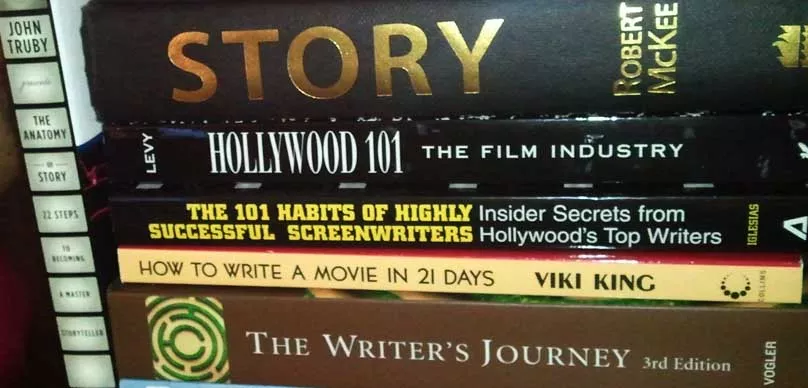
Yeah, absolutely. I actually had his editor on Sean coin. And it's funny, because I actually won. Do you know who Robert McKee is? Yeah, yeah, of course, wrote dialog and story, story, yeah. So I actually won first place in a writing competition that he had, and I got to and one of my my prize was to go to New York to take his his four or three day seminar story, and it's basically the whole book. And it's funny because Sean coin is also his editor. So when I went up afterwards, as the seminar ended, I said, you know, Hi Bob. You know, we have a mutual friend, Sean coin. And, and he goes, Oh, well, how about that, you know? And, but I wanted to bring McKee up, because I think he'd be a great guest on your podcast, James,
James Altucher 49:23
Yeah, I think he would be also, like, you know, I'm interested in him. He's, he's a fascinating guy.
Dave Bullis 49:30
Yeah, absolutely fascinating. The story seminar was actually really good. I actually what I learned, what I learned, I learned about the principles of of story and again, you know, what I did was I made a deal with myself. You know, I realized you have to sort of make deals with yourself sometimes. And my whole thing was, I bought a whole pack of pens brand new, my favorite pen in the world, the pilot V sevens. And I just everything he said I wrote. I would not stop writing for anything. So even if I already knew it doesn't matter, you just keep writing. And by the end, I had so many notes that I could now go back and dissect story, and I could also, I found supplementary notes. Even before I went to the seminar in New York James, I actually listened to every podcast, every video interview he did. Found any crib notes I could of the actual seminar, and I put them all together in this sort of like big binder slash file. That way. I was so prepared for this that, you know, I was hoping to come out and just be, you know, an absolute genius a story by the end of it. And, and were you, um, yeah, I actually, I would say that I definitely had more confidence in myself going out.
James Altucher 50:56
What would like help me out? Like, what would be like the main thing that you learn like, what's what makes a great story? Telling the truth, what does that mean? Be specific.
Dave Bullis 51:08
So telling the truth, it doesn't mean the facts of what happened. It's the why of why they happened. And when you get down even deeper than that, there's two things that you have to focus on, the philosophers of the world either thought that you were being or becoming. So basically, they thought that everything is in constant flux, or everything is not in flux. It's just always the same. It just appears that it's in flux. And he talked about all the philosophers throughout time, what side they stood on, either being or becoming, being or becoming. And he said, as you write your story, you have to make a decision about which one you think it is, and the principles of that will guide your story throughout. So if you think that everything is in flux, well, then you know, then Nothing, Nothing ever stays the same. You can't, you know, it's kind of like what Heraclitus said, you can never step into the same river even once, because it doesn't exist at all, or you're what on the other side, where you think that it's always being it's always the same, and these principles are going to stay throughout. So it's kind of like you have to make that decision, and that guides your story throughout.
James Altucher 52:14
Okay, I like that. That's interesting. I'm gonna I have to read story. I know that's like the key book for for screenwriting. So I want to read it.
Dave Bullis 52:24
Yeah, there's always, like, there's three books that everyone talks about for screenwriting, story by McKee, Screenplay by by Sid field, and obviously, save the cat by Blake Snyder. Those are, like, the, if you could read even just one of three of those books, most screenwriters and most, you know, Hollywood producers, they sort of go back to those three books. There's actually, no, there's actually another, I'm sorry,
James Altucher 52:44
Go ahead. No no. Keep recommending.
Dave Bullis 52:48
There was gonna be another screenwriting book that I recommend, that I think is the best one out there. It's called the 90 day Screenplay by Al watt. That is, that is the best book of screenwriting I've ever seen. I never read.
James Altucher 53:00
So here's, here's an idea I had for, like, a fun little sitcom type TV series. So it's called gurus gone wild. And it's, instead of Girls Gone Wild, gurus gone wild. And it's basically, you know, I know a lot of people in kind of the self help and personal improvement industry, and of course, all of us have our own share of problems, but many of these people kind of put forward this public face that's like perfect in order to kind of attract their, you know, whatever, their people for their seminars or or whatever. And I was thinking it would just, it would be like, almost like this Seinfeld type thing where, you know, the character based on me would meet with, like, the character based on whatever well known person, and then they would just be complaining about relationships the whole time, and stories would kind of like veer off from there. And I just thought it would be, like a funny idea, and kind of like The Larry Sanders Show meets Seinfeld type of thing, but with, but with, like, the self help industry.
Dave Bullis 53:59
And the self help self help, self help industry is huge. And I'm, by the way, I'm glad you mentioned The Larry Sanders Show. I love that show. And, you know, he passed away earlier this year, and I hope more people actually find that show, because I think it's a, it's a gem James.
James Altucher 54:15
Well, well, think about the hotbed of talent. You know, we talked earlier about places you could go where a very small group becomes this amazing, amazingly talented group of people later on. So of course, Gary shambling already was, was amazingly talented. But look who came from there. Bob Odenkirk was on the show. And of course, he's, you know, well known for Breaking Bad and Better Call Saul Judd Apatow was a writer for the show, and of course, he's made the funniest movies of all time ever since then. Jeffrey Tambor was on the show, and then, of course, he did Arrested Development, and now he does transparent for for Amazon. Gosh, I was just reading about an Oh, Jon Stewart was on the show, and he. Went on to do the daily show. So it's just, it's non stop the talent Janine Garoppolo was on that show. It's just non stop the talent that was on that show almost, almost every week, and the writers of the show and everything,
Dave Bullis 55:11
Yeah, it's absolutely phenomenal. And you know, when you can get those sort of hotbed of talent, you know, then it becomes almost the opposite problem, which is, how do you keep all that talent? Because, you know, at some point, you know, when somebody comes so talented in those, those writer writings, writers rooms, or something else, you know, they end up getting offers to leave. I mean, it happens a lot on late night. I have a friend of mine. He actually writes for Jimmy Kimmel, and he actually talked about the same thing. You know, it's a lot of the times you get a lot of offers. There's a lot of really cool things. Because when you're when you're doing good work, constantly, people come up to you, to to to make you more opportunities.
James Altucher 55:49
Well, you know, Jon Stewart had a philosophy about this. I mean, the Daily Show is a great kind of management study, because you He created all this. He created this environment with all this amazing talent, also like Steve Carell, Stephen Colbert at Helms and all of those guys left, and John sewer encouraged them to leave. I mean, Jon Stewart even helped develop Stephen Colbert's show, The Colbert show. And why did he do that? Well, because he knew that. You know, talent needs to be, needs to flourish. It needs to grow. It needs to go on to their own thing. But because of the high standards set by that talent, new good talent will come in and and take over. And that's what's happened. That's what happened. I mean, the Daily Show probably never had a year over year where it was worse one year in the year before.
Dave Bullis 56:38
Yeah. And you know, again, you know, as we talk about all the talent, you know that that's always that idea, too, is having that farm system and always being able to pull and recognize talent. It's kind of, you know, what, like a professional sports team does the same thing, right? They always are on the lookout, having scouts, making sure that they get the top guys over somebody else. And but by the way, I do like that Guru idea, you know, as I'm thinking about it, as I talk, that would actually be a funny show, because, again, the self help industry, James is so huge. I mean, I used to go into borders back when they existed, and now Barnes and Nobles, and there'd be a just a huge wall of self help books. Also, you know, it's kind of that family guy joke. Brian wrote a book called, like, think it, do it, want it or something like that. And it was, you know, most of it was blank pages so you could fill it out yourself.
James Altucher 57:30
I'm sorry, James, that's great. That's a funny idea.
Dave Bullis 57:33
Yeah, it's just because, you know, he was on Bill Maher, Brian the dog was and he was like, we Oh, Brian isn't wanting it and wishing it the same thing, and why most of the pages blank. He's like, isn't that lazy as hell? But, yeah, I think that a guru idea. It would be awesome, James, especially. Now I think, I think the self help industry, I think it maybe started off in the right direction, but then, you know, as other people sort of get into it, it sort of loses a lot of, I guess, I don't know. I guess maybe a lot of it sort of comes watered down, if you will.
James Altucher 58:05
I mean, you could imagine, like, two, I mean, look, there's all these, look, getting real help requires hard work. It's not like I'm going to read an Instagram quote and suddenly be helped, but you could imagine these two guys who have like, you know, tons of followers or whatever on Instagram or Facebook or wherever they're meeting, and like, one of them sad because his latest quote or post didn't get as many likes. Another person might be, like, upset about, like, a girlfriend and, you know, just kind of, you know, you kind of, kind of see the real thing. But meanwhile, the, you know, some side stories might be problems at a seminar or, you know, the, you know, how they come overcome their problems with the girlfriend or whatever. Like, you know, there's, there could be many different sub stories in there. I probably should write, like, well, how you know, it's like a page a minute, right for a script. So if you're at a 22 minute show, it's 22 pages and you need, what do you mean? You mean? Do you need, like, three story lines intersecting and kind of a beginning, middle and end for each one? I'm asking you. I'm learning from you.
Dave Bullis 59:09
So, so TV shows, depending upon which what like, what kind of show it's going to be, the the way that the format works changes a little bit. So if you're writing something like Seinfeld, it's a lot different than something like, let's say, The Walking Dead, because if you're wearing a one hour show, you write it like a movie. If you're writing a half hour sitcom, it's everything becomes like double spaced, and it looks almost more like a stage play, how that's laid out. So if you're going to do like something like, you know, Seinfeld, everyone loves Raymond, it would actually be double what you think, because each page is at now 30 seconds instead of a minute. So it would be for a 20 minute show. It becomes like 40 to 50 pages and etc, etc, so that. So if you whatever software like, if you use Final Draft fade in writers duet, there's so many out there now You know, it does all the heavy lifting for you, so you can focus on writing, and that's key.
James Altucher 1:00:14
What So, other than just the spacing and stuff, what are the what are the beats of a sitcom?
Dave Bullis 1:00:19
So again, you know, there's so again, like if we use Seinfeld in his example, Seinfeld was revolutionary because all four main characters always had their own storyline. So Jerry had a Kramer, Bb, George C, Elaine D, and you know, all of them would end up intersecting at some point or another throughout the show. And what I love about Seinfeld was everything is different. No no two episodes are ever the same. And I think that was the genius of Larry David, because, you know, I actually knew a guy who wrote a couple screenplays for Seinfeld, and I was Fred stoller's His name,
James Altucher 1:00:51
I'm Facebook friends with Fred Stoller. He's a good guy.
Dave Bullis 1:00:54
Yeah, I've tried to get him on the podcast, but we can't make our schedules sort of coincide. I'm going to keep trying, though. And you know, he would say, whenever he would hand in a script, Larry David had, we always go through it, and he would add the final touches to it. And sometimes he would change a few things up here and there, but, but basically, you know what exactly, you have a beginning, middle and end. And you know, the beginning and the end are 25% each, and that middle part is 50% so that would you know at the end you have 100% and, you know, you sort of have these story lines. They can sort of intersect as they are, depending upon how you're going to write the story. So with Seinfeld, like I was just saying, it's a lot, you know, each episode was different. And then sometimes at the end, everything would sort of all intersect with each other. All four storylines would intersect, you know, and then sometimes there'd be only two storylines that would actually intersect, or sometimes it will be two storylines, period. That was a brilliance of Seinfeld. You never knew what, how actually the story was gonna play out. And that's why I think Seinfeld still one of the best TV shows ever, if not the best TV show ever.
James Altucher 1:01:53
Yeah, that's really interesting. It's probably a good model to follow. He, and I'm sure you're referring to he had a he wrote an excellent book my Seinfeld year, where he writes about this stuff.
Dave Bullis 1:02:02
Oh, yeah, absolutely. I think, you know, I actually bought the Kindle version, and that's actually where I started saying to Fred, I said, you should come on this podcast and we can, you know, dig in a little deeper talk about TV writing and how it's changed, if it even has changed, and, you know, all that good stuff, but, but, yeah, my Seinfeld year is a fantastic ebook.
James Altucher 1:02:22
Yeah, no, I, I'm a fan of that one. Yeah. I just got seinfeldia, which is kind of a history of the Seinfeld show. And it's, it looks interesting.
Dave Bullis 1:02:33
Really, I haven't heard of that. So basically, is it like, all about how it got developed and stuff, yeah, see that? Yeah, I love stuff like that. It's very interesting. I actually have a book about lost, of a TV show lost, and it was the only one that Damon Lindelof actually signed off on. And I think he wrote the foreword for it as well. But it's basically goes into the whole mythology of lost.
James Altucher 1:02:52
Oh, wow. What's the name of the book?
Dave Bullis 1:02:56
You know, I don't have it right, handy. It's actually buried in amongst my library of books. I'm gonna, I'll tell you what I will. I will message the title to you.
James Altucher 1:03:04
Yeah, yeah. Cuz I just finished, um, re watching loss for probably the third time. I watched it with my 14 year old.
Dave Bullis 1:03:10
So did she like it?
James Altucher 1:03:13
Oh, she loved it. Yeah. It's a great show. I mean, a lot of people hate the ending, but I love it. Might I have no problem with it. I thought it was a great show.
Dave Bullis 1:03:20
Yeah, I think it was a phenomenal show. I spent season one, I literally was always like, What the hell is going on? You know, it's been in a good way, not like, you know, in a bad way. And you would always be guessing about, you know, what the hell would are these things, and how, how this actually is, and, you know, and then they actually started doing a podcast about it. I mean, this is, you know, a couple years ago, when the show was on the air, they would actually do podcasts about the episode and, you know, answer some fan questions was actually really interesting. Way they did that, I think it actually helped out, you know, interaction, and also helped out, you know, the fan base, to make them, you know, to make them much more inclusive.
James Altucher 1:03:56
Yeah, no, I loved every aspect of it, so, but you're right. The first season was great. But I loved, I loved the last season too. I like the whole story of, you know, Jacob and the man in the butt and black and so on.
Dave Bullis 1:04:07
Yeah, it was phenomenal. And, you know, I know a couple people who wrote a couple episodes of loss. I want to have them on the show too, because they would explain to me how they actually wrote the episodes. And basically what they would do is, he said, you know, either JJ or Damon would come in and they would say, Okay, this is what has to happen in this episode. And now, okay, this is your episode. Now episode two. This is what has to happen, so this is your episode. So that's why a lot of times you would see things that would never actually explained, because writers were just encouraged to use their creativity and come up with this stuff, but they didn't necessarily have to tie in with anything
James Altucher 1:04:41
Well, and I'm fine with it. Like everybody wanted, like, very nice explanations for everything. By the end, I'm okay if you know not everything in the world needs to be explained. Like, it's okay that not that you can still use your imagination to understand what's happening.
Dave Bullis 1:04:57
Oh yeah, absolutely I agree. James and. You know, that's why, in the first episode, there was all these, you know, strange things going on. And I was, again, I was cool with them, not explaining a lot of stuff. Yeah, so, you know, James, again, I don't want to take up too much your time. I know you're a busy guy, so I
James Altucher 1:05:14
Really appreciate this, though.
Dave Bullis 1:05:15
Oh yeah, I again, James, I one of the reasons I saw the podcast was because of you. And it's amazing that we're, you know, you're going to be episode like 141 I think. But I just wanted to ask, you know, James, just, you know, in closing, is there anything that we didn't discuss and maybe you wanted to talk about, or anything you wanted to say to sort of put up here at the end of this whole conversation?
James Altucher 1:05:36
No, I mean, I'm really, I it was a good conversation for me. I learned more about screenwriting, which is something I'm always interested in. I just want to mention, if I'm going to be promotional at all, which I which I don't like doing, but I'll do it anyway. I do have this book that I'm really happy with called choose your called reinvent yourself, which is coming out January 5, 2017, and and I'm super excited about it. And you know, if people want to learn more about it and the stories that kind of inspired it, then, then I would, I would get it,
Dave Bullis 1:06:13
And everyone, I'm going to link to that in the show notes as well on Amazon. And James, you can count on me buying a copy on day one. I'm gonna buy the minute it comes out. And you know, because again, I have every single one of your books, and I think they're all phenomenal.
James Altucher 1:06:29
Oh, well, thanks so much. So I appreciate that.
Dave Bullis 1:06:33
And James, where can people find you out online?
James Altucher 1:06:37
People can find me at jamesaltucher.com or at they could find me on Amazon, or they can, I don't know, I mean, Twitter at Jaltucher, Instagram at altucher, all sorts of places. I'm everywhere.
Dave Bullis 1:07:02
Again, I want to say thank you so much. This has been an absolute pleasure. And again, I if you ever want to come back on, please, the door is always open. And I wish you the best luck with everything.
James Altucher 1:07:13
Excellent. Dave, thanks so much, and good luck with everything.
Dave Bullis 1:07:14
Thank you very much. James, thank you very much. Yeah, again, again. It was great talking to you, and I wish again, let's talk soon James.
James Altucher 1:07:22
Okay,
Dave Bullis 1:07:23
Take care, buddy. Bye. Bye!
Sign up to receive email updates
Enter your name and email address below and I'll send you periodic updates about the podcast.
LINKS
- James Altucher – Official Site
SPONSORS
- Bulletproof Script Coverage – Get Your Screenplay Read by Hollywood Professionals
- Audible – Get a Free Filmmaking or Screenwriting Audiobook