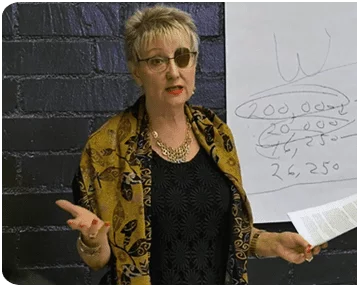
On today’s episode, we welcome Bill Ostroff, a filmmaker, producer, and founder of the long-running FirstGlance Film Festival, who has spent decades on the front lines of independent film—watching thousands of projects rise, fall, and fight for attention in an increasingly crowded marketplace. His experience offers something most filmmakers don’t get until much later: a clear, unfiltered understanding of how the industry actually works.
Bill’s journey began like many filmmakers—passion first, clarity later. Coming out of film school, he had scripts, ambition, and the belief that breaking in was simply a matter of getting the work in front of the right people. But reality quickly set in. The traditional pathways—agents, producers, studios—are built on layers of protection and gatekeeping. Unsolicited scripts don’t get read. Cold submissions don’t get opened. And even when opportunities appear, they often vanish just as quickly. It’s a system that forces filmmakers to rethink their approach early on.
That frustration ultimately led Bill to create something for himself—and for others. The FirstGlance Film Festival wasn’t born from a grand business plan, but from a simple need: a place to show independent films that didn’t fit into the traditional festival ecosystem. At the time, many festivals were essentially preview platforms for studio films, not true showcases for indie creators. Bill built FirstGlance to fill that gap, starting small and growing it into a respected platform with a loyal filmmaker community.
Over time, one thing became clear—making a film is only part of the equation. Getting it seen is the real challenge.
Bill emphasizes that today’s filmmakers are not just creators—they are marketers. From the moment you have an idea, you should be thinking about branding, audience, and visibility. Secure the domain. Create social media accounts. Build anticipation early. Because in a world where thousands of films are made every year, the ones that succeed are not just the best—they are the most visible.
One of the most important realities he shares is that distribution has fundamentally changed. The traditional dream of theatrical release is no longer the standard outcome for independent films. In fact, the vast majority will never play in theaters. But that doesn’t mean they fail. As Bill explains, there are multiple legitimate distribution paths—VOD platforms, streaming services, licensing deals, and niche audiences online. The key is understanding where your film fits and how to position it accordingly.
“99% of the films that true independent filmmakers make will never see a theatrical screen,” he explains, not as a discouragement, but as a reality check.
Another major issue Bill highlights is the rise of questionable film festivals. With the explosion of digital platforms, many “festivals” now exist purely to hand out awards without offering real screenings or audiences. These events can look legitimate on the surface, but they provide little to no value for filmmakers. Bill stresses the importance of doing due diligence—researching festivals, understanding their track record, and ensuring they actually screen films in front of real audiences.
For filmmakers, this means shifting focus away from collecting laurels and toward building real momentum. A strong festival run is not about how many selections you get—it’s about where your film is seen and who is watching it. A single meaningful screening can often be more valuable than dozens of empty accolades.
He also dives into the importance of quality control—particularly in areas many indie filmmakers overlook. Sound, for example, is one of the most critical elements of a professional film, yet it’s often neglected due to budget constraints. Poor audio can ruin an otherwise strong project, especially in a theater environment. It’s a reminder that filmmaking is a technical craft as much as it is a creative one.
Beyond the technical, Bill’s biggest message is about strategy. Filmmakers need to think long-term. Each project should build toward something—whether it’s a portfolio, a network, or a reputation. The industry rewards consistency, not one-off success. Relationships matter. Community matters. And the ability to adapt matters most of all.
There is no single path into the industry anymore. The old system still exists, but it is no longer the only option. Today’s filmmakers have more tools, more platforms, and more control than ever before—but that also means more responsibility. You are not just making a film. You are building a brand, an audience, and a career.
In the end, Bill Ostroff represents a filmmaker who understands both sides of the industry—the creative and the business—and has built something that bridges the gap between them. His insights are not about chasing trends or shortcuts, but about understanding the fundamentals and playing the long game.
Right-click here to download the MP3
Alex Ferrari 0:47
Enjoy today's episode with guest host Dave Bullis.
Dave Bullis 1:29
On this episode, I'm talking with a man who started one of the largest and longest running indie film festivals out there today. The First Glance Film Festival actually started in 1996 way up the street from me, right now, in Center City, Philadelphia, all those many years ago. We're going to talk about all that stuff all his career, making the film festival getting the word out. How do film festivals work behind the scenes. We're gonna find out with guest Bill Ostroff. Hey, Bill, thanks a lot for coming on the show.
Bill Ostroff 2:29
Thank you excited about it.
Dave Bullis 2:32
You know, I'm glad to have you on, Bill. You know, as you know, as I was saying before, you know, just you know online and you know, you're a guy I've always had wanted to have on the podcast. You know, you run the first glance Film Festival, huge, huge online presence for with first glance. And also, you know, people have, you know, talked about it more and more, as obviously, as you know, with film festivals, the longer they're around, you know, the more, the sort of more cash that they carry, if you know what I mean, the more you like look at Sundance. You'll look at, you know, slam dance, all those great film festivals. And, you know, we're gonna get to yours in a second. And I just want to ask you, before we get to the talking about the film festivals bills, I wanted to ask about, you know, your career particularly, and you getting started. So when you were first starting out, you know, in the in the film industry, you know, did you grow up always, you know, you know, watching movies and trying to make your own movies as a kid.
Bill Ostroff 3:25
Yeah, I kind of was, I didn't have the unfortunately, the technology was much different back then. We wouldn't really call it technology. It was celluloid, it was film. So it was a it was a much more expensive hobby back then, and it wasn't something that I could really afford. But I was a huge movie goer. I was a comic book reader. I've always been into the fantasy, sci fi, horror, all that kind of stuff. And when I decided what I wanted to do in college, it was make movies. So I went to Penn State, and then to temple, and learned everything I thought I needed to know to make movies. And then got into the real world and realized I didn't know anything. And and started pa ing and working all, you know, I did all kinds of stuff. It was, it was kind of interesting. In high school, I was working for local companies, shooting, you know, going out and shooting like weddings and sweet sixteens and bar mitzvahs and things like that. And then I did get the opportunity to do some sort of industrial stuff and things like that, where I was like, Okay, well, even though they're boring, they're a little bit more exciting than a wedding or a sweet 16 and having to spend 14 hours with a camera on your shoulder. And back then, cameras weren't like cameras today. Of you know we were talking about like a 25 pound beta can SP on one shoulder, and a 40 pound deck hanging off your other shoulder and 25 pound belt to keep it running. So I definitely learned the nuts and bolts from like, high school into college, and learned how to use lots of different technologies and cameras, and it was, it was a pretty interesting thing for me. I wanted to be a writer, I wanted to be a producer, I wanted to be director. I didn't really know what I wanted to be, but I just know, knew that I wanted to be involved in hoobs.
Dave Bullis 5:42
So, you know, Bill, you know, obviously, because I live in Philadelphia, and I live probably about 40, not probably about 30 minutes away from Temple. You know, do you still keep in contact with temple? And do they know that you run the first glance Film Festival?
Bill Ostroff 5:56
You know, they kind of sort of do one of the things that, one of the things, the main issues that I feel that, that I've had with Temple is that their alumni outreaches is is, especially for the theater and film division, is really minute. You know, I'll get the once a month in the mail. Hey, you know, can you support us? But when I turn around and ask them for support, it's kind of hard to get through the red tape and things like that. And being an alumni, you would think that there were, there would be someone to talk to, someone to call and say, hey, you know, been running this film festival since I graduated temple. Just thought you might want to know, you know, tell your students to come out, blah, blah, blah, but yeah, it seems to be a hurdle for us, and it's sad, because I know I have a couple of friends that have been that have graduated USC and UCLA, and they have very, very active alumni. They have Student Film Festival. They have student film festivals open to the public. So it's like, they do a lot more, I think. And, you know, Temple, back then was sort of the go to film school after the big three, which is, you know, UCLA, USC and NYU. And it had a pretty progressive film school, but I just, I don't know, I haven't been back to temple and in a long time, so I really don't know if they've kept up.
Dave Bullis 7:30
Yeah, you know, that's something I've talked about too with a lot of other guests. Is not specifically temple, but just their experience at college and sometimes, you know, obviously, even even with me, you know, the schools are very eager to ask for, like, alumni donations. But you know, when they when it's come, when it comes time for, like, hey, look, this is what I'm doing, there's not a lot of support. You know, when I, where I went to school, our communications department was so bad bill that they used to ask me to teach the classes for the for the communications professors, because they never picked up premiere, and they never picked up, you know, like, encore to make DVDs. They never picked up any of that. And it was funny. And I started asking, I'm like, am I getting, like, gonna, am I gonna get like, two paychecks for this? And they said, No. Well, Dave, you know, and when, you know, even when I worked there, there was always a bunch of crap about, you know, all we can't, you know, the Alumni Association, blah, blah. I mean, honestly, I so I feel you bill, it's so frustrating. But at the same time, when they ask for money, they want to know why. No one's giving back, it's like, well, you're, you're basically constantly asking and never actually helping at this, you know what? I mean?
Bill Ostroff 8:37
Oh yeah, yeah, exactly, exactly. And it's even, it's even funny to me that we have to go, you know, we even have to go out of our way when it comes to like Twitter and Facebook to try to contact whoever the person is running the social media at the time. And you'd be surprised considering, you know, I would consider myself, and I think that most people in our industry would consider first glance film an influencer on social media, as far as as far as the amount of followers we have, any engagement we have in the community, and we have to beg temple to even tweet us out, and they'll retweet every once in a while. But you get like, well, if it's not a temple, you know, sponsored event. And I'm like, Well, you know, you have two temple alumni that run the run the film festival, so it might behoove you to help us out a tad. But you know, it is, it is what it is, as they say in the business,
Dave Bullis 9:33
Yeah, that's very, very true. Bill, I've heard that a lot in this business. It is what it is. So, you know, as you know, you sort of go out, you know, you graduated from Temple, you know, you went out to LA and you started doing a lot of different, you know, productions and stuff. You know, what was sort of the impetus to start the first glance Film Festival.
Bill Ostroff 10:03
Well, first glance just came out of my frustration again, of there being at the time there were no independent film festivals in Philadelphia. There was the, I can't remember what the what they used to call it, the International Festival, World Cinema, or something like that. There was that. There was like the Jewish Film Festival, the Asian Film Festival, and the gay and lesbian Film Festival. I believe those were like before, and they were all pretty huge events. And at the time, I had approached what was now the Philadelphia Film Festival and said to them, Hey, you know, there's nothing independent. Can I help you build sort of an independent film festival for local filmmakers, for filmmakers that aren't going to get into these big, what I like to call film preview events, because that's really what they are. They're not a film festival. They're just more of a film preview of what's coming in theaters in three or four months. And you know, can we grab the main characters, the main actors and the producer and the director, and have, you know, a Q and A after and charge people $75 a door to get it. So at the time, I was basically hanging out with three or four other temple grad they were, or not, Temple grads, Temple students. And we had a small theater company, and we were doing theater, musical theater, at the divorce building, which I don't think exists anymore, but it was on Fifth and market, and we used to do all these really cool little, you know, original musical theater productions. We'd run them for four or five weeks in the space. It was in the bottom of sort of a cabaret space in the bourse. And I just came up with the idea, you know, why don't we, you know, why don't we just do something movie ish, and I was like, I don't have anywhere to show my films. I have a couple of films I want to show that. You know, I tried screening at school. And, you know, when you when you scream something in that in front of your class, you never get the kind of reaction that you think you should, because you have a teacher that's, you know, that's teaching you in critical cinema, and I'm trying to build, you know, stuff that's sort of mainstream. So I decided, You know what, I'm just going to see what I can do. And this was sort of before the internet. So basically, it was more about just getting the word out through postcards and putting up signs at school and putting a couple of ads in the city paper and the Philadelphia weekly. And the first year, I basically spend my own money. And we had a three night event in the Bors building, in that cabaret space, and I showed my films along with 30 other local films. And that was sort of it, I thought. And then I was starting to get phone calls and emails about when the next one was going to be. I never really planned to have a next one. I just wanted to show myself. And what I realized was that there were people out there that wanted an independent, a real Independent Film Festival, and that's sort of where first glance was born. You know, back in 1996 and you know now we're, as of January of this coming year, it will be our 20th Film Festival in Philly. So it's, it's pretty huge. And then after a couple years, I decided I needed to move out to LA because there was no production going on in Philadelphia. And this was actually before and night started getting hot, so there really wasn't anything. The Film Office was sort of just there. It didn't really do a whole lot. There wasn't, weren't incentives, you know, it was a different time. There was, there really was no internet as we know it, you know, 18 years ago. So I decided to go up to California, and I was like, you know, what if I can start something in Philly like this, let me see if I can start something in LA. You know, it took me a couple more years to kind of formulate how I wanted LA to work. You know, we started in a really small space in Burbank, and in about three years, moved into, you know, 200 seat theaters. And come April of 2017, it'll be our 17th event in LA and we'll be at a 350 seat theater for four nights. To be our biggest Los Angeles event in our history. And, you know, plans for Philly in year 20, where we have some really interesting ideas, and we hope that's going to be our biggest event as well. And you know, we, we've been, you know, we've been Philadelphia's independent film festival since 96 and we're going to continue, and we've been, we've been really successful at it. I mean, filmmakers love us. They come back. We have hundreds of alumni, 1000s of alumni, that contact us on a almost a daily basis, sometimes to let us know what's going on with their films and their careers? And you know, anybody, whoever comes through first glance, if they do get distribution, you know, we end up putting it out there on social media. So it's one of the things that we've been doing since the very beginning, but the internet has made even easier for us to share that information with the with the masses, you know.
Dave Bullis 16:05
And it's you know ties in with what I was saying before. You know about some of these bigger festivals. Well, you know, obviously Sundance and slant dance are some of the biggest in the world. But you know, the in my experience, you know longer that a film festival, you know, goes on, you know, every year, you know, five years, 10 years, etc, it builds its cash. And that way you can actually say, Listen, you know, you're, you're submitting now to a festival that has a track record of 10 years. We've been going strong 15 years, and now, you, like you just said, 20 years. And this adds a, you know, a lot more, amount more to the festival than, obviously, if one that just started, and when I think the benefit of this is like you just also touched on, is you have filmmakers that have started at first glance, and they said, you know, now we're able to build our career and and keep in touch with, you know, all the things we're doing at first glance. And I think that's how you know some of these things, you know, build upon each build upon each other, is because, obviously, you're giving them a space to, you know, show their movie, and then in turn, you know, hey, you know that new hot filmmaker, well, he started at this film festival. It's so similar what Elliot Grove did at Rain dance. You know, you know Christopher Nolan, you know, debuted following at Rain dance. And you know that. That's why I'm I, you know, I'm so glad that you know, again, like you said, you started it here in Philadelphia, because in 96 you know, you're right, there was no, you know, real filming in Philadelphia. And now, if you actually flash forward today, Bill, you know, a lot of the productions that were in Philly have all gone to Pittsburgh because of just the the taxes. And, I mean, it's sort of this ebb and flow with Philadelphia. And believe me, sooner than later, Bill, I'm going to follow you out to LA and because, really, there is nothing left here going on in Philly, I'm telling you, but, but, yeah,
Bill Ostroff 17:50
I know. I know. We've, we've tried, we've tried really hard. We've been big supporters of Sharon. We try to get filming done in Philadelphia too, because, you know, I want to be able to be able to come back and actually work on these movies, you know, I'm a DGA ad, and I'm, you know, Philly. I would love for Philly to be my home base, but unfortunately, there's very little going on. And when that one production or two productions happens, it employs the people that actually need to work in Philly. So that, you know, and it's a shame, because it's very piecemeal. It's like if Philly were to create something like Atlanta, where there is no cap and the incentive is ongoing, you will never see it die. And I think that that's the key. And Atlanta has built up its community, its skilled crew members. It's building studios and stages all over the place in Atlanta, it also helps that you have a really, you know, one of the most popular shows on television, being shot there, like, seven months out of the year with The Walking Dead. And that's something that I know, that Sharon has worked really hard to try to get a series in Philly. But again, the problem is that if you, if you were to shoot a series in Philly, you really can't shoot from like, you know, November through March, because, you know the weather, so you have this, this period that's really not that doesn't really behoove most networks, because, you know, they want to start shooting, you know, August through December, and then January through March, and you lose, you know, you lose a lot of your momentum in this in the wintertime on the East Coast.
Dave Bullis 19:36
Yeah, very true. You know, that's why Hollywood, you know, obviously, was used to be stationed in New Jersey, and they finally moved out to Los Angeles because of the weather. Because, you realize, you know, the weather out here from November to, you know, February, March, you know, it's, it's, it's tough. Sometimes, you know, it's tough to do a lot of things, even October. Sometimes it gets really cold out here. And it's just, it's, it's just hard to do stuff, you know. And, yeah, again, you know, putting a TV show in Philly, there's always something in Philadelphia, you know, because some, you know, some people have actually, you know, asked me about, you know, do they film here a lot. And I said they film here less and less each season. And I think last season, I think it was, they weren't here at all. They just shoot the whole thing in LA, yeah, it would be tough to get. But you know, again, you know, I know the Film Office does whatever they can and try to get a series here. You know, it's just, you're right. It's just, it's, it's just tough right now, but, but again, it is again, I will probably find that to La sooner than later, but, but, you know, so you know, as we talk about, you know, film first glance, you know, and you know, you're just building this up. And, you know, building up this, this great sort of reputation, you know, where do you sort of see first glance going within maybe the next five to 10 years.
Bill Ostroff 21:05
Well, you know, it's been something on my mind over the last few years, because, you know, 20 is a big, sort of monumental year for us, and I really want to do something different and special and magical in Philly. And you're 20 next year. And again, it's rough because, you know, we are a self sufficient, self funded Film Festival. We don't get corporate sponsorship. We don't have big companies or, you know, big city grants coming in to help us. So it really is powered by the filmmaker and by the attendees, and that's how we've grown. And you know, it's like, what I would love first glance to be is an end all be all for filmmakers we're looking into starting a social media marketing company for independent film. We've been doing it over the last year, sort of under the radar through Twitter, you know, and it's been working pretty nicely. We've also, just last year, I've helped four campaigns for crowdfunding campaigns raise over $100 million I mean about what I was trying to say was $100,000 I would wish it was 100 million, but about $100,000 including film threat, which we raised about $60,000 for, with Chris Gore for his Kickstarter campaign, which we're really excited about, because, you know, Kickstarter is going to help film fright come back next year, and we may have some things that we're going to be getting involved with next year With Tim, which is great for us, because our expansion, what we're trying to trying to find ways to expand into is, I know, from the many years of first glance, the many years of watching the landscape change, is that there are networks out there. There are SVOD companies, VOD company, you know, straight to DVD, that that court me pretty much on a weekly to bi weekly basis, to ask us, hey, we want your product. I think the thing that that indie filmmakers need to understand is that 99% of the films that true independent filmmakers make will never see a theatrical screen. That doesn't necessarily mean they can't make money. There's pay cable, there's cable, there's you know, subscription, VOD, there's VOD services, there's syndication. There are, you know, YouTube channels with, you know, millions of subscribers that could get them, you know, 10s of 1000s of views a day and and, you know, yeah, they're not gonna. They may not necessarily make back all of their money, but it is considered legitimate distribution. And our goal with first glance, and we're in conversations with a couple of YouTube channels and a couple of fvod companies as we speak, is the possibility to syndicate that product, not exclusively, not taking the right from the filmmakers, basically, sort of a lease deal is, I guess, the Best way to kind of place it in layman's terms, is that these companies want to lease your product for a certain period of time, and then you get it back. And I think that that's the direction that a lot of these companies are going in because filmmakers that are making indie films are making them because they. Want to lose the rights to their product or their IP or their web series or whatever it is, and YouTube has sort of become too big for its britches. The amount of content that goes up on YouTube on a daily basis. You can't market yourself hard enough or well enough, to get yourself those kind of views that used to happen 10, you know, 10 years ago when YouTube first started. So finding an avenue and finding the right distribution partners for first glance and finding the right avenues so that it doesn't cost filmmakers any money, and it enables them to get onto platforms that are, you know, that have cred, that have some sort of quality content. And you know, not to, not to, you know, to downgrade YouTube. I mean, it is a great platform. It gets, you know, more eyes than any other platform out there. But you know you're fighting with cat videos. You know your your 15 minute, your 15 minute masterpiece short film isn't going to be watched for 15 minutes. You know, you're lucky if you can get them to watch your trailer. So it is there is that downfall of YouTube being too big, you know? I think Vimeo is an interesting idea. But again, Vimeo also doesn't spend any money marketing, so it's still the independent filmmaker having to do it yourself. And and DIY is is a concept that's interesting and sort of outdated too, because there's not enough time in the day for any one filmmaker to actually do it themselves. And no matter what you do, no matter what you you know you need to spend some money. There needs to be some money spent. You're not going to be able to market your film with with no money. And I think that as far as independent filmmakers go, they should always think about if they are crowdfunding, if some of that money should be put aside for marketing once you're done, and probably for film festival entry fees. You know that it's another you know it's another rough spot, because I know that a lot of filmmakers get aggravated in entry fees for film festival but I try to explain to every filmmaker that you know, 99% of the film festivals out there make no money. And the ones that you see on the big screen, the sun dances and the flam dances and the tribecas and the Philadelphia Film Festival and South by Southwest. And these, these are funded, I mean, millions and millions of advertising dollars and grants coming from, you know, city, state, federal, you know, car companies, vodka companies, I mean, is the, you know, these, these companies spend a lot of money because they know that there's going to be a, you know, a type talent at these events. Now, the other 99% of the film festivals out there are run by an individual person or a couple of people, and, you know, and many of them are legitimate, you know, my biggest, my, my biggest, I think, pet peeve over the last four or five years is sort of this quest for laurels, thing that's going On, and the pop up of all of these I would call fake award type film festivals that aren't actually even film festivals. They're just a dinner, and you're spending your hard earned money because you know you'll get a laurel, and it's sad because you're never going to be seen by anyone. No one ever screens them? Yeah, they might be a $10 entry fee or a $15 entry fee, but again, you're only getting digital laurels. You're not going to sit in a theater and watch your movie with anyone because no one's watching. And I've seen them pop up all over the place. And one of the things that we've been doing over the last four or five years with film freeway is when Film Freeway first came out, you couldn't make you couldn't make the decision like there was no there was no checkbox to filter a film festival from an actual just a film awards program. And we worked really, really hard with them so that there would be distinctive categories, because we feel that it's very unfair for filmmakers to be entering a quote, unquote Film Festival that isn't actually a film festival. And they pop up all over the place. Philadelphia has one, San Diego has one, Los Angeles has one. And I'm sure that if you do your due diligence and research, you're probably fine. 50 or 60 of them, and they all look the same. They're all promoted the same. They're right up there exactly the same. And their websites are usually pretty shitty, but it's been aggravating, because I get filmmakers all the time. They're like, Oh, you know, X, you know, I, I need a fee waiver. And I'm like, you know, I would, I would love to do that for you. But you know, one of the things that first glance has always been known for is the quality of films that we show. And it's a it's a huge process. We watch everything. Every film is watched by me. I watch every single film, and I've been doing it since year one, because it's first glance, and we want the quality to be there. And I'm not just going to let anything through, just to sort of let it through. Even people who become friends of mine, they're like, Hey, first glance is coming. I'm like, Yep, go enter. You know, I'm, you know, the the idea of the ethics of the festival is that if I had to waive a fee for one person, I would have to waive the fee for everyone who asks, and if everyone who asks gets a fee waiver, I can't produce the film festivals. So to me, it's it is sort of a double edged sword, and I know that a lot of people complain, Oh, well, Sundance gives waivers, or slam dance gives waivers. I'm like, Yeah, but clam dam makes $250,000 a year in entry fees, you know. And up until about three years ago, they showed in a coffee house. So, you know, it's obviously not costing them $250,000 to produce their events. So it's been, it's been interesting how, sort of, the growth of the internet, the growth of sort of film festivals, and then the sort of this hybrid thing called a film award, which, you know, unfortunately, you know, big festivals will look at the laurels on your resume. But you know, if it's like, you know, the blah, they blah Film Awards, like, what is that?
Dave Bullis 32:23
Yeah, you know, I agree with you, Bill, I've seen some of these film festivals pop up, and it's kind of like what I was saying earlier about, you know, sometimes, hey, you know, it's, it's the first year of, you know, the blah, blah, blah Film Festival, or maybe it's the second year. But that's what I was saying with, with something like yours, or, you know, with your film festival, it holds more cash, and that way, you know, people know, oh, this is a trusted Film Festival. I know what I'm getting involved in with, with the festivals that have a an actual, you know, history, you know, they know that there's, you know, a solid foundation there. And it's not just some people that are come by, you know, okay, everyone gets a laurel. Or everyone, you know, everyone becomes the Critics Choice Award. Or where, you know, there's certain awards that everyone sort of gets. Now, I've noticed that there was a film festival I entered years ago, Bill and they gave out the same award to like everyone who entered. It was, I forget what the hell was called, or something like the Critics Choice Award. And I was like, What the hell is this? Thankfully, I've never, I've never told anybody I've ever won it, because I'm, like, probably 8000 other people have won the same damn award for just entering but, you know, but, but, yeah, you know, just to take a step back, you know, Chris Gore was on the podcast, and we were talking about, we talked mentioned you briefly, and we also mentioned film threat. But, you know, I think Kickstarter is the, you know, even when I was doing it, you know, years ago, you know, I think it is the future. And I think, honestly, the only thing I could see that could take it down is, is this filmmakers who raise their funds and then never keep anybody in the loop about what happened. And I actually had, I've donated to campaigns run by people that I've known, that people that I know. And you know they though they get all the funds they get, you know, 10,000 20,000 30,000 whatever. And then, you know, they get the fees. It all goes through, and then you never hear from them again. And I'm sitting there going, man, these are the type of these are the types of situations that are going to kill crowdfunding for filmmakers. And you know what? And you know, Bill, they never made the movie. So, like, for instance, yeah, I mean, and it's just, it's, it's sad, man, it really is, because then it hurts out. It hurts legitimate filmmakers like you, myself, and everyone you know, the all the other great people I found on this podcast. It hurts all of us, because then people go, Oh, I was burned one time on Kickstarter, so I'm never going to donate again.
Bill Ostroff 34:43
Yeah, yeah. But I also think it's due diligence. I mean, you know, look into I mean, look into it. I mean, if you're here's the thing, I think, if you are a filmmaker and you've made films, I mean, I today, I did a crowdfunding for my own project about four years ago called. Jedi camp, I raised everything I needed, plus a little bit more, which was great, which helped me to pay for some other outstanding production cost that I thought were going to come out of pocket that ended up, you know, being, you know, greatly appreciative of the funders to fund it for me. But you know, my goal had always been, is that if I get this amount of money, we are going to make this project. And I think sometimes people just throw a number out there and think, Oh, well, if I get $35,000 I can make a feature film. And I'm like, Yeah, you know, $35,000 does not go far. And you have to look at it legitimately. I think a lot of times it's one of the things that me and Chris looked at when because prior to this past year's Kickstarter for film threat, he had tried the year before and didn't make it. And, you know, we sat down and had multiple meetings about what I think sort of the pulpit would be for us if we tried to raise money for film fair again, and where I felt like the sweet spot was, where, where I felt like, you know, if you could make this amount, can you get can you do this? And we sat down and we really budgeted it out to the dollar. And I think that that was what enticed people to come back. First off, because, I mean, a lot of times if you run a failed campaign, people are like, well, you know, they failed last time. Should I put my trust in them this time? And I think that I would say for probably, for every one project on Kickstarter and or Indiegogo, you have 100 that are really legitimate filmmakers trying to make their passion projects, trying to get stuff done. And, you know, yeah, it's just like, it's just like, film a filmmaker who enters a film festival and doesn't get into the film festival they want. You can't blame all the film festivals for not getting into one. So I think that that there, there is that, like, sour taste in your mouth, but you know, in most cases, people, on average, I think as of right now, as of like the latest numbers, like, $30 is about the average crowdfund donation. So unless you've really invested in something like, maybe as, like an associate producer, a producer on a project where you're spending a couple $1,000 and it's, it's a huge amount of money, then I think, yeah, you know that's, that's pretty shitty, that you couldn't make that film, and that, whoever you know the project manager is, or the director of that film, what do they do with the money? And that's kind of sucky. But I think if you look at Kickstarter for the whole and indigo and any of the other crowdfunders, but on the whole, the projects get finished. So I don't, you know it's hard. I think you know you're always gonna have bad apples and you're always gonna have people trying to take advantage. But you can usually tell within the write up and their video and, you know, I usually look at a lot of things before I support them, especially through first glance, because we definitely want to have a good relationship with filmmakers. But we also want to make, you know, make them understand that, you know, we're pretty much an equal opportunity supporter of crowdfunding, and you know, it's one of the reasons that we created the support indie film hashtag back in the day, which is, I mean, over the past year, has just been gangbusters. It's just, it's amazing to me how many people are adopting the hashtag and using it on all media now. I mean, we're we, you know, we're bigger on Twitter than we are anywhere else. Because I feel like Facebook is dying as far as reach, and Instagram is becoming like every third post is an ad. But I mean, if you search support indie film on Google, it's everywhere. It's everywhere. And we're really proud of the fact that that not only did we create the hashtag? But we also, if anybody wants to look we use it every single day.
Dave Bullis 39:48
Yeah, I actually think I'm sorry, Bill, yeah,
Bill Ostroff 40:03
And I think it's, it's a it's inspired a lot of people. It really has so, so, yeah, we're excited to see where that you know that part of the industry goes to,
Dave Bullis 40:17
Yeah, I actually, I followed it myself. Support any film, and I use that hashtag whenever I tweet out the podcast at all, because, you know, I can see that people who are really out there doing things are using that hashtag which is good, you know, no one has, you know, hijacked it, you know, stuff like, and none of the film hashtags, no one has really taken yet, like, you know, hashtag, script, chat or whatever, but you know it, which is, but I love the support in hashtag support indie film hashtag you came up with. And you know what? I agree with you on Facebook, by the way, Facebook, to me, is, is because they want you to pay for everything now. They want you to pay to reach your own fan base that you've built up, and they want you to pay for this. And that's why I stick with, you know, like, I stick with Twitter, Instagram, and now I'm getting more into YouTube, but I just, you know, it's just Facebook. I'm just always like, Man, I hate this whole set, this whole network. And again, you have to pay, you have to pay it. It's like, dealing with the mafia. You know, you want something done, fuck you pay me.
Bill Ostroff 41:18
Yeah, yeah. I mean, it's, it's like, you spend, you spend all this time building your family, and then it's like, oh, well, if you want to contact your family now, you got to pay us. And it really is an awful concept, and I think they would have much. They would have been much better off, especially for everyone who runs a small business, is, instead of playing that kind of game is, and I've said this to a lot of people, and most people agree with me. I don't know if it'll ever happen, but I would rather pay them 395, or 495, a month to get all those people back. I just give me back my facebook so I'm willing to take, you know, a monthly I will take a monthly subscription if I can talk to my 4000 followers on on on Facebook, and actually invite them to my events and not be caught at 500 it just, it's a really, it's a really smart me way to do business, I think, and you know, to boost a post to get in touch with the same people that you used to get in touch With. Is it's outlandish.
Dave Bullis 42:20
Yeah, it really is, and that's why I've tried to steer away from Facebook. Every time I want to close down my profile, just my main profile, just me. I always have an excuse why I have to keep it open because someone's trying to contact me, or this, that and the other thing. And God damn it, because there's only a few groups I actually still use on Facebook, and they're mainly like podcasting groups, and the other half is film groups, that actually some there's a group, you know, the groups out there, they hold some validation, you know what I mean. And there's actually some validity of some of the groups, but, but for the most part, you know, if you want a fan page, you want to get a, you know, of hold of those 1000 people, you have to just, you know, you obviously have to boost the post, but, but, yeah, I mean, that's why, again, you know. And I'm also going to link to your Twitter and everything in the show notes, and also the hashtag, you know, support indie film that way. You know, people can find it. But you know, you know, as we're talking more about, you know, getting into film festivals, I had some questions come in, bill that actually relate to first glance. You want, you want to take a few questions. Sure, this one is by, by the way, Whitney Davis, I want to say thank you for all the great questions. She actually sent one in. And I love this question. By the way, Bill, she said, What can writers and directors do to set their indie film apart from everything else out there?
Bill Ostroff 43:40
Wow. Okay, I would say number one. And even though we're right now anti Facebook and anti Instagram, as soon as you come up with the idea or the title of your film, buy your buy the web.com, if you can start a Twitter page, start an Instagram page, start a Facebook group, and start to build your audience, because the only way that you're going to make it stand out from others is that people know about it, and the the issue now is because it's so easy to make a movie, And it is, I mean, people are making them on GoPros. People are making them on their iPhone. People are, you know, you can go to Best Buy and for $450 by, you know, a canon, t5, I, and you can shoot a movie. You know, you could shoot it on your iPad. You can, I mean, and that's the thing is, there's so many ways of shooting them. And yes, there are movies, but are they films? And I make a distinction of like, anyone can make a movie, but not everyone can make a film. And a film is a beginning, a middle and end, a story, something that's cohesive from beginning to end. And. And and I think that you know, to make it stand out, there's a couple of things that you can do, and I would say, you know, in your budgeting of time and energy, and in hopes of finding yourself a good graphic designer, because a good movie image, good poster image, a good postcard image, something to put on your your Facebook backgrounds and keep it all consistent, too. I feel that like for branding purposes, and I think that, you know, a lot of filmmakers like, well, I make a movie a year, and I'm like, well, that's great. You know, you have to brand every single one of them, because until you're an actual name, nobody knows who you are. So you really need to brand each of those films, so that people know where to go, what to see, and then you keep people in the loop. I mean, it's similar, in a way, to a crowdfunding campaign, where from day one in crowdfunding, your goal is to get the word out, to get people to join you. And it's really like a snowball. You have one fan or two fans, or three fans, and then suddenly those three become nine. And it's like, like that old commercial from TV where it's like, that, you know, you tell one person, and then I tell one person, and then I don't remember, it's like a hair product or something, I feel like, but it was like an 80s commercial, and all of a sudden you have like, 700 people on the screen in these little, teeny boxes. So your goal is, is to find champions. And the great thing about what first glance has been doing over the last few years is that we found a lot of champions, and you can, you can find them very easily. You just hit support indie film hashtag, find our list, and that is a huge amount of supporters of ours, skip Bolden and Patrick Russell and Paul Mackey and Russell Southern and I mean, there's people from all over the world that follow us, and the reason they follow us is because we're real and because we share. And a lot of people on social media toot their own horn, and that's all they do. And social media from from day one, I've always learned social media is social. So if I retweet you, you will likely retweet me, and then it becomes a relationship. Doesn't necessarily have to become a close relationship, but if you like what we're doing and you retweet, well then I'm going to look for stuff that you're tweeting and I'm going to retweet. So it's a community, and you're building your community. And for any writer or any filmmaker to stand out from the crowd, they need to create a brand. And create that brand, you have to use social media. And right now, I would say Twitter is the best place to go, because Twitter is the only place that doesn't throttle you, that doesn't push at I mean, yeah, pushes ads, but it doesn't push ads on you the way Facebook and Instagram do. But, you know, create a great image. You know, I think one of the things that make some filmmakers stand out, friends of ours like Jessica Cameron, is they they push a certain envelope, like horror, and they continue to stay in that genre. So you have that ability, but if you're going to make all kinds of movies, well, then, you know, you need to brand those. And I think that it's really important that you understand that social media is not a nine to five job. It is a seven day a week, 365 days a year, and you got to work at it. You got to learn how to get good at you got to learn tips and tricks. And there's all little different things, you know, you got to find champions because, you know, you tweeting out, hey, you know, come see the day. Bullish podcast, if nobody retweets it, then nobody comes to listen.
Dave Bullis 48:52
Yeah, yeah. Very, very true, Bill. And luckily, I have been very fortunate people have retweeted it. But you know, this question in your answer to, you know, it's something that has come up before, and I'm always interested to hear everyone's answer. You know, I've had on like Paul pedito from script gods must die. I've had on Jason Brubaker from filmmaking stuff, and the list goes on and on about, you know, how do you set yourself apart? And you know, one of the things that I go back to, of how you can set yourself apart is even before that. And one of the things that I have said on this podcast more so recently is, I think the hallmark of our times right now is going to be, can you make a micro budget film? Can you take a camera and a and probably one to two or maybe a couple more crew members and a few actors in a few locations. And can you make a gripping movie using all locations and resources you have at your disposal right now, at this very minute, and you can sort of test the waters of this movie by, just like what you were just saying, uploading it to YouTube and just seeing, you know, I mean, I'm not saying you're gonna get a huge amount of traffic, but just to see if it's if a few people can watch it, see if they give you a thumbs up, see if they give you any comments. And you know, if you have a built in market, but prior to that, even if you have, like, a social media account prior to that, you know, obviously use that. But honestly, I think that sometimes Bill people come into this industry with the wrong ideas and expectations. And I think sometimes
Bill Ostroff 50:39
They definitely, yeah, yeah, they definitely do, I think. And I had it too. I mean, I came out of college, you know, with, you know, five feature length scripts in the hand, and I'm like, Oh, I'm gonna go get, you know, I'm gonna become a screenwriter. And blah, blah, blah. And, you know, you come out to LA and you find out that that almost every agency won't take an unsolicited script. So how do you get your script to an agent if they won't take an unsolicited script and you you you get sort of in this catch 22 or Rock in a Hard Place kind of thing where it's like, I have this great screenplay. I want to make it happen. How, you know, how do I get an agent? Well, the only way you get an agent is the air referral. And you don't normally get a referral from an agent. You get a referral from someone higher up. So how do you get a producer or director to read your script? Well, if you send it to a producer, the producer like, well, I can't read this because if some way, some time down the road, a film that I make is partially similar to yours, well then you're going to sue me. Okay, so producer won't read my script a director, all right, how do I get my script from the end of a director? Directors are too busy. They don't have time. Directors have 16 other people that work for them, so if you can even get it to the assistant of the assistant or a script reader, again, chances are it's never going to see the light of day, because most script readers, as we all know, are aggravated screenwriters, and they're, you know, they want their script to be Read, not yours. So there's a huge catch 22 there's lots of there's lots of doorways and things that are that are locked, even for someone like myself, who's been out here for 1520, years, I still have unless it's an upstart company, and it's someone who said to me, Hey, there's this upstart company looking for product, and they're small, and they're looking for like, one to $3 million future films. Well, then I go to my friends that I've read scripts from, I'm like, Hey, I have an avenue right now. You know, it may close up in a year, because if that small company ends up under the umbrella of something larger, like a Comcast universal, or a paramount, or a Sony, well, suddenly they can't take those scripts anymore because of the lawsuits and the fact that they're, you know, everybody's worried about, you know, being sued about this, that and the other thing. So there's this very small winter opportunity. And then if this company then develops a film, and the film goes out, and then it goes, well, well, then boom, you know, like, for example, like, five years ago, you probably could have gotten your horror script in the hands of Jason Blum. Of Jason Blum. Nowadays, probably not. So there's that, that whole window of opportunity where, you know, you come out of college and you're bright eyed and bushy tail, and you're like, oh my god, I get this. I'm gonna get this. And then reality hits you, and you're like, holy shit. This is not easy. You know the story. You know the stories of like Steven Spielberg, like, you know, walking into, you know, the universal lots, and walking into an empty office and just setting up office, you know, quote, unquote, that would Good luck. Good luck getting into the front gate. You know, you know. And if you got through the front gate, just wait to get arrested, you know, 100 feet in. So, I mean, there's, it's a whole other animal now. And I think that the best way to do it now, and quite honestly, like, if you have a great script, pull a great scene. Pull a great scene from that script, something that that you, with your abilities, can shoot. And it doesn't necessarily have to be you shooting it. You know, get Find yourself a good DP, somebody who wants something for the real shoot that scene. Get that scene up, because that scene will show possible investors down the road. You know. You know, there are the chances of it going viral. I mean, limb, but, you know, I can't tell you how many people contact me about I want to make a viral video and like, well, that's not really how it works. You know, you don't go, if someone knew the formula to making a viral video, they'd be like a multi trillionaire. Yeah, you. Yeah, because there is no rhyme, there's no reason you don't know why it goes viral. It's just, it's 100 different elements to why something goes viral, and there's no rhyme or reason. It's just like there's no rhyme or reason you know why. You know an actor who is on their last dime suddenly gets the callback of their lifetime and for the next 10 years, works in sitcoms. There's no, there is, there is no real, actual book that tells you how to do these things. I mean, there's hundreds of books out there that that try to but take those with a grain of salt, because, you know, you can write the greatest script, but if it can't get through a door, then it just, it's just paper, or now it's just the PDF file.
Dave Bullis 55:51
So yes, everything's digital, right?
Bill Ostroff 55:55
You'd be surprised. I do work in the film industry. You'd be surprised at how much paper we should go waste. Well, but yeah, it's um, it's hard to differentiate yourself, and it's not something you're going to do right away. It's something that's going to take you years of work to do. And, you know, get yourself out there and put yourself in networking situations and go to local film festivals and watch what other people are doing. Because that's also another thing that I tell a lot of filmmakers, like, Well, what do you guys accept? And I'm like, Well, go to our, you know, go to our YouTube page and look at all the trailers. You can see the kind of films we accept. Come to our film festival, and you'll see, I mean, I've even invited, you know, enraged filmmakers who didn't get into our film festival, like, why did we get into your film festival? And I'm like, Look, come to it and see and maybe I'll understand why your project didn't get programmed.
Dave Bullis 56:56
Do they ever take you up on, you know, huh? Do they ever take you up on that offer.
Bill Ostroff 57:01
I've had one. I'd had one, and they actually were, they were apologetic afterwards. And they were like, I get it. He's like, he's like, I don't take my film Well, pretty well on a big screen. And he goes, and I know that I had sound issues. And I'm like, see, oh no, there you go, you know. But and all that. Note with sound issues, I implore every independent filmmaker out there that if you're going to make an independent film, please, if there's one person that you have to pay, pay a sound mixer. Because yes, the sound might not be great on your computer when you play it in a small version, but imagine putting that up into a theater that has Adobe surround or something of the like, and you're hearing this buzz throughout an entire 17 minute short film, that'll drive an audience crazy. So it's one of the things that it's It's my biggest pet peeve, and probably every time we do call for entries, and every time we're doing our pre screenings, I will put up a tip on Twitter, please hire a sound person. You know they are going to be your best investment, because you cannot fix bad dialog in post, unless you're Lucasfilm and you have millions of dollars to do that, because it's really, really expensive. So that would be one thing that I would definitely tell filmmakers to make sure that they do. You know, even if that's come out of your own pocket, because in the end, it's going to come out of your pocket and post and or you're just going to be so aggravated that you can't figure out how to do the film right on your final cut, or your Adobe Premiere, or whatever it is you're using, because the problem is, is that you didn't get good sound to begin with. And if you don't get good sound to begin with, you can't make it better.
Dave Bullis 59:09
Yeah, very true. Bill, very true. I've had on Kelly Baker, who he runs angry filmmaker, and he's, he's done all the sound work for Gus Van zandt's movies, and that's something he always whenever he's doing a sort of film class, or, you know, teaching sort of like a film seminar, he always says, Trust me, guys, as a guy who works in film, he goes, and whose specialty is audio, trust me about this, he goes, You have to have good audio, because it's almost like everything becomes, you Know, they usually don't think about it until they need it, right? And it kind of ties in with what we're talking about with marketing. Most people don't realize they need it until they that most people don't realize they don't have until they need it. And it's right, you know, it's like tying into that market. I mean, I've had people on here who said, you know, they they've made movies, And then all of a sudden they realize they're like, We don't have any presence. We have no media presence. We don't have a way to distribute this thing. They weren't even thinking about anything until, you know, obviously they needed it, and at which point, you know, it's probably, it's not only much harder, but it's, it's almost like it's tough enough, but now you got to really, sort of, you know, climb, you know, two mountains, because now you got to build it as you need it. And then you got to, also, you're pitching to festivals, you're trying to get this done. You're trying to, I mean, it's just, I mean, you know, obviously, you know, you've seen it before, as have I and but I think now I hopefully with, you know, as I said before, you know, with this podcast, I hope to not only use it, use this as an education for other people, but also as an education for myself. And you know, I hope my goal is that every episode you know somebody out there, if I can just help you know one person, or one person finds this useful, or whatever, then that episodes of success, you know, but thankfully, more than one, but yeah, and, but thankfully, though I've had, you know, more than it's, it's been, you know, I've gotten a lot of excellent feedback since I started this podcast. And I'm really but, but again, it's just for that issue, man. You know where this is I want this to be like a film school where the teacher is a different teacher every, every single week, there's a different teacher who is telling you not theory, but actual practical advice based upon their years of experience actually doing it.
Bill Ostroff 1:01:33
Oh yeah, yeah, I've thought about it. There's, there isn't a there's like a school, I think in Philly that does, and I think it's Harry casting or something that does it. And they're always looking for like production management and courses like that. And a couple of years ago, I actually had contacted them and said, Look, I'll come in and I'll show you. I'll show whoever, if you have the equipment, I will show people the nuts and bolts on how to build a film from beginning to end. I mean, on top of, on top of, not just social media, but, you know, writing a decent script and and, and getting real actors. Because, I mean, the other thing is, the other thing is the, you know, the getting your mom and dad to act in your film is, is probably the worst thing you can ever do when there are plenty of actors out there that would do it for a good script. And you know, it's, you know, when you've watched, you know, almost 20,000 independent films like I have you, you see things over and over and over again that just are like, Oh my God. Like, you know, amateur error, or you've gone into production too soon, or you're like, Well, you know, I just want to get some I just want to make movie. And I'm like, Oh, don't just I want to make a movie. Make it the best move you can, because you're going to waste your time and your energy, and everyone else is putting together a product that is just going to end up on YouTube, sitting there doing nothing, or wherever it ends up. You know, a lot of times it ends up nowhere. I mean, it's still sitting on hard drives and, well, I mean, from from our inception, it's still sitting on beta SP and 16 millimeter and 35 millimeter. And filmmakers have you know, there's nothing they can do with it anymore. So I think that you know going back to branding, is that you know you have to think about the marketing, because as a filmmaker nowadays, you are your own marketing. Yeah, you know, I mean, first glance film. We are our marketing, you know, because we know how to do it best, and it shows. I mean, if you know 50,000 followers between Twitter and Facebook, and it's not a mistake, I don't buy, I don't buy my followers because I want real followers on people that are going to engage with us. So I think that's, you know, the key. So it's definitely, it is a way to make yourself stand out. But on top of that, you got to make good products. And if you're not making good product, you're amongst the million other people making movies.
Dave Bullis 1:04:21
Yeah, there was a, there's a saying in social media that once read that was the with the invention of social media and how democratic it is, everyone owns marketing now. And you know, to Bill, you know, if you are, if you're on Twitter, and you go to a restaurant and the service sucks and you hate the food, you What do you do? You immediately go to Twitter and say, Oh, this place fucking blows and me, and now you know everyone who's marketing so all your followers.
Bill Ostroff 1:04:45
I may not say it exactly that way.
Dave Bullis 1:04:49
I think you're the Philly has left you, Bill, because you know that. That's it, Philly, that's everyone songs. But I'm just kidding, but I'm just having good fun.
Bill Ostroff 1:04:59
But I say. I may say, I may say something like this, John sucks, but I probably would not. I keep up. I keep up. Yeah, John, you know, you're, if you're more, if you are more like, you know, if you're more sly about it, sometimes it'll get you free meal. That's like that. But you know, I have had my issues with companies, and you know, when you have the amount of followers that we do, they get touched pretty fast. I have to say, you know, it becomes sort of a customer's always right sort of thing. But it's also become sort of like, I see it with Yelp too, you can't, you know, I see restaurants that have hundreds of great, great, great, great experiences, and five stars, and then you see one or two that have like, like two and, you know, one star. And I'm like, I don't know this seems like the person and not the venue, and I think it's just like anything else. It's you got to do your your due diligence if you're going to look at the shitty, you know, the shitty stuff all the time and the negatives, well, then you're probably not looking at it the right way. You know, yes, if the majority of things are negative, then yeah, maybe it's not something you want to purchase or buy or go to ahead, you know, if you know it already. But you know, every server can have an off day. Every bartender can have an off day. Every cook can have an off day. Every film festival can have an off day. And it's, it's unfortunate, it's just the way it works. I mean, you you're not going to get 100% from everybody, 100% of the time. And you have to think about, you know, putting yourself in their their shoes, just for a minute, just to kind of, you know, maybe understand where they're coming from. And I think as a screenwriter, it's something you need to do, you know, because what does complaining get you?
Dave Bullis 1:06:53
Yeah, very true. It's just a waste of time. You know, complaining
Bill Ostroff 1:06:57
It may get your free Dunkin Donuts, coffee, though,
Dave Bullis 1:06:59
Yeah, it's, yeah, you might, you know, Bill, I wanted to ask you to have you ever approached Twitter about verifying your account at first glance film, because I know they open up the verification process.
Bill Ostroff 1:07:11
I'm actually talking with Twitter about it right now. Twitter, Twitter is, it's, it's in a weird situation right now. It's trying not to verify too many people too quickly. They're trying to do they're more about verifying individual people at the moment. So, you know, TV and radio and movies and those kind of people and the big films and that kind of stuff, they verify that stuff pretty quickly. But because, technically, first glance films is not an individual, it's been a little bit harder now that they've started to verify the larger Film Festival. Though we're we're like, right on the cusp. We've been in conversations. I know, you know, I already know the people that I need to talk to about it, and it's just a matter of you know, my goal is, is to try to revisit it when we hit 50,000 and I'm hoping that'll happen within 2017 because we tend to grow about 1000 followers a month or so. But yeah, you know, it's something we're definitely looking into we don't know what verification is going to actually do for us. And then I've talked to people that have gotten verified, and they're like, Well, you know, it just it gives us more set there's more sets of valuable information that you can call from, from Twitter analytics and things like that. But otherwise, they say it's not like they've seen a massive amount of new people jumping in, or they're still having to do the same amount of work to build their communities. But yeah, I mean, it'd be cool to be verified, but business wise, I'm not exactly sure what it would do for us. But yeah, you know, it's definitely something I've looked into. I've also looked into Facebook verification, but I don't know that that's not gonna do us any any good anyway. I mean, you know, we put up a post, put up a post on Facebook, and our 4000 people, 35 see it. I mean, that's awful,
Dave Bullis 1:09:14
Yeah, yeah, it's I've actually tried to get Facebook, I mean, Twitter verified. They've turned me down two times. So now I'm just going to sort of put it by the wayside. And you know, it's something that I thought that, you know, at least I could. I thought there was going to be more of a process to it, but it was basically just like, No, we can't verify it this time. And I gave all external links, not from my website. And I was like, Well, I gave it a shot, because so other people, you know, so, but, oh well.
Bill Ostroff 1:09:44
But we'd much, I'd much rather be, I'd much rather be an Oscar nominating Film Festival than verified.
Dave Bullis 1:09:52
Yes, I concur. I'd rather you know that those are the good victories. you know, and and as we talk about, you know, all these victories, you know, we talked about, you know, your career and everything like that. And you know, I'm just want to say, you know, Bill, it has been, you know, great talking to you about, you know, all this stuff. Because, again, film, because indie film, is changing so much, you know, and it's just good that, you know, we were able to sort of, again, people who have their finger on the pulse of what's happening, you know, people who you know, talk about, you know, micro budget filmmaking and all and all the good things. And you know, obviously, you know, then you get, you know this, your budget grows, you know, piecemeal by piecemeal. As you know, as an independent filmmaker, you know, the idea is, you make a film for, you know, micro budget, I'd say 1000 and then you can build into others, bigger budgets, as you sort of get, you know, more cash. No pun intended, you know, towards yourself, because, again, you're trying to, you know, always further your career. Because, you know, Bill, we've been talking for about an hour now, about an hour and five minutes, and I wanted to ask you, in closing bill, is there anything that we didn't sort of talk about, that maybe wanted to talk about? Or do you have any sort of closing thoughts to put a period at the end this whole conversation?
Bill Ostroff 1:11:13
Um, I think, you know, the one thing that that I think that we maybe glossed over quickly is the fact that you know, every every filmmaker should make their film, it's just that they have to understand that not every film festival is going To accept their stuff, because every film festival has limitations. One of the things that we've tried to do over the last few years, which we think has been really successful, is we added a short online contest. It sort of like goes along with our film festival. So we invite between 20 and 40 other films short that we can't program because we don't have the time to program them into an online portal which is safe and secure, that you know, it's not like people can share your movie. People come in and they watch and they vote, and then you know that winning film ends up in our next film festival. So we've been trying to expand our reach, both online and offline. We're really close to potentially doing, and it depends on logistics and things like that, but we're hoping, with our new partner in Philly, the painted bride Art Center, that we're going to start doing monthly, sort of, what would we call it? Sort of short film networking mixers, and we're looking to do possibly the same thing out in LA on a monthly basis, to allow filmmakers a great screen and a great venue to come out and show their film in a non competitive and a non judgmental way, so sort of like an open mic night in a way. So we're looking into expanding there. We're also talking to lots of again, we talked about this in the very beginning. VOD and other YouTube channels which have millions of subscribers, to potentially create a first glance channel YouTube, we have almost a million views, and we have almost 1000 subscribers. And once we hit 1000 subscribers, we can then offer independent filmmakers an opportunity on our own channel. So, you know, we keep on building and keep on moving forward, and we try to stay with the the technologies stay up with the, you know, the divergence of all the technologies together. So, you know, we're just, we just keep on trying. And, you know, we change every year, just like filmmaking changes every year. And that's, that's always been our goals. You know, we don't want to be stale and stagnant. We want to continue to grow. We want to be able to give value back to filmmakers for their entry fees. We want to be one of the best film festivals out there. You know, having done, you know, has them this year 38 you know, producing 38 film festivals, and having watched, probably, by the end of next year, over 20,000 films, I would say that we're probably one of the only film festivals that does that. You know, go talk to the slam dance and Sundance directors. I'll bet you none of them watch any of these movies that are entered. So, you know, you have somebody with it, with a kid with an eye for indie film watching. And I think that it's something that will bring more confidence to a filmmaker knowing, oh well, it wasn't, it wasn't watched by some 17 year old kid in high school because they raised their hand in the class and said they would volunteer. It's being watched by me. And you know, they can feel, feel free to IMDb me. And LinkedIn, whatever, to connect with me, to see my experience, if they don't believe it. But yeah, I mean, before, before the films in our festival go to the screening committee, they go through me, and they they're watched by me first, and then they're dropped into the next level. So yeah, I mean, it's, it's been an amazing experience. And, you know, I, I would love to be able to offer more to filmmakers down the road, and it's something that we're working on pretty much every day. So, you know, if, if it happens, it happens. If it doesn't, it doesn't, but we're gonna keep on, keeping on. And, you know, bringing great films to great audiences on both coasts.
Dave Bullis 1:15:47
And those are some great ideas, Bill, especially about getting the YouTube channel, because I think, you know, that is a great avenue that I, you know, this direct sort of pipeline, you know. And I think that is is phenomenal as well. And it's something you touched on, too, where not every film is going to have a theatrical release. But then again, maybe some of these films shouldn't go theatrical. Maybe they should go, you know, to YouTube or somewhere else. And something Jason Brubaker, too has been on the show talks about, because he says some, sometimes he just says, Put a big Buy Now button on a you know, or put it on YouTube or Vimeo or something like that, and go that route. And you know, again, though, Bill, I think what you're doing is is phenomenal. And again, like I said, you're somebody that I've wanted to have on this show for a while now, and I'm finally glad that you could come on. And what are some of the links where people can find you out online?
Bill Ostroff 1:16:38
Oh, yeah, so you can find us at Facebook, at first glance Film Fest with an F, I believe you can find us on Twitter. At first glance film you can find us on YouTube. I believe at first glance film festivals. You can find us at first glance films.com and you can find us once a year in Los Angeles and once a year in Philadelphia, at our film festival. We're hoping to be back at the painted bride in 2017 and our goal is we're finalizing the crest Westwood in Los Angeles for next year. So, you know, come out and see what we do. You know, see the kind of films that we show, and see why we have the reputation that we do, and see why 97% of the feature films that we do, screening both feature and documentary, end up with distribution. I have a very keen eye. You know, how else do you get a keen eye but with experience? And, you know, I marketed myself to, you know, distribution companies for the last few years. And, you know, basically tell them you're not going to find someone who's watched as many films as I have.
Dave Bullis 1:18:09
Yeah. And you know, you get better by doing. And you know, again, like he was saying, Bill, when you watch so many you know films, you know now you're you know exactly. You know what to look for. Again, you know that they have a, you know, your distinction between films and movies. You know films have a beginning, middle and end, and you know there's some production value to them. And I'm sure you know, you know, sort of by, I'm sure you probably know, within a few what, maybe 30 seconds to a minute, you probably know if this is a professional or an amateur sort of production, right?
Bill Ostroff 1:18:44
Yeah, yeah, I mean, but that doesn't necessarily take away from the value of the project. I don't want people to I don't want people to think that if it's an amateur film, we don't put it in because we do do student film.
Dave Bullis 1:18:58
Yeah, I probably, I worded that a little wrong. I'm sorry about that. I should have said, I should have said, maybe one that would get in, one one that wouldn't get out, you know what I mean, like one that would,
Bill Ostroff 1:19:06
Well, yeah, well, yeah, yeah. Well, I've also learned what my audiences are interested in. So I also look at it as an audience member, and I look at it and going, you know, would would first glance audiences want to watch this. And I think that it's something that that as a filmmaker, too, once you make your movie, you have to think about that look at it from an outsider's perspective. Would an audience on a big, huge screen want to watch what you just made? You know? So, yeah, but again, I don't want anyone not to make their film, because you never know. You never know that the chemistry that you pull together in a group might turn into something bigger and you might work together year after year after year. It's what trauma does. It's what Kevin Smith did for years. It was like the same group of people. You know, go back to. Go back to the 60s and 70s and 80s, and you got Mel Brooks and everyone that he worked with, it was almost always the same people. So you will potentially learn things and network and find friends that potentially maybe, if you're not going to grow, they do, and you know, hopefully they take you with them on your journey or or it's you that goes on the journey. But it's important to have those kind of cogs and those people around you, because if you think that filmmaking is a do it yourself industry, it certainly is not.
Dave Bullis 1:20:38
Yeah, very true, very true bill, and it does take a it's a Spanish proverb. It takes a village to raise a child, and each film is like a child unto itself. And Bill, it's been absolutely phenomenal talking to you, everyone. I'm going to link to all of Bill's social media channels, in the show notes and his website and all we can find him out on Facebook and Twitter and on YouTube. Bill Ostrov, I want to say thank you very much for coming on, sir.
Bill Ostroff 1:21:06
No problem. Thank you, sir.
Dave Bullis 1:21:08
My pleasure. I will talk to you soon Bill, take care.
Bill Ostroff 1:21:10
Bye. Bye.
Sign up to receive email updates
Enter your name and email address below and I'll send you periodic updates about the podcast.
LINKS
SPONSORS
- Bulletproof Script Coverage – Get Your Screenplay Read by Hollywood Professionals
- Audible – Get a Free Filmmaking or Screenwriting Audiobook