On today’s episode, we sit down with the Jalbert Brothers, two filmmakers who embody what modern independent cinema truly looks like. Their story isn’t about massive budgets, studio deals, or film school prestige — it’s about relentless execution, skill-building, and using whatever tools are available to tell stories. By embracing low-budget filmmaking and treating every project as both a creative experiment and a marketing opportunity, the Jalbert Brothers have built a sustainable path forward in an industry that often rewards those who simply refuse to wait for permission.
Their journey began where many filmmakers start — making videos for fun, learning through trial and error, and slowly developing a voice. Instead of chasing investors or waiting for grants, they focused on producing short films and features for as little as $1,000. That limitation wasn’t a setback; it was the strategy. By working with minimal gear, tight locations, and small crews, they were able to sharpen their storytelling instincts and technical skills at a rapid pace. Each project became a hands-on education in directing, editing, sound, and pacing.
What sets the Jalbert Brothers apart is their understanding that filmmaking today isn’t just about making a movie — it’s about building momentum. They approach every project with distribution and audience in mind from day one. Social media platforms, online releases, and digital marketing are not afterthoughts; they are baked into the creative process. By consistently releasing content, they trained their audience to expect new work while simultaneously improving their craft with each film.
They also challenge the traditional belief that bigger budgets equal better films. In their experience, skill and discipline matter far more than money. A $1,000 film forces you to solve problems creatively, prioritize story, and eliminate excess. Those constraints lead to clarity — and clarity leads to better filmmaking. Rather than being overwhelmed by options, they make decisive creative choices and move forward quickly, which allows them to grow faster than filmmakers stuck in endless development.
Another key lesson from the Jalbert Brothers is the importance of repetition. They don’t believe in waiting years between projects. Instead, they advocate for consistent output — making films back-to-back and learning from real-world feedback rather than theoretical advice. Each release teaches them something new about storytelling, audience behavior, and marketing. That feedback loop becomes invaluable, especially in an industry that constantly evolves.
The brothers also emphasize collaboration and adaptability. Working closely together has allowed them to divide responsibilities, support each other creatively, and maintain momentum even when challenges arise. Their partnership proves that filmmaking doesn’t have to be a solitary struggle — it can be a shared pursuit built on trust, communication, and a unified vision.
Ultimately, the Jalbert Brothers represent a new generation of filmmakers who understand that the barriers to entry have shifted. Technology is accessible, distribution is democratized, and audiences are everywhere — but only if you’re willing to do the work. Their story is proof that filmmaking success today comes from action, not approval. By embracing limitations, staying consistent, and treating every project as both art and opportunity, they’ve created a roadmap for filmmakers who are tired of waiting and ready to start.
Right-click here to download the MP3
Alex Ferrari 0:47
Enjoy today's episode with guest host Dave Bullis.
Dave Bullis 1:54
On this episode, I have two brothers who started their careers in video production 15 years ago as kids making home videos in their family's backyard. One does a lot of the producing. One does a lot of the cinematography, and that's a good team to have. They their credits include producer and first assistant director for the feature film apple of my eye, starring Burt Reynolds and Amy Smart and they also teach a hell of a lot of awesome seminars about making your first film for a few $1,000 $1,000 $2,000 with guests Brian and Jake Jalbert, the Jalbert brothers.
Brian Jalbert 2:29
Well, so I'm gonna take, I'm gonna take it back a little bit. The first time we started going full time was when we started actually, Jake with an entertainment company called Iris entertainment that was kind of like the first inkling of it. And Jake's actually does video full time. I don't I have a construction company, so therefore I'm doing that and I'm doing this at the same time. So Jake actually is the one actually more full time. He does video, full time editing, all that good stuff. But I would say, back in what, 2008 or 9?
Jake Jalbert 3:08
2009 we started a company, yeah, called Iris entertainment, where there was four of us. I did video. There's, you know, some guys that DJ in photography, um, but really, what I think the question you're really asking is, you know, when do we dive in and start realizing that we could actually maybe help some people and and because we've been through a couple projects and in different things, and from the fuga filmmaker, and looking at people talking to different filmmakers, you hear different stories, and it's like, ah, you know, if you, if you just knew this, I think you could this would help you. And that pretty much started, I would say, January, yeah, we've been doing it about a year. Yeah.
Brian Jalbert 3:43
And the thing about us, too, man, is it's not about really teaching per se, and the typical way of saying, Hey, this is the way you should do something, but it's more of documenting our journey per se, what we're doing, some of the things that helped us, and maybe some of the mistakes that we've made, and try to do options. See the problem. I see is there's all these old ideals going on right within the film community and the film ways of doing things. Nobody's really I shouldn't say nobody is doing it, but people need to start experimenting. It's it's, it's, there's new ways of doing things. There's ultimately going to be new people that are going to be coming out and made it, making it in those new ways. So figuring out whether it's making episodic and going and putting on Facebook, Facebook, not Facebook Live, but they got Facebook Watch now, and there's so many different avenues that we need to start, I think, really opening up to and figuring out how to make it work for the film community. If that makes sense.
Dave Bullis 4:51
Yeah, that makes total sense. And you know, you mentioned Facebook too, because with all the ways of distribution and stuff now, you know you have to take into account all. The social media aspects, and then they all got into video now and now, I mean, this is kind of sort of getting away from we're talking about, in a way, but I just saw that WWE is going to start doing live events on Facebook, and which is what I thought was going to happen, where you're going to start seeing, like TV shows or and more sports and stuff like that. They're not going to count on you for Nielsen ratings and watching it through your TV. They're going to count on you watching it on your phone, through Facebook.
Jake Jalbert 5:27
Well, if you think about it, they're going to miss the boat if they don't, you know it's like, it is the thing, you know what I'm saying, it is the thing
Brian Jalbert 5:34
Like, like, I don't know if you listen to the Gary V, yeah, if you really listen to those guys. And the thing about film community is you can't get stuck in the film community ways, what are other people doing, and how can we make that work? You know, Gary V likes to say, you know, take advantage of the situation that's going on and really see where the attention is. And, like, where, ultimately, where is people? Where are people? Eyeballs. It's on Facebook. It's on it's on the social media. It's not in the theaters like it used to be. And I don't get me wrong, theaters will always be there, and theaters are great. And, you know, I'd love to have my movie, you know, I've had a movie played in theater, but it was, you know, we four walled it. But if you, you know, if you actually having a company get it there, and having a wide release, that's, that's phenomenal. But that's not the only way, you know, and that's not the only way to make it work, you know, it's figuring out how to make it work I feel.
Dave Bullis 6:30
Yeah, exactly, you know. And you know, as you talk about doing this, like full time, just to take a step back, you know, that's sort of the crux, isn't it? You know, that's sort of the big question that a lot of filmmakers have, whether they're, you know, 20s or 30s or 40s or what have you, it's, you know, how do I make a how do I become a full time filmmaker, you know? How do I make my movie while at the same time working a day job so I don't go crazy trying to do both, you know? And so you you've actually started to do that. So like, what were some of the steps you took though to sort of just say, you know, what, I don't want to work in an office or do whatever. I want to go around shoot video. I mean, did you start, you know, going around to small businesses and shooting commercials and stuff like that?
Jake Jalbert 7:09
Well, I just, I went out. I went out honestly, and was just, I, we filmed as little kids, and we in the backyard. And, you know, 2009 I just bought a camera and just started filming stuff. And the biggest thing I would say to become full time being a filmmaker is just start making stuff. So start learn how to run camera. Learn how to run sound. A lot of people don't want to learn these things. They want to just direct um. To get a directing job like that is, I mean, it's not you just it's just not you have to learn skills. If you can build skills within camera, okay, you can make money. People will pay you. So, I mean, you just hit everybody up. You film stuff for free. Film tons of stuff. You get better and better. You keep getting better. There's Craigslist or Facebook. You just post your videos that you do on and people just start reaching out to you say, Oh, you become the video guy in your community. So now everybody knows me, you know, saying he does video, he shoots weddings, he shoots real estate videos, he shoots film, and you just become that guy, and work just starts coming in. For me, it was like I was a server, you know. So my job was doing, was serving, and then building my business on the side, video business. And it took about five or six years. So for me, it took about six years to build that, to be full time to where you know me and Brian, we've never liked sitting at a desk. We've never really done that. So we work for ourselves. So I mean, especially Brian, he won't work for nobody. Works for himself, and he does a great job, and he's always managed, and, you know, he kind of took the role as the producer, because he's always managed, and he's always kind of put things together, and, you know, knew how to deal with the tough situations that maybe I didn't know how to do, you know,
Brian Jalbert 8:54
And that's, I think that's the key. Okay, so going full time for a filmmaker is, what are you actually doing? Like, are you? Do you want to be a director like Jay said, learn to run camera. You know, I know a guy that's in our area who does film full time, and he started out in sound, right? He bought some sound gear, started doing stuff for free to get his reel up. Now he's known as the sound guy, and then, just recently, direct a movie. So there's ways in you just have to have that option in your brain looking for those other ways in, like when I went and I ended up being a first ad and a co producer for the apple of my eye movie, right? That wasn't by accident, and most people would say, Oh, well, you got to start as a PA, and you got to work your way up well, you know, I like Jay said, I don't like working for people. So I did that for certain reasons, because I've wanted to work with Burt Reynolds, I wanted to work with Amy Smart you know, I wanted that credit there, but I was able to jump a bunch of steps by building a network of people and not settling for a lower position per se. You know? Yeah, I was a co producer first ad. Normally, I like to run lead, but for that case scenario, I made exceptions and went and get it. You know what I'm saying. So I think that's ultimately what it's like, Jason, building skills
Jake Jalbert 10:25
To touch on that real quick, just super quick. I know we're moving on, but um, in the worst, worst, you know, worst comes to worst. You've built these skills that you have forever, um, and that's where now I can do video, and I can make money, and I can work my way into the industry where I want to be building. I mean, period, building, building skills, sales skills, marketing skills. We're doing it all because that's what it takes now, man, that's what it takes. I believe,
Dave Bullis 10:54
Yeah, it's like what Rob Rodriguez says, you know, if you have the talent, plus the know how you're unstoppable, which means, and by that, he means knowing the technology, how to use it, and then also being, you know, being able to be creative. You know, you're unstoppable then, because you don't have to, you know, depend on a lot of different people, because you had, again, you've built all these skills up. And just to take a step back to what you were just saying, Brian, I completely get where you're coming from. Man, you don't want to work for anybody else. I trust me. Man, I get that so much because I used to get offers all the time to produce other people's movies, and I would just say no. And when the people would ask why, I would say, because I want to make my stuff. I don't want to make your stuff.
Jake Jalbert 11:39
Isn't that? Isn't that. It is funny, because if we, if we got offered to maybe direct a big movie, we'd probably turn it down, because it's just like, I want to, we just want to do what we want to do, and for us, for us, it's doing our own projects, building our own empire, per se, yes, yeah.
Dave Bullis 11:56
And you know you want to, you want to, you know, people to make your stuff, because we're only on this earth for what? What, maybe 80 years, 90 years, I don't know, at the rate I'm going, I probably have about three more years. So anyways, but
Jake Jalbert 12:09
You got more net,
Dave Bullis 12:13
I tell you, some days I really wonder anymore. But anyways, it's all, it's all jokes, everybody. I'm not really like, you know, dying or anything, but, uh, but, you know, you know, as we talk about, you know, making all these movies and stuff like that, you guys have a piece of advice that you gave. And by the way, you guys doing Facebook video like promotions and Facebook videos, live chats. That's all genius marketing, by the way. So that's huge. And I don't see any other filmmaker, and I'm friends with a ton of filmmakers, believe me, I don't see any of them doing that stuff. I think you guys are really, like, ahead of the curve and doing that, doing that type of of, sort of, you're talking to your crowd, right? You know, directly, you're talking to the people that like your Facebook page. You're talking to people inside the Frugal Filmmaker page, and you're talking to them directly. And it becomes, it's based what I think that is, by the way, is what Google Hangout was trying to be, but they just couldn't get it right, and Facebook just copied it and just said, Hey, you know what? We can do it better anyway.
Jake Jalbert 13:17
Yeah, yeah, I agree with you. Yeah. It's just seeing around corners. It's seen around corners before anybody else, and that's how most people excel further. That's how Robert Rodriguez, did you know,
Dave Bullis 13:19
Yeah. And so one of those video chats, you guys mentioned making a movie for 1000 bucks, which I, by the way, think is, is terrific advice, because I have seen too many people, and I'm sure you have to where they want to make a movie, and maybe whether their first time filmmaker, or maybe they made a few shorts, and all of a sudden they're trying to either raise like, 10,000 50,000 100,000 or more to make a film, and they don't have the experience to really utilize that budget, you know what I mean? And they so they end up spending money on the wrong things, or they they just completely end up just, you know, just destroying the the whole budget, because they just don't know how to handle it?
Brian Jalbert 14:01
Yeah, I agree. 100% man, just to put it in perspective, too, we went to the the AFM, right? So we're there, and we got a buddy there, and then we met this other gentleman. So there's two different budgets. I should say here. One was under 10,000 I'm not going to say the number, because it's, it's around where we're at, what we're talking about, but I don't want to completely throw it out there. So under 10,000 and then this other gentleman made his for around 500,000 Okay, and the two different comparisons is crazy. The other guy that made it for five had no experience, didn't get the right talent on board to make it happen. Okay, because it was his first time, and he actually blew money. That was kind of an inheritance. So it just the problem is he could have took that made a even a $20,000 movie, and did so much better with it, versus the guy that made it under 10. Is got the sales agent. Got it released, and is going to, is going to get a release in theaters. So it's having it's It's realizing that take your first one, give yourself a budget of 1000 to 3000 because we could all work for a year and save that. Okay, have a script that's simplistic. It may not be your ultimate script, but have it creative. Everybody talks about being creative, but nobody's really creative. They throw money at it. Don't throw money at your problem. Create. Be creative with it. So if you do make a mistake and you screw up on your first one, you will screw up. You will if you make that mistake and you screw up, at least it's not somebody's 100 1000s that they gave you. Or you raised through your family, and you went to all your uncles, and your your your parents and everybody, and then you raised 50 grand, and then you don't get the right or you get a name on the box that's maybe diluted because you didn't know his name was diluted, and you can't sell it because they already got their movie for the year that has that actor in it. You know what I'm saying. So it's, it's having an understanding of the market, what's going on, what's your budget. Keep it simplistic. Be creative, and you might end up with a freaking you might end up with a winner, or you might end up with a dud, but at least you did it, or that experience,
Jake Jalbert 16:15
Or it might take you 20 years. You just don't know. But the biggest hold up, I think, filmmakers have is they think they need, especially new ones that don't know much about it. They think they need millions or or 50,000 like you don't. You just need experience. So go one location, one actor, write a script and just go make a move for 1000 bucks. And people, we get a lot of flack for that. People don't like that. Half the people like it. Half people don't like it. But it is what it is, and it's it's getting those kids that wouldn't know what to do to give them some hope that, oh, I can go make, actually make a film and maybe meet a connection that leads me to this door, to that door. So it's opening doors. Don't sit around and wait for the 50,000 just go make it for 1000 and then eventually that 50,000 will will come knock the money. You'll get the money when it's ready. I feel,
Dave Bullis 16:32
You know, it's also when people look like, I'm sure every filmmaker, in one way or another, wants to emulate, you know, the guy, the people that they they look up to as their heroes. The problem is sometimes, if let's just use Chris for Nolan as an example, you know, if we wanted to emulate him, you know, we couldn't do an inception, because what was that like? 100 million? 100 50 million. But if we looked at following, and I don't know if you guys have ever seen following, it's actually a really cool movie that Christopher Nolan shot, and it didn't cost him a lot of money at all, and it really just and then that's what set him up to make memento, which was what he was trying to make to begin with. But he couldn't make it because he couldn't get the budget. So he made following instead.
Brian Jalbert 17:41
Makes sense. He put his ultimate script on the back burner to get one done and show what he can do. I think that's the key. Show what you can do, like, if you can't. You know, people think if you get money, you're going to make a great film, if you and don't get me wrong, there's people that if you hire the right people in every spot, and you're the director, and you actually don't have the ego, and you're able to listen to what everybody's saying and adjust to the situation. You got the money? Yeah, go ahead, you know what I mean, you'll have people backing you up, and you'll learn a lot doing it. But for us that don't have that, we don't have the connections, we don't have the big bucks, and we weren't able to raise the money. What do you do? Do you sit around? No, you got to get off your ass. You got to go make something, I mean, and that's just what we did. And that's why we talked like that, because we're like, Dude, we made our first movie on three grand, you know what I mean?
Dave Bullis 18:34
Yeah and, you know, I think you also said it too, Bry, or maybe it was you Jake on one of those Facebook chats. You know, you have to, you have to show what you can do for nothing, because anybody can spend money. And that's so true. I mean, that kind of hit me, because I'm saying sit there going, you know what? That's that's the truth. You have to be able to show that you can not only take, you know, maybe your cell phone or a lower grade camera, that maybe is in 4k or whatever, right? But you can make something. But you have to be able to show you you did the hustle or whatever, because you want people to look at that movie and say, Hey, Jake and Brian, how the hell did you guys shoot this movie? And then you tell them, Oh, we did it for, you know, 50 bucks, or 100 bucks or whatever, 1000 bucks, they go, how the hell did you do that for that little amount of money?
Jake Jalbert 19:18
I mean, how, how could you not do it for that kind of money? Like phones are almost like the 4k thing, like, if you have the budget cool, but if you're trying to shoot something super high quality, but you don't know what you're doing, it just turn it just looks really bad, like you have a better chance of using a phone and making it as it's a phone, and shooting something that's really super creative, that's more interesting to me, and something that you could possibly maybe release on Facebook and build a name for yourself. You know that that would work so much better I feel, than trying to polish something when you when it's like it just it won't look right, trying to polish something with something that's not polishable. If that makes any sense,
Dave Bullis 20:09
Yeah, that makes perfect sense, because, just as a food for thought type of experiment, if somebody listening to this, what advice would you give them if they said they wanted to make a movie this weekend, just as, like, a short film, or not even this weekend, but like, you know what I mean, like, actually planning something, you know, would you say, utilize, like the living room that you have right now, your house you live in right now, or, or, and then just, you know, film on your phone, something like that, just to, just to sort of get your, sort of, you know, get your feet under you as a filmmaker, and then just sort of go from and then just see what you made, and then sort of go from there.
Jake Jalbert 20:43
All right, so let's put in perspective, like me and Brian are gonna make a film. What do we have access to right now? We're in my apartment. Okay? We know we have our apartment. We know we have each other. We can work with each other. What cameras do we have? Do we know anybody with cameras? Do we know somebody that can run a camera? If we don't, you know what, let's just have fun and maybe use our phone and actually create something on our phone. We have Brian's daughter here. Maybe she can act in it, you know. So just, you have to just utilize what you have. Don't try to, like, write what you want, because right now, it's not about what you want, it's about what you have, if you don't have a lot. So that's what I would say. What do you think Brian?
Brian Jalbert 21:20
Yeah like, our first movie we did in two locations, and the intro scene was maybe, like five minutes, and then the rest of it was in one location. It was in a house, and it was a slasher, you know, it is what it is. It's it's not perfect, but it's ours, and we made it and we released it ourselves. And, you know, we got a little bit of a name talent on it, and we had fun with it, and we learned a lot. So I suggest that, yeah, look what you got. What do you have access to be creative and and have some fun with it. You know,
Jake Jalbert 21:54
I would focus on more what you have around and then what you because most people focus like, I don't have a camera, or I just don't have this, or I don't have that, like you have a phone, because you're obviously watching our lives, or you're watching stuff on a phone. So a phone's good enough. I mean, just maybe spend the money on a good, good sound, yeah? Because I think that's key, yeah, good sound. And maybe phone quality would look it would be interesting if you can come up with something clever. I can't tell people what to come up with, but coming up with something cool, could you could do some damage with something like that, I think, because that's where it is now, it's all phone and people are going live. So, you know, we might do something like that. You know, eventually, someone better do it soon, because it's the new it is what it is, what it is right now. So to capitalize on doing someone maybe Snapchatting all day would be cool. I would more or less watch that than trying to watch a drama or something like that. Would be that is the thing. It already has a it has a marketed fan base. Has a marketability, marketable. You can say this is my snapchat movie. I'd be like, Oh, let me check that. Seems that's different. So I would think outside the box if you really want to make something that's going to leave an impression, if you just want to go make something, just go make it. But yeah,
Dave Bullis 23:07
Did you guys see the that movie? It was like a well, it was a short film where it took place all within a person texting her friends. It was just basically the actual they screen capped her phone, and the whole entire movie was, was literally, you just saw her the screen there her phone as she was texting people back and forth.
Brian Jalbert 23:28
I did not see that. I'd love to see that. Great. That's awesome idea.
Jake Jalbert 23:32
That's what it that's what it is. You know, that's what it is. Like we, we wanted to make something, and we came up with, what do we have? We don't have a c1, 100. And we want to do this show, a TV show, you know, called haunted tours, that we're putting out, actually, next year, next month, um, and we kept it very simple, you know, very simple. It's very dark, very real. It's just us. It didn't take a bunch of money. Yeah, we go in there and we investigate low locations. Now we're not the investigators. We got other people on board for that. We and we were able to shoot five episodes. You know what I mean? So it's, it's just creating. I mean, that's the biggest thing. Once you create, you'll get better, and you'll learn from it, and you'll make mistakes, and then you can create again, and you keep creating, and before you know it. I mean, you're, you're doing it, and you didn't pay, did we? If we, if we didn't go live on Monday, you would have never seen us, and you would have never, you know, we might have not been on your podcast, you know. And for us, this could lead us somewhere. This could lead us somewhere good. Or you just don't know, you know, you just got to, just got to do it. I would say, Just do it.
Dave Bullis 24:35
Yeah, you never know where, what door you open, and where it's going to lead into. You know. And I found that out too, because even starting this podcast, for instance, has led to so many doors being opened that I wouldn't even have thought about, you know, when I started this, what, three years ago, or whatever the hell it's been, but, I mean, it's just been a lot of interesting stuff happening and again, you know, I mean, even when I've done like, my stuff around the area. This Philly area, just doing things, you sort of become, I don't want to use that word, an attraction, but you know what I mean? It's kind of like that book The Secret where you kind of, like, attract things, you know what I mean, where it's like people see, actually doing stuff, and all of a sudden they go, oh, I want to talk to that person, because it's they're not just talking about it, they're actually doing it. And I remember, I forget who it was, who gave me this advice when I started years ago. But he said that there, if you actually make something, you're not normal. Normal is sitting on your couch talking about making something
Brian Jalbert 25:33
That's so true. Man, stealing, bro, yeah.
Dave Bullis 25:42
And so again, I love that advice, by the way. You know, just finding out what you have, instead of thinking about the negative, which is what you don't have, you think about the positive, which is what you do have, and you do have access to. And sometimes when people start brainstorming things like that, they start getting bigger ideas. You know what I mean? They start thinking, oh, you know what, I forgot I had access to this. Or, hey, you know what, we can go down to the park and shoot this scene, because it's a public park, and, you know, we can go off to the side there, and, you know, stuff like that, where, you know, you start, you start actually working as stuff starts flowing a little better.
Brian Jalbert 26:16
Yeah. I mean, you get so much, the thing is, like we said earlier, building your skills, because you get so much knowledge of how is and then, and then, one thing to do, too, is, you know, go on a couple sets that are local that, you know, got some name talent on, and learn, watch how they operate, you know. And then you can help operate your set, like that, you know. So, I mean, that's, that's ultimately too, just just watching, learning,
Jake Jalbert 26:36
Getting in the it's getting in the mix. You know, when we do those lives, we get in the mix. It's like we're, we're we're online, networking with other filmmakers, sharing our advice, hoping to get other advice back. Because we're always learning. The key is always learn. We we like to mix filmmaking with business, because it is ultimately a business, and if you don't understand that, that part of it, you have to either get somebody who understands it, or, I think you'll be doomed unless you're super creative, that someone just grabs you up. I think nowadays you need to know the whole aspect of it. You need to know business, sales, marketing, it's all relevant. Now you need to know it.
Brian Jalbert 27:14
Because the biggest thing too, if you look at it, like when Rob Rodriguez made it, and in Quentin Tarantino, it was a different error, like it was a different time, you know what I mean. So now it's a different time. So who's going to be those guys that break out through a new technology or a new way? And they're they're reinventing, not reinventing the wheel, but because, if you look at it, everything that we're doing, like right now, this is like radio. You know, when we're on Facebook Live, that's like TV, but it's just a different way of bringing it to an audience. You know what I'm saying? So I think that's the biggest thing is, is finding out how to do it and take capitalize on it and see what happens. That's that's all we try to do.
Dave Bullis 27:55
Yeah, you know, that's a good point, by the way, because I mentioned that too before in past episodes. You know, you had the 90s, and you have Tarantino and Smith and Rodriguez, they all came up, and they sort of became the new celebrity director, replacing the ones in the 80s, like your carpenter and, you know, and you have all those directors. They have the 70s directors like Spielberg but and Scorsese. But what happens is, with today, you don't really see that celebrity director anymore. You don't really see that. And you kind of look at to see who, what people are really making films from our young, from the next generation, the next generation. You see like, okay, Damien Chas a James Wan, you know, you have guys like that, but you're like, but they don't really, they're not really that celebrity director type where people would notice them, unless they're in the business like us, who would notice, you know, who would say, oh, that's, that's, that's them, you know, you know, you know what I mean. And that's why I kind of think that if you look towards like, what YouTube is doing, if you look at the top YouTubers, I mean, you've got, like, PewDiePie, you've got, you know, like, what's that other guy's name, Logan Paul, you got all those guys, and they're just doing like, like skit stuff. And I'm always wondering if you had somebody like that who actually made short films or something like that, who was actually a celebrity of that level on a particular social media channel they could capitalize on it and have almost 100% of the marketplace.
Brian Jalbert 29:16
Yeah, I agree so much too. Like nowadays, they don't want to be celebrities or stars. They want to be beauty. It's like, you know who I'm surprised, who's never, I don't think I've ever seen him do a feature, is Ryan Film Riot. Film Riot. I think he has, like, one biggest chances are a good audience of people to actually make something really cool, like a feature, and actually get some bugs behind it.
Dave Bullis 29:45
Yeah, I know Ryan coo from no film school. He's been making his for a while, but yeah, I know a lot of these, these websites and stuff. You kind of wonder why they don't have somebody try to capitalize on that.
Brian Jalbert 30:05
Yeah, I don't know. Man, I don't know. But I agree with you 100% man, I think, I think somebody, you know, somebody's got to be that breakout. And you know, the new way of doing it. I think it's experimenting.
Jake Jalbert 30:18
Yeah, I think most of the filmmakers get caught up in the old ways, like we were just talking about. So if you hone in, you capitalize on what is now, which is social media, I think you will win,
Dave Bullis 30:31
Yeah, and also, too, with social media, that's how you pre, you know, pre sell your crowdfunding campaign. That's how you get you meet other filmmakers, you network. Because I always tell people, and I didn't even ask if you guys went to film school, but, I mean, that's what I tell people, because I've actually worked at a college, and I've actually, you know, I've graduated from college too, and it's just like, you know, nowadays, I would just if I was graduated from high school, I wouldn't even bother with it. I would learn on Udemy and network wherever I need to go to meetup.com Look at meetups in my area. I'd go on to Twitter or LinkedIn. You know, I go to YouTube. I mean, you know what I mean? It's so many avenues. And I'm like, why would you spend $200,000 to go to college? I mean, you know what I mean? It just, it just doesn't seem to make any sense to me.
Brian Jalbert 31:17
No, no. I mean, to be honest with you, we're both high school dropouts, man, I dropped out at 15. I'm just, I just never liked, I guess you could say I'm just kind of a rebel dude. I just never liked system. I've always kind of liked to go my own way. And I think that's what filmmakers are missing nowadays too, is go your own way, like, Don't I know everybody wants to go to the theater and you want to get a distribution deal with Sony and all this shit. Well, what's the, how can we capitalize on what's going on? They'll come, you know, they'll come knocking at you when you got something hot. So if you can make it hot yourself, like, that's, that's, ultimately, that's all it is. You know, like people you want to, if you get a name talent in your movie, like Tom Cruise, you're just helping out with less marketing in the back end, you know what I mean. So do a movie, if you're going to get a budget, you do a movie. Say you do one on 20 grand, shoot it on 10, and then use the other 10 for marketing and use it and get it in a genre that sells without name talent. You know what I mean. So I think it's being creative and trying different things, you know,
Dave Bullis 32:24
Yeah, yeah. And, you know what, the whole the idea of college true, just to go back to that real quick, you know, is, it's about education, like we said, about learning skills. You even mentioned you could go on to other crews and stuff like that, other other sets in the area, and learn, you know, these same skills, rather than, you know, paying money. I mean, I had a friend of mine. He actually went to NYU, I think it was or NY film school, and he actually ended up the senior thesis project, and this is where he dropped out. And said, you know, what the hell is the point of this? He actually said, they the top, like five projects were chosen, and then you had to work on that person's project. And he said, so I'm going to be paying like, you know, a couple $1,000 to sit here and hold a boom pole for somebody else. Like, what the hell is this?
Brian Jalbert 33:09
That's crazy. You're better off taking, you know, like we said, Make, take 1000 to 3000 F film school and go make a feature.
Jake Jalbert 33:19
That's your film school was a business. They want your money.
Brian Jalbert 33:23
University is just a business in general. I feel, to be honest with you, I feel like all school in general, unless it's to be like a doctor or a lawyer and things like that, it's all there in place as a business, you know. And I understand it, you know, some people learn that way, but me, personally, I don't learn like that. Like I like to get my hands dirty. I like to get in there. You know, Jake's the same way we learn by doing not so much like reading a book, you know. You know, maybe that's because we're dropouts and we're not very smart. You know, we learn a different way. You know what I'm saying?
Jake Jalbert 33:55
I mean, we learn that. We learn a lot more now than we we ever have. You know, we went to the 10x growth con early this year, we went to we went to the AFM. So we're always getting knowledge and in trying to find different mentors and things like that, and that's key is finding people who have already done it and walk those that path,
Brian Jalbert 34:18
And then at the same time, too, maybe we don't have to follow their path, because I think in filmmaking, it's one of those things where, if you talk to everybody that's made it, there's usually, like, they just, it's a different path for the most part. Like, you know, they knew a friend of a friend, and then they did something, and they directed it, and then it got picked up, or, you know, they had a script, and then, like, like, in, in Quentin's case, he had a friend that knew Harvey Keitel, and they liked the script. And he was a writer at first. And so, I mean, I think everybody's story is going to be different, but it's finding your story, like, how are you going to make it? And only way you know, the only way you know that story, is by just going on. That journey and figuring it out as you go. I feel, you know, look at what other people have done, take it in for yourself, adjust with it, and see how it can work for you. Because nobody can tell you how to do something, because you're going to have your own ways of thinking. I feel, you know,
Dave Bullis 35:16
Yeah, absolutely, hey, and you mentioned growth con, by the way. So I wanted to ask you about your impressions of growth, of the tax growth con, actually. And a side note, I'm actually talking to Grant Cardone to have him come on this podcast. So it's kind of interesting. We tie this in, but so you guys went through the tax conference earlier this year. So So what were some of your impressions you took away from it?
Brian Jalbert 35:40
I mean, I loved it. I mean, the biggest thing I learned was these guys that make it successfully, they just do it, and they believed in themselves enough, and they took some risk and calculated risk, and they just went for it. And sometimes you failed, but it was not so much of a failure as it is, of a learning curve or, or that, hey, that didn't work, but that worked in it. So let me try that with this, you know. So, I mean, that's one of the biggest things we learned, and that I learned. And one good thing is, too, is networking, man. I mean, we met a really good connection. One of the speakers there, that's, that was the only guy that was the TV guy. We met there because we just went and took a picture with him, talk to him. And now we've got a direct access to television. So it's just, it's just doing, being, being present, you know.
Jake Jalbert 36:32
And we put a lot on the line. We spent a lot of money. So I would say, you know, we just went invested in ourself, same with AFM, we spent a lot of money, you know, that's the only way.
Dave Bullis 36:47
And and also AFM. What was your impression of that? Because I know you mentioned Jason Brubaker. He's a mutual friend of both of ours. You know, he's actually been on the podcast before as well, but I know he usually goes to AFM. So what were some of your impressions from this year's AFM?
Brian Jalbert 37:04
Um, you know, I like the AFM. It's the old way of doing things to where you, you know, you're meeting with fires and you're meeting with filmmakers and things like that. And I think it's great for networking. You know, I met like 50 connections while I was there, I met a lot of buyers. We didn't do any deal. We'd ended up not not doing a deal with, with some of our stuff. But the point of it was, was, was getting our feet wet within where we ultimately want to be, and that's as a distributor in studio to you know, be able to produce, be able to distribute and be able to get something out there to buyers, or whether it's self distribution in whatever way. But I love the AFM man, learn a lot.
Jake Jalbert 37:51
And I would say FSA, if you're not willing to take risks, big risk, then it's gonna be super hard for you. Like, we took a big we took a big risk. We went as actually, we didn't go as attendees, we went as exhibitors. So we had, like a booth, and we had about, like six or eight movies that we took with us, and just, yeah, just did it.
Dave Bullis 38:12
So, like, what were some of the did you get a lot of feedback on those movies?
Jake Jalbert 38:16
Yeah, we realize what is good, what people want. I mean, you. So you spend years on this movie. You love this movie. You You just, this is your baby, right? And you, you're like, hey, all right, I'm gonna show you this trailer, and you don't tell them. You, they don't know you made it. You're just like, All right, here it goes. They're like, No, no, no, no, no. Like that. So it's like, it's not about how good you think your movie is.
Brian Jalbert 38:40
It's like, is there a market for it? If there are people going to buy it, are they going to pick it up? You know, it's, it's freaking it's, it's very eye opening in the way of you are not going to know exactly what that's that's why a distributor doesn't know what's going to work. That's why they pick up so many movies. Because why you don't realize
Jake Jalbert 39:01
Giving MGS unless there's, yeah, they don't, but Reynolds on it, or somebody big,
Brian Jalbert 39:05
They don't know what's going to hit. And that's why you know when that when a buyer walks in, and that's the biggest thing too. It's having relationships with the buyers already built. You know what I mean? So if you don't have these relationships with the buyers, you're walking in kind of cold, because now they're just looking at your product, and they really don't give a shit about you. It's more about the product. Anyways, if you have that warmth within they already know you you can do some deals. You know what I mean? So it was ours, more of a bus just jumping in head first and seeing what we find. And you know, there's no right way I feel like to do things. You just got to do what works for you, and that's what we did. And learned a lot. Jason. Jason was really cool. Got to meet him. Tom Malloy, who was kind of a, I feel like a mentor to me because I read his book. Years ago, bankrolled, which was really good, and duh, and dove, I got to meet dove Simmons. So that was three, three mentors that before we, you know, before we were doing it full time, to where we actually got to meet these guys, and you're respected because you're going in as a distributor. You're going in as an exhibitor.
Jake Jalbert 40:22
No, you put, they know, you spent money. Oh, yeah, you, you, you walk in and just try to get a free pass. It's like, Get out of here, dude. Like, you didn't put, you didn't put no money. I mean, one time, like, get out of here. You spent big money to be there. Like, okay, people take you more serious, and that's the key. Like, go all in and show people, like, I'm serious, even if it's putting up money, even if it's putting in like, tons of free time. You know, that's what I did when I first started doing video. I did a lot of cheap stuff, a lot of free stuff. I'll still do free stuff. And that's what it's about. It's about getting and doing and being out there.
Brian Jalbert 40:55
What's that's the big thing too, is what's the Win? Win? Like finding the Win Win within a situation, like, how can this person get what they want and we get what we want, and we all work together?
Jake Jalbert 41:06
Yeah, the win wins in life, right? The win wins in life.
Brian Jalbert 41:10
Everybody's trying to take a lot of times too. It's like, no, let's just, let's How can we both win? You know?
Dave Bullis 41:15
Yeah, no, I'm sorry did I just cut you off, Jake.
Jake Jalbert 41:19
No, no, you're good. Now you're good. Now you're fine. We'll see if you had any anything else to add to that.
Dave Bullis 41:25
No, I know what you mean. Because sometimes, when, especially when, even when I do this, like podcast, sometimes I talk to people and they want to pitch to come on the podcast, and it's almost like, well, what can I do for them? And I'm like, Well, I mean, come on here. They don't even know my name, then my name's in the freaking title of the podcast. Like, how the hell do you not know my name is Dave? You know what I mean? And it's like, they'll write, they won't even say like, Hey or Hello, or even though, they'll just say like, Yo, I'm the Bella blah, blah, blah, and I'm like, You didn't even say like, Hey, I enjoy the show. Or, Hey, Dave, this is why I want to come on. It's just like, just, let me bombard you with how cool I am day and so that I will be like, Oh, please, come on. Please, Jesus, come on. I mean, it's just, you know what I mean, it's just like, you have to be a lot more, you know what I mean. Like, look, you just said the win win. Because, I mean, you this is a win win. This podcast. Because you get something, I get something, we both win, and the listeners win too. So, you know, it's that this whole one sided thing where it's like, what's in it for me? And, you know, it doesn't matter if you get something, you know what I mean?
Brian Jalbert 42:28
Yeah, I mean, I totally agree, dude, you gotta, you gotta, you gotta, both work together. It's just working together, man. It's just, ultimately, what it's always been about and will be about IPO,i feel
Dave Bullis 42:41
Yeah, especially because, I mean, this is networking. You know, people hear you on the podcast. They reach out. It happens all the time. And I always encourage people when, when listeners want to talk to a specific guest, tweet them and tell them something about the episode, send them an email. Some people give out their emails. Send them a LinkedIn message, or whatever the hell, Facebook, whatever, you know, social media channels they're on, and just say, hey, you know, I enjoyed the podcast, and here's why, here's what I got from it, not just like, you know, hey, hey, listen. Can Can you give me this or that I had on Cassian Elvis, or it was, I always butcher his name, but I who is one of the top producers in the world. He's done Dallas Buyers Club. He just did mud bound, which is a, you know, up for a ton of awards, and it's on Netflix. And when I had him on, people were asking, like, Hey, could you, could you, like, introduce us to Cassian? I'm like, I don't even know who the hell you are. So how would I, how would I possibly do this?
Brian Jalbert 43:37
You know, it's funny, because we get that all the time where people are just like, hey, can you do this? Could you do that? It's like, hold on a second. First of all, the first thing you got to learn when you're pitching somebody is, you got to get to know them for a little second. You got to have an understanding of who they are. There's no reason for somebody else to give up their time unless you find out what the person's looking for, you know, you know.
Jake Jalbert 44:02
And this is why we share a lot of things about, about business and sales, because that is sales. A good book recommendation for that is how to win friends and influence people. It's about, you know, focus on what you know, who the person is, and don't try to take so much. It's that's all it is.
Brian Jalbert 44:23
It's like this too. Like, you know you're, you're hanging out, you meet this girl, and the first thing that comes out of your mouth is like, Hey, will you go home and sleep with me? You know what I'm saying? Like, it just that's not how it works. You know what I'm saying? You've got to, you got to build a little bit of a relationship.
Jake Jalbert 44:39
Every big connection that we've made, and that worked out good. We took years building slowly, you know, and it's always, what can I do for you? How can I help you? And from there, it led to, you know, different things, and we're still building relationships. And you need to ask that you. To ask them what you can do for them.
Dave Bullis 45:04
That's what I believe. Yeah, it's like I always say, when you're going to make a connection, offer value, kill with kindness and always be professional. And that first one is offer value, which is what can you do for them? And whether it's promotion on social media, like just retweeting something, you know what I mean, or even something similar, like buying, you know, saying, hey, look their movies coming out. You know, maybe I'll pick up a copy of it, or, you know, maybe I'll buy a shirt, or, again, a retweet. Cost nothing, right? So it's stuff like that. You know, you're actually building rapport with that person. And when you're doing in, you know, face to face meetings, like a networking event, that's the first thing you want to do is you want to do, is you want to say you talk about their stuff if you're introduced, you know what I mean, especially if you're going to ask that person for something. And when I see people just go up and it's like, hey, you know you're Hey, it's the gelbert brothers. Hey guys, listen, I'm gonna be making a movie soon. And you know, why don't you guys come on board and this and that? You're like, Well, wait a minute, we don't know who the hell you are. You know what I mean, or asking you for locations, or whatever.
Brian Jalbert 46:04
And then they go, and then you go, Well, what are you fully funded? They're like, Well, no, that's why we came to you. And it's like, dude, yeah. But first of all, give us a win, win. If you want us to produce your movie, you know, show the cash. Say, Hey, I've got 50 grand. I want to work with you guys on a movie. Would you produce it? Then you might have some, some, some wiggle room, or something, something to work with. We can go, Well, what are you trying to do? And maybe we can help you out. Because, you know, it's 50,000 you know, it depends on your script. You know what I'm saying?
Dave Bullis 46:32
Yeah, yeah. And that's also happened to me too, by the way, is the whole, hey, we want to get this funded. And I go, okay, you know, well that there has to be something in it for me now, because if I'm going to go and pitch your movie and look for funds and all this other stuff, you know, what's the deal here? And you know? And the cherry on top of this is the fact that I'll tell you a little story. Is one time I actually had a person come on who actually know we met years ago, and he wanted to come on the podcast talk about his latest project, and then wanted me to come on board as a producer and give him my email list and do all this other stuff. And when I when I said, well, well, what is my what's the contract for this? And he actually said to me, you wouldn't, you would want to get paid for that? I'm like, Yeah, I would have something involved in this. I don't want this isn't a charity case. Yeah, man, I agree 100% with you. Man, what was, as we talk about sort of this crazy stories and stuff, what were some of the crazy stories you guys have about just being pitched?
Brian Jalbert 47:33
You know, I haven't had anything too crazy pitched wise. I mean, I've had people, you know, that pitch you, but it's just the way they go about it is just totally off. One of the ways that I pitched, and that's worked the Burt Reynolds movie that I was able to be a part of as a first ADM producer, like that connection took me two years before I was able to work with that person. And it was more or less of those little things that you do in the beginning,
Jake Jalbert 48:00
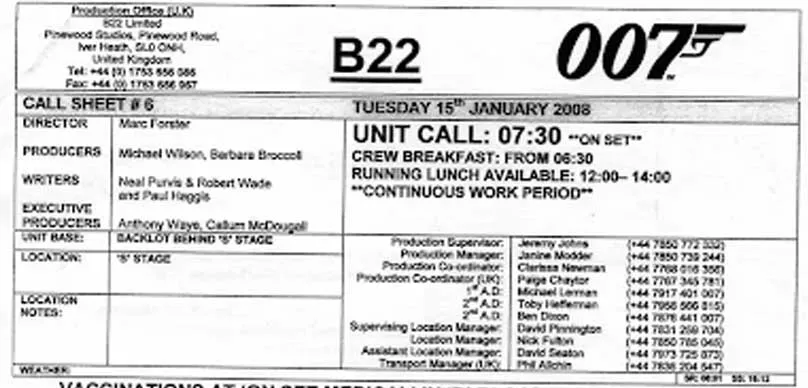
Slow baby steps. I'd rather tell them, you know, what they I think, you know, work for us, than tell them what, what not to do. So yeah, IPA on a set, and they, you get a call sheet. And, you know, I had bigger dreams of doing bigger things. So I took the call sheet, because there's big producers and stuff on there, and I held on to that call sheet and found out who the producers were, and just, you know, let my presence be known. Cool, cool movie. You did a great job. Everything was awesome. Was nice meeting you. That was it. I think, like, a year later, we end up going to the premiere of the movie and saying, Oh, hey, you know, I'm Jake, and this is Brian. Great movie. You did a great job on this. And then another, you know, six months go by, and hey, can you check, you know, take a look at my trailer. I just need some expert advice. You did a great job on your last film. It's just a minute, and then, boom, they give you some advice, and it's just slowly building over time, you know. And show them that you, in the meantime, actually do projects, but still keep, you know, it's, it's, it's doing the projects and keep moving forward, but slowly, you know, every now and then reach out and say, Hi, how you been and stuff like that. There's nothing wrong with that, but to just come off with the ass right away. It's not gonna, I don't think it'll work unless you're, you've already got, you know, unless you're somebody,
Dave Bullis 49:21
It's like, Gary V says you got to do the it's Jab, Jab, Jab, Right Hook. And those jabs are give, give, give, and the right hooks and ask,
Brian Jalbert 49:30
That's the new schooling, man. I learned everything from just watching videos like that, like, we love guys like that, just, I mean, because it's like, you know, I never liked reading so much, and I've read books, and it's funny, I've read more books when I was out of school than what I did when I was in school. And now I love like, I love podcasts, I love videos grant and all these guys like because there's something that they're doing. That led to their success. And if you can, if you can read between the lines, you know, and not so much what they're saying, but what are they doing, and then read between the lines of what they're saying, like, you can really become successful by following those guides. As far as, like, those guys are your mentors. Now, you know,
Dave Bullis 50:31
Yeah, mentors through books and mentors through podcasts, mentors through videos. You know, it's a wide, wide world now, right?
Brian Jalbert 50:38
Yep, I love it, man, it. And that's what's great about it, because I got people hitting me up from like, Nigeria and shit. Like, that's crazy to even think of. Like, we had these guys, you know, because we're pretty we're down to earth guys, and we had these guys call us from Nigeria, FaceTime us. And they're like, I'm like, holy like, Hey, what's up, man? They're like, Oh, we're from Nigeria. I'm like, holy shit. And we're talking a little bit, and they're, they were just calling to just because, I think they were just wanted, they seen our lives, and they were, they wanted, you know, they want to talk to us on FaceTime. And it's like, you know, it's almost like, get to the point, because they're just like, Oh, how's filming? And then it's like, well, you know, you calling about something, you just call it a chat. Yeah, it's finding out. But, I mean, it's just so cool that we can have people in all these different countries that we're talking to, like, just from our live video, we have a guy Anthony, who will probably listen to this, our buddy Anthony, who we met through Facebook Live, and he lives in Australia, and he's doing movies out there, and he loves the content. And we, we go back and forth, and his buddies were in at the AFM, and we were hanging out with his buddies. We have a video, one of our live videos, they're from Australia, and it's like, wow. Like, that's to me, that's awesome, and that's just like, so different.
Jake Jalbert 52:00
You know, we never had to leave the house to network, you know. So we, when we went to the AFM, we got noticed about five or a handful of people that seen our lives, because the fewer filmmakers, a big, big group,
Brian Jalbert 52:13
And people actually coming in our booth, like, Hey, where's the Jalbert brothers? And we're like, we don't even know him. And it's cool to be able to have that already established relationship, in a way, to where they feel like they know us, and it's like, oh, that's so cool, you know what I mean?
Jake Jalbert 52:29
And that's where the new future of everything is going. You don't have to go out and network and fly around. You can actually just do it over online, which is so great, you know. And that's what all these these these guys are teaching and actually doing. You know,
Dave Bullis 52:45
You know, when you mentioned that the Nigerians who called you, it reminds me, because sometimes when I used to get people coming up to me, no, no, they didn't call me. They those Nigerians that contact me are usually those princes who want money, that I just sent them money. But, but what people usually contact me? They usually want to just go grab coffee somewhere. And about a year or two ago, I actually just fully stopped it. So if I don't know you and you want to you say, Hey, Dave, can we go grab coffee? The answer is, 99.9% of time going to be no The reason being, it really becomes like, what can I do for them? And I understand that, you know, I, you know, I've, you know, I do this podcast, and I've done some really cool things. I've worked with M Night, Sham lines producer, you know, I did, I did my own TV pilot. I've done this, that and the other thing. But like, at the end of the day, though, it's like, I get it, trust me too. You feel like you have so many options. You get overwhelmed sometimes. But whenever I go to those things, it always becomes, it always feels like, what can I do for them? And it's always like they want to pick my brain about stuff. And then they go to this and that, and they get all downtrodden. And I go, I, you know, I just don't this is why I always have to have screeners of people. You know what I mean? Like I have to be if you come recommended, or something else, I'll talk to you on the phone. But the whole coffee thing in general, I'm like, I'm not traveling 30 minutes, you know, up to Philly, up to your north, or whatever, Philly, just to grab coffee with somebody. You know what I mean? I'd rather just do a Skype chat for five minutes. You know what I mean,
Jake Jalbert 54:16
Right! And they don't, and they don't know, you know, they they're like, they're in the weeds. They don't see it. So it's good that that people actually listen to this stuff and trying to get the knowledge to to become better. And that's why we try to preach a lot of this different stuff in marketing and sales and and really trying to expand filmmaking and show people like you got to open your eyes a little bit further than just filmmaking, because that's where the win, I believe, is, is, you know, being able to communicate, period, communication,
Brian Jalbert 54:46
Because, dude, like, I've made these mistakes, like, I've went up to people straight for the ass. Like, in its learning by, like, going, Yeah, that that didn't work out good. You know, in dissected, why did that work out? Good? Oh, you know. Because I'm too blunt. I came off that way. So you got to have an understanding of that. I think that's how we try to talk. To talk is like, Hey, this is what we've done. This is what we've learned. Hopefully it works for you. Some of it may not, some of it may. And, you know, have at it. Like, let's work together. Let's, let's make some, some fucking magic. Like, let's really make some magic to where the new generation has their voice, you know, and they do through Facebook and like podcasts and all this shit.
Jake Jalbert 55:29
So I would say a good way to just approach anybody, approach yourself, I'm sure approach us is just like, Hey, I heard your podcast. Awesome, man. The advice was absolutely amazing. If you thought it was amazing, um, you know, thank you for that. And that's it. And leave it, you know, leave it at that, at least for, you know, a couple weeks or whatever. Let it, let it marinate. Follow them. Find out what their interest and what they like and what's the win for them.
Brian Jalbert 55:54
Yeah, follow up is key, too. So if you do reach out to somebody, you know, don't be scourge. If they don't get back to you right away, like I've, I've been contacting this one producer over and over again, you know, every couple of months. Just build that connection. And I think that's key is just stay it, stay present. And when it works out, it will eventually, if you stay present enough, because most people want to see if you're willing to put in the work. I feel because, you know, they had to put in the work. You know, they're not just going to give you their whole email list or their whole world because you're asking for it. It's like, Well, dude, like I've spent like eight years of my life building this, like I can't just give you my the keys to my kingdom or to my building. Like I got to get to know you a little bit, trust you. Maybe we work together a little bit. And then now, yeah, this guy's cool. I can trust him with my keys. You know what I'm saying?
Dave Bullis 56:46
Yeah, I see exactly what you mean. And you know, it's all about, you know, building those relationships. And also, you know, building them, you know, just building the relationships, period, you know what I mean. And just, you want to, want to sort of build it in the right way, and and again. I mean, we I think I've done the same thing too. I've been there where I've just asked way too early, and because you jump the gun, you're like, Oh crap, I'm never gonna see this person again. What should I say? I don't know. Read my screenplay. You're gonna go shit, you know. And so if everyone listening, if you took any advice from from either Jake, Brian or myself, please, just, you know, tweet us and let us know. And And guys, we've been talking for about 55 minutes or so now. So just in closing, is there any anything you want to say Brian and Jake to sort of put up here at this end of this whole conversation,
Jake Jalbert 57:40
Go make something. Just make your fifth, make it. No, just, man, what we're doing, man, trial and error, dude. We, you know, we go do something and and, you know, you could call it a fail. You can call it we, you know, we tried, and then you try something else. You know, we're gonna put out this haunted tour show. Will it be a super success? I don't know. We're gonna do our best, right? We're gonna put everything we have into it and make it happen. If it doesn't do very well, fine. Figure this out. We'll figure that out. So the key is just doing figuring it out along the way, and it'll lead you to the places you probably didn't expect you might be. I never, you know, could never speak in front of people and, you know, but more you do it, it's weird. The more you do it, the better you get at it. And I've gotten a lot better. Actually, I can go in front of a crowd now, and actually, you know, speak, I still turn super red. I'm red right now. It's just like, you know, speaking. But you become better as you do. So that's why just make your first film. If you're first time filmmaker, just go make something and then reach out to us and say, Hey guys, I heard your podcast. Great job. And then, you know, build that connection with us, because we want to get to know you guys and send us your film if you have it, and don't go to straight to this end, though, you know, talk to us a little thing and get to know me. And then I would love to look at your stuff, you know, but don't just send it, because I don't know you, and that's weird, and I don't know what I'm looking at.
Brian Jalbert 59:05
So unless, unless you're asked to send it, you know, there's, there's times where we put out calls for scripts or whatever we're looking for on our Facebook page and things like that. So that's when you want to send it. It's knowing when to send it, when they're when, when the Win, win is in place. Hey guys, I'm looking for one location script. Oh, I got one. Oh, really. Okay, send it on over or, Hey guys, I got a movie that's finished. I'd love for you guys to take a look at it. Maybe you can distribute it. Okay, cool. Let me look at it. Take a look at it. Yeah, I love this. Let's distribute it. Hey guys, I got a movie. I've got some money. I want to pay you guys for your time, put you on as producers, and hire you through your production company. Awesome. Let's do it. Maybe we can come on and work out a deal to where we distribute it. So it's finding out what they're looking for, going in for the Ask the right time and and staying present with the follow up.
Dave Bullis 1:00:06
Yeah, you have to treat everything like a skill. And just That's something I've learned too, is you have to treat everything like a skill. You know, speaking in public is a skill. You know, doing all sorts, you know, being good at social media is a skill. All the different skills on the film set. Writings a skill. Pitching is a skill. The more I've learned about this stuff, the more I realized it's all about. If you treat everything like a skill and you have to get good at it, it kind of all sort of falls into place. You know what I mean, like you have to do it to get good at it, and the and you just have to do it, which is, you know, you have to have action, right? Yeah, at the end of the day, everything always involves action, just like a character in a screenplay. Nobody likes a passive protagonist.
Jake Jalbert 1:00:48
No, yeah. It's all about execution. Man, if you execute, if you search hard enough, you'll find what you're looking for. It just you got to search, you know, really, really hard
Brian Jalbert 1:00:57
And keep searching. Because, like Sean Baker, it took him, what, 1520 years. I think he said, Yep, exactly, and he wasn't. So now people think, Oh, the Sean Baker guy made it overnight. Well, dude, you don't know he's been doing it for 15-20 years, but you may end up like Robert Rodriguez, who first feature got some buzz going. You know, you just never know. That's why we say just start doing something and be creative.
Dave Bullis 1:01:24
Yeah, excellent, yeah, that's excellent, guys and and it's always good to keep things like that into perspective, because there is no overnight successes. That's the number one rule. There is no overnight successes.
Brian Jalbert 1:01:34
What are you talking about, man,
Dave Bullis 1:01:39
Guys, where can people find you out online.
Jake Jalbert 1:01:42
We stay on Facebook, at Jalbert Brothers, and Instagram, man, right now we have a YouTube, but we're more you know, Facebook and Instagram definitely follow us on Facebook and Instagram at Jalbert Brothers, yeah.
Brian Jalbert 1:01:55
And then they can check us out at jalbertbrothers.com too. And then it has all the social media sites from there as well.
Dave Bullis 1:02:01
Guys! Jake, Brian, I want to say thank you so much for coming on.
Jake Jalbert 1:02:05
Hey, thank you, Dave. Thanks for having us, brother. Appreciate the time.
Sign up to receive email updates
Enter your name and email address below and I'll send you periodic updates about the podcast.
LINKS
SPONSORS
- Bulletproof Script Coverage – Get Your Screenplay Read by Hollywood Professionals
- Audible – Get a Free Filmmaking or Screenwriting Audiobook