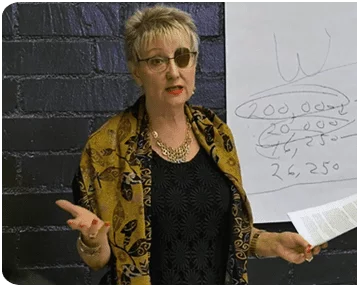
Some filmmakers spend years searching for the perfect camera, the right producer, or the ideal connection in Hollywood. But sometimes the most important investment isn’t a new lens or another screenplay competition—it’s simply showing up consistently, sharing what you know, and building genuine relationships. That philosophy sits at the heart of this conversation with Jeanne Veillette Bowerman, whose remarkable career demonstrates that success in screenwriting isn’t always about geography; it’s about generosity, persistence, and putting yourself where opportunities can find you.
Jeanne’s path into filmmaking wasn’t conventional. Before becoming the editor of Script Magazine and one of the most recognizable voices in the online screenwriting community, she owned a motel and restaurant for fifteen years. It wasn’t until later in life that she decided to pursue writing seriously. Like many first-time writers, she began without fully understanding just how difficult screenwriting could be. Looking back, she believes that ignorance may have been an advantage. Had she known every obstacle waiting ahead, she admits she might never have started. Instead, she embraced the challenge, learned through experience, and steadily built both her craft and her professional network.
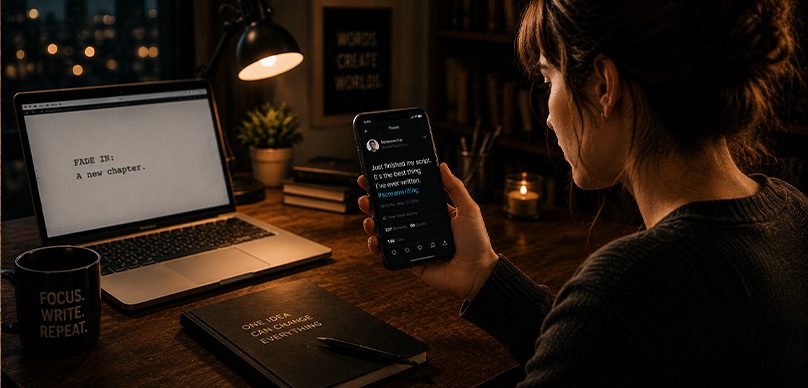
One of the strongest themes throughout the discussion is the transformative power of social media when it’s used correctly. Jeanne explains that Twitter wasn’t originally part of a marketing strategy. She joined simply to connect with fellow screenwriters while adapting the Pulitzer Prize-winning book Slavery by Another Name into a screenplay. Those conversations eventually led to the creation of #ScriptChat, introduced her to Script Magazine, and ultimately helped launch an entirely new chapter of her career. Rather than viewing social media as a place to constantly promote projects, she believes filmmakers should approach it as a space to contribute, educate, and build authentic relationships. In her experience, people remember those who consistently provide value.
The conversation also offers practical advice for writers trying to break into Hollywood. Jeanne emphasizes that representation rarely comes from simply sending cold queries and hoping for the best. Instead, she encourages writers to develop exceptional material, attend pitch events, participate in respected screenplay competitions, seek thoughtful feedback, and continually improve their craft. Most importantly, she reminds aspiring writers that managers and agents are looking for projects they believe they can sell. That means understanding the marketplace without sacrificing the passion that originally inspired the story. Finding the balance between creativity and commercial viability remains one of the industry’s greatest challenges.
Her writing process is equally fascinating because it reveals how experienced storytellers continue experimenting with their craft. For years Jeanne relied heavily on detailed outlines before writing a single page. Recently, however, she challenged herself by collaborating with a writing partner whose process was almost entirely instinctive. Instead of mapping every scene beforehand, they began discovering the story as they wrote, allowing characters and situations to evolve organically. The experience pushed her far outside her comfort zone but also reminded her that no single writing method fits every writer. The best process is ultimately the one that keeps the pages moving forward.
Another valuable takeaway involves maintaining momentum despite the realities of everyday life. Like countless independent filmmakers, Jeanne balances multiple responsibilities including a demanding career, family obligations, editing dozens of contributors, and her own creative work. Her solution isn’t waiting for the perfect uninterrupted weekend. Instead, she writes whenever she can—even if it’s only fifteen minutes. Those brief sessions keep the story alive in her mind throughout the day, making it easier to return to the page later. It’s a practical reminder that consistency often matters more than marathon writing sessions.
Perhaps the most memorable advice she shares has little to do with formatting, structure, or pitching. It’s about reputation. Jeanne repeatedly returns to the idea that filmmaking is a relationship business. Whether interacting online, attending conferences, or collaborating on projects, generosity creates opportunities that self-promotion alone never will. Helping other writers, sharing useful resources, making introductions, and treating people with respect all contribute to a professional reputation that lasts far longer than any single screenplay. Success, she suggests, is built as much on character as it is on talent.
In an industry filled with uncertainty, rejection, and constant competition, Jeanne’s journey offers something refreshingly practical. Great careers rarely happen overnight. They grow through continuous learning, authentic connections, disciplined writing habits, and the willingness to keep evolving. Technology will continue changing the business, new platforms will emerge, and distribution models will shift, but the fundamentals remain remarkably consistent: write exceptional stories, help other people whenever you can, keep improving your craft, and never underestimate the opportunities that can begin with a single conversation.