Right-click here to download the MP3
Total Transparency: How Much Revenue Can a $100K Indie Film Generate with Liz Manashil
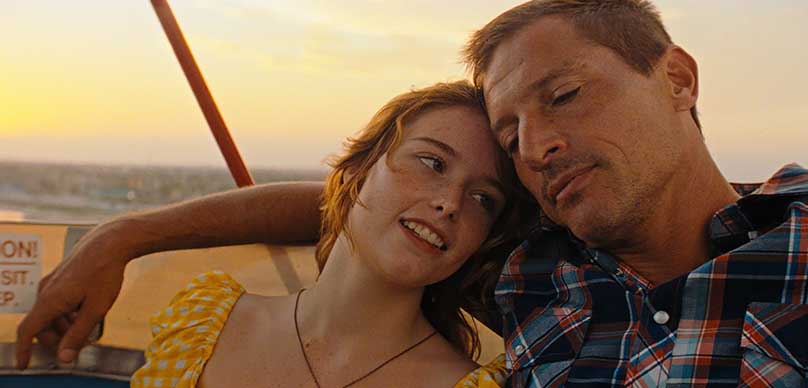
Have you ever wondered how much revenue a real indie film can make in the marketplace? Wouldn’t you like to see the real and raw numbers for a nontheatrical film with no major film festival premieres? Today’s guest has been brave enough to do just that. Filmmaker Liz Manashil decided to open up the accounting books on her debut feature film Bread and Butter, starring SNL’s Bobby Moynihan and Lauren Lapkus.
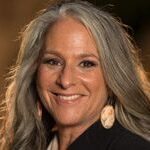
Liz Manashil earned her B.A. in Film and Media Studies at Washington University in St. Louis, and her M.F.A. from USC’s School of Cinematic Arts. Post-graduation, Liz spent several years as a film critic for the PBS/Hulu series JUST SEEN IT (which she also helped produce and direct). Overlapping this, Liz worked with distribution guru Peter Broderick.
Her debut feature, [easyazon_link identifier=”B0142KKMQU” locale=”US” tag=”whatisbroke-20″]BREAD AND BUTTER[/easyazon_link], was called “an absolute must-watch for women everywhere” by HelloGiggles. It was released by The Orchard and can be seen on VOD nearly everywhere (including Hulu!). Liz is currently in pre-production on her next feature film, SPEED OF LIFE, and lives in Los Angeles with her dog, Laura Palmer, and her partner, Sean Wright. She is the Manager of Sundance Institute’s Creative Distribution Initiative.

Here’s the breakdown (taken from her amazing article on Moviemaker Magazine:
Our film, Bread and Butter, is a digital success. A digital success you’ve never heard of.
Let’s break it down.
- Our film cost $100,000 to make
- We grossed $96,000 a little bit more than a year into our release (and we’re still making deals)
- Our distributor did have a marketing spend but we invested in no other resources outside of that (other than me running our social media campaigns and newsletter)
- We got two airline deals, two SVOD deals, and decent promotion of transactional and cable VOD
- We’re operating in the black with the distributor’s marketing spend and heading toward eventual recoupment in terms of our expenses
In an age where people debate the utility of making independent feature films, there is hope.

I had a ball speaking to Liz and we get into the weeds on traditional distribution and self-distribution. If you want to sell you film in the marketplace perk up your ears and take some notes. Enjoy my conversation with Liz Manashil.
Alex Ferrari 0:43
So today on the show, we have Liz Manashil, she is a director of the movie bread and butter. And I wanted to have her on the show, because it loves her story about how she was able to get the financing for the movie, how she put it together, how she was able to attract name talent, people that you actually recognize, to her project, her tips or techniques on how she was able to, to reach out to this cast her experiences through distribution. she happens to be the manager of the creative distribution initiative at Sundance. And she's going to talk passionately about that and a little bit. And at the end of this episode, we have a little surprise that we're going to be sharing with you that you guys might be interested in. But I really wanted to get into the into the weeds with Liz and really just see her perspective on the state of independent film today. Oh, and also did I mention that Liz is going to be completely transparent on how much she made. Distributing her film, she's going to go into detail breakdown of what the distributors doing, how much she made, where she's making her money, where she's not making her money, and really give you guys an idea of of what a movie of her budget actually will make in the marketplace. So you guys will get a sneak peek into what the distribution world is like for independent films. Without any further ado, here is my conversation with Liz Manashil. I like to welcome to the show, Liz Manashil, how you doing?
Liz Manashil 2:48
Hey, I'm great. How are you?
Alex Ferrari 2:50
Thank you for being on the show. I really appreciate it.
Liz Manashil 2:53
Oh my gosh, thank you. This is a pretty cool opportunity for me. So I'm psyched.
Alex Ferrari 2:57
Awesome. Awesome. So let's let's start off with how did you get in this crazy business? And why don't we have a real job?
Liz Manashil 3:05
Well, Oh, God. Okay, so I tell this story, who to anyone who wants to listen and whether you want to listen or not. I'll tell it really quickly. I saw this movie when I was 16. It's a really pretentious French film called stolen kisses and
Alex Ferrari 3:23
It sounds pretentious.
Liz Manashil 3:24
Yeah, it's super, super pretentious. And I had this moment or the character looks at the lens. And I thought, you know, 16 like the world revolves around you. I thought he was looking at me. And I felt like a lightning bolt hit me and I had to make movies. And that's why it's all everything that I do is based off of this one RIDICULOUS MOMENT where I felt like I had to be in this crazy business. And so I went to film school and I work at Sundance and everything I do is film film related.
Alex Ferrari 3:55
And you went to USC, right? I went to USC. Yeah, that's a great I've spoken there a couple times. It's it's like it's like Wonderland when I went for the first time I'm like, and there's the Lucas building and there's the Spielberg building and here's where here's where john Carpenter you know, grab some stuff to go make Halloween I'm like Jesus.
Liz Manashil 4:13
Well, I call it the Las Vegas hotel now because it like transformed to this like ridiculous plastic looking place.
Alex Ferrari 4:19
It actually is you absolutely right with the big fountain and everything.
Liz Manashil 4:22
Yeah, I was there like we had one year in Las Vegas hotel all the other years. We had an old building. We called it the old building. And I loved that building. That was a beautiful building. Because just you you had everything you needed, even if it didn't look flashy.
Alex Ferrari 4:38
Yeah. And before these ruffins Lucas and Spielberg came and get buildings,
Liz Manashil 4:42
Right well, it's kind of like use that money for something else. Like I get really frustrated when people waste money. I mean, you and I both know we're we're micro budget filmmakers. I want every dollar to go to something really useful.
Alex Ferrari 4:53
Yeah, exactly. And buildings, but hey, you know what, who are we to talk about their, their USC for God's sakes. So how did you get your your awesome little film up bread and butter off the ground?
Liz Manashil 5:07
Well, I graduated from film school and I had a moment where I was like, hey, what am I going to do with my life? I really want to make a feature. I'm just I'm just gonna do it. I'm going to make a movie. I crowdfunded, I crowdfunded. While I didn't even really know what the budget of the film would be. I just crowdfunded. I made about $36,000 through crowdfunding, awesome. I'm really proud of that. It was in 2012, though, when it was a little easier.
Alex Ferrari 5:36
Yes. I was gonna say, that's, that's a lot for nifty.
Liz Manashil 5:39
Yeah, yeah. And I found an investor through crowdfunding, who was a colleague of mine, who, for some reason, just wanted to get involved with investing in films. And she brought on her her boss at the time to breathe to be a second investor who just wanted to help out a female director, actually. And then, you know, we started cutting pages and studying cutting characters to fit the budget that we had access to.
Alex Ferrari 6:08
And, and that's the answer you got.
Liz Manashil 6:11
So you start a crowdfunding, then you had an investor come in for the rest of the money. And the budget of the film was, it ended up being about 7070 for production, and the 30 was for post. So as 100 all in, and if you cut in distribution expenses, there's about 120.
Alex Ferrari 6:30
Wow that's a pretty that's a pretty big micro budget. I mean, in the in the grants, I mean, in the grand scope of your first feature film, and I'm assuming you had directed a shorter to before.
Liz Manashil 6:42
Yeah, well, I went to film school, but actually, I studied documentary. So this was my first real fiction project that I put time and care into, like, at USC, you do little short projects, but nothing for more than a few weeks. So this was like, actually my first real fiction, and it was terrifying.
Alex Ferrari 7:03
So I just got to ask on your first day, well, first of all, how did you get your cast? Because that will, that will lead into that next question I had, how did you get this? The cast is awesome, really awesome cast? How did you get them?
Liz Manashil 7:14
I could not afford a casting director. And so I cast it myself. And when you don't have money, sometimes you have time. So we took like a year and a half to cast our film, The the name actors that that I think people are, you know, kind of excited about when when they find out the budget of the film. And that's the first filmmaker is Bobby Moynihan and Lauren lapkus. Sure. And we had many other actors who were incredibly talented and just as valuable, you know, but in terms of Bobby and Lauren, they share a manager and I reached out to Bobby directly and just wrote an offer letter to his team. And I met him and I, you know, basically I wrote him a letter that involved like, lots of pictures of, you know, me and films that I liked. And I tried to make it really warm and friendly. But it takes months right, it takes months to break through those gates. And that's and that's what we did. But not to get too long winded, but the lead actress in my film, we got her through essentially, I wrote an article about how I was having trouble casting her role because it was a part that was really close to me. And she wrote a comment on that article like I think she actually wrote me a direct email just saying like I read your article I really like it by the way if you ever want to bring me in, here's my reel and we did and she was perfect. So it was just one of those situations of Kismet to find our lead actress she just directly appealed to us and she was perfect.
Alex Ferrari 8:46
So a tip to filmmakers listening if you're going to try to go after some sort of main talent or recognizable time like Bobby and Lauren and by the way guys, Bobby Moynihan is from Saturday Night Live he was on the for God I don't know how many years he was hilarious. And and Lauren lip This is she just did Jurassic World, little small indie movies. And if you see her face, she's one of those recognizable faces that she's been in 1000 things. So when you're trying to go after those kind of that kind of caliber of talent, you have no money you have no casting director. So you you literally hit the heartstrings. It was your was your marketing plan.
Liz Manashil 9:24
What's the combination of offer letters and heartstrings. So what I advise other filmmakers to do is to be a human and talk like a human all the time. So when you write letters to agents, you know, don't sound like a robot or a machine who's trying to like name drop and you know, impress them and every opportunity, really talk about how important that film is to make you know how it's your top priority and baby drop a few things that makes them makes you sound a little bit more legitimate and you're in their eyes. And then ultimately, if you send it offer letter they have to consider it. So it's a combination of I think warmth, I hope, hopeful warmth. And then, you know, playing the system, which is drafting an offer letter with a lawyer and making them consider that offer.
Alex Ferrari 10:12
So this was not like a letter, an offer letter that you kind of just kind of threw together. This was an actual letter that was put together with an attorney. And it was it was a real offer.
Liz Manashil 10:22
Yeah, it was a real offer was a deal memo. And one of my producers, my lead producer is an entertainment lawyer. So that was invaluable. Also, that's, if you're trying to put together a crew for micro budget, see if if you know any entertainment lawyers who really want to get into producing, because you'll get a deal on on all your contracts. And it's awesome. That's incredibly helpful. She's a huge asset to our film.
Alex Ferrari 10:47
Now, what was it like? You're arguably a first time director doing the feature film, and you're working with this caliber of talent? And it's your first day on set? How are you doing?
Liz Manashil 11:00
I'm already a really anxious person. I don't know if you could tell from my fast talking and my like, breathiness. But like, yeah, I'm super on edge all the time. So when I was on set, I was very nervous. What, what's interesting, though, which, you know, you know, very well is, there's not actually a lot of directing that's involved in directing a feature, which I was super surprised by. People say this all the time, everything's casting, right. If you pass the right actor, you really can take a step back. And every now and then when you feel something's off from your vision, you adjust things. But for the most part, I did not give a lot of notes. And so I got to have a little break in anxiety, especially but I didn't learn that until like after the first few days.
Alex Ferrari 11:47
Yeah, I when I worked when I shot mag, and I had this insane cast. I it was honestly one of the first times I'd worked with an ensemble like that the head that was just one person that was good, they were all good. And it's so true. Like, you just sit back and just capture the magic. I said, I was just there to capture the lightning, because it gave very little direction here and there. Because they just know who they just know. It's amazing when you have a good actor, and you know, trying to pull a performance out, you just kind of, hey, let's let's let's just go It was so it was so nice. So I'm assuming the same hat thing happened to you?
Liz Manashil 12:24
Absolutely. And I had a conversation with an actress who's going to be in my second feature. And she said something. And I was, I was taken aback by at the time, but now I completely understand. And she was saying like when she was working with a director, she needs to be very forceful, and ask for that for another take when she feels it's not right. Because in her eyes, she feels she Her job is to replicate human behavior. And that the director's Job had nothing to do with guiding her. It's like she took on that onus. And I think as directors, we often feel like it's our responsibility to get the actor there. But it was interesting to hear that the actor thought it was only it was her whole, her sole responsibility, and she needed the space to get there herself. So there's different ways of approaching it.
Alex Ferrari 13:12
Every actor is different. It's so you know, when you're working with the actors, some actors want hand holding. Actors want the space to do it. And I interviewed a director who worked with john malkovich on his first feature film would tell me what he said, or she said, and he basically, which was, I think, an amazing piece of a direction, if you will, he walked because it's john malkovich. I mean, like, it's john, F and milkovich. Like, what are you gonna do? And he's like, you know, he came from the Kevin Smith camp. So, you know, it's all dick and fart jokes, you know? And it was a comedy, and it was, you know, all this kind of stuff. But he walked up first day. And Mr. Malcolm, john, how do you want me to direct you? Huh? And I thought that was such a brilliant way. Because I asked Mike, how do you direct john malkovich? And he's like, I don't know. I just walked up to him. And I said, How do you want me to direct you? Because that's such a wonderful way of who's showing? You're being humble in front of Obviously, I'm like, Look, you know, I hired you as an actor, but you're at john malkovich. But we're here to do a job, how do you want to work and I will adjust to you. And I thought that was such a one because every actor is different. You know, like, imagine if you had Malkovich, Daniel de and Meryl Streep, like all three of them have very different ways of performing. And how do you you know that I would actually watch that movie.
Liz Manashil 14:41
I think there's a fear that if you're not saying enough things to an actor, then you're not directing. And it's actually the confidence and not not say anything that that you need to have as a director to have confidence in your vision and let other people do their jobs which is hard, but excited. At the same time
Alex Ferrari 15:01
Without question, and that is something that you just get with experience and age, because you just feel that confidence just like and professionals and seasoned pros, they can sense it. They can smell it very quickly on you. If you're just barking because you're insecure and then that creates all sorts of havoc. Or, and everyone especially the crew, oh my god, the crew can smell it like a mile away. If you know what you're doing or not. They smell blood in the water and you're done. I've seen it happen. I've been on once you'd I had I had a poor kid. They threw as a first ad. And I was like, Oh my God in the crew Am I live a them? Because they were all seasoned guys like from TV like TV guys, which are really seasoned. And yeah, and they just taught and then at day two the guys yelling I'm like, dude, you gotta stop yelling, man. It's not good, because he was trying to do something. Oh, God. But yes, back to what we were talking. This is just like two filmmakers. just telling more stories. I love it. Yeah, been. Yes, exactly. Now, how many days did you shoot, by the way? 16. But I always say that I could have done it in 15. That's awesome. And it was? I'm assuming 15. So you had What? Two days? Just two weeks? Basically? Do you do Wednesday off?
Liz Manashil 16:16
Six on? One off? Five? on two off? Five on two off, I think or I guess, you know, yeah,
Alex Ferrari 16:26
Got it. Now. Whatever. Did you come? Did you encounter any problems? I know this? No, the answer is yes. Did you encounter any problems while shooting your project? And if any of them What? What came out? Like what sticks out to you and your memory?
Liz Manashil 16:41
I mean, I've been asked this before and I gave an answer that I don't even know is true. Like, I feel like I heard that a crew member who I didn't really hire died at some point during the course of the production, but not on our set. And now that I've told the story, like I don't even know if it's true, I think it's turned into an old wives tale within the space of like, six months in my head. So, I mean, that stands out.
Alex Ferrari 17:13
When a crew member dies on set or off, generally as a standout of the film,
Liz Manashil 17:18
Yeah, like totally like, of course, of course. But I'm still not sure if it happened or not. And we had a camera problem one day, but again, like I was really protected. And I would say the major problems that I experienced or internal problems where I felt doubtful or I was worried that we even had a movie in the first place or you're an artist decision. Yeah, just all the personal emotional problems that we all are battling.
Alex Ferrari 17:44
We all we all have that I was I was just I just saw the Martin Scorsese masterclass. And, and he's like, if you don't fit if you don't physically feel ill after the first cut, you're not a filmmaker. And he's like, he's, it's Martin Scorsese, and he's talking about it, like, Hey, you know, I don't even know if we got a movie here like your Martin Scorsese, you'll be fine. But in his mind, he didn't even know if he had cuts like when he shoots like, you know, Raging Bull. He's like, I don't know. I don't know, maybe we got something I don't know.
Liz Manashil 18:13
I'm plagued by doubt. But it's like, you know, when you write the film, and you have a feeling for what the films about, like, you feel the character you feel the whether you write it or you read it, you have a like a some sort of abstract sense of what you know, the film will be and how it will be received. Like, I didn't get that until a year ago on our film has been out for, you know, two, almost three years. Like you still don't know if you have a film. Like you're just down the line. I think sometimes, right now is the only time I feel confident where I was like, Oh, no, that was a thing. And it happened, and I'm really proud of it.
Alex Ferrari 18:50
Exactly. Now, what camera did you shoot on? By the way?
Liz Manashil 18:54
It was one of the it was a read. I think it was it was a scarlet, but I'm not positive.
Alex Ferrari 19:00
Okay. Okay, Scarlet. And now, did you run into any issues in post production?
Liz Manashil 19:07
Well, we my editors are saying so I had two editors who each cut half the film and then swapped so that each could get their hands on the other other's work. And then essentially, our cutting style became a combination of the two of them. So we didn't have problems other than the fact that we had two very different editing styles come together. So there'd be moments where I would want, you know, a really long take, and my editor who has a short attention span would cut it in half. And then my second editor would split the difference, and we had to kind of negotiate the pace a little bit. But like no technical problems, we had an amazing colorist amazing editors. Wonderful sound team. I mean, we really, we lucked out, but it takes a lot of patience, right? Like I wish you know, I wish we could have taken Three weeks and edited this whole film that it took it took several months. And that's super normal. In your, your micro budget, like you don't have any control over when your editors want to edit, because they're essentially doing you a favor, and we were lucky that they were willing to do us that favor.
Alex Ferrari 20:17
That's awesome. Now let's let's talk a little bit about distribution. Okay. Yes. Distribution. And, and you are a big, you're a big advocate for transparency and distribution and the horrors of distribution. Can you talk a little bit about First of all, who was your distributor on the film?
Liz Manashil 20:40
We worked with the orchard. So I have quite a history in distribution. I worked for a distribution consultant for three and a half years. His name is Peter Broderick.
Alex Ferrari 20:50
And I know Peter, I don't know him personally, but I know the name.
Liz Manashil 20:53
Yeah, yeah. He's kind of fancy. He's kind of he was very cool. Yeah. So he helped me he negotiated my distribution deal with the orchard but the orchard found us because they were looking at Lauren lapkus his IMDB page. Like they were just looking at recent projects that she was involved in. And they reached out to us. So that's like, one of the major things I talked about when I talked to emerging filmmakers is like even if you make micro budget, you have access to talent and that talent will change the the future of your film like we would not have had this fabulous distributor reach out to us. Had it not been for our cast. Like we played Cleveland and Woodstock and Phoenix Film Festival. We played about 13 to 14 film festivals. But none of them were tried back our can or Sundance or south by. So it's not as if a 24 was chomping at the bit to to distribute our film. Everybody wants a 24 Well, there were so cool.
Alex Ferrari 21:56
They are the cool kid on the block, aren't they? They're the jacket High School, aren't they? They really? They're the cheerleader.
Liz Manashil 22:03
The portraits like cash, who would it compare? I feel like the orchards like the one who's like the lead at all the plays. So they're like popular too.
Alex Ferrari 22:12
Yes. Creative? Yes, exactly. Friends. Yeah. By the way, for people who don't, for the audience that doesn't know who the orchard is. They do a lot of the duplass brothers work and they've done a they're a really good distribution house. And they're a good distributor for my experience. Yeah,
Liz Manashil 22:29
I've been very happy with them. And they wanted a digital deal. So I was like, immediately insulted because I think every filmmaker thinks
Alex Ferrari 22:37
Yeah, you know, 5000 theaters,
Liz Manashil 22:38
Theatrical Exactly. Or give me an advance or that, you know, there's all these terms that you're expecting. And they were like, No, no, no, no advance, you know, you're just going to be get a digital deal with us. And they were the best option we had. And they turned out to be a really good option. Because, as I'm pretty open about we have grossed, you know, in our gross revenue, we have recouped our production budget, we will probably never recoup in net revenue. And I'm getting really nerdy here.
Alex Ferrari 23:14
We'll get into all of that we'll get
Liz Manashil 23:15
Yeah, but but like, we're, we're doing well, which is you know, what you need to do if you're making a first film if you want to make a second one. So
Alex Ferrari 23:24
Right now, can you talk a little bit about deliverables? Oh, God, and we'll get back into distribution, but deliverables the evil of the deliverables, because it's something that literally always sneaks up on filmmakers. And they, they just like, Oh, I just need a quick time, right?
Liz Manashil 23:40
I'm like, Wow, well, I didn't even think about it. I don't think filmmakers really think about it, they don't even know that you need to pry from my experience. I didn't know I needed to prep deliverables. I didn't understand how the distributor would get the film from me and then put it on various platforms, because it's my first feature. So they sent me like, Oh, they sent me a list. And then they sent me to an FTP that they had, you know, there's like an aspera or something like that. And, and I had to kind of figure it out on my own. And my amazing editors, you know, they created you know, the master and the digital Master, and they helped me get all the deliverables. But ultimately, the upload was what was the most terrifying, hardest thing of everything was just finding internet connection, that could have done an upload for like a six hour upload. That's what they need. They need you to like, take this massive 100 to 500 gig file or whatever it is and get it to them. So
Alex Ferrari 24:42
Flash, your flash drive flash drive in the mail.
Liz Manashil 24:44
Ultimately, that's what I did. And I should have just started with that, like crazy.
Alex Ferrari 24:49
They said do not upload them. Like I've got an experience in this field. I said, No, no, I'll just I'll just send you a flash drive and it just works so much nicer because you're super smart. By you That Yep. Now as far as other deliverables are concerned, you know, Music cue sheets, to chain of title, all that kind of stuff you have to put together as well are you had your your producer help you with all that?
Liz Manashil 25:11
Well, my producers are lovely and they worked really hard. But it was me pretty much overseeing a lot of distribution myself, because it's micro budget, they moved on to other projects, I really didn't want to bother them. They were helpful when I felt like they, you know, they could do things that I couldn't do. But again, when you're doing a micro budget project, you don't know what those delivery deliverables are going to be. So I went to my sound team, I went to my music team. And I approached them only once we had distribution with what we needed. And so they all had to work backwards. That Music cue sheet we had to put together last minute. You know all the files with like, all the files from the sound team. And all that kind of good stuff. Yeah, I had to like pay separately, stipends that I wasn't expecting in order just to even get those files. So that was fun.
Alex Ferrari 26:04
That's that shouldn't have been the way it goes that's usually negotiated at the beginning of that deal. So yeah, next time.
Liz Manashil 26:11
Next time, there are lots of things that I've learned that you go, when you talk to your crew members, make sure you figure out what you're going to need from them at the end of the production and make sure they are prepared to give it to you. Absolutely.
Alex Ferrari 26:24
Without question. Now, can you discuss the deals that you got through orchard and good you're being fully transparent, so I'm being very rude and asking all of these numbers. So like I never asked filmmakers? It's like asking your weight like you like you don't say it like you don't ask someone there that that situation. So for everybody who who's listening, I'm not being rude. Needless spoke about this earlier. So can you talk a little bit about the deals you got what what kind of money you got for those deals, so people can kind of really get an idea of what they can expect in the marketplace with a cast like this. And also the genre This is which is a comedy drama, if I'm not mistaken, right?
Liz Manashil 27:04
Yeah, I call it a dramedy, I actually caught an anti romantic comedy. But that's a little specific.
Alex Ferrari 27:09
That's a little harder to sell, as far as genre is concerned.
Liz Manashil 27:13
Well, yeah. back to what you were saying, though, I think it's really funny that, that you were worried about being rude because like our department, a Sundance, which I won't get into too much, because I could go on forever. But like, we're all about data transparency. And we really want to decriminalize filmmakers talking about all these details, because it feels like we're not supposed to. And and actually, to segue to my answer for you, I'm not allowed to share a lot of information still. So what I did is I went to the orchard and I said, Hey, can you break down all the revenue for me? Can you tell me exactly why we've been successful? I'd like to write a story about it. And even then, the only numbers I'm allowed to talk about are my gross gross revenue. So that's just all the money that we made without the distributor taking a card or the platform's taking a cut. So that's, as of several months ago, was $96,000. And we made the film for 100 100 120. Yeah, so now that's gross. And that's before anyone takes a cut. Yes. And it's actually several months ago, and we've we landed another deal since then. So it would be higher than that now.
Alex Ferrari 28:29
No, what No. Can you talk about what? What's sales you got? Like? Did you sell? What do you do? Do all that kind of stuff without the numbers?
Liz Manashil 28:37
Yeah, I can talk about that. I mean, we're on all of the transactional platforms that are open. So that would be like the iTunes Xbox Google Play VUDU. Yeah, Amazon Video, amazon video, I put my I retain the right to sell DVDs and streams from my website. Like that's something I negotiated. So I'm doing physical between me and my editor. We're doing physical sales. But I also do VA checks links on my website, so you can buy directly from me.
Alex Ferrari 29:07
Now, how and how did you have you sold DVDs?
Liz Manashil 29:11
Yes, I've sold. I have a spreadsheet I probably sold around 50. I mean, it's really not that many Sure.
Alex Ferrari 29:16
Are you making them as you go? Or did you have them pre built
Liz Manashil 29:19
We made we've done like two manufacturing stents. And then I'm actually just about assign ideal with allied Vaughn for manufacturing on demand for DVD. Okay. So I mean, it's been two years since our release, and they reached out to us, because I wrote this article about being transparent about how much money we made. And they were like, hey, do you want to do physical? And what was really phrase
Alex Ferrari 29:43
And what was the name of that company?
Liz Manashil 29:45
Allied Vaughn,
Alex Ferrari 29:46
Allied. I'll get that information because I want to put that in the show notes.
Liz Manashil 29:50
Yeah. So they do manufacturing on demand. So it's not like doing 1000s of DVDs that you're not going to sell. It's based off of you know how much you actually are going to sell. So the overhead is much Less.
Alex Ferrari 30:02
We'll be right back after a word from our sponsor. And now back to the show.
Liz Manashil 30:13
Okay, so we did all of those open transactional and ESP platforms. And then we did a Hulu deal, which is like, like, I'm sure for you. Pride of my life. Really, it's
Alex Ferrari 30:26
It's a badge that I wear with great honor. When I got that one, I got that call. And they're like, Hey, we sold you a hula deal. I'm like, What? Yeah, it's like, it's like getting a Netflix deal. Like, what? Yeah, for like a little indie movie. Like,
Liz Manashil 30:37
It's magical. I think it is in right. Well, it's funny. My distributor didn't didn't call me up like they called you like and said they have the sale. They were like, Liz, we have some news. We're really surprised. We weren't expecting this. We're really like, they were like, shocked that Hulu even wanted the film. And I just think that's so funny. It's like, we all have low self esteem about my film.
Alex Ferrari 31:03
I'm so glad and I, my distributor has low self esteem about my film. It's great. Like, it was kind of a shock to me, too.
Liz Manashil 31:11
So Hulu, and then we got two airline deals. So that was a total that's crap.
Alex Ferrari 31:16
Like international International Airlines. Right.
Liz Manashil 31:19
One was Royal Jordanian. Yeah, both international Royal Jordanian airlines, which I think is hilarious. Because like, Who would have thought that you sold Jordan? Yeah, like Who'd have thought that they really thought Who would have thought they would have seen value. I'm really, I love them now. And then Aer Lingus. So we were in Ireland, and you know, wherever, air Lingus flies, and then flying over the Middle East, but they censored a few scenes from the film because we get a little sassy. So that was something I was willing to abide by in order to get on planes. Sure. Of course, yeah.
Alex Ferrari 31:59
You can't make it a little. You gotta gotta do a little an airline cut. Yeah, yeah. And that was, but that was a good, those are made if you can get airline deals. Those are nice. That's it.
Liz Manashil 32:08
Yeah, that's something that like I, we always talk about self distribution, and filmmakers working with aggregators, and all that fun, nerdy distribution stuff. But aggregation is still not figured out airlines. So that's something that I really look forward to a time where we have more of a direct channel to airlines other than through distributor,
Alex Ferrari 32:28
No. And same here. I mean, I've self distributed digitally here in the States. But I am using a traditional distributor for international. And it's been, it's been great, because I get to have the power to do whatever I want here. And, you know, for my film, but yet, I'm getting opportunities, like, you know, it's selling in a different in different territories and stuff that I would have never gotten done by myself. So I think I agree with you, there is a balance to be made. And it also depends on your movie, also your audience, and we can get into we could talk for hours about that, about how to actually self distribute a film. But But yeah, I think it's a it's a it's very interesting. That's why I wanted to kind of have you on the show today to talk about your path and your journey through distribution. And what else did you sell it?
Liz Manashil 33:15
Um, we got a few paid tv deals mostly in the Middle East. Again, again, I'm like
Alex Ferrari 33:20
Jerry's, you're huge. And Jordan, you're huge in
Liz Manashil 33:24
The Middle East, North Africa region, the MENA region, like there was actually a there's a squad company, a smaller company called, it's called Sundance international or something. It's called like something with the word Sundance in it. It's not Sundance now. But it's something completely it's like, run by AMC or something. And that was so weird to me that I worked at Sundance and Sundance is also the name of this company that the Middle East. So that was a sign. But yeah, so we got like, a lot of little deal, little pay TV deals, little little airline deals, that really contributed to us feeling like we made a dent. It was really exciting.
Alex Ferrari 34:09
That's amazing. And I'm sure you attribute a lot of these sales to your cast.
Liz Manashil 34:14
Yeah, I mean, will the orchard and they're pitching, you know, everything that they did to pitch the film, of course, but yeah, I think comedians, I think comedy people, sometimes you when you're on your plane, maybe you just want a comedy to escape into. I've been trying to figure it out exactly why we got the deals that we did, but it's got to be the the recognizability of our cast, and that it was just such a good movie.
Alex Ferrari 34:39
That obviously Yeah, obviously, obviously, obviously. No, no, I feel like I feel you I since having faces in my movie. I don't think I would have gotten Hulu without the faces.
Liz Manashil 34:49
I mean, I just, I just don't think so. So the recognizability of those faces, really, and they're not bankable stars, and they're the first ones to tell you. They're not monster, bankable stars. They're just recognized. Visible faces. And at a certain budget level that makes sense at 200, at a 234 $5 million movie, you know, you can't even need to have some something else going on. I like to use a mix, because I feel like as filmmakers, we're really there still that romantic notion of putting in what you think is this great talent who hasn't been recognized yet. And like, developing a relationship where you guys grow together as director and actor. And then of course, the bankable actors who are willing to do your project and collaborate with you. For me, it's like great to see if you can find a way to do a hybrid casting. Like, my boyfriend's an actor. And so I kind of like try to fit him in roles. But then I also am super honest with him where I'm saying, like, Sean, you're not good for this role, because I need x in this role in order to get distribution. So it becomes like a way to honest conversation sometimes about what you know, what our relationship means, and what's possible for him. And when whatnot.
Alex Ferrari 36:03
You are married, you're married, but your boyfriend is an actor. So God bless you. I dated actresses when I was younger, and no, no, no, no, no, no, no, I'm good. My partner. Yeah. It's a lot. Maybe it's different with actors, but with actresses. It was rough when I was in my 20s. I know what you're talking about. I'm not gonna say anything. But I know you're on your feet. You're feeling you feel me? I gotcha. Yeah. I love my actresses. I mean, Jill is one of my best friends in the world. But I told her like, You're crazy. She's like, Oh, I know this. Never. She's like, Oh, I understand.
Liz Manashil 36:38
You have to be a little crazy to have the brilliance to perform. Like, there's,
Alex Ferrari 36:42
There's a she's a comic, and she's a stand up comic as well. So there's that whole other world. But yes, you have to be a little bit nuts to be in front of the camera. But I do believe you know, it's a special human being. And it's why I love my I love actors so much. Because what they do is, is so magical to me. It's something I just can't do. Yeah, we get to witness it. And it's very cool. God, it's it's your front row, your front row, if you do it, right. Meaning that you're not like sitting in village, you know, a village 15 miles away. And you're there actually, with the performance, you know, I'd like to do a case of Eddie Stiles, you know, kind of right in there with them. I'm usually behind the camera, so I'm literally right there with them. That's, that's kind of the way I like to work. But my back doesn't like it. So my back does it, but I love it. Um, so what is the biggest lesson you've you learned making this film?
Liz Manashil 37:42
Okay, I think the biggest lesson for me is that making a feature is not impossible. It's not mystical. There's no I don't know, I I've never read Moby Dick. But I always compare it to like the white whale, right? You know, like, you think about making a feature until you made a feature and it becomes elusive, and it becomes scary. And all you want to do is complete this one thing. Once you complete it, you realize, Oh, it's just a long short, it's a long shore with, you know, more money invested. And some, for some reason, people want to talk to me more and take me a little bit more seriously. Right. But ultimately, I thought that I had to have this like, unknown quality or this specific, mysterious talent in order to make a feature and I didn't you just have to really, really want to do it. And, and you can
Alex Ferrari 38:35
Without question, I felt the same way. I thought I was like a dragon. Who's this monster dragon that I slay. And you know, and if it's my first feature your has to be, you know, Reservoir Dogs or mariachi or slacker or something cute pressure
Liz Manashil 38:49
You put on yourself is so unfortunate because it's not necessary at all.
Alex Ferrari 38:54
Because it's not you can't do that. It is what it is. And some people that pops like those guys just talked about. And and others. It's just like, Look, I mean, look at Nolan, Christopher Nolan's first feature, got rejected from Sundance, it barely got into slam dad's, you know, we're finding and he and he's
Liz Manashil 39:12
Doing okay now, but also just like looking at me, like, I get to talk to you. Like, that's genuinely how I feel. I'm like, this is really cool. It's open this door for me where I get to talk to other people who I respect and who I it allows me to share something with the world. In any filmmaker who reaches out to me via email, I set a time to talk with them about making their first feature. And I mean, I why, you know, I don't doubt that you probably do the exact same thing.
Alex Ferrari 39:40
I try. I get a little diluted with emails. I get I'm not that fancy. But I but I try to I try to answer questions through the podcast so it reaches a multitude of people but I do the best I can to respond to everything everybody that emails me, and it's really remarkable. I don't know if you got this or not. But I get emails about, you know, hope that, you know, I give them hope. And the work that I'm doing is giving them hope. And because of what of the podcast they, they want, they made their first feature because it gave him the courage and I'm like, wow, that's massive. And even that little bit of help that you give an artist like Kevin Smith says, it costs effing nothing. Yeah, to be encouraged encouraged an artist.
Liz Manashil 40:25
It's true. Wonderful. That's really cool that you get those messages. I'm I I'm running a right currently right now on micro budget mentorship, where I checked for film, well, I picked three films, and I'm basically just trying my best with the time that I have just to like, push them to get things done so that they can make their first feature. And, you know, maybe in a few months, we'll open it up again, if anyone listening wants to do this with me, be careful what you wish for. Basically, yeah, went before I made the feature, it's, there's, as you know, there's so much that you have to do. And it's terrifying, and it's overwhelming. But I guarantee like it is absolutely worth all the pain and frustration. It is the thing I am most proud of is making this movie. And even though I have the like amnesia of all the pain, it's coming back to me bit by bit on getting ready with this second film. And I still think it's going to be worth it to make a second one. It's like It's like giving birth.
Alex Ferrari 41:27
And I didn't give birth, but I forgot all of those first two or three years of my daughter's life, that it's so painful. You don't sleep the views. And now all of a sudden, like they're turning like for something like my wife, and I'm like, Hey, you know, it wasn't that bad. Was it more like it was? And I turned to her. I'm like, it was absolutely horrible. Are you kidding? I love my daughters. But are you? Are you serious? She's like, Yeah, no, it was pretty rough. Worth it now. Well, you know, worth it. It's a good investment. There are annuities. I hope they pay off soon. So not 10 years. Yeah, 18 years, hopefully kind of get a job. I mean, seriously, they're just a financial drain on this family. But anyway. Now what is in your opinion, what is the biggest challenge you see filmmakers facing today?
Liz Manashil 42:13
distribution and marketing, mainly marketing. You know, this is a big thing, what we do every day. But with the overflow of content and the market being saturated, it's really hard to set yourself apart. I know I sound like a suit when I say that. But I really mean it. Because it's so hard to get attention. As a filmmaker these days, it's just so like, my big thing is when you make a film, from my vantage point, filmmakers are not making a lot of money making movies like really not making any money at all in movies. So I encourage filmmakers to make the movie for themselves to do it as like some sort of emotional experience because they feel like they have to do it. And then to try their best to get as much attention as possible when they do finish it but to not hold out hope that they will get anything in return.
Alex Ferrari 43:08
And it's, Hey, I know I teach I did something slightly different, I kind of preach something a little different was like you got to build your audience up, provide value to that audience and let them grow with you slowly but surely, and it takes years. It's not something that happens overnight.
Liz Manashil 43:23
That's the that's the gospel, what you just said is the exact thing that we say and they and what I truly believe in. But when you talk to a filmmaker who doesn't want to write a newsletter, or doesn't want to write on Facebook, it's done. Yeah, it's really hard. So I say, you know, I can't change everyone to become like a little annoying self promoter like I am. So at least I can say, Well, here your expectations, you know, bring your expectations lower. And then if you really want to make a difference with this film, like you were talking about, you have to hustle. And you have to bring people in you have to be really inclusive,
Alex Ferrari 43:57
Without question without question. Now, can you talk a little bit about why it's so important to produce micro budget films, and why it's so important to independent cinema in general? And this kind of see of, quote, unquote, independent films, the importance of doing micro budget films for filmmakers, especially when they're starting out?
Liz Manashil 44:19
Yeah, there's so many reasons. I mean, the first reason that I thought I was, you know, I've never experienced, you know, major institutional sexism. But that's because I've always controlled the budget for my film. And the way I control the budget for my film is keeping the budget low and being the person who holds the purse strings. So I mean, that's something I could be wrong. Maybe I just have been really lucky. And I'm going to be, you know, go through something really horrific in five minutes. But I think part of it has to do with having having the control of the money. Be I think there's a lot of financial waste in This world where people are spending money that they don't need to. And I'm not saying like, I know, we're gonna get into this because it's like, crew members deserve to be paid actors deserve to be paid. But when you're making a labor of love, it's a different situation where everyone is volunteering to make those sacrifices. So I hope that I'm clear in saying that when people are being wasteful financially, I'm not talking about you know, regular salary,
Alex Ferrari 45:29
Like food, like, What a waste, they can bring their own food, dammit.
Liz Manashil 45:33
The way that the system supports the special treatment of talents, and, you know, just like these multimillion dollar salaries, it's just absurd. So I encourage people to be involved with filmmaking that comes from the heart, and is not wasteful financially, where you have creative and financial control over everything. I mean, and then also, it's, it's sometimes the only way to make any content is to make Mike our budget, because I've never had an investor, you know, just come up to me and say, let me give you money for your work. And it's like, that's not normal. And I think that I thought it would be normal. If I made a feature, I thought people would be like, Oh, I would like to invest in you. If it was 19, if it was 1982, maybe, maybe, maybe happen anymore. So my boss Peter was talking to Shaun Baker A long time ago. Yeah, I don't know him. And that's really cool. But anyway, so I'm gonna paraphrase the story. But basically, you know, by doing micro budget content, he was allowed to produce a lot more work. That friends of his who waited to be anointed or waited to be granted those opportunities. Micro budget allows you to start yesterday.
Alex Ferrari 46:56
Yeah, great. I've spoken to Sean he's a I don't call him a buddy, but I've spoken to him many times. He's, he's an awesome guy. And I'm, I'm hoping to get him on the show because I'm dying to see his new movie that everyone's talking about with William to fall is gonna get nominated. And when I had him on the show last time you think, yeah, I'm doing this movie in, in Florida shooting 35. And I'm like, Oh, great. We're in film because I'm from Florida and all this kind of stuff. And now the trailer comes out. I'm like, Yeah, me Sean. You man, Jesus. Yeah, he's such a talented filmmakers. Such a talented filmmaker. And humble. Such a humble soul. He's a very humble so I went off track what we were talking about just went on the shop Baker carpet and like, yeah, yeah, exactly. And that was what I stopped. That's why I waited myself. I waited so long to be anointed till I finally said, Hey, I'm just gonna go out and do it. And yeah, and next year, I hope to do some more as well. And it and it gives you the power. It's the whole Joe Swanberg Mark do plus roadmap, like, I'm just gonna make movies. And I'm just gonna go and I don't care. And I'm just going to keep going and try to keep keep pounding it. And micro budget is the way to do that. But I think a lot of filmmakers also get a little too grandiose, and they try to make the hobbit on $10,000. And that generally doesn't work. And I'm not trying to be discouraging, but it won't work.
Liz Manashil 48:17
Well, I agree. You're, well, unless you're a visual effects artist who's also a director, and even
Alex Ferrari 48:23
Then $10,000 is not gonna do it. It's gonna take seven years to pull that off. That's a very good point. But yeah, you can be ambitious, depending on your resources. I mean, you know, I have my own resources in post production, so I could do certain things that other filmmakers have to pay for. But still I think ambition in the in the scope of their stories, I think a lot of times what catches filmmakers off guard and and causes them to fail, where if you can do like Robert Rodriguez did who did great action movie, and mariachi but he took the resources he had with him, a Mexican town, a turtle, a some guns and a guitar case. And he made a movie, but that was his set of circumstances.
Liz Manashil 49:05
Well, and my next feature is, is a science fiction feature. Which I'm really excited by because I recently became a nerd. So it's like, really up my alley right now. But all of the things I'm doing are to keep costs low, even though it's it's genre. So it's, it's time travel, but the time is 2016 and then 2040. You know, it's
Alex Ferrari 49:29
God, God bless. Oh, geez. Oh, you're trying to make 2040 Oh, that's gonna be awesome.
Liz Manashil 49:34
One location, it's, you know, the wormhole that we're creating in the film is going to be in an apartment, you know, like, and probably off screen like there's lots of different things that you need to manage creatively and to find different substitutions for if you want to be that like dynamic filmmaker with a really high concept idea or whatever. Like, there are hacks, but you know, obviously literally think through it thoroughly. Because if you're trying to build an entire Middle Earth, that's gonna be real tough.
Alex Ferrari 50:07
It's gonna it's gonna be a tough situation and you can get there eventually, you know, but not at they're not your first time out all these guys. I mean, if you look at Peter Jackson's first movie, which was a micro budget horror movie, which was a slasher gory movie, you know, you look at it look like something like Evil Dead, almost had that Evil Dead vibe to it forgot what the name of it was, I escapes me. But I remember that I remember the story when Bob Shea, who used to renew line said, Yeah, we're going to finance these three, Lord of the Rings movies. And then they saw that movie. They said, Oh, my God, what have we done? Because there's nothing to say that, that movie, that guy is going to be able to pull this off. Now, what advice would you give a filmmaker seeking a distributor for the first time with their first movie?
Liz Manashil 51:01
Well, it's interesting, because I used to really want to advocate for filmmakers reaching out to distributors. But now I'm not so sure I kind of feel like you should build your audience. I believe in film festivals. And I believe in the power of film festivals. I believe in the power of publicists. And I think if you grow your audience, and maybe get an indie wire article about it, and maybe cast it properly, the distributors will come to you. And and our big thing that we talk about is doing your due diligence with distributors, and talking to all the filmmakers who have worked with them before and sussing out like a detective whether these bad partners are not very often a distributor. I've just heard a lot of horror stories of distributors who take advantage of filmmakers they don't provide for shocking, they don't provide reporting, and they don't understand the audience. So like the one question you ask, when a distributor approaches you is like, Who do you think the audience is? And how are you going to market this film? And if they give you a lot of like, vague crap about, you know, your audiences, everybody or versus a digital audience or something that's really General, that kind of tells you they're not targeting anyone and, and targeting specific audiences like exactly what people need to do these days. Right? So doing your research is really important.
Alex Ferrari 52:30
Now, um, what advice would you give a filmmaker who's wanting to break into the business?
Liz Manashil 52:37
Well, film school is really great for me, but I don't recommend it for anyone else, because it's very expensive. And I think you can get the same experience, you can replicate that experience outside of film school, the problem is taking the time, you need to like figure out what stories you want to tell and who your teammates are going to be. So if you can do that, on the weekends, I'd encourage you to do it. But I think the best advice that I never took, but I think the best advice is to make a lot of shorts, and don't show them to anyone, like just make a lot of things with your phone, or you know, with an old, you know, with a DSLR or with an old handycam, or whatever it is, edit it yourself, and don't show them because once you show it, you get deterred, you start feeling bad, it's never gonna be as good as you think it is in the beginning. And then once you feel like you have something good enough to show to start to build that audience in turn to make your name as a filmmaker, but I think it's all about, you know, really making a lot of crap as much as possible and getting that out of your system.
Alex Ferrari 53:51
The Robert Rodriguez method, he made 40 he made 40 shirts before he made it. Oh, that's great. He's like, yeah, just get them all out of the way. Get them out and get all that crap out of the way. So make your mistakes, make your mistakes quietly, and don't make it on your first big feature if you can help it.
Liz Manashil 54:07
Yeah. And I was not an advocate for the short film. Like if you were to ask that question to me, like six months ago, I would have been like, don't make any shorts. Just make your feature because all it takes a lot of time and resources and money. But I just made a short that I really enjoyed doing. And there's, there's a lot to audience building that's really effective in short films, because people will watch short films, if you send it to them. They're not going to sit there for 90 minutes and watch your future unless they're like, that's their Friday night, or that's their favorite actor or whatever.
Alex Ferrari 54:43
So now Can you can you tell me the book that had the biggest impact on your life or career?
Liz Manashil 54:51
Oh, wow. Jane Eyre Jane Eyre is my favorite book and it's because it's like an awkward ugly girl and I was like I understand this character leg. There's not a lot of stories of like the awkward girl that are done with like true respect for her, where she's not the comedic foil. And so Jane Eyre was pretty and she's a feminist archetype. She's super cool. She didn't. So that was really important to me. It's it's movies like that, where it's army, sorry, it's books like that, where you read it and you're, like, just shaken out of your comfort zone. And you realize there's a lot more potential for you as an individual that you don't get to see on a regular basis. Very cool.
Alex Ferrari 55:35
Now, what is the lesson that took you the longest to learn whether in the film business or in life?
Liz Manashil 55:46
Longest lesson to learn, I've probably still haven't learned it. I think too, very often I stray into my movie, or this is mine, or I did this. Yeah, I forgot to give the credit where it deserves. And I still think that I have stock answers when I talked to other people about bread and butter that aren't fully attributing credit to the people who made the film with me. So in you know, like, especially my lead actress Chrissy who was like just a major part of that, that film. I always like will talk about Bobby and Lauren and I don't talk about Christy enough. So just these things where I feel like I forget to to give credit where credit is due.
Alex Ferrari 56:29
Good and three of your favorite films of all time?
Liz Manashil 56:34
This is fun. Okay, broadcast news. My favorite film of all time,
Alex Ferrari 56:41
Albert Brooks is a genius.
Liz Manashil 56:44
Fox is amazing in that. Silence of the Lambs because he you know, whatever, it's on TV. Can't not watch it. It's just stupendous. And Sherman's March. I've only seen it once. But I just remember just being like, I can't believe this as a movie. This is really magical and vulnerable and exciting. So those are three good movies. Probably. I don't know if I'd give the same answer twice.
Alex Ferrari 57:11
Ofcourse, no, it always changes depending on the day, but as of today, at this moment in time, those movies now where can people find you online? Your Twitter and WhatsApp?
Liz Manashil 57:22
I really like to encourage people to email me it sounds silly.
Alex Ferrari 57:26
Do you seriously I'll put I'll put your email in the show notes.
Liz Manashil 57:31
Please do i do it everywhere I go everywhere I go. I gave my email at freely it's just my name [email protected] Okay. And or you could do womanashil. I mean, I have like five different email addresses. And the reason I do that a you know, it's selfish reasons I run a newsletter and I want people to read what I have to say. It's not me talking about distribution and marketing and my film and other people's films. It's just, you know, me spewing my thoughts. But also, if people hear something or they want to talk about anything, I want them to be able to reach me. So it's so my emails like number one priority B is LizManashil.com or AtlasManashil on Twitter or friend me on Facebook, or I mean, really any way you want to get in touch, I'm open to it.
Alex Ferrari 58:22
I'll put it all in the show notes. Liz, thank you so much for for being so honest and transparent with your, your, your distribution, journey, and the making of your, your awesome little film. I appreciate it.
Liz Manashil 58:34
Aww your lovely, thank you so much.
Alex Ferrari 58:37
It was such a pleasure speaking to Liz and speaking to a filmmaker who can you could just tell he's so passionate about filmmaking, and so passionate about telling good stories, and passionate about only not only about the art of it, but the business of it, the distribution aspect of it, and how we're going to get our films our stories out into the world. So I really want to thank Liz for taking the time out to talk to the tribe. And hope you guys got something out of it. I know I did. I learned a bunch of stuff by talking to her and she was an absolute pleasure. Now, as promised, I was going to give you a little something special at the end of this. And I want to ask you guys a question. What would you do if I gave you an opportunity to be able to have access to a distribution fellowship from Sundance? That's right. Now, Liz wanted me to kind of give a shout out to you guys about this, but I'm going to do something even better. tomorrow's episode is going to be Liz back on the show. First time ever that I have a back to back day after day. guests on the show. I don't think it'll ever happen again. This is a special thing and I wanted her to come back and just talk about that. And how, how amazing that there's barely anyone submitting to it. It's insane. She's like, Are you kidding me? No one when submitting to this fellowship, that competition he would think would be in the hundreds of 1000s. I think that's what a big problem is. He's like, it's Sundance, everyone just thinks that no one's gonna submit to this thing. Well, we're gonna give you all the information in tomorrow's episode, so please take a listen to have it tomorrow. And if you want links to anything we talked about in this episode, please head over to indiefilmhustle.com/196. And I have Episode 200. coming up very soon. It's kind of scaring I gotta look too much pressure on me. I'm putting too much pressure on myself. I don't know what I'm going to do for Episode 200. I really wanted to do something big and, and have a really cool guest on or it might be just me talking. So we're gonna see, I don't know what's going to happen, but I'm gonna try and do something really cool for Episode 200. Again, it might just be a normal episode. I don't know. But anyway, thank you as always for listening. And as always, keep that also going. Keep that dream alive. And I'll talk to you soon.
Sign up to receive email updates
Enter your name and email address below and I'll send you periodic updates about the podcast.
YOUTUBE VIDEO
LINKS
- Liz Manashil – Official Site
- Liz Manashil – Email
- Bread and Butter – VHX
- [easyazon_link identifier=”B0142KKMQU” locale=”US” tag=”whatisbroke-20″]Bread and Butter – Amazon[/easyazon_link]
- Sundance Creative Distribution Initiative
SPONSORS
- Bulletproof Script Coverage – Get Your Screenplay Read by Hollywood Professionals
- Audible – Get a Free Filmmaking or Screenwriting Audiobook
- Rev.com – $1.25 Closed Captions for Indie Filmmakers – Rev ($10 Off Your First Order)