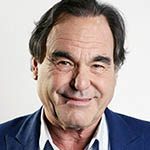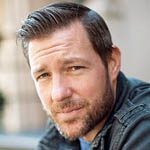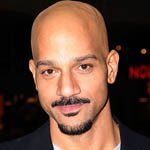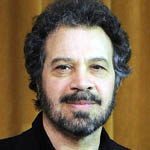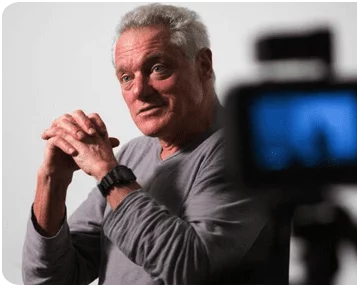
On today’s episode, we welcome David Ash, a filmmaker who proves that creativity and responsibility can coexist. Based in the Twin Cities, Ash has built a life that blends a demanding corporate career, a family of four, and a thriving passion for storytelling through film. With a background in business administration and a full-time job as a treasury director, he is the definition of a weekend warrior — someone who squeezes every possible moment out of his schedule to write, direct, and produce movies. His journey shows that you don’t need to quit your job, move to Hollywood, or have a massive budget to make great films. What you need, according to Ash, is commitment, consistency, and the willingness to learn by doing.
David’s filmmaking journey began not in a studio, but in a contest. After entering a screenwriting competition that brought him to Los Angeles, he realized that while Hollywood admired talent, it rarely offered open doors to outsiders. Instead of waiting for someone to hand him an opportunity, he decided to make his own. He immersed himself in local workshops, learned camera techniques, studied editing, and began working on short films. His first feature-length experiment, Love: A Documentary, was a mockumentary produced for just $800 — a testament to what can be accomplished when creativity is prioritized over resources. That project, humble as it was, gave him the confidence and hands-on experience to take the next step toward more ambitious films.
As his storytelling evolved, Ash developed a style that combined emotional realism with psychological depth. His most acclaimed work, Twin Cities, explores themes of identity, mortality, and redemption through a lens of everyday realism. The film was a turning point — both artistically and personally — showing how powerful stories can emerge from seemingly ordinary lives. With no studio backing, he handled nearly every aspect of production himself, from writing and directing to navigating the complex logistics of filming around work and family obligations. His process may not have been glamorous, but it was deeply fulfilling. For David, filmmaking is less about chasing fame and more about personal expression — an act of discovery that connects his inner world with the outside one.
One of the most inspiring aspects of David’s journey is his practical approach to the creative process. He emphasizes planning and structure but always leaves room for experimentation and intuition. He doesn’t believe in waiting for perfect conditions — because they never come. “If you wait for the right time to make a movie,” he says, “you’ll never make it.” That philosophy has not only driven his filmmaking but also influenced his outlook on life. By treating creativity as a discipline rather than a luxury, he’s managed to produce meaningful work while maintaining balance in his career and home life.
Beyond his own films, David encourages other aspiring filmmakers to start wherever they are. He often mentors local creators and reminds them that filmmaking is more accessible than ever. Affordable digital cameras, editing software, and online resources have eliminated many of the old barriers to entry. What remains, he insists, is the challenge of motivation — the courage to take the first step. His own story is living proof that passion and persistence can turn the impossible into reality.
David Ash represents the new wave of independent filmmakers: grounded, determined, and driven by purpose rather than prestige. His career is a masterclass in making art on your own terms — carving out time, embracing constraints, and never losing sight of the joy of creation. In an industry obsessed with overnight success, he stands as a reminder that the most meaningful journeys are built one weekend at a time.
Right-click here to download the MP3
Alex Ferrari 1:49
Enjoy today's episode with guest host Dave Bullis.
Dave Bullis 1:54
On today's episode, I chat with a filmmaker who actually lives two lives, which I think all of us do because, you know, in the day, we work a day job, and then we make films on the weekends or at night or wherever we can, until we can make movies full time. You know, it's kind of like a side gig or a side hustle or a weekend warrior type thing. So usually, if you're like me, you kind of hide that side you kind of make, you know, I have two linkedins, I have two different Twitters, etc, because you don't want them to bleed into each other, because usually it doesn't end well. My next guest, he actually constantly just goes out and says, Yeah, I make films the weekend. See, I was in the paper, and I also work at this company. So he's kind of like the Iron Man. He know he's just at the end he's, oh, by the way, I'm Iron Man. I do all this stuff, and if you don't like it, whatever, but, but he's embraced it, and it's worked very well for him. We're going to talk about his new movie called Twin Cities, about living a double life. And we're talking about filmmaking and winning writing contests and being flown out to LA and then he saw the frustration not being able to make his own movies because these guys weren't going to make it. We're going to talk about all that stuff. Really cool interview. So without further ado, with guest David Ash.
David Ash 3:01
Yeah long story short, I did well enough one of these creating contests that they brought back to LA to kind of do the LA thing and meet with some producers and stuff like that. And, you know, I really realized from that experience that basically there's no way how they're gonna make my movie. And that became pretty apparent, not that became pretty apparent, not that they didn't like it just wasn't the kind of stuff that they were interested in. So from there, you know, pretty much on the flight from from LA, I decided I wanted to just learn how to make films so that they actually got made, rather than just stacking up on my my shelf here. So, so we have a IFP, I'm not sure if that or not. It's independent feature project, which is a kind of local thing here in the Twin Cities, for filmmaking, photography. And I started taking a lot of classes there. You know, everything had taken filmmaking, screenwriting, directing, you know, editing, lighting, audio, anything they would provide I would, I would take it and just kind of learned it that way. And then, you know, got into one of the classes. I think it was intro to film production, and in the class, we actually had to make a short film. So I made a short film in the class, just using other students in the class. We shot it about two and a half hours. Cost about 15 bucks to make it. And it actually got to some festivals, and, you know, played in a few of these fests, not just here, but, you know, internationally. And that was really kind of the spark for the whole thing. So after that, the actually, the guy that was teaching that class asked me if I wanted to keep making films. I'm like, Yeah, of course I do. So he was actually also the facilities director of the IFP, so we could get our equipment for free. So from there, we just started making short films. I think we made five or six in about a year. This is now probably 1112, years ago. So those did pretty well. Gotten some Fest and such. And then, you know, got a little tired of just making short films. And then I made my first feature about 10 years ago, was a mockumentary called Love a documentary. And we made the whole thing for 800 bucks. But, yeah, I think it would say $1,000 film, if you ask me. But you know, definitely not high budget. But that actually gotten some tests as well. And you know, from there, I've made two, two more, much more, bigger budget films since then, but that was really the short of the whole thing.
Dave Bullis 5:35
So you mentioned you have a degree in business administration, as do I. So it's kind of, it's kind of, it's kind of ironic, because you and I see that's one of the reasons I want to talk to you, because you and I have a very similar path. Because I have a degree in business administration, I thought about going for an MBA, and I said, What the hell am I thinking? And and I decided, you know, I used to work at a college, and they were going to offer me a free masters, and I decided not to go that route. And it wasn't the MBA. There's a couple different options. And I thought, I don't feel like going for two more years of school for a degree that I just don't know if I'm going to fully use. So, you know, but it was, was very similar, though, because during college, I realized that I didn't want to really do go into business or anything like that. So it's, you know, it's just kind of ironic, because, you know, if you got that business degree, you know, and you know, you mentioned that you started taking some screenwriting courses. We know were these, like online seminars.
David Ash 6:34
Now, there's a place here called the it's actually a literary loft. It's a place that offers you just writing classes of all kind. And one was a screenwriting class. It was at night, you know, once a week for probably two months. It wasn't anything huge, and that was really the only screenwriting class I had, but it was, it really helped to kind of understand the mechanics of the film, you know, writing works and such. So that was, that was how I got started screenwriting, as far as the educational part of it.
Dave Bullis 7:00
So, so when you did take that course, you know, what, like, what were some of the things that, really, you know, stood out for, for you for taking that course,
David Ash 7:09
You know, I think the first thing was, you know, script, I shouldn't be 400 pages. I think that was a good learning, you know, because I was just writing and writing, and the teachers like, you know, you got to pair this thing down quite a bit. We can't have, you know, 50 pages of just dialog in a row. It was just kind of learning film language and, you know, three act structure, all that kind of good stuff. So I was really a babe in the woods before I took that class. And then I've kind of learned more as I've done it since then. But it was really just the basics, and then, you know, earning your, you know, your ending, that kind of thing. I was kind of big thing with that instructor. But that was really just the start of, I think I've learned a lot since then, just doing the screenwriting, the filmmaking, but that was the first time I actually had understood you couldn't just write four or 500 pages and call that a film, right?
Dave Bullis 8:01
Yeah, and definitely. And just to go along with that, it's also about, you know, writing a scene. What makes a scene, putting all those together, actually, making sure the screenplay actually, you know, works. And it's not just basically a collection of, you know, someone's day as they sort of just go through the minutia, you know, is, I mean, because you you knew writing going into this so you, I'm sure you knew about tension and building characters already, right?
David Ash 8:29
Yeah, but yeah, I mean, not, not in the form of filmmaking, though I kind of, you know, I knew it for the literary side of things. And, you know, the biggest thing just was, for me, it was learning that, you know you can do in film with, you know, three or four lines and the right shots, what you would normally do in three or four pages in a book, for example, and just paring everything down to and something I'm still learning, I'll put everything down to just exactly what you need, nothing more. So that takes a long time to learn. If you're not used to that, you want to just kind of expound on everything ad nauseam, which I learned very quickly, was not the way to go about it.
Dave Bullis 9:05
Yeah, very true, yeah, you know. And what I was just getting at was, you know, just about coming to building characters, you know, like character descriptions and stuff like that, obviously, you know, you can't put in, like Netflix Fitzgerald prose, where, you know, he describes the curtains or whatever, you know, for a couple pages. But, you know, it's about economy of words. So, you know, if it was all over, did you actually have a, you know, a 90 or 100 page screenplay?
David Ash 9:31
Yeah, I think I got it down to maybe 21, 30. You know, that was the script I used to kind of get into the contest and and such. And you know, some of those contests, if you do well enough, they give you, like, free feedback. So that was a good learning as well. And you know, for me, the biggest thing that helped me with screenwriting was just having to actually make the damn things myself right, because then you realize if you're making these kind of amateur mistakes, once you get on the set, you know it's your responsibility to make it in a film, and you learn very quickly. You know, when you're directing, what you're what you're writing, that the script has to be something that's directable, so that just kind of diving in and starting to make films after I had, you know, just only written a few scripts, was definitely the best education I had, you know, in my whole career, was just go ahead and doing it and getting progressively better at understanding what a script should should do and how it should look, in terms of, you know, building scenes and such, and you can't replace just having to do it yourself, I think any kind of film, film school or class. So that's my biggest advice to filmmakers and folks wanting to film like he's always, you know, don't, don't necessarily go to film school. Just, you know, start making a film even it's going to suck and it will suck. You know, the first day will definitely suck, but you have to just kind of learn by doing otherwise. You know, you're not going to quite internalize what you need to internalize in terms of how it's actually done.
Dave Bullis 11:11
Yeah, it's kind of like what Rob Rodriguez says. You know, basically you have, like, a bunch of bad movies in you, and you have to get them out as soon as possible.
David Ash 11:19
Absolutely true. Yeah, I still, if you probably haven't gotten out yet, but we're getting there, you know, depending how you talk to I think we're gotten most of them out.
Dave Bullis 11:27
Yeah, I found the key is, is to just when you're first starting out, especially is to aim low. And what I mean by that is, don't say like, Hey, listen, I'm gonna go out this weekend. I'm gonna, I'm gonna shoot a short film for 10 grand, and we're gonna have blood and squibs and, you know, blanks and everything else, and we need, I mean, I think that's where just a lot of filmmakers tend to shoot themselves in the foot.
David Ash 11:52
Yeah, that's absolutely true. I've said that before in similar kind of interviews and panels about, you know, you wonder if you're having to make what you write, you realize very quickly that you have to write to what you can make, right? You have to write something you can actually shoot. And I, you know, I learned that pretty early on. I made a short film. I want to get into it, but it was just a effing nightmare because I fell in love with the script and then trying to make it became just a vortex of pain and agony for everyone involved for a very long time. And I was like, you know, I'm never again going to write a script that I can't actually make very, you know, reasonably underneath the budget that I've got. Otherwise it's just pointless and just leads to a lot of frustration and people hating you.
Dave Bullis 12:40
Yeah, that's very true. But I think we all have those stories, you know, Dave, I think we all those stories where we tried to do something a little too much too quickly, and it ended up, you know, we kind of brought some people down with us. I made a short film one time that literally everything that could go wrong went wrong. And finally we were like, This was after the whole day, everything was going wrong, right? And we had to go outside to shoot this one scene. And I thought, mate, hey, listen, you know what? This can't go wrong, right? This cannot go wrong, Dave, I shit you not. It starts pouring rain like you didn't believe and I said to myself, I go this. This can't be happening. Like, I have to be in bed dreaming that this is all just happening and I'm gonna wake up. But no, it's, it was real life. Unfortunately, I just, I ended up shortly then after that, the director of cinematography actually just like vanished, and I couldn't find and I was like, What the hell. And so I and just, you know, just to surmise that whole story, I actually met him or reconnect with him, probably a few years ago, and I actually asked him, I said, Did I do something? Was it that day that did it? And he goes, Well, that day was bad. He goes, but the whole but he's like, the whole reason was, and there was a whole other reason that was going on in his personal life that thankfully had nothing to do with me. I didn't want to be responsible for this guy quitting film.
David Ash 14:08
Yeah, well, it's good to talk to him. Otherwise, your whole life, thought he hated you. So that's just good,
Dave Bullis 14:09
No, but you mentioned your short film that when everything went wrong. And, you know, again, I think we all have those. And so as you you know, started to go through, you know, deciding to make, you know, more films, you know, you worked a day job at the same time.
David Ash 14:27
Yeah, I always have that's, that's kind of, I think the unique thing about what I do is that, yeah, I didn't just, you know, go into writing. After I got the NBA, actually went into business, and I've, this is probably 20 years ago. Graduate from grad school and been in corporate finance ever since. So, yeah, I'm currently a executive lab here in St Paul. And, you know, that's a pretty evolving gig. You know, probably 5060, hours a week on that side of things. I've got. For kids, ages 13 through 17, that is a little consuming, pretty much all the time. And then, yeah, then doing the film stuff on top of that. So it's really been, you know, just trying to find a way to do it and just doing it. You know, it's no real easy explanation for, you know, making six short films or three pictures the last 13 years, other than just willing yourself to do it, because it's, you got to love it or you won't, you won't do it, I guess is the easiest thing I'd say. But it's, it's not for everybody. But I think I have a pretty good example of, you know, if you want to make a film, get into filmmaking. You know, I mentioned some of the budgets that I worked on were pretty much peanuts. And you really don't have an excuse for at least not trying it, given the way the technology is now and how you can make a film for cheap. And you just kind of do it when you have time. And, you know, I think, if nothing else, my story is something that hopefully can inspire folks to just, you know, not say I can't do this because I've got a day job and I've got a family and I've got everything else in my life. Because, you know, if I were waiting for that stuff to not be around, I would never made a film. So I'm glad I've done it. It's kind of exhausting sometimes, but it's also gives you energy, because it makes you, you know, want to get up and keep keep pushing at it. So I'll keep doing it. You know, it's something I love to do.
Dave Bullis 16:31
So I wanted to ask, what, when? So does he ever come back? Does it ever sort of, so, what I mean by that is, Do people ever like search for you online, and they'll say, Hey, Dave, is this you? Or something like that, where you're well, because at work, I imagine that happens because, I mean, imagine people are because, you know, you're the Treasury director, and I imagine you probably, you know, people look you up on LinkedIn or what have you, and I'm sure they're probably like, Hey, Dave, is this you in the local paper, or whatever?
David Ash 17:01
Yeah, yeah, it happens a lot. I mean, it it really started happening last fall. We did our most recent feature. Twin Cities actually had its local premiere here in October. And as part of that, there was big feature stories in both the the Minneapolis paper as well as the St Paul paper in consecutive Sundays. And that kind of reaches pretty much everybody in the state that reads, you know. So there was a lot of that, you know, at work on Monday, like, Wow, I did not. He did this because I don't talk about it at work, and I don't really, it's not something that a lot of folks are he doesn't, doesn't doesn't come up in a lot of meetings about finance and accounting. Let's put that way. But yeah, folks definitely at that point were very supportive and very interested, but also very shocked that I was doing this on the side, in addition to, you know, being a treasury director for E collab. So it's most people think it's great. Some people were just like, What the fuck are you doing? You know, but overall, most positive,
Dave Bullis 18:06
Yeah, I was expecting that a lot of people would be like, Oh, hey, Dave, you know, why are you doing this and this? Or maybe even saying, because, I mean that that's happened to it to a lot of different people on this podcast, where they've worked a day job, and, you know, they worked, you know, what the hell. But did anybody ever come up to you and like, pitch like, hey, you know, I have a friend or daughter or cousin that wants to be in movies?
David Ash 18:29
Yeah. I mean, I I get that more like when I do some panels now and then, I always have one personal kind of, sheepishly walk up to me. I had one not too long ago, and it was her husband always wanted to write a screenplay, and we meet with them, and, you know, basically be his mentor. I I'll talk to him. I'm not going to, you know, going to readjust my life for his film career. But that's, that's something that's pretty common there, and then that work. It's more like, Hey, I once knew a person that wrote a book, and that's pretty cool, too. And, you know, there's not many filmmakers in corporate finance, I would just say, as a rule, but everyone knows somebody that does something sort of similar, and they want to talk to you about which I think is great, you know. But yeah, I've had that experience quite a bit actually.
Dave Bullis 19:15
So have you ever actually met with somebody? So if somebody has ever requested it, like, Hey, Dave, will you just meet my husband, wife or whatever? Have you ever actually sat down and met somebody?
David Ash 19:34
I'm probably not, probably always figure out a way out of it. Nothing's going to mind. I I'll have a drink with somebody, like, after a film panel and that kind of thing, and, but nothing like formal like, hey, please show me how to do what you've been doing. But I'm always, I usually just gonna send some links to some stuff and, and given contact with the IFP here, which is a great place, like, I got started, to get started and throw them that way, because they got all the classes there to get involved and all that. But yeah, I don't generally do a lot of one to one mentoring, I guess I'd say,
Dave Bullis 20:17
Yes, I noticed that comes up a lot too. Is the whole like, Hey, would you mind meeting somebody? I agreed to it one time, and I think the the person I met was had a different idea of what screenwriting was or is. Basically, I just started talking about screenwriting theory. I said, you know, what are your questions? What do you have? What do you want to know? And I did this for a friend. You know, this is kind of like a professional acquaintance, slash kind of sort of a friend, if you know what I mean. And I met with her and went with her daughter, and I her daughter, I think was just kind of a little taken aback, and didn't really have any questions. I think she was kind of expecting me to like, Hey, here's the key to all of this, and this is what unlocks all the doors,
David Ash 21:01
Right! Yeah, that's what folks, generally, I've talked to think as well, is that you can just kind of, like, to the extent I've talked to folks, but then when I do, it's generally like, you know, when you know, send me an email with how you did this, right? And it's like, well, it kind of takes 1214, years of work to kind of work to kind of get even to where I'm at, which is not exactly, you know, big budgets, big budget land, but yeah, it's folks think it's just something you just kind of write down on a piece of paper and you to somebody, you know,
Dave Bullis 21:34
Yes, and, and I once was out of writing a seminar slash pitch event, and this mutual friend of mine, you know, came walk up to me and said to me, you know, hey, Dave, I want you to meet somebody. And this guy, he was wanting to get into screenwriting. And every question was about basically money. Was like, do they still give people million dollar contracts this and that? I'm like, What do you care? You've been written anything like they could give them $10 billion what does it matter to you? Does it matter to you?
David Ash 22:03
Yeah, yeah. It said, yeah. Good thing to know about filmmaking is like, yeah. I think about half percent actually make a pretty good living at it. And the other 99.5 are just, you know, doing it because they love it, honestly. And most folks don't realize that, you know, they watch the Oscars, like, a few days ago. And I think that you're making film. That you're making films, you must be rolling and rolling in it. That's pretty much the opposite. You just have to do it and love it, and hopefully something comes through at some point. But otherwise, you know, I, I haven't made a ton of money, and I'm happy with what I've done. So, you know, that's usually the end result of this kind of stuff.
Dave Bullis 22:42
Yeah, yeah, right. And so, so just continue on with your with your journey, you know, after you, you know, we were told we before we get to Twin Cities, you know, I just want to ask you about any of the other short films. You know, before we talk about Twin Cities, is there anything else that that's sort of really like you wanted to, sort of like talk about, or discuss, to focus on, just because, you know, usually the short films, as you know, Dave, are kind of like the setup for a feature film.
David Ash 23:04
Yeah, it's a great way to get started. I would definitely recommend doing shorts. I've gone some filmmakers that just go directly into features, and I don't think that's the way to go. I mean, a lot of these shorts were five to 10 minutes, you know, some of them were like 50 bucks. But, you know, they all played a small to medium sized festivals, which is great, but I would definitely go that route. I think I would have not probably done any differently than i i did it if I had to do it over again, which was make five, five or six shorts, and then kind of get your your voice and what you want to do with film dialed in before you tackle a feature. So, you know, I would say, you know, do that and then put it online. You know, you're, you're not going to find a more ruthless audience than putting something on YouTube. So that's a good indoctrination to, you know, film criticism for you, because the comments there will, if you can, if you can stomach that, then you can probably sound like making a feature film, because that's, that's a great proving ground, I think, is getting on YouTube and getting some clicks. We did have one that went pretty viral, a couple 100,000 I think, pretty quickly, and it was very politically oriented. And that's one thing I learned about, you know, that kind of, you know, getting short films out there is a bit politically oriented that it seems that folks were really ready to jump in on one side or the other on it. And that was definitely the most, the biggest short film we had was, was what had a pretty, pretty hard liberal bent to it. And you could get all of the, all the Trump, Trumpsters and such out of the woodwork to really, you know, share with their friends because they hate it so much, or vice versa. And, you know, I guess I'm trying to say, if you want clicks, make it politically oriented on one side of the other. And that's kind of the milieu right now. And online is political stuff. If that folks just want to either attack it vociferously and send their friends who they hate it, or send their friends they love it. But that was my experience with short filmmaking. Was that we made some films I thought were much better, but they didn't have anywhere near the traction of that.
Dave Bullis 25:11
And that was the Obamacare website explanation, right?
David Ash 25:17
No, it was actually not that one, that one, that one was out there too, but it was about, it was about a father talking to a son, and the father was very hardcore right wing, and the son was very liberal, and kind of setting him straight as they went along the path there. And we did it for actually a political action group called Live liberal, and they asked us to make the short films myself and this other guy that I mentioned that got me into filmmaking, and we did it just for them, and then just kind of took off from there. But, yeah, the Obama thing was also pretty political, but this one was very at a very defined point of view, which really kind of set some folks off, which was fine with me.
Dave Bullis 26:03
I mean, well, you're at least invoking some kind of emotion, right? I know that's what we're after, right?
David Ash 26:09
Yeah, exactly. Yeah, for sure.
Dave Bullis 26:12
So, you know, with the Obamacare website explanation, I haven't actually seen that, and I actually saw that, and I was like, did he make a video for about the Obamacare website? Because I know it's possible, but then, you know, I imagine it was probably, you know, like a parody video,
David Ash 26:26
Yeah, that was basically that was going back a few years. That was when Obama, the website, if you recall, didn't exactly set the world on fire, and they had a ton of problems with it. So he had this kind of Obama fam. It was very earnest, kind of Rose Garden explanation for all the things that have gone wrong with it and why that was okay and it was still going to be great. And what i did was i Subtitled that with what he was actually trying to say, which was, of course, heavily satirized, and that kind of thing. So it was, you know, I set myself a liberal, but that was pretty much making fun of Obama, which went the other way as the other short film. So I'll say that if you want to check it out, but that did not know as much any clicks as the one that pissed off the Republicans.
Dave Bullis 27:17
So, so once you actually started, you know, you know, making these short films, you know, making them for, you know, 50, 80, 100 bucks. You mentioned you made a another film for 1000 the feature film for 1000 you know, you know. So what was the, you know, the impetus there, you know, did you start with the budget, or did you sort of write it and say, you know, hey, look, it's only gonna cost 1000 to make this.
David Ash 27:41
No, it actually, that would actually start as a short film. And it was the whole setup was, was cheap to begin with. It was basically a mockumentary about a guy who, you know, worked in an office, and he thought that God had come to him and implored him to spread love and joy throughout the world. So it was this kind of found footage, type of Doc about this guy and his, you know, very jaded co workers, and, you know, kind of played off the tension between that so you had kind of scenes of this person talking, which actually was played by myself, and then scenes of things just going horribly wrong in the office as he tried to kind of impart this spiritual journey he was on, and we shot it actually at IFP, using the equipment from IFP, and, you know, some actually professional actors, believe it or not, from the area, they were willing to do it for, you know, pizza and Diet Coke. And it was literally like 800 bucks for 83 minute feature film, which, again, Cindy, if you want to watch it or link to your podcast listeners. And it actually played at some festivals and did very well, won award. And it was, you know, people either loved it or hated it, and those that loved it really loved it, and those that hate it really hate it. But it was, it was really proving for me that I actually could make a feature film. And until then, it was just kind of something that other people did. And, you know, we started with the short film, and I just keep writing more and more pages along the lines of this story. And before we knew we had 40 or 50 minutes, I'm like, Well, if it's gonna be that long, let's make it a feature. And we just flew it out to a full arc of a film, I think, was 83 minutes in total, and just did it on, you know, literally less than 1000 bucks.
Dave Bullis 29:23
And, you know, once you actually were able to shoot this, you know, what, what locations were you like using? Did you use, you know, did you, I mean, do you ever while, while I'm thinking of it, I'll kind of shoot myself with another question, do you ever, do you ever shoot at your office? I mean, obviously, if you answer that, you don't have to. But if that's like the secret.
David Ash 29:41
But no, we not at my office, but we shot at for both, a couple scenes in Twin Cities and a couple scenes in 2021 my second feature, we shot at my wife's office, which is was Minnesota Public Radio. So they, they were very, you know, accommodating that kind of endeavor, and they let us shoot there for free. And it was great. So I we shot in an office just online for the last, the last two pictures.
Dave Bullis 30:24
So they just basically, do they ask you, like, anything like the usual two questions are, is there nudity and is there blood? That's, every time I've walked up to locations, that is the two questions, is there violence, like blood, or is there nudity and and usually the answer is, yes, no.
David Ash 30:43
There's actually a no on both those accounts for us, even better, even better. But they didn't ask. We could have done that. I should have probably thrown that in there, you know. So no, no duty or violence. But not because we couldn't.
Dave Bullis 30:57
It's usually when, when you when you're asking those things they do. They ask you about insurance.
David Ash 30:57
They were just incredibly relaxed about the whole thing. No, they didn't ask shit. It was just kind of like, we're gonna come in on a Saturday and we're gonna shoot from, you know, eight to five. And, you know, my wife came with me, because she works there, and didn't really ask any questions. They were, they thought it was great. So I think that's you got to really be careful. You choose. I don't think my E collab would have been that way where I work. So they were just like, hey, just go ahead and do it.
Dave Bullis 31:30
So got lucky, very lucky, my friend. See, that's the thing, man, when you have a connect there and you're able to come in professional and also, you know, you're still in an area where, hey, filmmaking is, you know, people have been beat over the head with it, like a sack of oranges. You're kind of like, hey, look, you know, it's still cool and neat. And, you know, Dave's wife works here and this and that, you know, because, because, you know, they always say in LA and New York, as soon as we ask the film somewhere, it becomes, like a huge pain in the ass. And they're like, another thing must have, you know what I mean. And it just, it doesn't have that that cool cache anymore. So Philly was kind of like that for a while. Now it's back up to be like, Hey, you're doing something. Are Awesome. I want to help you out, but those are the things that for all the listeners I keep harping on about locations. It's the blood Gore, the violence, the nudity. They sometimes ask about insurance. I mean, you can always sign waivers, but, I mean, if they allow you just to like, hey, look, you know, we trust you and you're not gonna do anything crazy. You know that that you can't beat that. It's amazing.
David Ash 32:29
Yeah, that was actually probably the easiest location we had. I mean, we had some that were not, not easy. We shot a day at a hospital, er parking lot, and it was, I didn't have this. I didn't have permission for it. We got permission for everything else, but we were going to get it, but we needed this very key scene, which is actually the last scene in the film. And we shot pretty much an entire day, and it was all an interior of of of my SUV. And about halfway through, they came out with security, and they said, you know, what? What the fuck are you doing here, basically. And I'm not sure what, what words I strung together to get them to go away, but somehow I did it, and we just kept shooting. And it, you know, day turn to night, and they finally came out with more security dudes and probably some firearms and and such. And they're like, Okay, whatever you're gonna tell us, it's not gonna work. You need to get the hell out of here. And fortunately, we were done except for one shot, so we went to a different parking lot where we could just do the exterior shot and and patch together and work perfectly. But that was probably the most stressful day of shooting I've ever had, because you had, you know, er, parking lot and kind of swarming security guards, and I knew we had, we probably couldn't shoot anywhere else and get the same kind of shot, and we had to have the scene to make the film work. So, you know, I wouldn't recommend that, but we did it.
Dave Bullis 34:05
So lesson learned. Well, you know that that's amazing, that you were able to get them go away the first time.
David Ash 34:11
Yeah, I recall what I said. I probably pulled some, I have no idea, pulled my butt. I can, could not tell you, but they, I think they just scratched their heads and left, and we just Okay, let's keep shooting. And we powered through. And we've had, you know, I've had a few similar shoots like that, where you're just really on a tight deadline, but they always know you're, you're that you're supposed to be there. But this was one where we just said, Fuck it. We're just gonna do it, even though we're not supposed to be there. And, you know, it's in the film so it works out.
Dave Bullis 34:43
You, I mean, like, literally, you guys just rolled up into that hospital parking lot and, like, it was shoot here.
David Ash 34:48
Yeah, they had, I just got, like, I got having eight or nine other er parking lots, and I wanted something that where we could, it's hard to describe. I want a certain. Shot, and I wanted to have, like, the emergency parking lot sign in the background, and to make it all kind of come together. And it was the only parking lot I could find that works. I really wanted to shoot there. I didn't think we'd have a shot in hell if we asked. So we just kind of just did it, you know.
Dave Bullis 35:22
And that's gorilla filmmaking, right? You got to just, you just got to go out there and do it, you know, I imagine. And I'm just gonna just, just food for thought, Dave, I'm gonna imagine that. When they probably approached you, they probably said, Are you guys supposed to be here or something like that? And you probably said, oh, yeah, yeah, we're just finishing up and this and that. And they probably went away. They go check, because I've seen that happen before. They're like, Oh, are you guys supposed to be here? Yes. And then by the time they get back, you either gone or they forgotten, or they don't care anymore. They to even pass it up the line and and, but it seems like that time they actually did. They actually was probably.
David Ash 35:57
Three or four hours later. That's a thing I knew there. If they're gonna go check, I think it was kind of like, well, these guys will leave pretty soon. Anyway, we'll let this one go, but we're out there four or five hours later. They're probably okay. This is not cool. So I'm not, I can't say I'm proud of that, but it turned out great, you know? And that's, that's, that's the non Hollywood filmmaking right there.
Dave Bullis 36:23
Yeah, it's the true indie film, spirit, man, my friend, it's, that's what that is. That's what you got to do. You got to, you got to steal locations at times. And that's, you know, I once, I was talking to Scott McMahon, who runs film Trooper, and I told him, I said, I think that's the number one problem for most filmmakers, is getting locations. And I honestly, I often said, you know, be a great idea. It could never work. But here's my idea, Dave, a it's like a hub, kind of like Facebook, where you could friend another filmmaker. And let's say, you know, you you and I both lived and let's just say Boise Idaho, well, I have film connections. And, you know, you have film connections. Well, we could sort of put up the put up on a poster or whatever. Hey, look. This is who I know at this hospital. This is what they did. They let me shoot here. You know what I mean? Like, obviously you wouldn't do it to your for your own house, unless you were insane. But you know, if they, if you what, they will let you shoot somewhere. Like, hey, this is an abandoned house. This is how I got to shoot there. Blah, blah. And that's basically, it almost become, like this collage of sorts of city by city of all the places where you could, where you could shoot, and that are, that are friend friendly to filmmakers.
David Ash 37:34
Oh, that's a great idea. Yeah, that's, you know, someone we got through the film war. They would post locations online, and you'd call the film or say, hey, look that that's a film friendly place. And they would always say, Yes, but I love your idea. I mean anything like that, because it's very daunting when you start on indie film to not know where you can shoot it. And you know, when you don't have a lot of cash to give these guys to shoot, you're really just kind of begging, which I've done a lot of, but you kind of just kind of learn how to what they want to hear, you know. Like I said, insurance. We generally do get insurance and waivers, all that kind of stuff, you know. And you figure out, you know what, what to say to get the location and but every location I think I've had even, you know, where we're supposed to be, it's, it's super stressful, because usually it's, in my case, it's been, you know, a bar that opens at 11 for lunch. So you've got, like, four in the morning till 1130 and then you got to get in six pages or something. And every single location shoot I've been on, besides my wife's office, it's been that kind of pressure, and that's because comes with the territory, I think, you know, that's again, the non Hollywood filmmaking, that you just somehow make it work, right?
Dave Bullis 38:49
Yeah, exactly, because I, and I've been there before too, man, where I've shown up on a Saturday morning at like, six or 7am and they're like, Oh yeah, well, we're gonna open today at one or whatever. And you're like, All right, well, here we go. Let's get let's get rolling with this bad boy. And so, I mean, and I've been there, man, where people don't show up, you know, people show up late, or ultra late. I mean, I, you know, at some point I should just do a podcast, one episode, where I just tell stories, but all the other horror stories I have, but I remember. I mean, some of these were people would show up, not at all, and you're sitting there calling them, and they're like, Oh, I forgot today was the thing. And I'm like, Well, I sent you 10,000 emails. How the hell did you fit this?
David Ash 39:32
Yeah, that's that is the the most you can count on. That more than else in any film. I guess somebody's not gonna show up or show up late. And you know that that's that's a given. I mean, Twin Cities another kind of example of working around stuff. Have you seen the film or not? But the lead character, the lead character, Emily, is played by Bethany Ford Binkley, and she's awesome.But she was actually had like a five month old kid when we were shooting, so she'd sometimes have to bring her baby on set, and it would use a nanny there for but we'd be through halfway through a really intense scene, it's going, well, the baby start crying. And that would be done to that. And those were a few shoots like that. So it was always something. It is always something when you're working on this kind of level of filmmaking, and you just kind of have to not get frustrated and just, you know, work around it somehow. But, yeah, it's everything in the kitchen sink for every, every, every shoot that I've been on at this level.
Dave Bullis 40:50
Yeah, you mentioned Twin Cities, and I wanted to ask you about that film now, because that's, you know, I know you actually debuted that film, and, you know, it's been playing in a few festivals. So I wanted to ask, you know, if you could just go take us through the film, you know, give us a log line, if you could?
David Ash 41:08
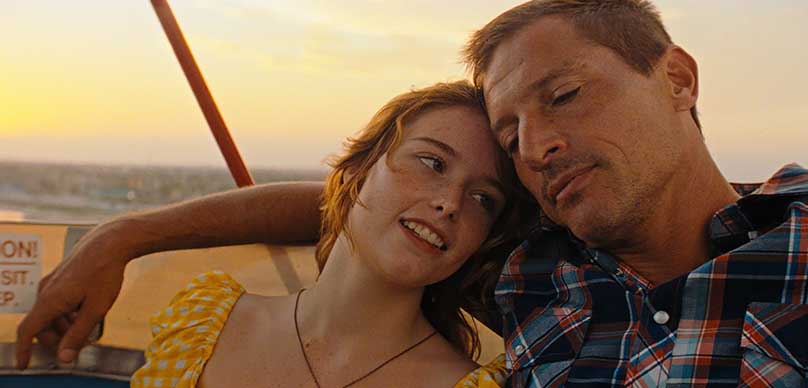
Yeah. So it's actually a sequel to 2021 my second feature film, but it's a very kind of spiritual sequel, versus like a traditional sequel, but it picks up four years later with these lead characters, John, Emily, and they're married now. And the elite character, Emily, as I mentioned, she's actually pregnant. Someone's pregnant with their first kid. And that kind of sends the husband, John into a tailspin. And you know, things are really falling apart, and looks like it's all going to kind of turn a shit for for the couple and their lives. And he gets his cancer diagnosis, which shakes him out of his his downward spiral, and sets him on kind of a new course in life, to make amends with his wife, and to kind of find his God and go on this sort of spiritual journey to find himself. And that's the basic side of the film. There is about halfway through a very, I would say, extreme twist, which I generally don't give away, in case folks want to see the film. But it really, from that point on, becomes a much different kind of film, in terms of, I would say, a different kind of film, but the plot kind of turns on its head and becomes a sort of a more reflective type of narrative structure. That is really the reason why it's called Twin Cities, besides the fact I live here, it's, it's got a kind of dualistic narrative that plays out after this very jarring twist to the plot. And it, you know, it kind of gets bananas from there at that point. So that's probably as much I can tell you without spoiling the whole damn thing. But that's, that's the basic setup of the film.
Dave Bullis 43:01
And so, you know, once you actually wrote the screenplay for this, Dave, you know, how did you go about raising the funds to actually shoot this? Did you sell finance this movie?
David Ash 43:10
Most of it, yeah. I mean, generally, what I've done is I just put my annual bonus my job. And I, you know, I just put my bonus in it when I'm making a film. And I never really use my actual paycheck for filmmaking. So you know, for this one, I used a couple bonuses, and I used, I got a snow bait from the Minnesota Film Board. They they paid for a good chunk of it through their rebate program, which is really an incentive to to film in Minnesota. And that was that was very helpful as well.
Dave Bullis 43:47
So when you told your wife you wanted to make a film with the bonus, did she just? Did you think you were crazy or, or she used to it like, oh, okay, David,
David Ash 43:58
Yeah, no, she's been great. I mean, she's got kind of her own artistic endeavors, so it kind of humans out. I won't go into that, but it kind of, we both have this sort of side thing. We do our job. She's a HR director, and has her own kind of career, but then she also does a lot of artistic stuff on the side that balances out what I do. So we're very accounting with each other, like, you know, hey, I want to, you know, spend some cash on this thing that I really am passionate about. And it really wasn't very hard to sell. I did the same thing for a second film, and she was around for that as well. So it, I think it'd be different if I was saying, Well, look, you know, we're gonna have trouble maybe making mortgage now, because I use my paycheck for this, the fact that's really just my bonus, it's kind of like, well, it's found one anyway, and, you know, go for it. So she's been great, honestly, not kind of the opposite of what you might expect, but she's been fantastic about the whole thing,
Dave Bullis 44:53
Yeah, and, you know, that's good that, you know, she's supportive of this, and so we're. Can be able to find out more about Twin Cities.
David Ash 45:03
Yeah, so website is just Twin Cities, the film.com We've got our trailer on there, a ton of stuff, you know, clips from the film, synopsis, a bunch of reviews for the film. We've actually got, I think, really great reviews for the film. So it's a lot of that on there, cast and crew bios. You know, all the, all the stuff you'd want on a website. More is on there,
Dave Bullis 45:27
And I will link to that in the show notes but Dave, just, just in closing, you know, I wanted to ask, is there anything we get a chance to talk about that you want to just to say right now? Anything want to discuss right now or, or maybe it's just something you want to say to put a period at the end of this whole conversation?
David Ash 45:44
Um, yeah, I guess. Well, two things. I mean, first of all, what I'm working on now, I've been working on a TV series since we finished Twin Cities production about a year, year and a half ago. So that's kind of my next thing. So I'm, you know, you know, doing press for the film, but also kind of trying to, you know, generate some possible interest in in this. I think it's gonna be a nine episode, first season series I'm working on that hopefully we'll get some external financing for and not use my bonus for that. So that's the first thing, is just kind of throwing that out there, that that's sort of my next project, and I'm really excited about it. Yeah, beyond that, I think, you know, you know, I think what's interesting about my story, probably the reason I'd be honest, is because I've got this whole other life besides filmmaking. So, you know, I do try to encourage folks that want to get into filmmaking, but think that they can't because they've got this, you know, very consuming day job or anything else in life that think is is not gonna let it happen, that that's possible. And you really just need to start and just do it, you know. Rather than you know, think about doing it, or reading books about doing it and and such. If you want to make it into filming, I would say, you know, start with a two minute film. And whatever money you have for, if it's a $10.10 bucks you got laying around, make a $10.02 minute film. You got 100 bucks. Me 100 film. But, you know, just encourage folks to, if they've always wanted to get into filmmaking, just do it. And if you go to my website and go to the contact page, I think that goes directly to my email. If you are interested this kind of thing, you want to kind of know more about how I've, you know, been making this kind of life work with filmmaking and everything else you know, definitely email me and I can help you out as much as I can. But that's, that's the big thing I want to get across as well to your audience, is that, you know, trying to encourage folks to to get into filmmaking that maybe are not sure if they they can or have the time to do it.
Dave Bullis 47:43
Yeah! Just don't ask you for mentorships, right? Like, don't ask to take you meet somebody.
David Ash 47:48
Yeah, I was probably, it was probably overly, you know, whatever about that, but I, I'm happy to impart whatever advice I have. But, yeah, I can't do a full time mentorship at this point, unfortunately, but maybe someday that'll be part of the mix. But right now, it's not
Dave Bullis 48:04
What you know. It's like I say Dave, when any, anybody who listens to this podcast or what have you asked to meet me for coffee or to meet me, meet me for coffee, or what have you and or whatever, I always say this. I said it's pointless. If you shot me an email, it would, it would do you 10 times the benefit than meeting me for coffee, right? Because we both have to drive out there. Gotta find parking. It's gonna be crowded, it's gonna be loud. And what, you know, if you, if you send an email, it's, you know, you could do it from anywhere. You do it on your way to work or whatever, and you get a lot more from it, you know, maybe not in the short, short run, but over the long run, if you just keep going back and forth, it's a lot it's worth a lot more. Maybe even one email in general is worth a lot more, because you could actually just detail things out, and then you also have a written transcription almost of what the meeting would have been. I just have never or the second part is, you know, just meet me at an event. You know, if I'm ever at one of these events, the events, the blacklist Philly, I might end up going to one of their events. I'm not sure, though I haven't, I don't know. I'm kind of networked event out, Dave, I don't know if you are, but I'm just like, people invite me all the time to these things. And I'm like, You know what? I've done a ton of them when I when I was just starting out, and I got burned out of them real quick, and I haven't been back since. You know, it's just, I just sometimes feel it's a lot of, you know, I was once, I'm part of a screenwriting group, and every meeting, we had a new batch of people come in, right? So it was always like bringing people up to speed about what screenwriting is. And then it'd be like February, and then by the end of, middle of summer, like, yeah, we've had 50, 60, 70, people come through here, but we we have never gotten past like teaching the basis of screenwriting, right?
David Ash 49:48
Yeah, I hear you, man.
Dave Bullis 50:00
So, Dave, where can we find you out online?
David Ash 50:05
I think the best place to start is that twincitiesthefilm.com I've put most everything I'm on working on in terms of the film. I should say most everything from the film was on there. I haven't done a work study yet for the series I'm working on that's going to come at some point. If you want to go to the website for my second film, 2021 and it's 2021thefilm.com, if you want to see that film, we actually got distribution for that film, and it's on Amazon Prime. You know they can see that for free. If you have Amazon Prime, just go to 2021 put that in search engine for Amazon. It should take you to the film. We got distribution for twin cities as well. So that'll be on Amazon later this year, and hopefully a few other paper places besides Amazon. So hopefully that'll be out there. You know, by fall, I'm guessing, yeah, beyond that, you know, you know, if you want to shoot me email, it's [email protected] Happy to to, you know, tell you whatever, whatever I know. I'm happy to to send them along as well. So that'll get started. But again, if you go to twincitiesthefilm.com, I've got, probably most of my stuff is, on, on that page that websites. It's a pretty, pretty stock site at this point.
Dave Bullis 51:26
Cool, Dave, it's been so great having you on, man. And yeah, I look forward to checking out your your stuff. Man. Again, we have a very similar path. That's why I wanted to have you on. And again, best of luck to you, my friend, and I will talk to you very soon.
David Ash 51:40
Yeah, thanks so much for having me on. I really, really appreciate it. So thanks a lot.
Sign up to receive email updates
Enter your name and email address below and I'll send you periodic updates about the podcast.
LINKS
- Twin Cities the film – Official Site
SPONSORS
- Bulletproof Script Coverage – Get Your Screenplay Read by Hollywood Professionals
- Audible – Get a Free Filmmaking or Screenwriting Audiobook