On today’s episode, we welcome Bob Saenz, a working screenwriter and actor whose career quietly dismantles many of the myths surrounding Hollywood success. Bob has written big-budget studio projects, indie features, and multiple Hallmark movies, while also building a long acting career that includes Zodiac, Nash Bridges, and voice work as the iconic villain in the Syphon Filter video game series. What makes Bob’s journey compelling isn’t flash—it’s longevity, adaptability, and a deep respect for story.
Bob’s career began as an actor in the San Francisco Bay Area, where he spent years performing in theater before making a conscious decision to balance family life with creative ambition. Rather than chasing the traditional Los Angeles path, he built his career largely outside of LA, commuting when needed and proving that proximity matters far less than preparation. His years on Nash Bridges became what he calls “the Don Johnson film school,” where he absorbed everything he could about directing, cinematography, sound, and production by simply asking to learn.
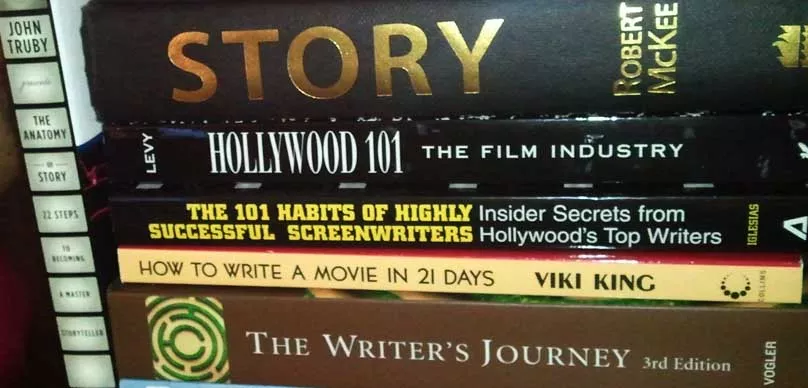
That on-set education shaped Bob’s writing philosophy. He believes that the only thing that truly matters in a screenplay—especially a spec—is story. Not structure formulas. Not screenwriting “rules.” Story. He openly admits he’s never read a screenwriting book, instead learning by reading produced scripts, watching films, and studying what doesn’t work as much as what does. In his words, many scripts fail because writers force stories into rigid templates instead of letting the narrative breathe naturally.
One of Bob’s most defining moments came early in his writing career, when the first script he ever wrote was optioned by a studio. The sudden validation inflated his ego—something he now looks back on as a painful but necessary lesson. When the project ultimately fell apart, he gained perspective: most optioned scripts never get made, and success in Hollywood is rarely fast or permanent. That experience reshaped how he approached relationships, collaboration, and professionalism.
Bob’s willingness to break conventional rules eventually became his calling card. His script Extracurricular Activity intentionally defied standard storytelling expectations—the inciting incident occurs long before the movie begins, the protagonist isn’t clearly defined, and traditional character arcs are ignored. Instead of hurting him, that boldness got him noticed. The script later became a produced feature nearly two decades after it was written, proving that originality often has a longer shelf life than trend-chasing.
In addition to studio and indie work, Bob has carved out a successful niche writing Hallmark films. He explains that while the brand has clear guidelines, there’s still room for strong character work and emotional storytelling if you understand the sandbox you’re playing in. Hallmark didn’t limit his creativity—it rewarded his ability to tell compelling stories within defined boundaries, a skill many writers overlook.
Perhaps Bob’s most valuable insight is his perspective on networking. He rejects the idea of transactional relationships, emphasizing that real careers are built through genuine human connection. Networking, he says, isn’t about asking what someone can do for you—it’s about building trust over time. His career, sustained across decades, genres, and mediums, stands as proof that being easy to work with is just as important as being talented.
In the end, Bob Saenz represents the kind of career many writers aspire to but rarely hear about—one built not on hype, but on consistency, curiosity, and respect for the craft.
Right-click here to download the MP3
Alex Ferrari 0:47
Enjoy today's episode with guest host Dave Bullis.
Dave Bullis 1:54
On this episode, I have with me a actor and screenwriter who has written big budget feature films. He has written indie films. He has pitched a Hallmark and he has also acted in indie films. And he's also acted in David Fincher zodiac, which I didn't even know, as we find out about this during this interview, he did the voice of a video game that I loved as a kid, siphon filter. Does anybody remember siphon filter? He was the voice of the bad guy. I didn't even realize until I saw his IMDb, I played the hell out of that game as a kid growing up, and we talk all about that as well with guest, Bob Saenz. Hey Bob, thanks a lot for coming on the show.
Bob Saenz 2:35
You're welcome,
Dave Bullis 2:37
You know, again, you're a person I've actually want to have on here for a while. The you know, the reason being, you're a working screenwriter, you're out there actually doing it. You're always posting great advice. So, you know, I wanted to ask about your whole career. And there's one thing I have to ask about right off the bat, I see on here, on your in your acting credits, actually. So when I'm gonna talk about writing, you actually did voices for the game siphon filter and siphon filter three.
Bob Saenz 3:03
I did voices really for all the siphon filter games, I was the main bad guy. I was the man in the shadows.
Dave Bullis 3:10
Oh, that's it, Bob. I'm blown away. I think we have to end the whole conversation right now. I don't think we can peak on this.
Bob Saenz 3:16
I sat in the Sony studios in Foster City, California, with a big gold microphone and did that deep, low voice for that guy who was the Senate, who ended up being the senator who was also the man in the shadows. It was really fun. And what was great about it is they actually paid me extra to stay an hour and make death sounds for people who got shot and got lit on fire and fell off cliffs and stuff.
Dave Bullis 3:48
You know, it's just funny, because I remember playing siphon filter in I don't, when did that come out? 2000 I think, yeah, I remember playing that. And I just now it just, it is amazing how small this world has become, because now I remember, I can remember everything about that first game, especially that first game, and that fact that I saw on your IMDB, that you did voices for it. I was like, I got to talk to Bob about this. I just have to,
Bob Saenz 4:16
Well, I still get, every once in a while, the the random email from somebody who's a siphon filter fan. And there's actually some siphon filter, you know, group that gets together and plays or something, and they have a magazine or something, and had had me, wanted to interview me for for it was, it was really funny. It's like the video game that wouldn't die,
Dave Bullis 4:42
Yeah, and that's just a testament to how popular the game was, because again, that first one, especially, I always remember that first one was, was just phenomenal. And I remember playing that and just being blown away. Actually, I remember it coming, you know what? The first time I heard about it, I ordered a pizza from Pizza Hut, and they had a. Free disc glued to the top of the box for the original PlayStation. And I actually remember it going, Oh, wow, this is pretty cool. And I popped it in, and that's how I played. So for the first time,
Bob Saenz 5:09
That's, I've never heard that before, that's pretty cool.
Dave Bullis 5:14
Yeah, it's, actually, it's really cool.
Bob Saenz 5:18
Wow, yeah, no, it's, it was a fun it was a fun gig, and it was really in the people were so nice. The guys that produced the game, the guy was the voice director, the whole the whole thing was just first class, and it was really fun.
Dave Bullis 5:33
So Bob, just to sort of continue with this, you know, when you moved out to LA, was one of your original
Bob Saenz 5:41
I don't, well, let's get, let's get something really straight. I don't live in LA.
Dave Bullis 5:46
Oh, you don't. Where do you live?
Bob Saenz 5:49
I live in San Francisco. I have, I have, I have had this career totally out of LA.
Dave Bullis 5:59
So, so So let me ask you, Bob, are the rents is in San Francisco as bad as they say?
Bob Saenz 6:07
Yes, absolutely. My, my, they're worse up here than they are in LA up here is like the, the worst rents, I think, in the country, except for, like, Manhattan, the My daughter has a friend who has a two bedroom apartment in Mountain View, right near Google. That's like $4,200 a month.
Dave Bullis 6:33
Wow, you know, I mean, I just, I have a friend who also lives out there. He was actually on this podcast episode four, I think, David Huell, and he lives out in San Francisco. And, I mean, he and I were talking one day, and he was just saying, how rented, how bad the rents were out there in San Francisco. So more power to you Bob, more power to you because you're actually, you know, living in, you know, in your career.
Bob Saenz 6:56
I, I'm, I'm very fortunate I have a house. So it's, it's, that's part of the reason I don't also go to LA. I also don't go to LA because I'm happy where I am, and I'm four hours away, and I've never missed an appointment and and I can come up here and and work out of my house and and go down there when I have to.
Dave Bullis 7:19
So do you just plan, like, a long drive that day? Do you just take? Just get in your car and drive there?
Bob Saenz 7:23
I leave. I leave at five in the morning. I get there about at the latest, about 1030 in the morning, and I can get a whole lot of work done. And I usually stay for four or five days. This time I stayed for five days. Last time, I sleep for five days, because I had a bunch of meetings, and then we had two days of shooting, of pickups and and, and VFX and EFX on one of my movies.
Dave Bullis 7:51
Oh, that's good when, again, it's cool. You live so close. And because I've always wondered, you know, if you, if you do live semi close to LA, like you caught you, do you? How do you actually get out there? Because sometimes I've heard people say, Listen, I get in with a bunch of other people. We all go down, you know, they or they, they do something other, some other means of transportation to get there, but, but it, no, it's just good that you live so close and and so sort of taking a step back. The reason I was asking this was when you decided to move out to California, you know, because you were, now you're in San Francisco, you know, what did you go out there with the original goal of being an actor?
Bob Saenz 8:24
Oh, I'm for I was born in California, so I've always been here, but I've always wanted to be an actor for women. I was a little kid, and I was, I AM, from the time I was about, oh, 16 years old, I was doing like professional plays and musicals around San Francisco in the Bay Area, and was in the midst of a long run in a show called The fantastics, when I met my wife and I was it was one of those things where you say, Do I want to spend the rest of my life with this woman, or do I want to be a poor actor? And I decided I would spend the rest of my life with my wife. We've been married 42 years, and so when I was about four years old, after I had worked in a real job, but a good job, but a real job, I went to her and said, You know what? We got money in the bank, and it looks like the company I'm working for is not going to be around much longer, because they've been bought by somebody else, and they're screwing them. I think I want to be an actor again. And when I picked her up off the floor, she said, Okay, and I decided. Then people told me, You can't do it. You're it's you're not. You're living in San Francisco. You can't be a professional actor at your age. You can't, you know, you can't just change. And I said, why not? And I've spent my life saying, why not, to people, So it all worked. I got my my sag card in a movie called Angels in the Outfield with one line try throwing it over the plate. And I, I just marketed myself and and, and was relentless in my pursuit, and ended up with a with a recurring, very, very, very small recurring role on a TV series that's CB series that shot up here called Nash Bridges with Don Johnson and Cheech Marin. And I used my time my six years on that TV show to work on my writing and get it out to some of the producers on that show. And it kind of all snowballed from there.
Dave Bullis 10:53
So when you were reading the script for Nash Bridges like each week, you know, you would get the script for the latest episode, would you sort of analyze it in different ways? Bob like, would you sort of put on, like a writer's hat and say, you know, I wonder how
Bob Saenz 11:06
I would, I said to myself, I can write better than this crap, and, and, and, which was funny, because guys like Damon lindwaff were writing for Nash at the time, but, but I, I wrote an episode in edge. That's what I did, and they did buy it, but I got a lot of encouragements from some people, and that was, that's what spurred me on to write my first spec feature, which I optioned. So it's, it's been a weird trip.
Dave Bullis 11:44
You know, that kind of reminds me of Mike Beerman when I, when I had him on the show a few episodes ago, you know, he actually said, when he took his daughter out to those auditions, he actually got the script and said, Hell, I can write better than this. And, you know, we're both a part of that, of that writers group on Facebook. But it just, it's just funny to me, because, you know, whenever, because, I mean, I said the same thing to myself, honestly, Bob, I said to myself, hey, I can write or make a movie better than this. And that's sort of what sparked it. And then I got, then it was proved to me, was, oh, no, I can't. I just, but no, I'm just joking around. I'm but
Bob Saenz 12:18
What's funny.What's funny about the whole thing was, is, I've been a lot of movies, and I've done a lot of just small parts and things, but I've really enjoyed myself. And there are a lot of movies I've been in that aren't even on the IMDB. Thing, I don't even, I don't add things to the IMDB if, if they're on there, it's not because I put them there. It's because somebody else did. But I've been a lot of movies, and I've done, you know, some, some pretty fun acting jobs, but I found out I started writing, that I was a way better writer than I was an actor. I have a very small range right now. I'm holding my hands about three inches apart, and that's, you know, that's basically my range as an actor and and so I found out I was a much better rider, so I'm enjoying that a lot more.
Dave Bullis 13:03
So I have to ask, when you were on the set of Nash Nash Bridges was Don Johnson, a cool, as cool of a guy as he seems.
Bob Saenz 13:11
Don Johnson has a reputation, and sometimes I think unfairly, of being a not great guy. And I all I can do is, all I can go by is, is my personal experiences with him, and he was terrific to me, completely terrific to me. And I was there for six years, and couldn't have been treated better. I came away from that show with a lot of really good lifelong friends, including, you know, we don't talk now, but including, Don if I ran into him, I'm sure we would be just fine. It's, it was great experience. I was glad it was over after six years, because I wanted to move on and do some writing. But I it was a great experience. I wouldn't have traded for anything. I called it the Don Johnson film school. I learned everything I could learn on that set. It was great.
Dave Bullis 14:11
I like that name, Bob, the Don Johnson film school. I like that a lot. It seems like a hell of a film school.
Bob Saenz 14:17
It was, it was great. I went to him, I think, in the second season, and I said, Look, I want to learn everything I can about how this is all done. So when I'm not working, but I'm here, can I hang around on set and watch and see how each department does what they do? And he made a little sign of the cross, and said, bless you. Of course you can. And and said, that's how I learned. So I did. I at one point, I learned about why they use, you know, which lens they use, and, and I got to carry around the Steadicam one afternoon. And, and I learned from the sound. Eyes, one of the great sound guys ever, and I learned about lighting and what the grips do, and electrical and you name it, I just and props and everybody I got to know, and learned from them how they did what they did. It was an unbelievably great experience, and it's really helped me as a writer,
Dave Bullis 15:21
And that's something I wanted to actually follow up with Bob, is when you're on set like that, and you know, you're the you're, you're, you know, seeing everything through the lens of an actor, how has that helped your writing when you're writing characters?
Bob Saenz 15:34
Oh, a ton. It helps a ton. Because I've, I've been on the the other side of getting scripts where people don't sound real, like you get dialog, but, you know, was written without anybody ever saying it out loud. And and you, you know, it's, it's helped me not as much with character, because I really love to develop character in my my scripts, but it's helped me a lot with dialog, a lot in having dialog sound as real and natural as it can be, it also helped by you know, by learning how to do exposition, rather than you know, having you know on the nose dialog drives me nuts. So it's, it's, it's, really it did. Did you answer your question? Yes?
Dave Bullis 16:27
Because, you know, I imagine when you're, when you're actually sitting down to actually write, you know, a screenplay, and you're fleshing out these characters. I am, you know, we all sort of imagine an actor playing that role, and I imagine you when you're, when you're writing this that you're probably saying, well, probably saying, Well, what is the actor going to be doing while they're saying this stuff? Should they be sitting there that hopefully this isn't sort of like a, what they call a floating head scene, you know what? I mean, there's, I'm sure, because you're, you know, you have that acting background, you could sort of take that a step further and say, Well, you know, I know what actors are going to say in a scene like this. They want to be moving around or or they want to be doing something I do.
Bob Saenz 17:04
I really It sounds so fun. It's going to sound really funny, but I don't think about actors at all when I write, I think about servicing the story. To me, everything is about story. I've talked to so many producers and worked with so many people. Now, after all the movies that that I have been more than fortunate enough to have produced that that the only thing that matters, especially in a spec script, is story they want to know. If they've got a serviceable story that people are going to want to see. And that's when I write a spec. That's what I'm looking for. I'm looking for something that that services the story. Yes, if I if, if the character in that story needs to move around during a scene rather than just sit Yes, and I think about those things Absolutely. What would the character be doing in this situation? They're not going to be, yeah, floating hands Absolutely, but I'm, I'm a really, really story guy, and man, I never think of, I never imagined any actor playing a role. I want to write roles that actors want to play, and that that, to me, is more important.
Dave Bullis 18:19
So So Bob, when you actually started to write your own screenplays, did you grab any sort of books or anything that to sort of use as, like a sort of a guide or anything when you, when you, when you started writing?
Bob Saenz 18:31
No, I didn't. I've never read a screenwriting book. I know it's an announcement of most people, and they think, wow, I read lots of scripts, and I looked for scripts for for films that I loved, and thought, how did they do it? I read anybody's friends and neighbors or whoever had a script, and read scripts to look at, and most of them are bad, and looked at bad scripts and thought, how can I keep from doing some of these things, and I, I just wrote. The only thing I did was get myself a copy of final draft and to so that the so that the formatting was correct. But otherwise, no, I didn't. I didn't read any screenwriting books.
Dave Bullis 19:18
Well, that's amazing, because usually, you know, you do you do something like you go out, maybe you buy, you know, the big three that people usually buy.
Bob Saenz 19:27
Well, yes, infield, and, and the the the awful save the cat and, and whatever else you know, hero's journey, I guess. And then, no, I didn't, but I've seen save the cat wreck more scripts than you can imagine.
Dave Bullis 19:57
Oh, yeah. So, so well, actually, you know that? It's actually interesting, because, you know, whenever I'm in a screen readers group and somebody brings up, like, the hero's journey or this or state of the cat, or what have you, I usually tell them just to sort of put that aside. Because I just, like you said, it usually wrecks a lot more scripts. The reason being is they're always trying to force these things to happen that aren't organically there, if you know what I mean.
Bob Saenz 20:21
Well, like I said before, about story, when you do that, you can't service your story. You cannot you can't make a story fit into a preconceived box, especially a good story we could talk about, you know, some later on, some of the things later that where I've completely ignored story stories, story rule, supposed, story rules and and written some scripts that I just wanted to write, even though they broke, you know, a ton of the story rules and those, you know, the one of those scripts is the script that got me noticed in Hollywood. I broke almost every single supposed story rule going and I didn't do it on purpose. I just wrote a script that I wanted to see.
Dave Bullis 21:11
So, so let's talk about that, Bob, you know, you broke every rule. You know, what was the script and what were a lot of these rules that you broke?
Bob Saenz 21:19
Oh, it's called extracurricular activity. It just, we just finished filming the effect sequences this last weekend. It should be out in the fall, maybe, I think, and, and it's, it was a dream come true for me, because it was one of my favorite scripts I ever wrote, and the director and I, well, not I didn't matter what I thought, but the director pretty much saw it for what I saw it for, and wanted to have it be basically what I had originally written, you know, 18 years ago. So it's, been kind of like one of those dream come true deals. So and how did I break rules? Okay, the inciting incident happens. You know, 40 pages before the movie starts, the main character, the protagonist. Well, you don't even know who the protagonist is most of the movie. It could be one guy, it could be another guy, but they both could be the antagonist you don't know and and the the main character, who you don't know if is the antagonist of the protagonist has no arc.
Dave Bullis 22:41
So yeah, I could see that definitely breaking, seeing what rules that broke. You know, it reminds me to Bob, you know, it's kind of like, what, what Tarantino did Reservoir Dogs, what Sean Shane Black did with lethal weapon. It was almost like, you know, I, by the way, I loved, I actually love to read the script, not only see them.
Bob Saenz 23:01
Oh, hey, no one. When we get when we get done, give me your email.
Dave Bullis 23:05
Oh, cool. Thank you. I'm always interested in seeing you again, like, like you were just mentioning it sort of broke all the rules, but you use it as sort of, you use the break in, which I always think is great, because I think what happens is a lot of these screenwriters write with all these rules and maybe to certain ways, and they don't make the script theirs. So what happens is they keep it's almost like imagine if 99 screenwriters all were writing almost the same thing with the same description, and that one other person actually follows their own voice. And maybe it's a little off the wall and it doesn't adhere to to these formatting, you know what I mean, like this whole description thing, and all of a sudden it's like, wow, look at this, and it's so different from the pack. All because they just, you know, didn't go too crazy, but they, they were able to differentiate, differentiate themselves.
Bob Saenz 23:58
Well, I went pretty crazy, but, but the thing about it was, is that I never let anybody tell me you have to do something some way. My answer is, again, always want, why not? And I wanted to write something that was, you know, that was me. That was different. It was something that I thought might get the interest of some people, and it did. It's, it's literally the it, even though it is what I would consider to be and well, well, not what I would consider to be. As much I had somebody who, who was one of the hallmark producer, read it and tell me it was the anti Hallmark film and and which I felt pretty good about, but she liked it so much that she hired me to write a hallmark film. So, you know, you just never know where, where something you know one of your samples is going to lead you.
Dave Bullis 24:58
Yeah, that's very true. Lot. And speaking of writing for Hallmark, and you've actually had written a few movies for them,
Bob Saenz 25:05
Ohh yes, I have, I have, I have up to right now. I have three Christmas movies for them. I'm probably will have a fourth this year. We'll see. I've got a couple of other films for them, and I'm writing one right now. So they've been great that they've been terrific to me and and the Hallmark doesn't produce any films. There are a bunch of feeder production companies that that feed hallmarks, gigantic appetite for films, and I've worked for a few of them, and it's been, it's been really a joy to work with some of these wonderful production companies and wonderful people, and work with the Hallmark people who are terrifically nice, and it's, you know, they have A brand and and within that brand, and within the rules for those brands, you know you have to color between the lines, and if you learn how to do that and still tell a good story, you know they want to work with you.
Dave Bullis 26:12
So Bob, that's actually my next question was, when you're writing for Hallmark, do they let you come in and pitch your own ideas, or do they maybe have something they want you to work on already.
Bob Saenz 26:23
No, they let you pitch your own idea. Well, they don't the production companies let you pitch your own ideas. Yeah. And then they pitch your ideas to Hallmark. And if Hallmark, you know, goes for one, then you know, they come back and and you write it, or you will, you write a write a spec for them. And I've also gotten jobs where they came. Production companies came to me and said, here's our idea. We want to hire you to write it. So they've come all different ways.
Dave Bullis 26:54
And again, that that's that power of networking. And it's, you know, obviously, you know, you've been able to use all these scripts as calling cards. And again, you have such a great reputation. You're able to sort of parlay that in other work, which is something you know we usually talk about on this podcast, is how your network is your net worth, and basically how you're able to sort of use your network by doing good work is really critical of your success.
Bob Saenz 27:20
Networking is a really, really interesting thing, and I do it because I like people, and I like to, I like, you know, it's, it's fun to, it's fun to network and find new friends. But networking isn't about finding somebody in the industry and saying, Now, what can you do for me? Networking is all about building relationships that are true, that you meet people and you, and you get to know people and you, and you build relationships where you actually like each other. I have a lot of great friends that I also work with that that if they you know that we can be honest with each other and work together and with great relationships. And I it's easier to be nice than it is to be not nice. Not being not nice takes a lot of work. And I like people, and I like to work with people and and the best writers, you'll always notice that work over and over again are the ones that know how to cooperate, understand the business, understand that everything they write is going to get rewritten no matter what. And and work with the people and learn from the people that they're dealing with. It's it's so easy to to get jaded, and it's so easy to get upset about all the rejections that you get when you're in this because I've had millions of them. But you get to a point where you also realize that the rejection isn't personal that they don't they're not doing it because they want to get back at you. They're doing it for a million other reasons that you you have no control over. So you have to, you have to set yourself up in a business where that business do, the business is you, and your scripts are like your inventory, and you have to sell you, and the only way you can do that is being nice and cooperative and a good person. And it makes, it makes a huge difference
Dave Bullis 29:37
So that that sort of you know mythos, so to speak, of the screenwriter who is so most like a rambling alcoholic or something, and and going into meetings and and just sort of making demands those days are far over. Right Bob?
Bob Saenz 30:02
Oh, absolutely.
Dave Bullis 30:05
Or the idea
Bob Saenz 30:06
There's, there's a million scripts out there, and I'm not kidding. I mean, there's a million scripts out there, and there are 1000s and 1000s of screenwriters who want to be, who want to do this. And yes, if somebody is like, Uber talented, you know, they may put up for with them for a while, while they are successful, but, you know, they stop being successful and their phones stop ringing because they're not easy to work with. Nobody wants to work with with, with people who aren't easy to work with. And and you just, you just learn to, you know, learn to it. You just be. You treat people the way you want to be treated. And it makes a huge difference.
Dave Bullis 30:51
Yeah, I concur Bob. And, you know, there was a friend of mine when he does a lot of film work, both as like a producer and a director, and something he instituted finally, when he was doing a lot of, like indie film. And by indie film, you know, I'll just classify that. I'm gonna throw a number out there, 100,000 and under. Now, obviously I'm just throwing a number out there, but it's basically he would always be astonished when, like, first time actors or first time writers would show up and they'd have an ego, and he never got it, because they haven't done anything. How do you even know, what if you're good or not? Basically, you know. And so what do you do is he actually made a rule, no egos, and he would send that message, I'm sorry, Bob,
Bob Saenz 31:35
That's a great rule,
Dave Bullis 31:38
And I can I agree completely, because one of the things I said to him was that is such a great idea. Because what he says is, in a very nice way, he tells everybody, look, we all have had various successes and failures in this industry. Some of us have worked in this industry for 1015, years. Some people have just started working in this industry last week. So let's just all sort of, you know, leave all that at the door and just focus on this project right now, for better or worse,
Bob Saenz 32:06
Oh, I and, and it's yes. And what's so interesting about it is I had really early success with my writing. I optioned the first script I ever wrote to a studio, and, boy, my ego went out of bounds. It was out of control. And it was, I regret it like crazy, because I think I really alienated some people who were my friends at the time, because I was just such a jerk and and then the movie didn't get made, and which is, you know, now that I find out that 99% of all option films don't get made, it makes sense that it didn't get made because it's, you know, you're, if you're that lucky, 1% that's great, but, but at the time, it was just like this huge slap in The face and an unbelievable lesson to me that to never do anything like that again. And I'm kind of grateful now that it didn't happen at the time, because I could have been a real jerk and and I just it was a really, really sobering experience,
Dave Bullis 33:20
You know, but I can imagine, though, you know, Bob, when you have such success so quickly, it was almost intoxicating, you know what? I mean, it's almost like, almost a validation.
Bob Saenz 33:32
Oh, it was a validation. I mean, it still was a validation that I could write. But it was, you know, I hate to say this, it was like, too soon, it was like three months after I wrote my first spec script, it ended up at Polygram, the Polygram studios to get made and only because universal and MCA bought Polygram Corporation for their music catalog, and then canceled their movie business and dumped all their projects that I got it back. It wasn't on its way to get made and and it was just this unbelievable shock of of this happening that that kind of jolted me back to reality and out of the the jerkiness stupor I was in,
Dave Bullis 34:25
Because, again, I was just imagining, you know, especially when you get success that quickly, you know, have you ever seen the movie overnight? That's a documentary about Troy Duffy,
Bob Saenz 34:35
Yes, I have. I did, and I it's, it's painful to watch,
Dave Bullis 34:44
Yes, especially with everything that you hear about the Weinsteins, but they, in that film, look like the good guys, because they gave that guy everything, and he just pissed it all away.
Bob Saenz 34:59
Yep, yeah, dude, and it was, was, it was the, yeah, I didn't quite get that bad. I didn't, I didn't get to that point, but, but, yeah, it's a, you know, it's a, it's a movie that there's a couple of movies about making movies that everyone should watch. What one of them is, is that one, the other one is a movie that I absolutely love called American movie. Have you seen that?
Dave Bullis 35:28
You know, a couple listeners keep telling me to watch it. I have not seen it yet
Bob Saenz 35:32
That you need to watch that. It's about a guy making an ultra low budget film. It's a terrific film.
Dave Bullis 35:39
You know, I'm going to make sure to rent that right now, after we're off the phone, Bob, I'm going to make sure to go either rent that or buy it off Amazon.
Bob Saenz 35:50
It's a great documentary just this. I actually it's one of the few documentaries that I own. So it's, it's well worth it.
Dave Bullis 36:01
Yeah, I'm definitely gonna check that out. And I've, you know, an overnight, as we were talking about, that's it. That's another great one. And there's always that joke about making a movie, because for those of the for those who've actually done it, actually gone through the stake of making a movie, they you there's a whole nother level of enjoyment, because you're like, I've been at that there's production meetings where tempers are flaring, or I've been at that point where you're so frustrated, you go, Why the hell did I start this in the first place?
Bob Saenz 36:31
Well, everybody's got to live through a first movie, and that's the truth. I mean, if you're a director or a producer or something, you have to live through that first movie and see all those mistakes that you make. First movies are like, you know, in the most part, first scripts, they're, they're mostly to to teach you a lesson, and not, you know, go much further than that.
Dave Bullis 37:02
Yeah, and you know that that's, that's, you know, another thing I always talk about, too, is meet how you make a movie. And always, you know, I don't mean this way it sounds, but always tell people to aim low for their first movie, because they, you know, you tell somebody maybe, go make a movie, and suddenly they want to a movie with $10 million of stunts and explosions. You're like, no, no. Think, think, think smaller so you can actually get it accomplished.
Bob Saenz 37:26
Well, yeah, there's the thing about movies nowadays, and it's really sad, I think, is the mid budget movie has disappeared. There are movies that that, that the studios make, that are 100 and $200 million 100 million dollars, and then there's the $5 million movie and lower. And there's not a whole heck of a lot in between. And there's about six, six entities that can make the $200 million movies and and there's tons of producers that can make the $5 million movies. And yet, people, the new writers, insist on writing these great big budget things that that there's no market for. There's zero market for. Last year, somebody was telling me this. I'm not sure that this is completely true, but last year they said in 2016 Disney didn't buy one spec script?
Dave Bullis 38:24
Yeah, I could definitely see that.
Bob Saenz 38:30
Yeah, it's, that's the way it is right now. So if you're gonna write a first movie, write it $5 million or less.
Dave Bullis 38:40
Yeah, I concur, you know. And as we talk about Disney and buying all these spec scripts, you know, I've seen that before, too, where, you know, it's, I was listening to a interview, actually, with the Weinstein Brothers, and they actually said the best way to make money in the movie business is just have a whole library of films, not make another one, but you're just selling the licenses and the content rights for, you know, temporarily selling them, just renting them out. And that's how they they would make a lot of money in the film industry. So when I hear stuff about, like Disney, like that, you know, I imagine either they're pulling back from already established properties, and I think Beauty and the Beast,
Bob Saenz 39:20
Oh, they're all they're making. Yeah, all they're making is things that are in there from their back catalog, or the Marvel which they own, or Star Wars, which they own, or Lucas, which they own, and and then they're using, you know, whatever else you know, they made Pete. They remade Pete's Dragon last year. They, I mean, it's just there. They have their they're going to do their their ride movies like Pirates of the Caribbean, and they're going to and they're going to stay away from trying to do anything that doesn't have an already established audience.
Dave Bullis 39:59
Yeah, and that's why, again, like guys like us, you know, we like you're just saying, you know, the under $5 million budget, there's a lot more producers there. And you know, also, as we talk about, you know, Netflix and Hulu and all these other, you know, distribution channels. There's a lot more ways to get your stuff out there,
Bob Saenz 40:27
But still, Netflix and Hulu and Amazon, if they're doing things with, you know, buying films or making films, they're all in that $5 billion or less category. I'm not talking I'm not talking about the TV, the the series that they that they end up buying, but those kinds of things. But Netflix and Hulu and Amazon are also buying 99% of what they buy from established writers, producers, directors, production companies and people like that. When they all start, first started, they were going to be open to, you know, all kinds of new people. And found out that most new scripts, you know, are are from from unknown writers are pretty bad, and had to regroup and decide to do it the way the studios do it, through agents and and production companies and that way. So it's, it's not as open as as some people think it is.
Dave Bullis 41:24
That's an extremely good point, Bob, because I think you're absolutely right, you know, because what happens is, when they do go out there and see all these unknown writers, you know, maybe they're unknown for a reason. Maybe their scripts have never gotten better. For instance, I actually, you know, have known, known writers, and they they've written like, 1011, 12 screenplays, and every single one of them, Bob is exactly the same as the one before it. And what I mean by that is, is literally, it's the same type of characters in the same type of situation, in the same type of genre, and it's just the same old the kids go in a house that supposedly haunted, to prove it's not haunted. But it turns out it is haunted, and they also dying one by one. And that is that pretty much sums up all, like 10-11, of those scripts.
Bob Saenz 42:17
When Amazon first got started, they had that, let's be open to everyone, and let's find I think their idea behind it was, let's try and get all the great scripts that the studios miss. So they opened up to everyone, and they had, they said, please send us your stuff and we'll read it all, and we'll be buying from unknowns. And they lost a million dollars on that, that deal, and pretty much decided, okay, this isn't the way it works. We need to go to established producers and production companies and writers and stuff and and they realize that that having a an open submission policy left them open to getting hundreds of 1000s, hundreds of 1000s of scripts that they had to hire people to read.
Dave Bullis 43:14
And most of those scripts probably were read before through various, you know, gatekeepers, or maybe screen script consultants, packages and script consultants and stuff like that. And they all got passes, you know, so
Bob Saenz 43:28
Everybody's they all did. They all did. I can't I There may have been one or two that that Amazon looked at and and did something with. But out of the couple of 100,000 that they got. That's not a, you know, that's not a very good percentage,
Dave Bullis 43:47
Yeah, that's probably, what, less than 1%
Bob Saenz 43:50
Oh, it's probably less than a 10th of a percent. You know. The problem is, is that, is that, that there are when you set up an open submission like that, is you also set yourself up for people who have unrealistic expectations, that they figure, once they they are able to openly submit, that, you know, they can sit back and wait for the movie to get made. And this is a this is an industry especially for writers. This is an industry of unbelievable patience. You have to be so patient to try and be a screenwriter. It's, it's unbelievable that the average time between the time you write a script and the time that it gets made, if it does get made, is about eight years. In the case of extracurricular activity, it was 18 years. So you know, it's. It's there is no instant gratification in this business, none. There are no shortcuts to get something done, and there's no instant gratification. It is a long haul, nose to the grindstone, thick skin business.
Dave Bullis 45:20
And you know, actually, I wanted to ask you too about that. You mentioned notice of the grindstone. I want to ask about your process, Bob, and how you know you write screenplays. So when, when you know you wake up in the morning, or if you have a morning routine, what are some of the most important things that you do before you start a screenplay? I mean, you just start with a treatment. Do you just go right into it. You outline it all.
Bob Saenz 45:42
I come up with a concept, and the concepts can come from anywhere. I've gotten concepts from for my scripts, from something my kids said to me. I've gotten concepts from my scripts with conversations with friends. I've gotten concepts by reading an article in in a newspaper, or, or, you know, just thinking about what ifs and, or seeing something when I'm out somewhere, and thinking, you know, what if and, and coming up with concepts for, for, for whatever I'm going to write next, and, and once I do that, if it's a subject matter that I don't know anything about, one of the first things I do is hands on research. I actually go out and find people that do what I'm going to be writing about. And I asked them about how they do it and what they do. I don't go on wick, you know, on, on Wikipedia, on on, on the internet, or look at, you know, on the internet, I actually go out and find people. I've been, I've been on ride alongs with cops. I've interviewed police chiefs. I've interviewed doctors. I've gone into hospitals, I've I've gone I've done all kinds of things to get a good idea about how things are done in the area I'm going to write about, so that when I write it, it has its basis in reality, even if I'm going to write something that you know is completely out in left field.
Dave Bullis 47:15
So Bob, how do you approach like people, like, you know, the police and the chief of police, how do you actually approach them about maybe being able to sort of to get them to open up?
Bob Saenz 47:27
I call them and they say, Hi, I'm writing a script about this and this and this, and I want to get it right. And everybody says, Finally, somebody who wants to get what we do right, and they open up and talk to you. I was supposed to talk to a police chief and a small town police chief, because I wrote something that had a small town police chief, police chief in it, and I wanted to get stories from him and ideas from him and how it all works. And I was supposed to have 20 minutes with him, and I ended up with almost two hours because we were having such a good time. And it was, it was unbelievably helpful in in getting me to get a realistic idea of all kinds of different things that ended up in the script. So, yeah, people, you'd be surprised. The people really want you to get what they do, right? So they will open up and talk to you. Yes, I've had people say, no, no, I'm too busy. Or no, that's ridiculous, but, you know, you can always find somebody.
Dave Bullis 48:33
So, you know, that's actually something that I've done too. You know, actually one of the things that I did Bob, I went on Korea at one time, and I actually just asked, Hey, is there any police officers that would want to talk to me? And this is the reason why, and this is what I'm doing. And I got like, four or five responses, and I was able to talk to them, and, you know, it was amazing. And just, you know, and that's, that's what I did. I didn't actually call up anybody in particular. I just put that on courier.
Bob Saenz 48:57
I think that's great. And you just do what you have to do. You do. You know you do. And you might know somebody that knows, somebody that does what you're looking for and, and it's just, it's a matter of just again, networking and and finding out about things, and then, if you have, you know, if you're doing your, your your, you know. And if I come up against something that in a script that I that I don't know about, I'll make an effort to find out about it, not just make it up. I read a script one time, unfortunately, from another writer that took place in a hospital, and when I finished reading it, I called him and I said, Have you ever been in a hospital? Because nothing in this script would ever happen in a hospital, ever. And he said to me, but it's a movie, and that was the end of our conversation.
Dave Bullis 50:03
I just imagine the the hospital fight from machete, where the where they know all the stuff's happening in the hospital, but then again, it's a movie, right? Yeah, but, but, but, you know, but that's of a movie. And machete, I went in expecting, you know, you know, so over the top, you know, so, I mean, I You probably can't go in too deep, but was it just, like things like, was it a shootout? Was it just,
Bob Saenz 50:29
No, it was just, it was it was they were commandeering an operating room when nobody was in there, which you couldn't possibly ever do. It was, it was just a lot of things like that. It was just, it was just ridiculous. And, and there was, it was just, you know, you could have a shootout in an operating room if you wanted to. That would be fine, you know, but you have to portray the operating room correctly, and how they up, how they work. That's not and Machete is great. I mean, that's, that's Rodriguez, and that's Danny Trejo. And by the way, Danny Trejo is a great guy, but that's, that's a whole nother thing, that's, you suspend your belief in something like that.
Dave Bullis 51:15
So have you actually worked with, with, with Danny Trejo Bob?
Bob Saenz 51:19
I was on a TV series for six years called Nash Bridges, where I again, like I had a really, really, really small part, but there had so many great guest stars. I sat down with Robert Rodriguez one day and and picked his brain for about 2030, minutes. Trejo was on, and he was great. What a nice guy, just a terrific guy. And I got to meet some, you know, I got to meet some, some really, really fabulous people. And some people that, to me, were like icons. One of my favorite movies in the entire world is the producers. And the guy that played Han Friedkin, Kenneth Mars guested on Nash once, and I got to sit down with him. And it was, it was unbelievable. And James Hong from who played, you know, low pan in big trouble, Little China guest started, and I got to tell him, you know, I'm not worthy. But it was, it was really, it was really an amazing experience to be on that show was kind of Forrest Gumpy. I got to, you know, be there and meet and see all this wonderful stuff.
Dave Bullis 52:33
You can't see this Bob, because it's a podcast, but to my right, on the on my right side wall, here is a signed James Hong headshot of him as lo pan, that I actually got a few years ago at this event that he actually did here in Philadelphia, Chinatown. It was at this meet and greet thing, and he was one of the he was the honored guest, and I got to meet him, and it was, and he's absolutely phenomenal,
Bob Saenz 52:58
Yeah, it's just great. He's really funny, and he's really, you know, he I said, I walked up to him and and I said, Hey, I got to tell you something. And he looked at me and went, low pan.
Dave Bullis 53:15
So it was great. Yeah, you're Cassandra's father in Wayne's World, too. And he goes, Oh, yeah.
Bob Saenz 53:23
No, never came. Never came up. No, no. All I could think about is, is Jack Burton going with fire coming out of his mouth. And that was it that was for me
Dave Bullis 53:42
And see that's such a great a great story, Bob. Because, I mean, I, I've met him, actually twice. And you know, everyone who's always met him has always been like, wow, he's just, he is phenomenal. And when I met him, he was right before Kung Fu, Panda, two or three. I can't remember which one, but he actually showed a little clip. And he goes, he goes, Listen, everybody. He goes, You can't video this, or I'm gonna get beat up by Pixar. He's like, Pixar is gonna come to my house and abduct me. He goes, so don't, you can't, you can't actually show this. And it was just, it was just funny, because you know the James Hong delivery of that line. So picture what I just said as James Hong. And now it's funny.
Bob Saenz 54:19
Yes, I can completely picture but anyway, he was great, and he was fun on the show, and it was really wonderful to, you know, sit down and talk to him. So I've had, it's been, it's been a really kind of fun, you know, experience to be an actor and doing these things. I've worked with some unbelievable directors. I've worked with, I've been lucky enough to work with Coppola twice, and then as an actor, and Ron Howard once, and Clint Eastwood twice, and David Fincher once, in an amazing experience. And I just it's just been like Kismet. And thank you, God, you know, having me be able to have these experiences, because I came away from them happy and amazingly educated about what I saw and took in.
Dave Bullis 55:13
So what was that project that you worked on with Fincher?
Bob Saenz 55:21
I'm in zodiac,
Dave Bullis 55:21
Really,
Bob Saenz 55:21
Yeah, in the I got, it's great. I got a letter from Warner Brothers right after I did it, and it said, you're in the you're in the movie. Come down to the premiere. We can't wait to see you, looking forward to it. We'll give you the information when we get it. And then a couple of weeks later, I got a letter saying they cut 18 minutes out of the movie, and your three minutes are in those 18 minutes. And thank you very much, and please don't come to the premiere. So I thought, Okay, well, I've been cut out of, you know, worst movies. And I, you know, it was one of those things you can't take the experience away, but I was hoping, and then I got a check, a residual check, and if you're not in a movie, you shouldn't get a residual check. So I called my agent, and I said, I got a residual check, but I don't supposed to get it. I don't want to cash it. And she said, Hold on. And she checked, and she came back and said, You're in the director's cut, and you do get a residual check, so go ahead and cash it, and please send me my 10% so I'm in the director's cut. So now it's now don't watch that two and a half three hour movie in the director's cut again to look for two minutes of me, but it was fun. And Fincher is just, he is the greatest. He was so much fun, and so just a terrific guy. I really enjoyed it.
Dave Bullis 56:55
So what does, what does he do? Bob, that is that is different. That sort of makes him Fincher, if you know what I mean, is it just by directing,
Bob Saenz 57:04
I've told, I've told, I've told the story before on another podcast, so I'm not going to tell the entire story. He cast me and then brought me in as an extra, not telling me. He cast me because the character was nervous and and then sprung it on me the day of the shoot. And and then, and then, had me, had me look at the script. And then, once I felt halfway comfortable, said, Okay, we're not using the script. We're going to do this all, and we're going to ad lib everything. And then he said, Oh, by the way, the real guy who you're portraying was a chain smoker. Do you smoke? I said, No. And he said, You do now. And it just went to really help my performance. He was great. I mean, he was, he was, he was, couldn't have been, couldn't have been a better experience as an actor. Couldn't have been. It's, it was one for the books I'm it's, it's, you know, it's one of those great memories that no one could ever take away from you.
Dave Bullis 58:17
So just a quick follow up, Bob, one last venture question. Did how many takes did you do of the scenes? Because he we all, I've heard stories about Fincher where he does a lot of takes of the same thing. Did you have to do a lot of Did you do a lot of takes that day?
Bob Saenz 58:31
I Yes, many multiple, multiple, multiples. But the greatest story was, I play a cab driver. Then one of the scenes, I was actually driving the cab, and Jake Gyllenhaal runs across Mission Street to the Chronicle building, and all he does is run across and and he hits my cab with the palm of his hand as he's running because I'm to get stop is trying to run across the street. And I stopped, and about take 74 Gyllenhaal walked up to the window of the cab and looked at me and said, Do you want to do that again? And I said, Hey, he goes, I don't. And he walked over to Finch and said, I'm done. I'm through with running across the street. And yeah, 7070. Takes. So about running across the street.
Dave Bullis 59:26
So, so I just want to just sort of reiterate that, because we kind of lost the connection there for a second. So Jake, but what? Jake went back to Fincher and just said, I'm done,
Bob Saenz 59:35
Yeah, I'm done with this.
Dave Bullis 59:40
See stories like that. Bob, that that that story is why I like that, why I like filmmaking. It's just stories like that. And again, like you said, an experience you're going to take away for the rest of your life. Oh yeah, And Bob, we had a few questions come in, and we've answered a lot of them as just in the course of conversation, as it naturally happens. But there is, there is one question that I thought I would ask, and I'm sorry I didn't. I don't know who actually asked this. I will find out in a second. But just about marketing yourself over the years and promotion. This came in through this screenwriters who can actually write a Facebook forum. I wanted to ask about that. What are you so what are some of the things that you've done? And advice for writers, for marketing and promotion over the years, for people who want to promote their own work,
Bob Saenz 1:00:36
Anything you can do that's not illegal or stupid. That's, that's my, that's, that's pretty much my whole, you know, my whole outlook on, on marketing yourself. I did it a lot through networking, because I was lucky enough to be an actor and be on sets and network with people and get to know people first before I said, Oh, by the way, I'm writing something. I didn't walk up to, you know, people I met right away and say, oh, you know, by the way, I'm, you know, I'm a writer. Will you read my script and make me, you know, and buy to make me a millionaire? Which I've seen people do. I again, I establish relationships with people. Networking is incredibly important. It takes a long time, but it's really the best way querying producers going on IMDb Pro, invest. You have to if you're going to be in business for yourself, like I said before, in your marketing yourself, you have to invest in your business. You can't be cheap about it. So you have to buy things like IMDb Pro, and you got to go on there, and you've got to look at the producers who produce the kind of scripts that you're writing, and query them, you know. And 99% of the time, you're going to get no answer or a pass. But the thing about it is, that all it takes is one person to believe in you and believe in what you do, one person in it to begin with. That's all it took for me, one person. And I think that that the problem is, is that people don't want to do the hard work that it takes to find that one person. So you query producers, and you keep querying them, you query you query managers, agents. Agents aren't going to want to talk to you. Don't query agents. They don't want you. They don't need you there. They've got what they want. If you're when you get established, then they'll talk to you. But managers, managers will talk to you. There's lists of managers on Done Deal pro there's lists of managers that you can find on the internet, find the ones that are specializing in the kind of things that you're writing, and query them. And then, you know, do it again, and then do it again, not too not too quickly, but, you know, and keep it up and keep I used to keep a big chart of who I sent stuff to and when I sent stuff to him, and what the response was. So I so I was educated and knew, you know, who I'd sent stuff to before, so I wasn't an idiot and sent the same thing out to them again.
Dave Bullis 1:03:23
So it's like, they're like, Man, this, this guy sent me the same thing again. I didn't like it the first time.
Bob Saenz 1:03:28
Yeah, yeah. You don't want to do that, because actually, surprisingly enough, some of these places do actually keep track and, and, and you don't want to be one of the people that they see something from and just delete. So you want to be you have to be smart and business like about it. It's and and, and Cory and networking and, and some of the contests are good too. I've had a friend who, I've got a couple of friends who did really well in the nickel, and they got managers out of it, and they got some writing assignments out of it. So the nickels a great contest to do well in Austin is another great contest to do well in. And after that, it kind of falls off precipitously that, you know that there are so many screenwriting contests now that producers really don't care if it's Austin or or the nickel. They care if it is anything else. There's not a whole lot of interest. And then the blacklist. Every once in a while, can do something on the blacklist, not very often, because it's like anything else, it's you had the same chance as you do with a query or anything else. If you do well, that doesn't mean that somebody's going to option your thing, and then you can do well and and sometimes somebody will option something, but then again, a lot of most options still get made. So it's, it's, it's a it's trial and error, it's being organized, and it's a. Figuring out how to network. You can net work on Twitter. You can network on Facebook. I've met a lot of really wonderful people on the writing in the writing group on on Facebook, and I've met some incredible people who are going to be my lifelong friends on Twitter, who are, who are really some fine, fine writers that I really respect. So you just never know.
Dave Bullis 1:05:28
Yeah, that's very true, Bob. I mean, hey, look, we're friends. And you know, we were friends for a while, and you know now we're, we're being able to chat like this,
Bob Saenz 1:05:38
Which is great. I like your like I said before, I really like your podcast. You you ask good questions, and you listen and you ask good follow up questions, and you have interesting people on. They can't ask for more than that.
Dave Bullis 1:05:53
Oh, thank you, Bob. I really appreciate that. And it's, it's always good having, you know, amazing guests like you on, and, no, I mean, seriously. I mean, I'm sorry Bob?
Bob Saenz 1:06:03
I met, I had a young writer who wanted to come and have and have a drink with me. Last I was in LA and I it was late at night, and I said, Yes, I'd be happy to and he comes in and he says, Look, I'm just so in awe and all this stuff. And I said, stop, stop. I don't, I don't handle that well behind that doesn't work for me. Let's just sit like a couple of guys and talk about right and and that's Thank you for saying I'm amazing. I just, I just, I am. I am, who I am, and it doesn't change from, you know, from person to person and and I love what I do, and I had so much incredible help when I was first getting started by some phenomenally talented, wonderfully influential people, that the least that I can do, as far as I'm concerned, is to give some of it back.
Dave Bullis 1:07:07
And we're all very appreciative of that, Bob, because, you know, I'm always fortunate again to find guests like that, who who are very interested in sort of doing, you know, podcasts like like mine, and, you know, trying to give back and and sharing the knowledge and the wisdom from from climbing those mountaintops, so to speak. And I've been very fortunate. I've had a lot of great guests on, yeah, so it's, it's, it's been, it's been a long journey.
Bob Saenz 1:07:34
It's great. We'll keep it up. I will continue to listen and and thanks for having me on. I really, I really appreciate it. It's, it's, I enjoy doing things like this. It's, it's always fun.
Bob Saenz 1:07:45
Bob, where can people find you out online?
Bob Saenz 1:07:49
You can find me online at, at, B, O, B, S and Z, at, on Twitter, I have a blog that I am not really good about keeping up with all the time. But some, some buddy that rates screenwriting blogs somewhere rated me in the top 10, which I was amazed at. And it's called, it's Bob Saenz B, O, B, S, A, E, N, Z.com/blog, and I'm on Facebook, but and at Bob Saenz, B, O, B, S, A, E, N, Z, and I will, and I'm not, I know, and I'm not the Bob Saenz, who's the insurance salesman in Texas?
Dave Bullis 1:08:36
Oh, that's who I thought I was talking to. Yeah, damn, I I will link to all that in the show notes everyone, by the way, so everyone who wants to talk to Bob, I'm going to link to all that.
Bob Saenz 1:08:49
Yeah, and, and, and you can actually, I have a, I have a business email which is, which is on my website. So it's not anything that is, isn't out there. It's Bob at, bobsaenz.com,
Dave Bullis 1:09:07
Bob Saenz, I want to say thank you so much for coming on, and this has been an absolute blast.
Bob Saenz 1:09:18
My pleasure. Thank you for having me
Dave Bullis 1:09:21
Take care, Bob.
Bob Saenz 1:09:23
Thank you. Bye!
Sign up to receive email updates
Enter your name and email address below and I'll send you periodic updates about the podcast.
LINKS
- Bob Saenz – Official Site
SPONSORS
- Bulletproof Script Coverage – Get Your Screenplay Read by Hollywood Professionals
- Audible – Get a Free Filmmaking or Screenwriting Audiobook