There is a dangerous idea floating around filmmaking that says we need permission before we can begin. Permission from a film school. Permission from a producer. Permission from an agent, financier, studio, distributor, or some mysterious gatekeeper sitting behind a desk deciding who gets to become a filmmaker. But the career of Michael Rousselet offers a much more useful perspective. Michael is a filmmaker, screenwriter, and member of the comedy collective behind Five Second Films and Dude Bro Party Massacre III, whose career was built largely by repeatedly creating work rather than waiting for someone to authorize it. His journey is a reminder that filmmaking careers are often constructed one ridiculous little project at a time.
Michael went to USC for screenwriting, but one of his biggest takeaways from film school wasn’t a secret formula for writing movies. It was the people. Film school gave him a community of filmmakers who were just as obsessed with movies as he was. Writers met cinematographers. Directors met actors. People interested in lighting, sound, editing, and production began finding each other. That network eventually became what Michael describes as his filmmaking family—the people he continued creating with long after graduation. He is also clear that film school isn’t mandatory. The technical information can be learned elsewhere. What matters is finding collaborators and creating an environment where you can make mistakes, learn from them, and keep going.
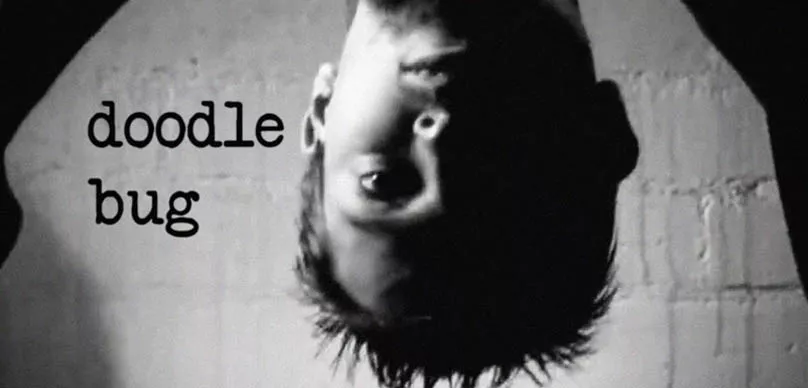
That willingness to make things eventually became Five Second Films. The idea sounds almost absurdly simple: create a complete film lasting approximately five seconds. But simplicity forced discipline. Every joke had to be distilled to its essential ingredients. Michael had notebooks filled with tiny ideas that weren’t substantial enough to become full screenplays, and suddenly those ideas had somewhere to live. After graduating, the group made the commitment even crazier: release a new Five Second Film every Monday through Friday. They maintained that schedule for roughly six years and produced more than 1,500 films. Initially, almost nobody watched. They might get fifteen or thirty views. Then one film hit the front page of Reddit, subscribers arrived, and something began changing.
What makes that story valuable isn’t the number 1,500. It’s what happened during those 1,500 repetitions. The filmmakers were effectively putting themselves through another film school. Every weekend brought another opportunity to write, direct, perform, light, shoot, edit, and solve problems. When occasional commercial work generated money, they invested it back into production equipment rather than simply pocketing it. They bought lights and microphones. They scavenged usable equipment. Their house slowly transformed into a makeshift production studio. Most importantly, they were building an audience while simultaneously building their filmmaking muscles. By the time they wanted to make a feature, they had something many aspiring filmmakers don’t have: years of completed work proving they could actually execute.
That became critical when they tried to make Dude Bro Party Massacre III. They initially attempted the traditional path. They wrote the movie and approached producers, but many didn’t understand the concept or considered financing a feature from an online sketch-comedy group too risky. Instead of allowing those passes to kill the project, the filmmakers turned toward the audience they had spent years developing. Their Kickstarter raised roughly a quarter-million dollars. Independent financier Keith Calder of Snoot Entertainment then offered to match the financing after seeing their body of work, audience, and crowdfunding momentum. The feature existed because years of seemingly tiny projects had accumulated into evidence. They hadn’t merely told someone they could make a movie. They had spent years demonstrating it.
Michael’s approach to screenwriting comes from the same philosophy. He starts by understanding the story he wants to tell, particularly where it begins and where he thinks it ends. Then he dumps ideas into a document without worrying initially about making everything elegant. Those scattered thoughts get arranged chronologically, gaps are filled, and eventually the mess becomes an outline substantial enough to attack in screenplay form. With collaborators, note cards can help visualize character relationships and rising action. But perhaps his strongest writing lesson is even simpler: stop demanding perfection from the first draft. “You can’t be afraid to write down a line that you know sucks,” he explains. The scene can be terrible. The dialogue can be obvious. Write it anyway. Finish the draft, then return with what he calls your “bullshit detector” and rewrite it.
There is also a fascinating lesson in how Michael talks about intentionally making a B movie. Dude Bro Party Massacre III wasn’t created by filmmakers sneering at the movies they were parodying. They genuinely loved 1980s horror films. That affection mattered because intentionally making something “bad” can easily become forced. Michael argues that the comedy needs sincerity underneath it. The filmmakers still cared about gore, scares, characters, motivation, and story. One of their biggest breakthroughs came when they realized their supposedly heroic dude bros were actually terrible people and that the killer, Motherface, could see herself as justified. Suddenly the antagonist had an understandable perspective and the third act began falling into place. Even inside an outrageous horror comedy, basic dramatic principles still mattered.
Perhaps the most useful lesson arrives near the end of the conversation when Michael talks directly to filmmakers preparing their first feature. Don’t write forty speaking roles if you don’t have the resources for forty actors. Don’t casually fill the screenplay with fifty locations, animals, children, fire, water, complicated stunts, and other elements that create enormous production requirements. Dude Bro did many of those things, and Michael knows firsthand how difficult they made the production. His advice is beautifully practical: write for what you have. Three actors and a few locations can still produce an extraordinary film. Your first feature doesn’t need the logistical footprint of Lawrence of Arabia.
That may be the thread connecting everything Michael Rousselet discusses. Make the thing. Finish the screenplay. Shoot the short. Learn why the lighting didn’t work. Fix the sound next time. Find people who are as obsessed with movies as you are. Build an audience instead of assuming one will magically appear when your feature is finished. Accept that your first draft will contain garbage. Accept that your first productions will contain mistakes. Then make another one. Filmmaking doesn’t become easier because we wait until we’re ready. We become filmmakers because we keep doing the work.