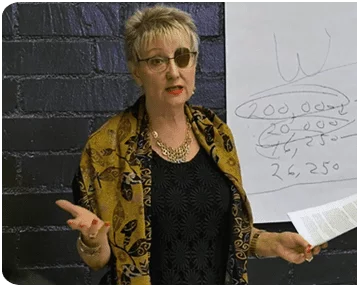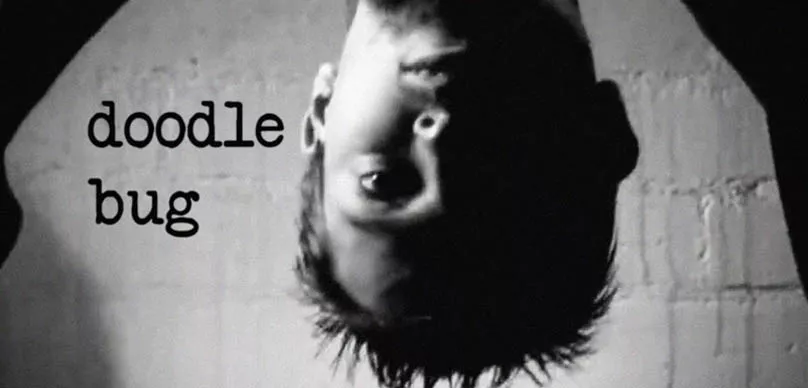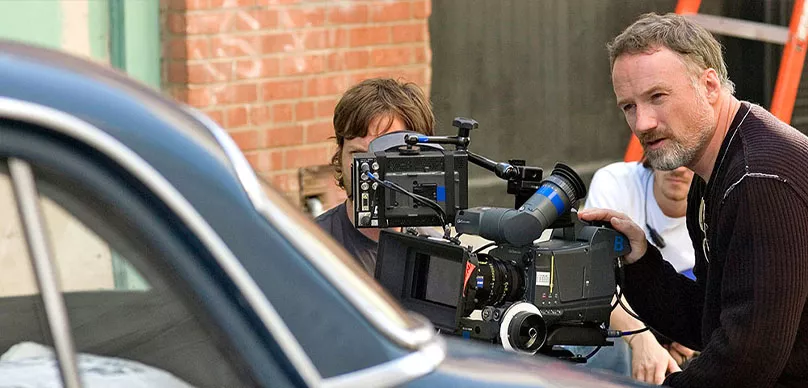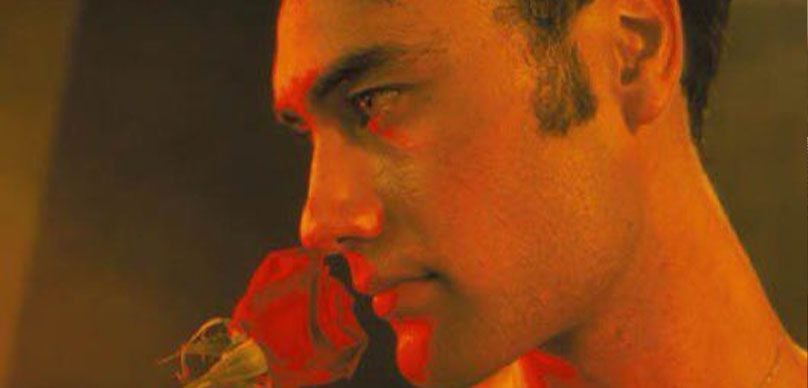
There is something beautifully unpredictable about independent filmmaking. A movie can arrive with enormous expectations and disappear within months, while another film made with almost no money, questionable equipment, and a group of inexperienced filmmakers can somehow survive for generations. Few films demonstrate that better than Manos: The Hands of Fate. Jackey Neyman was only six years old when she appeared in the film, giving her a front-row seat to a production that would eventually become one of the most infamous cult movies ever made. Jackey is an actress, artist, and producer who not only witnessed the creation of Manos but decades later returned to its strange cinematic universe to help create Manos Returns.
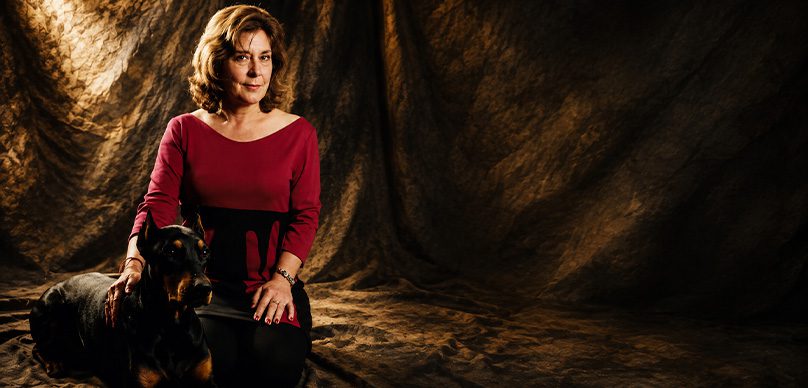
The original Manos production represents independent filmmaking stripped down to its most basic ingredients: people, whatever equipment they could access, and an almost unreasonable determination to finish a movie. Jackey’s father was involved in community theater when filmmaker Hal Warren approached him about the project. The production needed a little girl, so six-year-old Jackey joined the cast. But her family contributed considerably more than performances. Her father was also responsible for sets, props, and costumes, while the production borrowed their furniture, car, and even their Doberman. There wasn’t an elaborate production infrastructure surrounding the movie. Jackey remembers the cast keeping their bag lunches in an old refrigerator because there was no craft service. Most of the filming happened at night or on weekends. For a young Jackey, however, that environment provided an early education in the difference between what happens in front of the camera and the enormous amount of activity audiences never see.
Then came the premiere—and perhaps the first indication that Manos wasn’t going to become the movie everyone hoped. Warren certainly knew how to manufacture excitement. There were searchlights outside the theater, a red carpet, a limousine, local officials, and even autograph seekers. Jackey and her father found seats roughly five rows from the screen. As the film began, however, the atmosphere changed. The audience started reacting to what they were seeing, first with whispers and then with laughter. Jackey was simply excited to see herself in a movie until her character appeared. Hearing herself on screen horrified her. She remembers her face becoming hot before she burst into tears and sat through the remainder of the premiere miserable.
Yet there is another side to the story that independent filmmakers should appreciate. According to Jackey, Warren understood that he wasn’t making a great movie—but he was still attempting to make the best movie he could. More importantly, Manos wasn’t supposed to be his final achievement. Warren imagined the film as the beginning of something larger. He believed the production might demonstrate that El Paso could support filmmaking and potentially help establish a local film industry. That ambition may have exceeded his resources and experience, but the instinct behind it remains familiar to indie filmmakers everywhere. Sometimes the first movie isn’t supposed to be the masterpiece. Sometimes its purpose is simply to prove that you can finish one.
After Manos disappeared, nearly everyone involved tried to move on. Jackey says nobody wanted to talk about the movie, and for years she believed she would never see it again. Then something happened that no filmmaker involved in the original production could possibly have planned: Mystery Science Theater 3000 aired the movie. Suddenly, Manos had an audience. The film’s technical shortcomings and bizarre creative choices became exactly what made people fascinated by it. What had once been an embarrassment slowly transformed into cult-film history. Fans started discussing it, creating artwork, staging productions, and building an entire culture around a movie that had essentially been forgotten.
Eventually that audience created an opportunity almost nobody could have predicted: making another Manos movie. But Jackey and the team behind Manos Returns faced an unusual creative problem. How do you follow a movie famous largely because of its mistakes? Their answer was not to deliberately make another bad film. Jackey explains that the original couldn’t simply be recreated because its strange qualities came from an earnest attempt by inexperienced filmmakers to make something ambitious. Instead, Manos Returns would acknowledge that history while becoming its own movie. Jackey returned, her father filmed scenes at age 80, and the filmmakers sought ways to reconnect the new production with surviving members and families from the original.
Getting the sequel made also demonstrates how dramatically independent filmmaking has changed. Instead of relying entirely on traditional investors, the filmmakers launched a Kickstarter campaign with a base goal of $24,000. Jackey quickly discovered that running a crowdfunding campaign could become a full-time job. Rachel Jackson managed the Kickstarter and press outreach alongside Jackey and director Tonjia Atomic. Director of photography Joe Sherlock contributed graphics, while editor and screenwriter Steve Foley worked on campaign videos. The team divided responsibilities rather than expecting one filmmaker to somehow manage production, publicity, crowdfunding, editing, graphics, and social media simultaneously. For filmmakers considering crowdfunding, that may be one of the most practical lessons in the conversation: the campaign itself is a production.
The filmmakers also understood exactly what additional funding could accomplish. Their experienced low-budget team believed they could make the movie at the base level, but additional money could improve costumes, expand the production, bring in more collaborators, and ultimately put greater production value on the screen. That’s the reality of indie filmmaking. A larger budget doesn’t automatically create a better movie, but additional resources in the hands of experienced filmmakers can buy time, flexibility, talent, and options. Jackey’s philosophy remained straightforward: whatever amount they raised, they were going to make the best film possible with it.
Perhaps that’s why the story of Jackey Neyman and Manos: The Hands of Fate remains so fascinating for filmmakers. The original movie failed by almost every conventional measurement, disappeared for decades, and then somehow returned to become more culturally recognizable than countless technically superior films from the same era. Its second life created books, artwork, stage productions, fan communities, and eventually another feature film. Filmmakers spend enormous amounts of energy trying to predict what audiences will want, but Manos is a reminder that once a movie enters the world, its journey can become completely unpredictable. You can’t guarantee that your film will succeed. You can’t guarantee critics will understand it. You can’t even guarantee that audiences will find it when you release it. The one thing you can control is whether you actually finish the damn movie and give it a chance to find an audience.