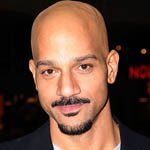
There’s a peculiar rhythm to life when storytelling becomes your compass, and few embody that dance quite like Jason Love. On today’s episode, we welcome a creator who has dipped his hands into nearly every corner of the craft—animator, magician, comic artist, educator, and even late-night TV performer. His journey is not one of following the rules but of bending them, shaping a path through sheer experimentation, and proving that filmmaking at its heart is about resourcefulness and play.
Jason’s first taste of animation came not through polished studios but through flip books and clunky VHS camcorders. In college, he began experimenting with Windows Movie Maker, breaking down drawings into tiny increments of movement. “It wasn’t scientific, but it was magical,” he recalled. That sense of magic carried him forward, showing him that filmmaking was less about having perfect tools and more about having the willingness to try. While film school often bound students to expensive stock and battered cameras, Jason found freedom in the growing accessibility of digital tools.
What followed was an unconventional route through the filmmaking world. When the weight of traditional film education slowed him down, Jason pivoted to teaching himself and later teaching others. Libraries became his classrooms, where kids and teens learned that movies could be born from simple experiments at home. His workshop, once humorously called “Cheap Animator,” was proof that compelling stories don’t require expensive cameras or Hollywood backlots. They require imagination and the courage to press record.
Jason also branched into making short films, often as learning experiments for new tools or formats. One early project, “Hillary’s Adventures in Politics,” became both a crash course in Flash animation and a test of his persistence. Though the project dragged far longer than planned, it taught him the rhythm of production, the weight of editing, and the satisfaction of seeing an idea evolve into a finished short. Later, while creating his comic “Madman of Magic,” he pushed further into motion comics, combining illustration with filmmaking technique. These hybrid experiments revealed how fluid the borders of film can be when curiosity takes the lead.
And then there were his performances. Jason once landed on The Tonight Show with Jay Leno, performing a stunt where he laid on a bed of nails while a partner balanced on a unicycle above him. “I just figured—what’s the worst that could happen?” he laughed. The same daring spirit that led him to late-night television is what has fueled his filmmaking: a willingness to take a chance, submit a demo, or start a project without knowing where it might lead.
Perhaps most telling is Jason’s foray into crowdfunding. With his online animation course, he chose to open the door wide—offering the handbook for only a dollar on Kickstarter. His goal was never about profit; it was about reach. Hundreds of people responded, some diving deeper, others simply curious enough to try. In the process, Jason revealed one of the most important truths about filmmaking in the digital age: accessibility is everything. The fewer the barriers to entry, the more voices get to share their stories.
What Jason reminds us is that filmmaking doesn’t have to be monumental to matter. He tells his students to think in seconds—three or four seconds of animation can hold more value than chasing a perfect feature-length dream. It is in the short, simple acts of creation that filmmakers build their foundation. From motion comics to library workshops, from clunky camcorders to YouTube uploads, Jason’s journey is proof that the heart of filmmaking isn’t in the equipment or the budget. It’s in the play, the persistence, and the willingness to keep experimenting.
Right-click here to download the MP3
Alex Ferrari 0:00
Enjoy today's episode with guest host Dave Bullis.
Dave Bullis 0:44
And so on this week's episode, I have Jason Love. Jason is an animator, web designer, balloon twister, magician, writer, artist and educator, and he's also self published comics, produced short films, owned a screen printing business, and even performed on The Tonight Show with Jay Leno. So here we go, Episode 85 with guest Jason Love
Dave Bullis 0:44
Jason, how's everything going?
Jason Love 0:44
That's going great. I'm excited to be on the show.
Dave Bullis 0:44
Thank you. By the way, that's an awesome name to have. Thanks. It reminds me of Buddy Love from modern professor.
Jason Love 0:44
Oh yeah, there's actually quite a few Jason Loves. That's the only downside to having that name, because somebody else got the URL before.
Dave Bullis 0:44
You know, I actually knew a guy named Lance love, and the first time I ever met him, I was like, that has to be a fake name. And he's, no, he's like, I've had this name since birth.
Jason Love 0:44
Yeah, every once in a while people, yeah, they get excited about it. So, yeah, it's cool name day. I like it.
Dave Bullis 0:44
So, Jason, you know, I wanted to ask, you know, you you started an animation. And I wanted to ask you, you know, what got you started to, you know, animating at a young age.
Jason Love 0:44
Sure, I started animating. Let's see how well I'm trying to think of early like I was really into flip books. So I guess flip books would have been like the earliest, earliest animation. But I didn't actually get into playing around with it till college. And it's hard to say I would one of the influence would be, is seeing Wallace and Gromit, which I watched quite a bit in high school, and realizing that my drawing skills didn't have to be, you know, you'd see some the Disney animation stuff, and you see the drawing, and you're just like, There's no way. There's no way I'm going to be able to do that. And then when Wallace and Gromit came out, I thought, oh, man, that's, I mean, I don't think I can necessarily, especially the first one, I would say, is the most influential, because it's like, not perfect, but it's still a great story. And it made me realize, Oh, you don't have to be animation isn't just drawing, it's all these other forms. And so in college, I started off with the old VHS camcorder that was like a giant now it's probably the size of a Blu ray player, and I the first one I ever did. It was just been time lapse. Time lapse of me drawing something. And so I would draw a little bit. I would hit the record button, turn the camera off, draw a little more, you know, and then hit record, turn it off. And it was very unscientific in the sense of, like, how long each frame was but that was the first and then college, college computer lab, I was playing around, and I realized they had Windows Movie Maker, and I didn't know anything really about it. And I don't even remember how I started playing with it. I think I just thought, hey, if I can do this on a VHS, I should be able to do this somehow with this program, even if. That same logic of, like, cutting it so it's, you know, basically a clip for a quarter of a second or whatever. And then I realized, with that program, I think at that time, you could get it down to point eight seconds or no point. Maybe it's point three anyways, you could get it down to almost what they would call an animation thirds, which is like, normally, 24 frames a second, but this would be eight frames. Yeah, eight frames per second, and so, which is good enough to create animation. And in fact, a lot of Wallace and Gromit, depending on what you're doing. I mean, some of that is shut at eight frames a second, depending on how much detail and whatnot you want in the movement. So, and then from there, I just kept playing around with it. And, you know, went to film school for a little while, and I ended up dropping out because they were still using traditional film. And I was just, I really hated traditional film every and part of it was because, you know, it was a commute, you know, you I went to school specifically to use their equipment, and they had old Bolex bullocks cameras, eight millimeter. I believe I'd have to look, I can't remember if it's eight or 16, but I believe it's, maybe it's 16 anyways. So it's shooting on an actual film. But these cameras, you know, are getting beat up by other students. So I don't think, I think I only had maybe a few seconds that ever got out without being washed out by light, or because the cameras leaked light, or things like that. So, so then I ended up just dropping out, and instead of learning, I started teaching animation to at local libraries and things like that. So I guess it's a long answer to my road in animation,
Dave Bullis 6:39
No, but you're absolutely right. You know, I've seen, you know, universities. And, I mean, I work at university too, during the day, and I see, you know, the cat and the equipment does just take a beating. And, you know, I work, I mean, I'm in Philadelphia, we have about three or four of big universities, and out of those, you know, they there's, you know, film majors. And it's interesting to see, you know, you know different gear, and you know who has a certain amount of gear, who has, you know, this gear, who has to go to rental houses, but, but that's the common thing, though, is gear takes a freaking beating sometimes.
Jason Love 7:13
And I mean, another thing I always point out is just the film itself to buy a two minutes. I believe it was about two minutes. It was 200 feet. So whatever that I have to do them, that I'd have to do the math on that 200 feet of film was like 2020, bucks or something. And so you could get a few minutes out of that. And when I was looking at digital, and digital was popping up at the time. Was just the school I was at, which was UW Milwaukee. They were a little bit slow on jumping on that bandwagon, and I think they were really holding on to film. I'm not sure what their logic was. Maybe they just didn't want to buy the new equipment, or maybe the new students to have it, it, yeah, it was just so expensive. And it's like, I can, I can shoot as much as I want a digital and it, you know, I might want to get more storage or buy a better camera, but it never, there's that's never the issue of paying per per second or per foot of film. Isn't an issue with digital.
Dave Bullis 8:06
So, you know, I was thinking about buying a Super Eight camera, and there's a ton of them on sale, on eBay. Well, they're going for dirt cheap. What's expensive is the Super Eight film that you put in the camera. And, you know, they're it's going for like a 10 of it is like 50 bucks. And this one guy had a lot for like 500 you get a couple of them. And I'm saying to myself, you know, my Android has a Super Eight app now that I start playing around with. And you know, it's getting pretty close, right?
Jason Love 8:37
Yeah, in, it depends too on, it's funny. I can't remember the name of the guy, but the guy who did Grindhouse with Tarantino, Rob Rodriguez, yeah, I heard an interview with him, and he was saying how Tarantino was like, I'm gonna use film. And then Rodriguez used digital. And it was easier for Rodriguez to get the film look than it was for Tarantino, because, like, Tarantino is looking for that old film look. And if you have new film, it takes a lot of work to really get it to that level, like it's, you know, literally being used. And so you can almost make it easy. It's almost easier to do in digital than depending on what kind of look you want, just because of, yeah, all those filters. And you can be very deliberate on on the effects you want. So
Dave Bullis 9:23
Yes, I remember reading a review interview with Tarantino, and he had to go through and put all those scratches in himself because he, you know, he wanted it to look like a grind house, like a weathered film. Look, you know, that like it was just been beaten up as it's been going to theater to theater to theater. And, of course, it is missing frames and all those touches. But that's what he had to do. He had to go through and put in all these scratches and all this other stuff and some noise and stuff, just to give it that esthetic, right. Did you started teaching animation at, you know, at libraries, so, you know, how did you approach that? Did you, you know, go there and actually work with the librarians and say, hey, I want to start an animation class.
Jason Love 10:08
Sort of I've been doing magic for I had started doing magic before I started teaching at the libraries, and I right after college, I became a full time magician, and animation was a hobby, and it's still questionable. I guess I make money from animation, but, you know, it's not like my full time income, but I wouldn't even say it's an established relationship. I basically just emailed a bunch, I got a list off of the internet of all the libraries, and just said, Hey, I'm doing this animation workshop. It teaches kids how to do animation at home. At the time, I was calling it cheap animator, which I don't call it that anymore. I don't think they like that name, but they Yeah. And then the librarians, they need to fill up their summers. Summer is usually busy time if I want to do animation workshops, or, like, I have one coming up that's in December, because it's like Christmas break. But most of them have been. Most of them are summertime. And so, yeah, they they just be like, Yeah, you know, bring me in, and I do it mostly in Wisconsin. I can't think of any too many that I've done. I've done magic shows all over, but I haven't quite, I haven't promoted as much out of Wisconsin. But, I mean, there's so many libraries that, if I recommend that to most artists to contact. Libraries are a good place to contact if you're looking to to make a few extra bucks doing teaching some any kind of art form. And, you know, it helps if it's something that kids can do, although I have done older, you know, mine are always teens, and I've done some adult stuff, but most of the libraries are looking for, you know, mostly kid oriented, but I've also done, like, art museums. I've done a few of those, and those are more looking for adult stuff. So, yeah, the libraries was just an easy choice because I had a little bit of a relationship with them and had all their contact info.
Dave Bullis 11:59
Yeah, you know, I had a friend of mine, he actually pitched a screenwriting course to a local library. It's his local library, and they ended up saying, you know, we'll get back to you. And then they ended up actually getting back to him. He thought they were blowing them off, but they came back and said, Yeah, would you mind teaching a screenwriting you know, it started off as just a one off, like, seminar for like, you know, an hour or two, and then it became, you know, started becoming more and more and, I mean, that worked out pretty well because he pitched it as, hey, look, you know, it's, it's writing, and we're in a library, so it does tie in together. And they gave him a little, a little room off to the side, and, you know, it worked out pretty well. But so, you know, that's a pretty good tip, though, is to, you know, libraries can, you know, if you have a library in your area that can be, you know, worked out pretty well if you, you know, pitch them right and, you know, pitch in the right project the right time.
Jason Love 12:48
Yeah, I think a big part is just making it sound like, you know, like you have, if it's your first one, making it sound like you actually have it planned out. You know, when I sent out my stuff, I said specifically what they had learned. And even now I switch it up, depending on, on the mostly on the students, just because I have enough experience that, but, but as long as they have the feeling that you have a outline of what you're going to do, and then you send it to them, say, this is the outline. Right now, what I tend to do, if I'm I haven't really promoted it much lately, but I might start again for the summer, is I'll say, first I'll ask their interest, and then they'll usually say they want more info. And that's that's that's when you give them the big spiel. I feel like sending out like a big Spiel to can be overwhelming to librarians, so it's easier to say, you know, hey, is this something you're interested in? I'll send you more information. They'll email me back, and then I'll say, Okay, here's the outline, here's the I don't, I don't like to have a class more than 25 students, you know? Here's the requirements, blah blah blah. And then they see that I have these requirements, and it makes them realize, Oh, this guy's done this before he knows what he's doing. So just a trick for someone, even if it's the first time, just have that thought up front, so that when they email you back, it sounds like you know what you're doing, because you have your requirements, and you're like, I usually like to have a projector, so I say that, you know, it's not required, but it's nice, blah, blah, blah, and, yeah, just makes it looks a little more professional.
Dave Bullis 14:05
That's very cool. And you know that that is a really excellent tip about pitching to because I think that works in other other areas as well. Because, you know, when I've I've gone to pitch events, and I've seen also, you know, the the and going into discussions about the, you know, the elevator pitches. You know, I've always been told, if you do have something to show, it might be, it's actually a little better than if you just actually talk to them. And you know what I mean, like, it actually show them, like, even a one sheet,
Jason Love 14:35
Right, right? And I do that with the libraries now, as I can show them past student work and things like that. So, but yeah, it's definitely good to have. If you have something, it's always better because it's physical confirmation.
Dave Bullis 14:49
Yeah, yeah, yeah, definitely, as you taught these animation courses, you know, when did you get into start making short films?
Jason Love 14:56
I would just say kind of along the along the way. I mean, the first i. First video I did was in college, and I had the mindset of, I wanted to become a professional magician. And the first video I ever made was basically a weird animated promo video for my for my magic show, just because I thought it'd be weird. And most magicians don't, I don't know, for some reason i i loved animation anyway, so it's kind of like, well, I'll have this unusual thing, and then I could play it before shows. And we did, I did a little bit. I used to work with another entertainer at the time, and so in that, that whole video actually funny enough is I used Photoshop, but I mean, Photoshop now has an animation feature somehow. I haven't done it in a while, but I know you can do animation with Photoshop. But I would, I had the layers, and I would literally save a photo, change, you know, change my arm, save the photo. So I that was, I guess, a start. I already forgot the question,
Dave Bullis 15:55
When did you get into short films?
Jason Love 15:56
Oh, yeah, okay, so I would say, I guess, in theory, that'd be the short film, and then think the next short film would have been years later, and it was I wanted to learn flash. So it was one of those things where I'm like, Okay, I'm gonna literally teach myself flash while making this short film. And that one was, it's called Hillary's adventures in politics, and it I was hoping to get it done, like, super fast, because it was the time when Hillary was Hillary was going to be, she was working for the primary, you know, trying to get the primaries with Obama, which would have been, you know, like eight years ago. And I thought I would have it done for sure by the time anything happened. And it took me forever. So it was, it was a, definitely a learning experience. It ended up being, like, it was over five minutes. I can't remember the total. Yeah, it was. And ever since then, it's just been stuff like that where I get an idea, and I'm kind of like, I'm gonna make, you know, I'm gonna give this a try, or if I'm learning a new a new program. So, like, another one I did was with those working on my comic book, and I wanted to make a motion comic. So I decided to kind of make a short film that was motion. You know, it wasn't perfect animation. It was simplified animation. And, yeah, just a good random that's, I guess they ended up getting stuck into them. Is a long term project.
Dave Bullis 17:15
So is there any place online where people can, you know, check out some of your short films.
Jason Love 17:20
Yeah, I think both, I think most of those are, if you go, if you just go to YouTube and search Madman of magic. I believe it's under that channel. I have, like, three or four different channels, and I lose track of them. I think that one has, has those. Most of my other ones before that were before Film School are, you know, locked away somewhere. So you can't see those, but you can see the Hillary one for sure. And I think the the the first one I made is somewhere looming on YouTube, but I'd have to look that up, but the Hillary one's definitely on there. If you look up Hillary's adventures in politics, it should come
Dave Bullis 18:00
Cool and I'll look for that in the show notes for, you know, anyone who's interested. So, you know, you mentioned comics as well. And you know, so you know, when did you start developing your own comics? And also wanted to ask, you know, did you actually animate your own comics from the beginning, or, like, like, animate them yourself, or did you have sort of farm that out?
Jason Love 18:19
You mean, for the motion comic, yeah, no, I did it all myself. I My wife does all the illustrations, so I did the animation. And those were, I did them relatively quick, but they were a bit bit tedious, because I was using a mix between flash and Premiere and and on CS three. And so it worked, but I was having issues with Flash not being able to handle that much. They were drawn in Illustrator. I'd bring them over to flash and then flash, and I think it was just my computer was having a hard time doing anything longer than 10 to 20 seconds. So then I would cut those out into shorter pieces and put them together in Premiere. And then sometimes do use some of the camera movements in Premiere, but yeah, that the movements were more me, and actually the illustrations were, I'd say, 90% my wife doing that. So,
Dave Bullis 19:15
So now, when you did your comics, did you know, did you, you know, put them online, or, you know, just just to show, to sort of make a portfolio, we bring them online, totes of getting other work, or, sort of, that was the goal of these. Or would you have another goal in mind?
Jason Love 19:30
So the comic book, that's a it's actually goes back to the animation I ended up making. So the comic books called Mad Men and magic, and it was an idea that I came up with. So I used to perform as the Madman of magic. And I thought, You know what, I it'd be fun to make a comic book. And then I had come up with this idea, and I was actually going to Coffee with some friends who were really big comic book nerds. Like I, I, you know, know, a little bit, but these people like they, they're go nuts. So I, I, I brought in some of the concept drawings that I had, and just asked them, I said, Hey, this is the idea. You know, I was kind of just as a fun project. I was coming up with these ideas. What do you think? And they thought it was a cool idea. So then my logic behind making the character a magician was worst case scenario. If this book doesn't sell, I'll make it. I'll use it for my promotional material, kind of like that first animated project. So almost make it. Made it a fail safe for if it, if it didn't do well. And so I ended up doing the motion comic, just because I wanted to do a Kickstarter for it, and I knew I needed a video and and liked animation, and I liked like motion comics. I know some people hate motion comics, but I I find them interesting, and some are better than others. Like anything. And so, so, yeah, I animated it after we were already working on the as a comic book.
Dave Bullis 21:03
What software did you use to animate that?
Jason Love 21:06
A mix between the flash premiere and kind of making the cutouts in Illustrator, or, you know, the images in Illustrator that had the separate, you know, assets. So that was a cool part about using Illustrator I hadn't quite thought of before. Was like, If my wife drew a hand, I would tell her, Hey, can you make sure that the fingers are in different layers? These pieces are different layers. And so it almost became, like, cut out animation, because I had all these when I threw it into Flash, Flash could separate all those instead of having to, you know, literally cut them out in the program. So yeah, yeah. And then I then used Premiere to kind of put all those pieces together and do some of the, a few of the effects were done in Premiere,
Dave Bullis 21:49
You know, you and I were talking before the show about, you know, all the about the Adobe Creative Suite and all the things you can actually do with that. And it's just absolutely amazing. I've gotten into, you know, comic books and stuff like that. Now, I'm not an illustrator by any means. I just write the scripts and sort of pass them on to the illustrator who draws them up. But one thing I've learned also is about all the layers that go into them. And when, you know, when the illustrator comes back to me and says, Hey, Dave, what do you think of this? I can say, well, could you add this? And she, you know, I can see her screen where she's adding these layers on, you know, like adding a hat on or doing something different. I mean, it's absolutely phenomenal, you know, being able to add those layers and then if we want them gone, it's a click of a button and the layer is gone.
Jason Love 22:30
Yeah, yeah, for sure, it's, I play around with this stuff, but my wife's really the illustrator person. I'm more of a Photoshop guy, like, I like Photoshop, but in that you have layers too. But, yeah, illustrator is amazing, just in the sense that you the way to tweak things, or even flash. Sometimes I'll draw some of my just sort of goof around comics I've done in Flash, because you don't have to literally draw, you can, you can tweak those little points, you can, you know, and then it's like, oh, I got these layers. Get rid of this and then undo it's just amazing with with the different programs.
Dave Bullis 23:06
Yeah, it is. One of the things I was told at the beginning with Adobe programs is the strength. The biggest strength is also the biggest weakness, and that is, there's more than one way to do things and do we programs. So because, I mean, I've seen it too, you know, I've gone to different seminars, and the way one person does it and the way another person does are completely different. And is anybody? Is anybody really doing it the quote, unquote, best way? Well, who knows, right?
Jason Love 23:31
Yeah, yeah. I went to, I used to belong to the Milwaukee Well, I still do. They just don't have meetings Milwaukee animation club. And there was a guy doing a presentation on flash, and he was, the way he did, did lip sync was very strange, where he had, he had it as like, one asset, and it had all the different frames, and basically he would, it was very weird, and I don't even know if I could reproduce it. And I wanted to be like, Why do you do it that way? But I don't ask you ever want to ask an artist that? Because I'm just like, wow, that seems like seems like more work, like you could just do it way simpler. There is a few benefits, but so what gets the way he did now they think about it, but yeah, it's interesting how each artist kind of figures out their own, own way of doing things.
Dave Bullis 24:17
Yeah, I learned that especially too when I took a seminar with the editor. He's an editor SNL. He just, you know, was going about, you know, he said, listen, we're not going to talk about which is better, you know, Windows or Mac. We're not going to talk which is better Adobe or AVID he's like, if whatever works for you works for you, and just do the best work you can. We're just going to leave it at that, yeah. But having said that, we did learn on a topi, though, so, you know it, but it was, you know, that seminar, by the way, was absolutely excellent. And I asked him on the show, as we talk about, you know, different seminars and stuff like that. You know, you actually launched a Kickstarter last year in November 2014 Could you take us through, you know, where the impetus were to. Eight this Kickstarter came from,
Jason Love 25:01
Sure, trying to think of like the very beginning of it. That's a hard one. I think it was. I'd been doing these workshops for five, six years, the animation workshops, and I had decided that just to make a product out of it. And I wish I could remember, I don't remember if it hadn't a great story like the other one, even, you know, even like the mad man of magic, I at least met somebody for coffee. I think it was just, I don't think anyone mentioned it. I think I was just looking for something to sell digitally, to do a digital product that can sell through my website. And I had some friends who had have been doing digital products. And I thought, you know, what skills do I had, and I thought about doing like a pollutant twisting tutorial. I thought about doing a few other things, and I said, Well, why don't I just take my workshop and turn that into into a digital course? And so, yeah, just started with that, and then put the time into it, and it was successful. And I'm a bit behind and getting other deliverables. But part of that is it's expanded as I've done it. You know, originally I thought, Oh, I could just videotape my workshop. And as I've been delivering stuff, I realized I want to go, you know, here's an opportunity to actually get in depth and to do some new animation. So each each lesson has been has its own original animation, and so that all those things have been adding up, time wise, more than I expected. And so we'll actually, the timeline we have now is to launch it to the general public, doing like probably a discount is that is Cyber Monday. So that's the 30th I believe. We will have a, we'll have a where other people can buy it, other than, you know, the Kickstarter people. And the Kickstarter people have all their stuff, you know, slightly before then. So, yeah, I guess that's, that's kind of a roundabout story, I guess, of how that got started.
Dave Bullis 26:55
Well, you know, I was actually one of those Kickstarter people. And one of the most attractive things about your campaign was you started at $1 however, you got the basic home animation handbook for, you know, digital copy as a PDF for $1 I think that is an amazing way to open up a crowdfunding campaign, because, to me, you want to get people In, because everyone can, everyone can spend $1 I'm pretty much sure we can all agree that $1 is not asking people too much. So, you know, if you know you started $1 I think that really opens up, and you can sort of parlay that, and people can say, All right, so what's the next level? Oh, five now, but yours was eight, and, you know, yours went from $1 all the way up to $2,300 for perks, you know, at the different and the perk structures. So, you know, did you plan that accordingly so that, you know, hey, I want to make sure everyone can get a piece of this. That's why you priced the the handbook, the PDF, at $1
Jason Love 27:56
I did, and it didn't work out quite as good as I would like. I mean, I think the campaign was well, went well, but I was hoping to make it almost like a, like a news story, where it'd be like, you know, you literally. I mean, there's very little you can get for $1 dollar. So I, I'm happy with the campaign overall, but I was kind of thought, to me, the goal was to get more. It wasn't about making a lot of money, was to try to get as many people in. Because, again, I've taught animation to to hundreds of, mostly kids, but hundreds of hundreds of people. And so the idea of, yeah, like basically saying there is no barrier to to buy this. And it worked out okay. And we got, you know, over we got several 100 people who signed up. Again, I kind of would hope that that more people. And then again, not for the money, but for the fact that I am really passionate about animation. And the idea of all these people being able to make animated videos from home was exciting. So again, very happy with the campaign, but was kind of surprised more people didn't jump on the dollar, the dollar thing. Because, I mean, even if you're kind of like, well, do I want to learn animation? I don't know. It's like, well, it's $1 just pay the dollar. And you know, if I could have learned animation for $1 when I was tinkering around in my in my college dorm room, man, that would have saved me a lot of time. So, but yeah, it, it that was, yeah, the original thought was, we, I really wanted to get people excited about animation. So,
Dave Bullis 29:32
And, you know, that's, that's a good point is, you know, even if they don't want to learn, you know, they could say, wait a minute, do I want to learn? You know, maybe I don't. But hey, listen, it's $1 so you know, what is it gonna matter in the end? And you know, there's a great article I once read, and I'll link to it again. It's good. Everything is sales. I know some of the listeners podcast have heard me talk about it before, but to me, when you're when you're launching a crowdfunding campaign, First off, it's a full time job, as I'm sure you know, Jason, so you're always emailing, talking to people about it, and it's sort of you're trying to sell them on this idea, and then you're trying to get them to engage, and actually, you know, make a conversion, which is them, you know, them purchase, you know, pledging a perk at a certain at a certain level. You know, I think a lot of artists tend to go into crowdfunding campaigns not prepared for the business aspect, because I've seen it on other other Kickstarter as well. Because, I mean, if you listen to the podcast before, I at least once a week, I'm getting, you know, hit up for a crowdfunding campaign through my website or what have you, or on Twitter. And it's just like, you know, I look at their campaign and it's just so poorly planned out. That's why, whenever I see, I mean, even, like, you know, I see someone like you, I saw your campaign, I'm like, wow, this guy gets it $1 that's a great way to, you know, introduce, you know, to get someone, you know, to look at this campaign. I have other people send me campaigns. They're starting at like, 50 $100
Jason Love 31:14
Hmm, yeah. And I know that Kickstarter says 25 is like, the sweet spot, yeah. But yeah, I definitely, in retrospect, like, financially, I think it did help because, I mean, it helped me. But again, I wish more people had jumped in on that, just in the sense of, like you said, you know, people see it at that. And I think, I think I did a relatively not to toot my own horn, good job of getting that across with the video. And I think that's what got people excited about it, in general, was, you know, the goal wasn't like, oh, let's, you know, I'm not, I'm using the money for this. I'm using the money for that. Was like, we were trying to get animation to to everyone have people have access to be able to create their own animated videos. And so, you know, the few people who jumped on the higher, tiers. I have a feeling that's what made them say, Okay, I'm willing. I have the financial, I have the finances to do this. And so they jumped on it as that. But so, yeah, so it was a I feel like it was a good idea in that way. And now that it's done, I can still continue selling it so it will get out to, you know, more people, as I do it, but, but you're right, a lot of people, they have to think about what, you know, people are taking a chance. And it's like, do, are they going to take a chance on you add $50 it's kind of a high amount to start with. So I completely agree, yeah.
Dave Bullis 32:42
And, you know, the other thing I always think about is relationships, you know, you know, like you just said, within $50 if you know, if you're a complete stranger, you know, it's very hard to get such stranger to give in 50 bucks. But if you know, the more familiar where they are with you, the better the chances are of them, you know, upping that perk, you know. I mean, I've seen it before, too, you know, where someone has an, actually, a solid, solid network, and, you know, he was crowdfunded in a day, right? And that's just all the people he knew. Then he finally, you know, that he did a soft launch, and then he finally got all the people that he knew, I'm sorry, then he got after the people that he knew. He got the rest of, you know, we've released it publicly between it out. And that was all just, you know, the icing on the cake. But, but, you know, you know, your Kickstarter was a success, you know, and I have the handbook, you know, you different. You know, you did release that, and you were releasing the updated iterations of it. So, you know, I wanted to ask, you know, Jason, to anyone listening to this who was interested in getting it to end animation, you know, what do you recommend they do?
Jason Love 33:48
It's a good question. I guess my gut reaction is to say, you know, order the order the book. And if you want to sign up, I do have a, you know, we can set up for to be getting email when it when it goes live, and that's at Learn to animate course.com and if you don't, and it'll be higher than $1 for this one, just because the Kickstarter, you know prices are, will be a little bit different. And I feel like I owe it to the Kickstarter, the people who are willing to put the money up front to make it a little more. If I kept at the same price, I think I'd feel bad a little bit for them. So for them, so I can't, I don't know specifically what the prices will be yet to get closer, but if you want to join the net, that's a good place to start. And I it, it's not set up yet, but there should be, like, the first few chapters that just talk about the equipment that that I give away for free, just for people to kind of have an idea of what the book's about and to know what equipments are involved. If you didn't want to buy the book, I would say, just experiment with again, I used Windows Movie Maker. It's not super hard. You can use almost any video editing software. Where that allows you to, that allows you to turn the Image, Image duration below, I'd say point point, point three is pretty good. 369, I'm trying to do the math. But even lower is better. And I can't think of those numbers outside my head, just because when, like, I think of it as a frame rate is different than that, like the decimal point of a second. So yeah, if you can get it to get to that, if you can get 2.5 it's probably not good enough, but you can still play around with it and see, to me, it's all about experimentation and trying new things and with apps now, one can get away with a lot more than they could before smartphones. So if that's a possibility, that's always a good option as well.
Dave Bullis 35:55
Yeah. You know, as I told you before, I through email, I actually was taking a online course, very, very short and simplistic, but, but, you know, it was a good compliment to your PDF. And, you know, as we were going back and forth, you know, one of the things that I've been learning about too, is, you know, just creating, you know, just different characters. Because obviously, I'm not an illustrator. If I was, you know, when I do it, I'm going to use actual 3d models, and, you know, like a set and everything like that. But, but you're absolutely right. Though I won't use myself my smartphone. I'm probably gonna use my DSLR, yeah, but, you know, yeah, one of the, one of the things that, you know, I've noticed, too, is, you know, it not to be too ambitious the first time. It's kind of like making a, like a live action movie. Well, you know what I mean? And it's kind of, you know, if you're, this is your first movie, you're not gonna make, you know, a Morton Scorsese film. You're not gonna make taxi driver on your first effort. But, you know, you need to think a much lower, much lower scale, just so you can acclimate it to the process,
Jason Love 37:05
For sure. And I usually tell people to start with, with, with the students they're usually want to they have these, like, grand visions. And I say, well, thinking, think in seconds, like, if you can get three to four seconds, like, that's pretty good in a, you know, two and a half hour workshop, you know, I think too, it helps to, if one wants to think grand, think, what's the, what's the first short thing I need to shoot? And that's kind of what I do with with Hillary. Originally, I was going to shoot it and I'll cut out animation. And I, I cut out, I did the cutouts for like, the first scene, and it turned out cool because it was like paper cutouts. But then I instantly realized, just from that six seconds, how much work that was going to be. And then realized how much time flash would save me. And so then I switched over to to digital. But yeah, it's definitely it also too. I mean, thinking small like that allows someone to experiment with more. So it's not thinking of it as a hindrance. It's better to think of it like, oh, I can. Now I can. Instead of having to spend two, three years on doing this hand drawn thing, I can, I can experiment with sand animation. I can experiment with stop motion. I can experiment with claymation. I can experiment with all these other things. And, you know, it's easy to make something short in an afternoon, so, yeah, experimenting, playing around with it, and then deciding what that next step is, is better than try to take it all on at once.
Dave Bullis 38:39
Yeah, definitely, you know. And I was even speaking to you about some of the other resources, you know, out there, you know, granted, they're not free. Some of them are, you know, it's a premium. But you know, the, you know, I just saw an article today about how film school, the online film schools, are actually going to cause the physical film schools to lower in price, because, you know, there's a lot of, there's so many resources out there now,
Jason Love 39:05
Yeah, it makes sense. And I, I think premium has its it definitely has its perks. Because, you know, as as people who use the internet constantly, it's, it's easy to think, oh, I'll just get I'll just look it up online. And especially like the more technical stuff, the problem with that is it's not always put together in a way that's that's helpful to learn and like, again, that stuff's out there. In film, there's actually quite a few that I think do a pretty good job for free. But in animation specifically, I think of like my, you know, rows and rows of animation books. And I'm just like, Man, I'm glad I got these, because if I had to try to figure out how to find this information in this order on through random websites, it would, it would just take forever. And so you know, with the books, I can at least be like, All right? I, you know, I have ones that talk about just timing. I have ones that just talk about storyboards. I have ones that just talk about, you know, very specific things. And yeah, doing Google searches on that would probably take an hour just to find a good, reputable site that would help, be helpful. So yeah, it depends on specifically what they want to learn. But I think premium is a good way to go when, when you're willing to cut, cut, cut down on, on googling time.
Dave Bullis 40:42
So, yeah, very true. And, you know, it's always good to have a good network to, you know, there's, I mean, I just got an invite the other day. I know Shane Hilbert. I believe that's how you pass or, yeah, I believe that's how you pronounce his last name. He actually, he's director cinematography, and he's opening up his own online film school now, and that's a monthly subscription service. So again, I'm like, wow, there's just so many options out there now. And you know, the paying, you know, paying a monthly subscription fee is a barrier to entry, so it kind of just keeps people out for who are just signing up and, you know, they just want to be part of another Facebook group or what have you. So I mean, I got the first month for free, so I'm going to check it out to see if it's something I want to keep going on with. But again, even that, you know, you get to see that, you know, it's a pretty good network, because that used to be the argument for fiscal schools, was, Well, hey, you know, education is secondary, because you're getting paid. I'm sorry, you're paying to get a be a part of this network. So when you go out, you know, you're an alumni, and you go out, and then you can meet other alumni, and you're on, when you're here, you're working with each other, and you know who to trust. You build that relationship. But you know again, now you're seeing that more online now too,
Jason Love 41:50
Yeah, for sure. And I think too with with paying it's that money is going to create the stuff. So it's not like that. A good example is, I actually have an MBA, and I am on a few businessy subscriptions where, you know, I'm taking classes through these websites, and I have to say, I'm learning more, you know, when you go to the college. So a good example of being like a class. And then the teacher puts up a note saying, oh, today we're not having class. And all the kids are like, you know, all the students, Master's degree level students are like, Yeah, I don't and I'm thinking, Man, I just paid 100 like, if I did the math, I'm probably paying 100 bucks to sit in this class. And we're excited to basically throw away that $100 where, you know, the monthly subscription is, you know, 30 bucks a month, and, yeah, like, I get access to all these resources, and it tends to be better because there's a higher standard, you know, and maybe Business School is not the best example. But, like, I specifically interested in online business and so most of the professors are behind, and, you know, they're they have their specialties, but the online business schools that are online like they have to be up to date, because otherwise, you know, people drop out, where, basically the universities just have to get convinced kids that they needed to, you know, a piece of paper then, you know, as opposed to actually having the best information. So I'm definitely pushing people that go more towards online schools and and things like that. I think they get a higher degree of of quality that way.
Dave Bullis 43:29
Yeah. And, you know, I also think now, you know, Spike Lee or I think what Spike Lee said, you know, they used to go to film school, just get the equipment. Well, now, you know, everything is so democratic. You know, the equipment is in your palm of your hand now, yeah, because you could learn using your phone. And then, then you can actually, you know, you know, I always say the best mistakes the ones you make for free, because you don't want to rent this huge camera package. And then go, oh, well, you know, this, this film really sucked. It didn't even look good, because I don't even know how to use the camera, you know what I mean? And then, you know, and then you really look back and you say, Wow, we just wasted $5,000 you know, or, God forbid, even more. But now you know you can actually start, you know, teaching yourself, you know, filmmaking just by, you know, shooting stuff on your phone, editing it on your computer. And then, you know, you know, like Mark Duplass said in a blog post, you know, teaching yourself every weekend, you and your friends go out and shoot a short film for 100 bucks, and that's it.
Jason Love 44:28
Yeah. The hard part is finding the friends, yeah.
Dave Bullis 44:32
So what? And what I would, what I used to do was, you know, I when I was in college, or even when I got out of college, I got out in 2010 I would just, you know, grab student, student, you know, students that are actors, you know, and going to the the acting side of things, and they're always looking for stuff, and you know that. Or I would just, well, well, now I, you know, I have so many different friends. If I were to post something, I'd say, Listen, I'm gonna be upfront with everybody. Hey. Listen, if I want to do this, and it's just going to be for, you know, us, and you know we're not going to waste everyone's time, though, at the same time, you know it's going to be, you know, something small, but we're gonna waste everyone's time. But hey, this is what it's going to be. And you know, we're not sending this to film festivals. It's just, you know what? I mean, it's going to be something that's more of a learning experience. I think if you're up front to where people, they more appreciate that than when, when some some student filmmakers, post things, it's usually like they, they act like they're making the next Casablanca and like, whoa. We want to scale that down. Hyperbole is, is a it could be your downfall,
Jason Love 45:32
Right! For sure.
Dave Bullis 45:35
So, you know, Jason, I want to ask, you know, I know we didn't get this in your as we're talking about your story, but you know, you perform the Tonight Show with Jay Leno, you know, could you talk about that? You know how that came to came and be
Jason Love 45:48
Sure at that time I was just performing, was my only thing like now, I do a mix of stuff just to keep myself sane. I was performing full time at a theme park near Chicago, part of the Six Flags Theme Parks, and I just sent him, to be honest, I just sent him a promo pack, and just was saying, hey, you know, I do these weird stunts some, you know, I and I don't even remember what was in the pack. And producer called and said, hey, you know, we do this segment. We're looking for just unusual acts. What do you got? I gave him a list, and it was things he had all seen. And then I said, you know, give me, give me a week. I'll call you back with, you know, some, some stuff I know you'll never have seen. And he's like, okay, so then I called him back, and he took the first thing, the first thing I had, and, yeah, they just flew me out and did my did the routine. And, you know, it was, it was interesting. I was on with Rachel Ray, who I didn't know who she was at the time. Was kind of bizarre, because I came back and I saw her face, like, on like, Ritz crackers and stuff. And I'm like, Oh, weird. I didn't really noticed this person. And then I noticed she was everywhere. And then, and then I was on with with Russell Crowe as the other star guest. And I think there was a band, but I can't remember who they were. I'm not big music, music guy, so, but, yeah, that was basically it. So, I mean, that's a good that's one of those things where, and I've come close to getting out of Leno, I don't know, even know if they switch you, I don't really watch a lot of TV, so that's like my biggest downfall for that stuff. But I definitely it was one of those things where I just took a chance and just figured, well, it can't hurt. I just had my basic promo pack that I was using already, so it didn't take much. I just added a little cover letter, and yeah, they took it. So it worked out.
Dave Bullis 47:47
Well, you said you were almost on Leno, did you mean Letterman?
Jason Love 47:51
Yeah. Sorry, almost on Letterman, yeah. And that one, I can't remember the reason that the stunt I was trying to sell to them, they questioned. They were they had some things that they weren't sure about that I eventually fixed, and then ended up, I ended up doing it on America's Got Talent instead. And I kind of wish I'd just done it on on Letterman. I think, I think I could have done on Letterman, and I guess I could still, I'm not sure if they made that switch yet, because I know that all the hosts are switching that. I don't know when that is, because I don't watch TV, but I'll have to see if they're still doing the for that one, it would have been on stupid human tricks. So that one, I'll have to see whoever's coming up next, if they do that or or what. But
Dave Bullis 48:39
The way late night TV works is, well, I'm sorry, the late night TV hierarchy, as it was explained to me, is, now it's Fallon, then it's Kimmel, then it's Conan, and then it's, you know, who, I guess, whoever. I'm not sure whoever is left, but I mean, I'm not a big Jimmy Fallon fan, I'm more Kimmel and Conan fan? Yeah, I actually have a couple friends work for Jimmy Kimmel and like, that's why I want to support him as well, because he's also a talented guy, but, but, but, yeah, I know that whole, that whole regime, just completely shifted around.
Jason Love 49:15
Yeah, it's a bit, it's a bit overwhelming for somebody who doesn't watch TV. Do they do? Do you know, if they do any kind of odd, I imagine they have to, because all of them are kind of goofy. They're not, you know, they're not like they're all goofy guys. So I imagine they probably bring on do some kind of segment like that. But I don't again, I don't know. You would know better than me. Do they have that?
Dave Bullis 49:41
I think they do, because I know a lot of what they're doing now is Kimmel focuses on two things. That's the celebrity reading me celebrities reading mean tweets about themselves, and he also has a lot of man on the street stuff. Fallon, does his own I mean, he was doing that lip syncing thing and a couple of things, but that's good question. I'm sure somebody listening to the podcast is probably like, Come on, guys, of course they don't do or whatever, you know, yeah, but, but yeah, I'm not 100% sure, though,
Jason Love 50:21
Okay, yeah, Conan would be one. I'd be excited to be on, actually, all of them, really, I'd be excited to be on their shows more than like Leno. I never really. I think, I think booking wise, if I would have played my cards the way I should have, it was a good because the guy, the producer I talked to, said, if we were on Letterman, there'd be no way they would bring us online. Us on Leno and then. But I think Letterman would have been like, whatever. And so, yeah, I I like as someone who doesn't really watch I liked Letterman more than Leno, but yeah, that's just kind of how it fell together. But yeah, any of those guys, it's, I enjoy the stuff that I've seen from them, so I'll have to send some stuff out. I'm also performing a lot less, so I guess that's a good excuse to spend the time to send them some promo stuff.
Dave Bullis 51:15
Now, did you actually get to meet Jay before the show?
Jason Love 51:19
We did. It's, it's a weird deal, because, like, they, and I think I've heard this from someone else, oh, yeah, some other performers who I think were on a different show, and I can't remember who the host was, but they do like a, so you go in and you do, like, a dry run, or whatever they call it, something. I can't remember what they call it. And dress rehearsal, yeah, dress rehearsal, but, like, but Leno's not there, like, you do it without him. And so it's weird, because he's like, watching, but he's not like, there, or they tell us that he's watching, and then, yeah, we do that. And then we went back to the dressing room, and then he basically just showed up and said hi and talked to us a little bit before the show and so he's there all day. I can imagine, like, you know, he got, I can't remember time we got there, probably, like eight, and he had, he was already there, and we still had, you know, like several hours before showtime. So he must put in a, he must have been putting in like, 12 hour days, or something crazy,
Dave Bullis 52:21
Yeah, you know, eventually, you know, like, I think Letterman said eventually you get used to it. Like, Howard Stern got is just so used to it now, because he just got in that groove,
Jason Love 52:29
Right, right! Yeah, it makes sense. And they were making stylistic changes because we so the routine we did was I would lay on a bed of nails, and then we put, like, another bed of nails on top of me, and then the other guy would stand on top and then get on top of a unicycle on top of me, and ride a unicycle back and forth on that top bed of nails. And then the gag originally was, and I think he came up with this, the guy who I did it with. His name's circus boy, Bobby hunt, and he would throw eggs at my face. Was like the gag. And the guy, the producer was, they were going back and forth on whether they thought that was too, like jokey. So then they were gonna have him juggle. And then I think Leno said, after he saw the I think we did both. They were kind of like goofed around during the dress rehearsal, and he said specifically, yeah, let's just do the eggs. And I think he regretted it, because he ended up circus boy. Bobby hunt ended up playing it up a little bit. And I think, I think Leno got some eggs on him, so he quickly, during the commercial ran, took off, and I think he got touched up, and Bobby had put his hand, like in Leno's hair. So I think, I think it, yeah, I kind of curious if that pissed him off, or if he was cool with it, or what, but he, you know, he did the rest of the show, and we didn't end up getting a chance. We got a photo with him, but we didn't, I didn't ask, but it was fun. It was a fun, fun time.
Dave Bullis 54:04
So, yeah, that, I mean, that is, you know, one in a life, a one in a lifetime opportunity, you know, and you know, I think that you know that that's an amazing story. And you know, it just goes to show you, Jason, you know, it depends on your network, and also it depends upon your portfolio. That's, that's just two things,
Jason Love 54:27
And taking a chance, I think that was, that was a huge part, is just, I was kind of just like, I'm just gonna do this. And what's the worst that could happen, you know? And, yeah, and it worked out,
Dave Bullis 54:40
Very cool. And, you know, Jason, we've been talking for about, you know, 50 minutes now. So in closing, is there anything that maybe we haven't talked about, that maybe you wanted to discuss, or is there any sort of, anything you wanted to say to sort of put a, you know, a period at the end of this conversation?
Jason Love 54:58
Yeah, that's, that's a. Lot of pressure, yeah, I would just say, I mean, kind of going along with that, that theme of taking a chance, I think, take a chance, but then also, like, stick with it. I mean, I'm one of those people who have multiple interests, but I feel like I still stick with the Gen, you know, the I like animation, I like the things that I like doing, I stick with and eventually have have developed an ability to to make a business out of it. And so, you know, whether you're a professional, whatever you're doing, or and someone who wants to get into some kind of art field, or non art field, you know, just making it like part of, part of one's life, I think, is really the secret to to pulling that off. And so granted, I'm not. I mean, with an MBA, it could be working for some corporation making, you know, widgets or car parts or something. But instead, I'm, you know, making a modest income making comic books, animated videos and teaching people to do different creative stuff. So I think you don't have to pick like this is the thing I'm going to do. I guess that's one lesson as well. But making that part of one's life and taking chances is important.
Dave Bullis 56:10
Yeah? And you also get to come on podcasts and have me hurl questions at you, yeah?
Jason Love 56:16
Exciting. Yeah, it's been fun.
Dave Bullis 56:20
Jason, where people find you out online.
Jason Love 56:22
Sure, the best place to find me right now is compulsivecreative.com and if you're interested in the animation course, learntoanimatecourse.com Those are, those are the best places. Otherwise Twitter, it's kind of probably the best place on Twitter is Jason Loves life at Jason Loves life and yeah, I guess that's everything else is through compulsive creative so you could just search for that on different social medias,
Dave Bullis 56:50
Awesome. And I'll link to that everyone in the show notes so you can contact Jason. Jason Love Thank you very much for coming on.
Jason Love 56:57
Yeah, thanks for having me.
Dave Bullis 56:58
Oh, it's been my pleasure, and I want to wish you the best of luck with everything, and I'll keep you informed of what I do with my stop motion animation.
Jason Love 57:05
Yeah, I'm excited to I'm excited to see it.
Dave Bullis 57:07
Oh, thank you very much. All right, Jason, take care of my friend.
Jason Love 57:10
Yep, you too. See you.
Dave Bullis 57:12
Bye, bye.
Sign up to receive email updates
Enter your name and email address below and I'll send you periodic updates about the podcast.
LINKS
SPONSORS
- Bulletproof Script Coverage – Get Your Screenplay Read by Hollywood Professionals
- Audible – Get a Free Filmmaking or Screenwriting Audiobook