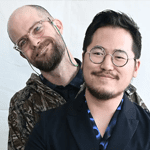
Every independent filmmaker begins with a dangerous idea: Maybe I can actually do this. Not someday. Not after permission arrives. Not after funding magically appears. But now. With whatever equipment is available, whatever collaborators believe in the madness, and whatever energy remains after work, bills, exhaustion, and doubt. That spirit runs through every second of this conversation with Bob Woolsey and Darren Borrowman.
Their story begins not with money, but with persistence. Two filmmakers navigating Vancouver’s massive production ecosystem—a city filled with Hollywood productions, giant crews, and studio infrastructure—while trying to carve out their own voice on almost no budget. Instead of waiting for an opportunity to arrive, they built momentum through short films, comedy sketches, web series, and 48-hour film competitions. The approach was simple: keep creating, no matter how small the project.
One of the most fascinating ideas discussed is how limitations became their greatest creative weapon. When producing their web series Bob and Andrew, they intentionally wrote simple scenes that could be shot cheaply and efficiently. Apartments became primary locations. Public spaces were used strategically. Crews stayed tiny. Instead of obsessing over expensive production value, they focused on writing strong material and maximizing the resources already available around them. That philosophy eventually carried into their feature film Do Something with Your Life.
There’s a powerful honesty in the way they describe crowdfunding. Today, crowdfunding campaigns often look like mini-Hollywood marketing campaigns, but when Bob and Darren launched theirs, platforms like Indiegogo were still unfamiliar to many people. They weren’t just selling a movie—they were explaining what crowdfunding even was. And despite all the effort, they learned quickly that raising money independently is rarely glamorous. It involved fundraisers at local bars, Craigslist editing gigs, bottle drives, and endless hustle just to keep production alive.
But perhaps the most revealing part of the conversation centers around distribution. Like many first-time filmmakers, they initially believed that completing a strong indie feature would naturally open doors at festivals and attract distributors. Instead, they discovered the harsh reality of modern independent cinema: distributors increasingly want recognizable stars or marketable genre films—especially horror. Their comedy feature received praise, but over and over they heard the same thing: Great movie… but come back with a horror film or a recognizable actor.
That realization completely reframed how they viewed filmmaking. The movie itself was no longer the finish line. It was the beginning of building an audience. That shift in perspective feels deeply important today. In the 1990s, filmmakers like Richard Linklater and Quentin Tarantino could emerge through festivals with small personal films. But Bob and Darren explain how today’s landscape is entirely different. Digital filmmaking has lowered barriers to entry, which means thousands of films compete for attention every year. Making the movie is only half the battle. Marketing, distribution, audience-building, and self-promotion have become inseparable from filmmaking itself.
Yet despite all the setbacks, there’s something deeply inspiring about their refusal to stop creating. At one point, they discuss using a Canon 5D Mark II DSLR to shoot their feature—a camera setup so stripped down that much of the film involved simply holding the camera by hand without professional rigs or support systems. But that minimal setup also allowed them to move quickly, shoot in public without attracting attention, and capture moments they never could have achieved with a massive crew. Constraints became style. Resourcefulness became production design.
And underneath all the technical discussion lies the most important lesson of the episode: filmmaking is fundamentally collaborative. Both Bob and Darren repeatedly return to the importance of building a trusted creative team. Not just talented people, but people willing to endure difficult productions together. People who believe in the work enough to survive exhaustion, uncertainty, and impossible deadlines. “Film’s a team sport,” Bob says near the end of the conversation, and that idea quietly becomes the emotional core of the entire episode.
Because independent filmmaking is rarely defeated by lack of talent. It’s usually defeated by isolation. The filmmakers who survive are often the ones who find collaborators willing to stay in the trenches beside them long enough to finish the work.
And perhaps that’s the most valuable thing Bob Woolsey and Darren Borrowman offer here—not just filmmaking tactics, but proof that persistence itself is a creative skill.
Right-click here to download the MP3
Alex Ferrari 0:00
Enjoy today's episode with guest host Dave Bullis.
Dave Bullis 0:00
Hey everyone, thanks again for joining me for another episode. Joining me today are is Bob Woolsey and Darren Borrowman. They have been collaborators through their company, Borrow Time Productions, for nearly a decade now. They're now launching Borrow Times' first feature film, Do Something with Your Life, on the self-distribution platform, vhx.com You can actually go buy or rent the film, along with a plethora of bonus content, including the 90 minute anatomy of a movie that breaks down the entire process of actually producing this first feature film on a shoestring budget. They are hailing from Canada. Bob and Darren, how are you?
Darren Borrowman 0:59
Oh, hello there.
Bob Woolsey 1:00
Very good.
Dave Bullis 1:01
Good thing you know, I've actually been to Canada a few times. I was in the Kitchener area.
Darren Borrowman 2:34
Oh, what are you doing, Kitchener?
Dave Bullis 2:36
The first times I went up there, I was training with a Kung Fu Grand Master.
Darren Borrowman 2:42
Oh, wow. As you do in Kitchener,
Dave Bullis 2:43
yeah, as anybody does. You know, it's a legendary story of an American boy who travels to Canada to train with a Chinese grand master, and the other times we're all just for vacation purposes,
Darren Borrowman 2:56
Right on, right on. But always over on the on the eastern side of the country, huh? You haven't been to Vancouver yet?
Dave Bullis 3:02
No, I have not, unfortunately.
Darren Borrowman 3:04
Well, come on over.
Dave Bullis 3:05
Yeah, I know. I really should. I really should get more to Western Canada.
Bob Woolsey 3:10
Yeah, you should get out here, and you know, I remember on your episode with Peter Marshall, he was also kind of trying to get you out here. So, anytime you want to come to Vancouver, you've got people to meet up with, that's for sure.
Dave Bullis 3:20
Well, you know, it's funny about Peter, he's actually moving to China.
Bob Woolsey 3:23
He's in China now. Yeah,
Darren Borrowman 3:25
We, we know, we know Peter, and we've worked with Peter quite a lot, and yeah, he's he's a great guy. I was actually just listening to the, the episode that you did with him recently, and love Peter,
Dave Bullis 3:39
He's, and he's a phenomenal guy, a very good film teacher, as well.
Darren Borrowman 3:44
Yeah,
Dave Bullis 3:44
Everything he, all his advice is always solid.
Darren Borrowman 3:47
Yeah, he's kind of been, I think, a bit of a mentor for us, because we're kind of in the same same circles, and we've worked with him quite a bit. So he's all of, he's just a wealth of knowledge. Yeah, yeah, Peter's awesome.
Dave Bullis 4:01
Yeah, and it's amazing, too. You know, how even you know we're in two different countries right now, just, you know, how small the film network is. You know, it is globally. You know, it seems like everybody always knows somebody else.
Darren Borrowman 4:13
That's true, totally, totally true. Yeah, and it just gets smaller. I think
Dave Bullis 4:18
It's true. It is, you know, for some reason I have a lot of friends and in England who've never met each other, but I'm always like introducing them, and they're just like on the next town over, even though I'm like, you know, 6000 miles away from them.
Darren Borrowman 4:31
Yeah, yeah.
Bob Woolsey 4:31
Well, I mean, it's great that people like you do these podcasts and things, and I think really knit that network together, right? So this is awesome.
Dave Bullis 4:39
Oh, well, you know, thank you, and I try my best. So, you know, speaking of, you know, I want to get to talking about you guys. You know, you guys have been working together for nearly a decade. You know, so how did you guys end up, you know, sort of meeting, and you know, how did you guys start collaborating? How did that all start?
Darren Borrowman 4:55
Well, we both went through the Vancouver film school. A, but at separate times I went through the film production program and finished up in about the middle of 2006 I guess, and Bob, you had already finished up your program, the writing program.
Bob Woolsey 5:15
Yeah, I had taken the writing program there, and I finished in 2005 and then we kind of found each other in a weird way, Darren, who also does some acting and went to theater school before coming to film school, came and tried out for this sketch comedy group that I was running, and so Darren got into the group and we were working together, he was an actor and I was producing some shows, some live comedy shows, and then there was a day where he started talking about directing this music video, and then I started talking about some writing that I had, and then we, you know, sort of sparked from there, and, and eventually ended up culminating in "Do Something with Your Life" which, which we just launched,
Dave Bullis 5:53
You know. And by the way, I actually saw that, and it was actually a very well done job by both of you, which I wish I want to get to in just a little bit. You know, I was, I was reading your bio, you know, in 2010 you guys made a web series called Bob and Andrew, which was nominated for a Leo Award. So, you know, what was the impetus to create a web series?
Bob Woolsey 6:12
I, my writing partner Andrew, and I, who the show's named after, appropriately, we had been writing a bunch of comedy together, and we, we just, he also, he wrote "Do Something with Your Life" I produced. I didn't, I didn't write that one, but we were writing together, and I had been going through some life events. I had recently sort of come out as, as gay, and I want to kind of work through that, and, and so the whole idea behind the web series was just kind of like putting down on paper all of the strange things that happen when you go through one of those big life events, and you sort of, you know, you look back on it as a bit of an observer, and you think that was strange, and like, why couldn't I get to that place sooner, and you know, you just examine that whole thing. So the idea behind that web series was just to try and, you know, make fun of all the stupid stuff that you go through during that time in your life, and so Darren obviously is, as the director of note that I know, directed the series for me. So, yeah, that was a, that was a great time. And the Leo Award was really cool. The Leo Awards are sort of the Western Canada Film Awards, so that was a fun time, even though we didn't get a chance to win. But yeah, that was kind of the first thing that, that kind of put us on the map in the community here in Vancouver.
Darren Borrowman 7:23
The show also picked up a couple of the LA Web Fest awards.
Bob Woolsey 7:28
Yeah,
Darren Borrowman 7:28
We sent both seasons one and two to the LA Web Fest, and and it sort of got celebrated there as well. So that was kind of cool.
Dave Bullis 7:37
Now, is that a stole a line for anyone to watch?
Bob Woolsey 7:40
Yeah, if you go to YouTube and just search Bob and Andrew web series, I think our the direct link is youtube/bas1004 You can watch it there. We're also gearing up to do a new batch of episodes that are little bigger and better and more produced than the last group, so that should be out sometime next year, maybe next, maybe this time next year. We should have that done. Yeah,
Dave Bullis 8:07
So I wanted to ask, you know, about that web series, you know, about producing it. So, when you, when you sat down to write it, and you know, and to sort of plan this entire season, did you sort of, you know, plan it with, "Hey, listen, I don't want to spend a lot of money, I don't want to, you know, you know, maybe we don't have, you know, all this, these locations or all this extra gear. So did you sort of reverse engineer it, where you decided, hey, let's, let's shoot this at my house, or let's just try to keep it as low budget as possible.
Bob Woolsey 8:34
We do everything that way, we're not Darren in particular, but me too, we sort of share this sensibility of not really wanting to wait for something or not really wanting to convince too many other people about what you're doing having merit, we just want to go out and do it, and so with the web series in particular, and and do something with your life, we shot the first season of the web series and do something with your life around the same time, so yeah, we completely reverse engineered that. The whole idea was just to showcase the writing and make the writing as tight as possible, as like a comedy sample. And then Darren's just a master at kind of taking, you know, shoestring bubble gum and a couple of paper clips and making it look really good. So
Darren Borrowman 9:17
One of the things, though, that that these guys did when they were writing it, was write it really simply. I mean, it's written, you know, it's not written to be like a genre thing or anything super crazy and hard to produce. It was really like, you know, it's a sitcom style thing with a single camera, so we needed, you know, some.. we need a home base for the apartment location, and you know, we'd shoot a few things outside here and there, and you know, the production value in the first season is certainly a lot lower, because I think I was like a one person crew, I think at one point I was running the camera and holding a boom microphone and trying to slate at the same time and give direction and try to remember to take the lens cap off, but in the second season we ended up bringing a few more people out to help us, and we started getting permission to shoot in cafes and other public places, so we kind of upped the production value that way, but, but it was still, you know, pretty much super low budget kind of thing. I think the biggest cost on most of the productions that we've done has been, you know, feeding the crew, or just a few, a few sort of art costs, or something like that.
Bob Woolsey 10:41
When you don't have a super high production value, you kind of have to make the writing good. You have no other choice, right? So, I think that kind of played to what we were trying to showcase anyways, which was the writing. So, hopefully that that came through.
Darren Borrowman 10:55
Yeah,
Dave Bullis 10:56
So when you went out to, you know, find these locations, you know, did you, you know, set out to not only just, you know, get it for the one time, it was like a cafe, for instance. Did you actually think about, you know, I could build a relationship with, with these page, these owners, that way I could film there in the future.
Darren Borrowman 11:12
We definitely got that with some places. There's actually a couple of places around town that we've shot a number of times, like there's there's a local bar just around the corner from where we work that funnily enough they're having their their 10 year anniversary and they've kind of been a fostering place for us, you know, we've had a lot of fundraisers and we've had a lot of parties and after parties and and and events just going to watch, you know, hockey games and things like that. So, we've had a lot of good times there, and the guys that run the place are really awesome and let us shoot there from time to time. So, yeah, definitely,
Bob Woolsey 11:52
It's a bit of a chicken and the egg thing, because I think a lot of the places that we approached for those locations, and even like favors for if you need a bit of gear or whatever else, it's all people that we kind of knew ahead of time, so you had that relationship going in, and then the other places that we needed to kind of shore up, you know, if we need a specific place we didn't know somebody or whatever, then we approached, and those, those ones are a little bit more difficult relationships to maintain, just because you know if you're going and shooting a place, you know how sort of kind of you have to take it over, and you have to really worry about leaving it better than you found it, but even so, it's a bit of an imposition, particularly when you don't have a lot of money to pay for these locations. So, we find that it's definitely best to kind of, you know, be a person about town, and you know, be a regular at certain places, and when you do become a regular, get to know the bartender, get to know the manager, get to know, you know, the barista, whoever it is, and then eventually that'll lead to when you do need something, you can, you can have those people to go to, and they know you, and they like you already, and they didn't, they know that you've spent some money in their place before, so,
Darren Borrowman 12:54
And they know you're not going to burn their location either.
Dave Bullis 12:56
Yeah, very true. You know, there was a place around me that I was able to shoot in about five years ago, and it was a bar, and basically I just went up to them, and I found them, actually the first meeting between them and I became was actually through social media, I actually sent them a message through Myspace. Do you guys remember Myspace?
Darren Borrowman 13:18
I met my wife on Myspace. that's all we are.
Dave Bullis 13:24
Well, I'm glad someone actually remembers it, because when I talk about Myspace, they're like, "What? What the hell?
Darren Borrowman 13:28
What's on Myspace, bro?
Dave Bullis 13:31
As a quick little note here, Myspace was one of the best dating sites I've ever been on. I actually went on more dates through Myspace, and you know, Facebook and Twitter, I don't, I don't get to any dates at all, but
Darren Borrowman 13:44
This was like Tinder's grandpa,
Dave Bullis 13:46
Yeah, exactly. She was also good because you work that Myspace angle, so they can't actually see me full on, because once they see me full on, they're like, oh my god,
Darren Borrowman 13:58
My wife's a musician, and, and so she was using Myspace for, you know, promoting her music, because that was the other thing that Myspace was really great for, was, you know, you could put up some music, or, you know, if you just had a band or a song that you liked, I remember you could set that as sort of like your welcome music to your Myspace page, so, so I ended up, I think she liked my blog, and I liked her music, or something like that. We've been together ever since.
Dave Bullis 14:25
See, Myspace, the best dating site that ever was.
Darren Borrowman 14:29
I mean, what happened? I think I've deleted my account now, but unfortunately,
Bob Woolsey 14:34
Apparently there's still a bit of a music scene there. They've retained, so that I don't know. I'm trying to hear a little bit more about it again, but yeah, I think the social media part of it's pretty much gone. It's over.
Dave Bullis 14:41
Yeah, you know, because once Justin Timberlake bought it, he.. it's like an indie music scene now.
Darren Borrowman 14:47
Wasn't that just in the movie The Social Network, though? He just played that guy. Yeah, different guy.
Dave Bullis 14:55
So, as we talk, you know, about building relationships, you know, you got. Guys ended up in 2003 making a short film. I'm sorry, I don't even butcher the name. What is the title?
Bob Woolsey 15:05
Fidelium, 2013 you made that. Yeah, Fidelium. Yeah,
Dave Bullis 15:09
Okay. I, you guys know, you listen to the show, I butcher names all the time, so
Darren Borrowman 15:12
That's totally fine.
Dave Bullis 15:13
I, you know, English, the English language is tough for me. So, Fidelium was, no, it was chosen, you know, by none other than George A. Romero, George A. Romero, as the winner of the 2013 you know, Bloodshots Canada Horror Short Film Competition. You know, so you know what was the impetus in creating a, you know, the script for that?
Darren Borrowman 15:31
Well, it's the Bloodshots was actually a 48 hour film festival challenge, you know, like one of these film slams where you don't do a whole lot of preparation before they pull the trigger.
Bob Woolsey 15:44
Well, you do a lot of preparation in terms of like gathering your team, getting your tools together, but you don't know, you don't write the script, yeah,
Darren Borrowman 15:49
Right. So they give you an inspiration package with, you know, a character or a line of dialog or a prop or something like that, and the idea is to craft the whole story using those things in a way that you know doesn't feel like it's been forced in, you know, it's all sort of organic, and and you write it and you shoot it and you edit it and then deliver it within a 48 hour timeframe, and they're intense, but they're awesome, and we've done, we've done a bunch of those before here in Vancouver, they got really popular for a few years, there was at least two or three of them every year with a lot of the same people here in the film community that were doing them, so we, you know, we combined forces and, and got our, our, our inspiration package on the Friday afternoon, Friday evening, and went for it, and we, and then Bob ended up writing the script, and you know, we had a team of, I'd say, probably about 10 people or so helping with makeup and costume, or some camera stuff, and a couple of actors on standby, ready to jump in, and other friends ready to take part, and then we just blast through the whole weekend as hard as you can to rush to the finish line and deliver this, this it's about eight minutes short horror film,
Bob Woolsey 17:10
And we were, we were really lucky on that one. We, we had a great team, we had helping us produce was Lindsay Mann, who I've done for productions, who helped on Charlotte's song, which I, you know, that was later on, but and then we had as our makeup artist on that one was Darlie Eden, who actually won Face Off that
Darren Borrowman 17:28
Sci-fi show,
Bob Woolsey 17:29
The sci-fi makeup show. So we had a really talented team on that one. Our actors are, were really great, and so yeah, no, that we already kind of have a style of filmmaking that that suits those competitions, because, like, I say, we're pretty impatient people, so when we do want to make a movie, we do make it relatively quickly. So those competitions are great for us and keep us really sharp, and they're a really great way to build your network, because you get out and not only do you have to build your own team to go out and make the movie, but at the same time you get to kind of rub elbows with everybody else, because you're at the event where they, they kick it off, and then there's a big screening at the end of it, so they're really wonderful events. And having George A. Romero be the judge that ultimately selected our film as the winner was really cool.
Dave Bullis 18:13
So, did you get to meet George?
Bob Woolsey 18:15
He wasn't in town, no, we didn't get to meet him, unfortunately, but they sent, they sent the movie to him, and he sent us this really nice little message, just talking about why he chose our film and the stuff that he liked about it, so it was pretty neat.
Dave Bullis 18:26
That's great, you know, because I know he lives in Canada now.
Darren Borrowman 18:30
Yeah, I heard that as well. Yeah, he's over, I think he's over around Toronto, I think on the other side. Yeah,
Dave Bullis 18:37
Because when I traveled out to Pittsburgh for one of the Night of Living Dead festivals, they actually had mentioned that that George was living in Canada now, and they actually did a Night of the Living Dead, I think, was either a stage play or a musical, but
Darren Borrowman 18:53
That's awesome.
Dave Bullis 18:55
Yeah, I didn't get a chance to check it out, but I mean, I heard it got great reviews, so, but you know, you know, back to, you know, your short film, is it available online anywhere for anyone to watch?
Darren Borrowman 19:05
It is, yeah, you can. I think we've got it. I'm not sure if I'm thinking it's a YouTube link. I'll look it up and give it to you here in a sec, but it, it's Fidelium, I think you can Google, you know, borrow time films, Fidelium Bloodshots 2020 20 1320, 13, something like that. Yeah, and you know, and it's like I say, it's about eight minutes long. It's got some wicked, some wicked makeup. The prosthetics, in fact, that that Darla came up with were amazing. Actually, at one point, my fun little anecdote from, from shooting was the amount of blood that we had, because it's called bloodshots, you know, you got to have a lot of blood, and the amount of blood that we had got really overpowering under the hot lights, and everybody looking at it, it got just so gory that some of the, some of the crew actually had to step off set. They're like, "I can't look at this, it's too.. it's too much. My brain knows that it's fake, but my guts are telling me I gotta get out of here. But the crazy thing was that all the blood's made out of syrup, and under the hot lights it starts smelling a bit like pancakes, so mostly I was just hungry during the whole quite amazing. It was great.
Dave Bullis 20:30
All right, guys, we just shot a horror film. Let's go grab some pancakes.
Darren Borrowman 20:34
Come on, let's go.
Dave Bullis 20:36
So you kept this, you know, this going because you know in September of this, of this, this past September, excuse me, they, you know, you supported Done For Productions on the dark fantasy feature Charlotte song, which actually had I win Rihanna from Game of Thrones, and you know, so did you want to keep, you know, working in the horror genre, or was that just sort of like a happy coincidence?
Darren Borrowman 20:57
I think horror is kind of a happy coincidence, I mean horror, and sort of the genre of horror, thriller, I mean, even sci-fi, they're they're great genres to play in, and they're they're a lot of fun to make, especially when you're dealing with things like makeup and effects and things like that. I don't know that it's really what what either of us are immediately drawn to, but there's those, the other aspects, you know, in, in the production side of making these things that are a lot of fun, or that sometimes you can do on a on a smaller budget and make it really effective, you know, so those are the kinds of things that we're really excited about, but I think also with Charlotte Song, just getting the opportunity to work with someone like I believe it's Ewan, Ewan, you want, he's Welsh, so it's a challenging name to pronounce, but to be able to work with him and a lot of the other people that we've worked with, and just kind of, you know, step the whole production up a level, the production was, I think, it was about 27 days of filming through the through June last year was a real treat, you know, to just sort of level up in general was great, and to do it with, with a lot of the people that we've been working with was fantastic.
Bob Woolsey 22:20
Yeah, it was Lindsay Mann who produced Fidelium. She was one of the producers from Dun For Productions, and that her and Jessica Lee Clark Bojan have have that company, and they were they were looking to sort of really swing for the fences on this film, and kind of, you know, demonstrate this model that we believe in of not a ton of money, but having really talented people, and allowing a lot of people to kind of level up and do something that they might not get to do on their regular day job, because in Vancouver here we've got a lot of service work for LA, but we don't have a lot of stuff where you know people get to, you know, be the screenwriter, be the director, be that kind of stuff, it's all it's all sort of labor work to serve, you know, the wonderful network television shows that shoot here, and I love them, but, but the idea was to sort of gather all that talent together, let people move up a notch, and, and, and really make something special, which, which I hope we did, but it really for us came down to working with a really talented group of people that, that we've kind of through that last decade of collaborating together have seen around town and worked on their stuff, and they've worked on our stuff, and just really continuing those relationships through to what was pretty much the biggest and most complex show we've worked on. So that was that was a really fun time on Charlottesaux.
Dave Bullis 23:39
You mentioned the all the Hollywood productions that come to Canada, and that's very true, you know, because whenever you know I've been a part of a production, that's one of the things that comes up, is those tax incentives, and they're always, you know, talking about, hey, this is what we have in the States, but if we go to Canada, you know, we also have to factor in the currency exchange,
Darren Borrowman 24:00
Totally, I mean, the exchange rate's really good for you guys right now, and you know, we've looked at some of the different tax incentives, not that we really qualify for them, because we've got such small budgets at the moment, but you know, we've, we've seen that if you do some really creative math and and production organization, I suppose you can get as much as like 40% or 45% of your of your output back in tax incentives,
Bob Woolsey 24:35
Mostly it's all labor costs, so I mean it's all about like for us to keep our budgets low, we get a lot of people that come out and help us, and you know, work for, for little or no money, and get a share of our film, right, but, but a lot of people, if you wanted to pay, you know, union labor rates, you would be getting 40 cents on the dollar back immediately in return, just for employing, you know, British Columbia filmmakers,
Dave Bullis 24:58
And you actually just I. Raise another good point, too, which is I was actually listening to a podcast, and the guest was Don Simmons, and he actually mentioned that was when, if you don't have money, he goes, but you really want to work with certain people, whether it be actors or crew, one of the best ways to get them on board your production is to actually offer them, you know, some points on the back end, some shares of your film.
Bob Woolsey 25:23
Yeah, it's true. I mean, that's something that I think if it's your first time putting a film together, you know, you got to be a little bit careful with that, because you can give away a lot of equity in the back end of the film. And one of the things that I think a lot of people do in another sort of model of things is they hand out a lot of deferrals, where I say, you know, you come on board, Dave, and help me as my DOP, or whatever, and I'll pay you half your rate now, and I'll pay you half your rate when the movie makes money, but the thing that people need to remember is that, you know, these deferrals, and if you are handing out backend points, if your movie, you know, does do quite well, and you end up making quite a bit of money on it, that can really affect the back end of that film, or it can make your movie really not attractive to distribution to sell it. If you know somebody owns a bunch of back end points, or somebody owns, you know, there's all these deferrals that need to be paid out, so you just have to be careful with that, and sort of look down the road. And I'd suggest that anybody that's thinking about doing that gets some advice, but if you're starting out and there's not a lot of money in the budget, I think giving people an ownership share in your movie is, is, you know, it's fair, because these people are putting their blood, sweat, and tears in, just like you are, and if you can't afford to pay them, the least you can do is allow them to share in the success, if the movie does get out and make some money,
Dave Bullis 26:39
So then you know, now you've made your feature film, Do Something with Your Life. It's available now on vhx.com So I wanted to, you know, talk to you about that. Is you know, what was the impetus in writing this script?
Darren Borrowman 26:50
Well, the, you know, we'd sort of taken the momentum that we built with these different 48 and 72 hour film festivals, and I guess it was probably by about the time I was about five years out of film school, I had, you know, we'd been shooting a lot of short films or the web series, and been doing other things here and there, but really, you know, wanted to, wanted to do the first feature, and, and so I sort of, like, I'd been working with Bob and with Andrew, who ended up being the writer on the film, and sort of talked to them and our other friend Keith, who also took the writing program and came on as a producer, and the four of us, you know, I somehow conned them into coming along on this ride with me. I think it was in September 2009 I approached them just after my wedding and said, you know, guys, I want to make a feature film, and I would like to shoot it next summer, so let's, let's start working on it. And I think Andrew had a bunch of time on his hands, he was recently unemployed, or something along those lines, so he had a bunch of time to be able to work on the script almost full time, which was huge. So we started getting together for, you know, story and concept meetings at least once or twice a week through the whole fall, and you know, launched a launched a fundraising campaign by December of that year with the goal to raise about $10,000 to start shooting around the beginning, middle of June in 2010 I'd always kind of been inspired by stories from someone like, you know, Robert Rodriguez made his first film for like $7,000 on film, and, and I think after reading his book, I started thinking, well, yeah, I think I could probably do something like that, and that would be, that would be pretty great way to, you know, make a short, make a feature film on a small budget, but be able to potentially raise all the money ourselves, so that we're not indebted to investors, so that we can kind of make whatever movie we want to, and if it is a good movie, then people will want to see it, and if it's a bad movie, well, you know, it doesn't have to make any money. So that was kind of the start of it, I think.
Bob Woolsey 29:08
Yeah, and then you know the movie was a long and arduous journey, as many indie films are. So we shot through the summer weekends, through the summer of 2010 for about eight weekends. Post production was a was a bit of a challenge, and we got the movie cut together after about, you know, abyss was early 2011 We had the movie cut together in sort of a rough, rough cut, and we realized that, you know, certain things weren't working and other things really were working. So then we we basically excised an entire subplot of the movie that was just totally not working, and reshot an entire subplot with one of our actors, who he plays a different character. We completely cut him out of the movie and then put him back in the movie as a different character. So we reshot that and ended up premiering at the Olio festival in 2012 and then from there till now, we've just been kind of, you know, having cups of coffees with distributors and talking to people about that kind of stuff, and learning a lot about the indie film world, and now we're at this point where we can finally get it out and share it with people, and we're pretty proud, you know.
Dave Bullis 30:26
So, you mentioned you, you crowdfunded the project. What platform did you use?
Darren Borrowman 30:30
We, we used Indiegogo, and at that time it was there, was definitely not nearly as much crowdfunding as there is now. I mean, we didn't even have Kickstarter here in Canada at that point, and I see how many different options there are around North America specifically for crowdfunding companies. I know Seed and Spark, and those guys have been doing a lot of indie crowdfunding and things like this, but at the time I think the only option really for us was Indiegogo and our crowdfunding campaign was abysmal compared to what you see for, you know, successfully funded campaigns now. We, I think, we put together a short little video and a couple of pictures and a short little bio on the four of us. You know, I don't think we ever really intended for it, would have been great to get it outside of our network, but I think really what we ended up using Indiegogo for the most was for friends and family that weren't here in Vancouver and couldn't come to any of our fundraisers to be able to make a donation. We raised a couple $1,000 through the Indiegogo site, but you know that was only a small portion of of the budget, a lot of it came from these other fundraisers that we did here at at our at the bar that we go to all the time, Jagers, it's called, and and I started picking up a bunch of sort of, you know, editing contracts and things that go on Craigslist and find people that were looking for, you know, a short video that I could shoot that was going to be a relatively quick turnaround, or if other people needed some editing done, I started picking up whatever I could in my spare time to put all of that money into the into the budget, and Keith, our other producer, you know, even went so far as to, we thought of different ways that we could get other people interested in the film as well, and he started doing a bottle drive, which is something I don't think anyone's really done since I was in about grade five,
Bob Woolsey 32:28
And I wouldn't recommend it. We didn't make much money for the bottle drive, but it was a cool thing because it really kind of spoke to the will to get the movie made, and that was a thing that Darren was mentioning, how he somehow roped us into it. It really, it was just this, this madness in his eyes that he said, "I'm making this movie come hell or high water, and you can come or not. And so we came along, because I think that that's a point that I would definitely like to stress, is that you know, for young filmmakers, or anybody that's thinking about doing their first feature, you really need that madness and that dedication to say I'm gonna make this movie and make it work no matter what, because that really was what got this movie made, and that was all, Darren.
Dave Bullis 33:10
So, let me guess, when, when you were on Indiegogo, did you have to spend most of your time explaining what Indiegogo was? I had to, when I first did it in 2010 the next question, everyone's mouth was, "Wait, what is it called? Yeah, so did you have to do a lot of explaining about what crowdfunding was?
Darren Borrowman 33:29
There was a fair bit of explaining, but I kind of, I think that we just kind of said, you know, like, here's a link, follow the directions, and you can input your credit card details and add as many zeros as you can, and yeah, I don't think it was that difficult, but then we also didn't really have a lot of people going to it, you know, like I say, ours really was friends and family, and so it didn't, it didn't take very long to to explain that way, we haven't really done any crowdfunding campaigns since then, and I think you know, probably for one of our next projects, whether it's the next iteration of the Bob and Andrew web series or something else, you know, we're definitely going to be putting a lot more work into that crowdfunding campaign than we did the first one, because I think you have to, you know,
Dave Bullis 34:22
Yeah, very true, and you know, I still get, you know, friends, and even people who find me through the website or the podcast, and they send me links to their crowdfunding campaigns, and it's dead in the water, and they want to know what happened, you know, and you know, kind of give them some advice, and I'm like, well, you have no video, you've got no pictures, it's almost like, hey, listen, this is my campaign, you give me money, and we promise it's gonna look like something, but I'm sure you guys have seen those too,
Darren Borrowman 34:51
Yeah, for sure, and you know, I mean, the incentives are also pretty important, I think, you know, people want stuff, or at least. Want stuff, and if I'm going to film, if I'm going to fund a campaign, I mean, there's a big part of it, you know, something that I see where I'm like, oh, I'd like to see that, I definitely will help that out, that team out, or if it's, you know, friends or other filmmakers in the community where you see their campaign, it's like, oh, that's that's a cool idea, but then also, you know, the other side, and the thing that I think we got wrong on our, our Indiegogo campaign was those incentives. You know, a lot of times the tendency is to offer physical items, you know, whether it's signed posters or DVDs or T-shirts or whatever, and that kind of stuff also costs money to produce, so, and a lot of time, and a lot of time, and you know, if you end up sort of promising a lot of that kind of stuff, cool though they are. I sometimes wonder, for people that do that, how much of the money do they actually put into the into the project versus into the incentives, and I guess there's a balance back and forth, because it does get, you know, more interest or more visibility if people like those incentives, but I'm really excited about the idea, and I've seen a few other campaigns do this. Some friends of mine around Washington and the Seattle area have made a number of low-budget features now, and are using those, their past releases as incentive packages to fund their next projects, which I think is pretty neat, because you know it kind of gets the word of their previous projects out as a thank you for for donating to the next one, so it's kind of like promotional crowdfunding in a way.
Bob Woolsey 36:36
Yeah, I think it's you got to get the thing about crowdfunding is to you know, back when we did that campaign for Do Something with Your Life, and like you're talking about having to explain what Indiegogo was, we're not in that, that realm anymore. I think that the game, the bar has really been upped in terms of what you need for a successful crowdfunding campaign, and people expect it to be part of the story, part of the narrative, right? I mean, you need to, you need to be crafting it in preparing for it almost as much as you would for doing a film, you know, you've got to be generating content and being creative about what those rewards are, and making sure that it's a companion piece to your, to your movie, or whatever project it's for, not just, you know, a receptacle to get money, because people catch on to that pretty quick,
Dave Bullis 37:21
So do you think that for your next project you'll, you'll make another or launch another crowdfunding campaign?
Bob Woolsey 37:26
We're definitely gearing up to do one. We're kind of of the mind that you know when you do do one, you kind of got to make it count. And so, like Darren was saying, we're kind of, we're writing right now the next batch of scripts for Bob and Andrew, and once we've got those scripts done, we'll kind of assess, you know, what kind of budget we need for that, but I think we're looking at possibly doing a crowdfunding campaign for that batch of episodes, just because the show already has a little bit of a built-in audience. I mean, it's not much, but it's a little bit of a built-in audience, some recognition there. We've had some success with it in the past, and so I think that's that's important too, when you're crowdfunding is to show that what you're going to make has some validity to it, and people can go and look at things and know whether or not they'll be interested.
Dave Bullis 38:10
So, with your crowdfunding campaign for do something with your life, you know what was your most popular perk level?
Darren Borrowman 38:17
I think it was probably about $20 something like that,
Bob Woolsey 38:21
And for that they got a copy of the film and a poster, I think,
Darren Borrowman 38:26
Something along those lines. Yeah, I'd have to take a look again. There was a couple of different things, again, you know. It was like we were at the time, we were going to start making, I wanted to make DVDs, because I'm a big fan of physical media.
Bob Woolsey 38:38
Don't ever help them borrow and move. I've done it many times, and there's just a bunch of shed media
Darren Borrowman 38:44
Shelves of records and eight tracks, and yeah, mini discs, but yeah, I think probably around about the $20 range for for a crowdfunding campaign was was the most popular for us, and I mean we've only just launched the movie online itself through VHX, but that seems to be sort of like an average that people that are interested are willing to pay for either a good cause or maybe it's a lot of content, I mean, our film is on VHX as a with a pay what you want structure. I mean, we've got suggested prices for the deluxe package with all the bonus material and stuff like that. Well, there's minimum prices, basically. There are minimum prices, yeah, for sure. But you know, with the pay what you want, a lot of times people will, you know, give a little extra, which is always nice as well,
Dave Bullis 39:43
So you know, I have to ask the question. I'm sure you've all, you've been asked a lot, is which every filmmaker's asked, is what you shoot that on every film festival you go to, it's always so you know what you shoot that on.
Bob Woolsey 40:07
Darren's eyes just lit up. This is the question he loves answering.
Darren Borrowman 40:10
I love talking about beer and stuff. This is, this is exciting. Now you know it was funny because we shot, we were shooting the Bob and Andrew web series, we had borrowed a friend's Sony EX three, which is, you know, an HD 1080 camera that actually has interchangeable lenses, or you can, if you've got the right mounts and whatnot. We didn't have the right mounts, I think we had two lenses. We were playing around with this camera and shooting, and unfortunately, I think somebody tripped over a cable and the camera went lens first into the ground, and that, and we had by that point we had raised about $12,000 through our crowdfunding, or through all of our fundraising for the movie, and the first 2500 or so went into repairing this uninsured camera, which was unfortunate, but also a blessing, because it made us kind of go, well, this camera probably, you know, isn't going to work, because the,
Bob Woolsey 41:05
It's damaged goods now,
Darren Borrowman 41:06
The lens is shattered, so we need something else. Our cinematographer, Jordan Ewan, we'd worked with him a lot, and he was familiar with those cameras, but he also sort of pointed out the fact that some of these still camera companies were coming out with, you know, like DSLRs had just started coming onto the market, so he sort of said, "Let's take a look at this, this new one, the Canon 5d Mark two, it shoots 1080 video, and I've got a bunch of Nikon lenses, and all of the Canon purists cringed when he talked about putting Nikon lenses on a Canon camera, but, but that ended up being what we did.
Bob Woolsey 41:46
I think that was one of the smartest choices we made, having Jordan on board. I mean, the photography in the movie, because we had a tiny crew again, you know, very small budget. Jordan made that, that looked pretty good, I think, with those lenses in that camera.
Darren Borrowman 42:00
Oh, yeah, for sure, he was, he was fantastic, and you know, between the use of of the prime lenses that we had, and, and having the 5d as, as much as we made fun of it, because you know, Jordan actually works in the, in the industry here in town, as a second, he was just, you know, he was just in Dubai on the latest Star Trek movie, and he was, you know, he did the Monster Trucks movie or some big effects show, and so he's used to working with techno cranes and, you know, Arie Alexas, and just the full gamut of industry gear, so to suddenly sort of have him pick up a, you know, a two pound DSLR and go, okay. Well, we're gonna shoot the whole film with this, and
Bob Woolsey 42:44
Well, we didn't even have a kit for most of the time. I mean, there were some days where we had, you know, a kit where we had, you know, matte box, and no, like a shoulder. A couple of days, we did like we talked about this on the on some of the special features, and I noticed in the behind the scenes
Darren Borrowman 42:58
There's a map box.
Bob Woolsey 42:59
There was a map box on, like, one weekend that we had, but anyways, most of the time it was just Jordan holding the camera,
Darren Borrowman 43:05
It really was, it was there was no follow focus, and you know, if you ever tried pulling focus on a on a stills lens, it's like one millimeter equals a distance of, you know, 100 foot change, it's like, oh geez, the depth of field can be so shallow, especially if you're shooting wide open, that you know it's a miracle that everything is mostly in focus. So,
Bob Woolsey 43:27
The beauty of it was, though, we were able to bomb around and get a bunch of shots in public, and people didn't really bother us too much, because you know there's all that stuff in the beginning of the movie of Mike riding the bike around, you know, when he takes transit and stuff like that. We were able to bomb around with that camera, and nobody really gave us any trouble, because it looked like we were taking a bunch of stills, right? So, so that kind of helped, not having all of the bells and whistles on the camera, but the huge caveat being, make sure your DOP knows what the heck they're doing, because Jordan was, Jordan's a pretty skilled operator with that,
Darren Borrowman 43:59
Yeah, he, you know, the just the size of the camera itself, for instance, in the opening sequence, when we are riding around, you know, a lot of people ask, How did you get that shot, where the cameras right down at his feet, and he's riding, and it's like a pedal foot insert, and you know, we, we use a lot of C-stand arms, and kind of mounted the camera upside down, hanging off the back of a BMX, which you can't really do with, you know, $50,000 cameras. So, so that was a real benefit of using that particular camera. The the challenge, actually, with the camera, though, came in post because at the same time, you know, we ended up editing with with Final Cut seven, which famously could not handle H 264 video files, so the camera files that came straight out of the out of the 5d trying to edit those as compressed and small file size as they were was. Practically impossible, and it just kept crashing my program, so I learned a lot about the pop, the post process, you know, even though I had a lot of education in the whole world, a lot of things you don't know until you've actually been in that situation, so we ended up trans, like a terabytes worth of, you know, 16 gigabyte cards out of the out of the 5d and then editing it all from there, so
Dave Bullis 45:24
You know, I've had some friends too who've moved away from Final Cut seven. Well, actually, I'm sorry, they moved away from Final Cut X, because once X came out, they all either moved to Advid Media Composer or they went with the route I went to, which is Adobe Creative Cloud, just using Prelio Pro. So, if you were gonna, when you edit again, you know, do you think you're gonna go back to Final Cut Seven, or do you think you would use, like, you know, something like Premiere?
Darren Borrowman 45:47
You know, funnily, I, I was the editor on Charlotte Song last year, and we did edit in Final Cut Seven. I'm not a really big fan of Final Cut X either, and I did learn and train on Avid, but I haven't really used it quite as much, and I like the tactility of, you know, Final Cut or Premiere, and I've pretty much switched over to Creative Cloud myself, but last year, because I think I didn't have Creative Cloud at the time, I was pretty confident and solid still with Final Cut seven, so I ended up using that for Charlotte's song, but you know, moving forward now, I think pretty much everything I'm doing is all in Premiere, because it's a little bit more versatile, I think.
Dave Bullis 46:34
Yeah, you know, I actually edit this entire podcast and audition, which is a part of Creative, which is a part of the Creative Cloud, in case anyone's interested, as we talk all this techie geek stuff, as we get involved, move deeper into this. So, you know, you decided to distribute this movie on vhx.com and you know, as you were saying before, you know, you talked for, you know, months upon months with all these distributors. So, you know, what are some of the things that you took away from having all these meetings with these with these distributors.
Bob Woolsey 47:05
The biggest thing was, if you're going to do a comedy, you need a recognizable actor in your movie. Yes, it's, it's just a fact of life now. We thought that if we made a quirky enough, you know, comedy, that it would kind of stand alone, and the realities of the of the marketplace now is such that you know all the distributors that we showed it to, they all pretty much unanimously said, we love your movie, it's a great little movie, you guys are doing a good job, come back to us when you have either a horror movie with nobody in it or somebody in it's better, obviously, but a horror movie, science fiction, or you know, get a star in your movie and we can talk, but that was that was somewhat of a sort of realization that we had to come to very slowly over time, and when we first had the movie finished, and we had got it to a couple festivals, and we had our premiere here, self distribution seemed like a bit of a bit of a failure in a way, but with things like VHX, and with things you know, the other platform, because we looked at like five or six different platforms, and there's a lot of really good ones right now, and we went with VHX, just because it seemed to have the most versatility for us, but self-distribution now I think is a really viable option, and I think for, especially for people that are making their first feature, or people that are making super low budget features, and they can't, they can't get, you know, a star to be in their movie. Plan for self distribution. I mean, you're not going to make a ton of money, but you're going to get your movie out there, and you're going to start building an audience. And I think that that's the thing that a lot of people need to think about as well, getting into indie filmmaking, is that you can't put all your eggs in that first feature basket, that first feature now is almost more like what it was to have a really polished short film back when we were shooting on film, you know. It was so hard to make a movie back then, you had to, you know, you got a crew together, make a film, a short film on film, and get it out there, it could be a calling card. And now I think that first feature really has become your calling card, so I think I think that speaks also to the way that we do things, and just trying to keep things as cheap as possible, and you know, trying to, trying to really focus on the important aspects of the story, and, and you know, the acting, and trying to, trying to get some good cinematography in there, but, but doing it cheap, and making sure you don't owe anybody any money on that first feature, so that if you don't make any money, at least you can build your audience and build your name and build your reputation, and hopefully put that as a cornerstone towards your career.
Darren Borrowman 49:31
I think one of the things that that Bob also mentioned that I would, I would take away from the whole experience of that, of do something with your life, is you know, he said, plan for distribution, and that was not something that I was thinking about at all. I've been trapped in the 90s for most of my life, musically, and I mean, fashion wise, I tend to only wear plaid and grunge stuff, but you know, I was also thinking about the distribution. process in the early 90s, and thinking that we could sort of do the same thing, you know, you make a feature, send it to some festivals, they love it, you become the next, you know, Richard Linklater, or you know, Quentin Tarantino, or whoever, or whatever that is, and, and that was kind of the way that things went for a while, when, when it was a lot more challenging to make a film, because it was actually shot on film, and you needed a crew, and you needed a lot more money, and I mean, these guys had stars and things like that as well, but you know, I feel like the festivals in the early 90s were a very different thing than what they are now, and when we set out to make the movie, getting it out there and the distribution and everything that comes with finishing the movie was not at all what I was thinking about. My favorite time of the whole phase is the actual production, from when you've got the money or the green light, or you start doing it until you kind of hand it off, and you're finished with the end of the project, you know, it's edited, it's mastered, and you screen it. That's my favorite part. And unfortunately, the getting the money and the selling the movie, my least favorite parts are definitely probably two of the most important things that you really need to think about as a filmmaker, because a lot of times you aren't, and you don't want to, and you want somebody else to think about that for you, but you know nobody's really going to do that for you, you need to, you need to plan for that yourself,
Dave Bullis 51:38
You know, Darren, you made a very good point about the whole horror movie thing, because I've noticed that talking to more distributors, talking to more people who teach workshops, they always recommend a horror movie as sort of like your first, quote unquote, your first film, because horror itself becomes a becomes the main character.
Darren Borrowman 52:01
Absolutely, I mean, look at the top directors, you know, in North America right now, and even around the world. Some of the best directors started there, or the
Bob Woolsey 52:12
The new generations of the people that you're talking about, like the Richard Linklaters, and whatever that you're talking about now, it's like it's Eli Roth and James Wan and people like this that all came out of horror,
Darren Borrowman 52:22
Yeah,
Bob Woolsey 52:22
You know, they're they made their horror movies were their first ones, and they broke through with those, and that's that's the thing about today's marketplace is that no distributor is going to go near your movie unless they know they can sell it, not they think they can sell it, they know they can sell it, and the only genre out there that they know they can sell without having, like, I'm saying, some kind of bankable star, or at least recognizable star in your movie, is horror sci-fi to a certain extent, but horror really is where it's at for that kind of thing. So, I mean, if you're interested in horror as a young filmmaker, I'd say by all means dive in, and if you're not, just be aware of the reality that you know you're probably going to be looking at a self-distribution model, which is not the end of the world, it's, it's, it's, there's still a lot of really cool ways to do that and get it out there, but again, it takes a lot of effort and a lot of planning, and that handoff between filmmaker and distributor doesn't really exist like it did before, because even when you do get a distributor on board a small film, it's still really the onus is on the filmmaker to make sure that it gets out there and reaches its audience, you know. So, I think I think filmmaking is much more a 360 degree proposition than it ever has been. So, that's just something I think people should keep in mind when they dive into something like this,
Dave Bullis 53:36
You know. Very true, you know, guys, we've been talking for about 50 minutes now, so you know, in closing, is there, you know, anything that you would like to add to sort of put, you know, a period at the end of this entire conversation,
Darren Borrowman 53:50
You know, I think the process of making any film is is massive, it's such a lot of work, and it's, it can be really challenging at times, and there are plenty of times when you know when you go through production and things are challenging, and you've got a team of people there on set to sort of help you and support you through it, and you know, get through the either mental blocks or when things aren't going right, and then when you get into post production, sometimes you're by yourself, or you know, you, you feel lonely in the, in the edit suite there, and you get all the way through the to the end of it, and then you go through the whole slog of trying to get the movie out there and sell it, and a lot of times you feel by the by the time it's wrapping up, or that it's over, that you don't ever want to do it again, but then a week goes by, and you're like, I gotta pick up a camera and go and shoot something like now, and I guess that's kind of the definition of an insanity, but I think we're just gonna keep on doing that.
Bob Woolsey 54:58
Yeah, I think I would say too, and I think. This comes through in a lot of the special features that we, that we put on to for the do something with your life package, is that yes, we made all these mistakes, and we made, we learned all these lessons, and we have all this advice for young filmmakers, or whoever's going to start out on their first feature, about plan for this, plan for that, don't forget about distribution, but at the end of the day, buckle down and make your movie, that's the most important thing. Just get it done, and there will be times along the way where you feel completely exhausted or defeated, or whatever. The key to getting over that is to find good collaborators, and that's.. I think this movie is a testament to that. Darren and I have worked with the same people over and over again for the past, you know, eight years that we've known each other, and I'd say to anybody getting into this, make sure you have a team, because you can't do it by yourself. And so I would say to put a button on this conversation, I'd just say thanks to everybody that helped us make do something with your life, or any of those other projects that we talked about, because we couldn't have done it without any of them.
Dave Bullis 55:58
Yeah, and you know that's a great point too, is you have to build a team. You have to have a team. I know we can all - we all like to think of ourselves now as like a one man army. We can, you know, film, edit, cast, write all this other stuff. And then finally, it's like, oh my god, how did I get involved? I had some help.
Darren Borrowman 56:16
Yeah, totally.
Dave Bullis 56:18
It just, you know, and I've been there myself, where I've tried to do everything, and just like it just over it consumes you and overwhelms you, and then you're like, you know, maybe there is something to this whole teamwork thing.
Darren Borrowman 56:28
Yeah, I mean, I love doing a little bit of everything, you know. I like picking up a camera, I like doing sound work, and I like doing all these different things, but it's impossible to do everything at once, and you, you know, I think you, you build that team around you that can support you and people that you want to work with. That's the other big challenge, is you know, there's plenty of egos and whatnot, but when you find the people that you want to work with, and you can continue to work together, you know, and find a rhythm for making your production days, or you know, coming up with great ideas for stuff, then it just becomes it's not work, it's all fun.
Bob Woolsey 57:08
Well, I mean, film, films, a team sport, right? And I think the, you know, to use a sports analogy, you know, when, when you're down by a couple goals and you look down the bench, you want to see people that are going to go to battle for you, and I think that's the most important part, because you're gonna reach that point where you feel like you're defeated, particularly when you're, when you're like you're saying, Dave, doing a lot of stuff, and at the center of everything, so you know, being able to look over at somebody who's in the trenches with you, I think is really, really important,
Dave Bullis 57:37
You know, I can tell you're from Canada, because you got right to that hockey analogy.
Darren Borrowman 57:43
Big hockey player, Bob plays a lot of hockey.
Bob Woolsey 57:46
I do my best. Yeah, represent the Canadian way.
Dave Bullis 57:49
All right, guys, where do people find you out online?
Darren Borrowman 57:54
We're kind of all over, I guess. We've got the Borrow Time Films Facebook page is facebook/borrowtimefilms.
Bob Woolsey 58:04
The movie Do Something with Your Life is available @www.dosomethingmovie.com And then, other than that, Twitter is probably the best way to find us. I'm at Bob_Woolsey, and Borrow Time Films is that Borrow Time Films,
Darren Borrowman 58:20
and I'm at DBorrowtime,
Dave Bullis 58:23
And I will have those all in the show notes, everybody, so you can, you can stalk Bob and Darren all day long, and but
Darren Borrowman 58:32
As always on social media, so if you tweet at him, he'll probably get back to you within about 10 minutes. Oh, well, let's not get too carried away. Oh, they promise you. yeah, I mean, we, you know, we like connecting with, with other people and hearing other people's stories, especially when it comes to indie filmmaking, and there's, there's a lot of other great stories, and other people making really great films out there, and I want to see more of them, I'm thinking about in January, setting a challenge of watching only independent films, like possibly not necessarily going to the theater, but just looking around and finding stuff that I've never heard of, and watching just brand new stuff for an entire month, and see what that's like. Well, there you go. If you, if you have an indie film, send it to Darren. Yeah, send me your films. I want to watch stuff I've never heard of, and never seen.
Dave Bullis 59:23
Well, there you go, like we were saying before the show. I always get people hitting me up for that stuff, so I will start saying them your way, sir. And you'll be like, "God, I'm so sorry I ever heard this, Dave Bullis guy?
Darren Borrowman 59:35
Stop going to work, and I'll just.. just watch movies all day. Sounds terrible.
Dave Bullis 59:38
You'll be coming to grow phobic, and just, you
Darren Borrowman 59:41
No!
Dave Bullis 59:43
Again, everything we've talked about, I'm going to have in the show notes, so it'll be very easy to navigate through this entire interview again, guys. Bob, Darren, I want to say, thank you very much for coming on.
Bob Woolsey 59:55
Thank you, Dave.
Darren Borrowman 59:56
Thanks, Dave, it's been great.
Bob Woolsey 59:57
Much appreciated.
Dave Bullis 59:58
Oh, my pleasure, guys. And I wish you the best.
Bob Woolsey 1:00:01
Cheers.
Dave Bullis 1:00:02
Take care. Bye. Bye.
Sign up to receive email updates
Enter your name and email address below and I'll send you periodic updates about the podcast.
LINKS
- Bulletproof Script Coverage – Get Your Screenplay Read by Hollywood Professionals
- Audible – Get a Free Filmmaking or Screenwriting Audiobook